Introduction
Artificial Intelligence has rapidly evolved from an experimental capability into a core component of enterprise software. Organizations now integrate AI into customer support, software engineering, cybersecurity, finance, healthcare, manufacturing, supply chain management, legal services, and business intelligence. Large Language Models (LLMs), Retrieval-Augmented Generation (RAG), AI agents, recommendation systems, and predictive analytics increasingly influence decisions that directly affect customers and employees.
While AI adoption has accelerated, enterprises have simultaneously recognized that building powerful models is only one part of successful AI implementation. Equally important are transparency, governance, security, accountability, compliance, explainability, and operational reliability. Poor governance can expose organizations to regulatory risk, data leakage, biased outcomes, security vulnerabilities, and reputational damage.
As governments, industry bodies, and enterprise leaders continue developing responsible AI practices, engineering teams are increasingly embedding governance directly into application architecture rather than treating it as an afterthought.
From the perspective of September 2024, Trustworthy AI has become an architectural discipline that spans software engineering, platform engineering, cybersecurity, legal compliance, and enterprise operations.
Industry Background
Organizations increasingly deploy AI across:
- ◆Enterprise search.
- ◆Customer service.
- ◆Software development.
- ◆Healthcare systems.
- ◆Financial analysis.
- ◆Manufacturing operations.
- ◆Internal knowledge platforms.
Technology leaders increasingly prioritize:
- ◆Responsible AI.
- ◆Regulatory compliance.
- ◆AI observability.
- ◆Data privacy.
- ◆Security.
- ◆Governance.
- ◆Operational resilience.
The discussion has shifted from "Can AI be deployed?" to "How can AI be deployed responsibly at enterprise scale?"
The Business Problem
Enterprise AI introduces new categories of operational risk.
Organizations commonly encounter:
- ◆Hallucinated responses.
- ◆Inconsistent model behavior.
- ◆Sensitive data exposure.
- ◆Prompt injection attacks.
- ◆Model drift.
- ◆Regulatory uncertainty.
- ◆Limited explainability.
As AI systems become increasingly autonomous, organizations require mechanisms to ensure consistent, secure, and accountable behavior.
Trustworthy AI frameworks address these concerns through governance embedded throughout the software lifecycle.
Understanding the Technology
Trustworthy AI combines technical controls, organizational governance, and operational monitoring to ensure AI systems behave reliably and responsibly.
Rather than focusing solely on model accuracy, modern AI platforms evaluate:
- ◆Fairness.
- ◆Transparency.
- ◆Security.
- ◆Privacy.
- ◆Explainability.
- ◆Reliability.
- ◆Accountability.
Governance becomes an integral part of the AI platform rather than an external review process.
Core Architecture
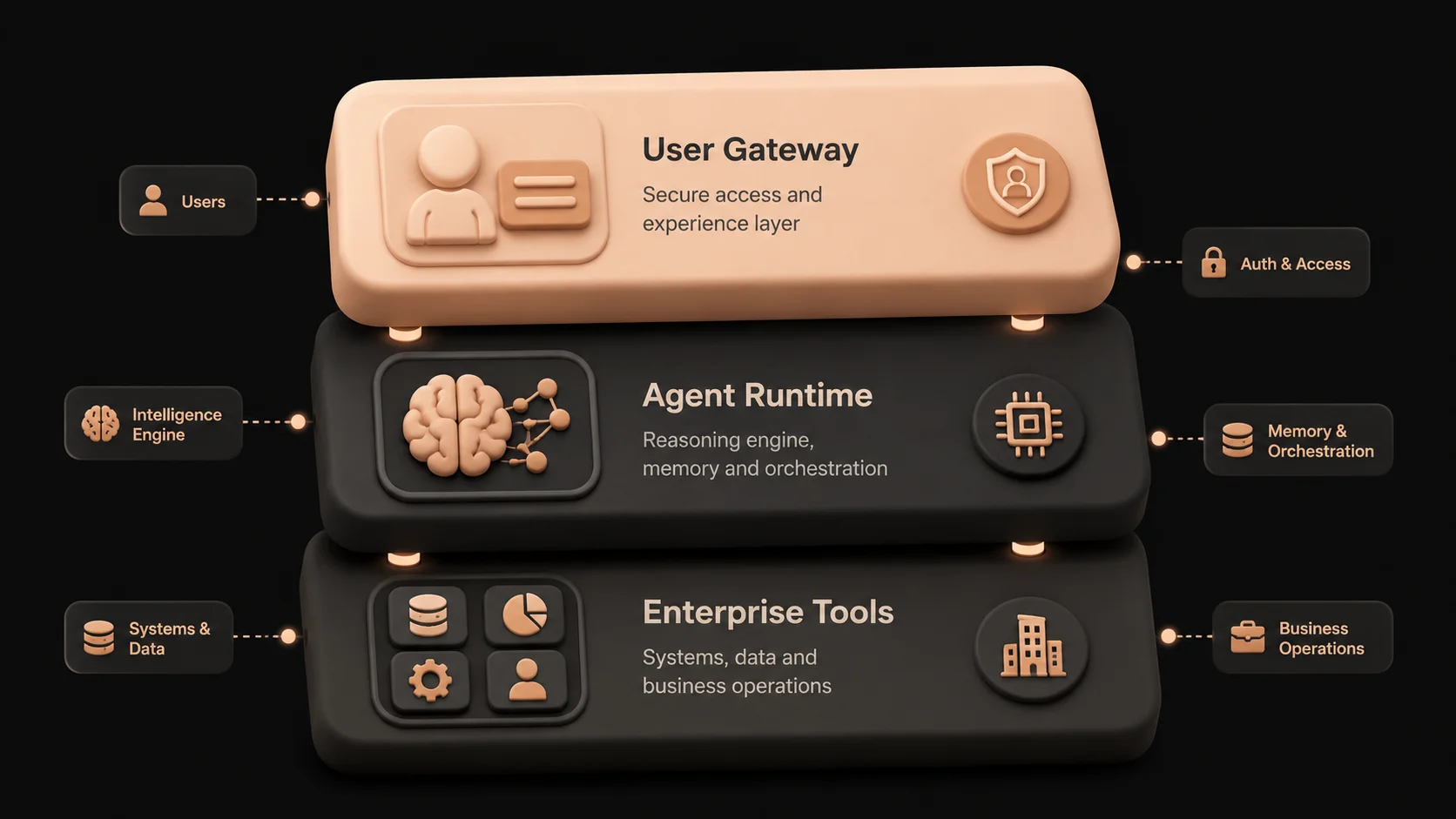
A simplified Trustworthy AI architecture appears below.
| Component | Responsibility |
|---|---|
| Client Applications | User interaction |
| AI Gateway | Authentication, routing, policy enforcement |
| Governance Layer | Compliance, prompt validation, policy checks |
| Retrieval Layer | Context retrieval and knowledge grounding |
| AI Models | Language, vision, and predictive inference |
| Observability Platform | Monitoring, logging, and evaluation |
| Enterprise Data Services | Secure business data access |
Governance controls operate throughout the AI request lifecycle, ensuring policies are enforced before, during, and after model execution.
Key Features
AI Governance Frameworks
The defining capability of Trustworthy AI is governance.
Modern governance frameworks establish policies covering:
- ◆Model usage.
- ◆Data access.
- ◆User permissions.
- ◆Prompt validation.
- ◆Output review.
- ◆Regulatory compliance.
Governance ensures AI systems operate consistently across the enterprise.
Explainability
Many enterprise use cases require users to understand how AI systems produce recommendations.
Explainability techniques help organizations:
- ◆Increase user confidence.
- ◆Support audits.
- ◆Improve debugging.
- ◆Meet regulatory expectations.
While explainability varies across AI technologies, organizations increasingly prioritize transparency in business-critical applications.
AI Security
Enterprise AI introduces security challenges beyond traditional application development.
Organizations increasingly defend against:
- ◆Prompt injection.
- ◆Sensitive information disclosure.
- ◆Unauthorized model access.
- ◆Malicious inputs.
- ◆Data poisoning.
- ◆Credential misuse.
Security controls extend across prompts, retrieval systems, APIs, and infrastructure.
AI Observability
Traditional monitoring focuses on latency and availability.
AI observability expands monitoring to include:
- ◆Response quality.
- ◆Hallucination detection.
- ◆Prompt performance.
- ◆Model latency.
- ◆Token consumption.
- ◆Knowledge retrieval accuracy.
Continuous monitoring supports operational reliability and governance.
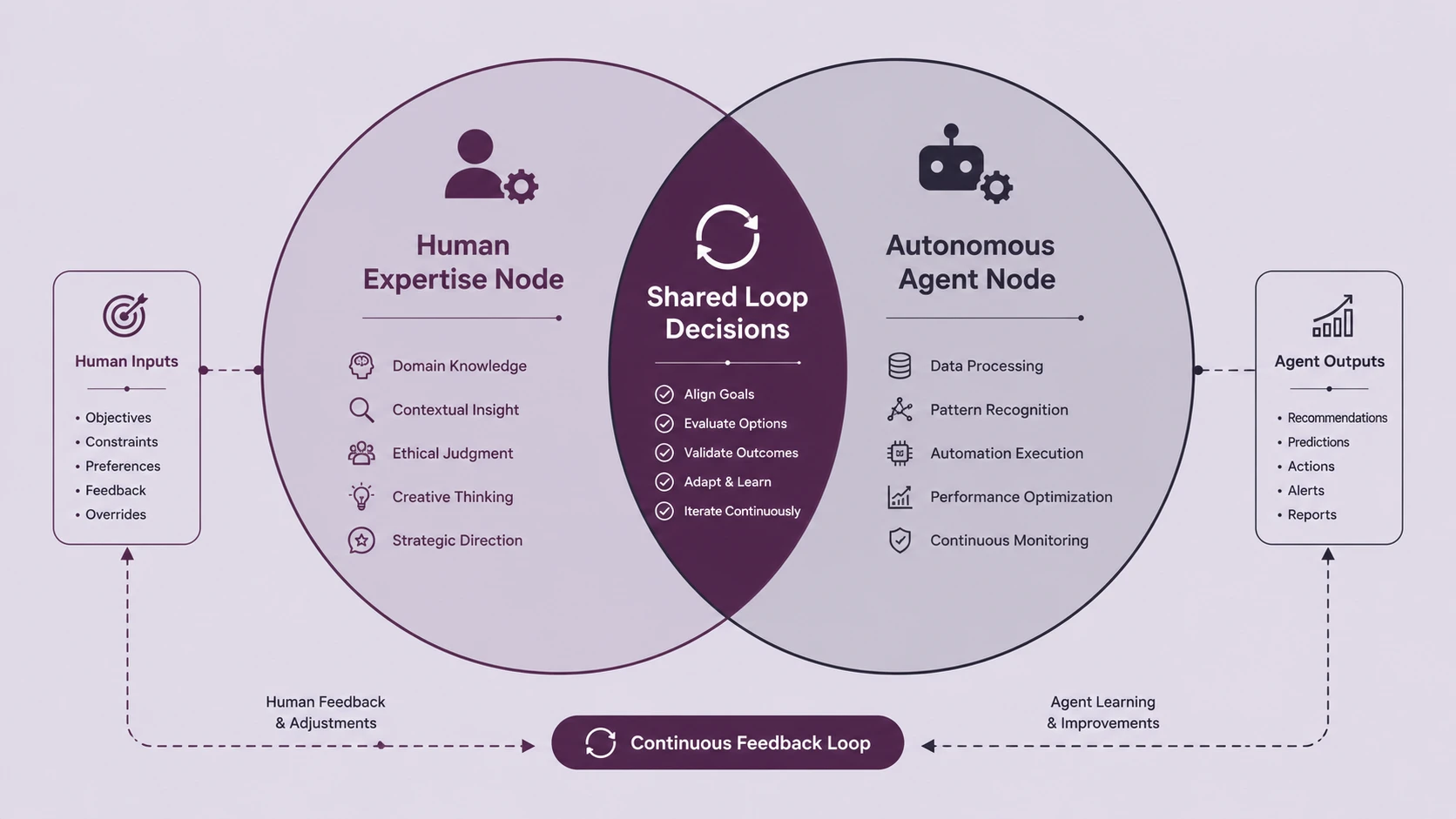
Human Oversight
Despite increasing automation, human oversight remains essential.
Organizations commonly require human review for:
- ◆Financial approvals.
- ◆Medical recommendations.
- ◆Legal analysis.
- ◆Security operations.
- ◆Regulatory decisions.
Human review helps ensure accountability while reducing operational risk.
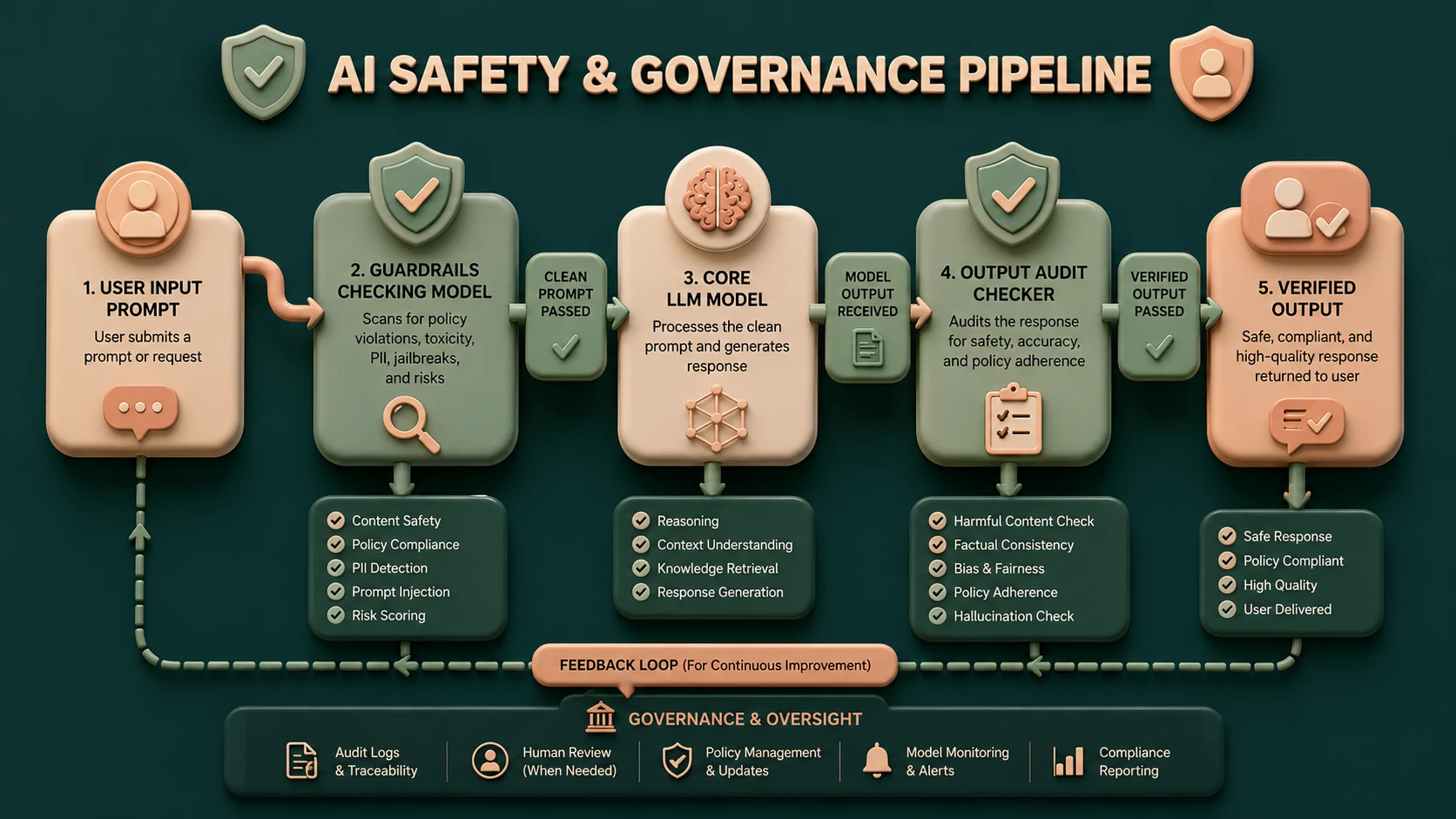
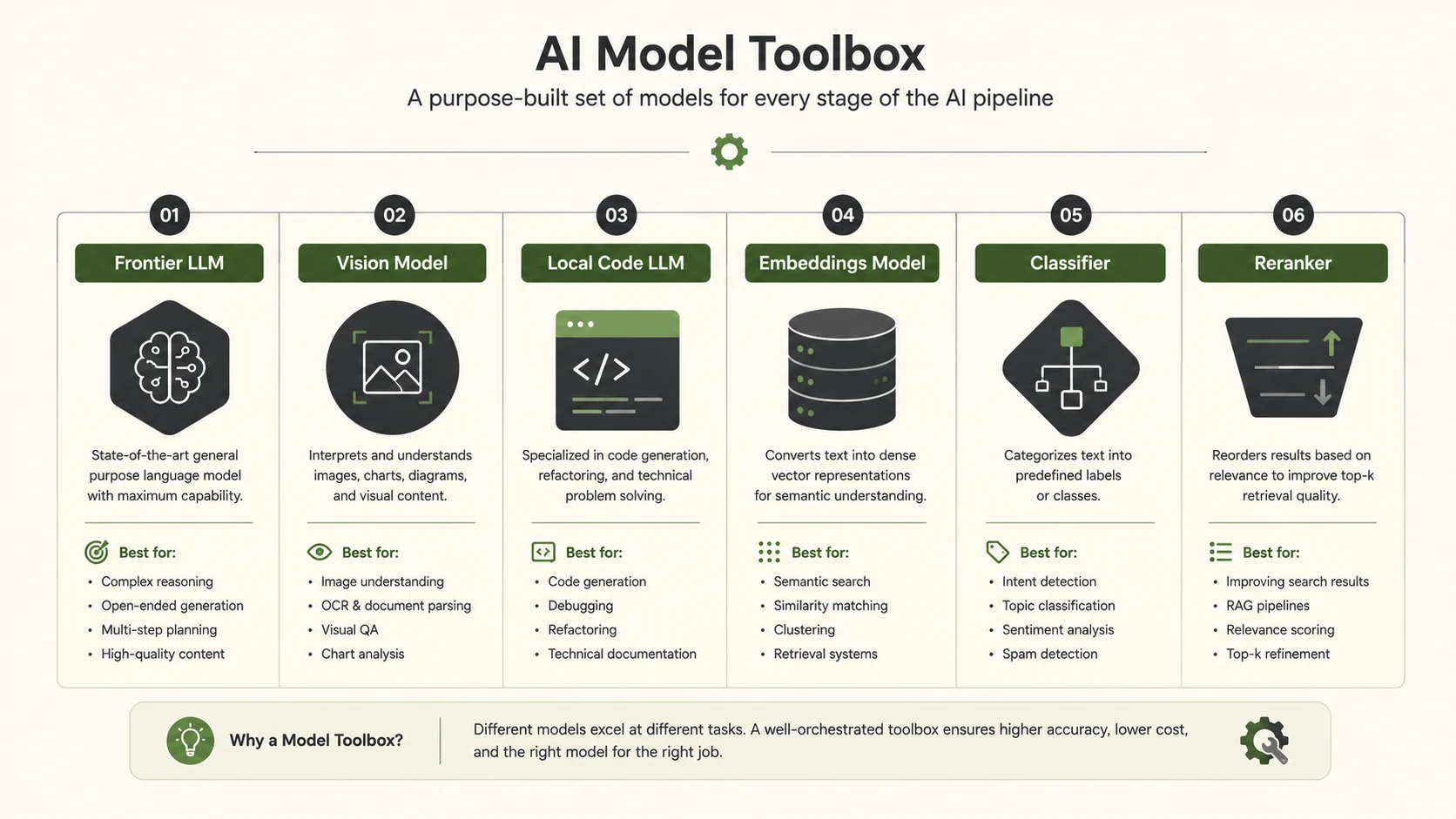
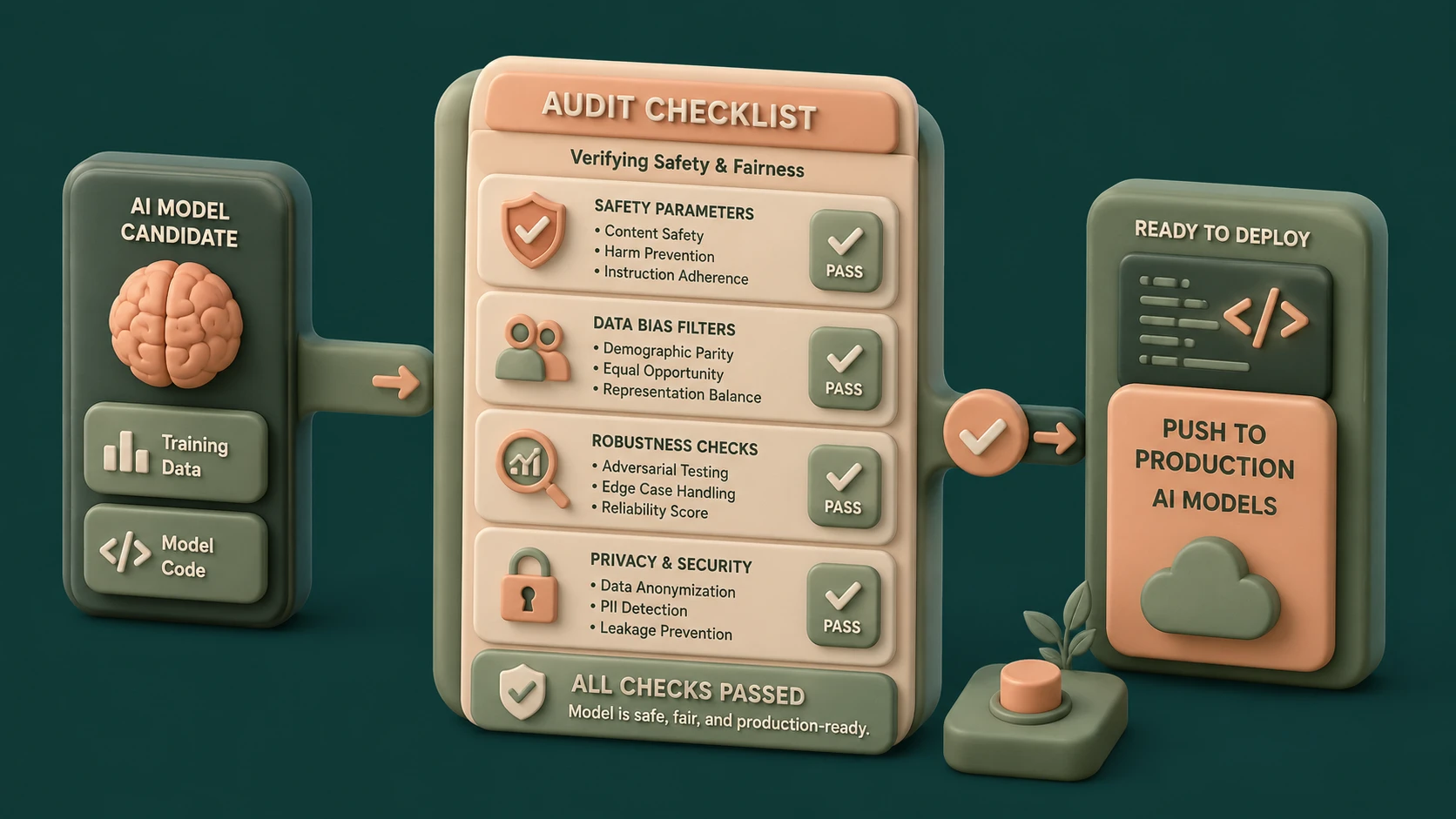
System architecture diagram and conceptual workflow layout for Trustworthy AI & Governance.
Responsible Data Management
AI systems depend heavily on enterprise data.
Responsible data practices include:
- ◆Data classification.
- ◆Access controls.
- ◆Encryption.
- ◆Data minimization.
- ◆Retention policies.
- ◆Audit logging.
Strong data governance supports trustworthy AI outcomes.
How It Works
A simplified governance workflow appears below.
User Request
       |
Authentication
       |
AI Governance Layer
       |
Prompt Validation
       |
Context Retrieval
       |
AI Model
       |
Policy Validation
       |
Logging & Monitoring
       |
Enterprise Response
Each request passes through governance controls before and after AI inference, enabling security, compliance, and observability throughout the interaction lifecycle.
Enterprise Use Cases
Financial Services
AI assists analysts while governance policies ensure sensitive customer information remains protected and decision-making processes remain auditable.
Healthcare
Clinical assistants retrieve approved medical knowledge while maintaining strict privacy controls and requiring clinician oversight for patient care decisions.
Enterprise Knowledge Management
Internal AI assistants enforce access controls, ensuring employees only retrieve information appropriate for their organizational roles.
Software Engineering
AI coding assistants integrate with enterprise repositories while protecting proprietary source code and following organizational security policies.
Customer Service
Conversational AI platforms apply moderation, policy validation, and escalation workflows before responding to customers.
Performance Considerations
Organizations implementing Trustworthy AI should evaluate:
- ◆Response latency.
- ◆Governance policy execution.
- ◆Retrieval accuracy.
- ◆AI response quality.
- ◆Monitoring overhead.
- ◆Infrastructure scalability.
Governance controls should strengthen reliability while minimizing unnecessary performance impact.
Security Considerations
Enterprise AI platforms should implement:
- ◆Strong authentication.
- ◆Role-Based Access Control.
- ◆Prompt filtering.
- ◆Sensitive data masking.
- ◆Encryption.
- ◆Audit logging.
- ◆Continuous threat monitoring.
Security should extend across AI models, APIs, retrieval systems, and operational infrastructure.
Scalability
Trustworthy AI architectures improve enterprise scalability through:
- ◆Centralized governance.
- ◆Standardized policies.
- ◆Shared observability.
- ◆Consistent security controls.
- ◆Automated compliance validation.
- ◆Enterprise-wide AI platforms.
These capabilities enable organizations to expand AI adoption while maintaining operational discipline.
Best Practices
Organizations adopting Trustworthy AI should:
- ◆Define governance policies before deploying production AI systems.
- ◆Protect sensitive enterprise information throughout AI workflows.
- ◆Maintain comprehensive AI monitoring and observability.
- ◆Continuously evaluate model performance and reliability.
- ◆Implement human oversight for high-impact business decisions.
- ◆Document AI architecture, data sources, and governance processes.
- ◆Regularly review AI systems against evolving regulatory and organizational requirements.
Successful implementation requires governance to be integrated into software architecture rather than added after deployment.
Common Mistakes
| Mistake | Business Impact |
|---|---|
| Prioritizing model capability while neglecting governance | Increased operational and compliance risk |
| Allowing unrestricted access to enterprise AI systems | Data exposure and security concerns |
| Ignoring AI observability | Limited visibility into model performance |
| Deploying AI without human review for critical decisions | Reduced accountability |
| Treating governance as a legal issue rather than an engineering responsibility | Fragmented implementation |
| Failing to validate retrieval sources | Lower response reliability |
Organizations should treat governance, security, and observability as first-class architectural requirements for enterprise AI.
Technology Comparison
| Characteristic | Experimental AI Deployment | Trustworthy Enterprise AI |
|---|---|---|
| Primary Focus | Model capability | Capability with governance |
| Security | Basic controls | Comprehensive enterprise security |
| Monitoring | Infrastructure metrics | AI quality, governance, and operational metrics |
| Compliance | Manual review | Integrated policy enforcement |
| Explainability | Limited | Business-focused transparency |
| Risk Management | Reactive | Continuous governance |
Trustworthy AI expands traditional AI engineering by integrating governance, compliance, security, and operational oversight throughout the technology stack.
Adoption Strategy
Organizations should implement Trustworthy AI through a structured approach.
- 1.Establish enterprise AI governance policies.
- 2.Classify AI workloads according to business risk.
- 3.Secure data sources and retrieval systems.
- 4.Implement centralized AI observability.
- 5.Introduce human oversight for critical workflows.
- 6.Continuously review governance, compliance, and operational performance.
This phased approach enables organizations to expand AI adoption while maintaining security, transparency, and regulatory readiness.
Limitations
As of September 2024, organizations should recognize several considerations.
- ◆Trustworthy AI frameworks reduce operational risk but cannot eliminate every limitation associated with AI systems.
- ◆Governance requirements vary according to industry, geography, and applicable regulations.
- ◆Explainability techniques differ across AI models and use cases, and not every system can provide the same level of interpretability.
- ◆Human oversight remains important for high-impact business decisions involving finance, healthcare, legal services, and public safety.
- ◆Long-term success depends on continuous monitoring, governance updates, organizational training, and evolving security practices as AI technologies continue advancing.
These considerations should guide enterprise AI adoption strategies.
Looking Ahead
From the perspective of September 2024, Trustworthy AI has become a defining characteristic of mature enterprise AI platforms. Organizations are no longer evaluating AI solely on model performance or productivity gains; they are increasingly assessing governance, transparency, security, compliance, resilience, and operational accountability as equally important measures of success.
As AI becomes embedded throughout enterprise technology stacks, governance will increasingly operate alongside authentication, networking, observability, and platform engineering as a foundational infrastructure capability. Organizations that invest in responsible AI engineering, standardized governance frameworks, secure data management, and continuous operational oversight will be best positioned to build AI systems that are not only intelligent, but also reliable, ethical, and worthy of long-term organizational trust.