The Enterprise AI Question Is Changing
For the past few years, one question has dominated enterprise AI strategy:
“Which AI model should we standardize on?”
Should an organization choose the most powerful model? The fastest one? The most cost-efficient one? A cloud-hosted model? Or a private model that offers greater control over sensitive business data?
The problem with this question is that it assumes there is one AI model capable of handling every enterprise workload equally well.
There isn’t.
As enterprise AI adoption matures, organizations are realizing that different workloads require different capabilities. A model that performs exceptionally well for complex reasoning may be unnecessarily expensive for simple classification tasks. A lightweight model that delivers excellent speed for high-volume customer interactions may not be suitable for advanced research, software development, or strategic analysis.
This shift is leading enterprises toward a new architectural approach: Multi-Model AI.
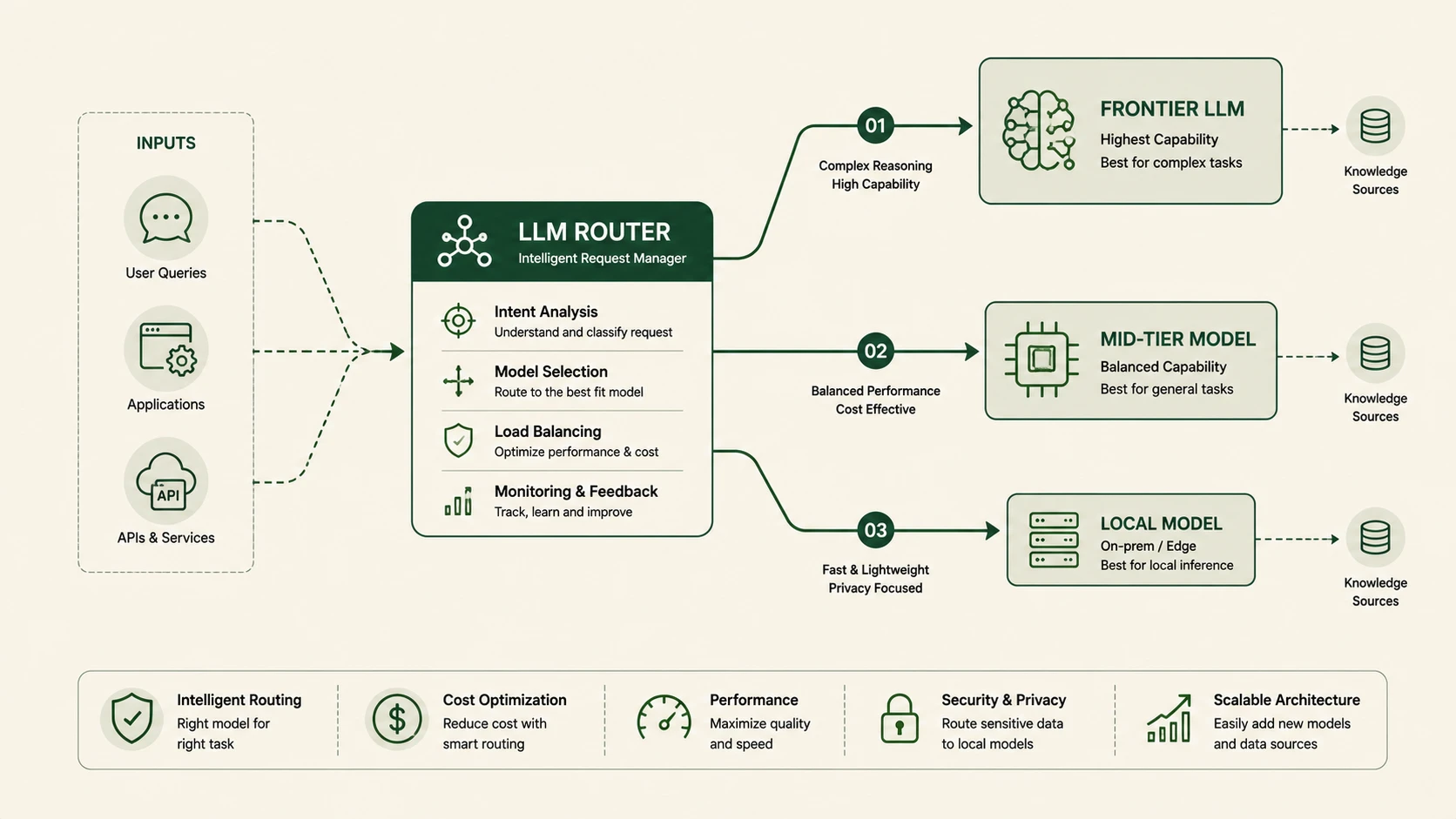
Instead of depending on a single AI provider or model, organizations can build intelligent systems that select the right model for each task based on factors such as quality, cost, latency, security, governance, availability, and compliance.
The future of enterprise AI is not about finding one perfect model.
It is about building an intelligent orchestration layer that knows which model to use, when to use it, and why.
---
The Limitations of a Single-Model AI Strategy
Standardizing on one AI model can appear attractive at first. It simplifies initial integration, reduces technical complexity, and allows development teams to build around a familiar API.
However, as AI adoption expands across an organization, the limitations of this approach become increasingly visible.
Consider a modern enterprise using AI across multiple business functions:
- ◆Customer support automation
- ◆Internal knowledge assistants
- ◆Software development
- ◆Document processing
- ◆Data extraction and classification
- ◆Marketing content generation
- ◆Business intelligence
- ◆Research and analysis
- ◆Workflow automation
- ◆Compliance-sensitive operations
These workloads are fundamentally different.
A customer service assistant may need fast responses and predictable operating costs. A research assistant may require advanced reasoning capabilities and a large context window. A document classification workflow may only need a small and efficient model. Sensitive financial, legal, or internal workloads may require private infrastructure and strict data controls.
Using the same AI model for all these tasks is similar to using the most powerful server in a data center for every application, regardless of workload size or business importance.
It may work, but it is rarely the most efficient architecture.
---
What Is Multi-Model AI?
A multi-model AI architecture allows an application or enterprise platform to work with multiple AI models rather than being tightly connected to a single model or provider.
The system can intelligently route each request to the most appropriate model.
For example, an enterprise AI platform might:
- ◆Use a highly capable reasoning model for complex analysis and strategic decision support.
- ◆Use a lightweight model for repetitive, high-volume requests.
- ◆Route sensitive workloads to privately hosted or on-premise infrastructure.
- ◆Select lower-cost models for routine automation.
- ◆Switch to an alternative provider when the primary AI service becomes unavailable.
- ◆Compare outputs from multiple models for high-value or critical decisions.
The application itself does not need to manage all this complexity.
Instead, an AI orchestration layer sits between enterprise applications and AI models.
A simplified architecture can be understood as:
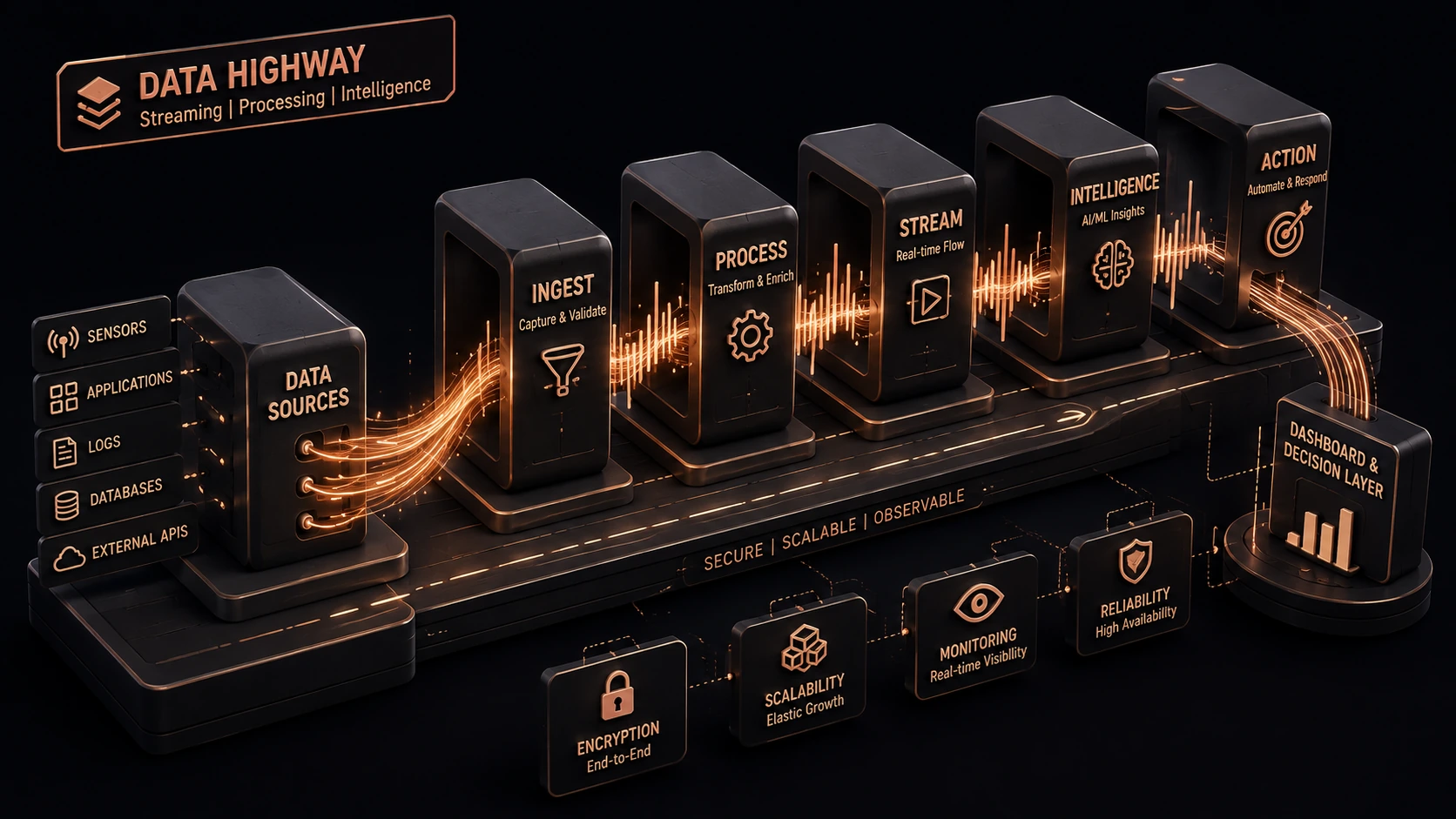
Users & Enterprise Applications → AI Agents → AI Orchestrator → Model Selection → AI Response → Governance & Monitoring
This orchestration layer is becoming one of the most important components of modern enterprise AI architecture.
---
Intelligent Model Routing: The Core of Multi-Model AI
The true value of multi-model AI does not come simply from connecting several AI APIs.
An application connected to five different models is not automatically intelligent.
The real value comes from intelligent model routing.
An AI runtime or orchestration system can evaluate each request and determine the best model based on defined business and technical requirements.
1. Capability-Based Routing
Not every task requires the strongest available AI model.
Complex tasks involving multi-step reasoning, deep research, architecture decisions, sophisticated code generation, or strategic analysis may require a highly capable model.
Simpler tasks such as:
- ◆Sentiment classification
- ◆Basic summarization
- ◆Information extraction
- ◆FAQ responses
- ◆Content formatting
can often be handled effectively by smaller and more economical models.
Capability-based routing helps organizations avoid using premium AI resources where they are not required.
2. Cost-Based Routing
AI costs can become significant when applications scale to thousands or millions of requests.
A multi-model architecture allows enterprises to define routing policies such as:
“Use the lowest-cost model that meets the required quality threshold.”
For routine workloads, the system can select an efficient model. For complex or high-value tasks, it can automatically route the request to a more capable model.
This creates a better balance between AI performance and operational cost.
Instead of reducing AI usage to control expenses, enterprises can optimize how AI resources are allocated.
3. Latency-Based Routing
Some AI workloads are highly sensitive to response time.
Customer support chatbots, voice assistants, real-time sales tools, and interactive applications require quick responses. In these scenarios, a slightly less powerful but significantly faster model may provide a better user experience.
For background research, large document analysis, or strategic planning, the system may accept higher latency in exchange for stronger reasoning and better output quality.
Multi-model routing allows latency to become an architectural decision rather than an unavoidable limitation.
4. Security and Data Residency Routing
Enterprise AI often handles sensitive information.
Depending on the workload, organizations may need to consider:
- ◆Data residency requirements
- ◆Industry regulations
- ◆Internal security policies
- ◆Customer confidentiality
- ◆Data retention requirements
- ◆Access controls
- ◆Auditability
- ◆Regional compliance policies
A multi-model architecture can classify workloads and route sensitive requests to approved private, regional, or on-premise environments while using external AI services for lower-risk workloads.
This provides flexibility without requiring every AI task to use the same infrastructure.
5. Reliability and Automatic Failover
No cloud service is completely immune to outages, rate limits, capacity constraints, or temporary performance issues.
If an enterprise application depends entirely on one AI provider, an outage can affect every AI-powered feature connected to that provider.
A well-designed multi-model system can detect failures and route workloads to an approved fallback model.
A resilient AI flow might look like this:
Primary Model → Retry Policy → Secondary Model → Private Model → Graceful Fallback
This approach improves reliability and reduces the risk of a single AI provider becoming a critical point of failure.
---
AI Models Are Becoming Infrastructure Components
One of the biggest changes in enterprise AI thinking is how organizations view AI models.
Initially, many companies treated the model itself as the core product.
But as the AI ecosystem evolves, models are increasingly becoming infrastructure components within larger intelligent systems.
The sustainable competitive advantage for an enterprise is unlikely to come only from choosing a specific AI model.
It is more likely to come from:

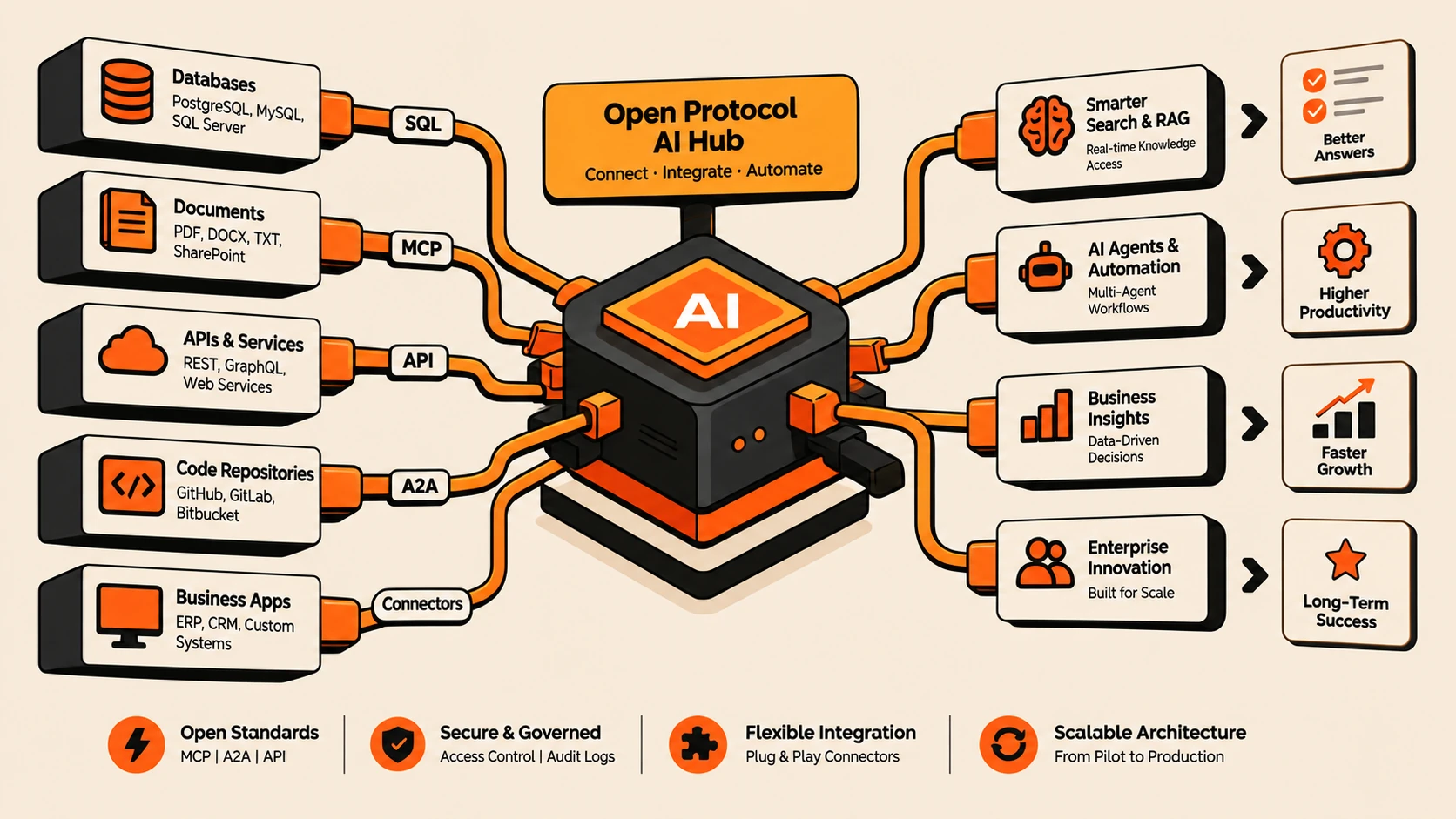
System architecture diagram and conceptual workflow layout for Why Multi-Model AI Is Becoming the New Enterprise Standard.
- ◆Proprietary business data
- ◆Domain-specific workflows
- ◆AI agent design
- ◆Retrieval and knowledge systems
- ◆Evaluation frameworks
- ◆Governance policies
- ◆Security architecture
- ◆Human approval processes
- ◆Model routing intelligence
- ◆Integration with real business operations
The model generates intelligence, but the surrounding system determines how effectively that intelligence creates business value.
---
The Role of the Enterprise AI Orchestrator
In a mature multi-model architecture, the AI orchestrator acts as the central intelligence layer.
It can evaluate several important factors before selecting a model:
Task Complexity: How difficult is the request?
Quality Requirement: What level of accuracy and reasoning is required?
Cost Budget: How much should the organization spend on this task?
Latency Requirement: How quickly is the response needed?
Security Classification: Can this data be processed by an external service?
Model Availability: Is the preferred model currently available?
Compliance Policy: Which models, providers, and regions are approved for this workload?
Based on these signals, the orchestrator selects the most appropriate model.
Over time, this layer can become even more sophisticated by learning from historical performance data.
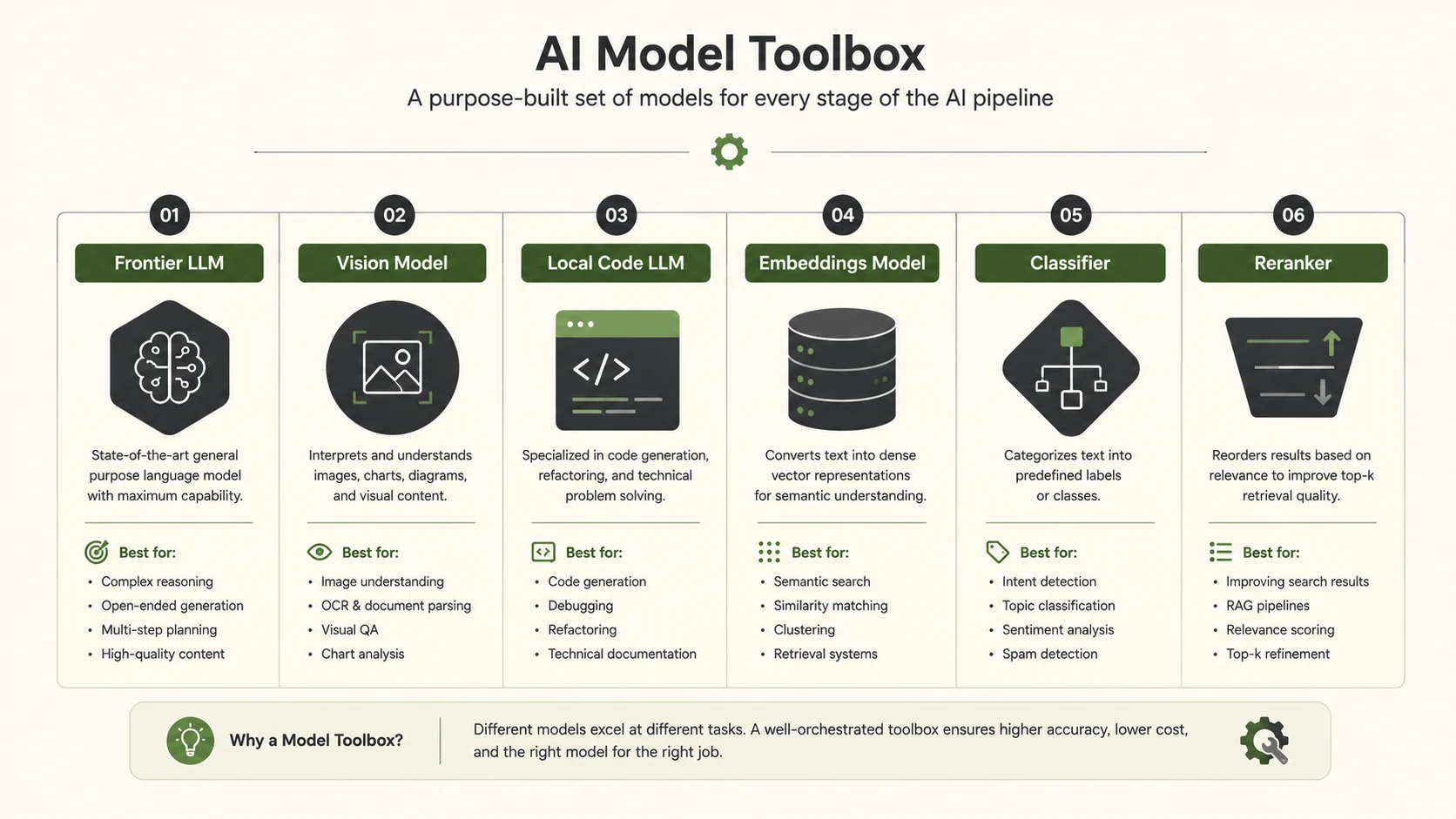
For example, an enterprise may discover that one model performs better for software development, another for document analysis, another for multilingual communication, and a smaller model for structured data extraction.
The routing system can continuously optimize model selection based on measurable results rather than assumptions or vendor preference.
---
Multi-Model AI and Agentic Systems
The rise of AI agents makes multi-model architectures even more important.
A sophisticated AI agent rarely performs only one task. It may need to:
- 1.Understand a user’s request.
- 2.Search internal knowledge sources.
- 3.Analyze retrieved information.
- 4.Create a plan.
- 5.Generate structured output.
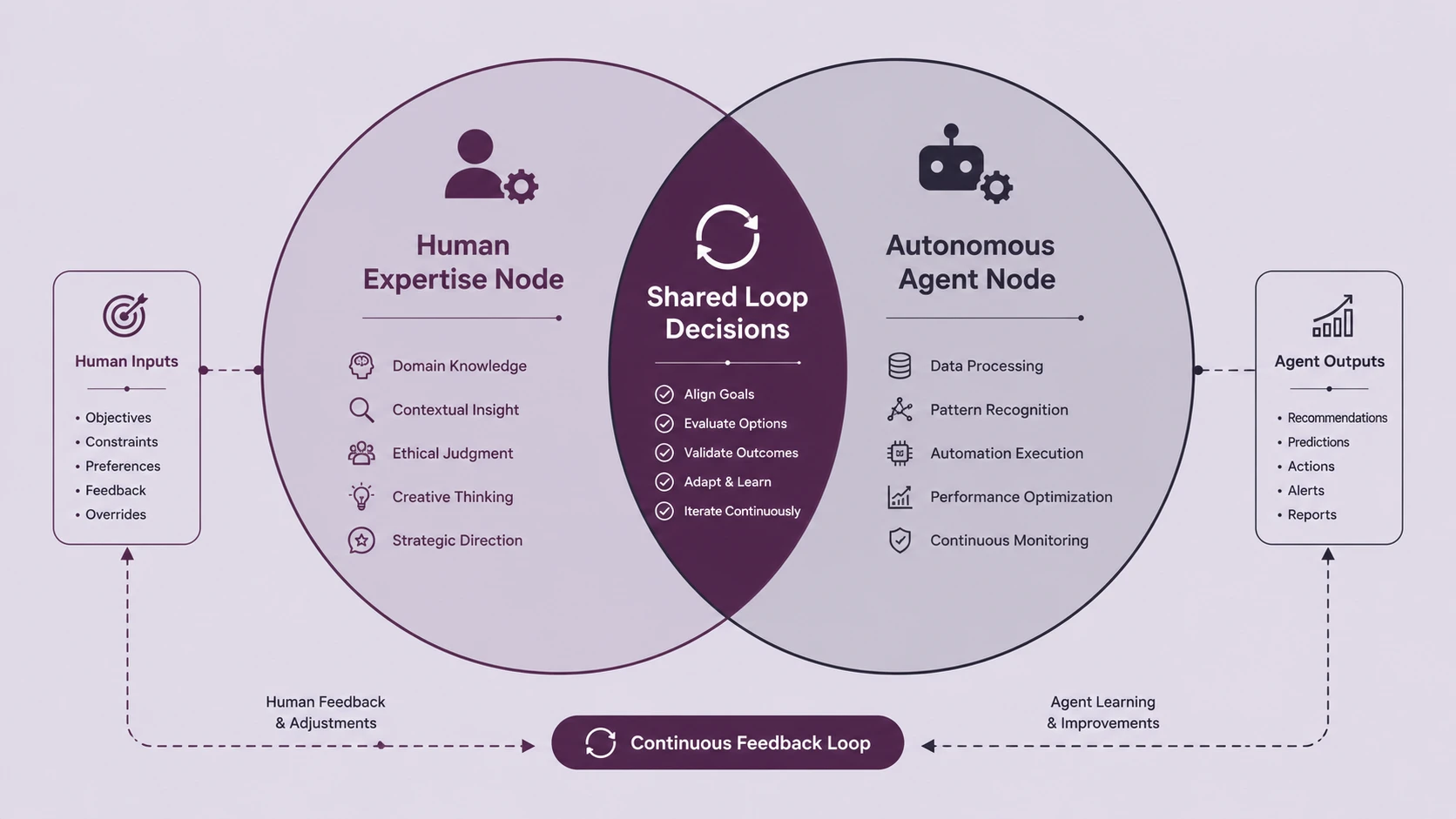
- 6.Execute an approved action.
- 7.Validate the result.
- 8.Create a final explanation.
There is no technical requirement for every step to use the same model.
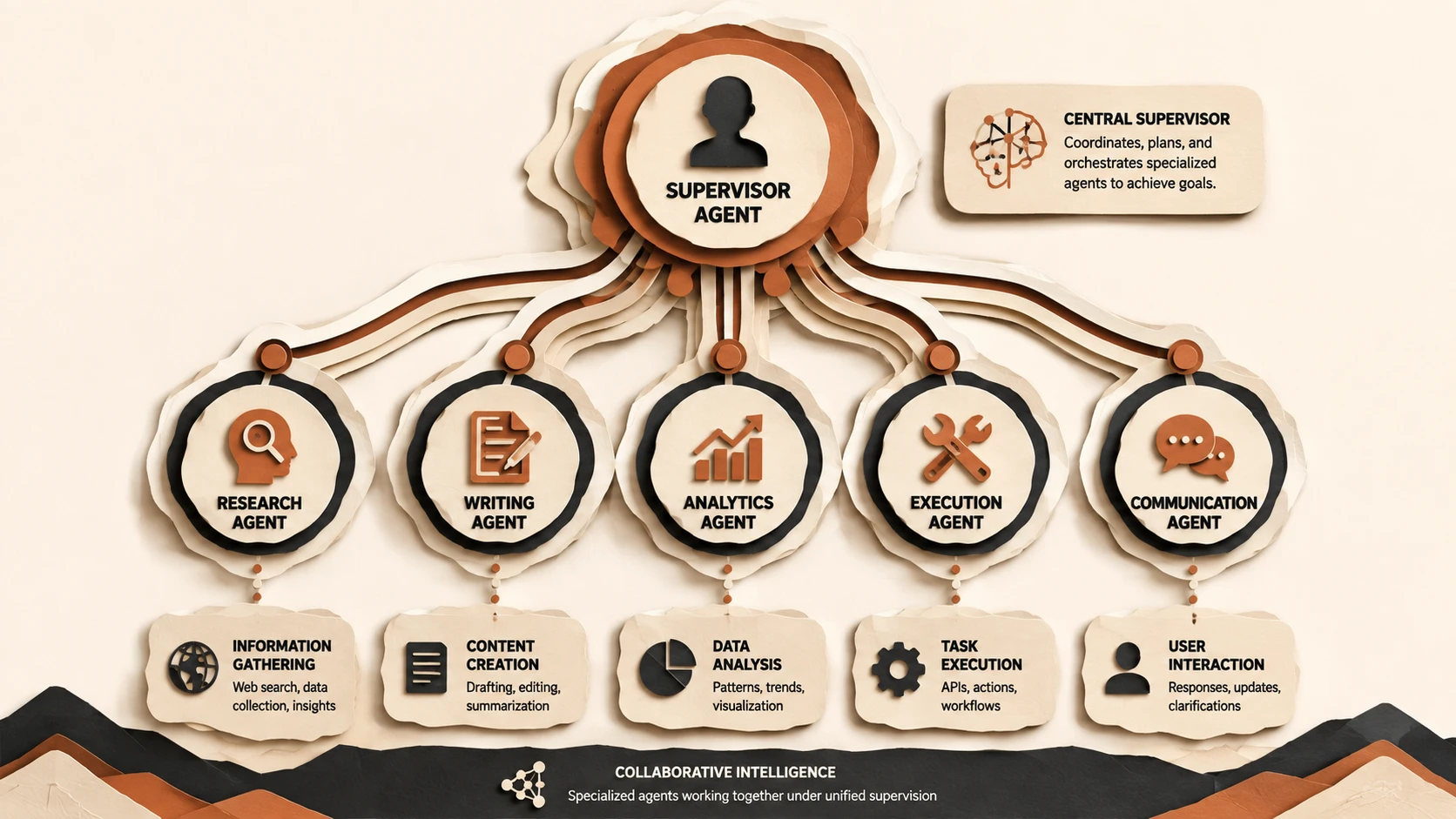
An advanced agentic workflow might use a fast model for classification, a powerful reasoning model for planning, a specialized model for software development, and a lightweight model for formatting the final response.
This approach can improve efficiency while keeping operational costs under control.
In the future, many enterprise AI applications may operate more like distributed intelligent systems, where specialized models collaborate behind a unified user experience.
---
Governance Becomes More Important, Not Less
Multi-model AI creates flexibility, but it also introduces architectural responsibility.
Organizations need visibility into:
- ◆Which models are being used
- ◆What data is being sent to each provider
- ◆How much each workload costs
- ◆How models perform over time
- ◆Which fallback routes are activated
- ◆Whether outputs meet quality requirements
- ◆Whether approved compliance policies are followed
- ◆How model behavior changes over time
This is why AI observability and governance must be built into the architecture from the beginning.
Enterprises need centralized policies, logging, model evaluation, cost tracking, access controls, monitoring, and audit trails.
Without governance, multi-model systems can become difficult to manage.
With the right governance architecture, however, they can provide significantly greater flexibility, control, and resilience than a single-provider strategy.
---
A Practical Enterprise Multi-Model Architecture
A modern multi-model enterprise architecture can be organized into several layers.
Application Layer
This includes enterprise applications, customer portals, internal assistants, automation platforms, copilots, and AI agents.
These applications consume AI capabilities without needing to manage individual model integrations directly.
AI Gateway Layer
The AI gateway provides a standardized interface for receiving requests from different enterprise applications.
It can handle authentication, request validation, usage policies, rate limits, and standardized communication between applications and AI infrastructure.
Orchestration Layer
This is the decision-making system responsible for:
- ◆Model selection
- ◆Intelligent routing
- ◆Cost optimization
- ◆Retry policies
- ◆Fallback logic
- ◆Workload classification
- ◆Quality thresholds
- ◆Security-based routing
This layer determines how AI workloads move through the enterprise architecture.
Model Layer
The model layer can include a combination of:
- ◆Cloud-based AI models
- ◆Specialized domain models
- ◆Open models
- ◆Fine-tuned models
- ◆Regional deployments
- ◆Privately hosted models
- ◆On-premise AI infrastructure
The organization can select the best available model for each workload.
Governance and Observability Layer
This layer provides:
- ◆Security controls
- ◆AI monitoring
- ◆Cost tracking
- ◆Model evaluation
- ◆Compliance policies
- ◆Audit logging
- ◆Performance analytics
- ◆Quality measurement
Together, these layers create an enterprise AI platform that can evolve independently from individual model providers.
When better models become available, they can be evaluated and integrated without redesigning the entire application.
---
The Business Benefits of Multi-Model AI
For enterprises, the move toward multi-model architecture is not only a technical decision. It can provide direct business advantages.
A well-designed multi-model strategy can help organizations:
- ◆Reduce unnecessary AI infrastructure costs.
- ◆Improve application reliability.
- ◆Avoid excessive dependency on a single provider.
- ◆Select better models for specialized workloads.
- ◆Meet different security and compliance requirements.
- ◆Adopt new AI capabilities faster.
- ◆Improve response times for latency-sensitive applications.
- ◆Build more resilient AI agents and automation workflows.
- ◆Maintain greater architectural flexibility.
Most importantly, it gives organizations the ability to adapt.
The AI market is evolving rapidly. The strongest model for a particular workload today may not remain the strongest option tomorrow.
An architecture that can evaluate, replace, and intelligently route between models gives enterprises the ability to evolve without rebuilding their entire AI platform.
---
The Future Isn’t One Model. It’s Intelligent Orchestration.
The next phase of enterprise AI will not be defined by a single model winning every workload.
Different models will continue to have different strengths.
Some will lead in advanced reasoning. Others will lead in speed, efficiency, privacy, specialization, multimodal capabilities, or deployment flexibility.
Successful enterprises will build systems capable of taking advantage of this diversity.
The most important question will no longer be:
“Which AI model are you using?”
The more important question will be:
“How intelligently does your platform orchestrate AI across workloads?”
Organizations that build strong orchestration, governance, evaluation, and routing capabilities will be better positioned to control costs, maintain reliability, improve security, and adopt new AI capabilities as technology continues to evolve.
The future of enterprise AI is not about betting everything on one model.
It is about building an intelligent system that knows how to use the right model for the right task at the right time.