# The Next Enterprise Gold Rush Is Not AI Models — It Is AI Governance
*June 2026 Enterprise Intelligence Report*
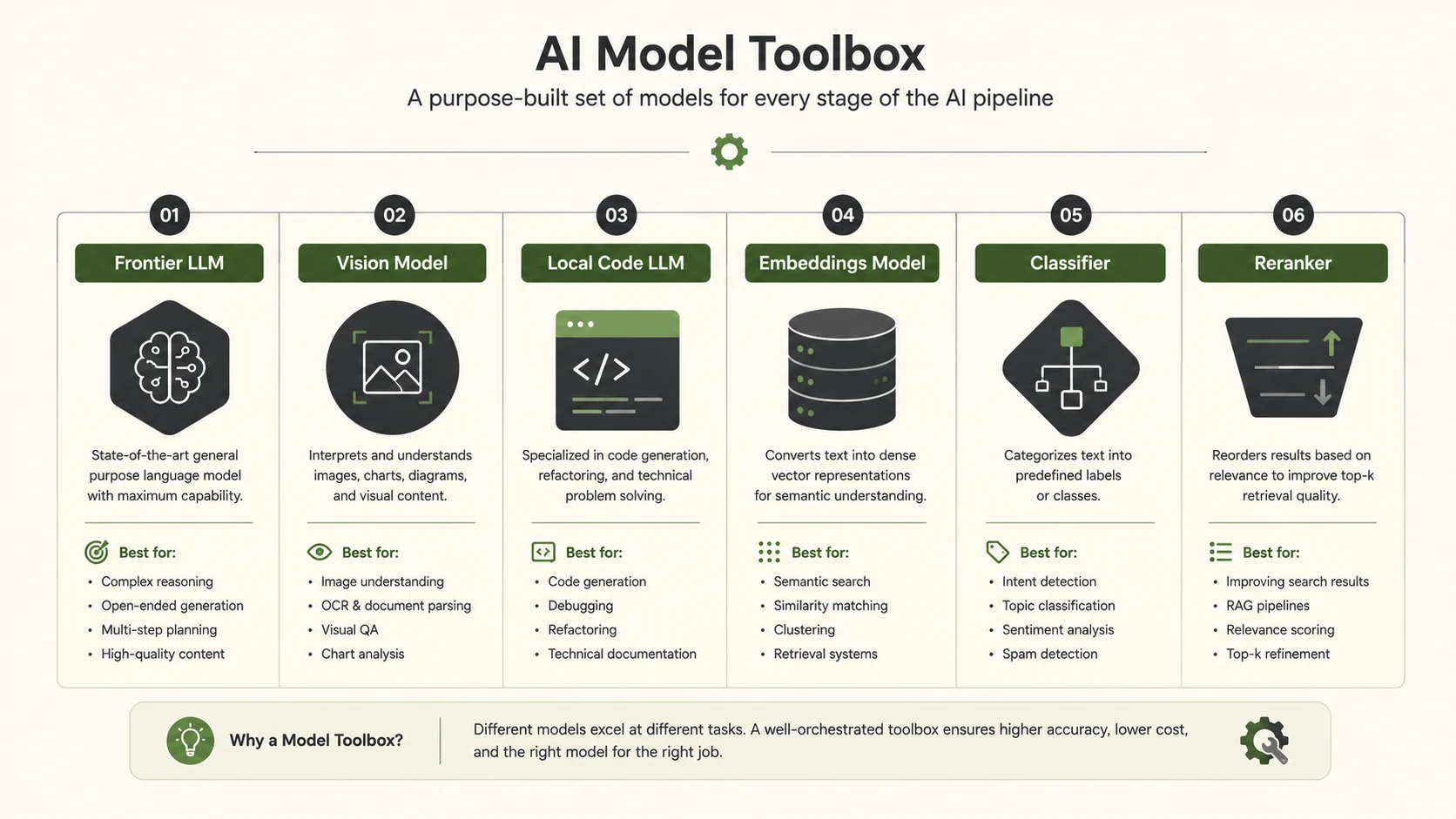
For the last two years, the AI industry has been obsessed with models.
GPT. Claude. Gemini. Llama. Qwen.
Every discussion focused on which model was smarter, faster, or cheaper.
That phase is ending.
A new enterprise reality is emerging.
The most valuable companies in the next wave of AI will not be those building models.
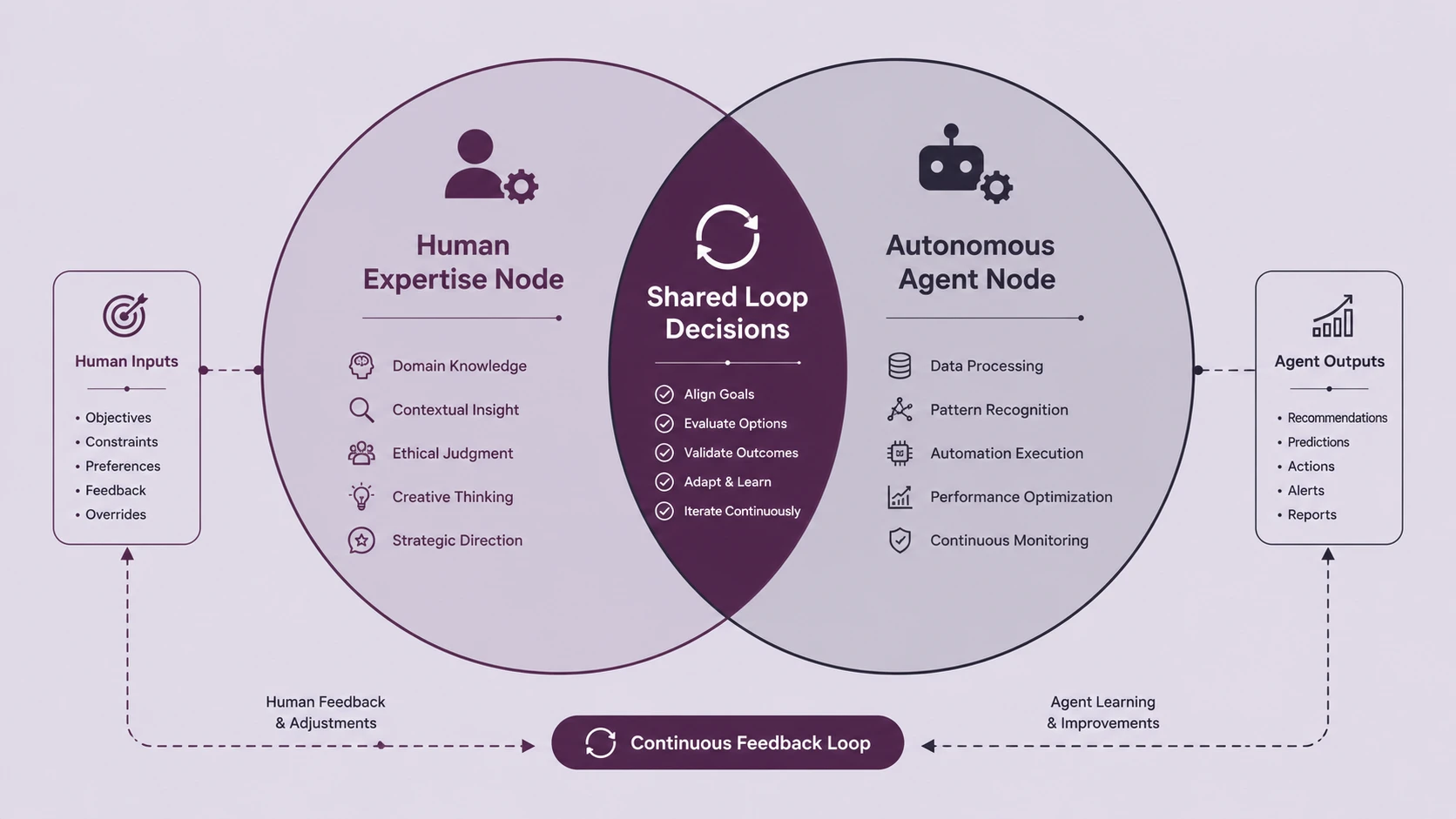
They will be the companies controlling, governing, securing, orchestrating, and optimizing those models.
The market is shifting from AI capability to AI operations.
And that shift is creating one of the largest SaaS opportunities of the decade.
---
What Today's Market Signals Are Telling Us
Several major signals emerged this week.
TCS announced a future where AI agents could eventually exist at a scale comparable to its workforce.
Microsoft unveiled Project Solara, introducing an "Agent-First Enterprise" vision where AI agents become the primary operating layer of enterprise devices.
Enterprise AI leaders are increasingly discussing governance, observability, security, and FinOps rather than model selection.
The conversation has changed.
Organizations are no longer asking:
"Which AI model should we use?"
They are asking:
"How do we control thousands of AI agents operating inside our business?"
That is a fundamentally different problem.
---
Capital Is Following Infrastructure
Investor attention is rapidly concentrating into five areas:
1. AI Infrastructure
The AI boom has moved beyond foundation models.
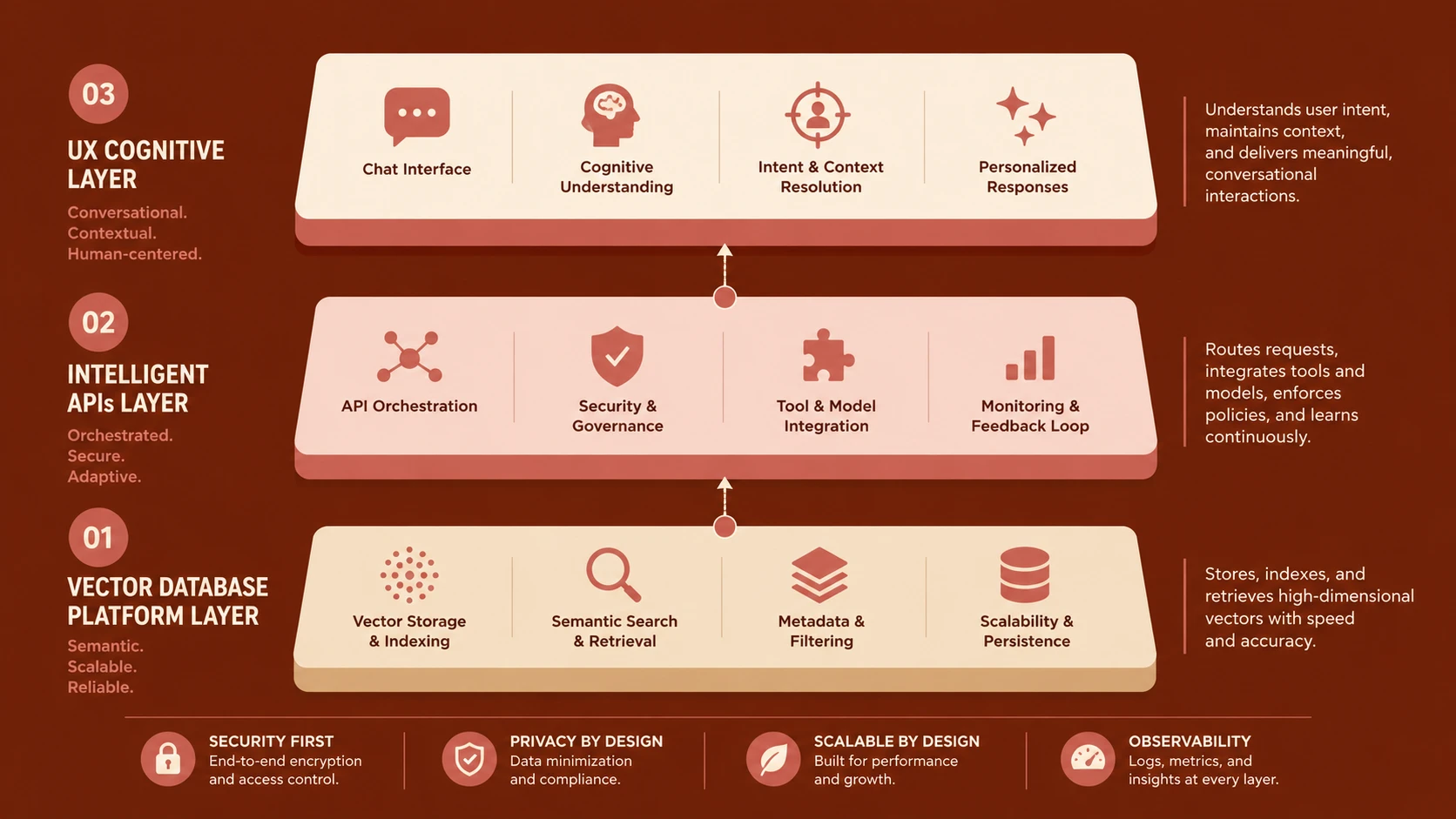
The next layer involves orchestration systems, gateways, observability platforms, inference optimization, and enterprise deployment infrastructure.
Infrastructure is becoming the picks-and-shovels layer of AI.
---
2. Enterprise Agents
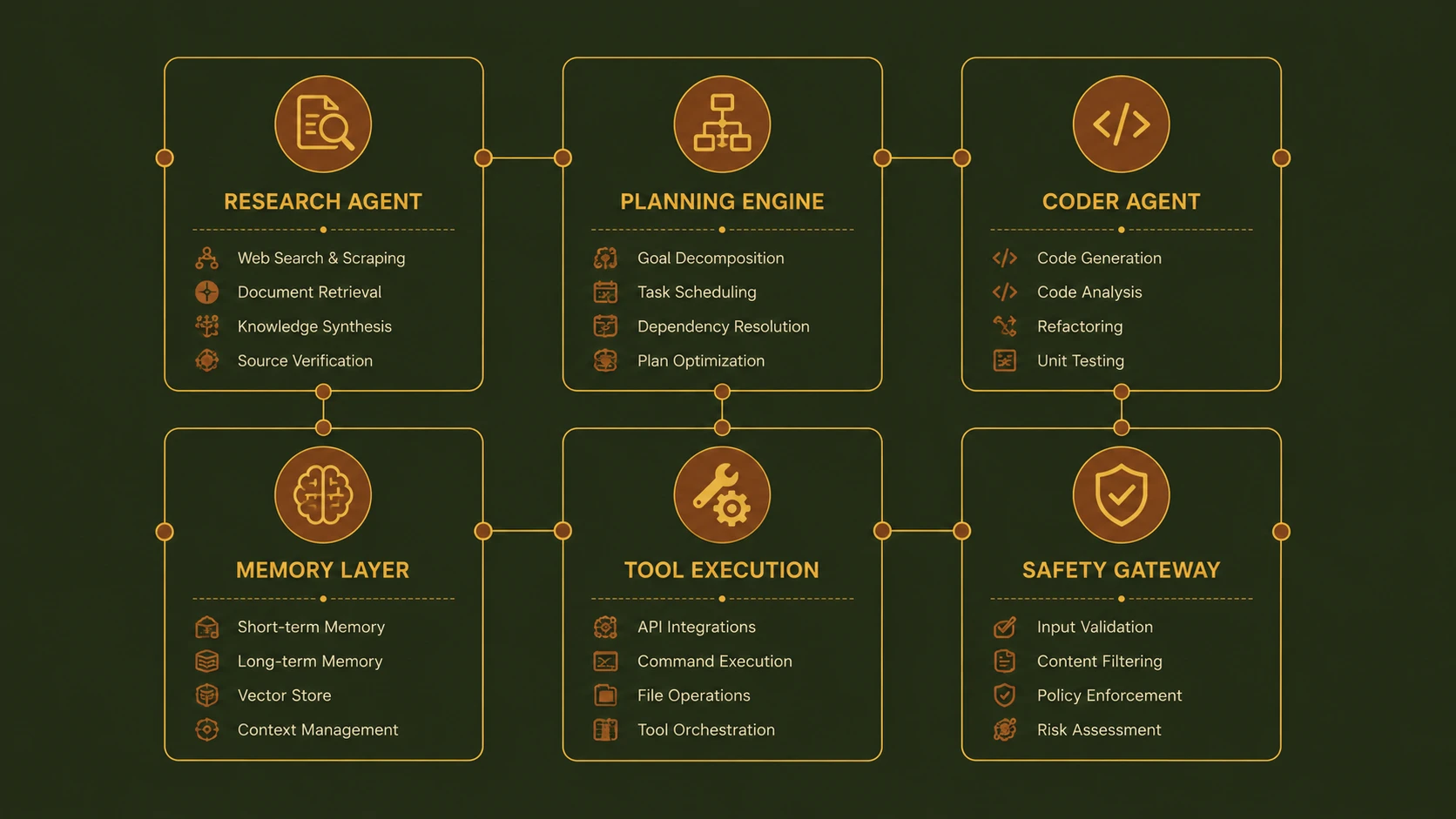
Agents are no longer experimental.
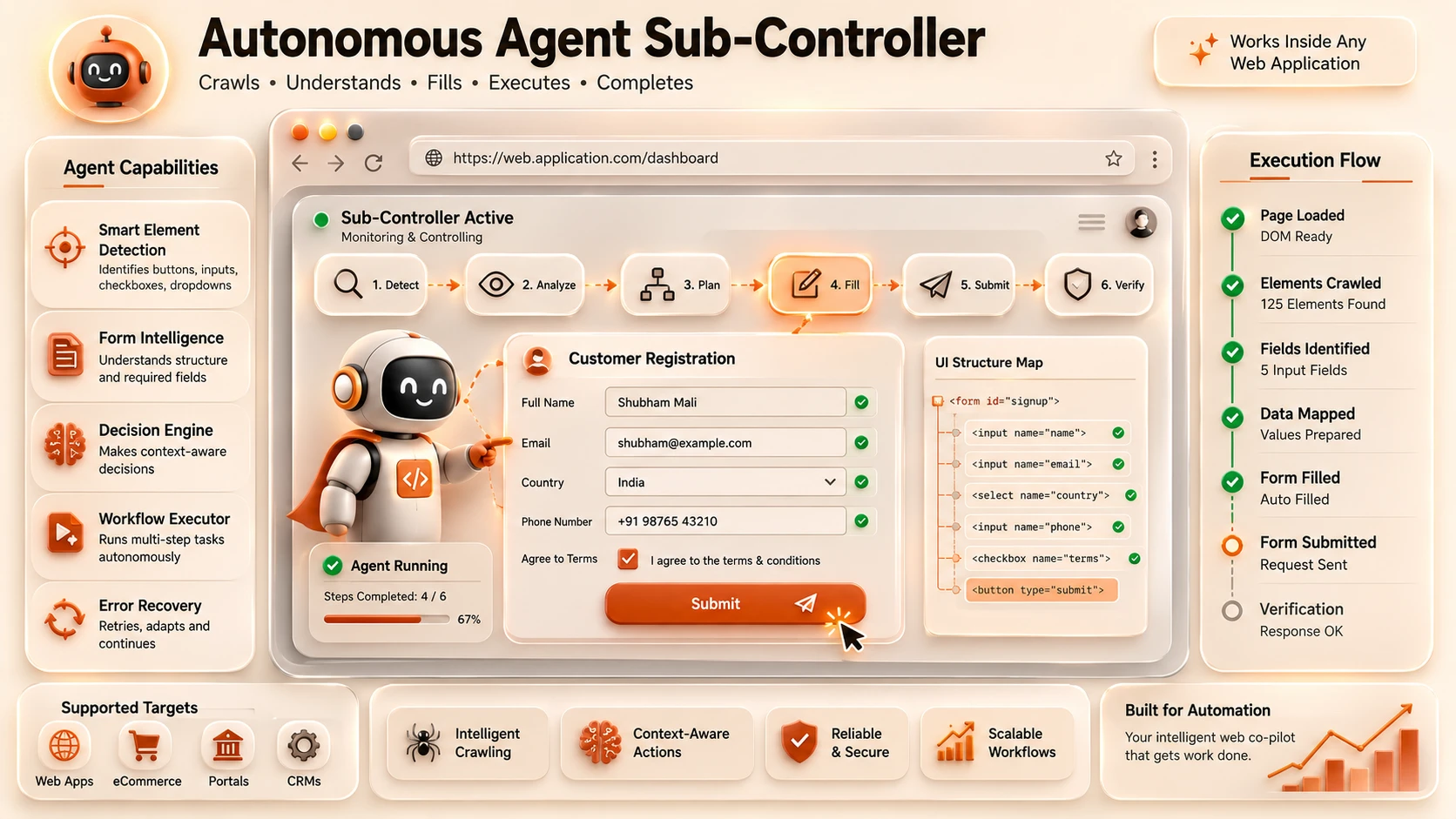
They are becoming operational systems.
Customer service agents. Procurement agents. Supply chain agents. Finance agents. Compliance agents.
Every enterprise workflow is becoming agent-enabled.
The challenge is that agents create operational complexity at scale.
---
3. AI Security
The attack surface is expanding.
Prompt injection. Tool misuse. Data leakage. Memory poisoning. Unauthorized actions.
Traditional cybersecurity platforms were never designed for autonomous software entities.
A new security category is emerging specifically for AI agents.
---
4. Developer Productivity
Software teams are increasingly AI-assisted.
The winning platforms will not simply generate code.
They will optimize engineering workflows, governance, testing, compliance, architecture validation, and deployment quality.
---
5. AI Governance
This may become the largest enterprise AI category of all.
Every enterprise executive eventually asks:
Who approved this AI action?
Which model generated this output?
Why did costs spike yesterday?
Can we audit this decision?
Can regulators review this activity?
Governance becomes unavoidable once AI moves into production.
---
The Emerging Enterprise Gap
Most enterprises today have:
- ◆AI models
- ◆AI pilots
- ◆AI chatbots
- ◆AI experimentation
Very few have:
- ◆Agent registries
- ◆Audit trails
- ◆Cost governance
- ◆Runtime monitoring
- ◆Compliance controls
- ◆Policy enforcement
- ◆Cross-model visibility
This creates a dangerous mismatch.
Organizations are deploying AI faster than they can govern it.
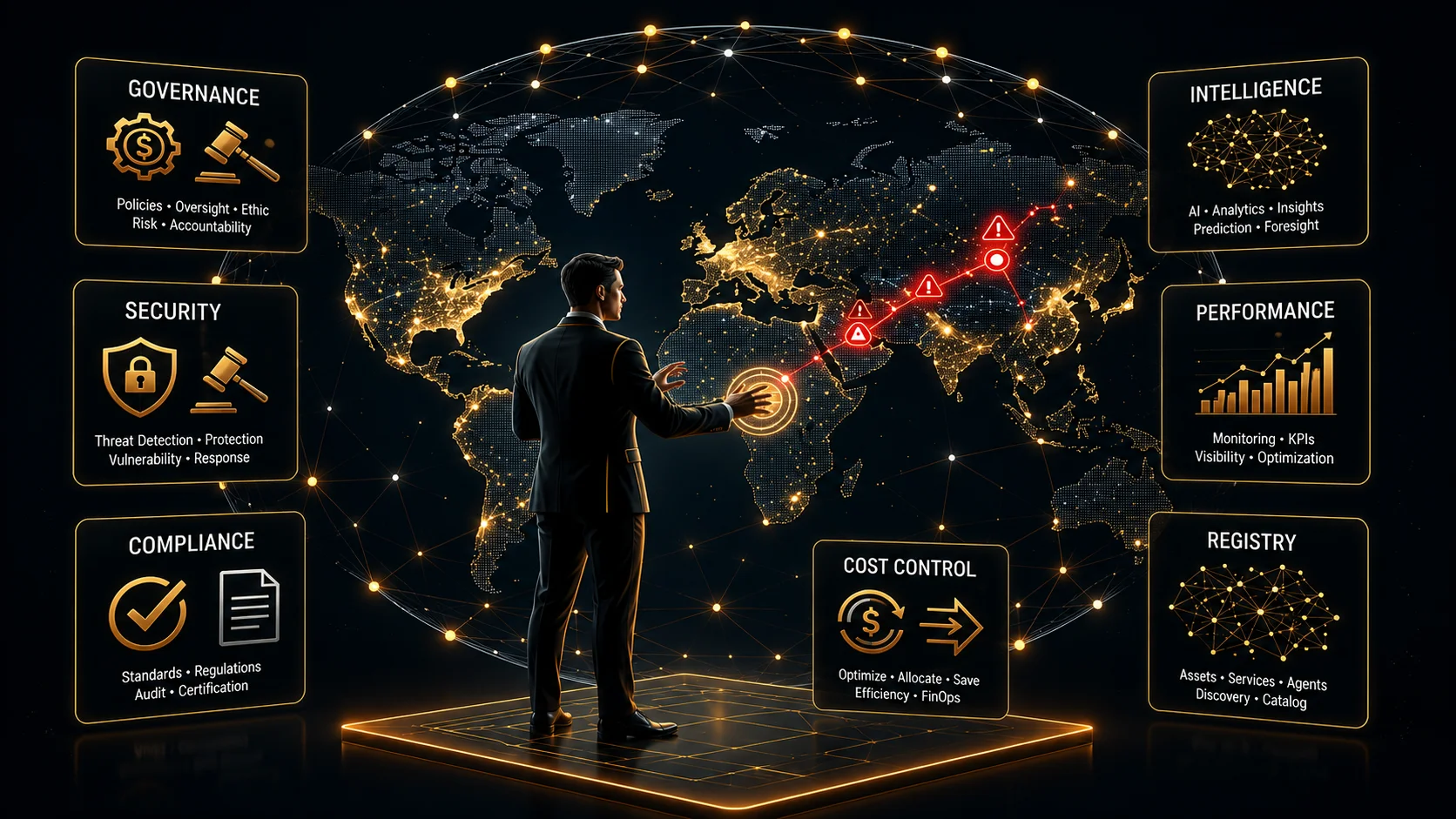
Governance becomes unavoidable once AI moves into production.
The result is an emerging operational blind spot.
The next billion-dollar platforms will solve that blind spot.
---
SaaS Opportunity Radar
Enterprise Agent Governance Platform
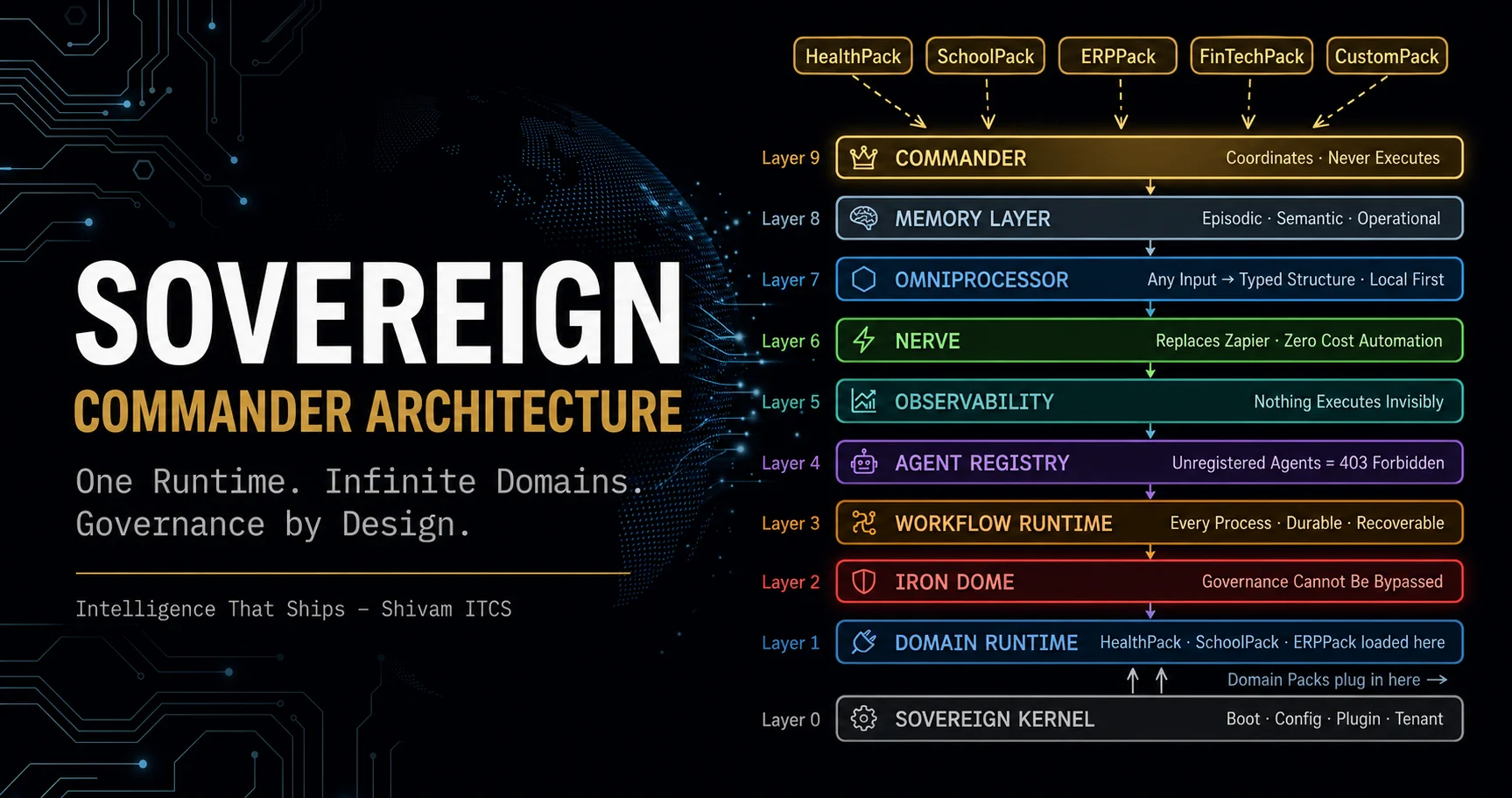
Imagine a platform acting as the control tower for every AI agent inside an organization.
Capabilities include:
- ◆Agent registry
- ◆Agent identity management
- ◆Policy controls
- ◆Compliance monitoring
- ◆Audit logs
- ◆Runtime observability
- ◆Security analytics
The enterprise equivalent of Active Directory for AI agents.
---
AI FinOps Platform
Cloud spending created FinOps.
AI is creating AI FinOps.
The challenge is simple.
Most enterprises can see cloud costs.
Few can identify:
- ◆Which prompt generated cost
- ◆Which agent consumed tokens
- ◆Which workflow caused budget spikes
- ◆Which model generated ROI
The future belongs to platforms providing:
- ◆Token cost visibility
- ◆Cost forecasting
- ◆Agent-level attribution
- ◆Optimization recommendations
- ◆Budget governance
---
AI Security Posture Management
Organizations need security platforms purpose-built for agentic systems.
Capabilities include:
- ◆Risk scoring
- ◆Prompt injection detection
- ◆Agent behavior monitoring
- ◆Tool access governance
- ◆Compliance automation
- ◆Threat intelligence
This category may become the "CrowdStrike of AI Agents."
---
Enterprise AI Gateway
One of the strongest opportunities in today's market.
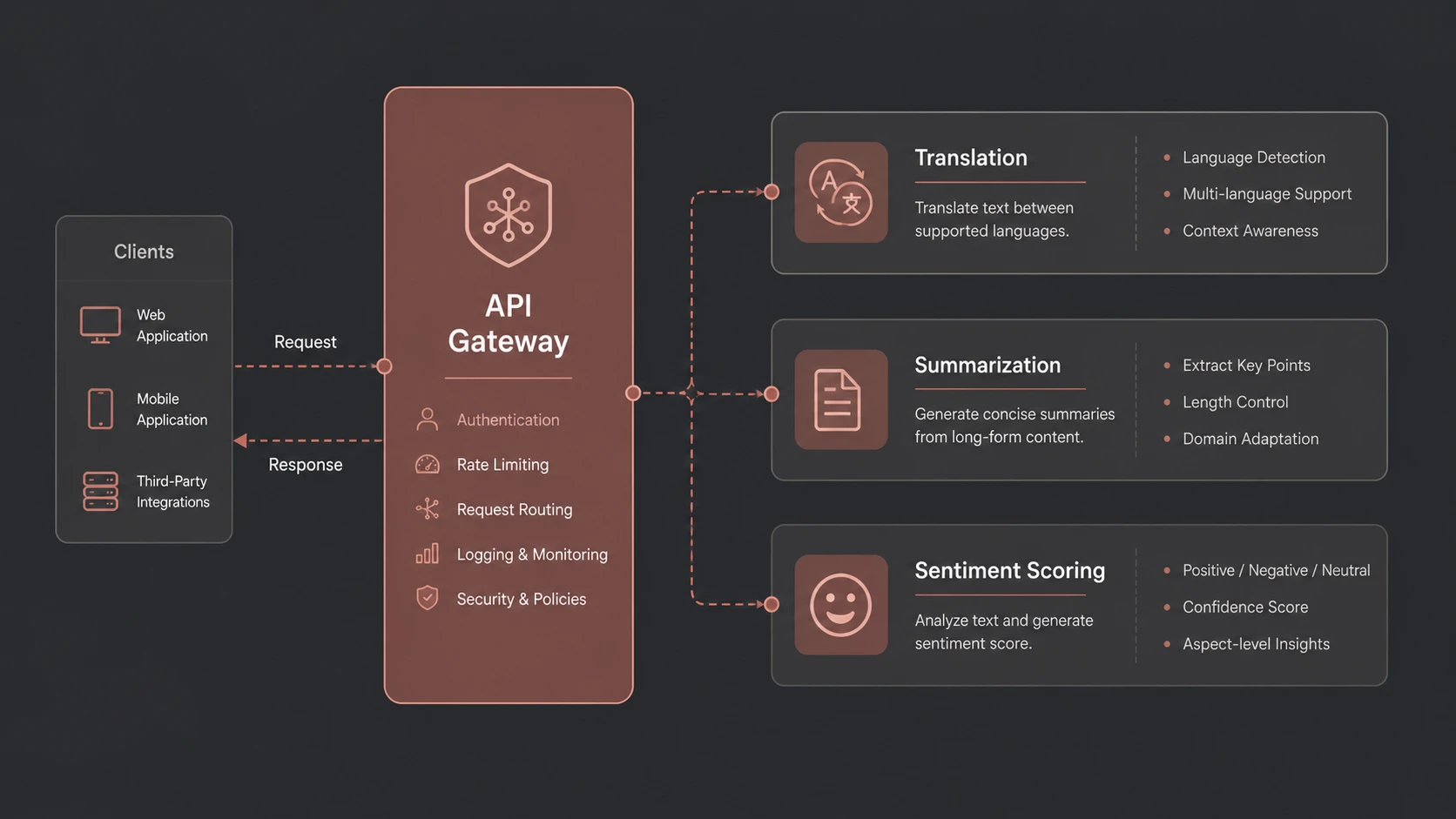
An AI Gateway becomes the central traffic controller between enterprise applications and AI providers.
Core functions:
- ◆Multi-model routing
- ◆Cost optimization
- ◆Governance enforcement
- ◆Security inspection
- ◆Compliance controls
- ◆Audit logging
- ◆MCP integration
This becomes the API Gateway layer of the AI era.
---
Agentic Supply Chain Control Tower
Supply chains remain one of the highest ROI enterprise AI use cases.
Combining:
- ◆Inventory intelligence
- ◆Procurement automation
- ◆Demand forecasting
- ◆Logistics orchestration
- ◆Supplier monitoring
creates a powerful operational platform with measurable business impact.
---
Why This Matters For Enterprise Architects
The most important lesson from 2026 is this:
AI is becoming infrastructure.
When technologies become infrastructure, the winners shift.
The largest opportunities move away from the intelligence layer and toward the operational layer.
History repeats itself.
The biggest winners of cloud were not always application builders.
Many were infrastructure providers.
The same pattern is now emerging in AI.
---
Strategic Actions For The Next 30 Days
- 1.Prototype an Enterprise AI Gateway for Azure-based customers.
- 1.Develop reusable Agent Governance modules that become standard components across all AI projects.
- 1.Build an AI FinOps dashboard focused on token attribution, cost visibility, forecasting, and optimization.
- 1.Create MCP-compatible connectors for ERP, CRM, HRMS, document repositories, and enterprise systems.
- 1.Position consulting and SaaS offerings around governance, security, observability, and operational AI rather than generic chatbot implementations.
---
Highest Conviction Opportunity
After analyzing current market movement, enterprise adoption trends, regulatory direction, and infrastructure demand, one opportunity stands above the rest.
Enterprise AI Governance + AI FinOps + Agent Operations Platform.
Every enterprise is moving toward AI agents.
Almost none possess mature operational control.
The gap between AI capability and AI governance is growing faster than the models themselves.
That gap represents one of the largest software opportunities currently forming in the market.
The future AI leaders will not simply build intelligence.
They will build trust, visibility, governance, and operational control around intelligence.
That is where the next generation of enterprise value will be created.