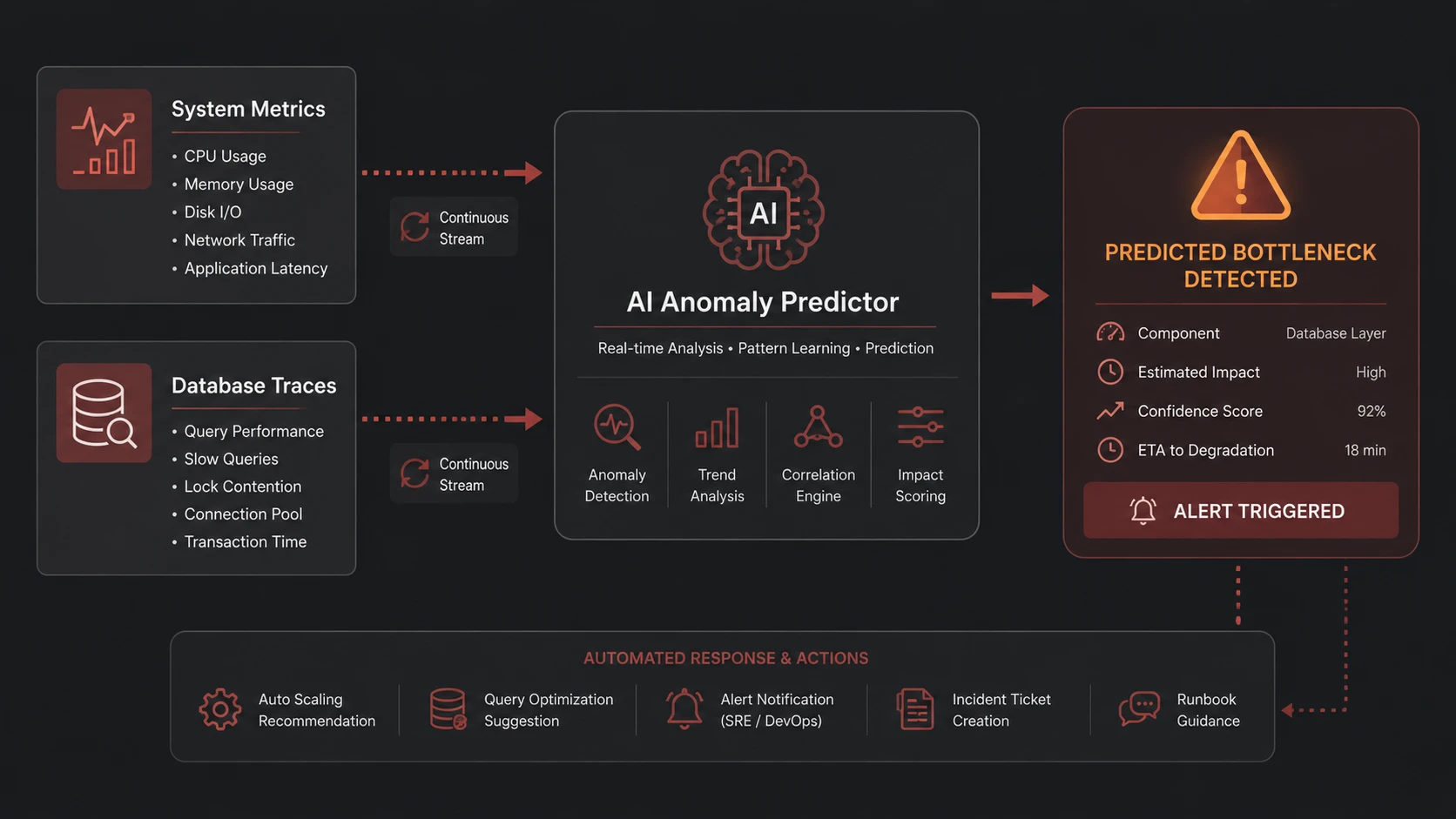
From Monitoring to Autonomous Observability
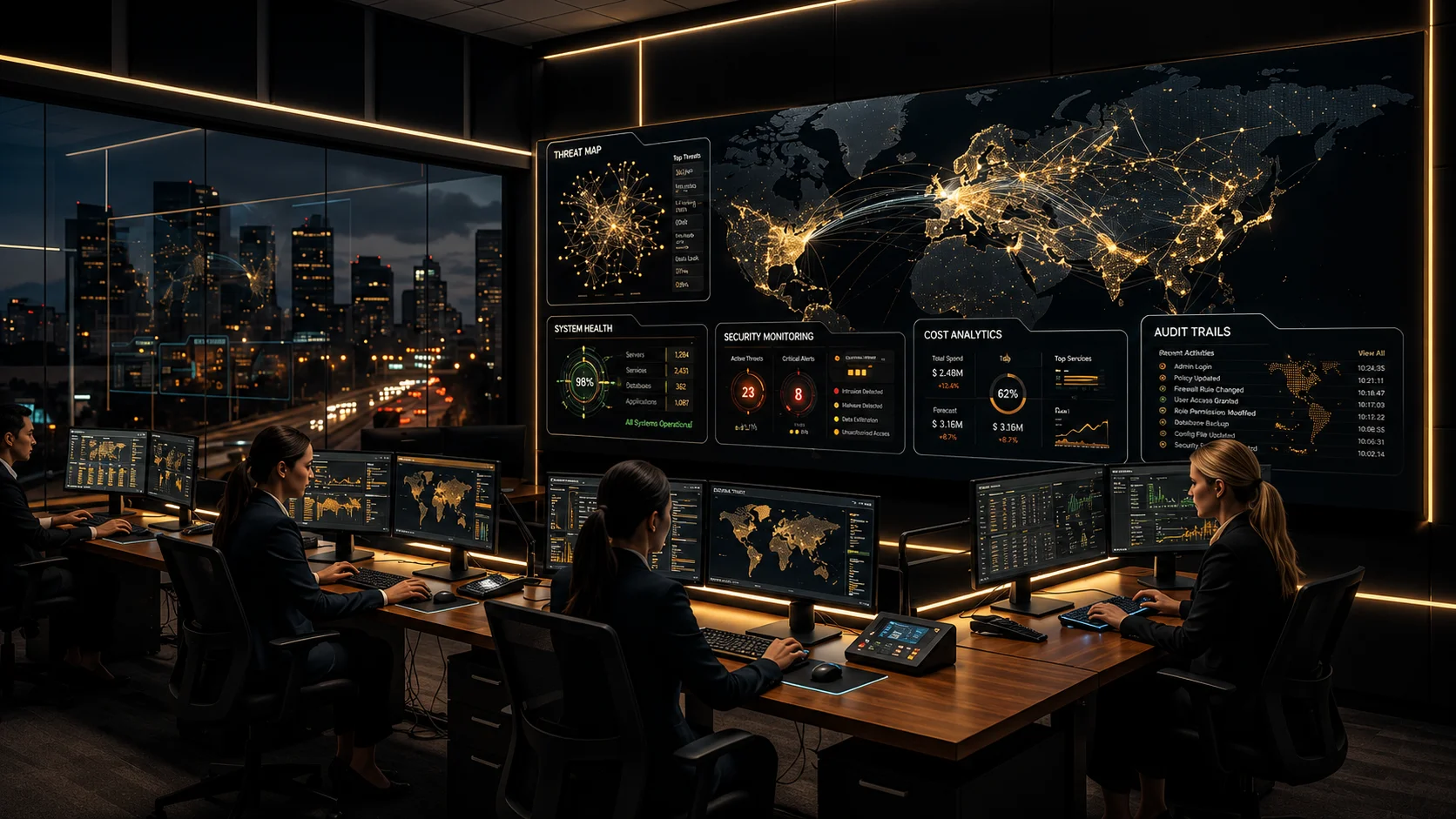
Enterprise monitoring has evolved dramatically over the past two decades. Traditional monitoring focused on collecting metrics and raising alerts whenever predefined thresholds were exceeded. While this approach worked for relatively simple systems, modern cloud-native platforms generate billions of telemetry events every day, making manual monitoring increasingly impractical.
Observability 3.0 represents the next generation of operational intelligence. Instead of merely reporting problems after they occur, modern observability platforms predict failures, determine root causes, initiate corrective actions, and continuously optimize system performance with minimal human intervention.
Architecture Principle: The ultimate goal of observability is not visibility—it's autonomous operational intelligence.
---
The Evolution of Observability
Enterprise observability has progressed through three major generations.
Observability 1.0 — Monitoring
The first generation focused primarily on infrastructure health.
Typical capabilities included:
- ◆CPU monitoring
- ◆Memory utilization
- ◆Disk usage
- ◆Network latency
- ◆Static threshold alerts
- ◆Manual incident response
Operations teams relied heavily on dashboards and human expertise.
---
Observability 2.0 — Distributed Visibility
Cloud-native architectures introduced distributed tracing and telemetry.
New capabilities included:
- ◆Distributed tracing
- ◆Structured logging
- ◆Metrics aggregation
- ◆Service dependency mapping
- ◆OpenTelemetry
- ◆Centralized dashboards
Although visibility improved significantly, engineers still remained responsible for interpreting signals and resolving incidents.
---
Observability 3.0 — Autonomous Intelligence
Modern enterprise platforms combine AI with telemetry to create self-improving operational systems.
Core capabilities include:
- ◆Predictive anomaly detection
- ◆Root-cause analysis
- ◆AI-assisted diagnostics
- ◆Autonomous remediation
- ◆Adaptive alerting
- ◆Capacity forecasting
- ◆Intelligent workload optimization
- ◆Self-healing infrastructure
Instead of reacting to incidents, organizations prevent them.
---
Enterprise Reference Architecture
Applications & Infrastructure
             │
             ▼
Telemetry Collection
             │
OpenTelemetry Pipeline
             │
──────────────────────────────────────
│ Metrics │ Logs │ Traces │ Events │
──────────────────────────────────────
             │
AI Correlation Engine
             │
Predictive Analytics
             │
Root Cause Analysis
             │
Policy Engine
             │
Autonomous Remediation
             │
Enterprise Platforms
Every layer contributes to transforming raw operational data into intelligent autonomous actions.
---
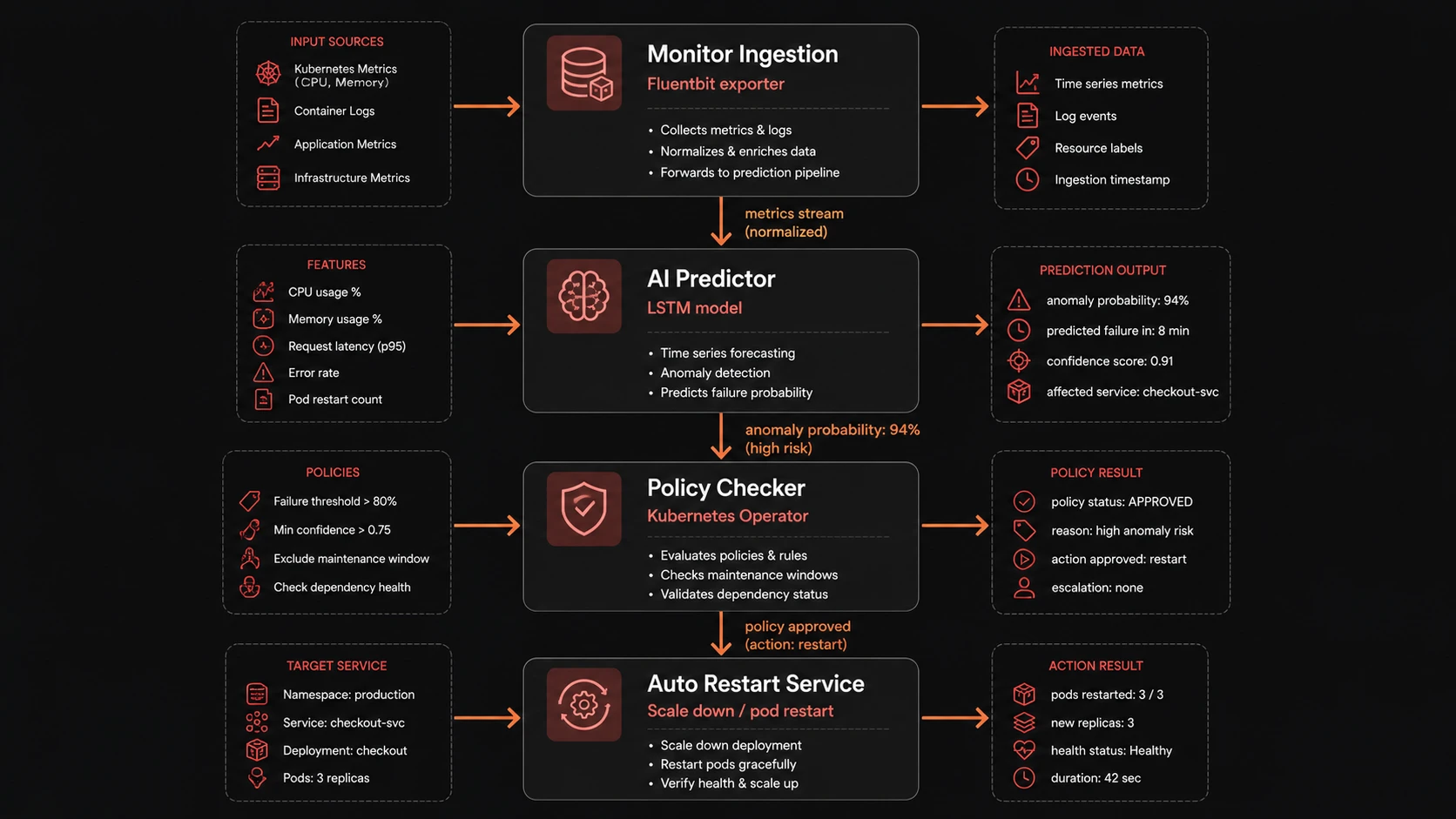
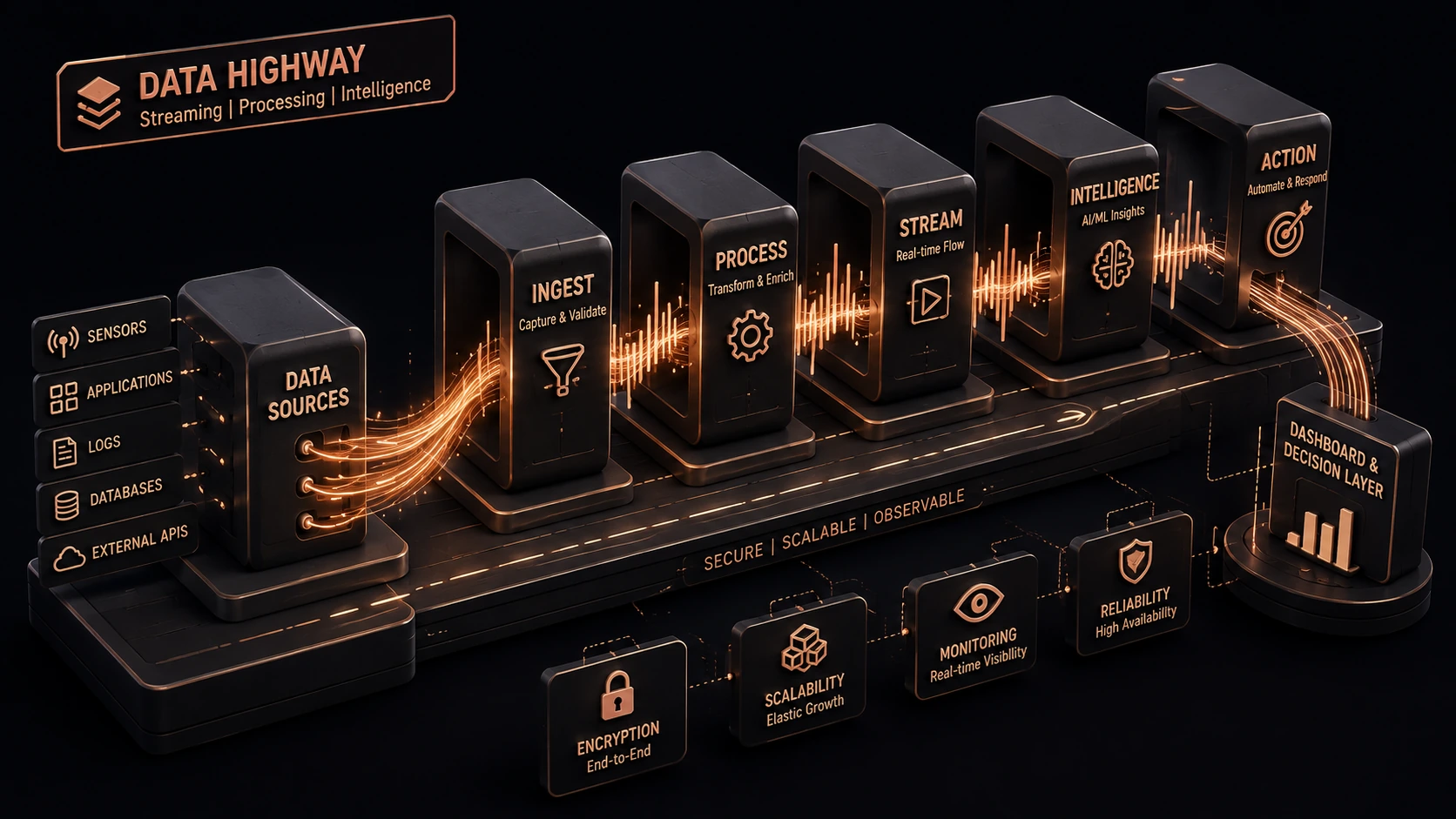
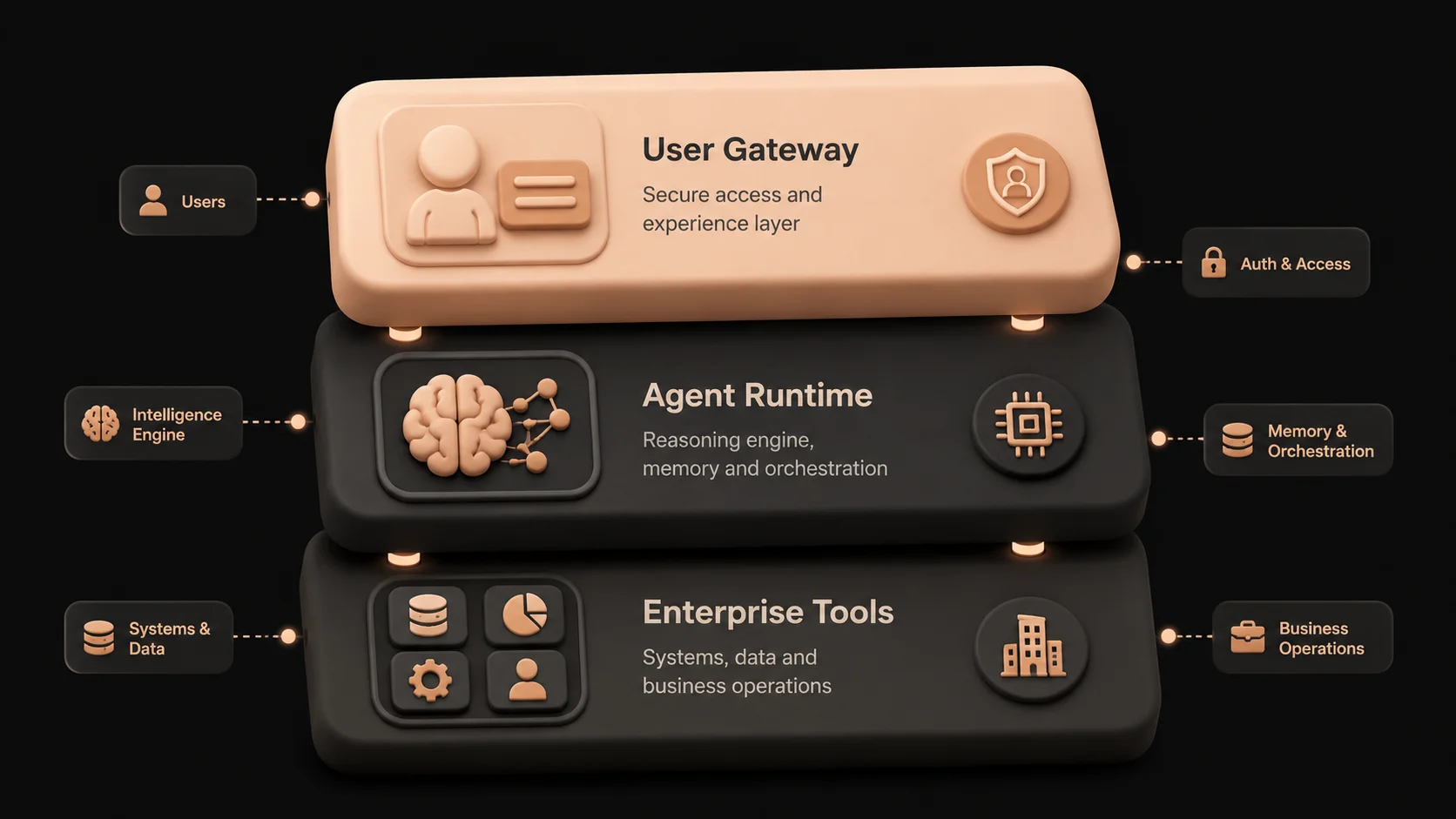
System architecture diagram and conceptual workflow layout for Observability 3.0.
Predictive Intelligence
Predictive observability enables systems to recognize unhealthy trends before they become production incidents.
AI models continuously evaluate:
- ◆Resource consumption
- ◆Latency patterns
- ◆Service dependencies
- ◆Error frequencies
- ◆Deployment changes
- ◆Infrastructure drift
- ◆Capacity utilization
- ◆User behavior
Instead of waiting for thresholds to be exceeded, machine learning models identify subtle behavioral changes that often precede failures.
---
Adaptive Monitoring
Traditional alert rules remain static.
Observability 3.0 introduces adaptive monitoring that automatically adjusts based on:
- ◆Traffic patterns
- ◆Business hours
- ◆Seasonal demand
- ◆Deployment frequency
- ◆Historical performance
- ◆Regional workloads
Adaptive thresholds dramatically reduce false positives while improving detection accuracy.
---
Autonomous Remediation
The defining capability of Observability 3.0 is autonomous action.
Examples include:
- ◆Restart unhealthy containers
- ◆Scale Kubernetes workloads
- ◆Roll back failed deployments
- ◆Clear application caches
- ◆Restart AI inference services
- ◆Rebalance traffic
- ◆Trigger disaster recovery workflows
- ◆Notify engineers only when necessary
Human operators transition from responders to supervisors.
---
AI-Native Operations
Modern observability platforms increasingly integrate with AI agents capable of reasoning over telemetry.
These agents can:
- ◆Summarize incidents
- ◆Investigate failures
- ◆Execute diagnostic commands
- ◆Recommend remediation
- ◆Trigger automation workflows
- ◆Generate incident reports
- ◆Predict business impact
- ◆Learn from previous incidents
This creates an intelligent operational assistant rather than a passive monitoring platform.
---
Best Practices
| Area | Best Practice |
|---|---|
| Telemetry | OpenTelemetry |
| Intelligence | AI-Powered Correlation |
| Detection | Predictive Analytics |
| Automation | Autonomous Remediation |
| Infrastructure | Kubernetes Native |
| Reliability | Self-Healing Systems |
| Governance | Policy-Based Automation |
| Monitoring | Continuous Observability |
---
The Future of Autonomous Operations
Observability is evolving from passive dashboards into intelligent operational platforms capable of understanding, predicting, and resolving system issues autonomously. Future enterprise environments will combine AI reasoning, distributed telemetry, adaptive policies, and autonomous remediation into self-managing infrastructure that continuously optimizes itself.
Organizations that embrace Observability 3.0 today will be better positioned to operate increasingly complex AI-native platforms while reducing operational costs, improving reliability, and enabling engineering teams to focus on innovation rather than repetitive incident management.