Web Development
Viewing all posts categorized under Web Development.

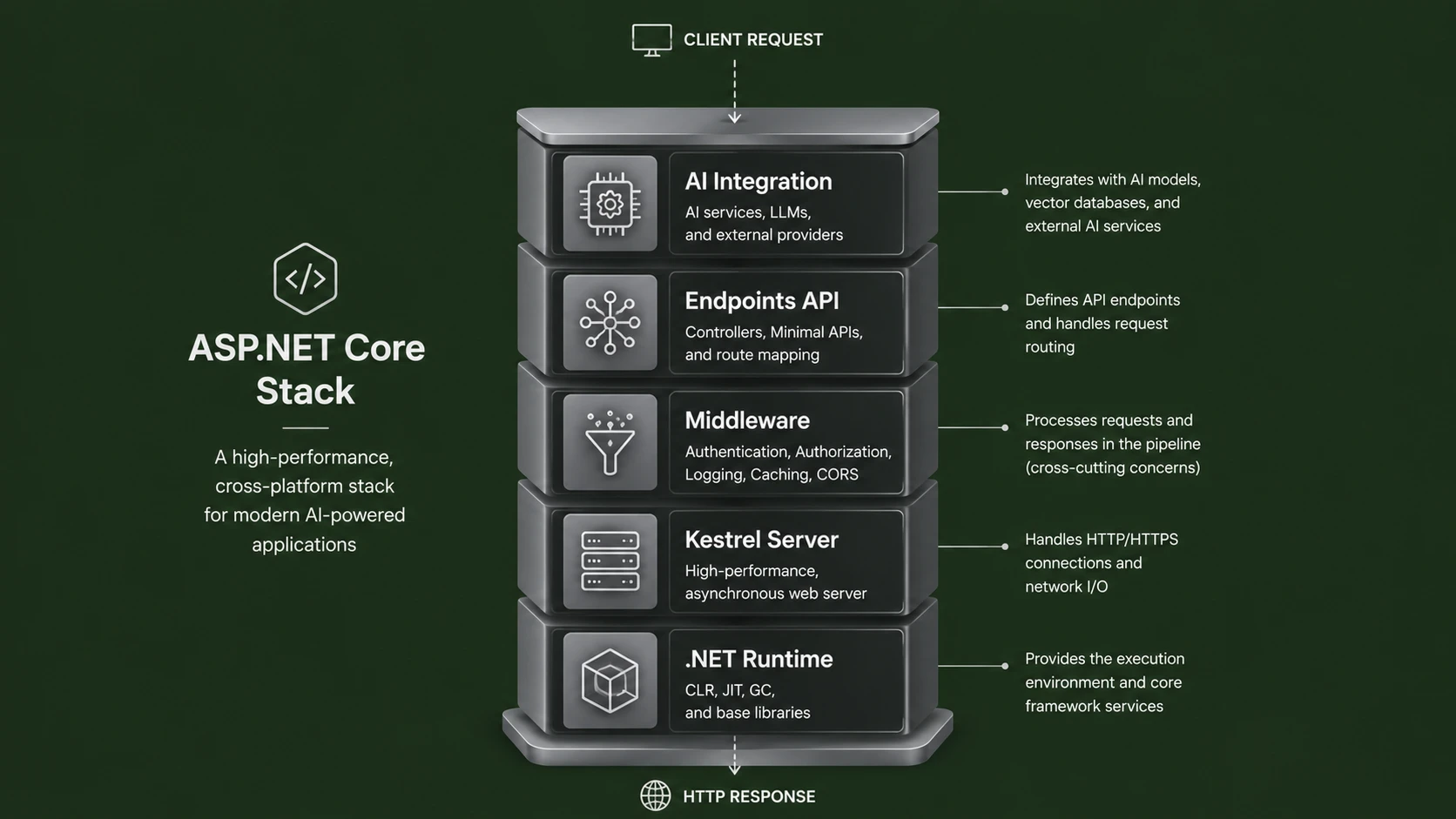
Is ASP.NET Core Still Relevant in 2026? Yes, and Here’s Why
Is ASP.NET Core still relevant in 2026? Absolutely. While JavaScript ecosystems dominate rapid product development and Python leads AI workloads, ASP.NET Core remains a powerful choice for secure, scalable, maintainable, and mission-critical enterprise systems. The future is not one framework—it is intelligent architecture using the right technology for each workload.
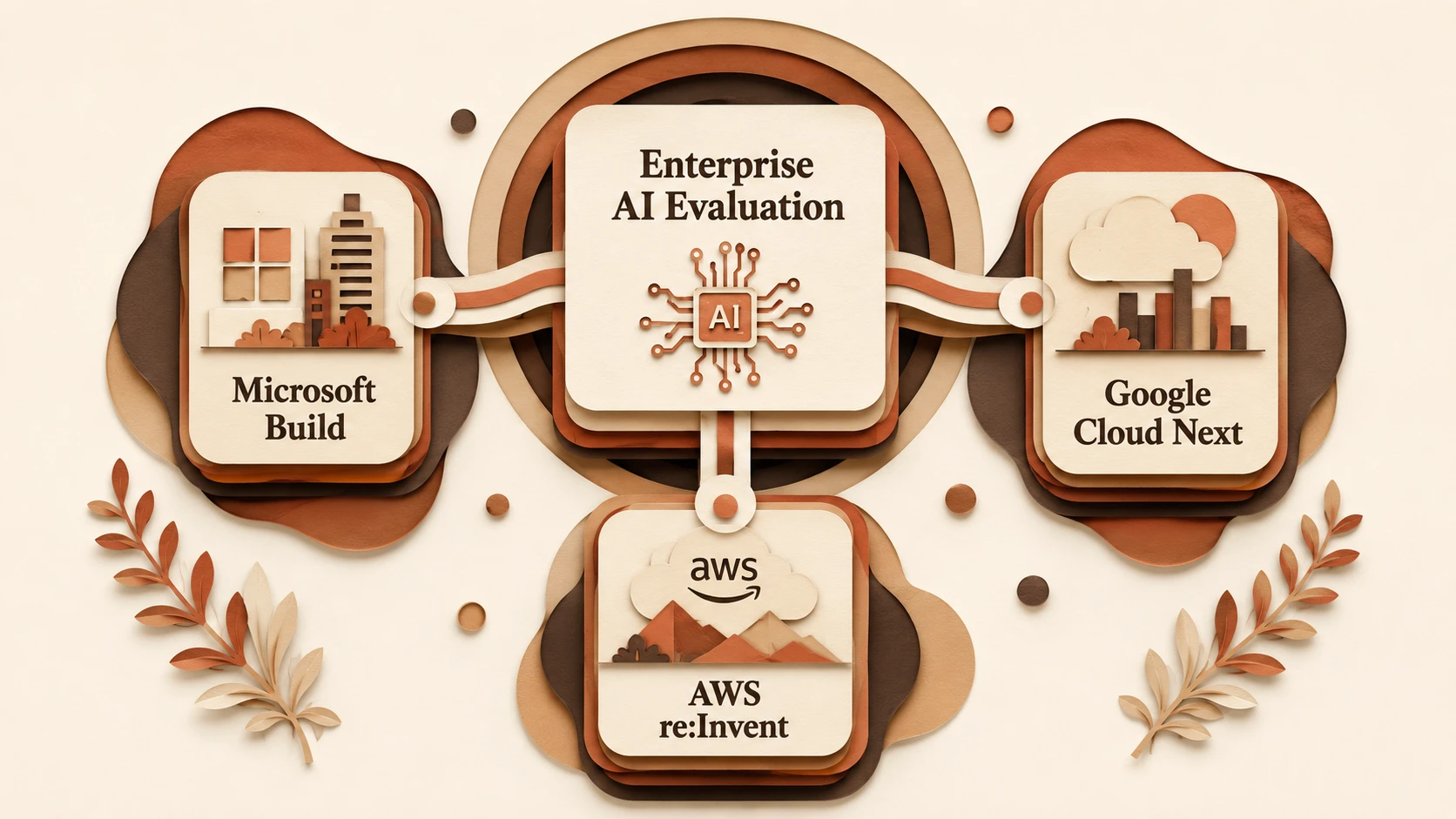
What Microsoft Build, Google, and AWS Actually Announced
Microsoft Build 2026, Google I/O 2026, and AWS's latest announcements reveal a common industry direction. Beyond new AI models and developer tools, all three companies are investing in agentic platforms, enterprise context, and production-ready AI infrastructure. This article examines what was actually announced and what it means for enterprise technology leaders.
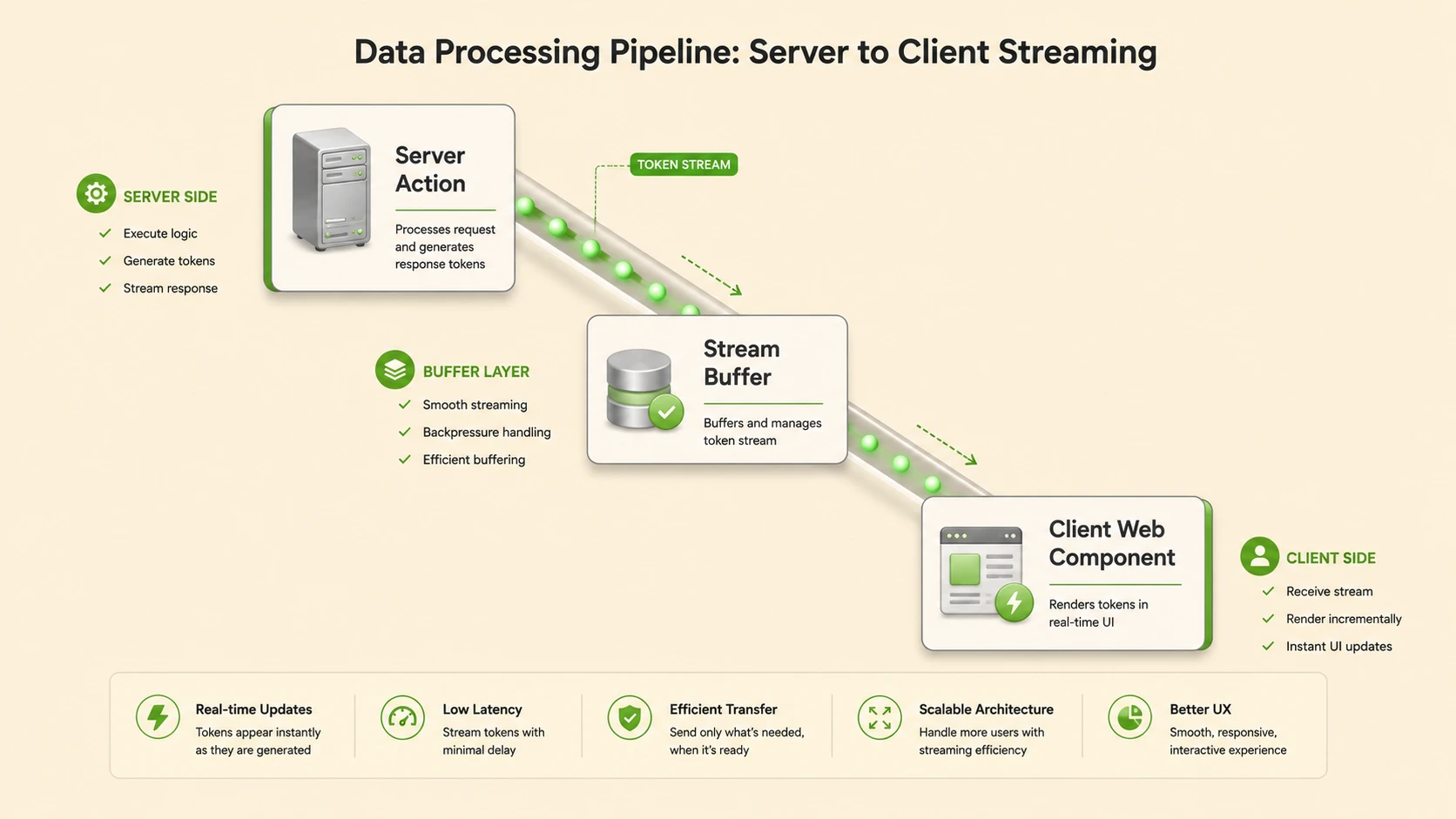
Real-Time AI Streaming in Next.js Server Actions: A UX Pattern for Fast Token Delivery
Learn how to build real-time AI experiences using Next.js Server Actions and streaming responses. Explore architecture patterns, server-side execution, token streaming, Suspense integration, and UX best practices for enterprise AI applications.
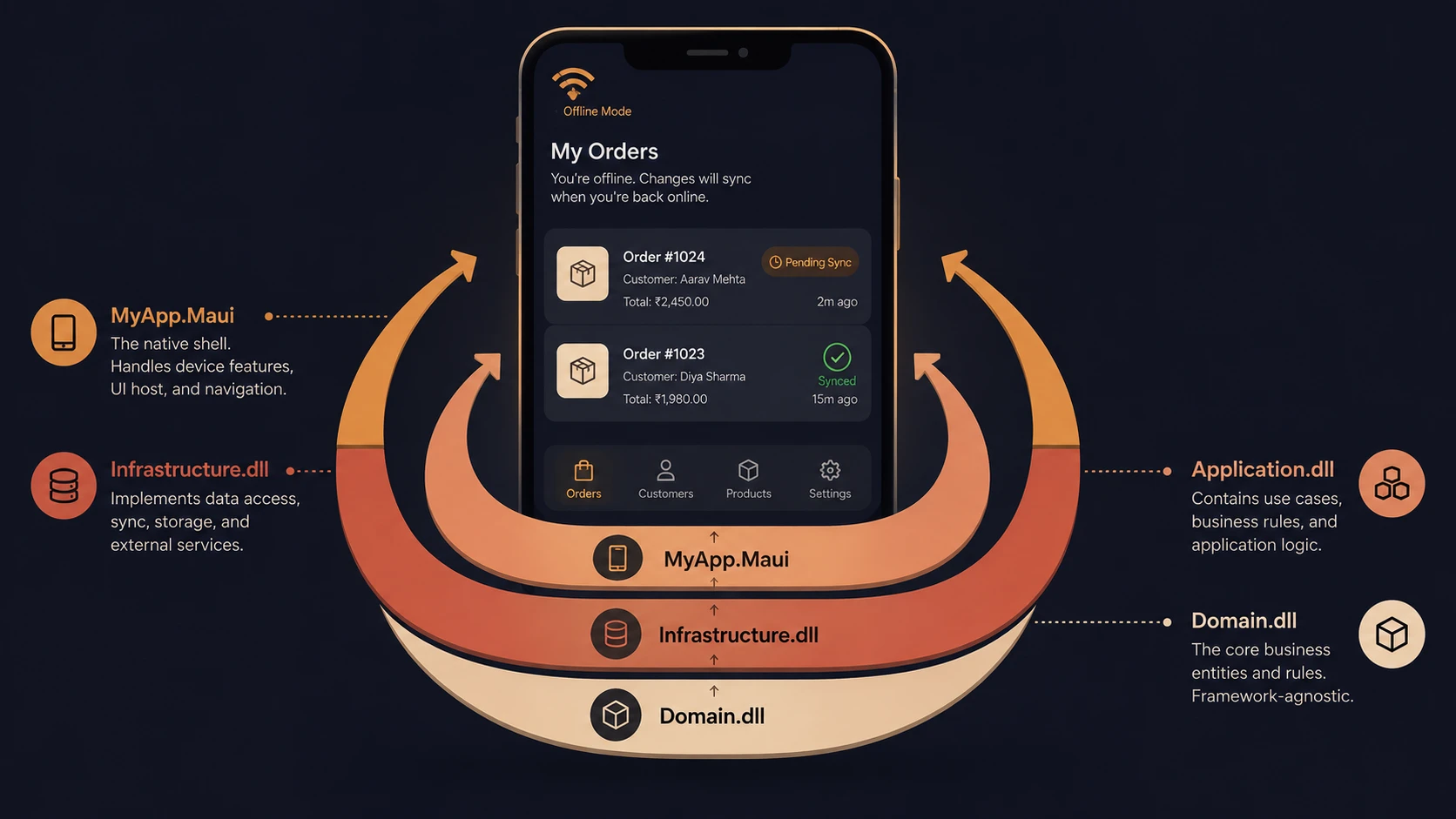
Clean Architecture in Blazor Hybrid: Building a Highly Resilient, Offline-First .NET MAUI App
How we built ContactHub — a cross-platform .NET MAUI mobile client sharing 95% of its UI with a Blazor WebAssembly admin dashboard, featuring offline SQLite caching and network sync orchestration.
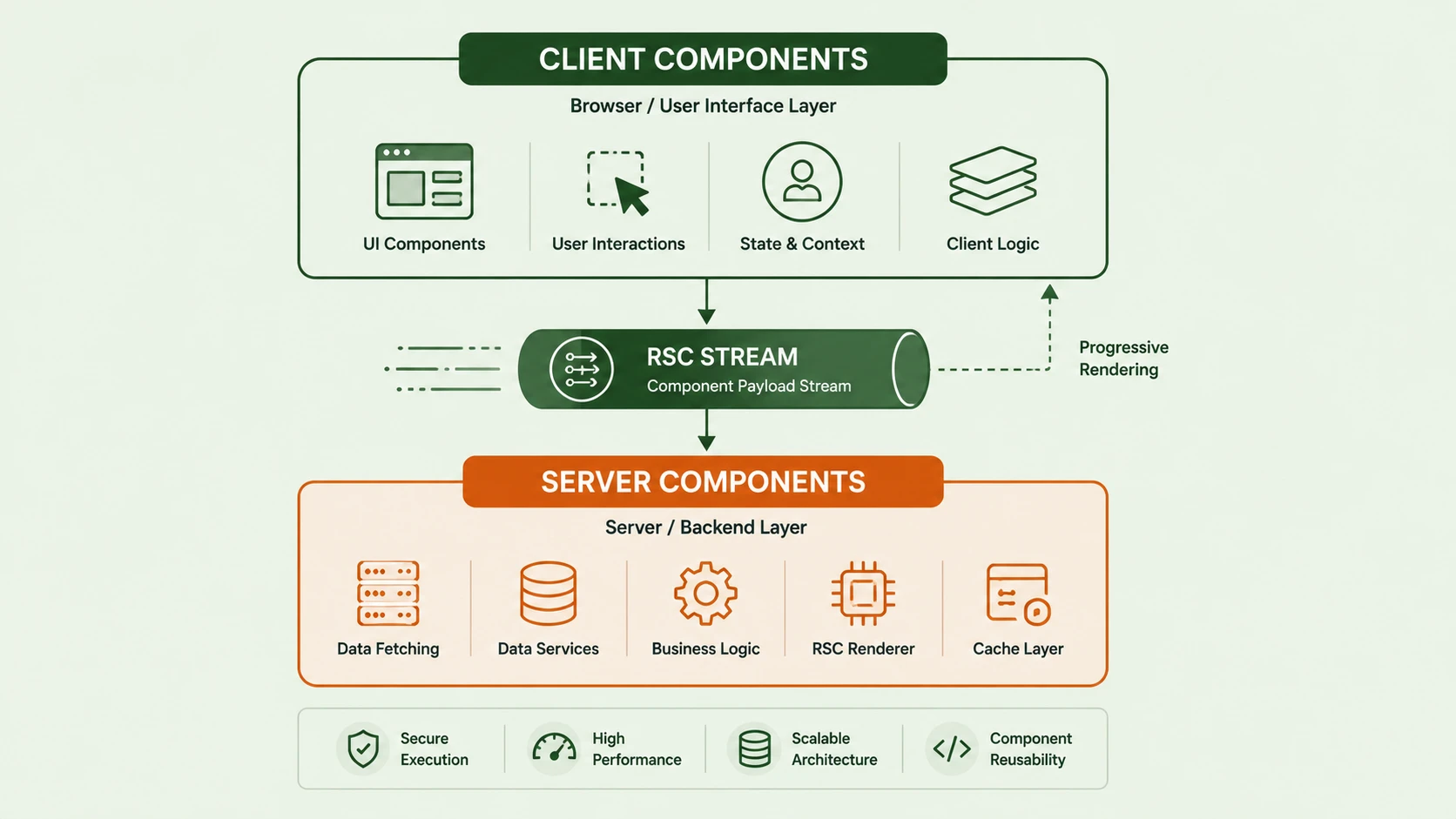
Next.js 16 Server Components & AI Integration: The Frontend Cognitive Layer
Discover how Next.js 16 Server Components transform AI-powered applications into high-performance frontend cognitive layers. Learn streaming architecture, server-side AI execution, React Server Components, and enterprise best practices for scalable AI interfaces.
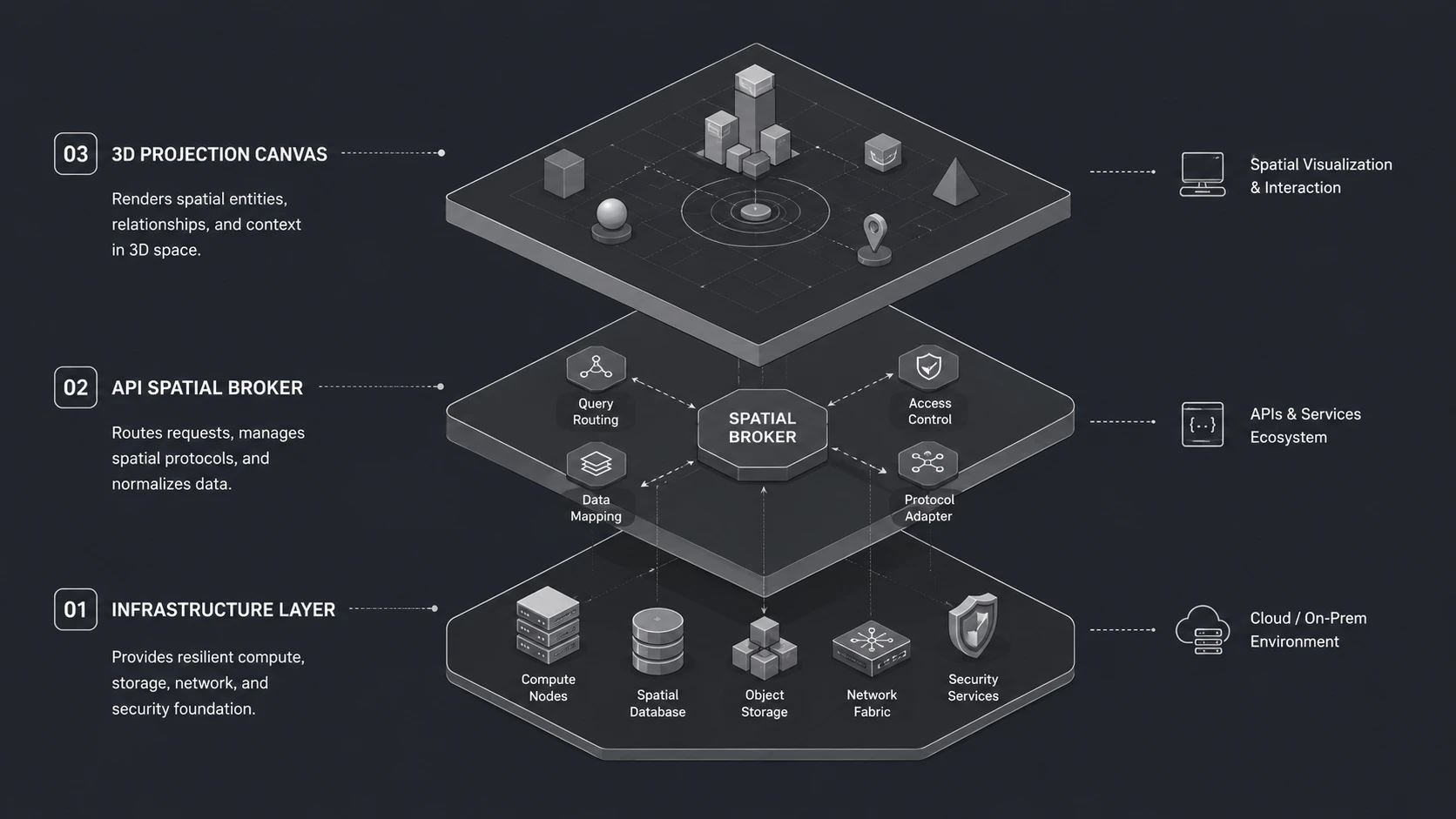
Spatial Web and the Metaverse Stack: When Experiences Span Real & Virtual
Discover how the Spatial Web is transforming enterprise software by blending physical and virtual environments through AI, digital twins, spatial computing, IoT, XR, and real-time collaboration platforms.
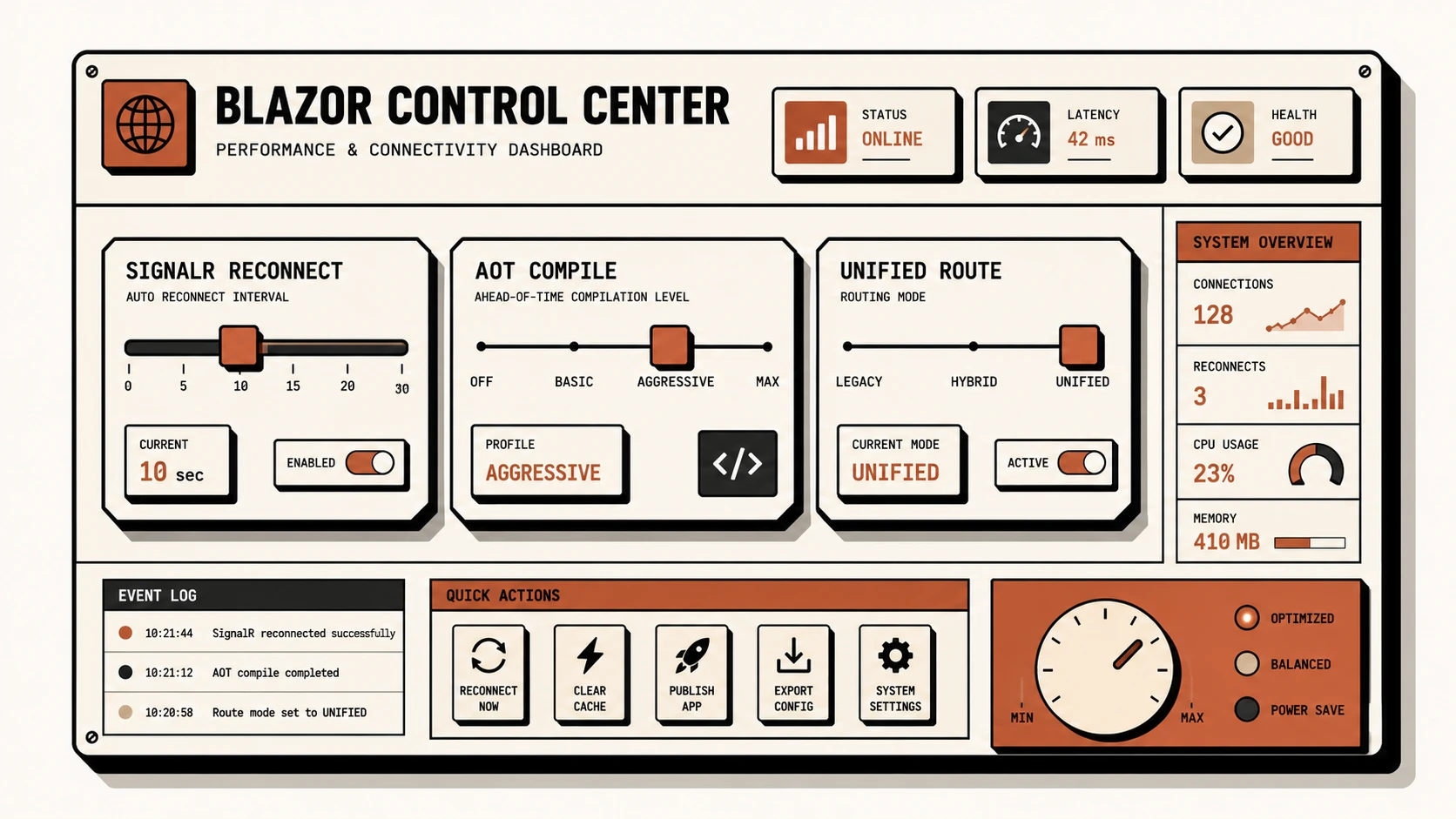
Blazor in 2025: Is It Ready for Enterprise Production?
Five years after its launch, Blazor has matured significantly across rendering models, ecosystem, tooling, and performance. This honest enterprise assessment covers .NET 8 unified rendering, production architecture patterns, the component ecosystem in 2025, and where Blazor is genuinely the right choice versus where it still falls short.
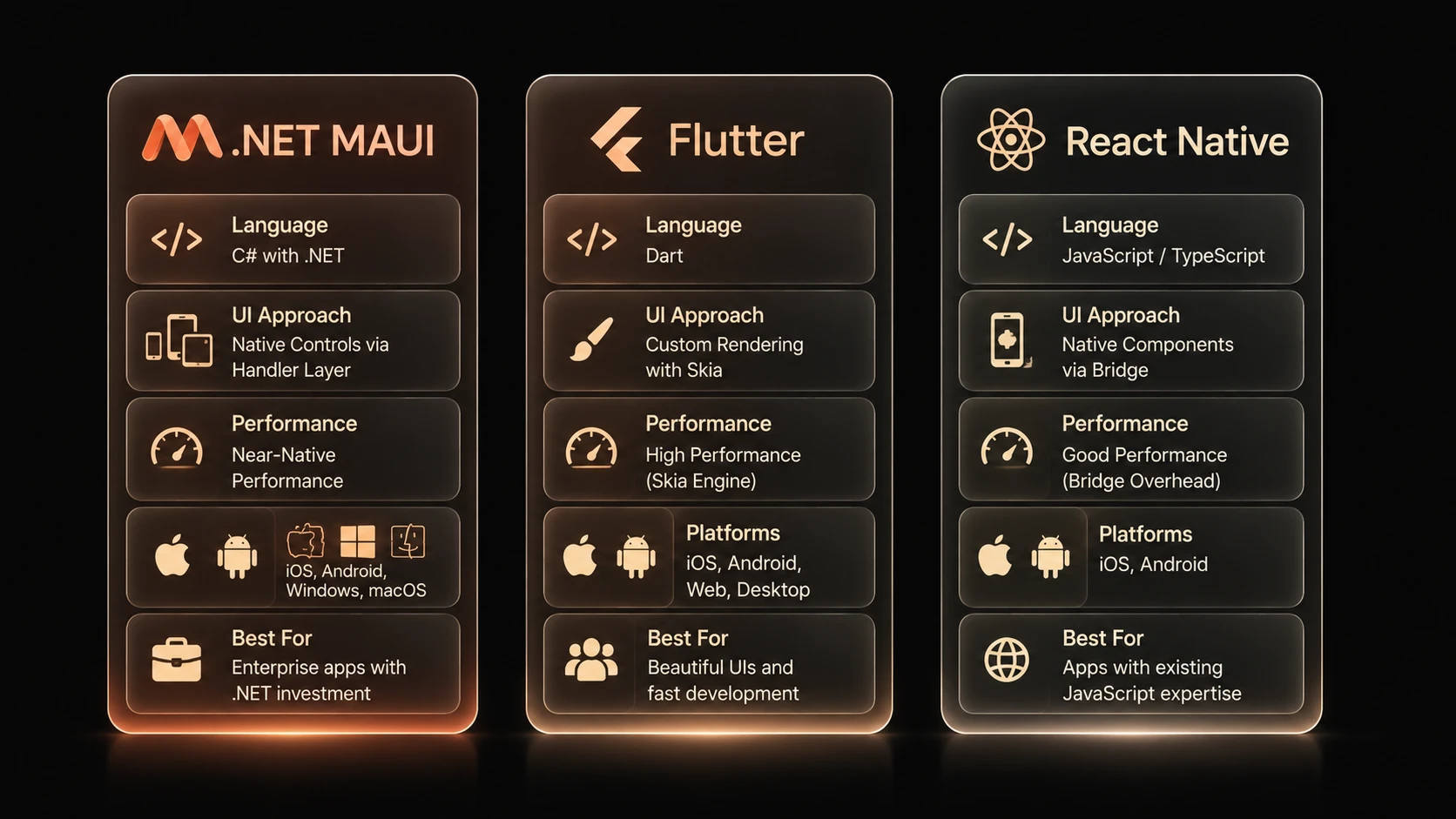
.NET MAUI vs Flutter vs React Native in 2025: The Enterprise Verdict
Three years into .NET MAUI's production life, we compare it head-to-head with Flutter and React Native across performance, developer experience, enterprise integration, and total cost of ownership — based on real production deployments across enterprise clients.
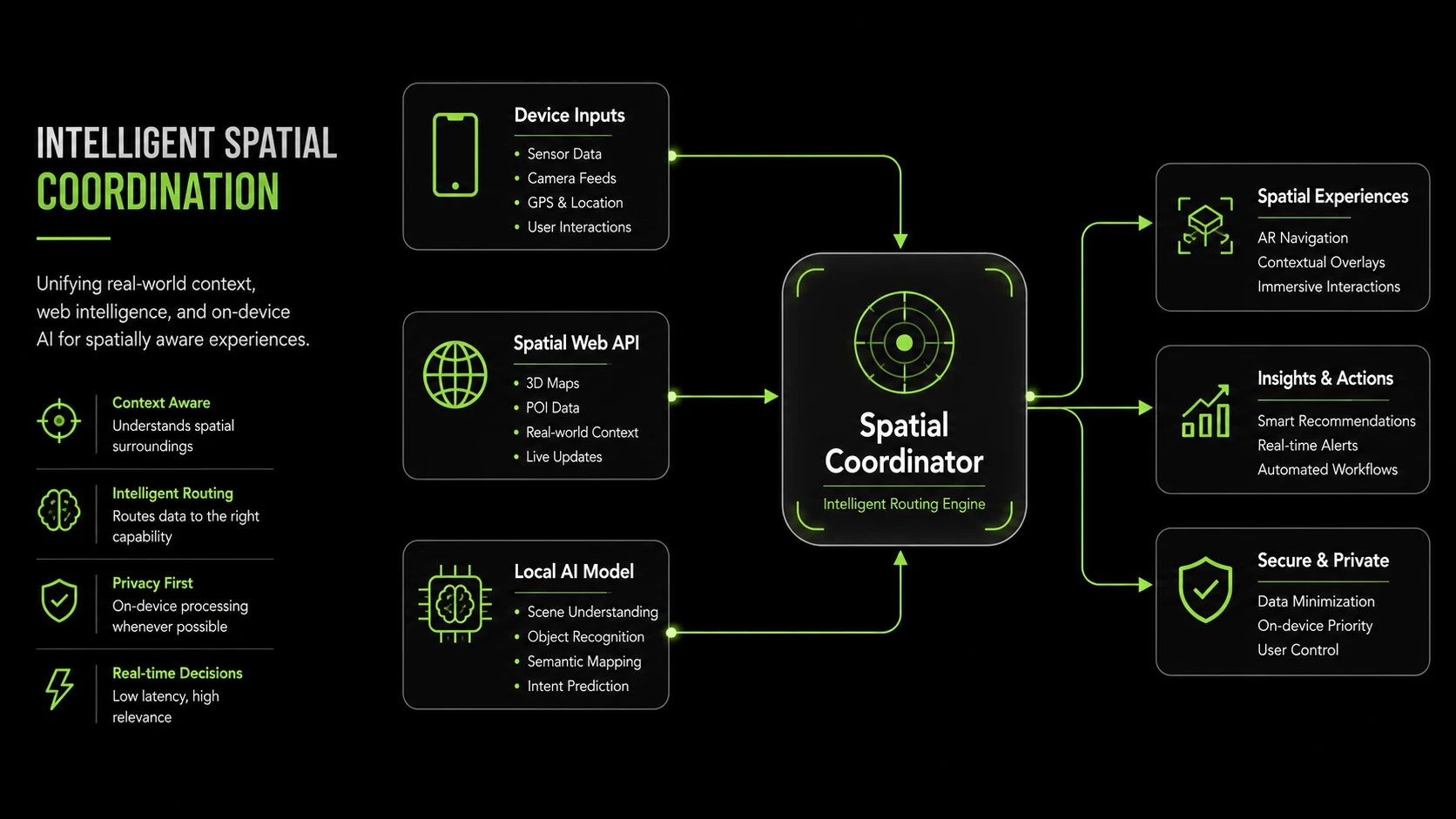
XR + Web + AI: Experiences That Move Beyond Screens
Learn how XR, Web technologies, AI agents, spatial computing, and real-time cloud platforms combine to build intelligent immersive experiences for enterprise collaboration, training, retail, healthcare, and industrial operations.
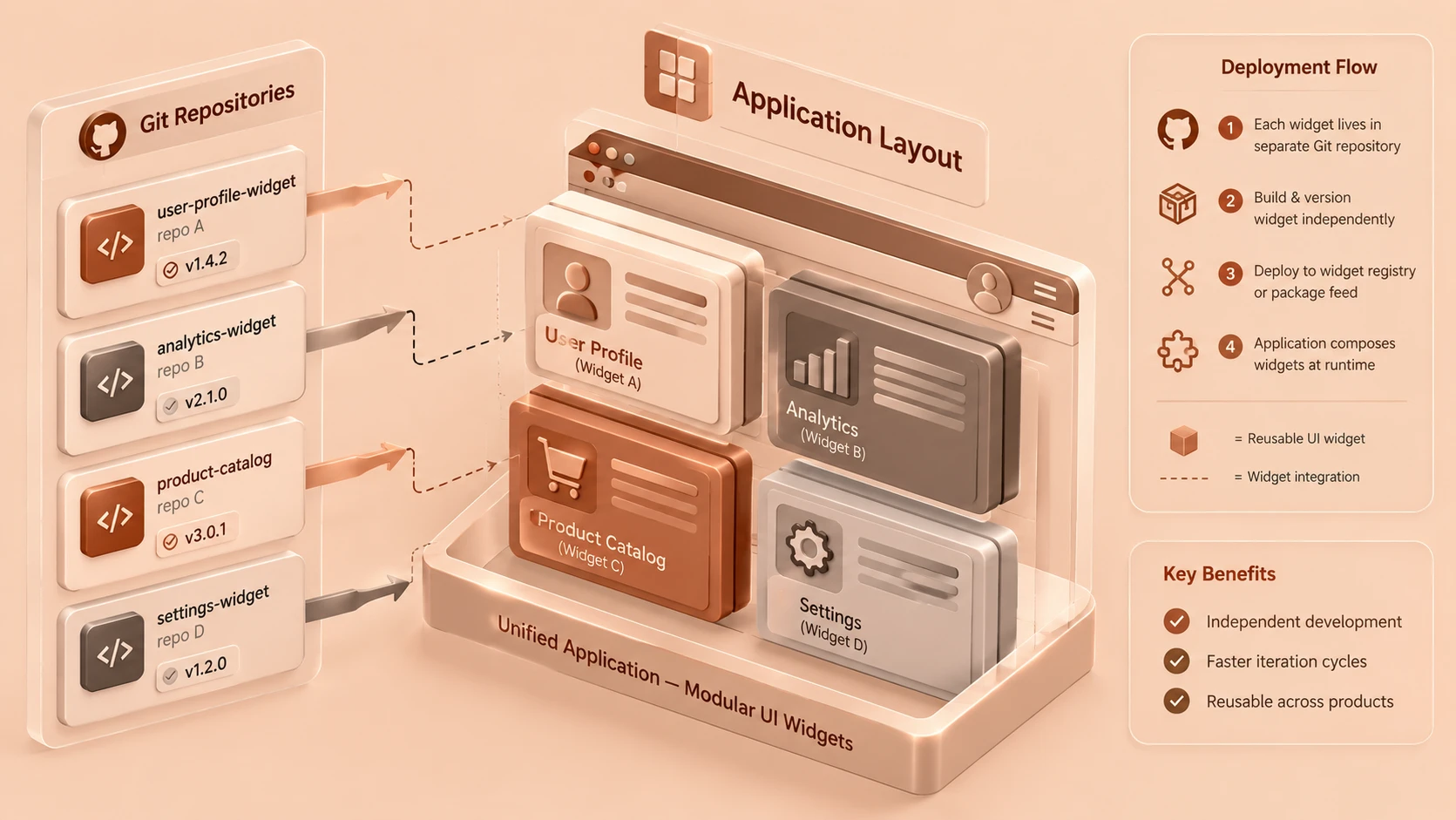
Micro-Frontends & the Modular Web: Scaling UI for Teams
As enterprise applications continue growing in size and complexity, monolithic frontend architectures increasingly become delivery bottlenecks. By late 2024, Micro-Frontends have matured into a proven architectural pattern that enables independent teams to build, deploy, and evolve user interfaces autonomously while maintaining a unified user experience. This article explores Micro-Frontend architecture and the modular web from the perspective of September 2024.
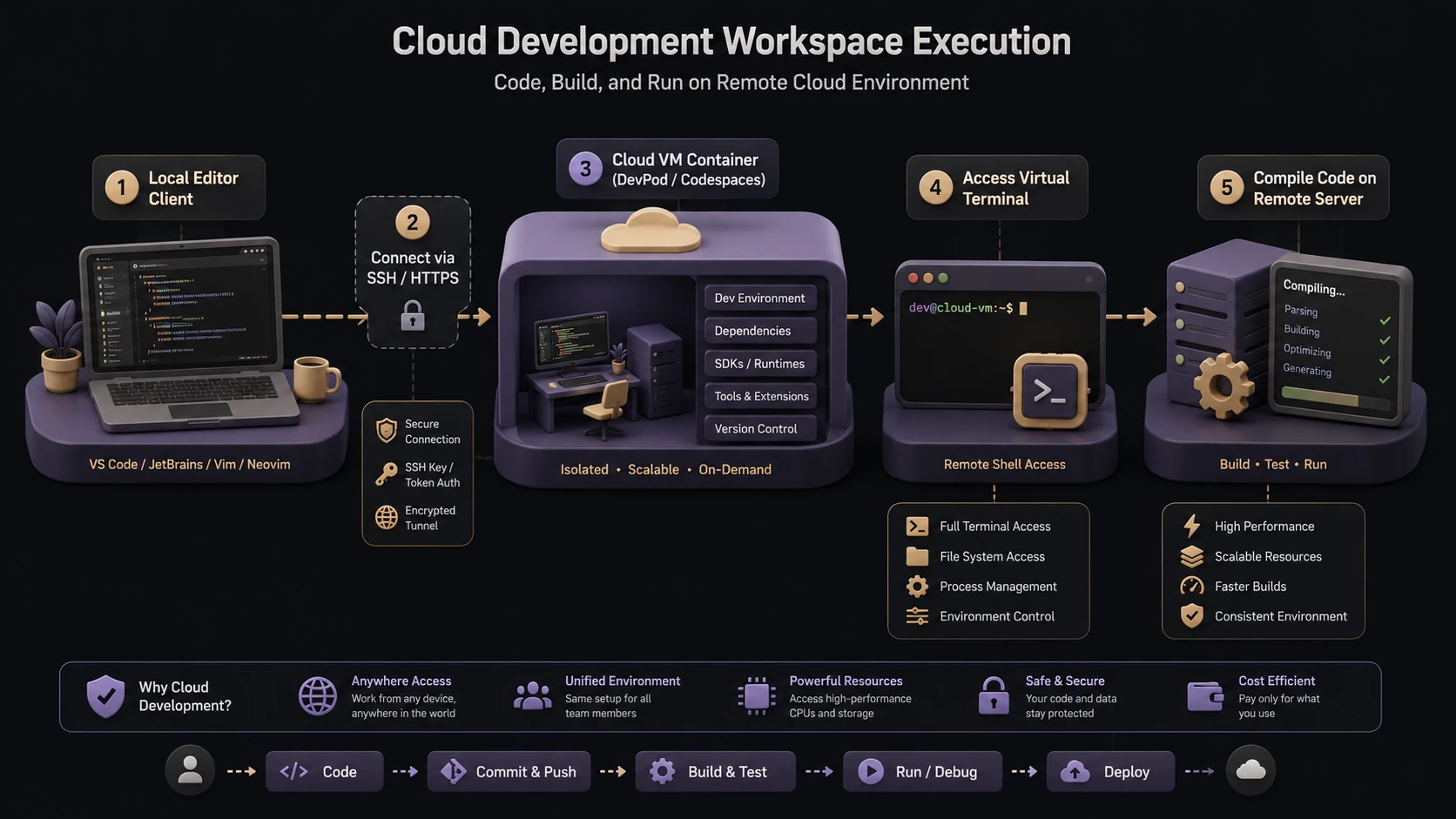
WebAssembly 2.0 & Beyond: High-Performance Logic in the Browser
By mid-2024, WebAssembly has evolved far beyond its original role as a browser optimization technology. With advancements in the Component Model, WebAssembly System Interface (WASI), garbage collection support, and cross-language interoperability, WebAssembly is becoming a universal execution platform for both browsers and servers. This article examines the evolution of WebAssembly from the perspective of July 2024.
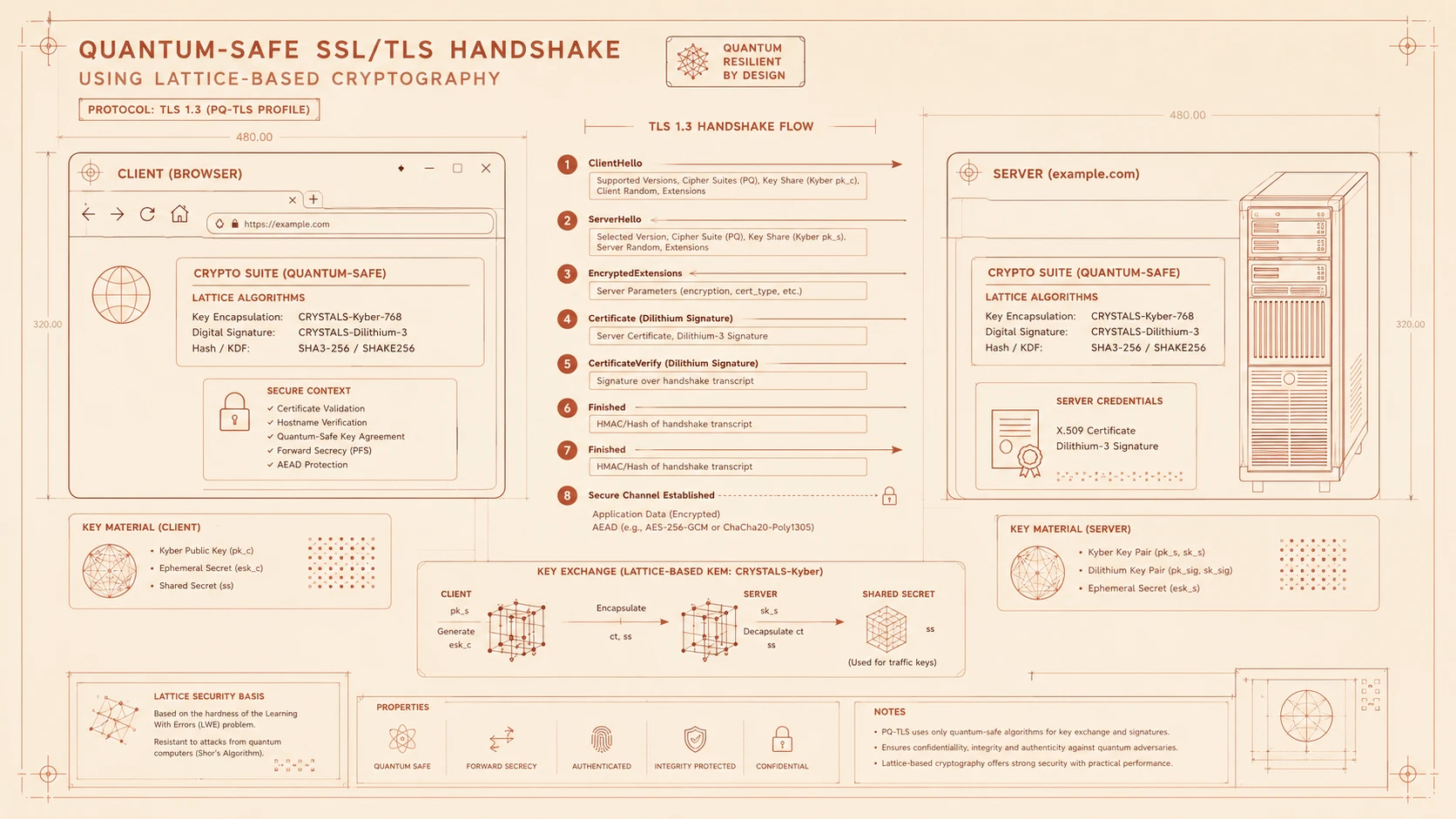
Quantum & Web: When the Browser Meets Quantum-Safe Cryptography
Advances in quantum computing are prompting governments, standards organizations, cloud providers, and enterprises to prepare for a future where today's public-key cryptography may no longer provide adequate long-term protection. This article examines the emerging role of quantum-safe cryptography in modern web architectures, browser security, TLS, PKI, enterprise applications, and cloud platforms from the perspective of July 2024.
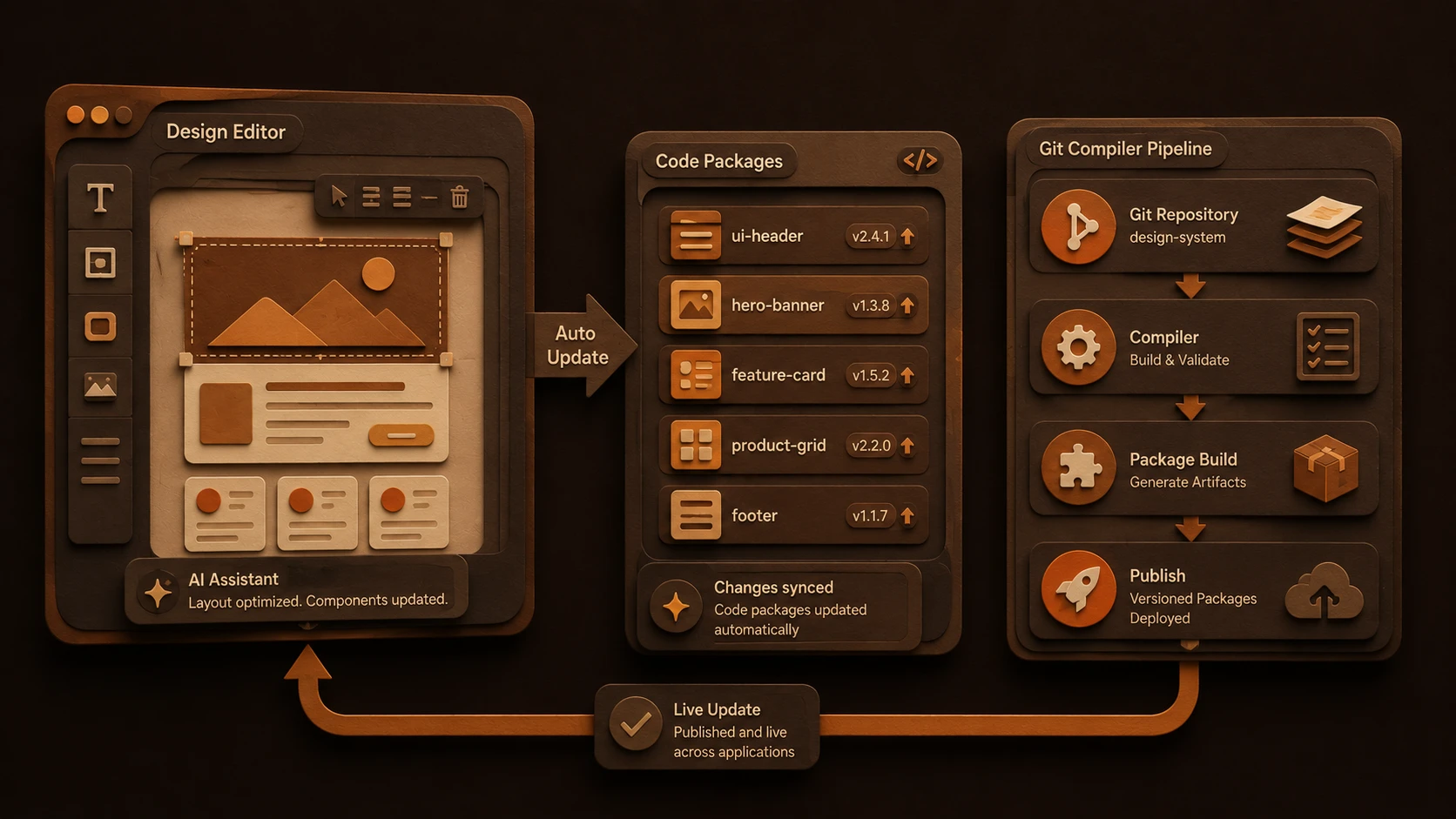
Design Systems Evolved: From Components to DesignOps
By 2024, enterprise design systems have evolved beyond reusable UI components into comprehensive DesignOps platforms that unify designers, developers, product teams, and AI-assisted workflows. This article explores how DesignOps, design tokens, governance, automation, and component ecosystems are reshaping modern software development from the perspective of May 2024.
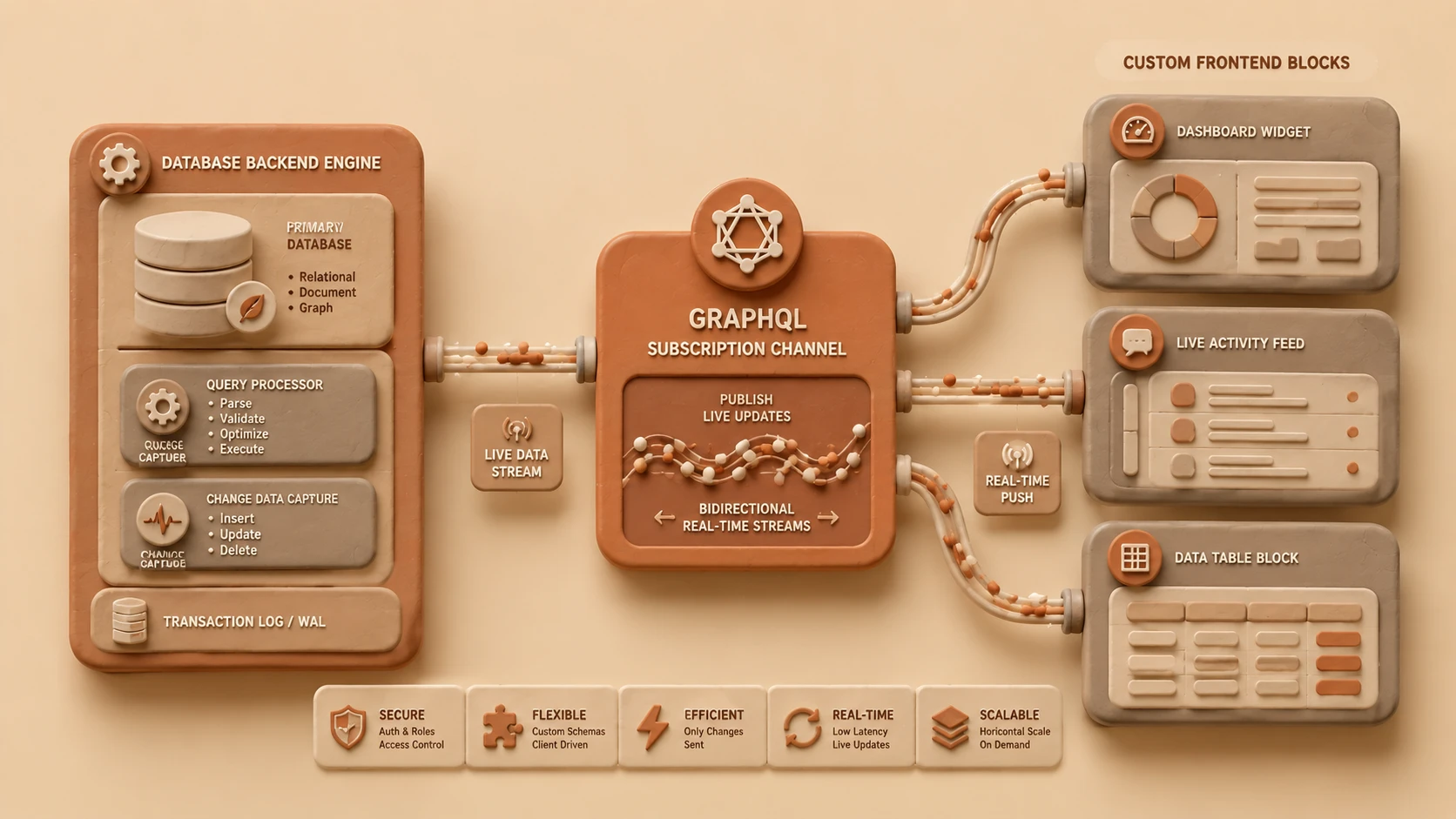
Headless + GraphQL + Real-Time: The Backend Stack of 2024
By 2024, enterprise backend architecture has evolved beyond traditional REST-based monoliths. Organizations increasingly combine Headless platforms, GraphQL APIs, event-driven systems, real-time communication, and cloud-native infrastructure to build scalable digital experiences across web, mobile, IoT, AI, and omnichannel platforms. This article examines the modern backend stack from the perspective of April 2024.
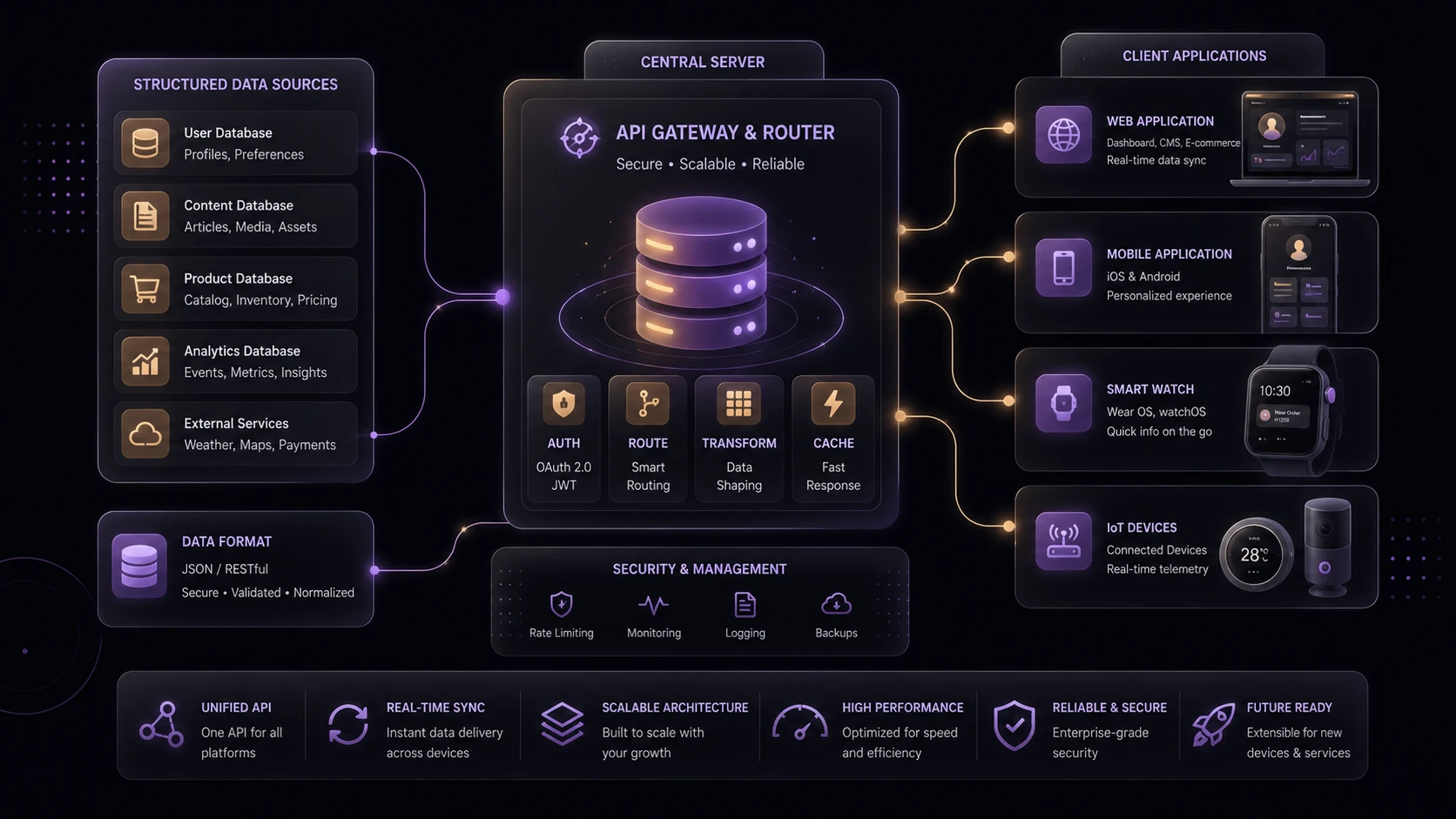
Multi-Experience Apps: One Back-end, Many Frontends
As digital ecosystems continue expanding, enterprises are no longer building applications for a single platform. Modern organizations increasingly serve customers across web browsers, native mobile apps, smart devices, conversational AI, kiosks, and connected vehicles using a shared backend architecture. This article explores Multi-Experience Development Platforms (MXDP) and the architectural principles behind building one backend that powers many frontend experiences, from the perspective of March 2024.