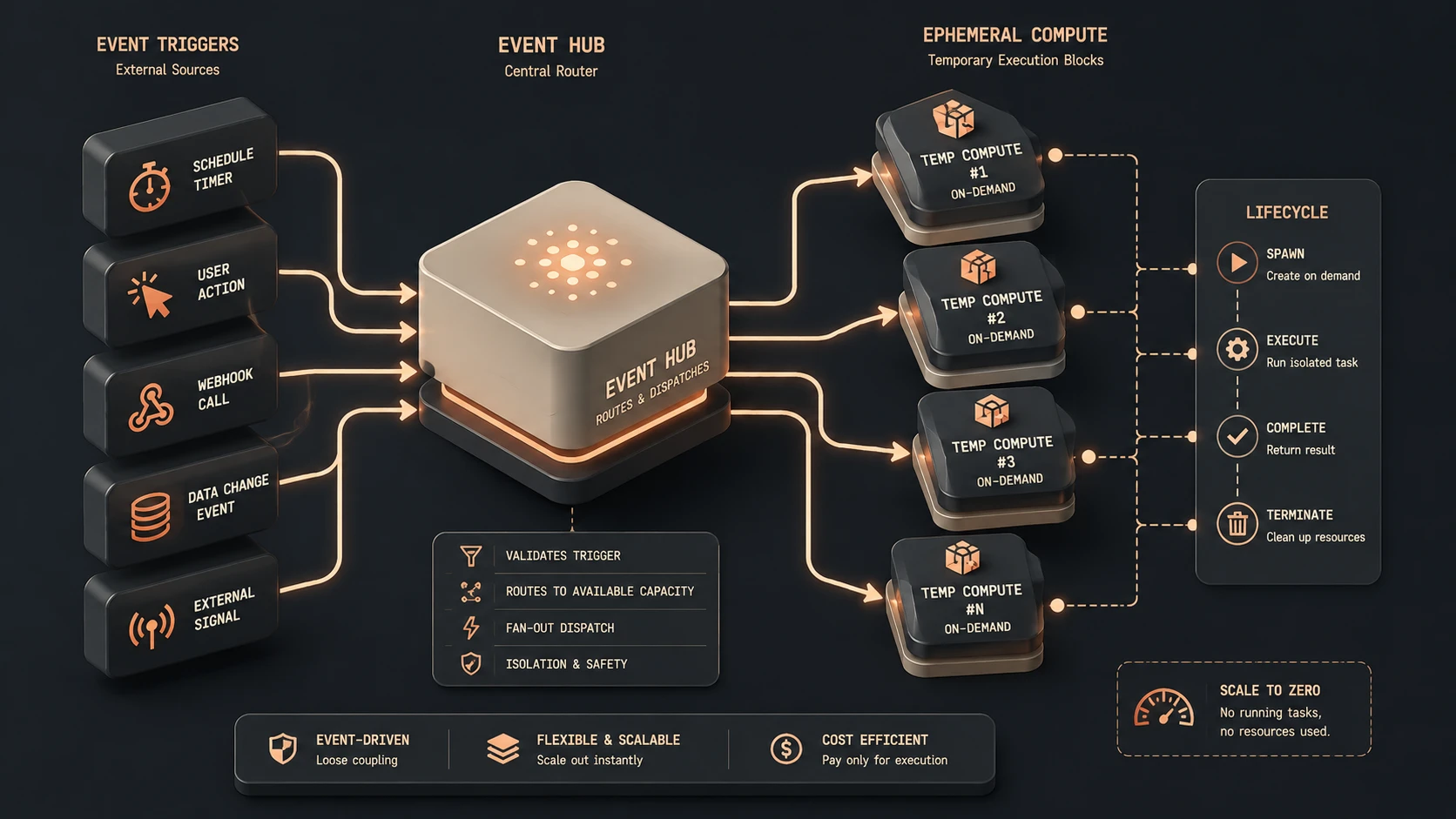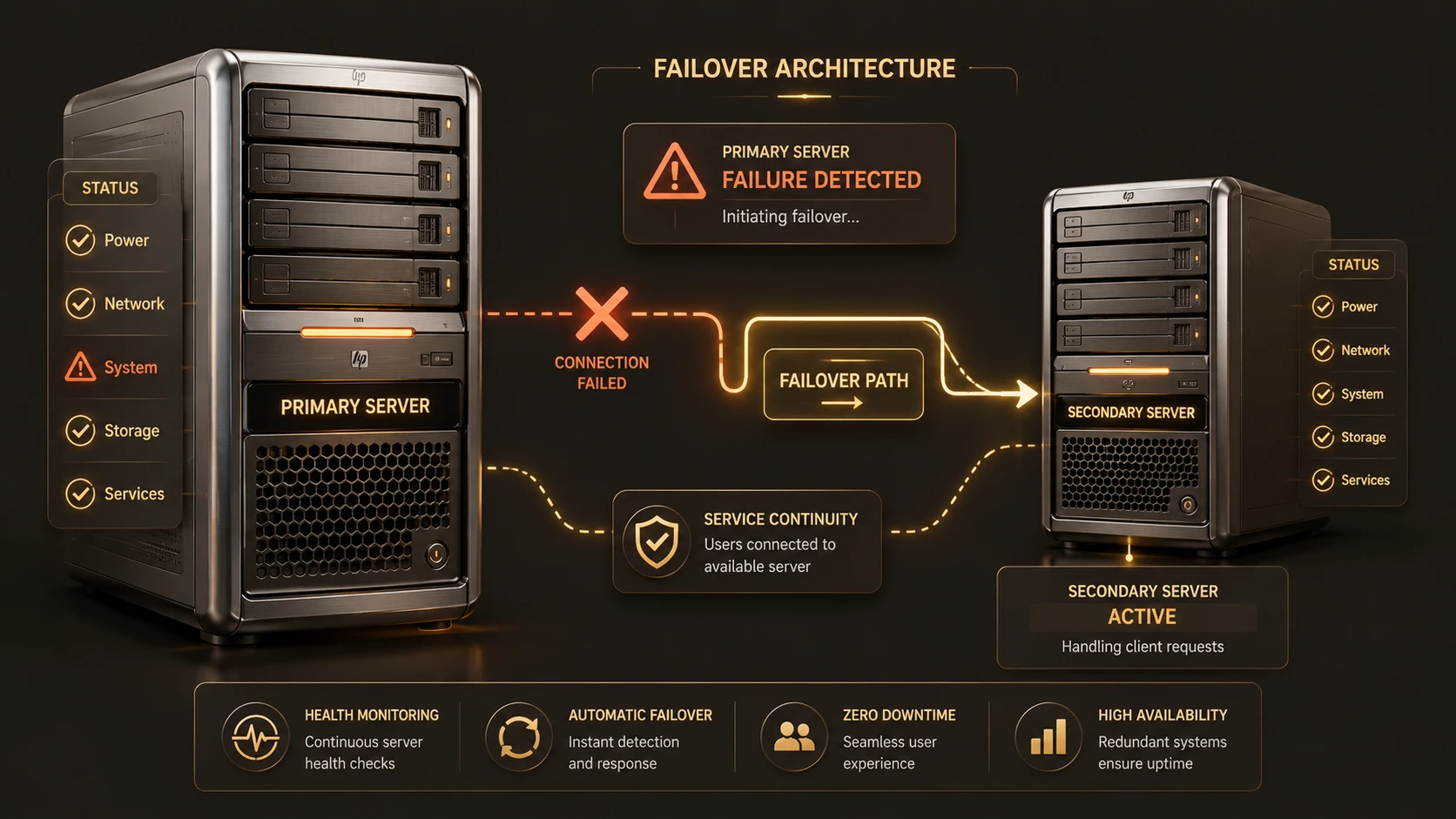
Cloud computing has rapidly evolved from an emerging technology trend into a strategic platform for enterprise applications. Organizations of every size are increasingly moving web applications, development environments, storage platforms, and business services into the cloud to improve scalability, reduce infrastructure management, and accelerate software delivery.
Amazon Web Services (AWS) has been at the forefront of this movement, offering services such as Amazon EC2 and Amazon Elastic Block Store (EBS) that allow organizations to provision infrastructure on demand. As adoption has grown, many enterprises have also begun placing business-critical workloads on AWS.
The recent service disruption affecting the AWS US-East Region has therefore attracted significant attention throughout the technology industry. Although cloud computing continues to offer compelling advantages, the outage serves as a reminder that no infrastructure platform is immune to operational failures. For enterprise architects, the event provides valuable lessons about designing resilient systems, planning for failure, and building applications that can tolerate infrastructure disruptions.
Rather than viewing this incident as a failure of cloud computing itself, organizations should examine it as an opportunity to improve architectural practices and operational planning.
Understanding the Incident
The service disruption primarily affected portions of the AWS US-East Region and had a significant impact on services relying on Amazon Elastic Block Store (EBS). A combination of network events and subsequent storage replication behavior contributed to widespread service degradation for some customers.
Applications experienced issues such as:
- ◆Increased latency
- ◆Storage availability problems
- ◆Delayed instance recovery
- ◆Interrupted application services
- ◆Reduced availability of dependent workloads
Not every customer experienced identical effects. The overall impact depended heavily on application architecture and deployment strategy.
Why the Outage Matters
Cloud adoption has often been discussed in terms of elasticity, operational simplicity, and rapid provisioning. The outage shifts attention toward another equally important architectural consideration: resilience.
Enterprise organizations increasingly depend on continuous application availability for:
- ◆Customer portals
- ◆Financial systems
- ◆E-commerce platforms
- ◆Internal collaboration
- ◆Business reporting
- ◆Software-as-a-Service offerings
Even relatively short service interruptions can affect customer confidence, employee productivity, and business operations.
The incident demonstrates that infrastructure availability alone is insufficient. Applications themselves must be designed to handle unexpected failures.
Shared Responsibility in the Cloud
One of the most important lessons reinforced by this event is that cloud platforms and customer applications each have distinct responsibilities.
| Cloud Provider Responsibilities | Customer Responsibilities |
|---|---|
| Physical infrastructure | Application architecture |
| Hardware maintenance | High availability design |
| Data center operations | Backup strategy |
| Core platform services | Disaster recovery planning |
| Infrastructure monitoring | Application monitoring |
Moving to the cloud does not eliminate architectural responsibility. Instead, it changes where those responsibilities begin and end.
Understanding Availability Zones
AWS Regions are divided into multiple Availability Zones that are designed to provide isolation from localized failures.
Simplified architecture:
AWS Region
   |
---------------------------------
|               |               |
Availability  Availability  Availability
Zone A        Zone B        Zone C
Applications deployed across multiple Availability Zones may be better positioned to tolerate localized service disruptions than those concentrated within a single zone.
This architectural principle deserves renewed attention following the recent incident.
Avoiding Single Points of Failure
Many enterprise systems unknowingly introduce dependencies that reduce resilience.
Examples include:
- ◆Single application server
- ◆Single database instance
- ◆Single storage dependency
- ◆Single load balancer
- ◆Single deployment location
High availability requires identifying and eliminating these potential bottlenecks wherever practical.
Designing for Failure
Traditional infrastructure planning often assumes that failures are exceptional events.
Cloud computing encourages a different mindset.
Instead of asking:
"How can failures be prevented entirely?"
Architects increasingly ask:
"How will the application behave when failures occur?"
This shift leads to architectures that recover more gracefully from unexpected disruptions.
Typical High Availability Architecture
Internet
     |
Load Balancer
     |
---------------------------
|                         |
Application Server A   Application Server B
|                         |
---------------------------
          |
 Replicated Database
          |
 Shared Storage
Multiple application instances reduce dependency on individual servers and improve overall service resilience.
Enterprise Impact
Organizations affected by the outage represented a broad range of industries.
Examples include:
- ◆Online services
- ◆Media platforms
- ◆Business software providers
- ◆Retail applications
- ◆Development environments
The varying levels of disruption illustrate that infrastructure incidents do not affect every architecture equally.
Application design plays a major role in determining operational resilience.
Data Replication Considerations
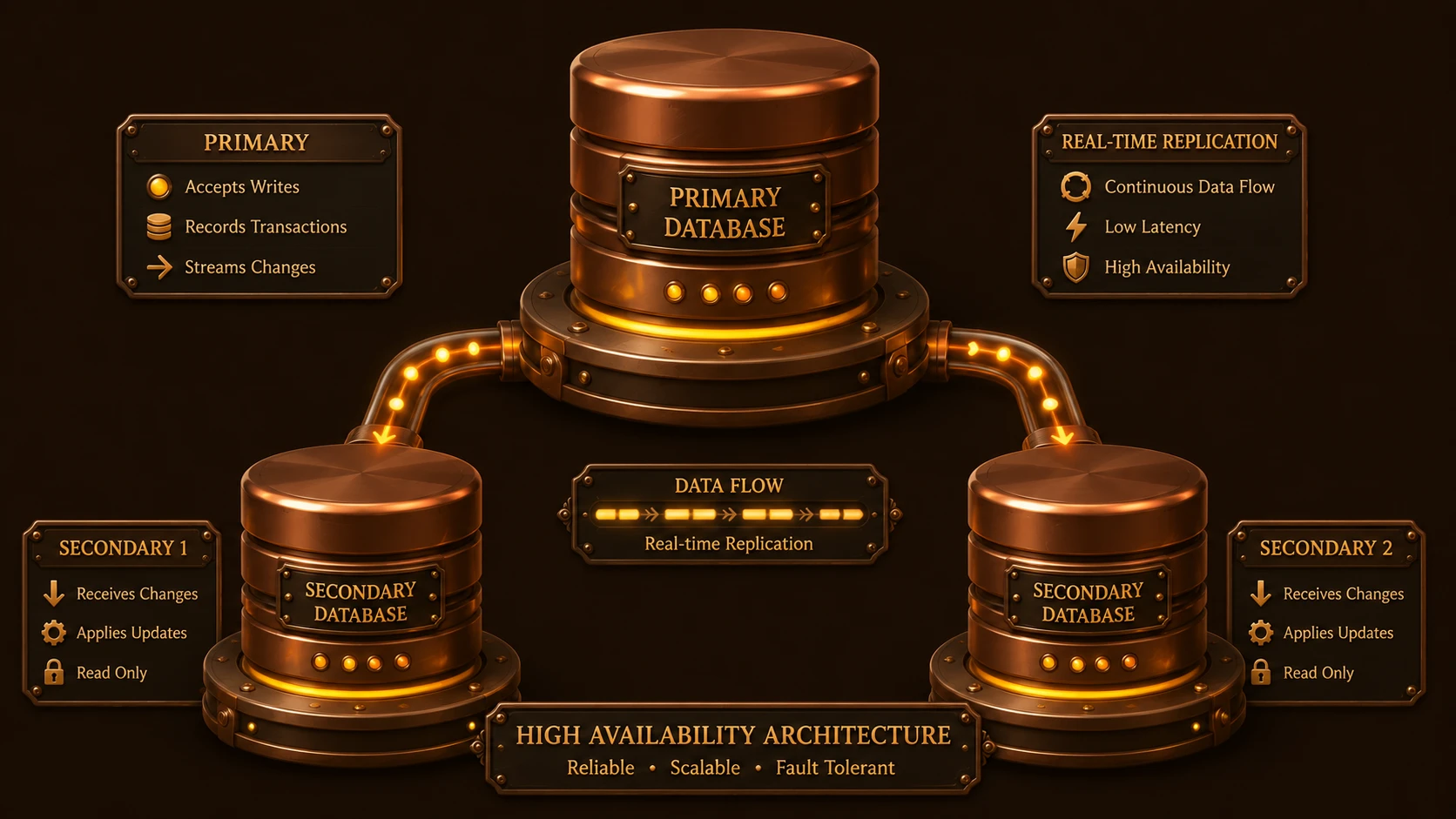
Storage replication improves durability but also introduces architectural complexity.
Organizations should evaluate:
- ◆Replication strategies
- ◆Recovery procedures
- ◆Backup frequency
- ◆Restore testing
- ◆Data consistency requirements
Replication alone should not be viewed as a complete disaster recovery strategy.
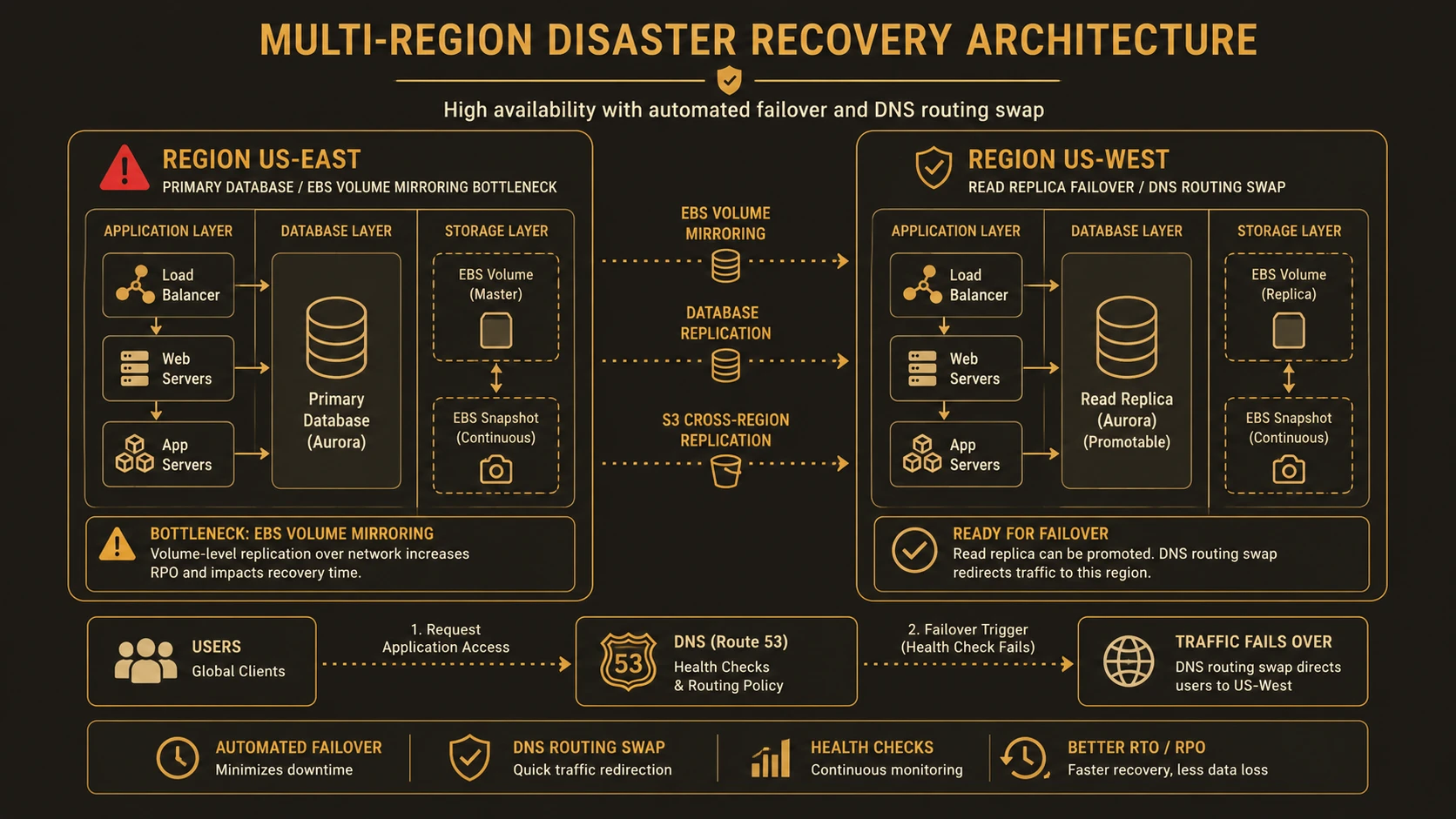
Redundant multi-region failover configuration for disaster recovery protocols.
Monitoring Beyond Infrastructure
Infrastructure monitoring remains essential, but enterprise visibility should extend further.
Recommended monitoring areas include:
- ◆Application availability
- ◆Transaction success rates
- ◆Database performance
- ◆Storage latency
- ◆Network connectivity
- ◆User experience
Comprehensive monitoring enables faster identification of operational issues.
Business Continuity Planning
Cloud adoption should be accompanied by formal continuity planning.
Key considerations include:
- ◆Recovery objectives
- ◆Communication procedures
- ◆Escalation processes
- ◆Operational responsibilities
- ◆Customer notifications
Preparedness often determines how effectively organizations respond to unexpected disruptions.
Enterprise Use Cases
Software as a Service
SaaS providers should evaluate deployment across multiple Availability Zones while designing applications that can recover from component failures.
Financial Services
Financial applications should carefully assess data durability, transaction consistency, and recovery procedures before deployment.
E-Commerce
Online retailers benefit from redundant application tiers, load balancing, and well-tested recovery processes.
Healthcare
Healthcare systems require strong availability planning while maintaining data protection and operational continuity.
High Availability Best Practices
Organizations operating cloud workloads should consider the following recommendations.
Distribute Critical Components
Avoid concentrating critical infrastructure within a single failure domain.
Automate Recovery
Automation reduces recovery time while minimizing operational complexity.
Test Failure Scenarios
Recovery plans should be validated regularly rather than assumed to function correctly.
Separate Application Tiers
Independent web, application, and data tiers improve flexibility during operational events.
Maintain Reliable Backups
Backups remain essential regardless of infrastructure platform.
Common Mistakes
Many cloud deployments encounter similar architectural weaknesses.
Assuming the Cloud Eliminates Downtime
Cloud infrastructure improves flexibility but cannot eliminate every operational risk.
Ignoring Disaster Recovery
Recovery planning should begin during architecture rather than after deployment.
Deploying Everything in One Location
Concentrating workloads increases exposure to localized failures.
Failing to Monitor Applications
Infrastructure health alone does not guarantee application availability.
Never Testing Recovery Procedures
Recovery processes should be exercised periodically to verify operational readiness.
Recommendations for Enterprise Architects
Organizations reviewing cloud strategies should:
- 1.Review application dependencies.
- 2.Eliminate unnecessary single points of failure.
- 3.Deploy critical services across multiple Availability Zones where appropriate.
- 4.Automate deployment and recovery procedures.
- 5.Implement comprehensive monitoring.
- 6.Document disaster recovery procedures.
- 7.Regularly test business continuity plans.
These practices improve resilience regardless of infrastructure provider.
Cloud Computing After the Outage
The recent AWS incident has prompted valuable discussions throughout the technology industry regarding cloud reliability and enterprise architecture. Rather than discouraging cloud adoption, it highlights the importance of thoughtful application design.
Cloud platforms continue to offer compelling advantages, including elasticity, rapid provisioning, and operational efficiency. However, organizations must complement these capabilities with architectures that anticipate failures and recover gracefully.
Looking Ahead
The AWS US-East outage serves as an important milestone in the evolution of enterprise cloud computing. As organizations increasingly rely on cloud infrastructure for business-critical workloads, high availability can no longer be treated as an infrastructure feature alone. It must become a core architectural principle.
Enterprise teams should use the lessons from this incident to strengthen application resilience, improve operational planning, and design systems that continue delivering business value even when underlying infrastructure experiences unexpected disruptions. By combining thoughtful architecture with disciplined operational practices, organizations can take advantage of cloud computing while building confidence in the reliability of their enterprise applications.