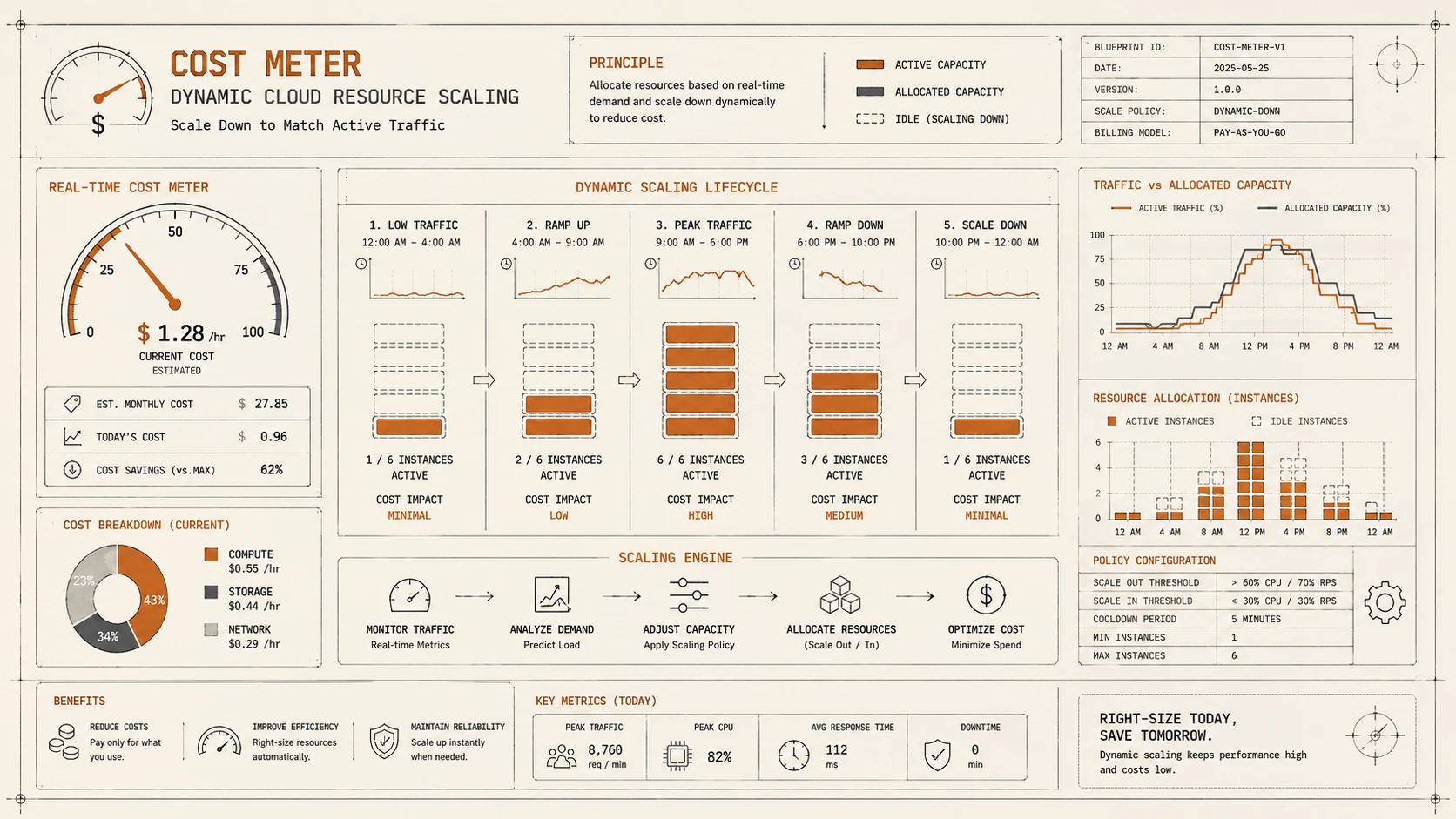
Introduction
Enterprise cloud adoption has fundamentally changed how organizations consume computing resources. Unlike traditional data centers where infrastructure investments were largely fixed, public cloud platforms provide virtually unlimited on-demand resources that can be provisioned in minutes. While this elasticity enables rapid innovation, it also introduces a new operational challenge: uncontrolled cloud spending.
Many organizations initially focused on cloud migration speed, prioritizing agility over cost optimization. As workloads matured, engineering leaders discovered that cloud invoices could fluctuate dramatically due to overprovisioned virtual machines, idle Kubernetes clusters, excessive storage growth, inefficient networking, and continuously running development environments.
By early 2022, Cloud FinOps has emerged as a collaborative operating model that brings engineering, finance, operations, and business stakeholders together to make informed cloud spending decisions. Rather than treating cost optimization as an annual budgeting exercise, FinOps encourages continuous visibility, accountability, automation, and optimization.
For enterprise architects, Cloud FinOps represents an important shift toward designing systems that are not only scalable and reliable but also financially efficient.
Industry Background
Cloud-native platforms increasingly rely on:
- ◆Kubernetes
- ◆Managed databases
- ◆Serverless computing
- ◆Object storage
- ◆Container platforms
- ◆Multi-cloud deployments
- ◆Infrastructure as Code
- ◆Continuous Delivery
These technologies improve agility but require continuous cost monitoring to maximize business value.
The Business Problem
Organizations commonly encounter:
- ◆Rapidly increasing cloud invoices
- ◆Idle development resources
- ◆Overprovisioned compute instances
- ◆Unused storage volumes
- ◆Inefficient Kubernetes resource allocation
- ◆Limited visibility into team spending
- ◆Difficult cloud budgeting
Without operational cost governance, cloud efficiency declines as environments scale.
Understanding Cloud FinOps
Cloud FinOps is an operational discipline that aligns engineering, finance, and business teams around cloud cost visibility and optimization.
Its primary objectives include:
- ◆Financial accountability
- ◆Continuous cost monitoring
- ◆Resource optimization
- ◆Business value measurement
- ◆Engineering ownership
- ◆Operational efficiency
Rather than reducing cloud usage indiscriminately, FinOps focuses on maximizing value for every dollar spent.
Core Architecture
| Component | Responsibility |
|---|---|
| Cloud Provider Billing | Usage and pricing data |
| Cost Management Platform | Cost visibility and reporting |
| Engineering Teams | Infrastructure optimization |
| Finance Team | Budget governance |
| Kubernetes Cluster | Container resource management |
| Infrastructure as Code | Standardized provisioning |
| Monitoring Platform | Utilization metrics |
| Business Units | Cost accountability |
Together these components establish a continuous cloud optimization process.
How Cloud FinOps Works
- 1.Cloud services generate usage data.
- 2.Billing platforms collect resource costs.
- 3.Cost dashboards allocate spending to teams and applications.
- 4.Engineering teams analyze utilization metrics.
- 5.Optimization opportunities are identified.
- 6.Infrastructure changes reduce unnecessary consumption.
- 7.Financial and engineering teams review ongoing improvements.
This continuous feedback loop transforms cost optimization into an engineering responsibility.
Cost Visibility
Effective FinOps begins with complete visibility into cloud consumption.
Organizations should track:
- ◆Compute usage
- ◆Storage growth
- ◆Network transfer costs
- ◆Managed database consumption
- ◆Kubernetes resource utilization
- ◆Serverless execution costs
Accurate tagging and resource ownership are essential for meaningful reporting.
Engineering Ownership
Cloud cost optimization is most effective when engineering teams own operational efficiency.
Engineering responsibilities include:
- ◆Rightsizing infrastructure
- ◆Removing unused resources
- ◆Improving application efficiency
- ◆Optimizing storage lifecycle
- ◆Reducing unnecessary network traffic
- ◆Monitoring workload utilization
Financial accountability becomes part of everyday engineering decisions.
Kubernetes Cost Optimization
# Kubernetes resource requests and limits mapping for cost governance
apiVersion: apps/v1
kind: Deployment
metadata:
  name: resource-throttled-app
spec:
  template:
    spec:
      containers:
        - name: web-app
          image: shivam/web:latest
          resources:
            requests:
              memory: "64Mi"
              cpu: "100m"
            limits:
              memory: "128Mi"
              cpu: "200m"
Container platforms introduce additional cost management opportunities.
Enterprise teams should evaluate:
- ◆CPU requests
- ◆Memory requests
- ◆Resource limits
- ◆Cluster autoscaling
- ◆Idle namespaces
- ◆Node utilization
Efficient resource allocation reduces infrastructure waste while maintaining application reliability.
Automation
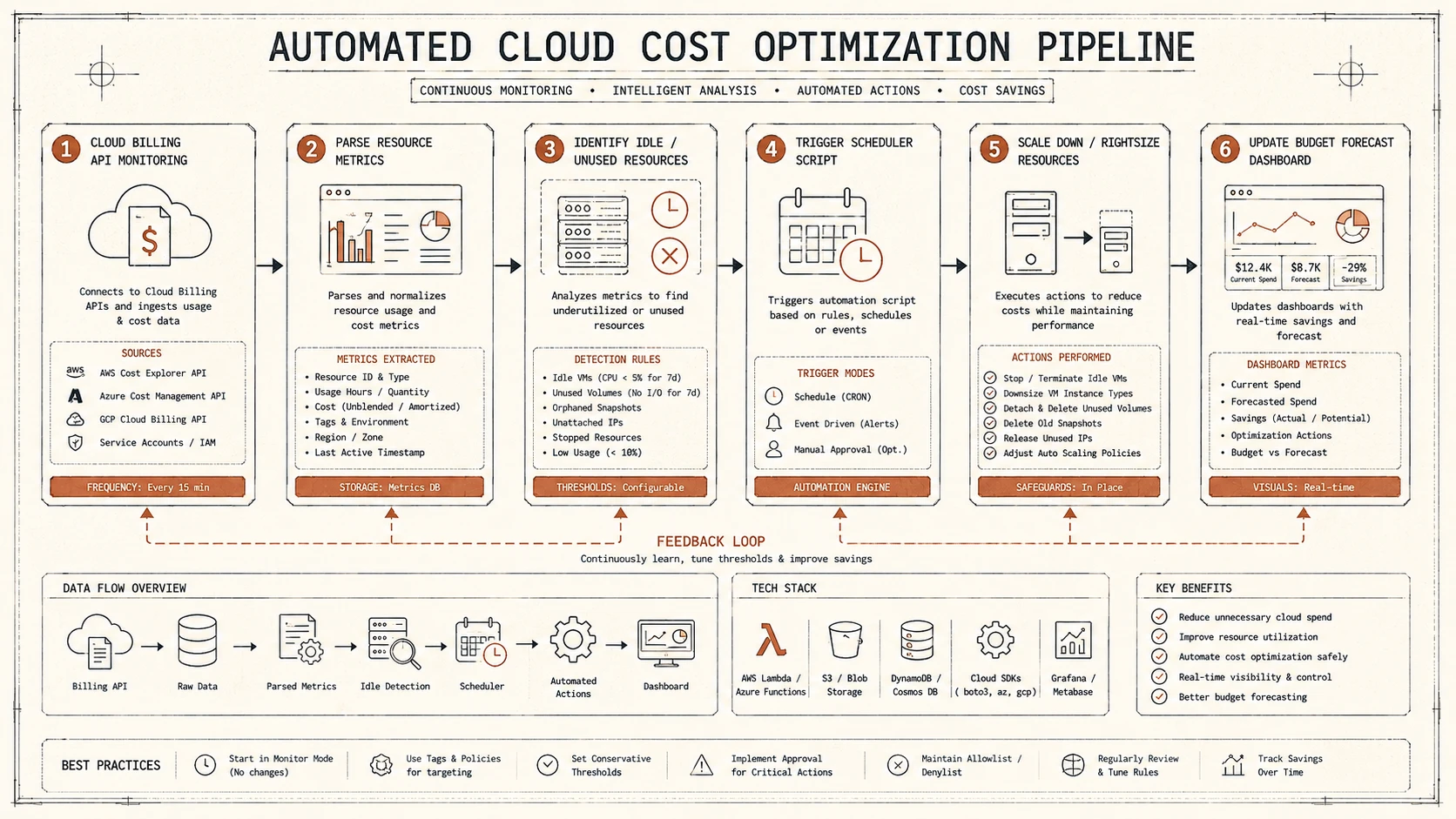
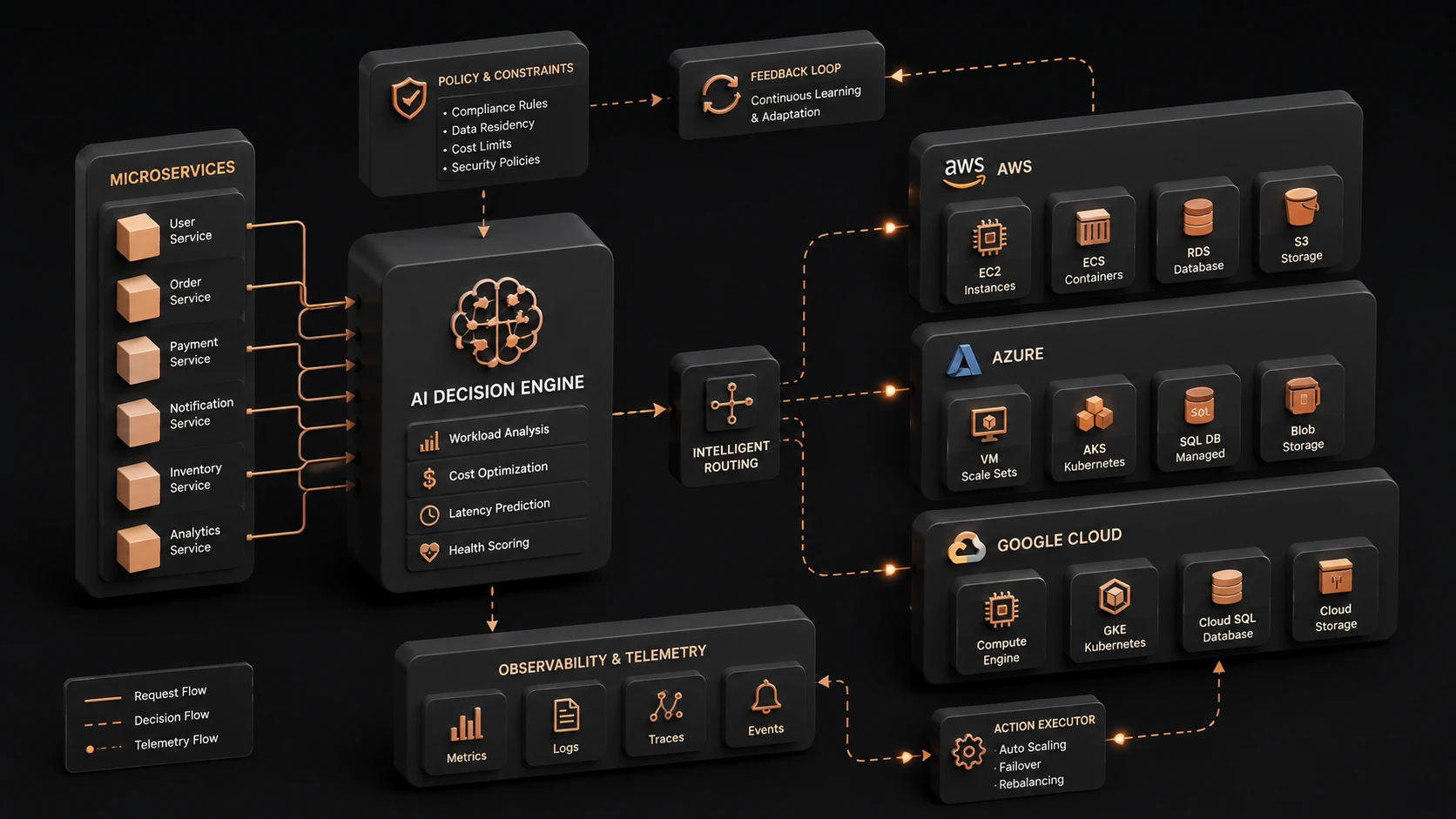
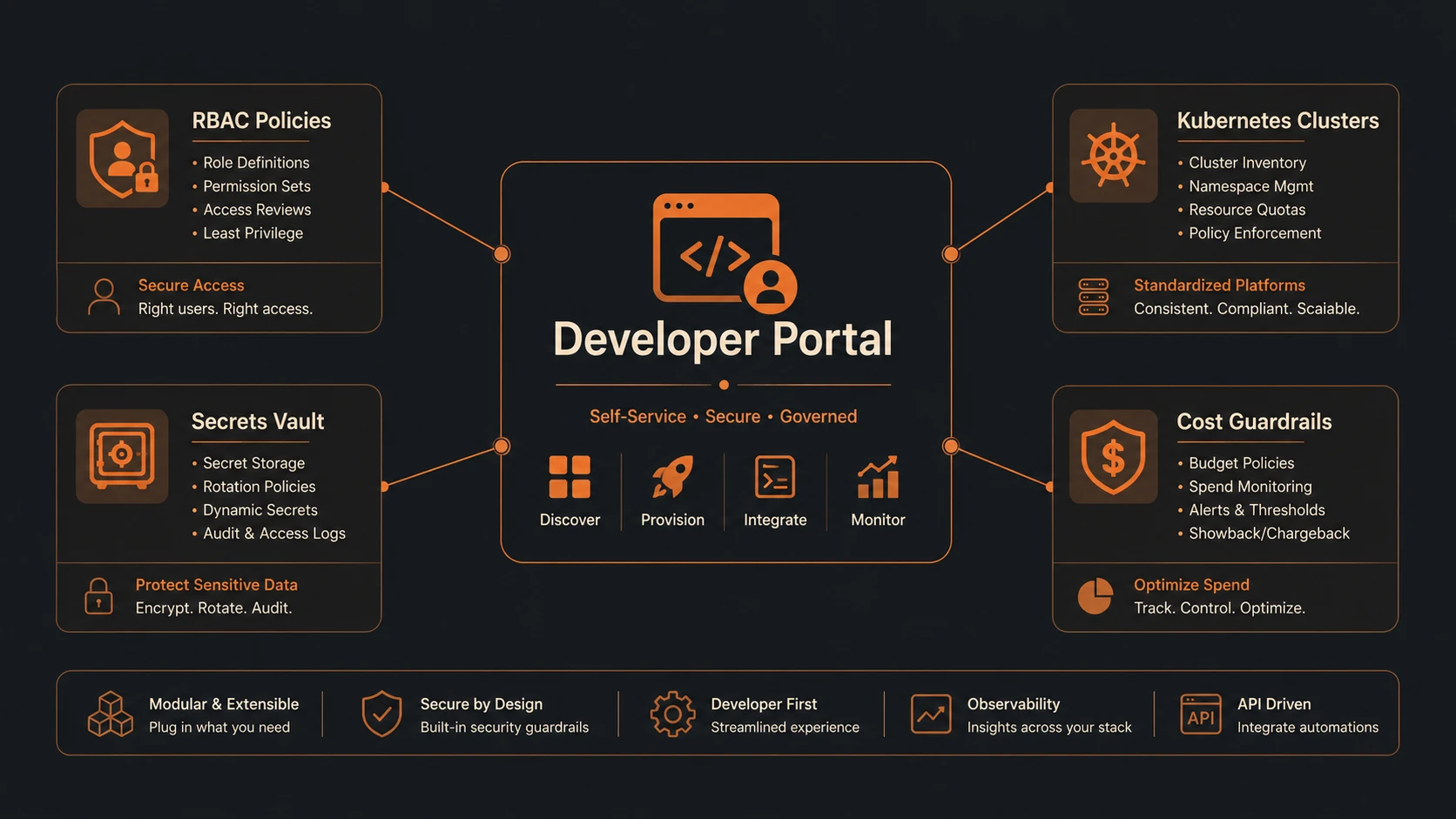
System architecture diagram and conceptual workflow layout for Cloud FinOps & Cost Intelligent Engineering.
Automation plays a critical role in modern FinOps.
Common automation scenarios include:
- ◆Scheduled shutdown of development environments
- ◆Automatic deletion of unused resources
- ◆Infrastructure policy enforcement
- ◆Budget alerts
- ◆Resource tagging validation
- ◆Cost anomaly detection
Automation reduces manual operational effort while improving governance.
Enterprise Use Cases
SaaS Platforms
Optimize cloud spending across multi-tenant production environments.
Software Development
Reduce development and testing infrastructure costs.
Financial Services
Improve budgeting for regulated cloud workloads.
Retail
Scale infrastructure efficiently during seasonal demand.
Enterprise IT
Allocate cloud costs accurately across business units.
Performance Considerations
Cloud optimization should balance cost with application performance.
Engineering teams should evaluate:
- ◆CPU utilization
- ◆Memory consumption
- ◆Storage performance
- ◆Network latency
- ◆Autoscaling efficiency
- ◆Resource allocation
Performance improvements should never be pursued without understanding financial impact.
Security Considerations
FinOps complements security rather than replacing it.
Organizations should continue implementing:
- ◆Identity and Access Management
- ◆Least-privilege permissions
- ◆Resource tagging policies
- ◆Encryption
- ◆Audit logging
- ◆Secure Infrastructure as Code
Financial governance should align with security governance wherever possible.
Scalability
Cloud FinOps enables scalable operations through:
- ◆Continuous optimization
- ◆Automated governance
- ◆Resource accountability
- ◆Engineering ownership
- ◆Cost forecasting
- ◆Standardized provisioning
These capabilities become increasingly valuable as cloud adoption expands across business units.
Best Practices
- ◆Establish mandatory resource tagging.
- ◆Create cost dashboards for engineering teams.
- ◆Review cloud spending regularly.
- ◆Automate resource cleanup.
- ◆Rightsize compute resources continuously.
- ◆Implement autoscaling where appropriate.
- ◆Include cost metrics in engineering reviews.
- ◆Treat cloud cost optimization as an ongoing engineering activity.
Common Mistakes
| Mistake | Enterprise Impact |
|---|---|
| Viewing FinOps as solely a finance initiative | Limited engineering engagement |
| Missing resource ownership | Poor cost accountability |
| Overprovisioning infrastructure | Increased operational expenses |
| Ignoring idle environments | Resource waste |
| Optimizing only after monthly invoices arrive | Delayed corrective action |
| Reducing infrastructure without measuring performance | Application instability |
Technology Comparison
| Traditional IT Cost Management | Cloud FinOps |
|---|---|
| Annual budgeting | Continuous optimization |
| Infrastructure ownership by IT | Shared engineering ownership |
| Fixed hardware investments | Consumption-based pricing |
| Periodic reporting | Real-time visibility |
| Manual optimization | Automated governance |
| Limited operational feedback | Continuous engineering improvements |
Adoption Strategy
- 1.Establish executive sponsorship for FinOps.
- 2.Standardize cloud resource tagging.
- 3.Build organization-wide cost dashboards.
- 4.Assign application ownership.
- 5.Integrate cost metrics into engineering workflows.
- 6.Automate governance policies.
- 7.Benchmark optimization improvements.
- 8.Review cloud efficiency regularly across engineering and finance teams.
Limitations
As of April 2022, Cloud FinOps continues evolving as an organizational practice rather than a single technology solution. Successful implementation depends on collaboration across engineering, finance, operations, and leadership teams. Organizations should avoid focusing exclusively on cost reduction, instead balancing financial efficiency with application performance, reliability, and business outcomes.
Looking Ahead
From the perspective of April 2022, Cloud FinOps has become an essential discipline for organizations operating cloud-native platforms at scale. As enterprises continue expanding Kubernetes deployments, serverless workloads, managed services, and multi-cloud environments, engineering teams are increasingly expected to understand both technical architecture and financial impact. Cost-intelligent engineering is emerging as a core competency that enables organizations to innovate rapidly while maintaining sustainable cloud economics.