Introduction
Business continuity has become one of the highest priorities for enterprise IT organizations. Modern businesses rely on databases to support customer transactions, financial reporting, inventory management, manufacturing, healthcare systems, and countless other mission-critical operations. Even a brief period of database downtime can disrupt business processes, impact customer confidence, and result in significant financial consequences.
Historically, SQL Server administrators have relied on technologies such as database mirroring, failover clustering, log shipping, and replication to improve availability and disaster recovery capabilities. While each solution addresses specific requirements, organizations often deploy multiple technologies to achieve both local high availability and geographically distributed disaster recovery.
SQL Server 2012 introduces the AlwaysOn family of high availability technologies, representing one of the most significant architectural enhancements in the platform's evolution. As of July 2011, SQL Server 2012 remains in pre-release development, and enterprise architects are beginning to evaluate AlwaysOn as a promising approach for improving resilience while simplifying high availability planning.
This article examines the architectural concepts behind AlwaysOn, compares it with existing SQL Server technologies, discusses enterprise use cases, and provides practical recommendations for organizations planning future database infrastructure investments.
Why High Availability Matters
Enterprise databases support applications that often operate continuously.
Typical systems include:
- ◆Financial transaction platforms
- ◆Enterprise Resource Planning (ERP)
- ◆Customer Relationship Management (CRM)
- ◆E-commerce applications
- ◆Manufacturing execution systems
- ◆Healthcare information systems
- ◆Business intelligence platforms
Unexpected database outages can interrupt business operations and increase recovery costs.
Organizations therefore invest heavily in high availability and disaster recovery planning.
Traditional SQL Server High Availability Options
Before AlwaysOn, SQL Server deployments commonly relied on several established technologies.
These include:
- ◆Windows Server Failover Clustering
- ◆Database Mirroring
- ◆Log Shipping
- ◆Replication
- ◆Backup and Restore
Each technology addresses different business requirements.
For example, failover clustering provides server-level protection, while log shipping offers disaster recovery through scheduled log transfers.
Although effective, combining these technologies often increases administrative complexity.
Introducing AlwaysOn
AlwaysOn is designed to provide a more comprehensive approach to database availability.
Rather than relying upon a single protection mechanism, AlwaysOn introduces new capabilities for protecting databases while supporting planned maintenance and disaster recovery scenarios.
Key objectives include:
- ◆Improved availability
- ◆Simplified failover management
- ◆Better disaster recovery planning
- ◆Reduced downtime
- ◆Flexible deployment architectures
These capabilities are intended to help organizations build more resilient SQL Server environments.
AlwaysOn Availability Groups
One of the most significant additions is the concept of Availability Groups.
Instead of protecting databases individually, multiple related databases can be grouped together for coordinated failover.
Potential advantages include:
- ◆Coordinated database movement
- ◆Simplified application recovery
- ◆Reduced administrative effort
- ◆Improved business continuity
This model is particularly valuable for enterprise applications consisting of multiple databases that must remain synchronized.
Availability Replicas
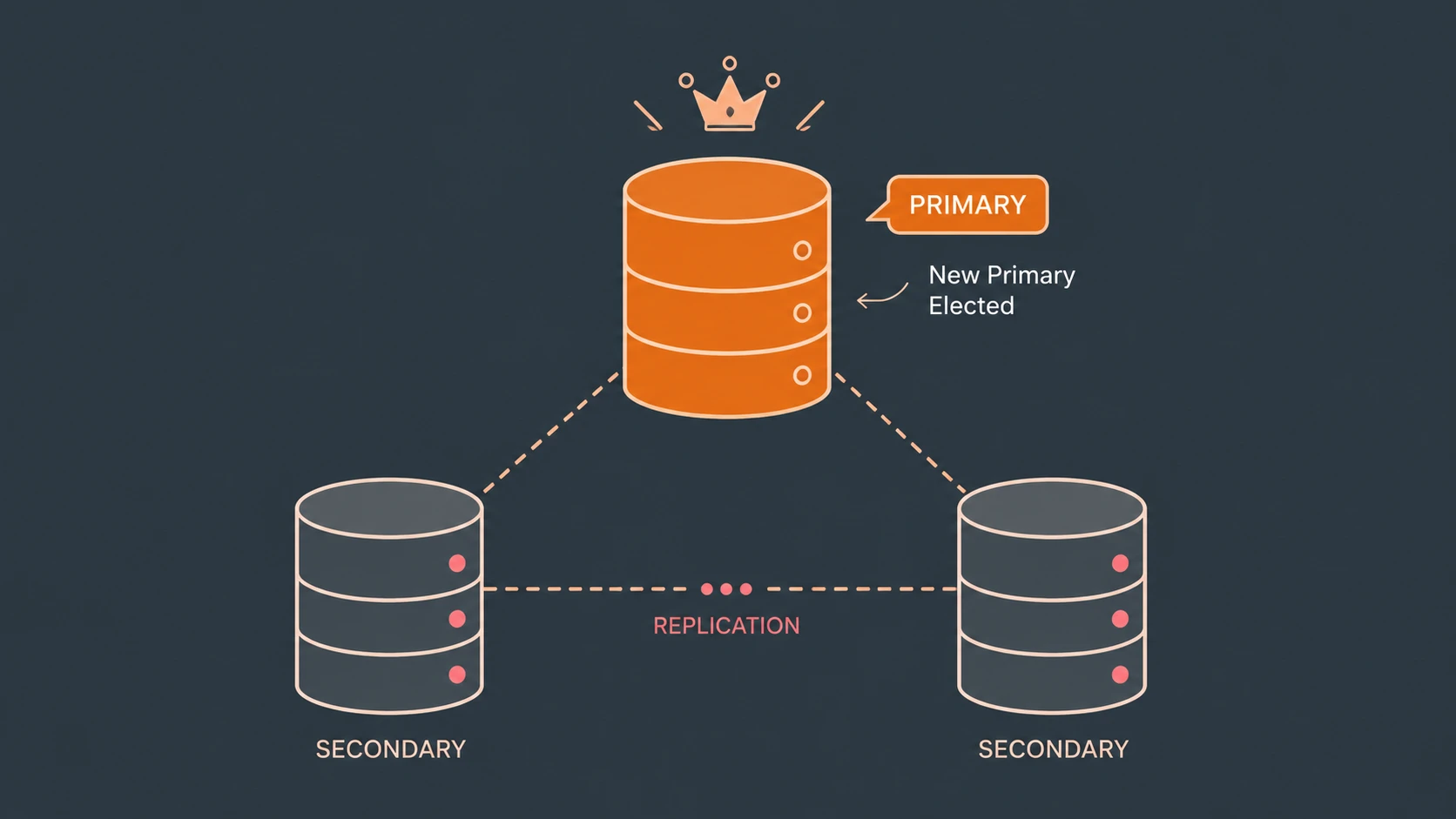
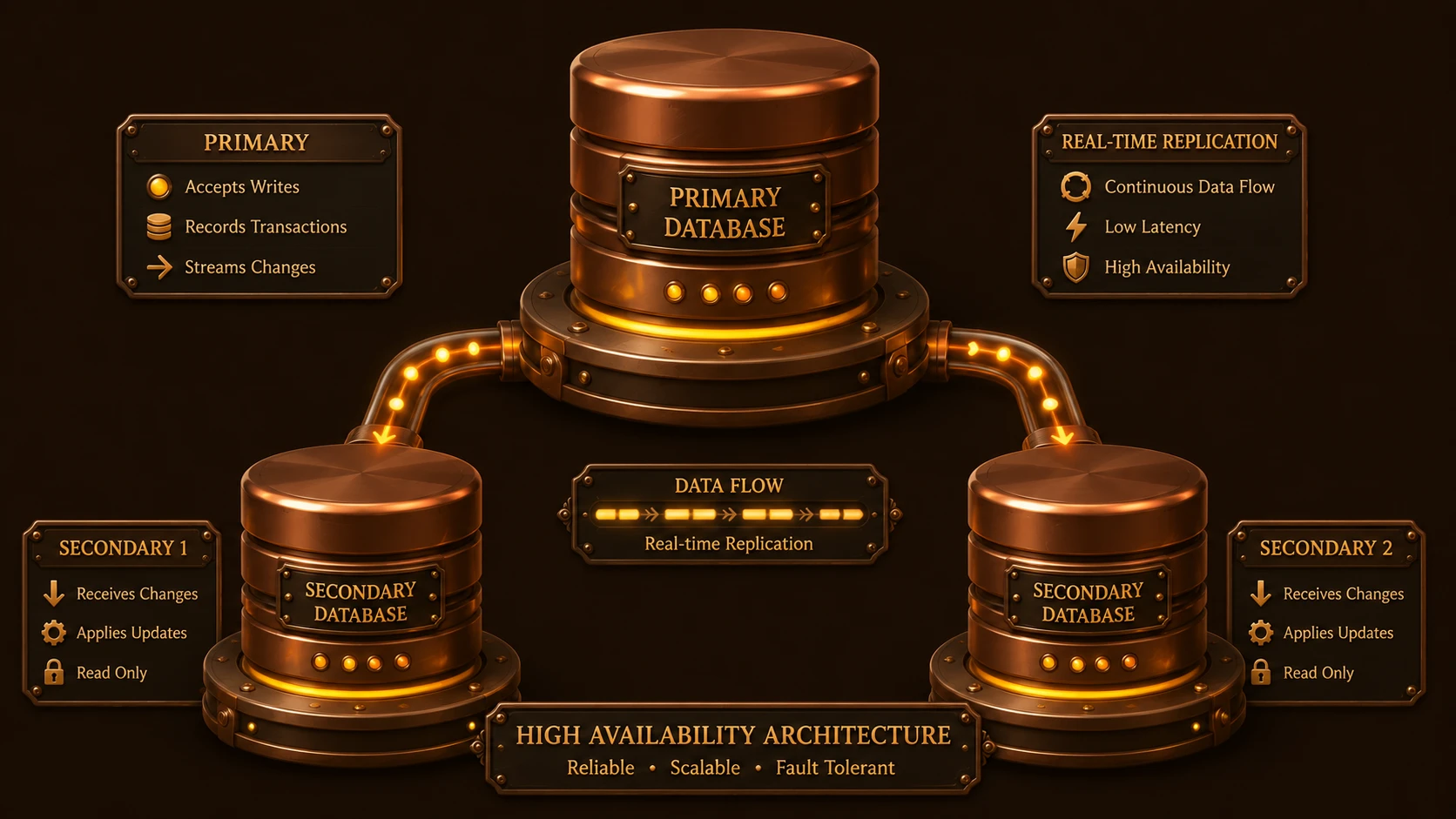
AlwaysOn introduces primary and secondary replicas.
A typical deployment includes:
- ◆One primary replica
- ◆One or more secondary replicas
Secondary replicas may support disaster recovery planning and other operational scenarios depending on deployment objectives.
This architecture enables organizations to design more flexible availability strategies than traditional single-server deployments.
Comparing High Availability Technologies
| Feature | Database Mirroring | Failover Clustering | Log Shipping | AlwaysOn Availability Groups |
|---|---|---|---|---|
| Protection Level | Database | Server Instance | Database | Database Group |
| Automatic Failover | Supported | Supported | No | Supported (with appropriate configuration) |
| Multiple Databases | Independent | Entire Instance | Independent | Coordinated Group |
| Disaster Recovery | Limited | Limited | Yes | Designed to Support DR |
| Administrative Complexity | Moderate | Higher | Moderate | Unified Approach |
AlwaysOn seeks to combine strengths from multiple existing technologies while improving operational flexibility.
Enterprise Architecture
A simplified AlwaysOn deployment may resemble:
Application Servers
        |
Virtual Network Name
        |
Primary SQL Server
        |
Availability Group
        |
-----------------------------
| Secondary Replica |
| Secondary Replica |
-----------------------------
Applications connect through a consistent endpoint while database availability is managed by the underlying infrastructure.
Enterprise Use Cases
Financial Services
Banks and financial institutions require continuous access to transactional databases while minimizing recovery time during infrastructure failures.
E-Commerce Platforms
Online retailers benefit from resilient database architectures that reduce downtime during peak business periods.
Healthcare Systems
Patient information systems require dependable access to clinical data while supporting disaster recovery planning.
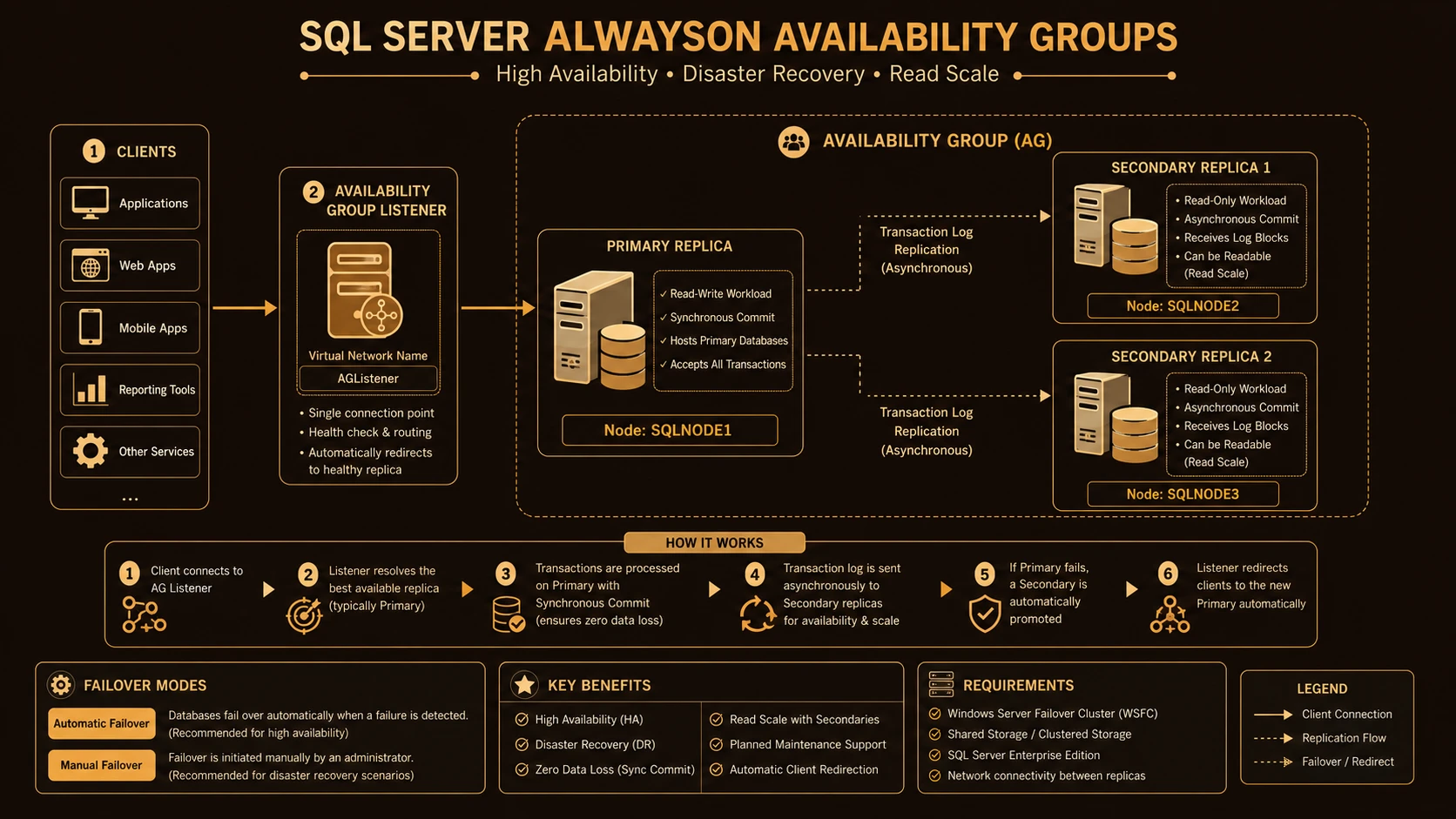
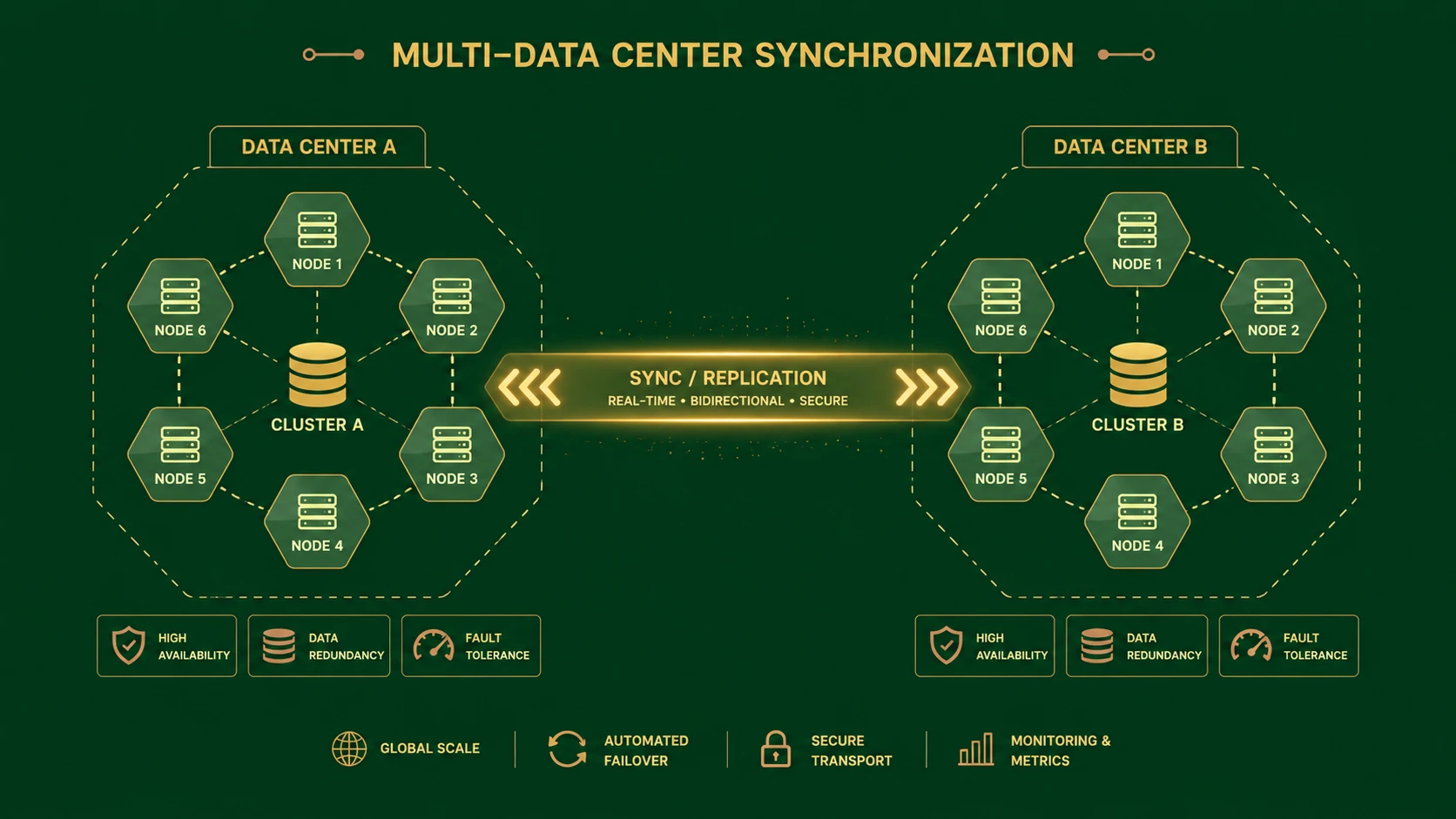
High Availability (HA) availability groups replicating primary nodes to secondary copies.
Manufacturing
Production systems depend on reliable databases supporting inventory, scheduling, and operational reporting.
Government Applications
Public-sector organizations often require resilient infrastructure supporting critical citizen services.
Disaster Recovery Planning
AlwaysOn should be viewed as one component of a comprehensive disaster recovery strategy.
Organizations should continue planning for:
- ◆Site failures
- ◆Hardware failures
- ◆Network interruptions
- ◆Storage failures
- ◆Human error
- ◆Backup restoration
Technology alone cannot replace well-defined operational procedures.
Performance Considerations
High availability configurations introduce additional planning requirements.
Architects should evaluate:
- ◆Network bandwidth
- ◆Storage performance
- ◆Replica synchronization
- ◆Transaction workload
- ◆Failover objectives
- ◆Monitoring requirements
Performance testing under realistic workloads remains essential before production deployment.
Operational Benefits
Potential advantages of AlwaysOn include:
- ◆Simplified administration
- ◆Improved business continuity
- ◆Better database grouping
- ◆Flexible deployment options
- ◆Reduced maintenance disruption
- ◆Enhanced availability planning
Organizations should validate these benefits through pilot implementations before large-scale adoption.
Best Practices
Enterprise teams evaluating AlwaysOn should consider the following recommendations.
- ◆Develop a comprehensive availability strategy.
- ◆Classify applications by business criticality.
- ◆Test failover procedures regularly.
- ◆Continue performing routine backups.
- ◆Monitor replica health continuously.
- ◆Document recovery procedures.
- ◆Validate network infrastructure.
- ◆Train database administrators.
- ◆Benchmark application performance.
These practices improve operational readiness while reducing recovery risk.
Common Mistakes
Several implementation issues should be avoided.
Treating High Availability as Backup
Availability technologies do not eliminate the need for reliable backups.
Ignoring Disaster Recovery Testing
Recovery procedures should be exercised regularly rather than documented only on paper.
Protecting Only Databases
Applications, middleware, storage, and networking should also be included within business continuity planning.
Underestimating Operational Complexity
High availability environments require ongoing monitoring and maintenance.
Migrating Critical Systems Without Validation
Organizations should thoroughly evaluate new technologies before deploying them into production environments.
Adoption Recommendations
Organizations interested in SQL Server 2012 AlwaysOn should proceed carefully while the platform continues toward general availability.
Phase 1
- ◆Evaluate SQL Server 2012 pre-release features.
- ◆Review current disaster recovery architecture.
- ◆Identify business-critical databases.
Phase 2
- ◆Build a pilot environment.
- ◆Test Availability Groups.
- ◆Measure application compatibility.
Phase 3
- ◆Validate operational procedures.
- ◆Train database administrators.
- ◆Document recovery workflows.
Phase 4
- ◆Plan production adoption after organizational testing and platform readiness.
- ◆Continue monitoring Microsoft guidance as SQL Server 2012 development progresses.
A measured evaluation strategy reduces migration risk while enabling organizations to understand the platform's capabilities.
Integrating AlwaysOn into Enterprise Strategy
AlwaysOn represents an opportunity to simplify high availability planning while supporting increasingly demanding business continuity objectives. However, successful implementations depend upon more than technology selection.
Organizations should align availability architecture with recovery objectives, operational processes, staffing, infrastructure investment, and application requirements. Careful planning remains essential regardless of the underlying platform.
Looking Ahead
SQL Server 2012 introduces an ambitious new direction for database availability through the AlwaysOn family of technologies. By supporting coordinated database protection, flexible replica configurations, and enhanced disaster recovery capabilities, Microsoft is expanding the options available to enterprise database architects.
As organizations continue evaluating SQL Server 2012 throughout 2011, AlwaysOn deserves careful attention as a promising enhancement to existing high availability strategies. While many enterprises will continue relying on proven SQL Server technologies during the transition period, pilot deployments and architectural evaluations performed today can help database teams determine where AlwaysOn may deliver meaningful improvements in resilience, operational efficiency, and business continuity as the platform approaches release.