Introduction
Enterprise data volumes continue to expand as organizations collect information from transactional systems, customer applications, ERP platforms, CRM solutions, and operational databases. While traditional relational databases have proven highly effective for Online Transaction Processing (OLTP), analytical workloads present a different set of performance challenges.
Business intelligence applications frequently execute complex queries involving billions of rows, large table scans, aggregations, joins, and multidimensional reporting. These workloads often become constrained by storage throughput and memory bandwidth rather than processor capacity.
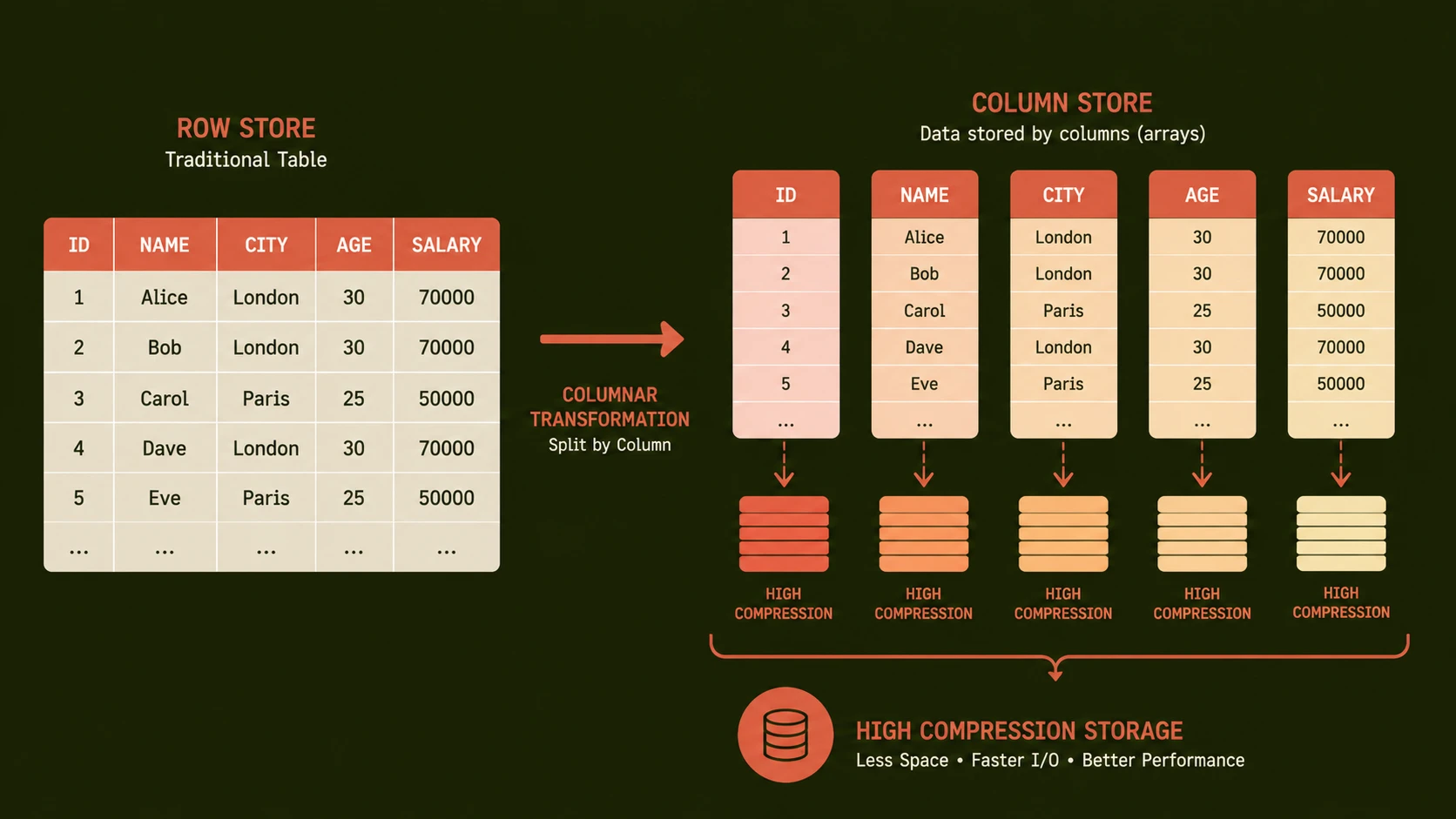
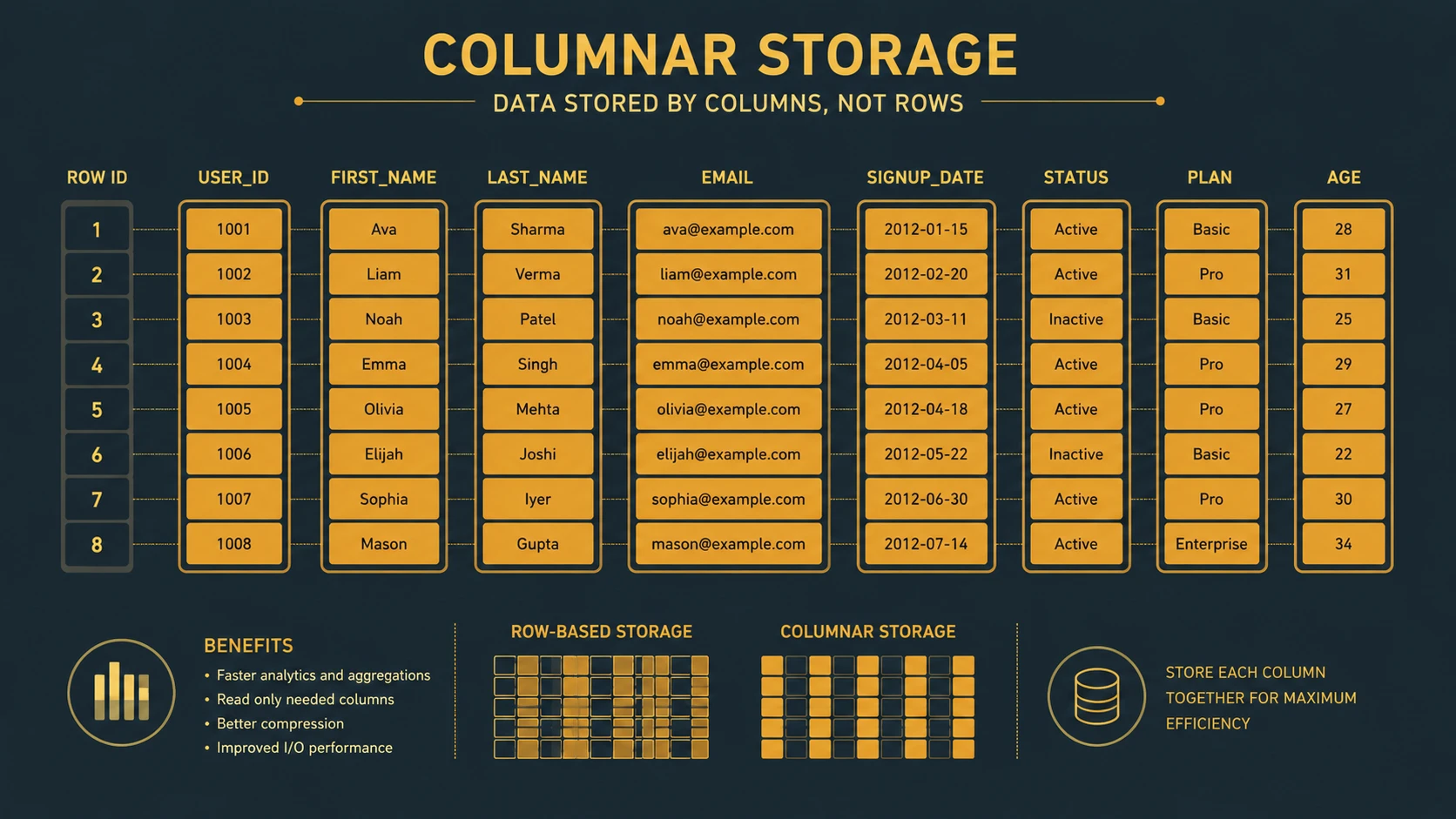
SQL Server 2012 introduces Columnstore Indexes, one of the most significant performance enhancements delivered for analytical workloads. By storing data column by column instead of row by row, SQL Server can dramatically reduce disk I/O, improve cache utilization, and accelerate large-scale query execution.
For organizations investing in data warehousing and reporting platforms, Columnstore Indexes represent an important architectural capability worth evaluating.
Industry Background
Enterprise databases traditionally organize table data in row-oriented structures. This layout is highly efficient for transactional systems where complete records are frequently inserted, updated, or retrieved.
However, decision support systems operate differently. Business intelligence queries often access only a small subset of columns across millions of rows. Reading every column from disk introduces unnecessary I/O and reduces overall query efficiency.
Column-oriented storage has already gained attention in specialized analytical database platforms. SQL Server 2012 incorporates similar concepts into its relational engine through Columnstore Indexes, allowing organizations to accelerate analytical workloads while remaining within the SQL Server ecosystem.
As enterprises seek faster reporting without extensive hardware expansion, column-oriented storage offers a compelling architectural alternative.
The Business Problem
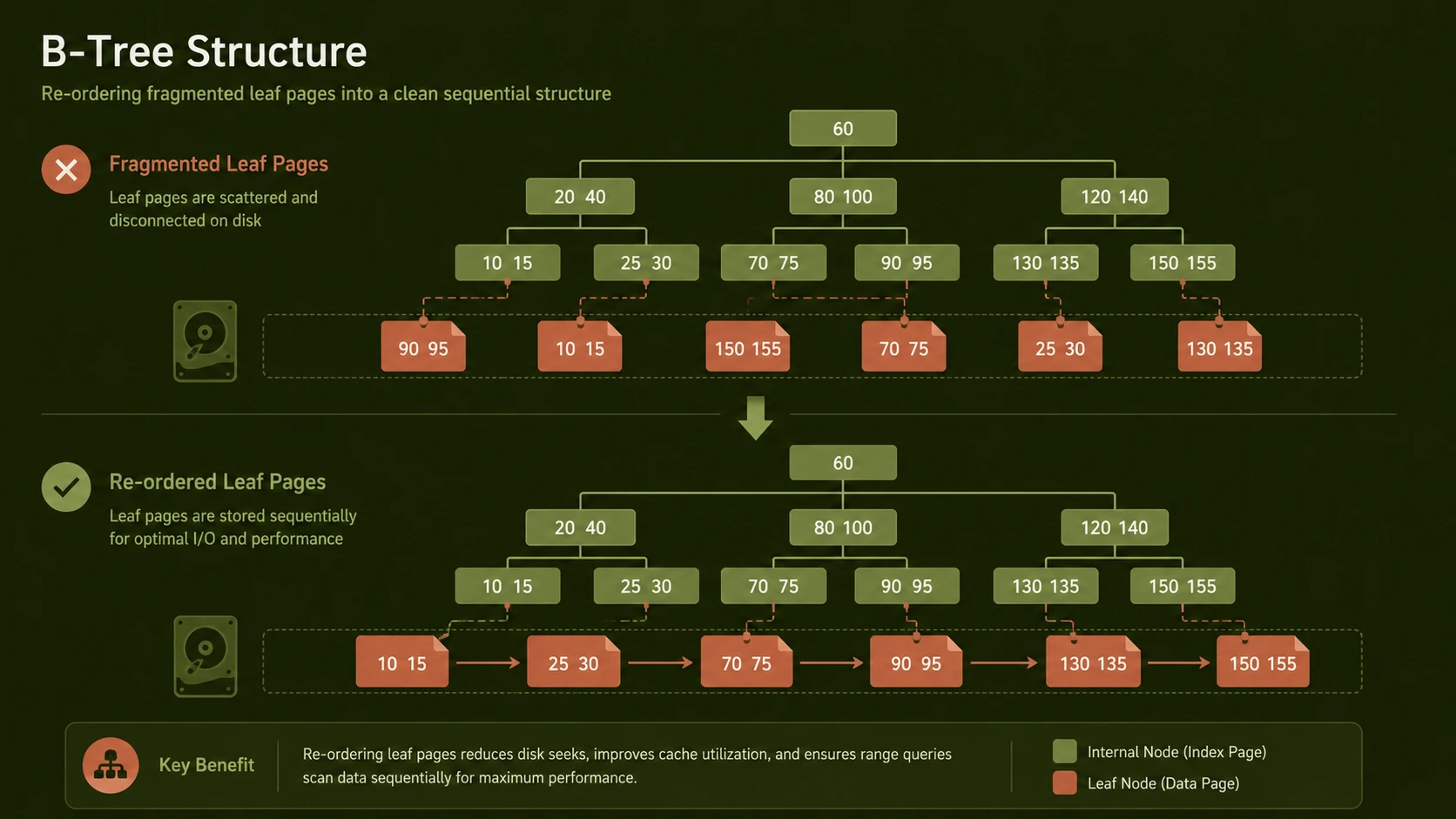
Traditional B-tree indexes perform exceptionally well for point lookups and transactional queries but become less efficient for large analytical scans.
Common enterprise challenges include:
- ◆Slow reporting against fact tables
- ◆Long-running aggregation queries
- ◆High disk I/O during warehouse operations
- ◆Increasing storage costs
- ◆Limited scalability of reporting workloads
- ◆Resource contention between reporting and operational processes
Organizations frequently compensate by purchasing additional hardware or pre-aggregating data into summary tables. Both approaches increase infrastructure complexity and maintenance costs.
Columnstore Indexes seek to improve query performance through a different storage and execution strategy rather than relying solely on faster hardware.
Understanding the Technology
A Columnstore Index stores data by individual columns rather than complete rows.
Instead of reading every value for every row, SQL Server reads only the columns required by the query.
For example, a sales analysis query may require only:
- ◆SalesAmount
- ◆OrderDate
- ◆ProductID
A traditional row-oriented scan retrieves every column within each qualifying row, including information unrelated to the query.
A Columnstore Index reads only the referenced columns, reducing storage operations and improving processor efficiency.
This storage model is particularly beneficial for:
- ◆Large fact tables
- ◆Data warehouses
- ◆Business intelligence reporting
- ◆Trend analysis
- ◆Financial reporting
- ◆Historical analytics
Core Architecture
Columnstore Indexes introduce a fundamentally different physical storage model.
| Component | Purpose |
|---|---|
| Column Segments | Store values by column rather than row |
| Compression Engine | Reduce storage requirements and memory consumption |
| Query Optimizer | Select columnstore execution plans where beneficial |
| Storage Engine | Retrieve only required columns |
| Execution Engine | Process analytical operators efficiently |
Because values within a single column are often similar, SQL Server can achieve higher compression ratios than traditional row storage.
Reduced storage directly translates into fewer pages read from disk and improved memory utilization.
How Columnstore Indexes Work
-- Creating a Nonclustered Columnstore Index in SQL Server 2012
CREATE NONCLUSTERED COLUMNSTORE INDEX NCI_FactSales_Columnstore
ON FactSales (
    ProductKey,
    CustomerKey,
    OrderDateKey,
    SalesAmount,
    TaxAmount,
    DiscountAmount
);
When a query references a Columnstore Index, SQL Server evaluates whether the optimizer can benefit from the column-oriented storage.
The execution process generally includes:
- 1.Identify required columns.
- 2.Read compressed column segments.
- 3.Decompress values as necessary.
- 4.Apply predicates.
- 5.Perform aggregations.
- 6.Produce the final result set.
Because unnecessary columns are never read, overall I/O can be significantly reduced for analytical queries.
Compression Benefits
One of the primary advantages of column-oriented storage is improved compression.
Columns frequently contain repetitive values, making them well suited for compression algorithms.
Benefits include:
- ◆Reduced disk utilization
- ◆Lower memory consumption
- ◆Faster scans
- ◆Improved cache efficiency
- ◆Reduced storage bandwidth requirements
Compression contributes to performance not only by saving storage space but also by reducing the amount of information transferred between storage and memory.
Query Processing Improvements
Analytical queries commonly perform operations such as:
- ◆SUM
- ◆COUNT
- ◆AVG
- ◆MIN
- ◆MAX
- ◆GROUP BY
These operations generally access relatively few columns across very large datasets.
Columnstore Indexes allow SQL Server to process these workloads more efficiently by avoiding unnecessary row reconstruction until required.
The optimizer can leverage the column-oriented layout when estimating execution plans for reporting workloads.
Enterprise Use Cases
Columnstore Indexes are particularly well suited for environments where read performance is more important than transactional updates.
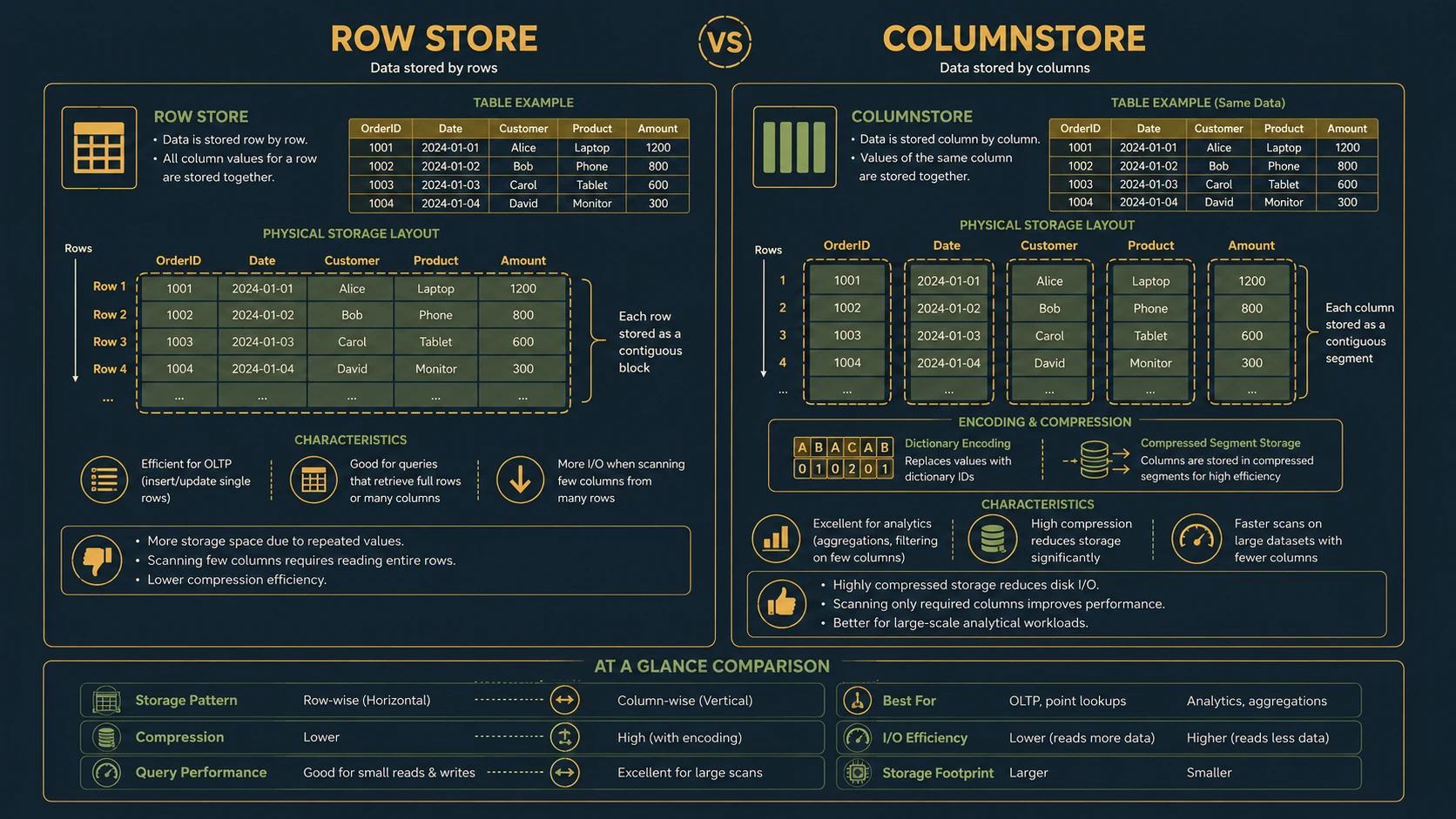
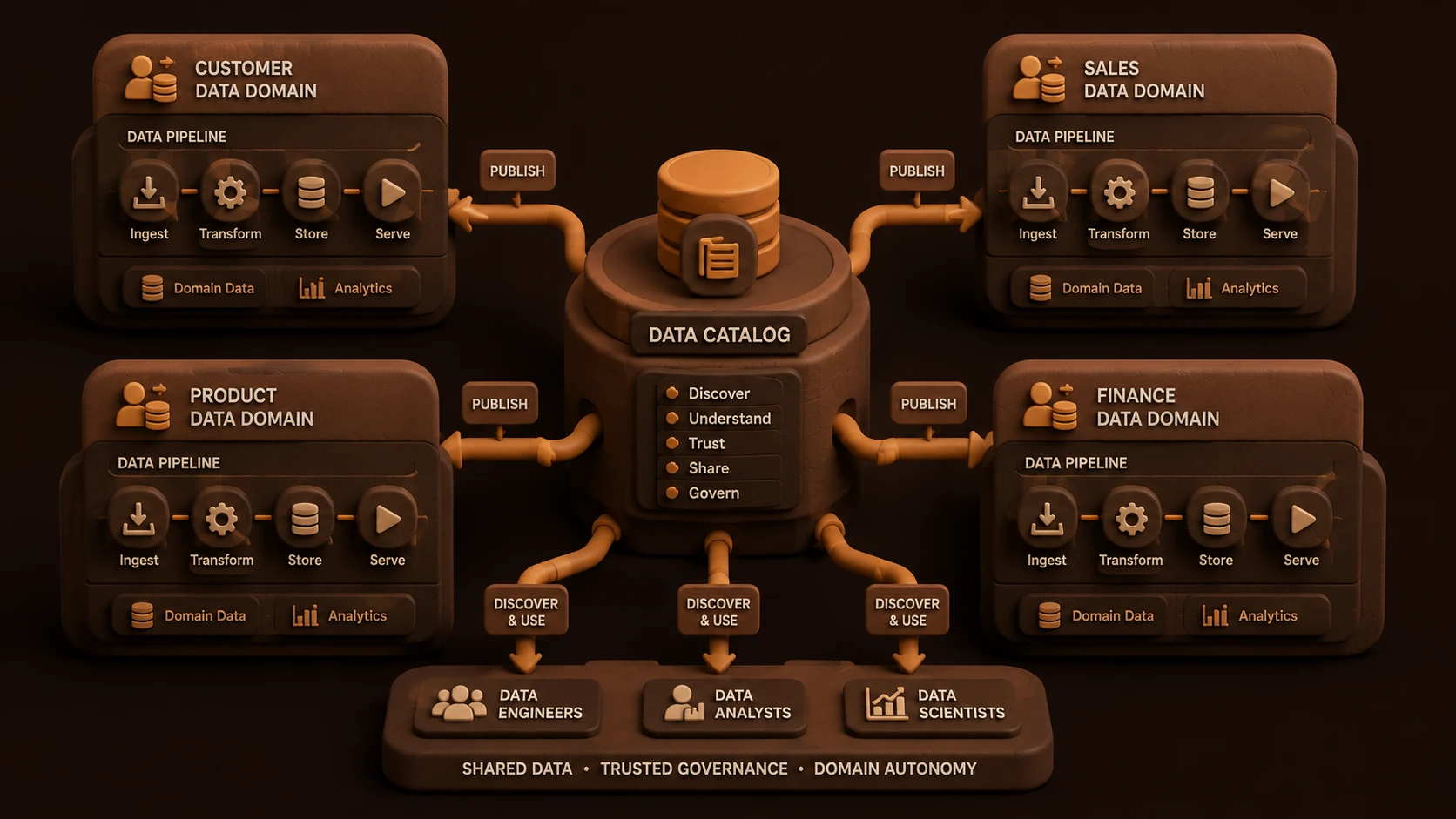
System architecture diagram and conceptual workflow layout for High-Performance Columnstore Indexes in SQL Server 2012.
Common enterprise scenarios include:
| Workload | Benefit |
|---|---|
| Enterprise Data Warehouse | Faster analytical queries |
| Financial Reporting | Reduced execution time |
| Sales Analytics | Improved aggregation performance |
| Business Intelligence | Better dashboard responsiveness |
| Historical Data Analysis | Efficient large-table scans |
| Executive Reporting | Reduced reporting windows |
Organizations maintaining large fact tables may experience the greatest benefits.
Performance Considerations
Columnstore Indexes are designed primarily for read-intensive workloads.
Performance improvements are most likely when:
- ◆Queries scan large datasets.
- ◆Only selected columns are required.
- ◆Aggregations dominate execution time.
- ◆Tables contain millions of rows.
- ◆Compression significantly reduces storage.
Conversely, highly selective transactional queries may continue to benefit from traditional clustered and nonclustered indexes.
Database administrators should evaluate workload characteristics before widespread deployment.
Limitations in SQL Server 2012
As introduced in SQL Server 2012, Columnstore Indexes have important implementation constraints.
Once a Columnstore Index is created on a table:
- ◆The table becomes read-only.
- ◆INSERT operations are not permitted.
- ◆UPDATE operations are not permitted.
- ◆DELETE operations are not permitted.
These restrictions make the feature most appropriate for data warehouse environments where data is loaded in scheduled batches rather than continuously modified.
Operational databases with frequent transactional activity are generally not ideal candidates.
Security Considerations
Columnstore Indexes do not introduce a new security model.
Existing SQL Server security mechanisms remain applicable, including:
- ◆Authentication
- ◆Authorization
- ◆Database roles
- ◆Object permissions
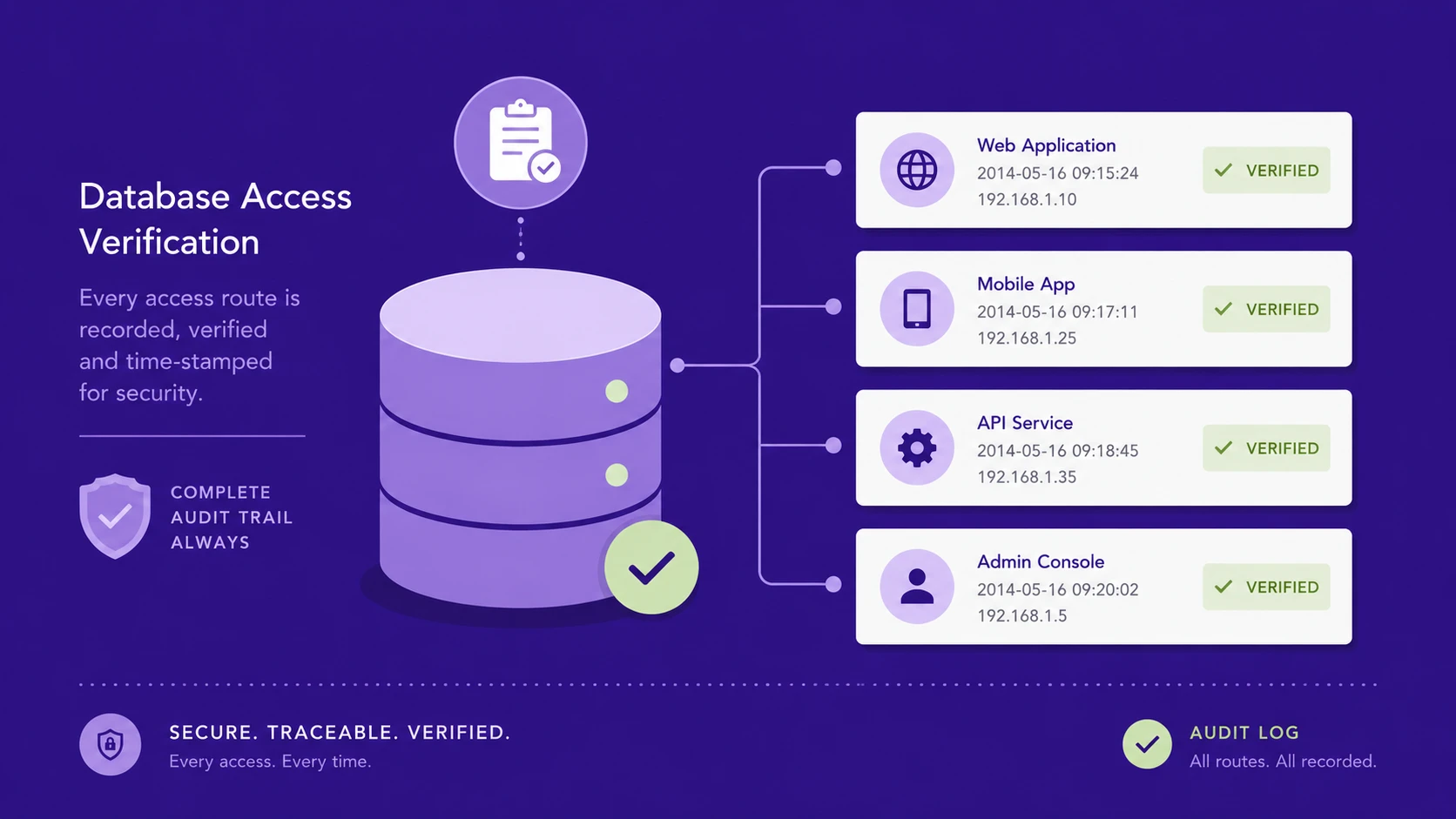
- ◆Auditing
- ◆Encryption strategies
Organizations should continue applying least-privilege principles while protecting sensitive analytical data.
Scalability
As enterprise datasets continue to grow, reducing I/O becomes increasingly important.
Columnstore Indexes improve scalability by:
- ◆Reading fewer pages
- ◆Compressing stored data
- ◆Reducing memory requirements
- ◆Accelerating large scans
- ◆Improving throughput for reporting workloads
Rather than scaling exclusively through additional hardware, organizations may realize meaningful performance gains through improved storage architecture.
Best Practices
Successful adoption requires careful workload analysis.
Recommended practices include:
- ◆Target large fact tables.
- ◆Evaluate reporting workloads before deployment.
- ◆Benchmark existing query performance.
- ◆Monitor execution plans.
- ◆Maintain appropriate partitioning strategies where applicable.
- ◆Continue using traditional indexes for transactional systems.
- ◆Test representative production queries.
- ◆Schedule data loading processes carefully.
Columnstore Indexes should complement rather than replace existing indexing strategies.
Common Mistakes
Organizations evaluating the feature should avoid several common assumptions.
Frequent mistakes include:
- ◆Applying Columnstore Indexes to OLTP tables.
- ◆Expecting improvements for point lookups.
- ◆Ignoring workload analysis.
- ◆Replacing every existing index.
- ◆Overlooking read-only limitations.
- ◆Failing to benchmark before deployment.
Architectural decisions should always be based on workload characteristics rather than new feature availability.
Technology Comparison
| Capability | Traditional Row Indexes | Columnstore Indexes |
|---|---|---|
| Transaction Processing | Excellent | Limited |
| Large Table Scans | Moderate | Excellent |
| Aggregation Queries | Moderate | Excellent |
| Compression | Limited | High |
| Storage Efficiency | Good | Very Good |
| Read Performance | Good | Excellent for analytics |
| Update Operations | Fully Supported | Read-only table limitation |
The two indexing approaches address different workloads and should be viewed as complementary technologies.
Adoption Strategy
Organizations should introduce Columnstore Indexes incrementally.
A practical adoption strategy includes:
- 1.Identify reporting-intensive databases.
- 2.Select large fact tables for evaluation.
- 3.Benchmark representative queries.
- 4.Measure storage savings from compression.
- 5.Validate reporting improvements.
- 6.Expand deployment where measurable benefits exist.
Database administrators should coordinate with business intelligence teams to prioritize analytical workloads that can benefit most.
Maintenance Considerations
Introducing Columnstore Indexes should be accompanied by operational planning.
Administrators should consider:
- ◆Data loading schedules
- ◆Index maintenance windows
- ◆Backup and recovery procedures
- ◆Capacity planning
- ◆Reporting service availability
- ◆Performance monitoring
Because analytical systems often support executive reporting and business decision-making, predictable maintenance processes remain essential.
Looking Ahead
Columnstore Indexes represent an important architectural enhancement within SQL Server 2012 for organizations managing increasingly large analytical datasets. As enterprises continue expanding their business intelligence initiatives, storage efficiency and query performance are expected to become even more significant considerations.
Although the current implementation is best suited for read-intensive data warehouse environments due to its read-only behavior, the introduction of column-oriented indexing demonstrates Microsoft's commitment to improving analytical performance within the SQL Server platform. Organizations planning new data warehouse projects or modernizing existing reporting systems should evaluate Columnstore Indexes through controlled pilot deployments to determine whether the technology aligns with their reporting workloads and long-term data platform strategy.