Introduction
Apache Cassandra has steadily matured into one of the most compelling distributed NoSQL databases available for organizations managing large-scale, always-on data infrastructures. With the release of Apache Cassandra 1.1, the project continues to strengthen its position by improving operational efficiency, enhancing replication capabilities, and simplifying administration for geographically distributed deployments.
For enterprise architects evaluating alternatives to traditional relational database systems, Cassandra represents a fundamentally different approach to data management. Rather than scaling vertically through increasingly powerful hardware, Cassandra is designed to scale horizontally across commodity servers while maintaining availability even during infrastructure failures.
Version 1.1 builds upon the stable foundation established in previous releases and introduces enhancements that are particularly valuable for organizations operating multiple data centers, cloud environments, or globally distributed applications.
Industry Background
Enterprise applications are generating larger volumes of data than traditional database architectures were originally designed to manage. Social networking platforms, online commerce, telecommunications systems, financial services, and large web applications increasingly require databases capable of storing billions of records while remaining continuously available.
Conventional relational database systems continue to provide excellent transactional consistency for many business applications. However, achieving global scalability often requires increasingly complex clustering technologies, expensive hardware, or significant operational effort.
The emergence of distributed NoSQL databases addresses these challenges by prioritizing horizontal scalability, fault tolerance, and high availability. Apache Cassandra is among the leading solutions adopting this architectural philosophy.
The Business Problem
Organizations operating globally face several persistent database challenges:
- ◆High availability across multiple regions
- ◆Continuous operation despite server failures
- ◆Rapid growth in structured and semi-structured data
- ◆Increasing read and write throughput requirements
- ◆Disaster recovery across geographically separated facilities
- ◆Predictable performance during hardware maintenance
Traditional master-slave replication models often introduce bottlenecks, while centralized architectures increase latency for remote users. Cassandra's peer-to-peer architecture seeks to eliminate these limitations.
Understanding Apache Cassandra 1.1
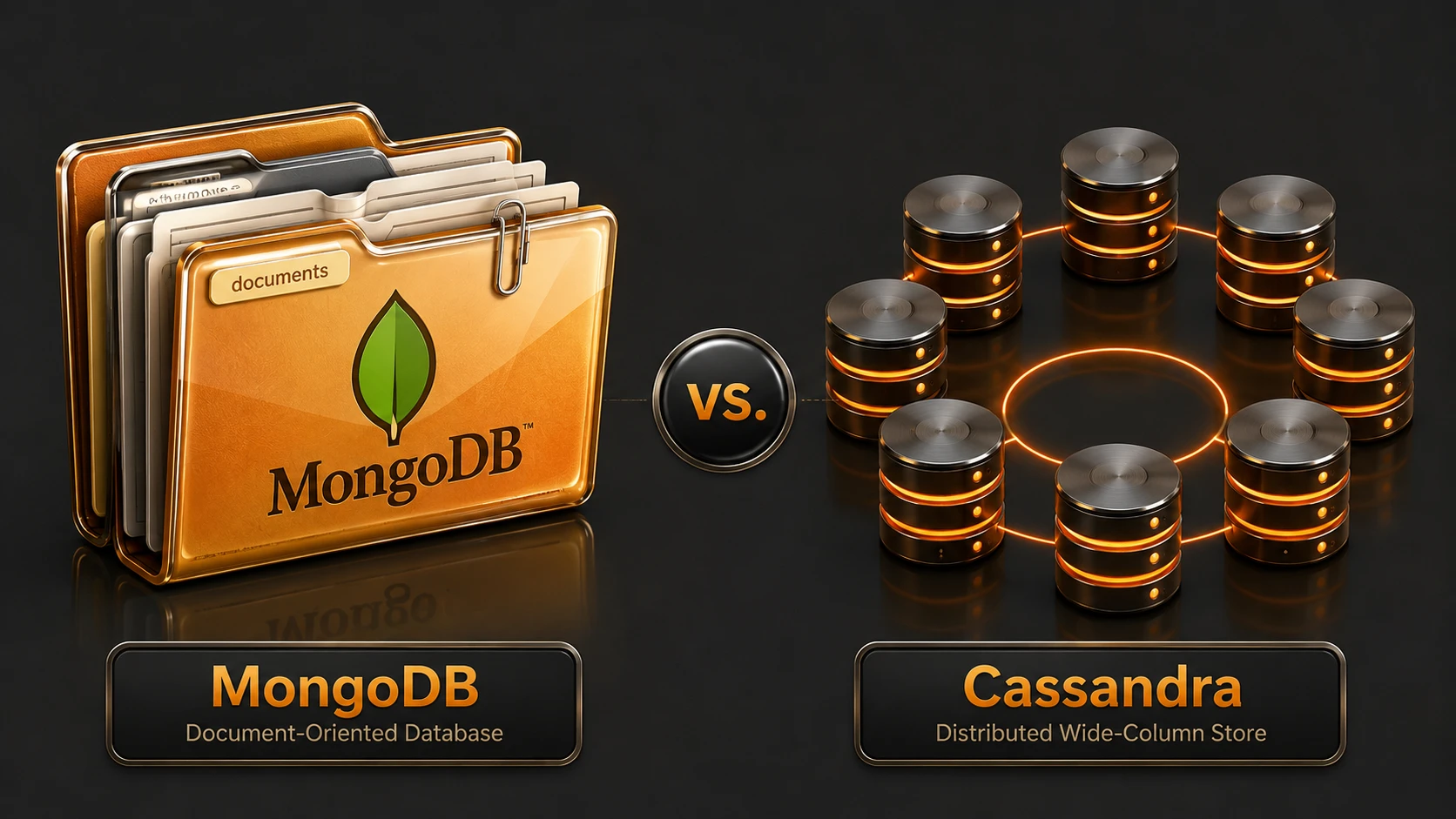
Apache Cassandra is an open-source distributed database designed to provide linear scalability, decentralized operation, and fault tolerance without introducing a single point of failure.
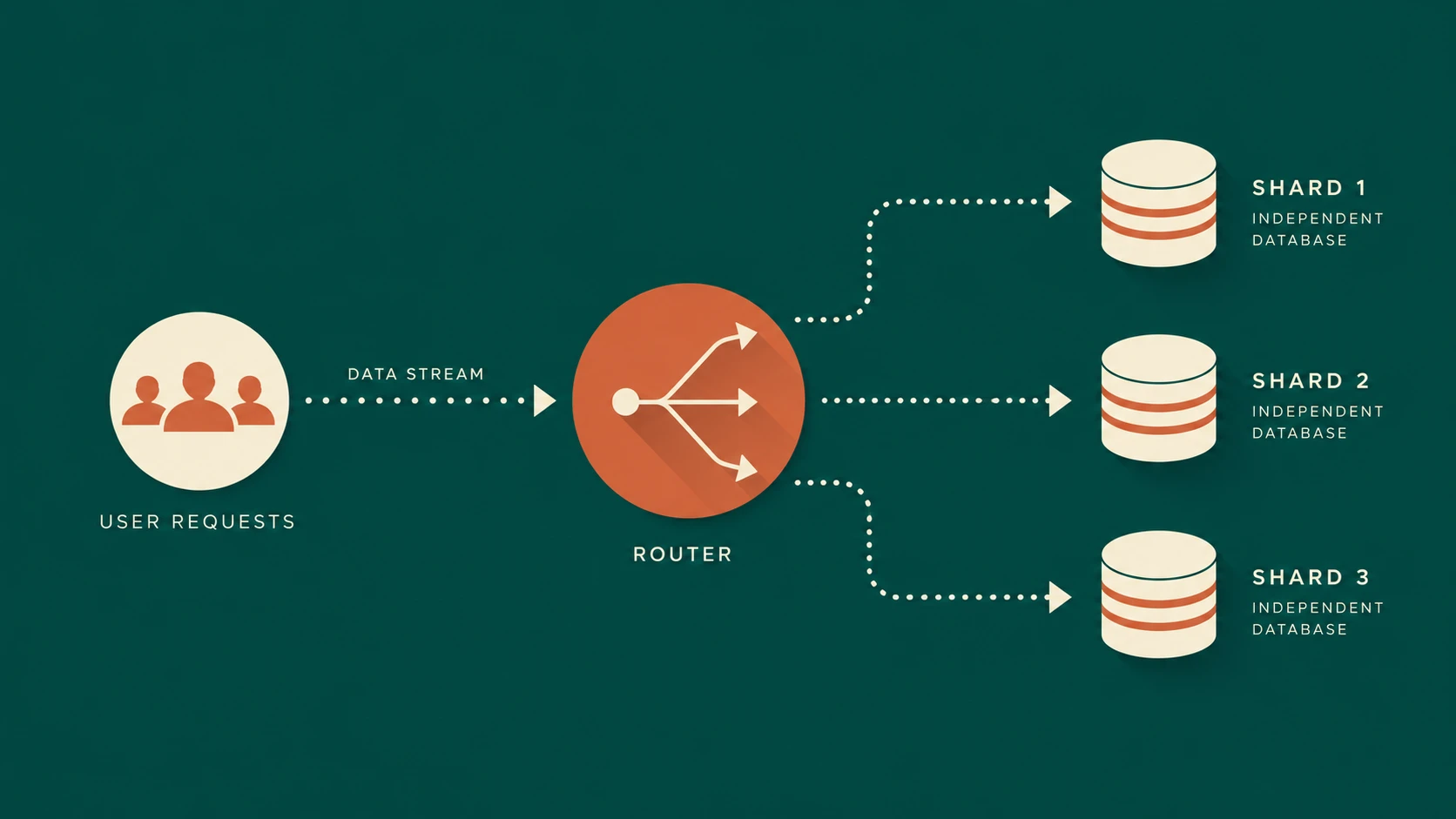
Unlike conventional relational databases, every node within a Cassandra cluster performs the same responsibilities. There is no central master coordinating operations. Client requests may be served by any node, with data replicated automatically according to configured replication strategies.
Version 1.1 focuses on improving operational visibility, storage efficiency, streaming performance, and multi-data center deployments while maintaining compatibility with Cassandra's core distributed architecture.
Core Architecture
Cassandra follows a decentralized peer-to-peer architecture.
| Component | Responsibility |
|---|---|
| Cluster | Collection of database nodes |
| Node | Individual server participating equally |
| Keyspace | Top-level logical namespace |
| Column Family | Primary data storage structure |
| Partitioner | Determines data placement |
| Gossip Protocol | Shares cluster state information |
| Replication Strategy | Controls replica placement |
| Commit Log | Ensures durability before writes |
| SSTables | Persistent immutable storage files |
This architecture removes the dependency on centralized coordination while allowing capacity to grow incrementally.
Multi-Data Center Replication
# cassandra-topology.properties file defining multi-datacenter nodes
# Data Center 1 (East US)
10.100.12.45=DC1:rack1
10.100.12.46=DC1:rack1
# Data Center 2 (West US)
10.200.12.45=DC2:rack1
10.200.12.46=DC2:rack1

# Default fallback
default=DC1:rack1
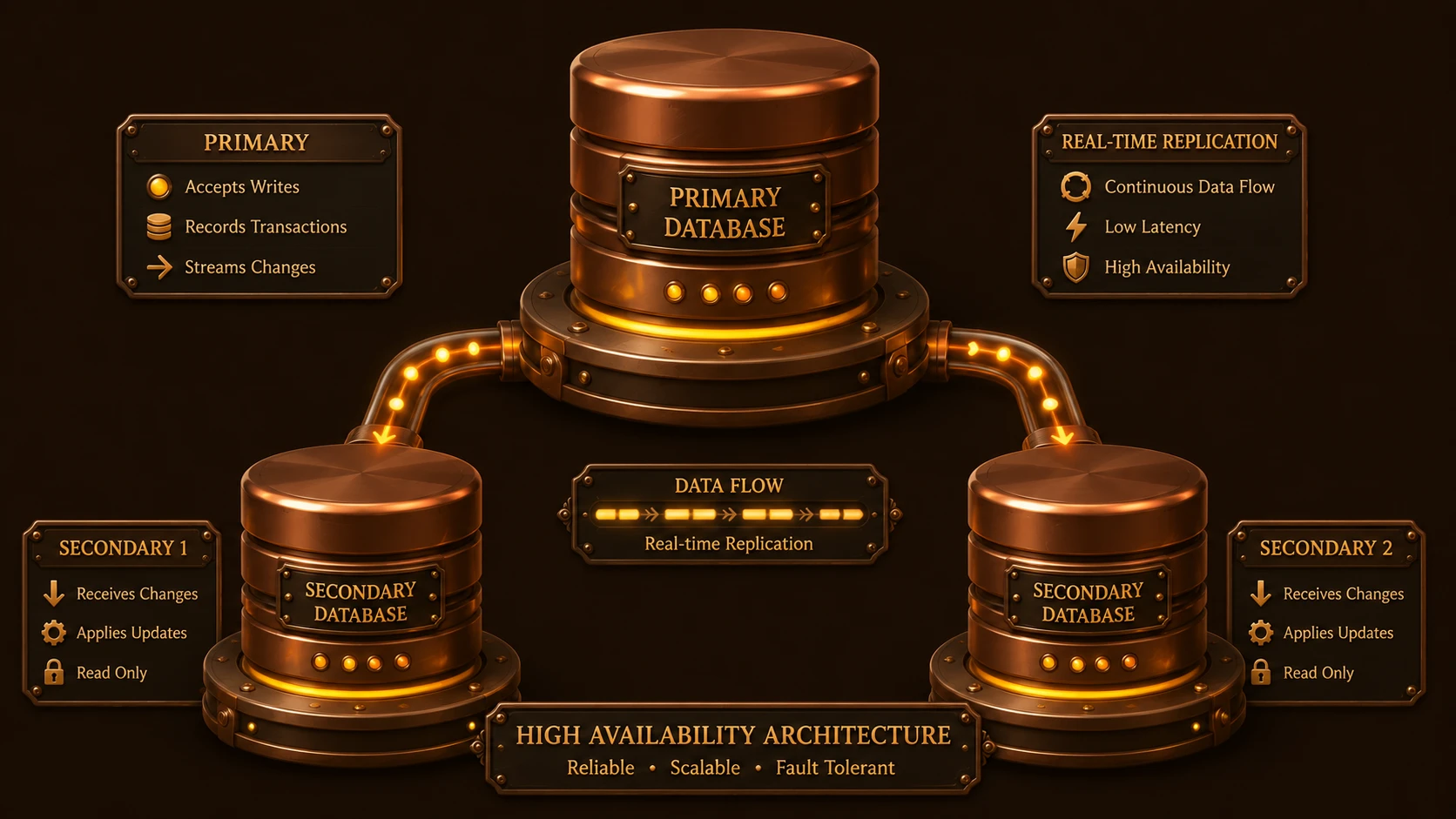
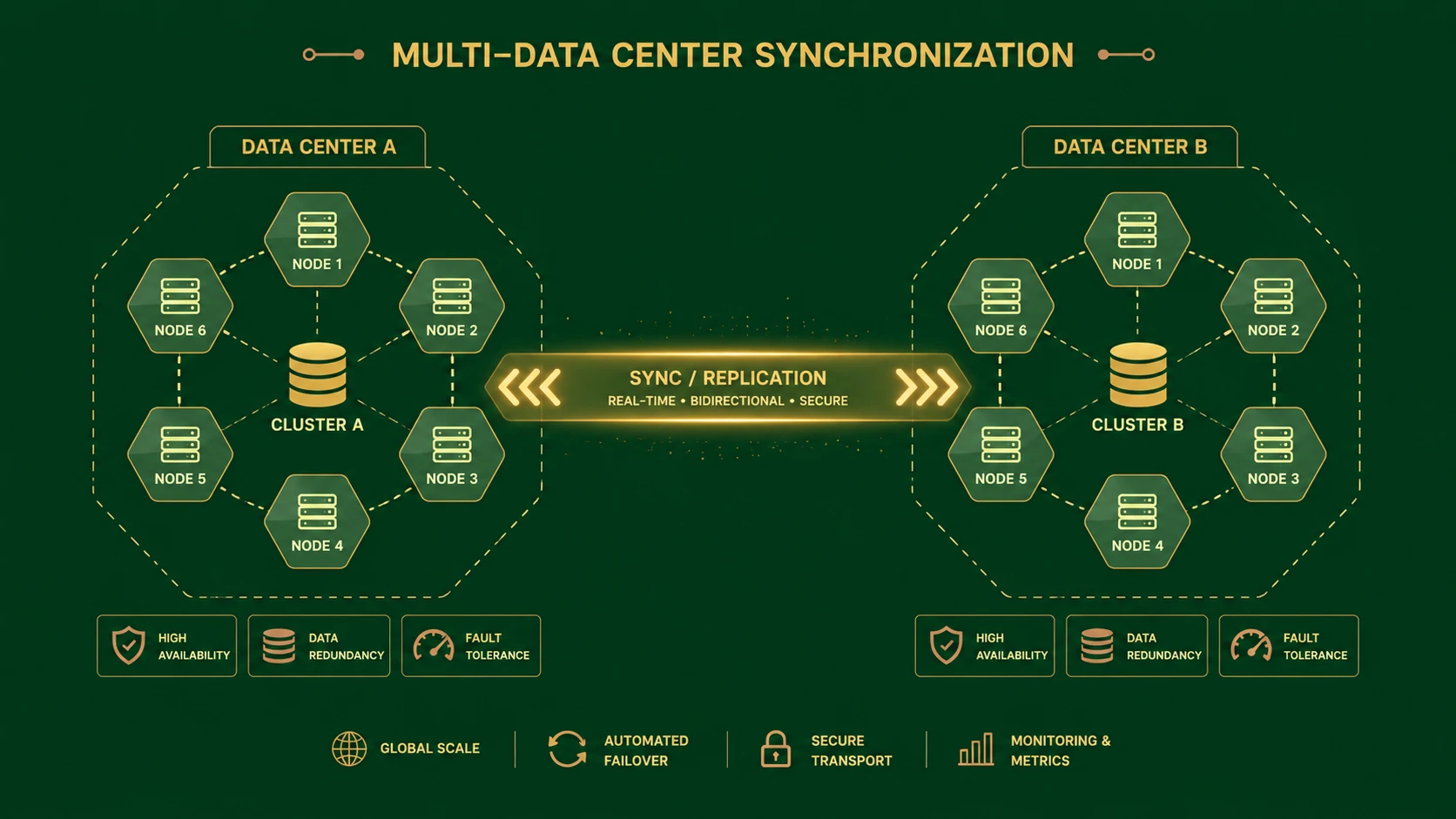
One of the most significant enterprise capabilities in Cassandra 1.1 is its mature support for geographically distributed deployments.
Instead of treating remote facilities as secondary disaster recovery sites, Cassandra enables organizations to actively operate multiple data centers simultaneously.
Benefits include:
- ◆Local data access for regional users
- ◆Improved disaster recovery
- ◆Reduced network latency
- ◆Higher service availability
- ◆Flexible replication policies
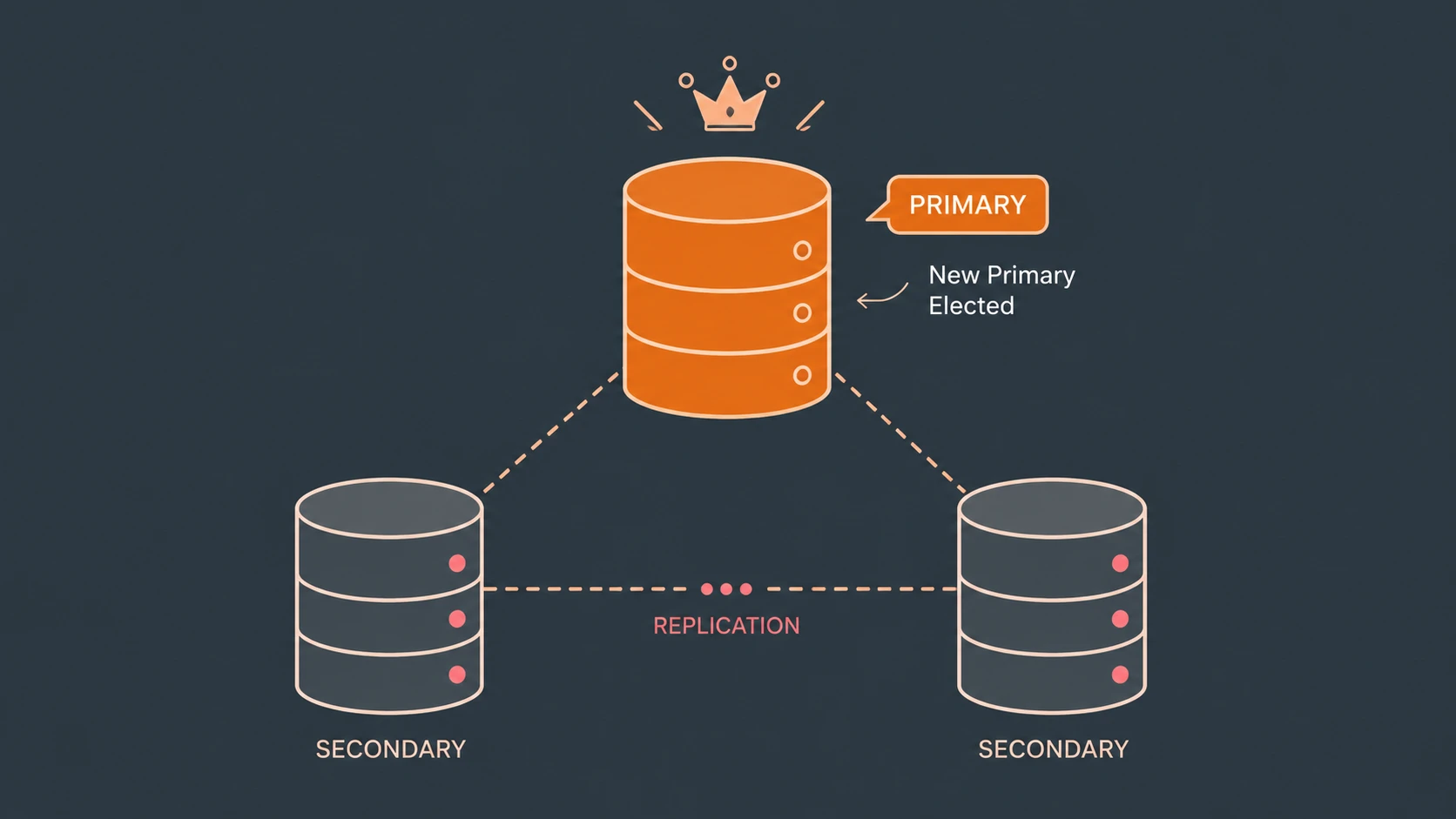
Replication strategies determine how many copies of data are maintained and where those replicas are located.
For global organizations, this architecture helps maintain application availability even if an entire facility becomes unavailable.
How Cassandra Works
When an application writes data:
- 1.Client contacts any cluster node.
- 2.The receiving node becomes the coordinator for that request.
- 3.Data is written to the commit log.
- 4.Data is stored in memory.
- 5.Replicas receive the write according to the configured replication strategy.
- 6.Background processes flush data into SSTables.
- 7.Compaction periodically merges storage files.
Reads follow a similar distributed process, with consistency determined by the configured read and write policies.
Key Features in Cassandra 1.1
Version 1.1 introduces several improvements valuable for enterprise deployments.
Improved Multi-Data Center Support
Replication across geographically separated clusters continues to mature, simplifying enterprise deployment strategies.
Better Operational Visibility
Administrators gain improved insight into cluster behavior through enhanced monitoring capabilities.
Enhanced Streaming
Data movement between nodes becomes more efficient during repairs, expansion, and maintenance activities.
Improved Compaction
Storage management improvements reduce operational overhead while maintaining query performance.
Incremental Scalability
Additional nodes can be introduced without major architectural changes, allowing infrastructure growth alongside business demand.
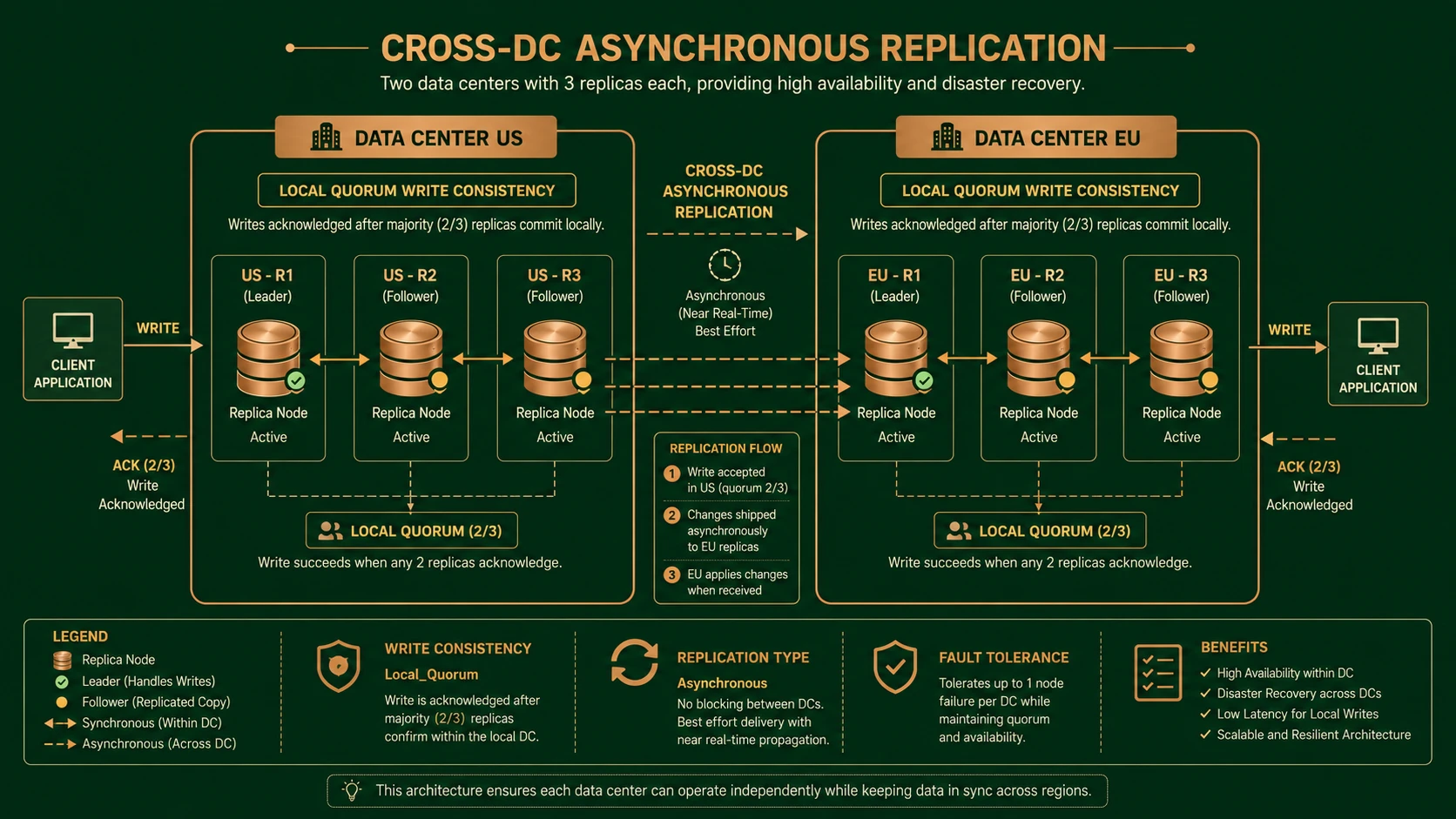
System architecture diagram and conceptual workflow layout for Apache Cassandra 1.1.
Enterprise Use Cases
Apache Cassandra is particularly well suited to workloads requiring continuous availability and horizontal scale.
Typical enterprise scenarios include:
- ◆Customer activity tracking
- ◆Large-scale messaging platforms
- ◆Product catalog services
- ◆Telecommunications event storage
- ◆Social networking platforms
- ◆Recommendation engines
- ◆Time-series event collection
- ◆Log aggregation systems
Applications experiencing heavy write volumes often benefit from Cassandra's distributed write architecture.
Performance Considerations
Performance characteristics differ substantially from traditional relational databases.
Advantages include:
- ◆High sequential write throughput
- ◆Distributed request processing
- ◆Linear scaling through additional nodes
- ◆Reduced bottlenecks
- ◆Efficient handling of large datasets
Performance depends heavily upon data model design. Well-designed partition keys distribute workload evenly, while poor partition choices may create hotspots.
Administrators should also monitor compaction, repair operations, and storage utilization to maintain predictable performance.
Security Considerations
Although Cassandra's primary focus is distributed availability, security remains an important consideration.
Enterprise deployments should implement:
- ◆Network isolation
- ◆Authentication mechanisms
- ◆Controlled administrative access
- ◆Firewall protection
- ◆Secure backup procedures
- ◆Regular software updates
Organizations operating across multiple data centers should also evaluate secure inter-site communication to protect replicated traffic.
Scalability
Horizontal scalability remains Cassandra's defining capability.
Unlike vertically scaled databases that depend upon increasingly powerful servers, Cassandra expands by adding commodity hardware.
Advantages include:
- ◆Incremental infrastructure investment
- ◆Reduced hardware dependency
- ◆Improved fault tolerance
- ◆Simplified capacity planning
- ◆Elastic cluster expansion
As workloads increase, additional nodes contribute both storage capacity and processing capability.
Best Practices
Enterprise teams evaluating Cassandra 1.1 should consider the following recommendations:
- ◆Design partition keys carefully.
- ◆Replicate across multiple failure domains.
- ◆Monitor repair operations regularly.
- ◆Size hardware consistently.
- ◆Benchmark realistic production workloads.
- ◆Automate node provisioning where possible.
- ◆Understand consistency requirements before deployment.
- ◆Test disaster recovery procedures periodically.
Common Mistakes
| Mistake | Enterprise Impact |
|---|---|
| Treating Cassandra like a relational database | Inefficient data models |
| Poor partition key selection | Uneven workload distribution |
| Ignoring repair operations | Replica inconsistency |
| Underestimating storage growth | Capacity shortages |
| Mixing inconsistent hardware | Unpredictable performance |
| Insufficient monitoring | Operational risk |
Successful Cassandra deployments begin with data model design rather than schema normalization.
Technology Comparison
| Capability | Apache Cassandra 1.1 | Traditional Relational Database |
|---|---|---|
| Horizontal Scaling | Excellent | Limited |
| Masterless Architecture | Yes | Generally No |
| Multi-Data Center Replication | Native | Often Add-on |
| Fault Tolerance | High | Platform Dependent |
| SQL Support | No | Yes |
| Flexible Schema | Yes | Limited |
| Large Write Throughput | Excellent | Moderate |
Organizations should evaluate these differences according to application requirements rather than viewing one model as universally superior.
Adoption Strategy
Enterprises considering Cassandra should begin with workloads that naturally benefit from distributed storage.
Recommended adoption steps include:
- 1.Identify write-intensive applications.
- 2.Evaluate data access patterns.
- 3.Build a pilot cluster.
- 4.Benchmark realistic workloads.
- 5.Design replication policies.
- 6.Develop operational procedures.
- 7.Train database administrators.
- 8.Expand gradually into production.
Beginning with non-critical services allows operational expertise to develop before larger deployments.
Limitations
Despite its strengths, Cassandra is not appropriate for every application.
Organizations should recognize several limitations:
- ◆Limited support for complex relational joins
- ◆Data modeling differs significantly from relational systems
- ◆Eventual consistency requires careful application design
- ◆Operational knowledge is essential for large clusters
- ◆Analytics workloads may require complementary technologies
Understanding these trade-offs is essential for successful enterprise adoption.
Looking Ahead
From the perspective of April 2012, Apache Cassandra 1.1 demonstrates that distributed databases are becoming increasingly practical for enterprise production environments. Continued investment in operational tooling, replication capabilities, storage optimization, and administrative simplicity is expected to make Cassandra an even stronger candidate for organizations building globally distributed applications.
As enterprise systems continue generating larger volumes of information across multiple geographic regions, architectures emphasizing decentralization, fault tolerance, and horizontal scalability are likely to receive increasing attention. Apache Cassandra 1.1 represents an important milestone in that progression, offering organizations a mature foundation for highly available distributed data management while continuing to evolve as an open-source enterprise database platform.