Enterprise data management is entering a period of significant change. For decades, relational database management systems (RDBMS) have been the foundation of business applications, providing reliable transactions, structured schemas, mature tooling, and proven operational practices. Systems such as Microsoft SQL Server, Oracle Database, IBM DB2, and MySQL continue to power mission-critical workloads across industries.
However, a new generation of Internet-scale applications is exposing limitations in conventional database architectures. Social networking platforms, online retailers, media companies, content publishing systems, and rapidly growing web services are generating data volumes and request rates that challenge traditional vertical scaling approaches.
Emerging NoSQL databases have entered this landscape with a different philosophy. Rather than attempting to satisfy every database requirement through a single architecture, they prioritize horizontal scalability, distributed operation, and simplified data models designed for large clusters of commodity servers.
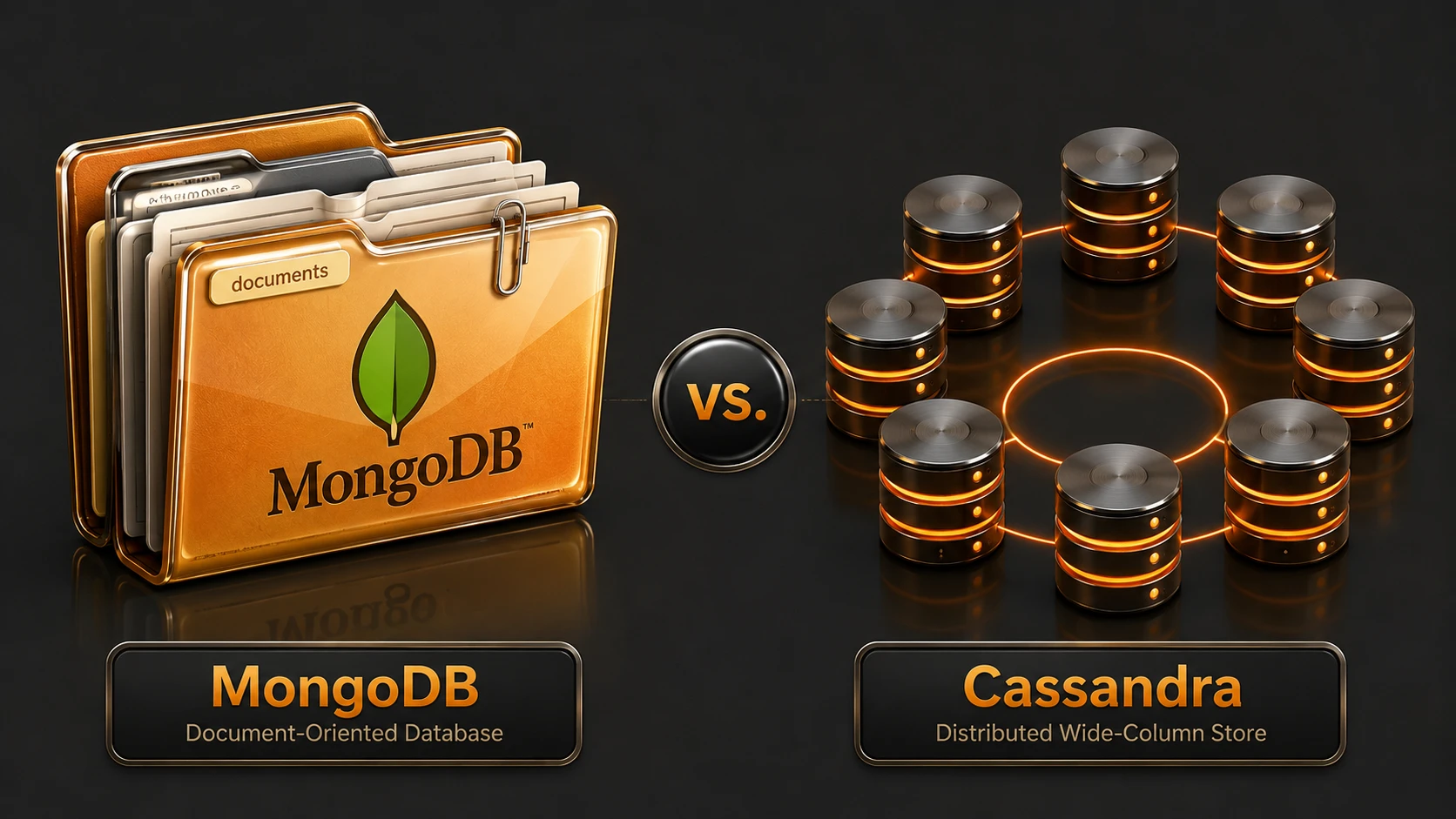
Among the most discussed technologies are MongoDB and Cassandra. Although both fall under the NoSQL umbrella, they solve different problems using fundamentally different architectural approaches. Enterprise architects evaluating next-generation platforms should understand these differences before considering adoption.
Why Traditional Database Architectures Are Being Challenged
Relational databases have evolved over many years and remain exceptionally capable for transactional business systems.
Their strengths include:
- ◆Mature SQL query language
- ◆Strong ACID transaction guarantees
- ◆Well-defined schemas
- ◆Referential integrity
- ◆Advanced indexing
- ◆Mature backup and recovery tools
- ◆Extensive ecosystem support
For the majority of enterprise applications, these capabilities remain essential.
However, several emerging workloads present new requirements.
Examples include:
- ◆Massive user-generated content
- ◆Continuous event logging
- ◆Large document repositories
- ◆High-volume session management
- ◆Distributed web applications
- ◆Global user communities
As data volume grows into billions of records, scaling a single database server becomes increasingly expensive and operationally complex.
The Scale-Out Philosophy
Traditional database deployments frequently rely upon scaling up.
This approach typically involves:
- ◆Faster processors
- ◆Larger memory capacity
- ◆High-end storage systems
- ◆More powerful servers
Although effective, vertical scaling eventually reaches practical and financial limits.
NoSQL databases instead emphasize horizontal scaling.
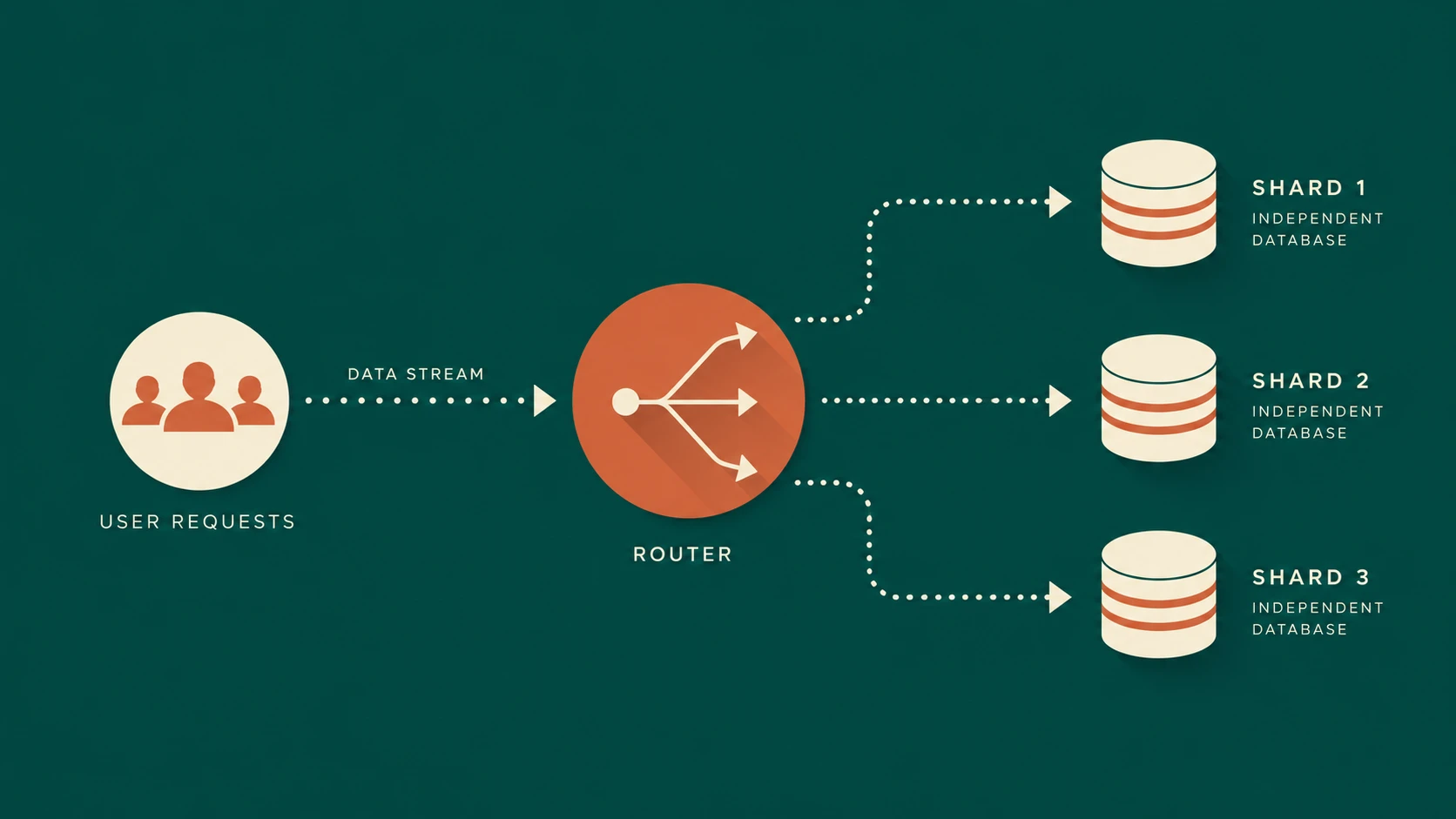
Rather than relying on one increasingly powerful server, workloads are distributed across multiple machines.
Benefits include:
- ◆Incremental capacity growth
- ◆Lower hardware costs
- ◆Improved fault tolerance
- ◆Distributed storage
- ◆Increased availability
Commodity servers become building blocks for larger database clusters.
Understanding the NoSQL Movement
The term NoSQL does not represent a single technology.
Instead, it encompasses several categories of non-relational databases that relax traditional relational assumptions in exchange for scalability and flexibility.
Common characteristics include:
- ◆Distributed architectures
- ◆Horizontal scalability
- ◆Flexible data structures
- ◆Reduced schema rigidity
- ◆High availability
It is important to recognize that NoSQL databases are not intended to replace relational databases universally. Rather, they address workloads where distributed scale is a primary design objective.
MongoDB Overview
MongoDB adopts a document-oriented model.
Instead of storing information in relational tables, data is organized as documents within collections.
Each document can contain multiple fields representing related information.
This model offers significant flexibility.
Developers can represent complex objects without decomposing them into numerous relational tables.
Potential enterprise advantages include:
- ◆Flexible schemas
- ◆Natural representation of application objects
- ◆Reduced impedance mismatch between applications and storage
- ◆Rapid development cycles
Applications with evolving business requirements may benefit from this adaptable structure.
MongoDB Data Organization
// MongoDB Document Schema definition using Mongoose
const mongoose = require('mongoose');

const productSchema = new mongoose.Schema({
  name: { type: String, required: true },
  sku: { type: String, unique: true },
  pricing: {
    listPrice: Number,
    cost: Number
  },
  inventory: [{ warehouseId: String, qty: Number }]
});

const Product = mongoose.model('Product', productSchema);
A typical MongoDB deployment organizes information into:
- ◆Databases
- ◆Collections
- ◆Documents
Unlike relational systems, individual documents within a collection are not required to contain identical fields.
This flexibility simplifies scenarios where application requirements evolve over time.
For content management systems, product catalogs, or user profile repositories, optional attributes can be stored naturally without frequent schema modifications.
Cassandra Overview
-- Cassandra CQL table definition with clustering keys
CREATE KEYSPACE sales_tracking WITH replication = {
  'class': 'SimpleStrategy',
  'replication_factor': 3
};

CREATE TABLE sales_tracking.store_sales (
  store_id uuid,
  sale_date date,
  transaction_id timeuuid,
  amount decimal,
  PRIMARY KEY (store_id, sale_date, transaction_id)
) WITH CLUSTERING ORDER BY (sale_date DESC);
Cassandra follows a different architectural philosophy.
Originally developed to support extremely large distributed environments, Cassandra emphasizes decentralized operation and high availability.
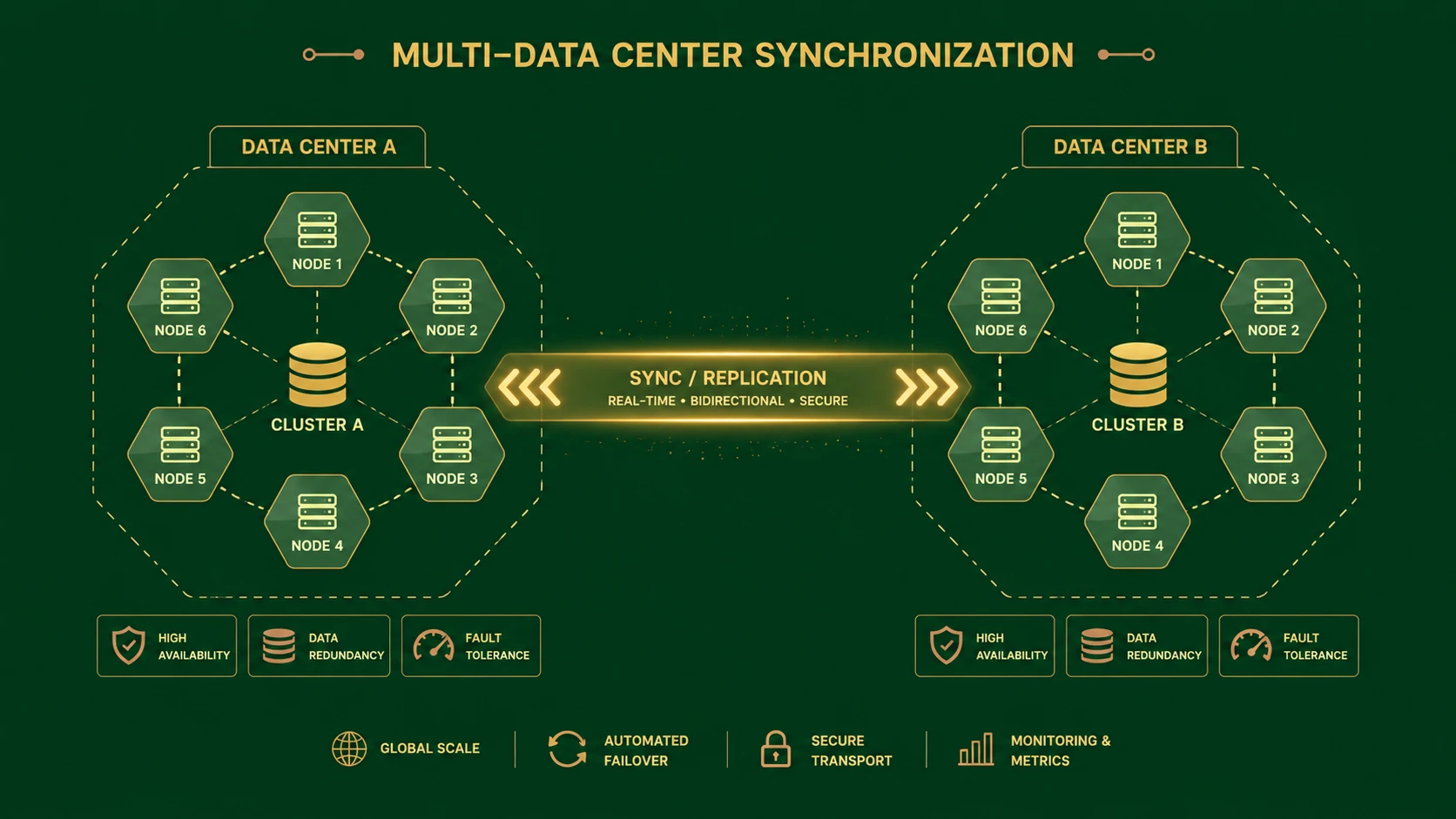
Rather than relying upon a central master server, nodes participate cooperatively within the cluster.
Potential advantages include:
- ◆Distributed architecture
- ◆Fault tolerance
- ◆Horizontal scalability
- ◆High write throughput
- ◆Geographic distribution capabilities
This design makes Cassandra particularly attractive for continuously available web services.
Distributed Architecture
One of Cassandra's defining characteristics is its decentralized architecture.
Each node contributes to the overall system.
Benefits include:
- ◆No obvious single point of failure
- ◆Simplified expansion
- ◆Balanced workload distribution
- ◆Improved resilience
As organizations add servers, storage capacity and processing capability increase together.
Comparing Data Models
Although MongoDB and Cassandra are often grouped together, their data models differ significantly.
| Feature | MongoDB | Cassandra |
|---|---|---|
| Primary Model | Document-oriented | Distributed column-oriented |
| Schema Flexibility | High | High |
| Typical Strength | Rich document storage | Large distributed clusters |
| Horizontal Scaling | Yes | Yes |
| High Availability | Yes | Yes |
Architects should evaluate application requirements rather than selecting technology based solely on popularity.
Enterprise Use Cases
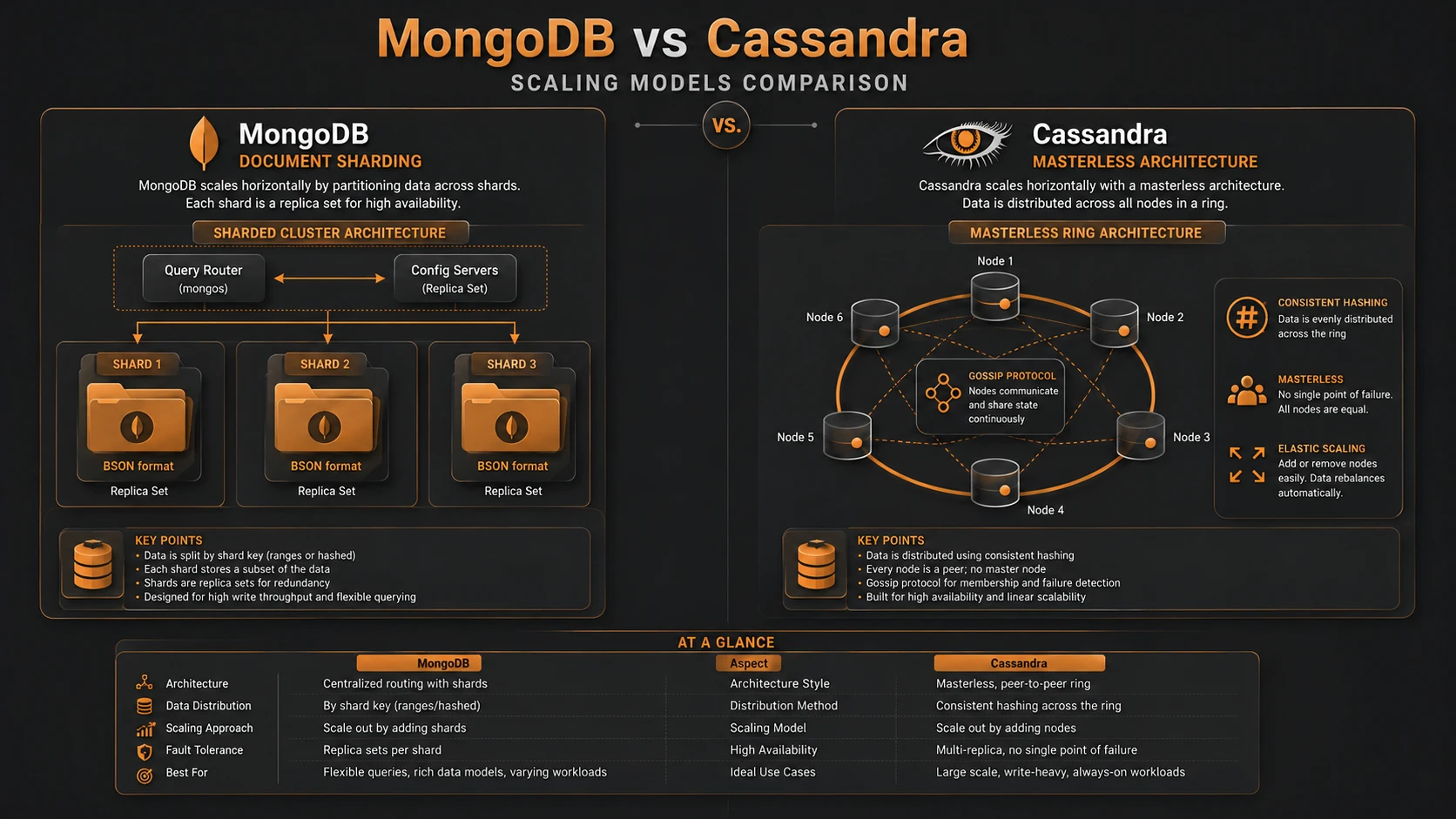
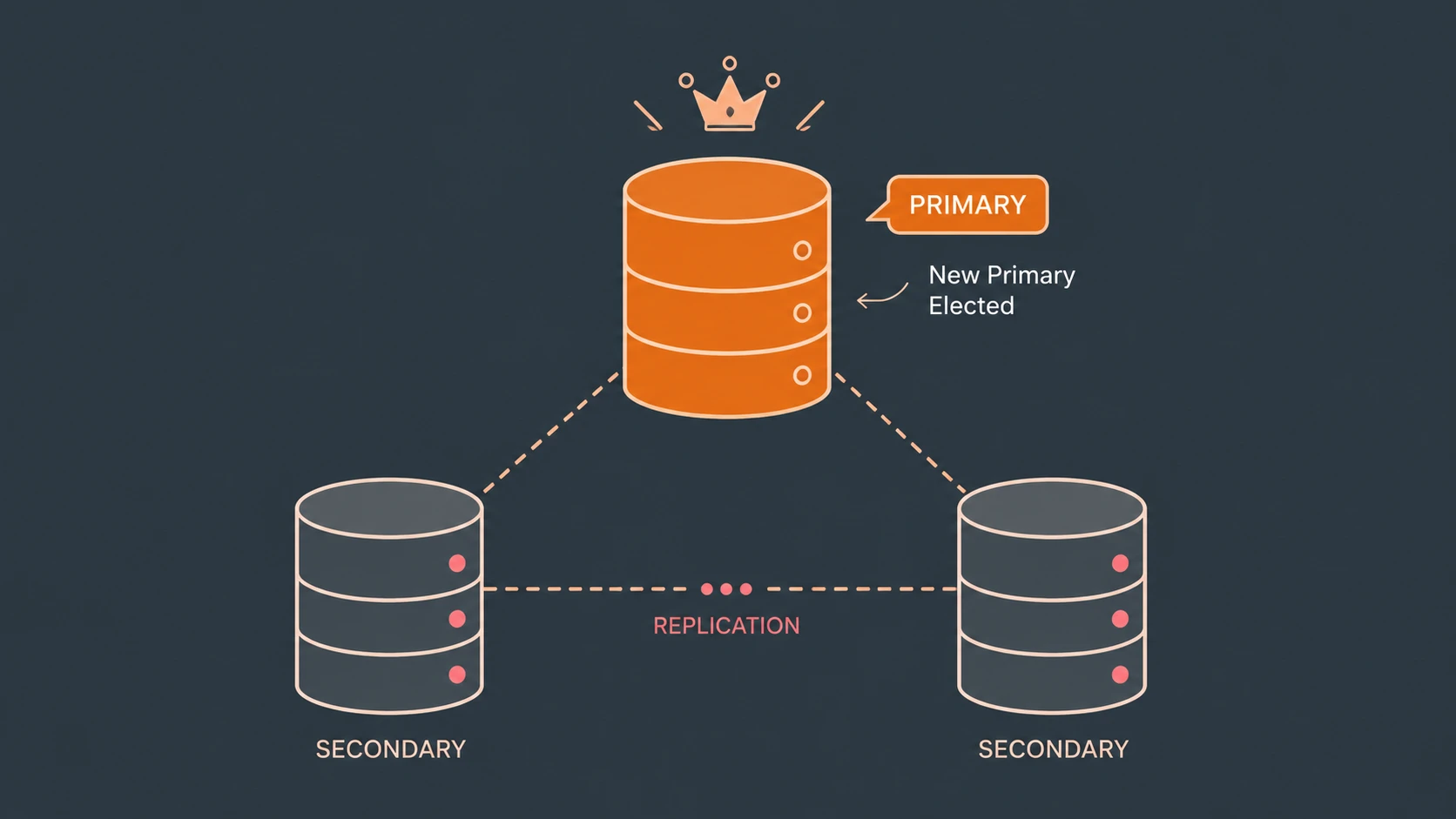
Distributed query routing and replica set replication configurations in NoSQL storage.
MongoDB may be appropriate for:
- ◆Content management systems
- ◆Product catalogs
- ◆User profile storage
- ◆Document repositories
- ◆Rapidly evolving applications
Its document model aligns closely with object-oriented application development.
Cassandra may be appropriate for:
- ◆Event logging
- ◆Large messaging platforms
- ◆Distributed web services
- ◆Time-series style information
- ◆Extremely large write-intensive environments
These are examples rather than universal recommendations.
Scaling Considerations
One of the primary attractions of NoSQL platforms is incremental growth.
Traditional scaling often requires replacing existing hardware with larger systems.
Scale-out architectures instead allow organizations to:
- ◆Add servers gradually
- ◆Increase storage incrementally
- ◆Expand processing capacity
- ◆Reduce dependence on specialized hardware
This approach aligns well with rapidly growing Internet businesses.
Data Modeling Differences
Relational databases encourage normalization.
Information is divided into multiple related tables.
Benefits include:
- ◆Reduced duplication
- ◆Strong consistency
- ◆Referential integrity
NoSQL databases frequently favor denormalization.
Information is stored closer to how applications access it.
Potential advantages include:
- ◆Fewer joins
- ◆Faster retrieval
- ◆Simpler distributed queries
The tradeoff may include increased storage consumption and additional application responsibility.
Performance Characteristics
Performance evaluation should consider workload rather than benchmark figures alone.
Important questions include:
- ◆Is the workload read-intensive?
- ◆Is write throughput the primary concern?
- ◆How large is the dataset?
- ◆Will data be distributed geographically?
- ◆How frequently does the schema evolve?
Different databases optimize different access patterns.
Operational Considerations
Adopting distributed databases introduces operational complexity.
Enterprise teams should prepare for:
- ◆Cluster management
- ◆Node monitoring
- ◆Capacity planning
- ◆Backup strategies
- ◆Failure recovery
- ◆Distributed troubleshooting
Operational maturity remains an important evaluation criterion.
Development Implications
Developers accustomed to relational databases must adjust their design approach.
Areas requiring attention include:
- ◆Data modeling
- ◆Query design
- ◆Application architecture
- ◆Distributed thinking
The database should no longer be viewed simply as centralized storage but as part of a distributed application architecture.
Integration with Existing Systems
Most enterprises will not replace relational databases immediately.
Instead, hybrid environments are more realistic.
Possible deployment strategies include:
- ◆Relational database for transactional systems
- ◆NoSQL database for large content repositories
- ◆Separate storage for application logs
- ◆Dedicated databases for rapidly growing web applications
This allows organizations to gain experience without disrupting established systems.
Best Practices for Early Adoption
Organizations evaluating MongoDB or Cassandra should consider the following recommendations:
- ◆Begin with pilot projects.
- ◆Understand application access patterns.
- ◆Evaluate operational tooling.
- ◆Benchmark representative workloads.
- ◆Design for horizontal growth.
- ◆Train development and operations teams.
- ◆Monitor storage growth carefully.
- ◆Document cluster architecture.
Careful planning reduces deployment risk.
Common Mistakes
Several misconceptions are emerging as interest in NoSQL grows.
Common mistakes include:
- ◆Assuming NoSQL replaces relational databases entirely.
- ◆Ignoring application-specific requirements.
- ◆Migrating mature systems without clear justification.
- ◆Underestimating operational complexity.
- ◆Choosing technology based on industry excitement rather than business needs.
Successful adoption begins with understanding the problem before selecting the platform.
Enterprise Decision Factors
When evaluating MongoDB and Cassandra, architects should consider:
| Evaluation Area | Questions |
|---|---|
| Scalability | How rapidly will data volume grow? |
| Availability | What level of uptime is required? |
| Data Model | Are documents or distributed columns a better fit? |
| Operations | Can the organization manage distributed clusters? |
| Integration | How will existing systems interact with the new platform? |
| Skills | Does the development team understand distributed databases? |
Technology selection should align with long-term architectural goals.
Security Considerations
Regardless of database choice, enterprise security remains essential.
Organizations should establish:
- ◆Authentication mechanisms
- ◆Authorization policies
- ◆Network security controls
- ◆Backup procedures
- ◆Disaster recovery planning
- ◆Operational auditing where appropriate
Distributed databases should follow the same governance standards applied to existing enterprise infrastructure.
Looking Ahead
The emergence of MongoDB, Cassandra, and other NoSQL technologies reflects changing application requirements rather than the end of relational databases. Traditional SQL platforms continue to provide unmatched capabilities for transactional business systems, reporting, and structured enterprise data.
At the same time, web-scale applications are driving innovation in distributed storage architectures. Horizontal scalability, flexible schemas, and fault-tolerant clustering represent important advances for organizations managing rapidly expanding data volumes.
As of early 2010, NoSQL remains an emerging technology area. Enterprise adoption should proceed carefully through pilot projects, performance testing, and architectural evaluation. Organizations that understand both the strengths and limitations of these platforms will be better positioned to determine where MongoDB, Cassandra, or traditional relational databases best fit within their long-term enterprise architecture.