Introduction
The ASP.NET MVC framework has steadily evolved into Microsoft's preferred platform for building standards-based web applications. Following the improvements introduced with ASP.NET MVC 4, enterprise development teams are increasingly demanding greater flexibility in routing, simpler authentication models, and a more modular web application pipeline.
Microsoft has begun discussing the direction of the next major evolution of ASP.NET MVC alongside broader investments in the ASP.NET platform. Early discussions indicate that future improvements will focus on reducing framework complexity, improving authentication extensibility, and simplifying URL management for large enterprise applications.
For architects planning long-term ASP.NET investments, these developments are worth monitoring even though they remain under active development.
Industry Background
Enterprise web applications are becoming increasingly service-oriented. Browser applications, mobile clients, REST services, and cloud-hosted workloads often share authentication infrastructure while exposing numerous HTTP endpoints.
Traditional URL routing based entirely on centralized configuration becomes increasingly difficult to manage as applications grow. Likewise, authentication systems must support an expanding collection of external identity providers and cloud-hosted services.
These trends are driving Microsoft's continued investment in the ASP.NET platform.
The Business Problem
Large enterprise applications frequently encounter:
- ◆Complex route configuration
- ◆Difficult URL maintenance
- ◆Authentication duplication
- ◆Multiple security frameworks
- ◆Increasing cloud integration requirements
- ◆Growing application modularity
Organizations require a development platform capable of simplifying these concerns without sacrificing maintainability.
Understanding the Direction of ASP.NET MVC
Based on Microsoft's public roadmap and ongoing platform discussions during early 2013, the next evolution of ASP.NET MVC is expected to emphasize:
- ◆More flexible routing
- ◆Improved authentication abstraction
- ◆Better integration with modern HTTP services
- ◆Simplified middleware architecture
- ◆Continued standards compliance
These objectives align with broader industry movement toward modular web frameworks and cloud-ready applications.
Core Architecture
| Component | Responsibility |
|---|---|
| Controller | Request processing |
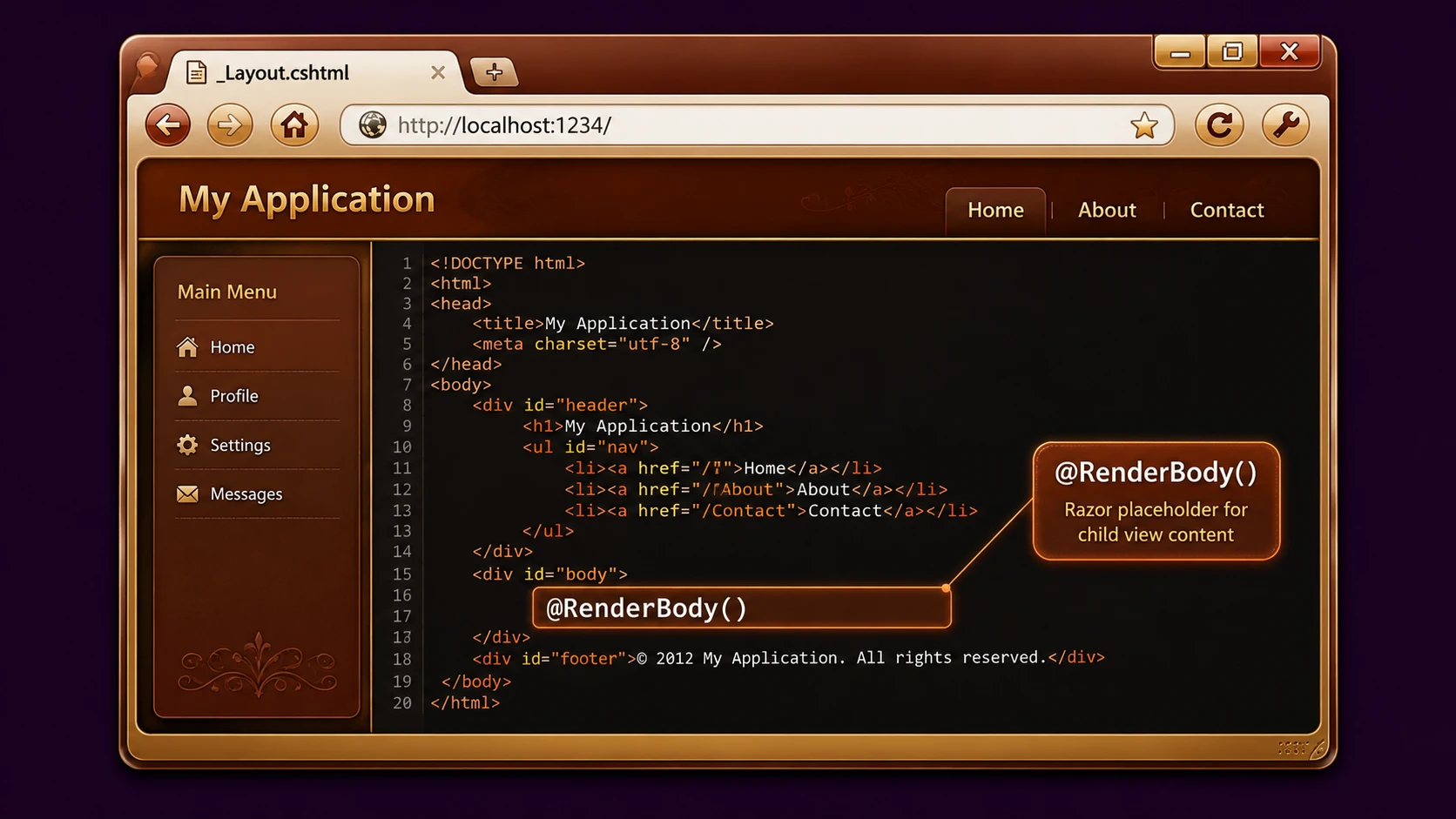
| Razor View Engine | HTML generation |
| Routing Engine | URL mapping |
| Models | Business logic and data |
| Authentication Components | User identity |
| HTTP Pipeline | Request processing |
| Dependency Injection | Service composition |
Microsoft's ongoing platform work suggests greater separation between application logic and infrastructure components.
Emerging Routing Improvements
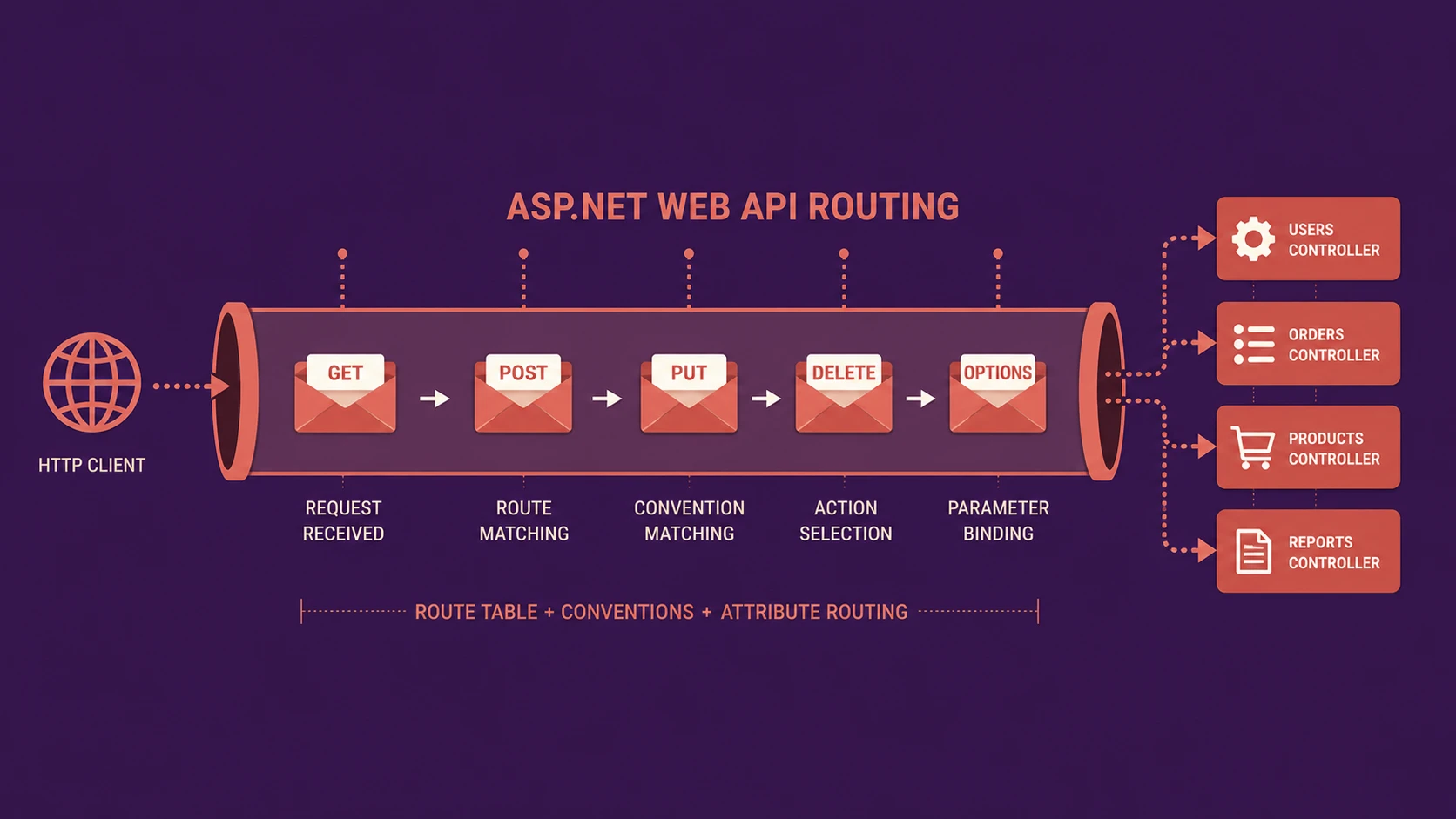
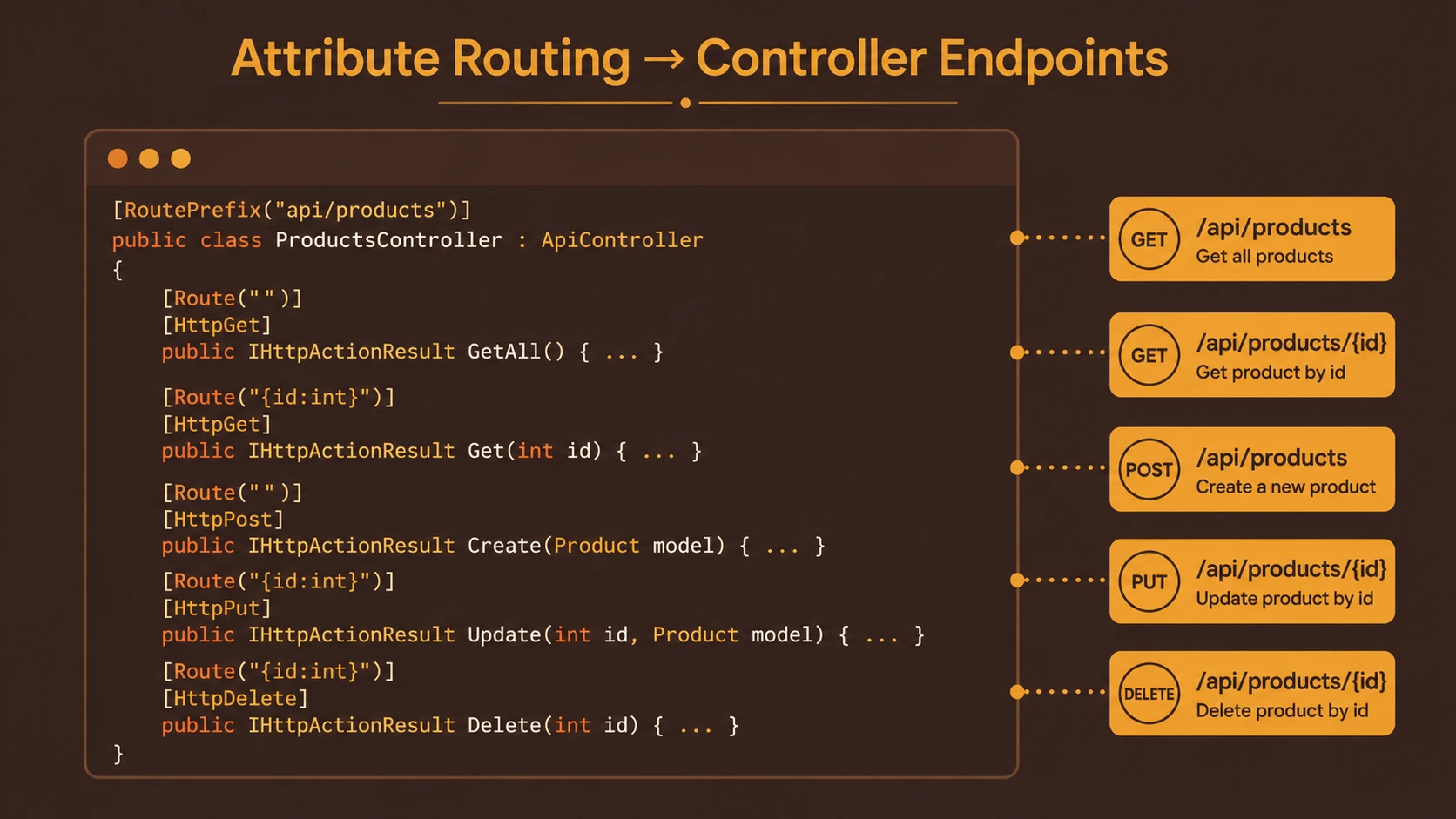
// Declaring routes using Route Attributes in ASP.NET MVC 5 Controllers
[RoutePrefix("api/v1/customers")]
public class CustomersController : Controller
{
    [GET("{id:int}")] // Constraint: id must be integer
    public ActionResult GetCustomer(int id)
    {
        var customer = _customerService.GetById(id);
        return Json(customer, JsonRequestBehavior.AllowGet);
    }

    [POST("")]
    public ActionResult CreateCustomer(CustomerDto customer)
    {
        _customerService.Save(customer);
        return new HttpStatusCodeResult(HttpStatusCode.Created);
    }
}
One area receiving significant attention is routing flexibility.
Rather than relying exclusively on centralized route registration, Microsoft has indicated interest in approaches that make routing easier to understand within large codebases.
Potential enterprise advantages include:
- ◆Improved maintainability
- ◆Reduced routing complexity
- ◆Better readability
- ◆Easier API evolution
- ◆Simplified development workflows
These improvements are particularly valuable for applications exposing numerous controllers and HTTP endpoints.
Authentication Modernization
Authentication continues to evolve as organizations adopt cloud services and external identity providers.
Microsoft's work around OWIN (Open Web Interface for .NET) seeks to decouple application components from the underlying web server while enabling more flexible authentication pipelines.
Potential benefits include:
- ◆Cleaner authentication architecture
- ◆Improved extensibility
- ◆Better interoperability
- ◆Simplified middleware integration
- ◆Support for evolving identity requirements
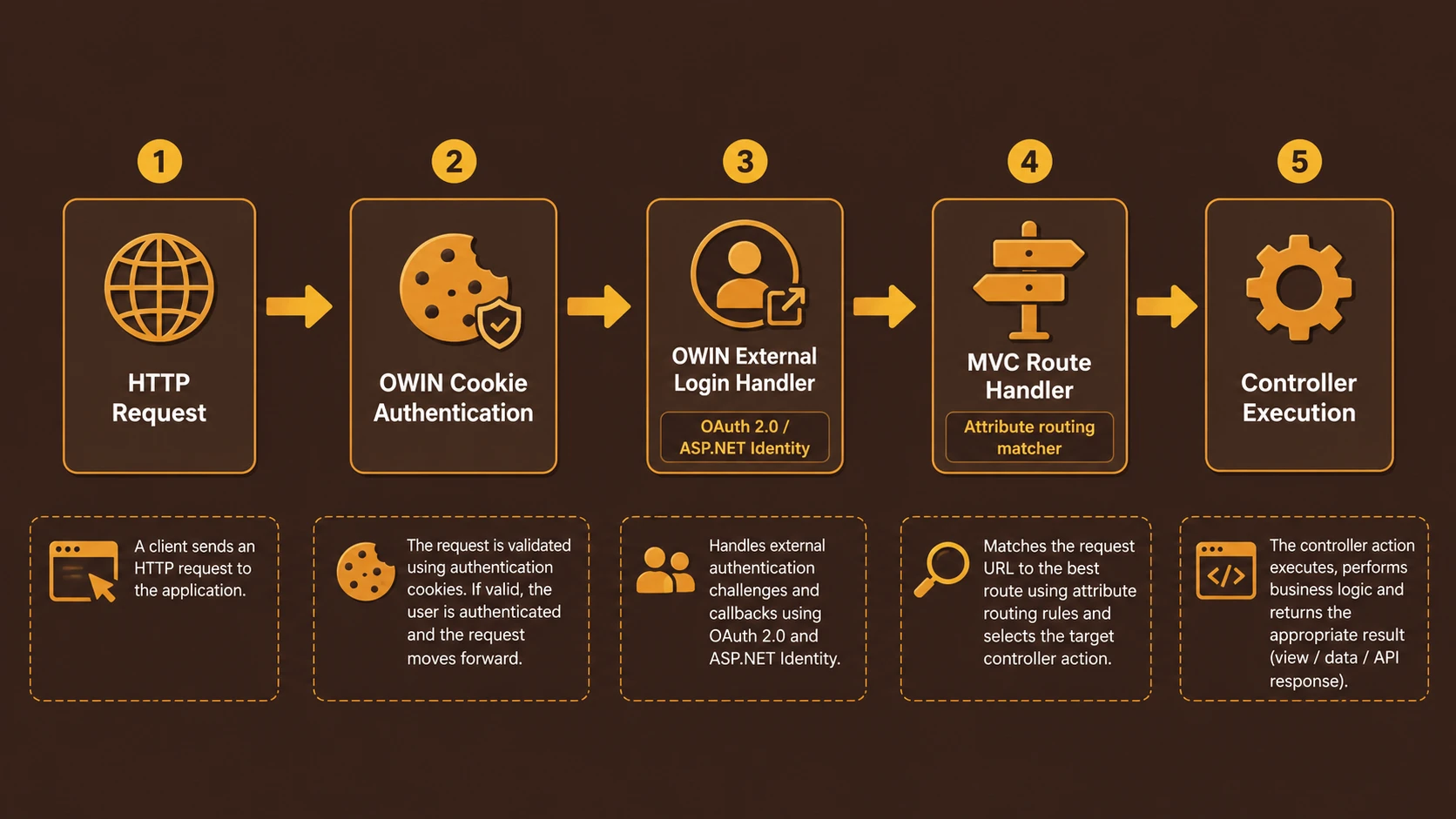
Model-View-Controller processing pipeline resolving client requests into dynamic pages.
Although these technologies remain under development, they demonstrate Microsoft's commitment to a more modular web platform.
Enterprise Use Cases
Organizations monitoring these developments should consider potential applications including:
- ◆Enterprise portals
- ◆Customer self-service systems
- ◆REST-based business services
- ◆Cloud-hosted applications
- ◆Mobile back-end platforms
- ◆Software as a Service solutions
Each of these environments benefits from simpler routing and flexible authentication infrastructure.
Performance Considerations
Performance remains dependent upon application architecture rather than framework features alone.
Organizations should continue focusing on:
- ◆Efficient controller design
- ◆Resource optimization
- ◆Output caching
- ◆Database performance
- ◆Client-side optimization
- ◆HTTP request efficiency
Framework improvements complement good architectural practices rather than replacing them.
Security Considerations
Regardless of future framework enhancements, enterprise applications should continue implementing:
- ◆Strong authentication
- ◆Authorization controls
- ◆HTTPS deployment
- ◆Input validation
- ◆Anti-forgery protection
- ◆Secure session management
Authentication modernization should be accompanied by comprehensive security governance.
Scalability
ASP.NET's stateless request model continues to support scalable enterprise deployments.
Organizations can improve scalability through:
- ◆Load balancing
- ◆Service-oriented architecture
- ◆Caching strategies
- ◆Modular application design
- ◆Distributed infrastructure
Best Practices
- ◆Separate business logic from presentation.
- ◆Keep routing conventions consistent.
- ◆Centralize authentication policy.
- ◆Design reusable services.
- ◆Validate performance under production workloads.
- ◆Prepare applications for cloud deployment.
- ◆Follow SOLID design principles.
- ◆Monitor Microsoft's platform guidance as the framework evolves.
Common Mistakes
| Mistake | Enterprise Impact |
|---|---|
| Tight coupling between authentication and business logic | Reduced maintainability |
| Overly complex routing | Difficult maintenance |
| Ignoring modular architecture | Reduced scalability |
| Mixing presentation and business code | Lower code quality |
| Delaying framework evaluation | Slower modernization |
Technology Comparison
| Capability | ASP.NET MVC 4 | Next ASP.NET MVC Direction |
|---|---|---|
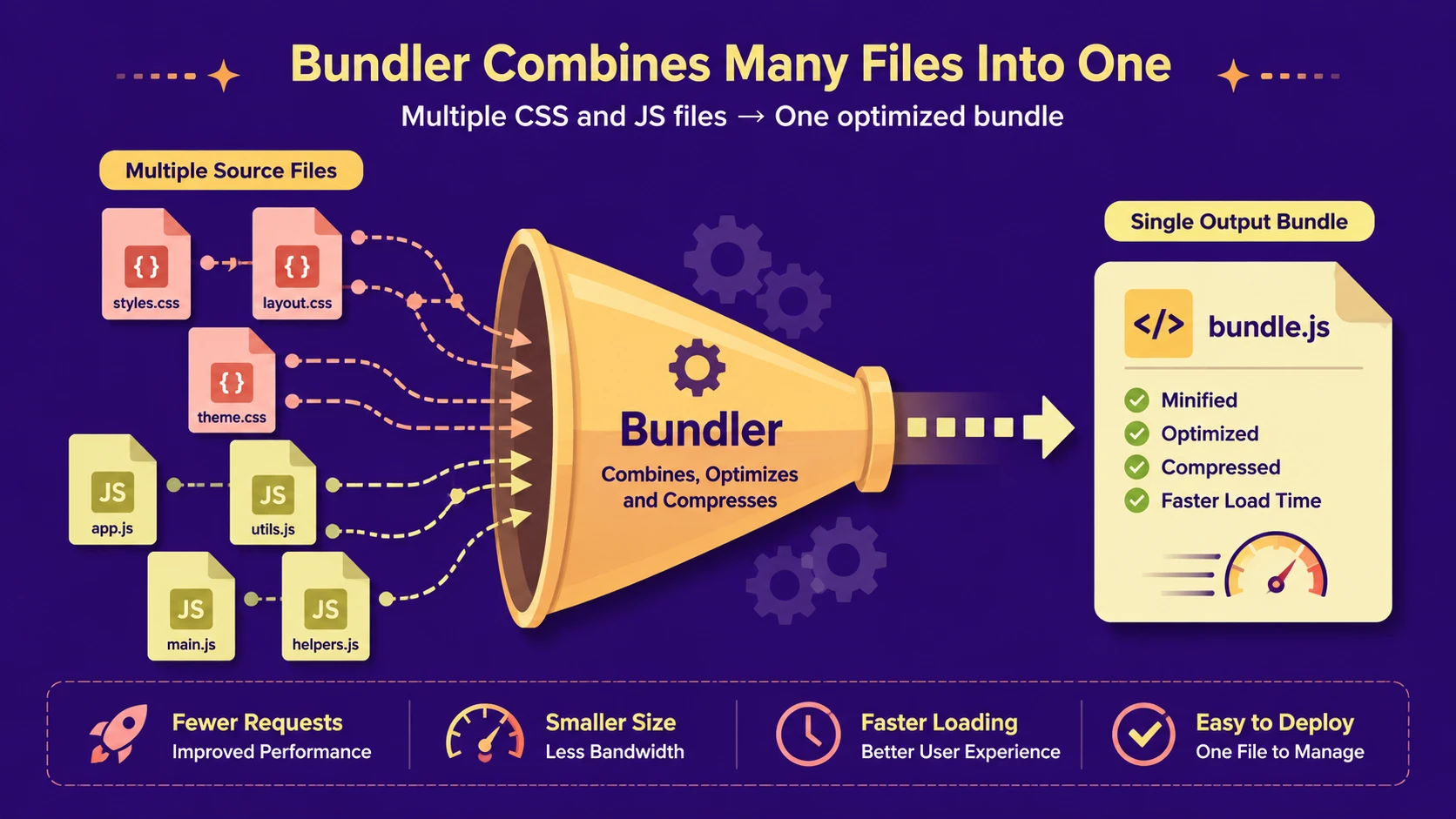
| Bundling | Built-In | Continued |
| Mobile Support | Yes | Expected |
| Routing Flexibility | Conventional | Under Improvement |
| Authentication Pipeline | Existing ASP.NET Model | Greater Modularity Expected |
| Cloud Readiness | Good | Increasing Focus |
Adoption Strategy
Because these platform capabilities are still evolving, organizations should:
- 1.Continue production deployments on stable framework versions.
- 2.Monitor Microsoft's public announcements.
- 3.Evaluate preview technologies in development environments.
- 4.Keep application architecture modular.
- 5.Avoid unnecessary framework dependencies.
- 6.Prepare authentication infrastructure for future modernization.
Limitations
As of April 2013, many of these capabilities remain under active development. Production planning should therefore continue to prioritize stable framework releases while evaluating preview technologies cautiously.
Looking Ahead
From the perspective of April 2013, Microsoft's continued investment in ASP.NET demonstrates a commitment to modern web application development. Greater routing flexibility, modular request processing, and improved authentication architecture have the potential to simplify enterprise application development while supporting increasingly cloud-connected environments. Organizations should monitor the evolution of these technologies as Microsoft prepares future ASP.NET releases.