Mobile Development
Viewing all posts categorized under Mobile Development.


Spectre and Meltdown CPU Vulnerabilities: Mitigating Side-Channel Attacks in Web Browsers
The disclosure of Spectre and Meltdown has exposed fundamental side-channel vulnerabilities affecting modern processors. Browser vendors, operating system developers, cloud providers, and enterprise security teams are responding with coordinated mitigations designed to reduce the risk of data leakage through speculative execution attacks. This article examines the technical foundations, browser mitigations, enterprise implications, and deployment considerations as understood in January 2018.
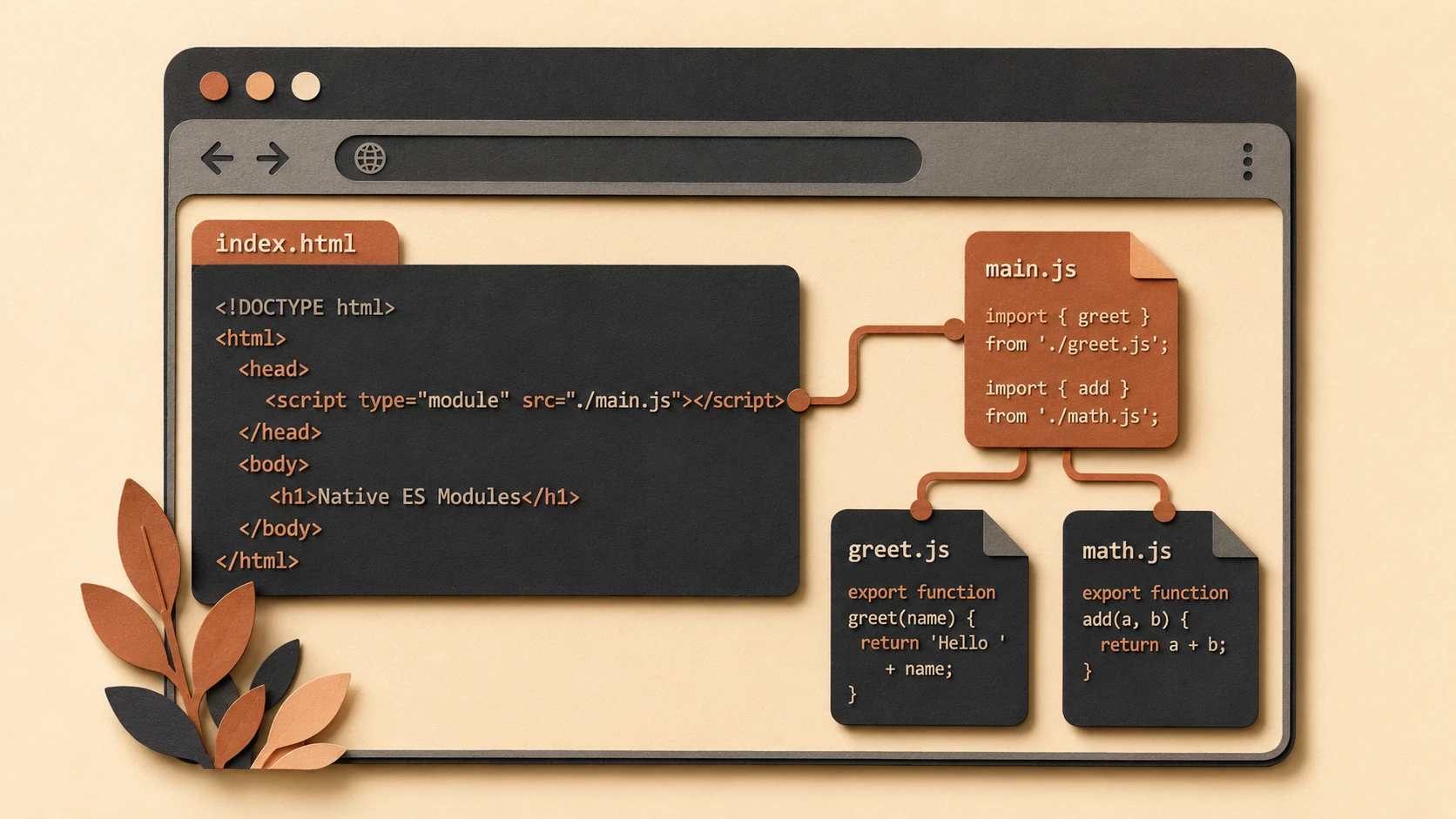
ES Modules in Chrome 61: Native JavaScript Import/Export inside Browser Engines
Chrome 61 introduces native support for ECMAScript (ES) Modules, allowing browsers to load JavaScript using standardized import and export statements without requiring proprietary module systems at runtime. This milestone moves web development closer to a unified JavaScript module standard, reducing dependency on browser-specific loaders while improving application maintainability and enabling better optimization opportunities. This article examines native ES Modules from the perspective of August 2017.

Android Architecture Components: Standardizing Lifecycle-Aware Mobile Apps
Google has introduced Android Architecture Components to address long-standing architectural challenges in Android application development. Announced during Google I/O 2017, the new libraries provide lifecycle-aware components, improved data persistence, and recommended architectural patterns that simplify the development of scalable and maintainable mobile applications. This article examines Android Architecture Components from the perspective of May 2017.

Kotlin on Android: Google Announces Official First-Class Support at Google I/O
At Google I/O 2017, Google officially announced first-class support for Kotlin as a programming language for Android development. Developed by JetBrains, Kotlin introduces modern language features while maintaining full interoperability with Java. This article examines the announcement from the perspective of May 2017, exploring Kotlin's architecture, enterprise implications, performance characteristics, interoperability model, and adoption strategy.
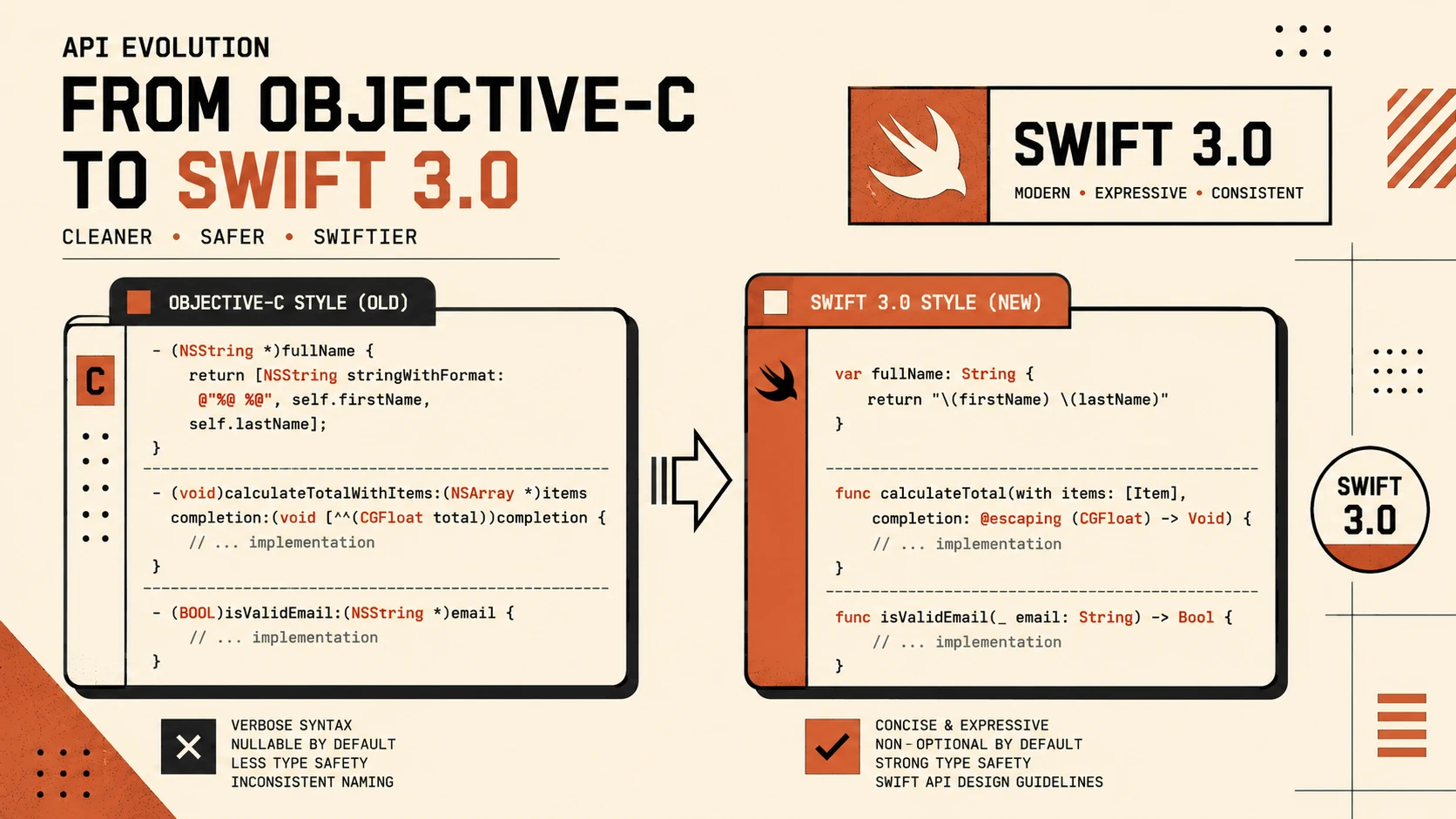
Swift 3.0 Source-Breaking Changes: Standardizing API Design Guidelines
Swift 3.0 represents the largest language refinement since Swift was introduced. By adopting comprehensive API Design Guidelines, simplifying syntax, improving interoperability with Objective-C, and introducing intentional source-breaking changes, Apple aims to create a more consistent and maintainable programming language for long-term application development. This article examines Swift 3.0 from the perspective of October 2016.

Progressive Web Apps: Service Workers, Cache API, and Offline-First Architectures
Progressive Web Apps (PWAs) combine responsive web design with modern browser capabilities such as Service Workers and the Cache API to deliver reliable, offline-capable, and application-like user experiences. As browser support for these technologies continues to mature during 2016, enterprise organizations are evaluating PWAs as an alternative approach for delivering high-quality web experiences across desktop and mobile devices. This article examines Progressive Web Apps from the perspective of May 2016.
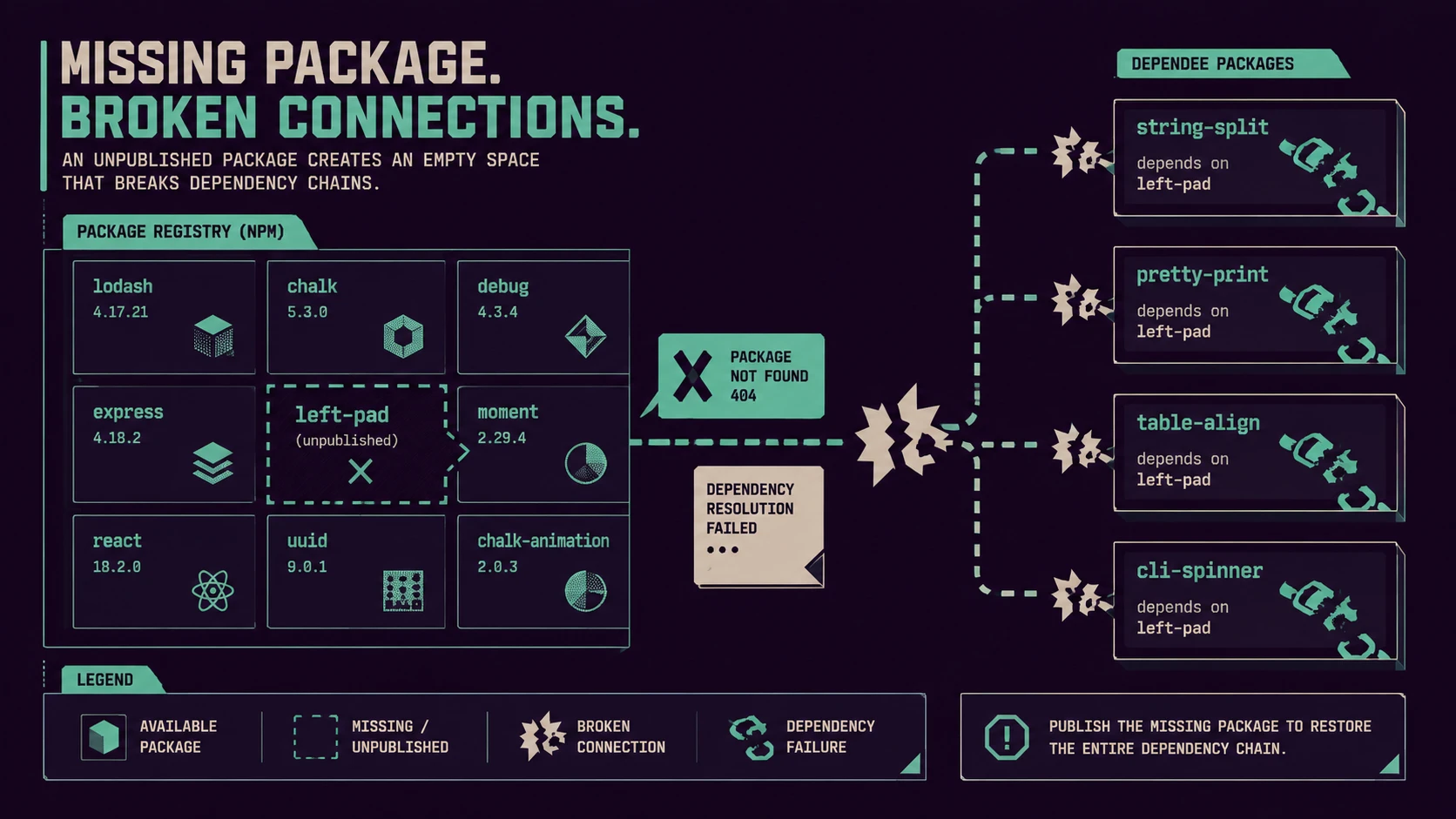
NPM Package Management Security: Deconstructing the Left-Pad Packaging Crisis
The unexpected removal of the Left-Pad package from the NPM registry exposed how deeply modern JavaScript applications depend on third-party packages. This article examines the incident from the perspective of March 2016, exploring dependency management, package registry governance, software supply chain security, and enterprise best practices for managing Node.js ecosystems.
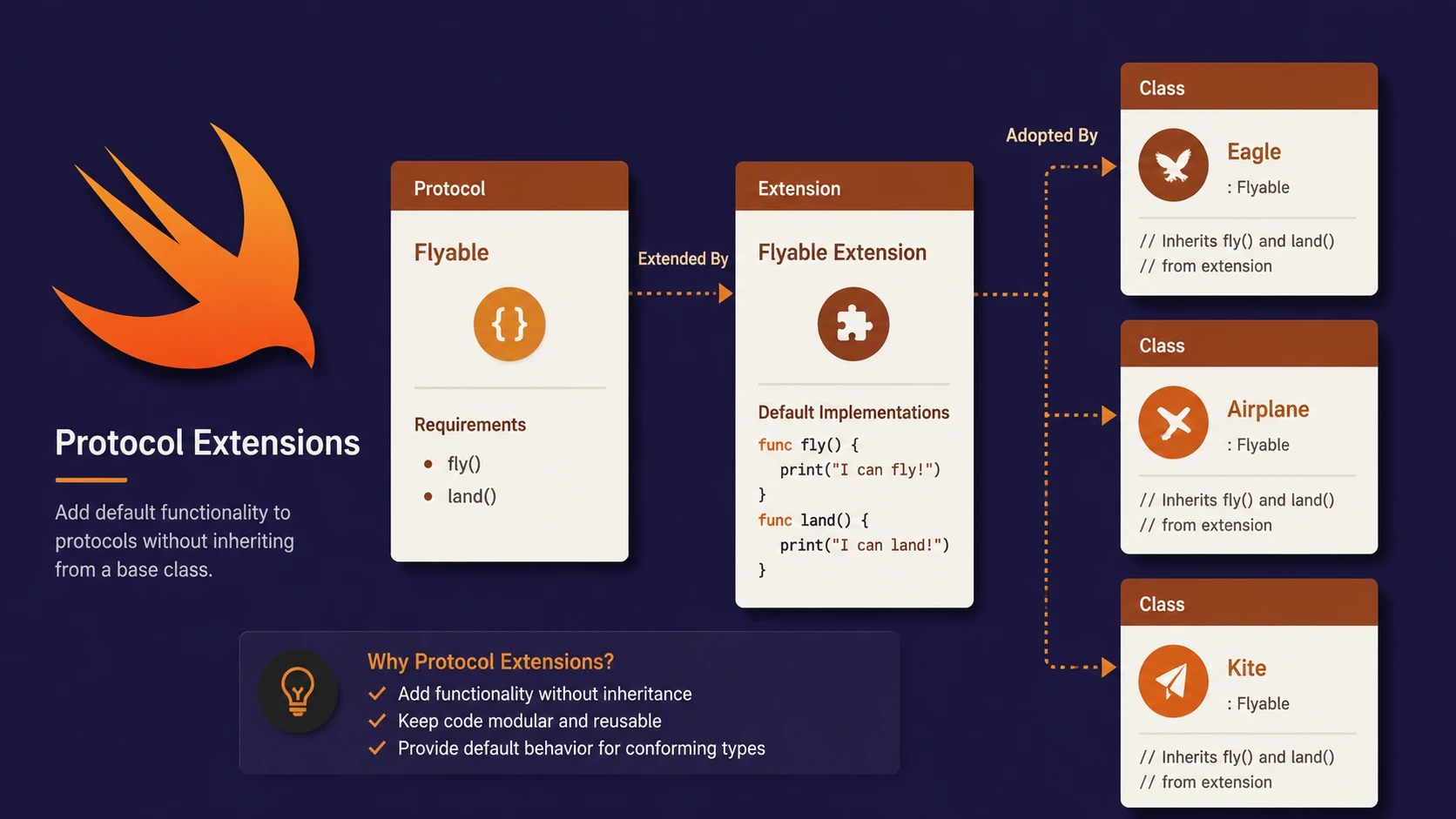
Swift 2.0 Open Source: Memory Management, Error Handling, and Protocol Extensions
Apple has released Swift 2.0 alongside the decision to open source the Swift programming language, marking a significant milestone in modern software development. With improvements including structured error handling, protocol extensions, compiler enhancements, and continued Automatic Reference Counting (ARC) optimizations, Swift 2.0 positions itself as a production-ready language for building reliable and maintainable applications. This article examines Swift 2.0 from the perspective of September 2015, exploring its architecture, enterprise implications, performance characteristics, and adoption strategy.
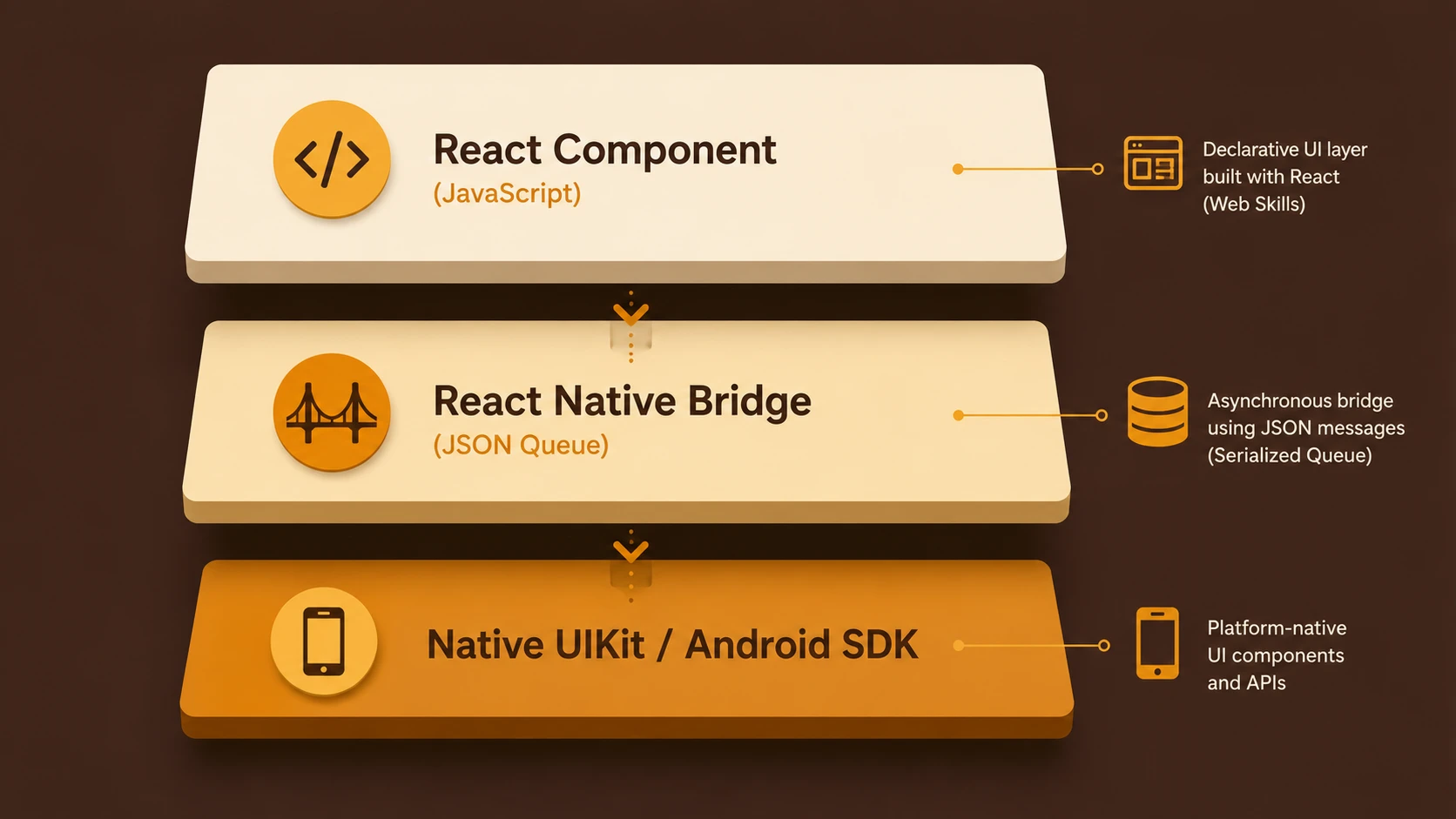
React Native Release: Building Mobile Apps with Native UI Controls and JavaScript
React Native introduces a new approach to native mobile application development by combining JavaScript, React components, and native platform controls. This article examines the framework's architecture, rendering model, performance characteristics, enterprise use cases, and adoption considerations from the perspective of May 2015.
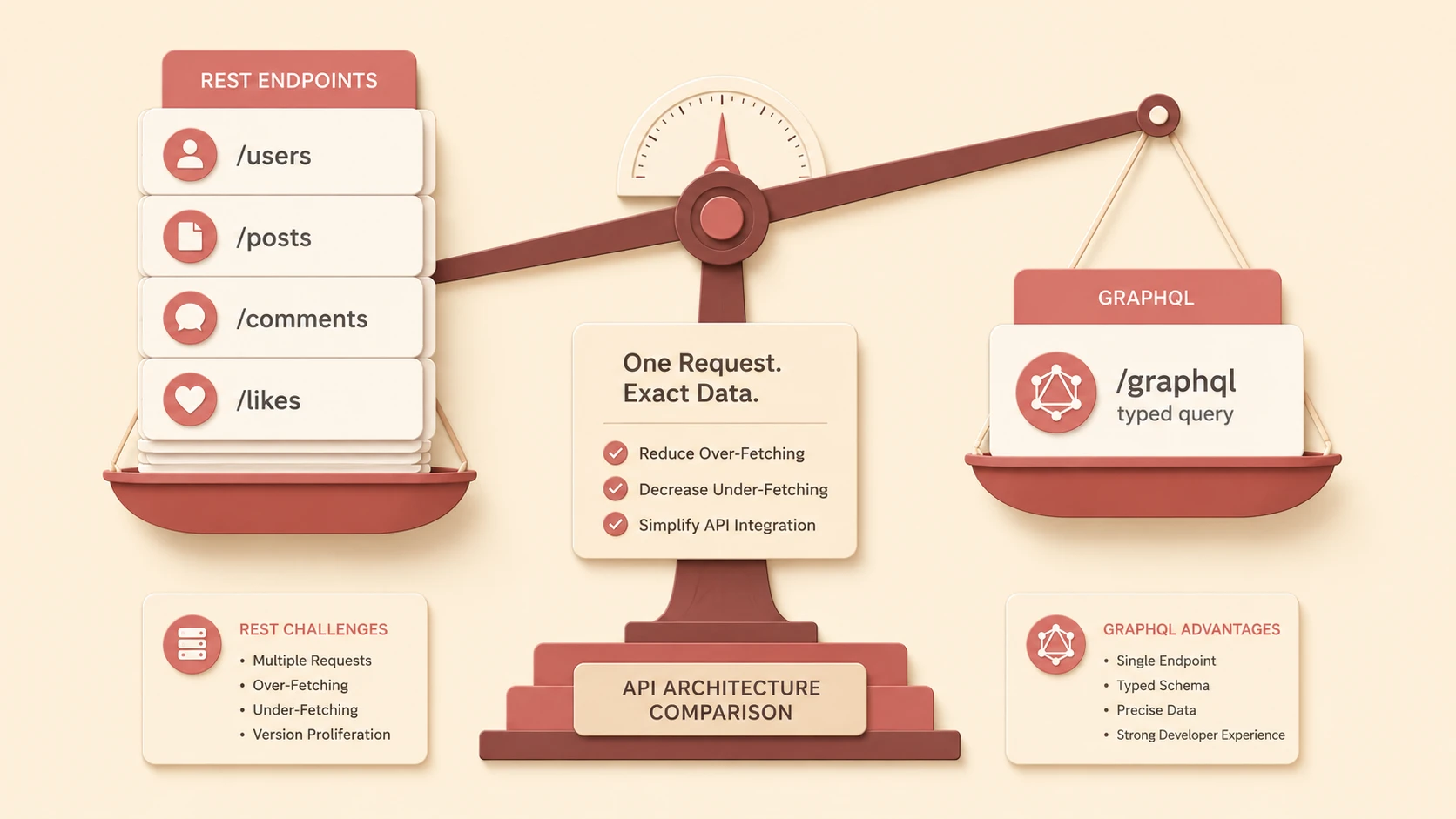
GraphQL Open Source Release: Replacing REST with Single-Endpoint Queries
Facebook has open sourced GraphQL, introducing a query language and runtime designed to simplify API development by allowing clients to request exactly the data they require through a single endpoint. Rather than exposing numerous REST resources, GraphQL offers a typed schema and client-driven queries that promise greater flexibility for web and mobile applications. This article examines GraphQL from the perspective of April 2015, exploring its architecture, enterprise use cases, performance characteristics, and adoption considerations.
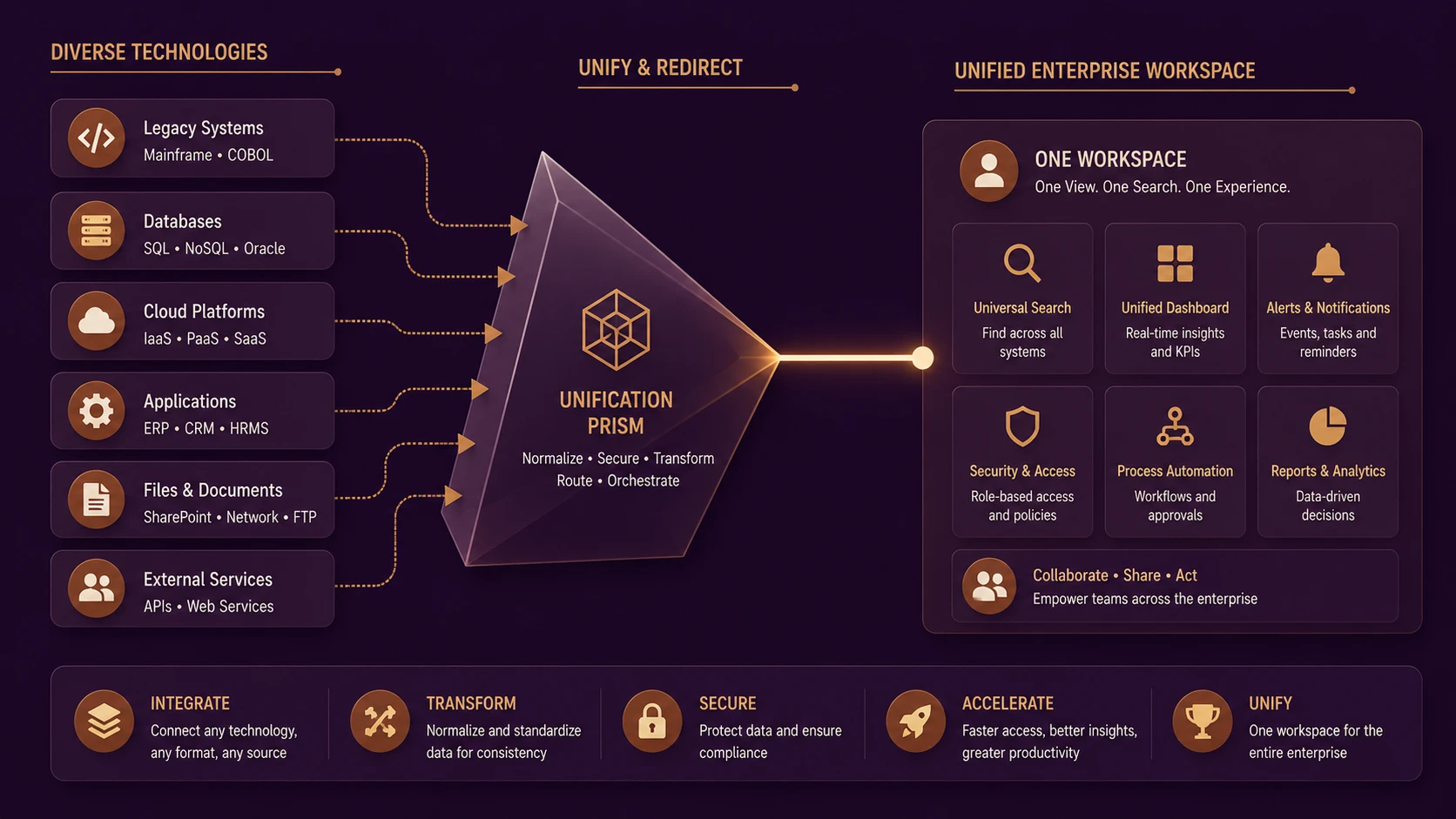
Software Development Trends: Enterprise Technologies Reshaping Engineering in 2014
Software development in 2014 is undergoing one of its most significant transitions in recent years. Cloud computing, DevOps, responsive design, mobile platforms, NoSQL databases, Continuous Delivery, and modular application architectures are fundamentally changing how enterprise software is designed, deployed, and maintained. This article reviews the most influential development trends from the perspective of November 2014.
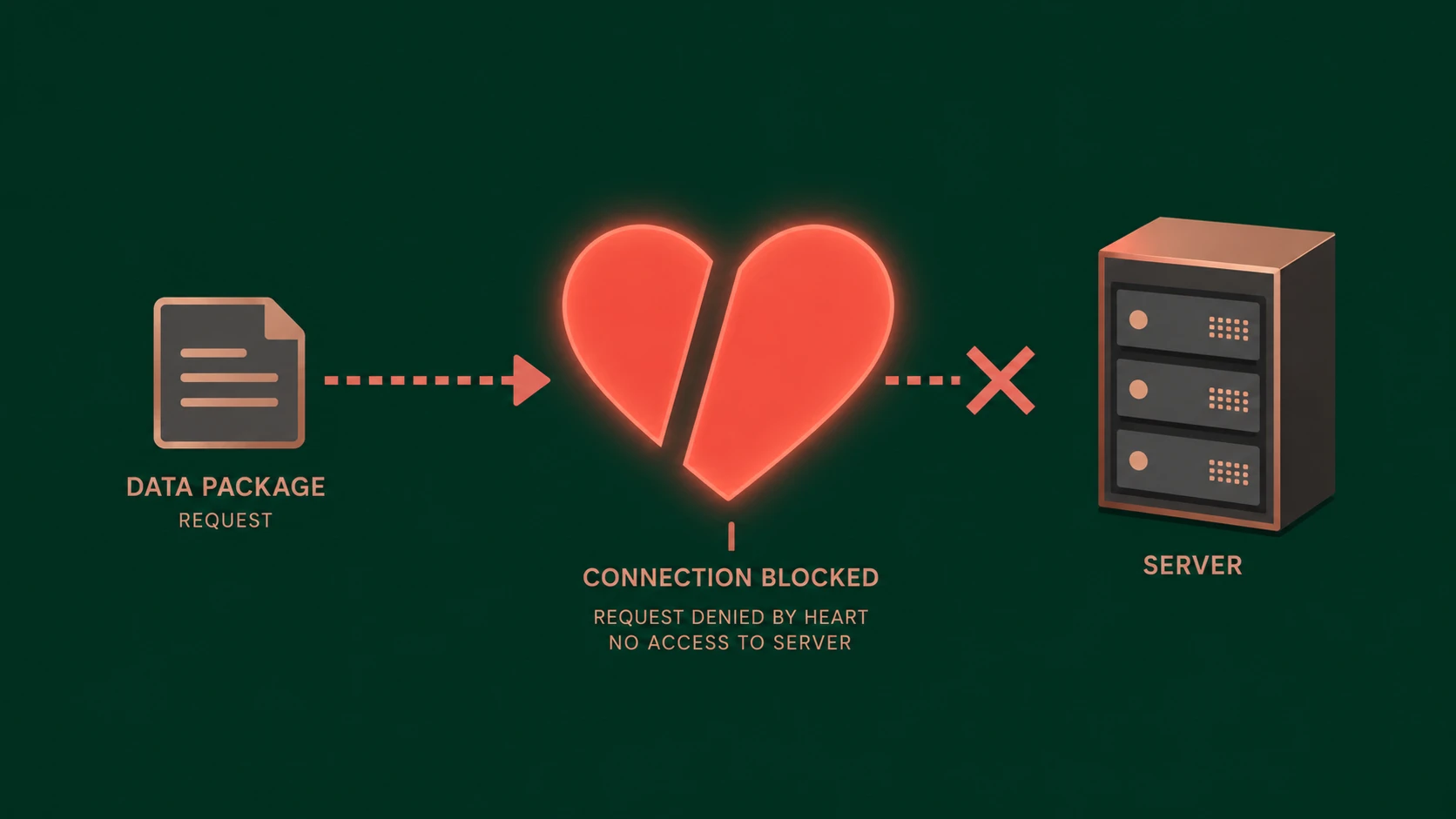
The Heartbleed Bug: Technical Analysis and Mitigations for OpenSSL Vulnerabilities
The disclosure of the Heartbleed vulnerability (CVE-2014-0160) exposed a critical flaw in OpenSSL's implementation of the TLS Heartbeat Extension, placing millions of servers and secure communications at risk. This article examines the technical details of Heartbleed from the perspective of April 2014, explaining its architecture, enterprise impact, mitigation strategies, and operational considerations for security teams.

Apple Swift: The Modern Successor to Objective-C for iOS and macOS
Apple has introduced Swift, a modern programming language designed for iOS and OS X development alongside Objective-C. This article examines Swift's architecture, language features, interoperability, performance goals, and enterprise implications from the perspective of its initial announcement in April 2014.

Android 4.4 KitKat: Project Svelte and Ram Optimizations for Low-Cost Phones
Google has introduced Android 4.4 KitKat with a strong focus on improving operating system efficiency through Project Svelte. This article examines KitKat from the perspective of November 2013, exploring memory optimization techniques, application lifecycle improvements, enterprise implications, and how Android is becoming more accessible to lower-memory devices.
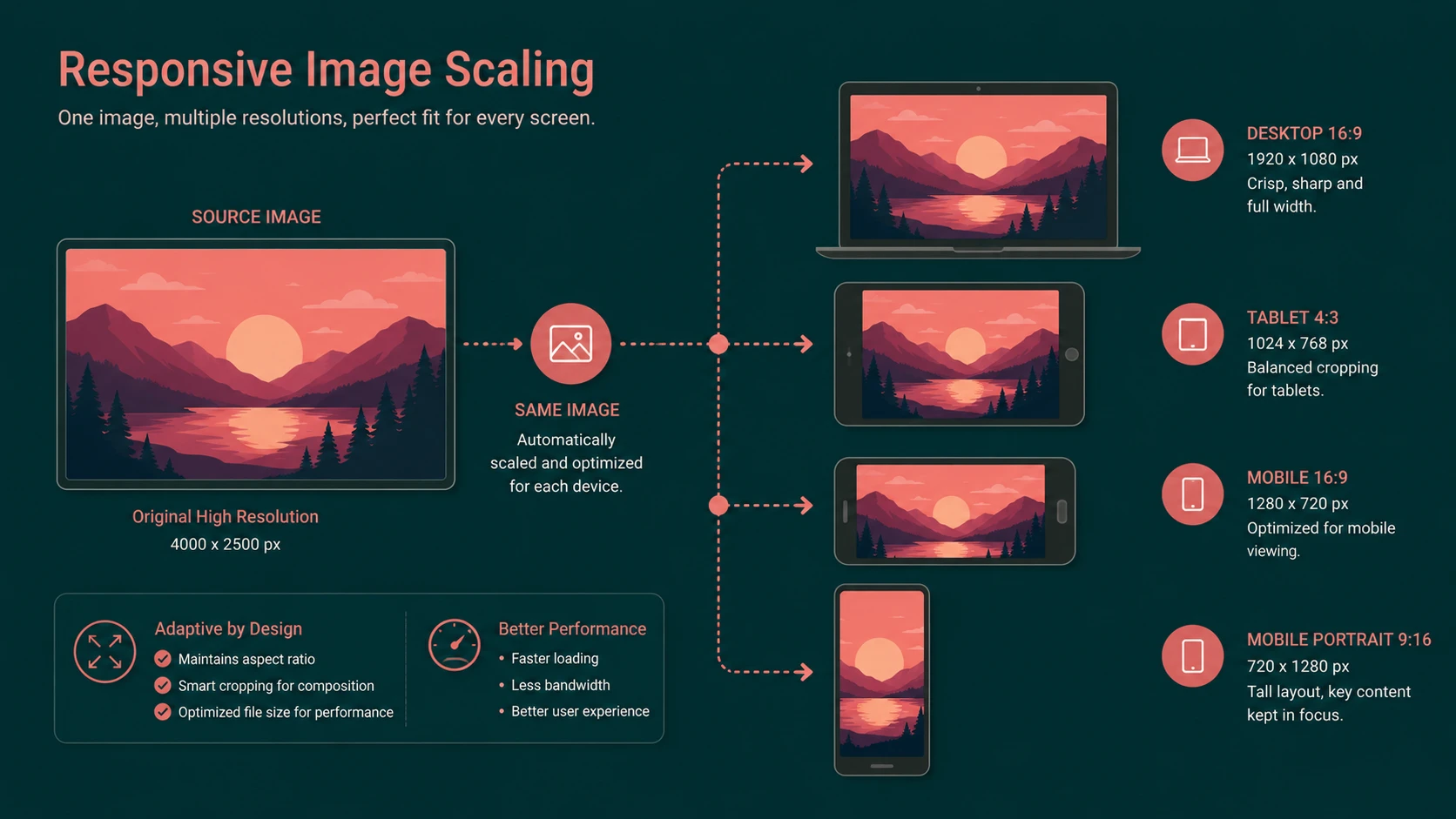
Responsive Images: Navigating the picture Tag, srcset, and Fluid Viewports
As responsive web design becomes mainstream, developers are facing new challenges around efficiently delivering images to smartphones, tablets, and desktop browsers. Emerging standards such as the proposed picture element and srcset attribute seek to address these issues. This article examines responsive image techniques from the perspective of September 2013, exploring current proposals, implementation strategies, performance implications, and enterprise adoption considerations.