Mobile Development
Viewing all posts categorized under Mobile Development.

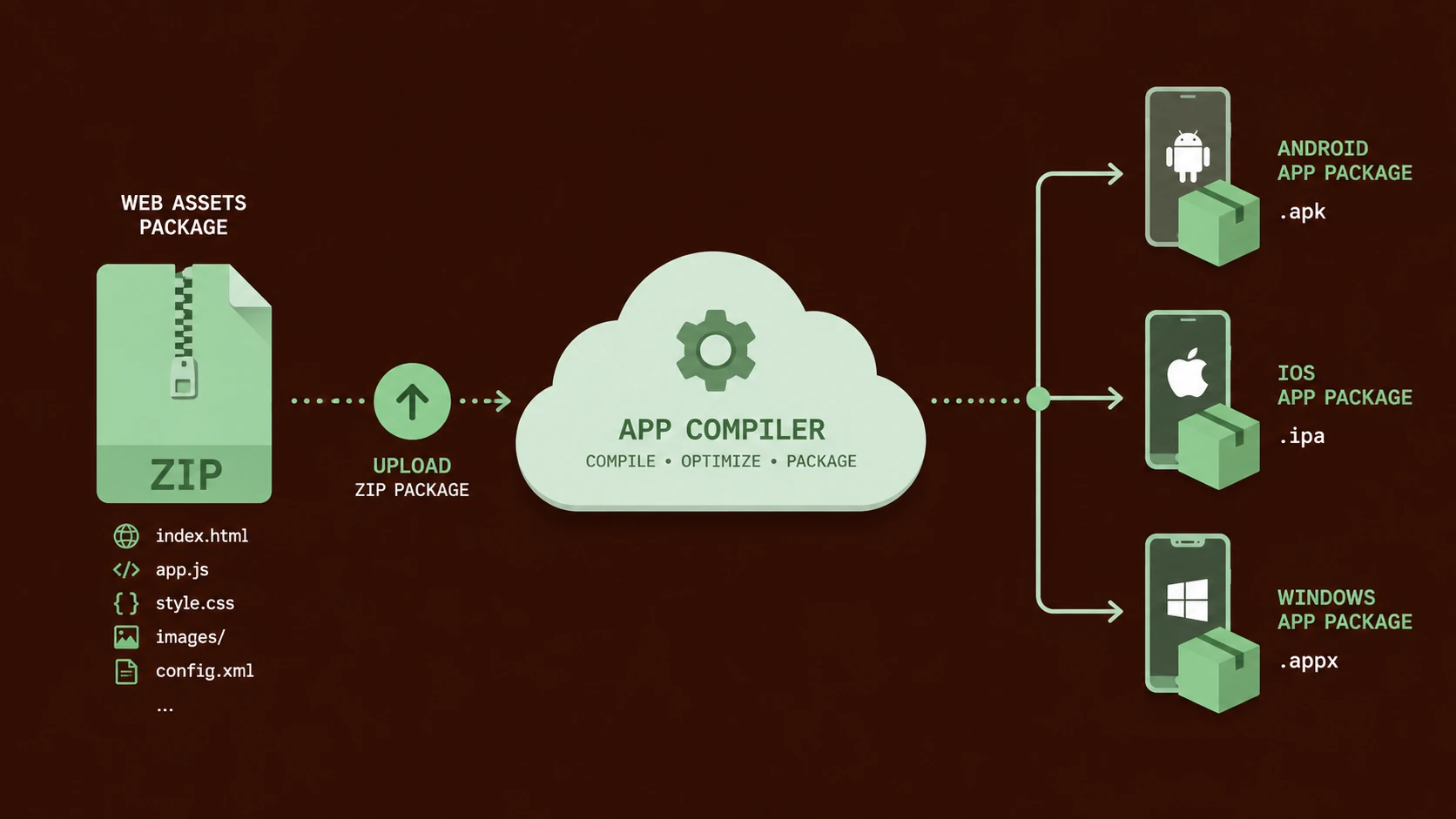
PhoneGap Build: Compiling Cross-Platform Native Packages in the Cloud
PhoneGap Build introduces a cloud-based compilation service that enables developers to package HTML5, CSS3, and JavaScript applications into native mobile applications without maintaining multiple platform-specific SDKs. As enterprise mobility accelerates, PhoneGap Build offers a streamlined approach to cross-platform application deployment. This article examines PhoneGap Build from the perspective of July 2013, exploring its architecture, enterprise use cases, security considerations, and role in modern mobile development.
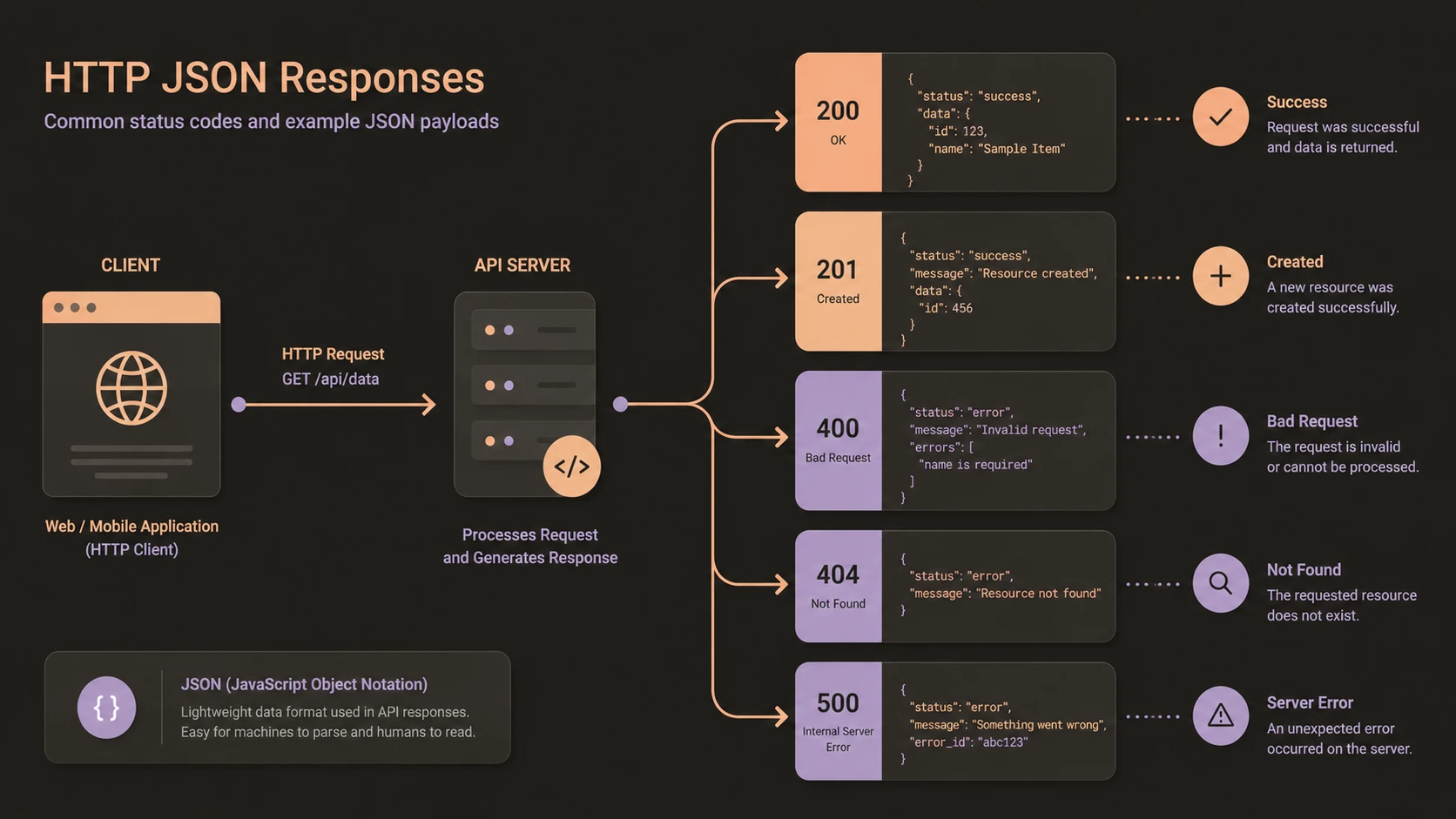
Designing RESTful APIs: Standardizing JSON Status Codes, Hypermedia, and CORS
As RESTful APIs become the foundation of modern web and mobile applications, consistent API design is increasingly important. This article explores REST architecture, JSON response standards, HTTP status codes, hypermedia, and CORS from the perspective of mid-2013, providing practical guidance for enterprise architects and API developers.
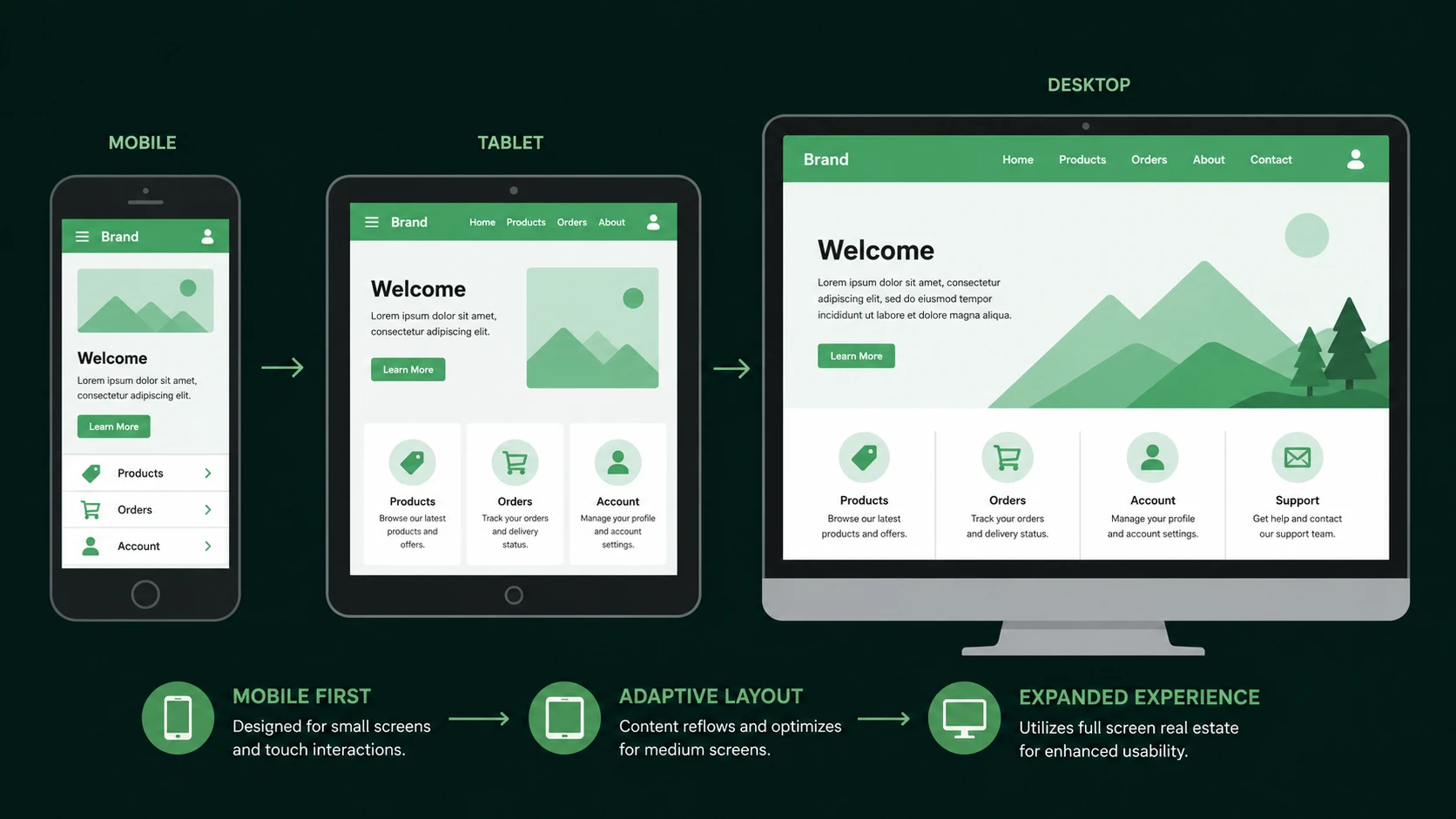
Bootstrap 3.0 Mobile-First Refactor: Designing Viewports from Mobile to Desktop
Bootstrap 3.0 represents a significant architectural shift from previous releases by adopting a mobile-first philosophy. This article examines the framework from the perspective of March 2013, exploring its responsive grid system, CSS architecture, component redesign, enterprise adoption considerations, and how mobile-first development is reshaping modern web engineering.
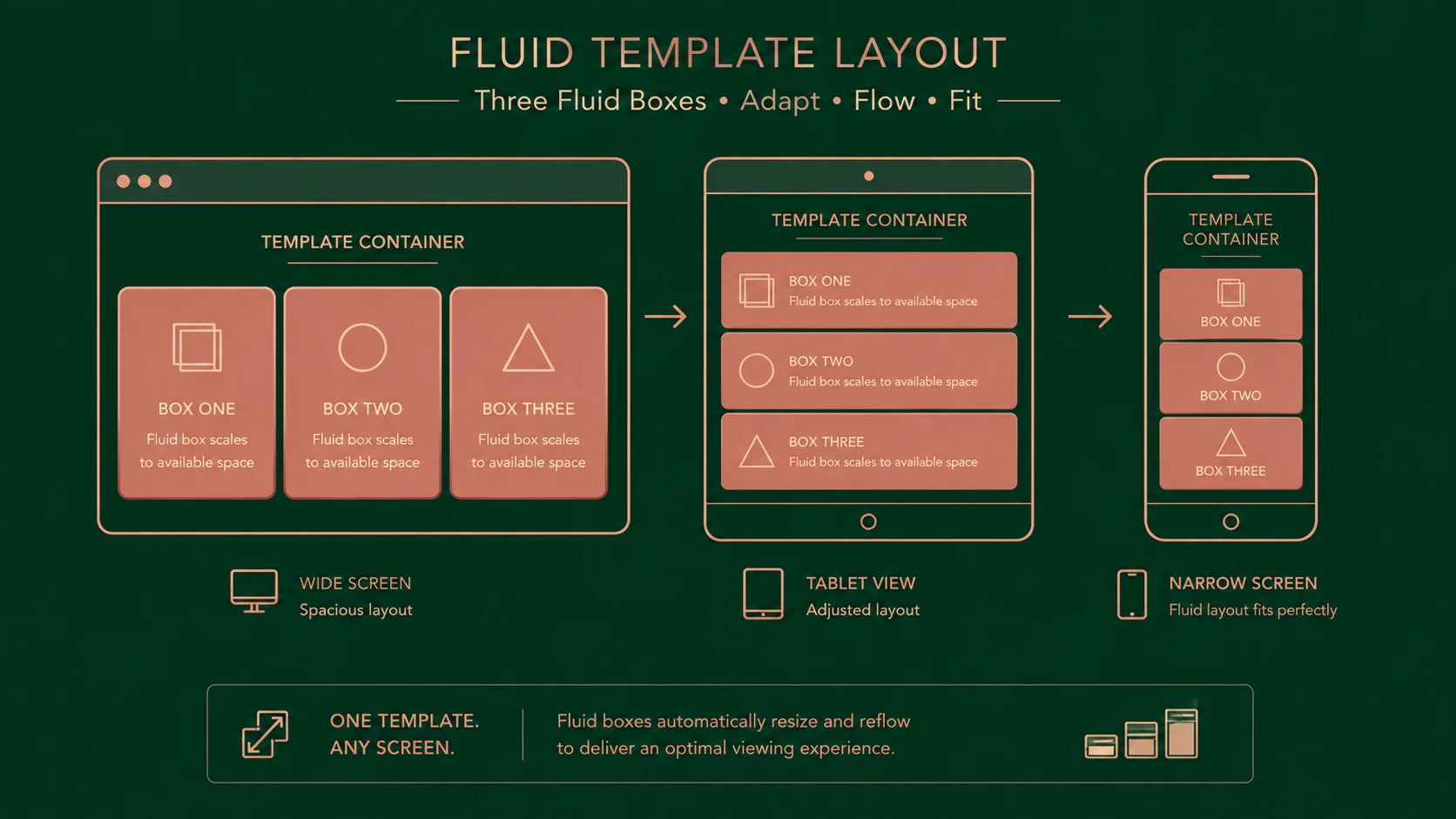
The Responsive Web: Retrospective on Design Standardizations of 2012
Throughout 2012, responsive web design evolved from an experimental development approach into a practical enterprise strategy for supporting desktops, tablets, and smartphones with a unified codebase. Driven by advances in CSS3, HTML5, media queries, fluid layouts, and mobile browser capabilities, responsive design is reshaping how organizations build and maintain modern web applications. This article reviews the major developments of 2012 and examines their enterprise implications from the perspective of December 2012.
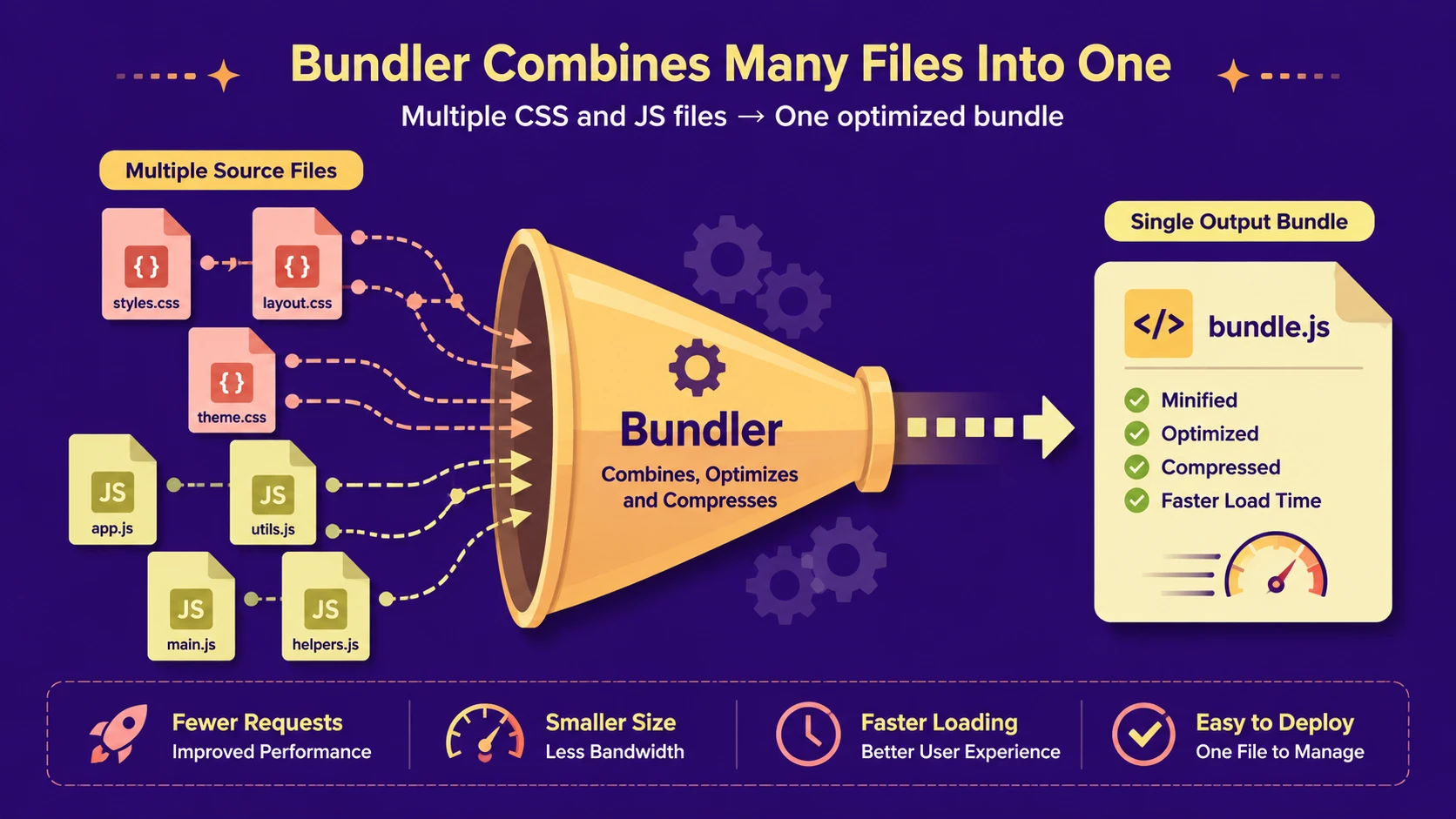
ASP.NET MVC 4: Bundling, Minification, and Mobile Views
ASP.NET MVC 4 introduces important enhancements that address two growing enterprise priorities: web application performance and mobile device support. Built on ASP.NET 4.5 and the .NET Framework, MVC 4 adds built-in bundling and minification, adaptive mobile views, Web API integration, and improved project templates. This article examines these capabilities from the perspective of November 2012, helping enterprise architects evaluate their impact on modern web application development.
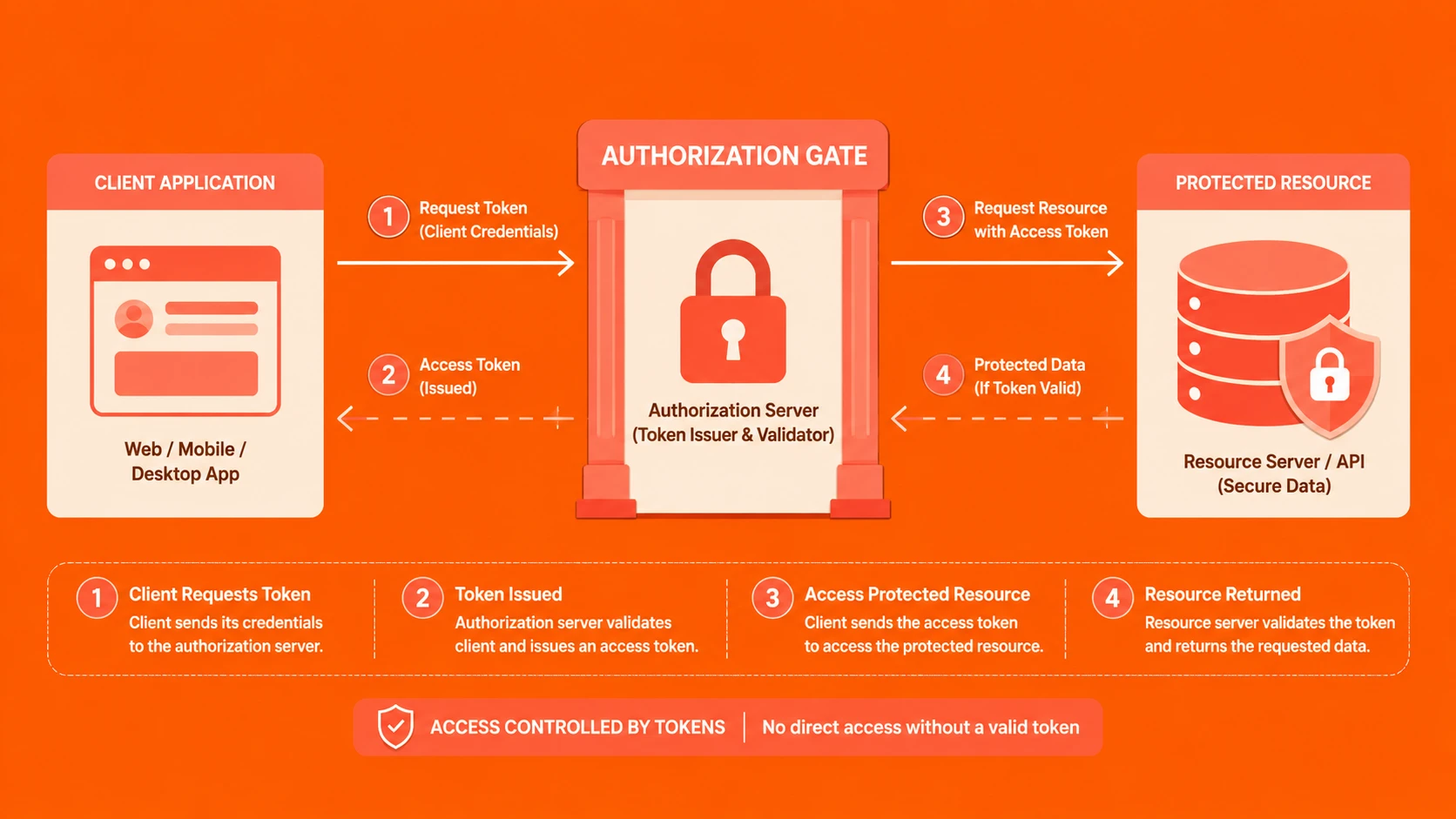
OAuth 2.0 RFC 6749: Standardizing Authorization for Web APIs
OAuth 2.0 has been standardized as RFC 6749, providing a flexible authorization framework for web applications, mobile clients, and APIs. This article examines its architecture, authorization flows, security model, enterprise adoption strategies, and implementation considerations from the perspective of October 2012.
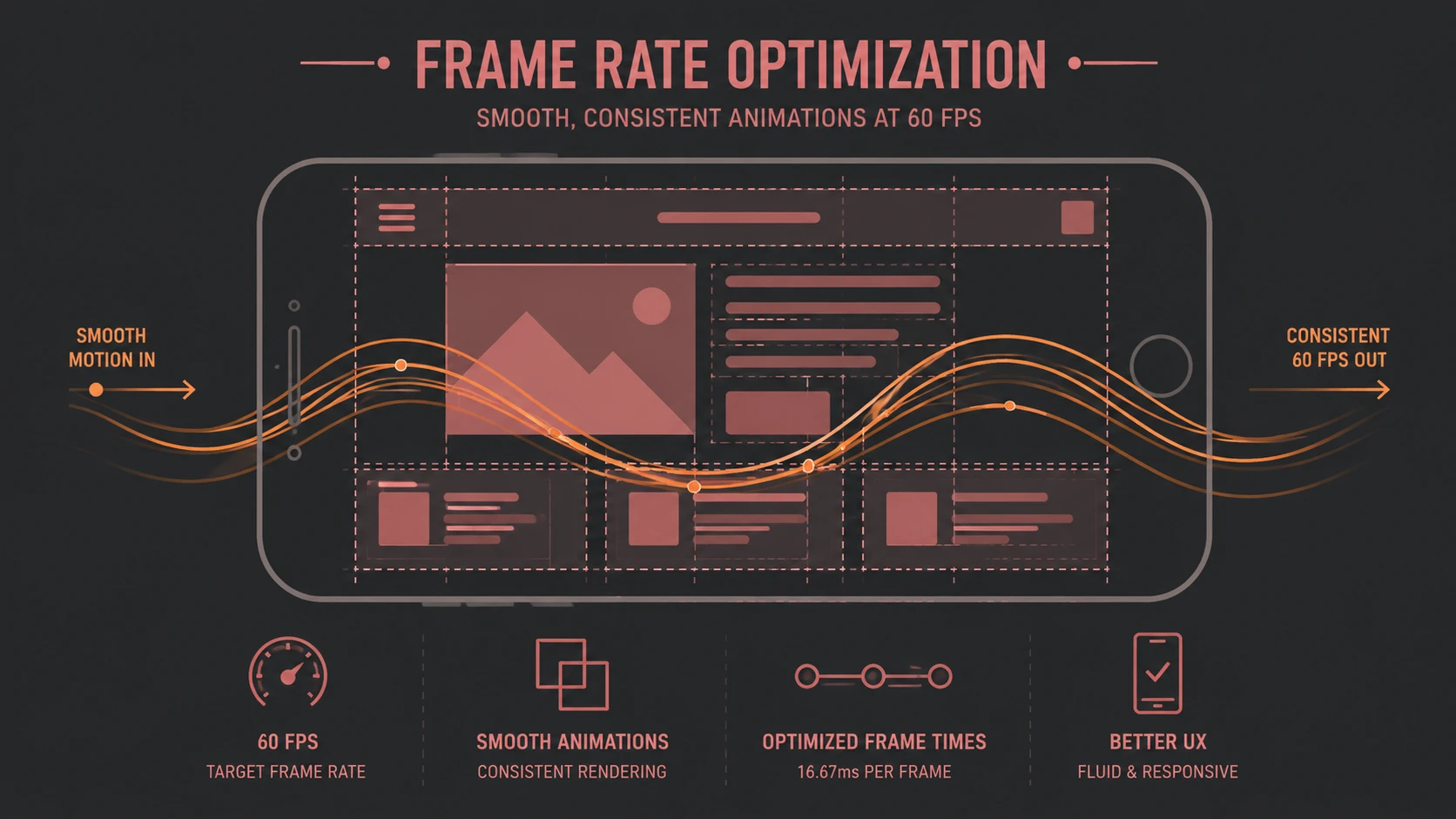
Android 4.1 Jelly Bean: Project Butter and Butter-Smooth UI
Android 4.1 Jelly Bean introduces Project Butter, Google's comprehensive initiative to improve interface responsiveness, animation smoothness, and touch performance across Android devices. Beyond visual improvements, Jelly Bean delivers architectural enhancements that strengthen Android as an enterprise-ready mobile platform. This article examines Project Butter, the underlying engineering changes, enterprise implications, performance characteristics, and deployment considerations from the perspective of May 2012.
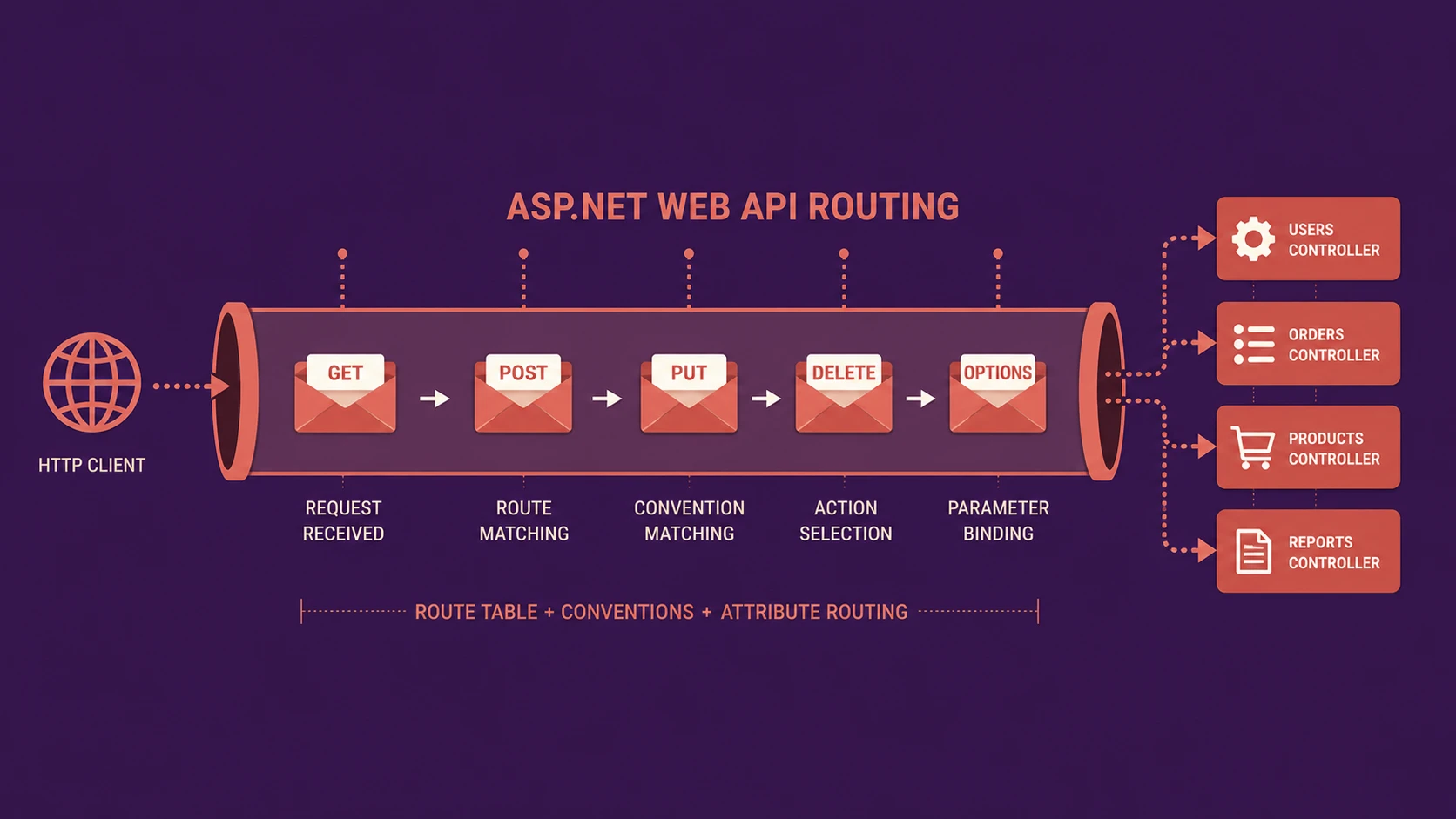
ASP.NET Web API: Designing RESTful APIs for the Modern Web
ASP.NET Web API introduces a modern programming model for building HTTP services that can be consumed by browsers, mobile applications, and enterprise systems. This article examines its architecture, design principles, enterprise adoption strategies, and implementation considerations from the perspective of April 2012.

App Store Valuations: Analyzing the $1B Instagram Acquisition
Facebook has announced its intention to acquire Instagram for approximately $1 billion, marking one of the largest acquisitions in the short history of the mobile application industry. This article examines the business rationale, valuation metrics, mobile ecosystem implications, and enterprise lessons from the perspective of March 2012.
Google Play: Merging Android Market into a Unified Content Hub
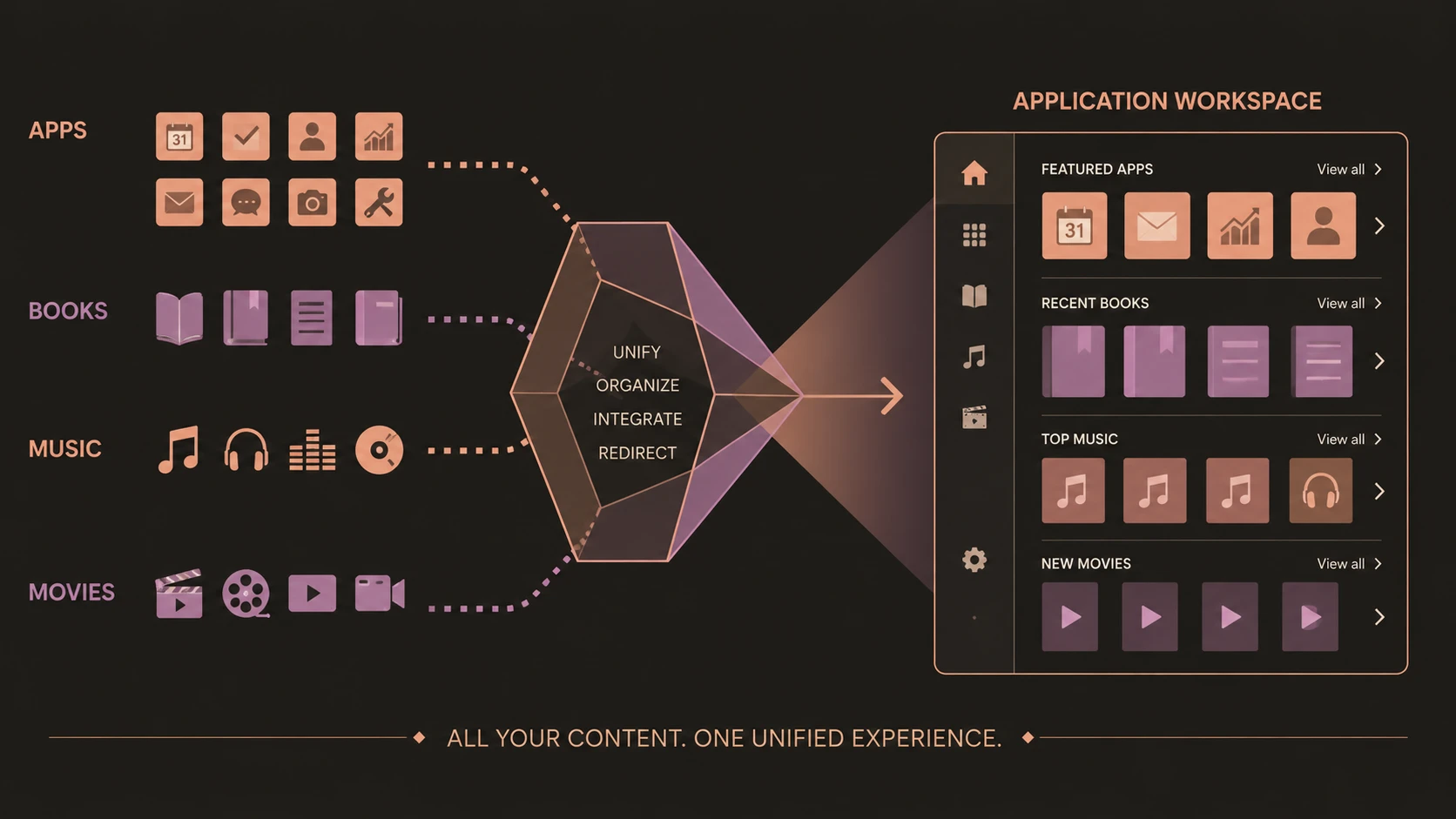
Google has introduced Google Play, consolidating Android Market, Google Music, Google eBooks, and movie services into a single digital distribution platform. This article examines the architecture, enterprise impact, application distribution model, and opportunities created by Google's unified ecosystem from the perspective of March 2012.

Siri and the Mobile Future: The Emergence of Voice User Interfaces
With the introduction of Siri alongside the iPhone 4S, voice interaction has entered mainstream mobile computing. While voice recognition has existed for years, Siri introduces a conversational approach that could significantly influence mobile application design, enterprise productivity, and the future of natural user interfaces.
Mobile Web vs. Native Apps: Deciding the Strategy for 2011
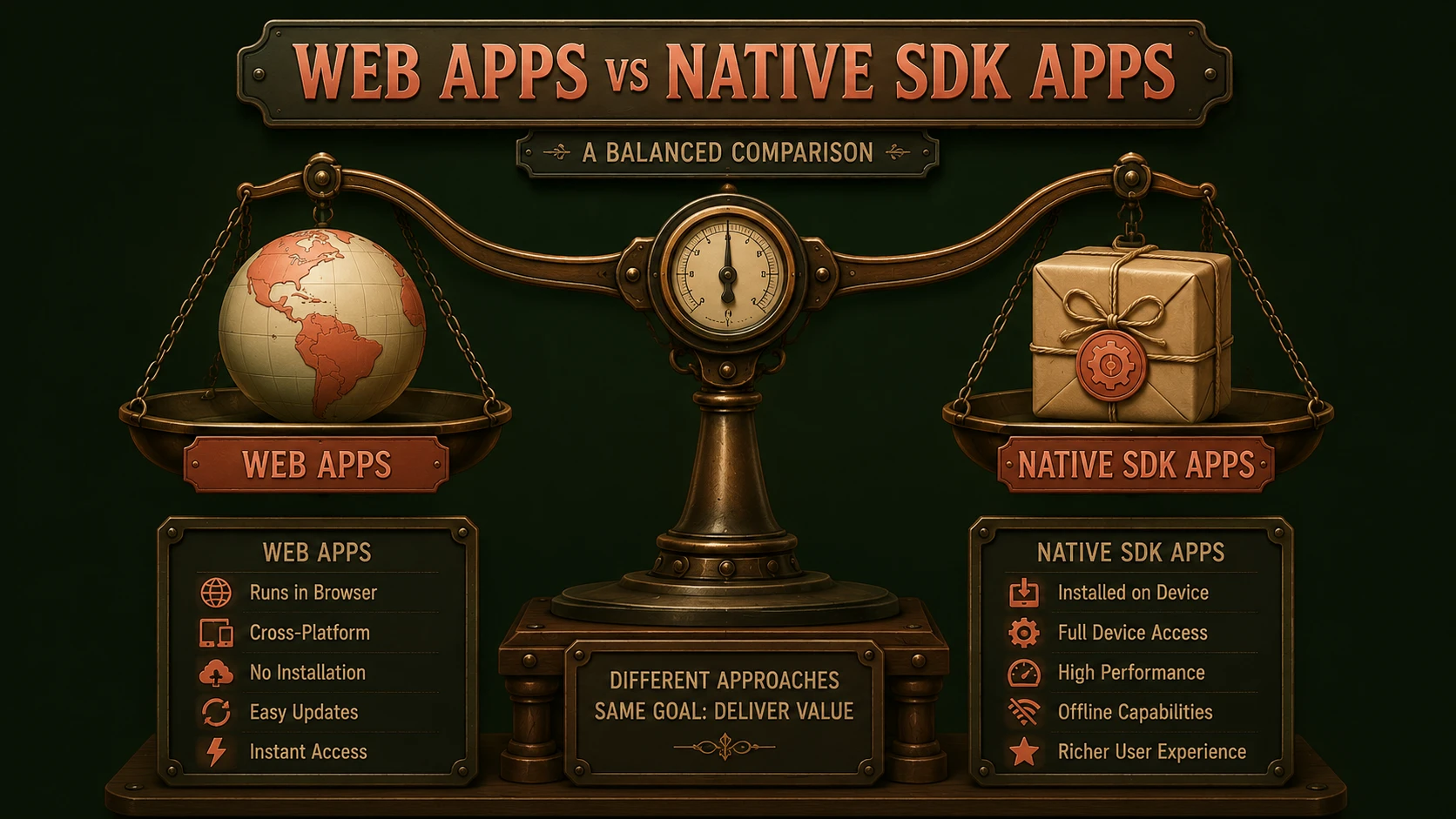
As smartphones and tablets continue their rapid adoption, enterprises must determine whether to invest in mobile web applications, native apps, or a combination of both. This article examines the strengths, limitations, architectural considerations, and enterprise use cases of each approach from the perspective of mid-2011.
Android Ice Cream Sandwich: Unifying Phone and Tablet SDKs
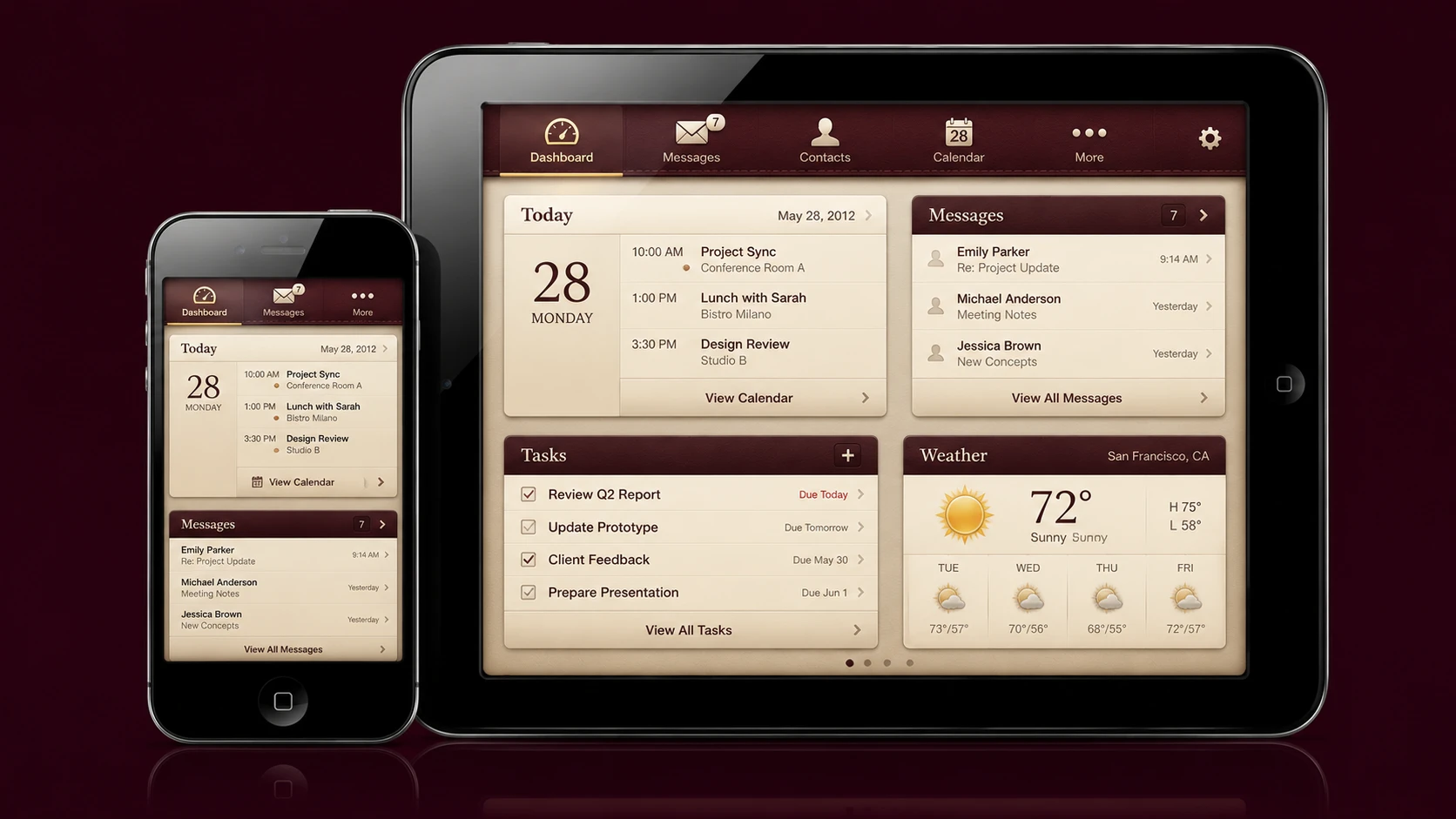
Announced at Google I/O 2011, Android Ice Cream Sandwich represents Google's strategy to unify smartphone and tablet development under a single platform. This article explores the architectural implications, developer opportunities, and enterprise considerations from the perspective of May 2011.

Designing Fluid Tablet Interfaces: UI/UX Lessons from the iPad 2
The rapid growth of tablet computing is changing how users interact with enterprise applications. As Apple's second-generation iPad prepares to redefine mobile productivity, software architects and UI designers must rethink interfaces originally designed for desktops and laptops. This article examines tablet UI design principles, touch-first interaction models, responsive layouts, and enterprise application strategies from the perspective of February 2011.

Salesforce Acquires Heroku: What this Means for the Future of PaaS
Salesforce's acquisition of Heroku marks one of the most significant cloud platform announcements of 2010. The deal highlights growing enterprise interest in Platform as a Service (PaaS), modern application deployment, and cloud-native development. This article examines the acquisition from the perspective of December 2010 and explores its potential implications for enterprise architects, developers, and CIOs.