Mobile Development
Viewing all posts categorized under Mobile Development.

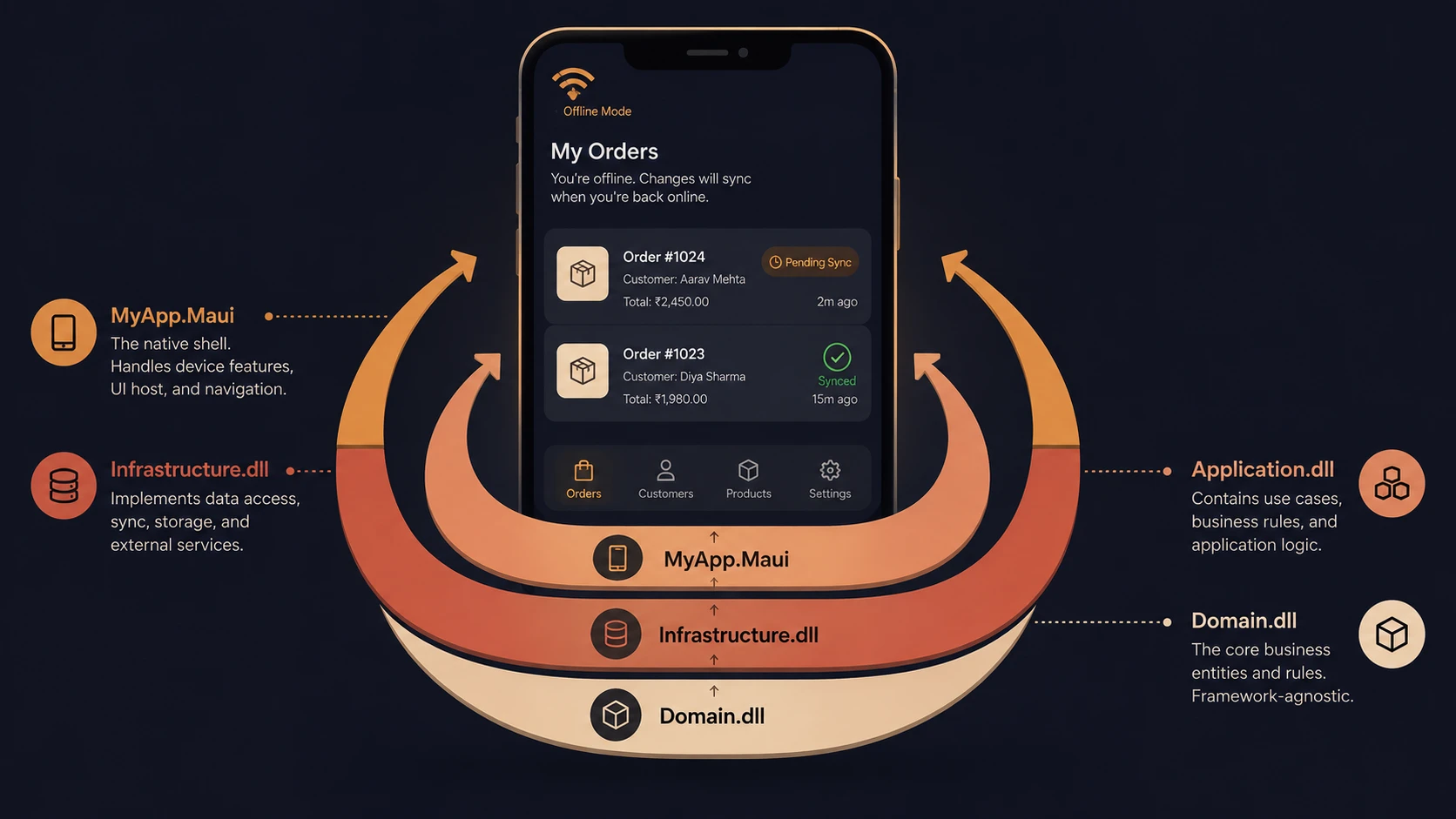
Clean Architecture in Blazor Hybrid: Building a Highly Resilient, Offline-First .NET MAUI App
How we built ContactHub — a cross-platform .NET MAUI mobile client sharing 95% of its UI with a Blazor WebAssembly admin dashboard, featuring offline SQLite caching and network sync orchestration.
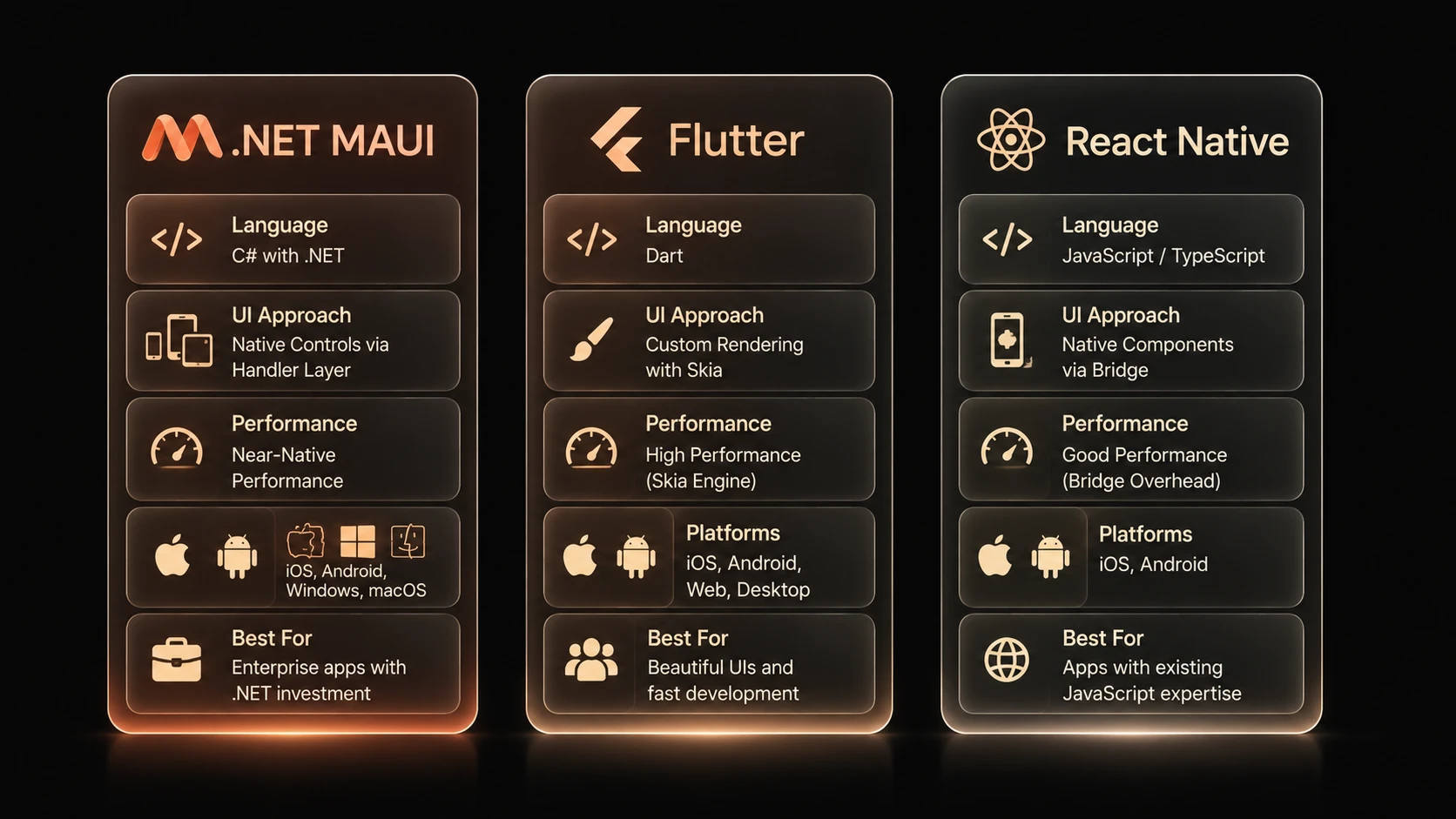
.NET MAUI vs Flutter vs React Native in 2025: The Enterprise Verdict
Three years into .NET MAUI's production life, we compare it head-to-head with Flutter and React Native across performance, developer experience, enterprise integration, and total cost of ownership — based on real production deployments across enterprise clients.
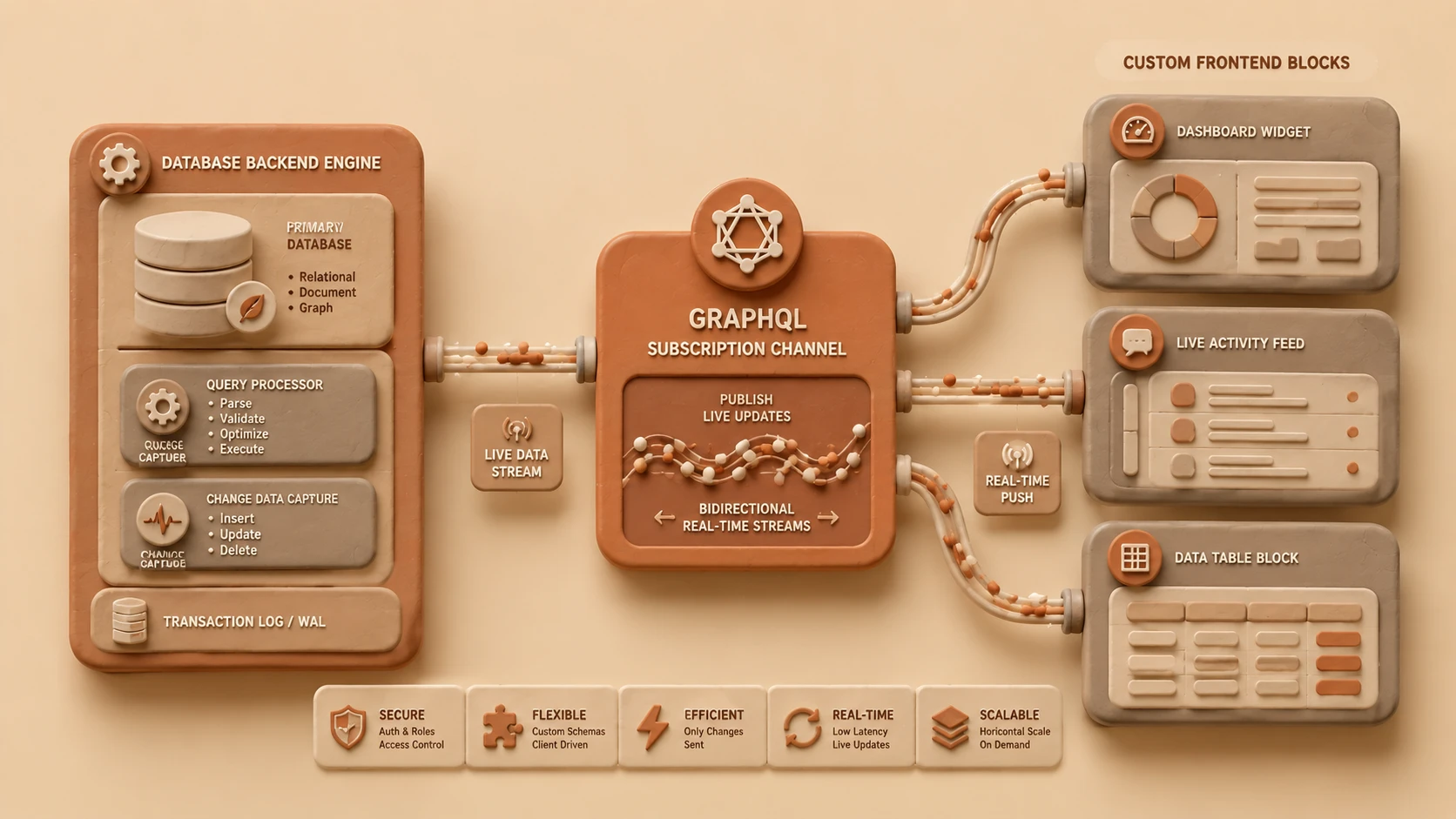
Headless + GraphQL + Real-Time: The Backend Stack of 2024
By 2024, enterprise backend architecture has evolved beyond traditional REST-based monoliths. Organizations increasingly combine Headless platforms, GraphQL APIs, event-driven systems, real-time communication, and cloud-native infrastructure to build scalable digital experiences across web, mobile, IoT, AI, and omnichannel platforms. This article examines the modern backend stack from the perspective of April 2024.
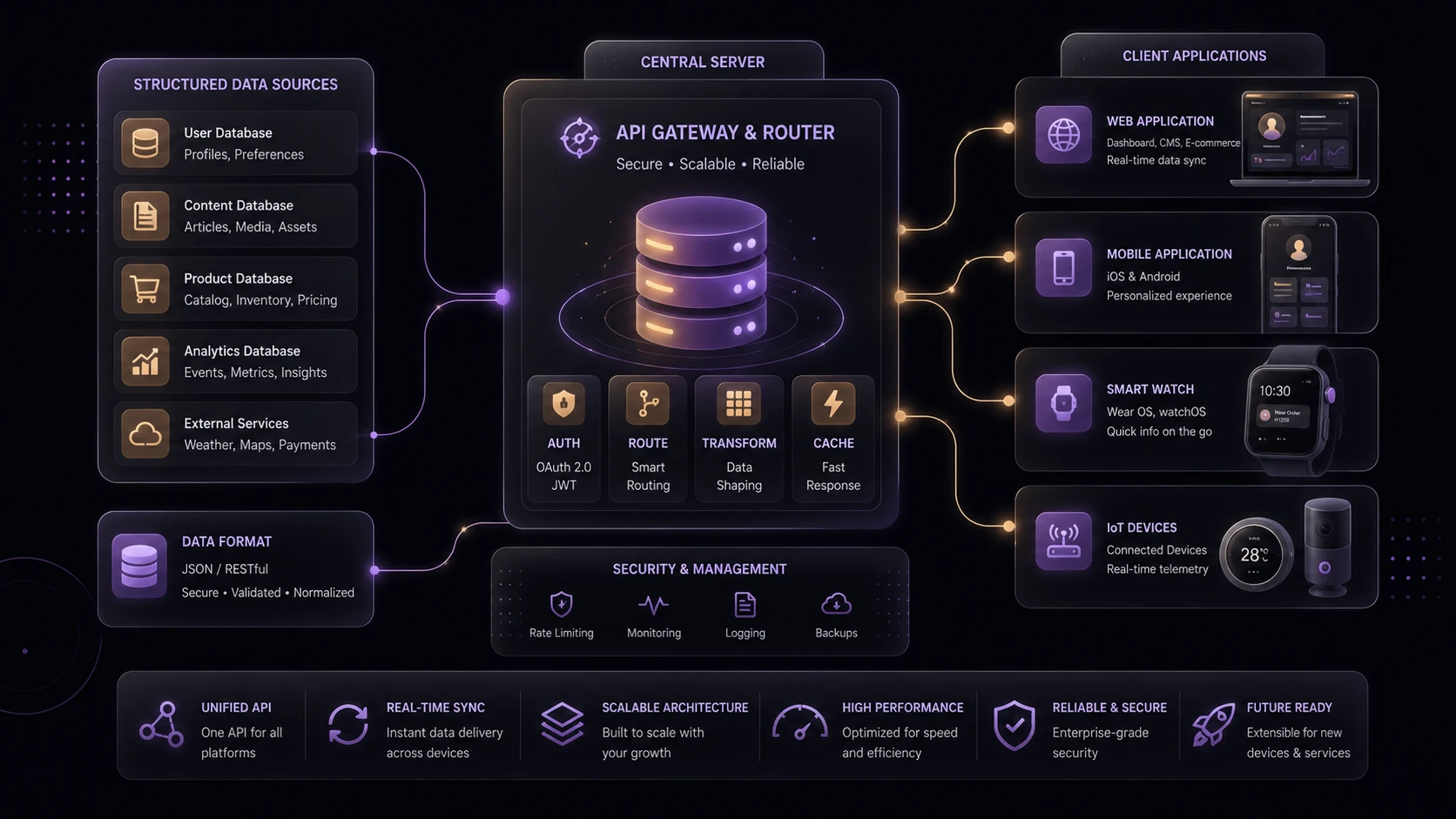
Multi-Experience Apps: One Back-end, Many Frontends
As digital ecosystems continue expanding, enterprises are no longer building applications for a single platform. Modern organizations increasingly serve customers across web browsers, native mobile apps, smart devices, conversational AI, kiosks, and connected vehicles using a shared backend architecture. This article explores Multi-Experience Development Platforms (MXDP) and the architectural principles behind building one backend that powers many frontend experiences, from the perspective of March 2024.
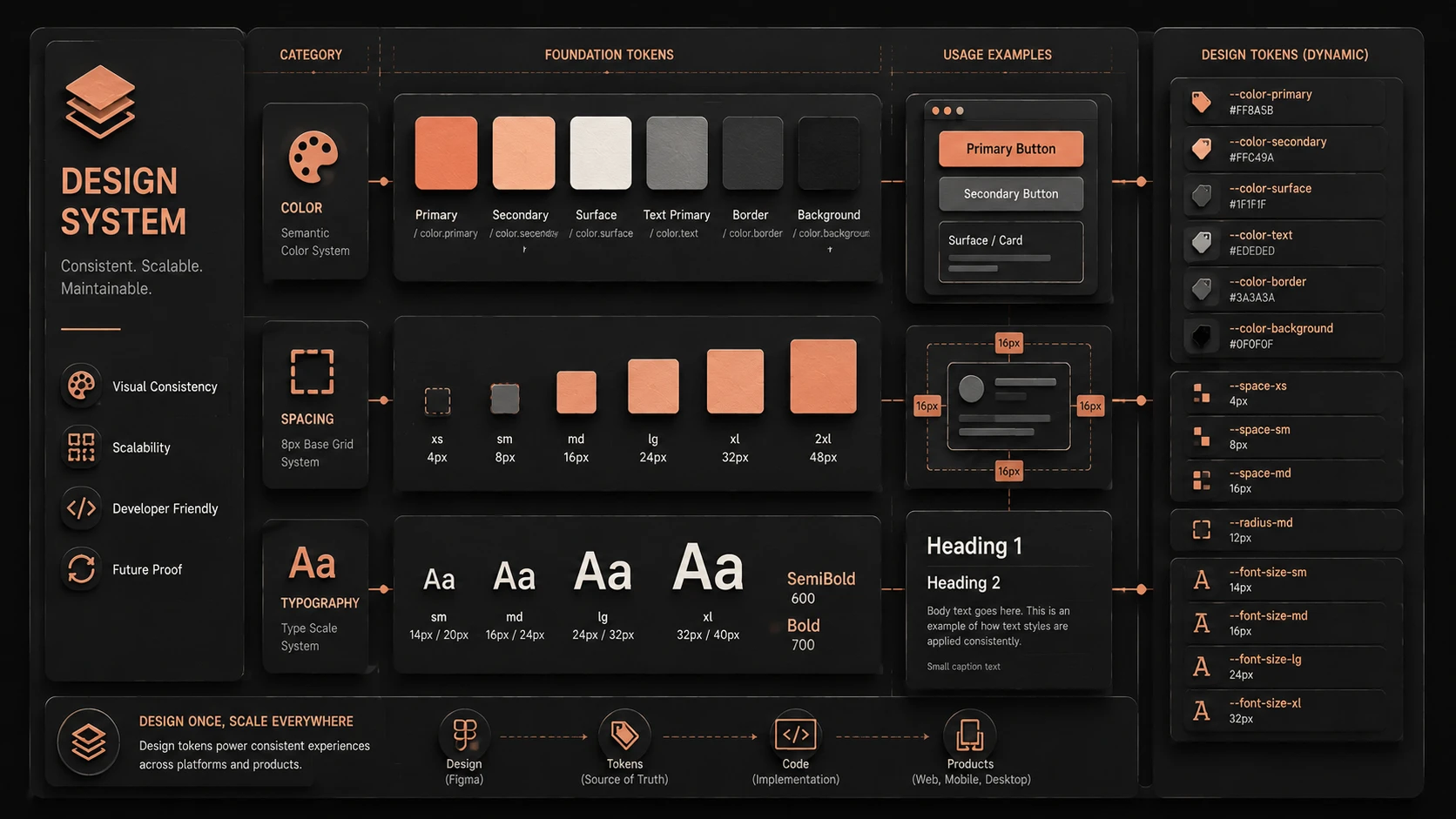
The Rise of Design Tokens and Scalable UX: Building Consistent Enterprise Design Systems
By 2023, Design Tokens have evolved from a niche design system concept into a foundational technology for enterprise digital products. Organizations increasingly use tokens to synchronize design decisions across web, mobile, desktop, and design tools while improving developer productivity and user experience consistency. This article examines the evolution of Design Tokens and scalable UX from the perspective of May 2023.
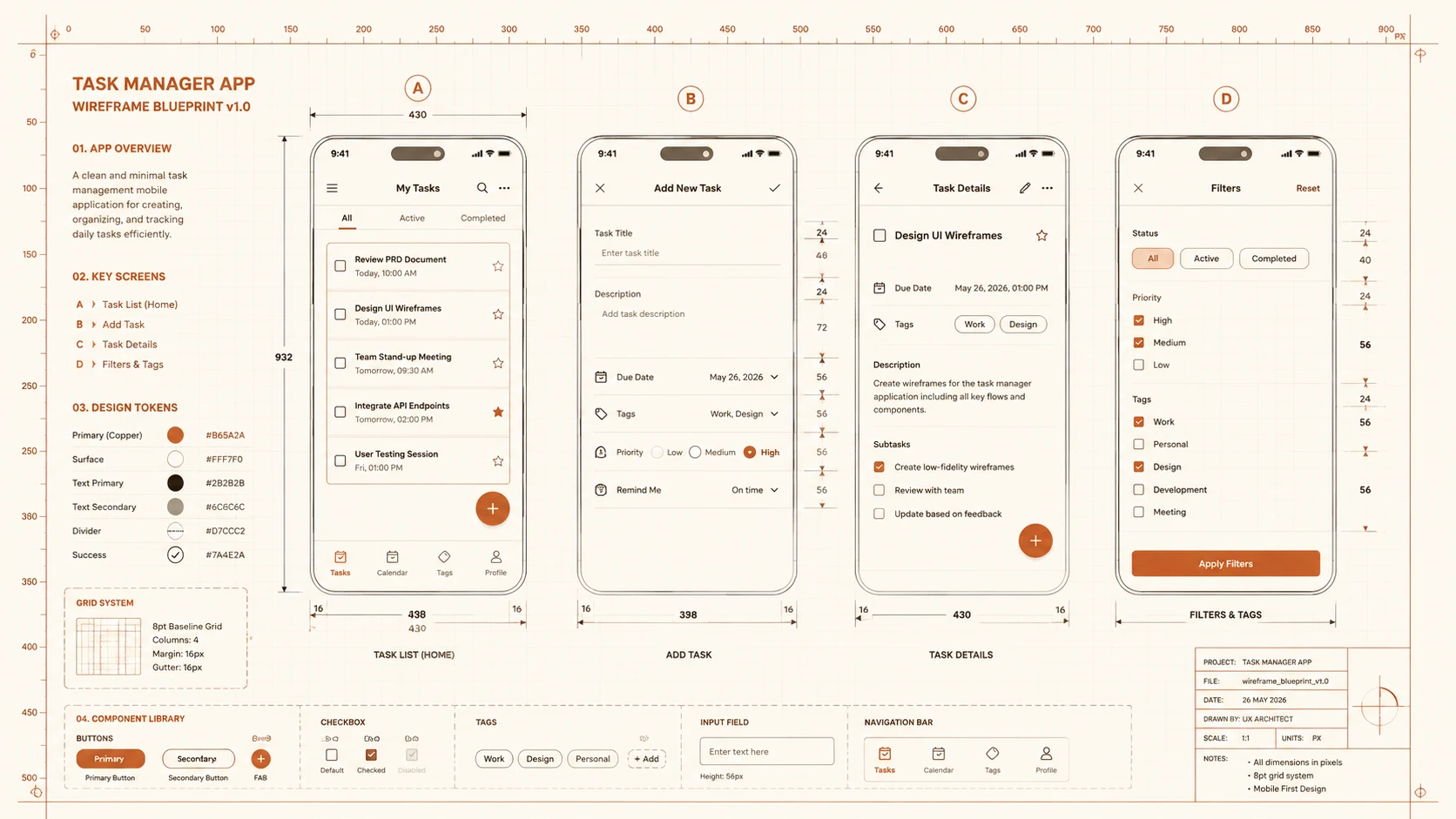
Building Your First .NET MAUI App: A Complete Step-by-Step Guide
Walk through building a complete cross-platform task manager in .NET MAUI — covering Shell navigation, MVVM with CommunityToolkit, local SQLite storage, API calls, swipe-to-delete, pull-to-refresh, and platform-specific customisation from a single C# codebase.
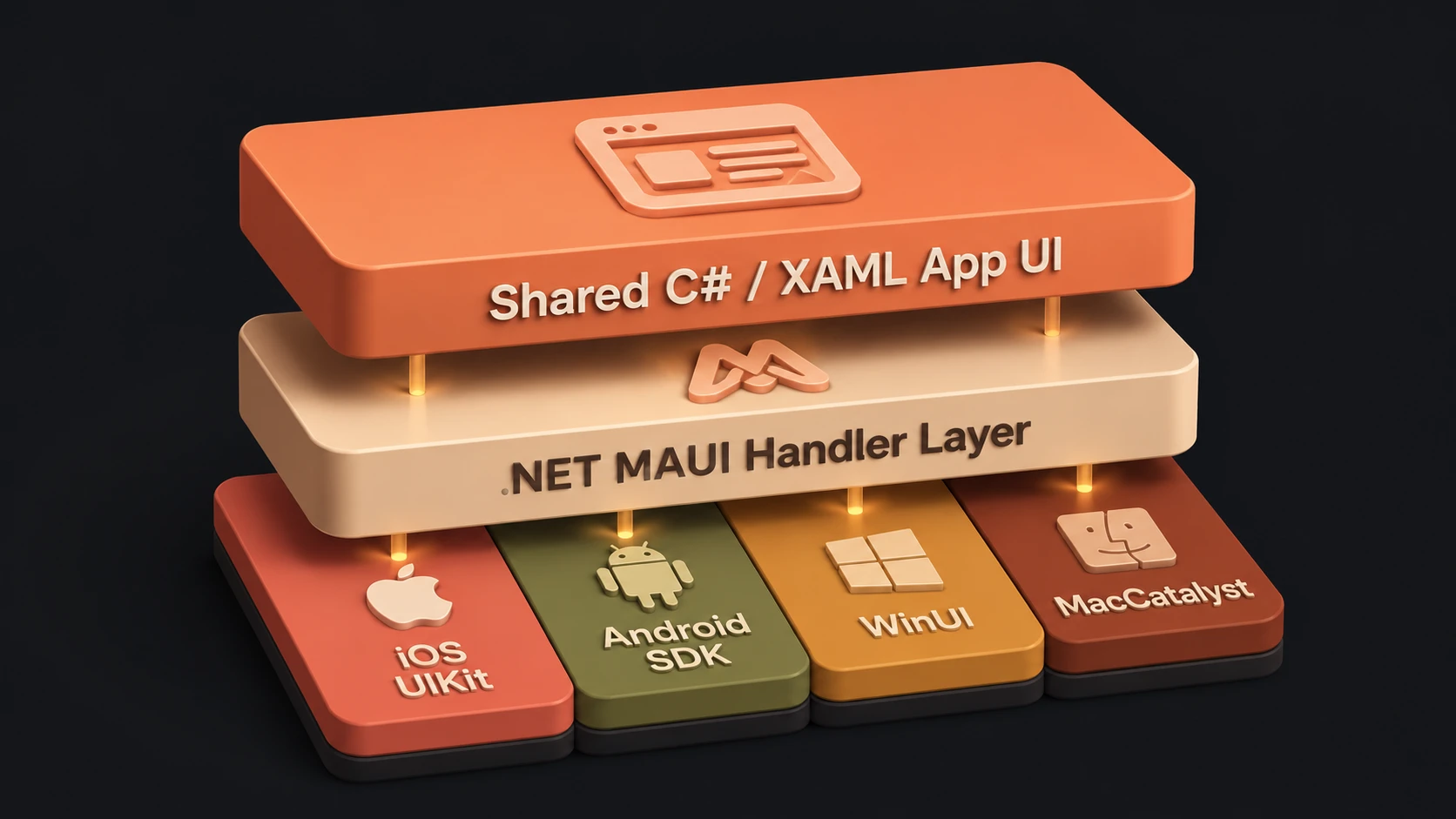
What Is .NET MAUI? Microsoft's Cross-Platform App Framework Explained
.NET MAUI is Microsoft's evolution of Xamarin.Forms — a single C# codebase for iOS, Android, macOS, and Windows apps. This guide covers the architecture, project structure, rendering model, Blazor Hybrid support, and when MAUI is the right choice for your enterprise mobile strategy.
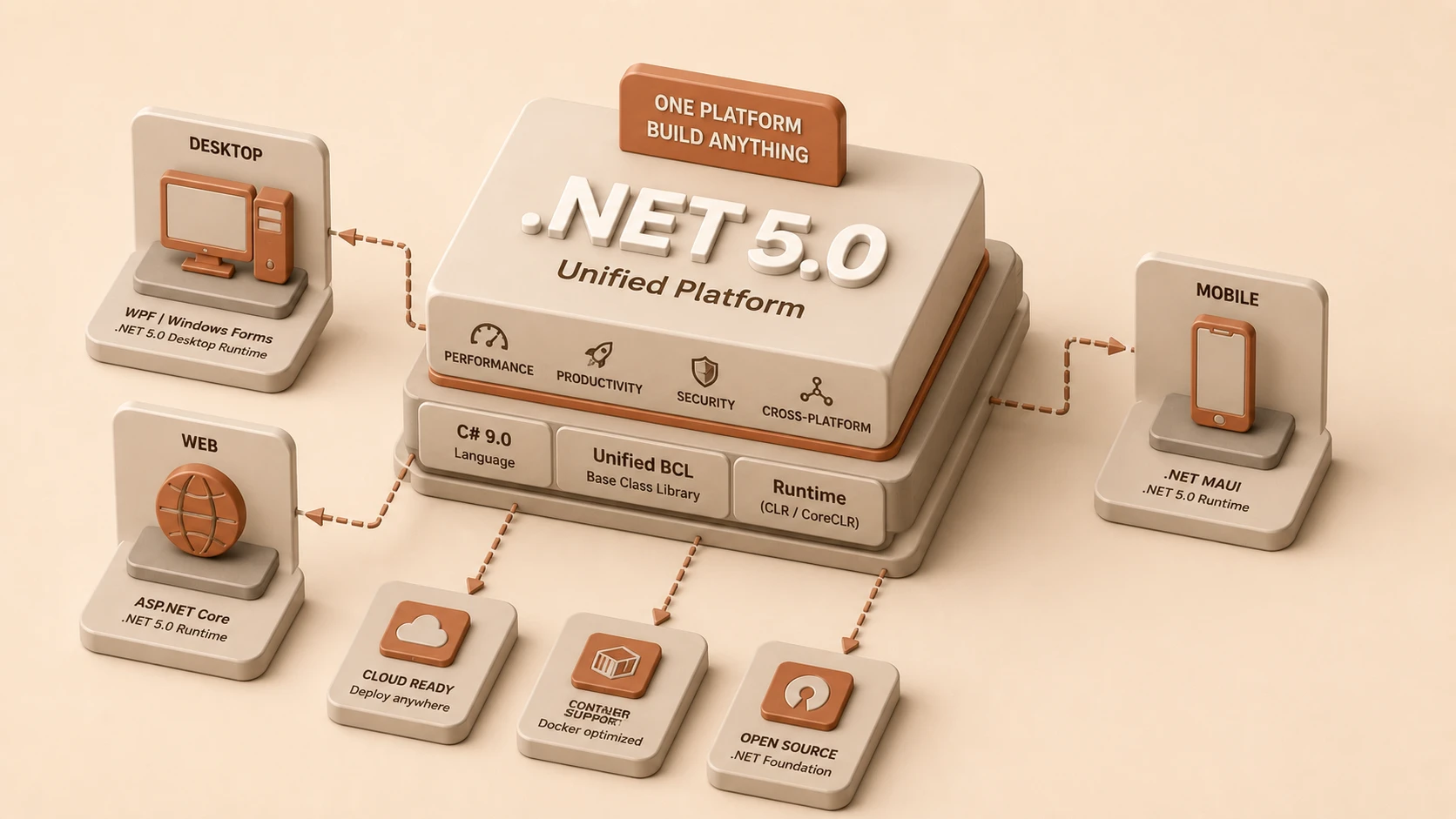
.NET 5.0 Release: Unifying .NET Core, Mono, and C# 9.0 Record Types
.NET 5 marks Microsoft's most significant platform release since .NET Core, establishing a unified development platform that brings together .NET Core, Mono, and the broader .NET ecosystem. Combined with C# 9.0 features such as Record Types, top-level programs, and performance improvements, .NET 5 strengthens Microsoft's vision for modern cloud-native, desktop, web, and mobile application development. This article examines .NET 5 from the perspective of November 2020.
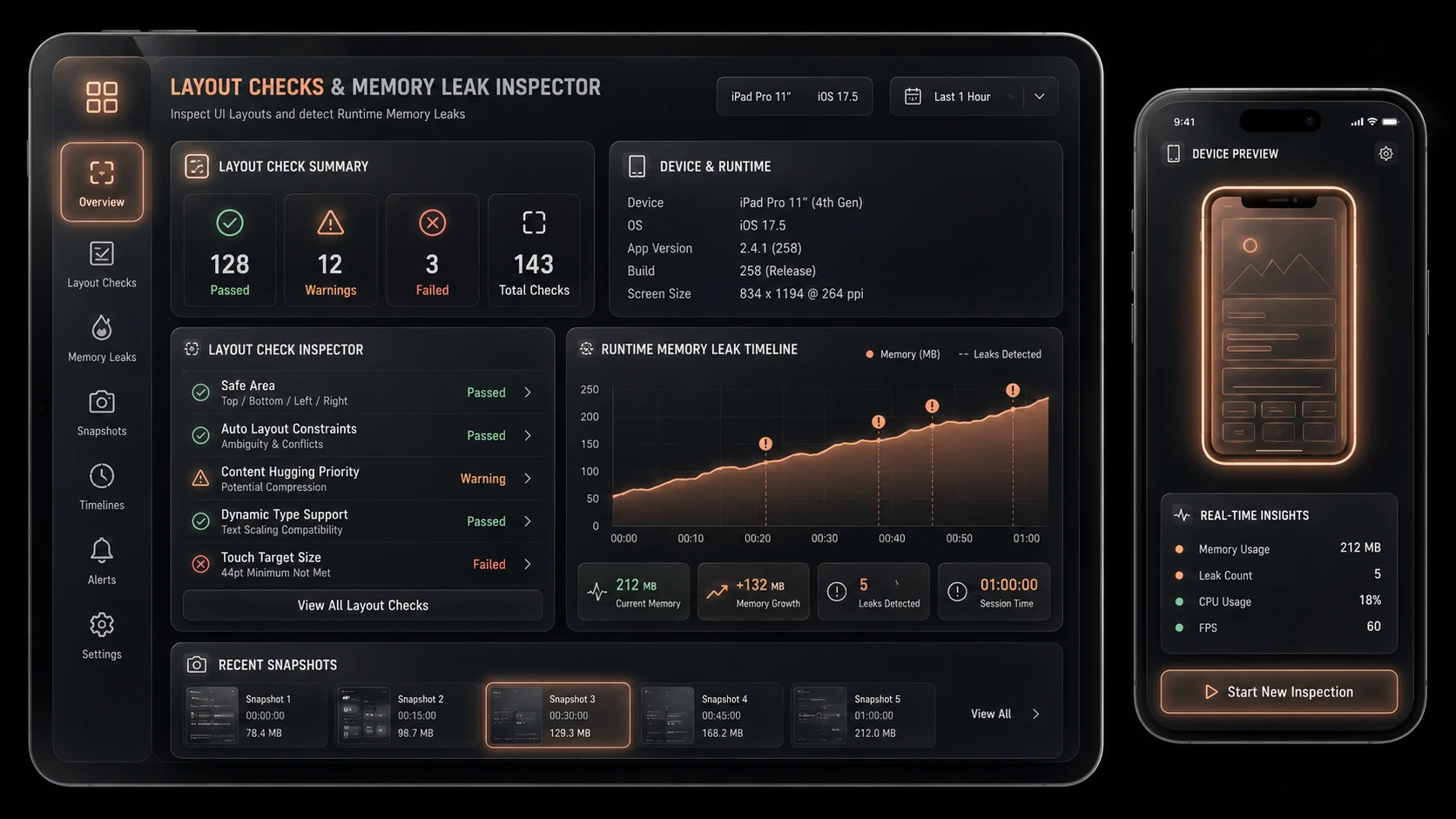
React Native 0.62: Flipper Integration and Component Render Debugging
React Native 0.62 introduces native Flipper integration as the default debugging platform, improving inspection of layouts, network traffic, databases, logs, and React component rendering. Combined with Fast Refresh improvements and ongoing architecture refinements, this release significantly enhances developer productivity for enterprise mobile applications. This article examines React Native 0.62 from the perspective of February 2020.
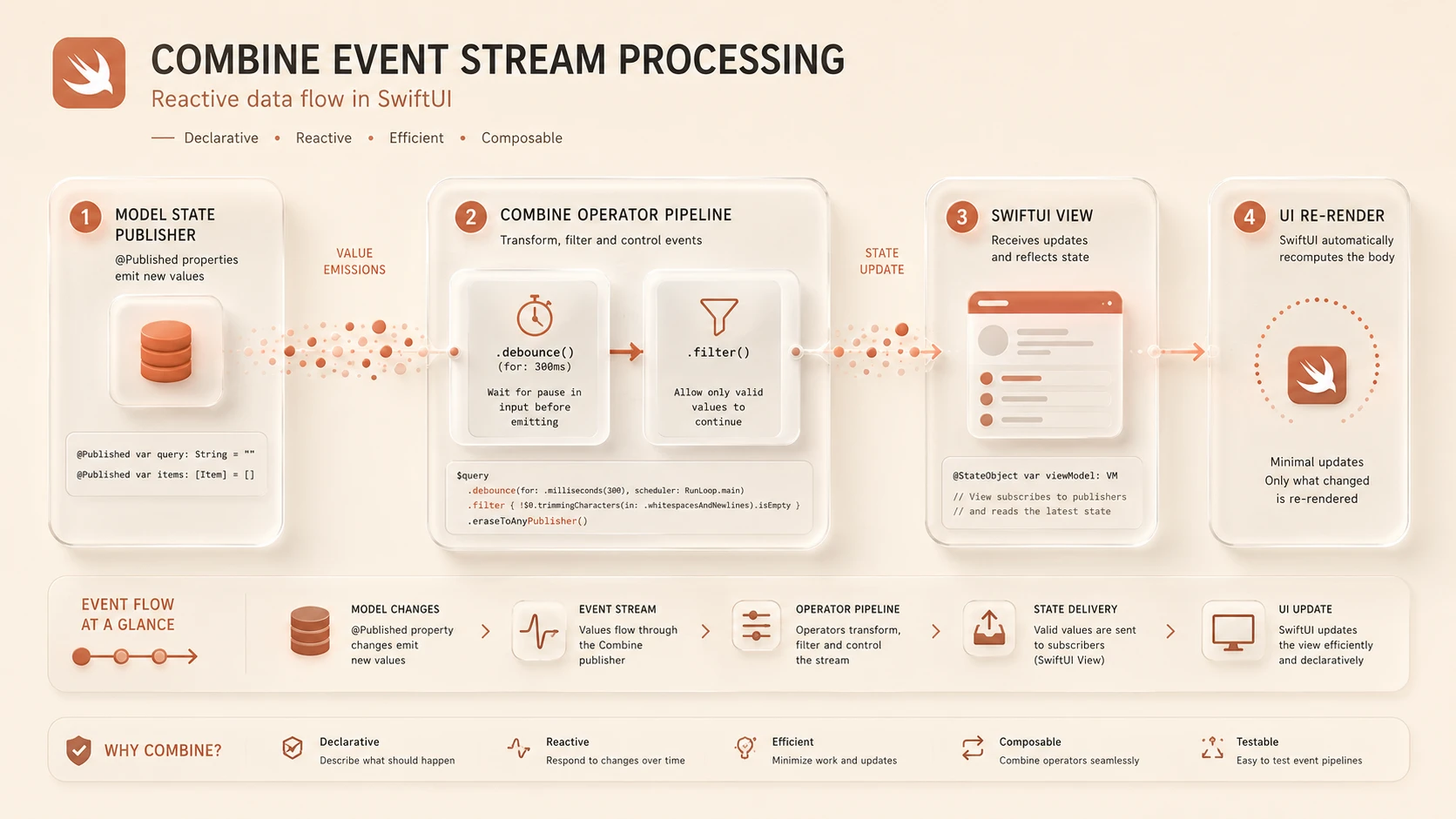
SwiftUI and Combine: Developing Reactive Mobile Apps Natively on iOS 13
Introduced alongside iOS 13, SwiftUI and Combine represent Apple's most significant evolution in application development since Swift itself. SwiftUI introduces declarative user interface development while Combine provides a native reactive programming framework for asynchronous event processing. This article examines these technologies from the perspective of September 2019, evaluating their architecture, enterprise implications, performance characteristics, and adoption strategies.
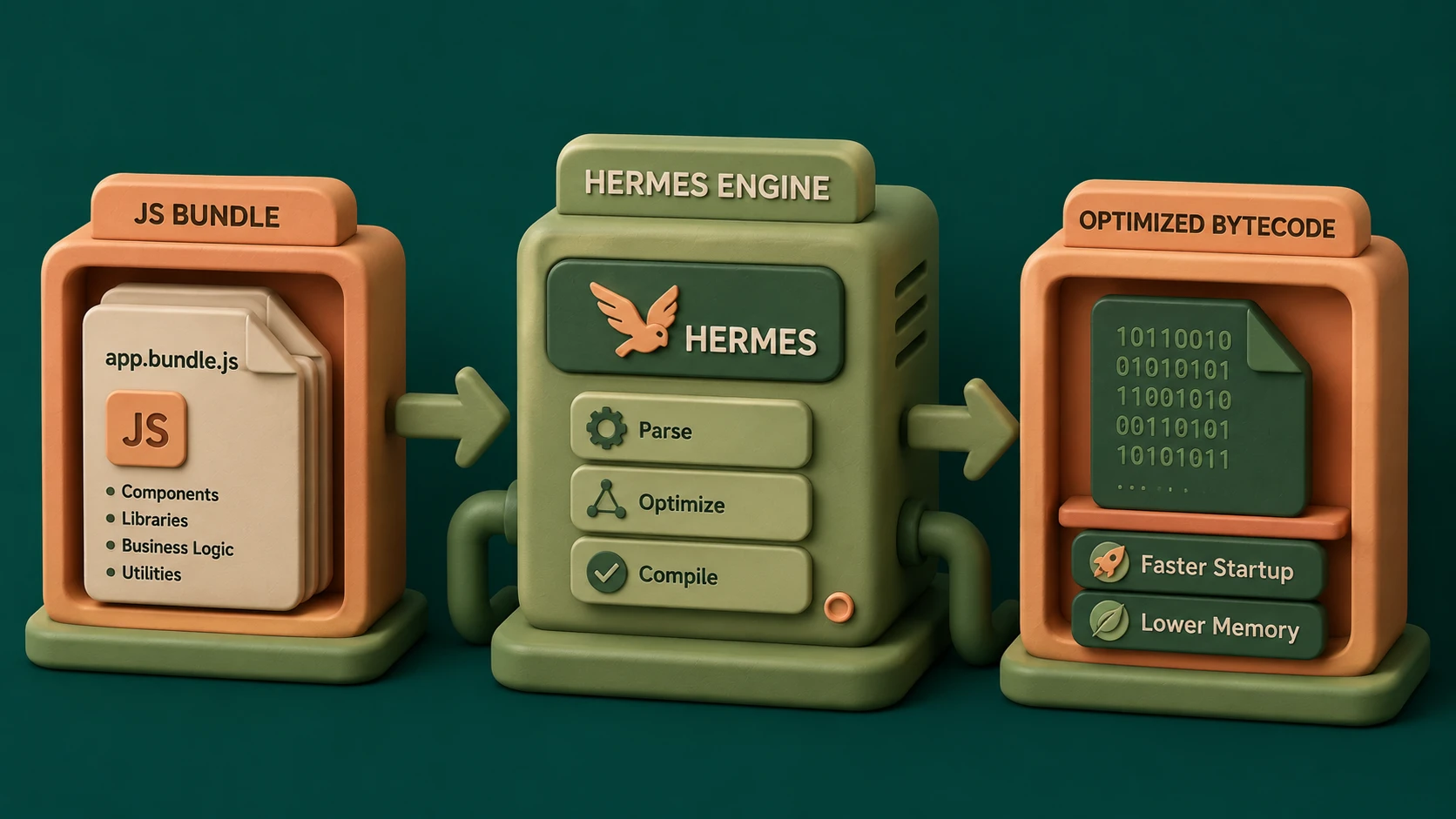
React Native 0.60: Autolinking, CocoaPods Integration, and Hermes JS Engine Previews
React Native 0.60 introduces automatic native module linking, first-class CocoaPods integration for iOS, AndroidX migration support, and preview support for the Hermes JavaScript engine on Android. This article examines these capabilities from the perspective of July 2019, focusing on enterprise mobile architecture, build pipelines, performance considerations, and migration strategies.
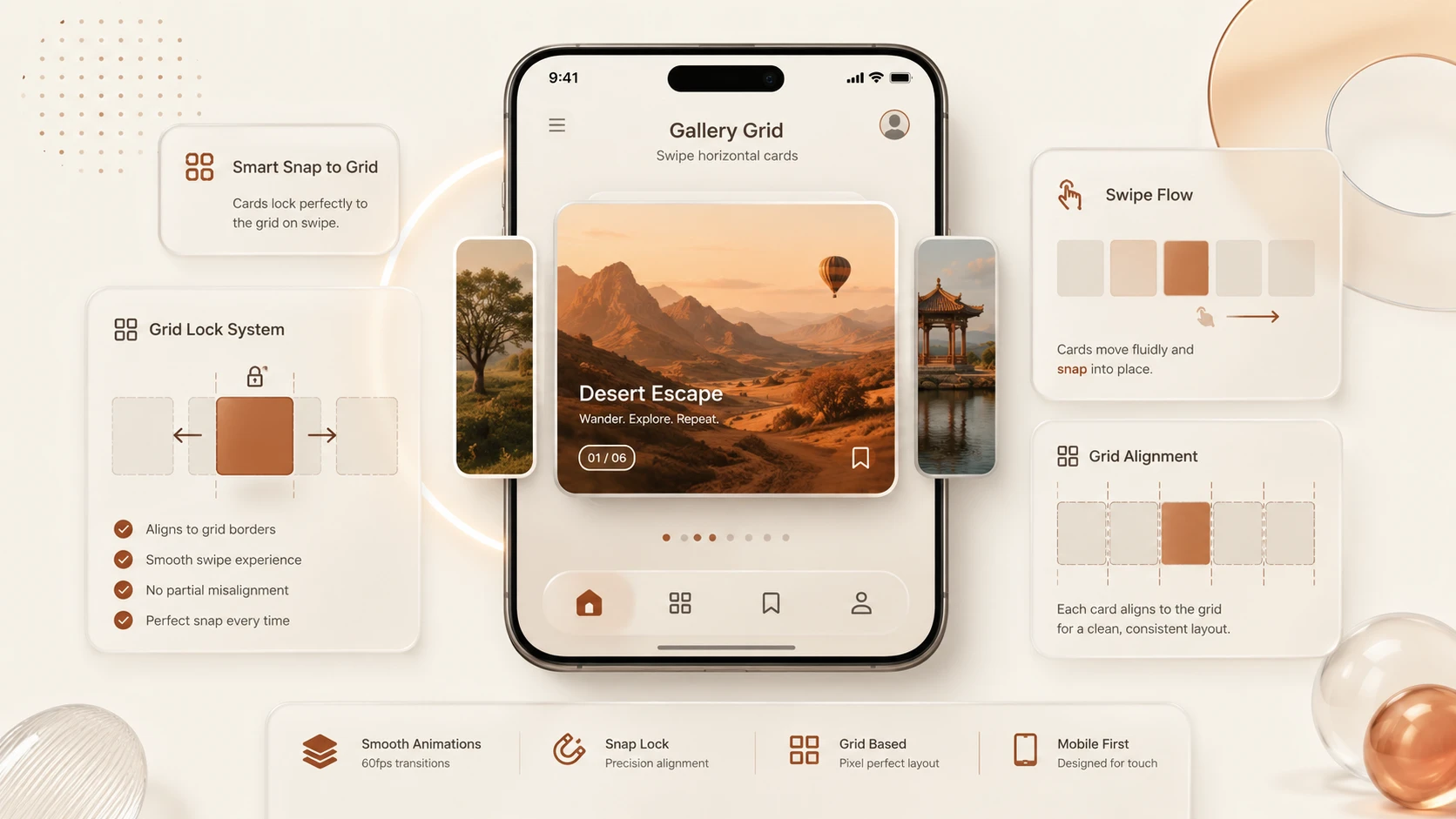
CSS Scroll Snapping Browser Support: Designing Mobile Galleries Without JavaScript Plugins
With growing browser support for CSS Scroll Snap, web developers can increasingly build native touch-based galleries, sliders, onboarding screens, and product showcases without relying on JavaScript carousel plugins. This article examines CSS Scroll Snap from the perspective of June 2019, analyzing its architecture, browser support, enterprise use cases, performance implications, and adoption strategy.
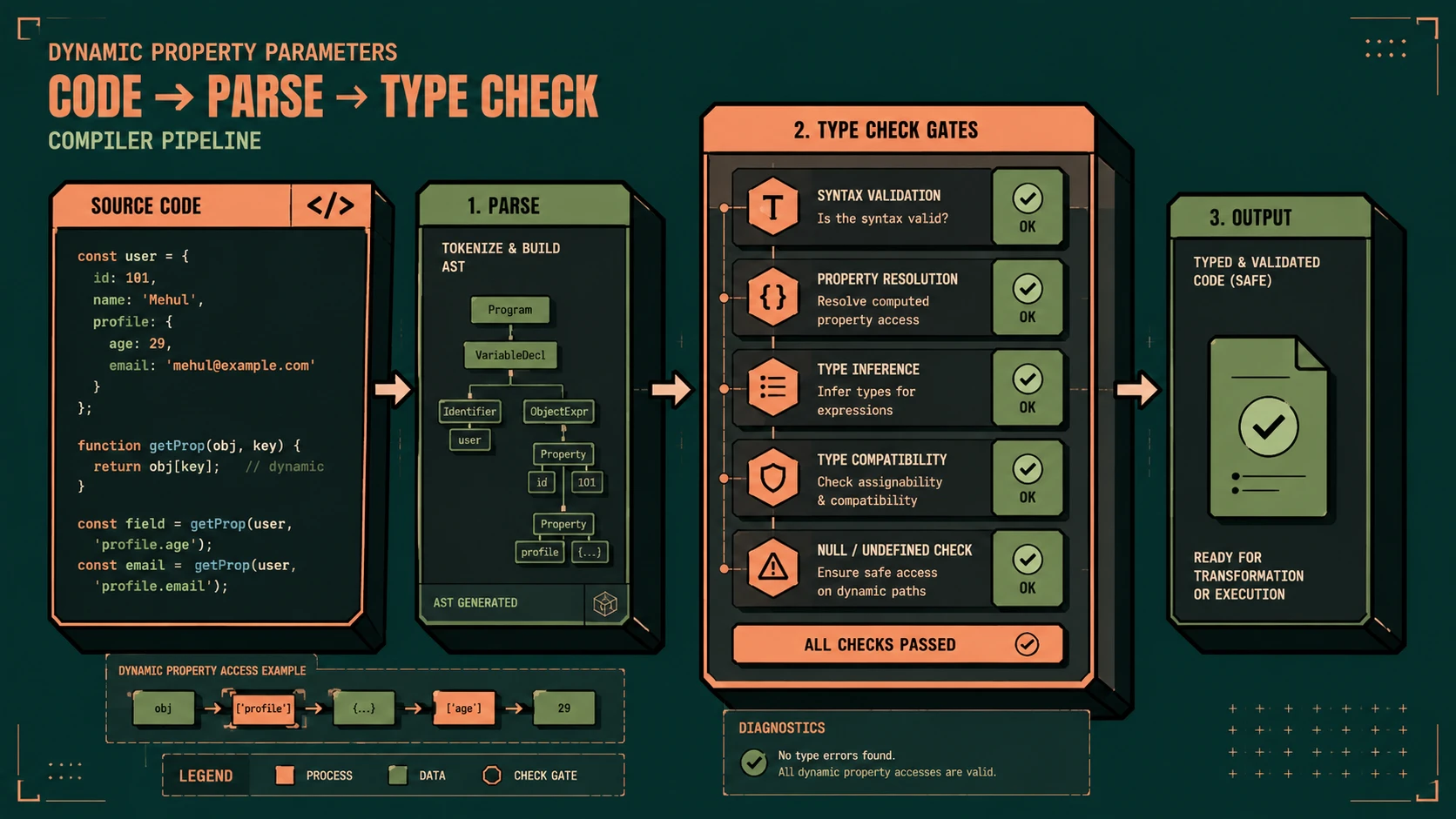
Swift 4.2: Dynamic Member Lookup and Compiler Optimizations
Swift 4.2 continues Apple's rapid evolution of the Swift programming language by introducing compiler optimizations, developer tooling improvements, dynamic member lookup proposals, and numerous standard library refinements. This article examines Swift 4.2 from the perspective of September 2018, exploring its architecture, enterprise implications, performance enhancements, interoperability goals, and adoption strategy.
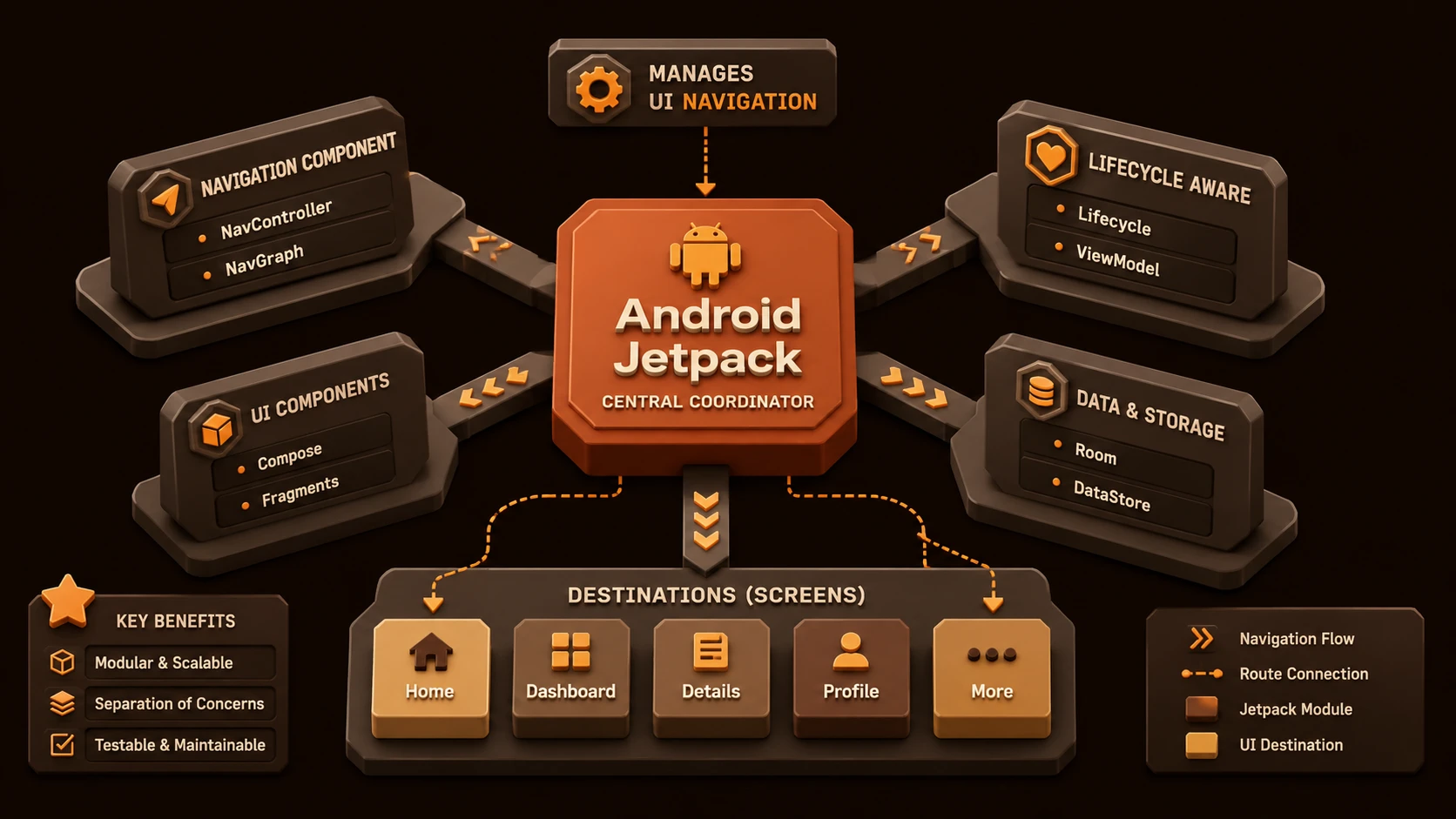
Android Jetpack: Modernizing Android Development with WorkManager and Navigation Components
Announced at Google I/O 2018, Android Jetpack introduces a comprehensive suite of architecture libraries designed to simplify Android application development. With components such as WorkManager, Navigation, ViewModel, LiveData, Room, and Paging, Jetpack aims to reduce boilerplate code, improve lifecycle management, and establish consistent architectural patterns for enterprise mobile applications. This article examines Android Jetpack from the perspective of May 2018.
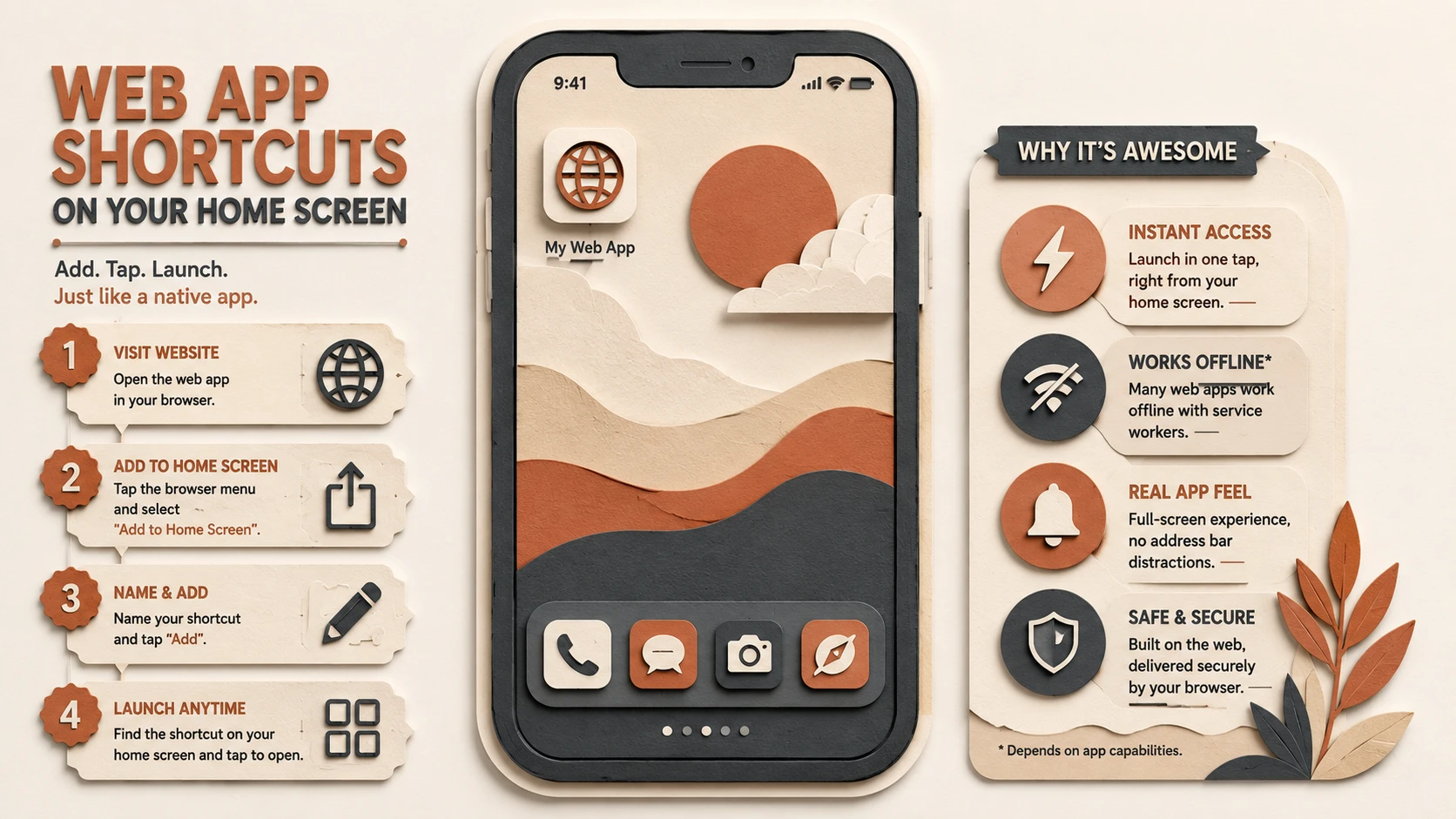
iOS 11.3: Safari Native Service Workers and PWA Support
With iOS 11.3, Safari introduces native Service Worker support, enabling Progressive Web App (PWA) technologies on Apple's mobile platform. This milestone significantly improves cross-browser compatibility for offline web applications, intelligent caching, and background resource management. This article examines the announcement from the perspective of March 2018, evaluating its architecture, enterprise implications, performance characteristics, and adoption strategy.