Introduction
The Apple development ecosystem has experienced significant growth over the past several years. iPhone and iPad adoption continues to expand across both consumer and enterprise markets, while OS X remains an important platform for desktop software development. As applications become increasingly sophisticated, development teams are seeking programming languages that improve safety, maintainability, and developer productivity without sacrificing performance.
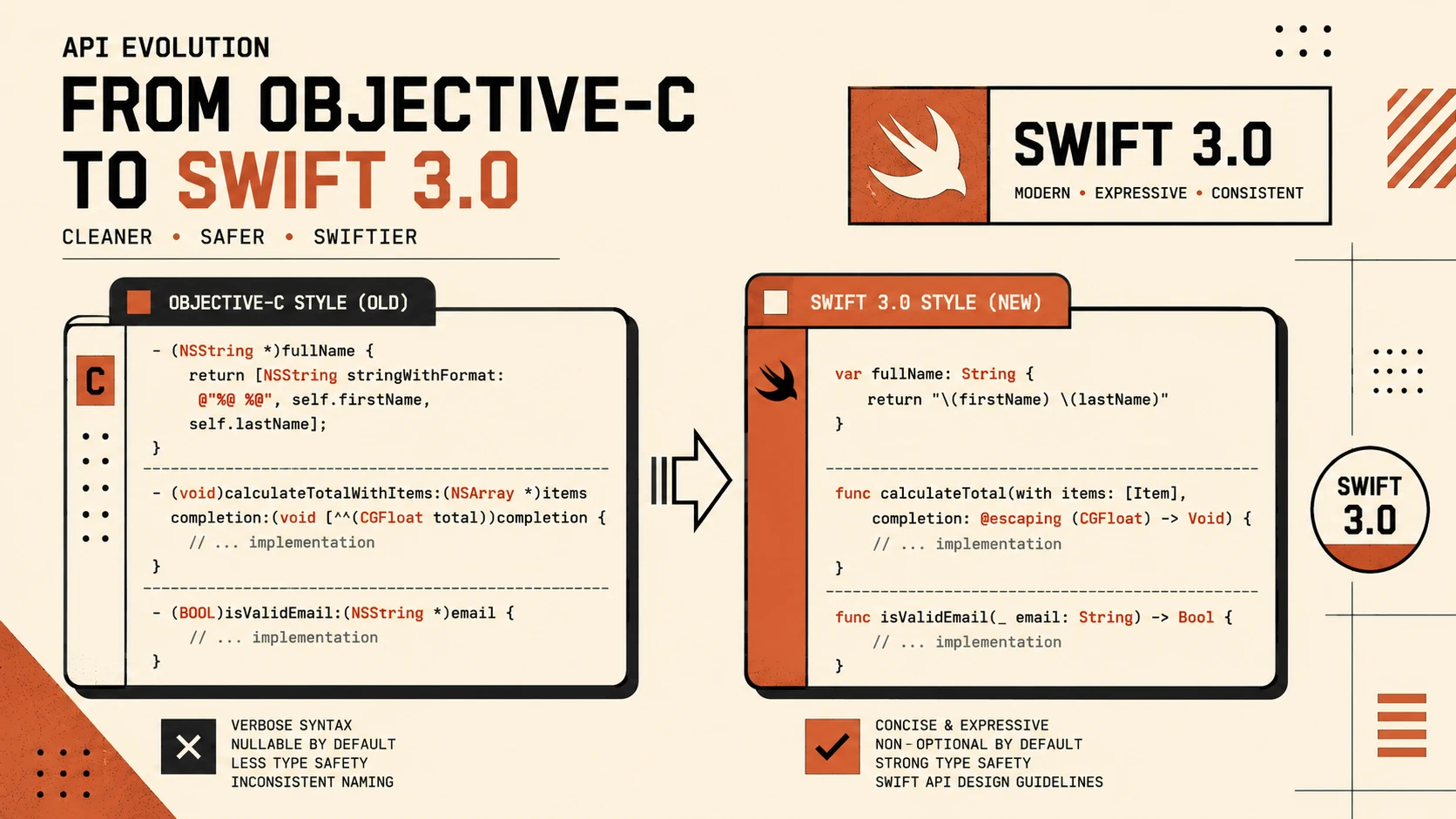
Objective-C has served as the primary language for Apple platform development for many years. While it offers extensive runtime capabilities and deep integration with Cocoa and Cocoa Touch frameworks, its syntax and manual programming patterns can present a learning curve for developers, particularly those coming from more modern programming languages.
Apple has announced Swift, a new programming language designed to work alongside Objective-C while introducing a modern syntax, stronger type safety, and language features intended to simplify application development. Rather than replacing existing frameworks, Swift integrates with the established Apple development ecosystem and interoperates with Objective-C code.
For enterprise architects and software engineering teams investing in Apple platforms, Swift represents one of the most significant language introductions in recent years.
Industry Background
Mobile application development has become a strategic priority for many organizations. Enterprise mobility initiatives, customer-facing applications, retail platforms, healthcare systems, and financial services increasingly rely on native mobile software to deliver responsive user experiences.
At the same time, programming language design has continued to evolve. Languages such as C#, Java, Scala, and others have introduced features including stronger type systems, safer memory management, expressive syntax, and improved tooling.
Apple's introduction of Swift reflects these broader industry trends while remaining compatible with the Cocoa and Cocoa Touch frameworks that developers already use.
The Business Problem
Large Objective-C codebases can present several challenges for enterprise development teams.
Common concerns include:
- ◆Complex language syntax
- ◆Reduced readability for new developers
- ◆Runtime errors caused by unexpected nil values
- ◆Increased onboarding effort
- ◆Verbose implementation patterns
- ◆Maintaining large application codebases
- ◆Balancing performance with developer productivity
Organizations building long-lived applications benefit from languages that improve code clarity while reducing common programming errors.
Understanding Swift
Swift is a compiled programming language for developing applications targeting iOS and OS X.
The language introduces modern programming constructs while maintaining interoperability with existing Objective-C code and Apple frameworks.
Developers can write new application components in Swift while continuing to use established Cocoa libraries.
Rather than requiring immediate migration of existing applications, Swift enables incremental adoption within current development projects.
Core Architecture
Swift integrates closely with Apple's existing development platform.
| Component | Responsibility |
|---|---|
| Swift Compiler | Compiles Swift source code |
| Xcode | Development environment |
| Cocoa Frameworks | Native application services |
| Cocoa Touch | Mobile application framework |
| Objective-C Runtime | Supports interoperability where applicable |
| LLVM | Code generation and optimization |
This architecture allows Swift to leverage existing Apple platform technologies rather than introducing an entirely separate application ecosystem.
Language Design
Swift emphasizes readability and developer productivity.
Key language characteristics include:
- ◆Strong static typing
- ◆Type inference
- ◆Optionals
- ◆Structures and classes
- ◆Enumerations with richer capabilities
- ◆Closures
- ◆Generics
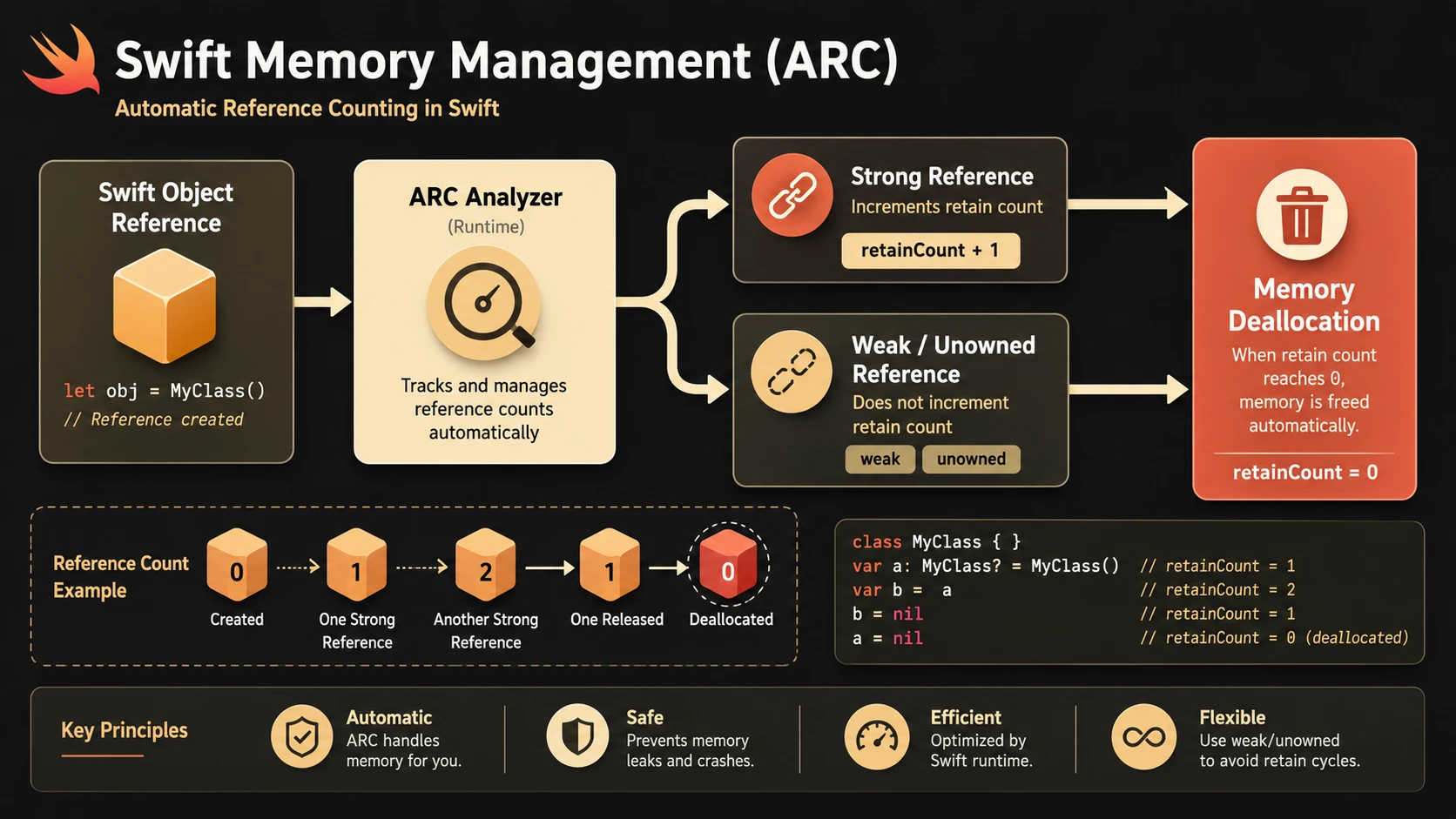
- ◆Automatic memory management through existing platform technologies
These features are intended to make application code more expressive while reducing boilerplate.
Type Safety
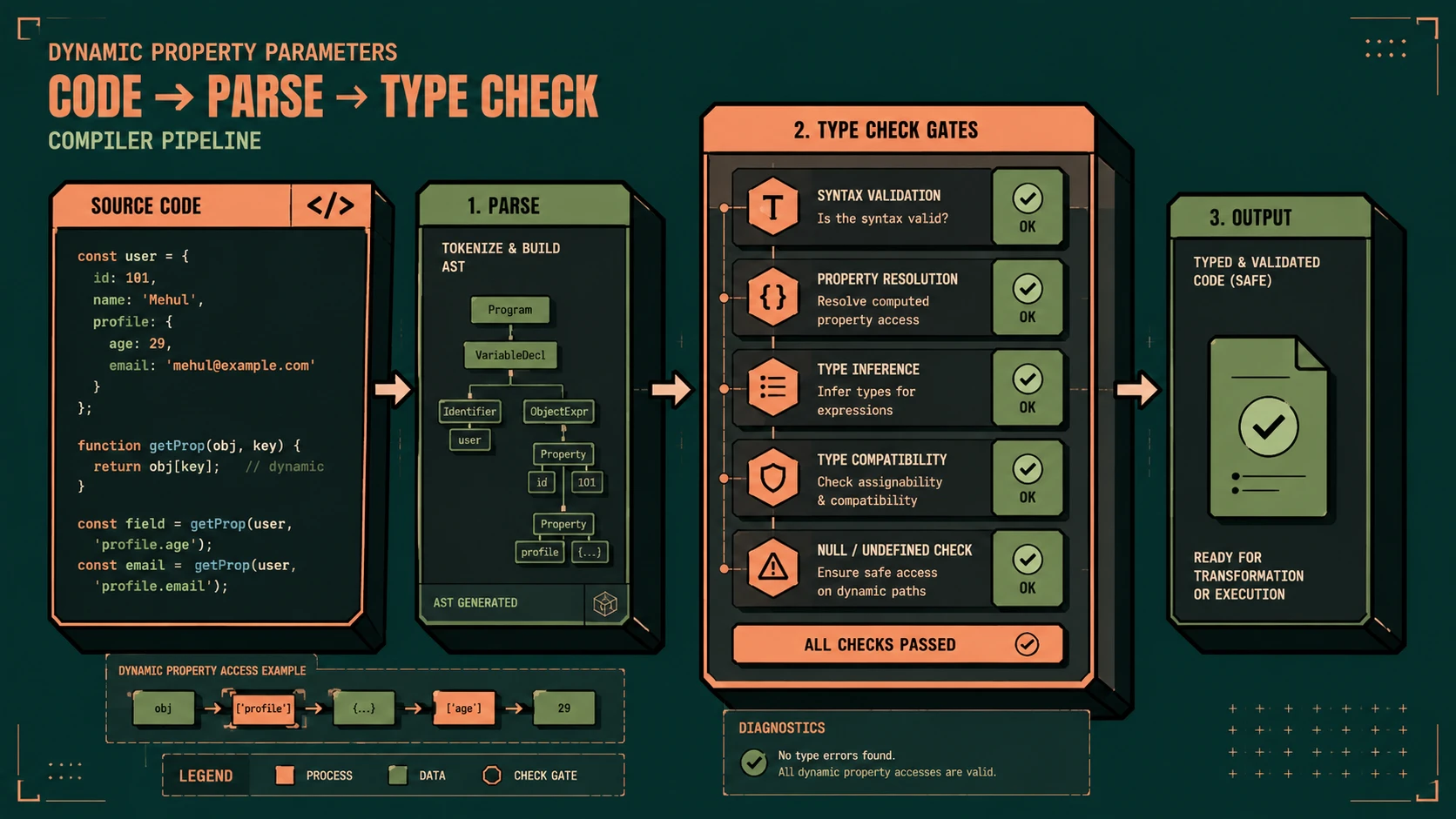
One of Swift's primary goals is improving application reliability through stronger compile-time checking.
The compiler verifies type consistency before applications are executed.
Potential advantages include:
- ◆Earlier error detection
- ◆Improved refactoring support
- ◆Clearer APIs
- ◆Better code documentation
- ◆Reduced runtime failures caused by type mismatches
Compile-time validation can improve confidence when maintaining large enterprise applications.
Optionals
Swift introduces optionals as a language mechanism for representing values that may or may not exist.
Rather than assuming every reference contains a valid object, developers are encouraged to explicitly handle situations where a value may be absent.
Benefits include:
- ◆Clearer intent
- ◆Safer code
- ◆Improved compiler diagnostics
- ◆Reduced unexpected runtime failures related to missing values
This feature encourages developers to consider nullability during application design.
Type Inference
Swift supports type inference, allowing the compiler to determine many variable types automatically.
Advantages include:
- ◆Less repetitive code
- ◆Improved readability
- ◆Strong typing without excessive declarations
- ◆Simplified development experience
Developers retain the ability to specify explicit types where greater clarity is desired.
Interoperability with Objective-C
System architecture diagram and conceptual workflow layout for Apple Swift: The Modern Successor to Objective-C for iOS and macOS.
A significant design objective for Swift is compatibility with existing Objective-C applications.
Organizations can:
- ◆Continue using Cocoa frameworks.
- ◆Integrate Swift with existing projects.
- ◆Reuse established Objective-C libraries.
- ◆Migrate applications incrementally.
This interoperability reduces migration risk while protecting existing software investments.
Enterprise Use Cases
| Scenario | Benefit |
|---|---|
| Enterprise iOS applications | Improved maintainability |
| Internal business apps | Modern language features |
| Customer-facing mobile software | Cleaner code organization |
| OS X productivity tools | Strong typing and readability |
| New mobile projects | Modern development experience |
| Long-lived enterprise solutions | Easier onboarding and maintenance |
Organizations beginning new Apple platform projects may evaluate Swift alongside Objective-C.
Performance Considerations
Swift is designed as a compiled language that targets native execution on Apple platforms.
Performance planning should consider:
- ◆Compilation time
- ◆Runtime efficiency
- ◆Memory utilization
- ◆Application startup
- ◆Interaction with existing Objective-C components
Performance characteristics should be validated using representative application workloads as the language matures.
Security Considerations
Swift focuses primarily on programming language design rather than application security.
Organizations should continue applying established secure development practices, including:
- ◆Input validation
- ◆Authentication
- ◆Authorization
- ◆Secure network communication
- ◆Proper data protection
- ◆Secure credential storage
Language improvements complement but do not replace secure software architecture.
Scalability
Large enterprise applications benefit from language features that improve maintainability.
Swift contributes through:
- ◆Strong typing
- ◆Modular code organization
- ◆Clear interfaces
- ◆Better tooling support
- ◆Reduced boilerplate
These characteristics can improve collaboration across larger engineering teams.
Best Practices
Organizations evaluating Swift should consider the following practices:
- ◆Begin with new modules or new projects.
- ◆Reuse proven Cocoa frameworks.
- ◆Maintain clear coding standards.
- ◆Validate interoperability with Objective-C components.
- ◆Leverage strong typing consistently.
- ◆Document shared libraries.
- ◆Expand adoption gradually.
- ◆Benchmark production workloads before large-scale migration.
Incremental adoption reduces operational and technical risk.
Common Mistakes
Early adopters should avoid several assumptions.
Common mistakes include:
- ◆Planning immediate rewrites of mature Objective-C applications.
- ◆Ignoring interoperability opportunities.
- ◆Assuming modern syntax alone guarantees better architecture.
- ◆Neglecting developer training.
- ◆Evaluating only language features rather than tooling and workflow.
- ◆Skipping performance validation.
Successful adoption depends on disciplined engineering practices as much as language capabilities.
Technology Comparison
| Capability | Objective-C | Swift |
|---|---|---|
| Modern Syntax | Limited | Yes |
| Strong Static Typing | Yes | Enhanced developer experience |
| Type Inference | No | Yes |
| Optionals | No | Yes |
| Objective-C Interoperability | Native | Yes |
| Cocoa Framework Support | Yes | Yes |
| Native Compilation | Yes | Yes |
Swift builds upon the Apple development ecosystem rather than replacing it.
Adoption Strategy
Organizations should evaluate Swift through measured adoption.
A practical approach includes:
- 1.Train development teams on Swift fundamentals.
- 2.Pilot a new application or isolated module.
- 3.Integrate Swift with existing Objective-C projects.
- 4.Validate tooling and build processes.
- 5.Measure maintainability and productivity improvements.
- 6.Expand adoption where appropriate.
This phased strategy allows teams to gain practical experience while minimizing disruption to existing applications.
Limitations
As of April 2014, Swift is a newly announced language and organizations should evaluate it carefully.
Current considerations include:
- ◆Development teams will require training.
- ◆Existing Objective-C codebases may continue to play a significant role.
- ◆Best practices for large-scale Swift projects are still emerging.
- ◆Third-party ecosystem support is expected to evolve over time.
Pilot projects provide an appropriate starting point before broader adoption.
Looking Ahead
Swift represents a significant evolution of Apple's software development platform. By introducing a modern programming language that emphasizes readability, safety, and interoperability, Apple is providing developers with new tools for building native applications while preserving compatibility with existing frameworks and Objective-C investments.
As of April 2014, Swift appears well positioned to become an important option for organizations developing iOS and OS X software. Enterprise teams should evaluate the language through controlled pilot projects, assessing its productivity, maintainability, and integration capabilities as it matures within the Apple development ecosystem.