Microsoft Development
Viewing all posts categorized under Microsoft Development.


Kubernetes 1.11: IPVS Load Balancing and CoreDNS Cluster Integrations
Kubernetes 1.11 introduces major networking improvements with IPVS-based Service load balancing reaching General Availability and CoreDNS graduating to beta as a replacement for kube-dns. These enhancements improve scalability, networking performance, operational simplicity, and DNS reliability for production Kubernetes clusters. This article examines Kubernetes 1.11 from the perspective of July 2018.
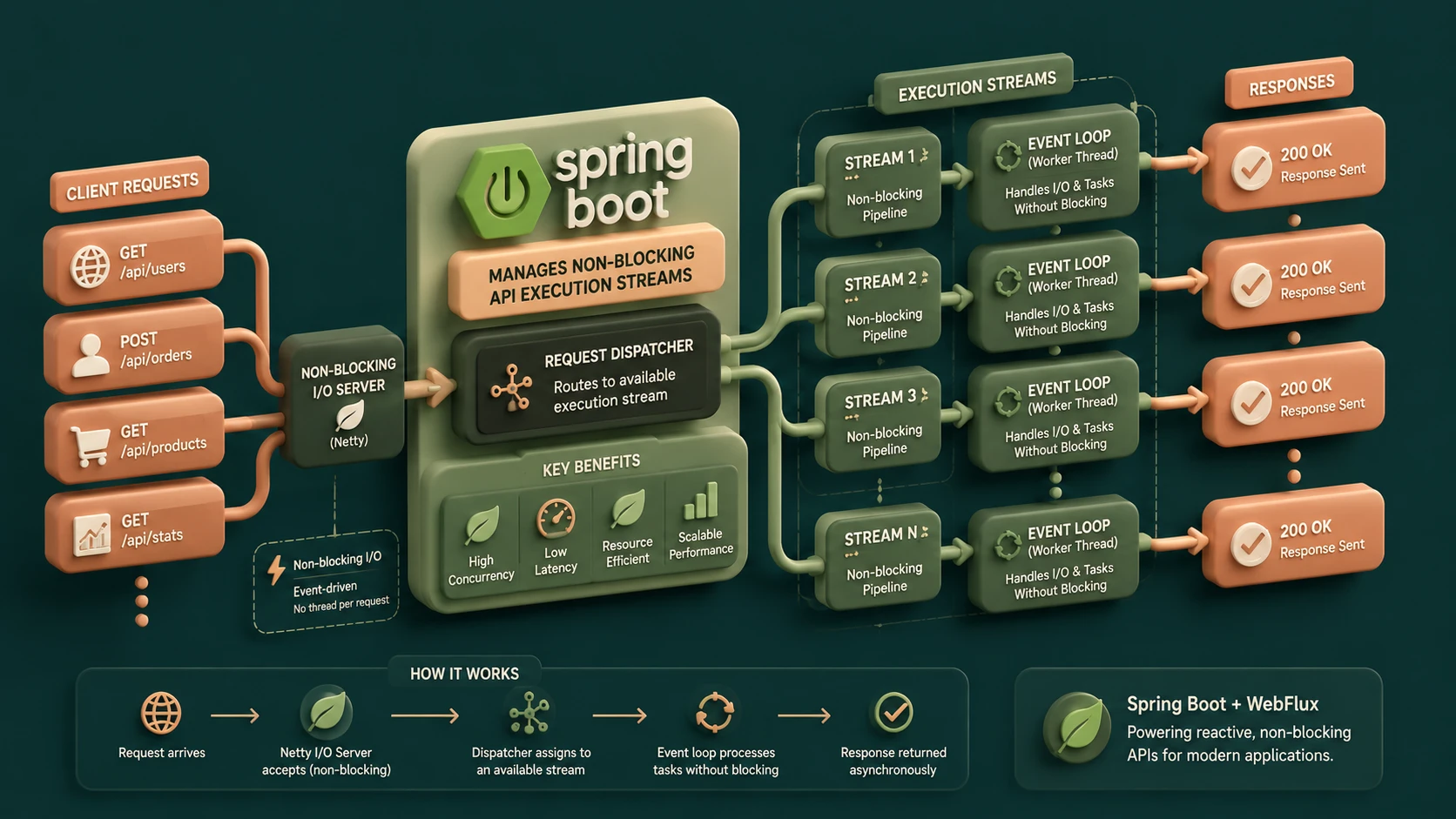
Spring Boot 2.0: Reactive Starters and WebFlux Production Integration
Spring Boot 2.0 introduces first-class support for Spring WebFlux, reactive starters, Project Reactor integration, and numerous production-ready improvements for cloud-native Java applications. This article examines the reactive programming model, architecture, deployment considerations, and enterprise adoption strategies from the perspective of April 2018.
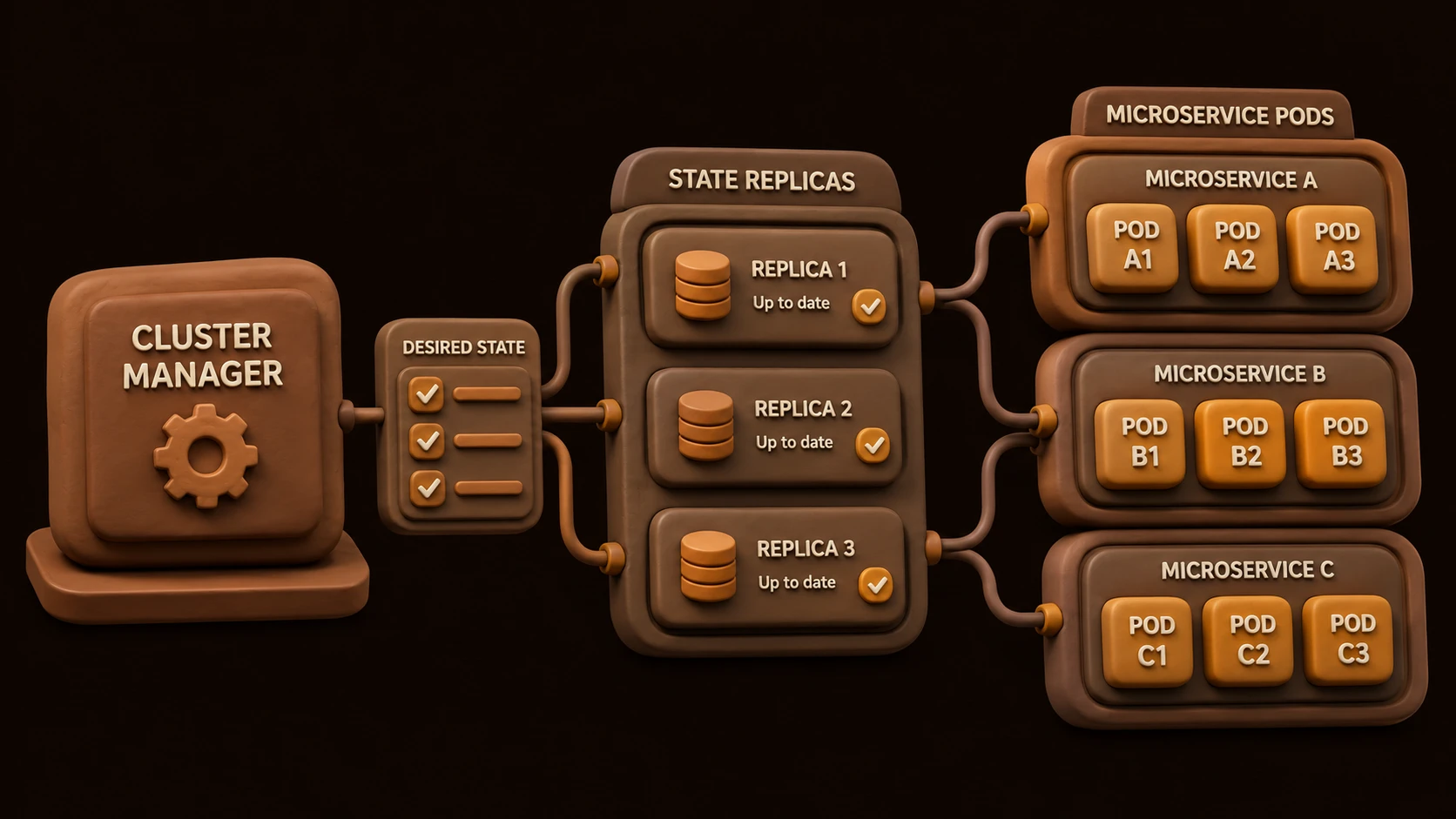
Kubernetes 1.9 Workloads API GA: The Stabilization of Production Pod Controllers
Kubernetes 1.9 marks a significant milestone with the General Availability of the Workloads API, providing stable APIs for Deployments, ReplicaSets, StatefulSets, and DaemonSets. This release strengthens Kubernetes as an enterprise-grade container orchestration platform by improving API consistency, operational stability, and production readiness. This article examines Kubernetes 1.9 from the perspective of December 2017.
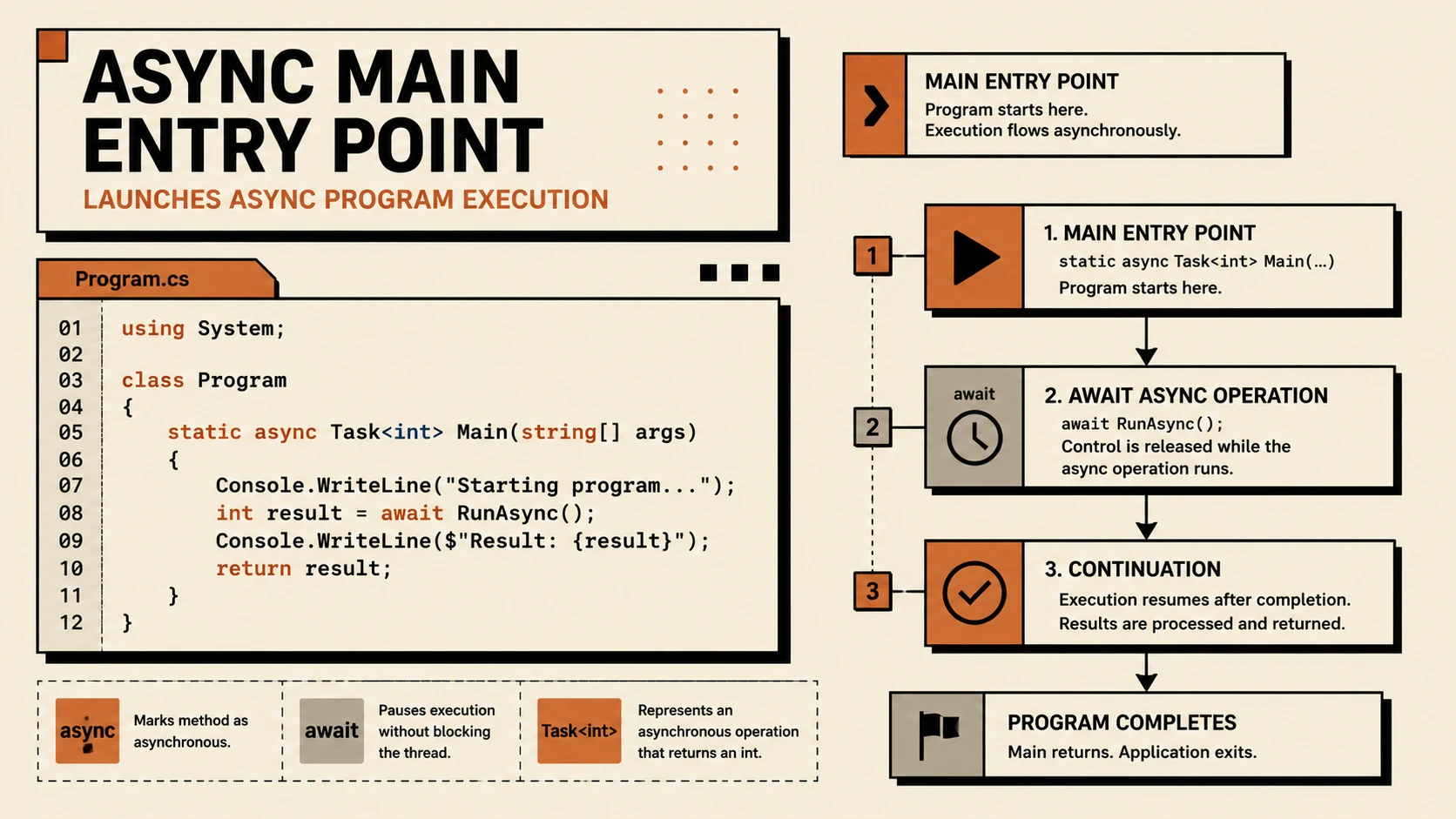
C# 7.1 Compiler Updates: Asynchronous Main Entry Points and Pattern Matching Refinements
C# 7.1 continues the evolution of the language by introducing asynchronous Main methods, inferred tuple element names, default literal expressions, and refinements to pattern matching. This article examines the language improvements, compiler behavior, enterprise adoption considerations, and architectural implications from the perspective of December 2017.
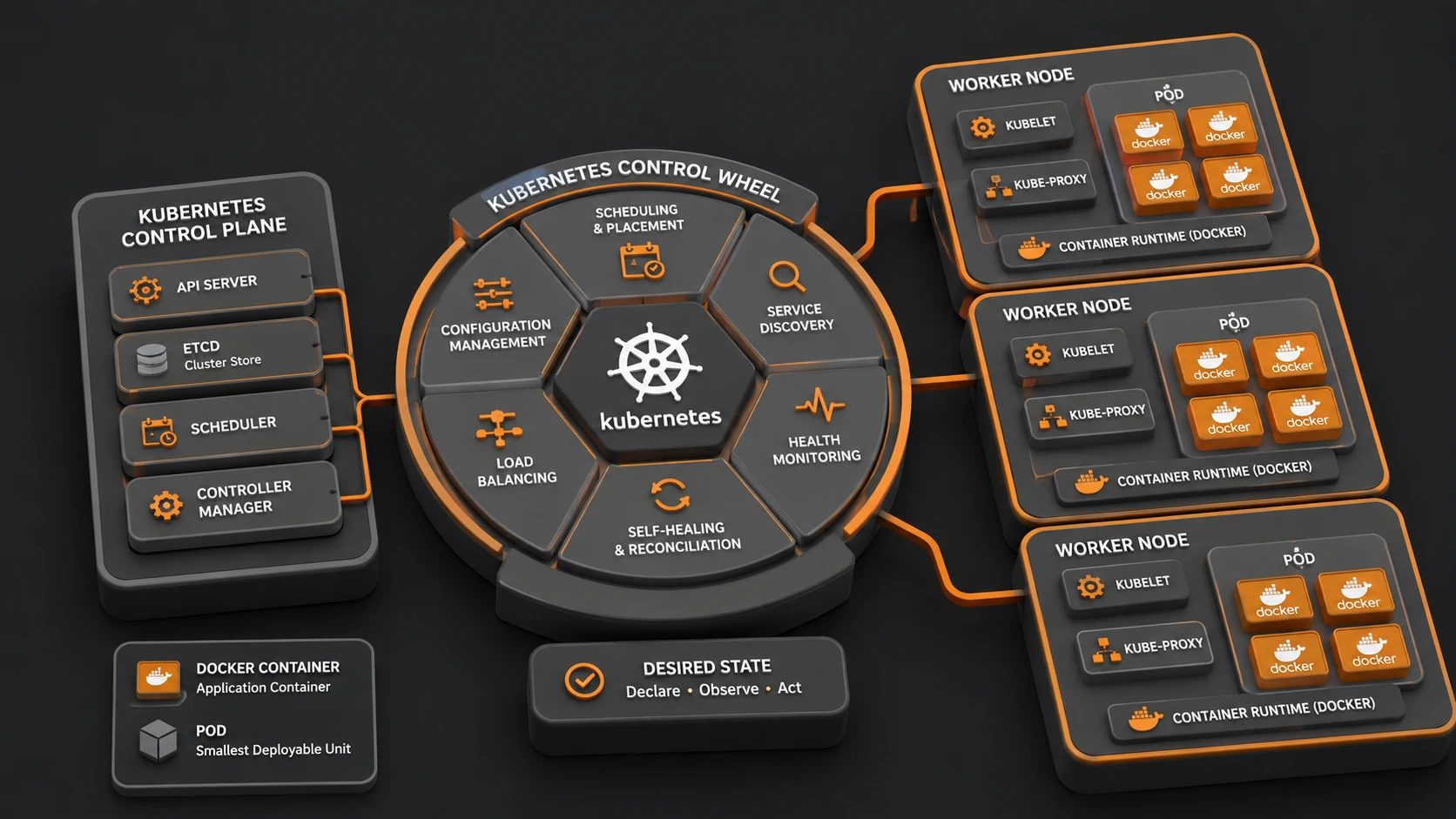
Docker and Kubernetes Native Integration: The End of Orchestration Wars
Docker's announcement of native Kubernetes support within Docker Enterprise Edition marks a major turning point for enterprise container platforms. Rather than forcing organizations to choose between Docker Swarm and Kubernetes, Docker is embracing Kubernetes as a first-class orchestrator alongside Swarm. This shift has significant implications for enterprise infrastructure, DevOps teams, and cloud-native application strategies. This article examines the announcement from the perspective of October 2017.
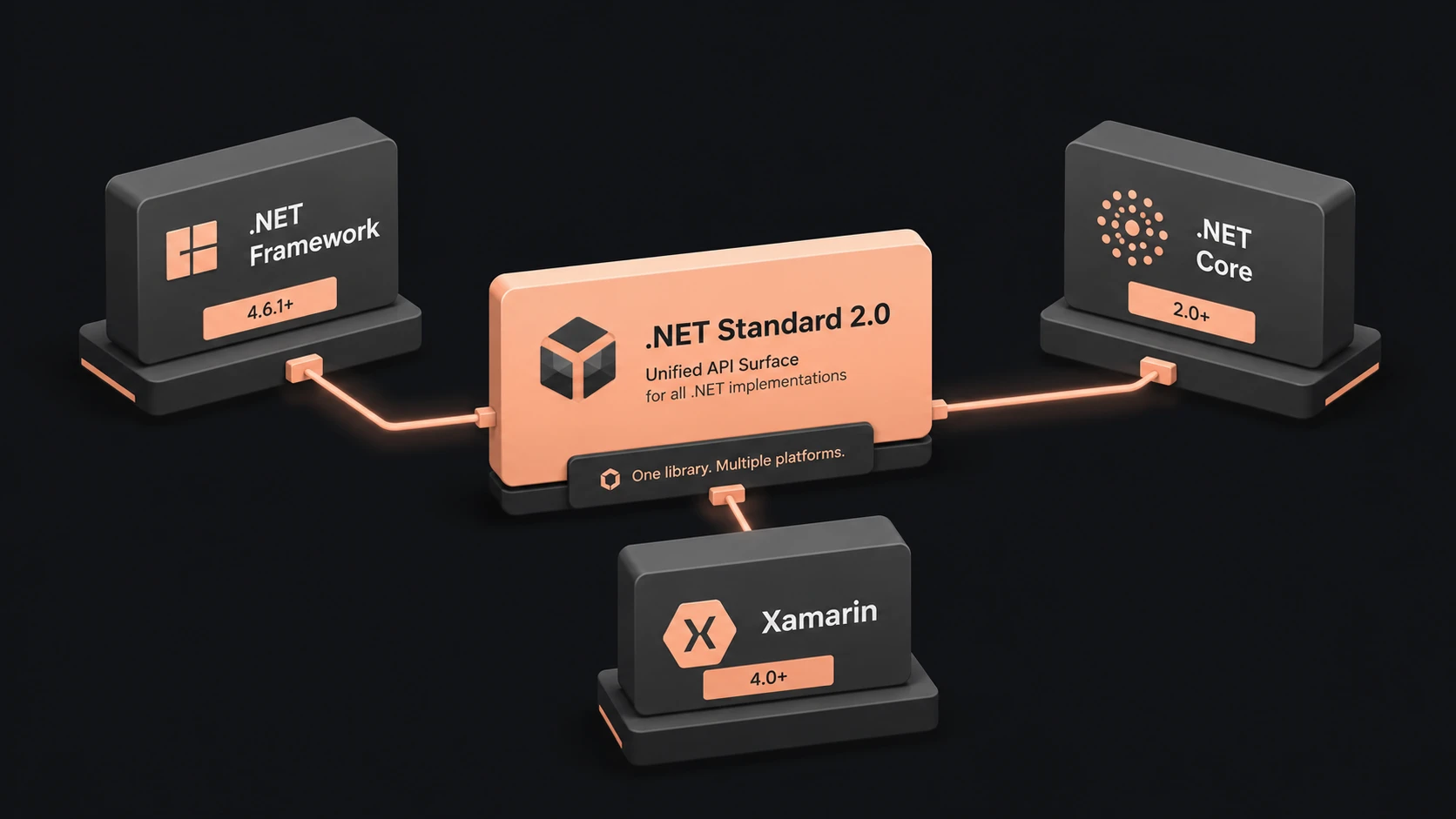
.NET Core 2.0 and .NET Standard 2.0: Unifying APIs across Cross-Platform Runtimes
.NET Core 2.0 and .NET Standard 2.0 represent a major milestone in Microsoft's cross-platform strategy by significantly expanding API compatibility, improving portability, and simplifying code sharing across .NET implementations. This article examines the release from the perspective of August 2017, exploring the architecture, enterprise implications, runtime improvements, and adoption strategies for modern software development.
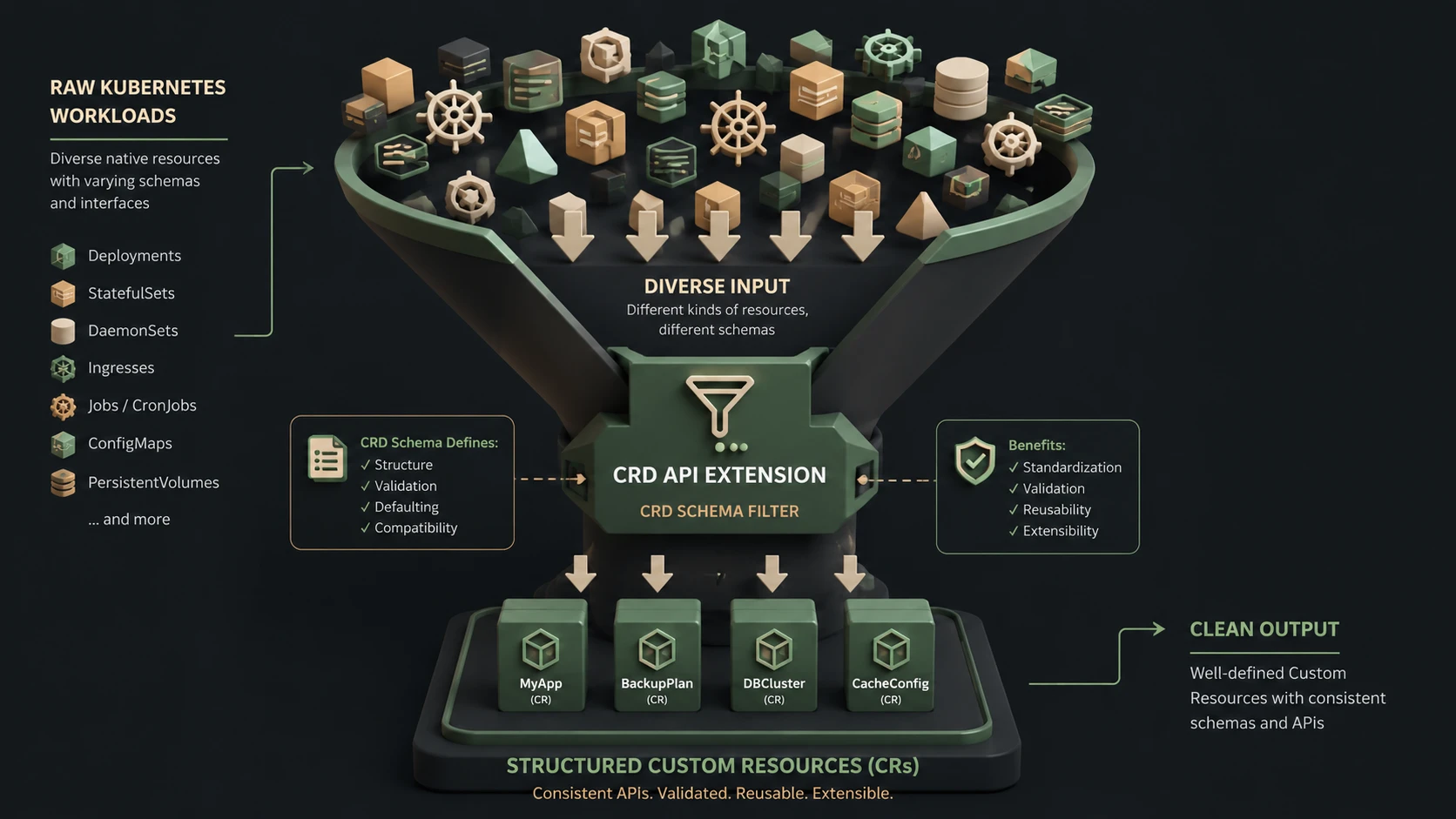
Kubernetes 1.7: Custom Resource Definitions (CRDs) and Operator Architectures
Kubernetes 1.7 introduces Custom Resource Definitions (CRDs) in beta, providing a significantly simpler mechanism for extending the Kubernetes API without writing custom API servers. Combined with the growing Operator pattern pioneered by CoreOS, CRDs enable enterprise teams to model complex distributed applications as first-class Kubernetes resources. This article examines Kubernetes 1.7 from the perspective of July 2017.

Web Bluetooth API: Interfacing Browser Client JS with Physical IoT Devices
The Web Bluetooth API introduces a standardized mechanism for JavaScript applications to communicate directly with nearby Bluetooth Low Energy devices. This article examines the API architecture, security model, browser capabilities, enterprise use cases, performance considerations, and adoption strategy from the perspective of February 2017.
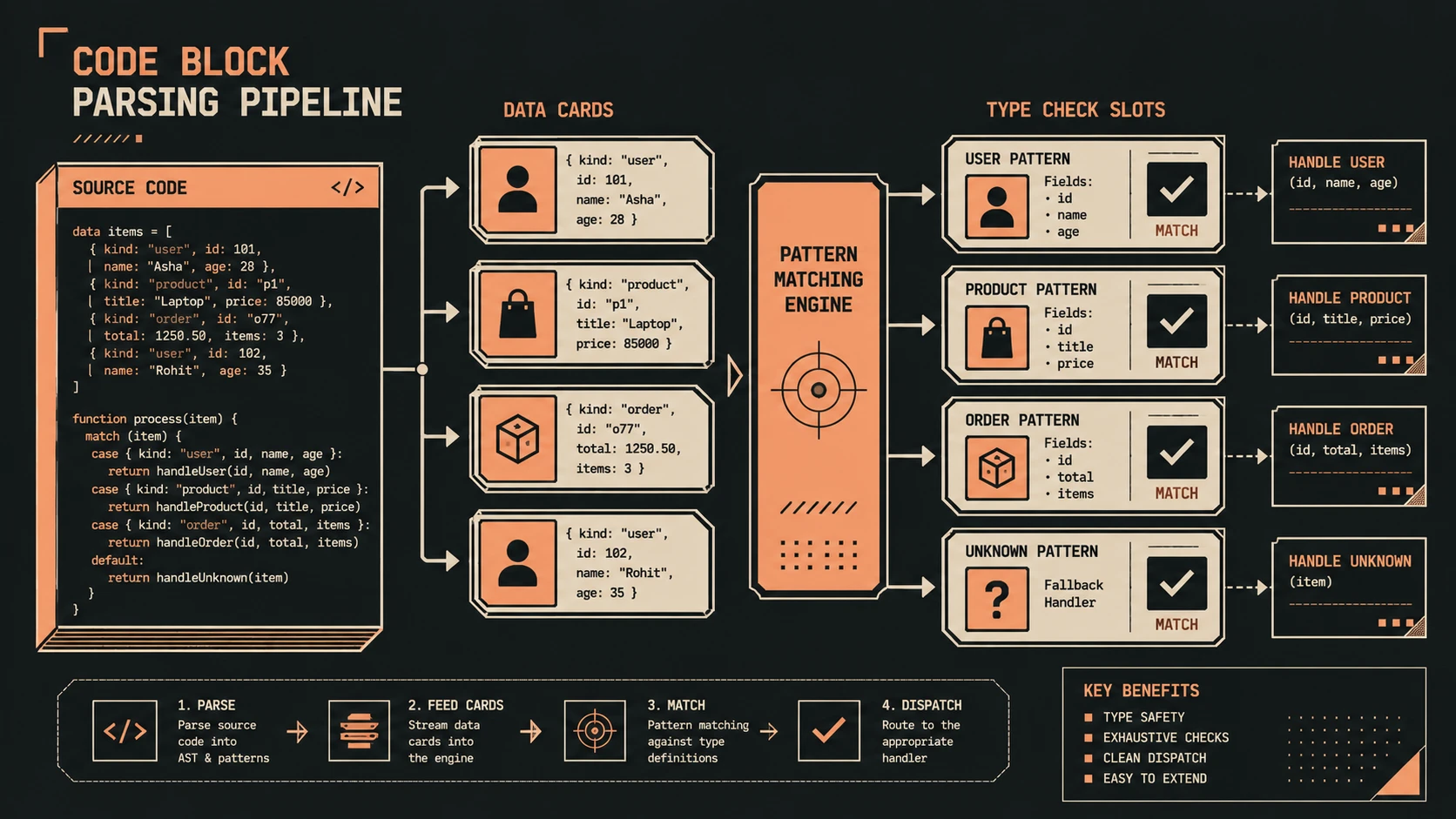
C# 7.0 Previews: Deconstructing Pattern Matching, Tuples, and Ref Returns
The C# 7.0 previews introduce pattern matching, tuples, deconstruction, ref returns, local functions, and other language enhancements designed to improve code clarity and performance. This article evaluates these preview capabilities from the perspective of November 2016 and examines their potential impact on enterprise .NET development.
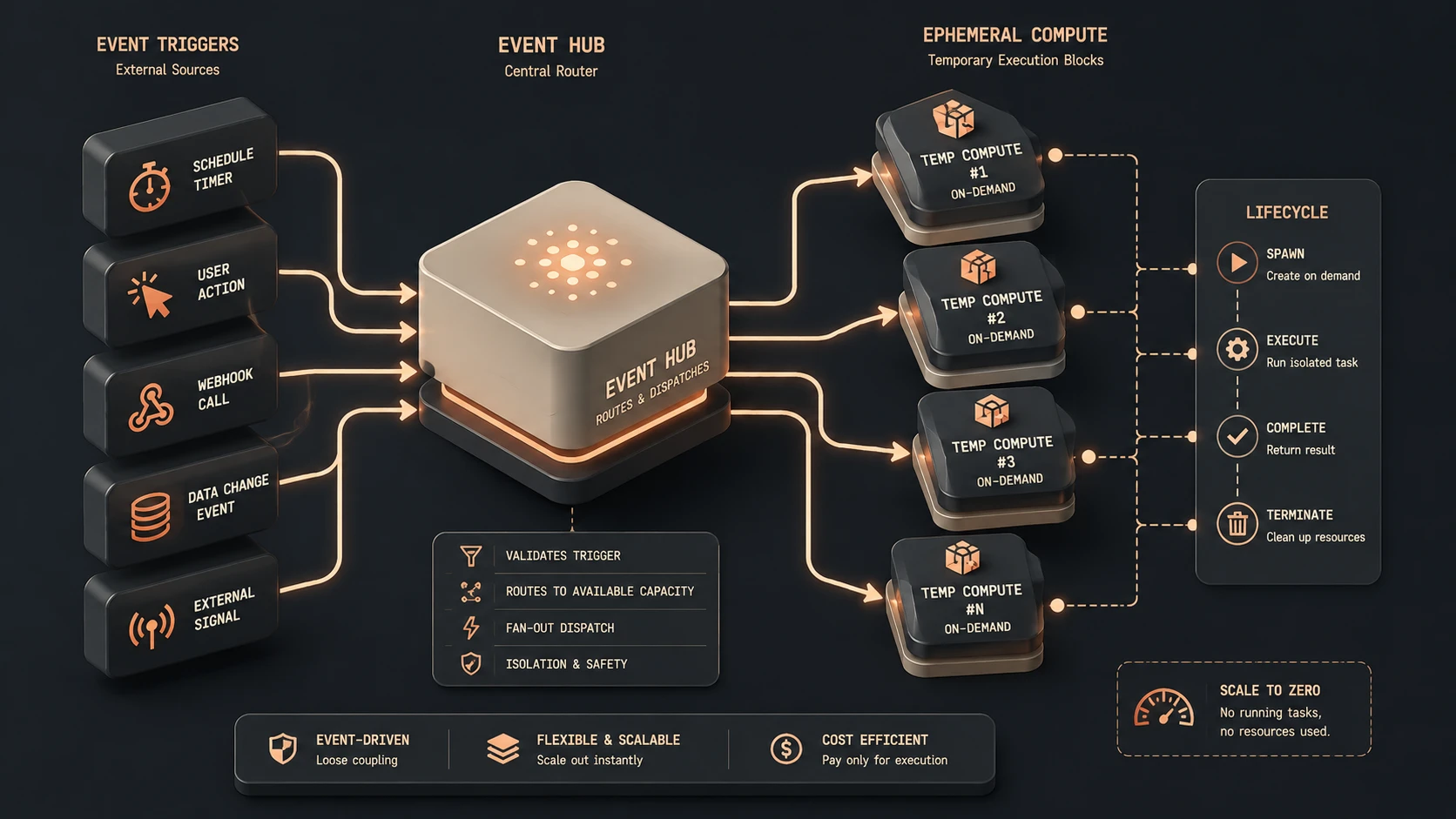
AWS Lambda and Serverless Framework: Deploying Event-Driven SaaS Backends
AWS Lambda has introduced a new execution model where code runs in response to events without provisioning or managing servers. Combined with the emerging Serverless Framework, organizations can simplify deployment, infrastructure management, and operational automation. This article examines the architecture, deployment pipeline, performance characteristics, and enterprise adoption considerations from the perspective of June 2016.
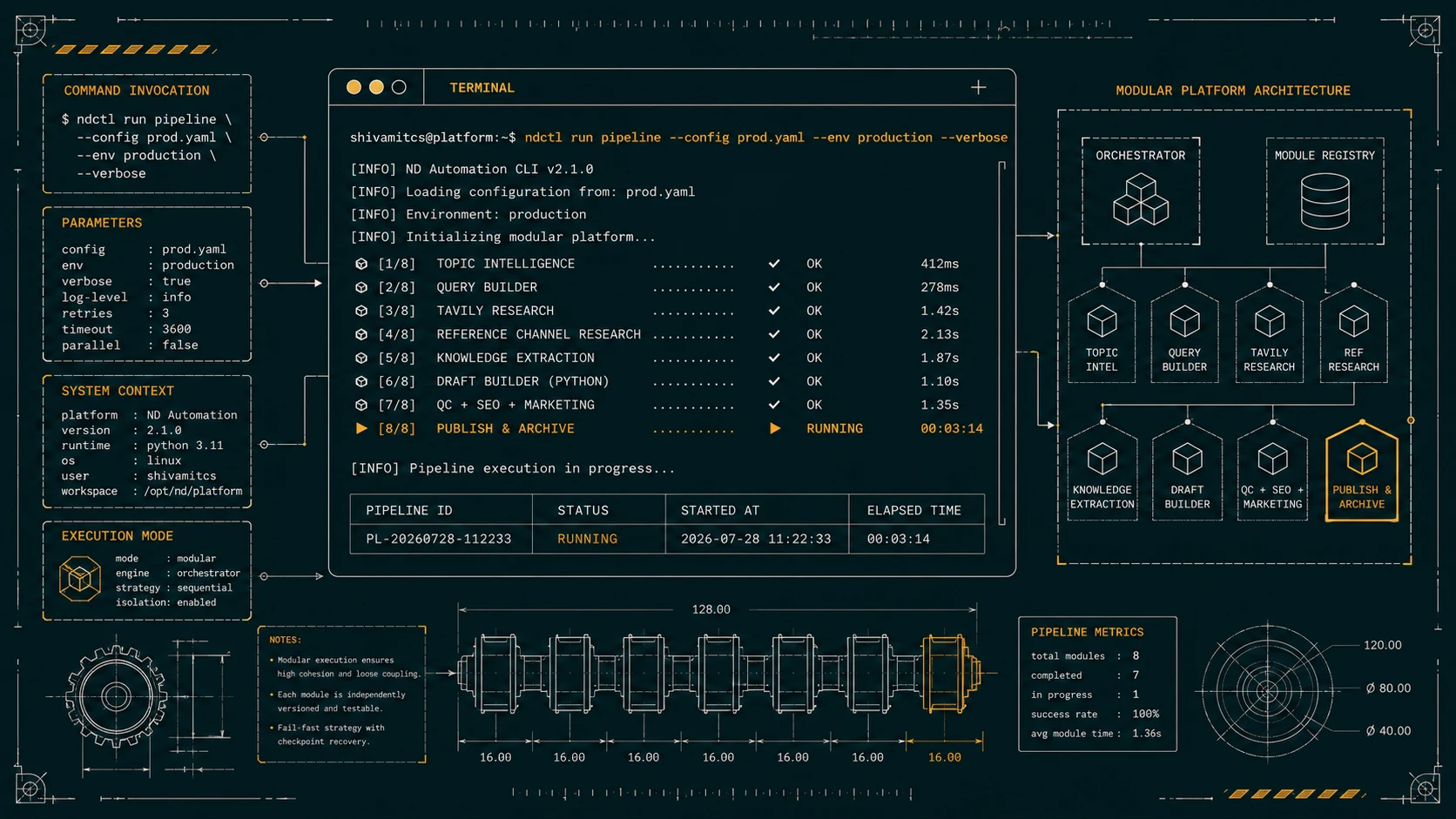
.NET Core 1.0: Cross-Platform Execution and the New CLI Pipeline
.NET Core 1.0 introduces a modular, cross-platform implementation of .NET together with a new command-line interface that simplifies development, dependency management, and deployment across Windows, Linux, and macOS. This article examines the architecture, runtime model, CLI pipeline, enterprise use cases, and adoption considerations from the perspective of February 2016.
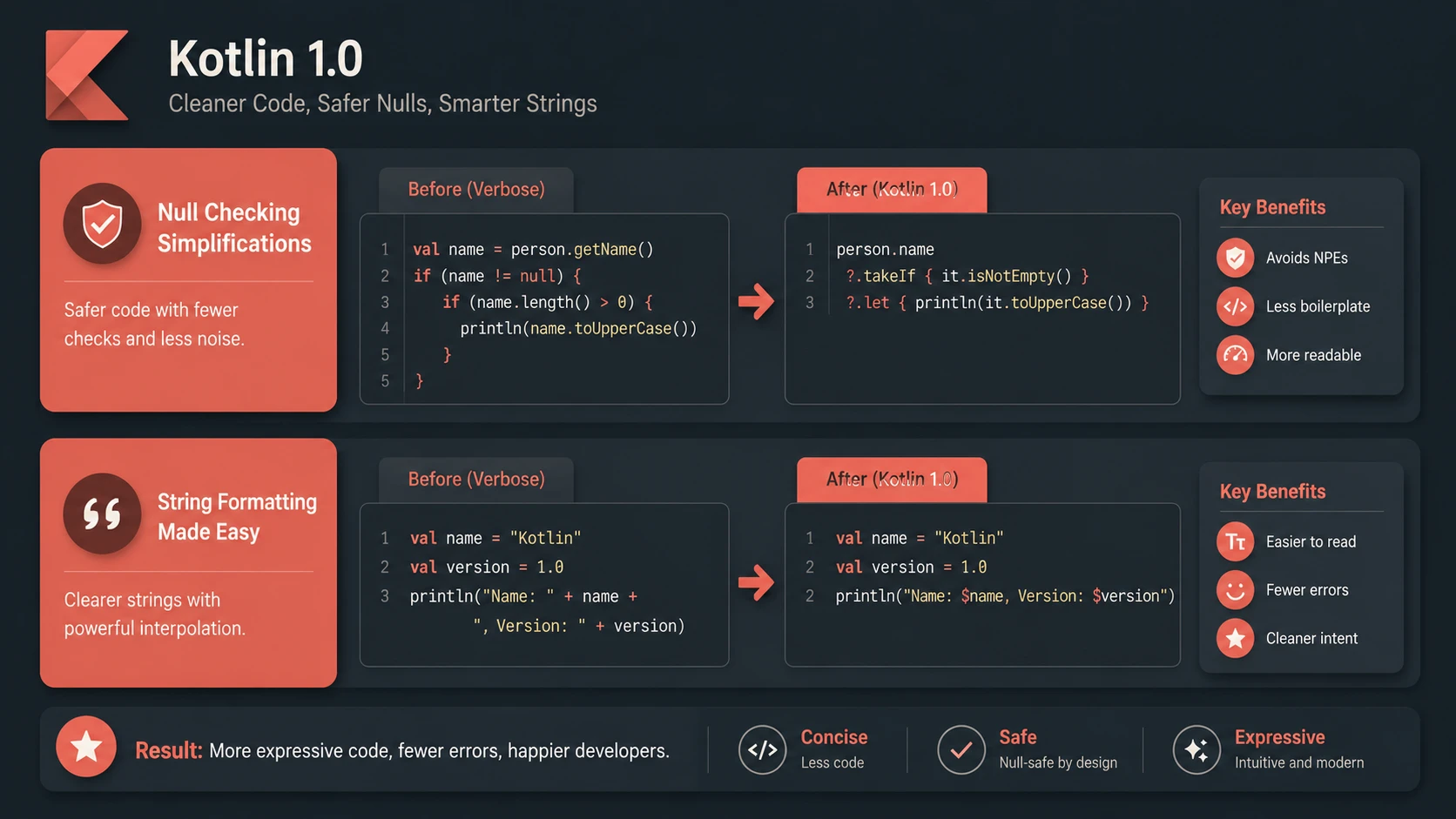
C# 6.0 Features: Null-Conditional Operators, Auto-Property Initializers, and String Interpolation
C# 6.0 introduces several language enhancements focused on developer productivity, readability, and safer code. This article explores null-conditional operators, auto-property initializers, string interpolation, and other key language improvements from the perspective of November 2015, highlighting their impact on enterprise software engineering.
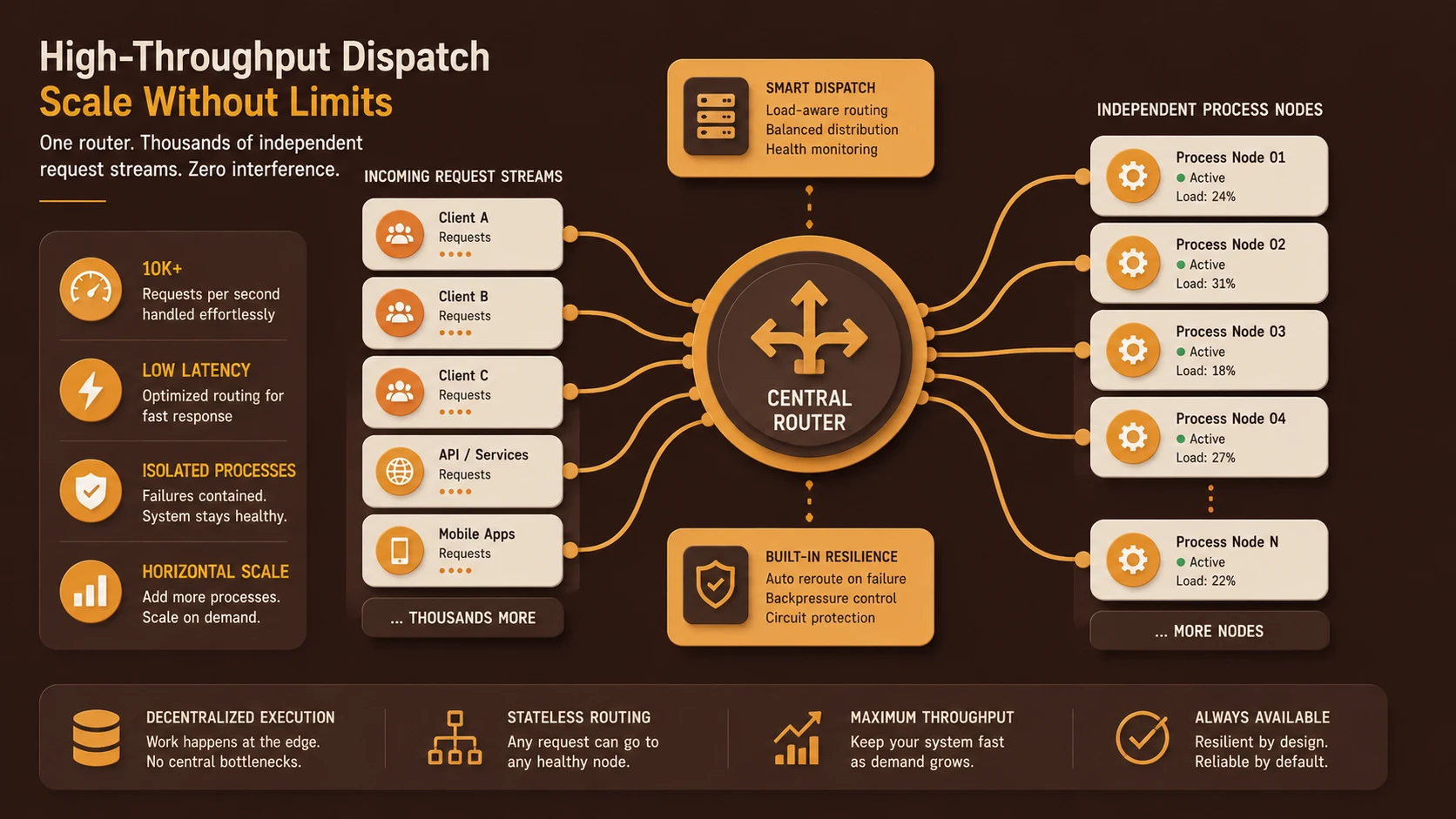
Phoenix Framework: Developing High-Concurrency Web APIs with Elixir and OTP
The Phoenix Framework has rapidly emerged as a promising web development platform for Elixir, combining the reliability of the Erlang VM with a productive MVC architecture. Built upon the OTP concurrency model, Phoenix enables developers to create highly concurrent web APIs and real-time applications capable of supporting demanding enterprise workloads. This article examines Phoenix Framework from the perspective of October 2015, exploring its architecture, concurrency model, enterprise use cases, scalability, performance characteristics, and adoption considerations.
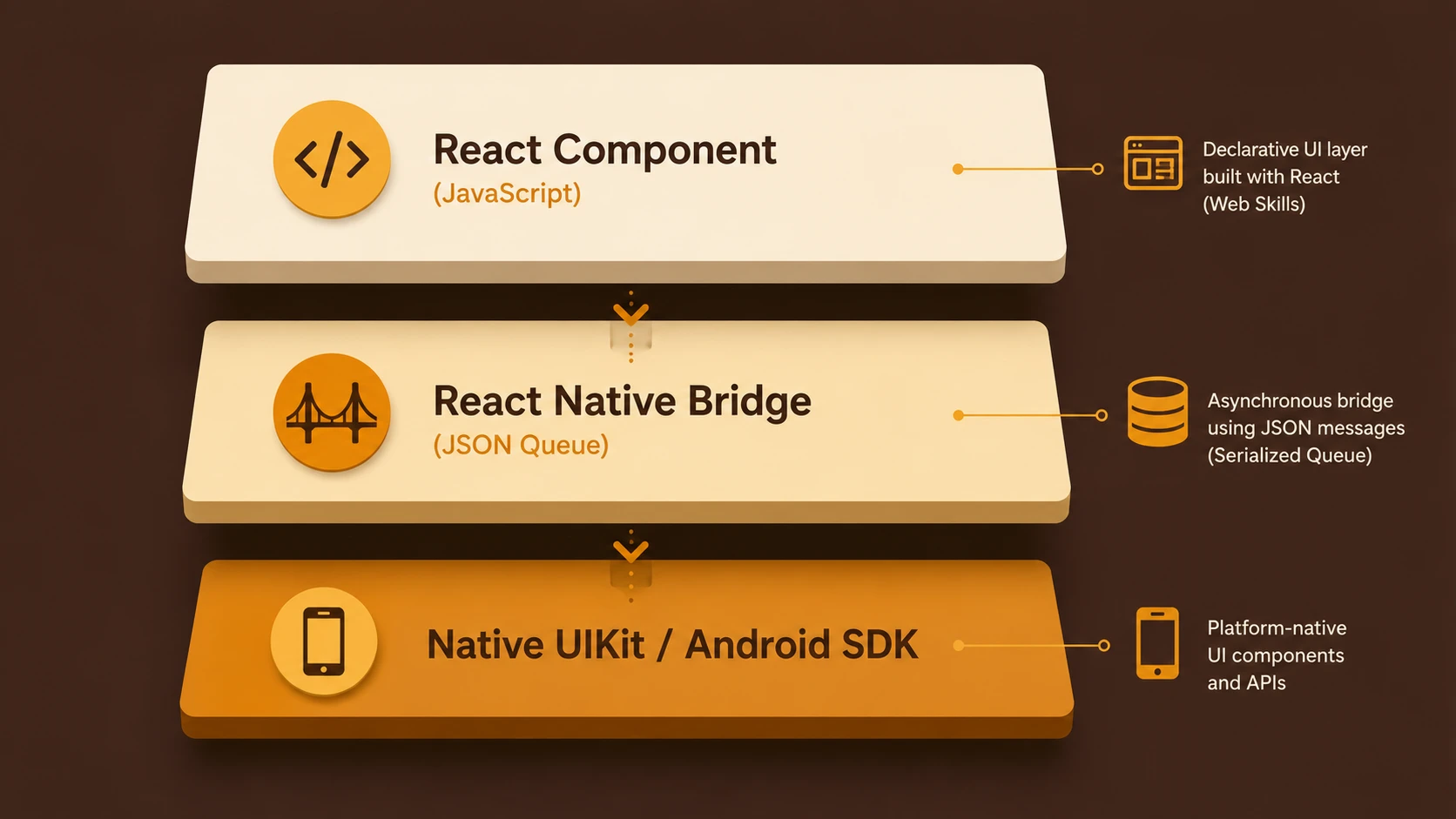
React Native Release: Building Mobile Apps with Native UI Controls and JavaScript
React Native introduces a new approach to native mobile application development by combining JavaScript, React components, and native platform controls. This article examines the framework's architecture, rendering model, performance characteristics, enterprise use cases, and adoption considerations from the perspective of May 2015.
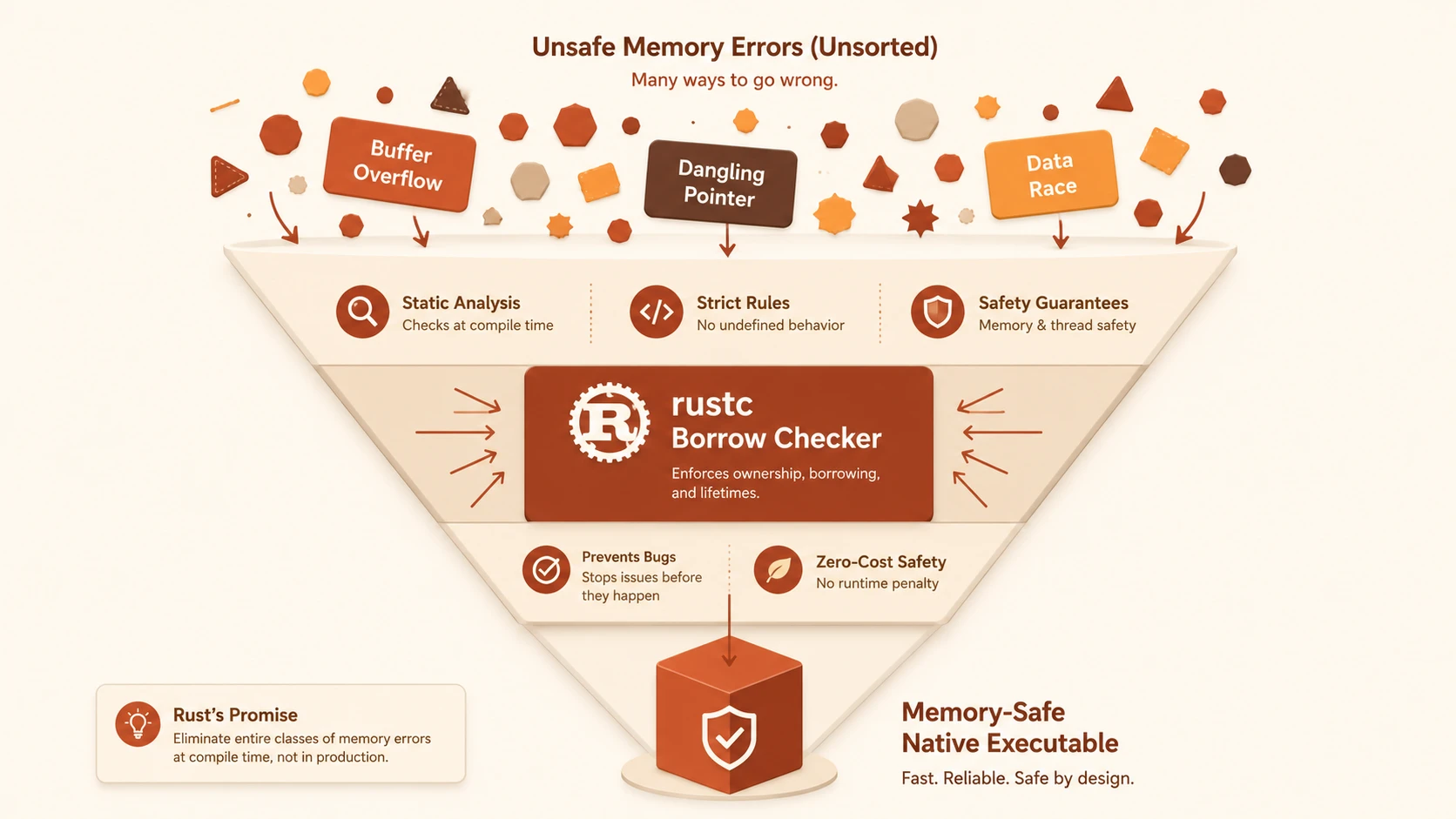
Rust 1.0 Release: Memory Safety Without a Garbage Collector Runtime
Mozilla has officially released Rust 1.0, introducing a systems programming language focused on memory safety, concurrency, and predictable performance without relying on a garbage collector. This article analyzes Rust 1.0 from the perspective of May 2015, exploring its architecture, ownership model, enterprise use cases, performance characteristics, and adoption considerations.