Introduction
For decades, systems programming has required developers to balance performance with memory safety. Languages such as C and C++ provide direct hardware access and exceptional execution speed, making them the preferred choice for operating systems, networking software, browser engines, embedded systems, and database engines. However, manual memory management introduces significant complexity and remains a common source of software defects.
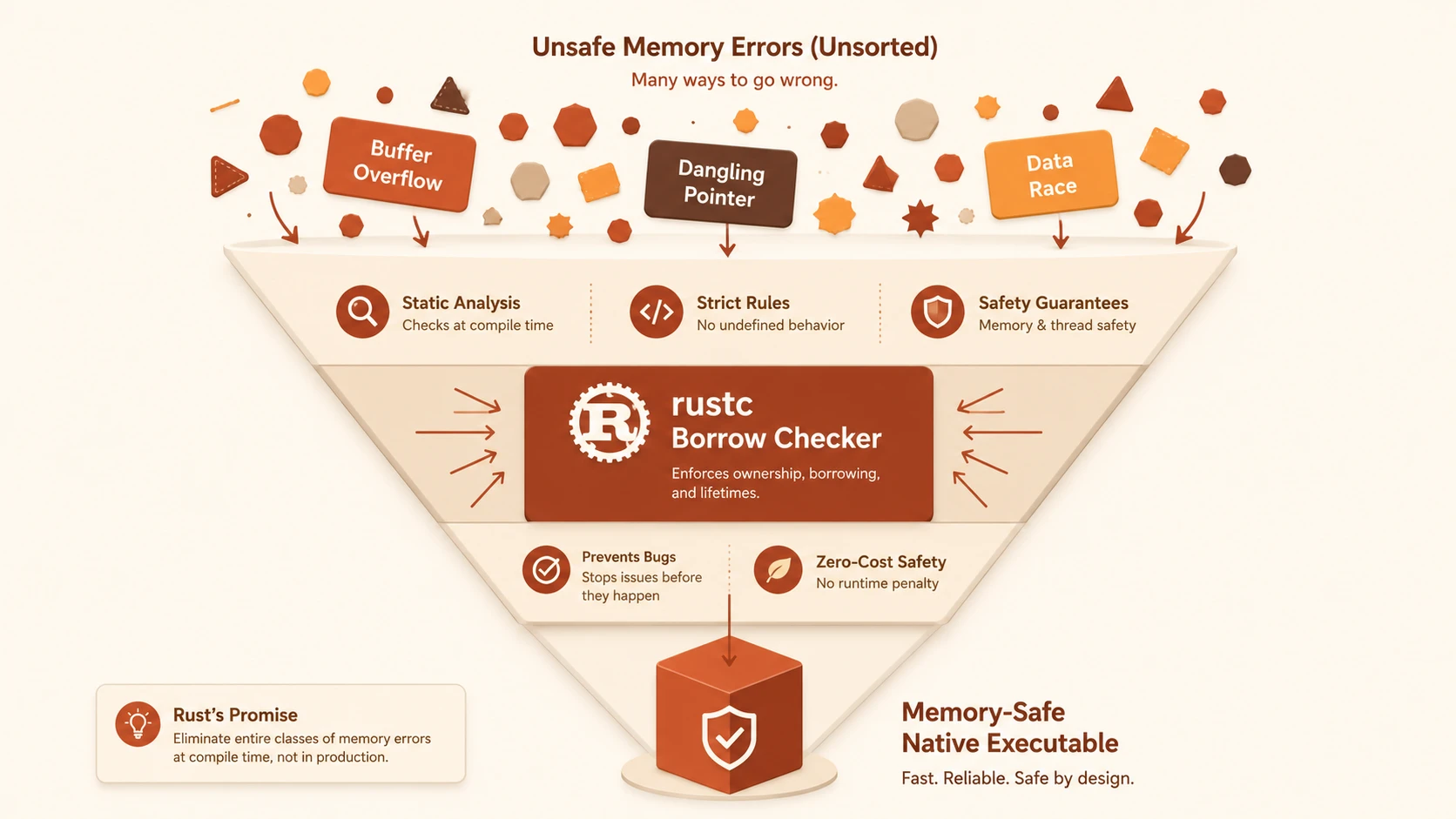
Memory leaks, buffer overflows, dangling pointers, and data races continue to challenge developers building large-scale infrastructure software. Managed languages solve many of these problems through garbage collection, but automatic memory management often introduces runtime overhead and less deterministic performance.
Rust 1.0 seeks to bridge this gap by providing compile-time memory safety without requiring a garbage collector. Through its ownership model, borrowing rules, and strong type system, Rust enables developers to build efficient native applications while preventing entire categories of memory-related errors before execution.
From the perspective of May 2015, Rust 1.0 represents one of the most innovative developments in systems programming in recent years.
Industry Background
Modern infrastructure software increasingly demands both performance and reliability.
Organizations are developing:
- ◆Web browsers.
- ◆Cloud infrastructure.
- ◆Database engines.
- ◆Networking platforms.
- ◆Distributed systems.
- ◆Embedded software.
- ◆Security-sensitive applications.
As multicore processors become the standard, concurrency has become equally important. Unfortunately, concurrent programming in traditional systems languages often introduces synchronization bugs, race conditions, and unpredictable failures.
Mozilla began developing Rust with the objective of creating a language capable of delivering native performance while significantly improving software safety.
The Business Problem
Enterprise infrastructure projects frequently encounter several software reliability challenges.
Organizations commonly experience:
- ◆Memory corruption.
- ◆Buffer overflows.
- ◆Dangling pointers.
- ◆Double-free errors.
- ◆Race conditions.
- ◆Difficult debugging.
- ◆High maintenance costs.
Security vulnerabilities caused by memory management defects often require significant engineering effort to identify and resolve.
Rust attempts to eliminate many of these issues during compilation rather than relying on runtime detection.
Understanding the Technology
Rust combines modern language design with low-level system capabilities.
Key architectural concepts include:
- ◆Ownership.
- ◆Borrowing.
- ◆Lifetimes.
- ◆Strong static typing.
- ◆Pattern matching.
- ◆Traits.
- ◆Zero-cost abstractions.
- ◆Safe concurrency.
Unlike managed languages, Rust does not include a traditional garbage collector. Instead, ownership rules determine object lifetime during compilation.
The compiler verifies these rules before generating executable code, preventing many common memory errors.
Core Architecture
Rust's compilation model emphasizes compile-time correctness.
| Component | Responsibility |
|---|---|
| Rust Source Code | Application logic |
| Ownership System | Memory lifetime management |
| Borrow Checker | Validates reference safety |
| Type System | Compile-time correctness |
| LLVM Backend | Native code generation |
| Operating System | Process execution |
The compiler performs extensive analysis before executable generation, allowing runtime performance similar to traditional systems languages.
Key Features
Ownership Model
Every value in Rust has a clearly defined owner.
Ownership determines when memory should be automatically released, eliminating many manual memory management responsibilities while avoiding garbage collection.
Borrowing
Rather than copying data unnecessarily, Rust allows controlled borrowing of values.
The compiler ensures borrowed references remain valid throughout their lifetime.
Lifetime Analysis
Lifetime annotations allow the compiler to verify that references cannot outlive the data they reference.
This prevents dangling pointer errors during compilation.
Zero-Cost Abstractions
High-level language constructs are designed to introduce little or no additional runtime overhead compared to manually optimized implementations.
Safe Concurrency
Rust's ownership and borrowing rules extend naturally to concurrent programming, helping prevent data races before execution.
Pattern Matching
Pattern matching improves readability when processing complex data structures and application state.
How It Works
A simplified compilation workflow appears below.
Rust Source Code
        |
Ownership Analysis
        |
Borrow Checking
        |
Lifetime Verification
        |
Type Checking
        |
LLVM Compilation
        |
Native Executable
Applications containing invalid memory access patterns fail during compilation rather than producing unsafe runtime behavior.
Enterprise Use Cases
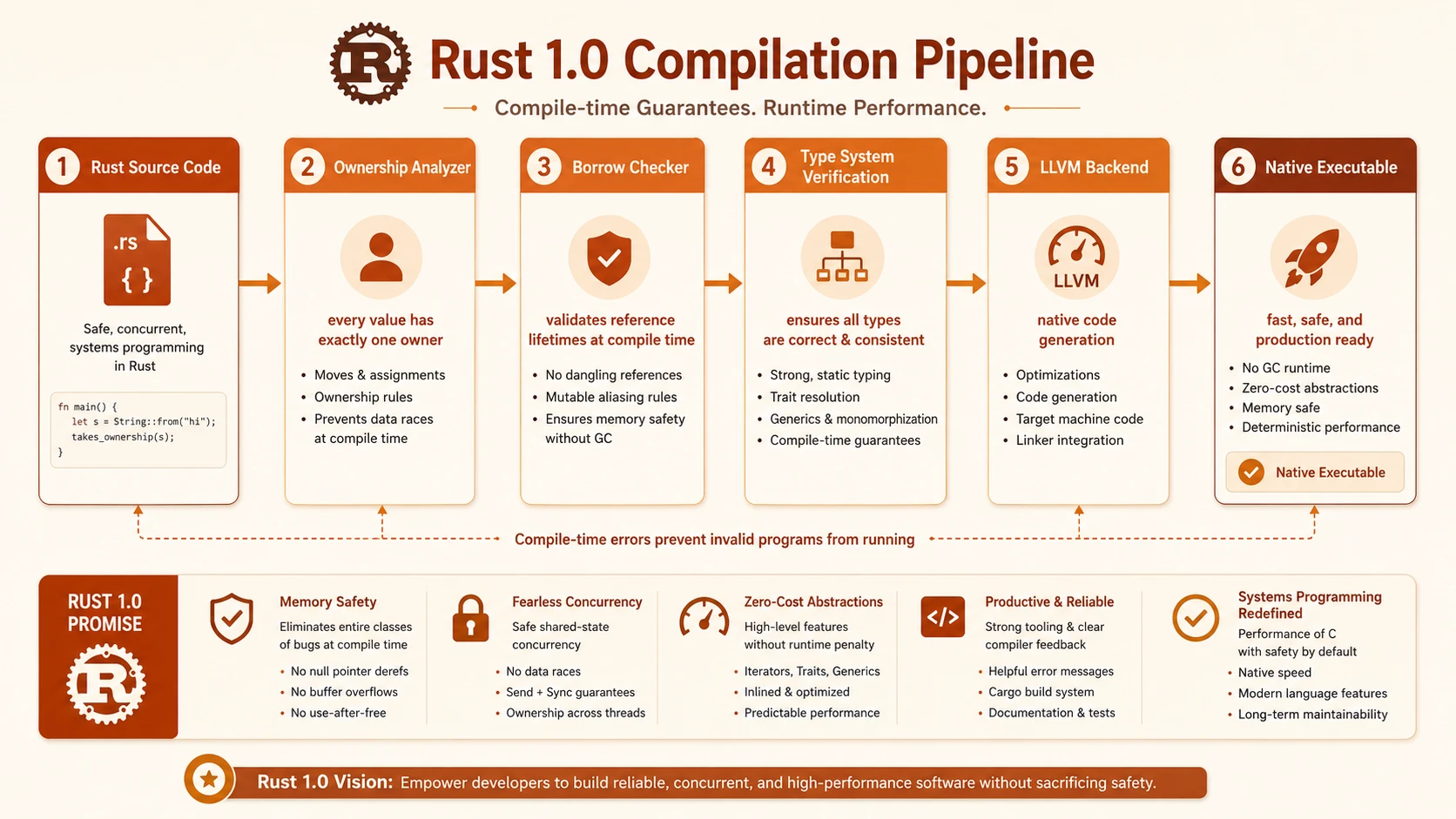
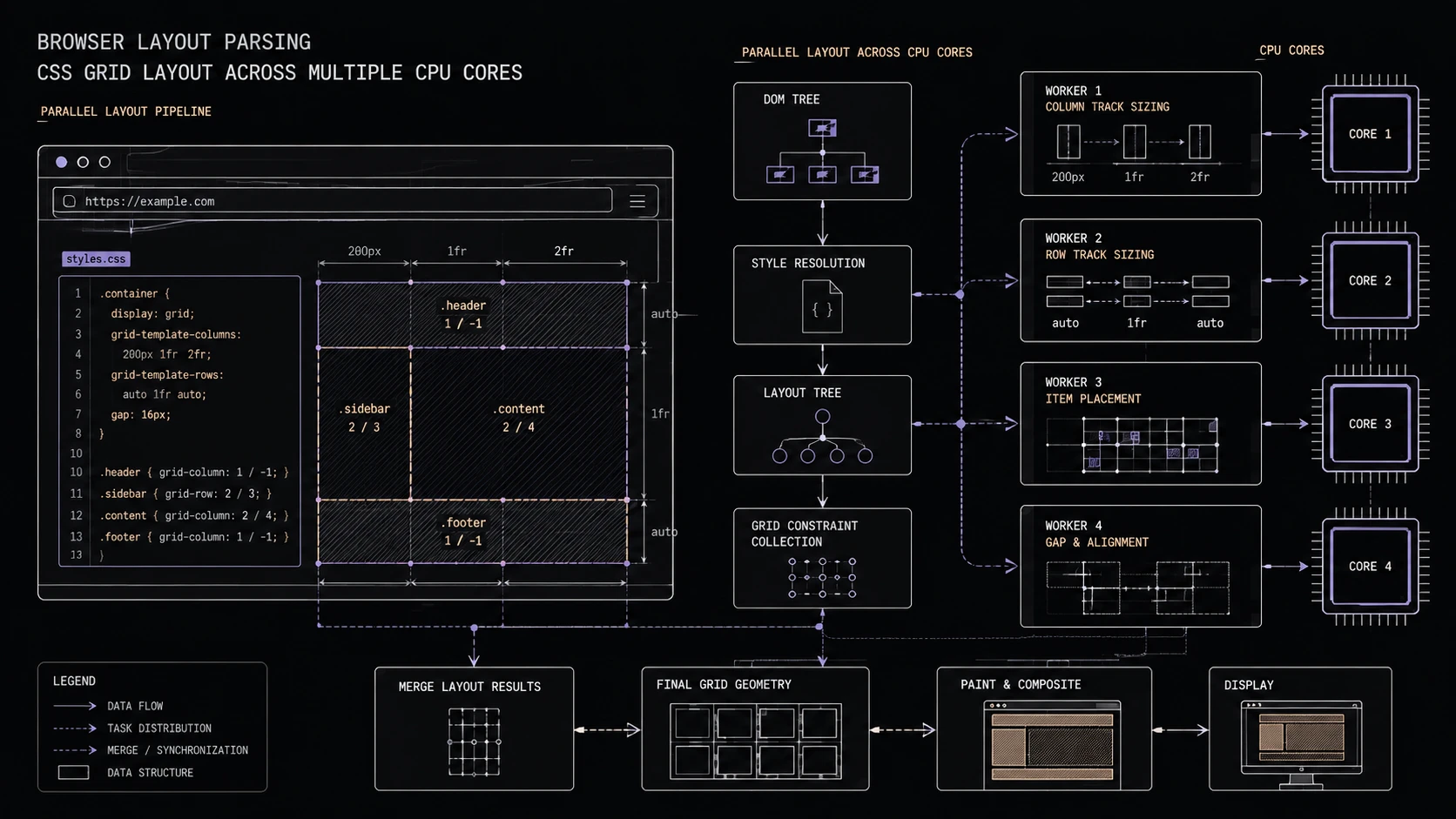
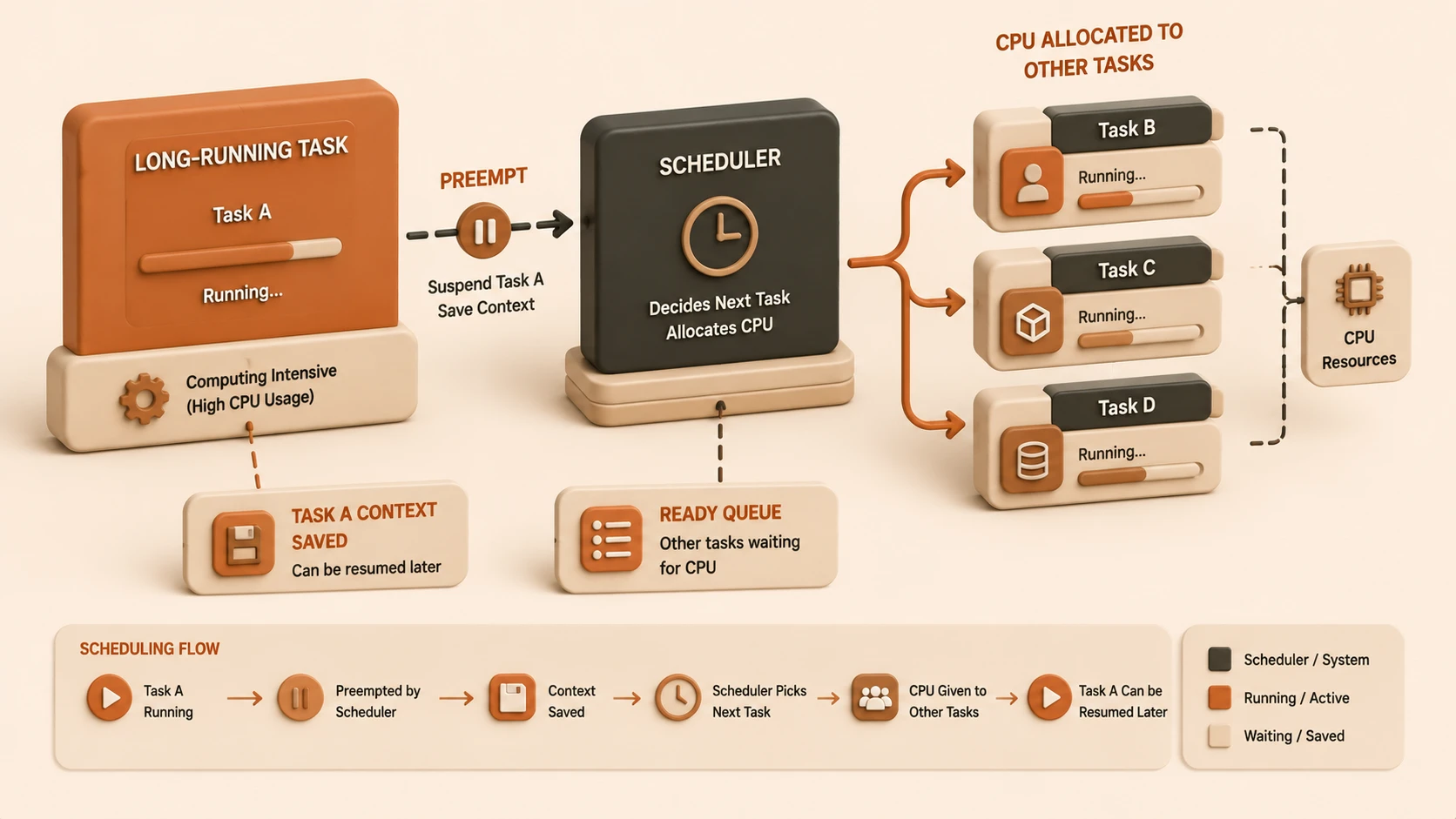
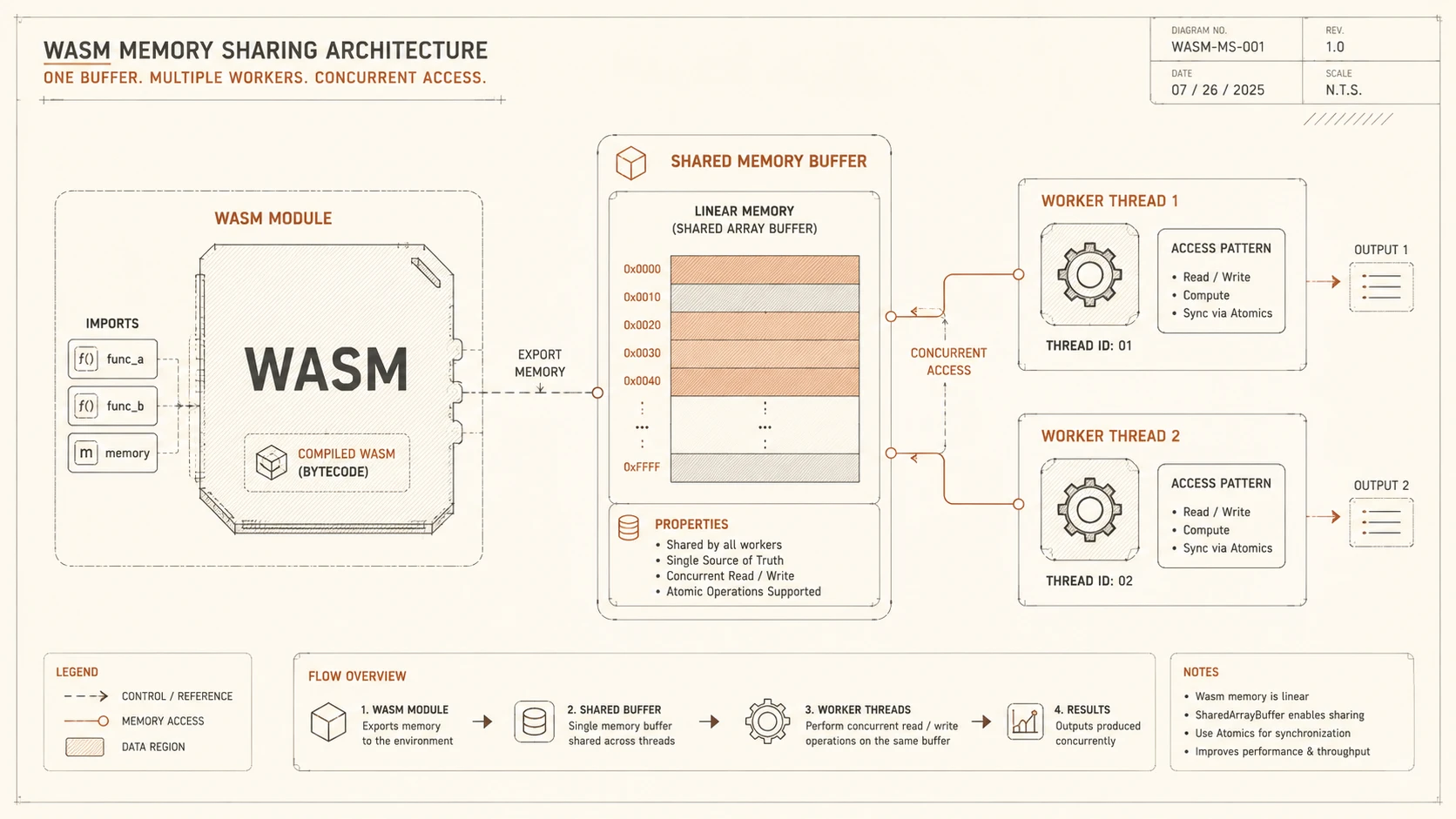
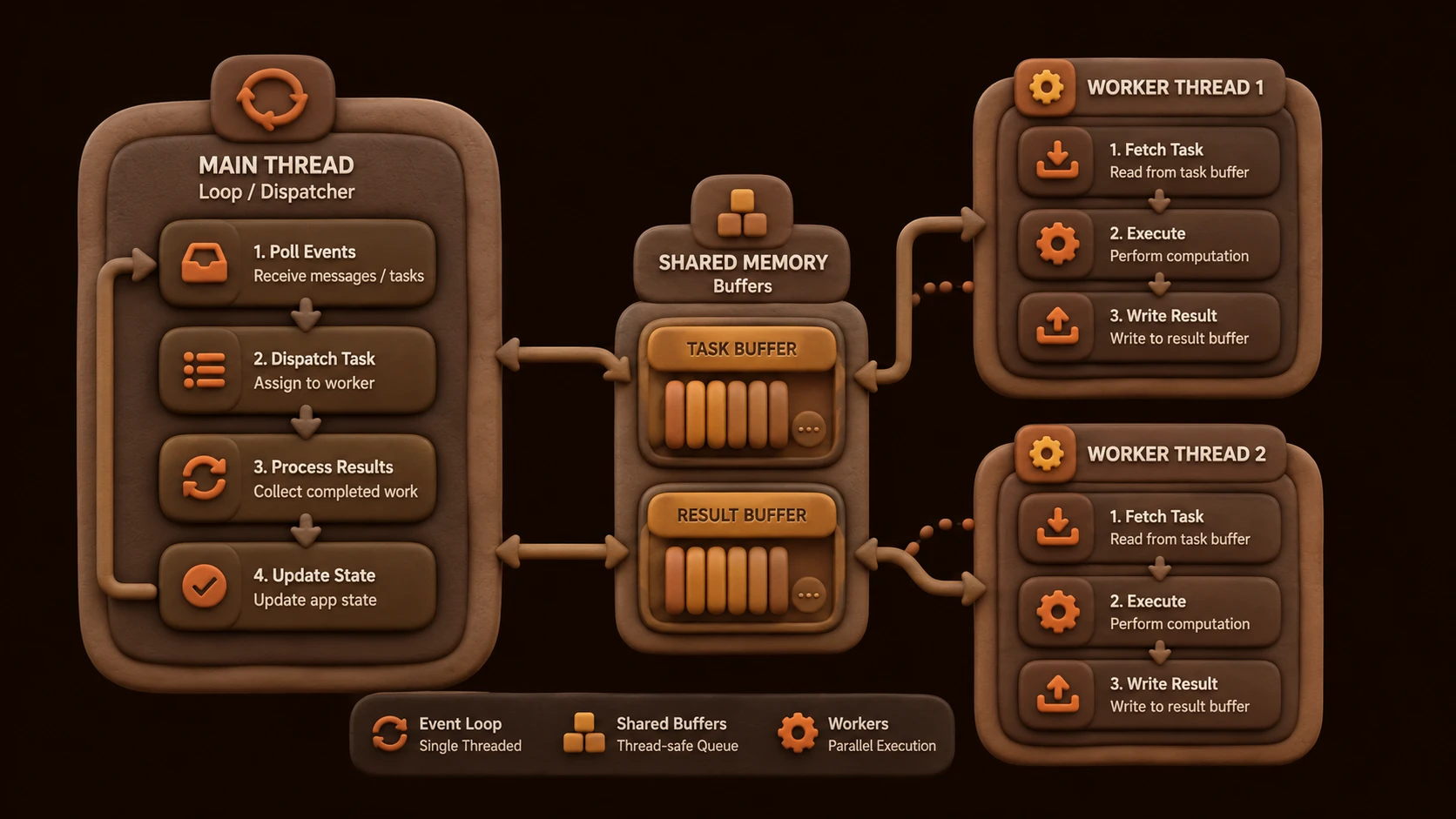
System architecture diagram and conceptual workflow layout for Rust 1.0 Release.
Infrastructure Software
Networking services, storage platforms, and cloud infrastructure benefit from strong memory safety guarantees.
Browser Development
Rendering engines and browser components require both performance and security.
Database Systems
Storage engines processing large transaction volumes benefit from predictable memory management.
Embedded Systems
Applications executing on constrained hardware can avoid garbage collection overhead while maintaining safety.
Security-Critical Software
Cryptographic libraries and secure communication components benefit from compile-time verification of memory correctness.
Performance Considerations
Rust is designed to provide native execution performance comparable to traditional systems programming languages.
Important considerations include:
- ◆Native code generation.
- ◆Efficient memory allocation.
- ◆Absence of garbage collection pauses.
- ◆Compiler optimization.
- ◆Zero-cost abstractions.
Performance improvements depend on workload characteristics and application architecture rather than language features alone.
Security Considerations
Rust's design places significant emphasis on software safety.
Key security advantages include:
- ◆Prevention of many memory corruption errors.
- ◆Compile-time verification.
- ◆Safer concurrent programming.
- ◆Strong type checking.
- ◆Controlled unsafe operations.
Although no programming language eliminates every security concern, Rust significantly reduces several categories of memory-related vulnerabilities.
Scalability
Rust supports scalable software engineering through predictable runtime behavior and strong compile-time guarantees.
Advantages include:
- ◆Reliable concurrency.
- ◆Efficient resource management.
- ◆Reduced debugging effort.
- ◆Improved long-term maintainability.
- ◆Better utilization of multicore hardware.
These characteristics make the language attractive for infrastructure software expected to operate continuously under demanding workloads.
Best Practices
Organizations evaluating Rust should:
- ◆Begin with infrastructure components rather than entire application portfolios.
- ◆Invest in developer education on ownership and borrowing.
- ◆Benchmark representative workloads.
- ◆Adopt idiomatic Rust coding conventions.
- ◆Use safe language features whenever possible.
- ◆Restrict unsafe code to well-reviewed modules.
- ◆Integrate automated testing into Continuous Integration pipelines.
Careful adoption improves long-term maintainability while minimizing migration risks.
Common Mistakes
| Mistake | Business Impact |
|---|---|
| Treating Rust as a direct replacement for existing C++ code without redesign | Difficult migration |
| Overusing unsafe blocks | Reduced safety guarantees |
| Ignoring ownership principles | Increased learning difficulty |
| Skipping performance benchmarking | Unrealistic expectations |
| Insufficient developer training | Slower adoption |
| Migrating critical production systems too quickly | Higher operational risk |
Organizations should view Rust as a language requiring new architectural thinking rather than simply new syntax.
Technology Comparison
| Characteristic | C | C++ | Rust 1.0 |
|---|---|---|---|
| Memory Management | Manual | Manual with language abstractions | Ownership-based compile-time management |
| Garbage Collector | No | No | No |
| Compile-Time Memory Safety | Limited | Limited | Strong ownership verification |
| Concurrency Safety | Developer responsibility | Developer responsibility | Compiler-assisted safety |
| Runtime Performance | Native | Native | Native |
Rust attempts to combine native execution speed with stronger compile-time correctness than traditional systems programming languages.
Adoption Strategy
Organizations interested in Rust should adopt the language incrementally.
Recommended roadmap:
- 1.Train engineering teams on Rust fundamentals.
- 2.Evaluate non-critical infrastructure components.
- 3.Benchmark application performance.
- 4.Introduce Rust into new systems programming projects.
- 5.Review interoperability with existing native libraries.
- 6.Expand adoption based on operational experience.
This phased approach reduces organizational risk while allowing teams to develop practical expertise.
Limitations
As of May 2015, Rust 1.0 is a newly released language.
Organizations should recognize several considerations.
- ◆Developer familiarity remains limited.
- ◆Tooling continues to mature.
- ◆Existing enterprise libraries are still expanding.
- ◆Ownership concepts introduce a learning curve.
- ◆Large production deployments will require careful evaluation.
These considerations should be balanced against the language's strong emphasis on correctness and performance.
Looking Ahead
From the perspective of May 2015, Rust 1.0 marks an important milestone in modern systems programming. By combining compile-time memory safety, predictable native performance, and strong concurrency guarantees without introducing a garbage collector, Mozilla has introduced a language that addresses many longstanding challenges associated with infrastructure software development.
Although widespread enterprise adoption will depend on ecosystem growth, tooling maturity, and developer experience, Rust's architectural principles represent a compelling direction for future systems programming. Organizations building security-sensitive infrastructure, high-performance services, and long-lived native applications should closely monitor Rust's evolution as the ecosystem develops beyond its initial 1.0 release.