Microsoft Development
Viewing all posts categorized under Microsoft Development.

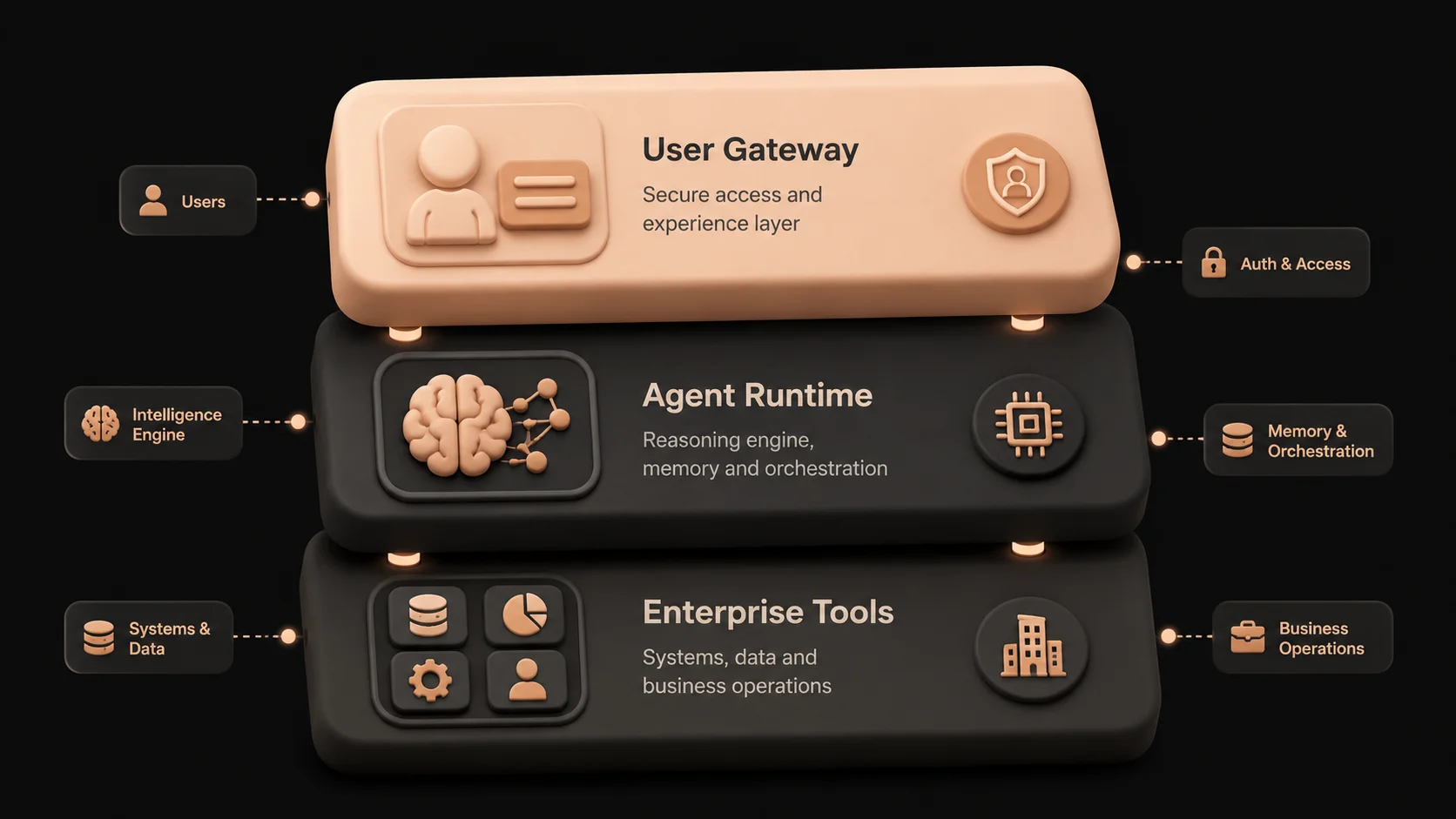
What Is Agent-Native Software Architecture? A Practical Guide for Enterprise Leaders
Agent-native software architecture is redefining how enterprise applications are designed by placing autonomous AI agents at the center of business execution. Unlike traditional applications that follow predefined workflows, agent-native systems can reason, plan, collaborate, use enterprise tools, and adapt to changing business conditions. This guide explores architectural principles, core components, governance, orchestration, multi-agent systems, security, scalability, implementation strategies, and enterprise adoption patterns to help technology leaders build intelligent software for the AI era.
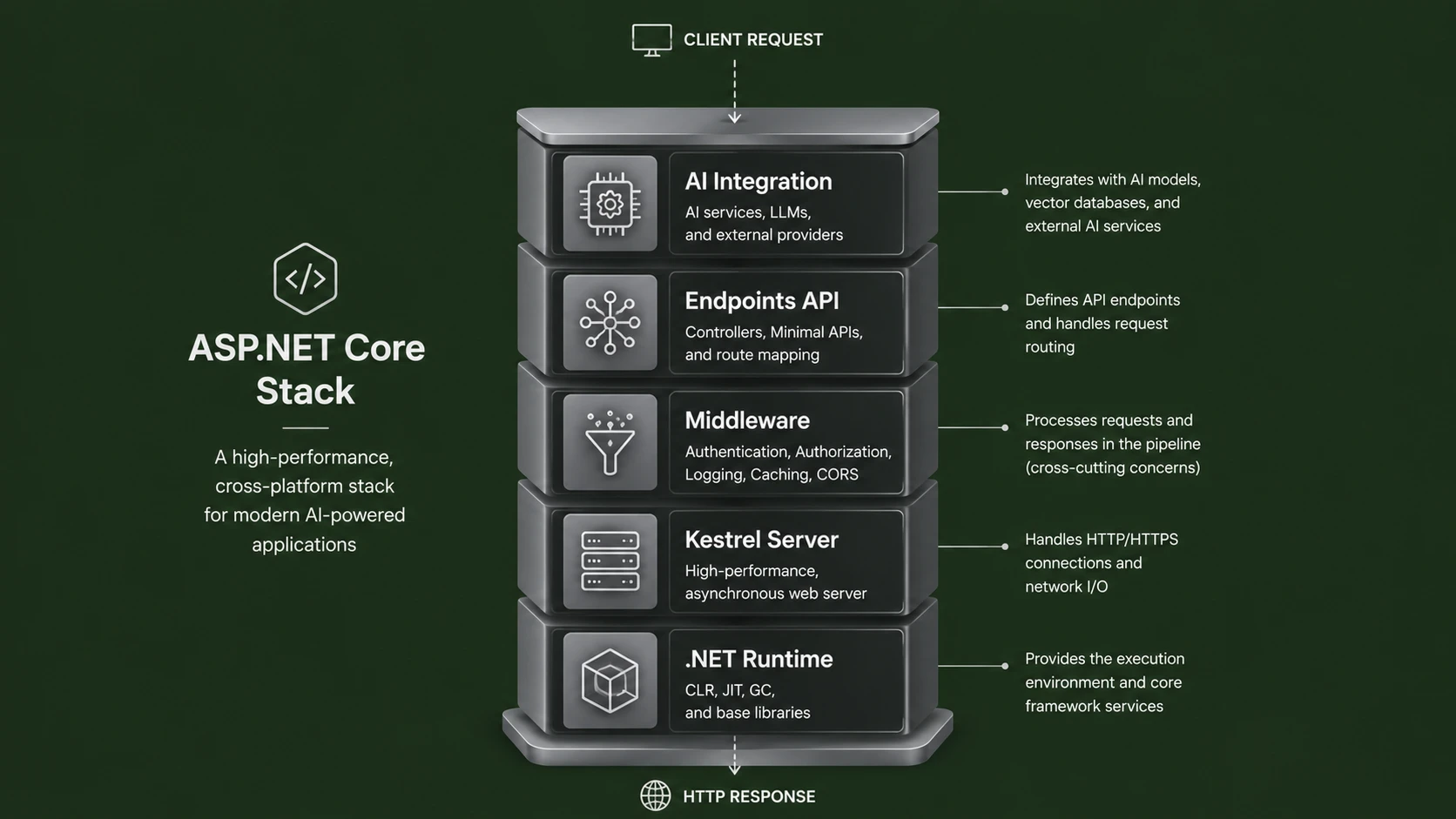
Is ASP.NET Core Still Relevant in 2026? Yes, and Here’s Why
Is ASP.NET Core still relevant in 2026? Absolutely. While JavaScript ecosystems dominate rapid product development and Python leads AI workloads, ASP.NET Core remains a powerful choice for secure, scalable, maintainable, and mission-critical enterprise systems. The future is not one framework—it is intelligent architecture using the right technology for each workload.
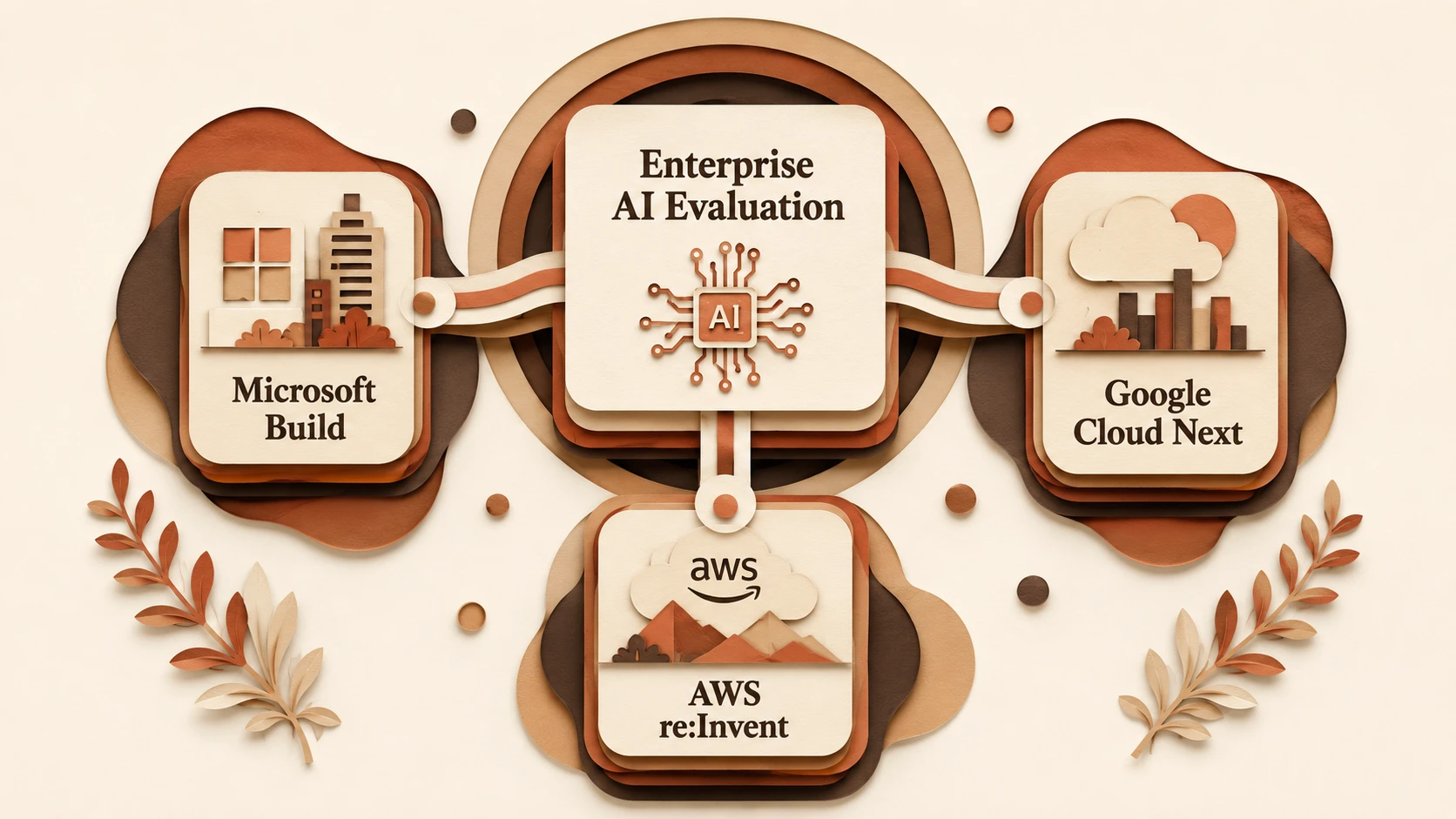
What Microsoft Build, Google, and AWS Actually Announced
Microsoft Build 2026, Google I/O 2026, and AWS's latest announcements reveal a common industry direction. Beyond new AI models and developer tools, all three companies are investing in agentic platforms, enterprise context, and production-ready AI infrastructure. This article examines what was actually announced and what it means for enterprise technology leaders.
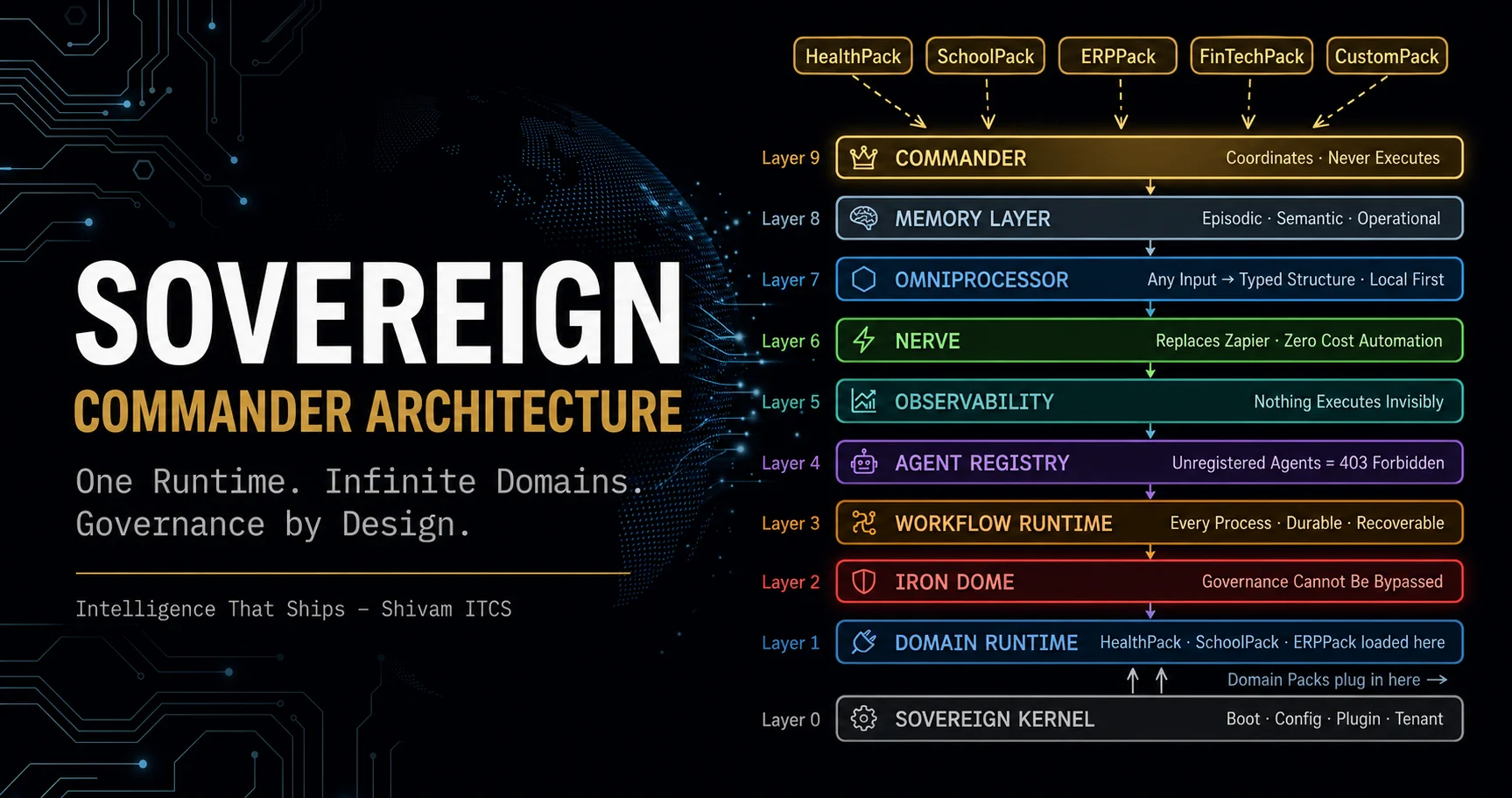
Commander Architecture: How We Cut AI Costs by 70% in Production
A detailed technical breakdown of how Claude Opus as Supreme Commander + local Qwen agents via Ollama creates a multi-agent system that delivers 40–70% AI infrastructure cost reduction — with real numbers.
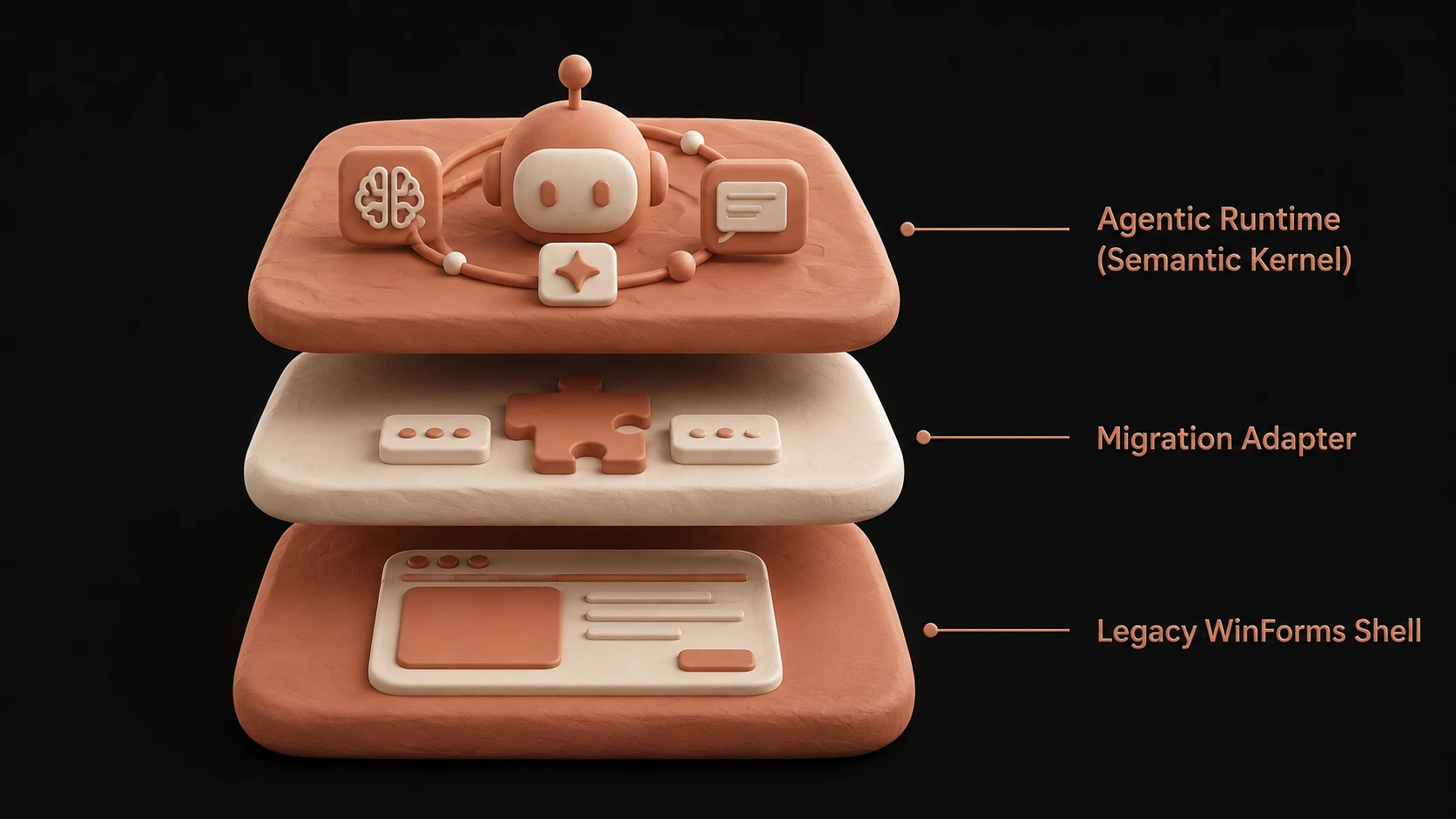
Thick Clients to Thick Agents: The .NET Migration Playbook
Enterprise .NET applications are entering a new architectural era. This guide explores how organizations can systematically migrate traditional thick-client applications toward AI-powered thick agents while preserving business logic, security, governance, and operational stability.
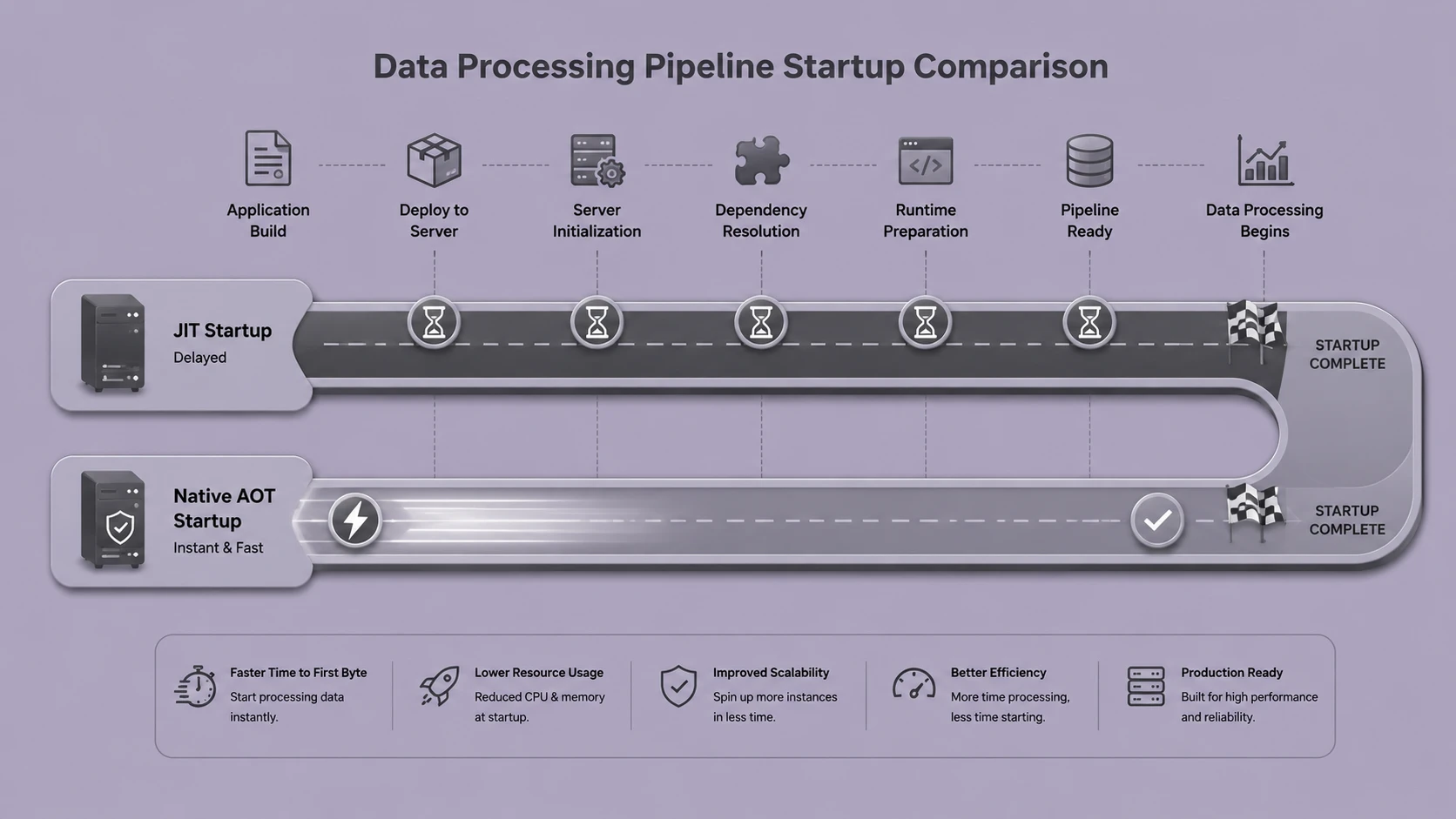
Native AOT in .NET 10: Reducing Server Cold Starts and Memory Footprint for AI Gateways
Native AOT in .NET 10 enables enterprise AI gateways to start faster, consume less memory, and scale efficiently in serverless and containerized environments. Discover architecture patterns, deployment strategies, and production best practices.
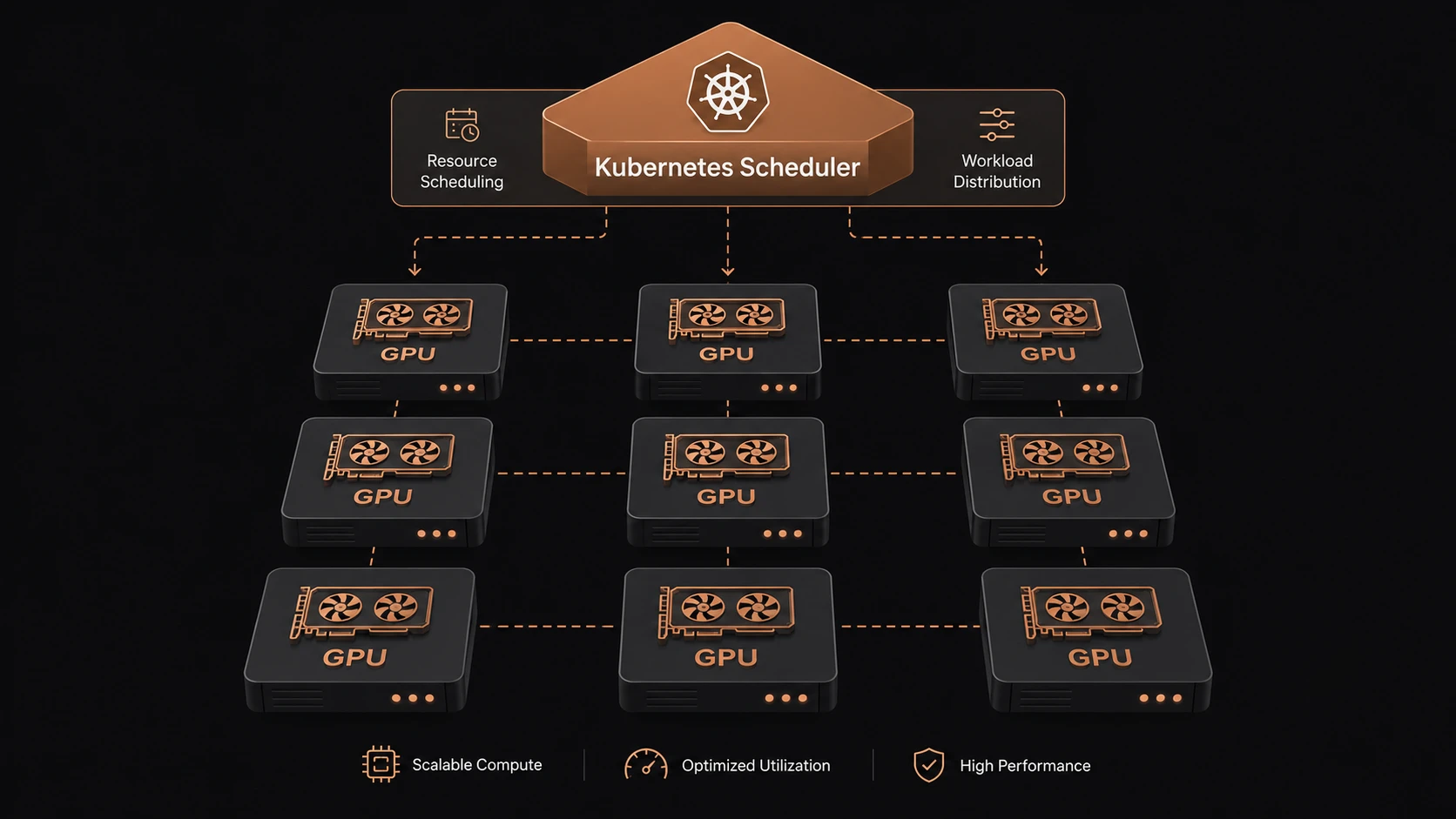
Scaling AI Infra: Deploying GPU Clusters with Kubernetes and vLLM Engines
Discover how to build scalable AI infrastructure using Kubernetes, GPU clusters, and vLLM inference engines to improve throughput, reduce latency, and optimize GPU utilization for enterprise AI applications.
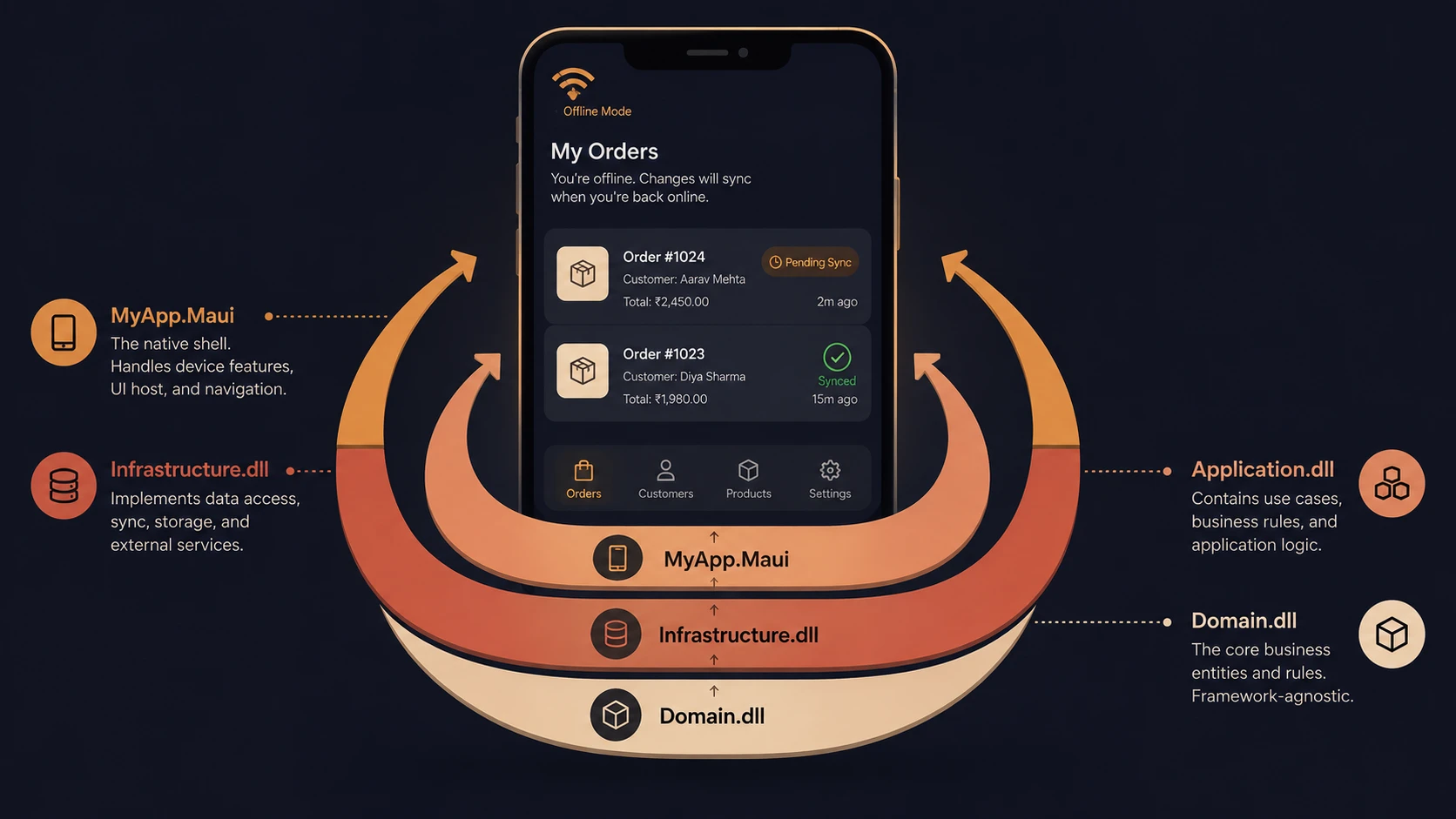
Clean Architecture in Blazor Hybrid: Building a Highly Resilient, Offline-First .NET MAUI App
How we built ContactHub — a cross-platform .NET MAUI mobile client sharing 95% of its UI with a Blazor WebAssembly admin dashboard, featuring offline SQLite caching and network sync orchestration.
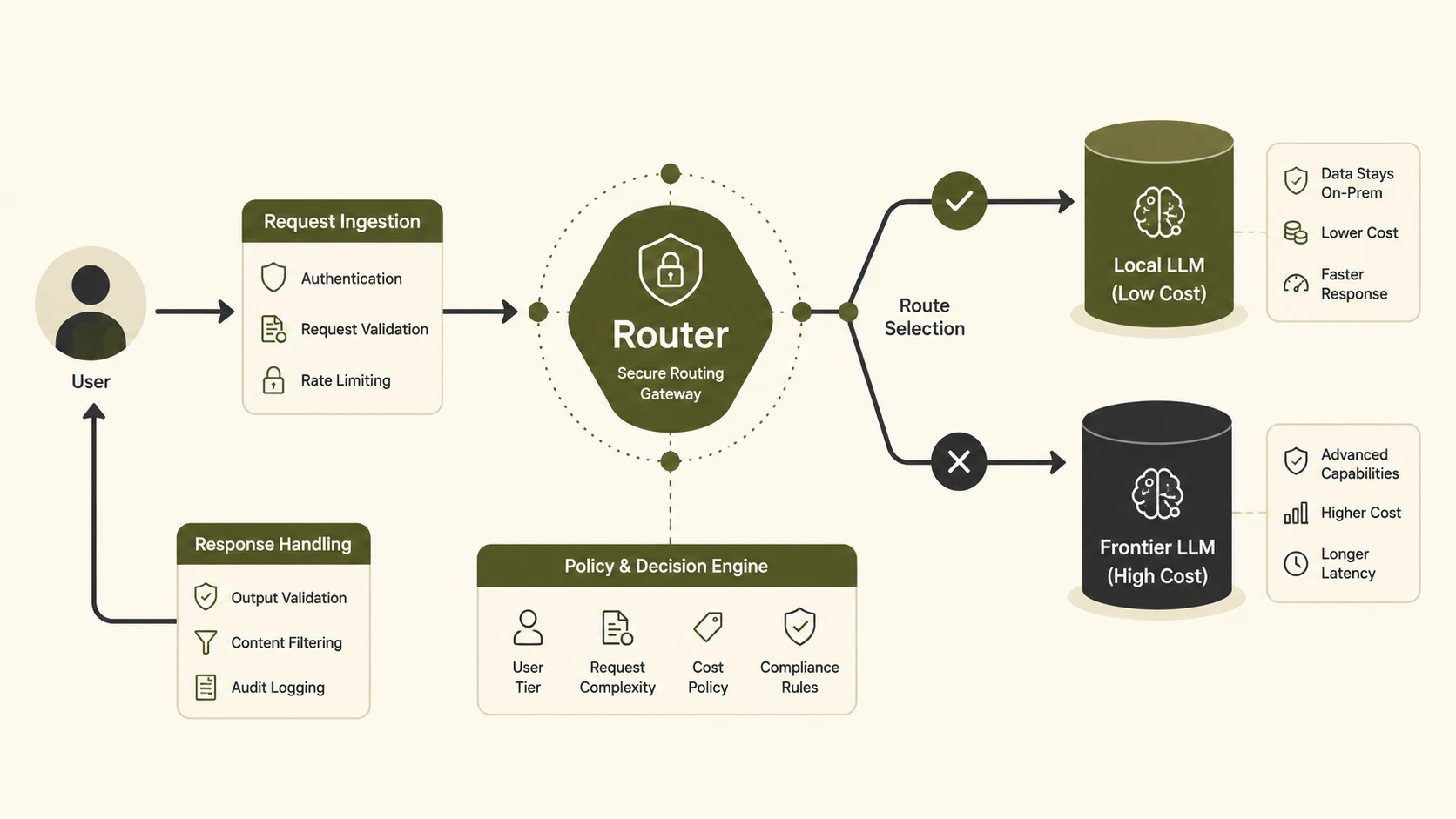
Cost-Optimized LLM Routing: Intelligently Dispatching Tasks Between Local and Cloud Models
Discover how enterprise AI platforms optimize inference costs by intelligently routing requests between local and cloud-hosted language models. Explore routing strategies, policy engines, latency optimization, and production-ready AI gateway architectures.
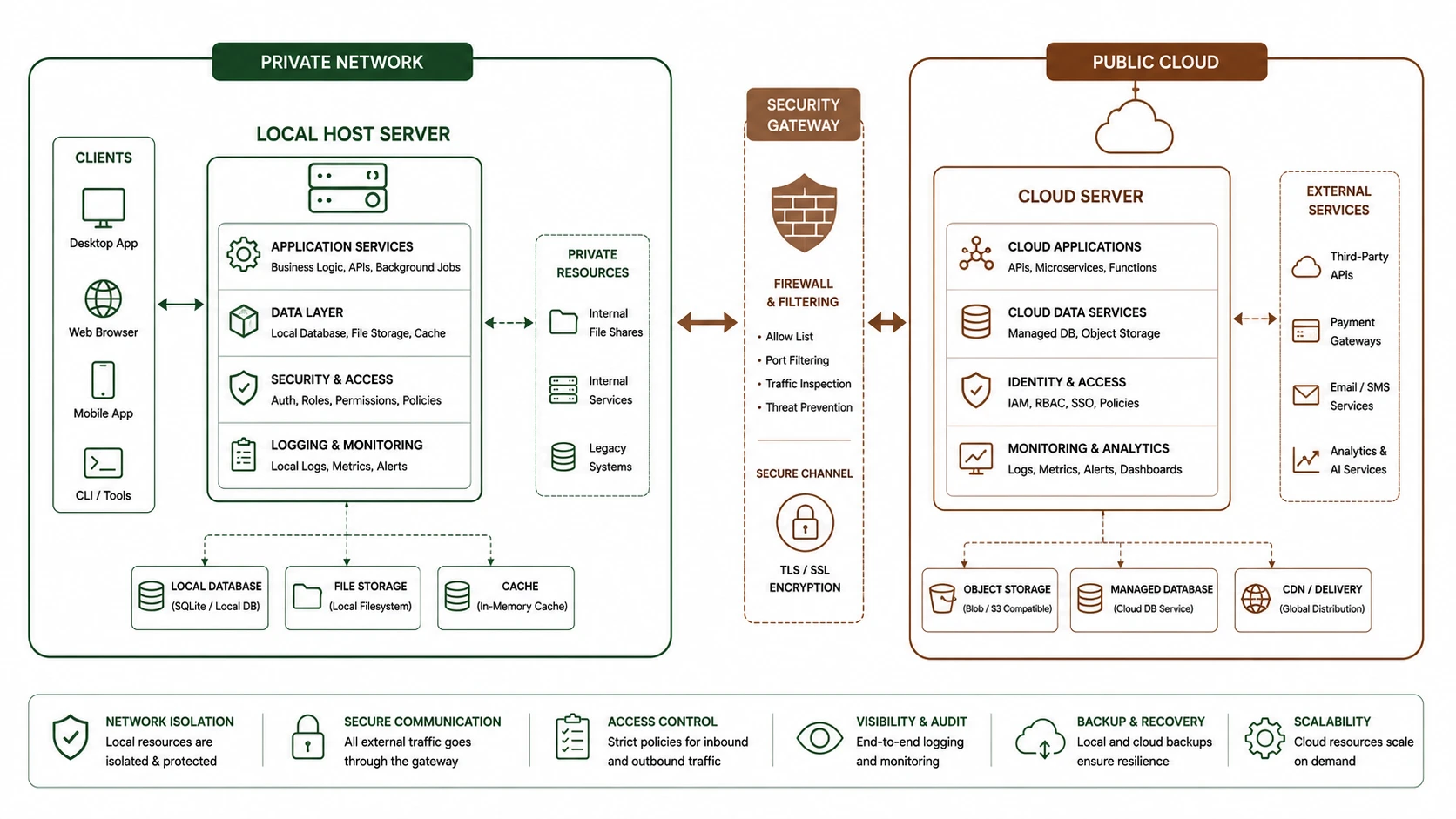
Ollama in Production: Deploying Quantized LLMs Locally to Mitigate Cloud Vulnerabilities
Discover how enterprises use Ollama to deploy quantized LLMs on local infrastructure, improving data privacy, reducing cloud dependency, lowering inference costs, and building resilient AI platforms.
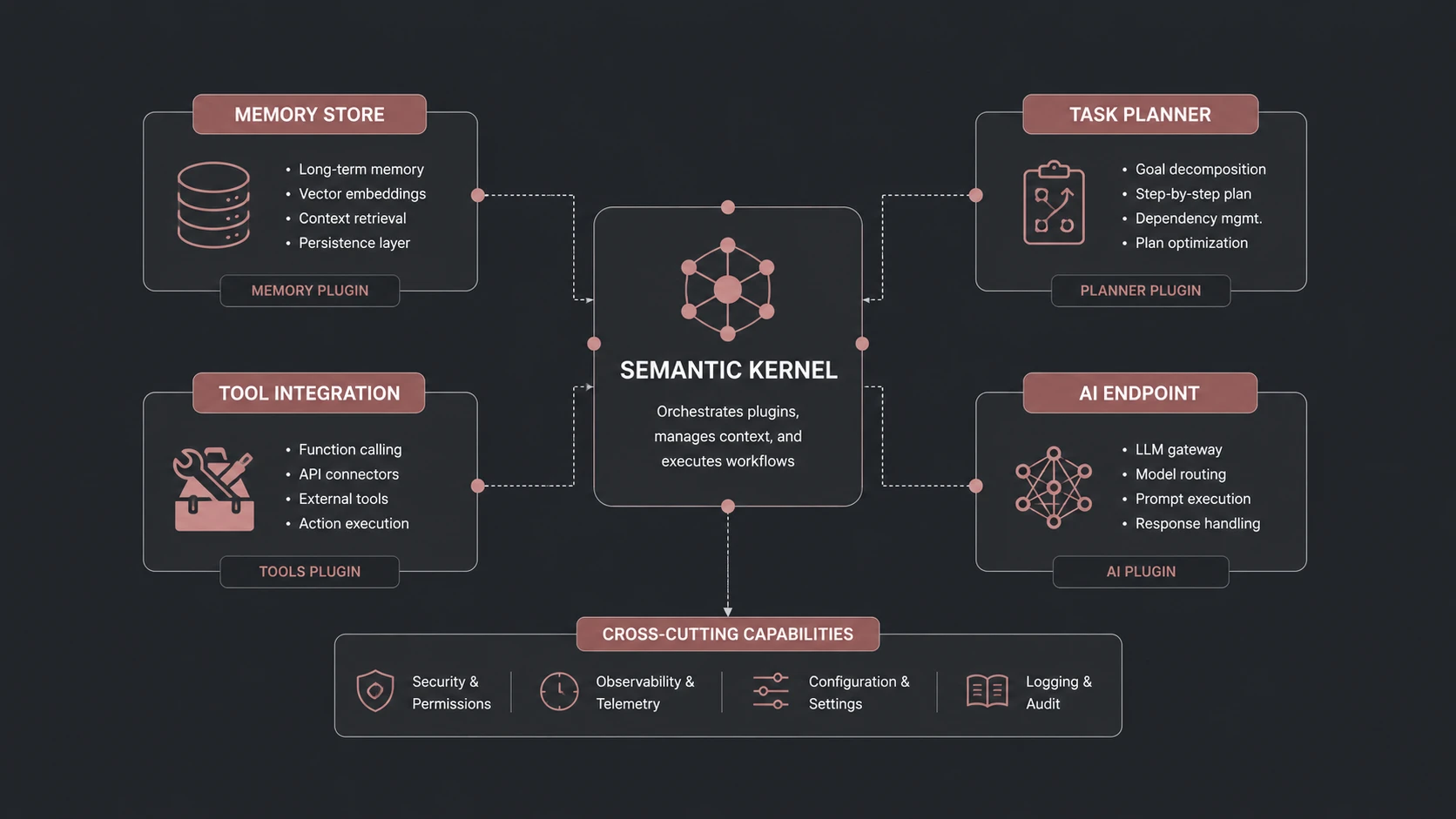
Mastering Microsoft Semantic Kernel: Building Cognitive Skills in Enterprise .NET Stacks
Discover how Microsoft Semantic Kernel empowers enterprise .NET developers to integrate LLMs, plugins, planners, memory, and AI orchestration into scalable business applications using a modular cognitive architecture.
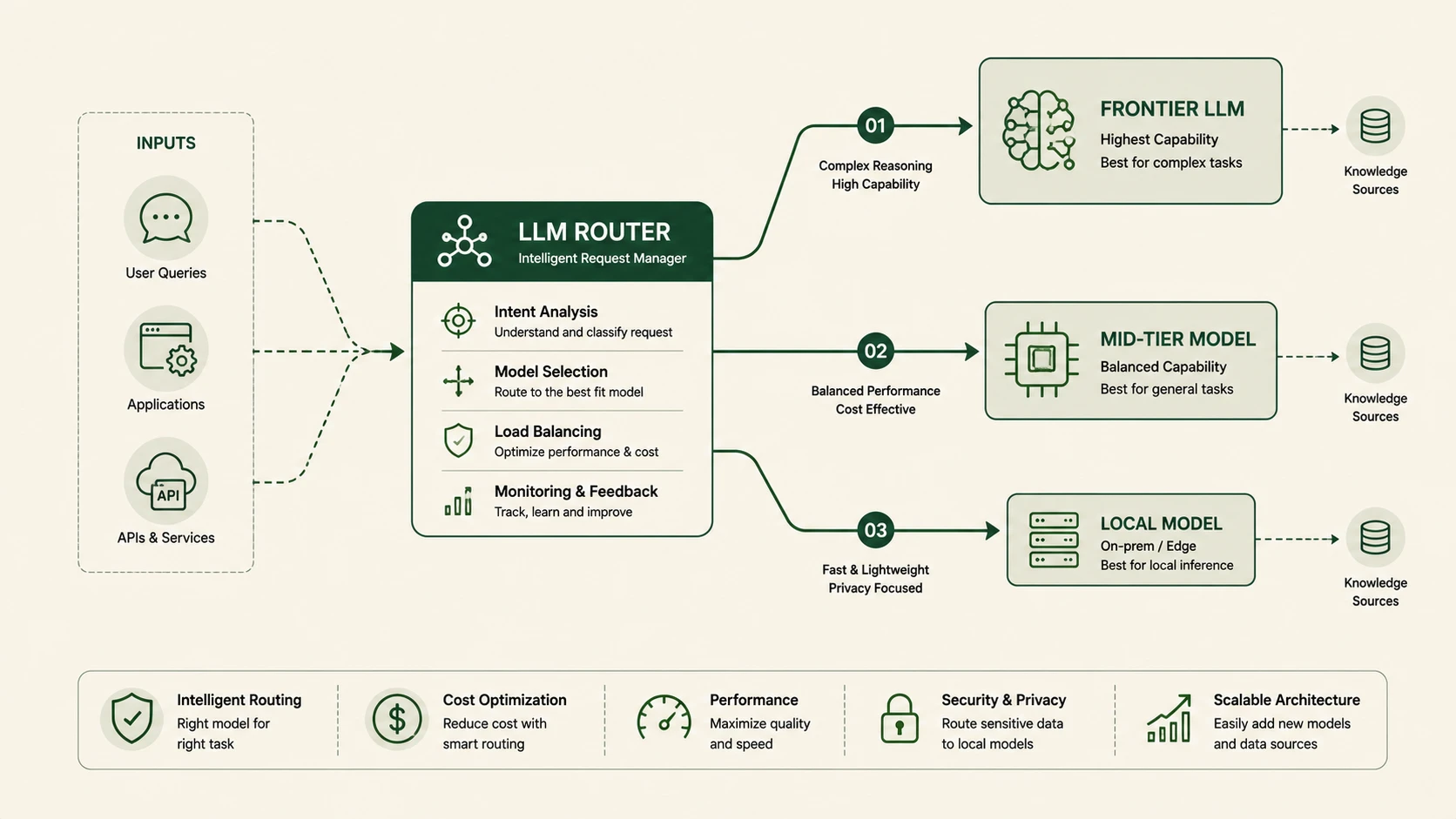
Multi-LLM Orchestration: Managing Asymmetric Model Networks in Production Pipelines
Discover how Multi-LLM orchestration enables organizations to intelligently coordinate specialized AI models for reasoning, coding, retrieval, vision, and workflow automation while optimizing cost, latency, and reliability.
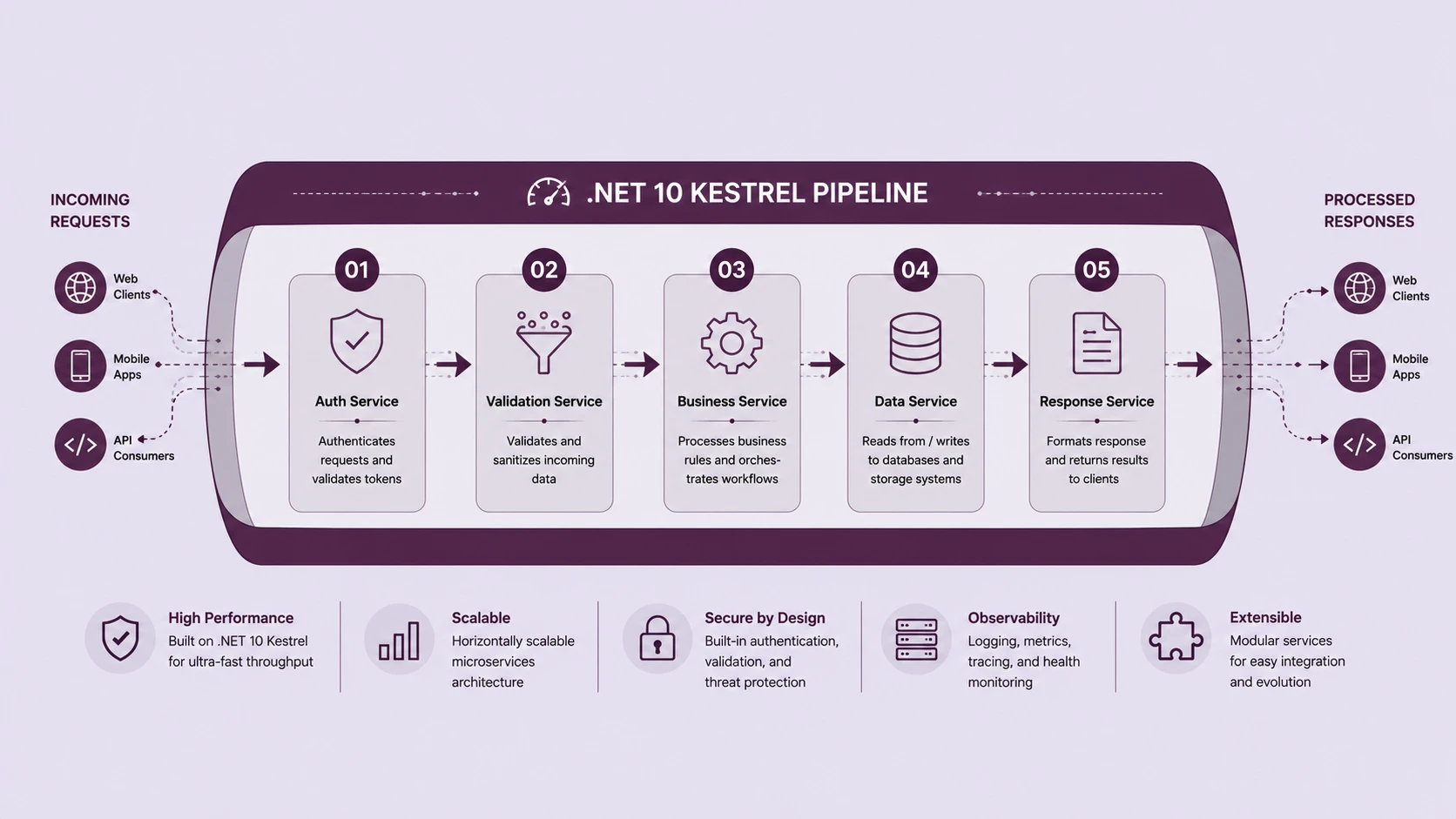
Deep Dive into .NET 10: Building High-Throughput Microservices for Agentic Systems
Discover how .NET 10 empowers enterprises to build scalable, resilient, and high-throughput microservices that power modern Agentic AI systems with low latency, efficient communication, and production-grade reliability.
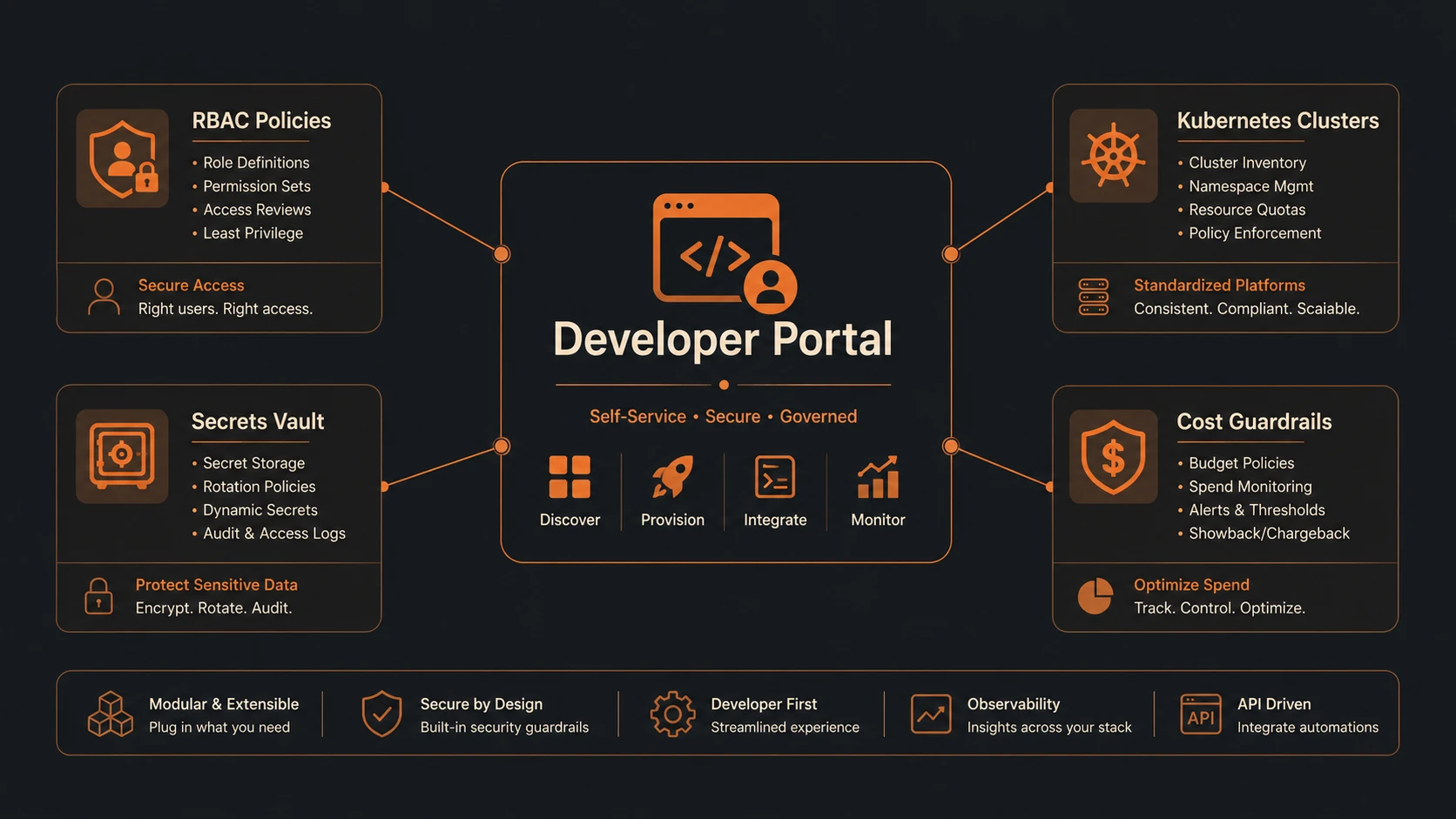
Platform Engineering Governance: Managing Complexity at Scale
Discover how platform engineering governance establishes standardized developer platforms, policy automation, self-service infrastructure, security guardrails, and operational consistency across large enterprise engineering organizations.
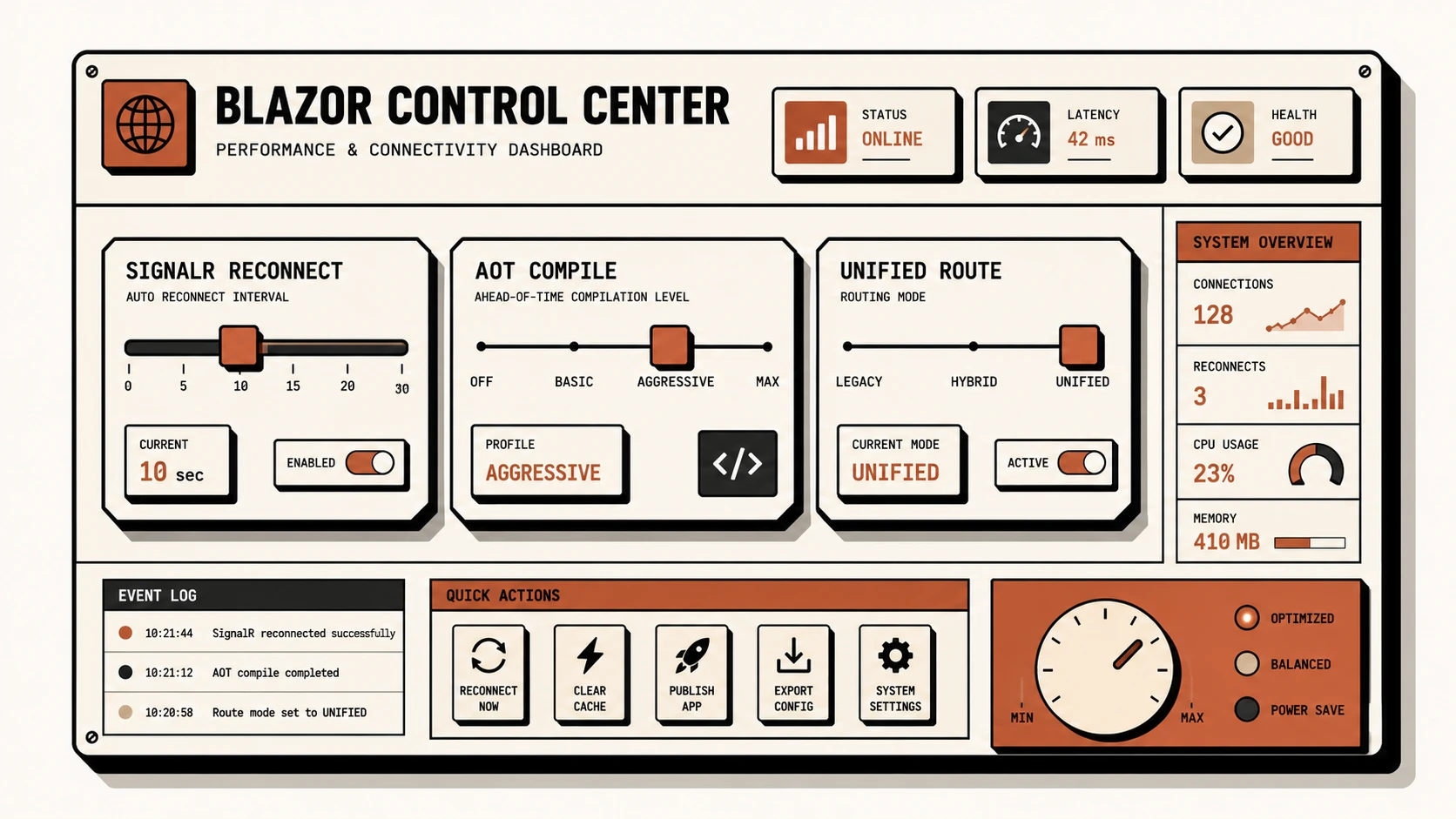
Blazor in 2025: Is It Ready for Enterprise Production?
Five years after its launch, Blazor has matured significantly across rendering models, ecosystem, tooling, and performance. This honest enterprise assessment covers .NET 8 unified rendering, production architecture patterns, the component ecosystem in 2025, and where Blazor is genuinely the right choice versus where it still falls short.