Why Intelligent LLM Routing Matters
As enterprises deploy multiple language models across cloud and on-premise environments, choosing the right model for every request becomes just as important as selecting the model itself. Running every request on the largest cloud model increases infrastructure costs, while relying entirely on local models may reduce response quality for complex tasks.
Cost-optimized LLM routing solves this challenge by dynamically dispatching requests to the most appropriate model based on complexity, latency requirements, cost constraints, and business policies.
Architecture Principle: Every AI request should be routed to the lowest-cost model capable of delivering the required quality and response time.
---
The Problem with Static Model Selection
Many AI applications send every request to a single provider regardless of its complexity.
This creates several issues:
- ◆Unnecessary inference costs
- ◆Higher response latency
- ◆Increased API usage
- ◆GPU resource waste
- ◆Limited scalability
- ◆Vendor dependency
- ◆Reduced infrastructure flexibility
A routing layer eliminates these inefficiencies by making intelligent decisions before inference begins.
---
How Intelligent Routing Works
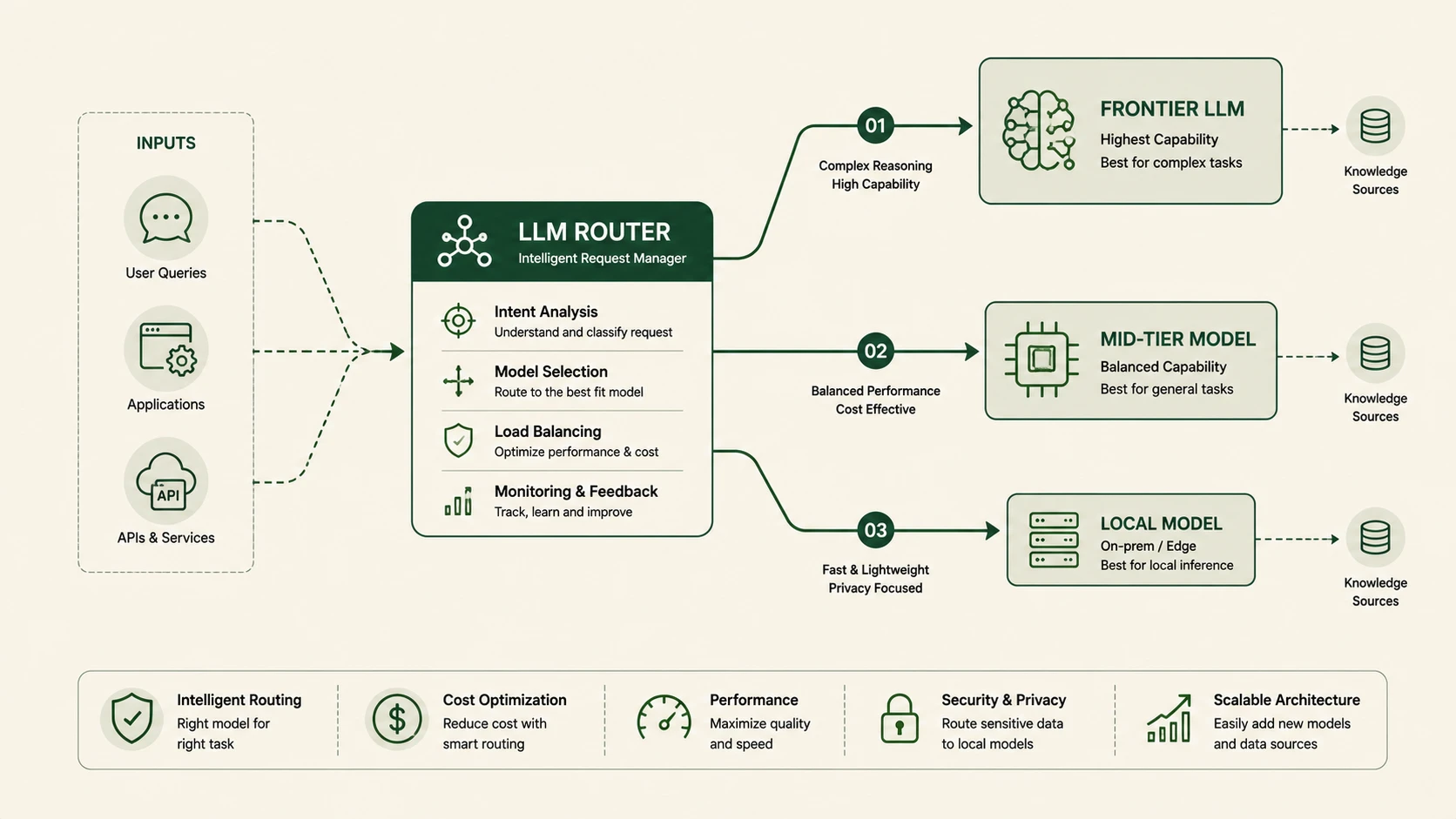
An AI gateway evaluates each request before selecting a model.
Common routing factors include:
- ◆Prompt complexity
- ◆Estimated token count
- ◆Latency requirements
- ◆Cost budget
- ◆Privacy policies
- ◆GPU availability
- ◆Model capabilities
- ◆Business priority
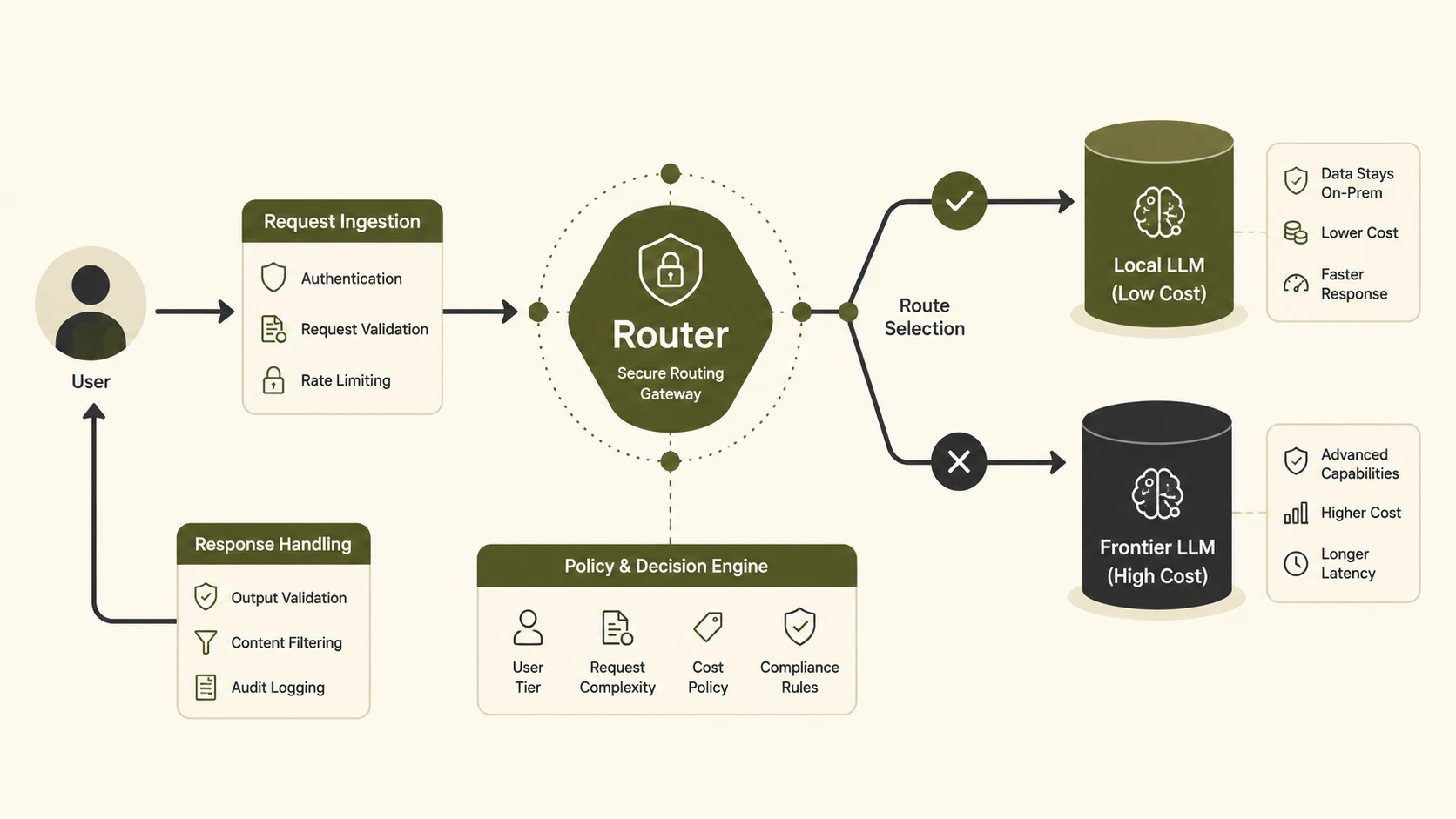
The gateway then routes the request to either a local inference cluster or a cloud-hosted foundation model.
---
Reference Architecture
A production AI routing platform typically follows this architecture:
User Request
      │
      ▼
API Gateway
      │
Request Classifier
      │
Policy Engine
      │
Cost & Latency Analyzer
      │
──────────────────────────────
│ Local LLM │ Cloud Models │
──────────────────────────────
      │
Response Aggregation
      │
Monitoring & Logging
This layered architecture separates routing intelligence from model execution.
---
When to Use Local Models
Local models are ideal for workloads that require:
- ◆Low operational cost
- ◆Data privacy
- ◆Predictable latency
- ◆Internal knowledge processing
- ◆High request volume
- ◆Offline operation
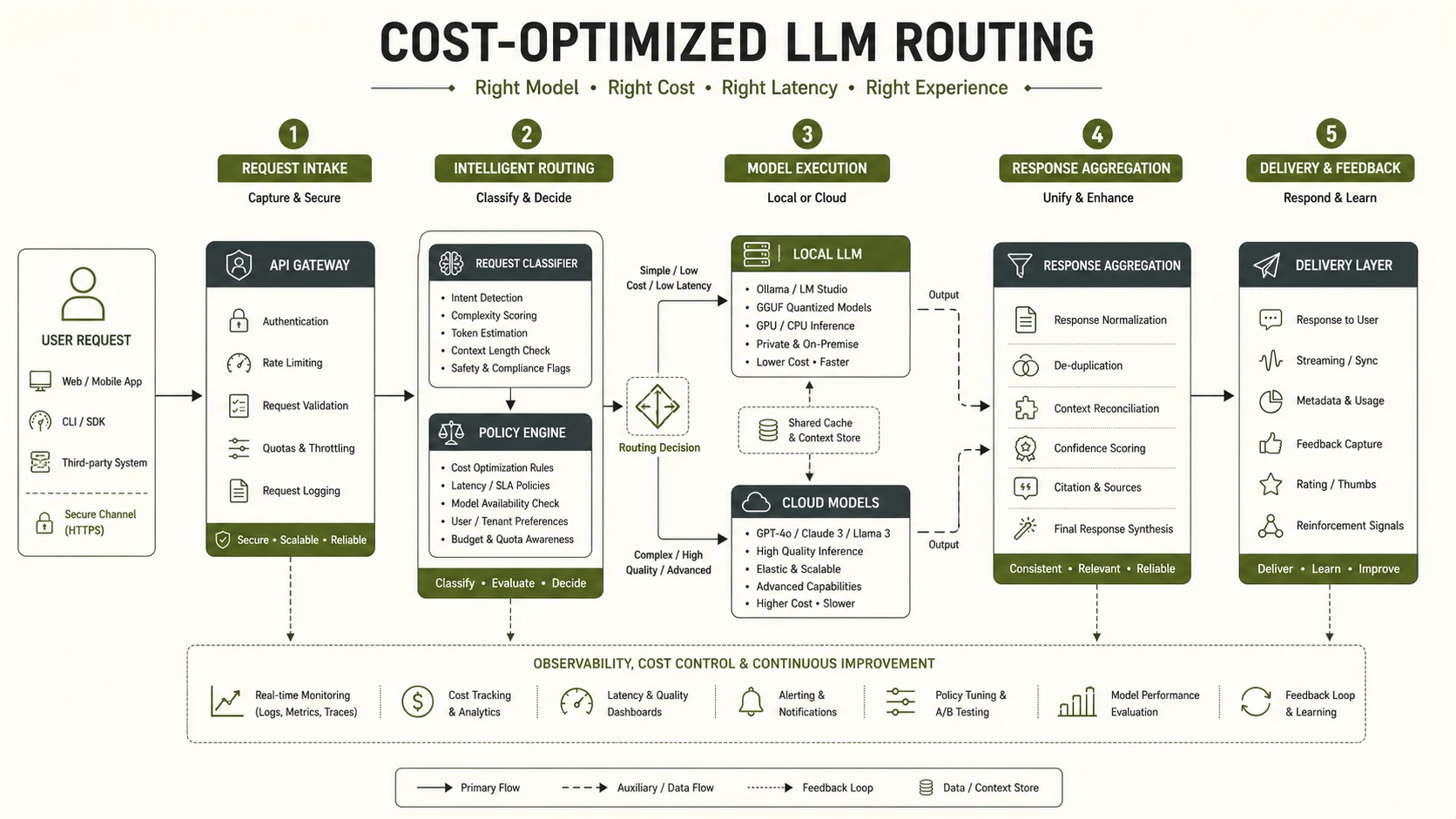
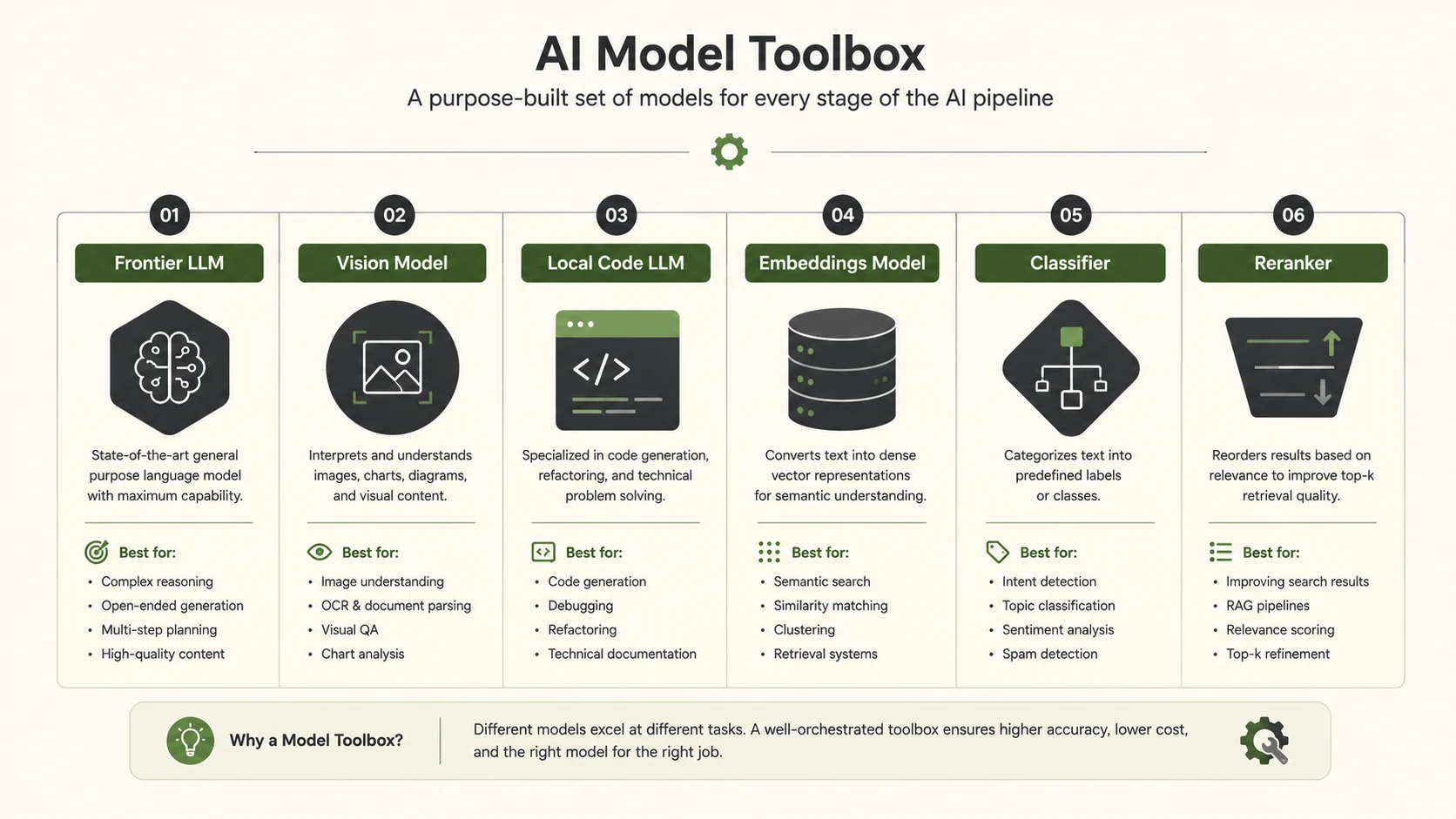
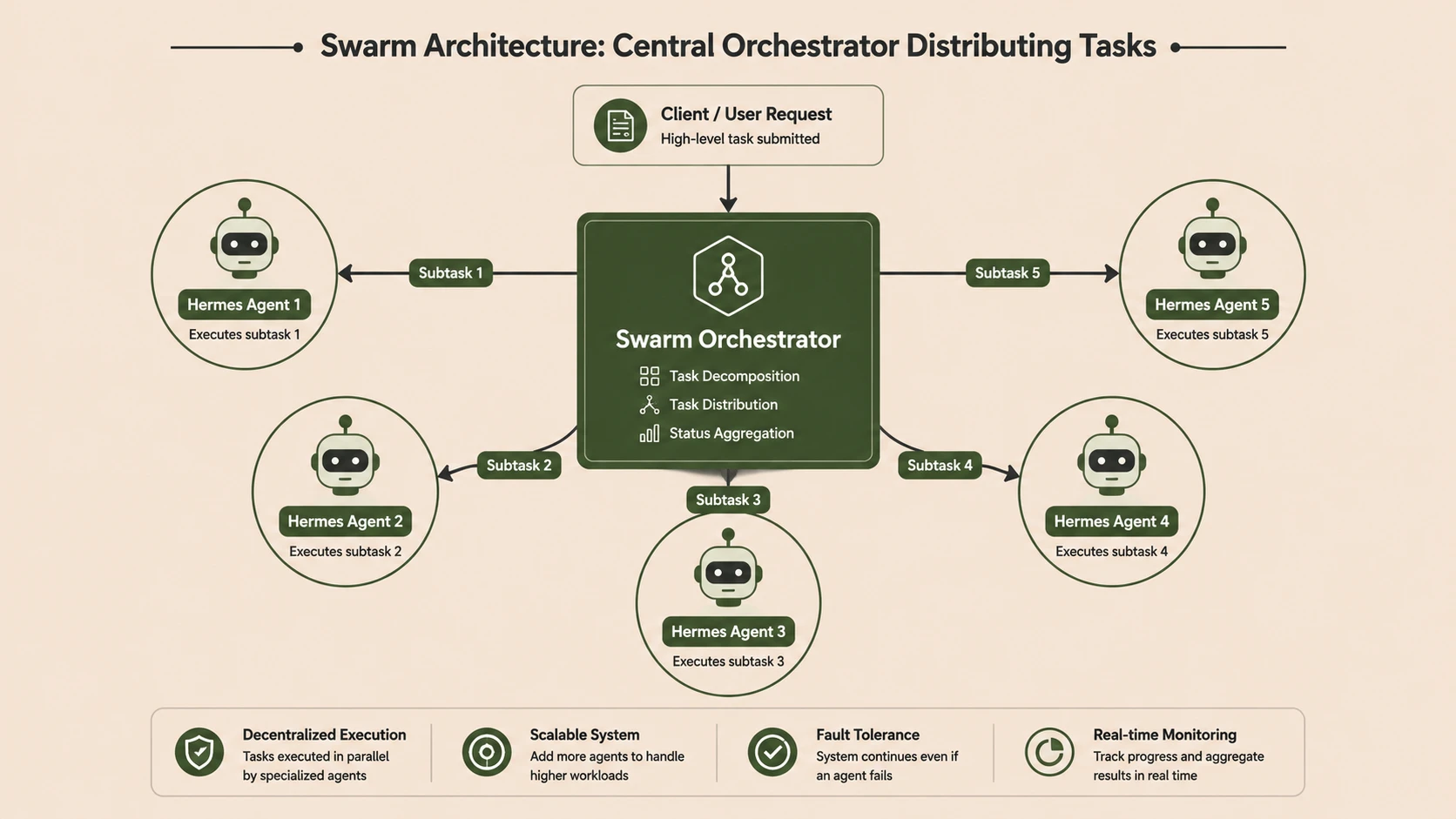
System architecture diagram and conceptual workflow layout for Cost-Optimized LLM Routing.
Running these tasks locally reduces cloud expenses while maintaining full control over sensitive data.
---
When Cloud Models Make Sense
Cloud-hosted foundation models remain valuable for:
- ◆Complex reasoning
- ◆Large context windows
- ◆Advanced coding tasks
- ◆Multimodal AI
- ◆High-accuracy responses
- ◆Specialized enterprise workflows
A hybrid architecture combines the strengths of both deployment models.
---
Policy-Driven Routing
Routing decisions should follow configurable enterprise policies.
Examples include:
- ◆Route confidential prompts locally
- ◆Use cloud models for reasoning-intensive tasks
- ◆Limit monthly cloud spending
- ◆Prioritize low-latency inference
- ◆Fail over automatically when a provider is unavailable
- ◆Balance workloads across multiple models
These policies allow organizations to optimize performance without sacrificing governance.
---
Monitoring and Optimization
A routing platform continuously evaluates infrastructure performance.
Important metrics include:
- ◆Cost per request
- ◆Average latency
- ◆Token consumption
- ◆GPU utilization
- ◆Model accuracy
- ◆Routing success rate
- ◆Cloud API usage
- ◆Cache hit ratio
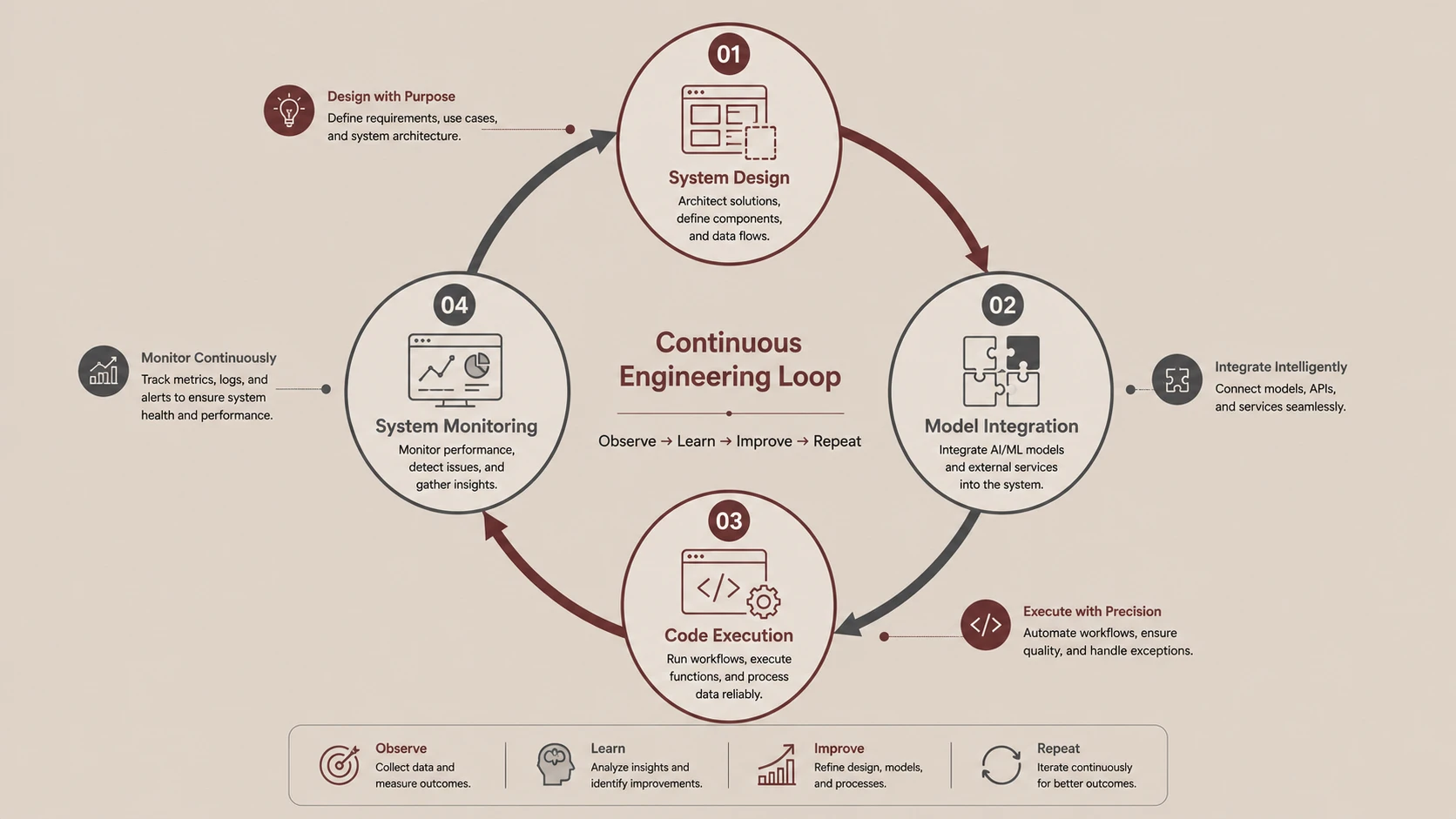
Observability helps refine routing strategies over time.
---
Best Practices
Organizations implementing hybrid AI routing should follow these principles:
| Area | Best Practice |
|---|---|
| Routing | AI Gateway |
| Decision Engine | Policy-Based Routing |
| Local Serving | vLLM or Ollama |
| Cloud Models | Multi-Provider Support |
| Cost Control | Budget Policies |
| Performance | Latency Monitoring |
| Security | Private Model Routing |
| Reliability | Automatic Failover |
---
The Future of Hybrid AI Infrastructure
Hybrid AI platforms are becoming the preferred architecture for enterprise deployments. Rather than relying exclusively on local or cloud-hosted models, organizations increasingly use intelligent routing to balance quality, performance, privacy, and cost.
By introducing a policy-driven AI gateway capable of dispatching requests dynamically, enterprises can reduce infrastructure expenses, improve responsiveness, and build resilient AI systems that adapt to changing workloads without compromising user experience.