The Rise of the Full-Cycle Intelligence Engineer
Software engineering is undergoing its biggest transformation since the introduction of cloud computing. As AI systems evolve beyond simple assistants into autonomous decision-makers, organizations need engineers who can design complete intelligence systems rather than isolated AI features.
The Full-Cycle Intelligence Engineer represents this next evolution. Instead of focusing solely on application development or machine learning, this role is responsible for designing, integrating, governing, and continuously improving the entire intelligence lifecycle.
Architecture Principle: Intelligent systems should continuously perceive, reason, act, learn, and improve rather than simply respond to prompts.
---
What Is Full-Cycle Intelligence Engineering?
A Full-Cycle Intelligence Engineer designs every stage of an AI-powered system—from how information enters the platform to how autonomous agents make decisions and continuously improve through feedback.
Unlike traditional software engineering, this discipline combines multiple domains:
- ◆AI System Design
- ◆LLM Engineering
- ◆Agent Orchestration
- ◆Knowledge Engineering
- ◆Prompt Engineering
- ◆RAG Architecture
- ◆Distributed Systems
- ◆Cloud Infrastructure
- ◆Security & Governance
- ◆Observability
The objective is not simply to integrate an LLM, but to create a reliable intelligence platform capable of solving business problems autonomously.
---
The Intelligence Lifecycle
A mature AI platform follows a continuous intelligence loop:
Enterprise Data
      │
      ▼
Perception
      │
Context Understanding
      │
Memory Formation
      │
Reasoning
      │
Planning
      │
Tool Execution
      │
Validation
      │
Learning
      │
Continuous Optimization
Every stage contributes to improving the quality and reliability of autonomous decision-making.
---
Core Components of an Intelligent System
A Full-Cycle Intelligence Engineer typically works with the following building blocks:
- ◆Enterprise Data Connectors
- ◆Knowledge Graphs
- ◆Vector Databases
- ◆Retrieval Pipelines
- ◆Multi-Agent Frameworks
- ◆Planning Engines
- ◆Memory Systems
- ◆Tool Execution Services
- ◆Policy Engines
- ◆Evaluation Frameworks
- ◆Monitoring Platforms
- ◆Feedback Loops
Each component performs a specialized role while contributing to the overall intelligence architecture.
---
Designing Systems That Think
Thinking systems differ from traditional software because they actively evaluate information before acting.
A production-grade intelligence platform generally performs:
- 1.Observe incoming information.
- 2.Understand user intent and business context.
- 3.Retrieve relevant enterprise knowledge.
- 4.Generate reasoning plans.
- 5.Select appropriate AI agents.
- 6.Execute enterprise tools.
- 7.Validate generated outputs.
- 8.Learn from execution results.
- 9.Improve future decisions.

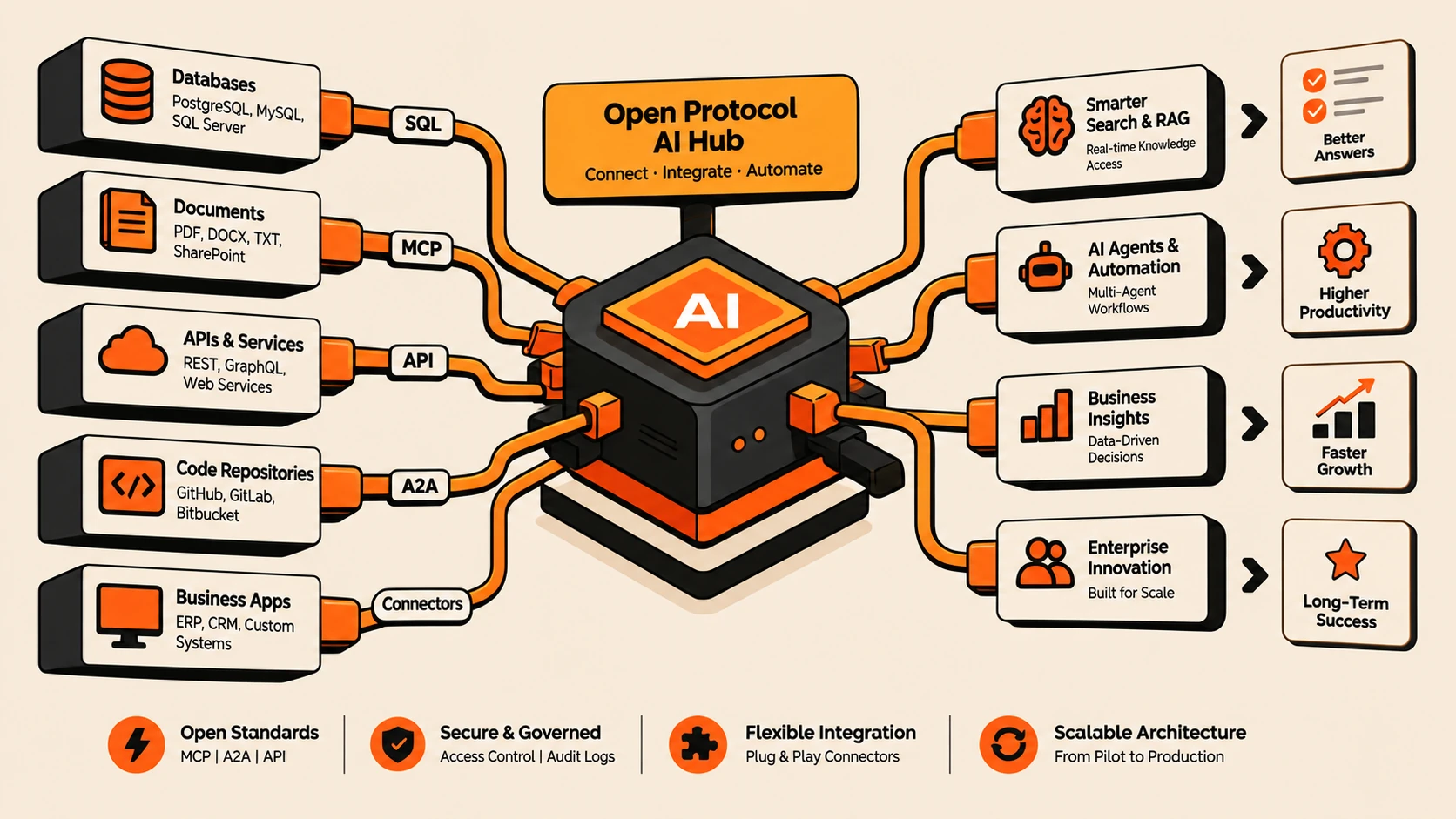
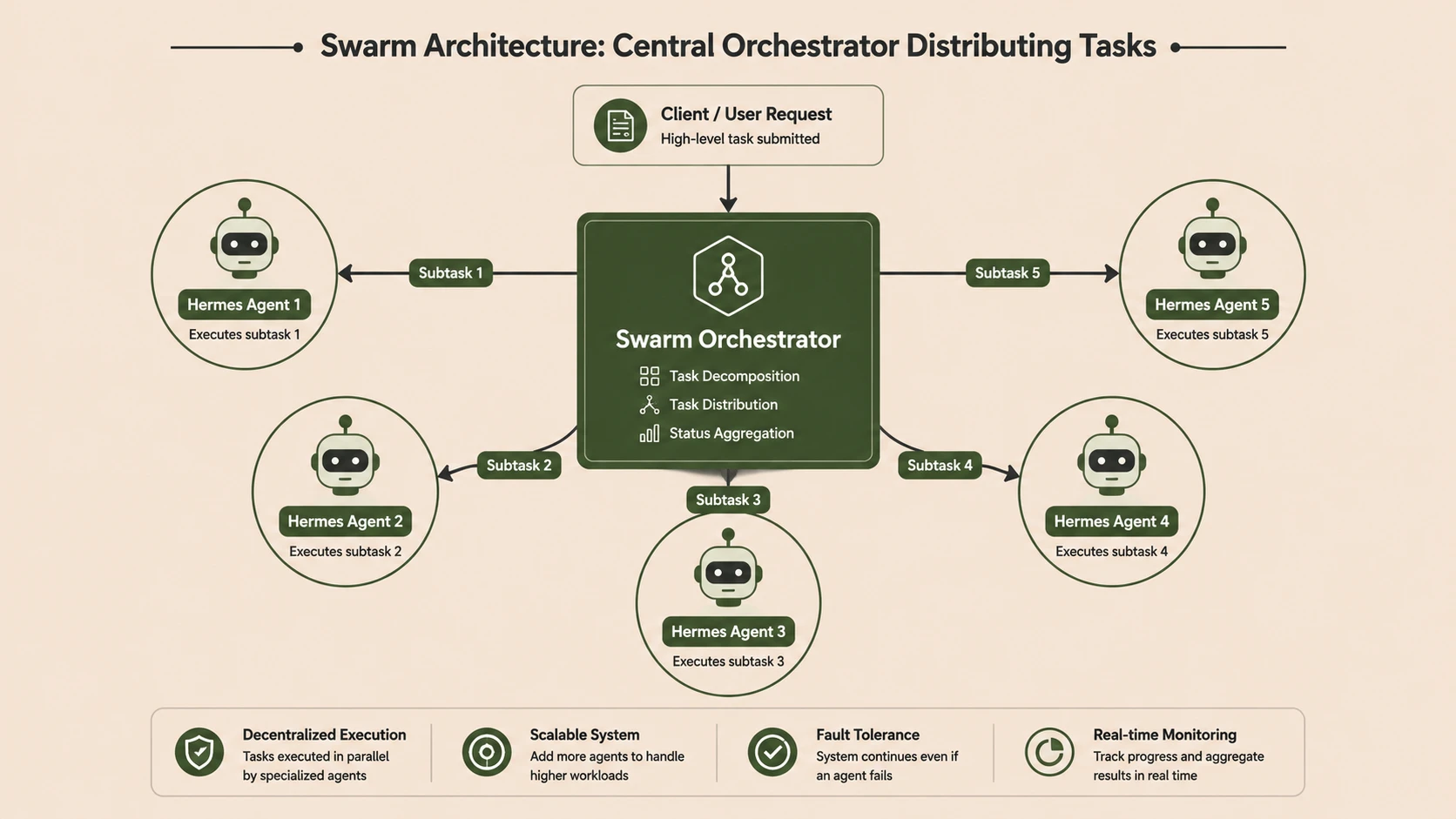
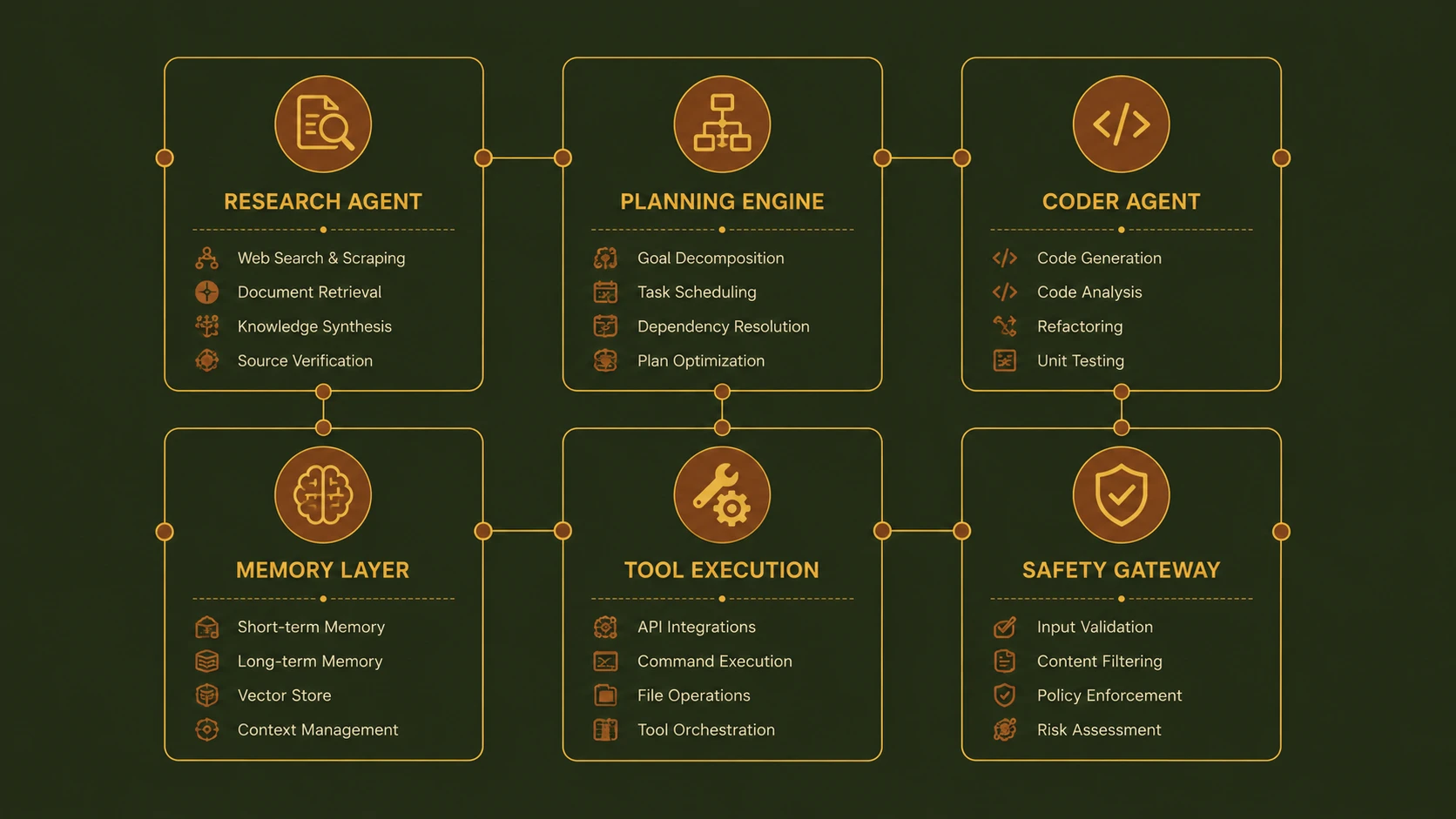
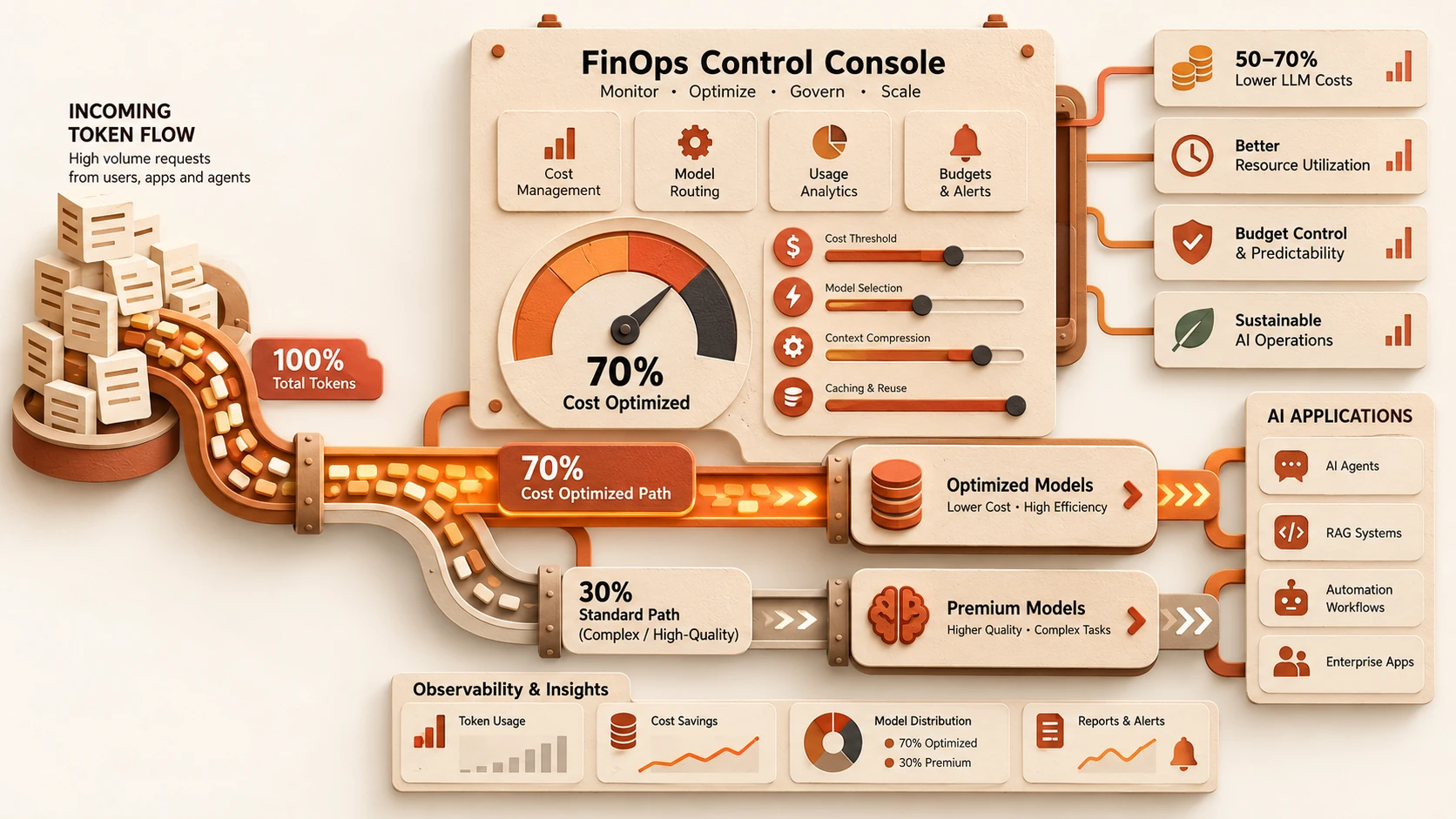
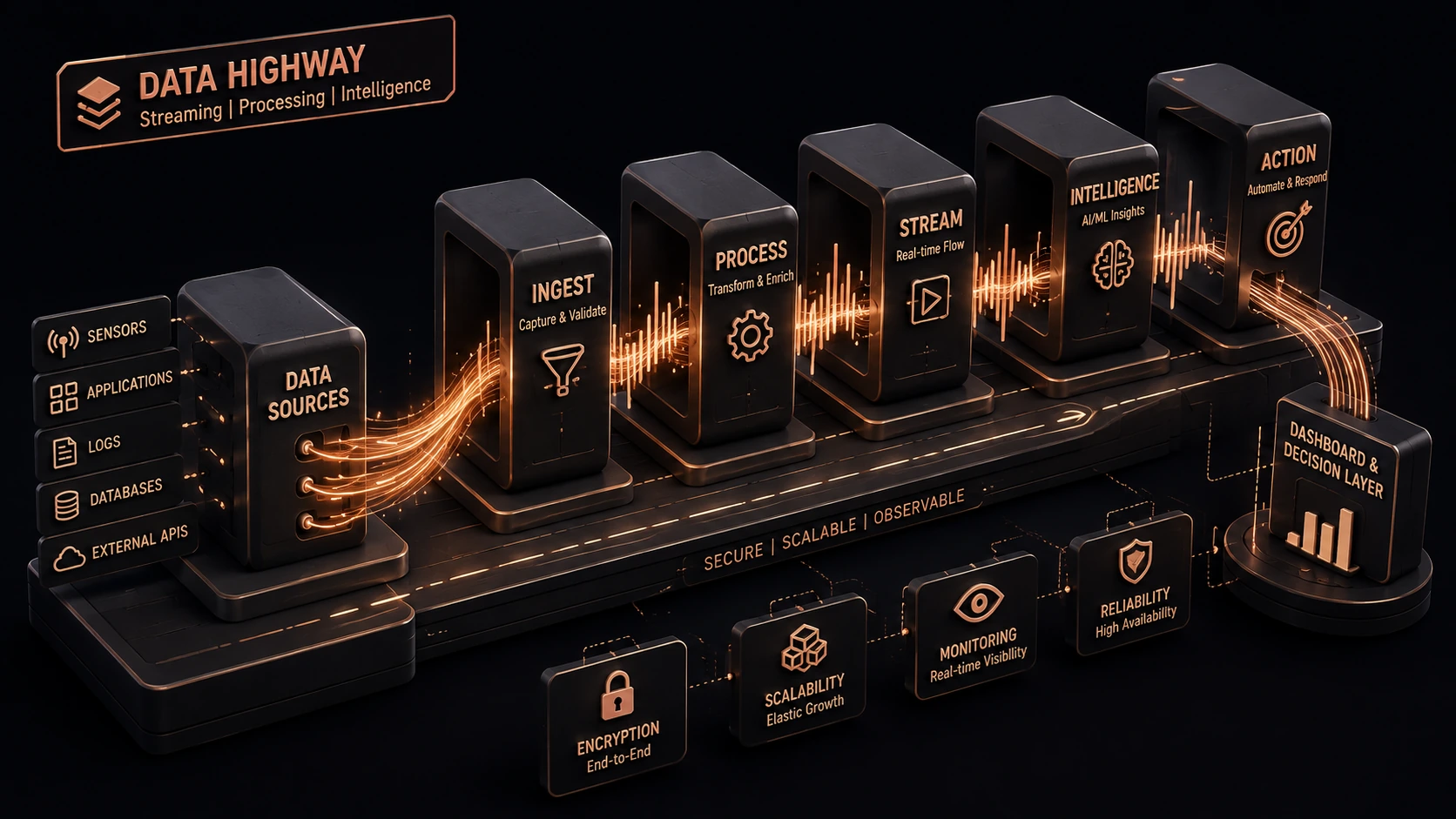
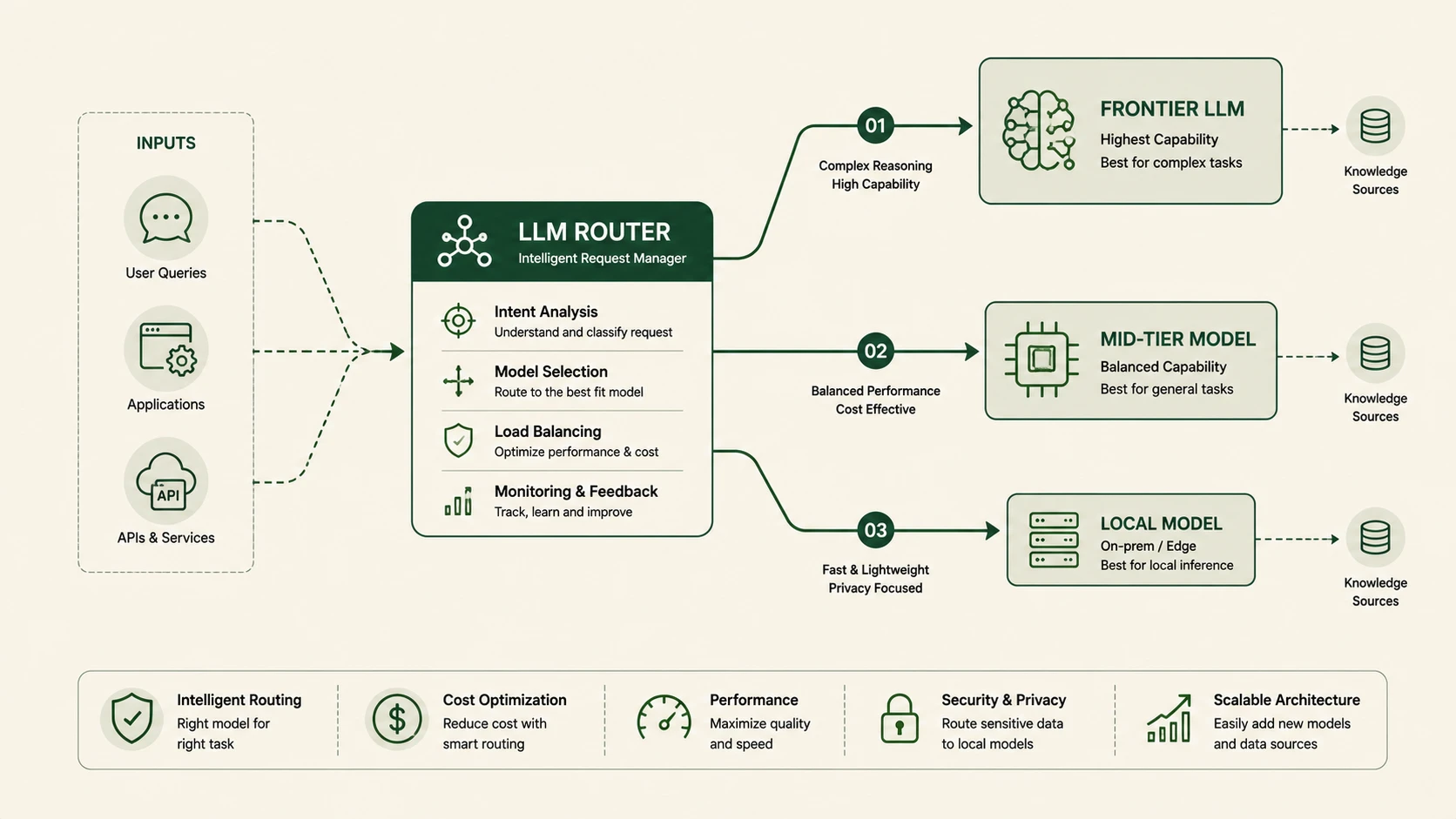
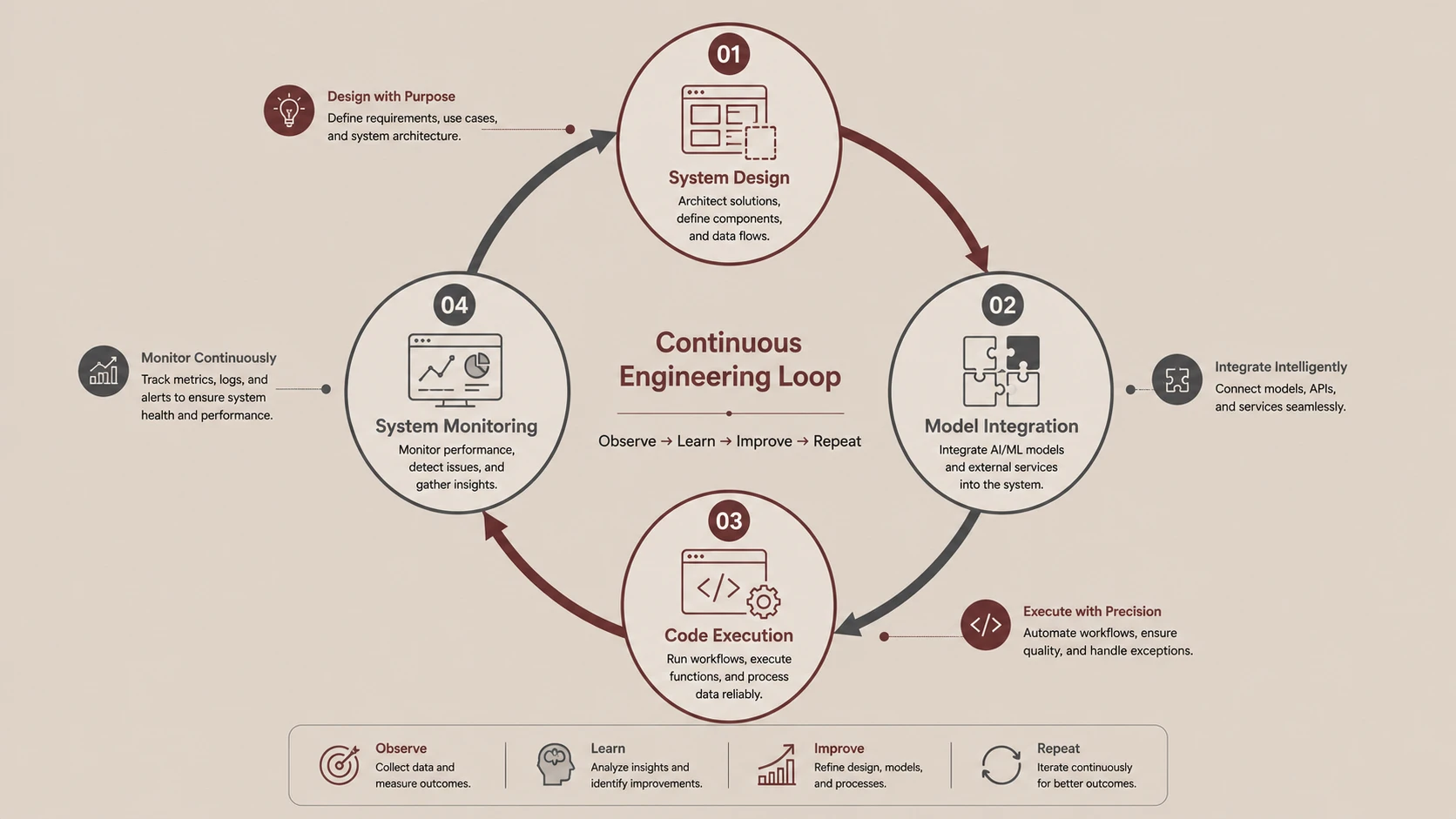
System architecture diagram and conceptual workflow layout for Full-Cycle Intelligence Engineer.
This continuous feedback cycle allows AI systems to become progressively more reliable over time.
---
Multi-Agent Collaboration
Modern enterprise platforms rarely rely on a single AI agent.
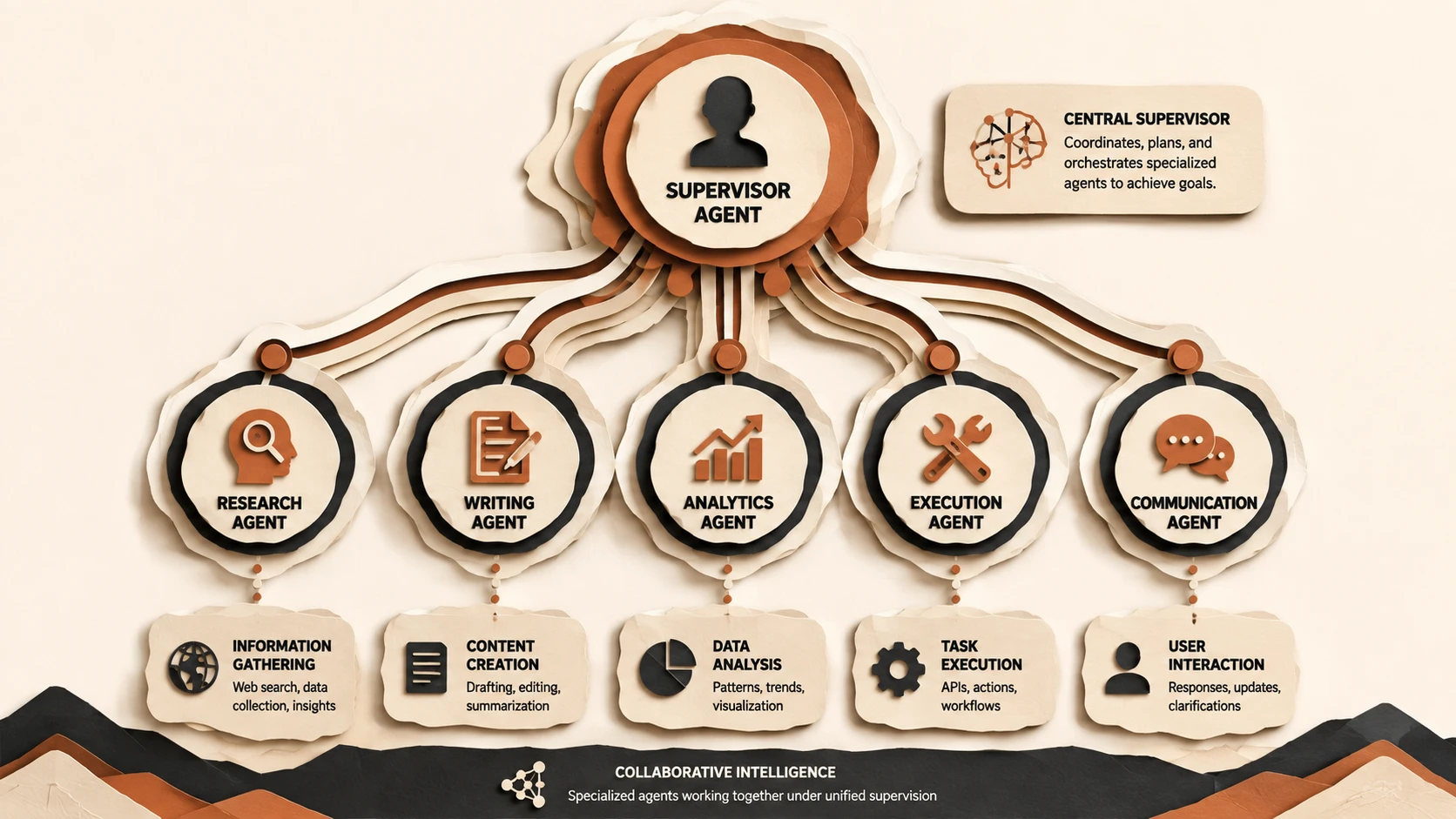
Instead, specialized agents collaborate on different responsibilities:
- ◆Research Agent
- ◆Planning Agent
- ◆Coding Agent
- ◆Security Agent
- ◆QA Agent
- ◆Retrieval Agent
- ◆Workflow Agent
- ◆Monitoring Agent
An orchestration layer coordinates these agents while maintaining shared memory and governance.
---
Infrastructure Requirements
Building intelligent systems requires a robust technology foundation.
Typical infrastructure includes:
- ◆Kubernetes
- ◆GPU Clusters
- ◆LLM Gateways
- ◆Vector Databases
- ◆Event Streaming
- ◆Distributed Caching
- ◆Model Registries
- ◆API Gateways
- ◆Observability Platforms
- ◆CI/CD Pipelines
Scalable infrastructure ensures intelligence systems remain responsive under production workloads.
---
Governance and Continuous Learning
Intelligent systems must evolve safely.
Recommended governance practices include:
- ◆Policy-driven execution
- ◆Human approval workflows
- ◆Prompt versioning
- ◆Model evaluation
- ◆Audit logging
- ◆Security monitoring
- ◆Feedback collection
- ◆Continuous benchmarking
These mechanisms help organizations improve AI quality without sacrificing reliability or compliance.
---
Best Practices
| Area | Best Practice |
|---|---|
| Architecture | Modular Intelligence Platform |
| Memory | Persistent Shared Context |
| Agents | Specialized Autonomous Services |
| Decision Making | Policy-Governed Reasoning |
| Infrastructure | Cloud-Native Distributed Systems |
| Security | Zero Trust AI |
| Monitoring | End-to-End Observability |
| Optimization | Continuous Feedback Loops |
---
The Future of Intelligence Engineering
The future of enterprise software will not be defined solely by applications but by intelligent systems capable of understanding, reasoning, collaborating, and continuously improving. Full-Cycle Intelligence Engineers will bridge the gap between software engineering, AI research, cloud infrastructure, and business strategy.
Organizations that invest in this discipline today will be better positioned to build AI-native platforms that are adaptive, resilient, and capable of delivering long-term competitive advantage in an increasingly autonomous digital world.