Microsoft Development
Viewing all posts categorized under Microsoft Development.

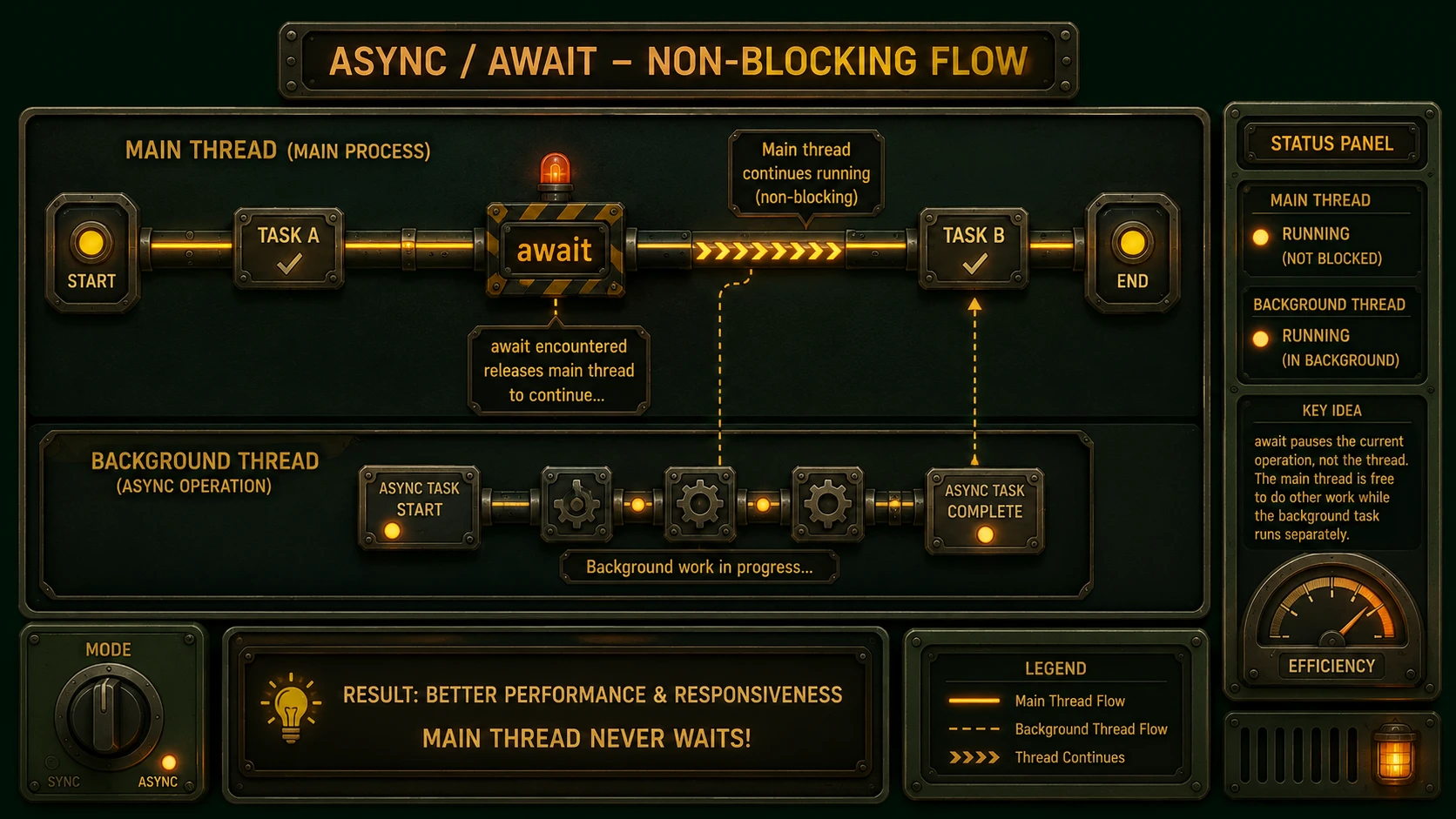
C# 5.0 Async and Await: How Microsoft Simplified Asynchrony
Microsoft's upcoming C# 5.0 language enhancements introduce async and await, promising to simplify asynchronous programming across desktop, web, and server applications. As developers evaluate the Async CTP and Visual Studio 11 previews, enterprise teams are beginning to assess how these language features could reshape application architecture and improve maintainability. This article examines the concepts, benefits, challenges, and adoption considerations from the perspective of December 2011.

Windows 8 Metro UI: Microsoft's Radical Pivot to Touch Design
With the Windows 8 Developer Preview now available, Microsoft has introduced Metro, a bold new design language centered on touch-first interaction, immersive applications, and modern user experiences. This article examines the architectural, design, and enterprise implications of Microsoft's new direction from the perspective of September 2011.

Functional Paradigms in C#: Using LINQ and Lambdas Effectively
Functional programming concepts are steadily influencing mainstream enterprise development. Through LINQ, lambda expressions, extension methods, and delegates, C# enables developers to write more expressive, maintainable, and testable code without abandoning object-oriented principles. This article examines how enterprise teams can effectively adopt these capabilities in 2011.

Silverlight 5 Beta: The Final Stand of Rich Browser Plug-ins
Silverlight 5 Beta introduces significant enhancements for enterprise application development, including improved graphics, media capabilities, 64-bit browser support, and developer productivity features. As HTML5 continues to gain industry attention, enterprise architects must evaluate where Silverlight remains a strong choice for business applications in 2011.

Entity Framework 4.1: Code-First Development and DbContext API
Entity Framework 4.1 introduces one of the most anticipated enhancements to Microsoft's data access platform: Code-First development and the simplified DbContext API. These features enable developers to build domain models before databases while reducing complexity and improving productivity. This article examines the architecture, benefits, limitations, and enterprise adoption considerations from the perspective of March 2011.
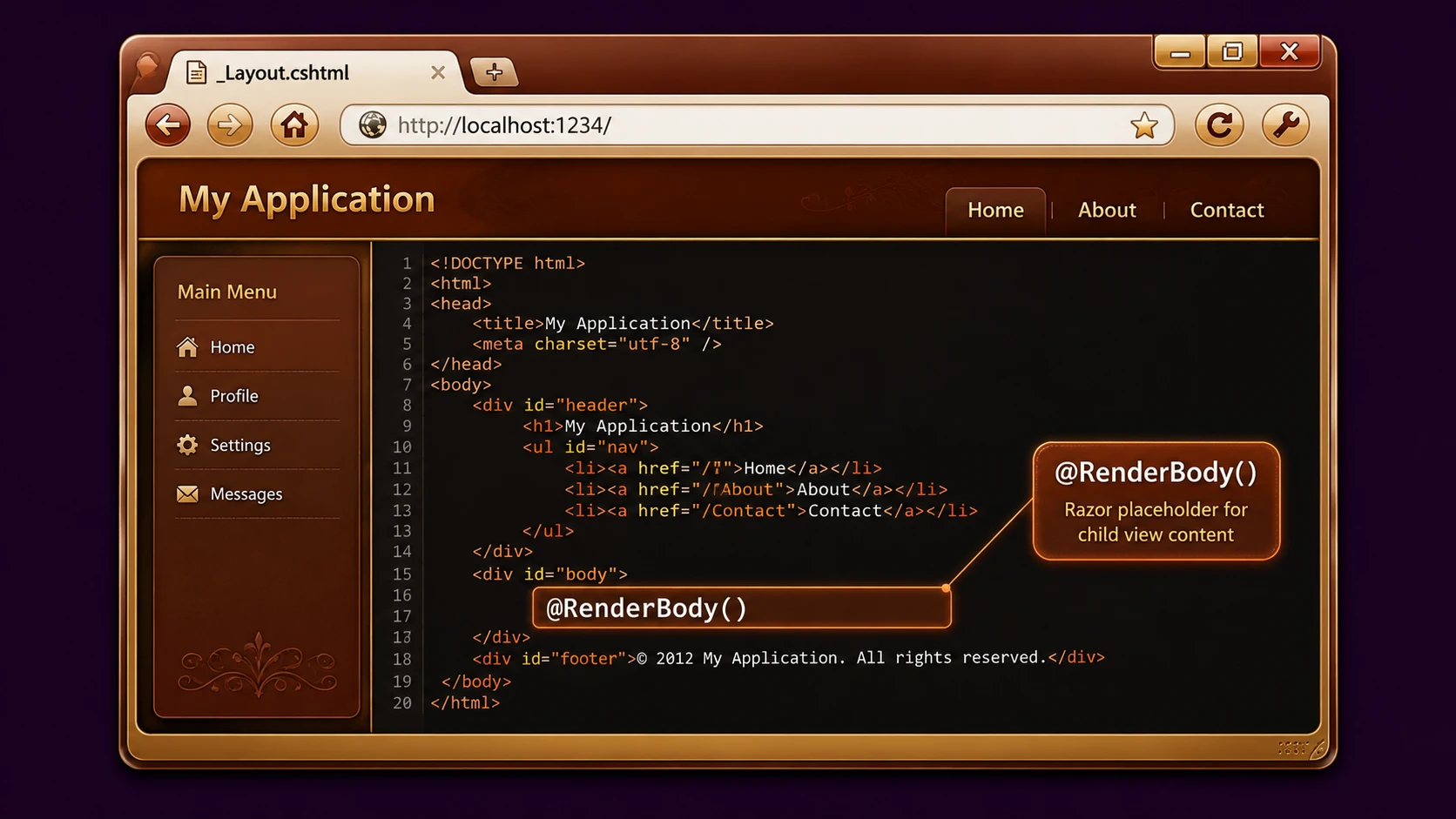
ASP.NET MVC 3: Introducing the Razor View Engine and Global Filters
ASP.NET MVC 3 introduces the Razor view engine, global filters, enhanced dependency injection support, and improved extensibility, making it easier for enterprise teams to build maintainable, testable, and scalable web applications. Learn how these new capabilities can improve modern .NET web development in early 2011.

C# 4.0 and Dynamic Binding: Enhancing COM Interop and Dynamic Language Integration
Released alongside .NET Framework 4.0 and Visual Studio 2010, C# 4.0 introduces dynamic binding as one of its most significant language enhancements. This article examines how the new dynamic type simplifies COM interoperability, enables smoother integration with dynamic languages, and improves developer productivity while discussing practical enterprise adoption strategies as of December 2010.

Designing Scalable HTTP APIs: Early Architectures with WCF Web API
As HTTP-based services gain momentum beyond traditional SOAP web services, Microsoft's WCF Web API preview introduces a new programming model for building resource-oriented APIs. Learn how enterprise architects can evaluate its architecture, scalability considerations, and adoption strategies in late 2010.
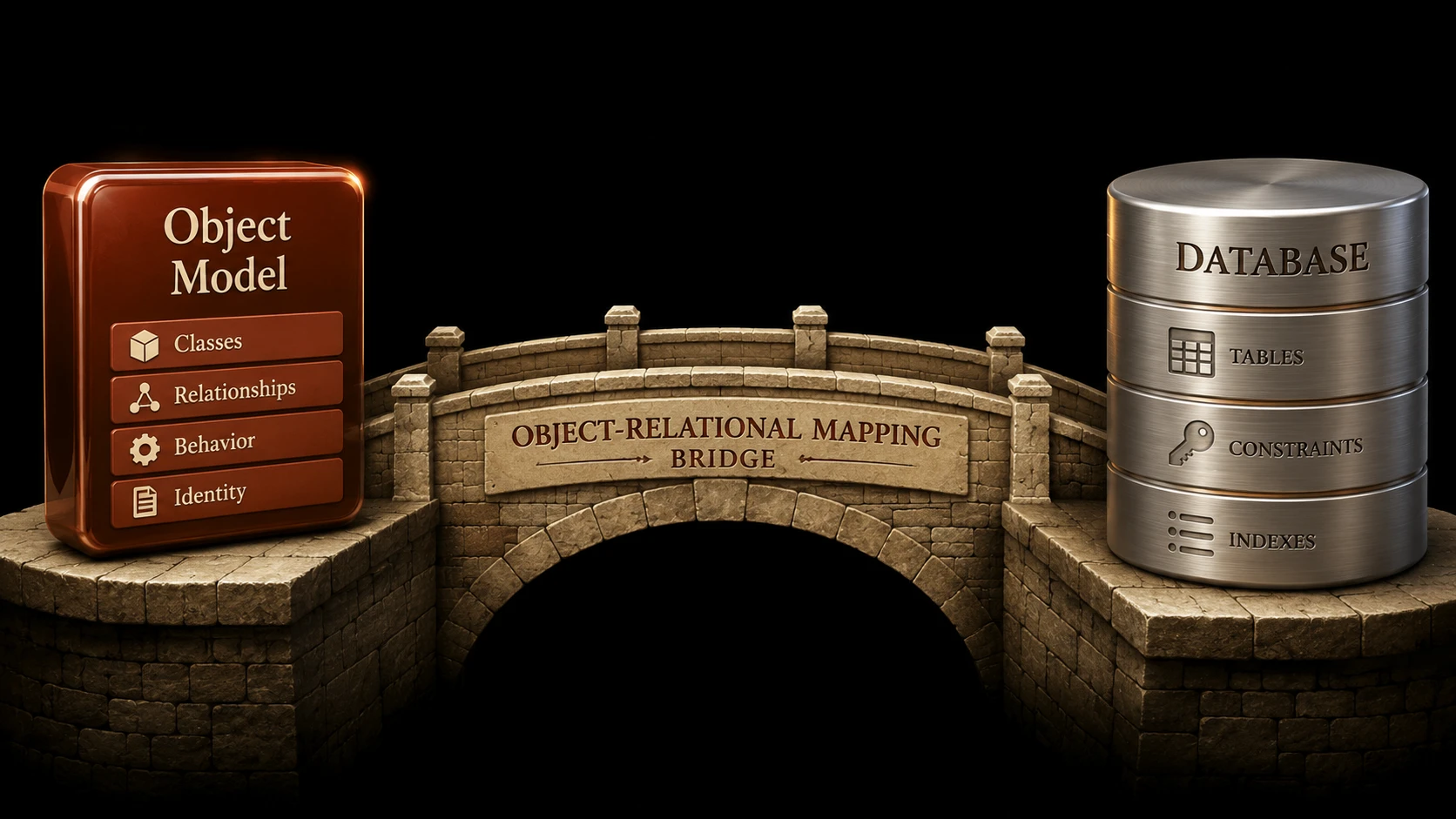
Entity Framework 4.0: Resolving the Object-Relational Impedance Mismatch
Entity Framework 4.0 represents a significant step forward for Microsoft's Object-Relational Mapping platform. With improved POCO support, better testability, foreign key associations, and cleaner persistence capabilities, enterprise developers can build maintainable and scalable data access layers while reducing the complexity of bridging object-oriented applications with relational databases.

The OWASP Top 10 for 2010: Mitigating SQL Injection and XSS Vulnerabilities
As web applications become the foundation of enterprise systems, application security can no longer be treated as an afterthought. The 2010 OWASP Top 10 highlights the industry's most critical security risks, with SQL Injection and Cross-Site Scripting remaining among the most dangerous threats. This guide examines how enterprise teams can identify, mitigate, and manage these vulnerabilities using the technologies and best practices available in mid-2010.
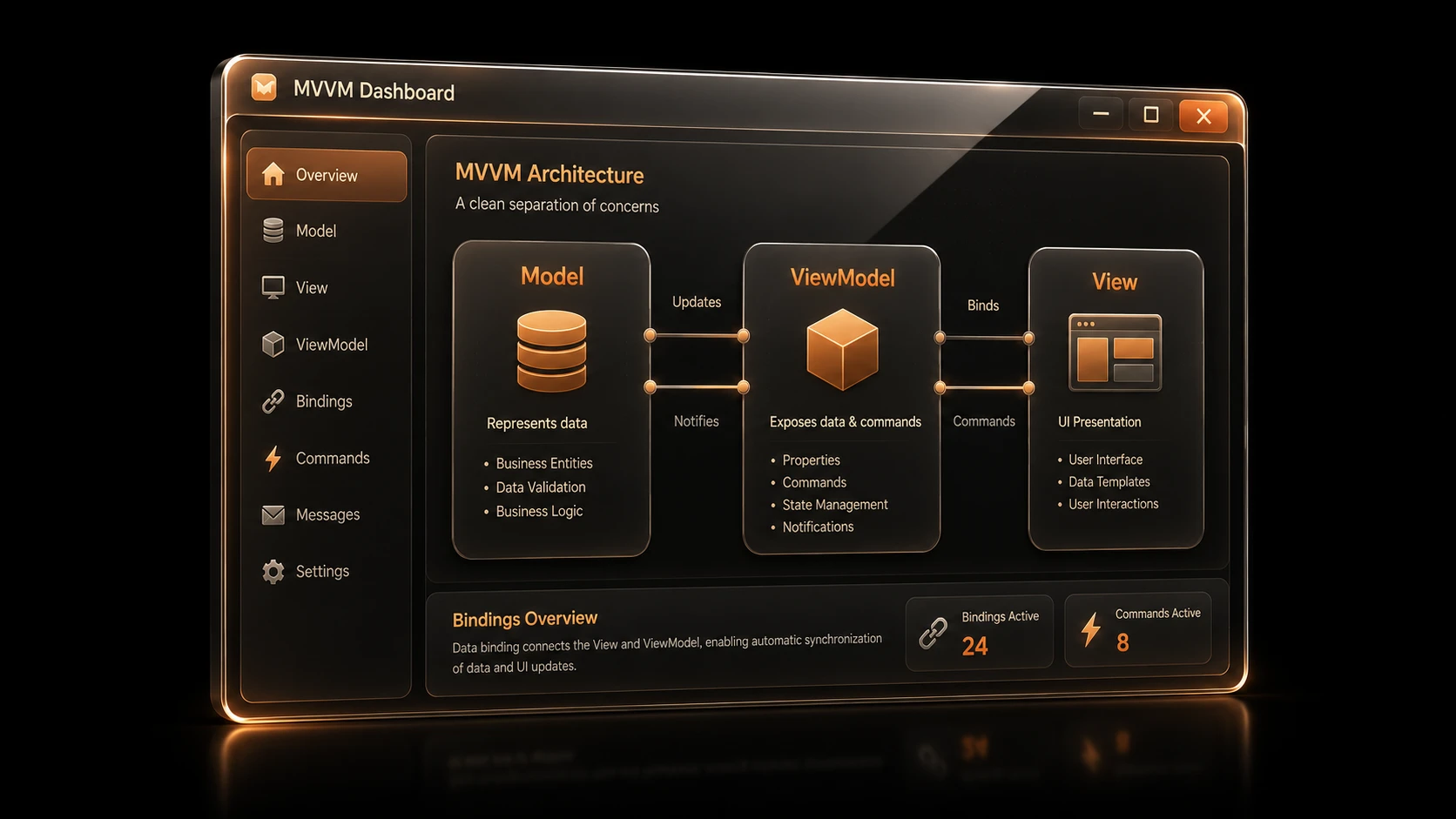
WPF 4.0: Enterprise UI Design with MVVM Pattern and XAML
Windows Presentation Foundation 4.0 continues to strengthen Microsoft's desktop application platform by improving performance, simplifying UI development, and enabling better separation of concerns through the MVVM pattern. Learn how enterprise teams can leverage WPF 4.0 and XAML to build modern business applications.

Understanding WCF in .NET 4.0: SOA Best Practices for Enterprise Systems
Windows Communication Foundation in .NET 4.0 provides a unified programming model for building enterprise services across distributed environments. This article explores architecture, bindings, contracts, security, hosting, interoperability, and practical SOA best practices relevant to enterprise development teams in early 2010.

Silverlight 4 vs. HTML5: The Impending Battle for the RIA Throne
Silverlight 4 promises powerful enterprise application capabilities with rich media, .NET integration, and desktop features, while HTML5 is rapidly gaining industry attention as an open web standard. Which technology should enterprises choose for future Rich Internet Applications in 2010?
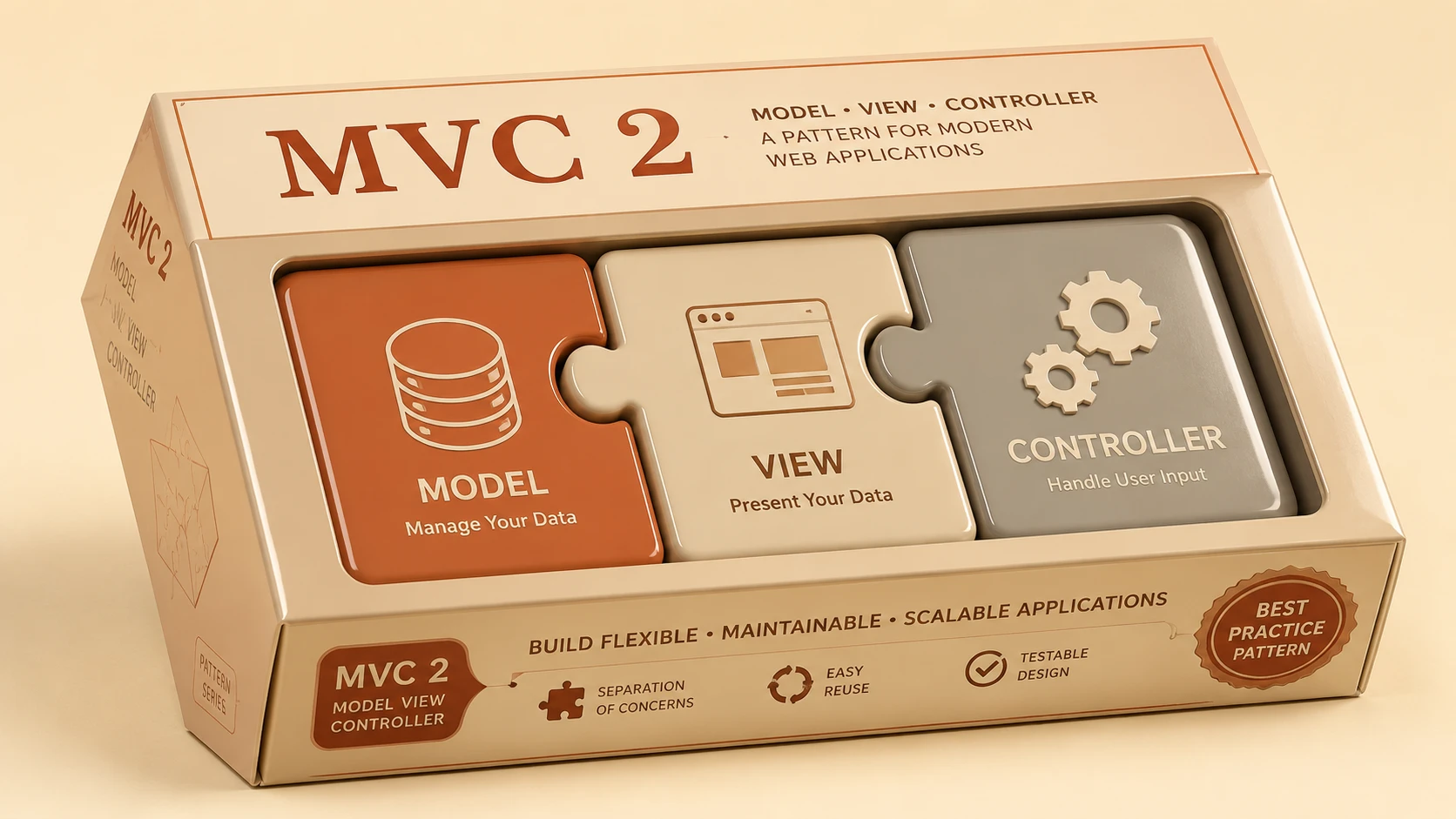
ASP.NET MVC 2: Moving Beyond the Web Forms Paradigm
ASP.NET MVC 2 introduced a cleaner, testable, and standards-based approach to enterprise web development, giving organizations an alternative to the traditional Web Forms model while preserving the strengths of the .NET platform.