Microsoft Development
Viewing all posts categorized under Microsoft Development.

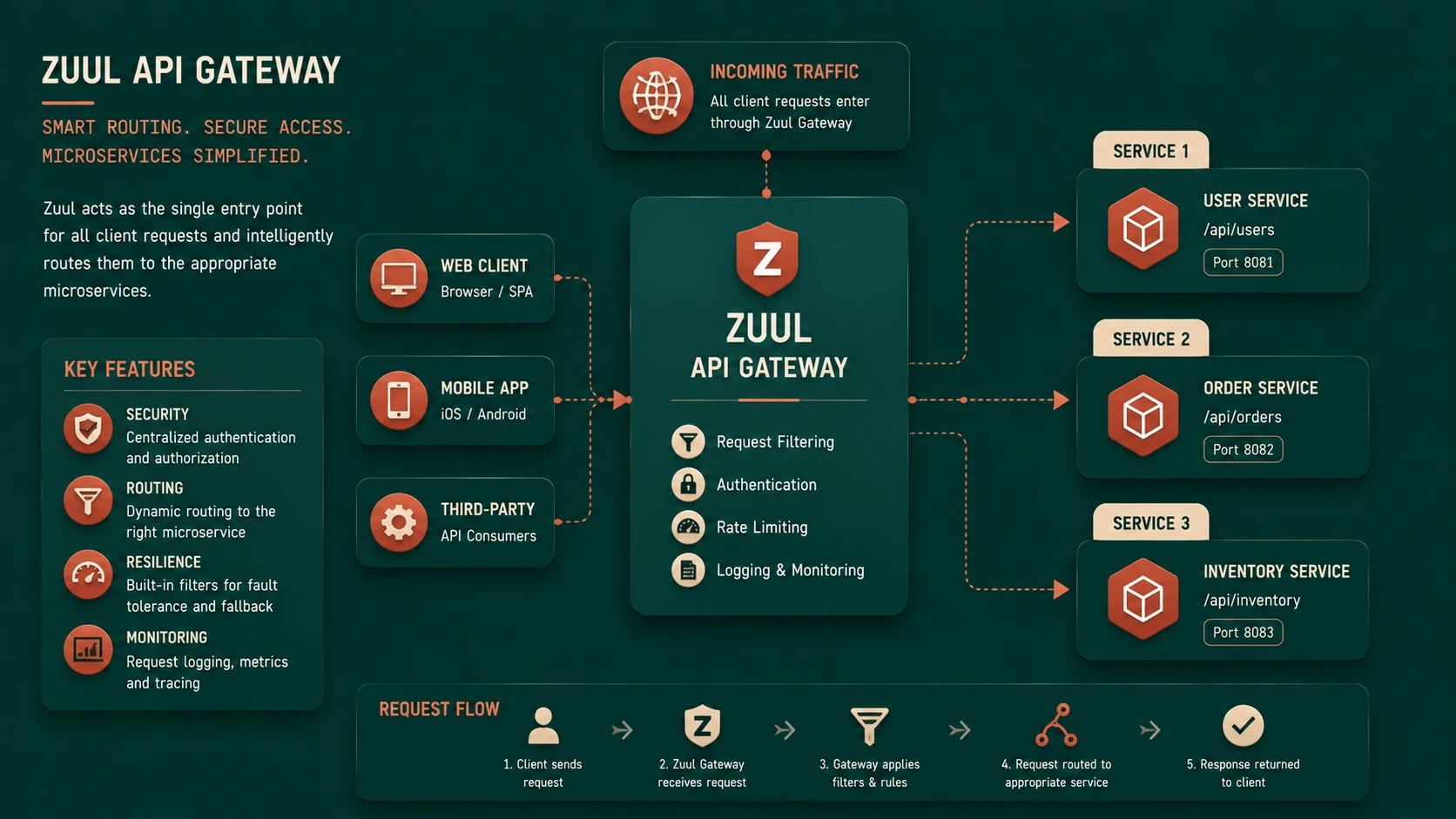
Microservices Architecture: Orchestrating Netflix OSS Eureka and Zuul Gateways
As organizations adopt microservices, service discovery and intelligent request routing become critical architectural concerns. This article examines Netflix OSS Eureka and Zuul from the perspective of February 2015, exploring service registration, API gateway design, resilience patterns, scalability, and enterprise deployment considerations.
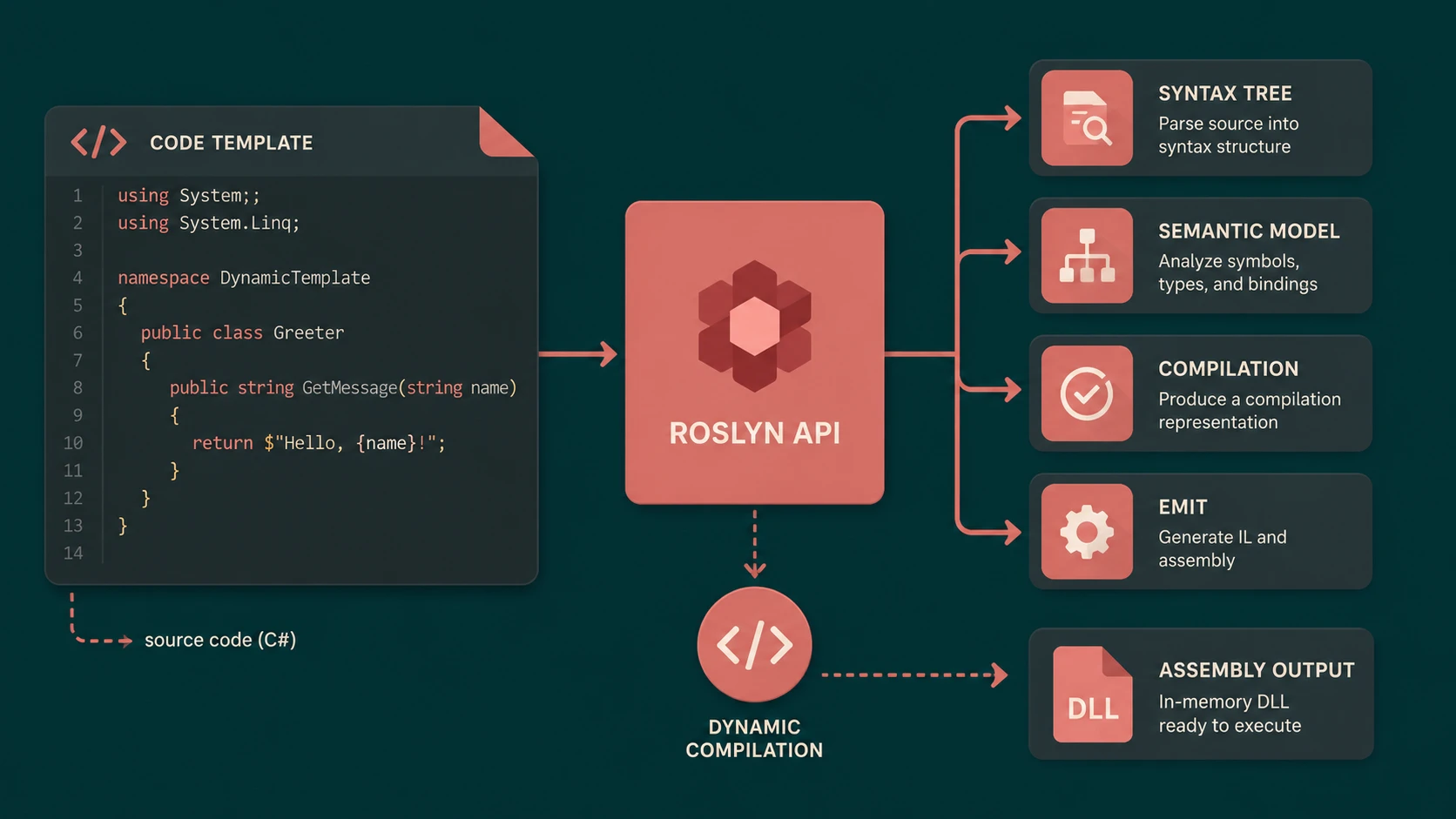
C# 6.0 and Roslyn Compiler: String Interpolation and Null-Conditional Operators
Microsoft continues modernizing the .NET ecosystem with the Roslyn compiler platform and the evolving C# 6.0 language. Features such as string interpolation and the null-conditional operator aim to reduce boilerplate code while improving readability and developer productivity. This article examines these technologies from the perspective of December 2014, focusing on enterprise architecture, compiler innovation, and practical adoption strategies.
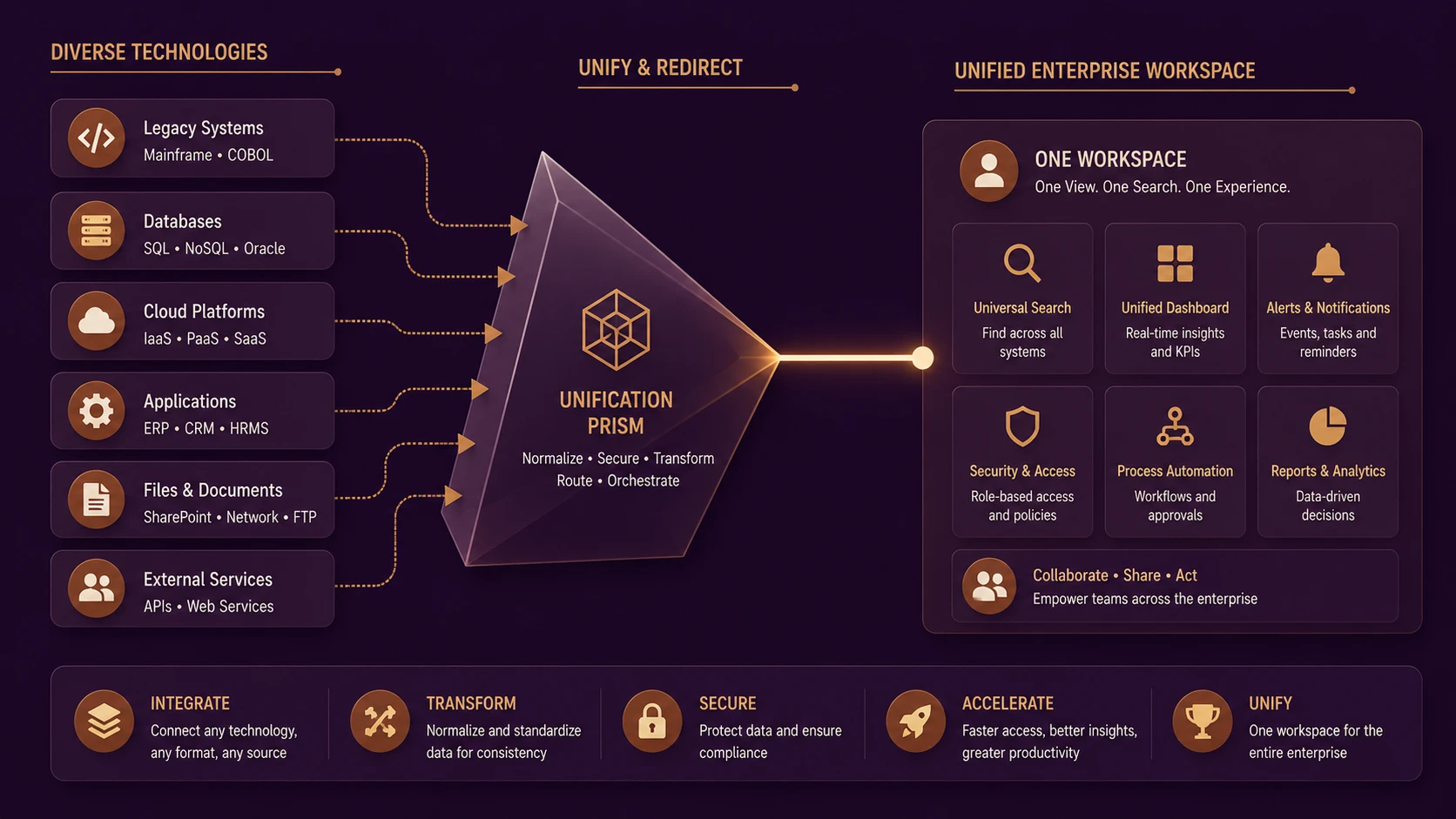
Software Development Trends: Enterprise Technologies Reshaping Engineering in 2014
Software development in 2014 is undergoing one of its most significant transitions in recent years. Cloud computing, DevOps, responsive design, mobile platforms, NoSQL databases, Continuous Delivery, and modular application architectures are fundamentally changing how enterprise software is designed, deployed, and maintained. This article reviews the most influential development trends from the perspective of November 2014.
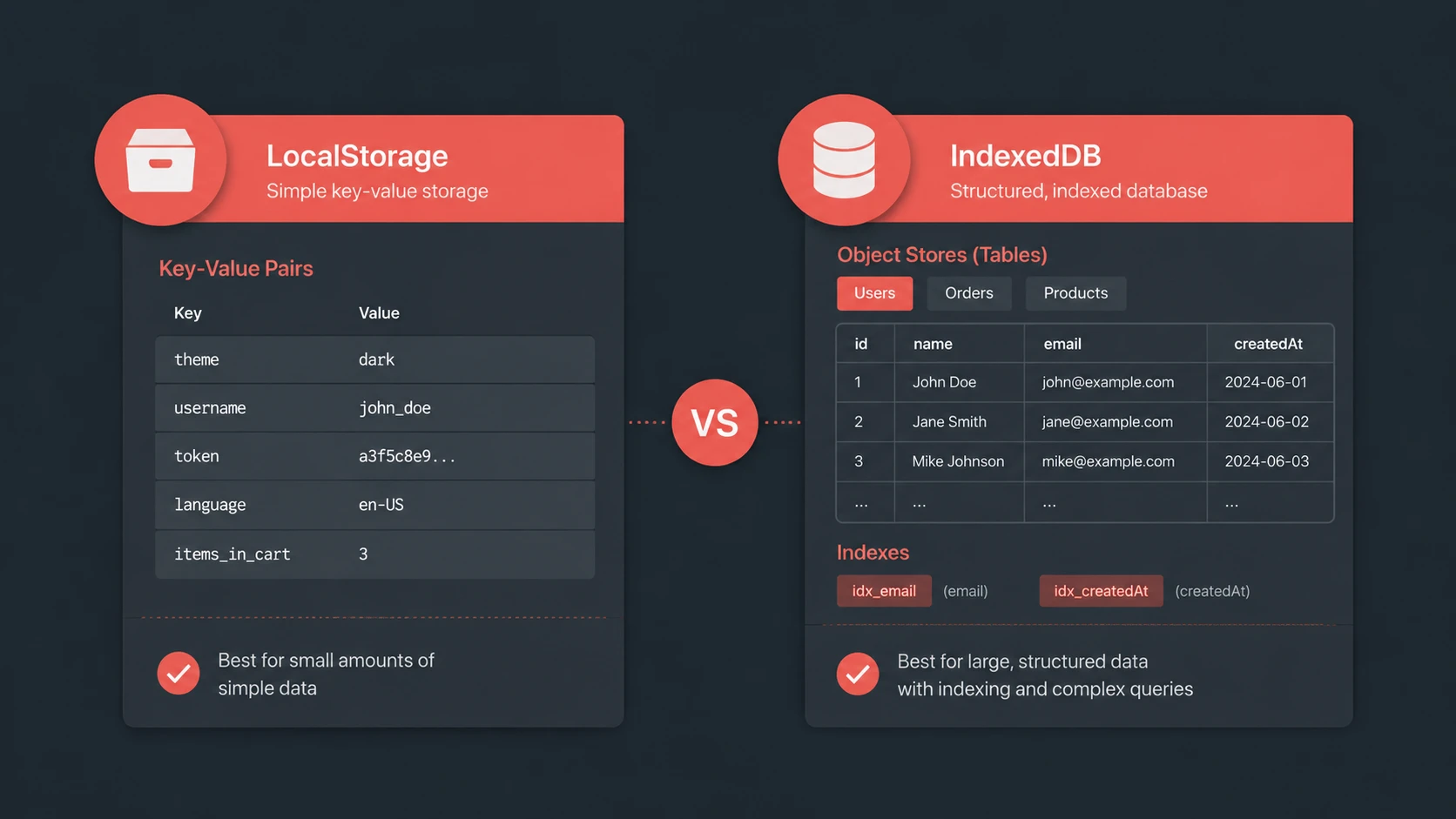
IndexedDB vs. LocalStorage: Choosing Client-Side Databases for Web Apps
Modern web applications increasingly require client-side storage for offline functionality, performance optimization, and responsive user experiences. This article compares IndexedDB and LocalStorage from the perspective of August 2014, examining architecture, performance, scalability, security, browser capabilities, and enterprise adoption strategies.
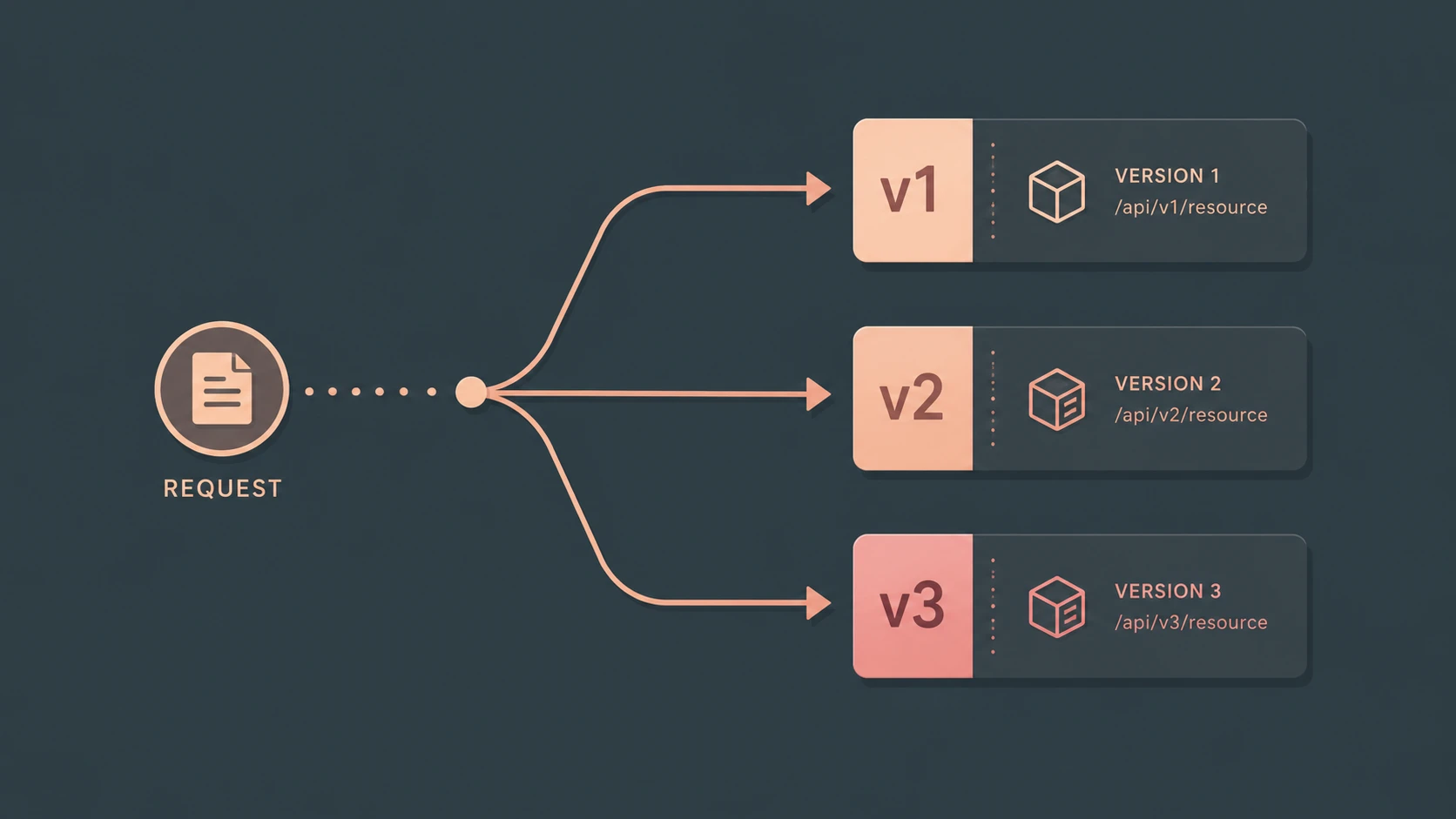
REST API Versioning: Comparing URI, Header, and Query Parameter Strategies
As RESTful APIs become foundational to enterprise software, managing change without disrupting existing clients has become a major architectural challenge. This article examines API versioning strategies—including URI, custom headers, media type negotiation, and query parameters—along with their trade-offs, governance considerations, and adoption guidance from the perspective of July 2014.
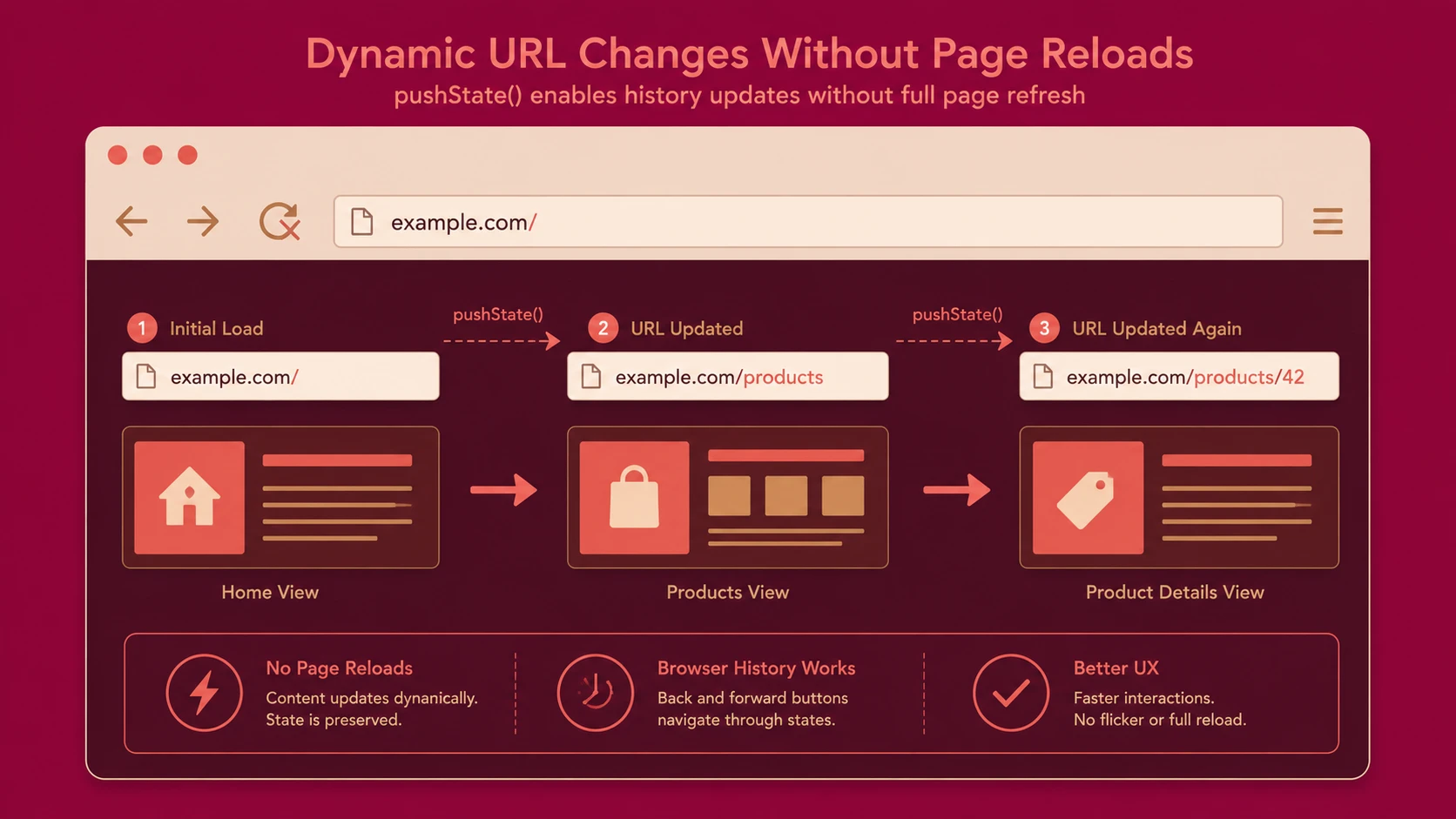
Single Page Application Routing: Managing Client States with HTML5 History API
As Single Page Applications become increasingly common, client-side routing has become a critical architectural concern. This article examines the HTML5 History API, route management, browser navigation, URL design, and enterprise implementation strategies from the perspective of May 2014.
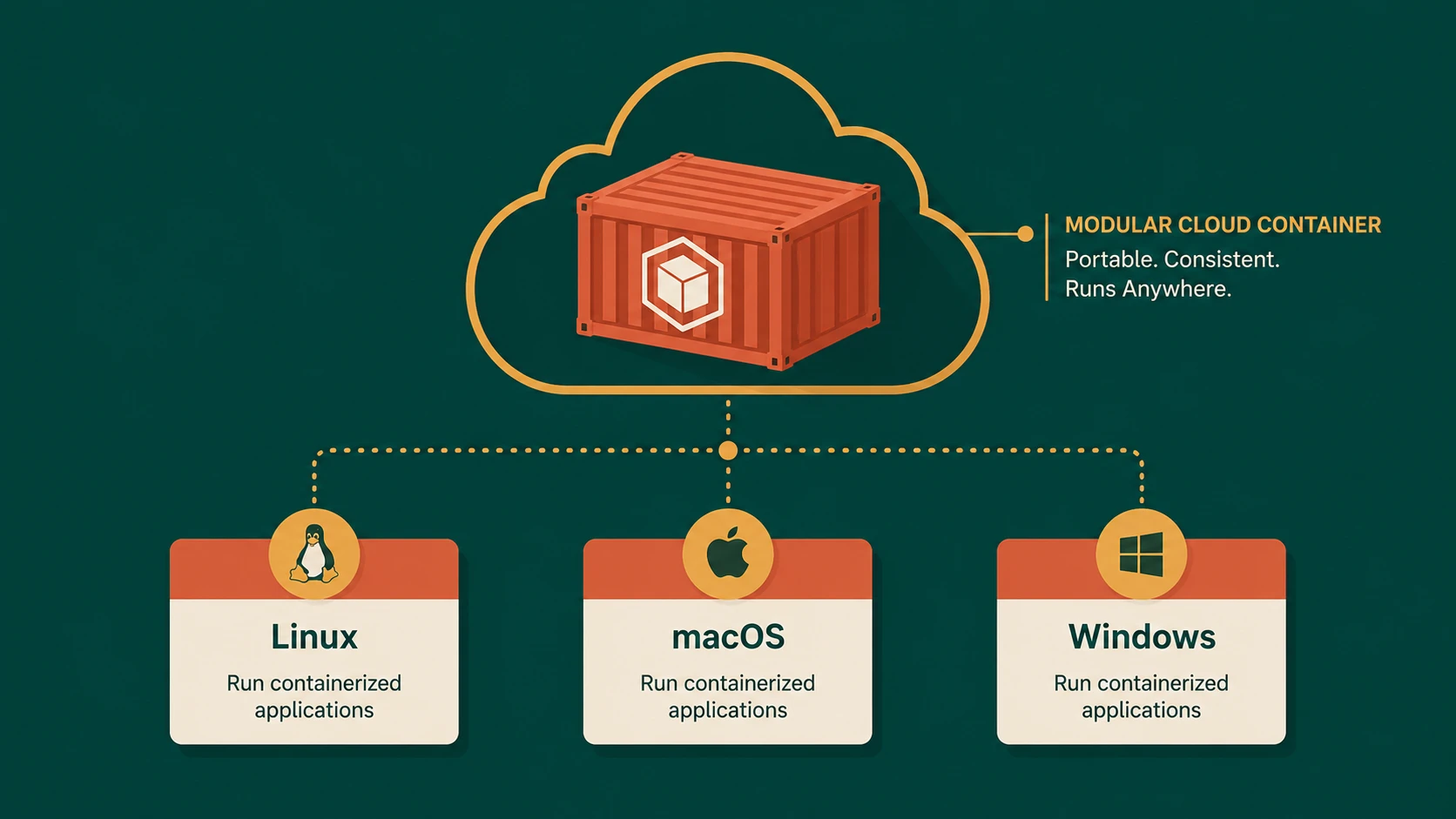
ASP.NET vNext: Designing a Cross-Platform, Modular .NET Runtime for Cloud
Microsoft has unveiled its vision for ASP.NET vNext, introducing a modular web framework designed with cloud deployment, high performance, and cross-platform capabilities in mind. This article analyzes the announcement from the perspective of May 2014, exploring the architectural direction, runtime model, enterprise implications, and adoption considerations for modern .NET applications.
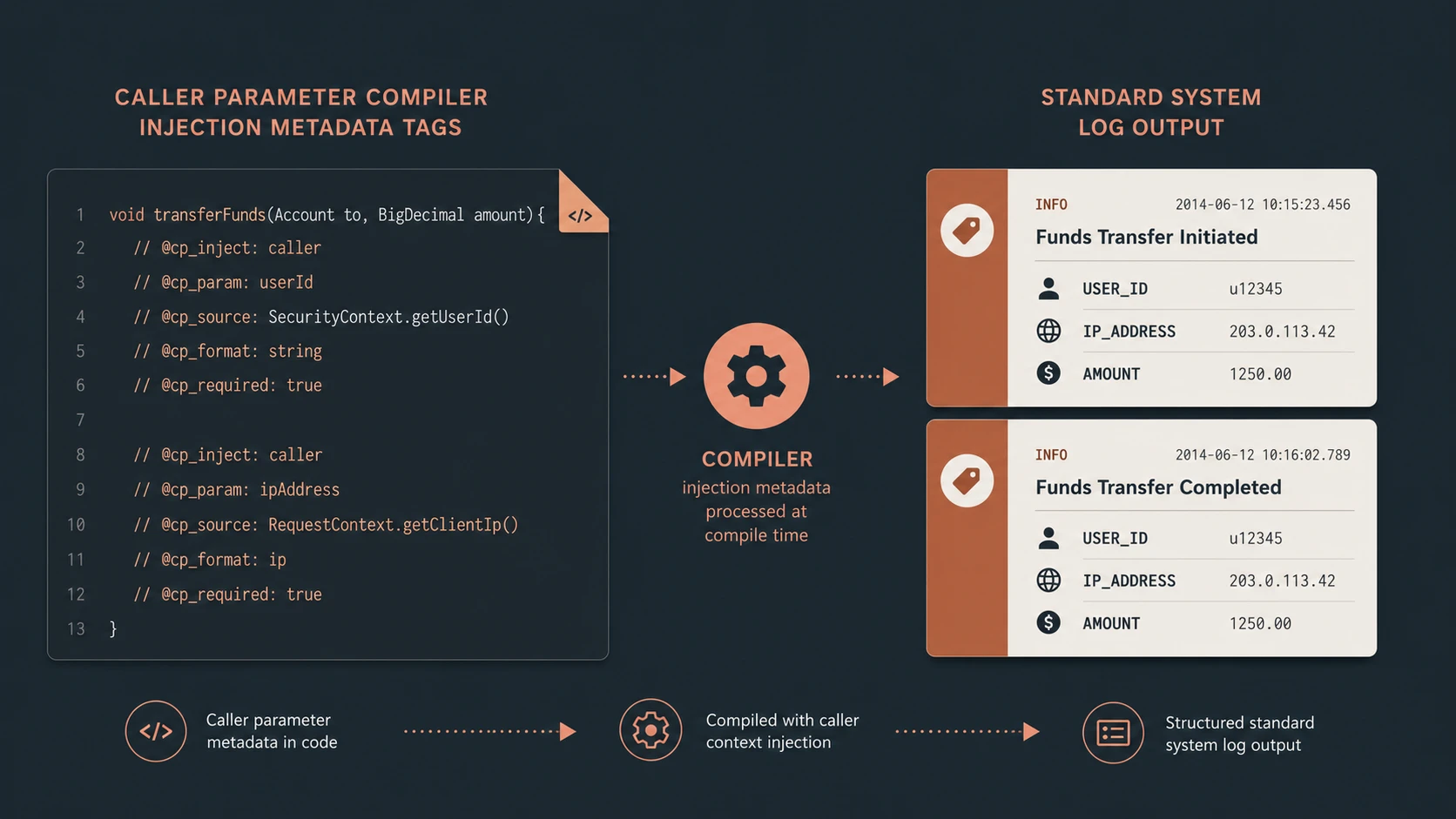
C# 5.0 Caller Information Attributes: Simplifying Logging and Diagnostics
C# 5.0 introduces Caller Information Attributes, allowing compilers to automatically provide member names, source file paths, and line numbers to methods. This article examines the feature from the perspective of December 2013, explaining its architecture, enterprise applications, performance implications, and best practices for improving diagnostics and logging across .NET solutions.
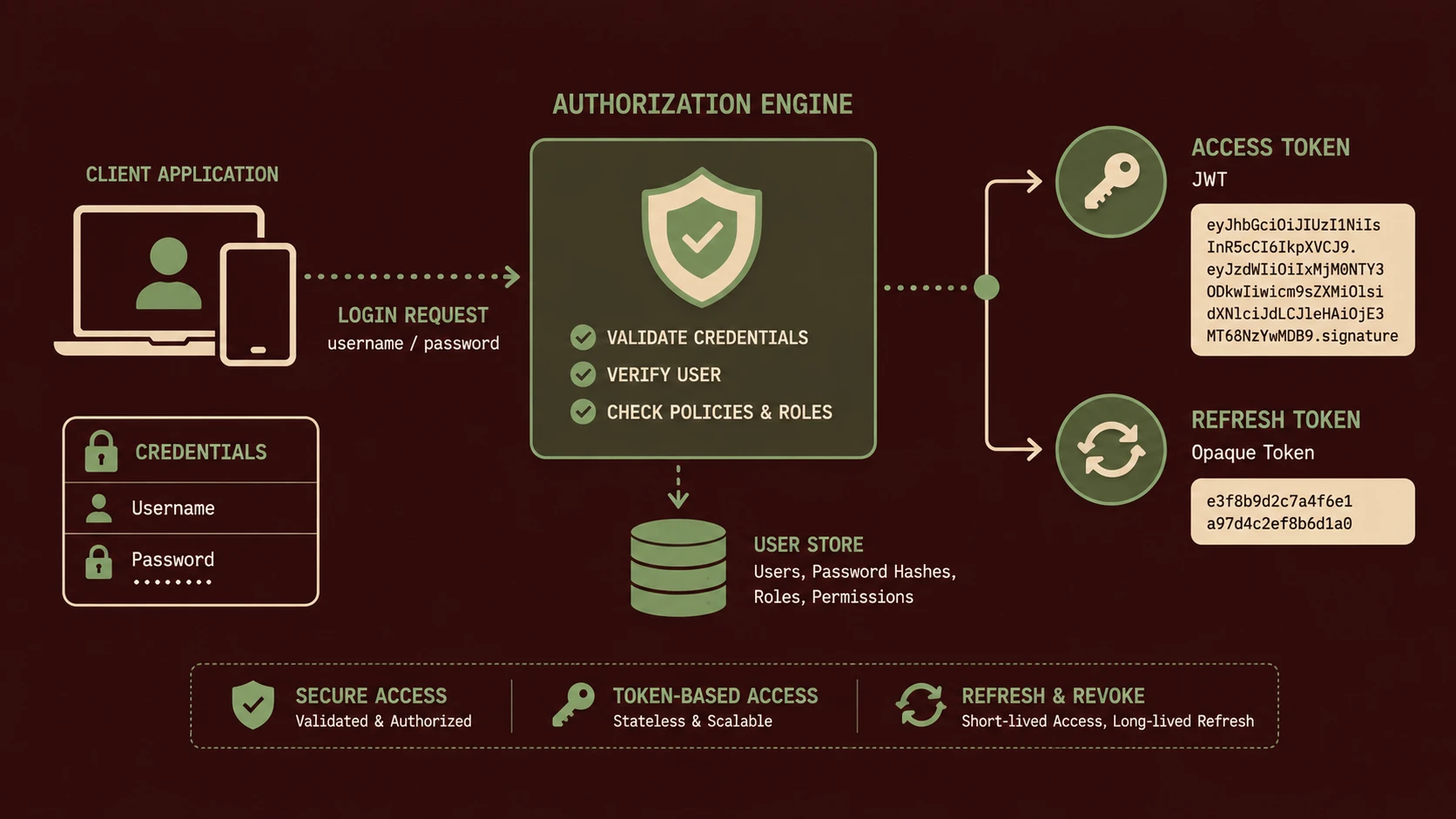
OAuth 2.0 Authorization Server Implementation: Managing Access Tokens and Refresh Tokens
As organizations standardize API security around OAuth 2.0, implementing a robust authorization server becomes a critical architectural responsibility. This article examines authorization server design, token lifecycle management, refresh tokens, security practices, and enterprise deployment considerations from the perspective of October 2013.
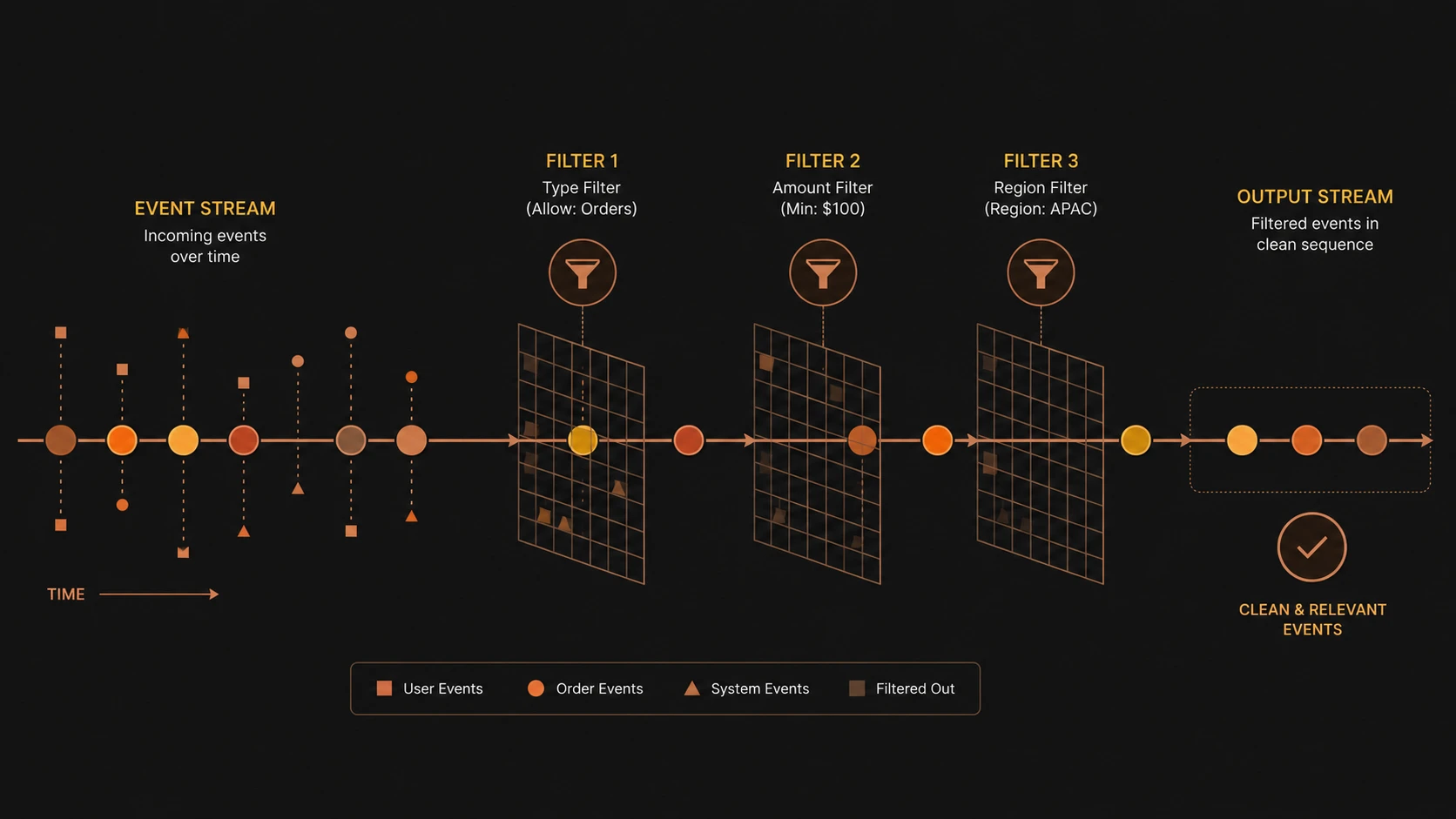
Reactive Extensions (Rx) in C#: Asynchronous Event Stream Processing
Reactive Extensions (Rx) introduces a declarative programming model for composing asynchronous and event-based applications in .NET. By treating events as observable data streams, Rx simplifies complex asynchronous workflows, improves code maintainability, and enables scalable event processing. This article examines Reactive Extensions from the perspective of September 2013, exploring its architecture, enterprise use cases, performance characteristics, and adoption strategies.
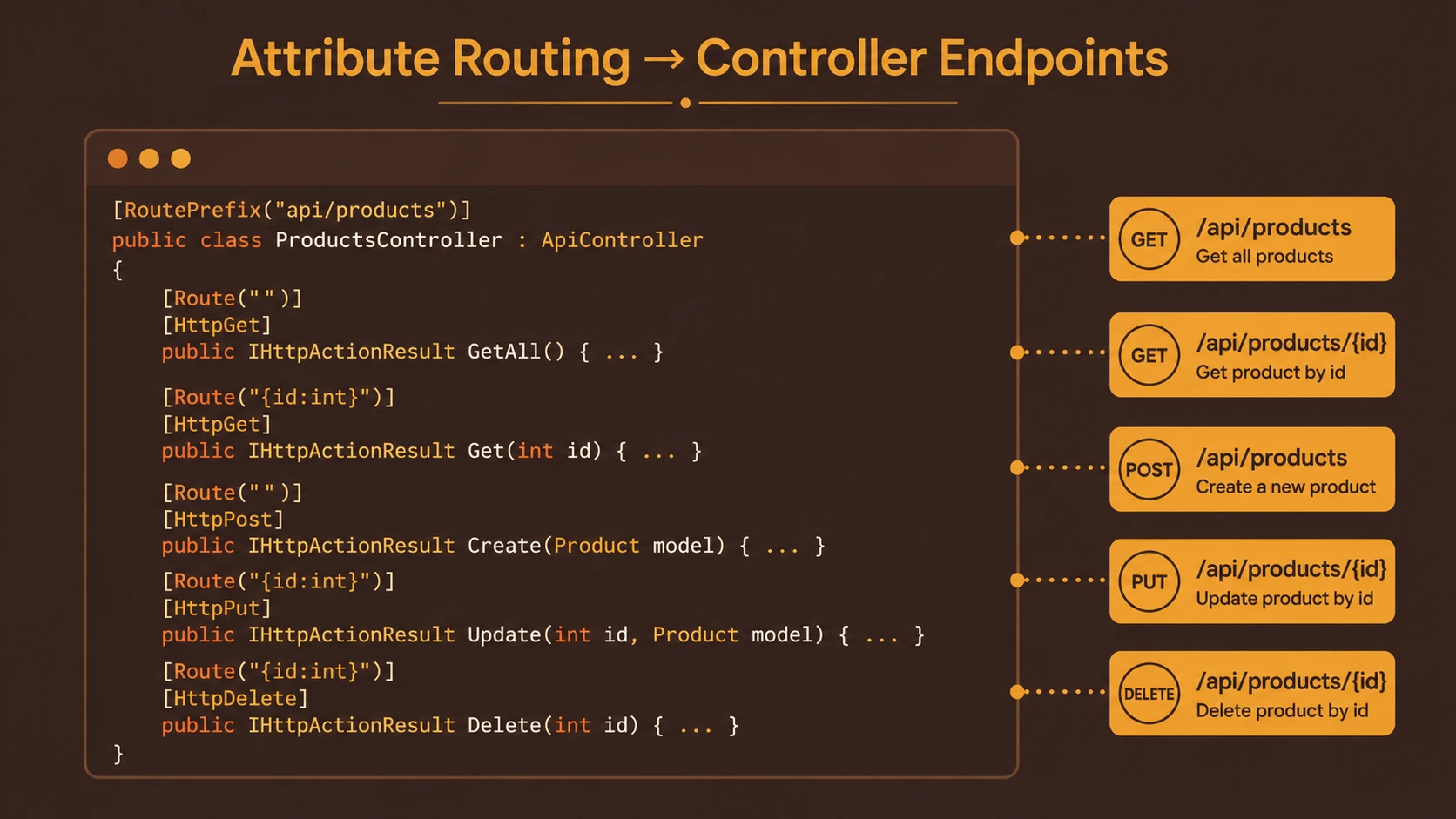
ASP.NET MVC 5: Attribute Routing and OWIN Authentication Integration
Microsoft has announced the direction of the next generation of ASP.NET MVC with a focus on more flexible routing, improved authentication through OWIN, and deeper integration with modern web application architecture. This article examines the emerging capabilities expected in ASP.NET MVC 5 from the perspective of April 2013 and discusses how these changes could influence enterprise web development.
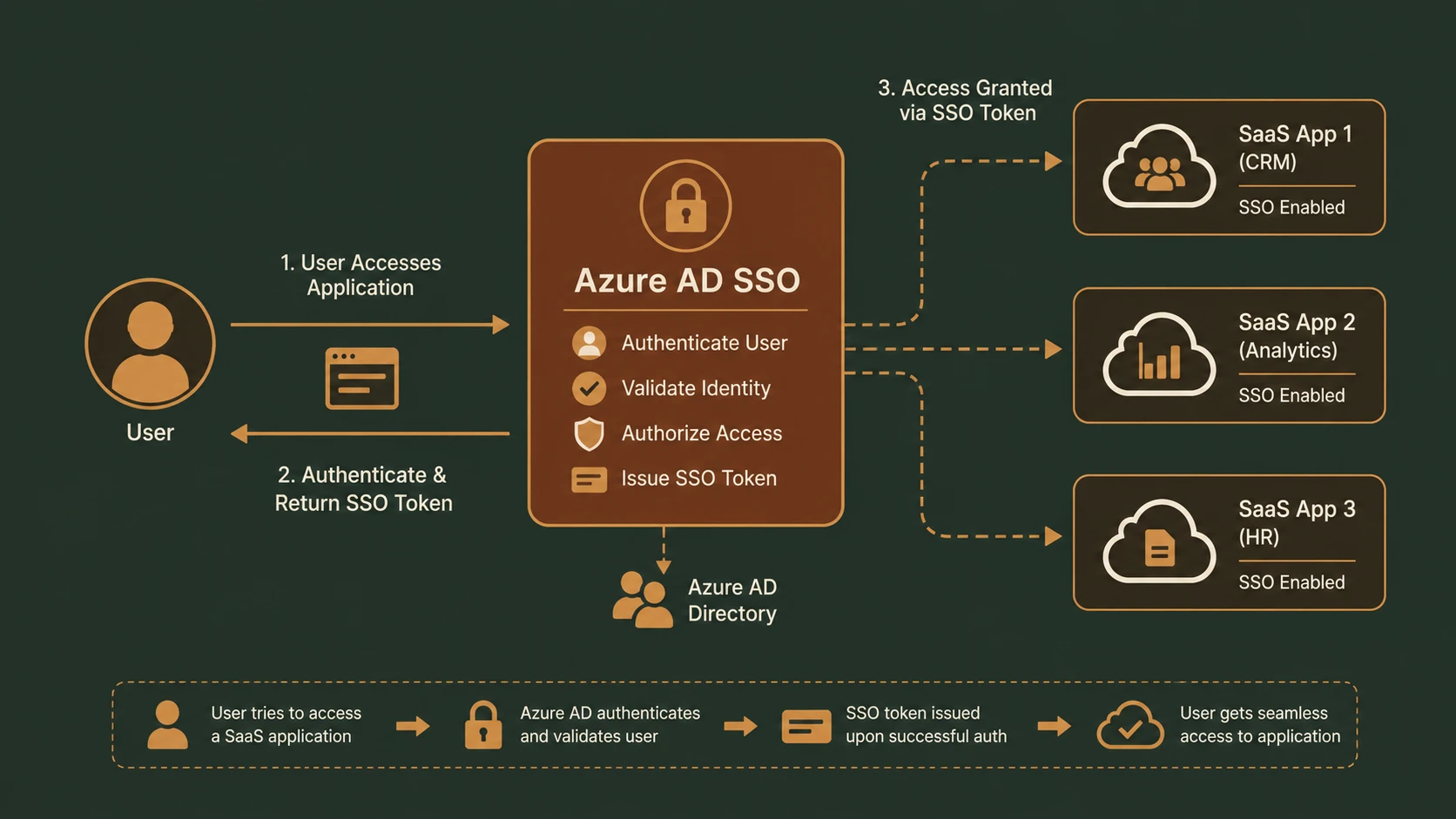
Windows Azure AD: Identity Management and Single Sign-On for Enterprise SaaS
Windows Azure Active Directory introduces Microsoft's cloud-based identity management service, enabling enterprises to extend on-premises Active Directory identities into cloud applications while simplifying authentication and single sign-on. This article examines Windows Azure AD from the perspective of February 2013, exploring its architecture, enterprise integration, security model, and its role in supporting the growing adoption of Software as a Service solutions.
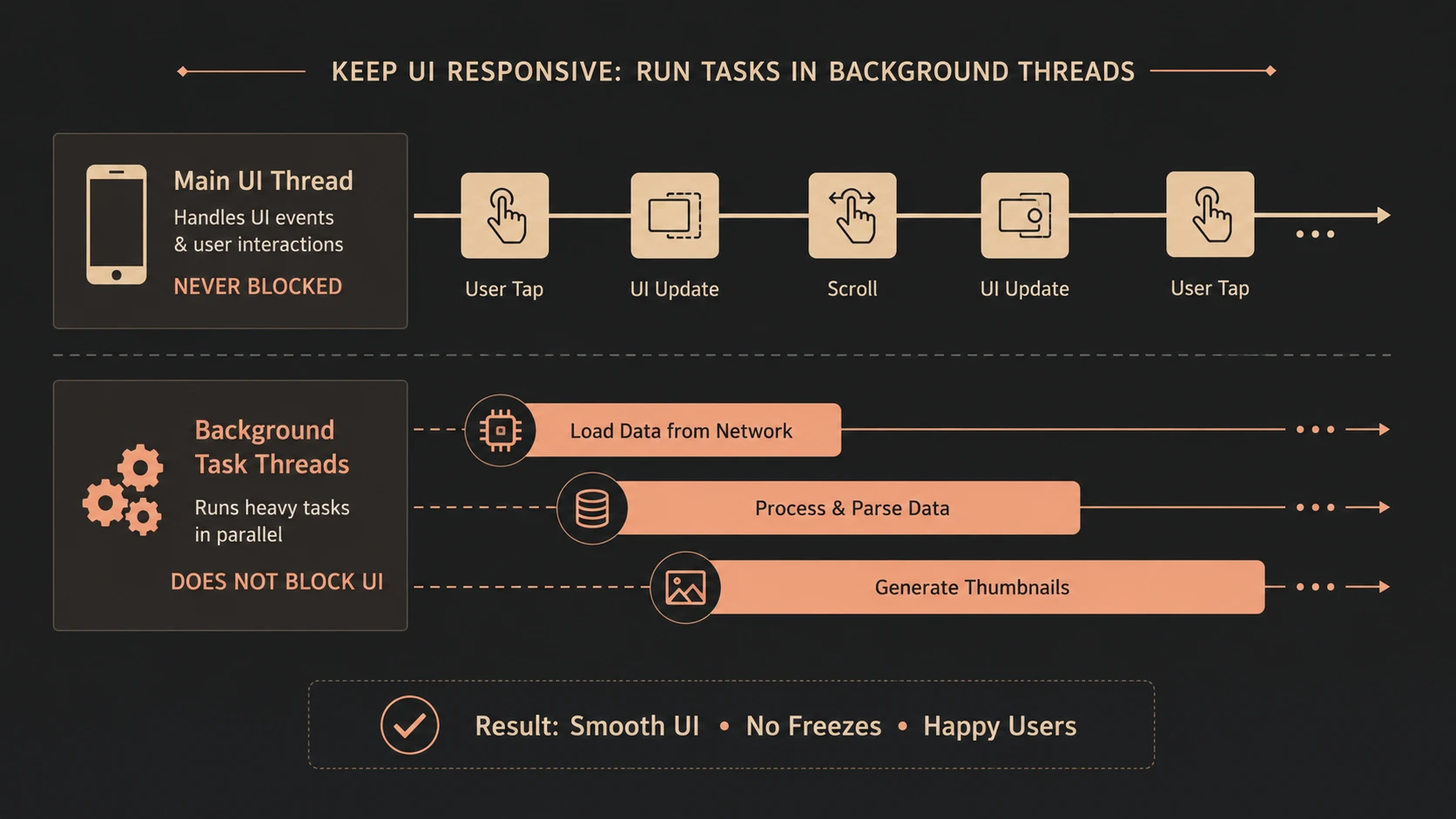
C# 5.0 and .NET 4.5: The Async/Await Revolution is Here
C# 5.0 and .NET Framework 4.5 introduce async and await, significantly simplifying asynchronous programming. This article explores the language features, runtime architecture, enterprise implications, performance considerations, and best practices for adopting asynchronous programming from the perspective of late 2012.
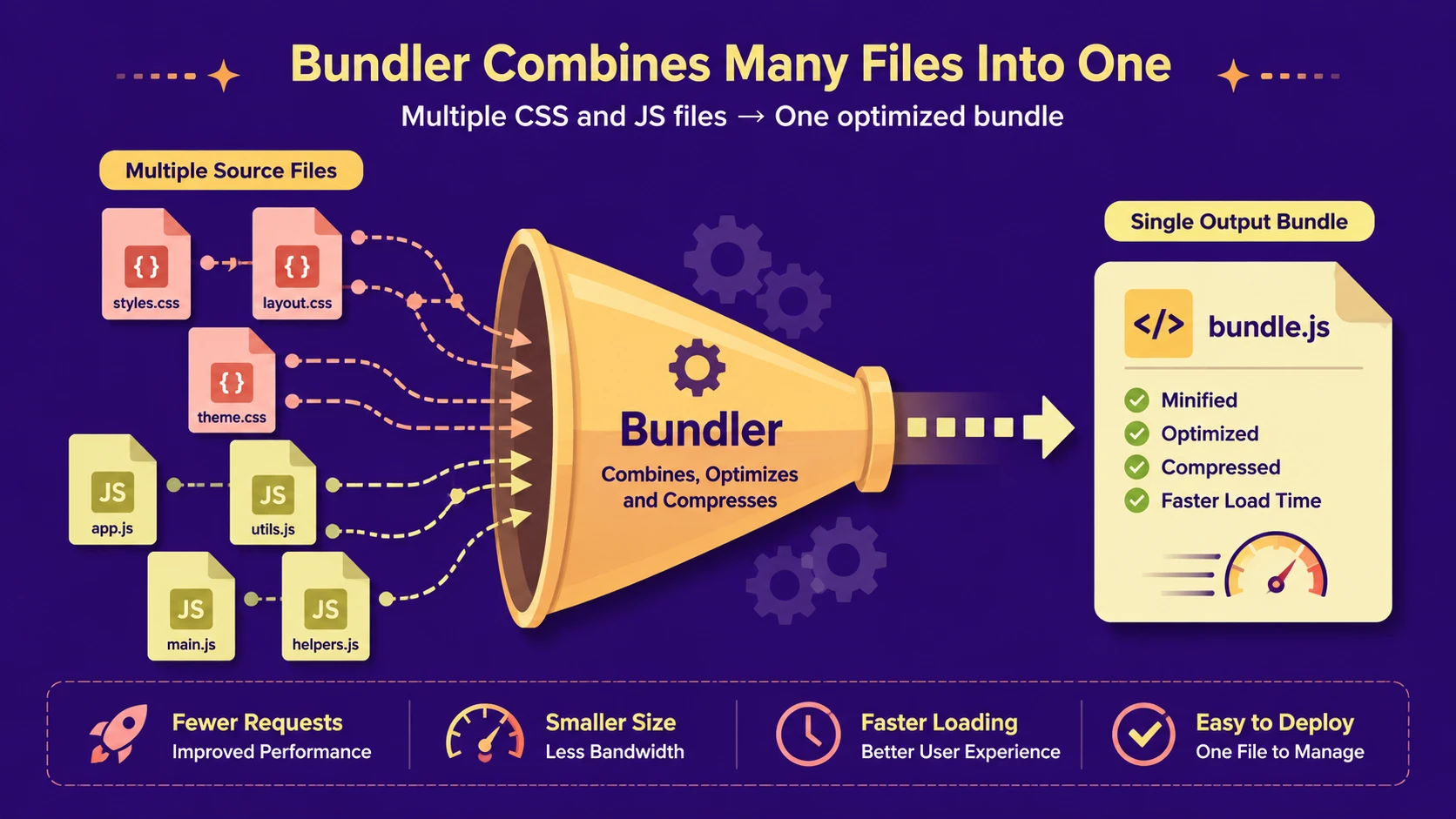
ASP.NET MVC 4: Bundling, Minification, and Mobile Views
ASP.NET MVC 4 introduces important enhancements that address two growing enterprise priorities: web application performance and mobile device support. Built on ASP.NET 4.5 and the .NET Framework, MVC 4 adds built-in bundling and minification, adaptive mobile views, Web API integration, and improved project templates. This article examines these capabilities from the perspective of November 2012, helping enterprise architects evaluate their impact on modern web application development.
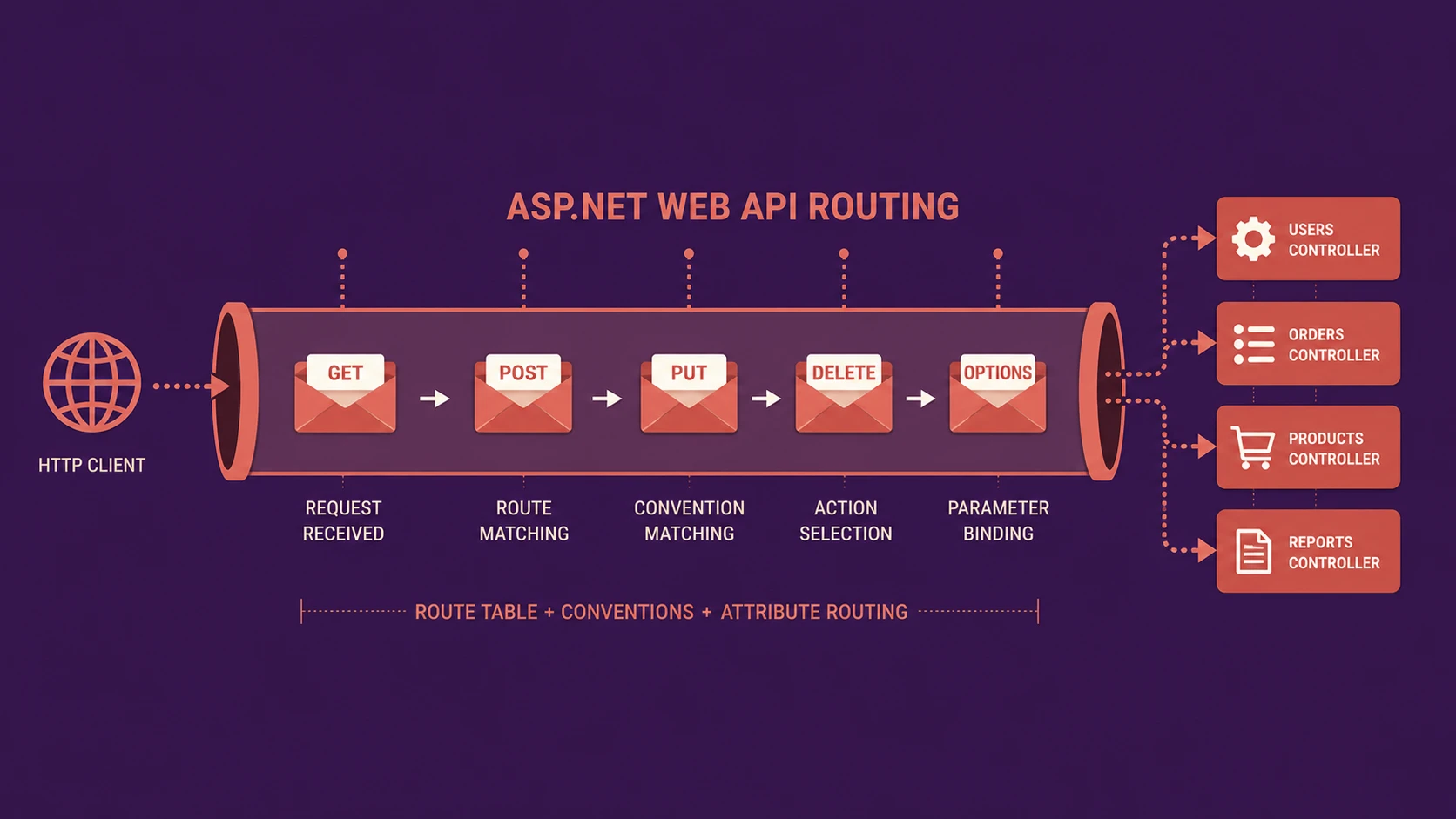
ASP.NET Web API: Designing RESTful APIs for the Modern Web
ASP.NET Web API introduces a modern programming model for building HTTP services that can be consumed by browsers, mobile applications, and enterprise systems. This article examines its architecture, design principles, enterprise adoption strategies, and implementation considerations from the perspective of April 2012.