Introduction
Enterprise software development is undergoing significant architectural change. Cloud computing, containerization, continuous integration, DevOps practices, and microservices are influencing how organizations build and deploy applications. Development teams increasingly expect frameworks that are lightweight, modular, open, and capable of running across multiple operating systems.
For many years, the .NET Framework has been closely associated with Windows-based enterprise development. It has powered countless ASP.NET applications, Windows desktop software, enterprise services, and business systems. However, modern deployment environments increasingly include Linux servers, cloud infrastructure, and heterogeneous development teams using different operating systems.
.NET Core 1.0 represents Microsoft's response to these changing requirements. Rather than evolving the traditional .NET Framework directly, Microsoft has introduced a modular, open-source implementation designed for cross-platform development and cloud-native deployment. Accompanying this runtime is a new command-line interface (CLI) that standardizes project creation, dependency restoration, compilation, testing, and application execution.
As of February 2016, .NET Core 1.0 marks one of the most significant architectural changes in the history of the .NET ecosystem. For enterprise architects, it presents new opportunities for platform flexibility, modular deployment, and modern development workflows.
Industry Background
Enterprise infrastructure continues shifting toward:
- ◆Cloud computing
- ◆Virtualization
- ◆Linux-based servers
- ◆Container platforms
- ◆Continuous integration
- ◆Automated deployment
- ◆Microservice architectures
Developers increasingly expect consistent tooling regardless of operating system.
Open-source ecosystems have demonstrated the value of command-line tooling capable of integrating naturally with automated build environments. Microsoft's investment in .NET Core reflects these broader industry trends.
The Business Problem
Organizations developing enterprise software commonly encounter:
- ◆Platform-specific deployments
- ◆Large framework installations
- ◆Complex dependency management
- ◆Inconsistent development environments
- ◆Difficult automation of build processes
- ◆Limited deployment flexibility
- ◆Growing infrastructure diversity
Modern enterprise platforms require application frameworks capable of adapting to diverse deployment targets while simplifying development workflows.
Understanding .NET Core 1.0
.NET Core is a modular implementation of the .NET platform designed to support multiple operating systems.
Unlike the traditional .NET Framework, applications reference only the libraries they require rather than depending upon a monolithic framework installation.
Primary objectives include:
- ◆Cross-platform execution
- ◆Modular architecture
- ◆Open-source development
- ◆Lightweight deployment
- ◆Improved cloud readiness
- ◆Modern tooling
These goals align closely with contemporary enterprise software development practices.
Core Architecture
| Component | Responsibility |
|---|---|
| .NET Core Runtime | Executes managed applications |
| Core Libraries | Provide foundational APIs |
| CLI | Manages development workflow |
| NuGet | Resolves package dependencies |
| Compiler | Produces managed assemblies |
| Host Operating System | Executes runtime environment |
This modular architecture separates application development from operating system dependencies while simplifying deployment.
Modular Runtime Design
One of the defining characteristics of .NET Core is its modular architecture.
Rather than installing an extensive framework containing every library, applications reference only the packages they require.
Benefits include:
- ◆Reduced deployment size
- ◆Explicit dependencies
- ◆Easier package updates
- ◆Improved application isolation
- ◆Simplified maintenance
Modularity supports both lightweight applications and large enterprise solutions.
Cross-Platform Execution
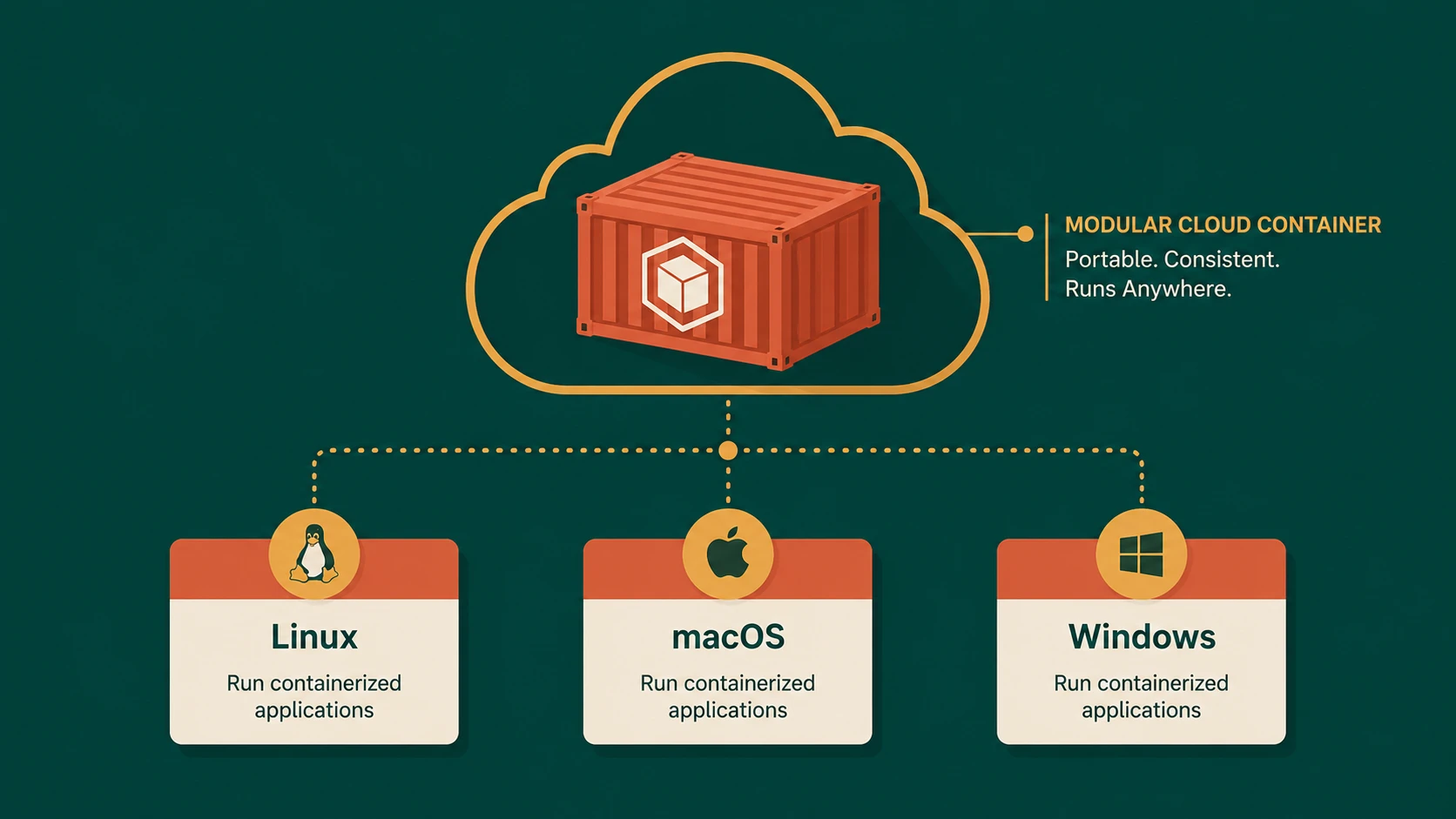
A major objective of .NET Core is enabling applications to execute across multiple operating systems.
Supported development environments include:
- ◆Windows
- ◆Linux
- ◆macOS
This flexibility allows organizations to standardize application architecture while selecting infrastructure according to operational requirements rather than runtime limitations.
The New CLI Pipeline
# Basic .NET Core 1.0 CLI commands to create and run a web app
dotnet new web -o ShivamWebApp
cd ShivamWebApp

# Restore dependencies defined in project.json
dotnet restore

# Compile and host application locally
dotnet run
The .NET Command-Line Interface introduces a unified workflow for common development activities.
Developers can perform tasks including:
- ◆Creating projects
- ◆Restoring dependencies
- ◆Building applications
- ◆Running applications
- ◆Executing tests
- ◆Publishing deployments
Rather than relying exclusively on integrated development environments, developers gain a consistent command-line experience suitable for automation and continuous integration.
Development Workflow
A typical CLI workflow includes:
- 1.Create a new project.
- 2.Restore project dependencies.
- 3.Compile the application.
- 4.Execute automated tests.
- 5.Run the application.
- 6.Publish deployment artifacts.
This workflow supports repeatable build processes across different operating systems.
Dependency Management
.NET Core integrates closely with NuGet package management.
Applications explicitly reference required libraries.
Advantages include:
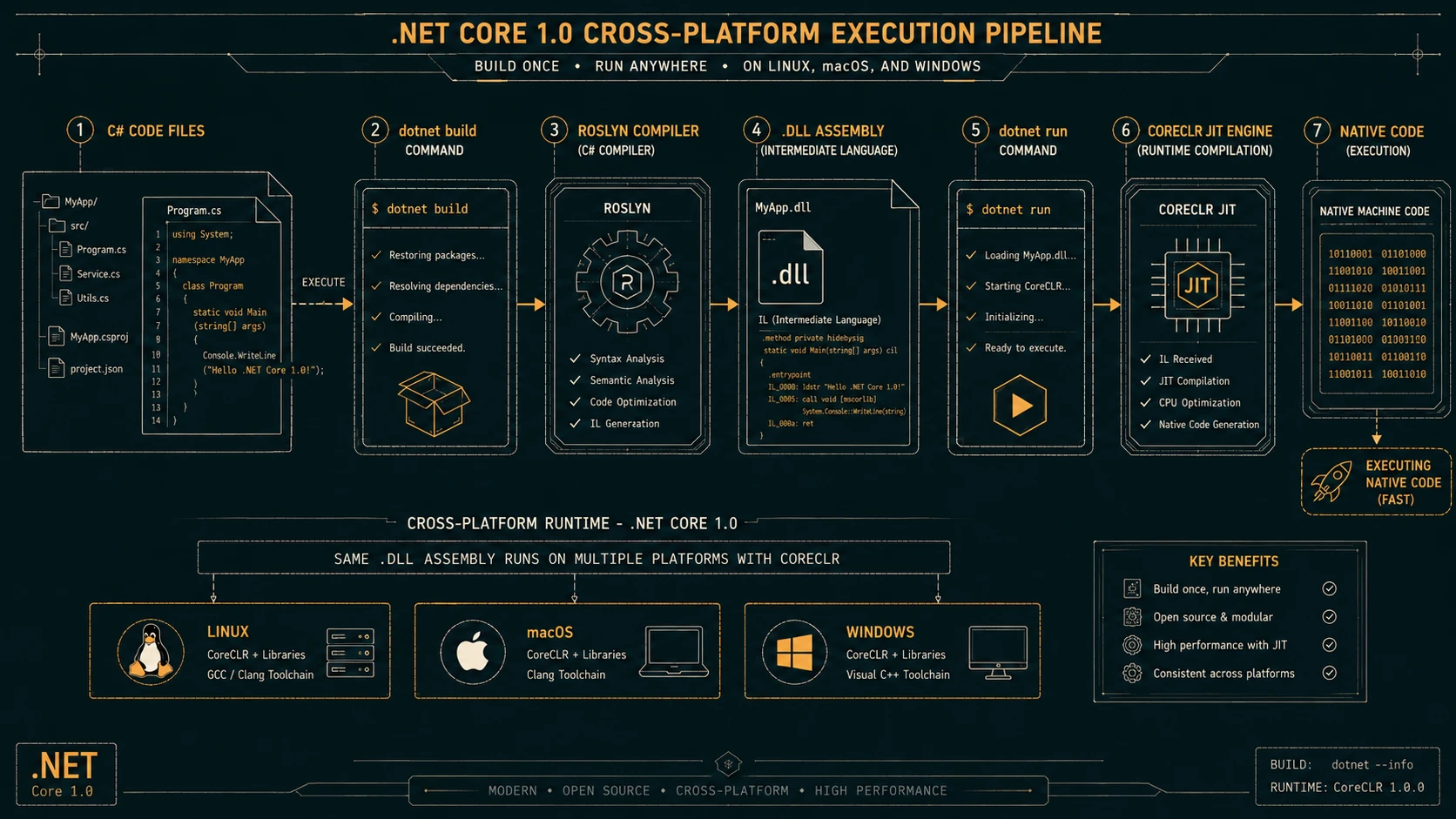
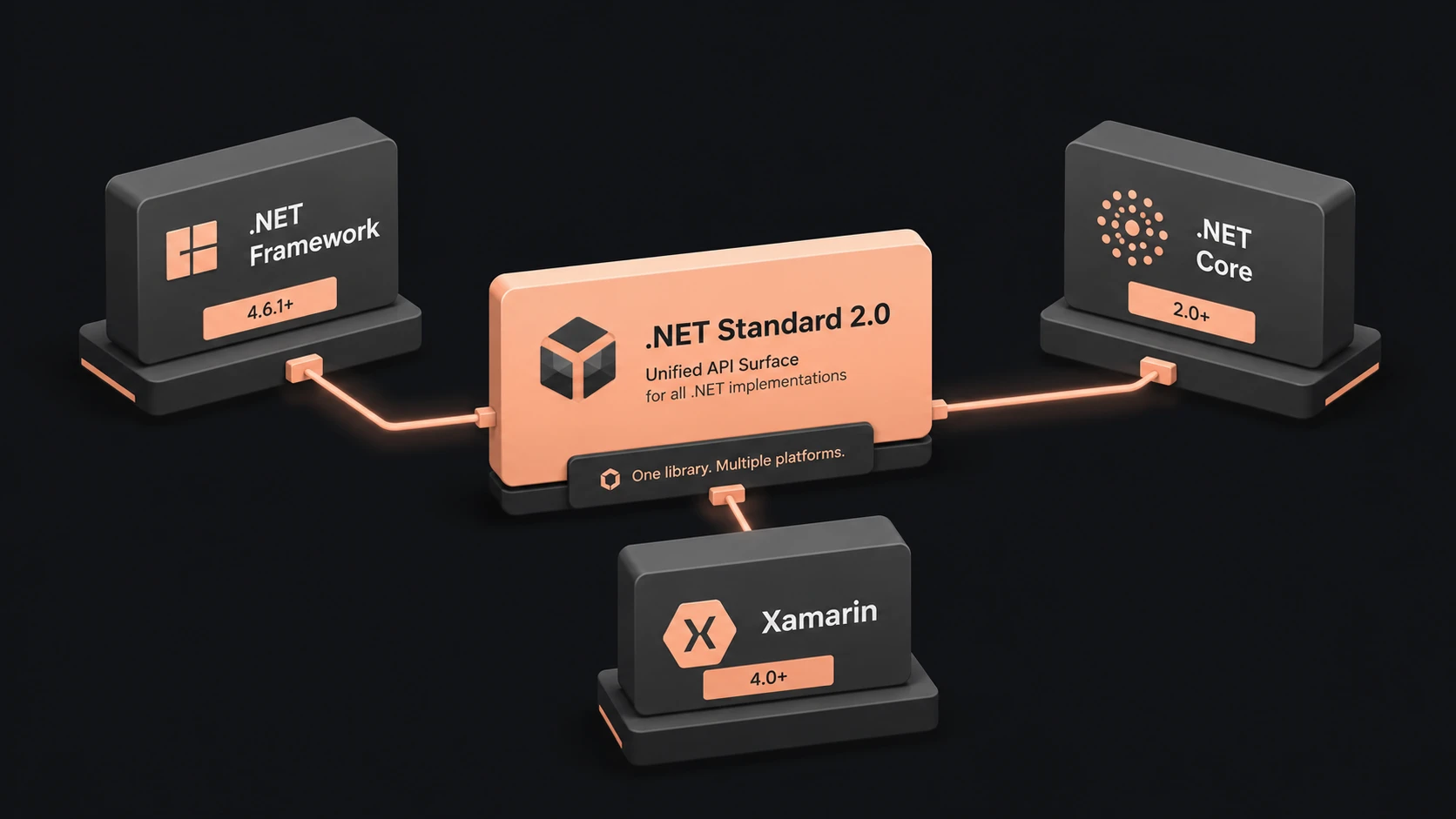
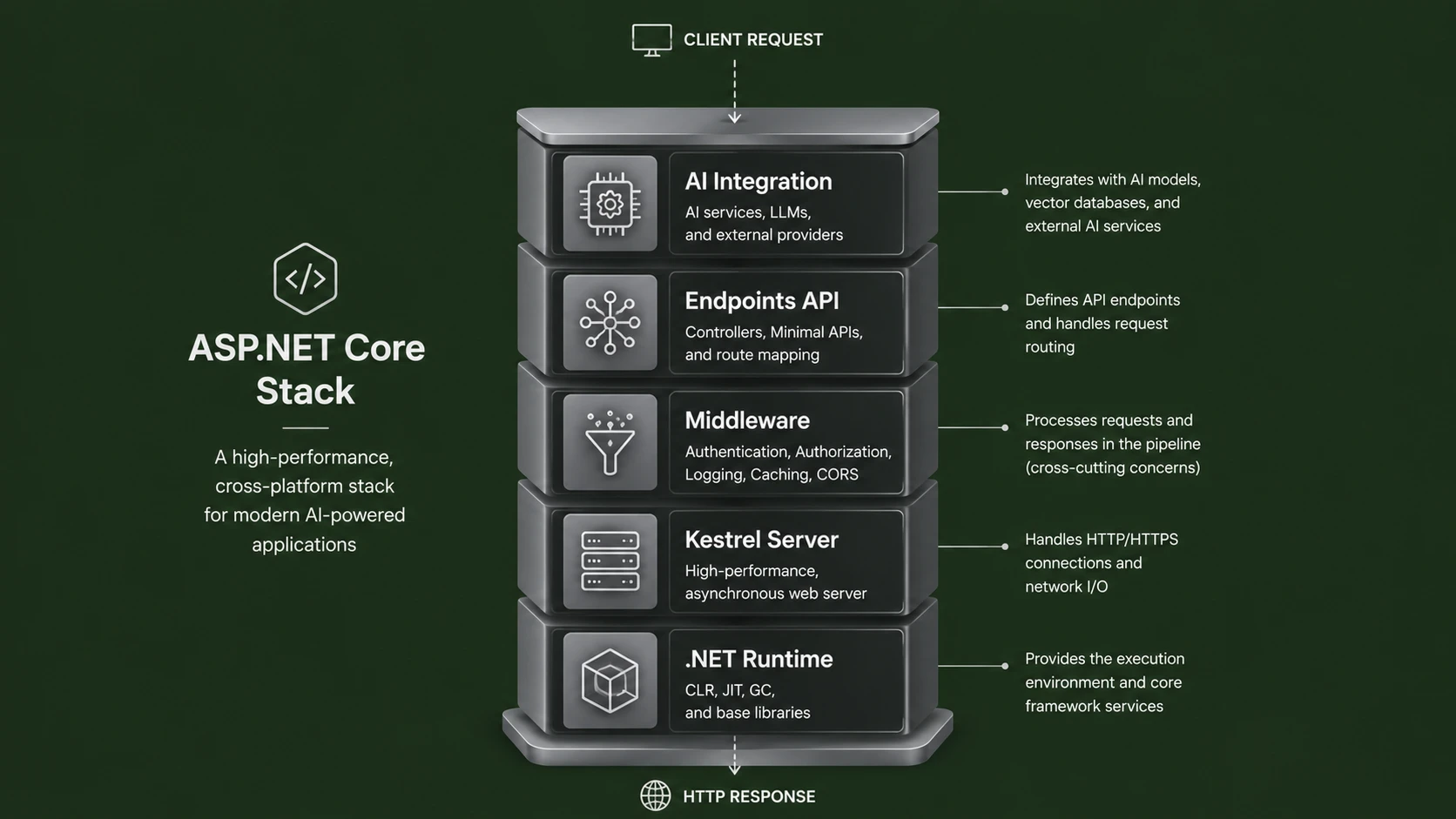
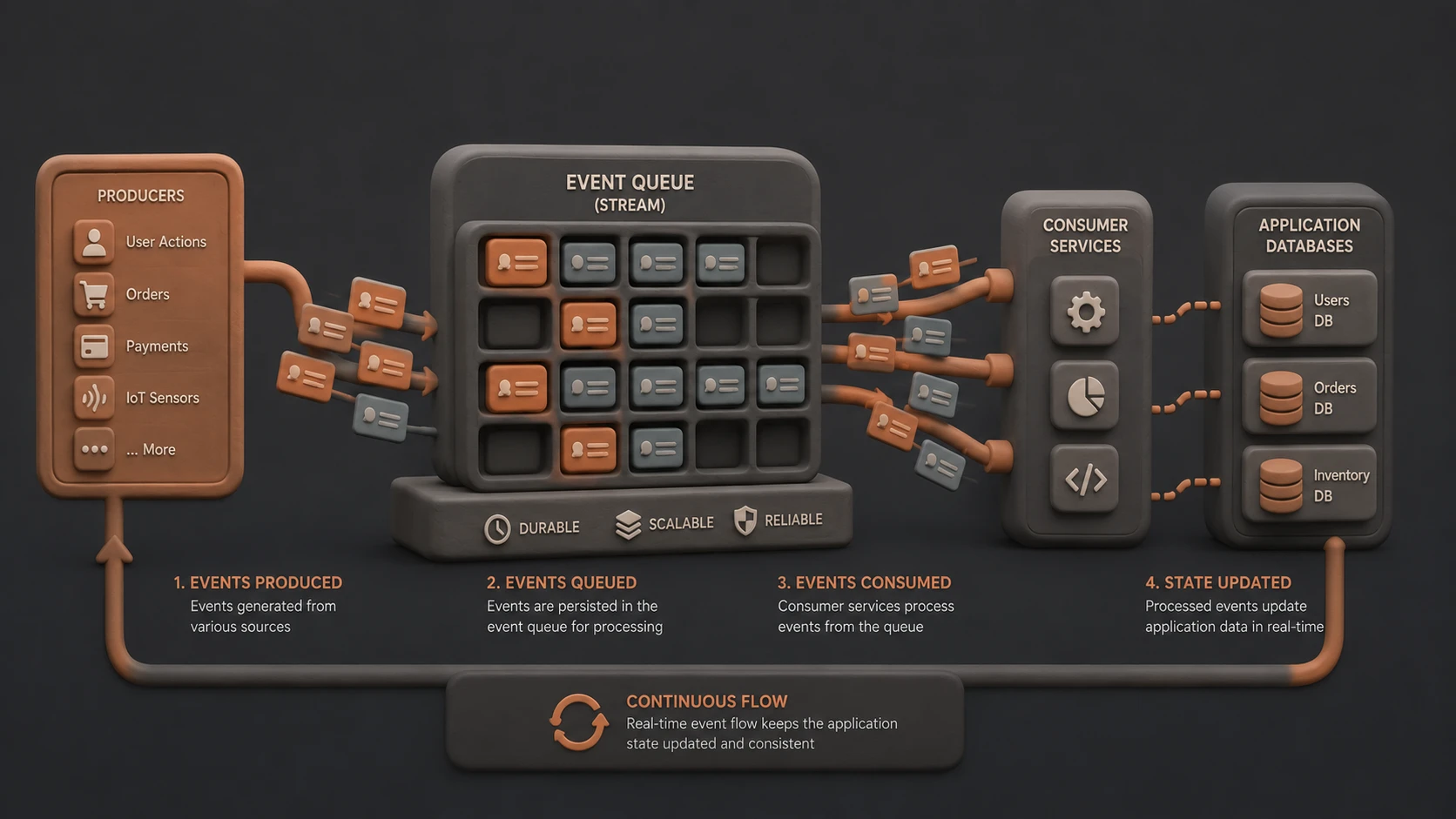
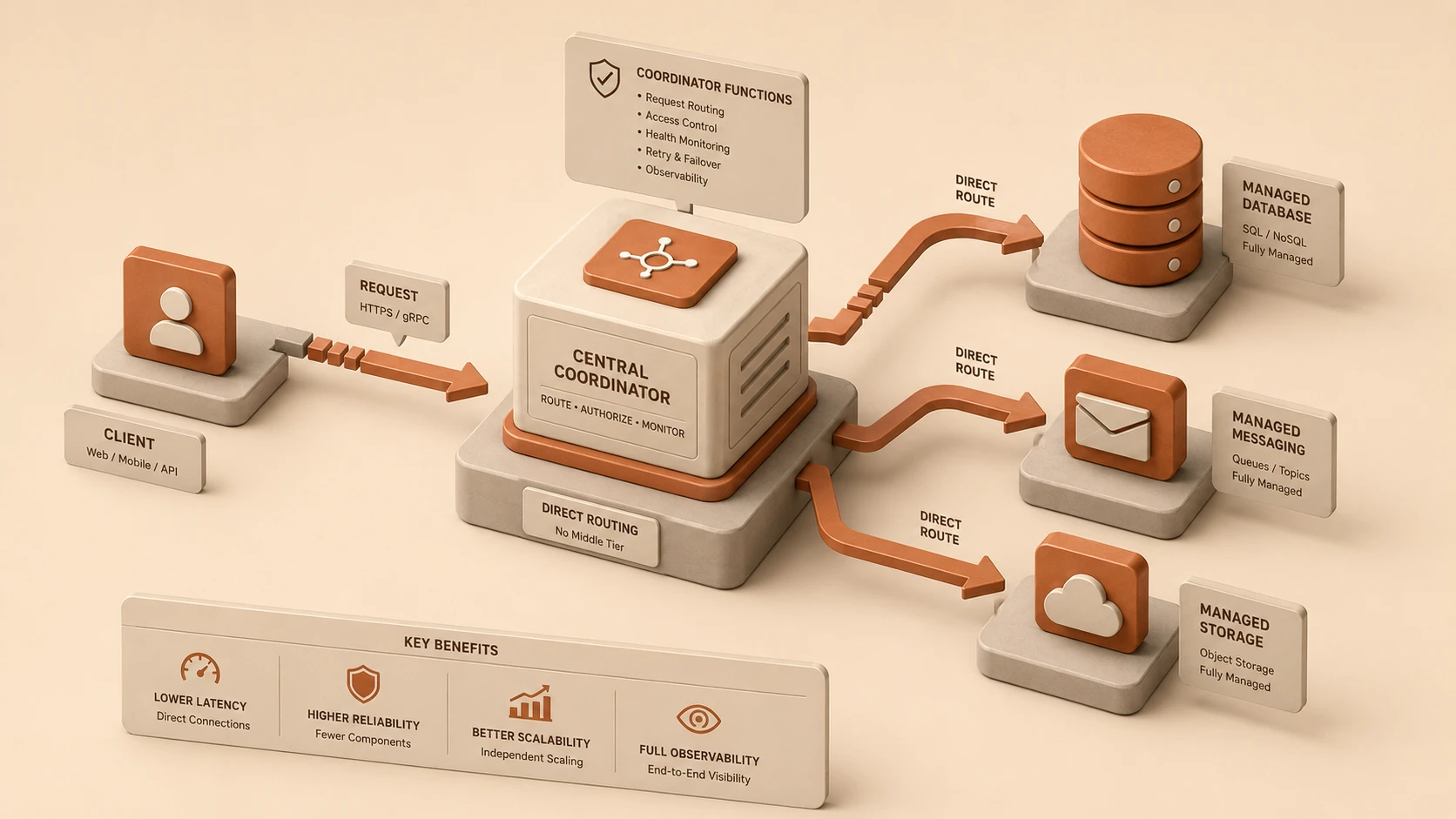
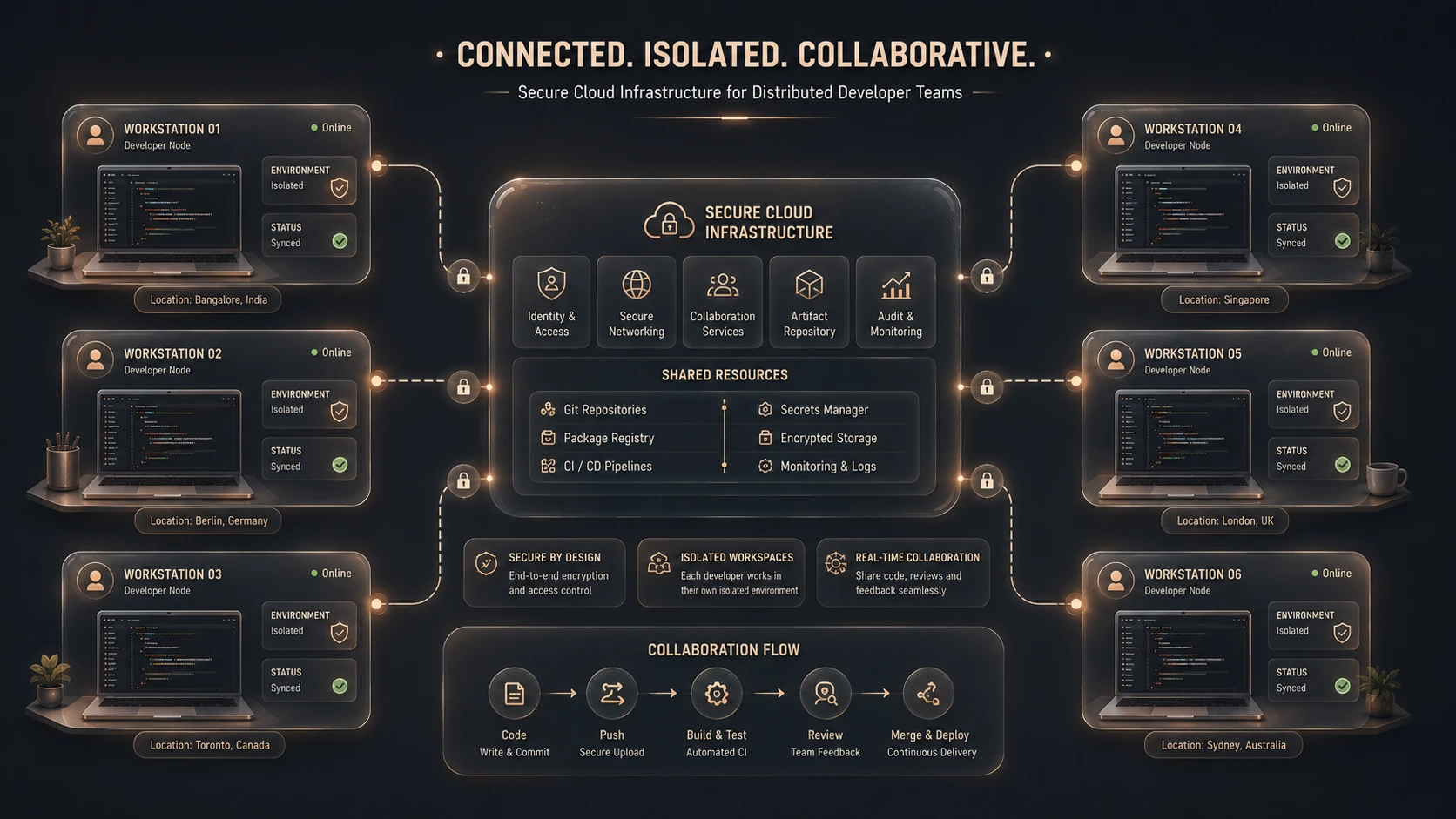
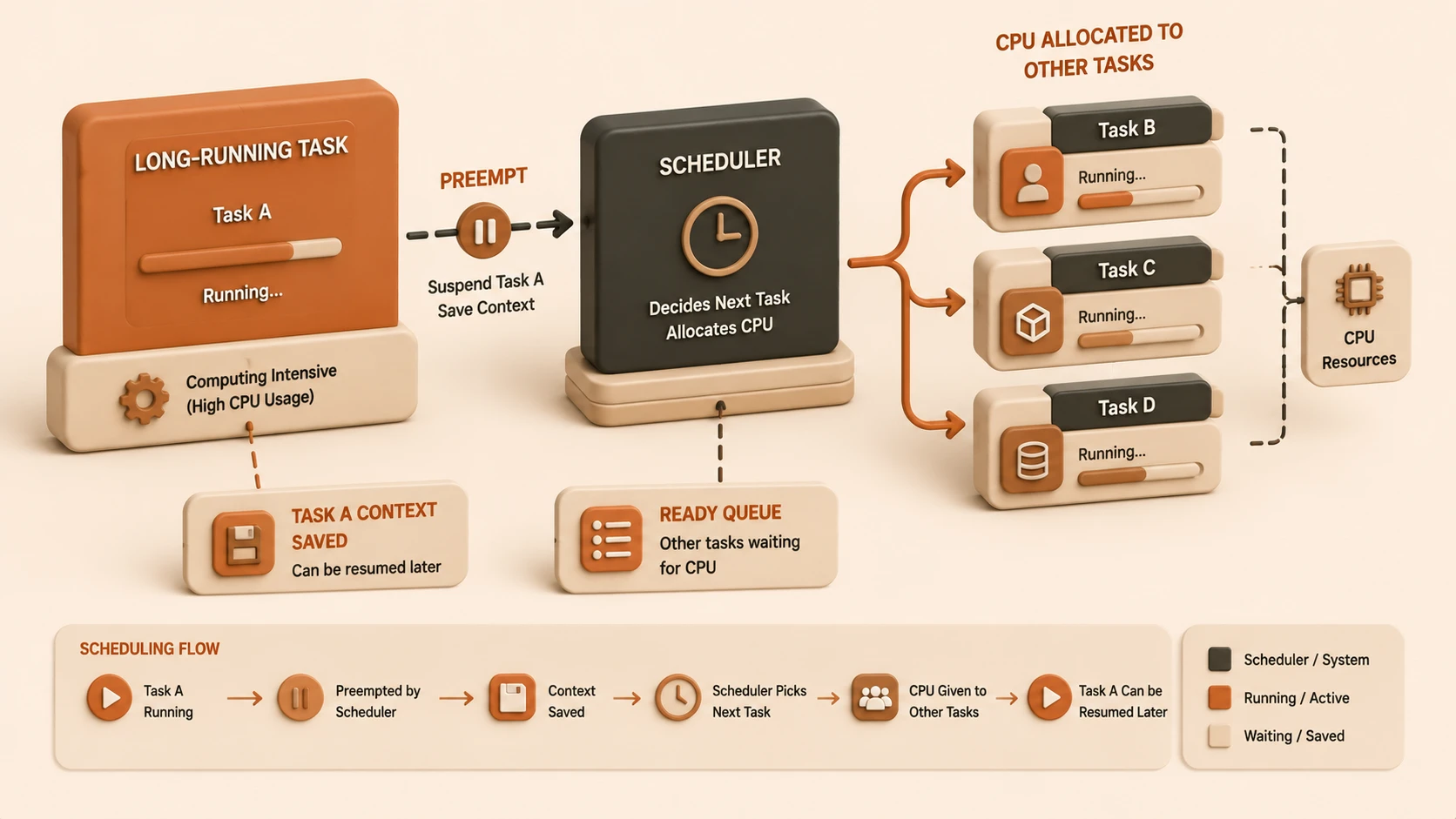
System architecture diagram and conceptual workflow layout for .NET Core 1.0: Cross-Platform Execution and the New CLI Pipeline.
- ◆Version management
- ◆Reproducible builds
- ◆Modular application composition
- ◆Simplified updates
Dependency management becomes part of the application itself rather than relying solely on machine-wide framework installations.
Cloud and Microservices
The lightweight nature of .NET Core makes it particularly suitable for emerging cloud deployment models.
Potential scenarios include:
- ◆REST APIs
- ◆Microservices
- ◆Background services
- ◆Cloud-hosted web applications
- ◆Containerized workloads
Smaller runtime footprints simplify deployment while supporting independently deployable services.
Enterprise Use Cases
| Scenario | Benefit |
|---|---|
| REST APIs | Lightweight deployment |
| Cloud Applications | Cross-platform hosting |
| Microservices | Independent deployment |
| Enterprise Web Applications | Modular architecture |
| Build Automation | CLI integration |
| Continuous Integration | Consistent tooling |
Organizations modernizing application infrastructure may benefit from .NET Core's flexibility and deployment model.
Performance Considerations
Application performance depends upon both runtime capabilities and application architecture.
Organizations should evaluate:
- ◆Startup performance
- ◆Memory utilization
- ◆Package selection
- ◆Build automation
- ◆Deployment size
- ◆Runtime configuration
The modular runtime reduces unnecessary dependencies while allowing applications to include only required components.
Security Considerations
.NET Core provides a runtime environment rather than a complete security solution.
Development teams should continue implementing:
- ◆Authentication
- ◆Authorization
- ◆HTTPS
- ◆Secure configuration management
- ◆Input validation
- ◆Dependency review
Security practices remain essential regardless of deployment platform.
Scalability
.NET Core contributes to scalable enterprise architecture through:
- ◆Modular deployment
- ◆Cross-platform hosting
- ◆Lightweight runtime
- ◆Automated build pipelines
- ◆Flexible infrastructure support
Combined with cloud deployment practices, these characteristics support evolving enterprise workloads.
Best Practices
Organizations evaluating .NET Core 1.0 should:
- ◆Adopt the CLI for automated development workflows.
- ◆Keep projects modular.
- ◆Manage dependencies explicitly.
- ◆Standardize build pipelines.
- ◆Validate cross-platform behavior.
- ◆Separate application configuration from source code.
- ◆Automate testing within continuous integration.
- ◆Document deployment procedures.
Consistent engineering practices maximize the benefits of the new runtime architecture.
Common Mistakes
Development teams should avoid:
- ◆Assuming .NET Core is a direct replacement for every existing .NET Framework application.
- ◆Including unnecessary package dependencies.
- ◆Ignoring platform-specific testing.
- ◆Mixing inconsistent build workflows.
- ◆Treating modular deployment as a substitute for architectural design.
- ◆Neglecting automation opportunities provided by the CLI.
Successful adoption depends upon disciplined engineering practices alongside the new tooling.
Technology Comparison
| Capability | .NET Framework | .NET Core 1.0 |
|---|---|---|
| Operating System Support | Primarily Windows | Windows, Linux, macOS |
| Runtime Architecture | Monolithic | Modular |
| Open Source Development | Limited | Yes |
| Command-Line Workflow | Limited | Unified CLI |
| Cloud-Oriented Deployment | Moderate | Improved |
| Package-Based Composition | Partial | Core design principle |
.NET Core introduces a significantly different architectural model while preserving the familiar C# programming experience.
Adoption Strategy
Organizations should evaluate .NET Core incrementally.
A practical adoption approach includes:
- 1.Identify suitable new projects.
- 2.Introduce the CLI into build automation.
- 3.Validate deployment across target operating systems.
- 4.Standardize dependency management.
- 5.Train development teams on the new tooling.
- 6.Integrate automated testing into continuous integration.
- 7.Expand adoption as organizational experience grows.
Pilot implementations allow engineering teams to gain operational familiarity before broader deployment.
Limitations
As of February 2016, organizations should recognize several considerations.
Current observations include:
- ◆.NET Core 1.0 represents a new platform with an evolving ecosystem.
- ◆Existing .NET Framework applications may continue depending on framework-specific capabilities.
- ◆Some libraries and tools continue adapting to the new runtime.
- ◆Migration planning should consider application dependencies carefully.
Organizations should evaluate individual workloads before selecting a runtime platform.
Looking Ahead
.NET Core 1.0 represents a major milestone in the evolution of the .NET ecosystem. By introducing a modular runtime, cross-platform execution, package-based architecture, and a unified command-line interface, Microsoft has established a modern foundation aligned with cloud computing, automated deployment, and contemporary software engineering practices.
As of February 2016, enterprise architects should view .NET Core as a compelling option for new applications targeting cloud infrastructure, RESTful services, and cross-platform deployment environments. Organizations that invest in modular application design, automated build pipelines, and standardized development workflows will be well positioned to take advantage of this important evolution of the .NET platform.