Enterprise Technology
Viewing all posts categorized under Enterprise Technology.

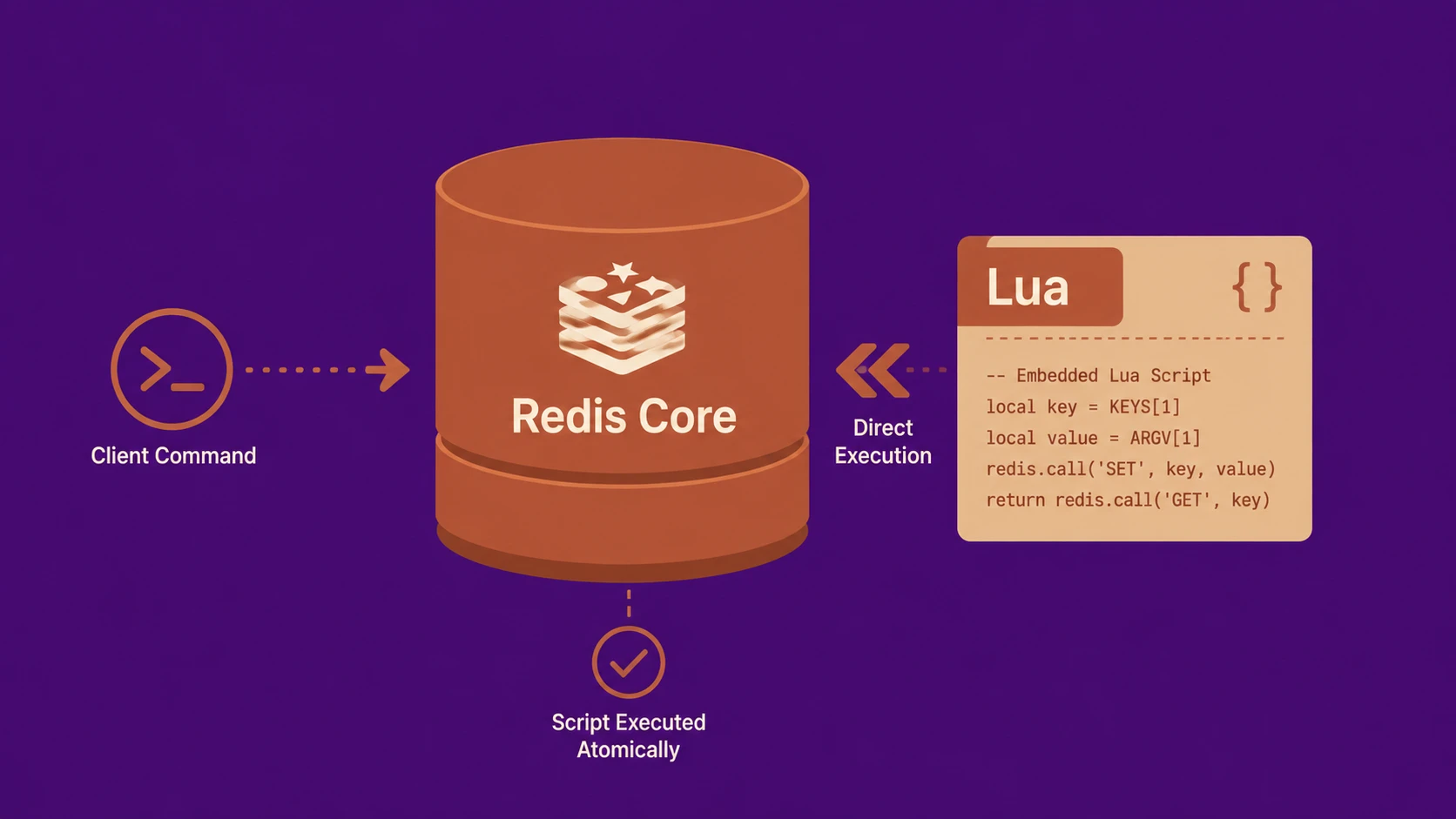
Redis 2.6: Lua Scripting, Server-Side Scripts, and Commands
Redis 2.6 introduces one of its most significant architectural enhancements: server-side Lua scripting. This article examines how Lua scripts execute atomically, how they improve performance for complex operations, and what enterprise architects should consider when adopting Redis scripting in production environments.
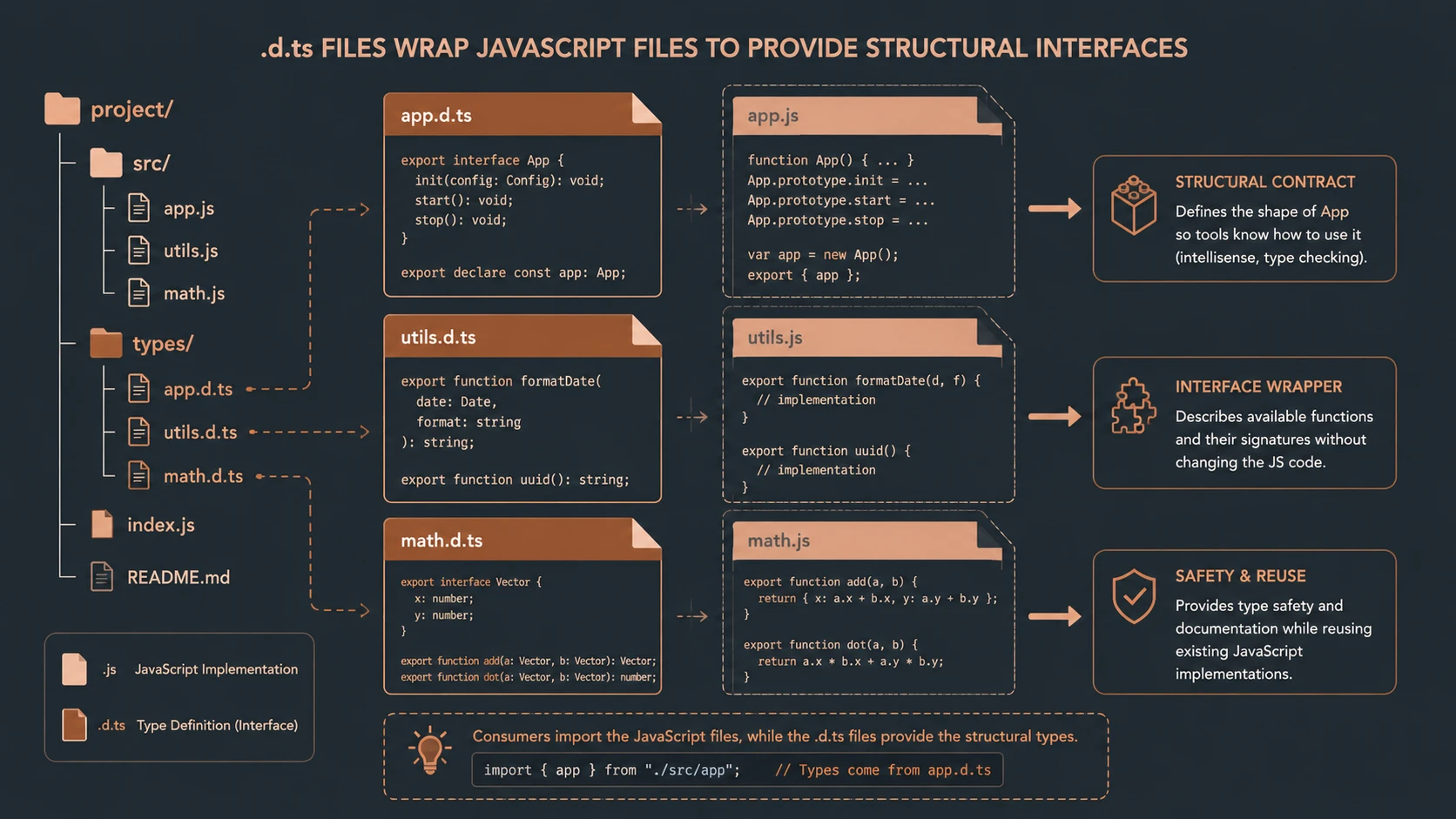
TypeScript 0.8: Reviewing Microsoft's Open Source Compiler Preview
Microsoft has introduced TypeScript 0.8 as an open source language and compiler designed to improve the development of large JavaScript applications. This article examines the language from the perspective of August 2012, exploring its architecture, type system, enterprise use cases, and how it compares with existing JavaScript development practices.
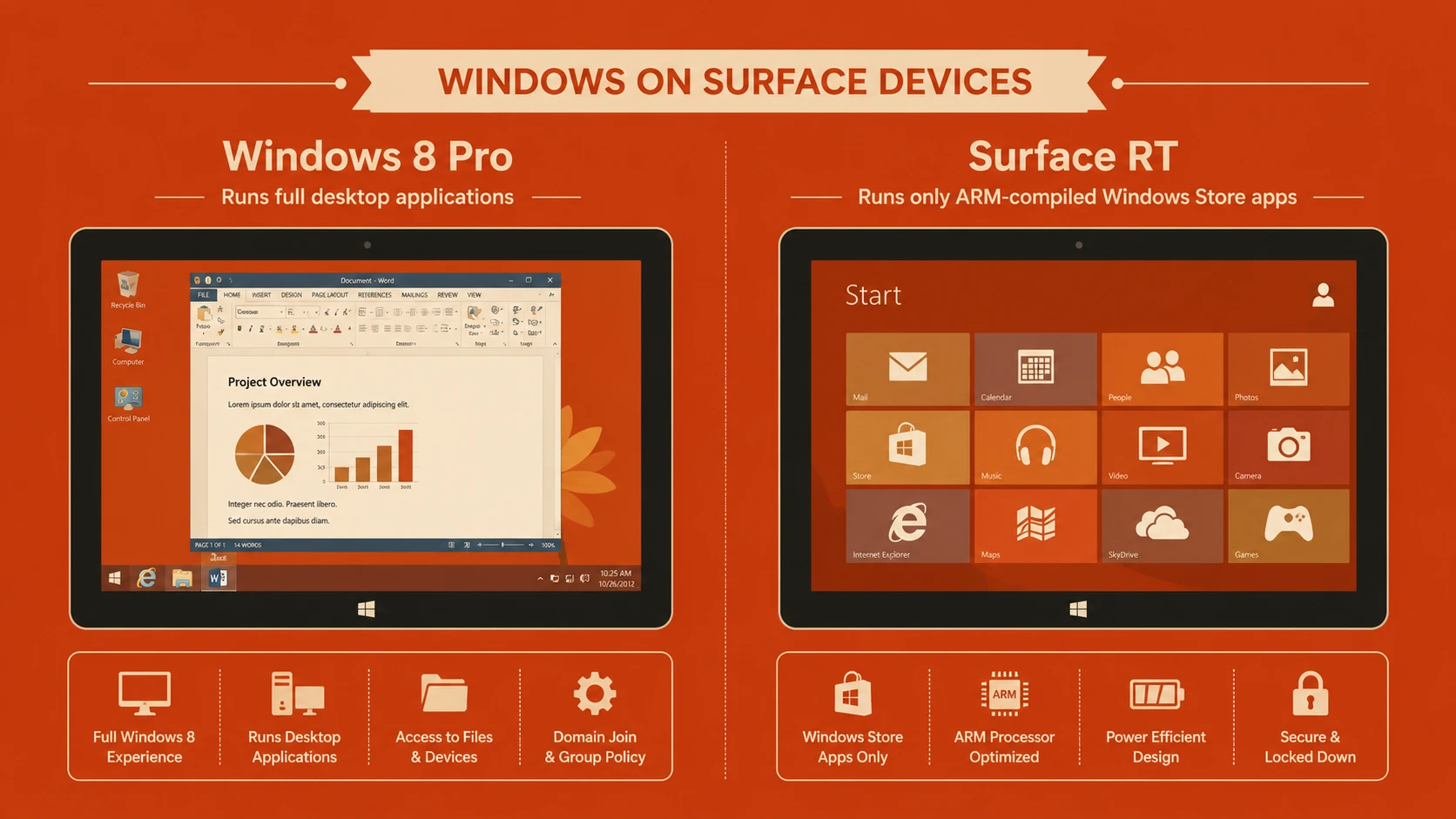
Windows 8 and Surface RT: Microsoft's Risky Dual-OS Launch
Microsoft has unveiled Windows 8 alongside its Surface tablet family, introducing a bold dual-operating-system strategy built around Windows 8 and Windows RT. Combining a touch-first interface, the new Metro design language, ARM processor support, and Microsoft's first self-designed hardware, this launch represents one of the company's most ambitious platform transitions. This article examines the architecture, enterprise implications, deployment considerations, and strategic risks of Microsoft's Windows 8 initiative from the perspective of August 2012.
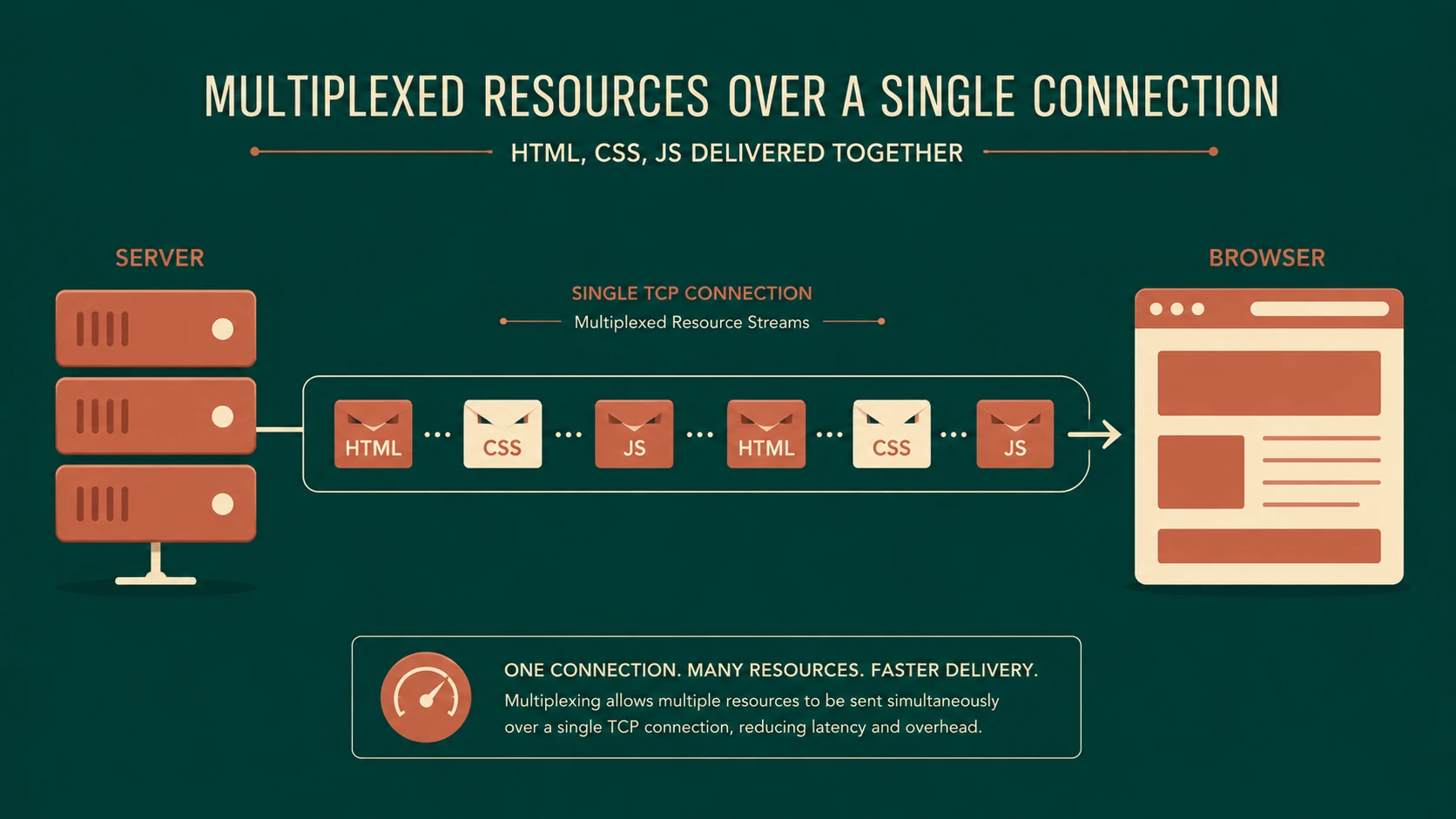
Web Performance: SPDY Protocol and the Foundation of HTTP/2
As web applications become increasingly sophisticated, network latency has emerged as one of the largest barriers to user experience. Google's SPDY protocol introduces innovations such as multiplexed streams, header compression, request prioritization, and persistent encrypted connections to improve web performance. This article examines SPDY from the perspective of July 2012, exploring its architecture, enterprise adoption considerations, implementation challenges, and its potential influence on the future evolution of HTTP.
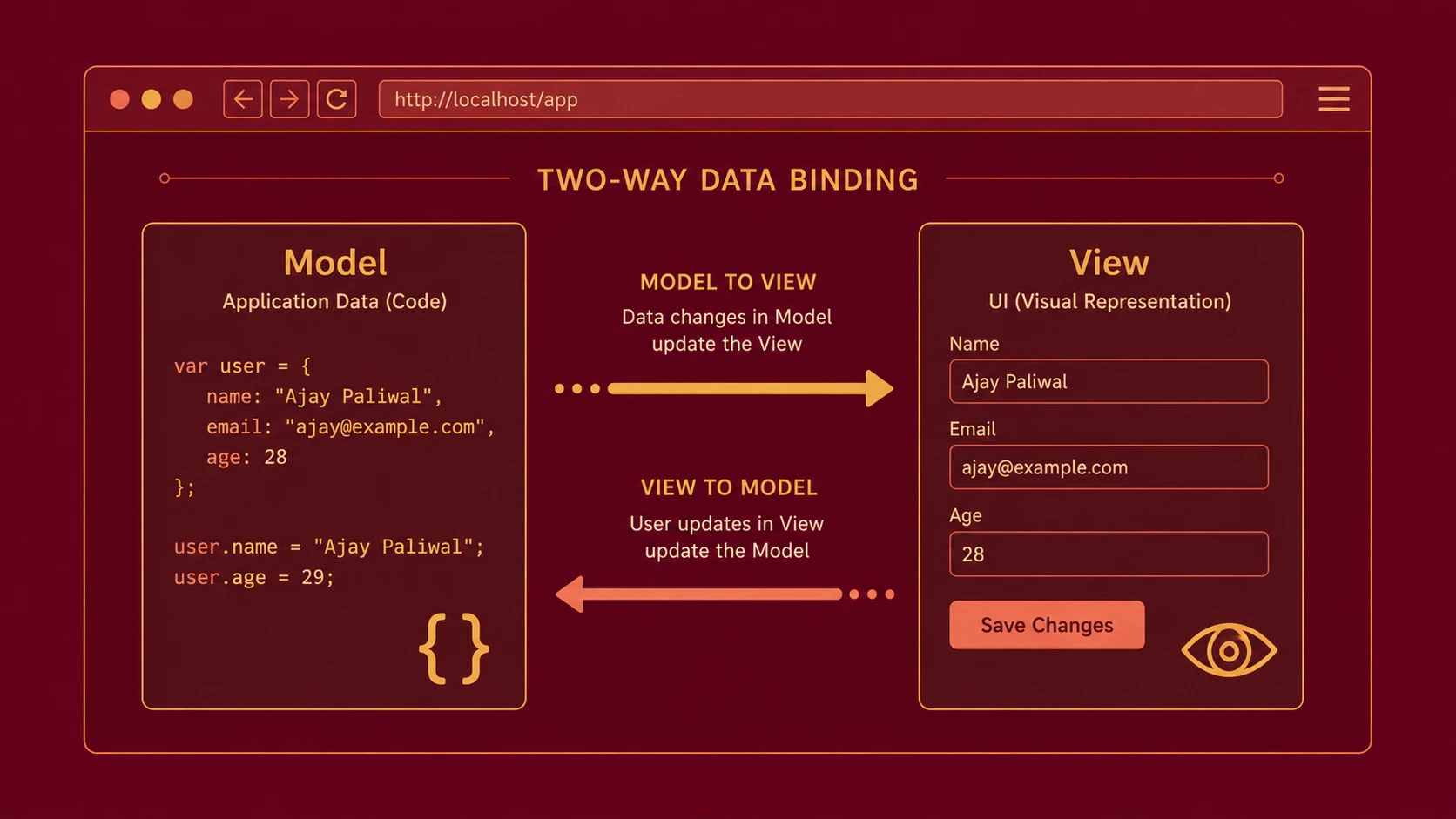
Single Page Apps: Why AngularJS v1.0 is the Framework to Watch
With the release of AngularJS 1.0, Google has introduced a JavaScript framework that simplifies the development of Single Page Applications (SPAs). This article examines AngularJS from the perspective of July 2012, evaluating its architecture, enterprise potential, performance characteristics, and how it compares with existing JavaScript frameworks.
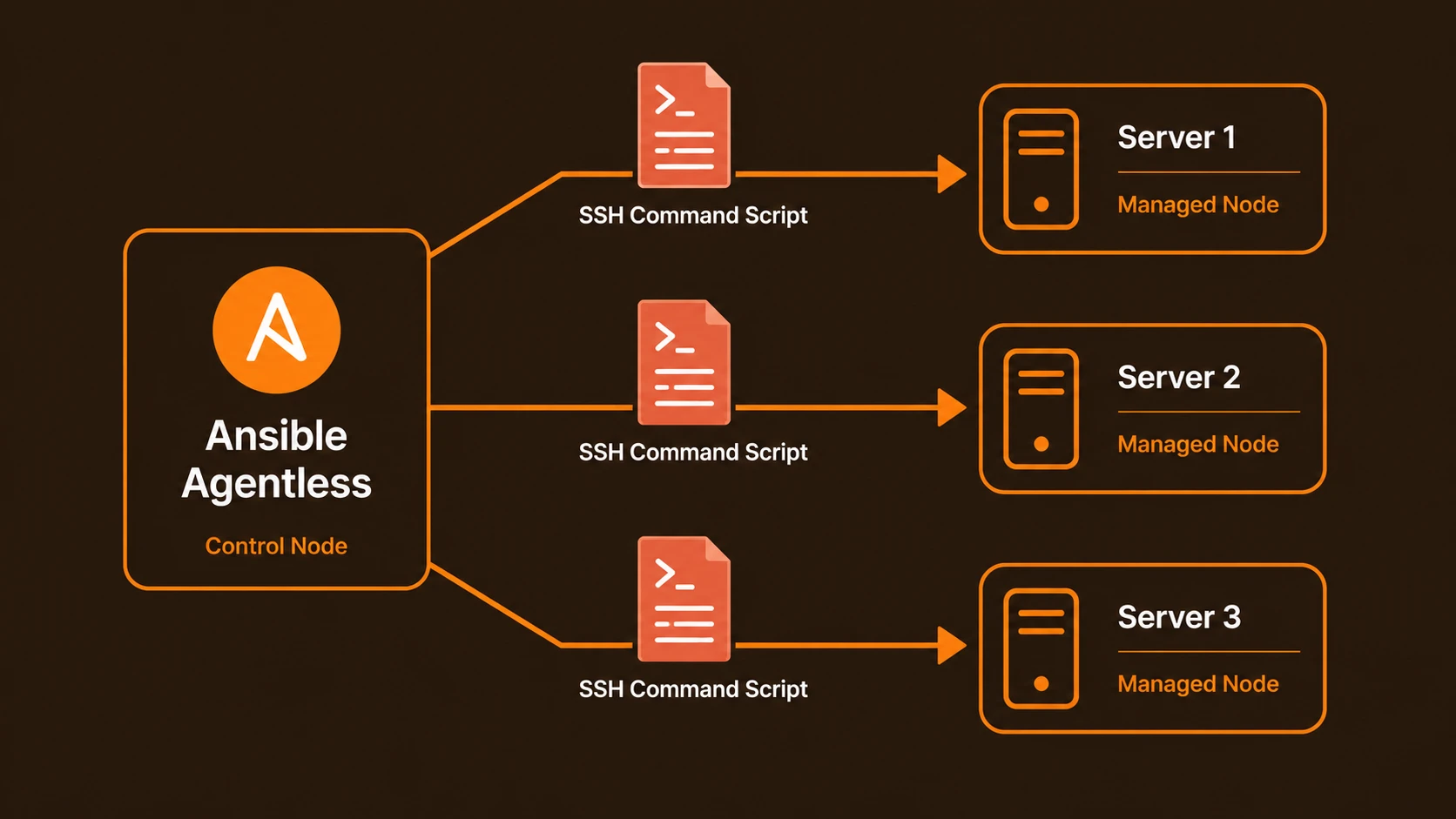
Infrastructure Automation: Ansible vs. Puppet and Chef in 2012
As enterprise IT environments continue growing in complexity, infrastructure automation has become a strategic priority. This article compares Ansible, Puppet, and Chef from the perspective of June 2012, examining their architectures, deployment models, scalability, operational characteristics, and suitability for enterprise infrastructure management.
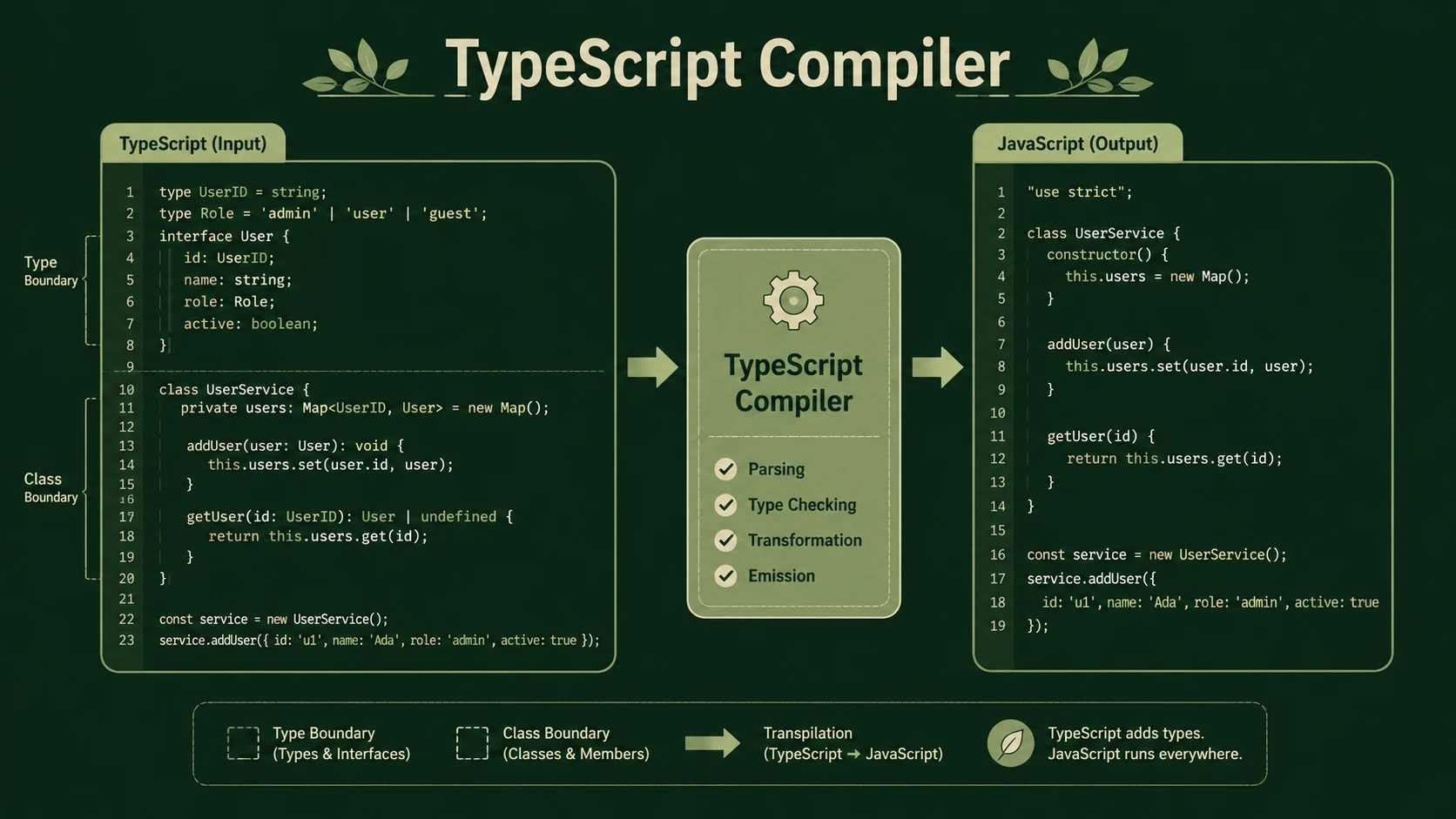
TypeScript Announcement: static type safety for JavaScript scale
Microsoft has announced TypeScript, a statically typed programming language that compiles to JavaScript. This article examines its architecture, language features, enterprise implications, and adoption considerations from the perspective of June 2012.

Android 4.1 Jelly Bean: Project Butter and Butter-Smooth UI
Android 4.1 Jelly Bean introduces Project Butter, Google's comprehensive initiative to improve interface responsiveness, animation smoothness, and touch performance across Android devices. Beyond visual improvements, Jelly Bean delivers architectural enhancements that strengthen Android as an enterprise-ready mobile platform. This article examines Project Butter, the underlying engineering changes, enterprise implications, performance characteristics, and deployment considerations from the perspective of May 2012.
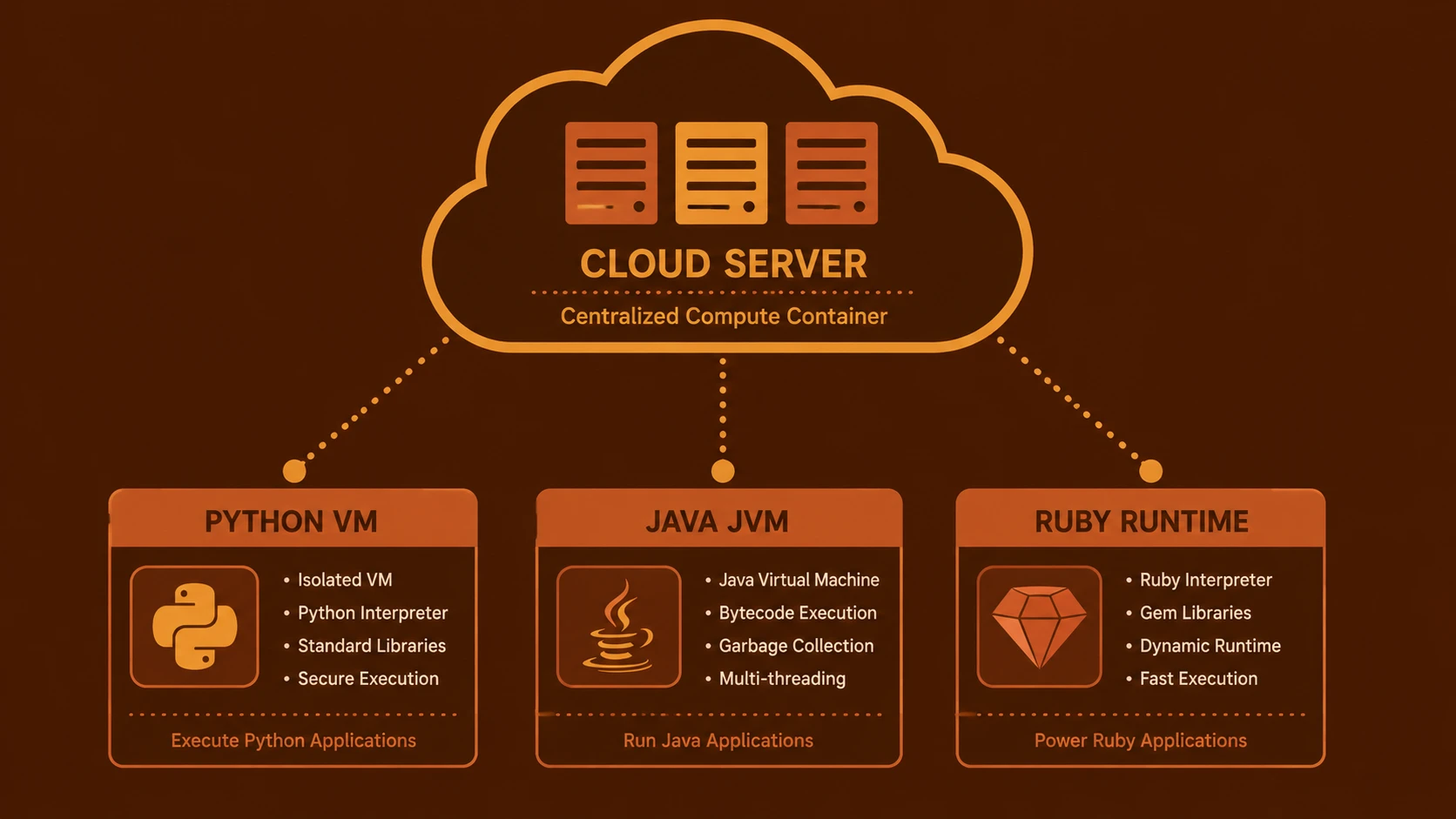
Polyglot Cloud: Heroku's Expansion into Python and Java Support
Heroku has expanded beyond its Ruby roots by introducing first-class support for Python and Java applications, positioning itself as a broader Platform-as-a-Service provider. This article analyzes the architectural implications, enterprise adoption strategies, deployment model, scalability considerations, and business impact from the perspective of May 2012.
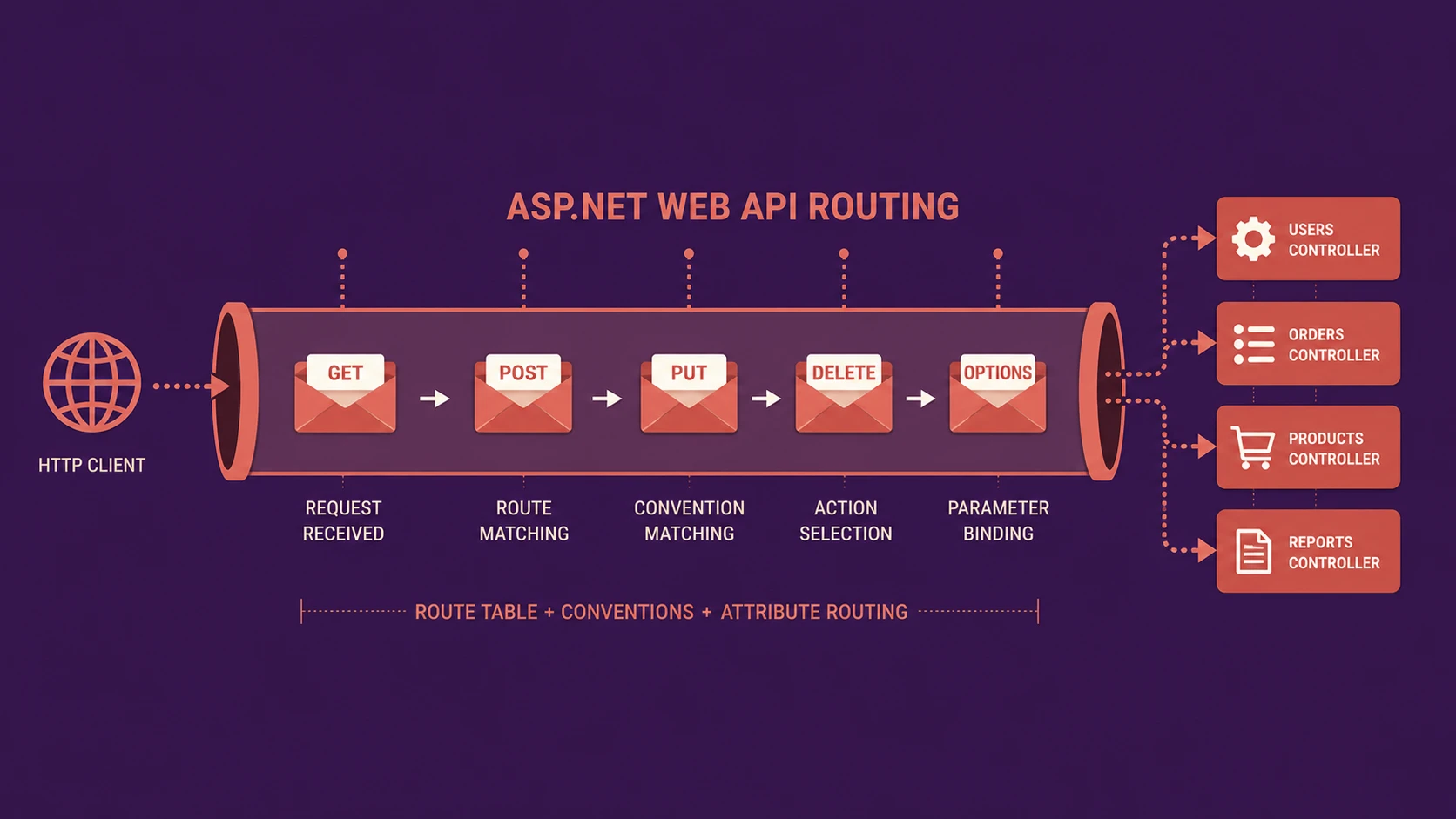
ASP.NET Web API: Designing RESTful APIs for the Modern Web
ASP.NET Web API introduces a modern programming model for building HTTP services that can be consumed by browsers, mobile applications, and enterprise systems. This article examines its architecture, design principles, enterprise adoption strategies, and implementation considerations from the perspective of April 2012.
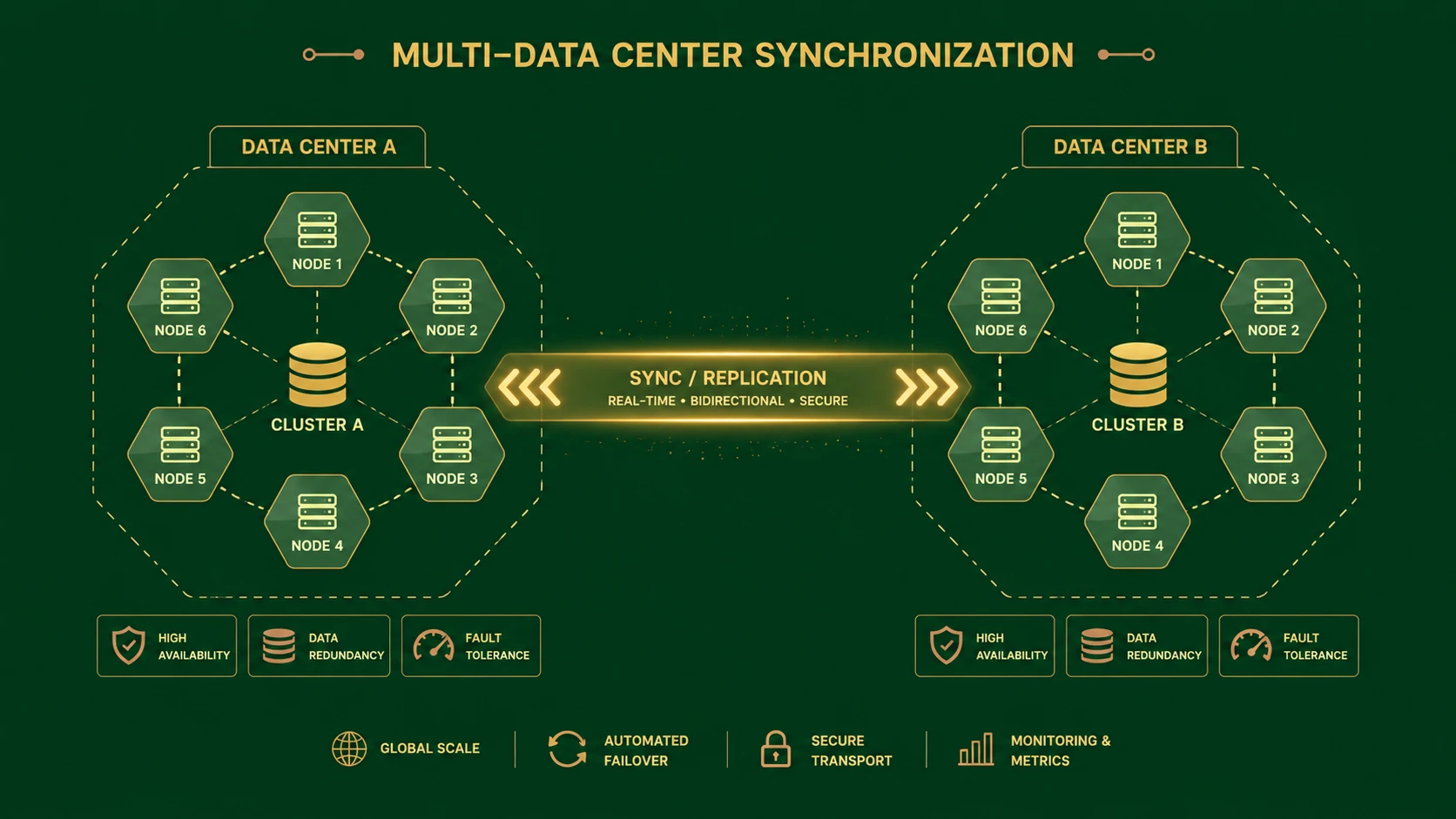
Apache Cassandra 1.1: Multi-Data Center Replication for Enterprise
Apache Cassandra 1.1 introduces significant improvements in multi-data center replication, operational management, and performance, making it an increasingly attractive option for enterprises requiring highly available, geographically distributed databases. This article examines Cassandra 1.1 from the perspective of April 2012, exploring its architecture, replication model, scalability characteristics, enterprise adoption considerations, and operational best practices.

App Store Valuations: Analyzing the $1B Instagram Acquisition
Facebook has announced its intention to acquire Instagram for approximately $1 billion, marking one of the largest acquisitions in the short history of the mobile application industry. This article examines the business rationale, valuation metrics, mobile ecosystem implications, and enterprise lessons from the perspective of March 2012.
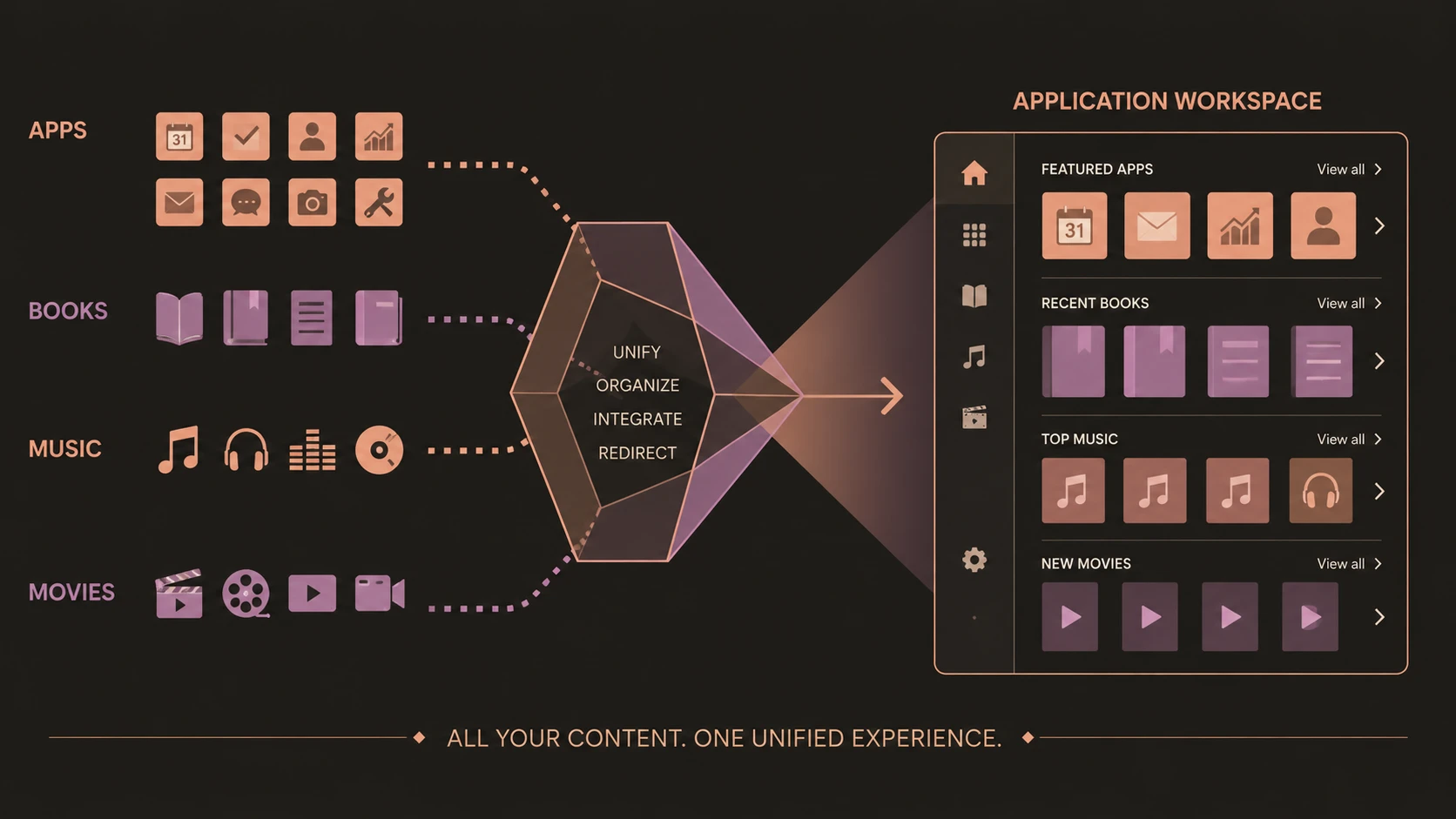
Google Play: Merging Android Market into a Unified Content Hub
Google has introduced Google Play, consolidating Android Market, Google Music, Google eBooks, and movie services into a single digital distribution platform. This article examines the architecture, enterprise impact, application distribution model, and opportunities created by Google's unified ecosystem from the perspective of March 2012.
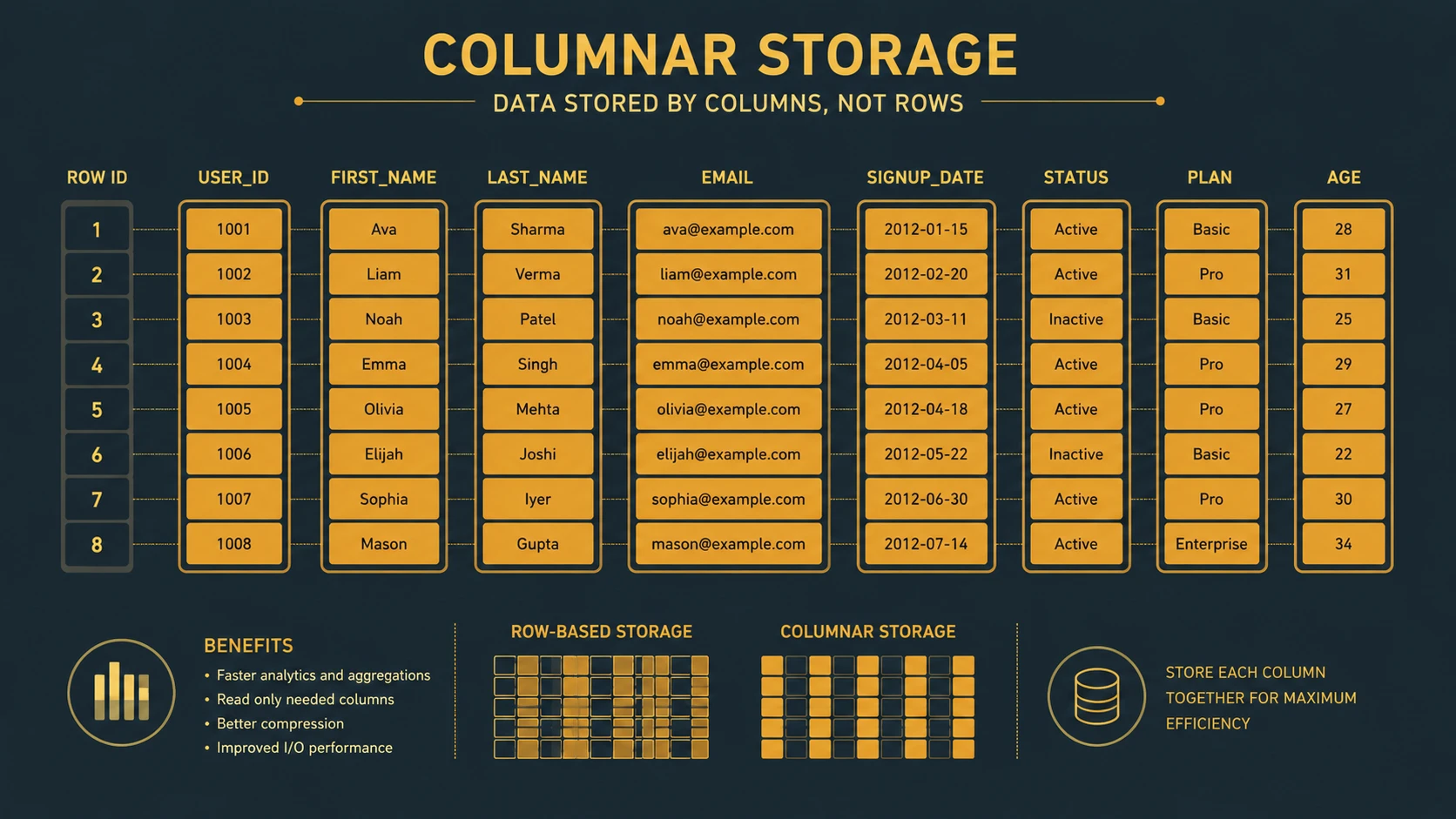
High-Performance Columnstore Indexes in SQL Server 2012
SQL Server 2012 introduces Columnstore Indexes to address the growing performance demands of enterprise data warehousing and business intelligence. This article examines the architecture, execution model, implementation considerations, and enterprise adoption strategies from the perspective of early 2012.
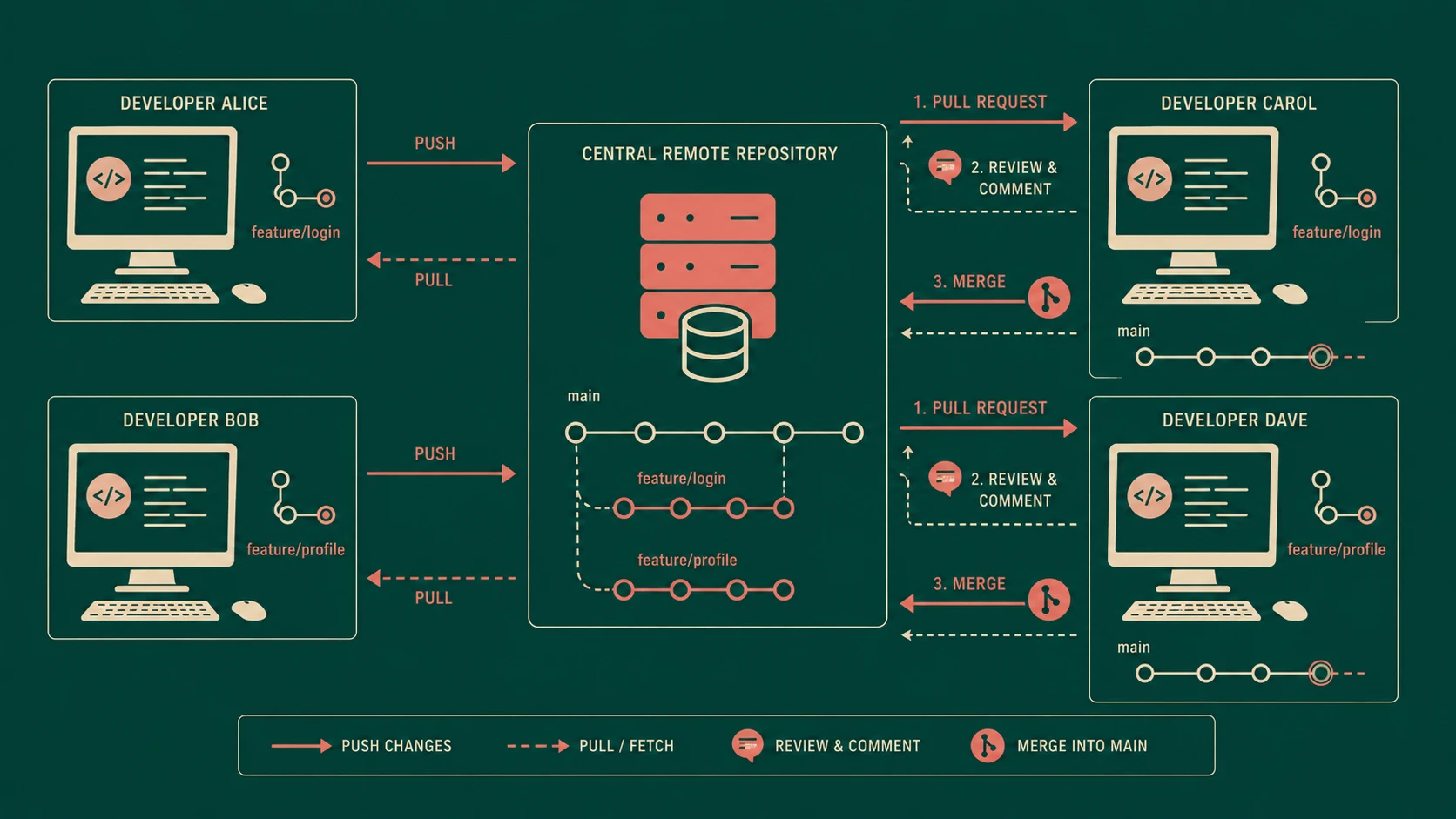
Social Coding: How GitHub is Redefining Team Collaboration
GitHub has rapidly emerged as more than a Git hosting platform. This article explores how social coding, pull requests, forks, issue tracking, and collaborative development practices are influencing enterprise software engineering as of early 2012.