Enterprise Technology
Viewing all posts categorized under Enterprise Technology.


Designing Scalable HTTP APIs: Early Architectures with WCF Web API
As HTTP-based services gain momentum beyond traditional SOAP web services, Microsoft's WCF Web API preview introduces a new programming model for building resource-oriented APIs. Learn how enterprise architects can evaluate its architecture, scalability considerations, and adoption strategies in late 2010.

jQuery Mobile and the Mobile Web: Building Cross-Platform Touch UIs
The rapid growth of smartphones is forcing enterprises to rethink how they deliver applications to employees and customers. jQuery Mobile introduces a framework focused on creating touch-friendly, cross-platform web interfaces using HTML5, CSS3, and JavaScript. This article examines its architecture, capabilities, limitations, and enterprise adoption considerations from the perspective of October 2010.

REST vs. SOAP: Navigating Web Service Architectures for Enterprise Integration
As enterprise integration projects continue to expand across distributed systems, architects must carefully evaluate REST and SOAP as competing approaches to web service design. This article examines their architectural differences, strengths, limitations, enterprise use cases, and practical adoption strategies from the perspective of September 2010.

Entity Framework 4.0: Resolving the Object-Relational Impedance Mismatch
Entity Framework 4.0 represents a significant step forward for Microsoft's Object-Relational Mapping platform. With improved POCO support, better testability, foreign key associations, and cleaner persistence capabilities, enterprise developers can build maintainable and scalable data access layers while reducing the complexity of bridging object-oriented applications with relational databases.

Agile Estimation: Demystifying Planning Poker and Story Points in Scrum
As Agile adoption continues to expand across enterprises in 2010, development teams are rethinking traditional effort estimation. Learn how Scrum teams use story points and Planning Poker to improve predictability, encourage collaboration, and deliver software with greater confidence.
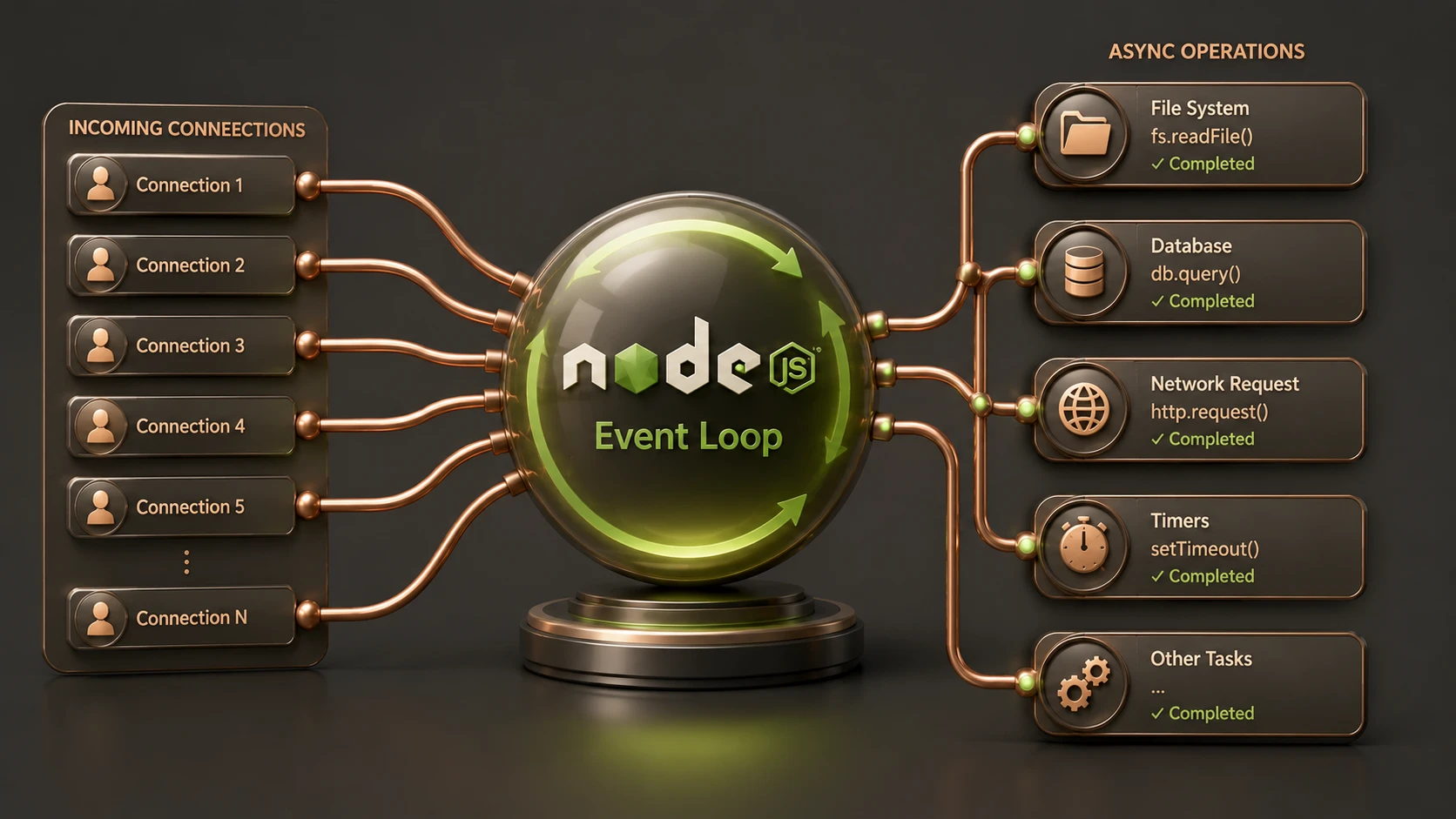
Node.js: JavaScript on the Server and the Promise of Asynchronous I/O
Node.js is introducing a new approach to server-side application development by bringing JavaScript beyond the browser and embracing an event-driven, non-blocking I/O architecture. As of August 2010, enterprise architects and developers are beginning to evaluate whether Node.js represents a practical alternative for highly concurrent web applications.

Why jQuery is Dominating Client-Side Scripting: DOM Manipulation Made Easy
As enterprise web applications become increasingly interactive, developers are searching for faster and more reliable ways to manage browser compatibility and dynamic user interfaces. jQuery has rapidly emerged as the preferred JavaScript library by simplifying DOM manipulation, event handling, AJAX, and cross-browser development. This article explores why jQuery is becoming the dominant client-side scripting framework in 2010 and how enterprise teams can successfully adopt it.

Hadoop and MapReduce: Demystifying Big Data Processing for the Enterprise
As enterprise data volumes continue to grow beyond the capabilities of traditional databases, Hadoop and MapReduce are emerging as powerful distributed computing technologies. This article explores Hadoop architecture, MapReduce fundamentals, enterprise use cases, implementation strategies, and best practices from the perspective of mid-2010.

The OWASP Top 10 for 2010: Mitigating SQL Injection and XSS Vulnerabilities
As web applications become the foundation of enterprise systems, application security can no longer be treated as an afterthought. The 2010 OWASP Top 10 highlights the industry's most critical security risks, with SQL Injection and Cross-Site Scripting remaining among the most dangerous threats. This guide examines how enterprise teams can identify, mitigate, and manage these vulnerabilities using the technologies and best practices available in mid-2010.
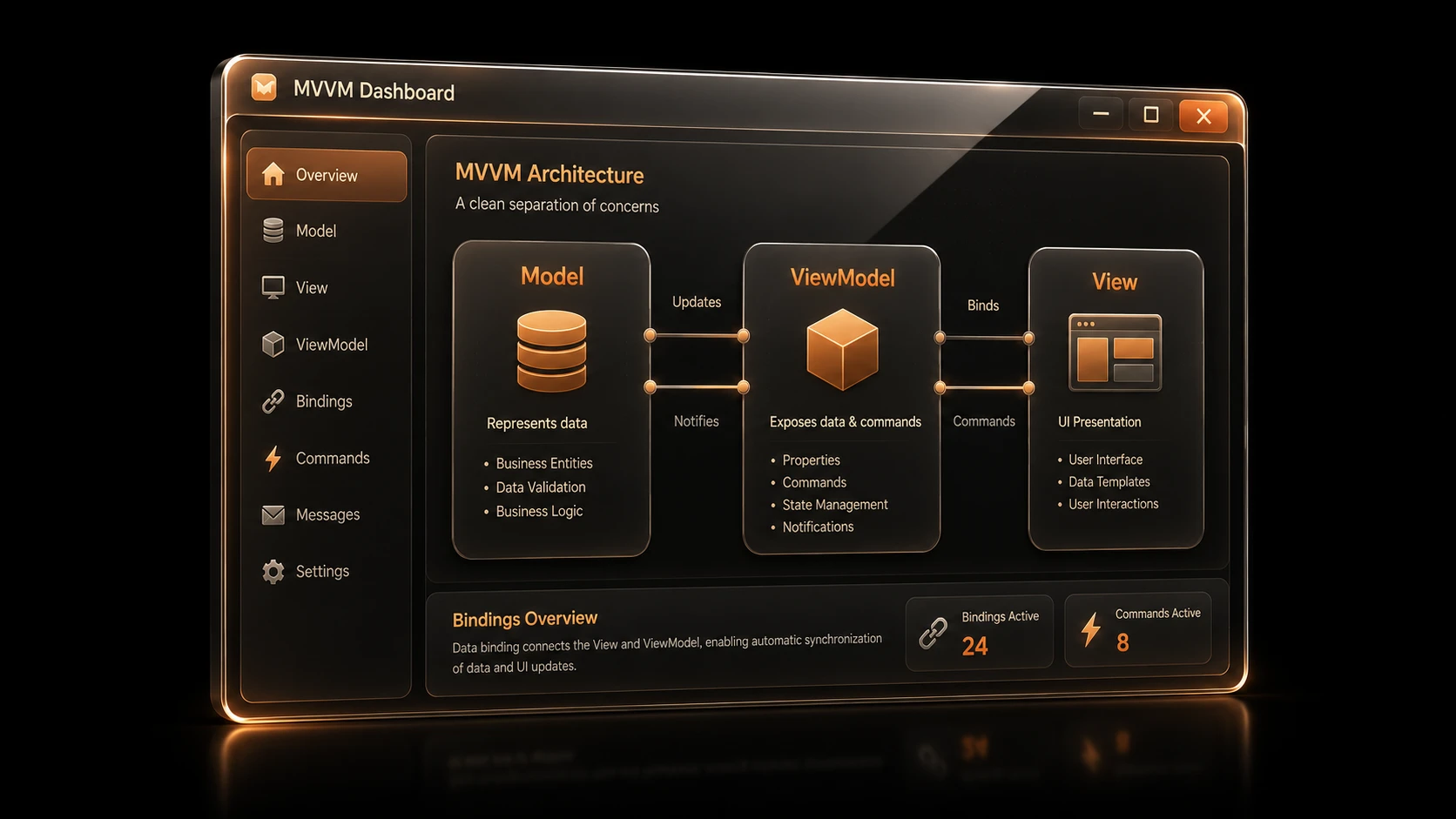
WPF 4.0: Enterprise UI Design with MVVM Pattern and XAML
Windows Presentation Foundation 4.0 continues to strengthen Microsoft's desktop application platform by improving performance, simplifying UI development, and enabling better separation of concerns through the MVVM pattern. Learn how enterprise teams can leverage WPF 4.0 and XAML to build modern business applications.

Responsive Web Design: Why Fluid Grids and Media Queries Are the Future of Mobile Web
As smartphones and mobile browsers continue to evolve in 2010, enterprises are rethinking traditional fixed-width websites. This article explores fluid grids, flexible images, and CSS3 media queries, examining how responsive web design can reduce development complexity while improving user experience across desktops and mobile devices.

The Shift to Cloud Infrastructure: How AWS EC2 and S3 Are Redefining Hosting Costs
Cloud computing is rapidly moving from an experimental concept to a viable enterprise infrastructure strategy. This article explores how Amazon EC2 and S3 are changing the economics of hosting, what architects should consider before migration, and where cloud infrastructure delivers the greatest business value as of May 2010.

Thoughts on Flash: Steve Jobs' Letter and the Catalyst for Open Web Standards
Steve Jobs' 'Thoughts on Flash' letter ignited one of the most significant debates in web technology history. While Flash dominated rich internet applications for nearly a decade, Apple's public rejection of the platform accelerated discussions around HTML5, CSS3, JavaScript, and open web standards. Written from the perspective of April 2010, this article examines the technical, architectural, and enterprise implications of this pivotal moment.

Understanding WCF in .NET 4.0: SOA Best Practices for Enterprise Systems
Windows Communication Foundation in .NET 4.0 provides a unified programming model for building enterprise services across distributed environments. This article explores architecture, bindings, contracts, security, hosting, interoperability, and practical SOA best practices relevant to enterprise development teams in early 2010.

Silverlight 4 vs. HTML5: The Impending Battle for the RIA Throne
Silverlight 4 promises powerful enterprise application capabilities with rich media, .NET integration, and desktop features, while HTML5 is rapidly gaining industry attention as an open web standard. Which technology should enterprises choose for future Rich Internet Applications in 2010?