Oracle's acquisition of Sun Microsystems represents one of the most significant transitions the enterprise technology industry has experienced in the past decade. As organizations enter 2010, CIOs, enterprise architects, database administrators, and software development teams are carefully evaluating how this merger may reshape the future of enterprise computing.
Unlike previous software acquisitions, this transaction brings together a complete technology stack. Oracle has traditionally dominated enterprise databases and business applications, while Sun Microsystems built a reputation around Java, Solaris, SPARC hardware, MySQL, and enterprise infrastructure technologies. The combined portfolio has the potential to redefine how organizations purchase, deploy, and manage enterprise systems.
Although regulatory approvals have delayed completion of the acquisition, businesses are already planning for a future where Oracle controls one of the industry's most influential software platforms.
Why the Oracle-Sun Merger Matters
The acquisition extends far beyond ownership of Java. Oracle is positioned to own nearly every major component required to build enterprise applications.
| Technology Area | Oracle Strength | Sun Strength |
|---|---|---|
| Database | Oracle Database | MySQL |
| Middleware | Oracle Fusion Middleware | Java Platform |
| Operating System | Enterprise Linux Strategy | Solaris |
| Hardware | Limited | SPARC Servers and Storage |
| Development | Enterprise Tools | Java Development Ecosystem |
This combination creates a vertically integrated technology vendor capable of competing more directly with IBM, Hewlett-Packard, and Microsoft.
For enterprise customers, this raises both opportunities and important strategic questions.
The Strategic Importance of Java
// Classic Java JDBC connection using Oracle SQL driver configuration
import java.sql.Connection;
import java.sql.DriverManager;
import java.sql.ResultSet;
import java.sql.Statement;

public class OracleConnectionCheck {
    public static void main(String[] args) throws Exception {
        // Register Oracle JDBC driver explicitly
        Class.forName("oracle.jdbc.driver.OracleDriver");

        // Establish connection to Oracle Enterprise Database instance
        String dbUrl = "jdbc:oracle:thin:@prod-db-server.shivamitcs.com:1521:xe";
        try (Connection conn = DriverManager.getConnection(dbUrl, "admin", "secret")) {
            Statement stmt = conn.createStatement();
            ResultSet rs = stmt.executeQuery("SELECT name FROM v$database");
            if (rs.next()) {
                System.out.println("Connected to Database: " + rs.getString(1));
            }
        }
    }
}
Java remains one of the most widely adopted enterprise programming platforms in the world.
Large organizations rely on Java for:
- ◆Enterprise web applications
- ◆Banking systems
- ◆Insurance platforms
- ◆ERP integrations
- ◆Telecommunications infrastructure
- ◆Government information systems
- ◆Middleware platforms
Oracle has been one of Java's strongest commercial supporters for years. Products including Oracle WebLogic Server, Oracle Application Server, and Oracle Fusion Middleware all depend heavily on Java.
Because Oracle's own product portfolio relies on Java, many analysts believe Oracle has strong incentives to continue investing in the platform.
Potential areas of continued investment include:
- ◆Java SE improvements
- ◆Java EE evolution
- ◆Performance optimization
- ◆Better enterprise tooling
- ◆Improved middleware integration
For enterprise developers, this provides cautious optimism regarding Java's long-term stability.
Enterprise Database Implications
Oracle Database has long been the preferred database platform for mission-critical enterprise workloads.
Typical deployments include:
- ◆Financial systems
- ◆Large ERP environments
- ◆Data warehouses
- ◆Telecommunications billing
- ◆Healthcare applications
- ◆Government information systems
Sun contributes infrastructure technologies that complement Oracle Database deployments.
Examples include:
- ◆Solaris operating system
- ◆SPARC processors
- ◆Enterprise storage systems
- ◆High-performance server hardware
The merger creates opportunities for tighter optimization between:
- ◆Database software
- ◆Operating system
- ◆Hardware architecture
- ◆Storage subsystems
Enterprise customers may benefit from integrated engineering across the entire software and hardware stack.
What About MySQL?
Perhaps no product has generated more discussion than MySQL.
MySQL has become one of the world's most popular open-source relational databases, particularly for:
- ◆Web applications
- ◆Small businesses
- ◆Open-source projects
- ◆Content management systems
- ◆Startups
Many organizations now wonder how Oracle will position MySQL alongside Oracle Database.
Several possibilities are being discussed throughout the industry.
Scenario 1: Separate Market Segments
Oracle could continue positioning MySQL for:
- ◆Departmental applications
- ◆Web applications
- ◆Small businesses
- ◆Open-source deployments
Oracle Database would remain focused on:
- ◆Large enterprises
- ◆Mission-critical systems
- ◆Advanced clustering
- ◆Enterprise scalability
This approach minimizes direct competition between Oracle's own products.
Scenario 2: Increased Commercial Support
Oracle may invest additional engineering resources into MySQL.
Possible improvements could include:
- ◆Better enterprise management
- ◆Enhanced performance
- ◆Improved tooling
- ◆Commercial support offerings
Such investment could strengthen MySQL's enterprise credibility.
Scenario 3: Slower Innovation
Some members of the open-source community express concern that Oracle may reduce investment in MySQL to avoid competing with Oracle Database.
At this stage, however, there is no definitive evidence supporting this outcome.
Enterprise organizations should continue monitoring Oracle's public roadmap before making long-term decisions.
Solaris and Enterprise Infrastructure
Solaris has long been recognized as one of the most capable enterprise operating systems.
Its strengths include:
- ◆Reliability
- ◆Scalability
- ◆Security
- ◆Advanced filesystem technologies
- ◆Enterprise virtualization capabilities
Oracle has traditionally certified many of its enterprise products on Solaris.
Greater coordination between Oracle Database and Solaris could improve:
- ◆Performance tuning
- ◆Resource management
- ◆Large database deployments
- ◆High availability
Organizations already invested in Solaris may benefit from closer integration between software and operating system engineering teams.
Impact on Enterprise Middleware
Oracle Fusion Middleware already represents one of Oracle's strategic product families.
The acquisition strengthens Oracle's position because Java sits at the center of modern middleware development.
Potential benefits include:
- ◆Improved Java EE support
- ◆Better application server optimization
- ◆Enhanced developer tooling
- ◆More consistent enterprise platform integration
Organizations building service-oriented architectures may particularly benefit from tighter integration across Oracle's middleware products.
Hardware and Software Integration
One of the most interesting aspects of the acquisition is Oracle's entry into enterprise hardware.
Traditionally, Oracle focused almost exclusively on software.
Sun contributes:
- ◆SPARC servers
- ◆x86 servers
- ◆Enterprise storage
- ◆Networking technologies
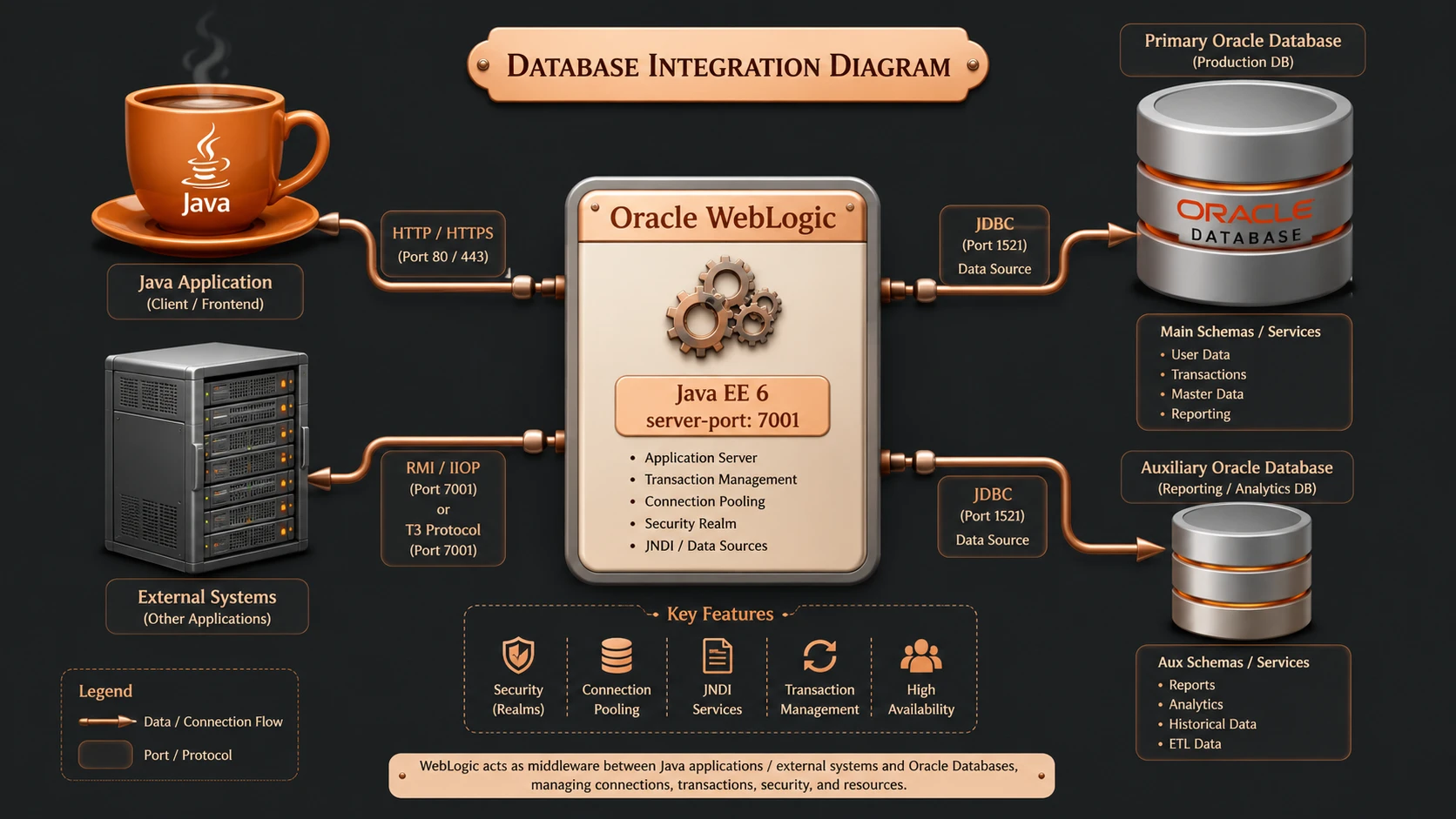
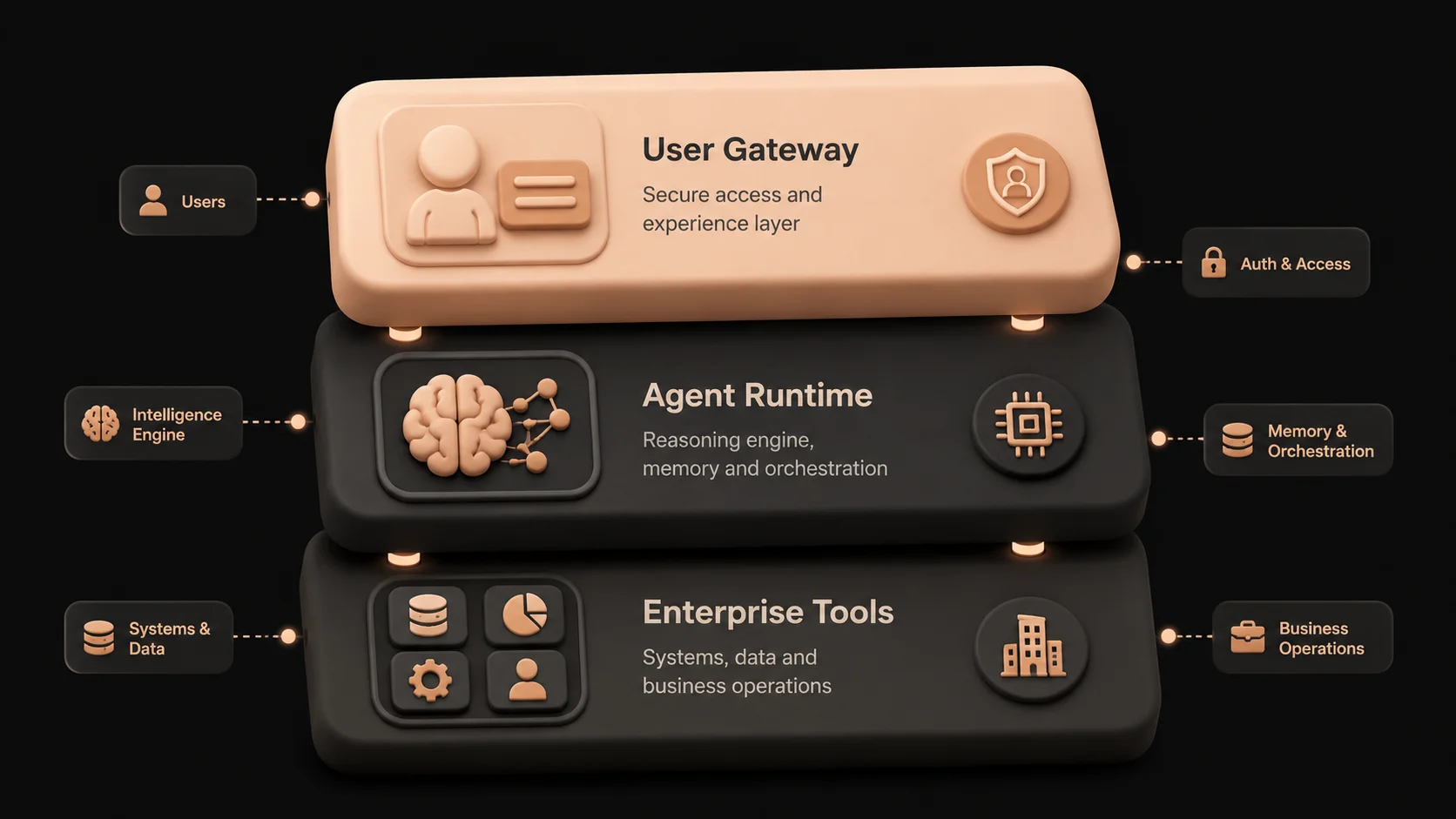
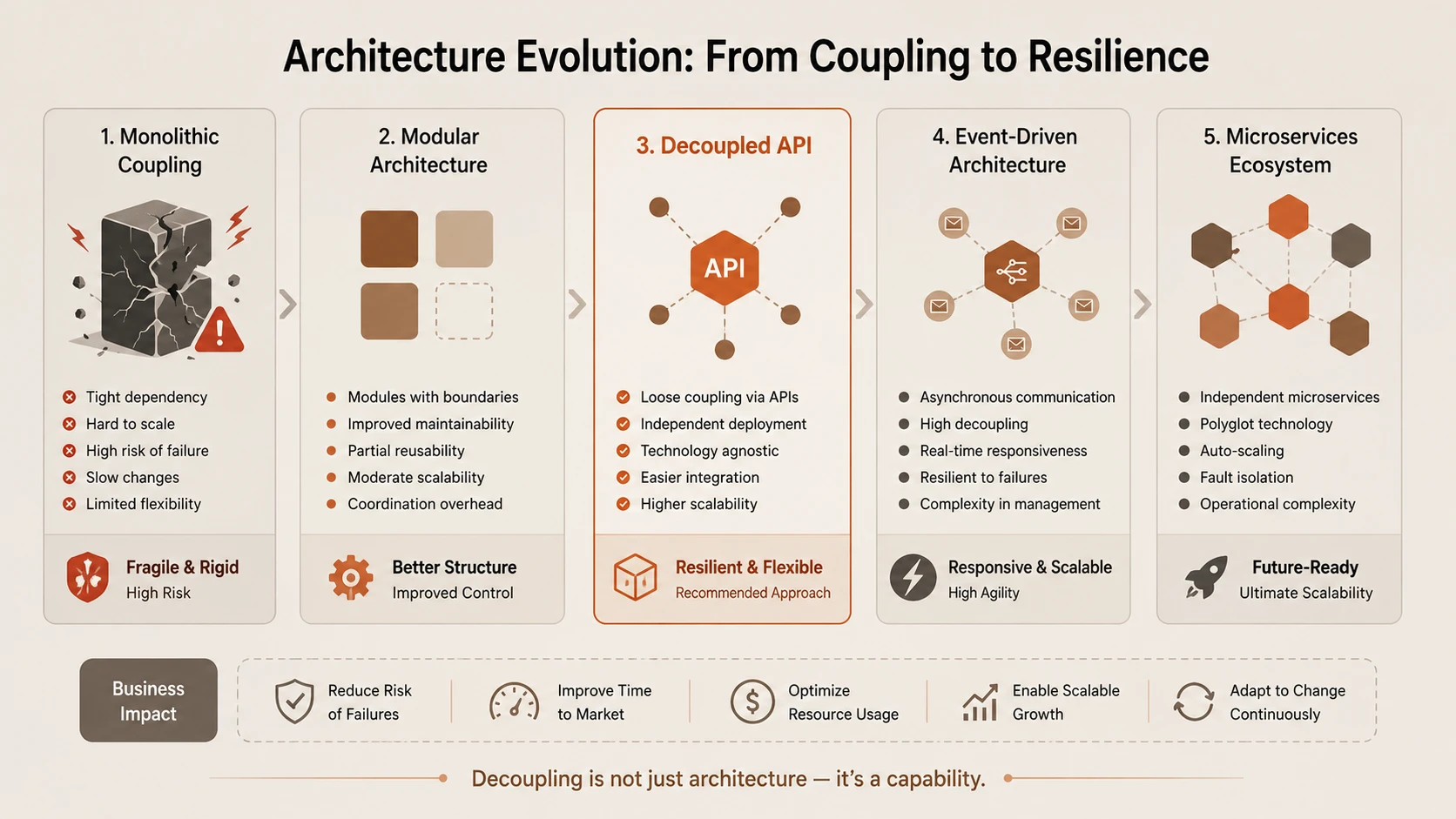
System architecture diagram and conceptual workflow layout for The Oracle-Sun Merger.
This opens opportunities for optimized hardware and software combinations.
Possible enterprise advantages include:
- ◆Better performance testing
- ◆Simplified support
- ◆Coordinated product releases
- ◆Reduced compatibility issues
Many enterprise customers increasingly prefer integrated systems over assembling infrastructure from multiple vendors.
Enterprise Architecture Considerations
Organizations planning major infrastructure investments during 2010 should evaluate several strategic considerations.
Technology Standardization
The combined Oracle portfolio enables greater platform standardization.
Potential standardized stack:
- ◆Solaris
- ◆Oracle Database
- ◆Java
- ◆WebLogic Server
- ◆Oracle Enterprise Manager
Standardization can simplify:
- ◆Operations
- ◆Training
- ◆Vendor management
- ◆Support agreements
Vendor Consolidation
Many enterprises already seek to reduce the number of strategic technology vendors.
Benefits may include:
- ◆Simplified procurement
- ◆Unified licensing
- ◆Consistent support
- ◆Reduced integration complexity
Oracle's expanded portfolio supports this trend.
Risk Management
Despite potential advantages, organizations should avoid excessive dependence on a single vendor.
Architects should continue evaluating:
- ◆Open standards
- ◆Portability
- ◆Vendor independence
- ◆Long-term flexibility
Balanced architecture decisions remain essential.
Enterprise Development Outlook
Java development teams should continue following established best practices.
Recommended priorities include:
- ◆Standards-based development
- ◆Modular architectures
- ◆Clear separation of business logic
- ◆Database abstraction where practical
- ◆Thorough testing
Because Java remains widely adopted across industries, existing investments continue to appear well justified.
Organizations considering new enterprise applications can reasonably expect Java to remain a strategic platform throughout the coming years.
Common Questions from Enterprise IT Leaders
Will Java remain open?
At the beginning of 2010, Oracle has publicly emphasized its commitment to Java. Since Oracle's own enterprise software depends heavily on the platform, most analysts expect continued investment.
Should organizations migrate away from Java?
There is currently little evidence supporting immediate migration decisions solely because of the acquisition.
Technology strategy should instead focus on business requirements and application architecture.
Is Oracle Database threatened by MySQL?
The two databases primarily serve different segments of the market.
Oracle Database remains focused on enterprise-scale workloads requiring advanced availability, security, scalability, and management capabilities.
Will Solaris remain strategic?
Given Oracle's enterprise customer base and existing Solaris deployments, continued support appears likely, although future product strategy should be monitored as Oracle communicates its roadmap.
Best Practices During the Transition
Enterprise organizations should consider the following recommendations.
Continue Existing Projects
Avoid unnecessary project delays while awaiting additional announcements.
Current Java and Oracle investments remain widely supported technologies.
Monitor Product Roadmaps
Review Oracle communications regarding:
- ◆Java
- ◆MySQL
- ◆Solaris
- ◆Middleware
- ◆Enterprise support
Roadmap clarity will improve planning.
Maintain Technology Flexibility
Continue designing systems around:
- ◆Industry standards
- ◆Portable architectures
- ◆Well-defined interfaces
This reduces long-term technology risk regardless of future vendor decisions.
Evaluate Licensing Changes
Organizations should monitor any changes affecting:
- ◆Support contracts
- ◆Licensing models
- ◆Maintenance agreements
- ◆Enterprise subscriptions
Financial planning should account for possible adjustments.
Common Mistakes to Avoid
Several reactions should be avoided during this transition period.
- ◆Assuming immediate discontinuation of existing technologies.
- ◆Making large migration decisions based solely on speculation.
- ◆Ignoring official product roadmaps.
- ◆Delaying critical modernization projects unnecessarily.
- ◆Overlooking opportunities for platform consolidation.
Technology decisions should remain driven by business objectives rather than market rumors.
Competitive Landscape in 2010
The acquisition strengthens Oracle's ability to compete across multiple enterprise technology markets.
| Vendor | Primary Enterprise Strength |
|---|---|
| Oracle | Database, middleware, business applications, Java, enterprise infrastructure |
| IBM | Enterprise servers, middleware, consulting, databases |
| Microsoft | Windows Server, SQL Server, .NET platform |
| Hewlett-Packard | Enterprise infrastructure, servers, services |
Rather than competing solely on databases, Oracle can increasingly offer integrated enterprise platforms spanning hardware, operating systems, middleware, databases, and applications.
Looking Ahead
As 2010 begins, many important questions remain unanswered. Oracle has not yet fully communicated how every Sun technology will evolve under its ownership. Nevertheless, several observations appear reasonable.
Java remains central to enterprise software development and is deeply integrated into Oracle's own middleware strategy. Enterprise database customers may benefit from tighter integration between Oracle software and Sun hardware platforms. Solaris continues to provide a strong enterprise operating environment, while MySQL's future will be closely watched by both commercial users and the open-source community.
The success of the merger will ultimately depend on Oracle's ability to preserve Sun's technological strengths while integrating them into a coherent enterprise platform. Organizations should continue monitoring official product announcements, but there is little reason to abandon existing investments based solely on uncertainty.
For enterprise IT leaders, the Oracle-Sun merger represents both a significant industry milestone and an opportunity to reassess long-term infrastructure strategy. Careful planning, adherence to open standards, and close attention to Oracle's evolving roadmap will enable organizations to make informed technology decisions as this new chapter in enterprise computing unfolds.