Enterprise Technology
Viewing all posts categorized under Enterprise Technology.


SaaS vs. On-Premise: Key Lessons from the Launch of Office 365
Microsoft's launch of Office 365 marks a significant milestone in enterprise cloud computing. Combining Exchange Online, SharePoint Online, Lync Online, and Office productivity tools, Office 365 introduces a compelling Software-as-a-Service model for organizations evaluating the transition from traditional on-premise infrastructure. This article examines the architectural implications, benefits, challenges, and adoption strategies from the perspective of June 2011.

The Chromebook Era: Can the Browser Become the Operating System?
Google's introduction of Chromebooks represents a bold rethinking of personal computing, placing the web browser at the center of the user experience. As enterprises increasingly adopt cloud applications and web services, organizations must evaluate whether browser-centric computing can become a practical alternative to traditional desktop operating systems.
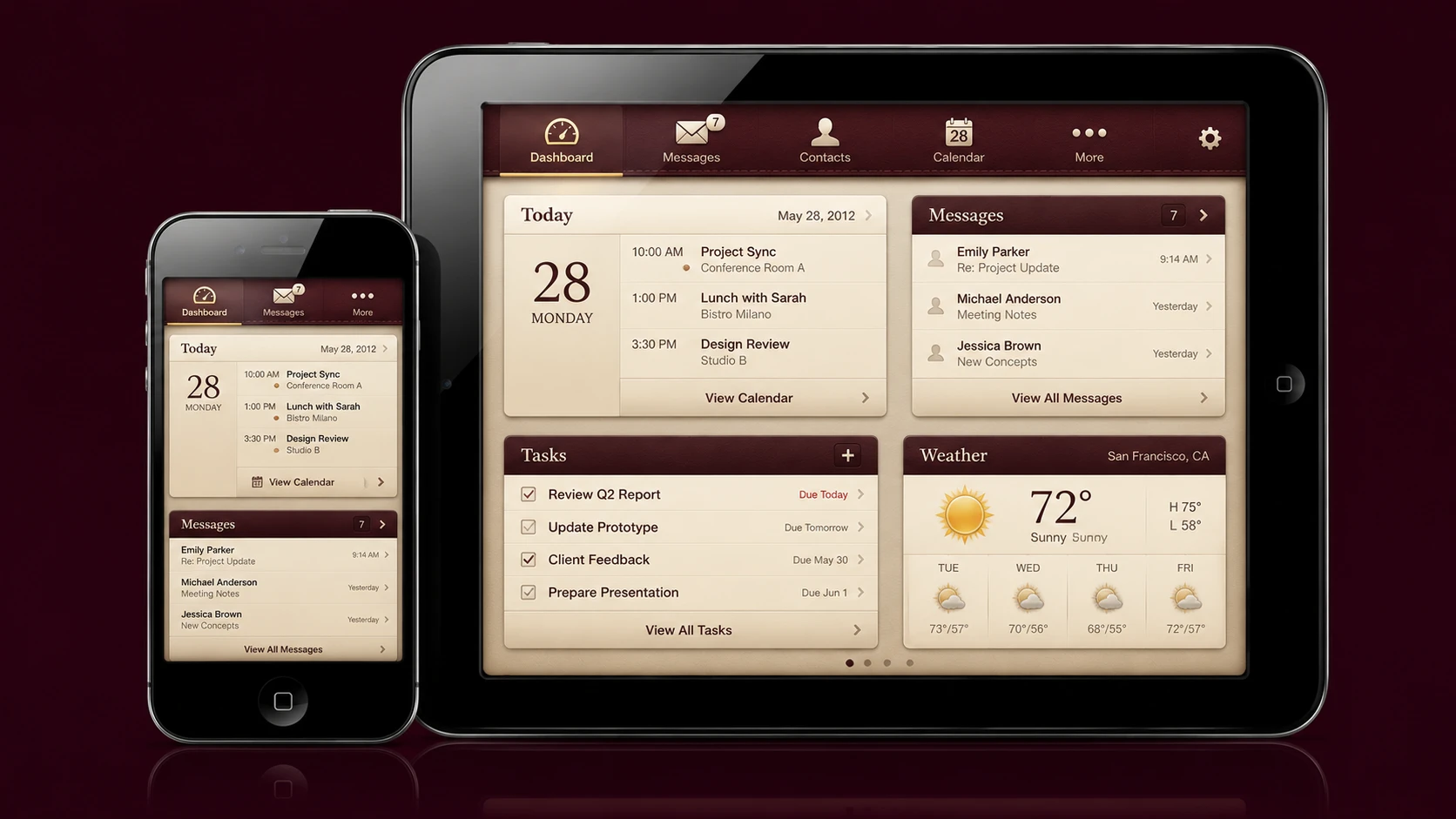
Android Ice Cream Sandwich: Unifying Phone and Tablet SDKs
Announced at Google I/O 2011, Android Ice Cream Sandwich represents Google's strategy to unify smartphone and tablet development under a single platform. This article explores the architectural implications, developer opportunities, and enterprise considerations from the perspective of May 2011.

Silverlight 5 Beta: The Final Stand of Rich Browser Plug-ins
Silverlight 5 Beta introduces significant enhancements for enterprise application development, including improved graphics, media capabilities, 64-bit browser support, and developer productivity features. As HTML5 continues to gain industry attention, enterprise architects must evaluate where Silverlight remains a strong choice for business applications in 2011.

High Availability Lessons: Analyzing the 2011 AWS US-East Outage
The April 2011 AWS US-East outage has become one of the most significant cloud infrastructure events of the year. This article analyzes what happened based on information available following the incident, discusses the architectural implications for enterprise workloads, and outlines practical high availability strategies for organizations adopting cloud computing.

Chrome's Rapid Release Cycle: Rethinking Browser Compatibility
Google Chrome's adoption of a rapid release cycle is challenging traditional browser support strategies. Enterprise development teams must rethink compatibility testing, standards adoption, and deployment processes as browsers evolve more quickly than ever before.

Entity Framework 4.1: Code-First Development and DbContext API
Entity Framework 4.1 introduces one of the most anticipated enhancements to Microsoft's data access platform: Code-First development and the simplified DbContext API. These features enable developers to build domain models before databases while reducing complexity and improving productivity. This article examines the architecture, benefits, limitations, and enterprise adoption considerations from the perspective of March 2011.
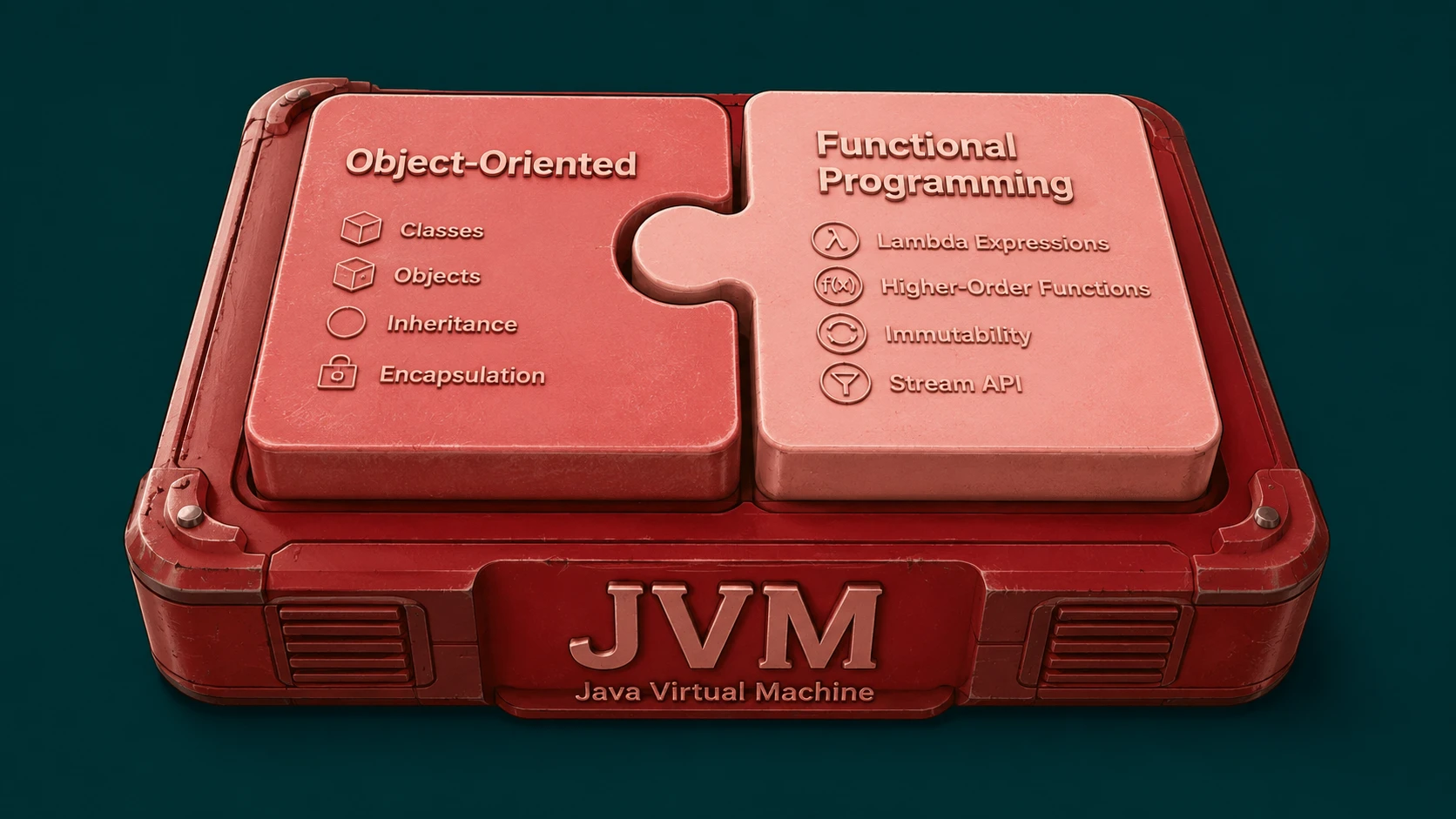
The Rise of Scala: Bringing Functional Programming to the JVM
Scala is gaining significant attention among enterprise developers by combining functional programming with object-oriented design on the Java Virtual Machine. This article explores Scala's language features, interoperability with Java, enterprise use cases, and architectural considerations from the perspective of early 2011.

Designing Fluid Tablet Interfaces: UI/UX Lessons from the iPad 2
The rapid growth of tablet computing is changing how users interact with enterprise applications. As Apple's second-generation iPad prepares to redefine mobile productivity, software architects and UI designers must rethink interfaces originally designed for desktops and laptops. This article examines tablet UI design principles, touch-first interaction models, responsive layouts, and enterprise application strategies from the perspective of February 2011.

jQuery 1.5: Rewriting the AJAX Module with Deferred Promises
The release of jQuery 1.5 introduces one of the most significant architectural improvements in the library's history: a completely rewritten AJAX module powered by Deferred objects. This article examines how Deferreds simplify asynchronous programming, improve enterprise application design, and prepare developers for increasingly interactive web applications as of January 2011.
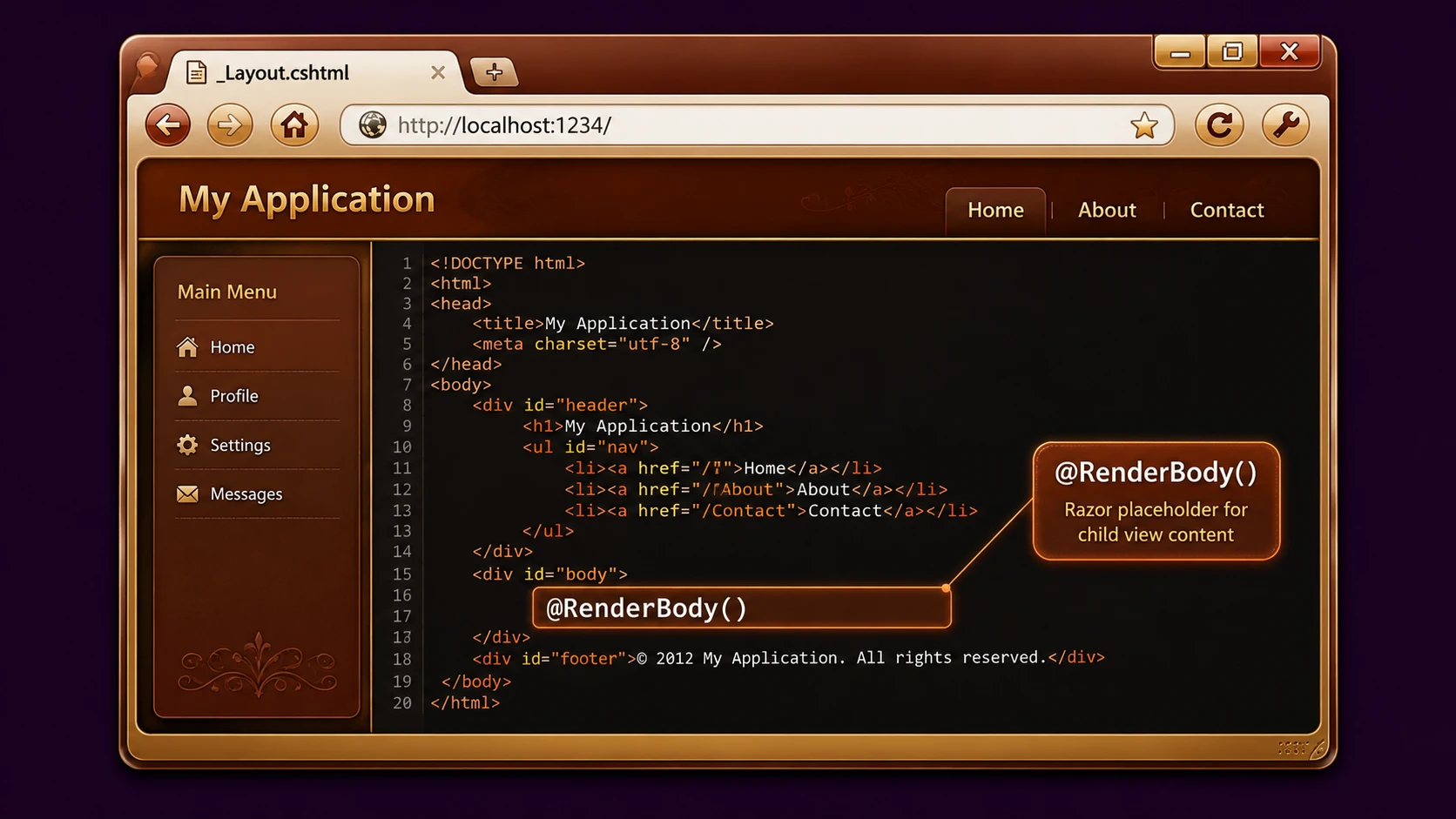
ASP.NET MVC 3: Introducing the Razor View Engine and Global Filters
ASP.NET MVC 3 introduces the Razor view engine, global filters, enhanced dependency injection support, and improved extensibility, making it easier for enterprise teams to build maintainable, testable, and scalable web applications. Learn how these new capabilities can improve modern .NET web development in early 2011.

C# 4.0 and Dynamic Binding: Enhancing COM Interop and Dynamic Language Integration
Released alongside .NET Framework 4.0 and Visual Studio 2010, C# 4.0 introduces dynamic binding as one of its most significant language enhancements. This article examines how the new dynamic type simplifies COM interoperability, enables smoother integration with dynamic languages, and improves developer productivity while discussing practical enterprise adoption strategies as of December 2010.
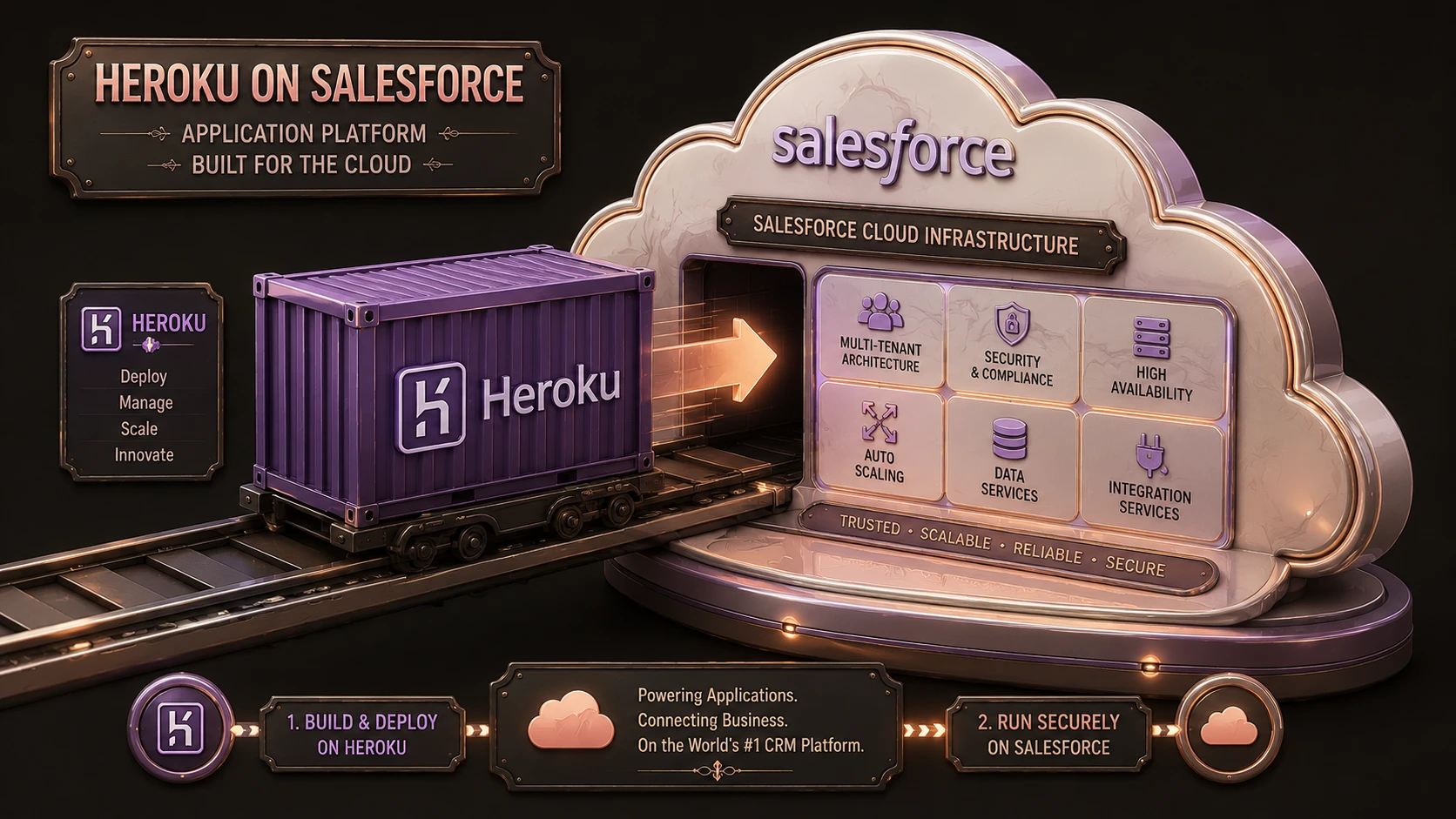
Salesforce Acquires Heroku: What this Means for the Future of PaaS
Salesforce's acquisition of Heroku marks one of the most significant cloud platform announcements of 2010. The deal highlights growing enterprise interest in Platform as a Service (PaaS), modern application deployment, and cloud-native development. This article examines the acquisition from the perspective of December 2010 and explores its potential implications for enterprise architects, developers, and CIOs.

Database Normalization vs. Denormalization for Web-Scale Performance
As enterprise applications continue to grow in scale, database architects face an increasingly important design decision: should databases prioritize normalization for consistency or denormalization for performance? This article explores both approaches, their trade-offs, enterprise use cases, and practical recommendations from the perspective of November 2010.

The Future of Mobile: Understanding the Rise of Android 2.3 Gingerbread
Android has quickly emerged as one of the most influential mobile operating systems in the industry. As anticipation builds around Android 2.3, code-named Gingerbread, enterprise architects and mobile developers are evaluating how the platform's continued evolution could reshape business mobility, application development, and enterprise device strategies.