Enterprise Technology
Viewing all posts categorized under Enterprise Technology.


The CIO's Guide to AI Agent Governance
A CIO's guide to establishing robust AI Agent Governance. Learn about audit trails, human-in-the-loop (HITL) systems, and compliance strategies for secure enterprise AI adoption.

How to Build HIPAA-Compliant AI Agents: A Governance Checklist for Healthcare CTOs
Deploying HIPAA-compliant AI agents in healthcare demands strict governance. This checklist helps CTOs navigate PHI, ensure data privacy, and maintain regulatory compliance.
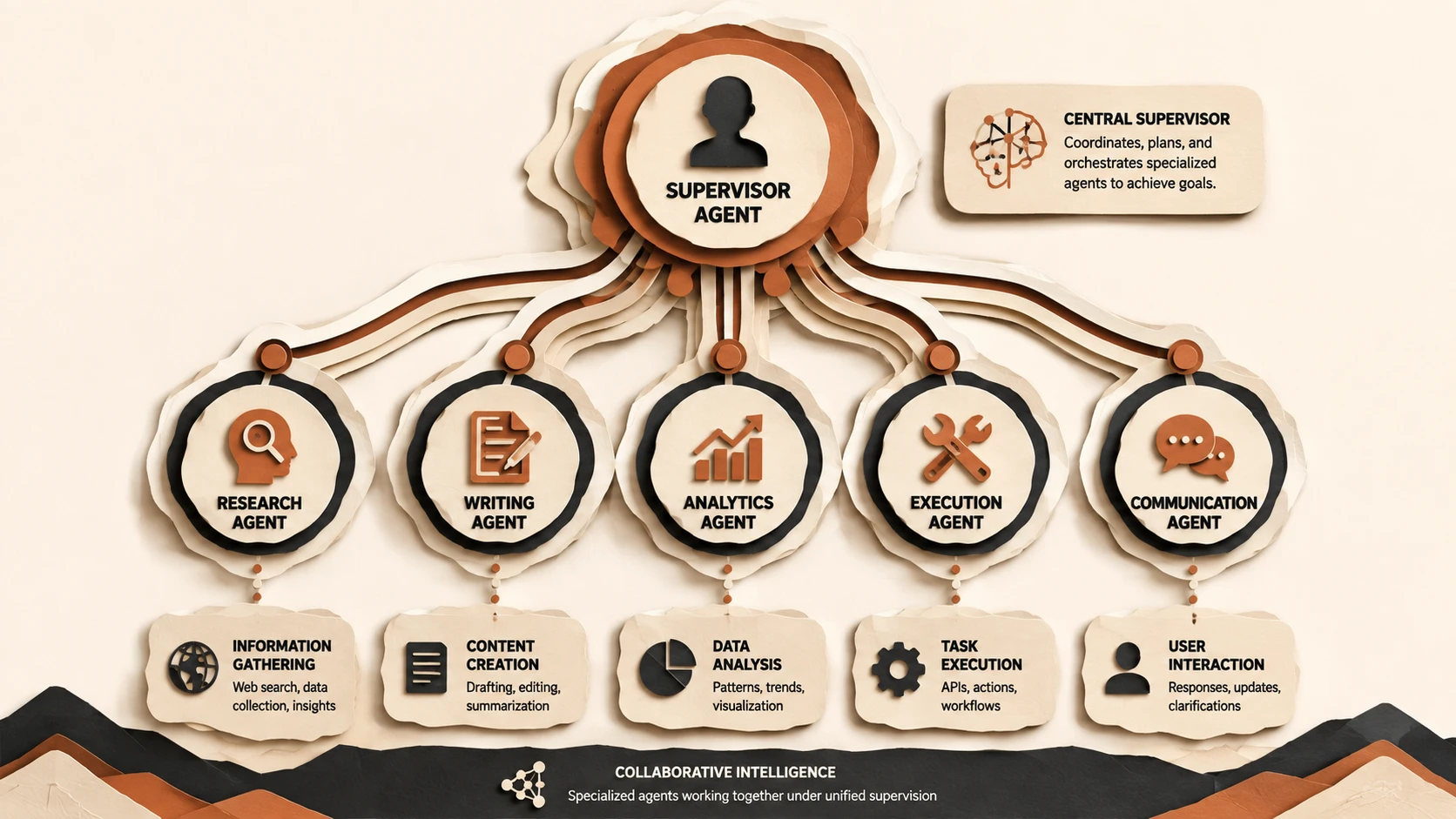
What Is Multi-Agent Orchestration? The Complete 2026 Technical Guide
Multi-agent orchestration is the architectural discipline of coordinating multiple specialized AI agents to work together toward shared business objectives. Rather than relying on a single general-purpose agent, enterprise organizations increasingly deploy teams of autonomous agents responsible for planning, reasoning, collaboration, execution, and governance across business systems. This guide explores orchestration architectures, communication models, planning strategies, coordination patterns, security, observability, scalability, enterprise adoption, and implementation best practices.
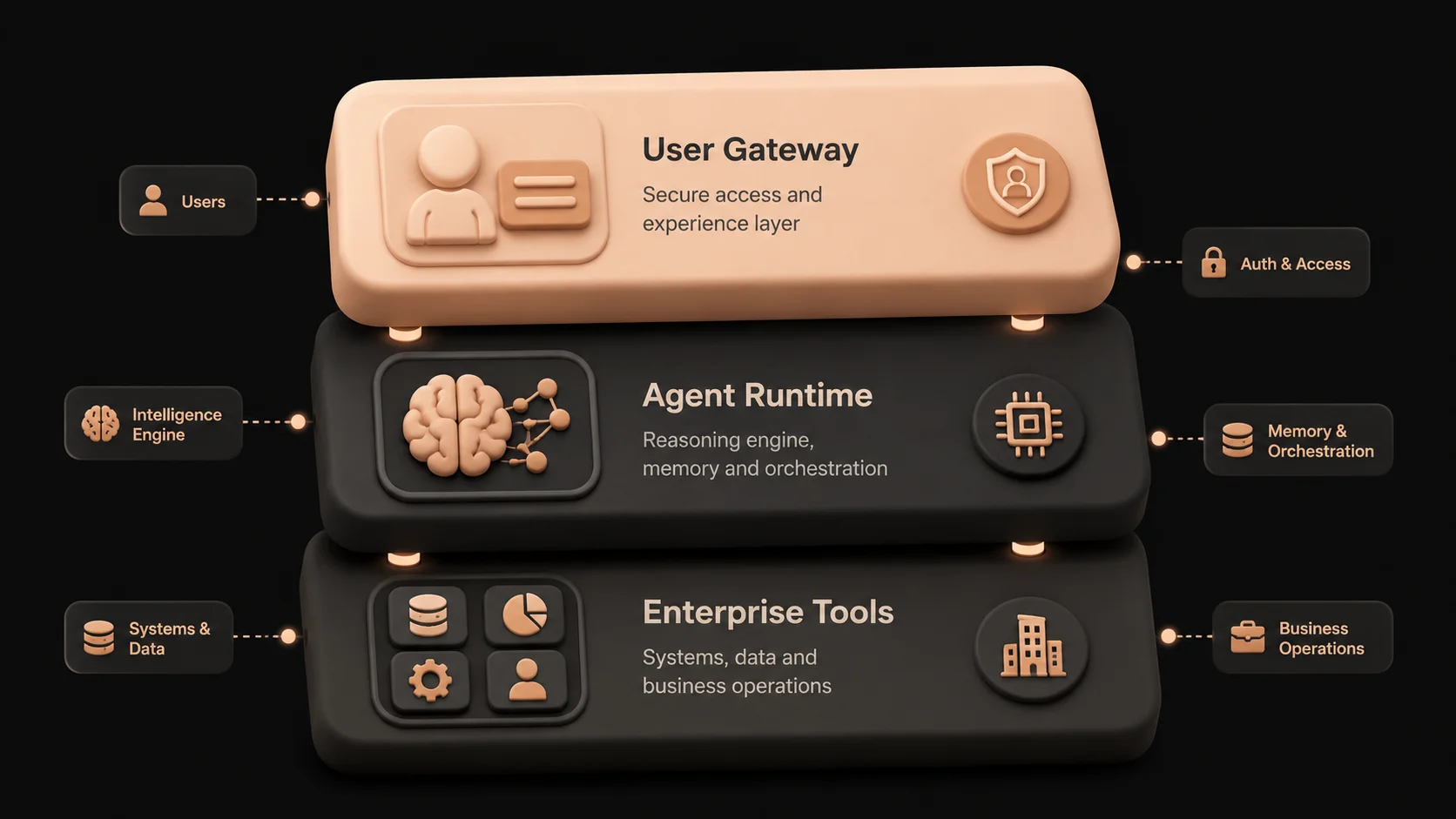
What Is Agent-Native Software Architecture? A Practical Guide for Enterprise Leaders
Agent-native software architecture is redefining how enterprise applications are designed by placing autonomous AI agents at the center of business execution. Unlike traditional applications that follow predefined workflows, agent-native systems can reason, plan, collaborate, use enterprise tools, and adapt to changing business conditions. This guide explores architectural principles, core components, governance, orchestration, multi-agent systems, security, scalability, implementation strategies, and enterprise adoption patterns to help technology leaders build intelligent software for the AI era.
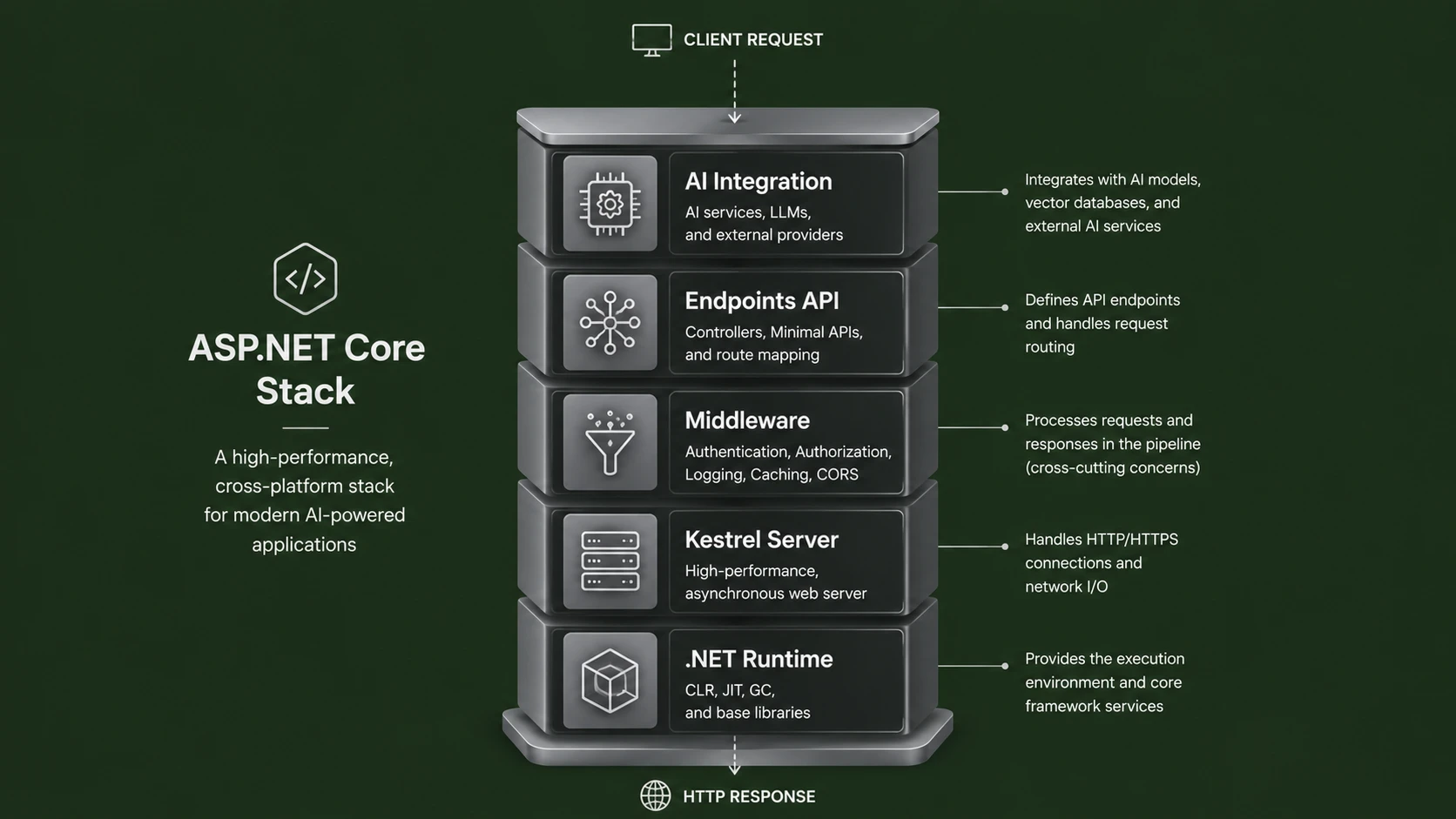
Is ASP.NET Core Still Relevant in 2026? Yes, and Here’s Why
Is ASP.NET Core still relevant in 2026? Absolutely. While JavaScript ecosystems dominate rapid product development and Python leads AI workloads, ASP.NET Core remains a powerful choice for secure, scalable, maintainable, and mission-critical enterprise systems. The future is not one framework—it is intelligent architecture using the right technology for each workload.
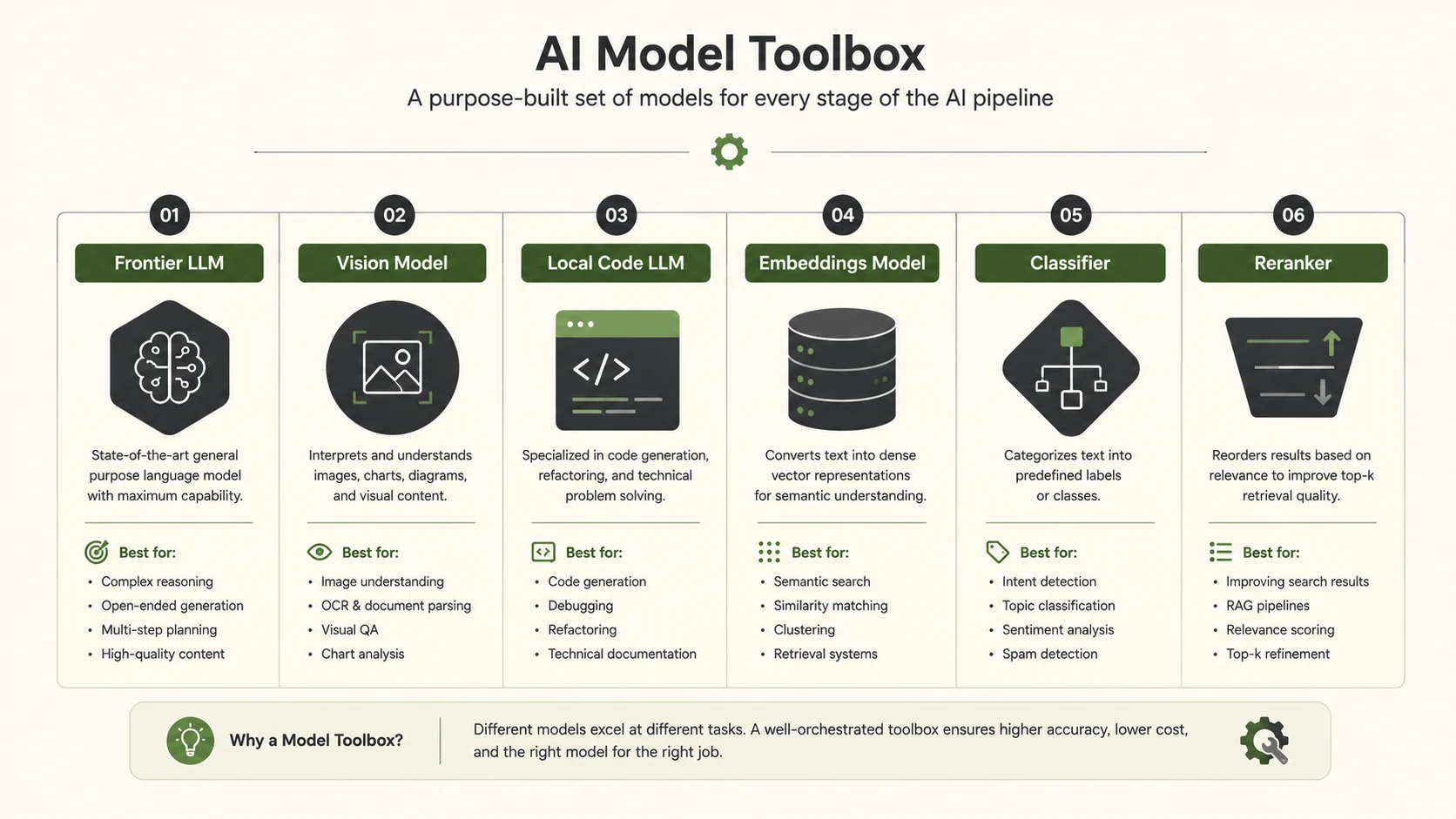
Why Multi-Model AI Is Becoming the New Enterprise Standard
Enterprise AI is moving beyond the search for one perfect model. Multi-model architectures enable organizations to intelligently route workloads across different AI models based on capability, cost, latency, security, compliance, and availability—creating more efficient, resilient, and future-ready AI systems.
The Next Enterprise Gold Rush Is Not AI Models — It Is AI Governance
Most enterprises know how many employees they have. Few know how many AI agents are operating inside their business, what data they access, what decisions they make, or how much they cost. The next enterprise AI challenge isn't creating more agents—it's governing them.
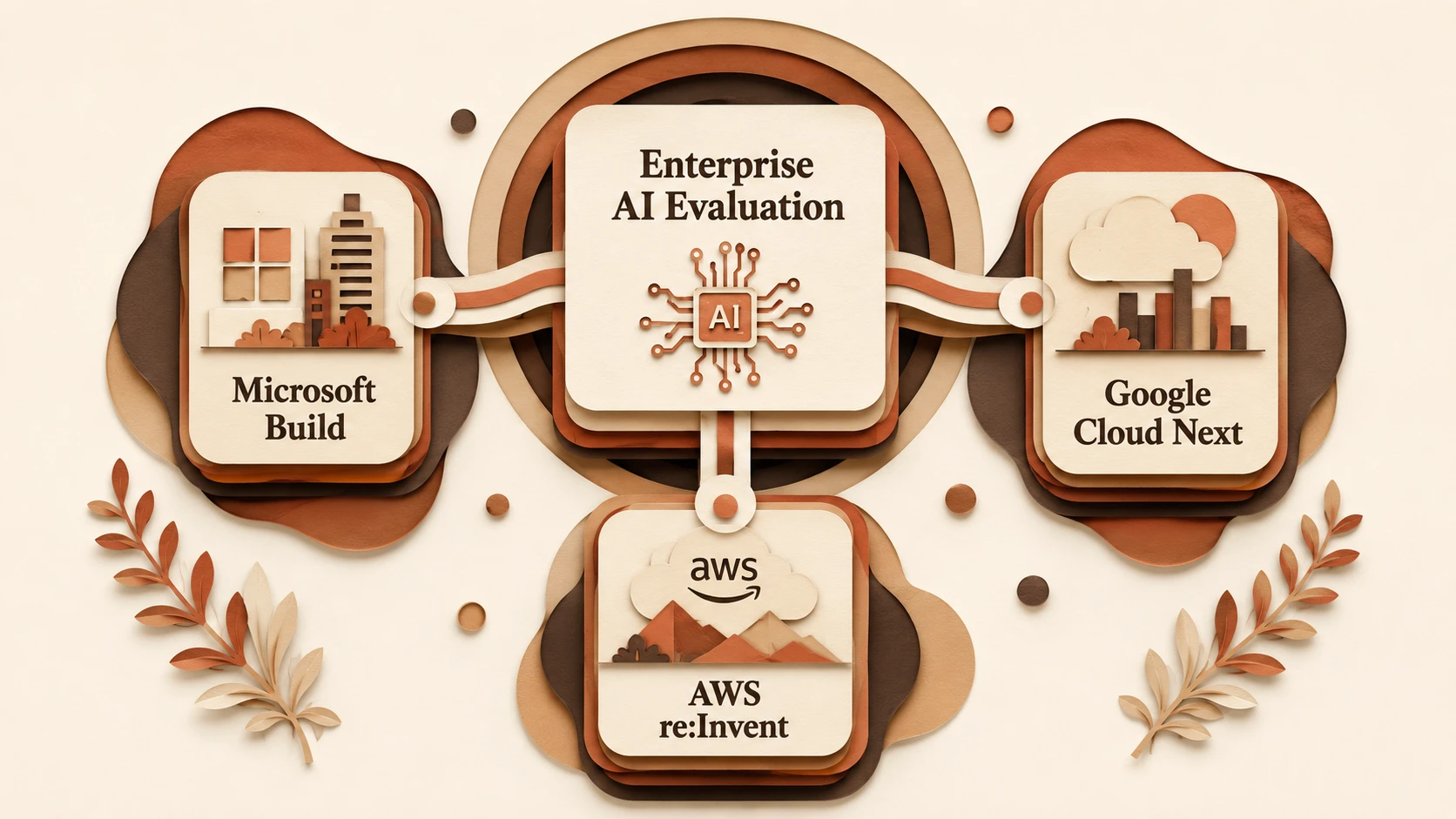
What Microsoft Build, Google, and AWS Actually Announced
Microsoft Build 2026, Google I/O 2026, and AWS's latest announcements reveal a common industry direction. Beyond new AI models and developer tools, all three companies are investing in agentic platforms, enterprise context, and production-ready AI infrastructure. This article examines what was actually announced and what it means for enterprise technology leaders.
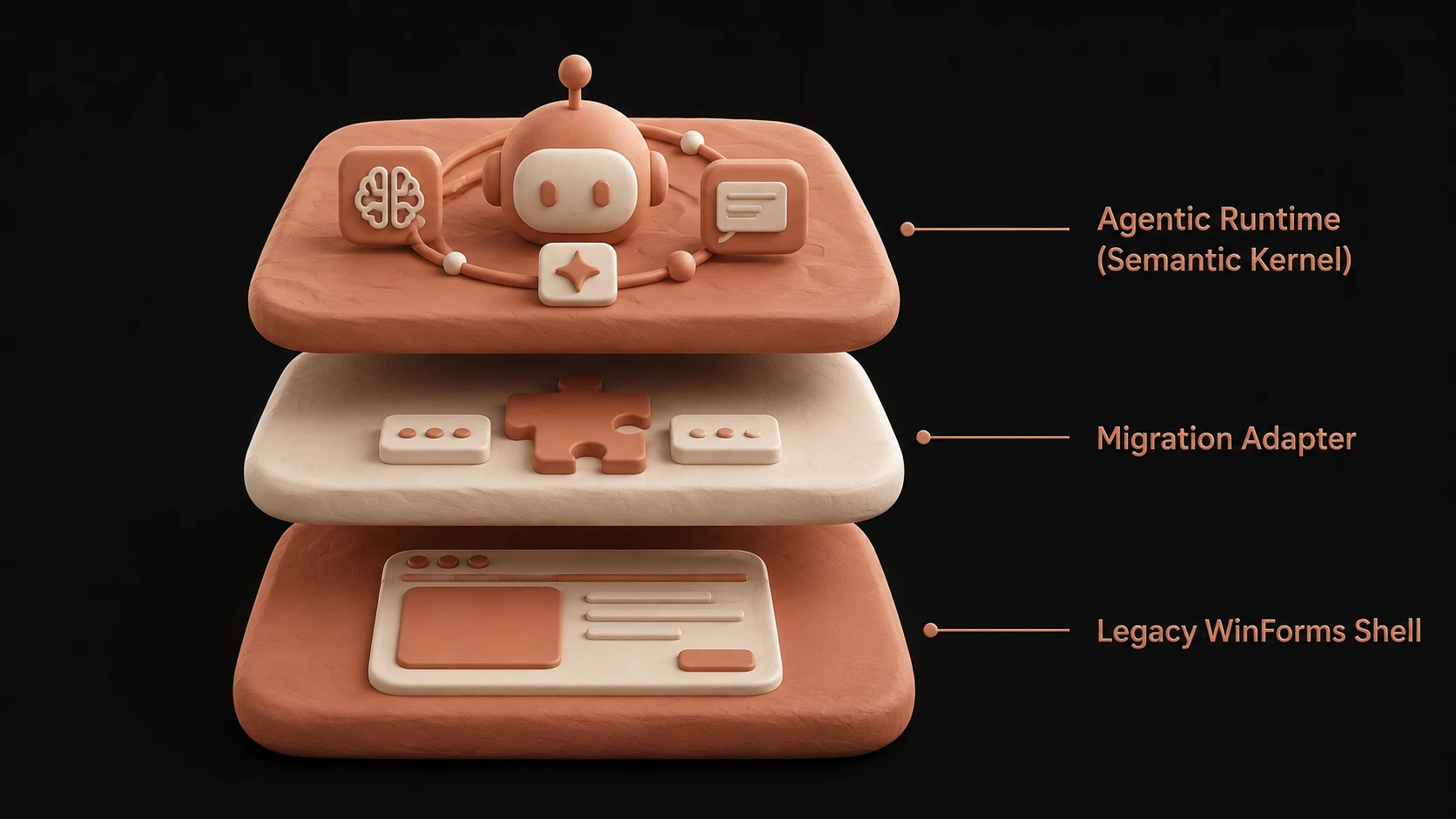
Thick Clients to Thick Agents: The .NET Migration Playbook
Enterprise .NET applications are entering a new architectural era. This guide explores how organizations can systematically migrate traditional thick-client applications toward AI-powered thick agents while preserving business logic, security, governance, and operational stability.
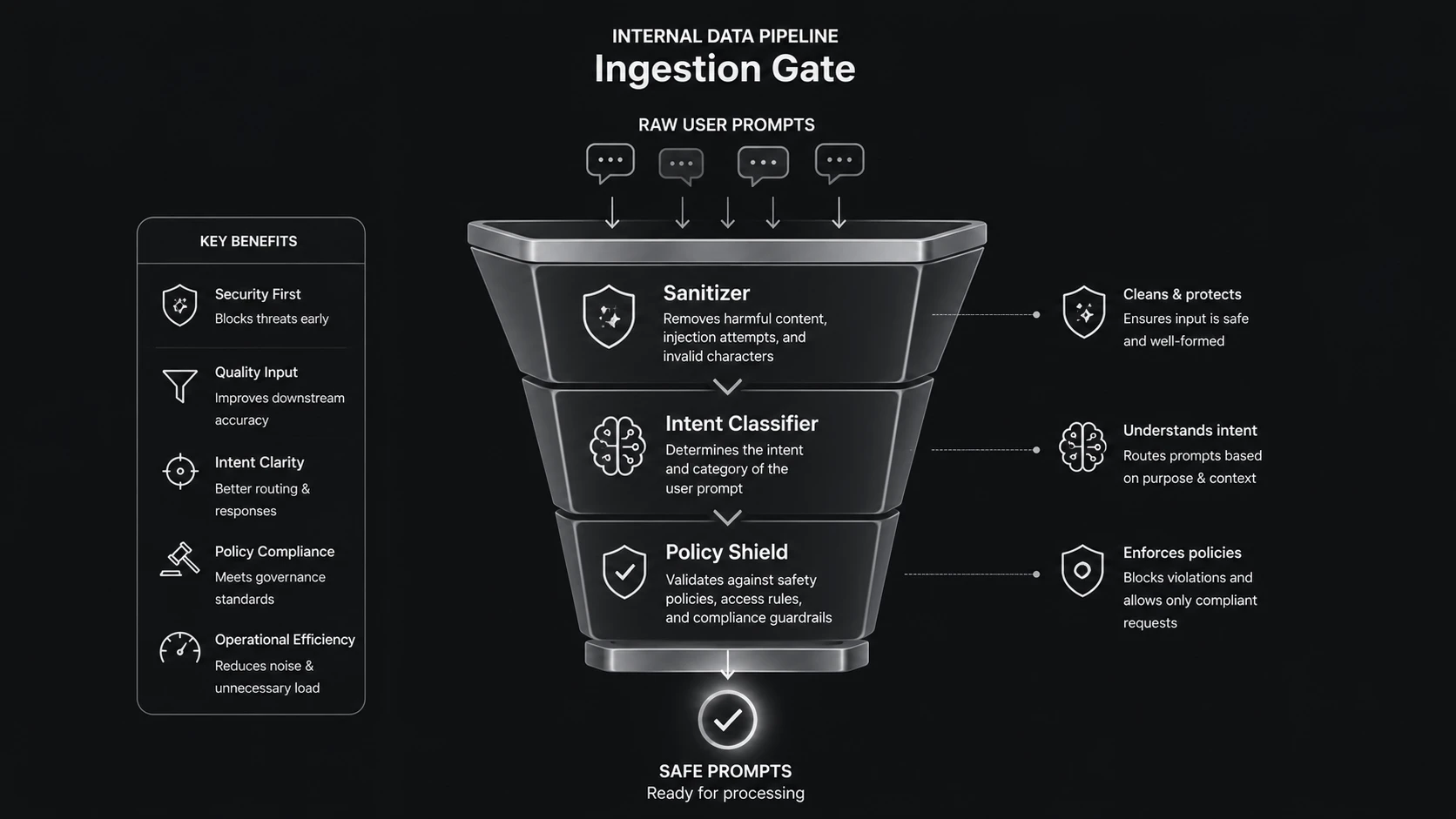
Defending Against Prompt Injection: Hardening Enterprise AI Gateways Against Malicious Inputs
Prompt injection has become one of the most critical security threats to enterprise AI systems. Discover h
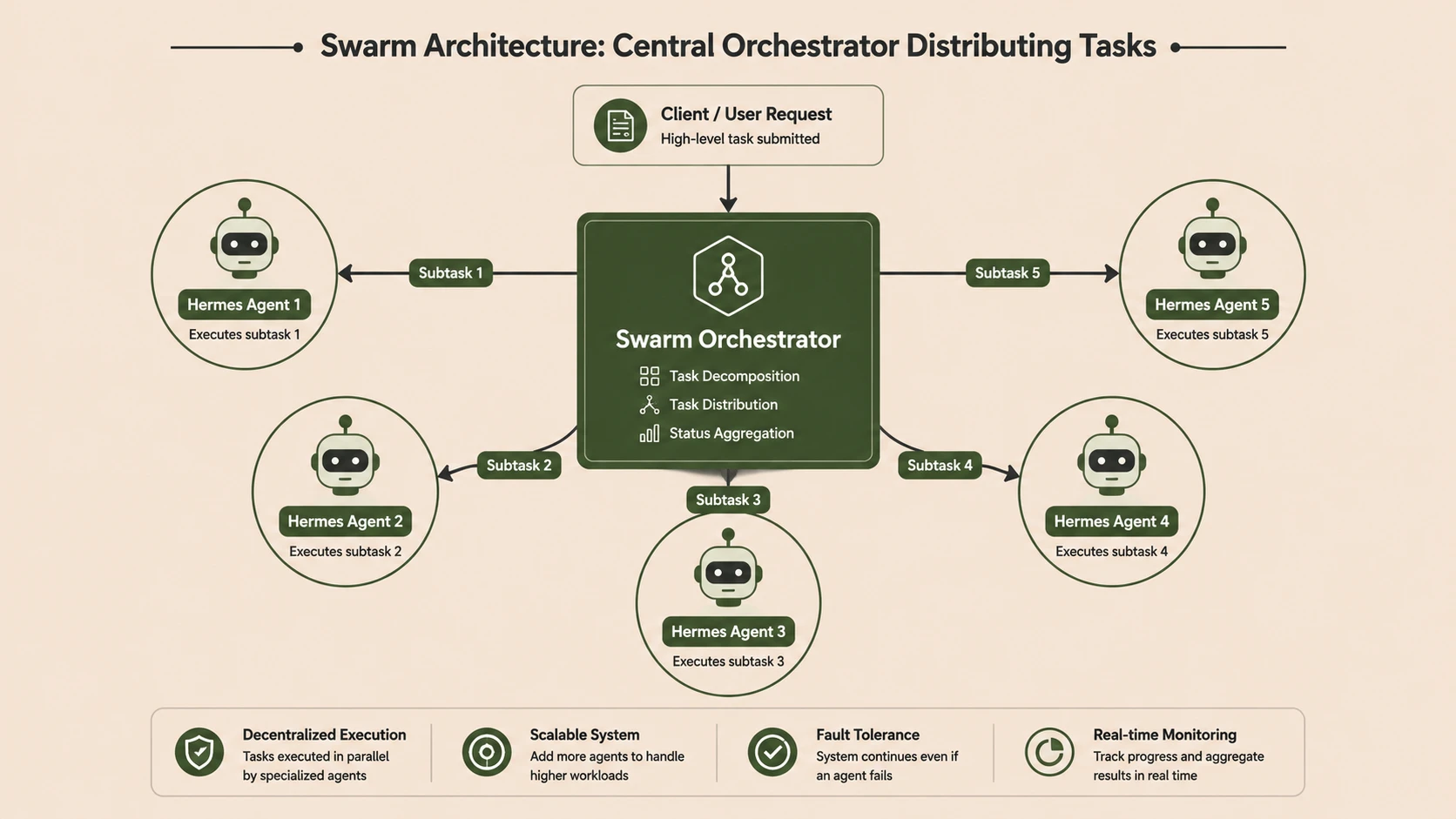
Agentic Swarms: Orchestrating Collaborative Task Resolution Across Multiple Hermes Models
Agentic swarms represent the next evolution of enterprise AI by enabling multiple Hermes models to collaborate on complex workflows. Learn how swarm orchestration, task decomposition, shared memory, and distributed reasoning create scalable, resilient AI systems.
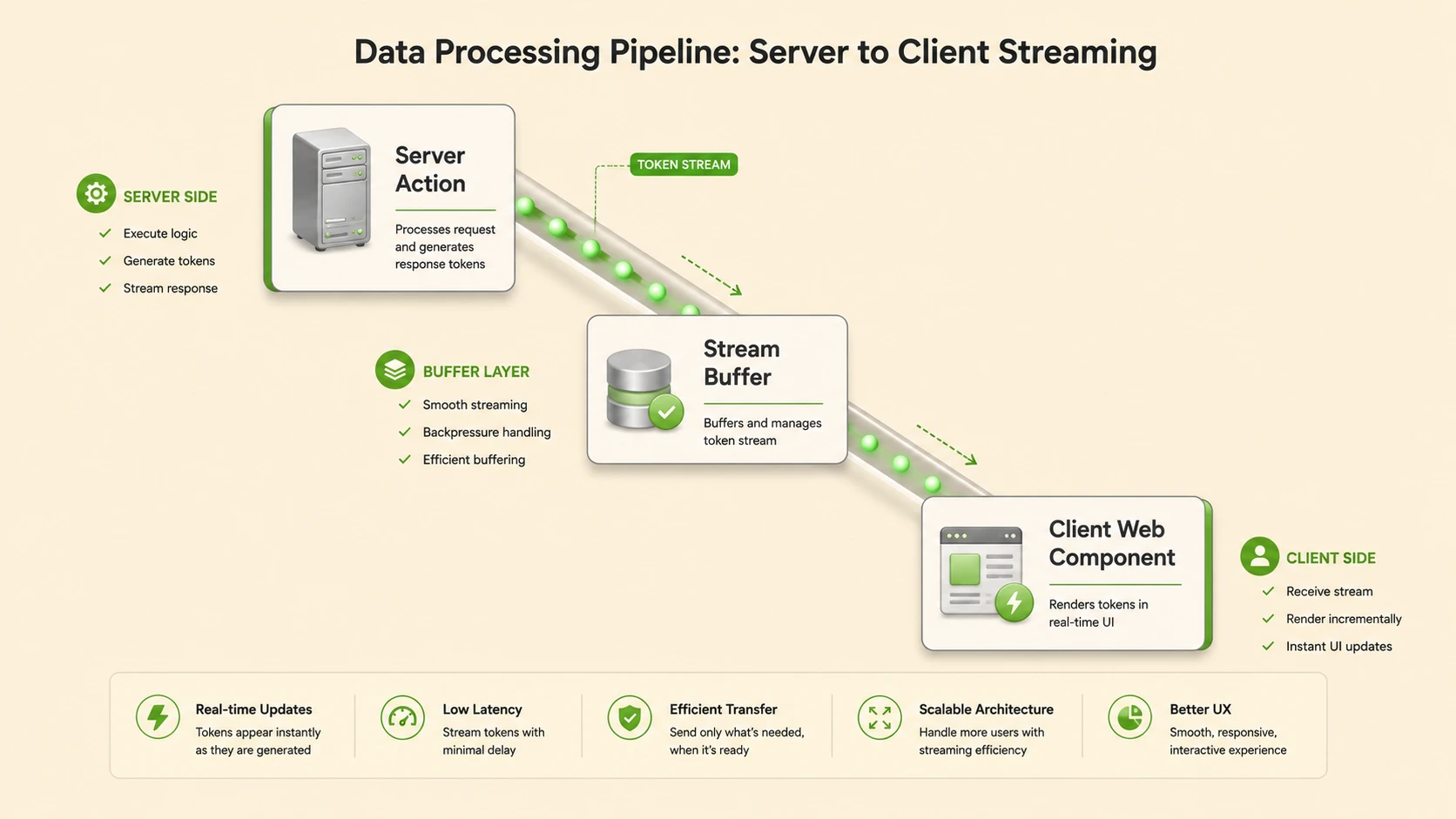
Real-Time AI Streaming in Next.js Server Actions: A UX Pattern for Fast Token Delivery
Learn how to build real-time AI experiences using Next.js Server Actions and streaming responses. Explore architecture patterns, server-side execution, token streaming, Suspense integration, and UX best practices for enterprise AI applications.
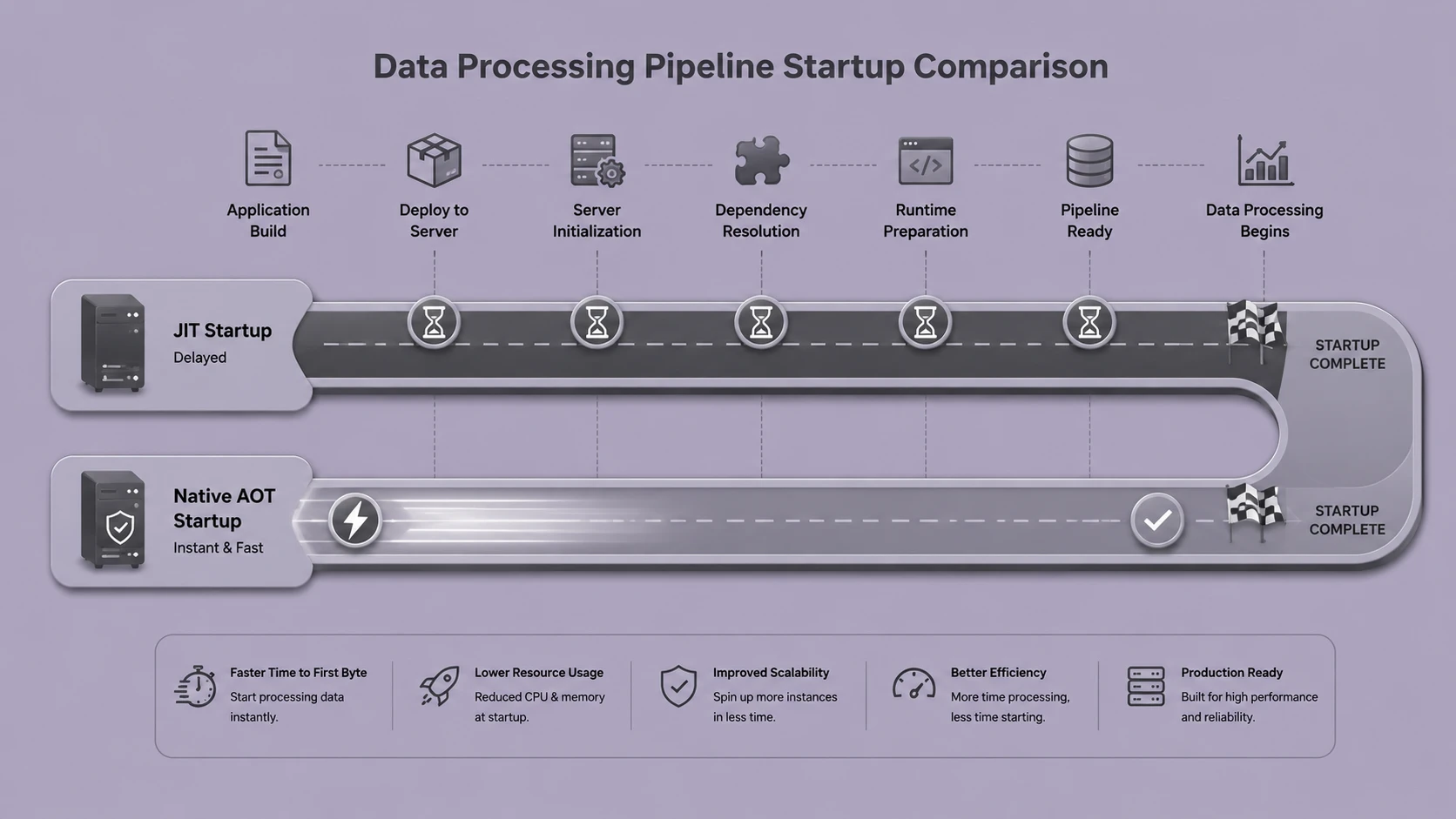
Native AOT in .NET 10: Reducing Server Cold Starts and Memory Footprint for AI Gateways
Native AOT in .NET 10 enables enterprise AI gateways to start faster, consume less memory, and scale efficiently in serverless and containerized environments. Discover architecture patterns, deployment strategies, and production best practices.
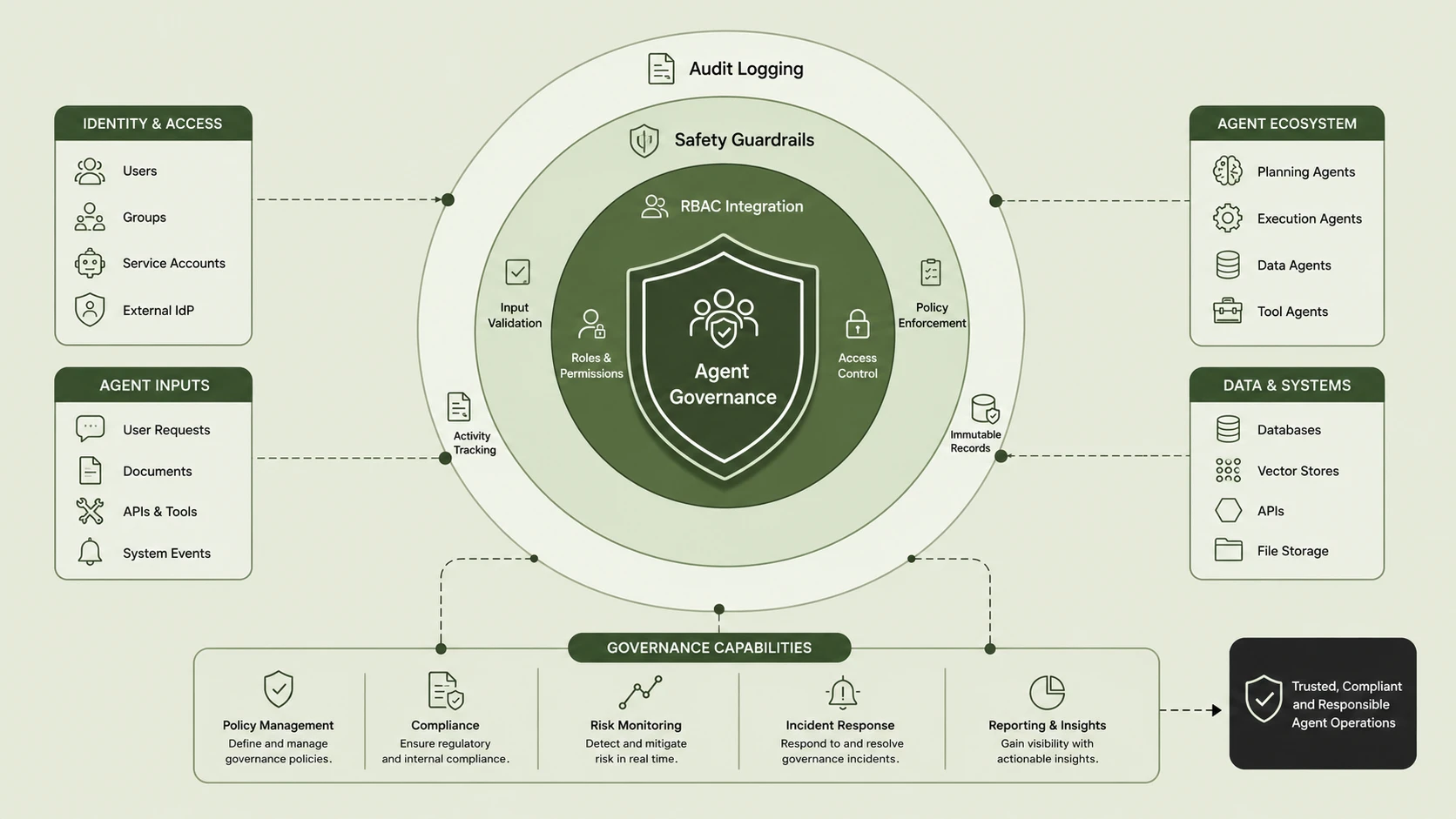
AI Agent Governance: Building RBAC, Guardrails, and Audit Trails for Autonomous Workflows
Discover how RBAC, guardrails, audit trails, and governance frameworks help organizations build secure, transparent, and enterprise-ready autonomous AI workflows.
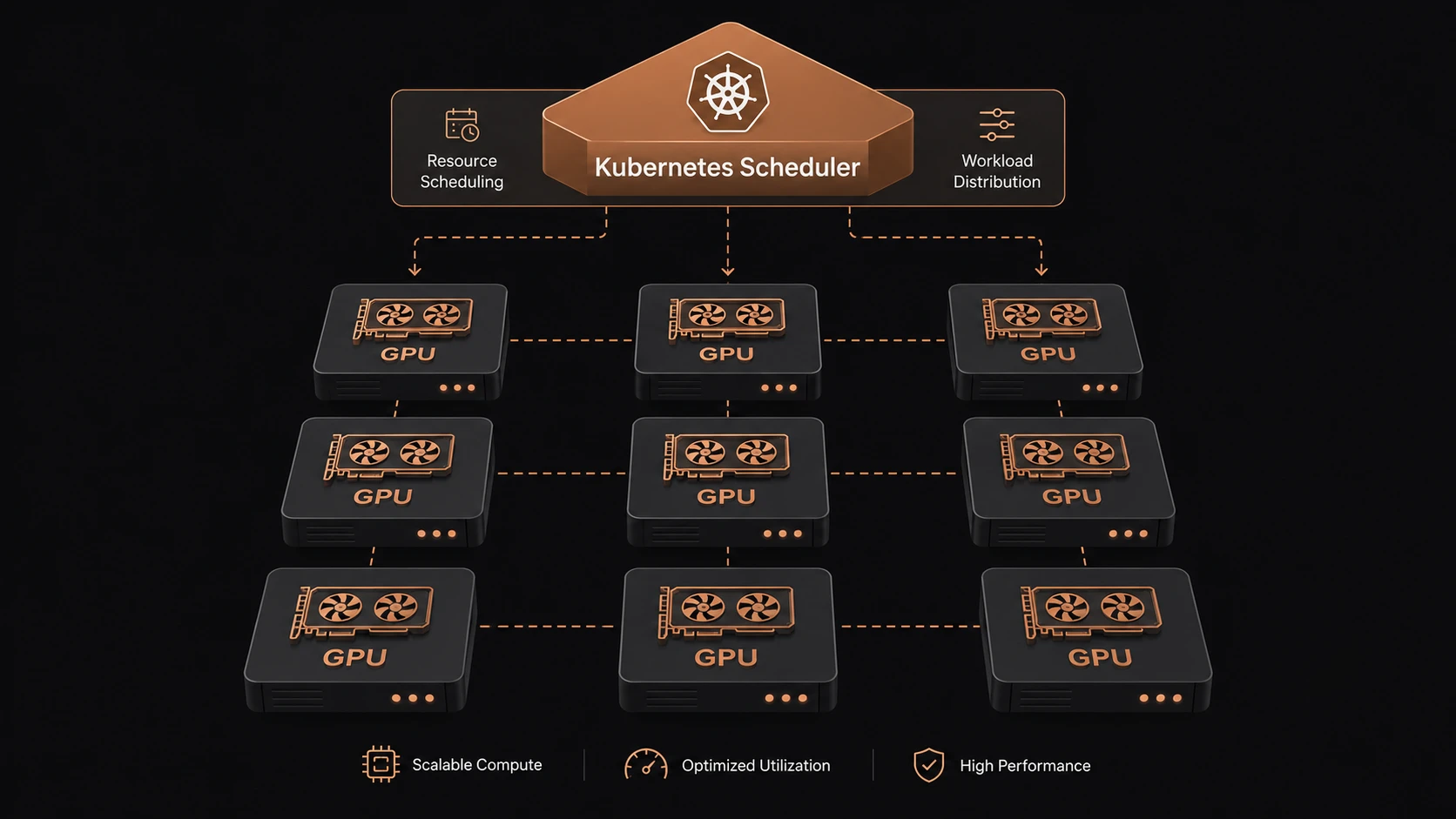
Scaling AI Infra: Deploying GPU Clusters with Kubernetes and vLLM Engines
Discover how to build scalable AI infrastructure using Kubernetes, GPU clusters, and vLLM inference engines to improve throughput, reduce latency, and optimize GPU utilization for enterprise AI applications.