Enterprise Technology
Viewing all posts categorized under Enterprise Technology.

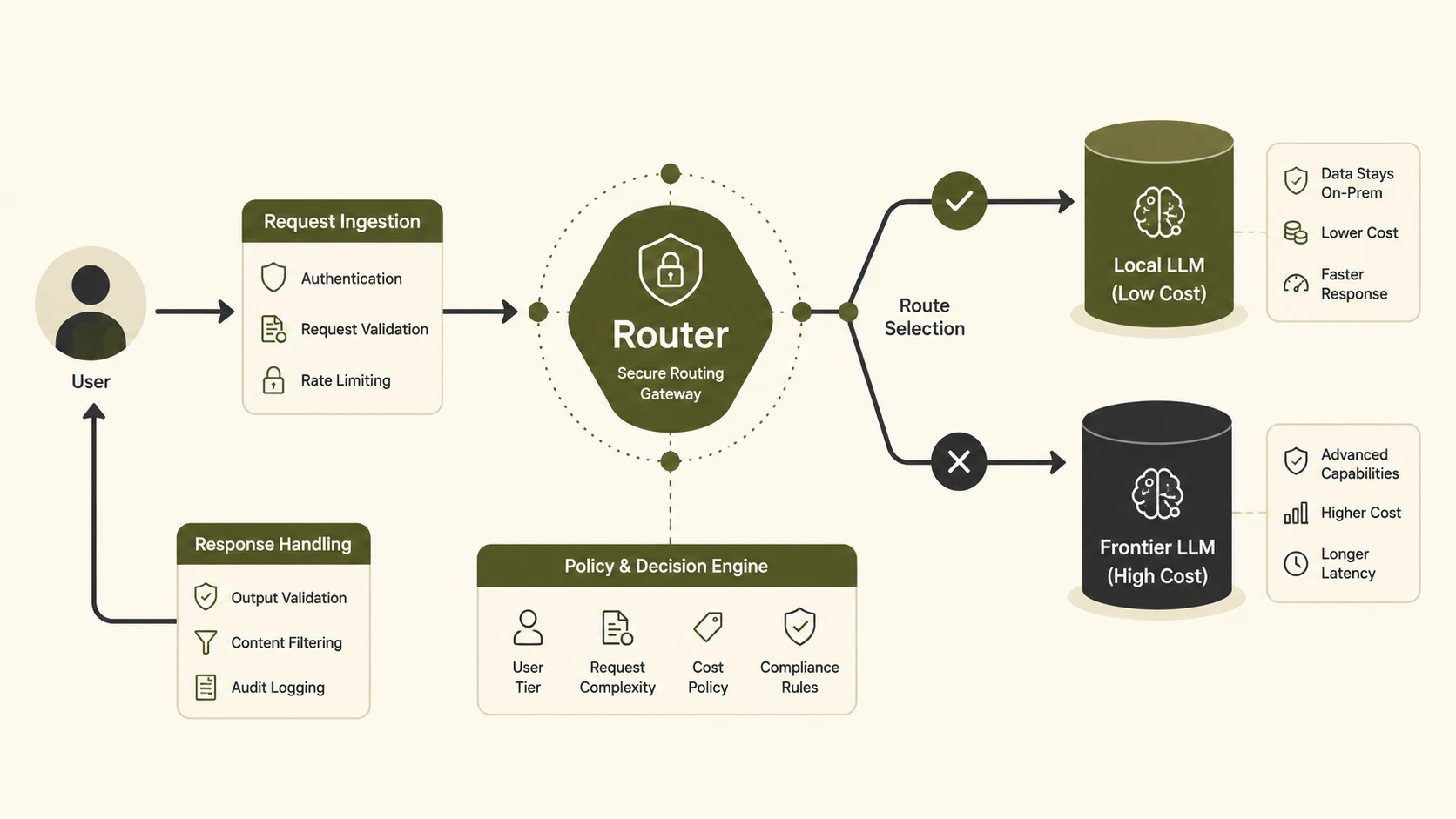
Cost-Optimized LLM Routing: Intelligently Dispatching Tasks Between Local and Cloud Models
Discover how enterprise AI platforms optimize inference costs by intelligently routing requests between local and cloud-hosted language models. Explore routing strategies, policy engines, latency optimization, and production-ready AI gateway architectures.
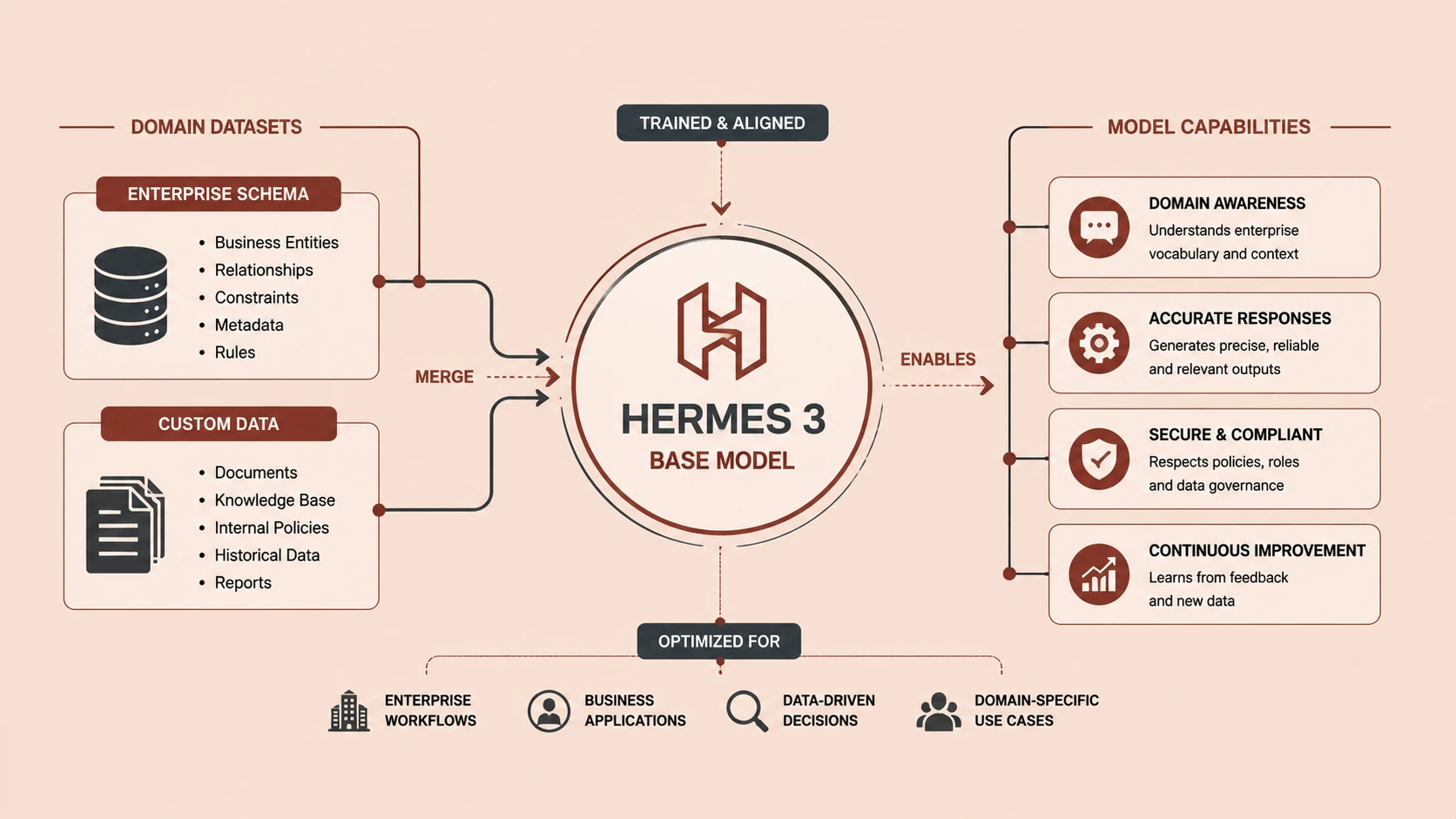
Fine-Tuning Hermes 3: Open-Weights Domain Customization for Enterprise Logic
Discover how enterprises can customize Hermes 3 using domain-specific datasets, instruction tuning, LoRA, and open-weight fine-tuning to build highly accurate AI systems tailored for internal business logic and industry knowledge.
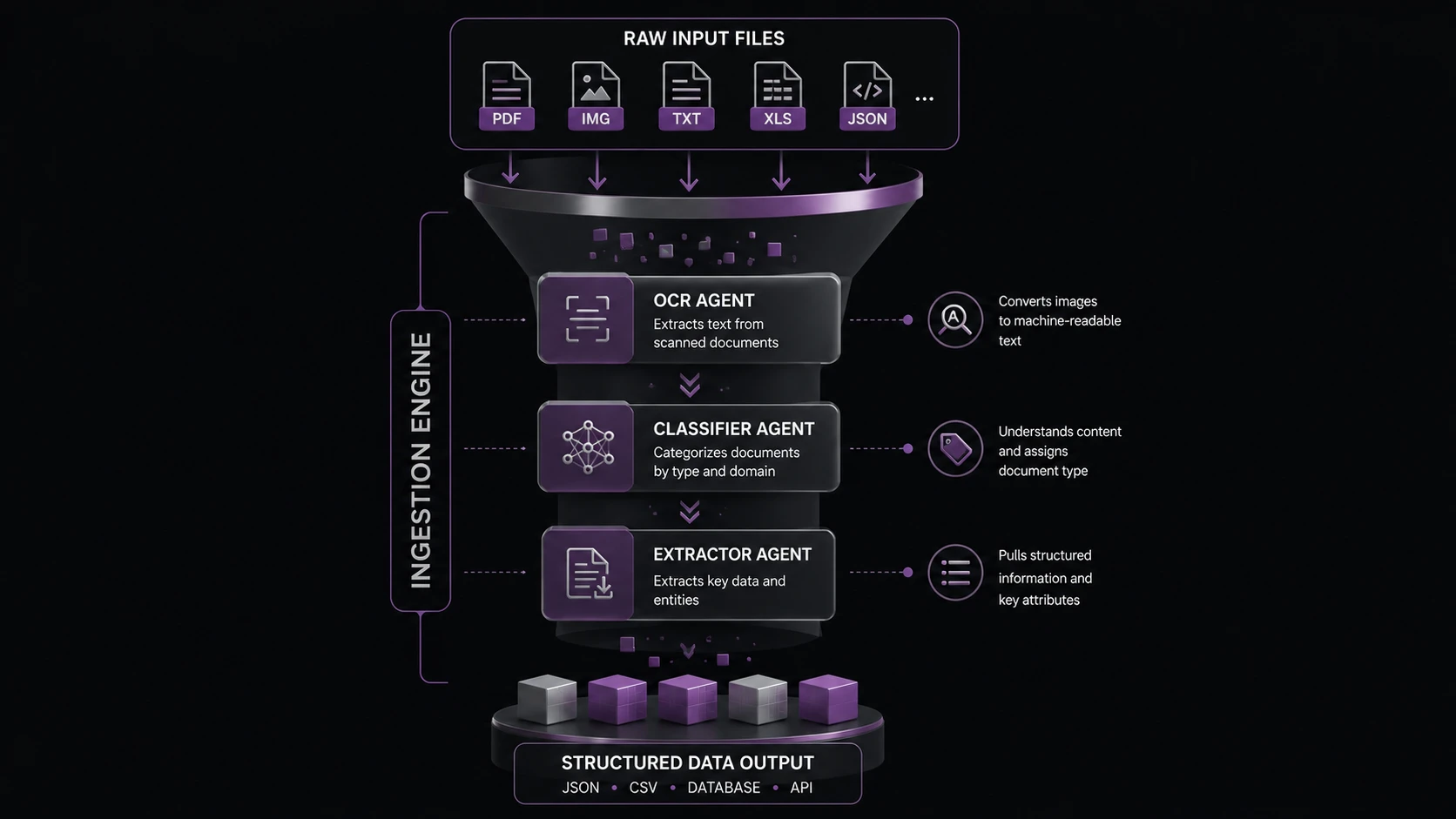
PaperClip AI: Streamlining Document Processing with Multimodal Agent Chains
Learn how PaperClip AI leverages multimodal agent chains to process PDFs, invoices, contracts, images, and scanned documents through intelligent document understanding, OCR, reasoning, and enterprise workflow automation.
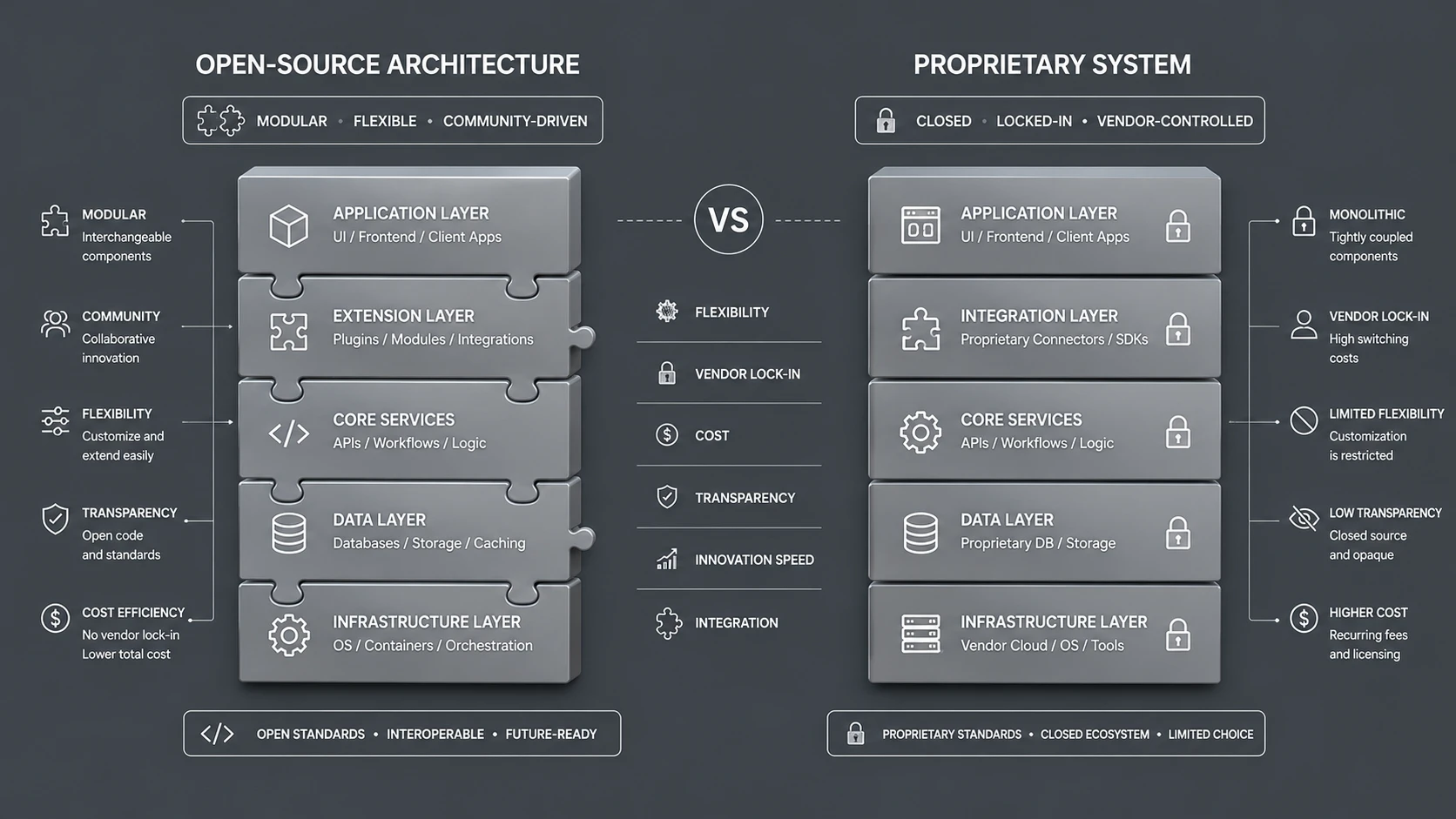
OpenClaw: The New Open-Source Framework Challenging Closed AI Agent Stacks
Discover OpenClaw, an emerging open-source AI agent framework designed for enterprise orchestration, tool execution, memory management, and multi-agent collaboration. Learn its architecture, deployment model, and why organizations are embracing open AI agent stacks.
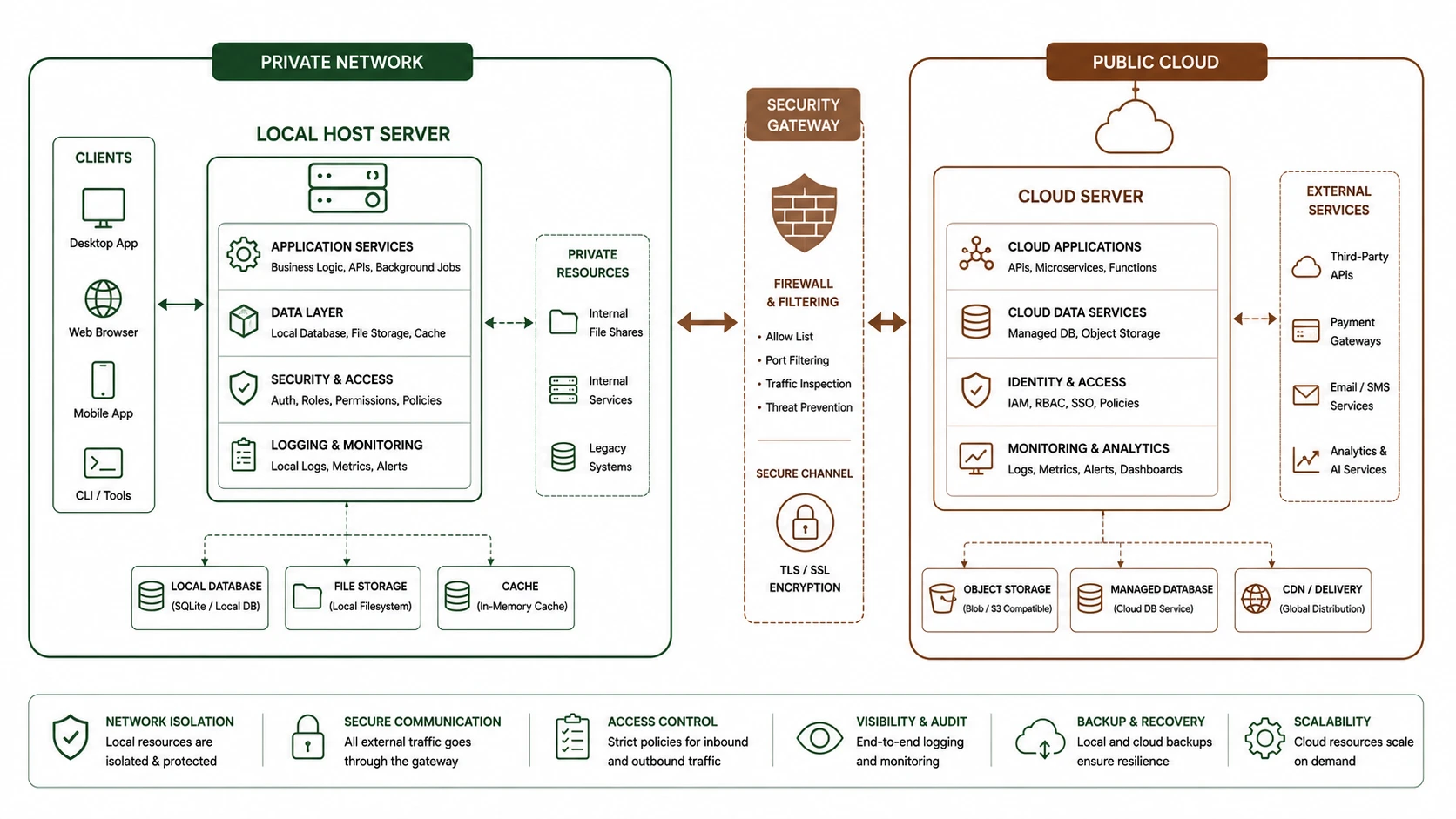
Ollama in Production: Deploying Quantized LLMs Locally to Mitigate Cloud Vulnerabilities
Discover how enterprises use Ollama to deploy quantized LLMs on local infrastructure, improving data privacy, reducing cloud dependency, lowering inference costs, and building resilient AI platforms.
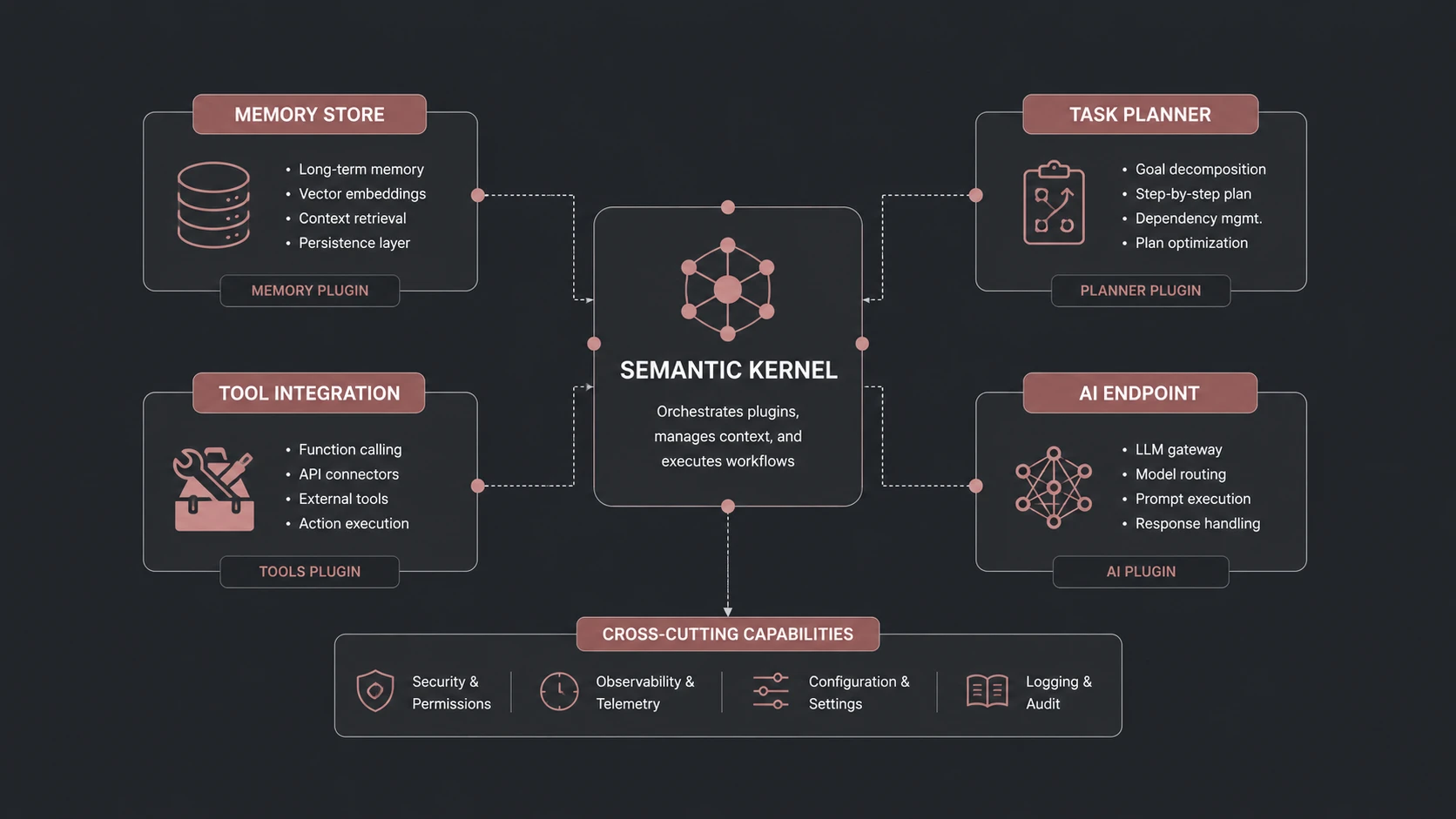
Mastering Microsoft Semantic Kernel: Building Cognitive Skills in Enterprise .NET Stacks
Discover how Microsoft Semantic Kernel empowers enterprise .NET developers to integrate LLMs, plugins, planners, memory, and AI orchestration into scalable business applications using a modular cognitive architecture.
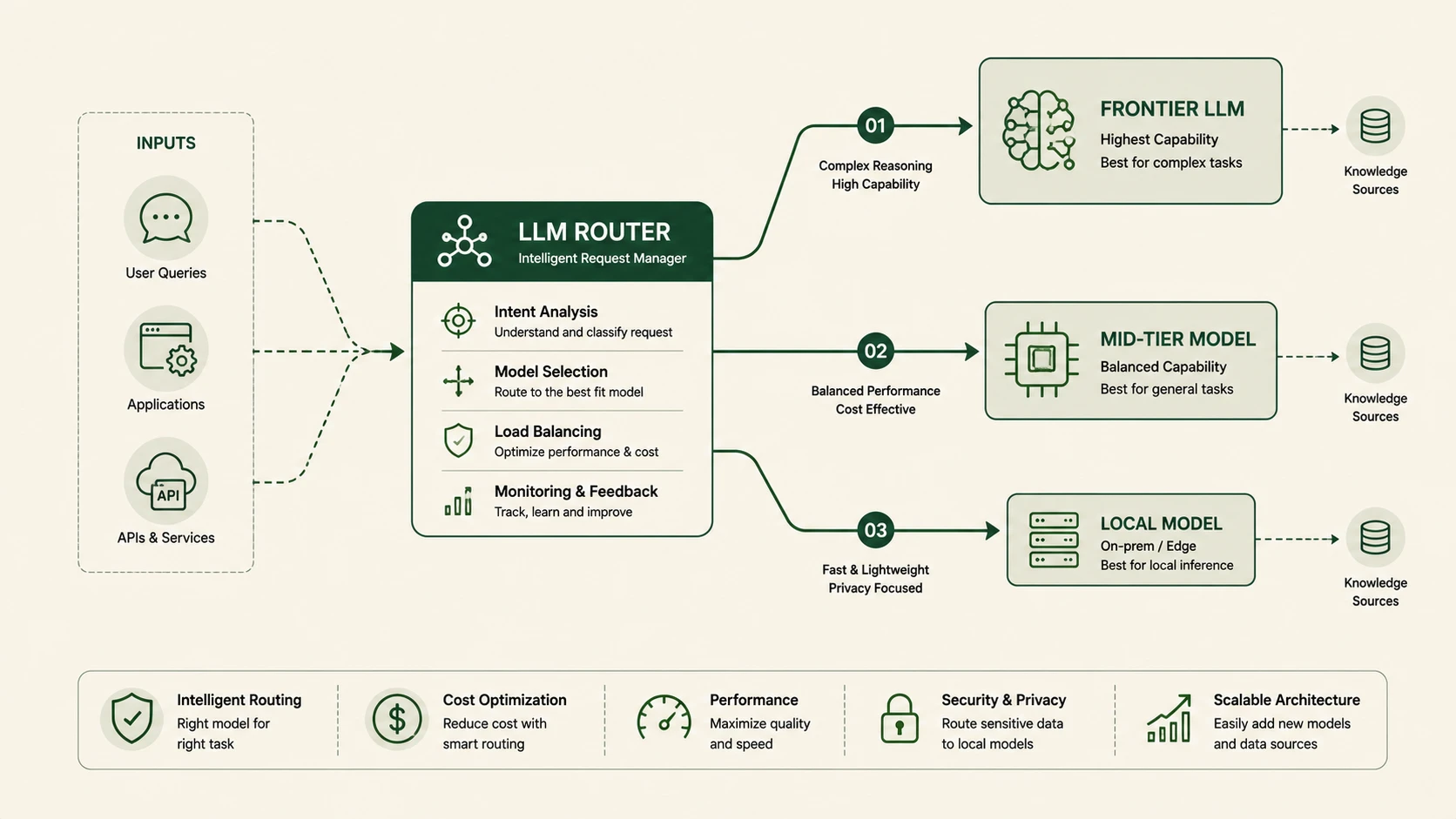
Multi-LLM Orchestration: Managing Asymmetric Model Networks in Production Pipelines
Discover how Multi-LLM orchestration enables organizations to intelligently coordinate specialized AI models for reasoning, coding, retrieval, vision, and workflow automation while optimizing cost, latency, and reliability.
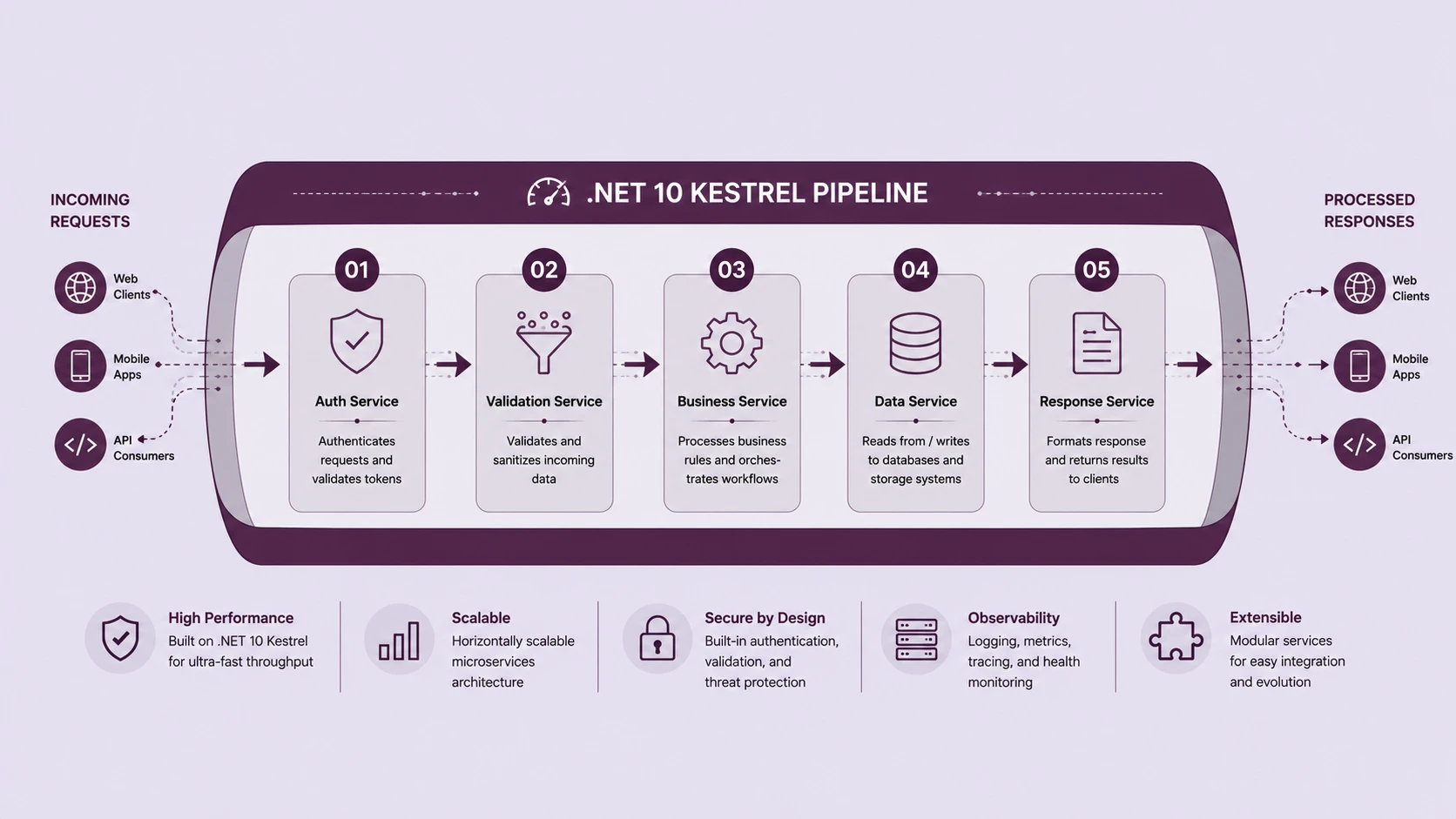
Deep Dive into .NET 10: Building High-Throughput Microservices for Agentic Systems
Discover how .NET 10 empowers enterprises to build scalable, resilient, and high-throughput microservices that power modern Agentic AI systems with low latency, efficient communication, and production-grade reliability.
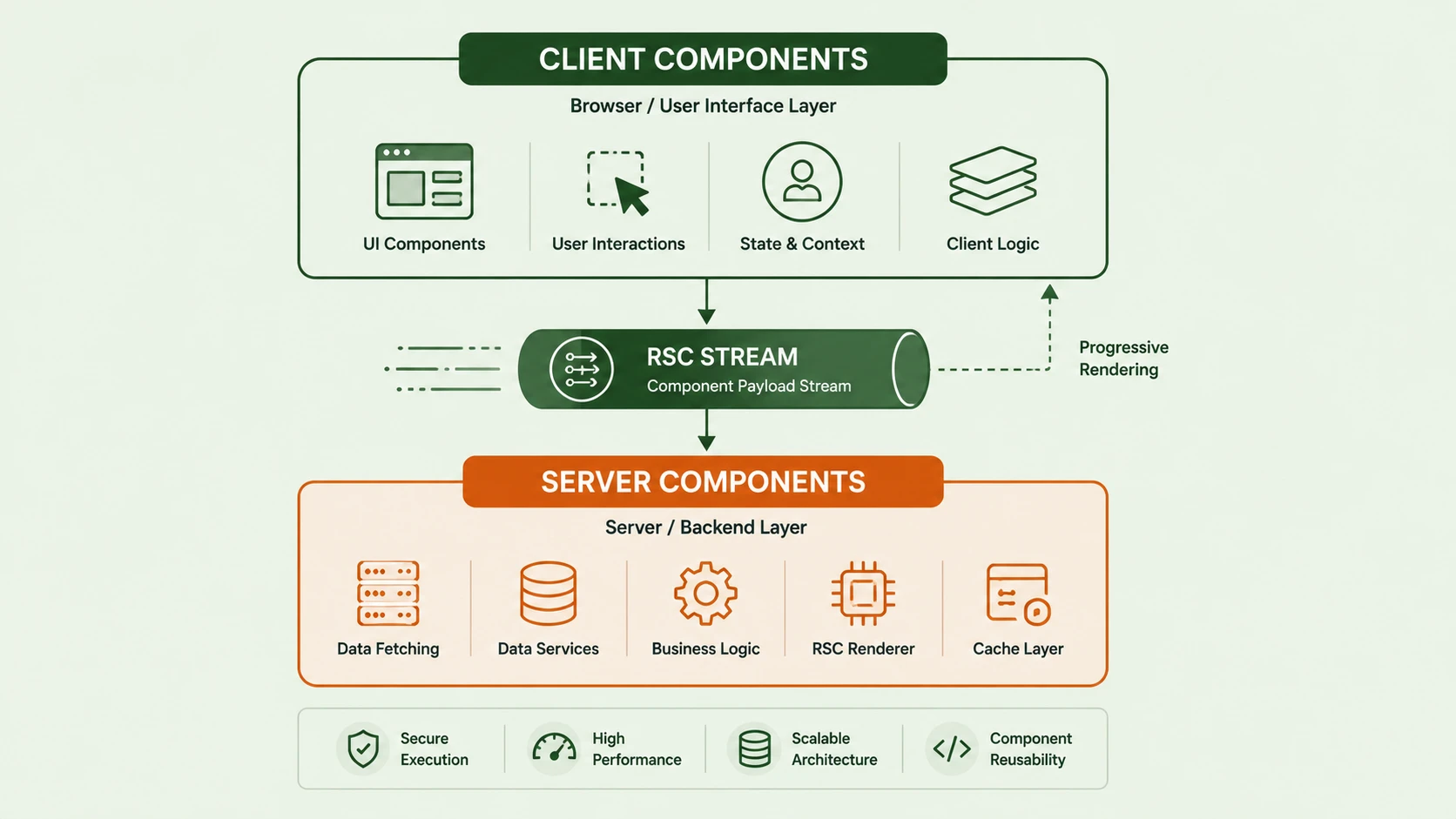
Next.js 16 Server Components & AI Integration: The Frontend Cognitive Layer
Discover how Next.js 16 Server Components transform AI-powered applications into high-performance frontend cognitive layers. Learn streaming architecture, server-side AI execution, React Server Components, and enterprise best practices for scalable AI interfaces.
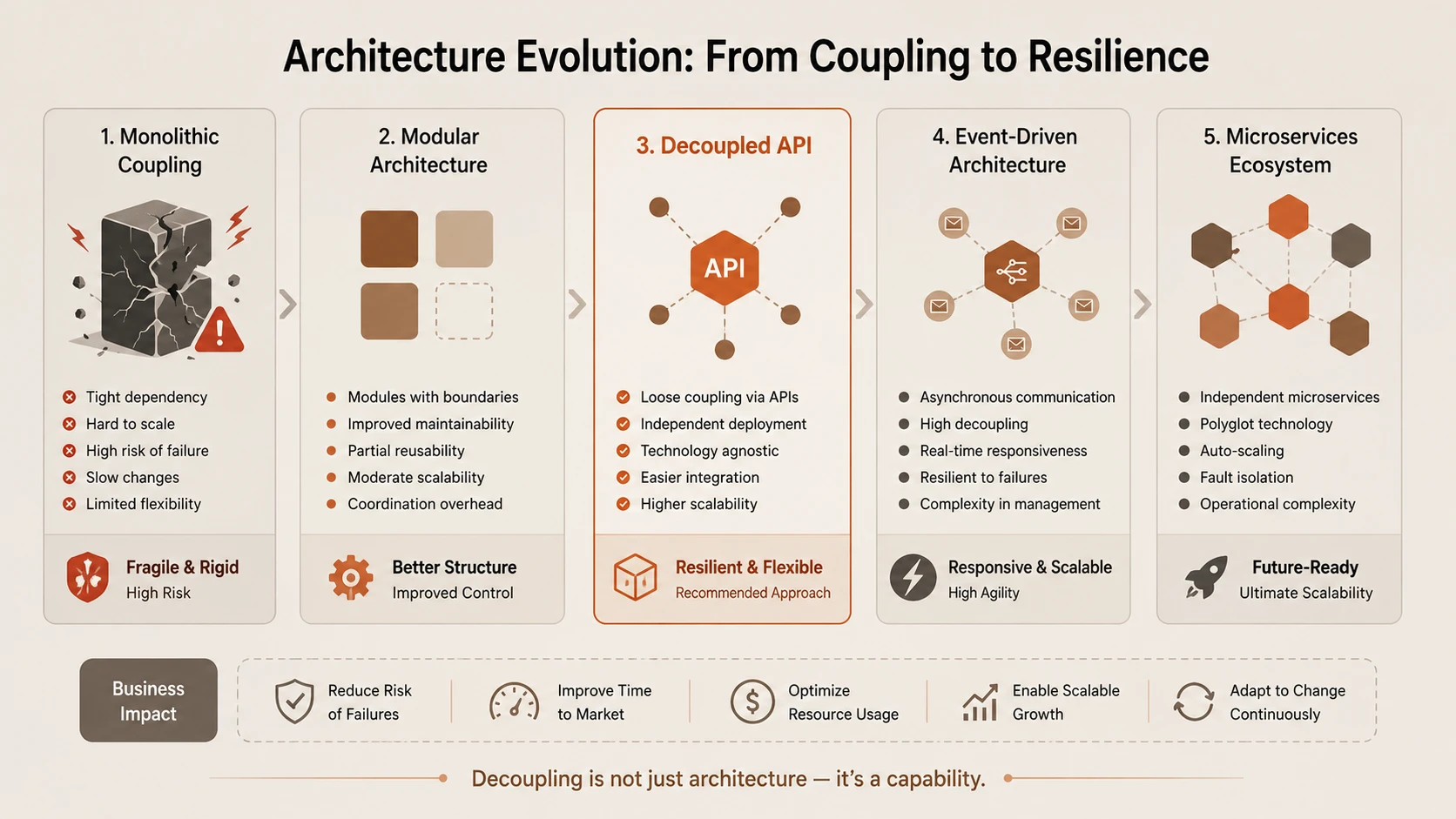
Software Architecture in the Age of Agents: Patterns, Anti-Patterns & Future States
Learn how software architecture is evolving in the age of AI agents. Discover proven architecture patterns, common anti-patterns, distributed agent ecosystems, event-driven systems, and enterprise design principles for next-generation intelligent applications.
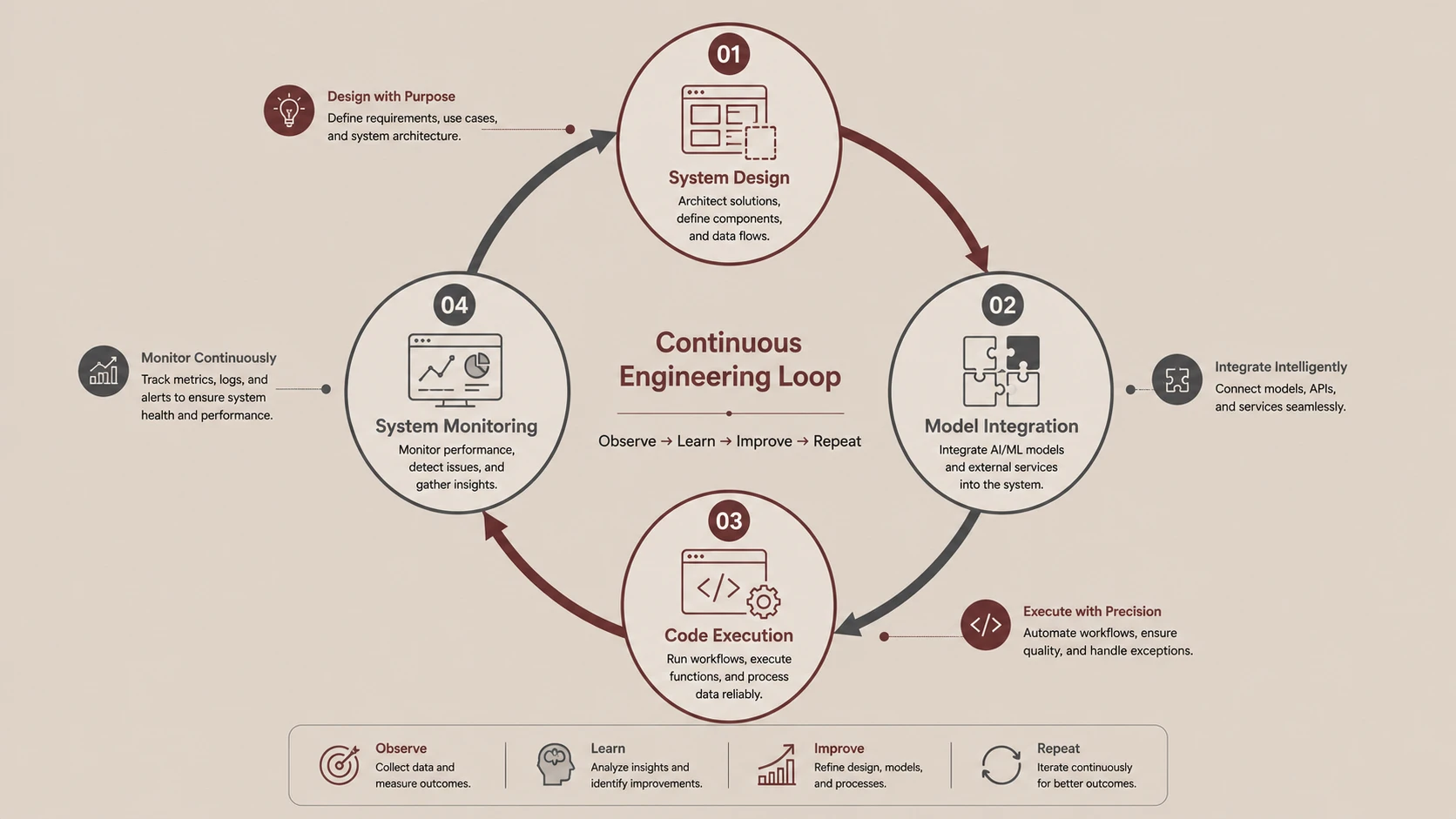
Full-Cycle Intelligence Engineer: Designing Systems That Think
Discover how Full-Cycle Intelligence Engineers design end-to-end AI systems that combine LLMs, AI agents, memory, reasoning, tool execution, feedback loops, and enterprise infrastructure into autonomous intelligent platforms.
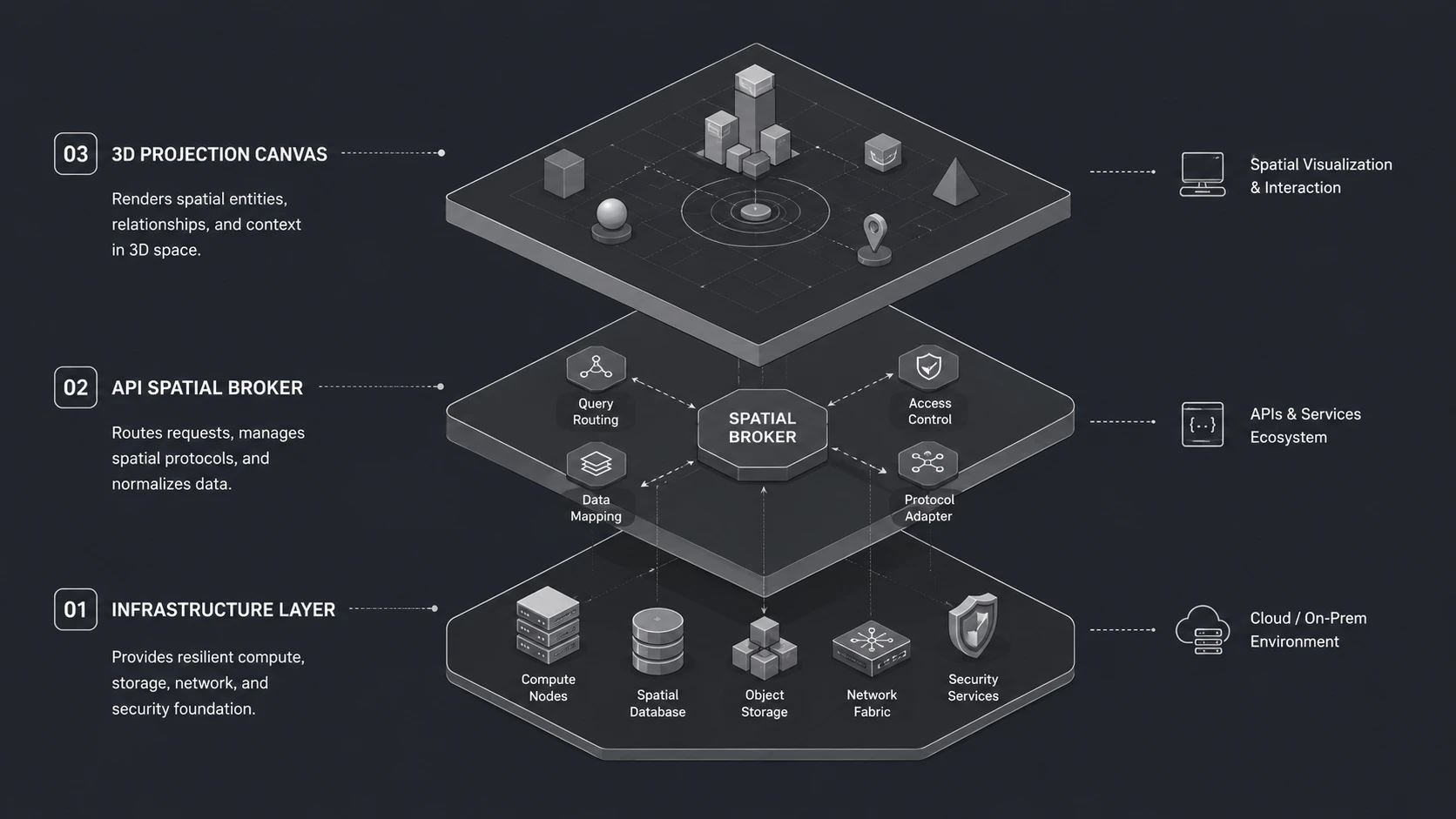
Spatial Web and the Metaverse Stack: When Experiences Span Real & Virtual
Discover how the Spatial Web is transforming enterprise software by blending physical and virtual environments through AI, digital twins, spatial computing, IoT, XR, and real-time collaboration platforms.
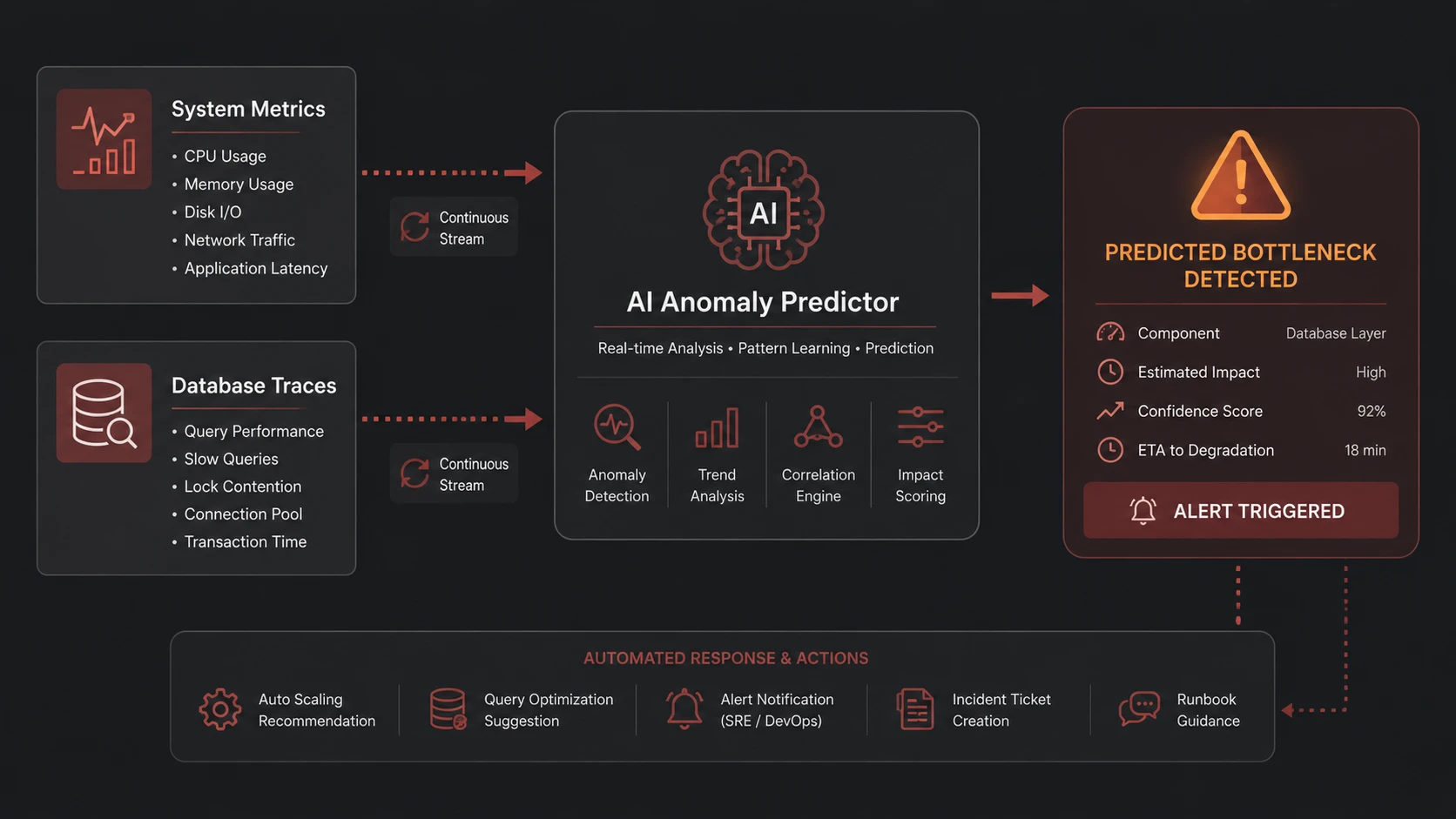
Observability 3.0: Predictive, Adaptive and Autonomous Systems
Learn how Observability 3.0 combines AI, machine learning, distributed telemetry, predictive analytics, and autonomous remediation to build self-monitoring and self-healing enterprise systems.
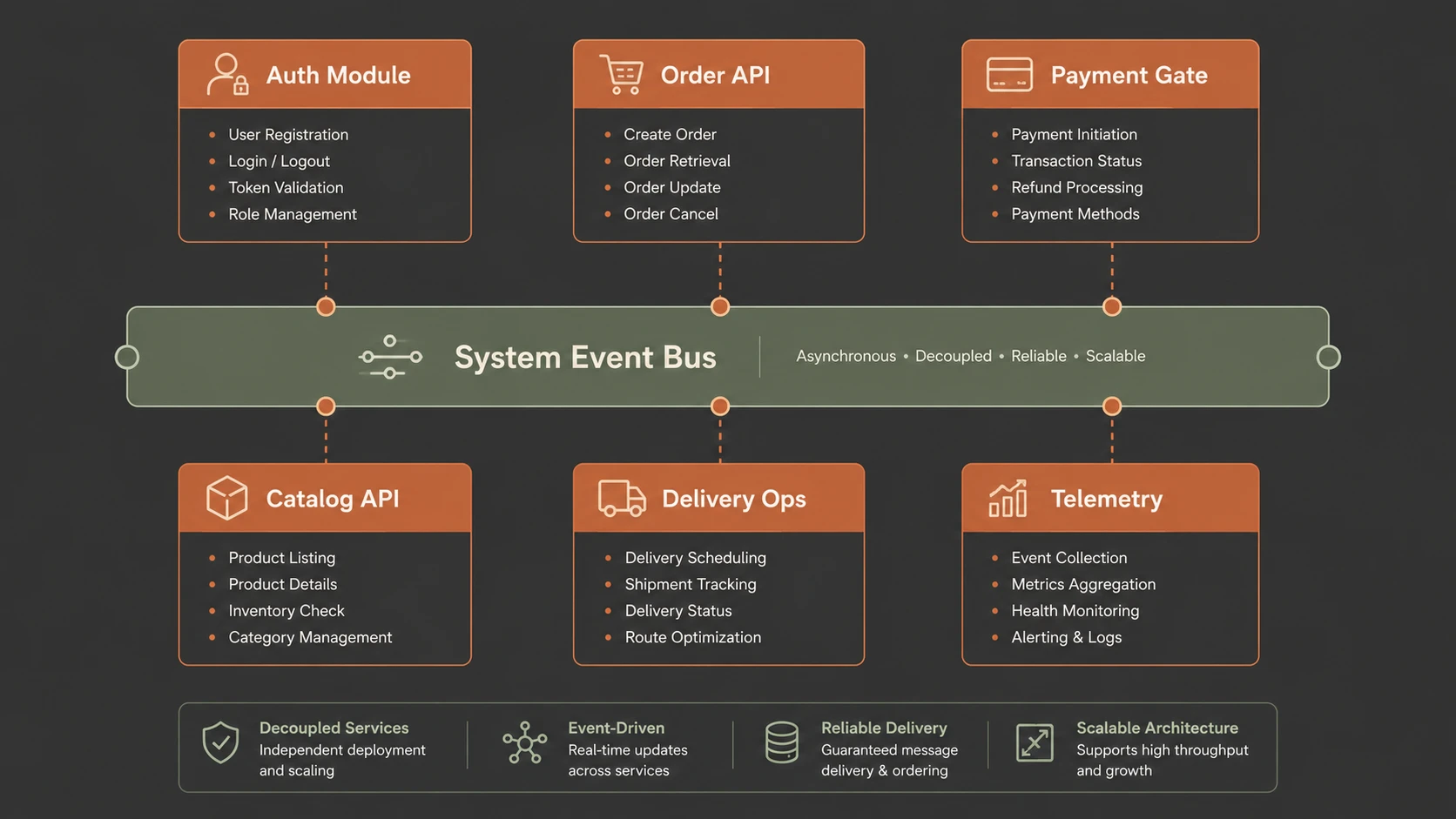
Composable Business Logic: Feature Modules as Independent Products
Learn how modern enterprises are replacing monolithic business logic with composable feature modules, enabling independent development, deployment, versioning, and AI-ready business capabilities across distributed platforms.
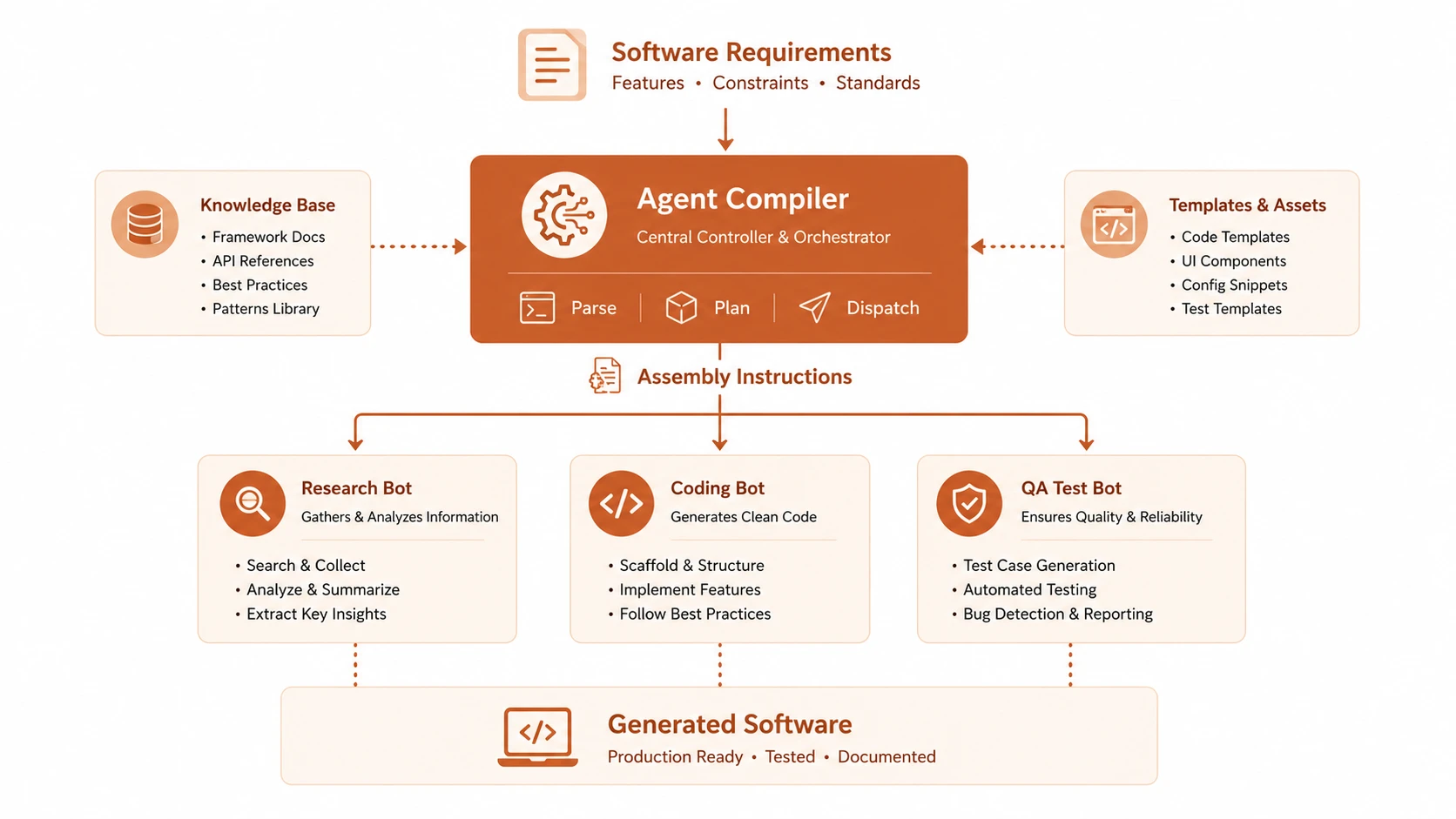
Agentic DevTools: Bots That Build Other Bots
Discover how Agentic DevTools enable autonomous software engineering by allowing AI agents to generate, evaluate, optimize, and deploy other AI agents, accelerating enterprise AI development and reducing manual engineering effort.