Enterprise Technology
Viewing all posts categorized under Enterprise Technology.

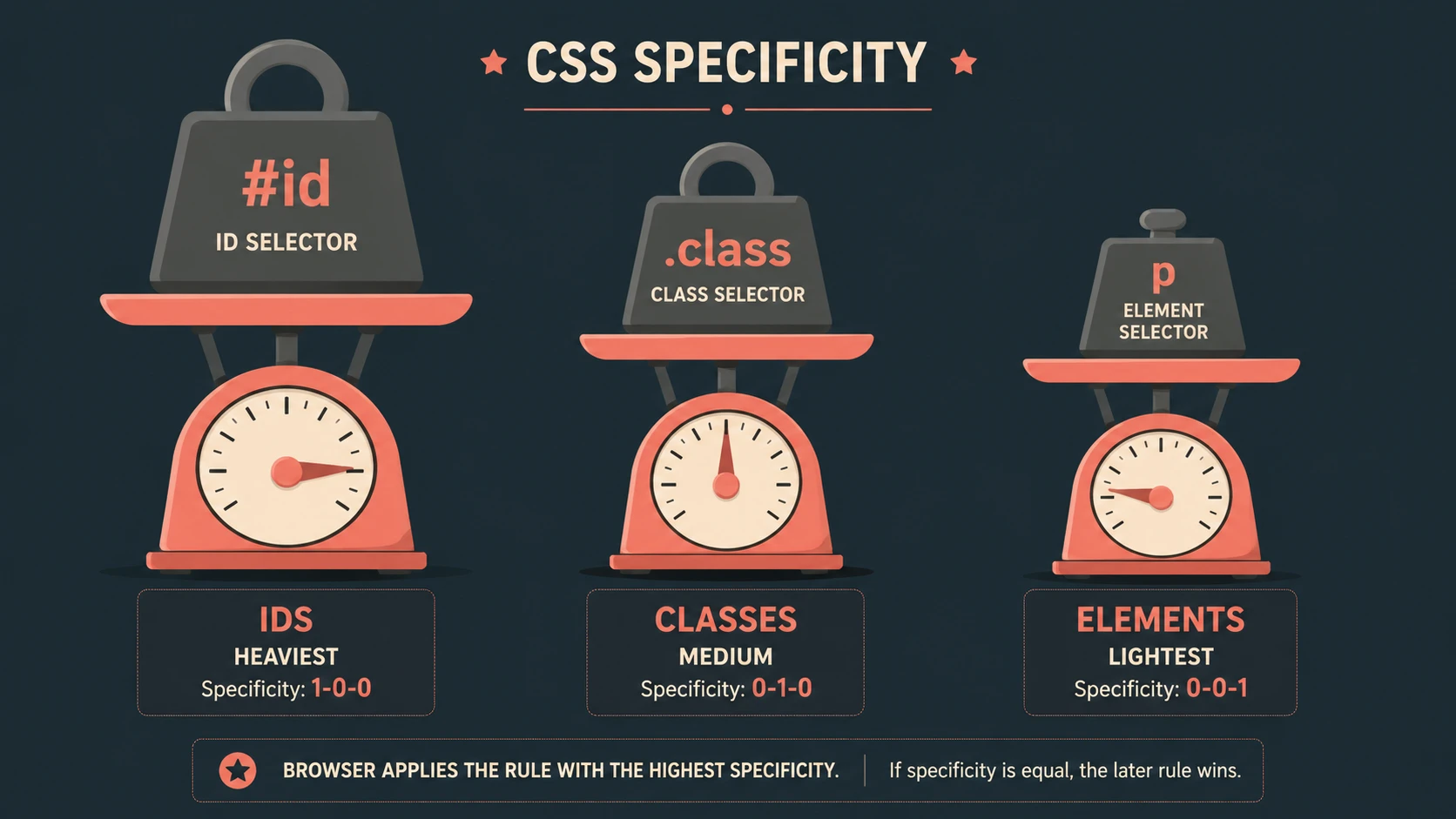
Understanding CSS Specificity: How Browsers Compute CSS Rules
As enterprise web applications grow in complexity, CSS specificity often becomes one of the leading causes of styling conflicts and maintenance challenges. This article explains how browsers calculate specificity, how the cascade determines the final computed style, and the best architectural practices for building scalable CSS from the perspective of 2013.
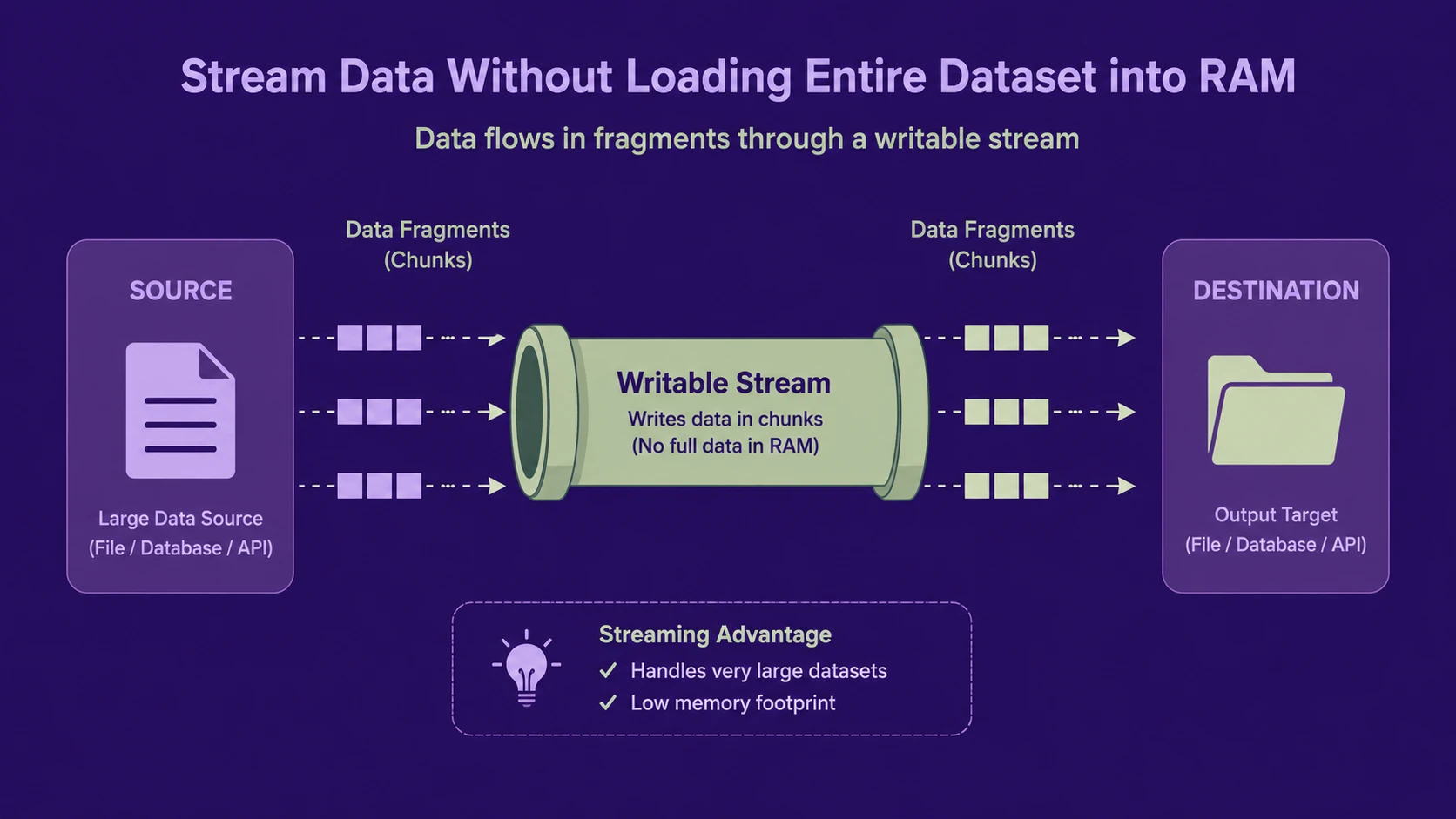
Node.js Streams: Architecting Memory-Efficient Data Processing Pipelines
As Node.js adoption continues to grow for web services and real-time applications, developers are increasingly encountering workloads involving large files, network traffic, and continuous data processing. This article examines Node.js Streams from the perspective of May 2013, exploring their architecture, performance characteristics, enterprise applications, and best practices for building efficient data processing pipelines.
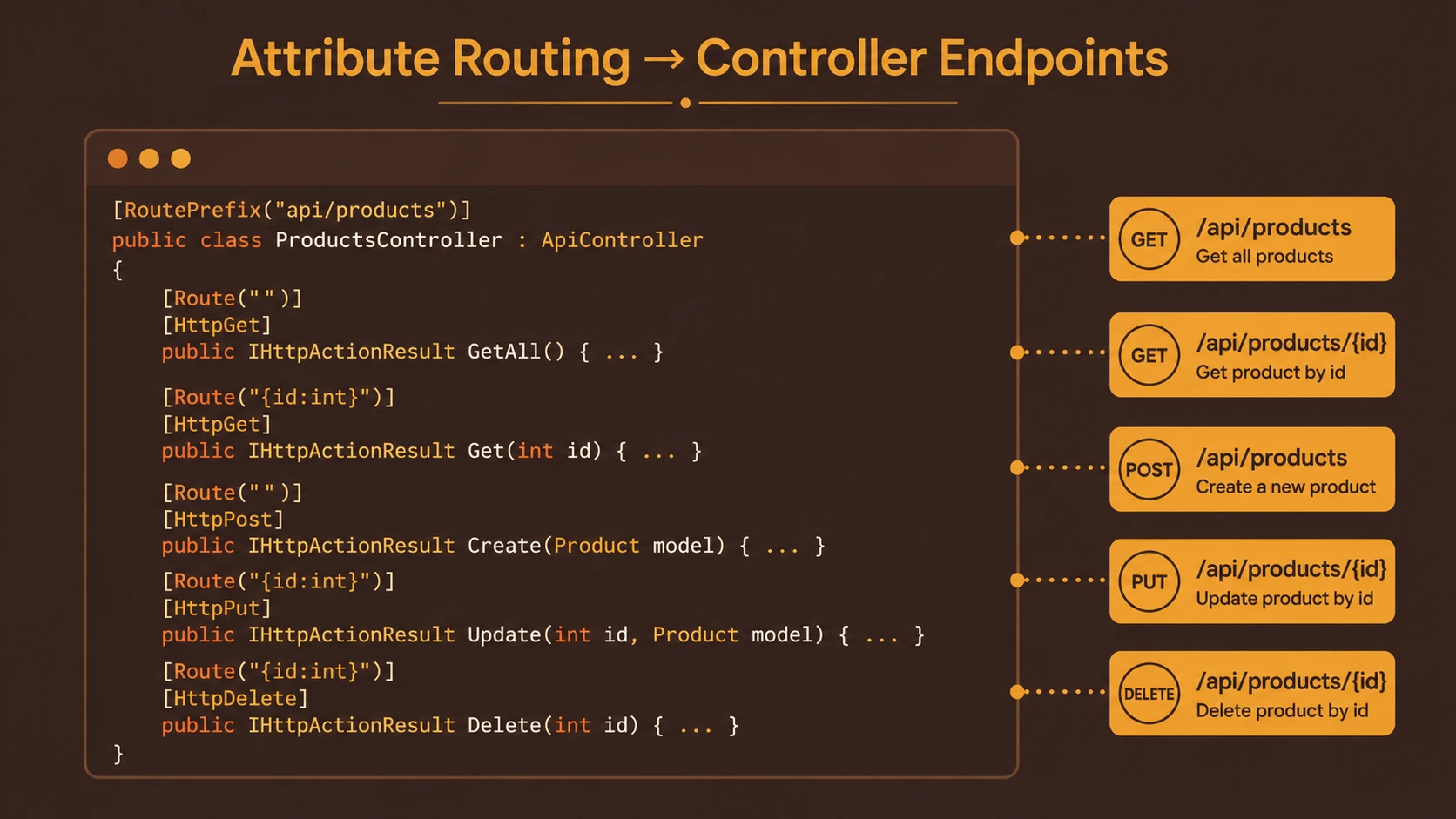
ASP.NET MVC 5: Attribute Routing and OWIN Authentication Integration
Microsoft has announced the direction of the next generation of ASP.NET MVC with a focus on more flexible routing, improved authentication through OWIN, and deeper integration with modern web application architecture. This article examines the emerging capabilities expected in ASP.NET MVC 5 from the perspective of April 2013 and discusses how these changes could influence enterprise web development.
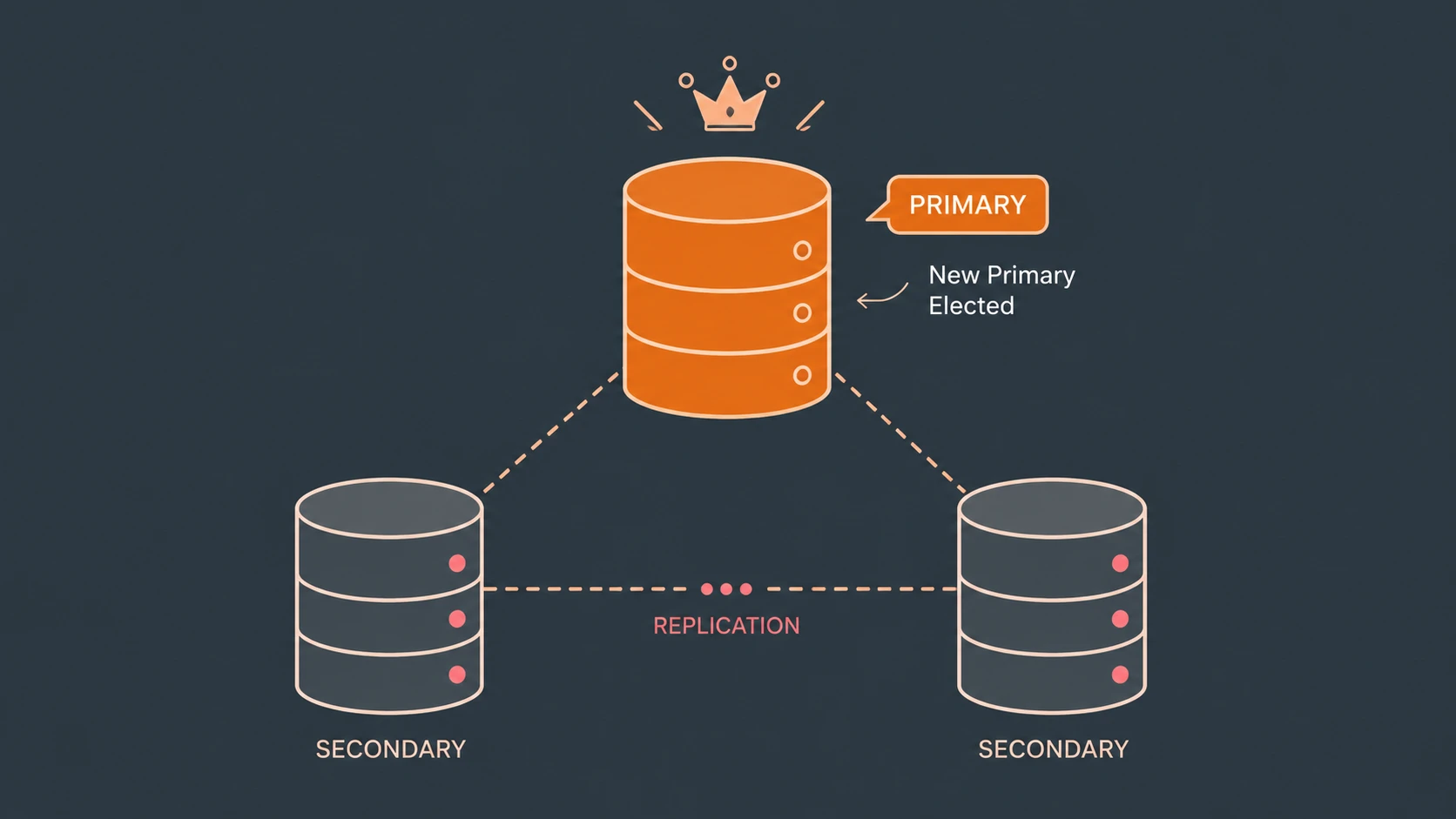
MongoDB Replica Set Elections: Maintaining High Availability During Primary Node Failures
MongoDB replica sets provide automatic failover by electing a new primary when the existing primary becomes unavailable. This article examines the architecture, election process, operational considerations, and enterprise best practices for designing highly available MongoDB deployments from the perspective of early 2013.
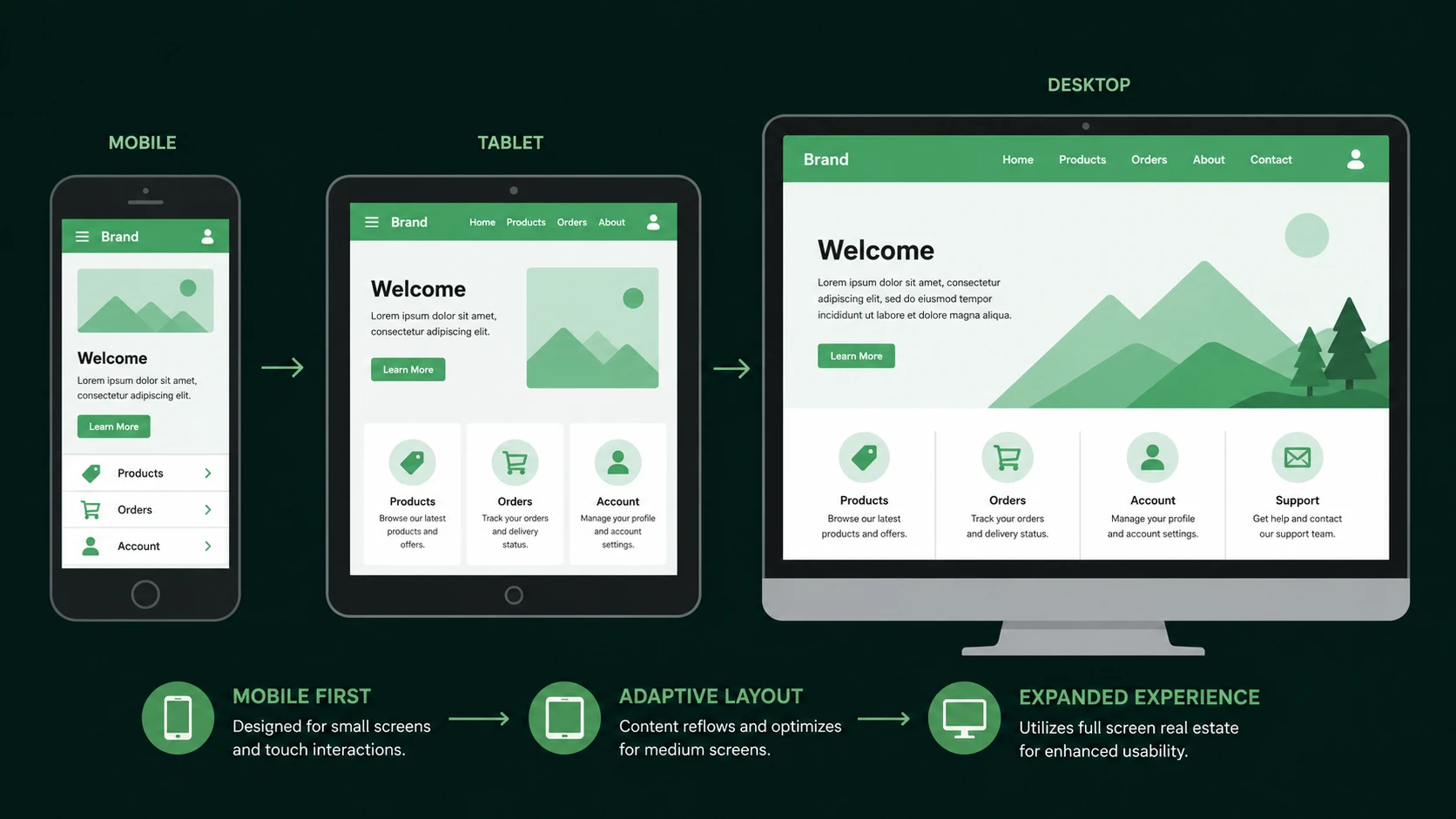
Bootstrap 3.0 Mobile-First Refactor: Designing Viewports from Mobile to Desktop
Bootstrap 3.0 represents a significant architectural shift from previous releases by adopting a mobile-first philosophy. This article examines the framework from the perspective of March 2013, exploring its responsive grid system, CSS architecture, component redesign, enterprise adoption considerations, and how mobile-first development is reshaping modern web engineering.
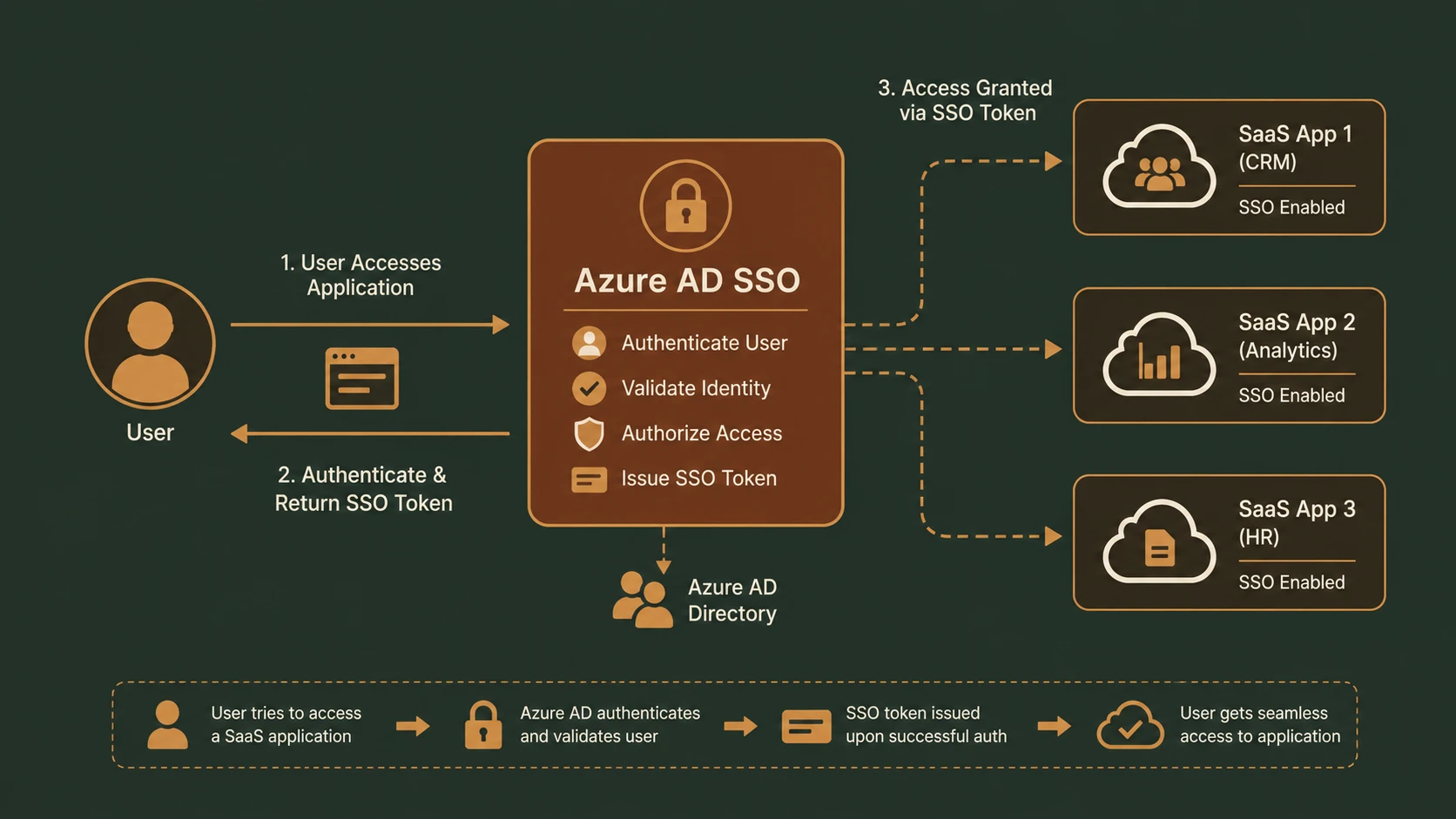
Windows Azure AD: Identity Management and Single Sign-On for Enterprise SaaS
Windows Azure Active Directory introduces Microsoft's cloud-based identity management service, enabling enterprises to extend on-premises Active Directory identities into cloud applications while simplifying authentication and single sign-on. This article examines Windows Azure AD from the perspective of February 2013, exploring its architecture, enterprise integration, security model, and its role in supporting the growing adoption of Software as a Service solutions.
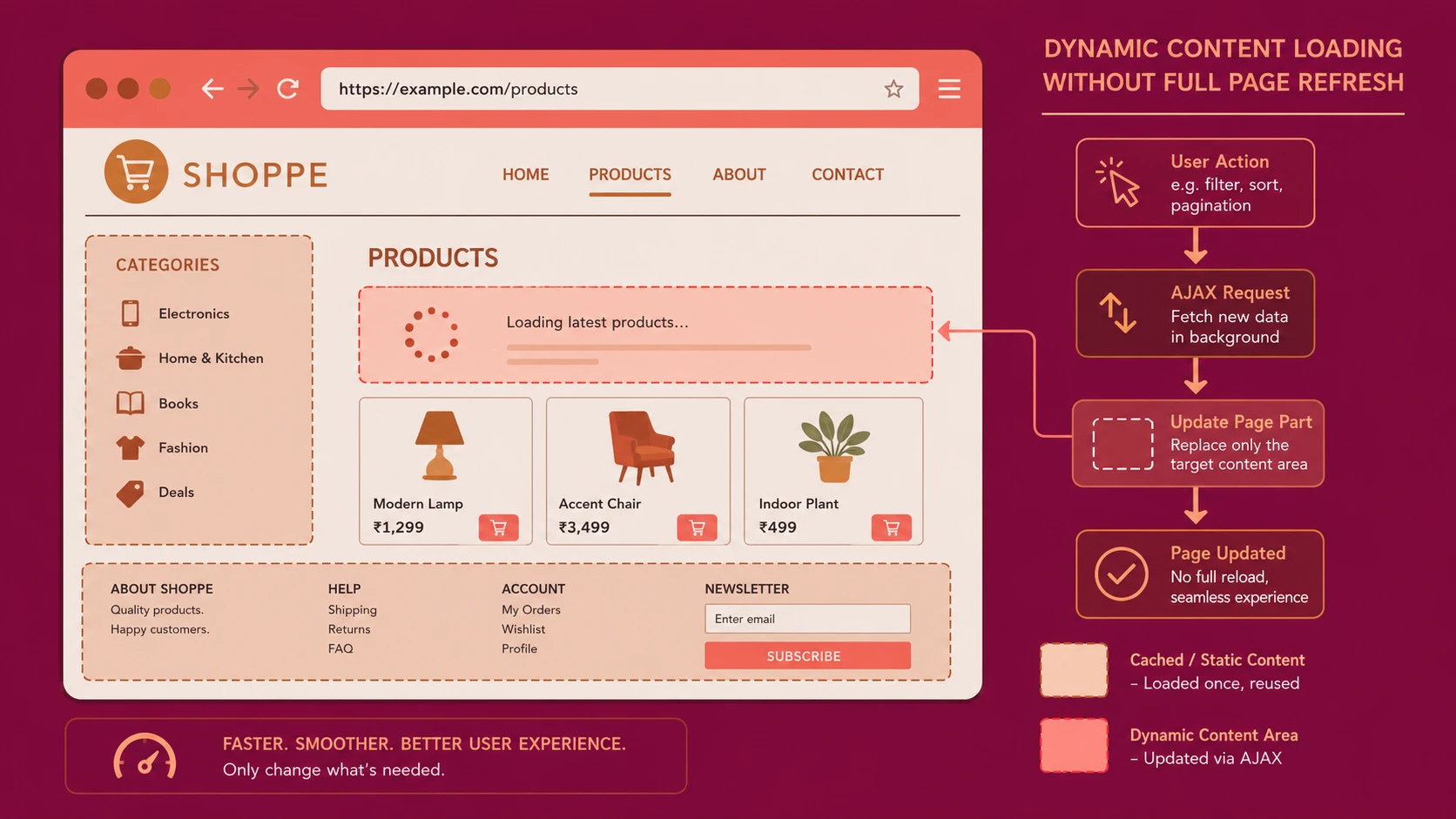
Ruby on Rails 4.0: Declarative Caching and Turbolinks Performance
Ruby on Rails 4.0 introduces several important improvements including declarative caching, Turbolinks, a stronger separation of concerns, and enhanced performance features. This article examines how these capabilities can improve scalability, maintainability, and application responsiveness from the perspective of early 2013.
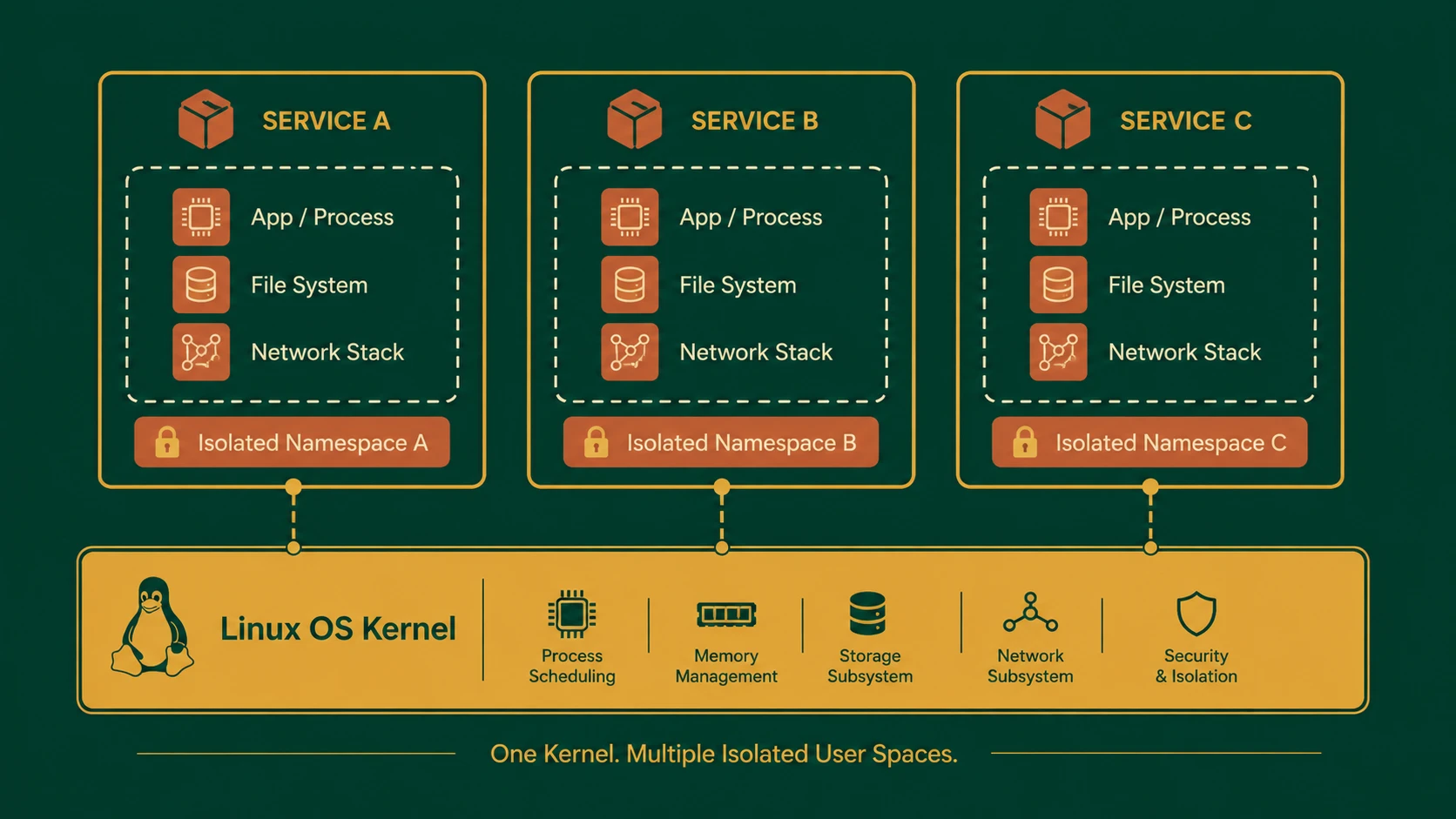
LXC Containers and the Early Seeds of dotCloud's Docker Project
Linux Containers (LXC) are gaining attention as an efficient operating-system-level virtualization technology, while dotCloud has begun work on a new container-based application packaging project. This article analyzes LXC architecture, enterprise use cases, operational benefits, and the early technical direction of dotCloud's emerging container initiative from the perspective of January 2013.
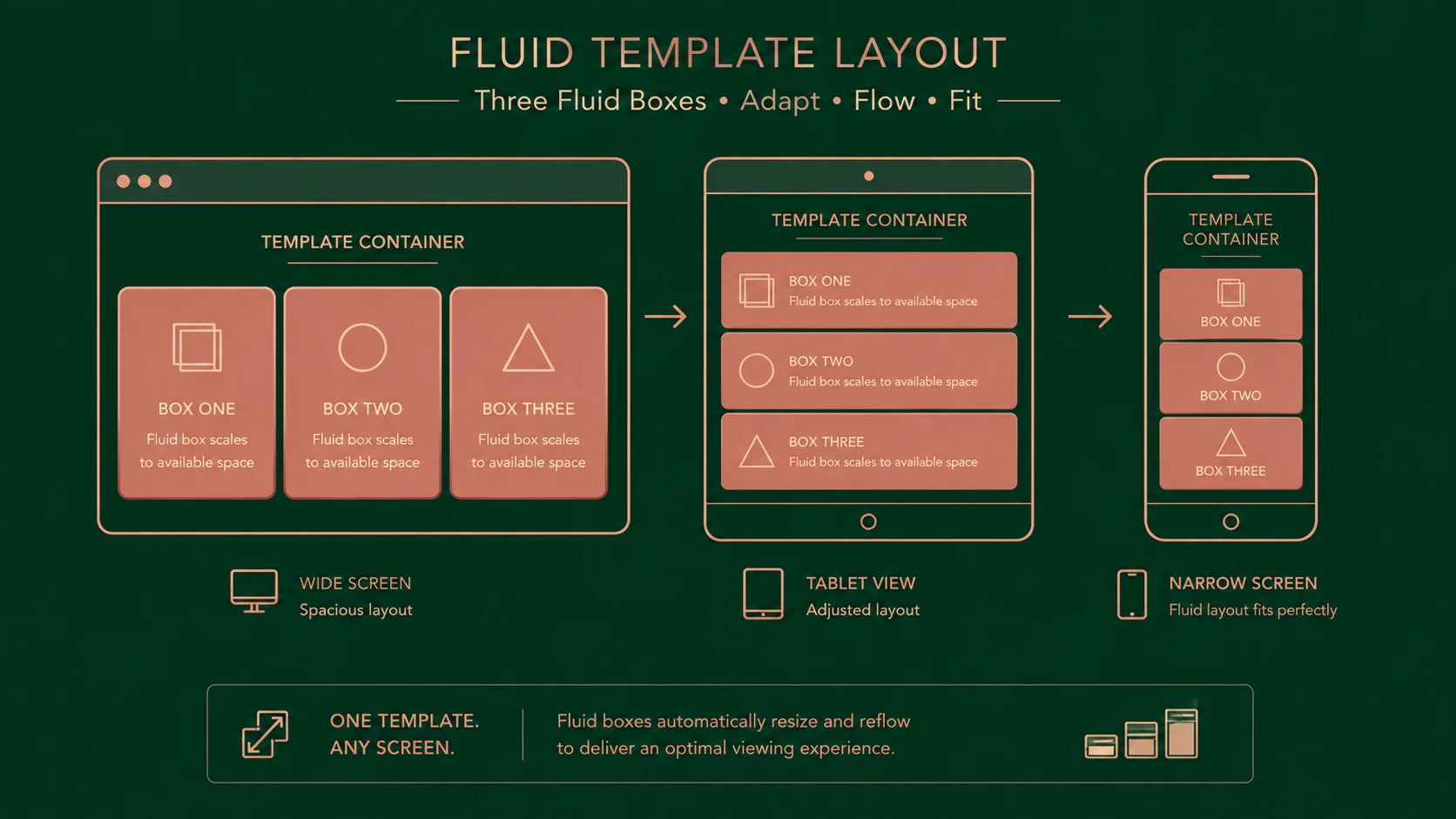
The Responsive Web: Retrospective on Design Standardizations of 2012
Throughout 2012, responsive web design evolved from an experimental development approach into a practical enterprise strategy for supporting desktops, tablets, and smartphones with a unified codebase. Driven by advances in CSS3, HTML5, media queries, fluid layouts, and mobile browser capabilities, responsive design is reshaping how organizations build and maintain modern web applications. This article reviews the major developments of 2012 and examines their enterprise implications from the perspective of December 2012.
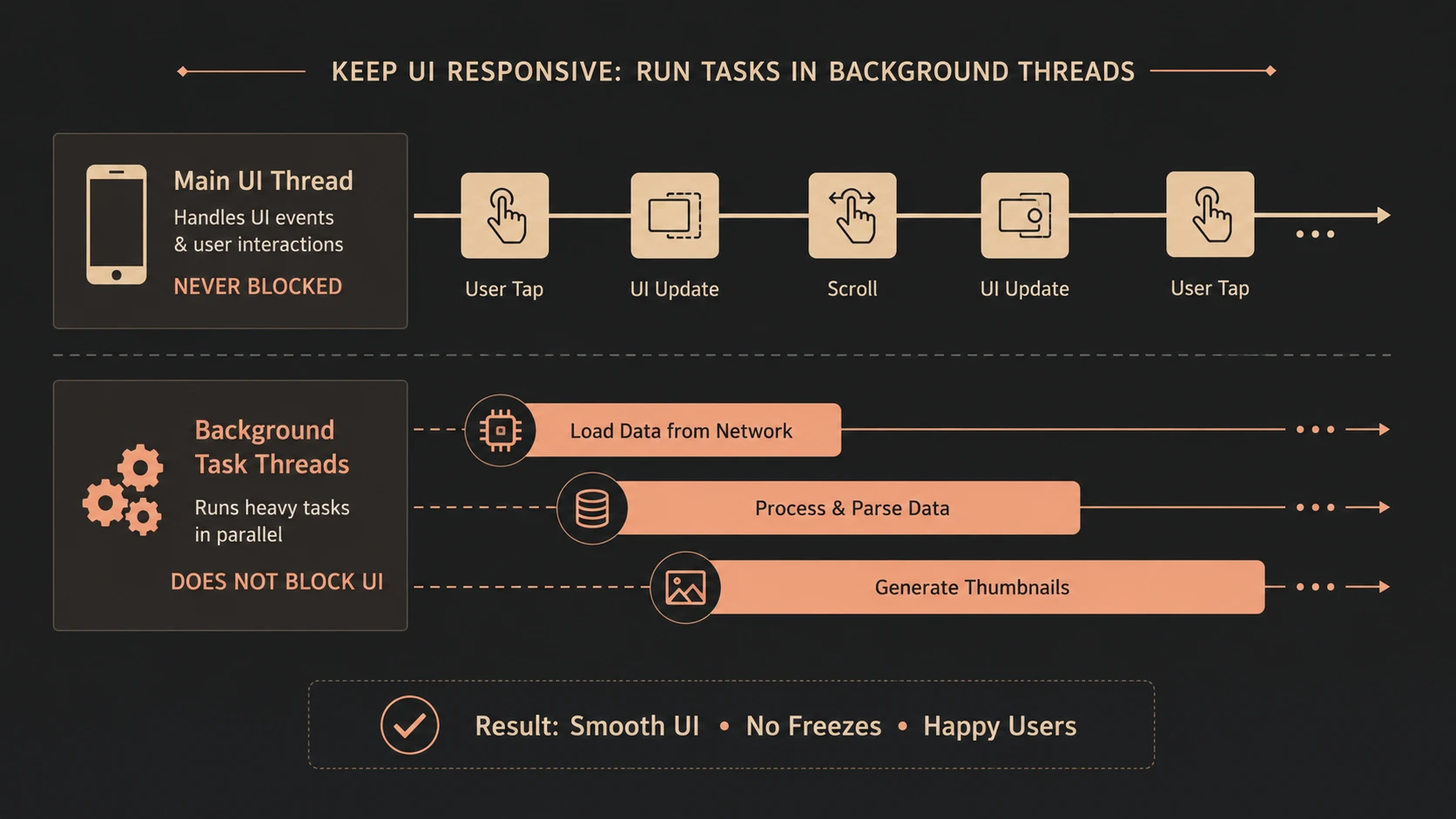
C# 5.0 and .NET 4.5: The Async/Await Revolution is Here
C# 5.0 and .NET Framework 4.5 introduce async and await, significantly simplifying asynchronous programming. This article explores the language features, runtime architecture, enterprise implications, performance considerations, and best practices for adopting asynchronous programming from the perspective of late 2012.
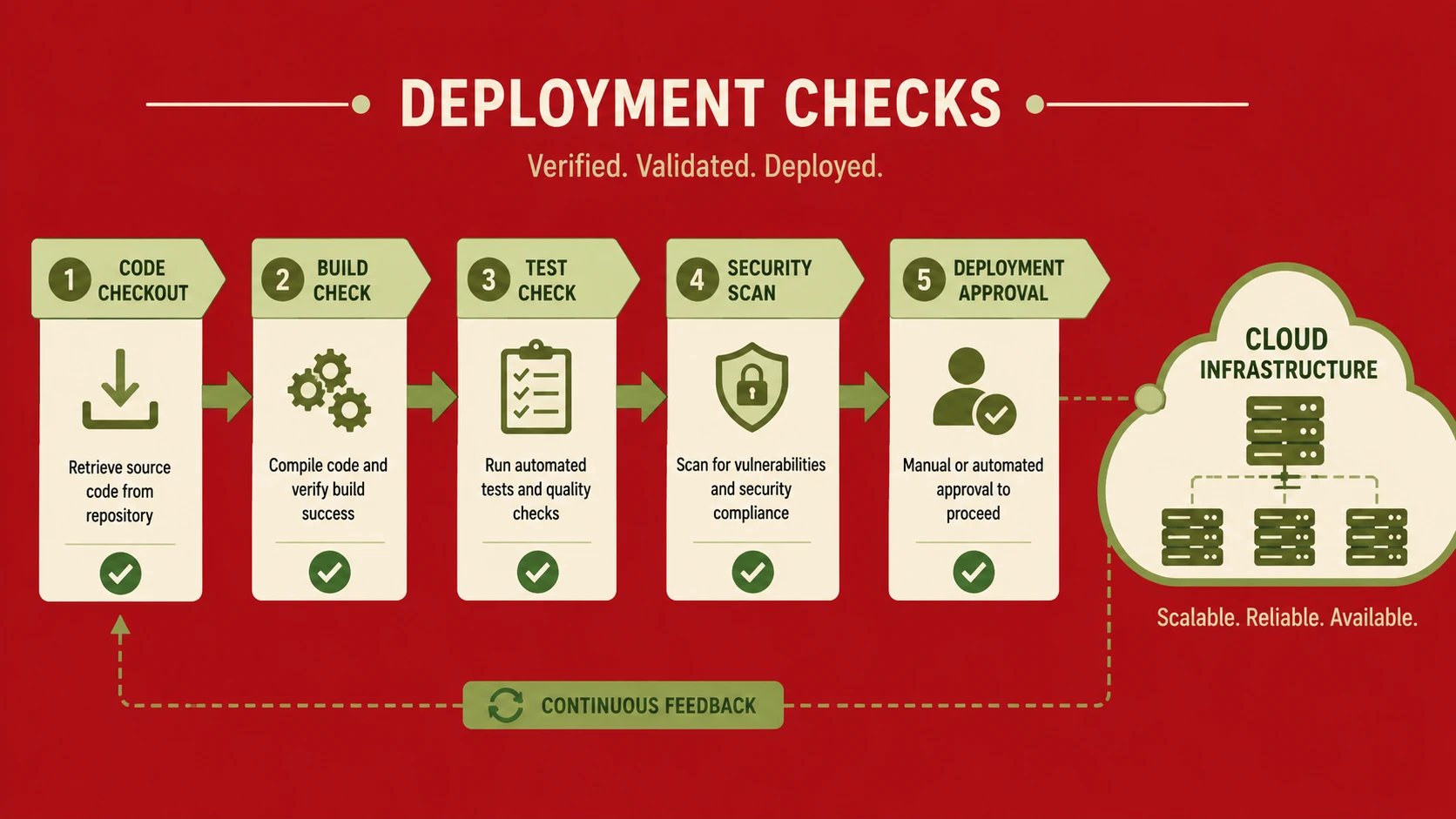
Continuous Delivery: Moving from Sprint Releases to Daily Deploys
Enterprise software organizations are increasingly seeking faster and more reliable release processes. Continuous Delivery has emerged as a disciplined engineering practice that automates software delivery while reducing deployment risk. This article examines Continuous Delivery from the perspective of November 2012, exploring its architecture, tooling, enterprise benefits, challenges, and adoption strategies.
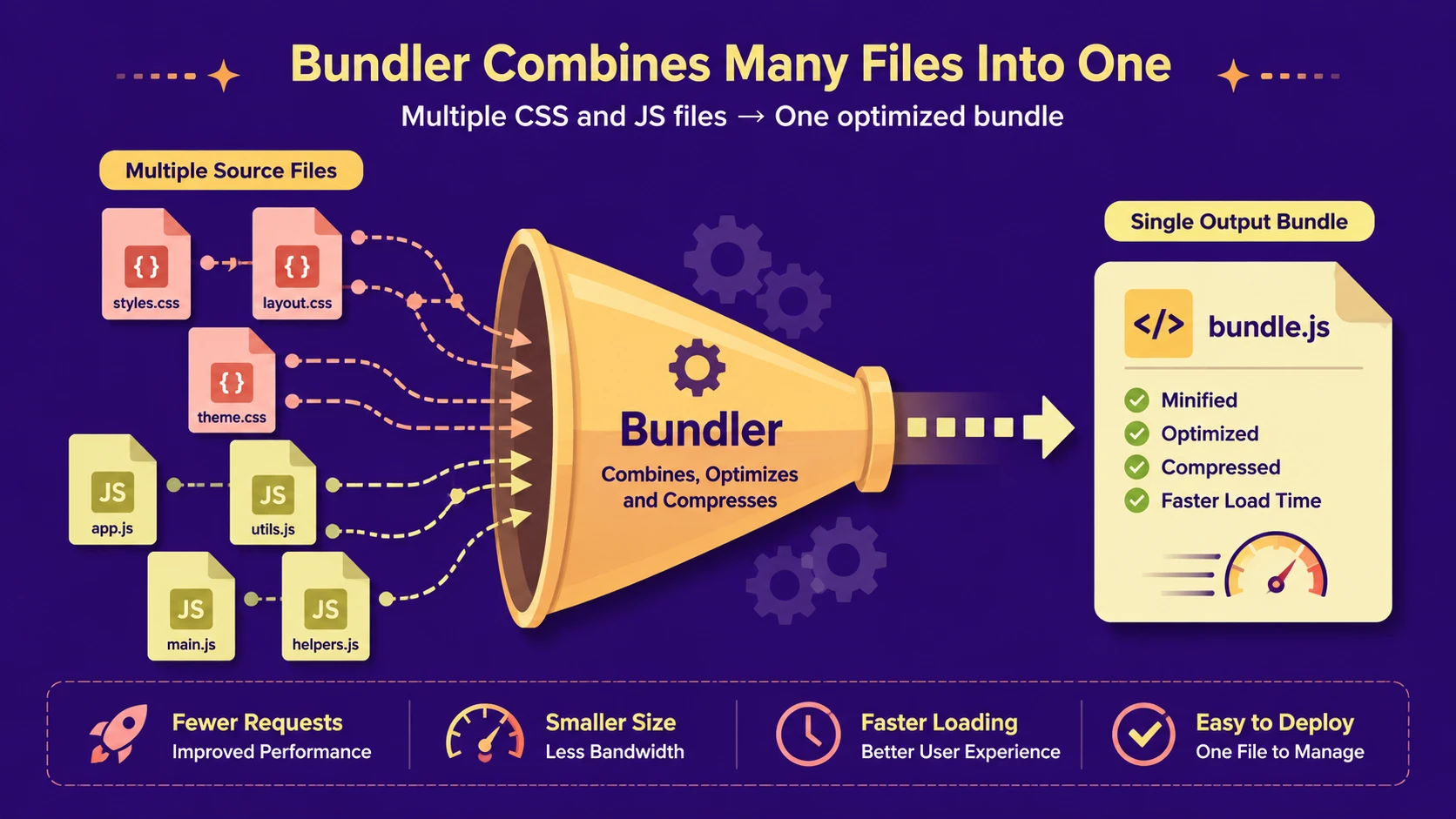
ASP.NET MVC 4: Bundling, Minification, and Mobile Views
ASP.NET MVC 4 introduces important enhancements that address two growing enterprise priorities: web application performance and mobile device support. Built on ASP.NET 4.5 and the .NET Framework, MVC 4 adds built-in bundling and minification, adaptive mobile views, Web API integration, and improved project templates. This article examines these capabilities from the perspective of November 2012, helping enterprise architects evaluate their impact on modern web application development.
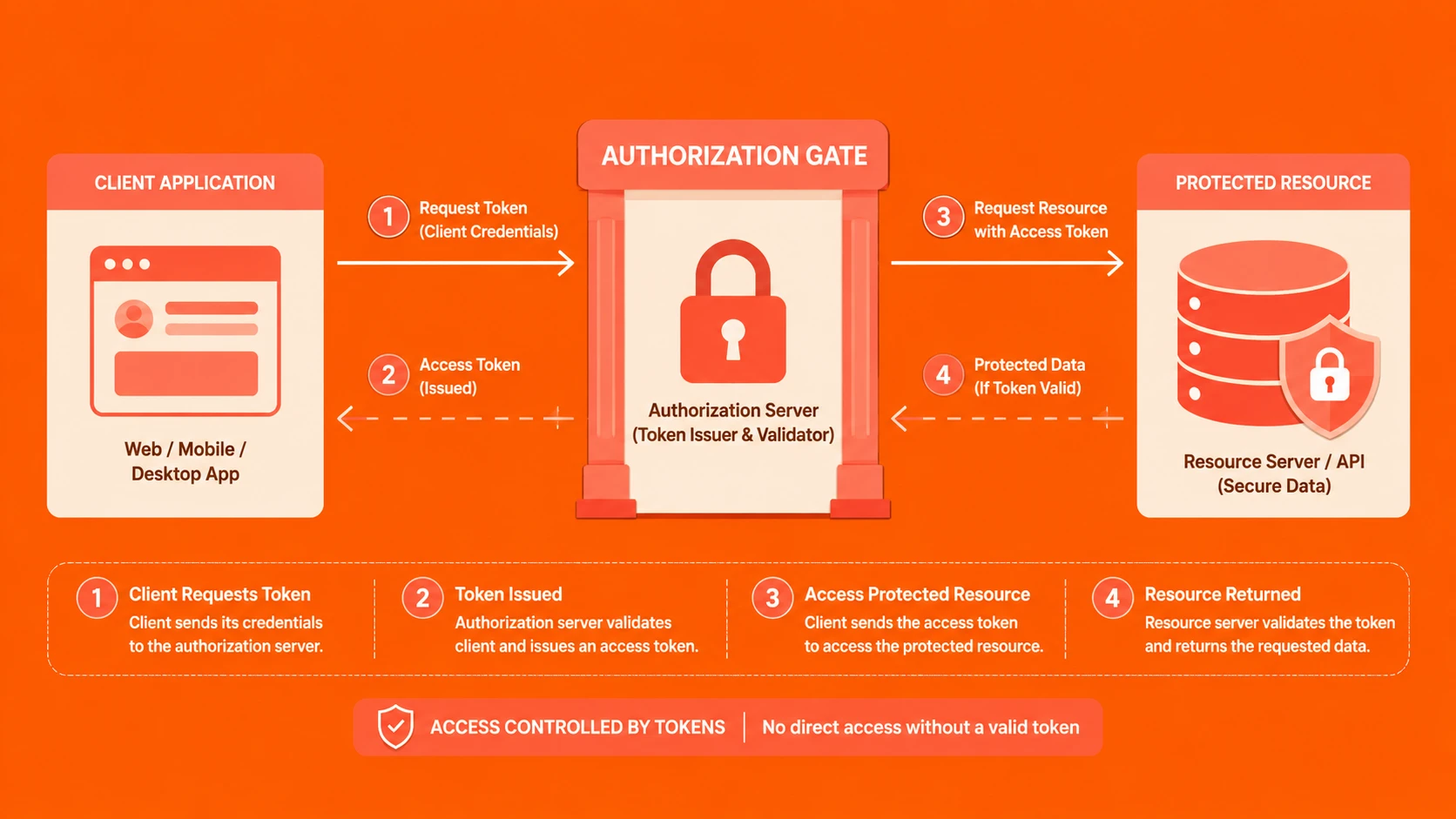
OAuth 2.0 RFC 6749: Standardizing Authorization for Web APIs
OAuth 2.0 has been standardized as RFC 6749, providing a flexible authorization framework for web applications, mobile clients, and APIs. This article examines its architecture, authorization flows, security model, enterprise adoption strategies, and implementation considerations from the perspective of October 2012.
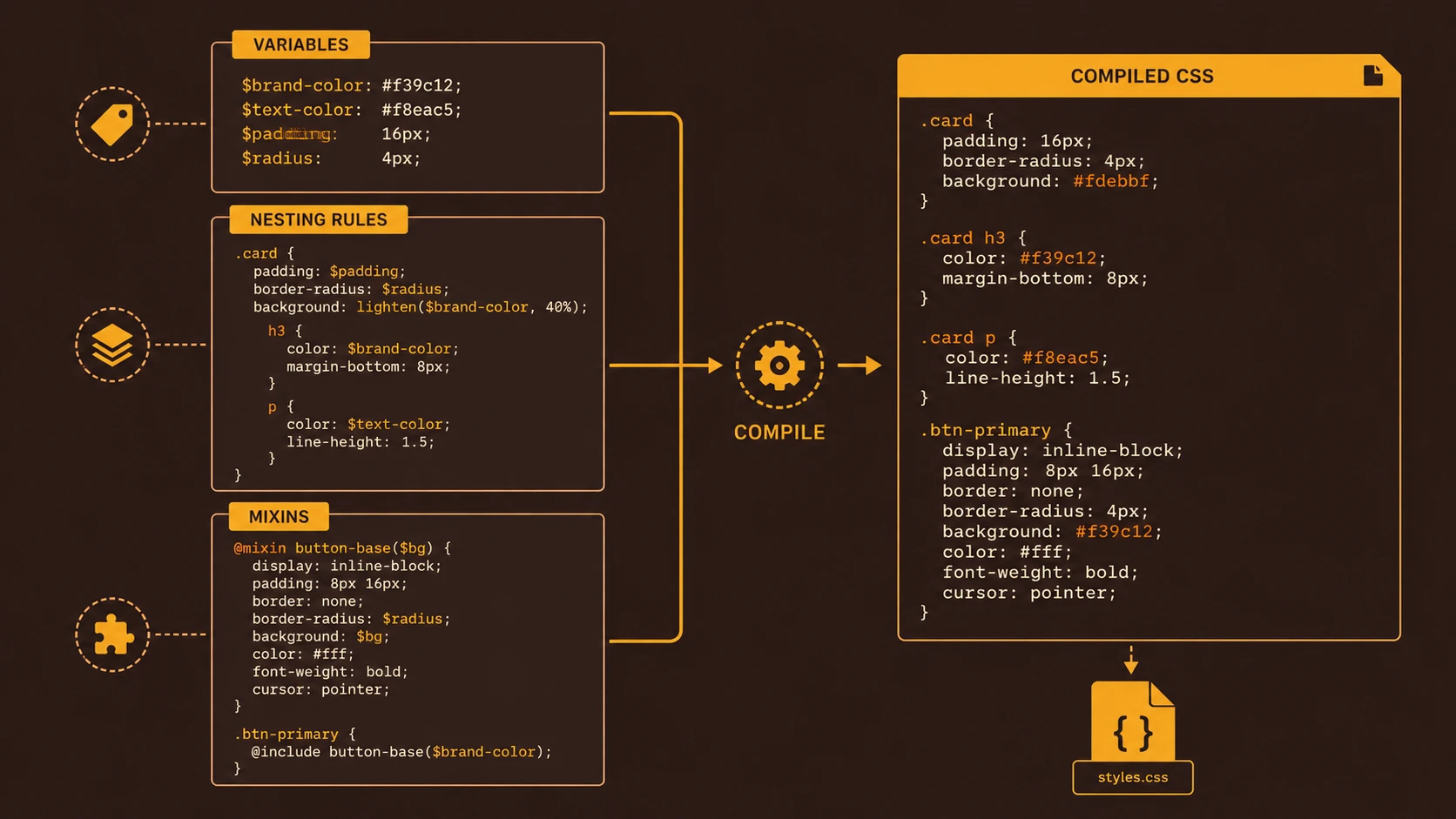
Responsive Design Tools: The Emergence of SASS, LESS, and Preprocessors
Responsive Web Design has become a central requirement for modern websites as smartphones and tablets continue to gain market share. CSS preprocessors such as SASS and LESS are emerging as valuable tools for managing increasingly complex stylesheets. This article examines these technologies from the perspective of October 2012, comparing their architectures, capabilities, enterprise use cases, and adoption considerations.
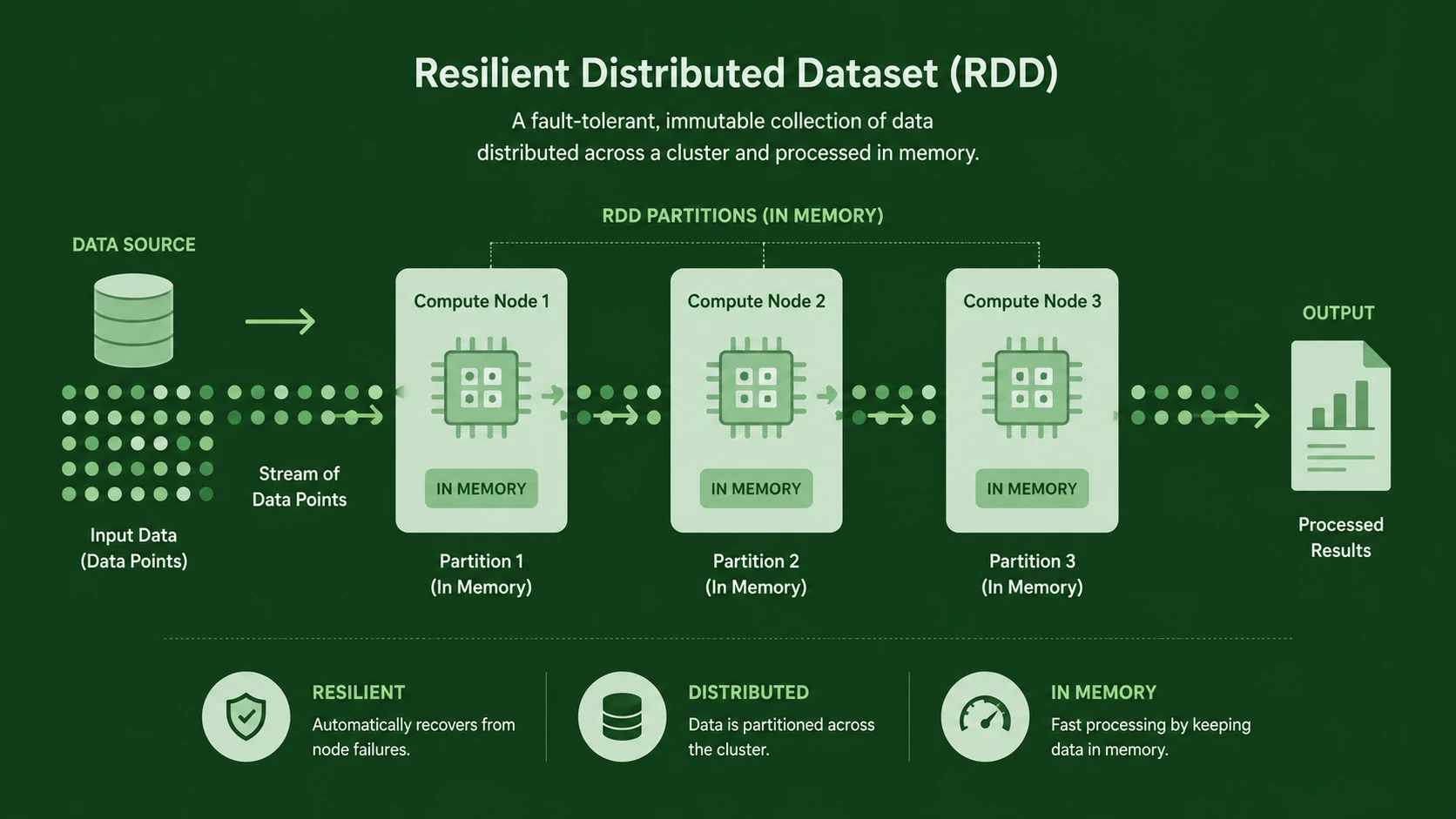
Real-time Data: Why Apache Spark is Replacing MapReduce Batching
Apache Spark is emerging as one of the most promising distributed data processing frameworks by addressing the latency limitations of Hadoop MapReduce. Through in-memory computation, resilient distributed datasets, and iterative processing, Spark offers a compelling alternative for organizations building real-time analytics, machine learning, and interactive big data applications. This article evaluates Spark from the perspective of September 2012, examining its architecture, enterprise implications, scalability, and adoption considerations.