Enterprise Technology
Viewing all posts categorized under Enterprise Technology.

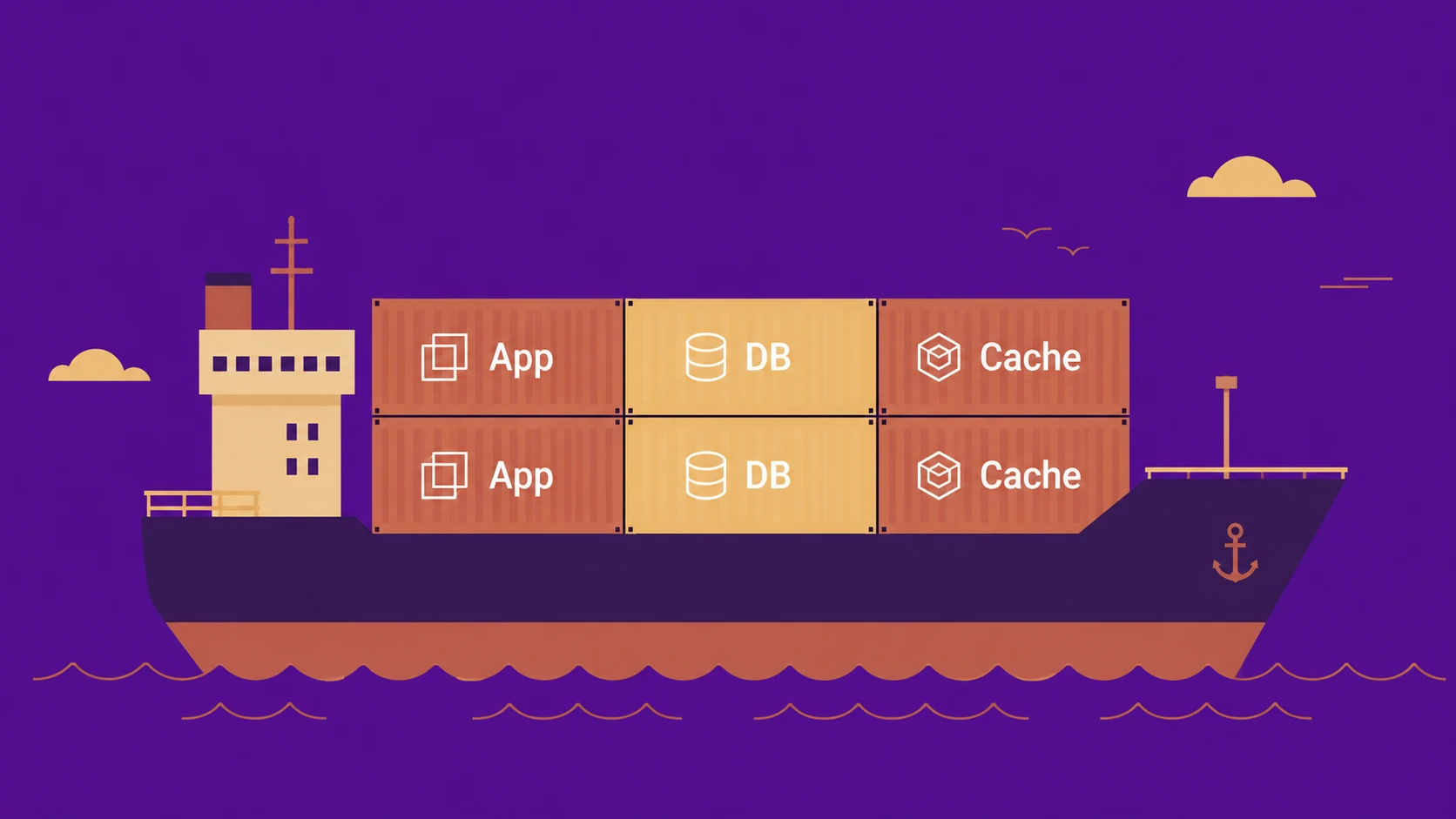
Docker 1.0: Establishing the Standard Container Runtime for Enterprise Cloud
Docker is approaching its 1.0 release, introducing a standardized container format and tooling that simplifies application packaging, deployment, and portability. This article explores Docker's architecture, Linux container technology, image management, operational considerations, and enterprise adoption strategies from the perspective of January 2014.
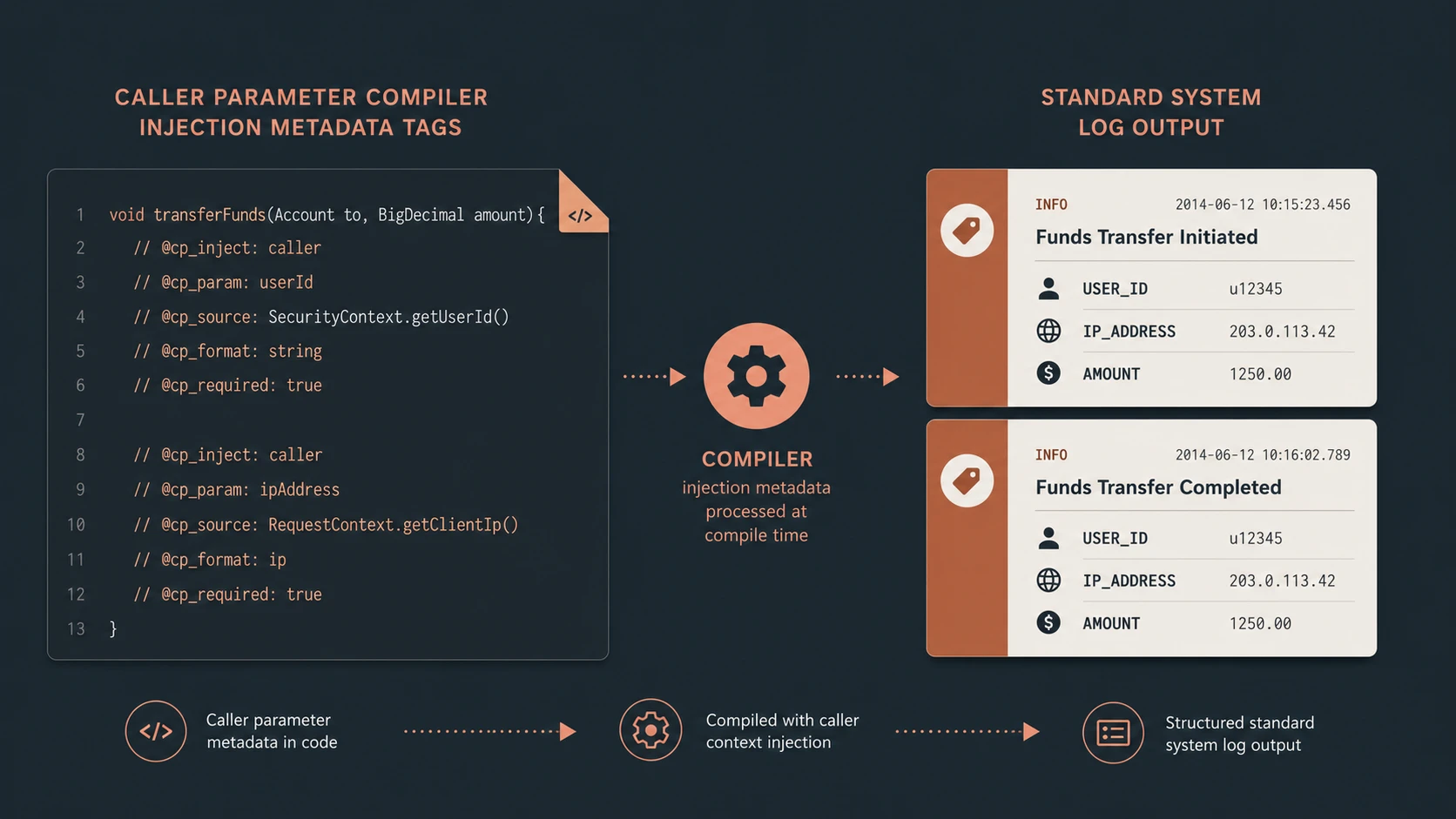
C# 5.0 Caller Information Attributes: Simplifying Logging and Diagnostics
C# 5.0 introduces Caller Information Attributes, allowing compilers to automatically provide member names, source file paths, and line numbers to methods. This article examines the feature from the perspective of December 2013, explaining its architecture, enterprise applications, performance implications, and best practices for improving diagnostics and logging across .NET solutions.
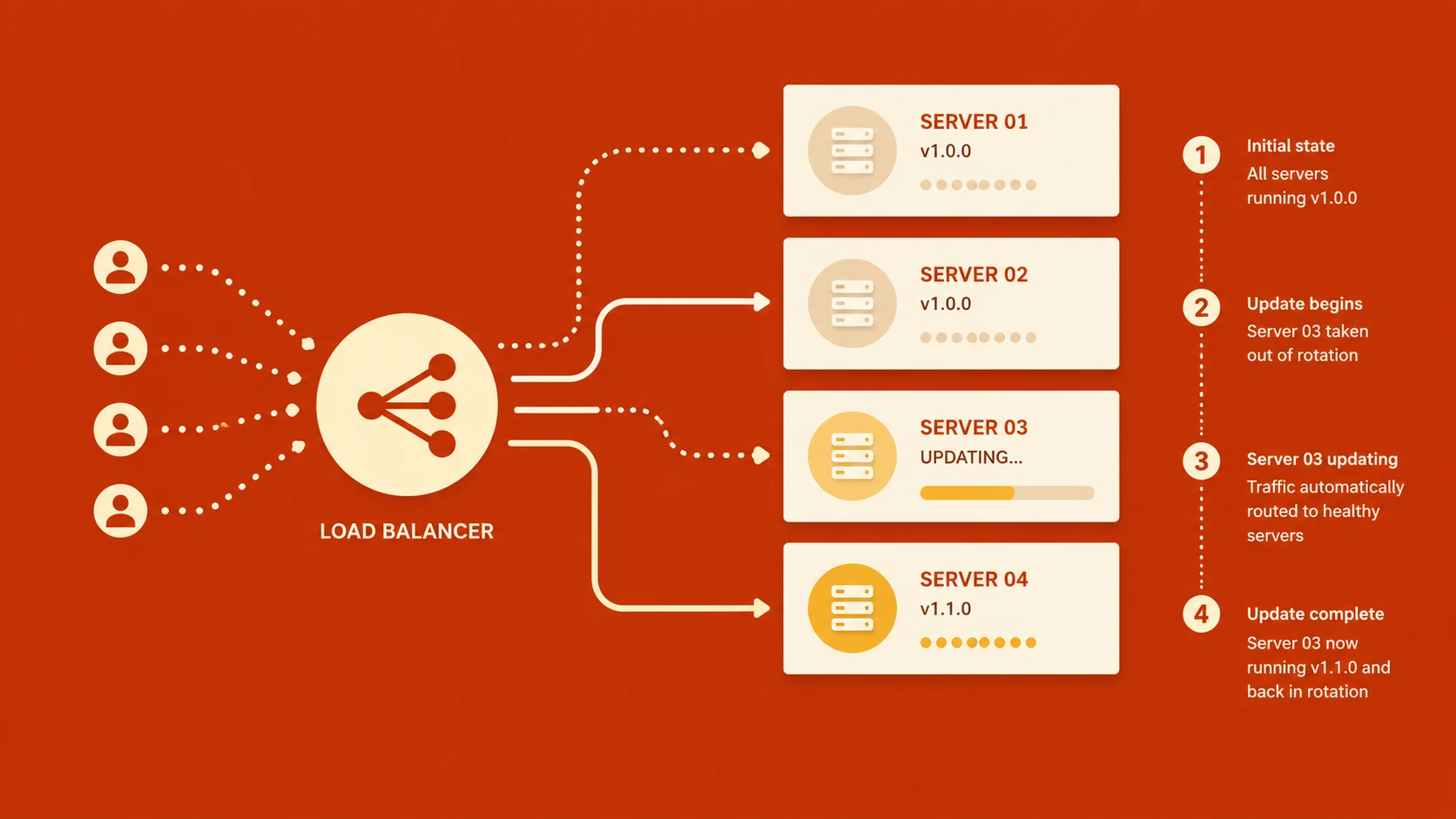
Ansible Playbooks: Orchestrating Zero-Downtime Application Deployments
Ansible has rapidly emerged as a lightweight IT automation platform by eliminating the need for managed agents while using simple YAML-based playbooks to automate infrastructure provisioning, configuration management, and application deployment. As enterprises increasingly embrace DevOps practices, Ansible Playbooks provide a practical approach to orchestrating repeatable, zero-downtime deployments. This article examines Ansible from the perspective of December 2013, exploring its architecture, deployment strategies, scalability, security considerations, and enterprise adoption.
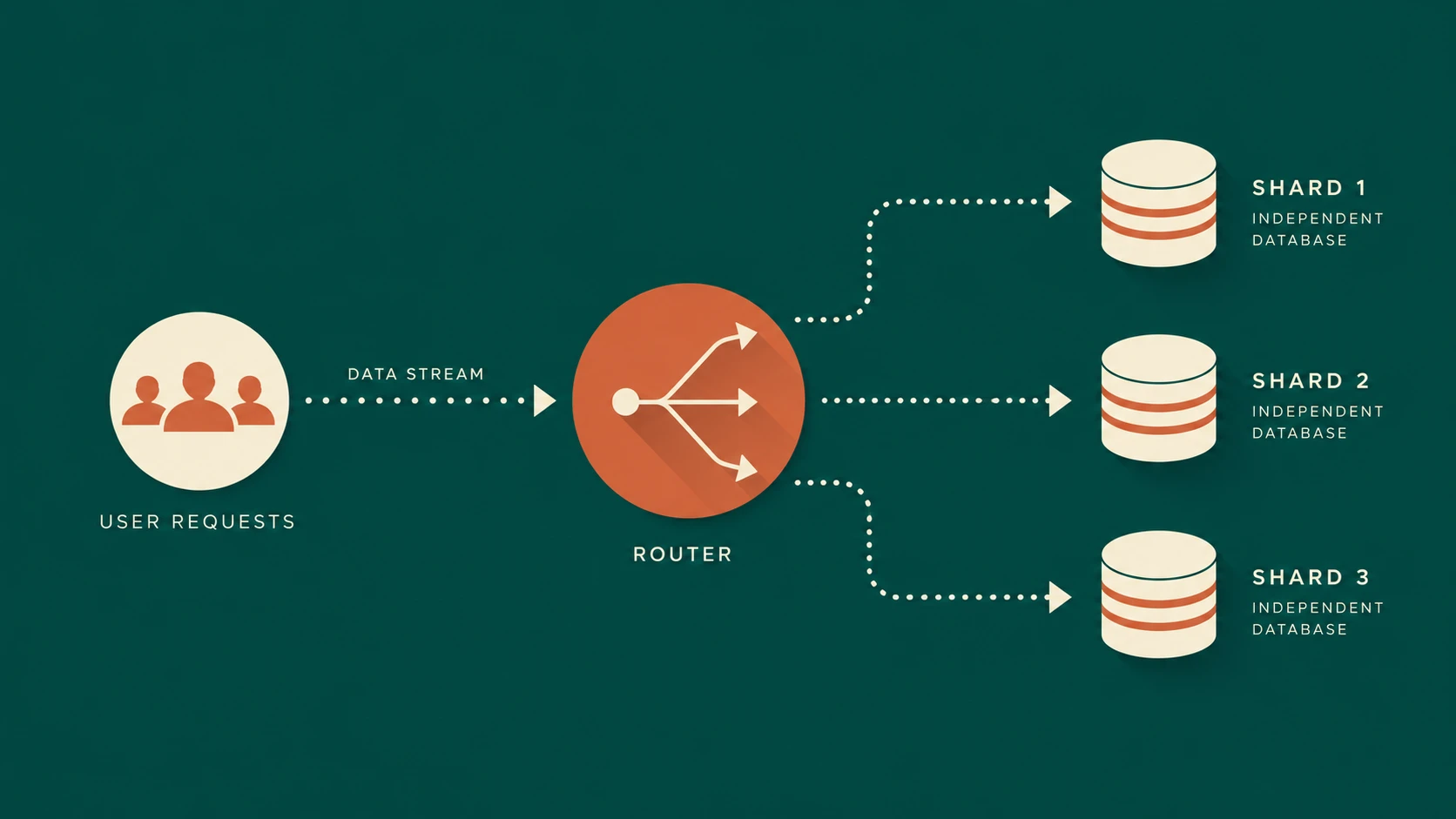
Database Sharding Patterns: Architecting Horizontal Scale-Out for Web SaaS
As Software as a Service platforms continue to grow, vertically scaling a single database server becomes increasingly difficult. This article explores database sharding patterns, shard key selection, routing architectures, operational challenges, and enterprise best practices for building horizontally scalable web applications from the perspective of late 2013.
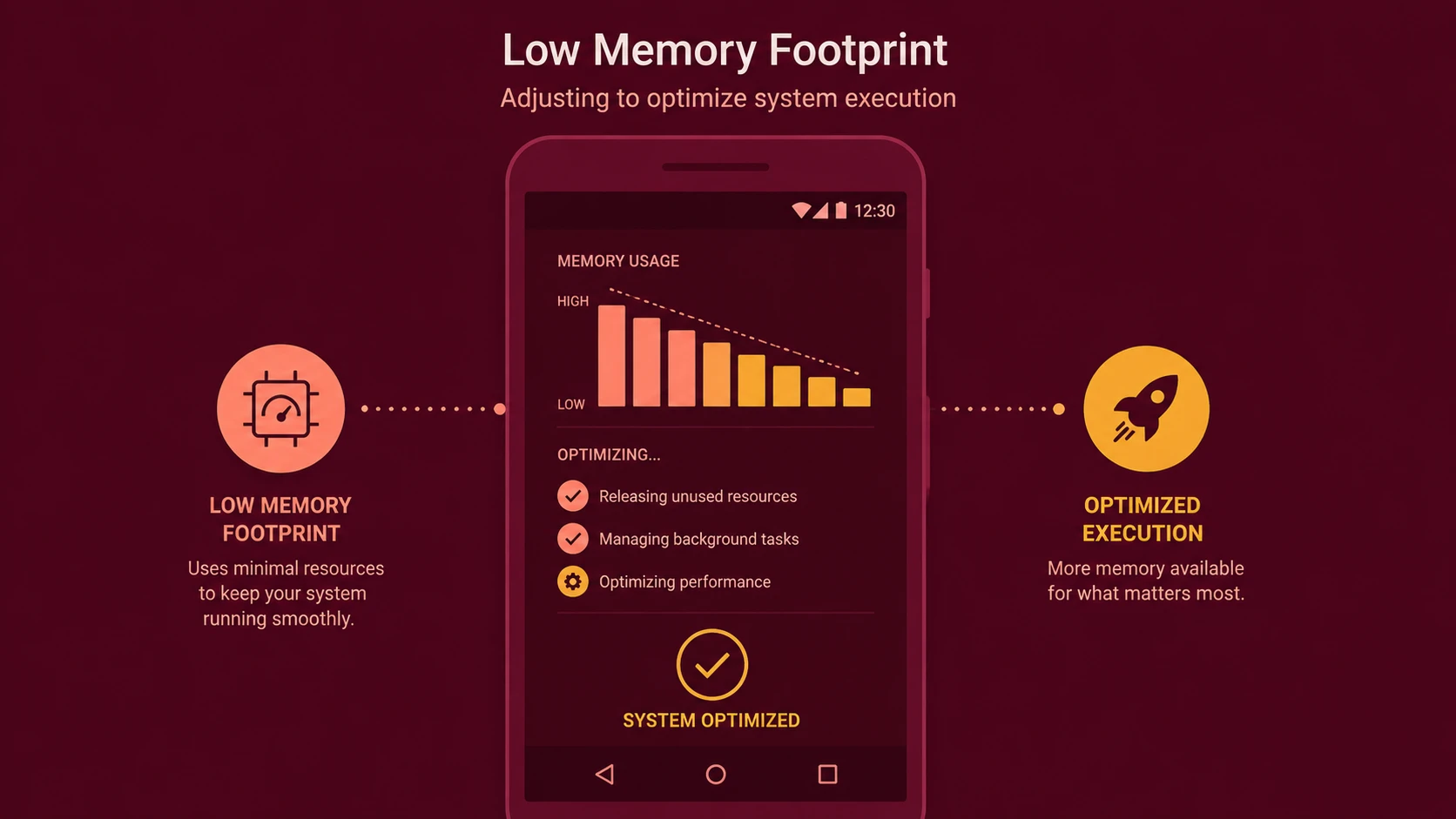
Android 4.4 KitKat: Project Svelte and Ram Optimizations for Low-Cost Phones
Google has introduced Android 4.4 KitKat with a strong focus on improving operating system efficiency through Project Svelte. This article examines KitKat from the perspective of November 2013, exploring memory optimization techniques, application lifecycle improvements, enterprise implications, and how Android is becoming more accessible to lower-memory devices.
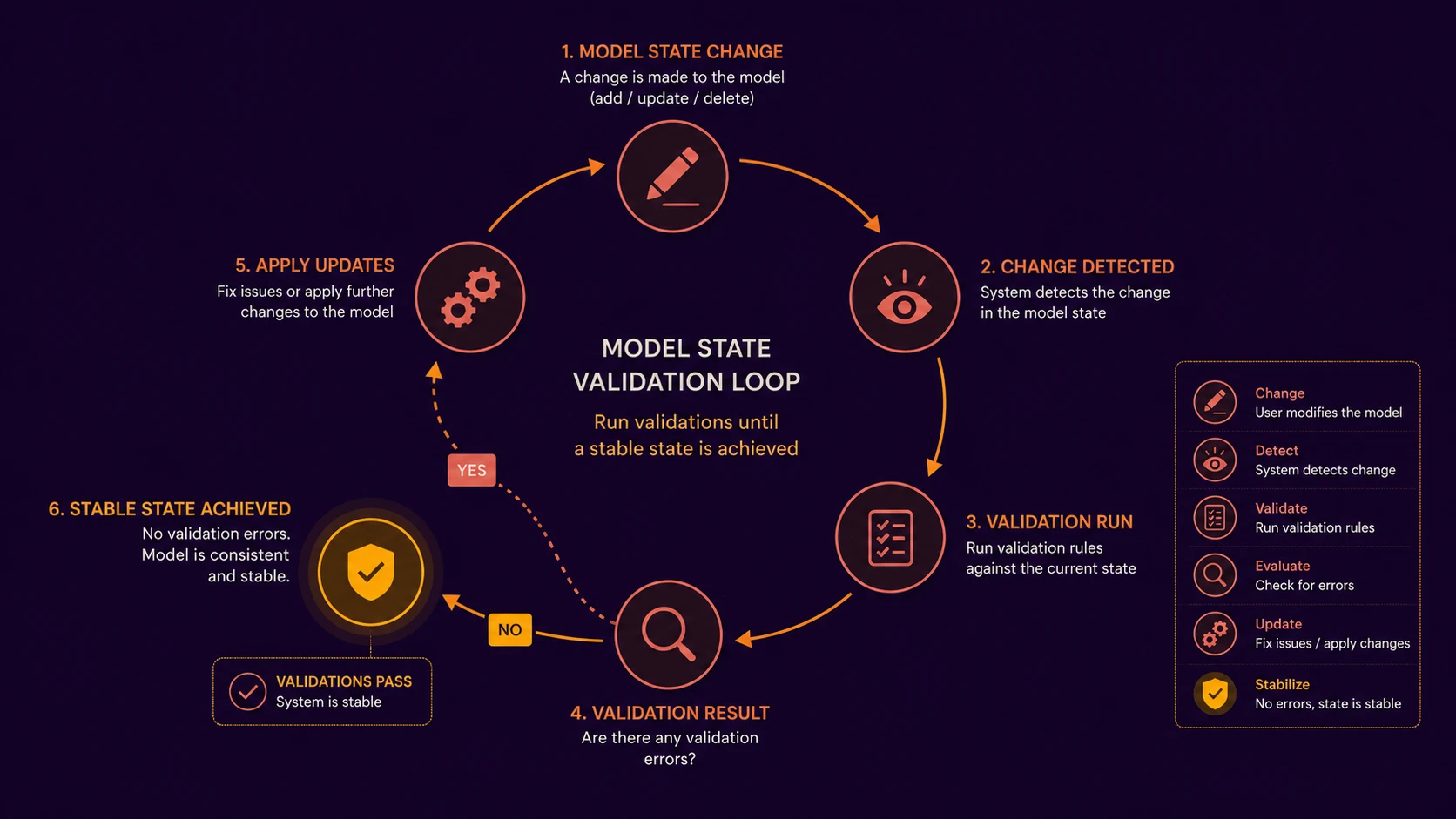
AngularJS $digest Loop: Optimizing Watchers and Databinding Performance
AngularJS has introduced a productive framework for building Single Page Applications by simplifying data binding, dependency injection, and client-side application architecture. At the heart of AngularJS lies the $digest loop, the mechanism responsible for synchronizing models and views. While powerful, inefficient watcher management can significantly impact application performance. This article examines AngularJS's digest cycle from the perspective of October 2013, exploring its architecture, enterprise optimization strategies, and best practices.
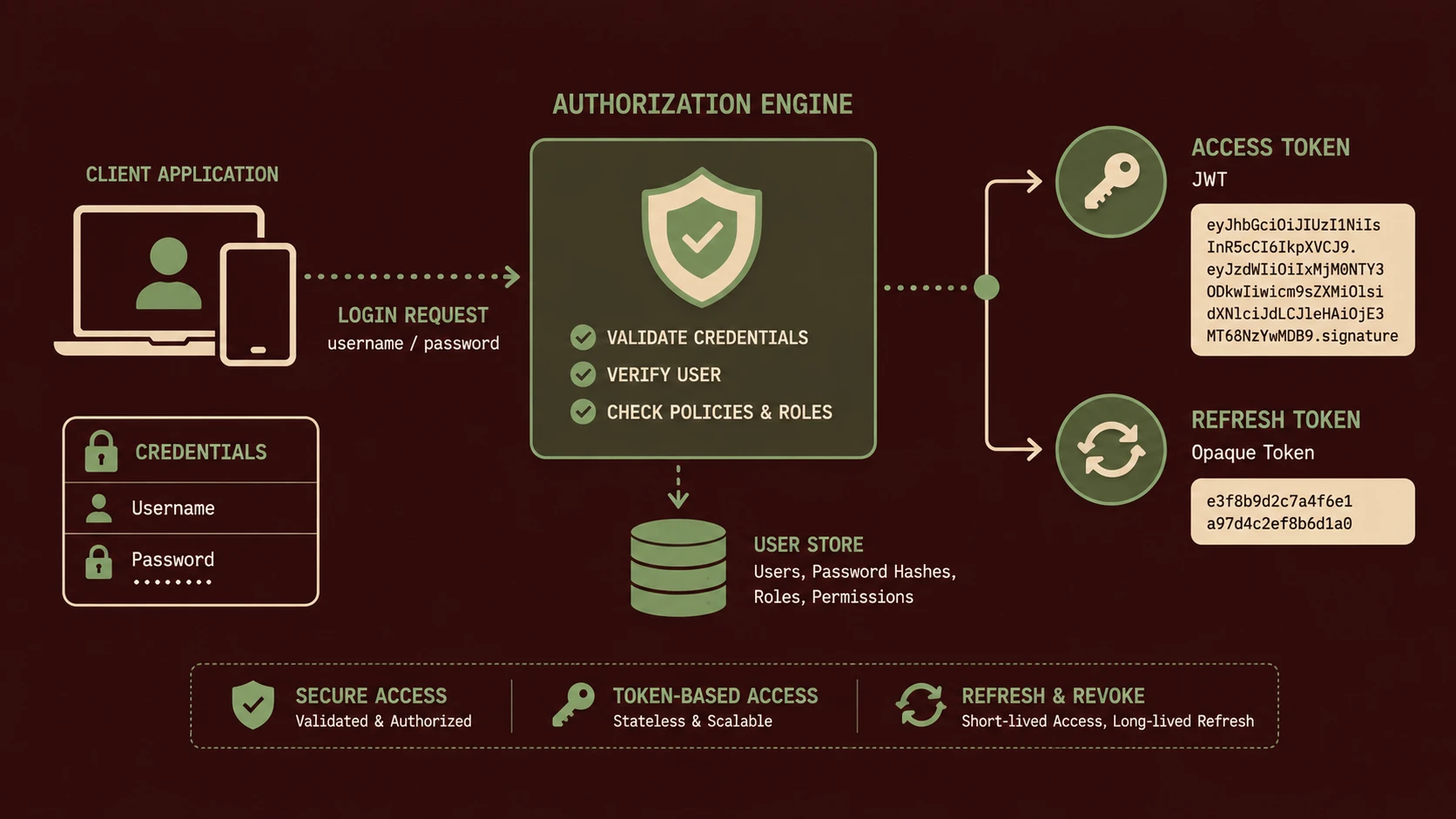
OAuth 2.0 Authorization Server Implementation: Managing Access Tokens and Refresh Tokens
As organizations standardize API security around OAuth 2.0, implementing a robust authorization server becomes a critical architectural responsibility. This article examines authorization server design, token lifecycle management, refresh tokens, security practices, and enterprise deployment considerations from the perspective of October 2013.
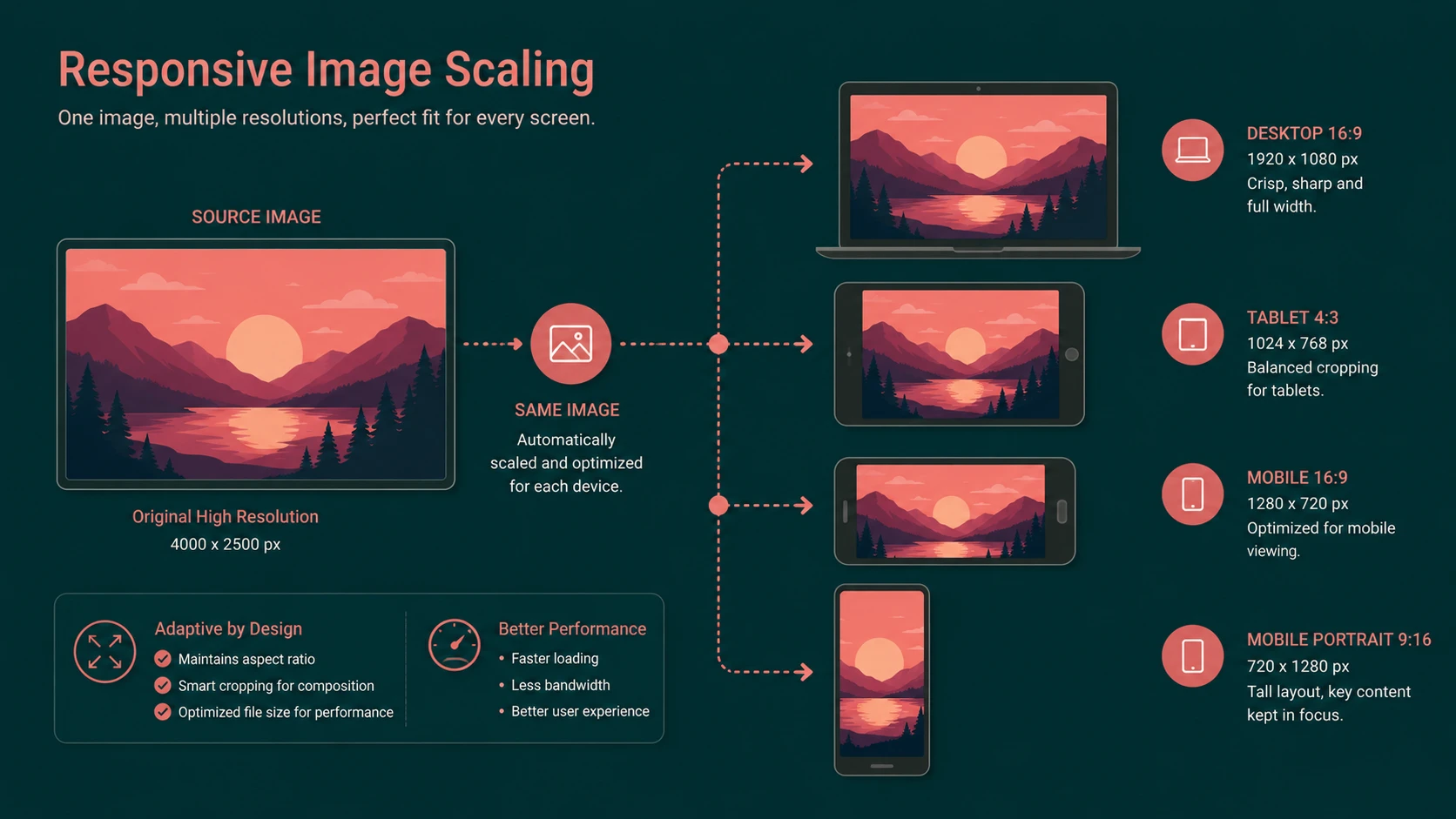
Responsive Images: Navigating the picture Tag, srcset, and Fluid Viewports
As responsive web design becomes mainstream, developers are facing new challenges around efficiently delivering images to smartphones, tablets, and desktop browsers. Emerging standards such as the proposed picture element and srcset attribute seek to address these issues. This article examines responsive image techniques from the perspective of September 2013, exploring current proposals, implementation strategies, performance implications, and enterprise adoption considerations.
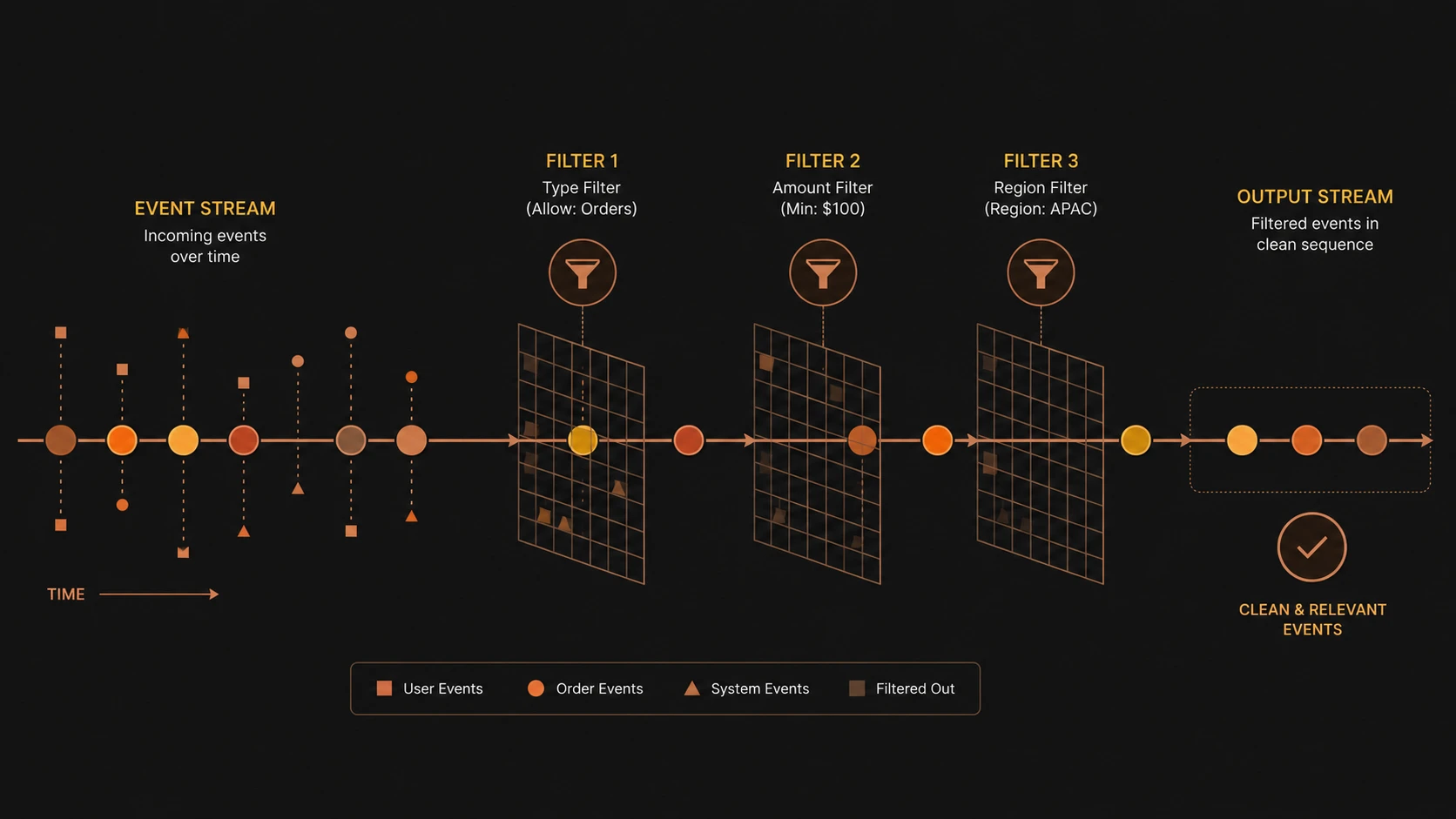
Reactive Extensions (Rx) in C#: Asynchronous Event Stream Processing
Reactive Extensions (Rx) introduces a declarative programming model for composing asynchronous and event-based applications in .NET. By treating events as observable data streams, Rx simplifies complex asynchronous workflows, improves code maintainability, and enables scalable event processing. This article examines Reactive Extensions from the perspective of September 2013, exploring its architecture, enterprise use cases, performance characteristics, and adoption strategies.
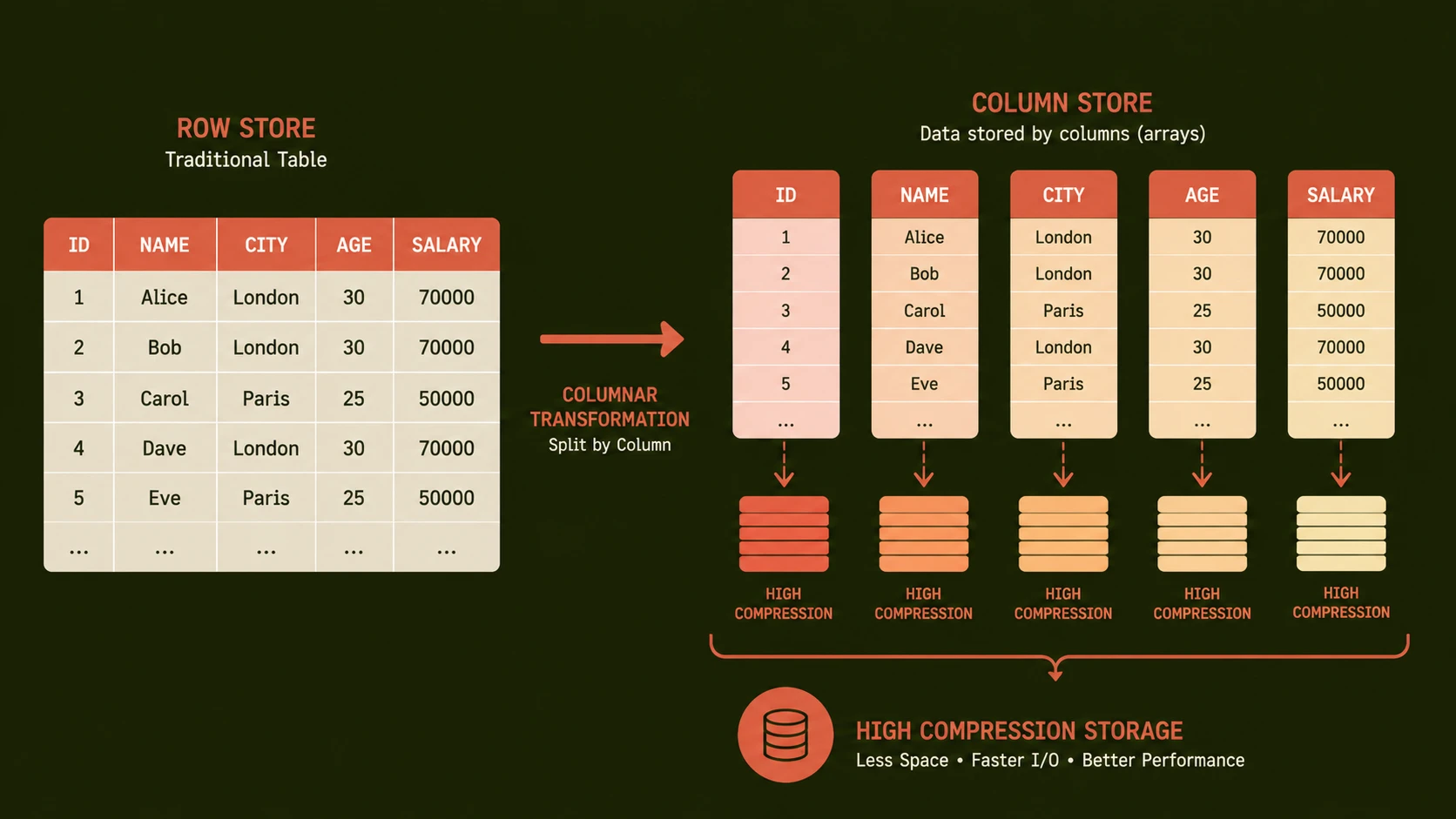
Clustered Columnstore Indexes in SQL Server 2014: Columnar Storage for OLAP Databases
The SQL Server 2014 preview introduces Clustered Columnstore Indexes, extending the columnstore innovations first introduced in SQL Server 2012. This article examines the architecture, updateable columnar storage model, performance implications, and enterprise adoption considerations from the perspective of August 2013.
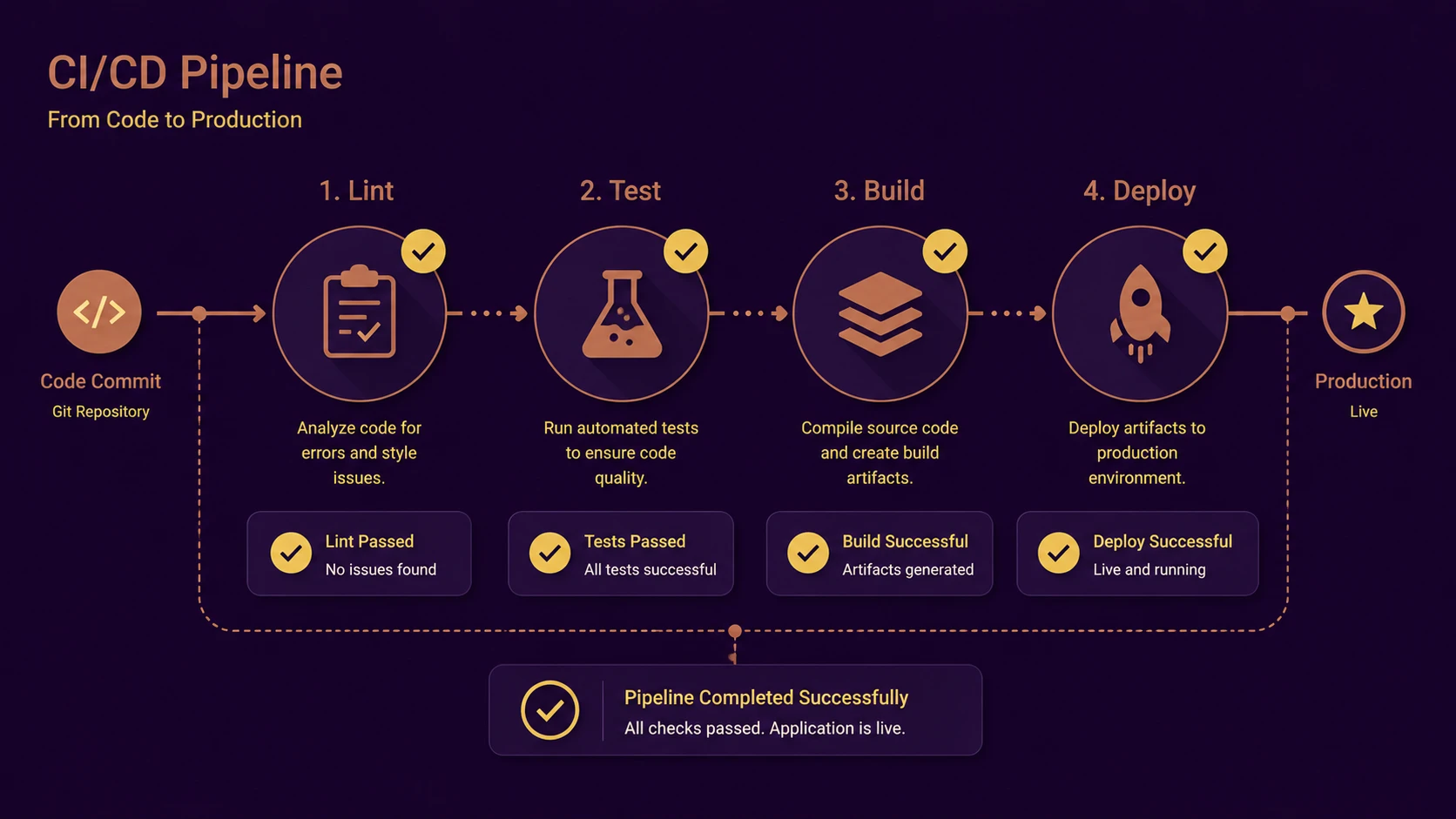
Jenkins CI Pipelines: Automating Unit Testing, Linting, and Artifact Storage
Continuous Integration is becoming a foundational practice for enterprise software development, and Jenkins has emerged as one of the most widely adopted automation servers. This article examines Jenkins from the perspective of August 2013, exploring CI pipeline architecture, automated testing, code quality validation, artifact management, and enterprise adoption strategies.
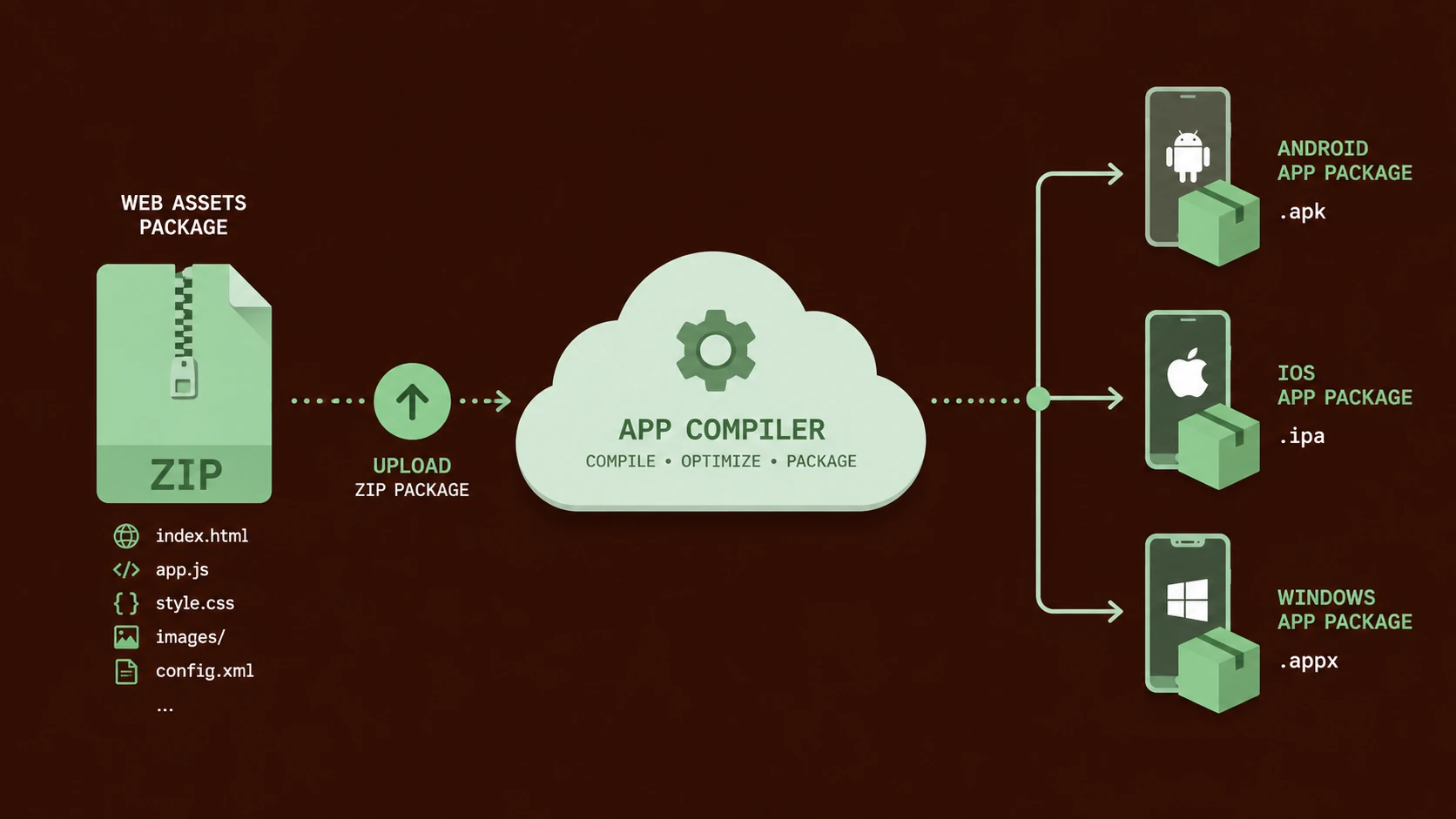
PhoneGap Build: Compiling Cross-Platform Native Packages in the Cloud
PhoneGap Build introduces a cloud-based compilation service that enables developers to package HTML5, CSS3, and JavaScript applications into native mobile applications without maintaining multiple platform-specific SDKs. As enterprise mobility accelerates, PhoneGap Build offers a streamlined approach to cross-platform application deployment. This article examines PhoneGap Build from the perspective of July 2013, exploring its architecture, enterprise use cases, security considerations, and role in modern mobile development.
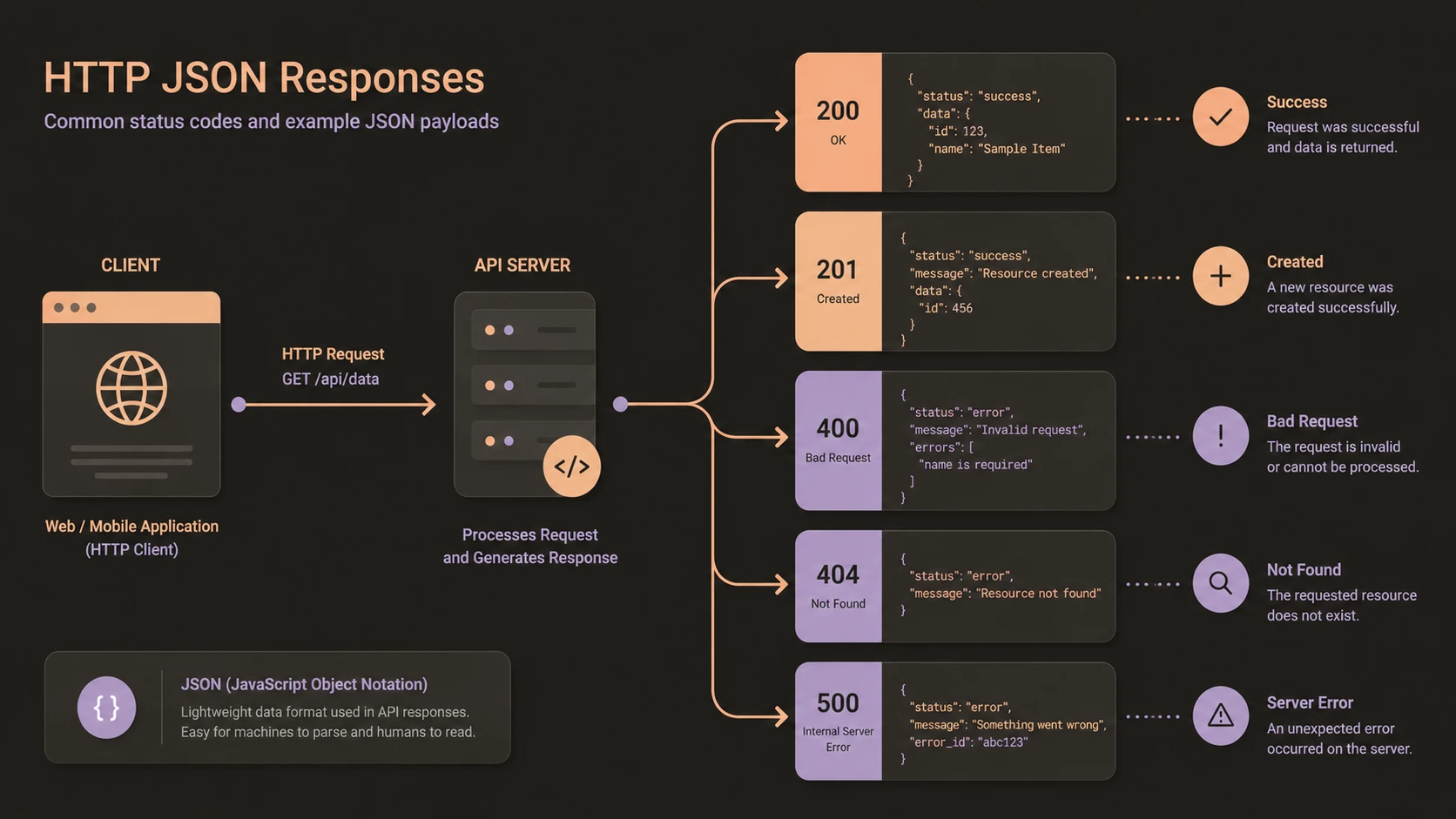
Designing RESTful APIs: Standardizing JSON Status Codes, Hypermedia, and CORS
As RESTful APIs become the foundation of modern web and mobile applications, consistent API design is increasingly important. This article explores REST architecture, JSON response standards, HTTP status codes, hypermedia, and CORS from the perspective of mid-2013, providing practical guidance for enterprise architects and API developers.

Cross-Site Request Forgery (CSRF): Understanding Tokens and Double-Submit Cookie Mitigations
Cross-Site Request Forgery (CSRF) remains one of the most significant security threats affecting web applications. This article examines CSRF from the perspective of June 2013, explaining attack mechanics, anti-CSRF tokens, double-submit cookie techniques, enterprise deployment considerations, and security best practices for modern web applications.
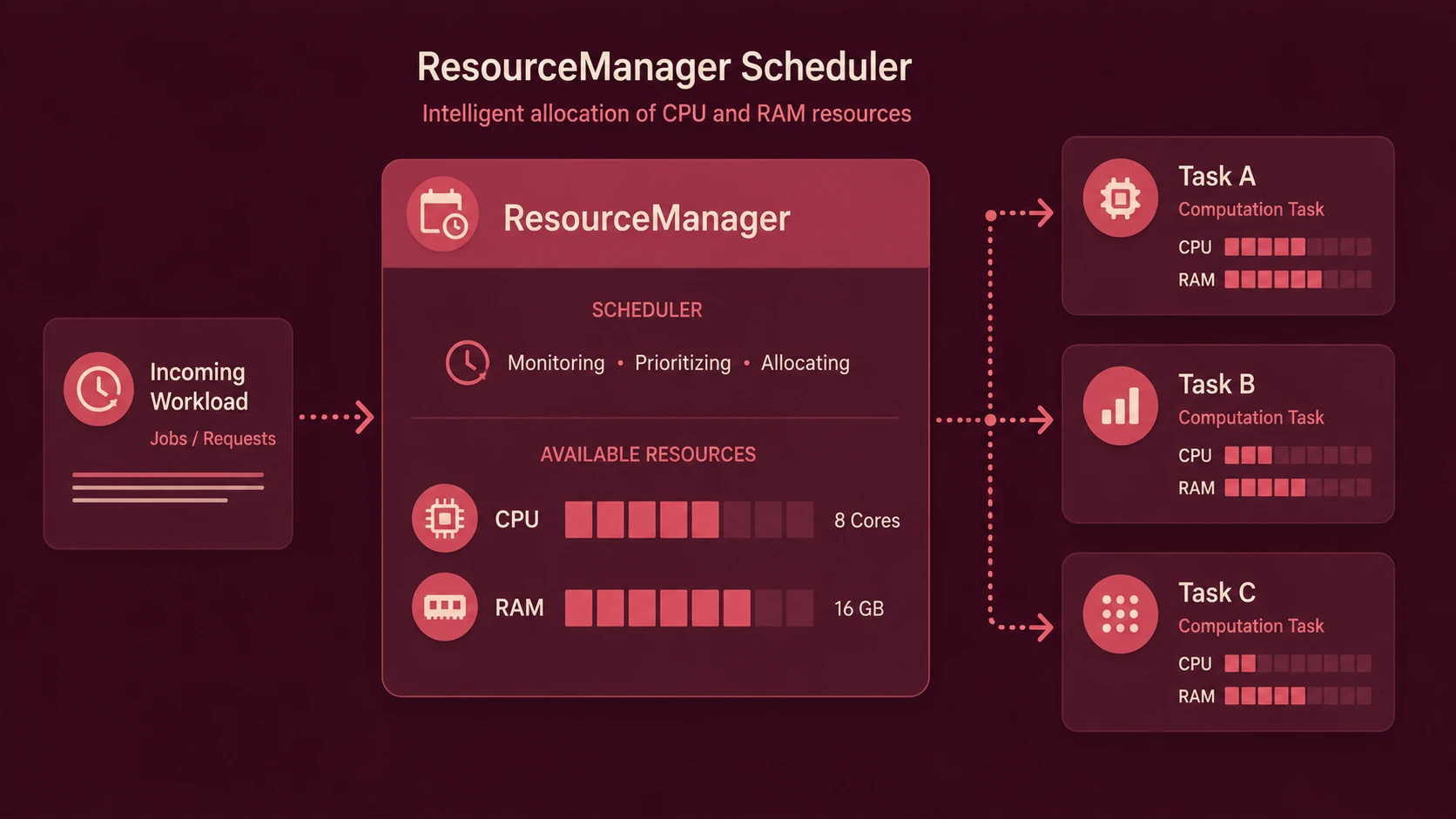
Hadoop 2.0 YARN: Splitting Resource Management from MapReduce Computation
Hadoop 2.0 introduces Yet Another Resource Negotiator (YARN), one of the most significant architectural changes since Hadoop's inception. By separating cluster resource management from the MapReduce processing model, YARN transforms Hadoop into a general-purpose distributed computing platform capable of supporting multiple application frameworks. This article examines Hadoop 2.0 YARN from the perspective of June 2013, exploring its architecture, enterprise implications, scalability improvements, and deployment considerations.