Introduction
Over the past several years, Go has evolved from a language primarily associated with systems utilities into one of the most influential platforms for modern backend development. Organizations building cloud platforms, distributed systems, microservices, container orchestration software, monitoring platforms, and networking infrastructure increasingly rely on Go because of its predictable concurrency model, fast compilation, efficient runtime, and straightforward deployment model.
As enterprise adoption has accelerated, expectations have shifted beyond language simplicity. Development teams now require stronger dependency management, modern transport security, predictable runtime performance, and scalable build pipelines capable of supporting large engineering organizations.
Go 1.12 continues this evolution through improvements across networking, runtime performance, and module infrastructure. The release introduces production-ready support for TLS 1.3, improves adoption of Go Modules through proxy infrastructure, and optimizes garbage collection sweeping to reduce runtime overhead.
Rather than introducing disruptive language syntax, Go 1.12 focuses on practical improvements that strengthen reliability, performance, and operational efficiency.
From the perspective of May 2019, Go 1.12 represents another important step toward making Go one of the strongest foundations for enterprise cloud-native software.
Industry Background
Modern backend infrastructure increasingly emphasizes:
- ◆Microservices.
- ◆Cloud-native applications.
- ◆Container orchestration.
- ◆Distributed APIs.
- ◆Secure network communication.
- ◆Continuous Integration.
- ◆Infrastructure automation.
Organizations developing these systems require:
- ◆Efficient compilation.
- ◆Reliable dependency management.
- ◆Predictable runtime performance.
- ◆Strong cryptographic support.
- ◆Cross-platform deployment.
- ◆Minimal operational complexity.
Go continues aligning closely with these engineering priorities.
The Business Problem
Large backend platforms frequently encounter several operational challenges.
Organizations commonly experience:
- ◆Complex dependency management.
- ◆Package availability concerns.
- ◆Slow build pipelines.
- ◆Secure protocol adoption.
- ◆Runtime performance bottlenecks.
- ◆Increasing service scale.
- ◆Infrastructure maintenance overhead.
As software ecosystems mature, improvements to tooling and runtime become just as valuable as new language capabilities.
Go 1.12 addresses these concerns through practical platform enhancements.
Understanding the Technology
Go 1.12 builds upon earlier releases by improving networking, runtime performance, and dependency management.
Major enhancements include:
- ◆TLS 1.3 support.
- ◆Module proxy infrastructure.
- ◆Faster garbage collection sweeping.
- ◆Runtime optimizations.
- ◆Improved tooling.
- ◆Better build reliability.
- ◆Continued module ecosystem maturation.
These improvements strengthen Go's suitability for large-scale production deployments.
Core Architecture
A simplified Go 1.12 architecture appears below.
| Component | Responsibility |
|---|---|
| Go Source Code | Application implementation |
| Go Compiler | Native compilation |
| Go Runtime | Scheduling, memory management, garbage collection |
| Module System | Dependency resolution |
| Module Proxy | Module distribution and caching |
| TLS Library | Secure communication |
| Operating System | Application execution |
The runtime coordinates application execution while module infrastructure and networking libraries improve development and operational workflows.
Key Features
TLS 1.3 Support
One of the most significant additions in Go 1.12 is support for the TLS 1.3 protocol.
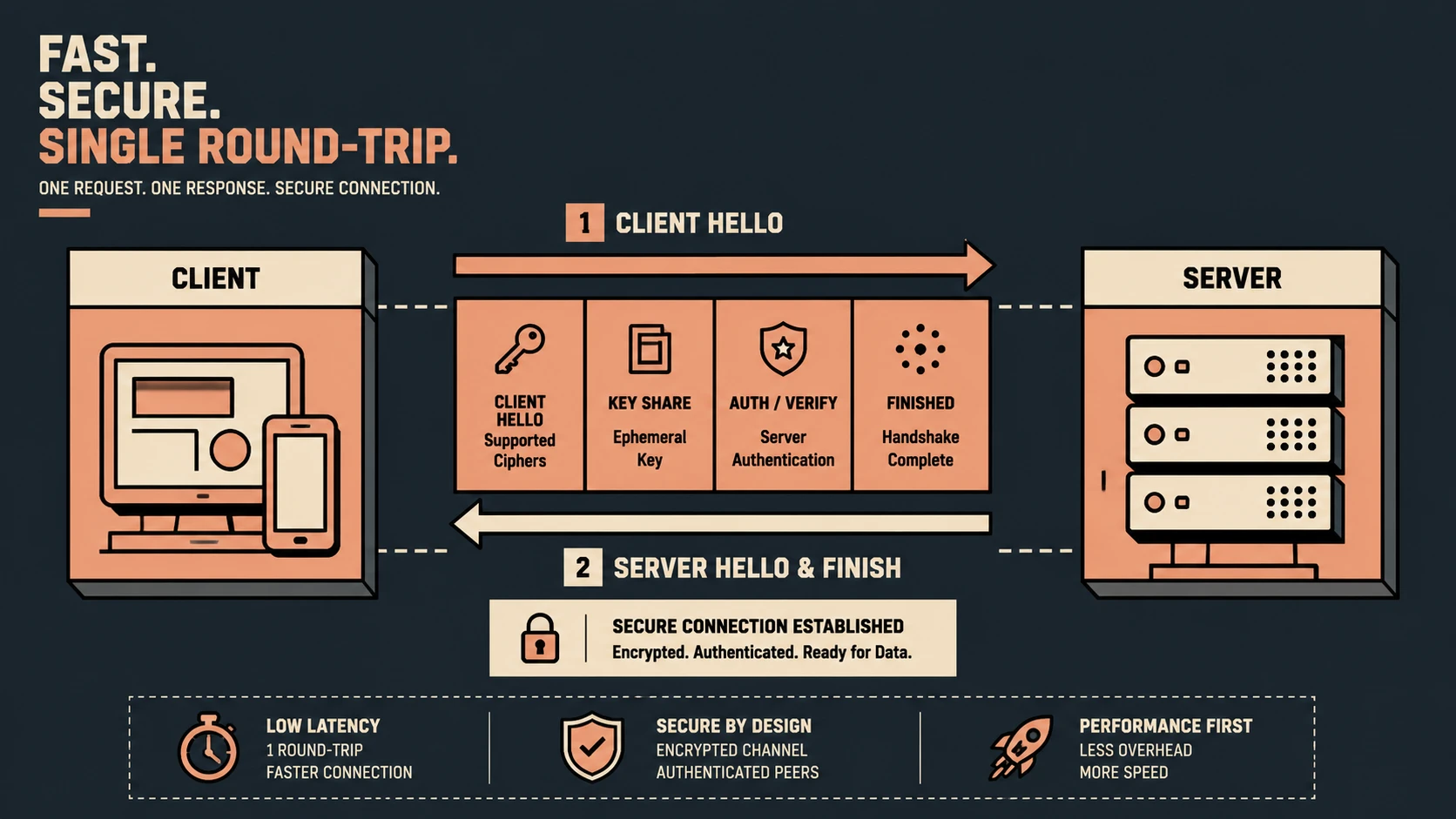
TLS 1.3 simplifies portions of the TLS handshake while strengthening cryptographic design and improving connection establishment efficiency.
For enterprise services, this provides a modern transport security foundation for:
- ◆REST APIs.
- ◆Service-to-service communication.
- ◆Cloud infrastructure.
- ◆Secure web services.
- ◆Internal enterprise networking.
As organizations continue modernizing network infrastructure, native TLS 1.3 support simplifies adoption of current security standards.
Module Proxy Infrastructure
Go Modules continue maturing with the introduction of module proxy support.
Rather than retrieving dependencies directly from source repositories during every build, module proxies provide centralized distribution and caching.
Advantages include:
- ◆Improved dependency availability.
- ◆Faster builds.
- ◆Reduced external repository dependence.
- ◆Better build reproducibility.
This architecture becomes particularly valuable within enterprise development environments.
Garbage Collection Sweep Optimizations
Go's garbage collector continues evolving through improvements to sweeping performance.
Optimizing the sweep phase reduces runtime overhead associated with reclaiming unused memory.
Applications benefit from more efficient memory management while preserving Go's low-latency garbage collection objectives.
Runtime Improvements
Go 1.12 includes additional runtime optimizations targeting execution efficiency and platform stability.
These refinements improve operational performance without requiring application changes.
Improved Toolchain
The Go toolchain continues emphasizing simplicity and consistency.
Developers benefit from predictable build workflows that integrate naturally into Continuous Integration environments.
Enterprise Dependency Management
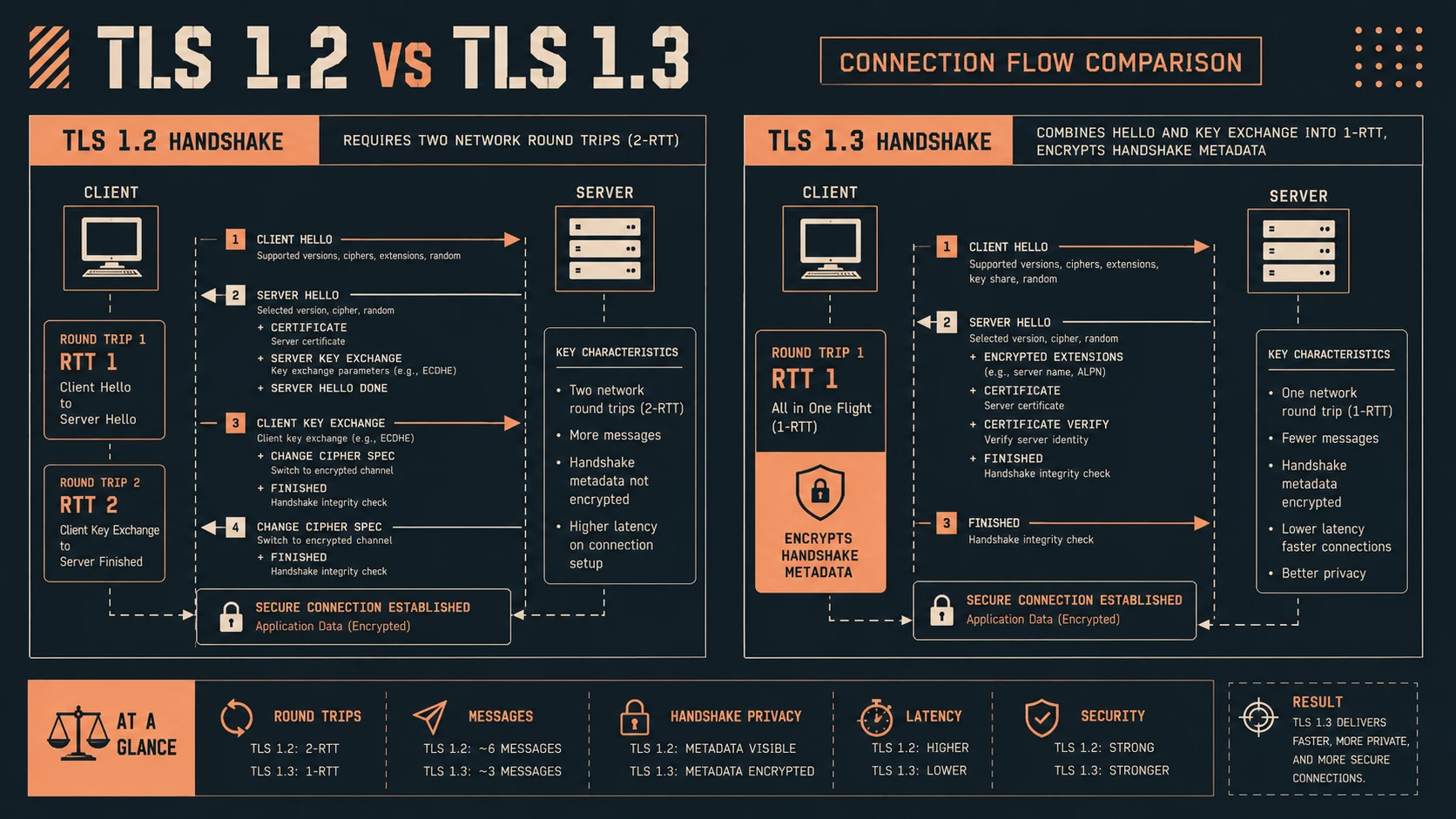
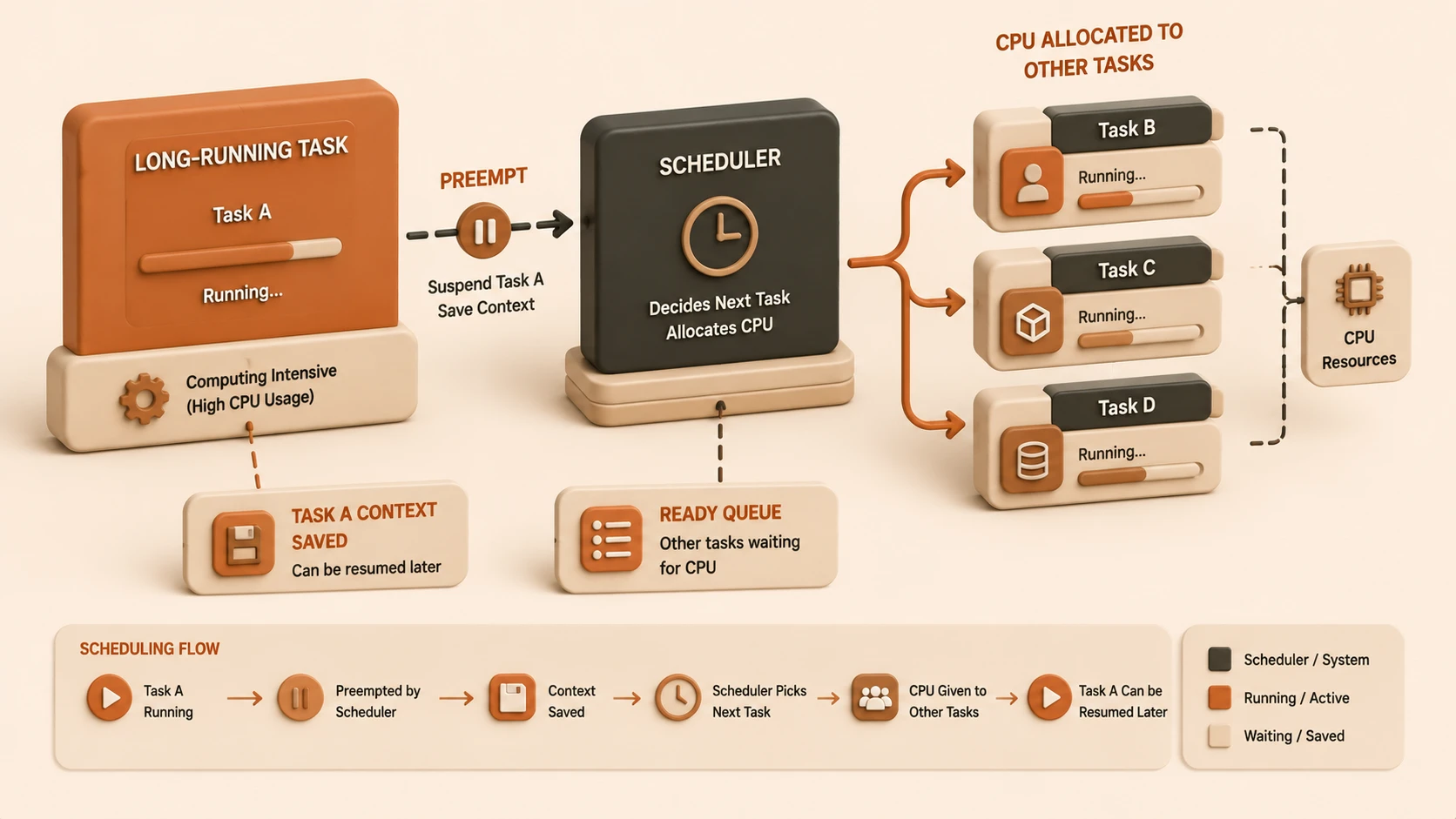
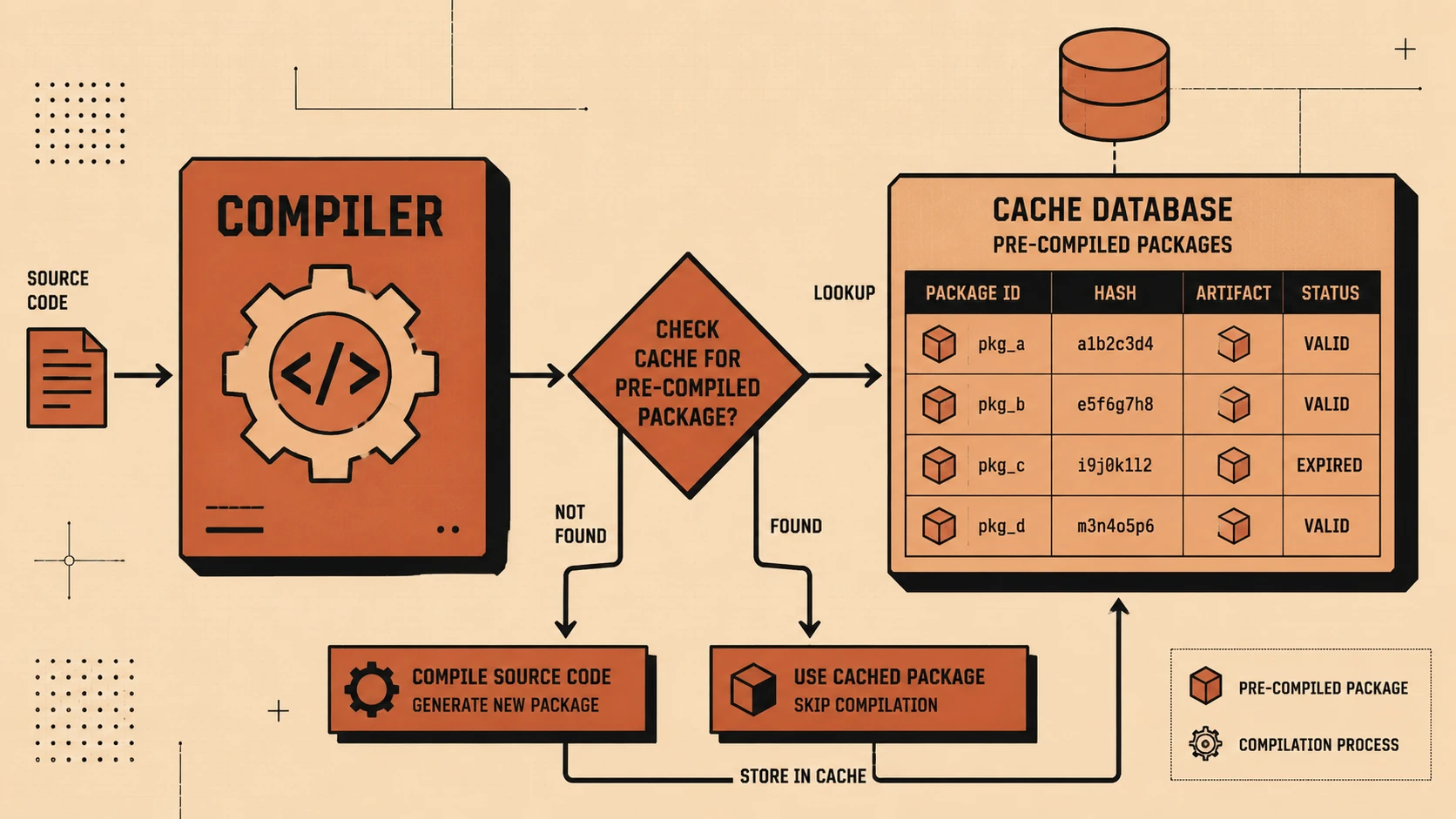
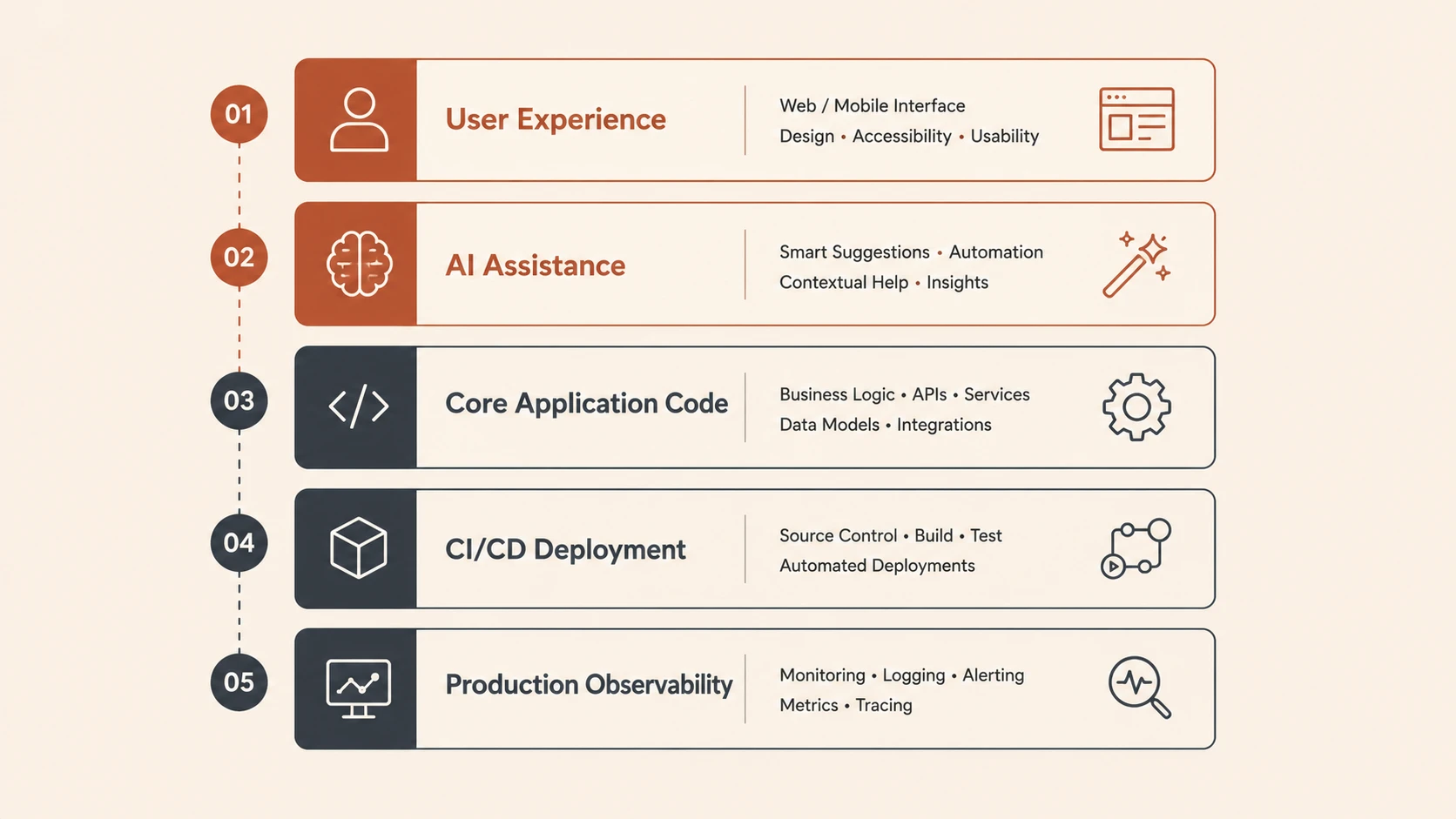
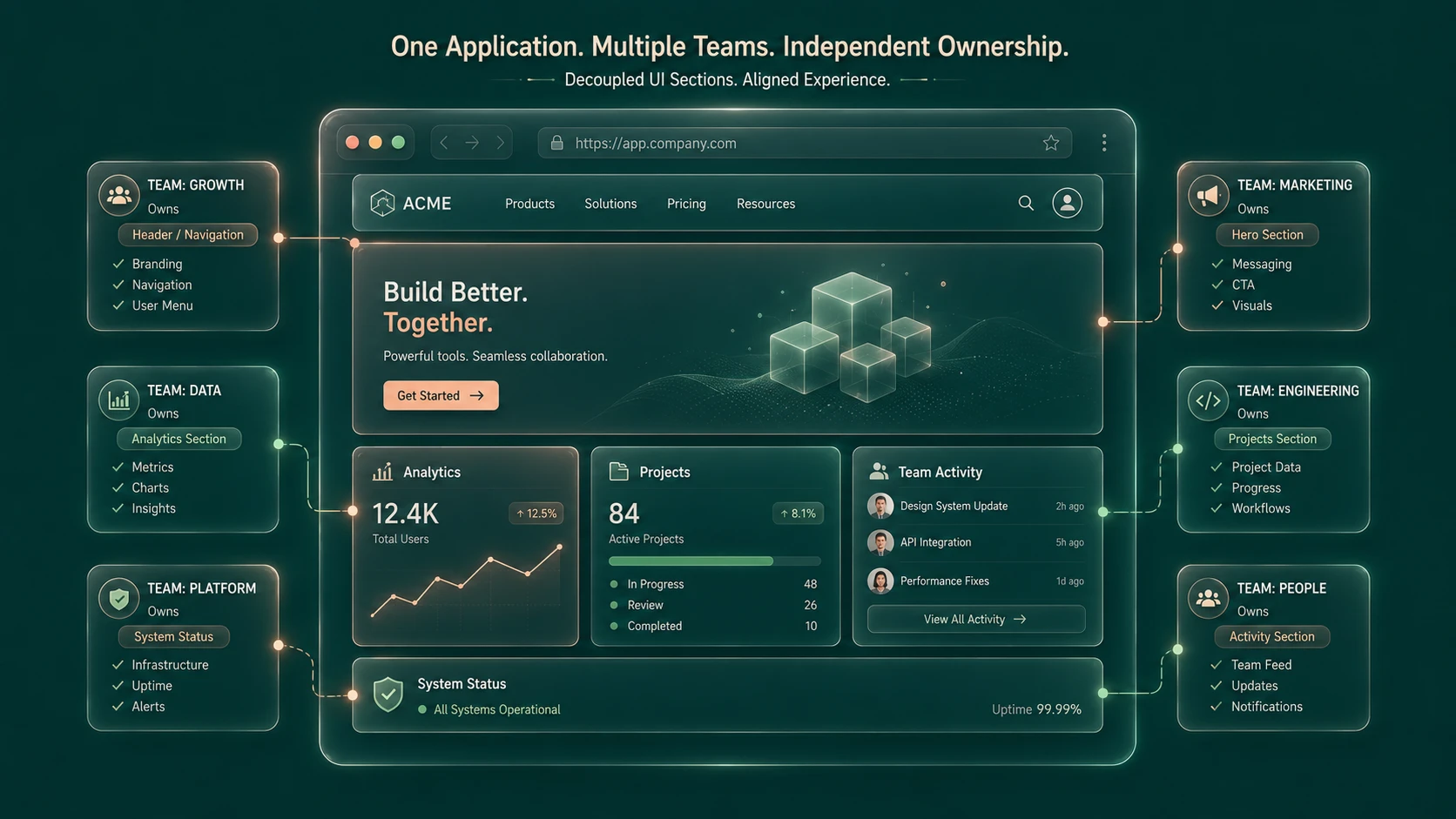
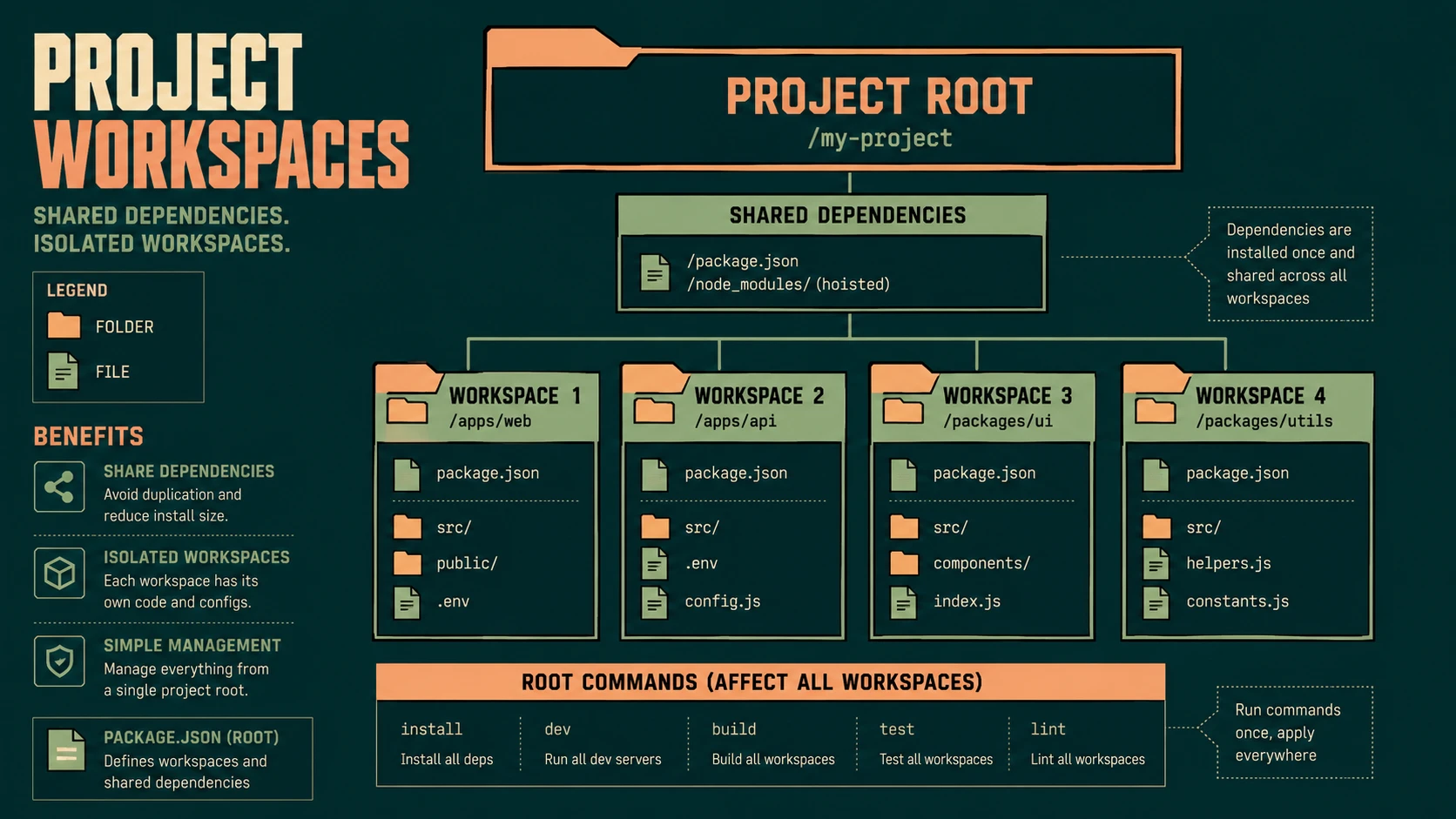
System architecture diagram and conceptual workflow layout for Go 1.12: TLS 1.3 Protocol Support, Module Proxies, and GC Sweep Speeds.
Module infrastructure continues replacing traditional dependency management approaches, providing a more reliable and scalable mechanism for maintaining application dependencies.
How It Works
A simplified build and deployment workflow appears below.
Go Source Code
        |
Go Modules
        |
Module Proxy
        |
Go Compiler
        |
Native Binary
        |
Go Runtime
        |
TLS 1.3 Secure Communication
Module proxies assist dependency resolution while the runtime manages execution, memory, and secure network communication.
Enterprise Use Cases
Cloud APIs
Secure REST services benefit from native TLS 1.3 support and improved runtime efficiency.
Microservices
Distributed systems gain reliable dependency management through module proxies and efficient binary deployment.
Infrastructure Automation
Operations tooling benefits from Go's fast compilation and simplified deployment model.
Networking Platforms
High-performance network services leverage runtime optimizations together with updated cryptographic support.
Internal Enterprise Services
Organizations can standardize secure backend development using Go's modern runtime and dependency ecosystem.
Performance Considerations
Go 1.12 focuses primarily on runtime and development performance.
Organizations should evaluate:
- ◆Garbage collection latency.
- ◆Memory utilization.
- ◆Build duration.
- ◆Module download performance.
- ◆TLS handshake performance.
- ◆Service throughput.
Improvements should be validated using representative production workloads before organization-wide deployment.
Security Considerations
Go 1.12 strengthens secure networking through TLS 1.3 support.
Organizations should continue implementing:
- ◆Secure certificate management.
- ◆Authentication.
- ◆Authorization.
- ◆Input validation.
- ◆Secure secret management.
- ◆Dependency verification.
Updated cryptographic protocols should complement broader enterprise security architecture.
Scalability
Go 1.12 strengthens enterprise scalability through:
- ◆Improved runtime efficiency.
- ◆Faster garbage collection.
- ◆Better dependency infrastructure.
- ◆Native compilation.
- ◆Modern secure networking.
These capabilities support increasingly large cloud-native deployments.
Best Practices
Organizations adopting Go 1.12 should:
- ◆Standardize new projects on Go Modules.
- ◆Configure trusted module proxies.
- ◆Benchmark TLS-enabled services.
- ◆Monitor runtime memory behavior.
- ◆Keep dependencies updated.
- ◆Automate builds through Continuous Integration.
- ◆Validate production performance following upgrades.
Consistent dependency management and performance monitoring improve long-term operational reliability.
Common Mistakes
| Mistake | Business Impact |
|---|---|
| Continuing legacy dependency management unnecessarily | Increased maintenance complexity |
| Ignoring module proxy configuration | Reduced build reliability |
| Assuming TLS 1.3 eliminates all security responsibilities | Incomplete security posture |
| Skipping runtime benchmarking | Missed optimization opportunities |
| Delaying dependency updates | Reduced ecosystem compatibility |
| Neglecting production performance testing | Deployment risk |
Successful adoption depends upon combining runtime improvements with disciplined operational practices.
Technology Comparison
| Characteristic | Go 1.11 | Go 1.12 |
|---|---|---|
| TLS Support | Earlier TLS implementations | TLS 1.3 support |
| Module Ecosystem | Initial module adoption | Module proxy infrastructure |
| Garbage Collection | Mature concurrent GC | Faster sweep performance |
| Dependency Distribution | Direct source retrieval common | Centralized proxy support |
| Enterprise Readiness | Strong | Further strengthened |
Go 1.12 refines the platform through practical improvements rather than major language redesign.
Adoption Strategy
Organizations should adopt Go 1.12 through structured modernization.
- 1.Upgrade development toolchains.
- 2.Migrate projects toward Go Modules where appropriate.
- 3.Configure trusted module proxies.
- 4.Benchmark production workloads.
- 5.Validate secure communication using TLS 1.3 where supported.
- 6.Expand deployment following successful operational testing.
This phased approach minimizes operational disruption while allowing engineering teams to benefit from runtime and tooling improvements.
Limitations
As of May 2019, organizations should recognize several considerations.
- ◆Module migration may require planning for existing projects.
- ◆Production environments should validate TLS compatibility across infrastructure components.
- ◆Runtime improvements vary depending on workload characteristics.
- ◆Third-party dependencies should be reviewed during upgrades.
- ◆Performance benchmarking remains essential before large-scale deployment.
These considerations should guide enterprise modernization strategies.
Looking Ahead
From the perspective of May 2019, Go 1.12 continues the language's steady progression toward becoming a comprehensive platform for cloud-native software engineering. Rather than introducing disruptive syntax changes, this release focuses on strengthening the operational foundations that enterprise organizations depend upon every day.
TLS 1.3 support modernizes secure communication, module proxies improve dependency reliability, and garbage collection optimizations further enhance runtime efficiency. Together, these improvements reinforce Go's position as an increasingly mature platform for building scalable APIs, distributed systems, infrastructure software, and enterprise backend services that prioritize simplicity, performance, and operational excellence.