Programming Languages
Viewing all posts categorized under Programming Languages.

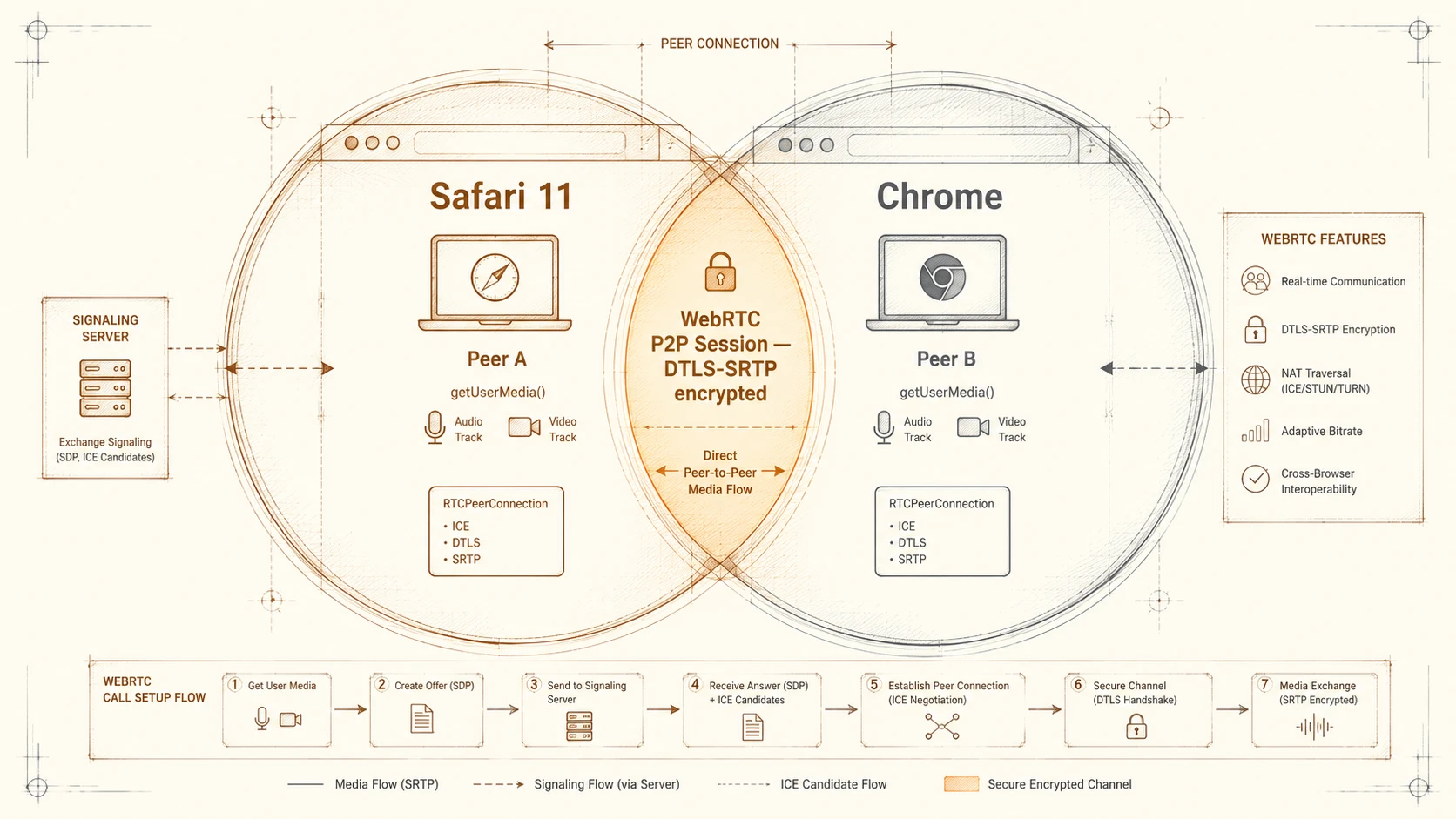
WebRTC Native Support in Safari 11: Real-Time Browser Communication is Complete
With Safari 11 introducing native WebRTC support, all major browser engines now provide a standardized foundation for real-time audio, video, and peer-to-peer data communication. This milestone significantly expands deployment opportunities for enterprise collaboration platforms, telemedicine, customer support, and browser-based conferencing solutions. This article examines the announcement from the perspective of June 2017.

ES8 / ECMAScript 2017: Async/Await Primitives and Shared Memory Allocations
ECMAScript 2017 introduces async functions and await expressions as first-class language features, simplifying asynchronous programming while complementing Promises. Alongside shared memory primitives introduced through SharedArrayBuffer and Atomics, JavaScript continues evolving into a language suitable for increasingly sophisticated enterprise and high-performance applications. This article examines these capabilities from the perspective of June 2017.

Kotlin on Android: Google Announces Official First-Class Support at Google I/O
At Google I/O 2017, Google officially announced first-class support for Kotlin as a programming language for Android development. Developed by JetBrains, Kotlin introduces modern language features while maintaining full interoperability with Java. This article examines the announcement from the perspective of May 2017, exploring Kotlin's architecture, enterprise implications, performance characteristics, interoperability model, and adoption strategy.
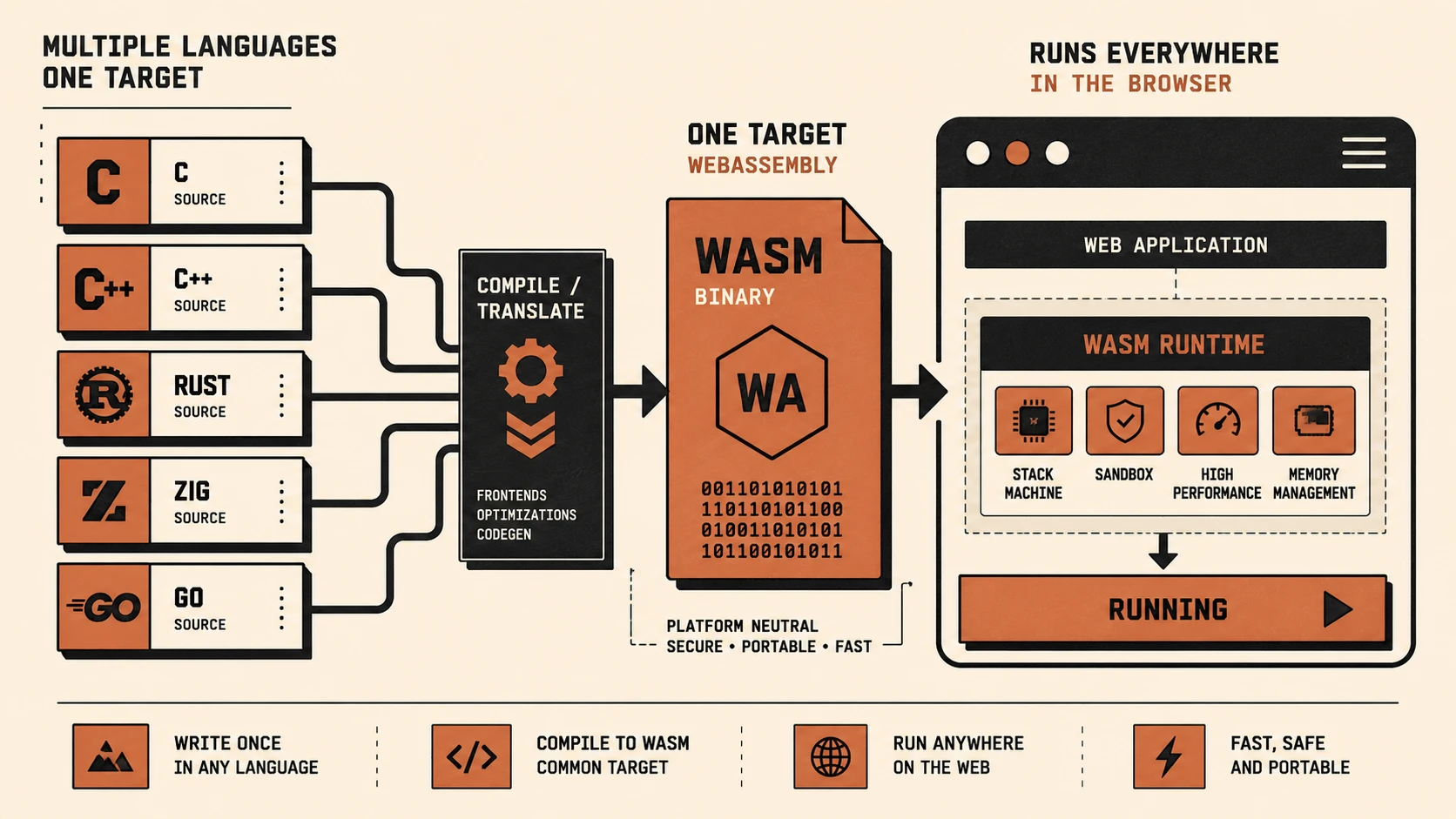
WebAssembly MVP Approval: The Web Rises as a Universal Compiler Target
The approval of the WebAssembly Minimum Viable Product (MVP) marks a major milestone for modern web development. By introducing a portable binary instruction format designed for high-performance execution across modern browsers, WebAssembly establishes the web as a viable compilation target for multiple programming languages. This article analyzes the technology from the perspective of March 2017, exploring its architecture, enterprise implications, performance characteristics, security model, and adoption strategy.
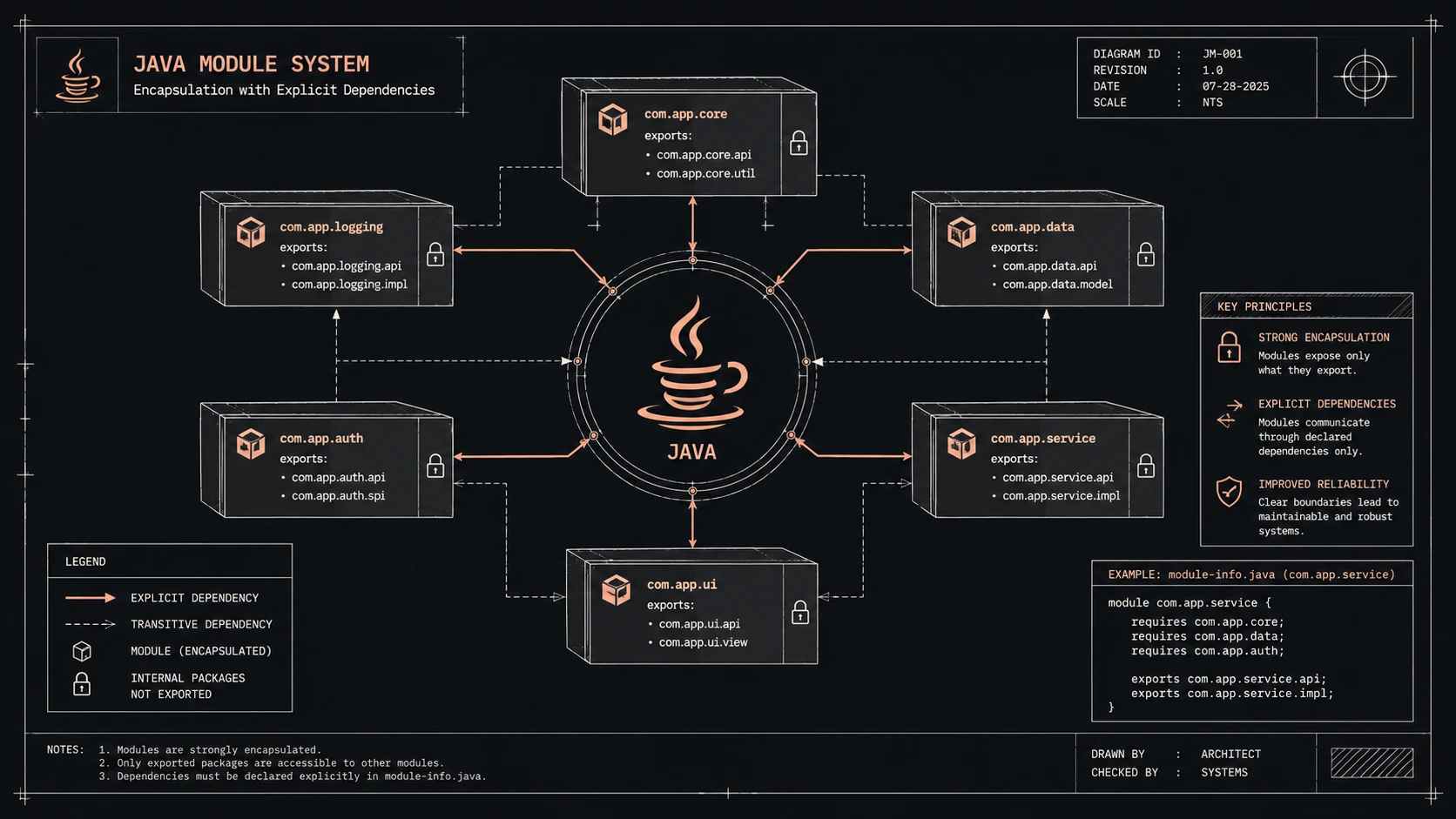
Java 9 Module System: Modularity and Encapsulation with Project Jigsaw Previews
Project Jigsaw previews introduce the Java Platform Module System (JPMS), bringing strong encapsulation, explicit module dependencies, and improved application modularity to the Java ecosystem. This article explores the architecture, module descriptors, dependency resolution, enterprise migration strategies, and adoption considerations from the perspective of March 2017.

Web Bluetooth API: Interfacing Browser Client JS with Physical IoT Devices
The Web Bluetooth API introduces a standardized mechanism for JavaScript applications to communicate directly with nearby Bluetooth Low Energy devices. This article examines the API architecture, security model, browser capabilities, enterprise use cases, performance considerations, and adoption strategy from the perspective of February 2017.
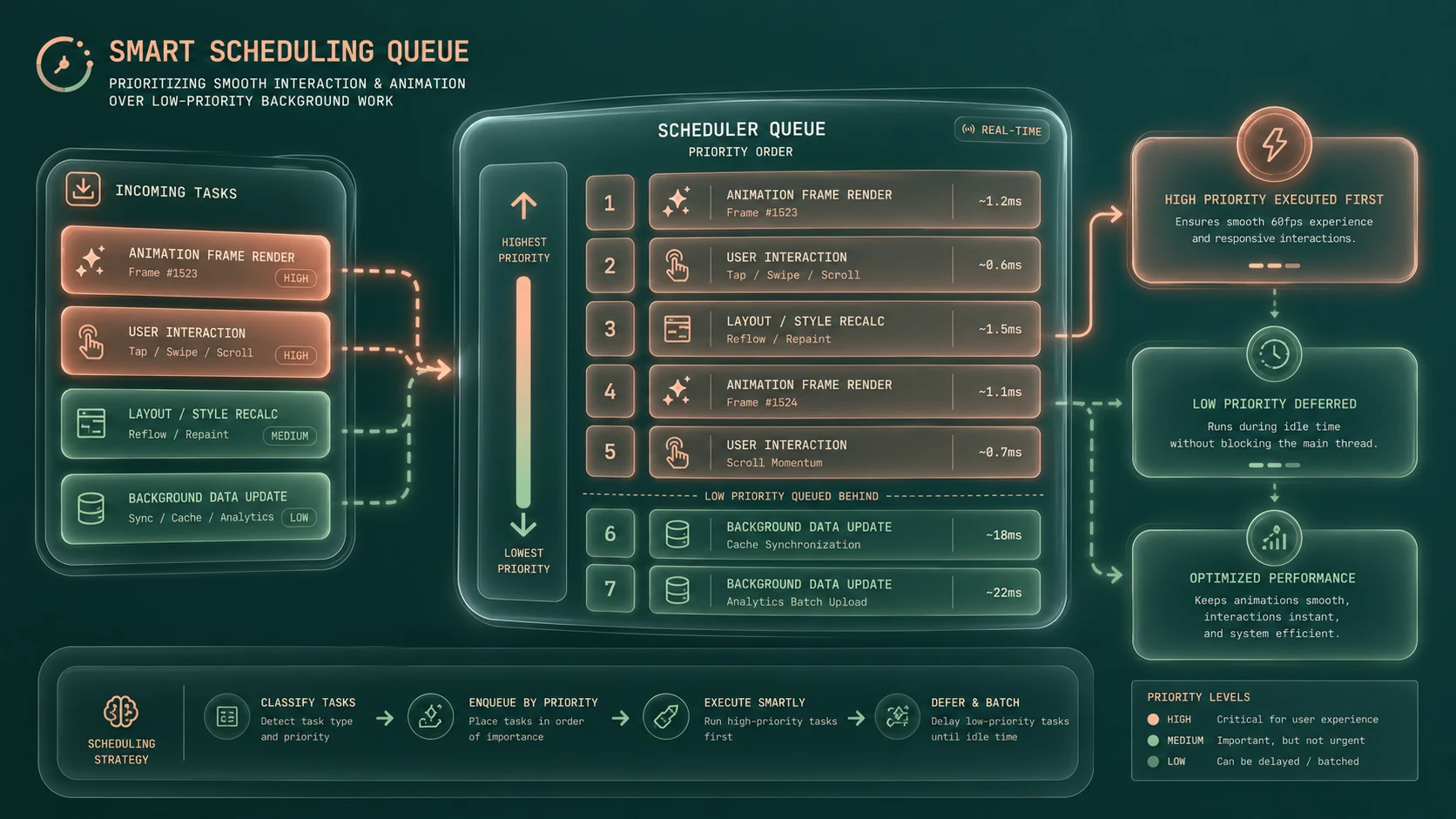
React Fiber: Deep Dive into the New Asynchronous Reconciliation Engine
Facebook has unveiled React Fiber, a complete rewrite of React's reconciliation engine designed to enable incremental rendering, task prioritization, and improved responsiveness for increasingly complex user interfaces. This article examines Fiber from the perspective of January 2017, exploring its architecture, scheduling model, enterprise implications, and the future of high-performance React applications.
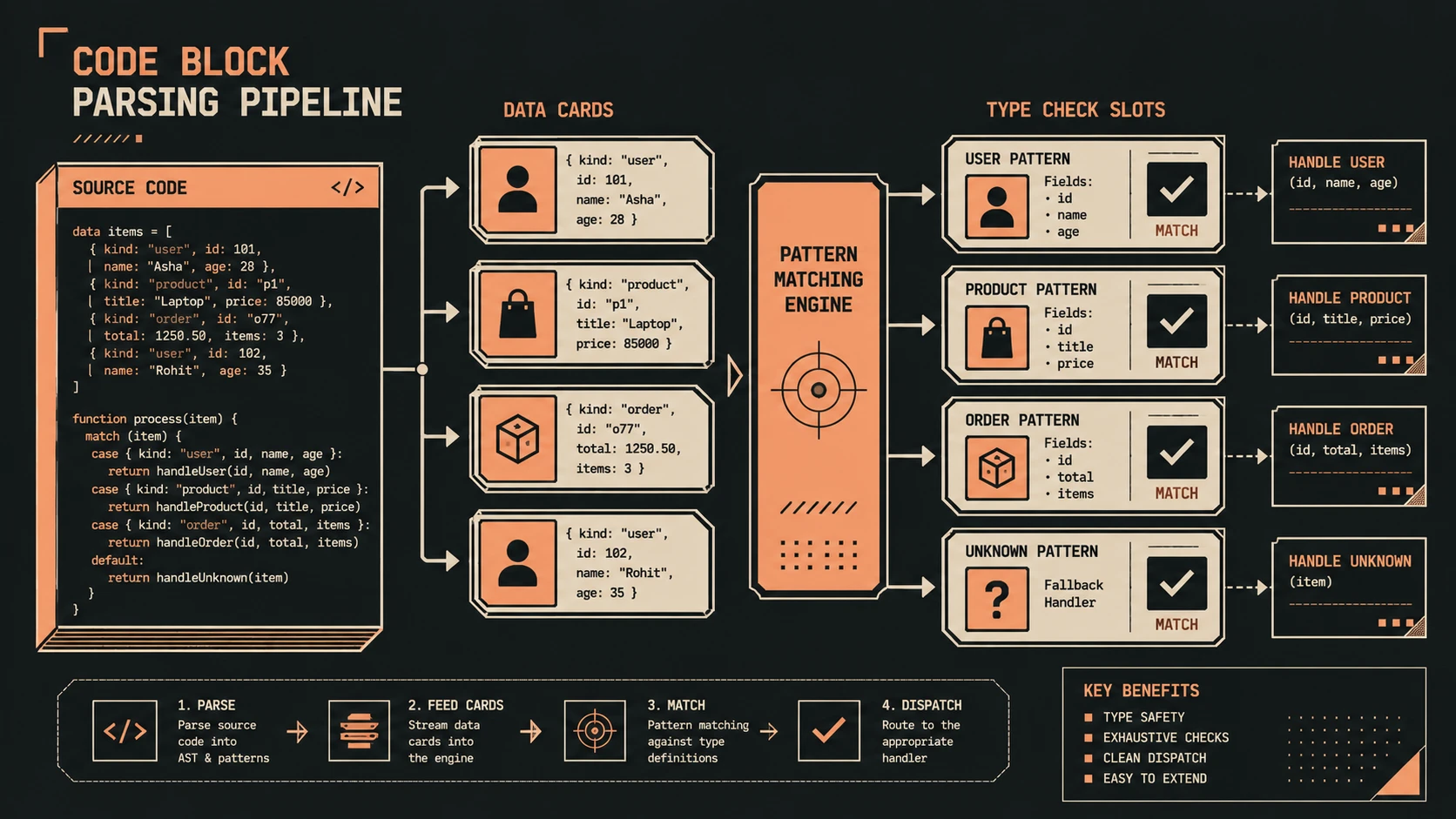
C# 7.0 Previews: Deconstructing Pattern Matching, Tuples, and Ref Returns
The C# 7.0 previews introduce pattern matching, tuples, deconstruction, ref returns, local functions, and other language enhancements designed to improve code clarity and performance. This article evaluates these preview capabilities from the perspective of November 2016 and examines their potential impact on enterprise .NET development.
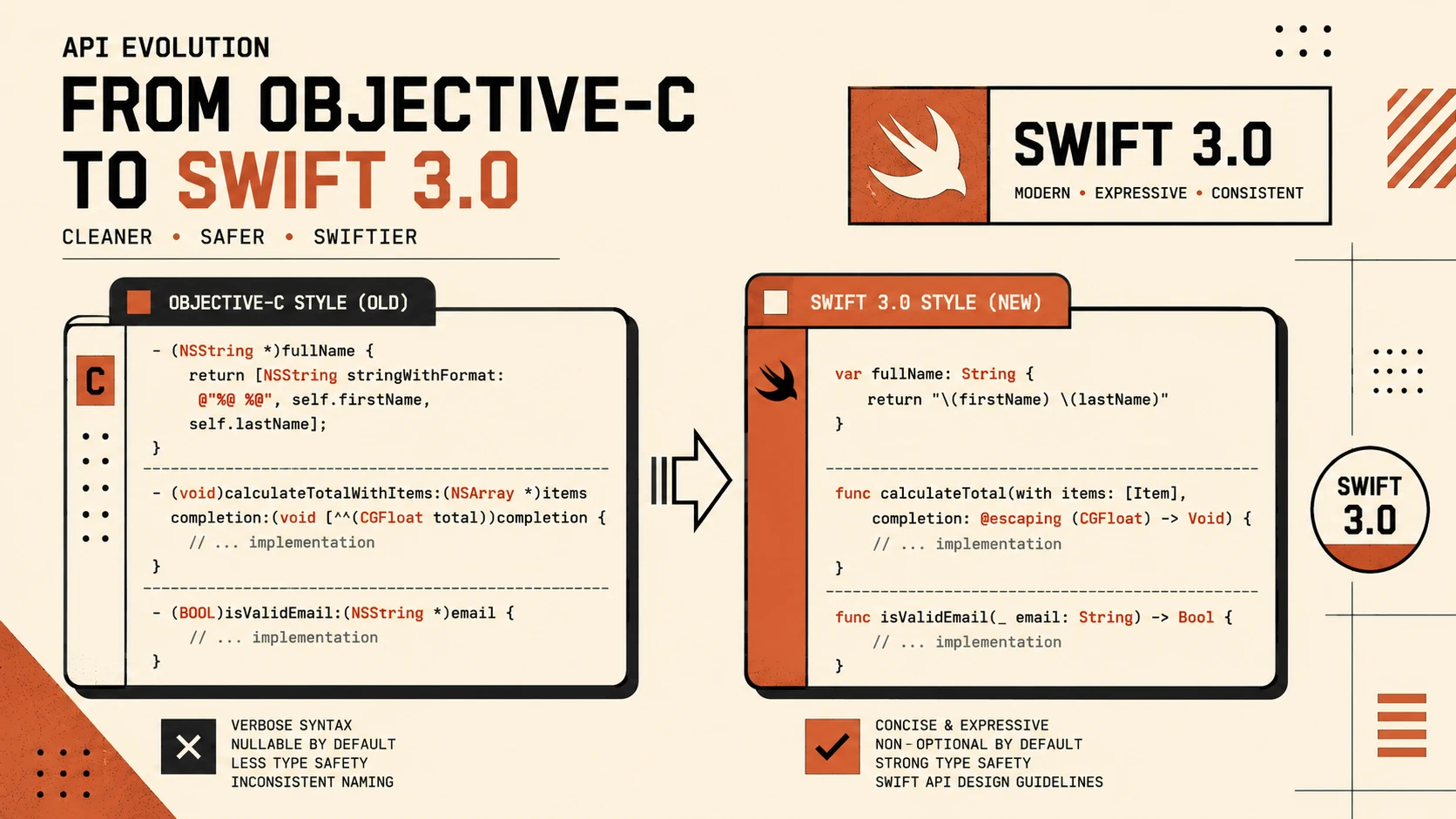
Swift 3.0 Source-Breaking Changes: Standardizing API Design Guidelines
Swift 3.0 represents the largest language refinement since Swift was introduced. By adopting comprehensive API Design Guidelines, simplifying syntax, improving interoperability with Objective-C, and introducing intentional source-breaking changes, Apple aims to create a more consistent and maintainable programming language for long-term application development. This article examines Swift 3.0 from the perspective of October 2016.
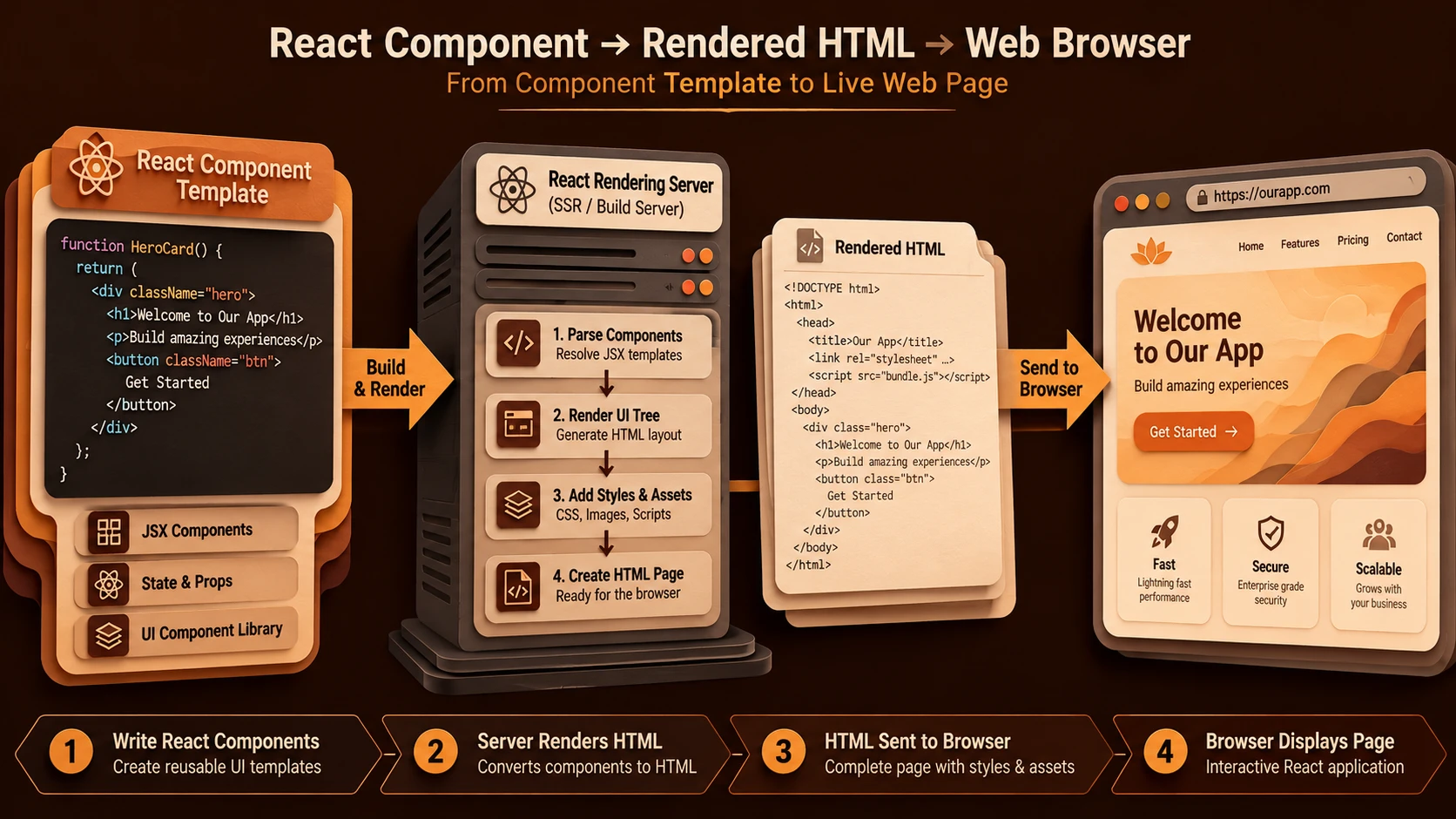
Next.js 1.0 Release: Server-Side Rendering for React Applications
Next.js 1.0 introduces an opinionated framework for React that simplifies server-side rendering, routing, and production deployment. This article examines the framework's architecture, rendering pipeline, enterprise use cases, performance characteristics, and adoption considerations from the perspective of September 2016.
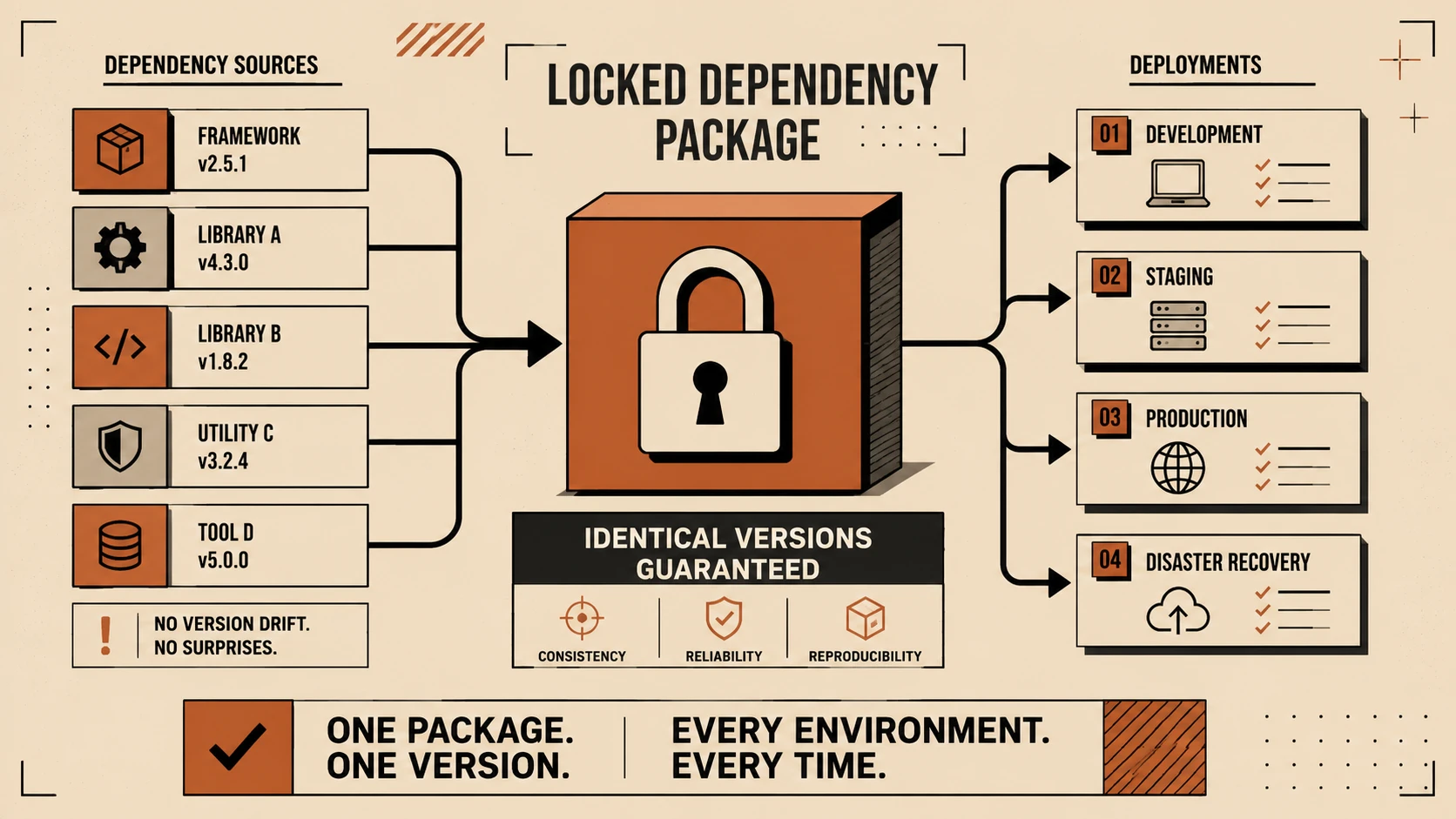
Yarn Package Manager: Fast, Secure, and Deterministic Dependencies for JS apps
Yarn introduces a new package manager for the JavaScript ecosystem focused on deterministic dependency resolution, faster installations, offline caching, and improved security. This article examines Yarn's architecture, lockfile mechanism, package resolution model, enterprise adoption considerations, and build pipeline integration from the perspective of September 2016.
Webpack 2.0 Previews: Implementing Tree Shaking and Native ES Modules
Webpack 2.0 previews introduce significant improvements to modern JavaScript application development, including first-class ES2015 module support and tree shaking for eliminating unused code. As enterprise Single Page Applications continue growing in size and complexity, these enhancements promise smaller bundles, improved maintainability, and more efficient build pipelines. This article examines Webpack 2.0 preview capabilities from the perspective of August 2016.
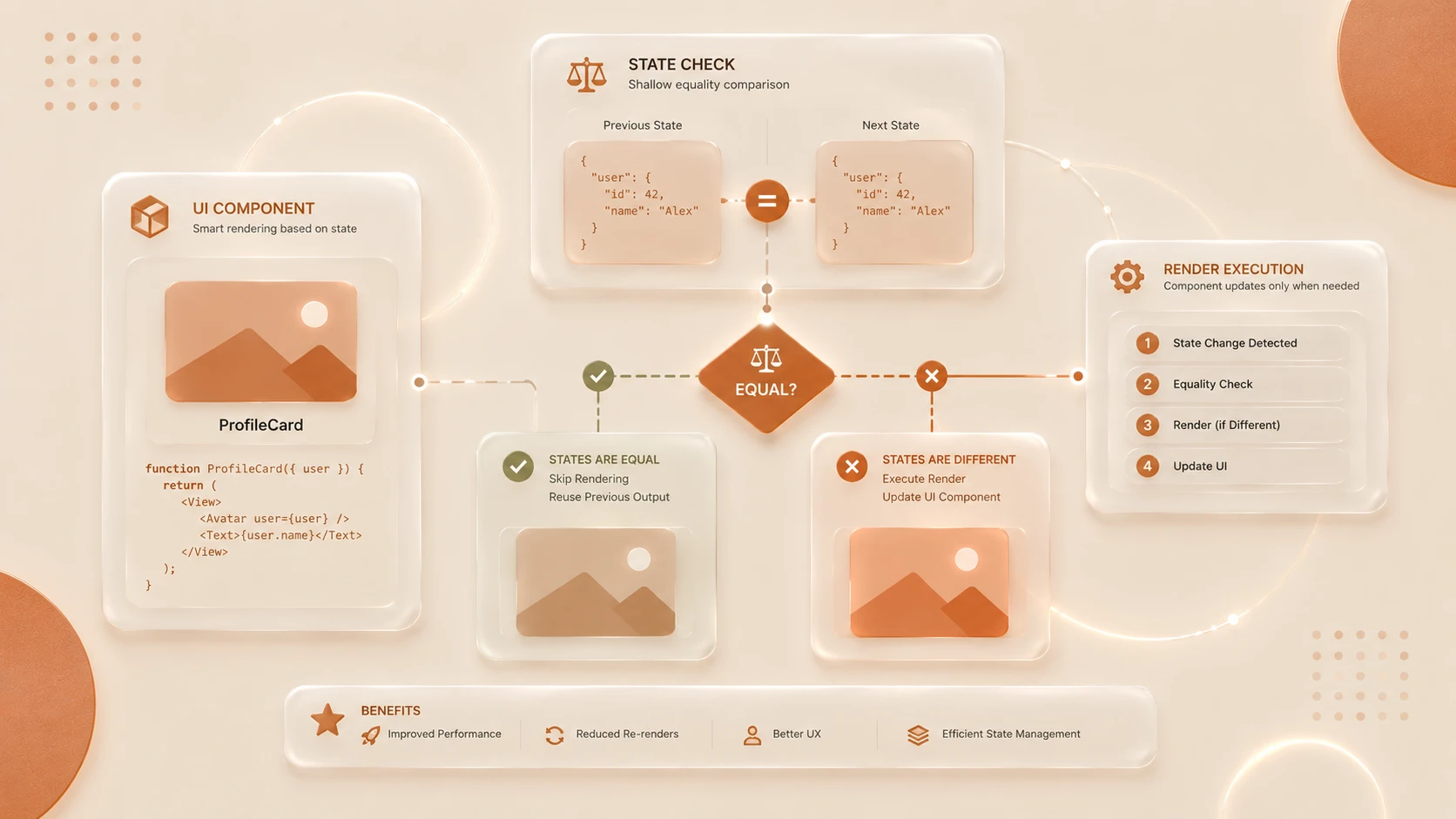
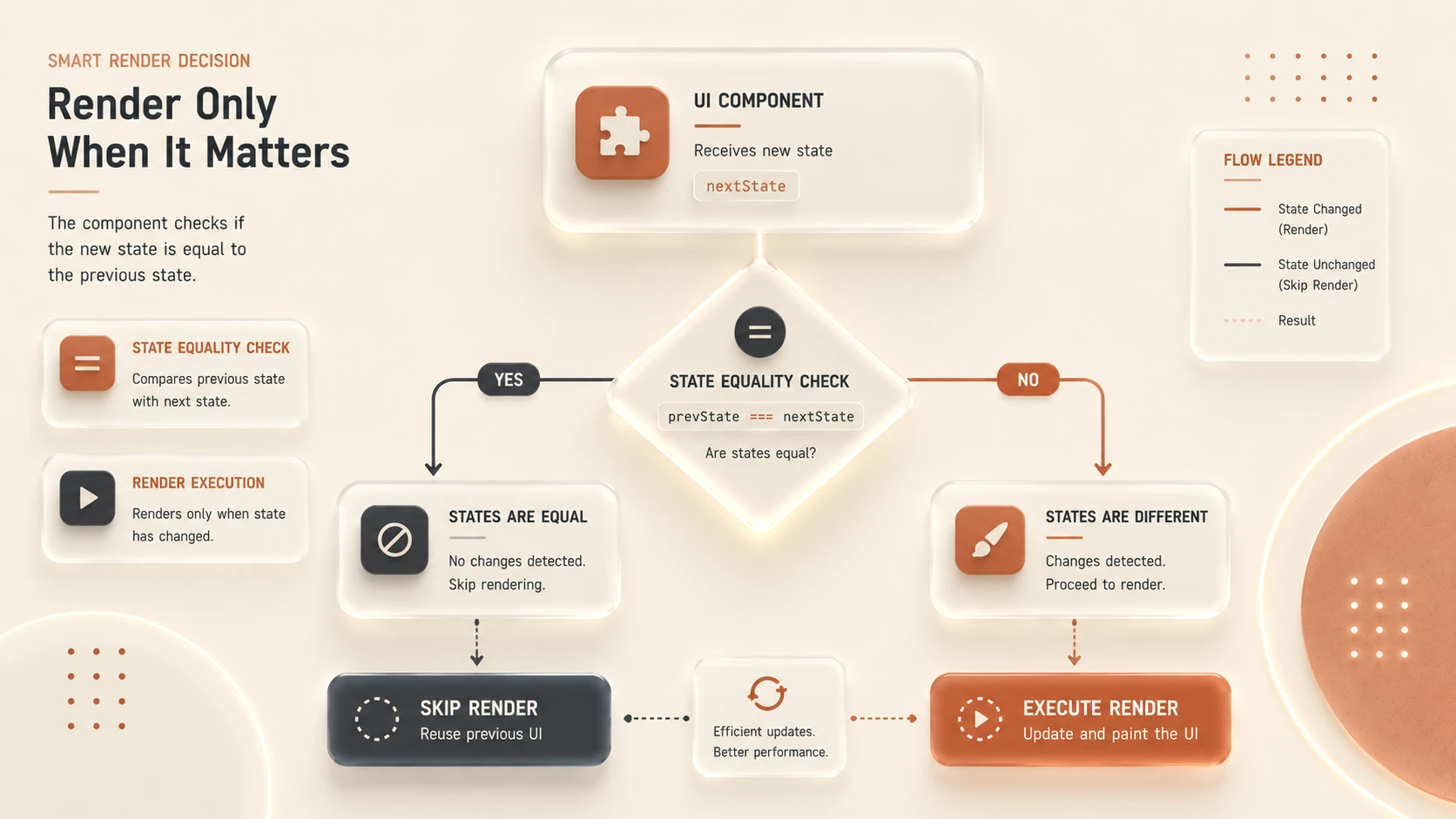
React 15.3: React.PureComponent and Shallow Component Comparators
React 15.3 introduces React.PureComponent as a simplified mechanism for reducing unnecessary component rendering through shallow property and state comparisons. This article examines the architecture, rendering lifecycle, comparison algorithms, performance implications, and enterprise adoption considerations from the perspective of July 2016.
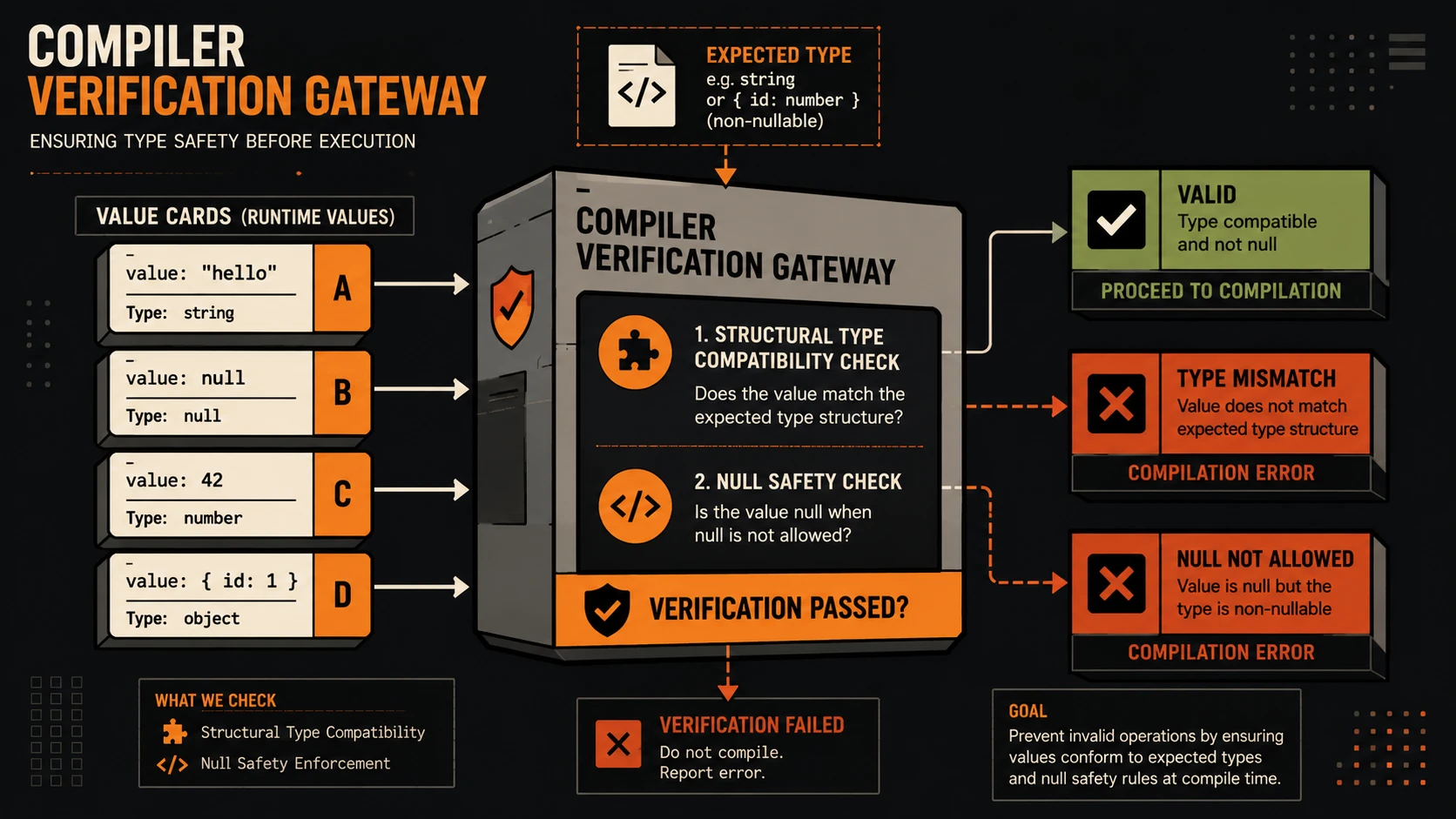
TypeScript 2.0: Strict Null Checking and Compiler Type Guarding
TypeScript 2.0 introduces one of the most important improvements to static typing for JavaScript developers. With strict null checking, control flow-based type analysis, improved type guards, and non-null assertion operators, Microsoft continues strengthening TypeScript as an enterprise development language. This article examines TypeScript 2.0 from the perspective of July 2016, evaluating its architecture, compiler innovations, enterprise adoption strategy, and practical implications for large-scale applications.
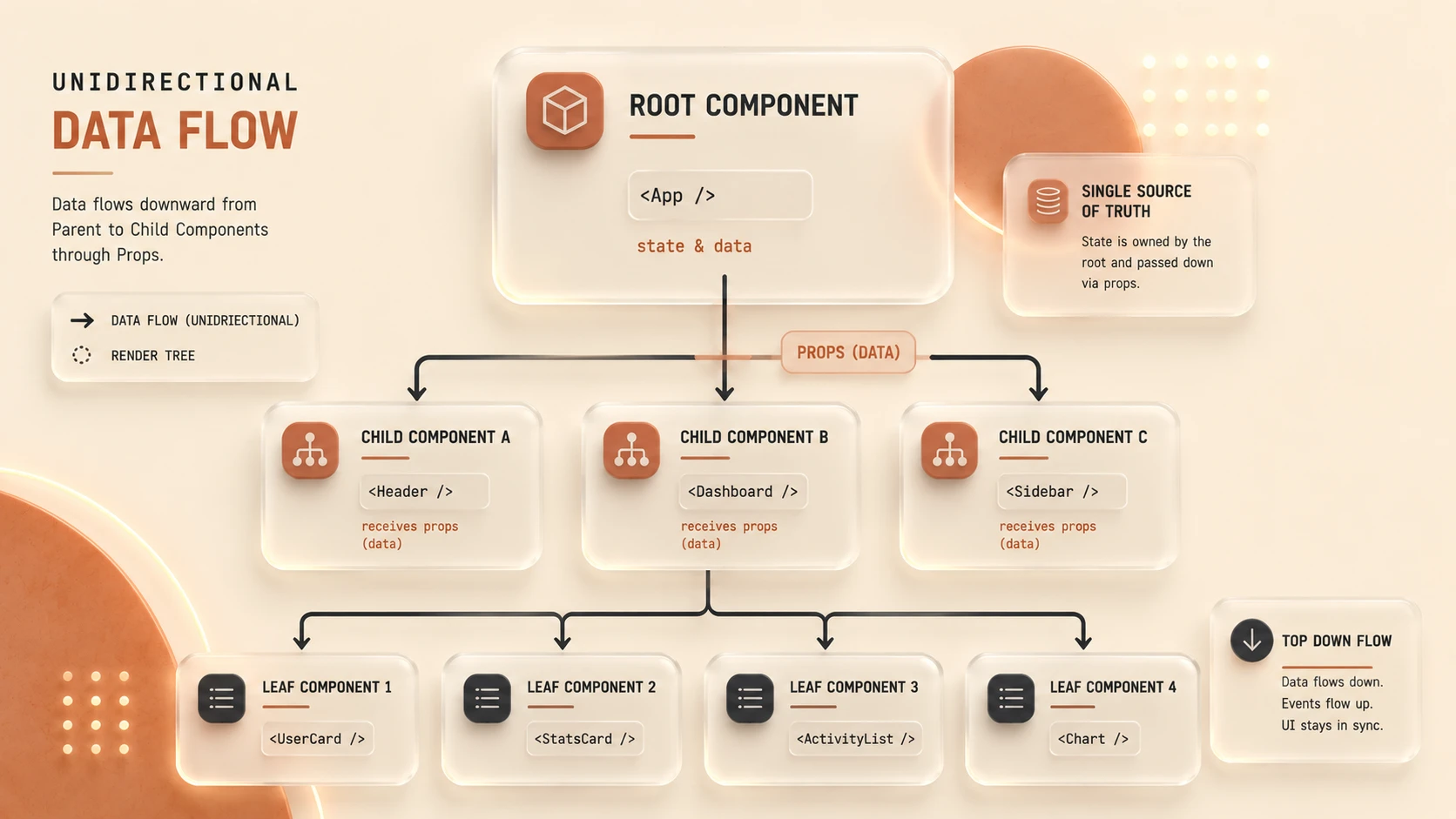
Angular 2.0 Final Release: Component Architectures and Unidirectional Data Flow
Angular 2.0 represents a complete redesign of Google's web application framework, introducing component-based architecture, unidirectional data flow, TypeScript integration, dependency injection improvements, and enhanced performance. This article examines Angular 2.0 from the perspective of May 2016, evaluating its architecture, enterprise adoption strategy, and technical trade-offs.