Programming Languages
Viewing all posts categorized under Programming Languages.


Progressive Web Apps: Service Workers, Cache API, and Offline-First Architectures
Progressive Web Apps (PWAs) combine responsive web design with modern browser capabilities such as Service Workers and the Cache API to deliver reliable, offline-capable, and application-like user experiences. As browser support for these technologies continues to mature during 2016, enterprise organizations are evaluating PWAs as an alternative approach for delivering high-quality web experiences across desktop and mobile devices. This article examines Progressive Web Apps from the perspective of May 2016.
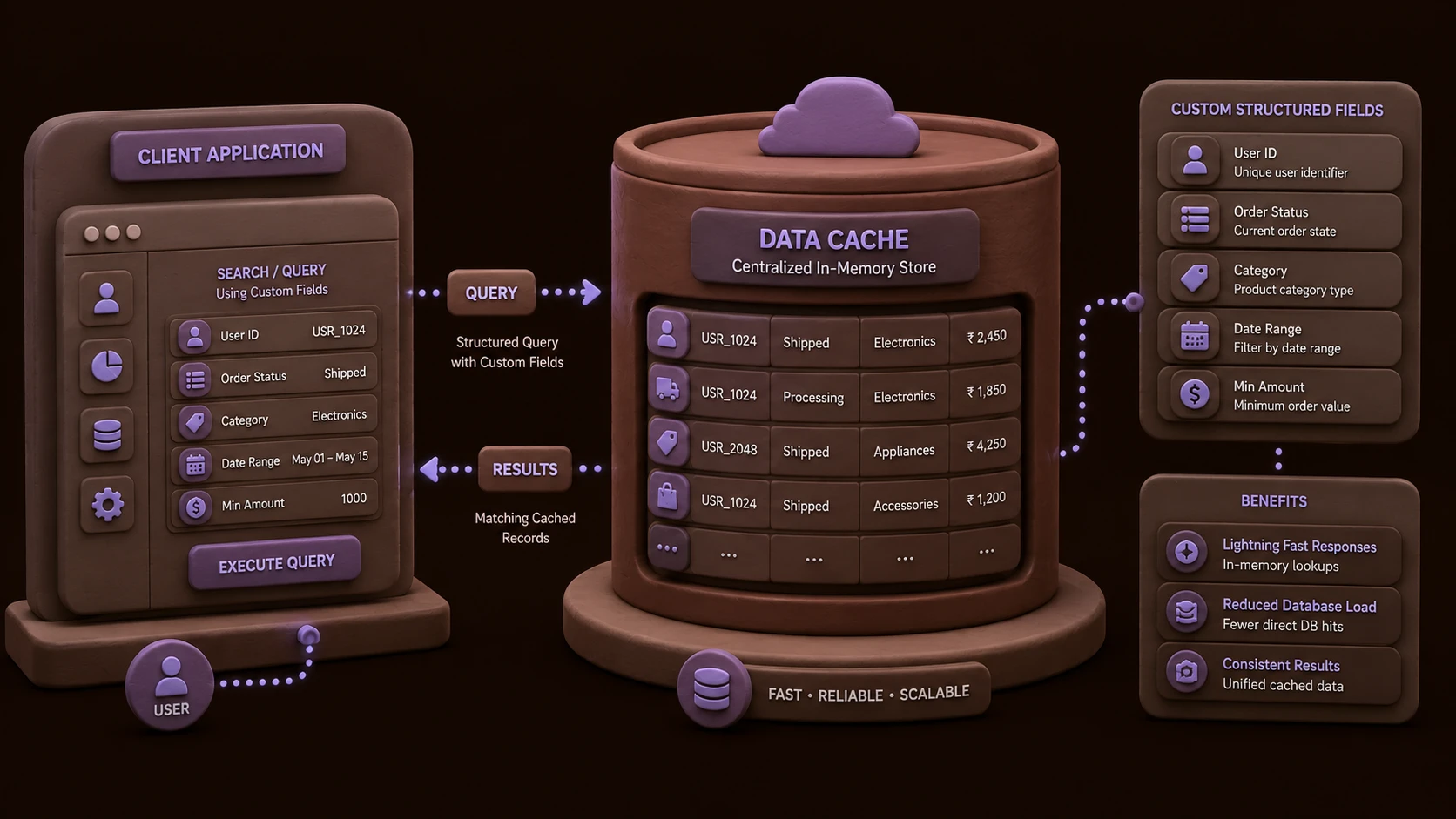
Apollo Client for GraphQL: Standardizing UI Caching and Query Normalization
Apollo Client introduces a comprehensive approach to consuming GraphQL APIs by combining query execution, normalized caching, and client-side state management. This article examines Apollo Client's architecture, caching strategies, query lifecycle, enterprise adoption considerations, and performance characteristics from the perspective of April 2016.
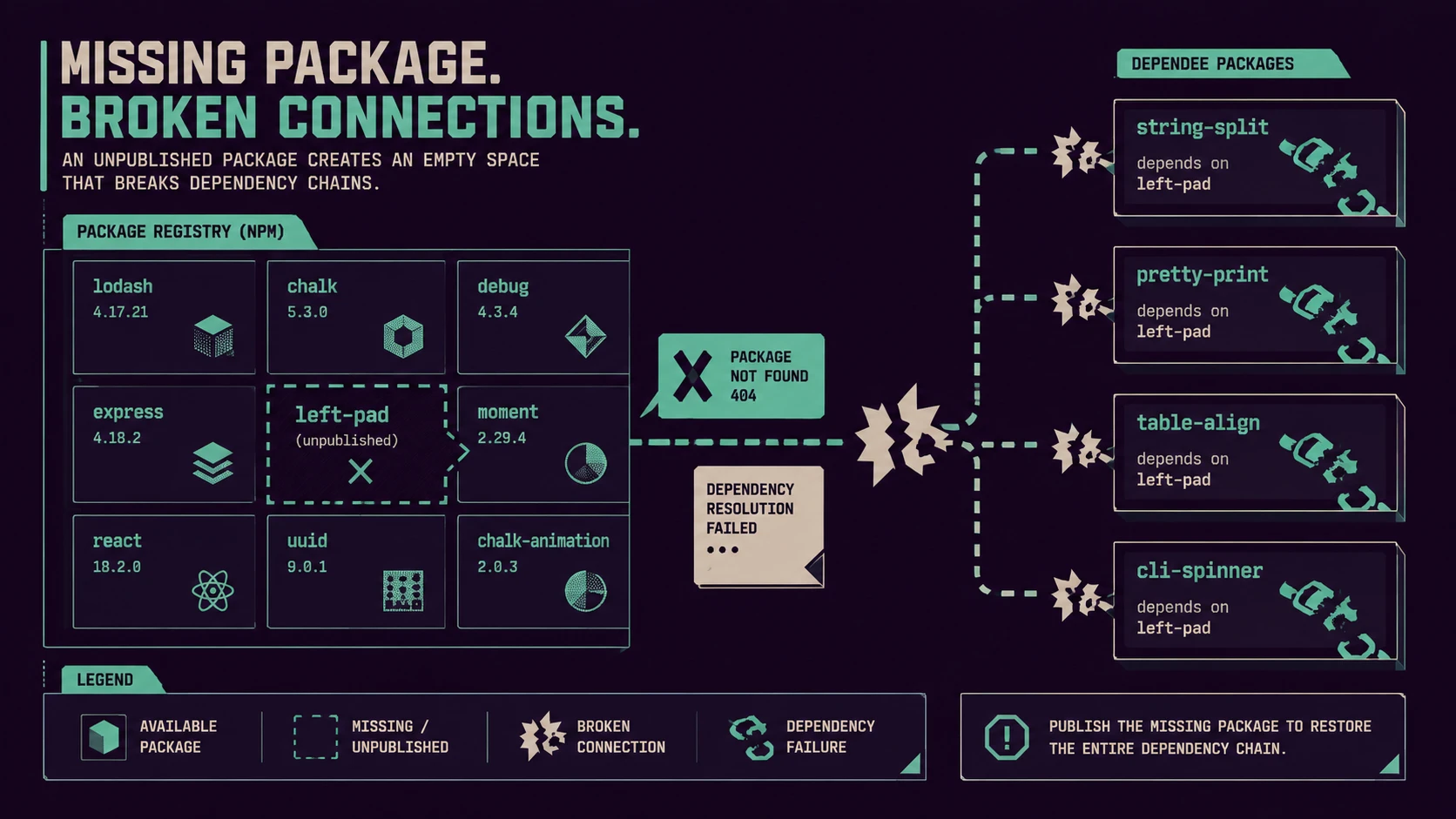
NPM Package Management Security: Deconstructing the Left-Pad Packaging Crisis
The unexpected removal of the Left-Pad package from the NPM registry exposed how deeply modern JavaScript applications depend on third-party packages. This article examines the incident from the perspective of March 2016, exploring dependency management, package registry governance, software supply chain security, and enterprise best practices for managing Node.js ecosystems.
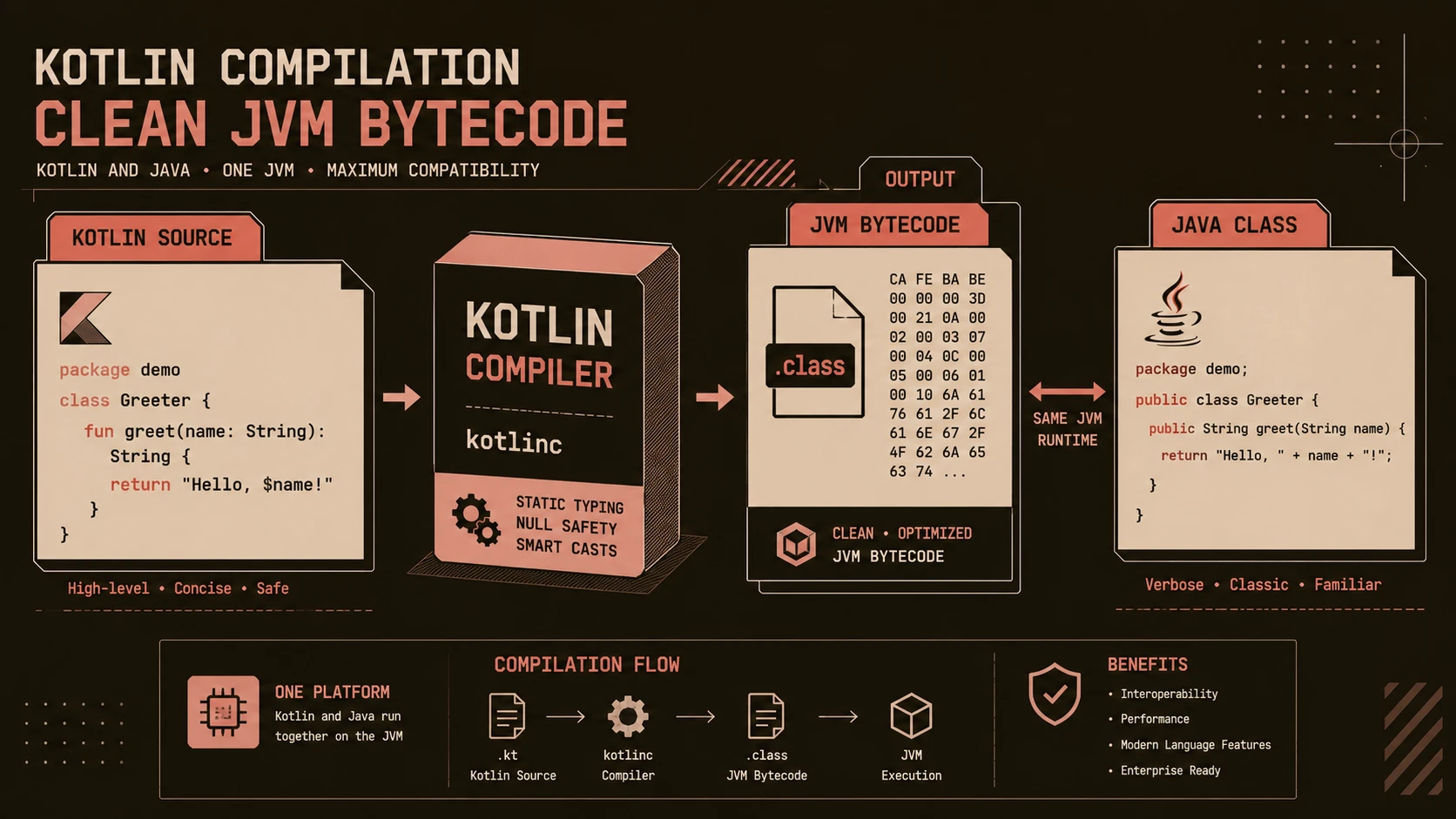
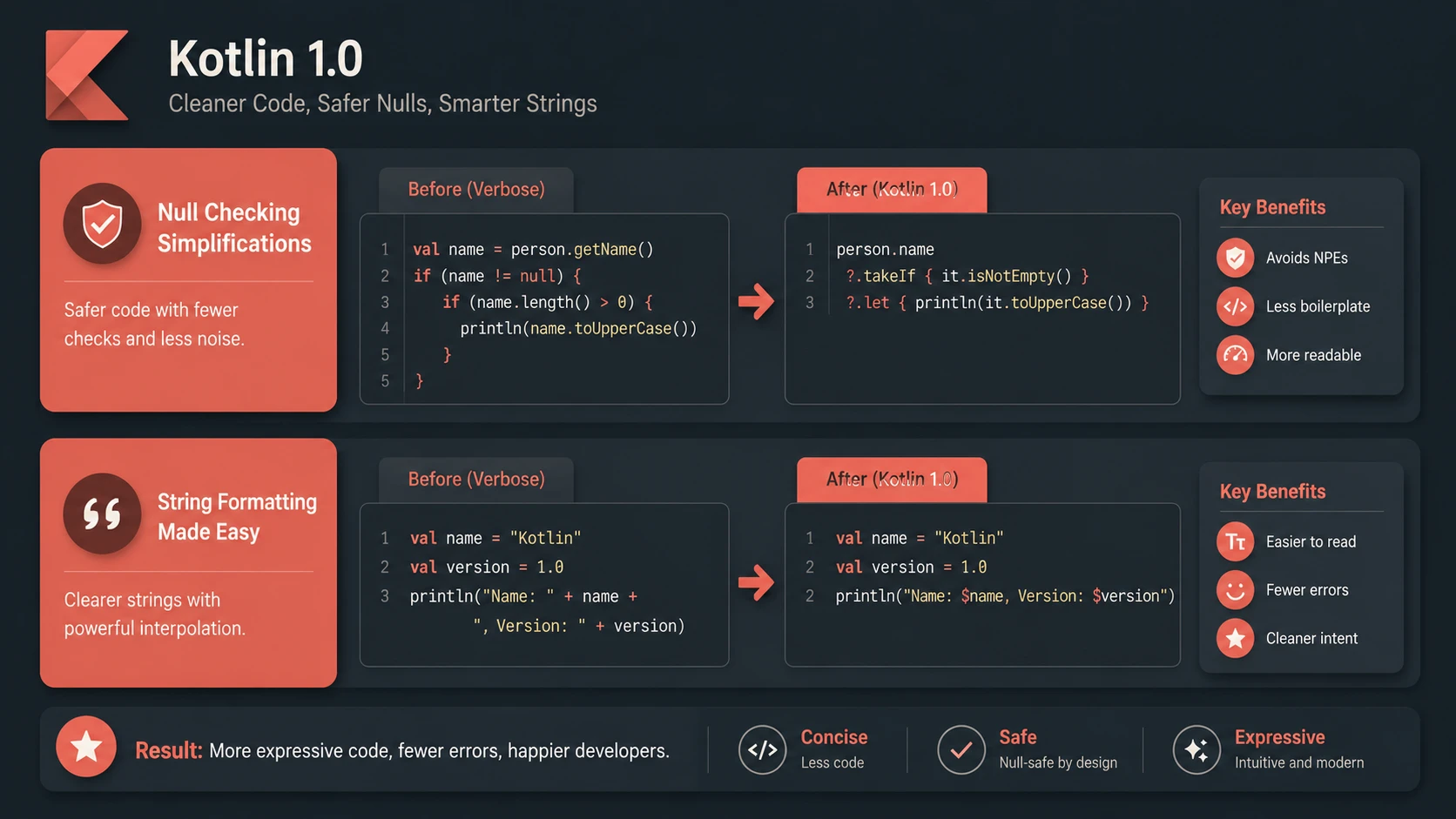
Kotlin 1.0 Release: Java Interoperability, Null Safety, and JVM Compilation
With the release of Kotlin 1.0, JetBrains delivers a stable, production-ready programming language designed for seamless Java interoperability, improved null safety, concise syntax, and efficient JVM compilation. Kotlin enables organizations to modernize existing Java applications while leveraging the mature Java ecosystem. This article examines Kotlin 1.0 from the perspective of March 2016, exploring its architecture, enterprise use cases, performance characteristics, scalability, and adoption considerations.
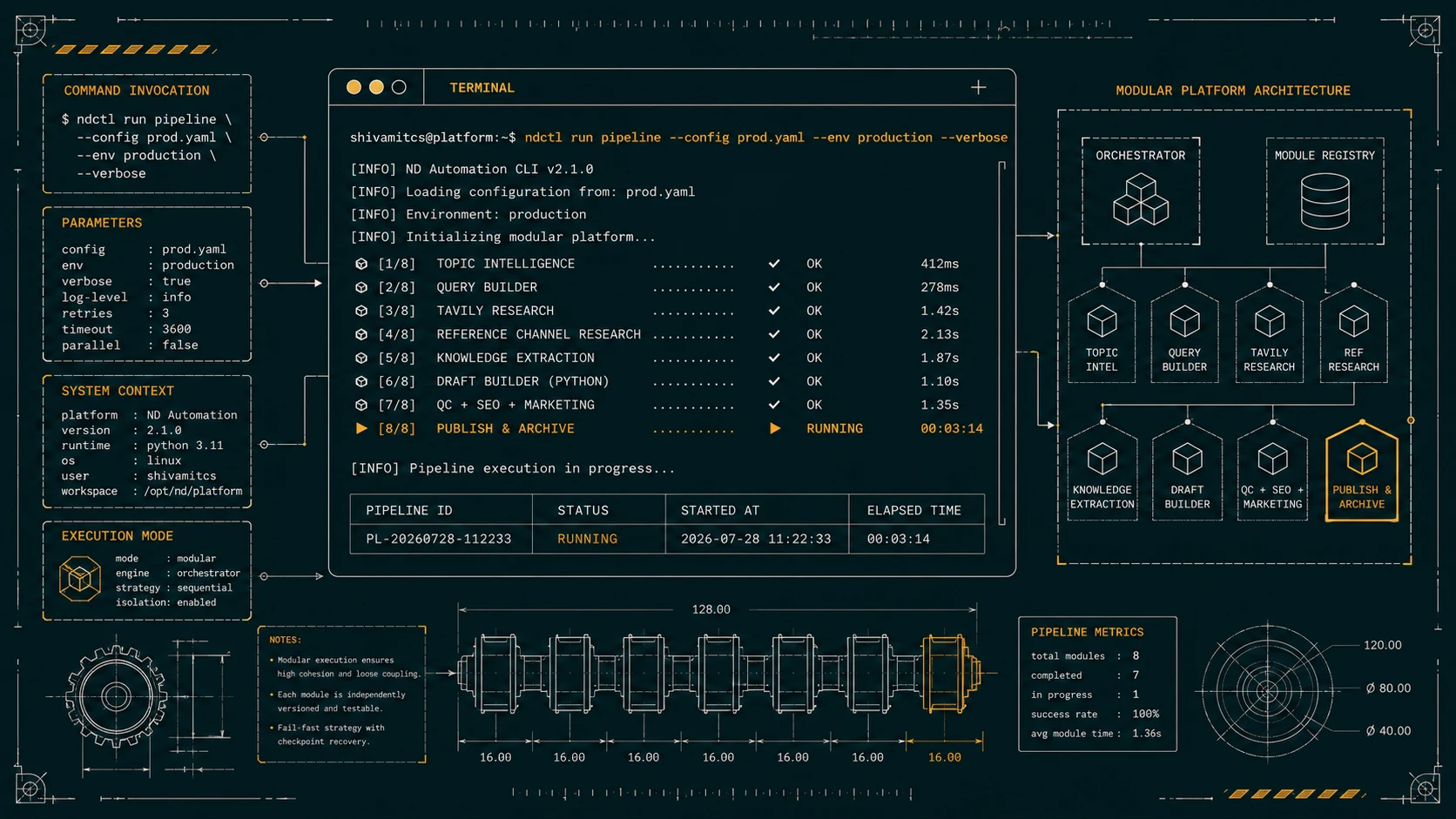
.NET Core 1.0: Cross-Platform Execution and the New CLI Pipeline
.NET Core 1.0 introduces a modular, cross-platform implementation of .NET together with a new command-line interface that simplifies development, dependency management, and deployment across Windows, Linux, and macOS. This article examines the architecture, runtime model, CLI pipeline, enterprise use cases, and adoption considerations from the perspective of February 2016.
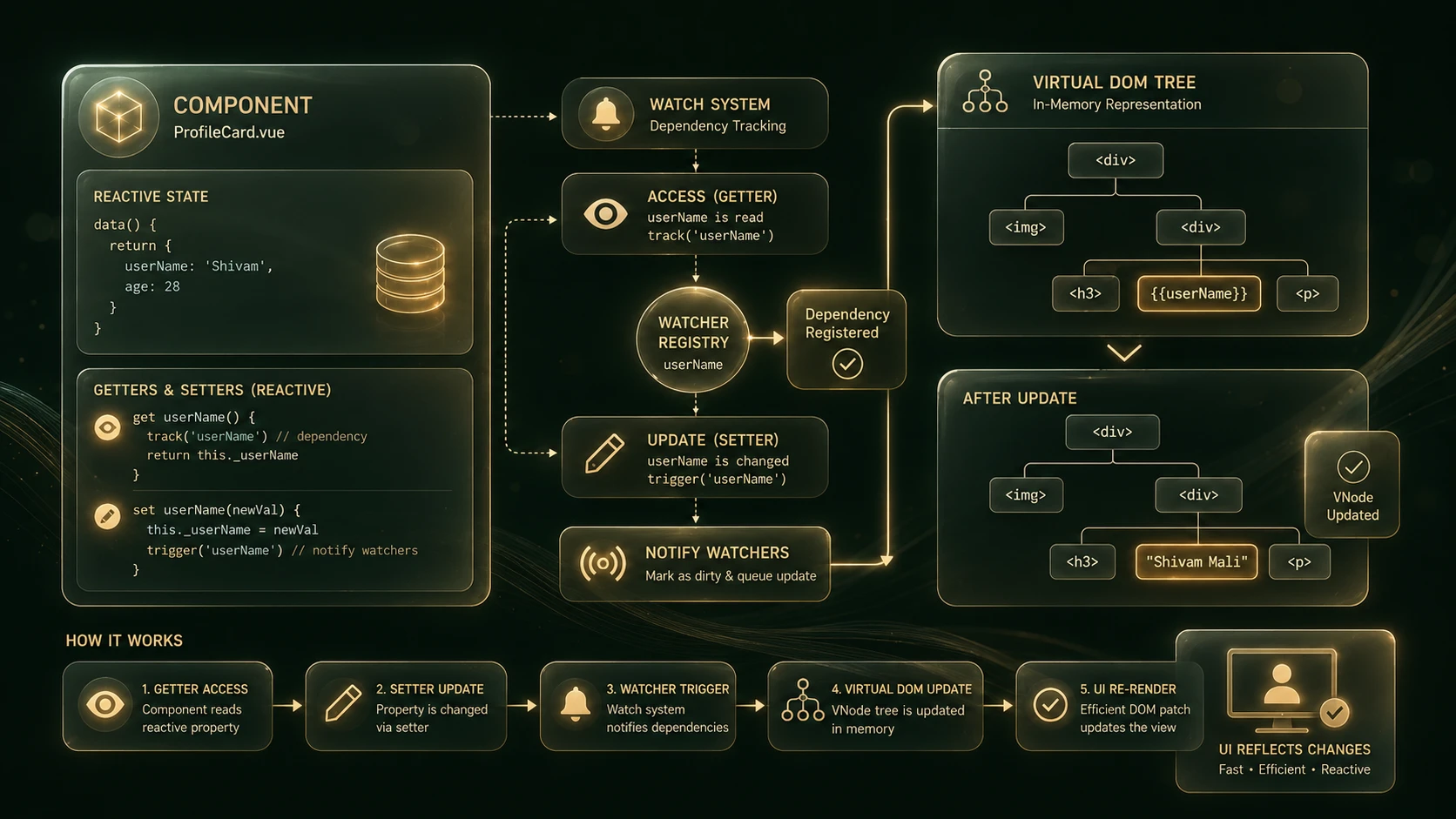
Vue.js 2.0: Virtual DOM Implementation and Reactive Property Listeners
Vue.js 2.0 introduces a major architectural evolution with a Virtual DOM implementation, improved reactive data binding, faster rendering performance, and a more scalable component model. This article examines Vue.js 2.0 from the perspective of February 2016, evaluating its architecture, enterprise use cases, performance characteristics, and adoption considerations for modern web applications.
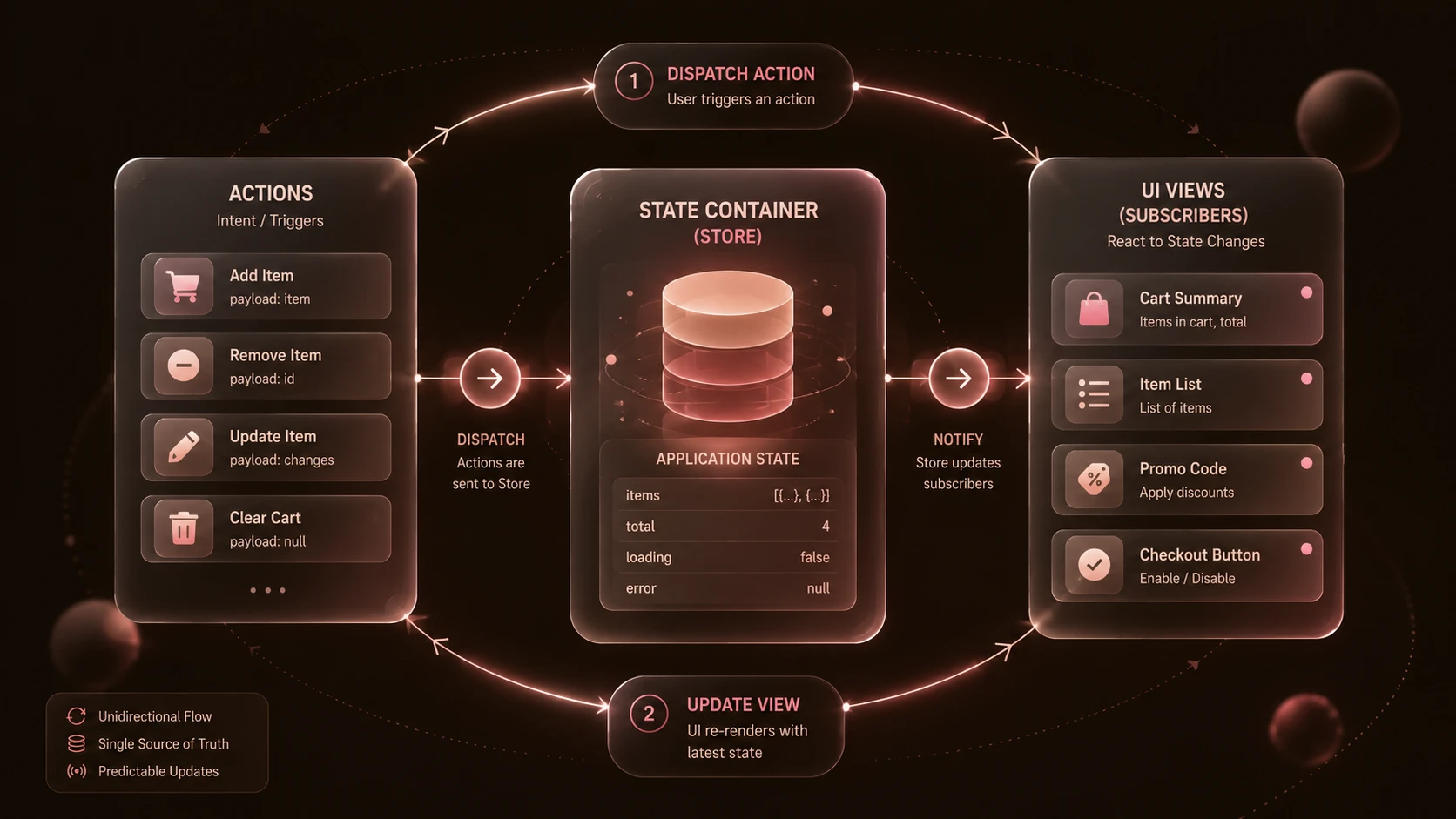
Redux 3.0: Standardizing State Management inside React Single Page Applications
Redux 3.0 has emerged as a leading state management library for React applications by introducing a predictable unidirectional data flow built around a single application store, actions, and pure reducers. As enterprise Single Page Applications continue growing in complexity, Redux provides a structured approach for managing application state, simplifying debugging, improving maintainability, and enabling scalable front-end architecture. This article examines Redux 3.0 from the perspective of January 2016.
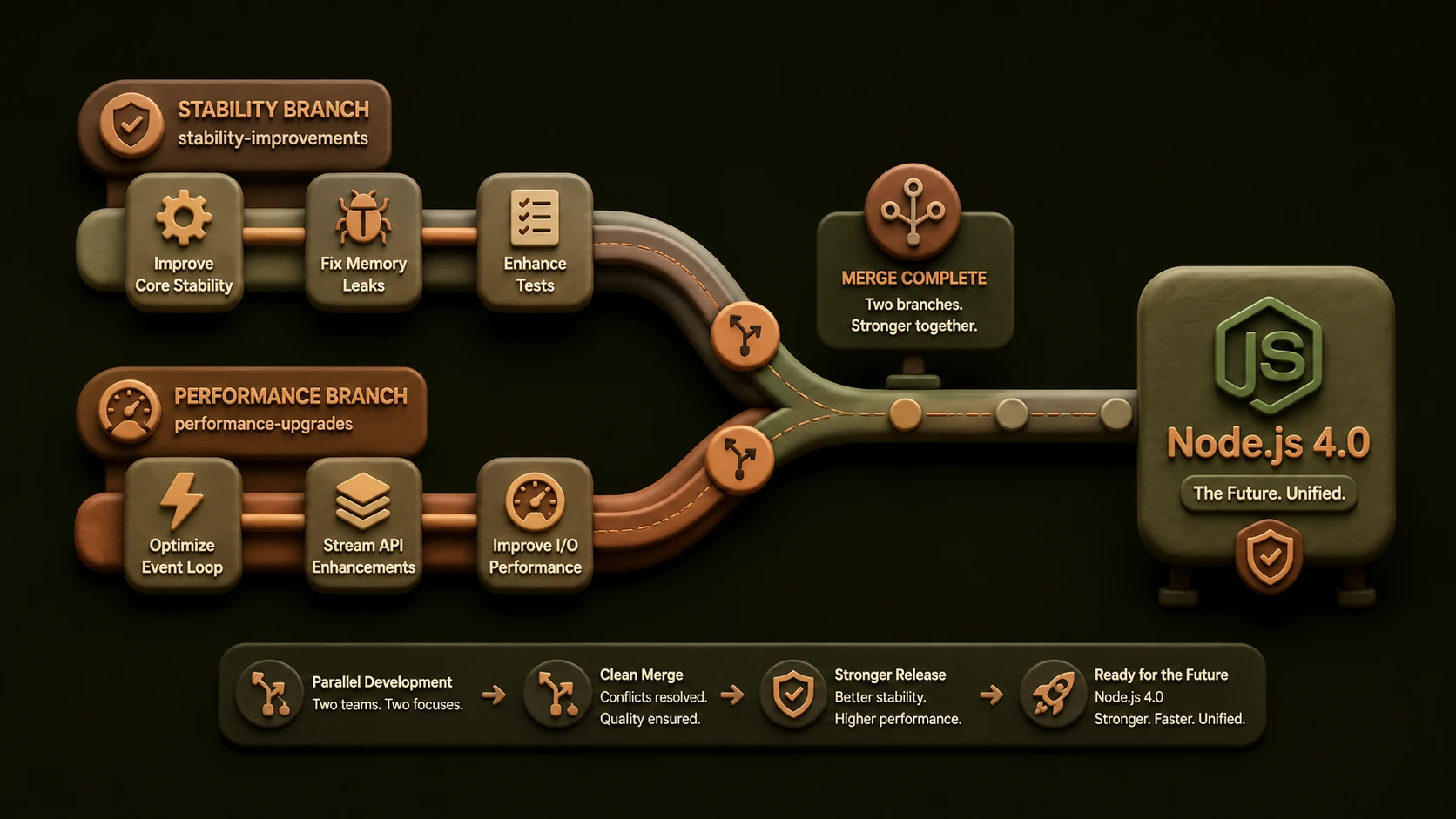
Node.js 4.0: The Historic Reconciliation of Node.js and the io.js Fork
Node.js 4.0 marks a pivotal milestone in the evolution of server-side JavaScript by unifying the previously divided Node.js and io.js projects. Combining modern JavaScript capabilities with an improved release process and stronger community governance, Node.js 4.0 provides enterprises with a stable platform for building scalable web services, APIs, and distributed applications. This article examines Node.js 4.0 from the perspective of December 2015, exploring its architecture, enterprise benefits, performance considerations, and adoption strategies.
C# 6.0 Features: Null-Conditional Operators, Auto-Property Initializers, and String Interpolation
C# 6.0 introduces several language enhancements focused on developer productivity, readability, and safer code. This article explores null-conditional operators, auto-property initializers, string interpolation, and other key language improvements from the perspective of November 2015, highlighting their impact on enterprise software engineering.
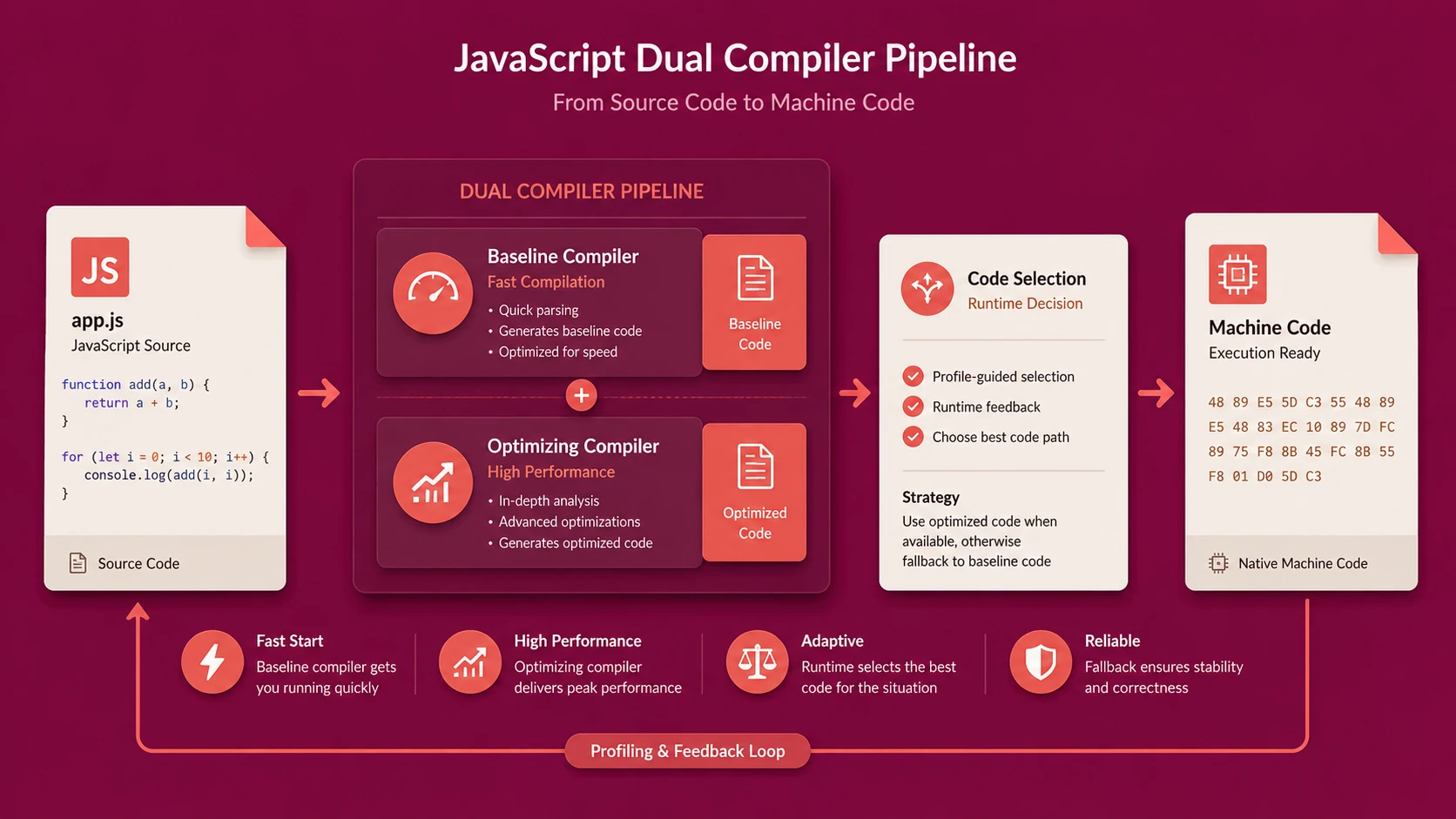
Windows 10 and Edge: The Chakra JavaScript JIT Engine Architecture
With the release of Windows 10 and Microsoft Edge, Chakra has become Microsoft's primary JavaScript execution engine for modern web applications. This article examines Chakra's Just-In-Time compilation architecture, execution pipeline, memory management, optimization strategies, and enterprise implications from the perspective of August 2015.
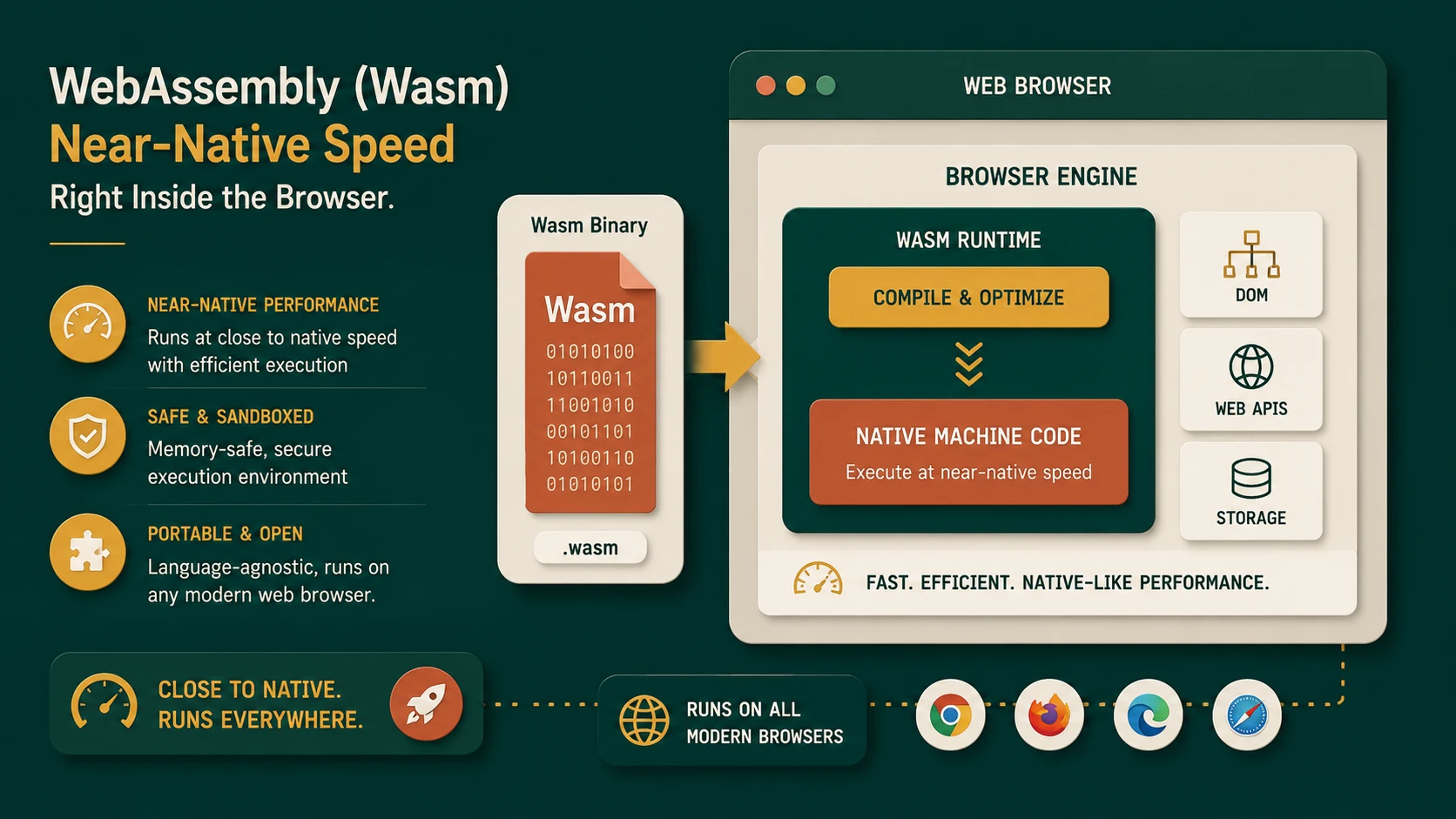
WebAssembly Announcement: Developing Native Code Runtimes inside Browser Engines
The WebAssembly initiative has been announced as a collaborative effort by major browser vendors to create a compact binary format for the web. This article examines the proposal from the perspective of August 2015, exploring its architecture, enterprise implications, performance goals, security model, and how it may influence the future of browser-based application development.
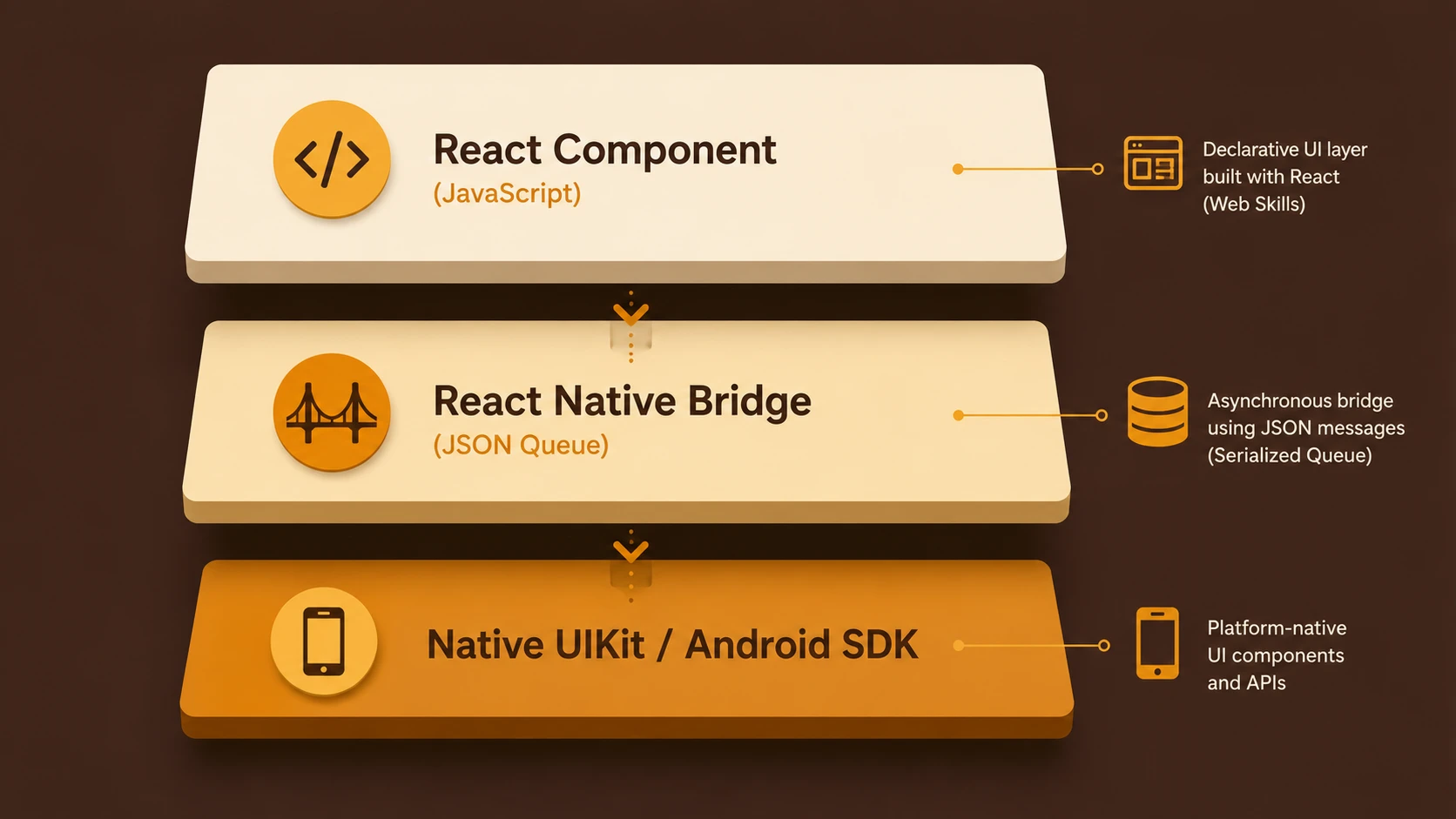
React Native Release: Building Mobile Apps with Native UI Controls and JavaScript
React Native introduces a new approach to native mobile application development by combining JavaScript, React components, and native platform controls. This article examines the framework's architecture, rendering model, performance characteristics, enterprise use cases, and adoption considerations from the perspective of May 2015.
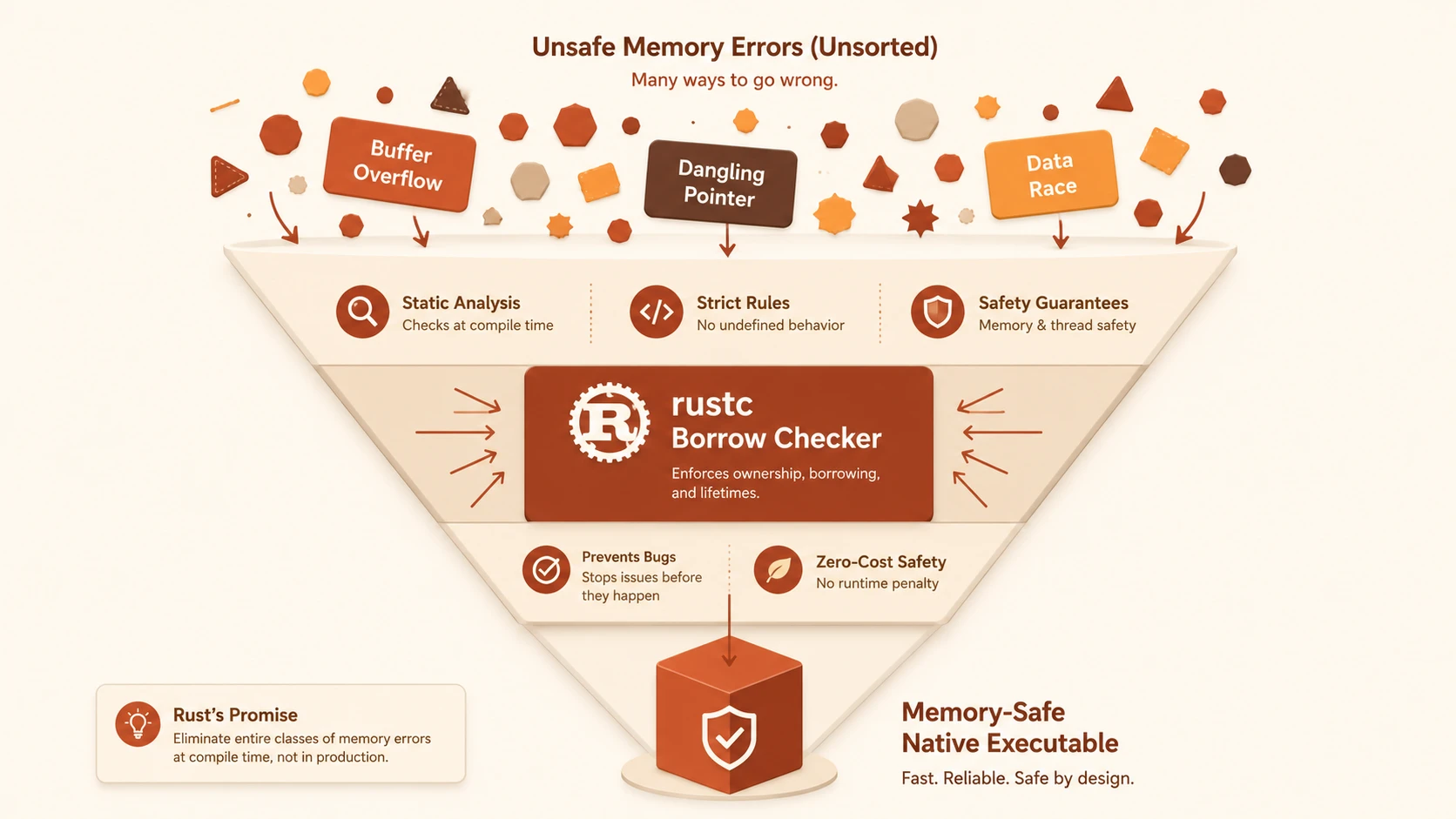
Rust 1.0 Release: Memory Safety Without a Garbage Collector Runtime
Mozilla has officially released Rust 1.0, introducing a systems programming language focused on memory safety, concurrency, and predictable performance without relying on a garbage collector. This article analyzes Rust 1.0 from the perspective of May 2015, exploring its architecture, ownership model, enterprise use cases, performance characteristics, and adoption considerations.
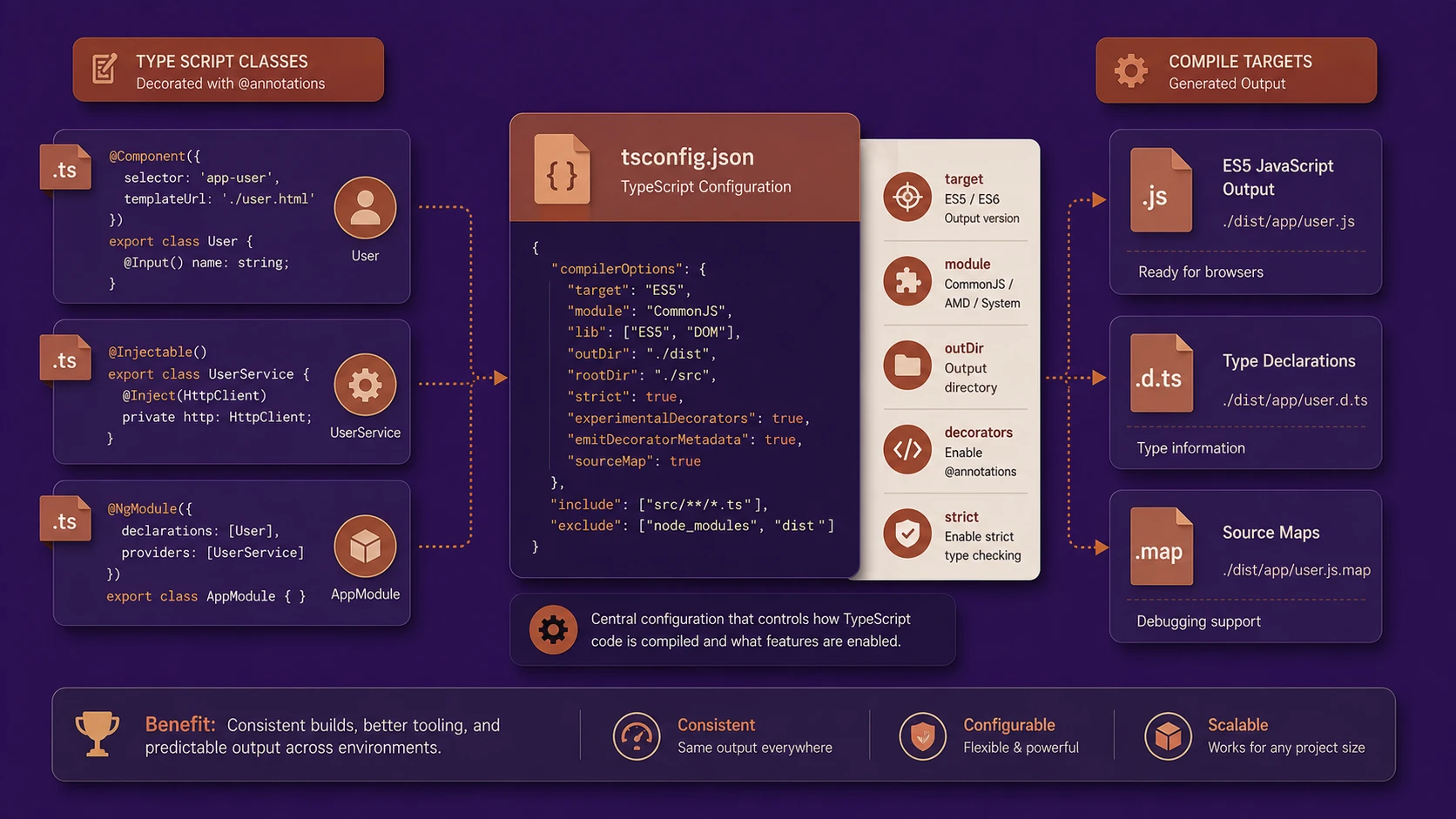
TypeScript 1.5: Decorators, ES6 Module Targets, and tsconfig.json Integration
TypeScript 1.5 introduces decorators, improved ES6 module compatibility, and tsconfig.json project configuration, helping enterprise development teams build more maintainable and scalable JavaScript applications. This article examines these capabilities from the perspective of April 2015.
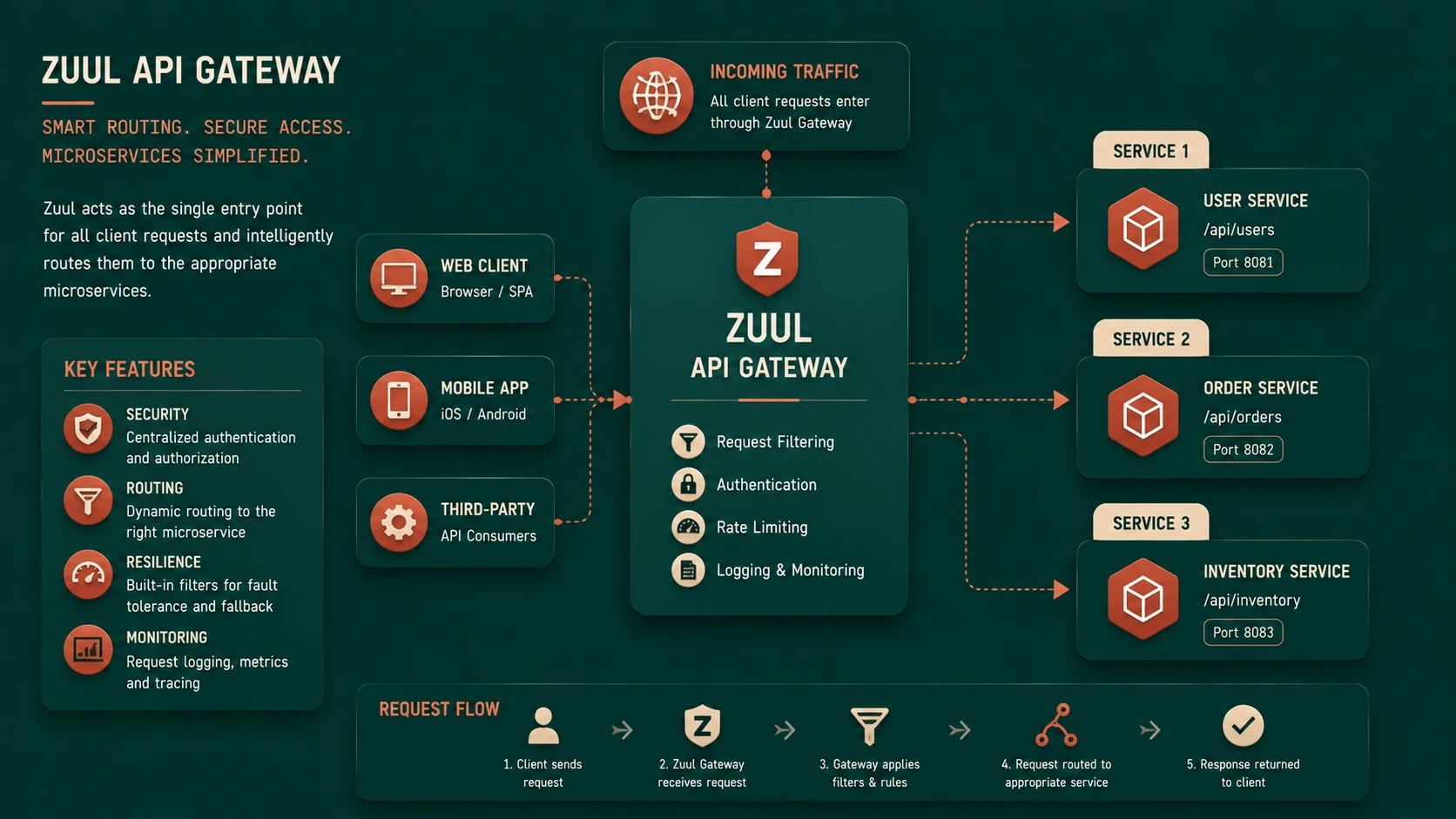
Microservices Architecture: Orchestrating Netflix OSS Eureka and Zuul Gateways
As organizations adopt microservices, service discovery and intelligent request routing become critical architectural concerns. This article examines Netflix OSS Eureka and Zuul from the perspective of February 2015, exploring service registration, API gateway design, resilience patterns, scalability, and enterprise deployment considerations.