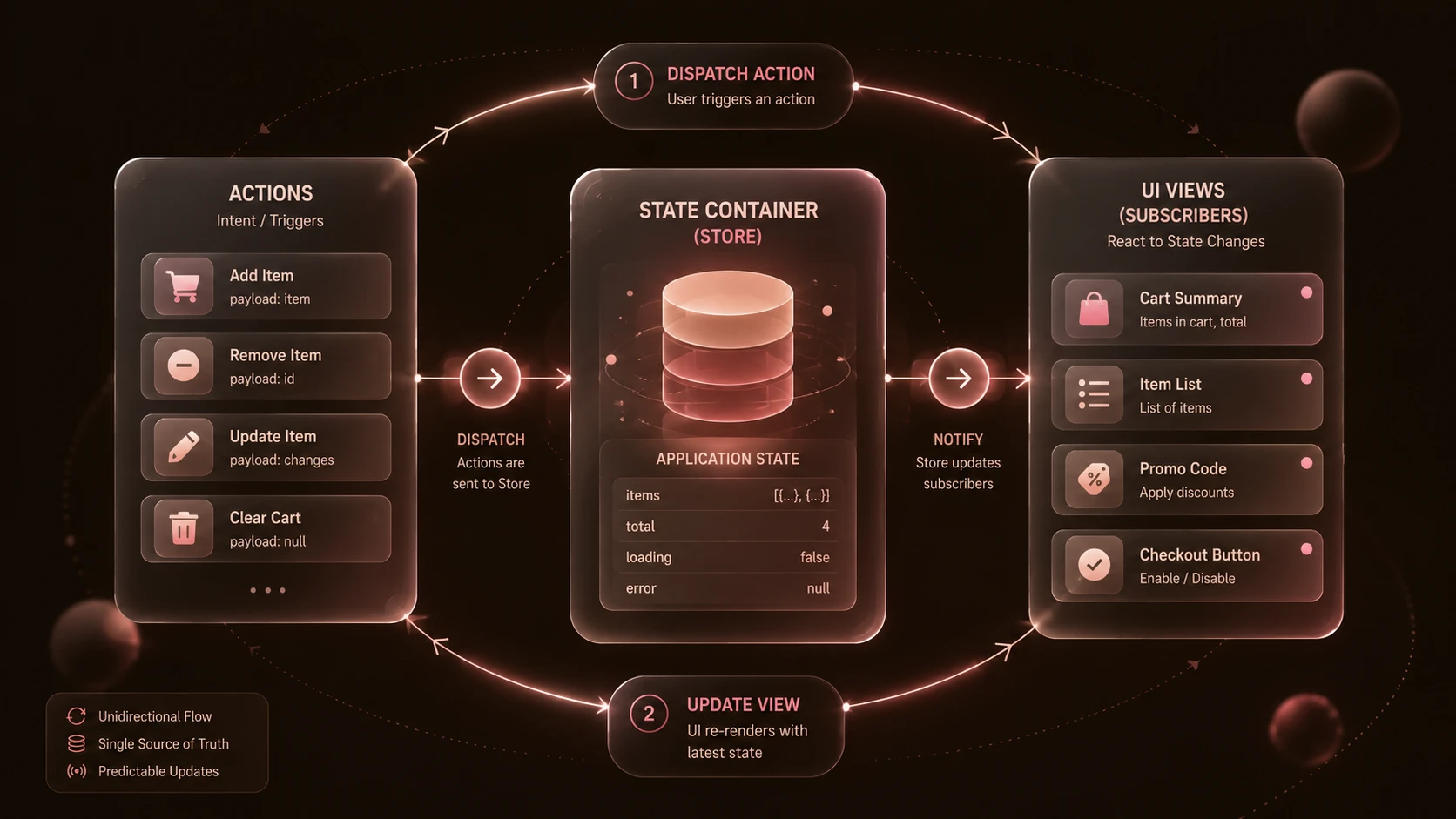
Introduction
Modern Single Page Applications (SPAs) have evolved far beyond simple user interfaces. Enterprise web applications now contain complex dashboards, authentication workflows, offline data synchronization, notifications, routing, and real-time interactions. As React gains momentum for building component-based interfaces, developers increasingly encounter one recurring challenge: managing application state across large numbers of interconnected components.
Passing state through deeply nested component hierarchies often leads to tightly coupled code, duplicated logic, and difficult debugging. As applications grow, maintaining consistency between views and business logic becomes increasingly difficult.
Redux 3.0 addresses these challenges through a predictable state container based on a single immutable application store and explicit state transitions. Inspired by Flux architecture while simplifying its implementation, Redux encourages unidirectional data flow, pure reducers, and centralized state management.
For enterprise architects building large React applications, Redux offers an architectural pattern that improves maintainability, testability, and long-term scalability.
Industry Background
Rich JavaScript applications increasingly support:
- ◆Customer portals
- ◆Enterprise dashboards
- ◆Financial systems
- ◆CRM platforms
- ◆Business workflow applications
- ◆Real-time collaboration
- ◆Mobile web interfaces
- ◆Administrative consoles
As client-side complexity increases, application state becomes a critical architectural concern.
The Business Problem
Large React applications commonly experience:
- ◆Inconsistent component state
- ◆Difficult debugging
- ◆Excessive prop passing
- ◆Duplicate business logic
- ◆Complex UI synchronization
- ◆Poor maintainability
Development teams require a predictable mechanism for managing shared application state.
Understanding Redux 3.0
Redux is a predictable state container for JavaScript applications.
Instead of allowing individual components to maintain unrelated application state, Redux stores shared state inside a centralized store that can only be modified through dispatched actions processed by reducers.
Core principles include:
- ◆Single source of truth
- ◆Read-only state
- ◆Pure reducer functions
- ◆Predictable state transitions
- ◆Unidirectional data flow
Core Architecture
| Component | Responsibility |
|---|---|
| Store | Holds application state |
| Action | Describes state changes |
| Reducer | Produces new state |
| Dispatch | Sends actions to the store |
| React Components | Render application state |
| Middleware | Extends dispatch behavior |
This architecture separates business logic from presentation while keeping state changes explicit.
How Redux Works
- 1.User interacts with the interface.
- 2.Application dispatches an action.
- 3.Reducers evaluate the action.
- 4.A new application state is produced.
- 5.The store updates.
- 6.React components receive updated state.
- 7.The user interface re-renders.
This predictable workflow simplifies debugging and testing.
Key Features
Single Store
Application state is maintained in one centralized location, improving visibility and consistency.
Pure Reducers
// Redux reducer function demonstrating state immutability patterns
const initialState = { items: [], loading: false };

function cartReducer(state = initialState, action) {
  switch (action.type) {
    case 'ADD_TO_CART':
      return {
        ...state,
        items: [...state.items, action.payload]
      };
    case 'SET_LOADING':
      return {
        ...state,
        loading: action.payload
      };
    default:
      return state;
  }
}
Reducers return new state without modifying existing state, encouraging predictable behavior.
Unidirectional Data Flow
State changes follow a single, well-defined path that simplifies reasoning about application behavior.
Middleware Support
Middleware enables logging, asynchronous operations, and other cross-cutting concerns without changing application logic.
Time-Travel Debugging Support
Because state transitions are explicit, development tools can inspect and replay application state changes.
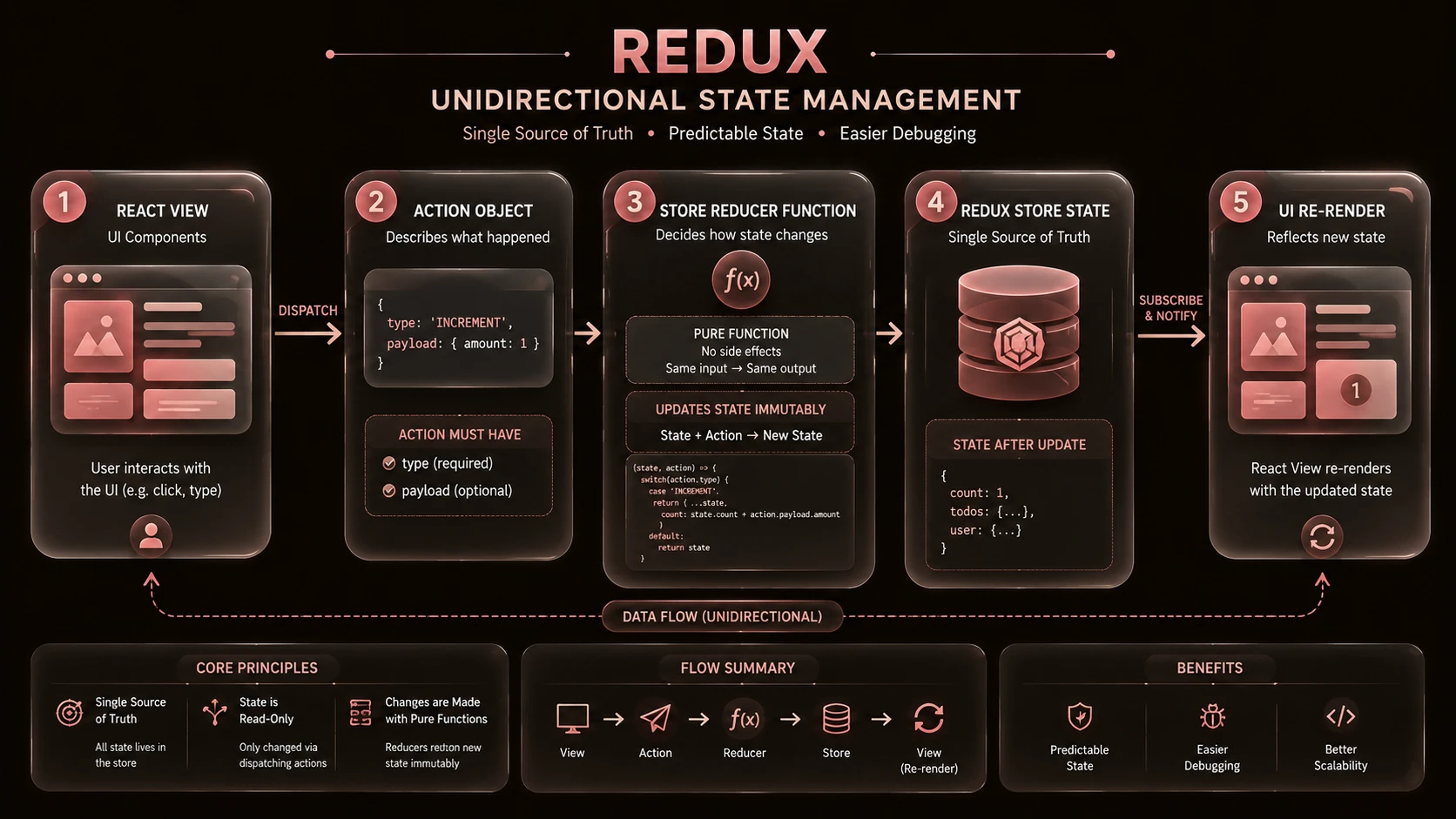
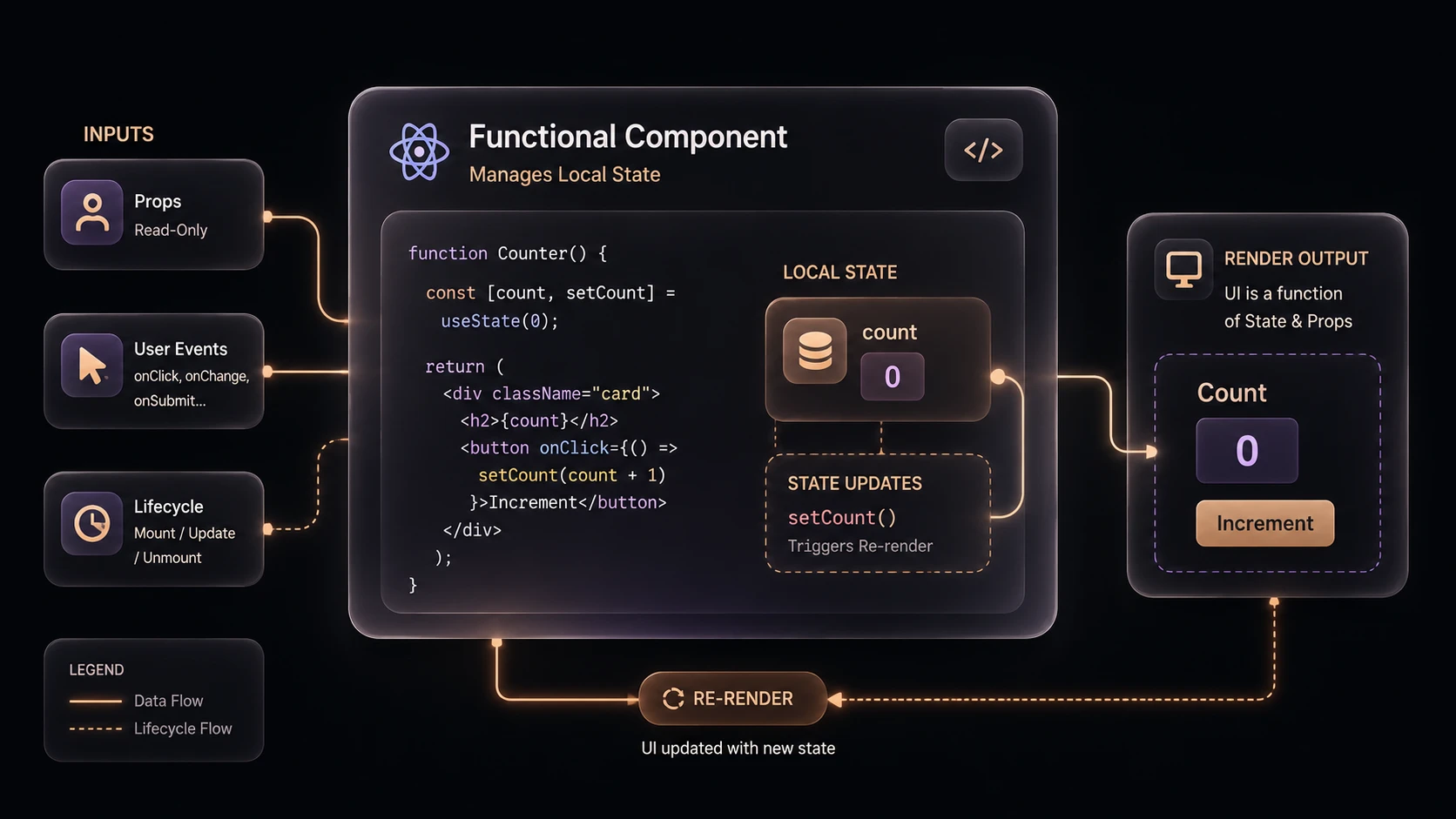
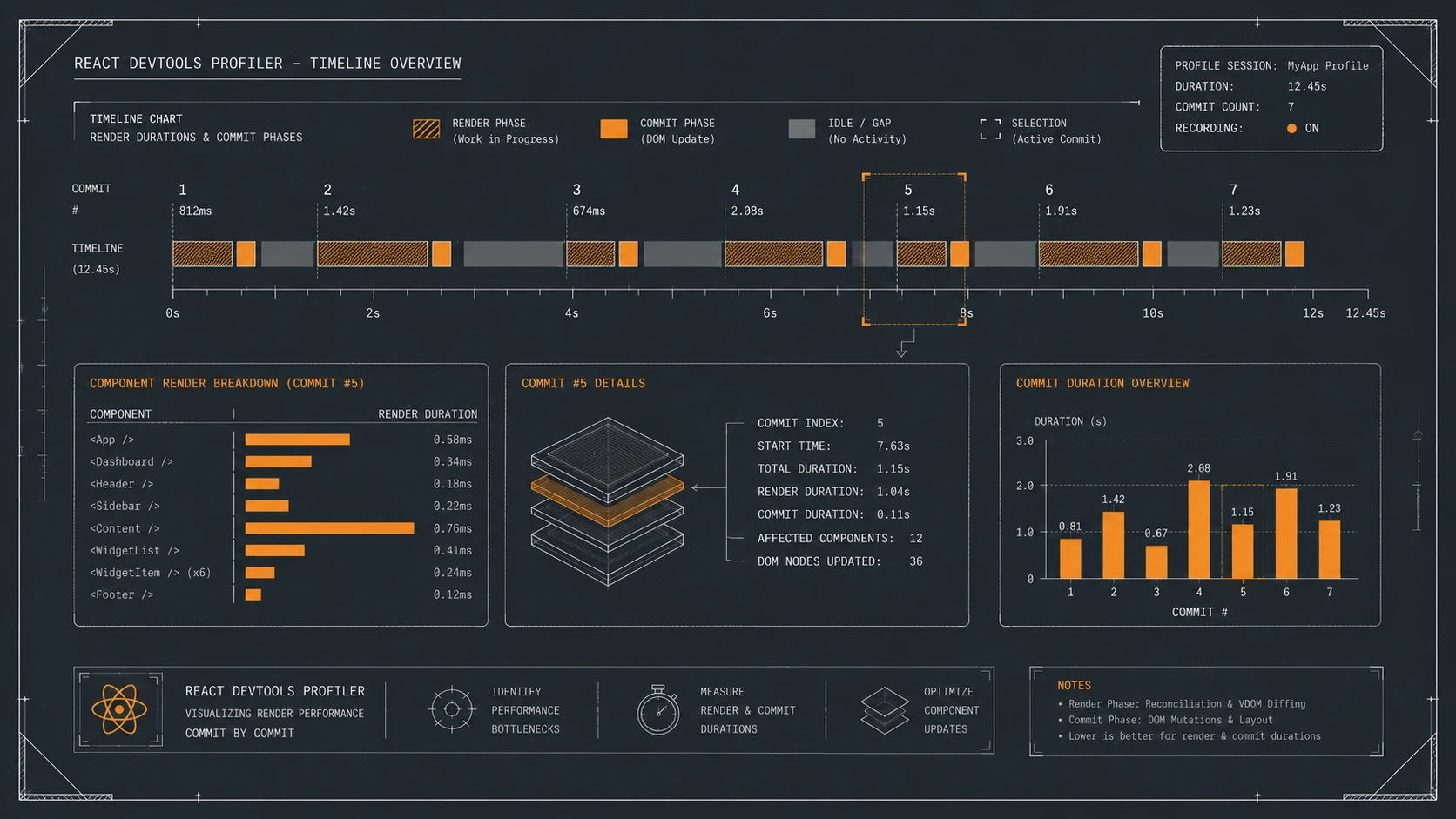
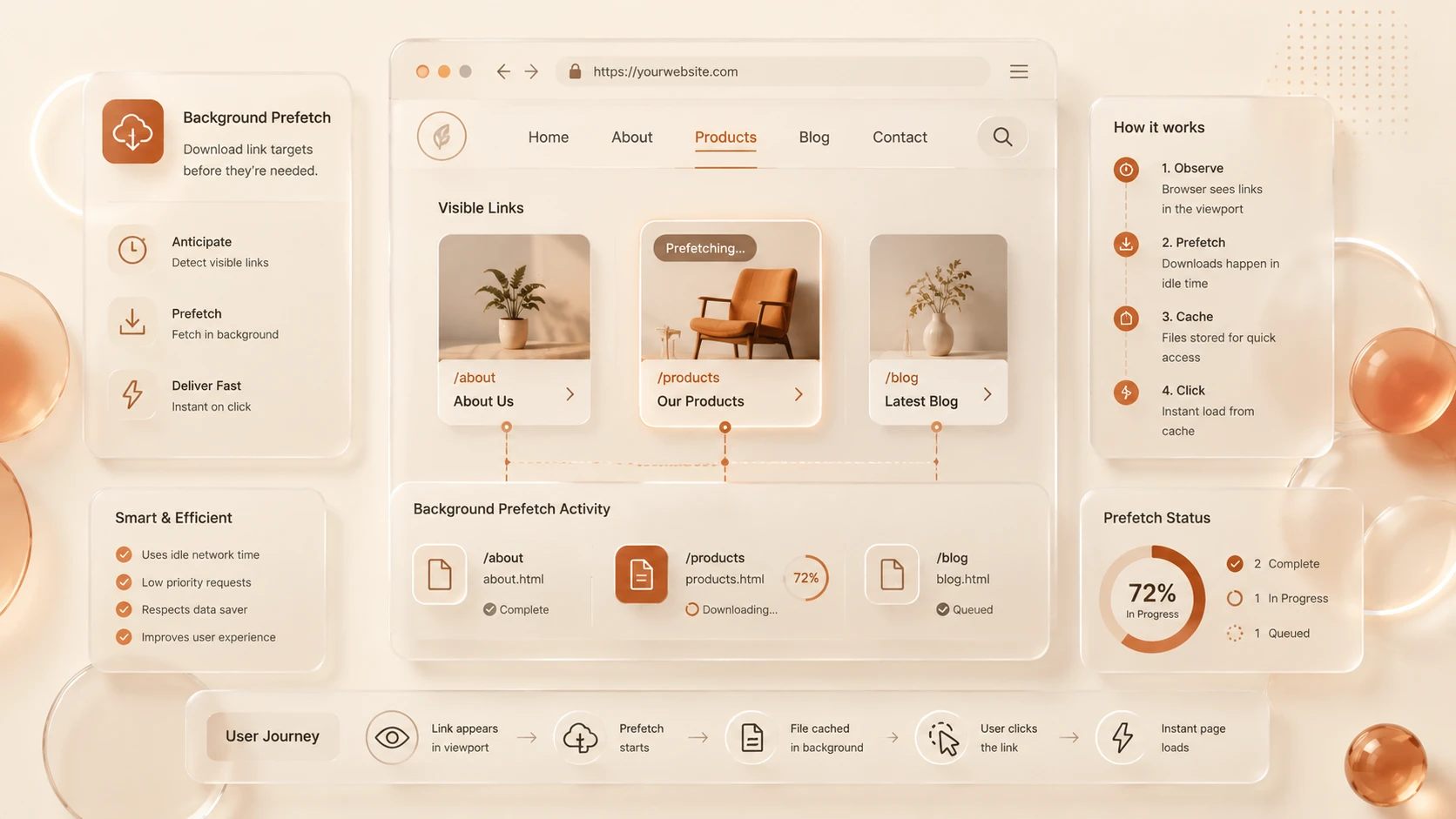
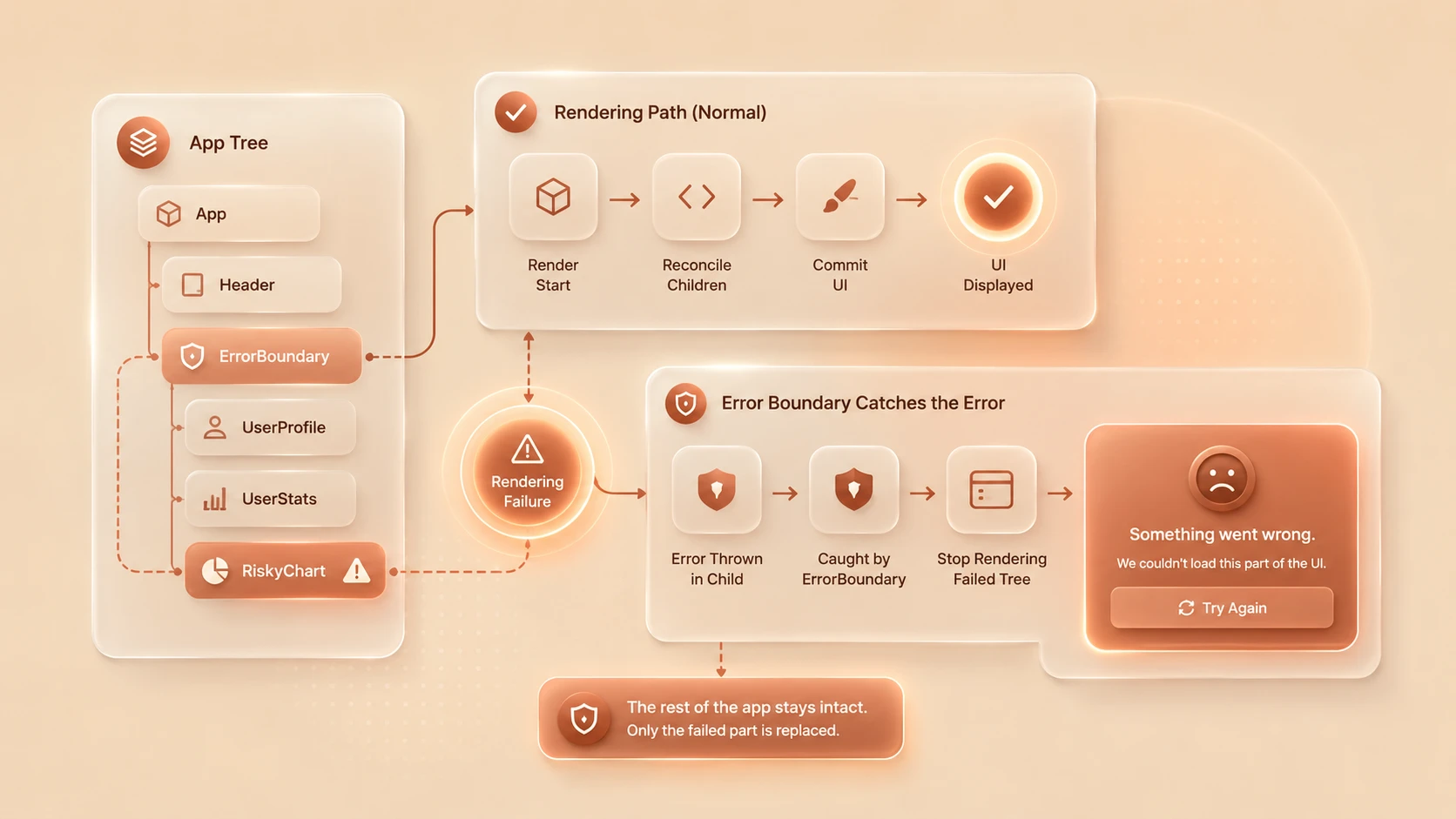
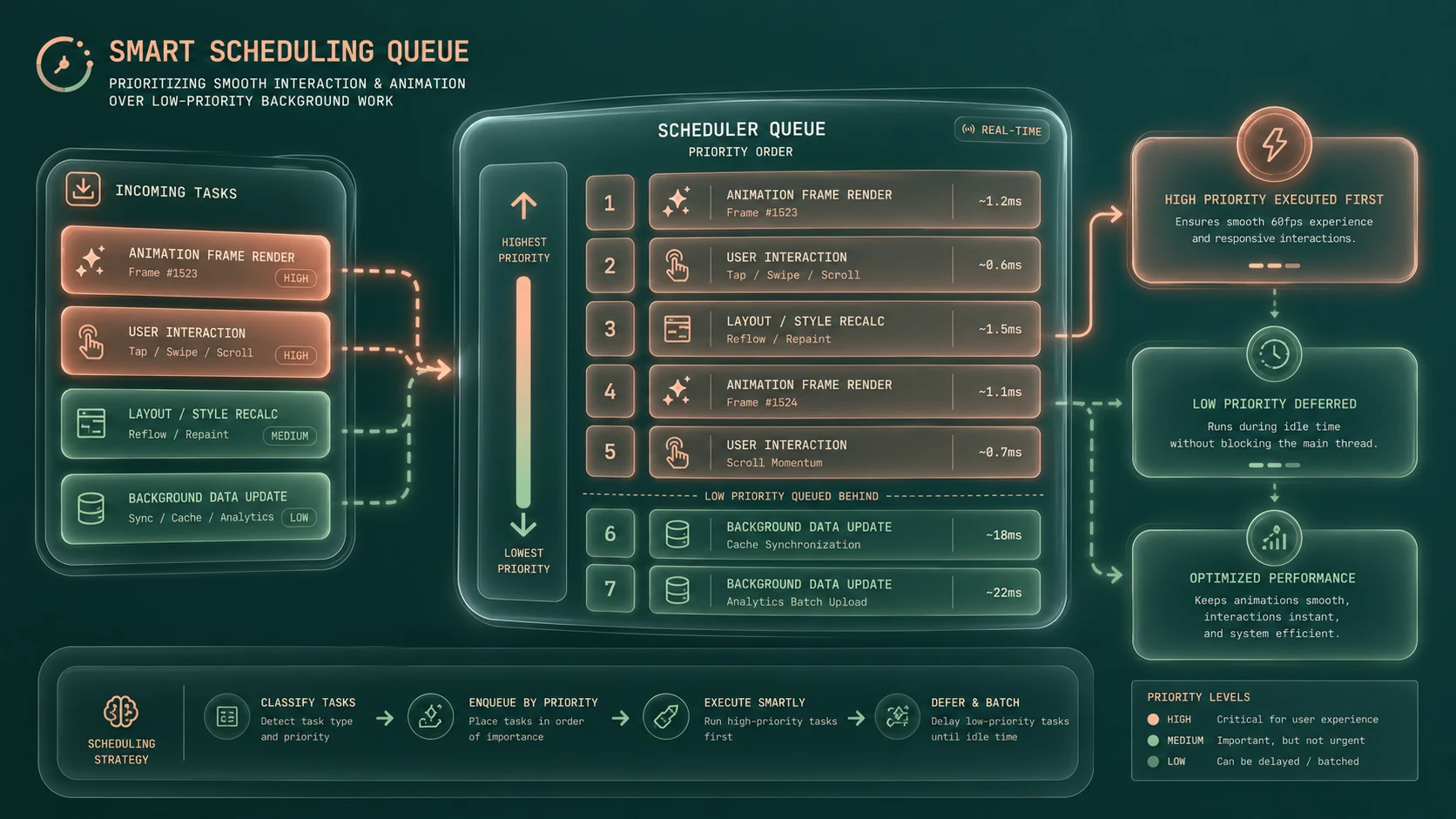
System architecture diagram and conceptual workflow layout for Redux 3.0: Standardizing State Management inside React Single Page Applications.
Enterprise Use Cases
Customer Relationship Management
Shared application state simplifies complex forms and workflows.
Business Dashboards
Multiple components can consume consistent reporting data.
E-Commerce Applications
Shopping carts, authentication, and catalog state remain synchronized.
Administrative Portals
Centralized state improves consistency across multiple application modules.
Real-Time Applications
Predictable updates simplify handling incoming events and notifications.
Performance Considerations
Redux introduces minimal runtime overhead but encourages efficient rendering by making state updates predictable.
Performance considerations include:
- ◆Reducer efficiency
- ◆Store organization
- ◆Component rendering
- ◆State normalization
- ◆Middleware usage
Careful application architecture remains essential for large-scale projects.
Security Considerations
Redux manages application state rather than application security.
Enterprise applications should continue implementing:
- ◆Authentication
- ◆Authorization
- ◆Input validation
- ◆HTTPS
- ◆Secure session management
- ◆Server-side access control
Sensitive information should be handled carefully regardless of the client-side state architecture.
Scalability
Redux supports scalable front-end development through:
- ◆Centralized state
- ◆Modular reducers
- ◆Predictable updates
- ◆Easier testing
- ◆Improved collaboration
These characteristics make Redux well suited for large engineering teams.
Best Practices
- ◆Keep reducers pure.
- ◆Normalize application state.
- ◆Separate UI state from business state.
- ◆Use middleware judiciously.
- ◆Organize actions consistently.
- ◆Keep components focused.
- ◆Write automated tests for reducers.
- ◆Monitor rendering performance.
Common Mistakes
| Mistake | Enterprise Impact |
|---|---|
| Mutating state directly | Unpredictable application behavior |
| Oversized global store | Reduced maintainability |
| Business logic inside components | Tight coupling |
| Excessive action complexity | Difficult debugging |
| Ignoring reducer organization | Poor scalability |
| Storing transient UI data globally | Unnecessary complexity |
Technology Comparison
| Capability | Component State | Redux 3.0 |
|---|---|---|
| Shared State | Limited | Centralized |
| Predictability | Moderate | High |
| Debugging | Component Focused | Action-Based |
| Scalability | Moderate | Excellent |
| Time-Travel Debugging | No | Supported |
| Team Collaboration | Moderate | Improved |
Adoption Strategy
- 1.Identify shared application state.
- 2.Introduce Redux into new modules.
- 3.Keep local UI state inside components where appropriate.
- 4.Standardize action naming.
- 5.Organize reducers by business domain.
- 6.Introduce middleware only when required.
- 7.Measure application maintainability.
- 8.Expand adoption gradually.
Limitations
Redux introduces additional architectural concepts that may not be necessary for small applications. Teams must understand actions, reducers, immutable updates, and store organization before realizing its full benefits. Applications with minimal shared state may not require centralized state management.
Looking Ahead
From the perspective of January 2016, Redux 3.0 has established itself as one of the most influential architectural patterns for React applications. Its emphasis on predictable state transitions, centralized data management, and unidirectional flow provides enterprise development teams with a disciplined foundation for building maintainable Single Page Applications. As React adoption continues to expand, structured state management solutions such as Redux are expected to play an increasingly important role in large-scale front-end software engineering.