Introduction
React has become one of the dominant technologies for building modern web applications, but as enterprise projects grow in size, engineering teams face increasing challenges balancing performance, scalability, developer productivity, and deployment efficiency. Static Site Generation (SSG), Server-Side Rendering (SSR), and client-side rendering each provide unique advantages, yet selecting the appropriate rendering strategy often requires architectural trade-offs.
Next.js has steadily evolved to bridge these rendering models, allowing developers to choose the most appropriate approach for each application. Earlier releases introduced automatic code splitting, file-based routing, API routes, and Static Site Generation. These capabilities established Next.js as a strong foundation for production React applications.
Next.js 9.4 continues this evolution through significant improvements in both development workflows and deployment architecture. Fast Refresh dramatically improves the feedback loop during development, while early support for Incremental Static Regeneration (ISR) introduces a new approach for updating statically generated content without rebuilding an entire website.
From the perspective of June 2020, these features represent an important step toward scalable hybrid rendering architectures capable of supporting enterprise websites with frequently changing content.
Industry Background
Modern web applications increasingly demand:
- ◆High performance.
- ◆Fast deployment.
- ◆Strong search engine visibility.
- ◆Excellent developer experience.
- ◆Scalable content delivery.
- ◆Efficient build pipelines.
- ◆Cloud-native deployment.
Organizations commonly develop:
- ◆Marketing websites.
- ◆SaaS platforms.
- ◆Documentation portals.
- ◆E-commerce applications.
- ◆Enterprise dashboards.
- ◆Customer portals.
- ◆Headless CMS front ends.
Balancing content freshness with deployment speed has become an increasingly important engineering challenge.
The Business Problem
Large React applications frequently encounter several operational issues.
Organizations commonly experience:
- ◆Long build times.
- ◆Slow development feedback.
- ◆Full-site rebuild requirements.
- ◆Deployment delays.
- ◆Complex rendering strategies.
- ◆Infrastructure scaling concerns.
- ◆Reduced developer productivity.
Traditional static site generation requires rebuilding every page whenever content changes, even if only a small portion of the site has been updated.
Next.js 9.4 introduces architectural improvements designed to reduce these operational bottlenecks.
Understanding the Technology
Next.js 9.4 expands the framework through improvements targeting both development and production deployment.
Major enhancements include:
- ◆Fast Refresh.
- ◆Incremental Static Regeneration preview.
- ◆Environment variable support.
- ◆Improved development tooling.
- ◆Enhanced build workflows.
- ◆Hybrid rendering improvements.
Together these capabilities improve both engineering productivity and deployment flexibility.
Core Architecture
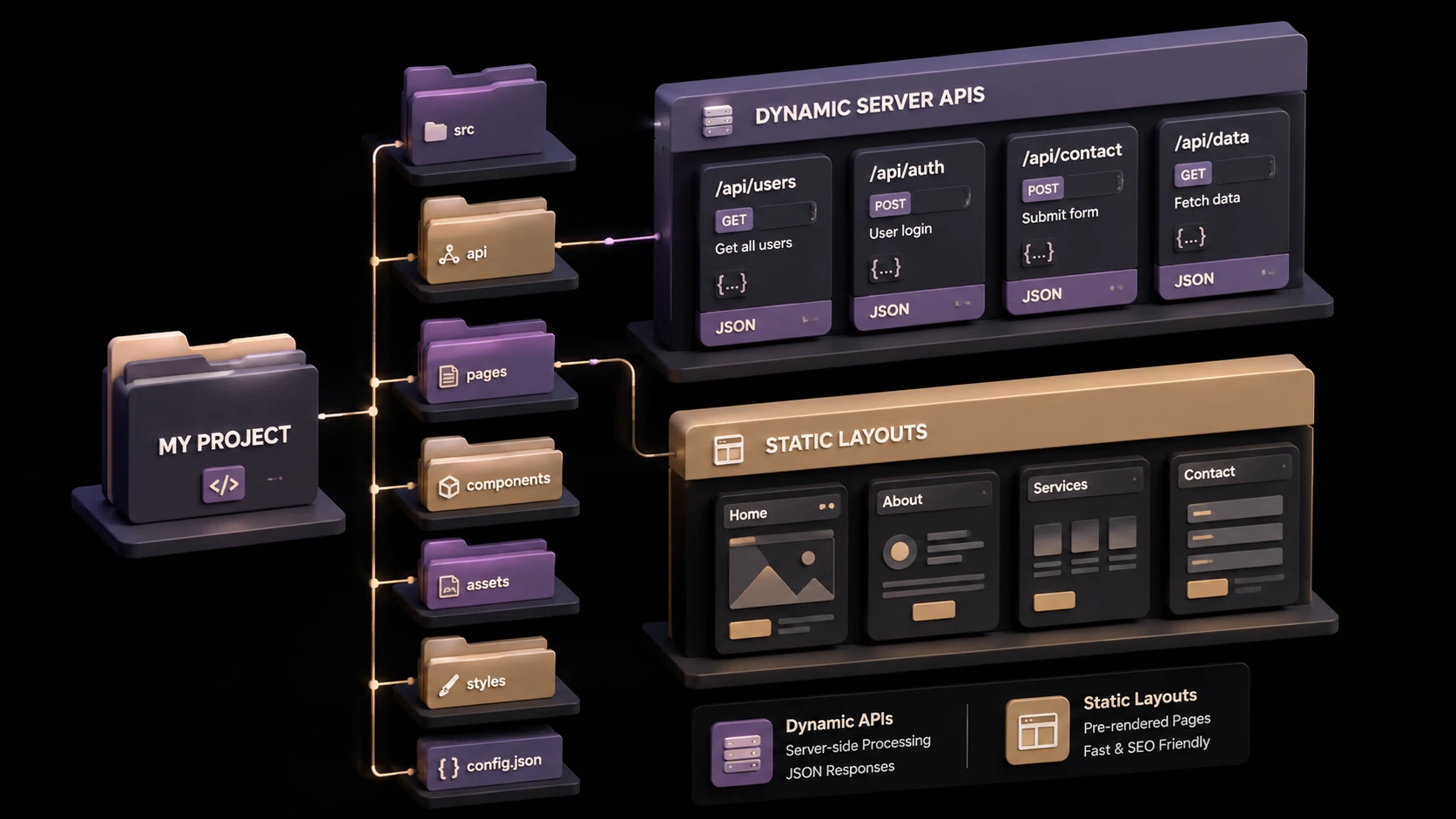
A simplified Next.js 9.4 architecture appears below.
| Component | Responsibility |
|---|---|
| React Components | User interface |
| Next.js Router | File-based routing |
| Fast Refresh Engine | Development updates |
| Static Generation | Build-time rendering |
| Incremental Static Regeneration | On-demand page regeneration |
| Node.js Runtime | Server execution |
| CDN | Static asset delivery |
Next.js coordinates rendering, routing, and deployment while enabling multiple rendering strategies within a single application.
Key Features
Fast Refresh
The most visible improvement in Next.js 9.4 is Fast Refresh.
Fast Refresh provides nearly instantaneous feedback during development by updating application code while preserving component state whenever possible.
Compared to traditional full page reloads, developers benefit from:
- ◆Faster code iteration.
- ◆Preserved application state.
- ◆Reduced interruption.
- ◆Improved debugging.
- ◆Higher development productivity.
This significantly improves the day-to-day developer experience.
Incremental Static Regeneration (Preview)
One of the most important architectural innovations introduced as a preview in Next.js 9.4 is Incremental Static Regeneration.
Traditional static generation requires rebuilding an entire website whenever content changes.
ISR introduces a different model by allowing individual pages to be regenerated after deployment when appropriate.
This approach enables websites to combine:
- ◆Static performance.
- ◆Content freshness.
- ◆Reduced build times.
- ◆Efficient deployments.
without requiring complete site rebuilds for every update.
Environment Variable Support
Next.js 9.4 improves application configuration through integrated environment variable support.
Developers can separate application configuration from source code while simplifying deployment across multiple environments.
Common scenarios include:
- ◆API endpoints.
- ◆Authentication configuration.
- ◆Feature flags.
- ◆Deployment settings.
Hybrid Rendering
Next.js continues strengthening its ability to combine multiple rendering strategies within a single application.
Organizations can select rendering approaches based upon application requirements instead of enforcing a single architecture.
Improved Developer Experience
Combined improvements to tooling, build systems, and development workflows reduce friction throughout the software lifecycle.
Production Deployment Flexibility
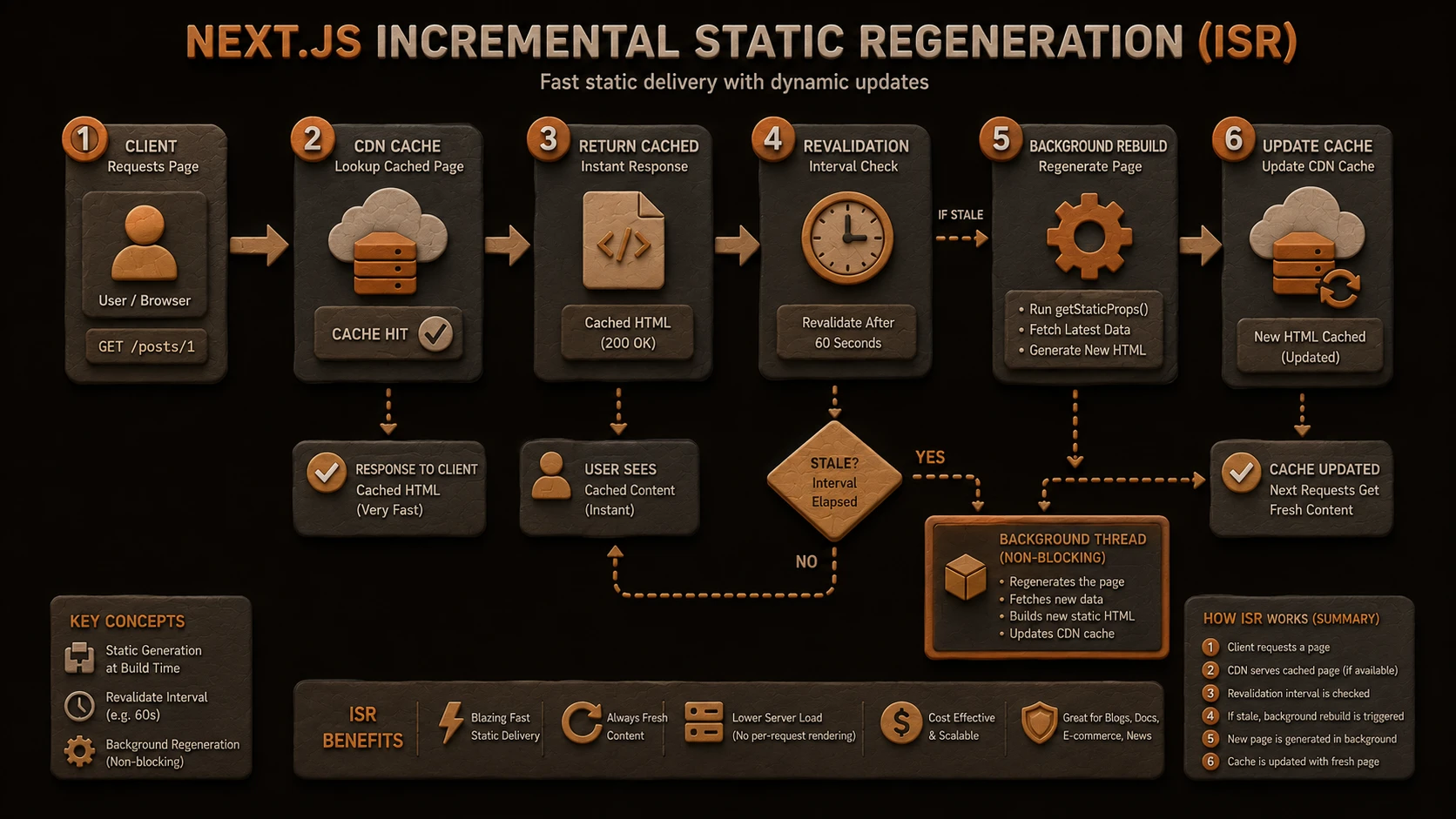
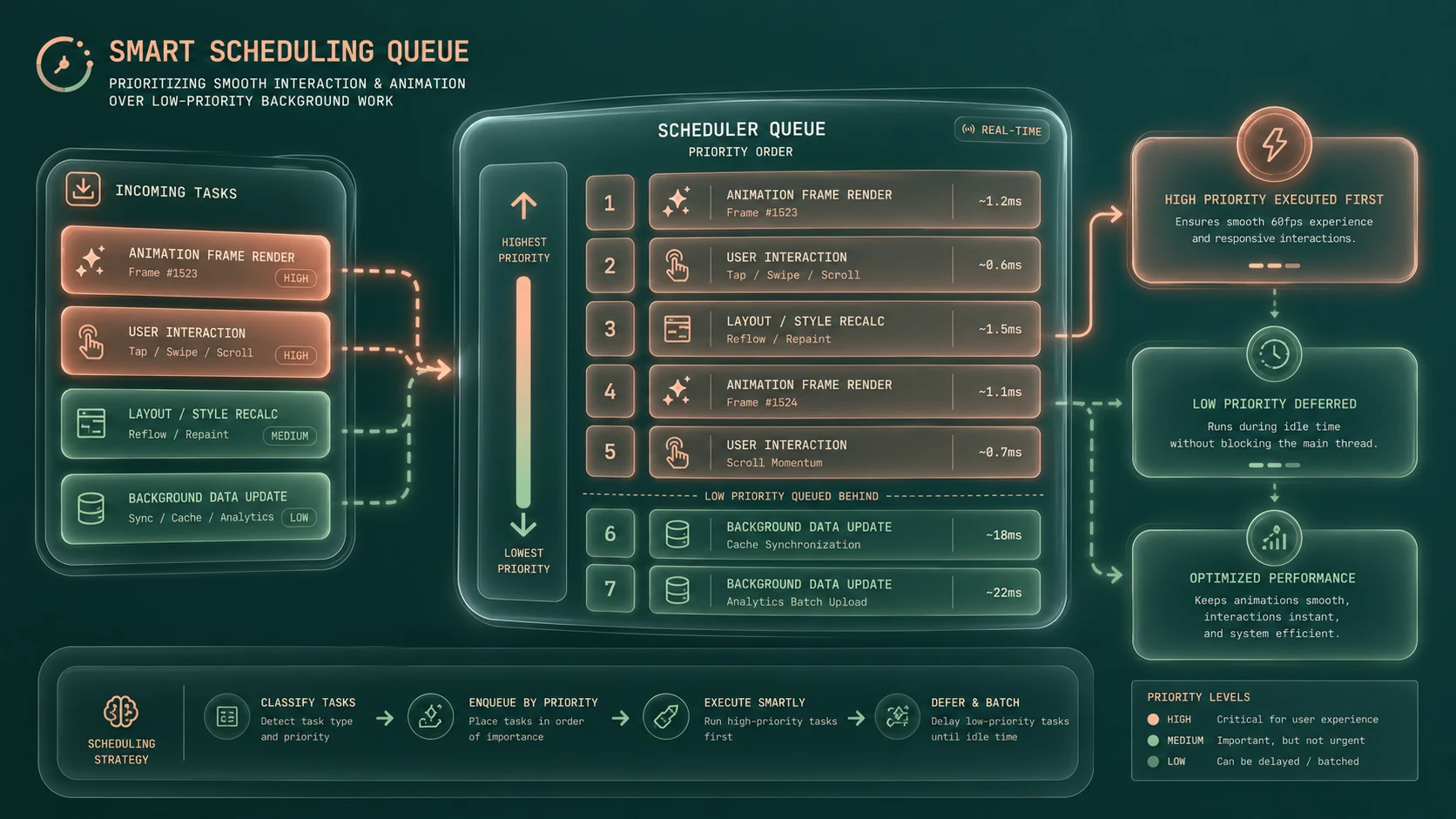
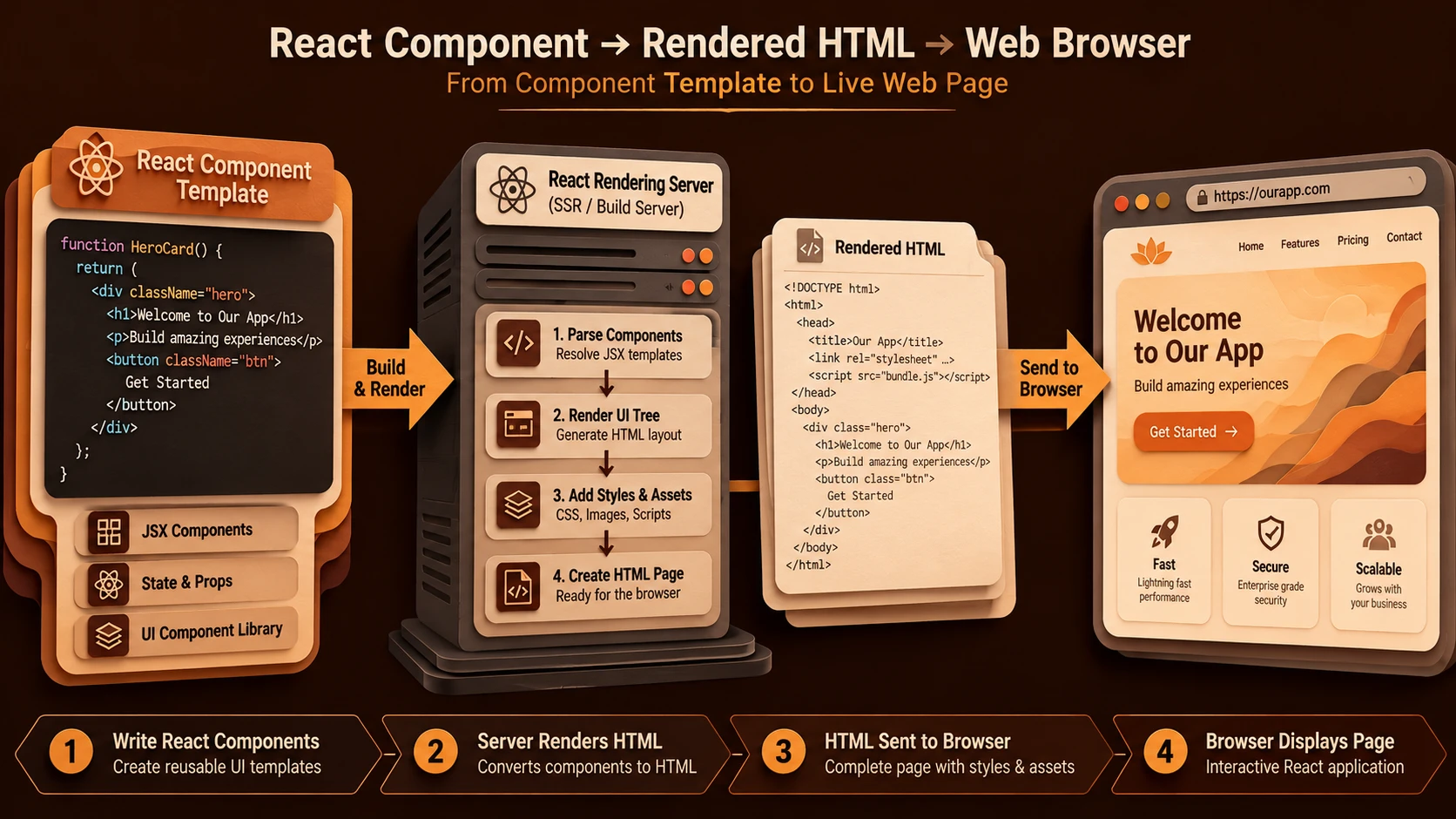
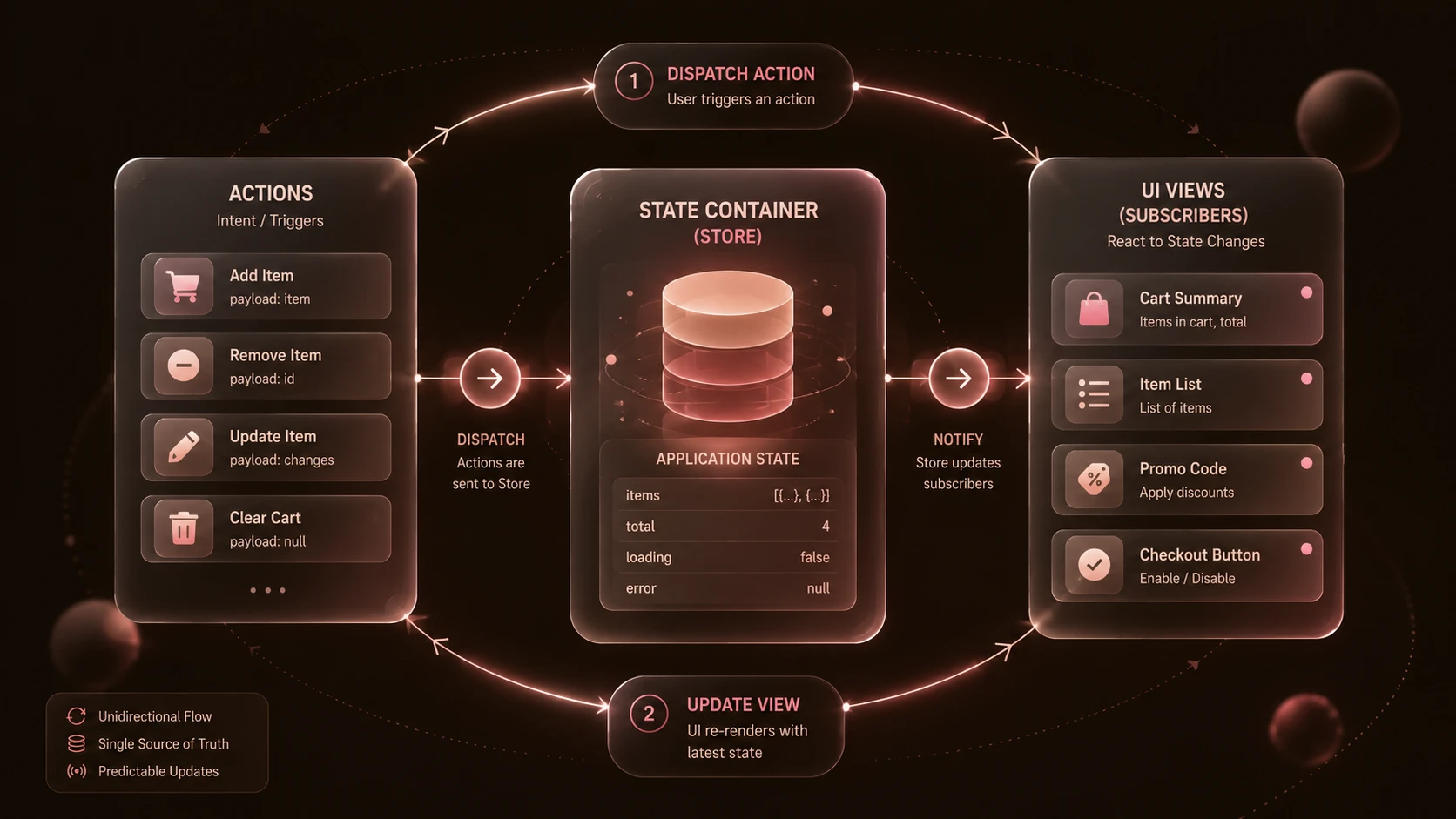
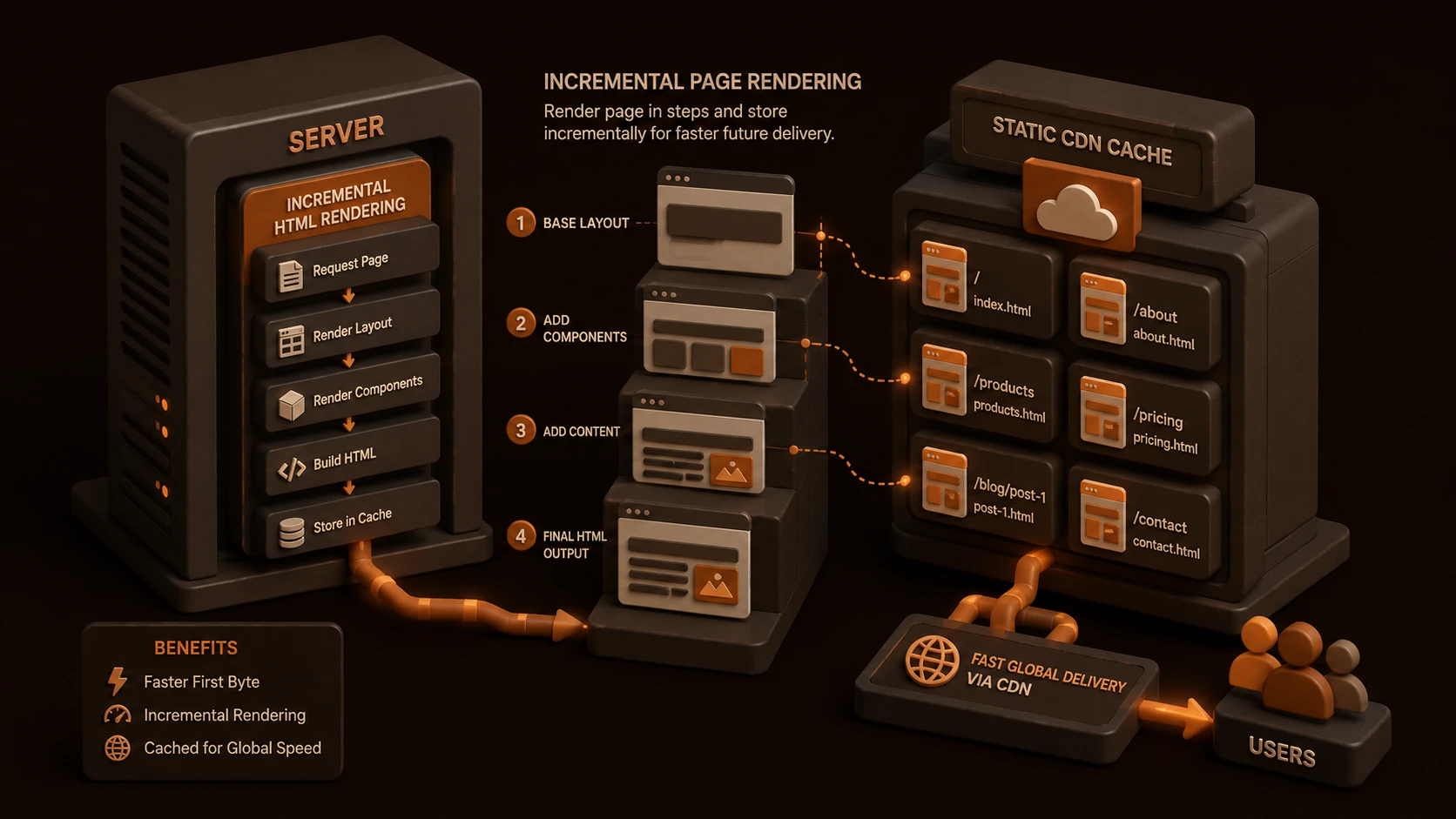
System architecture diagram and conceptual workflow layout for Next.js 9.4: Fast Refresh and Incremental Static Regeneration (ISR) Previews.
ISR previews demonstrate how static websites may evolve toward more dynamic deployment models while preserving many performance advantages associated with static content.
How It Works
A simplified rendering workflow appears below.
Content Source
        |
Static Generation
        |
Deploy Website
        |
User Request
        |
Regeneration Needed?
      /        \
    No          Yes
     |            |
Serve Cached   Regenerate Page
Page            |
         Update Cache
Rather than rebuilding the complete application, selected pages can be regenerated independently when required.
Enterprise Use Cases
Enterprise Marketing Websites
Organizations publishing large amounts of content benefit from reduced deployment times while maintaining static performance.
E-Commerce Platforms
Product pages with changing inventory or pricing can potentially benefit from selective regeneration strategies.
Documentation Portals
Frequently updated technical documentation can be refreshed without rebuilding the entire website.
SaaS Platforms
Customer-facing landing pages and documentation benefit from faster deployments and improved development workflows.
Headless CMS Architectures
Content-driven websites gain greater flexibility by combining static rendering with incremental content updates.
Performance Considerations
Next.js 9.4 improves both development and production performance.
Organizations should evaluate:
- ◆Development rebuild speed.
- ◆Fast Refresh responsiveness.
- ◆Static generation duration.
- ◆Page regeneration frequency.
- ◆CDN cache efficiency.
- ◆Application startup performance.
Representative production testing remains essential before broad deployment.
Security Considerations
Next.js 9.4 introduces no fundamental changes to application security responsibilities.
Organizations should continue implementing:
- ◆HTTPS.
- ◆Secure environment variable management.
- ◆Authentication.
- ◆Authorization.
- ◆Content validation.
- ◆Dependency management.
Configuration data should remain outside application source code wherever practical.
Scalability
Next.js 9.4 strengthens enterprise scalability through:
- ◆Faster development cycles.
- ◆Reduced deployment overhead.
- ◆Flexible rendering models.
- ◆Incremental content updates.
- ◆CDN-friendly architecture.
These improvements become increasingly valuable as websites expand to thousands of pages.
Best Practices
Organizations adopting Next.js 9.4 should:
- ◆Standardize Fast Refresh across development environments.
- ◆Evaluate Incremental Static Regeneration for content-heavy applications.
- ◆Store configuration using environment variables.
- ◆Benchmark build pipelines after upgrading.
- ◆Continue separating presentation from content management.
- ◆Test rendering behavior across production environments.
- ◆Monitor deployment performance following adoption.
Incremental adoption allows engineering teams to validate architectural benefits while minimizing deployment risk.
Common Mistakes
| Mistake | Business Impact |
|---|---|
| Assuming every page requires Incremental Static Regeneration | Unnecessary architectural complexity |
| Treating Fast Refresh as a substitute for production testing | Deployment risk |
| Storing sensitive configuration directly in source code | Security concerns |
| Ignoring cache behavior when designing regeneration strategies | Reduced performance |
| Selecting rendering strategies without workload analysis | Inefficient architecture |
| Skipping deployment benchmarking | Operational uncertainty |
Successful adoption depends on choosing rendering strategies based on application requirements rather than applying a single model universally.
Technology Comparison
| Characteristic | Earlier Next.js Releases | Next.js 9.4 |
|---|---|---|
| Development Reloading | Standard Hot Reloading | Fast Refresh |
| Static Site Updates | Full rebuild required | Incremental Static Regeneration preview |
| Environment Configuration | External approaches commonly used | Built-in environment variable support |
| Developer Productivity | Strong | Significantly improved |
| Enterprise Deployment | Static and server rendering | More flexible hybrid rendering |
Next.js 9.4 expands the framework's hybrid rendering capabilities while substantially improving the development experience.
Adoption Strategy
Organizations should adopt Next.js 9.4 through a phased rollout.
- 1.Upgrade development environments.
- 2.Enable Fast Refresh across engineering teams.
- 3.Introduce environment variable management.
- 4.Prototype Incremental Static Regeneration for suitable workloads.
- 5.Benchmark production deployments.
- 6.Expand adoption following successful validation.
This gradual strategy minimizes operational risk while allowing teams to evaluate new rendering capabilities.
Limitations
As of June 2020, organizations should recognize several considerations.
- ◆Incremental Static Regeneration is introduced as a preview capability and should be evaluated carefully before widespread production use.
- ◆Existing rendering strategies remain appropriate for many applications.
- ◆Development teams should understand cache behavior before adopting incremental regeneration.
- ◆Deployment platforms should be validated for compatibility with application requirements.
- ◆Production performance should be measured using representative workloads.
These considerations should guide enterprise modernization planning.
Looking Ahead
From the perspective of June 2020, Next.js 9.4 represents a significant evolution in both developer experience and web application deployment architecture. Fast Refresh substantially shortens development feedback loops, allowing engineers to iterate more rapidly while preserving application state. At the same time, the preview of Incremental Static Regeneration introduces an innovative hybrid rendering approach that addresses one of the primary limitations of traditional static site generation.
Together, these capabilities strengthen Next.js as a framework capable of supporting modern enterprise web applications that demand excellent performance, scalable deployment, efficient content management, and productive development workflows. Organizations building content-rich React applications should closely evaluate these new features as they continue planning long-term front-end architecture.