Introduction
As React has matured into one of the dominant libraries for building modern user interfaces, organizations have increasingly encountered challenges that extend beyond component development. Enterprise applications require efficient routing, server-side rendering, optimized asset delivery, search engine visibility, predictable deployment pipelines, and high-performance page loading.
Building these capabilities manually often requires integrating multiple tools including Webpack, Babel, routing libraries, server frameworks, and optimization plugins. While this approach offers flexibility, it also introduces operational complexity and increases maintenance costs.
Next.js was created to simplify React application development by providing an opinionated framework that integrates routing, server-side rendering, code splitting, and build optimization into a unified developer experience. Since its introduction, the framework has steadily evolved alongside React, making it increasingly suitable for enterprise-scale web applications.
Next.js 6.0 represents another important milestone by introducing automatic static page prefetching, greater control over Babel configuration, enhanced routing flexibility, and improved production tooling. Rather than fundamentally changing how developers build React applications, these improvements focus on performance, maintainability, and enterprise deployment.
From the perspective of June 2018, Next.js 6.0 demonstrates the continued maturation of React application frameworks and their readiness for production workloads.
Industry Background
Enterprise web applications increasingly require:
- ◆Server-side rendering.
- ◆Search engine visibility.
- ◆Fast page navigation.
- ◆Progressive loading.
- ◆Modular application architecture.
- ◆Continuous deployment.
- ◆Efficient build tooling.
Organizations developing:
- ◆E-commerce platforms.
- ◆Enterprise dashboards.
- ◆Customer portals.
- ◆Content publishing systems.
- ◆SaaS products.
- ◆Marketing websites.
must balance developer productivity with runtime performance.
Frameworks that reduce infrastructure complexity while maintaining flexibility have become increasingly attractive.
The Business Problem
Large React applications frequently encounter several engineering challenges.
Organizations commonly experience:
- ◆Complex Webpack configurations.
- ◆Manual route management.
- ◆Slow client-side navigation.
- ◆Difficult Babel customization.
- ◆Build pipeline inconsistency.
- ◆Performance optimization challenges.
- ◆Search engine indexing concerns.
Managing these capabilities independently often increases development effort and operational risk.
Next.js 6.0 addresses many of these challenges through convention-based architecture and integrated tooling.
Understanding the Technology
Next.js is a React framework designed for production applications.
Its architecture combines:
- ◆Server-side rendering.
- ◆Automatic routing.
- ◆Static optimization.
- ◆Build automation.
- ◆Code splitting.
- ◆Production bundling.
- ◆React integration.
Version 6.0 extends these capabilities through automatic page prefetching and greater build customization.
Core Architecture
A simplified Next.js 6.0 architecture appears below.
| Component | Responsibility |
|---|---|
| React Components | User interface |
| Pages Directory | Route definitions |
| Next.js Router | Client navigation |
| Babel | JavaScript transformation |
| Webpack | Module bundling |
| Node.js Server | Server-side rendering |
| Browser | Client execution |
The framework coordinates routing, rendering, and asset optimization while allowing developers to focus primarily on application logic.
Key Features
Static Page Prefetching
The headline capability in Next.js 6.0 is automatic static page prefetching.
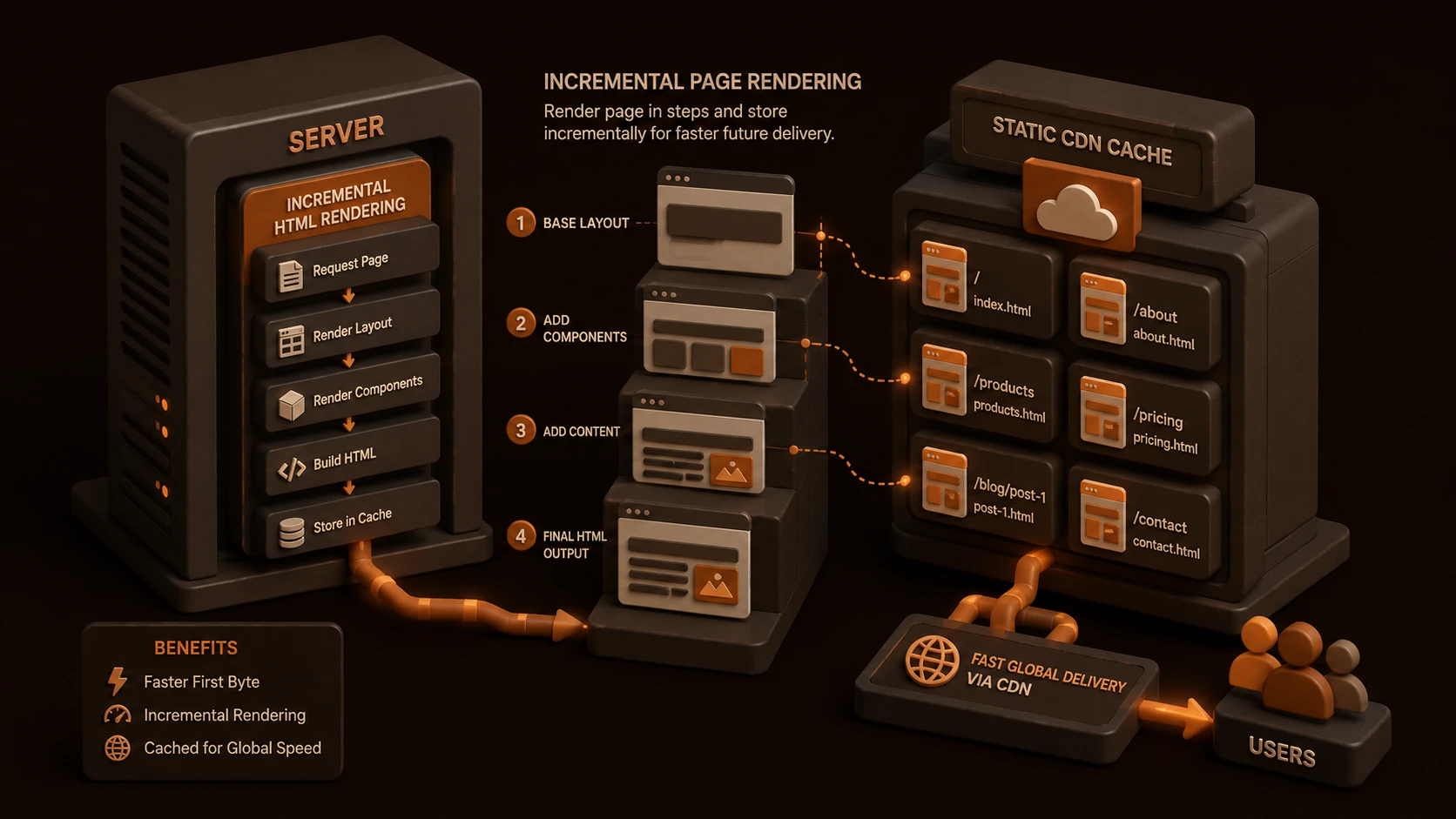
When navigation links become visible within the browser viewport, Next.js can begin downloading JavaScript required for destination pages before the user initiates navigation.
As a result, page transitions often feel significantly faster because resources are already available when navigation occurs.
This optimization is especially valuable for enterprise applications where users frequently move between dashboards, administrative pages, reports, and management consoles.
Custom Babel Configuration
Next.js 6.0 introduces improved support for custom Babel configuration.
Organizations can integrate organization-specific compilation requirements while continuing to leverage Next.js production build processes.
This provides greater flexibility for:
- ◆Language features.
- ◆Compiler plugins.
- ◆Experimental JavaScript proposals.
- ◆Build customization.
without abandoning the framework's integrated tooling.
File-Based Routing
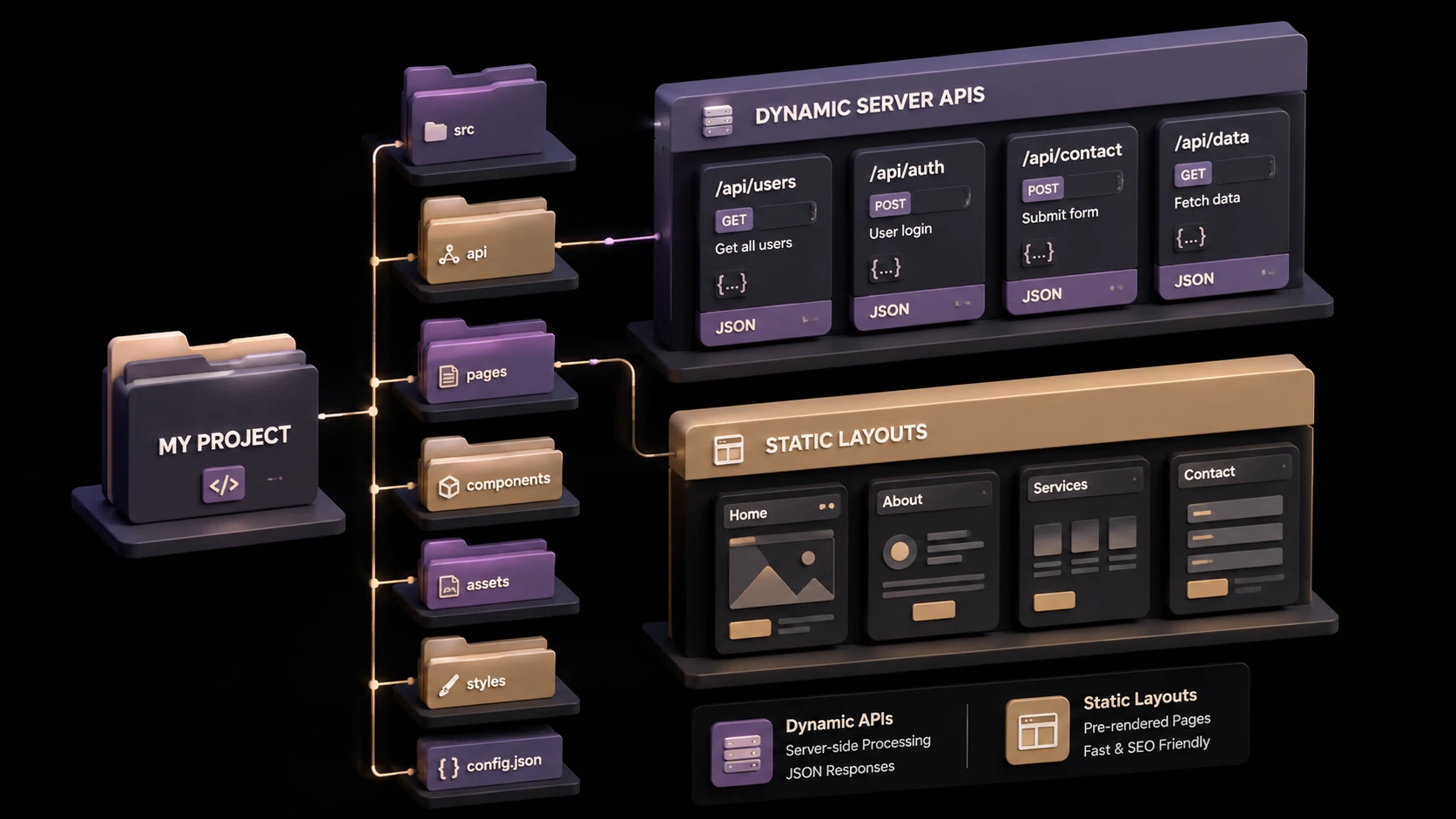
Next.js continues simplifying application routing through its file-system-based routing model.
Each page corresponds naturally to a route, reducing configuration complexity and improving project organization.
This convention minimizes repetitive routing definitions while improving maintainability.
Server-Side Rendering
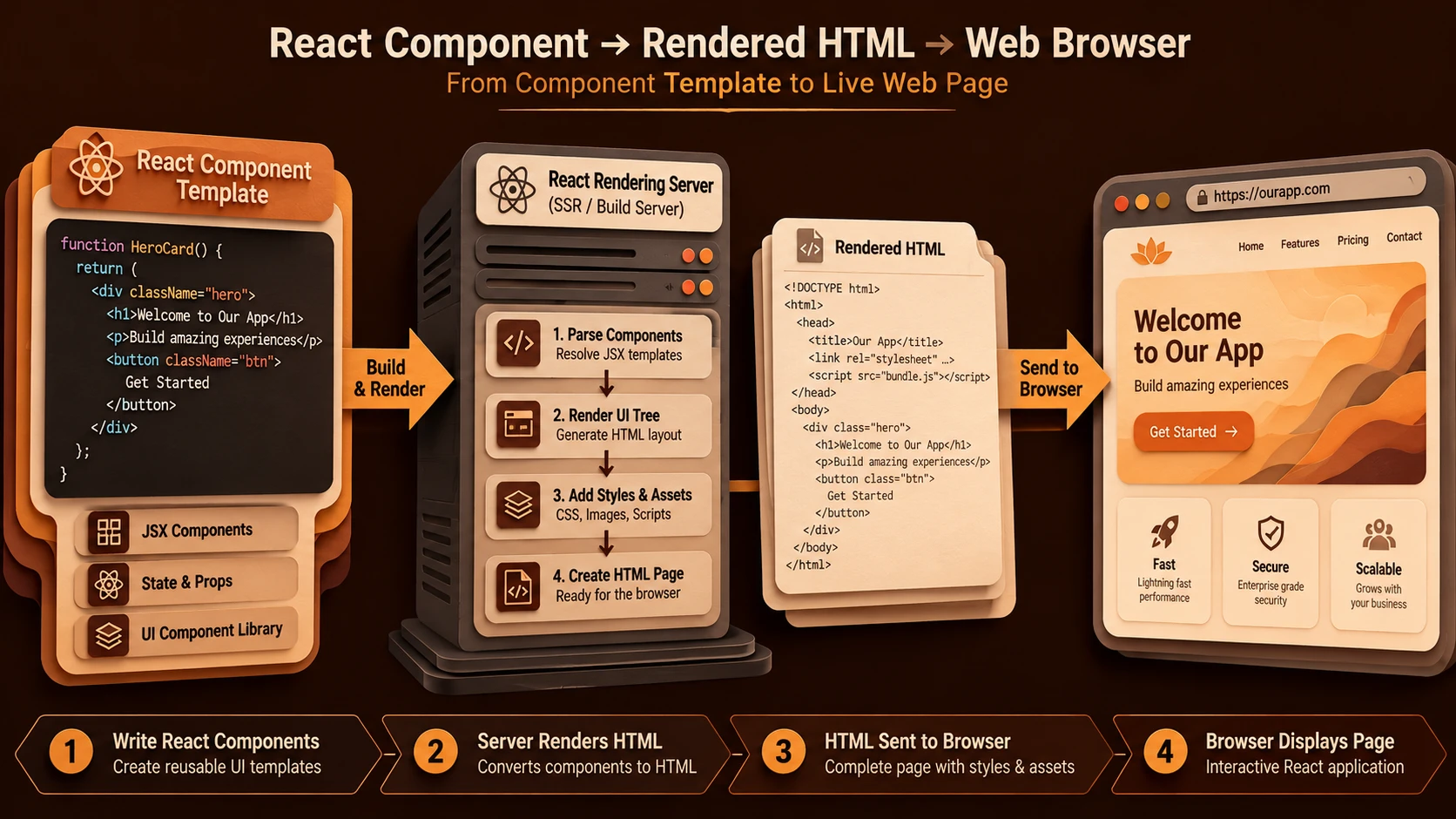
Applications continue benefiting from server-side rendering, allowing HTML to be generated before reaching the browser.
This improves initial page delivery and supports search engine indexing for public-facing websites.
Automatic Code Splitting
Next.js bundles application code efficiently by separating JavaScript into page-specific chunks.
Users download only the resources necessary for pages they visit rather than the entire application.
Production Build Pipeline
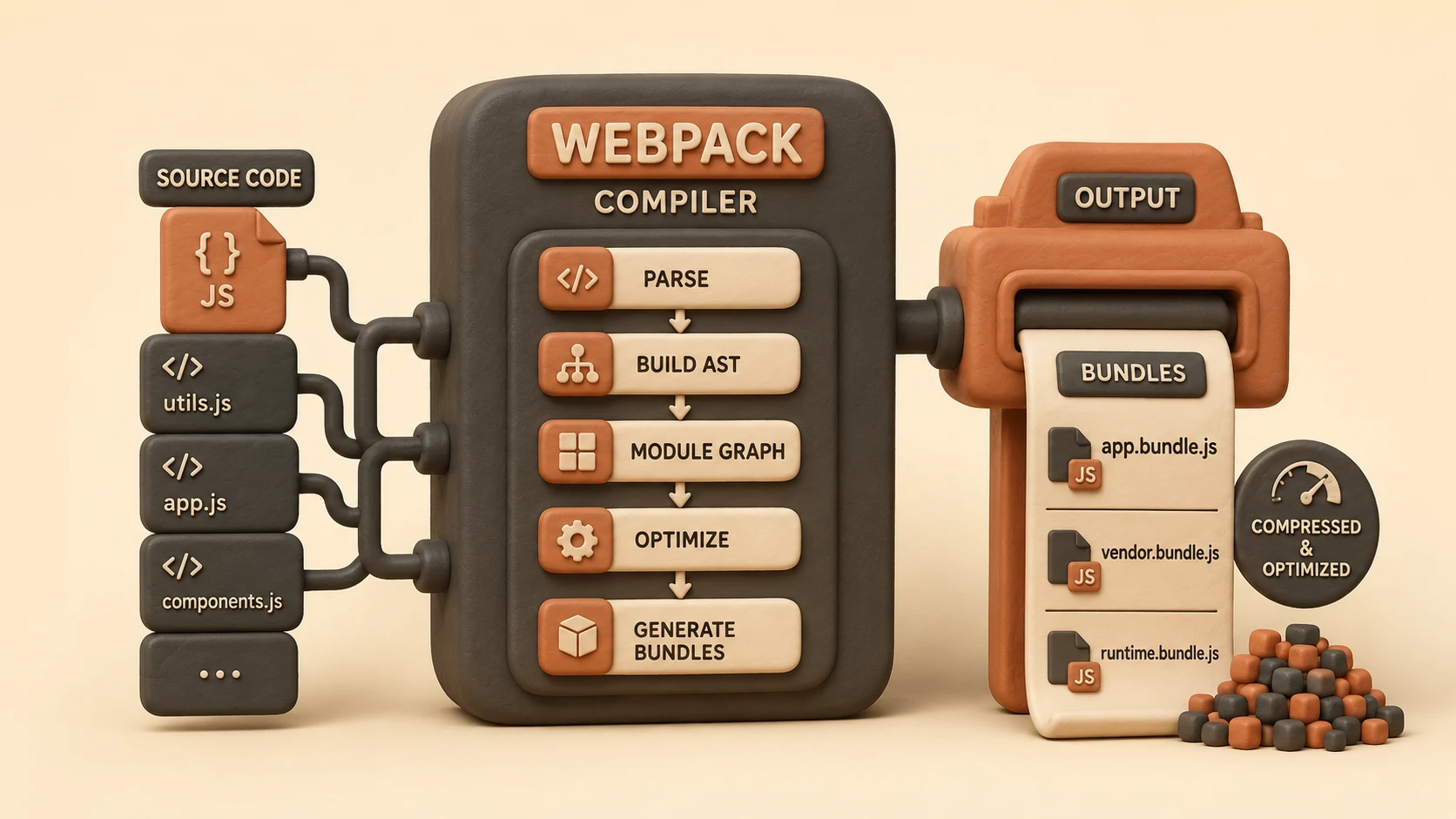
The framework integrates:
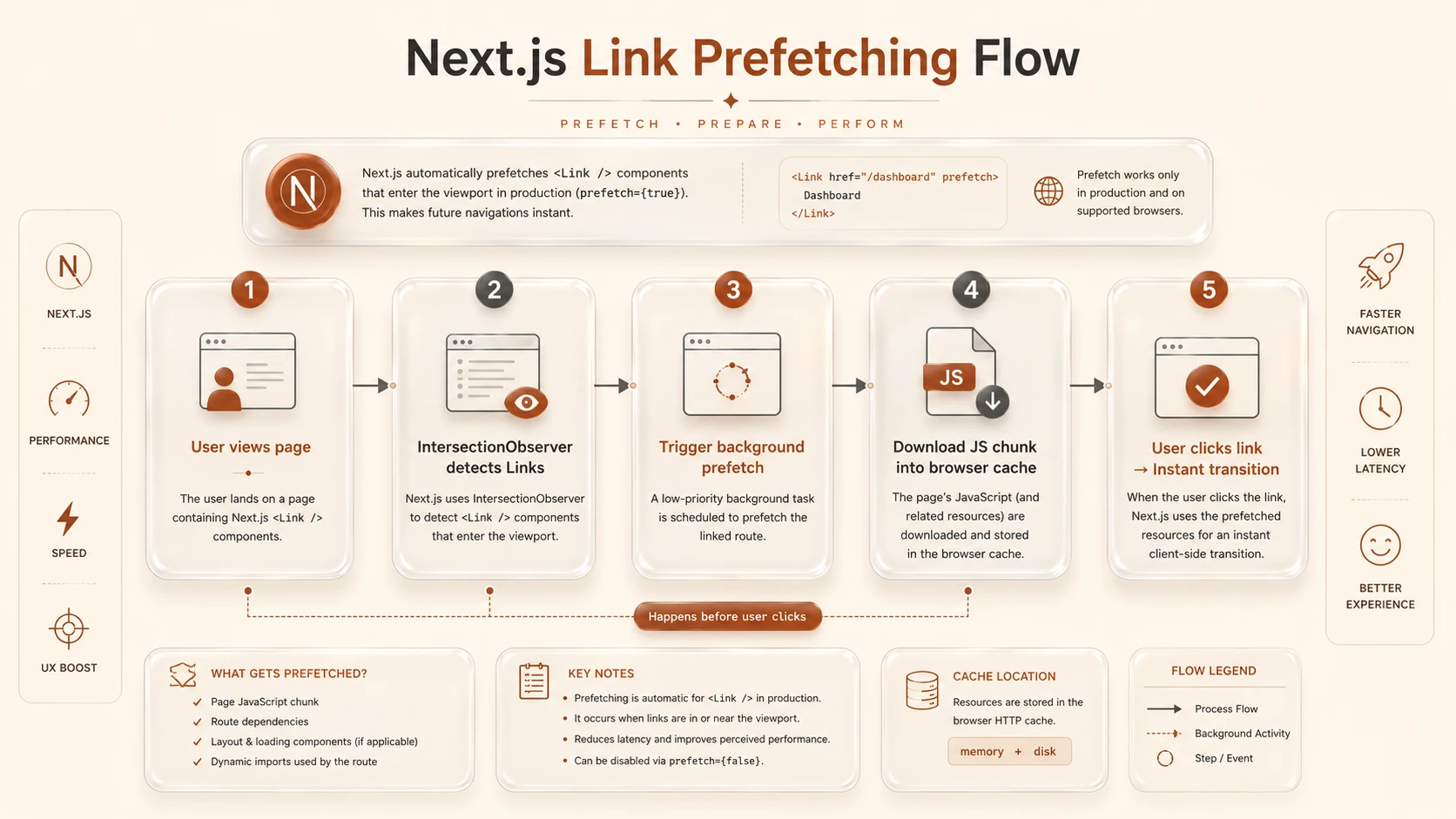
System architecture diagram and conceptual workflow layout for Next.js 6.0: Static Page Prefetching and Custom Babel Configuration Routing.
- ◆Webpack.
- ◆Babel.
- ◆React.
- ◆Build optimization.
into a cohesive production workflow that reduces manual configuration.
How It Works
A simplified request workflow appears below.
Browser Request
        |
Next.js Router
        |
Server-Side Rendering
        |
HTML Response
        |
Browser Loads Page
        |
Visible Links
        |
Automatic Page Prefetching
        |
Faster Subsequent Navigation
The framework prepares future navigation by prefetching page resources before users click application links.
Enterprise Use Cases
Enterprise Portals
Large administrative applications benefit from faster navigation between multiple functional areas.
Software-as-a-Service Platforms
Customer-facing applications improve perceived responsiveness through intelligent resource preloading.
E-Commerce Websites
Product browsing experiences benefit from reduced navigation latency.
Content Publishing Platforms
Server-side rendering improves discoverability while maintaining React-based user interfaces.
Internal Business Applications
Organizations gain a consistent React application architecture with integrated build tooling.
Performance Considerations
Next.js 6.0 emphasizes user experience through optimized application delivery.
Organizations should evaluate:
- ◆Initial page rendering.
- ◆Navigation latency.
- ◆Bundle size.
- ◆Prefetch efficiency.
- ◆Server rendering performance.
- ◆Browser caching.
Automatic prefetching improves navigation responsiveness while code splitting reduces unnecessary downloads.
Security Considerations
Next.js focuses on application architecture rather than security implementation.
Organizations should continue implementing:
- ◆HTTPS.
- ◆Authentication.
- ◆Authorization.
- ◆Input validation.
- ◆Secure API communication.
- ◆Dependency management.
Framework improvements should complement comprehensive secure software engineering practices.
Scalability
Next.js 6.0 supports scalable enterprise development through:
- ◆Modular page organization.
- ◆Automatic routing.
- ◆Efficient build processes.
- ◆Optimized navigation.
- ◆Server-side rendering.
These characteristics help teams maintain large React applications over extended development cycles.
Best Practices
Organizations adopting Next.js 6.0 should:
- ◆Organize applications using page-based routing.
- ◆Use automatic prefetching for navigational links.
- ◆Customize Babel only when project requirements justify additional complexity.
- ◆Monitor bundle sizes.
- ◆Profile server-side rendering performance.
- ◆Integrate automated testing into deployment pipelines.
- ◆Benchmark production workloads before large-scale rollout.
Balancing framework conventions with necessary customization improves long-term maintainability.
Common Mistakes
| Mistake | Business Impact |
|---|---|
| Over-customizing Babel unnecessarily | Increased maintenance complexity |
| Ignoring bundle size optimization | Slower application delivery |
| Disabling framework conventions without justification | Reduced developer productivity |
| Treating server-side rendering as a replacement for performance optimization | Unrealistic expectations |
| Skipping production performance testing | Deployment risk |
| Neglecting route organization | Reduced maintainability |
Organizations should leverage framework conventions wherever practical before introducing custom infrastructure.
Technology Comparison
| Characteristic | Traditional React Setup | Next.js 6.0 |
|---|---|---|
| Routing | External libraries | Built-in file-based routing |
| Server-Side Rendering | Manual implementation | Integrated |
| Code Splitting | Manual configuration | Automatic |
| Page Prefetching | Developer implementation | Automatic static prefetching |
| Babel Configuration | Fully manual | Integrated with customization support |
| Production Build | Multiple independent tools | Unified framework pipeline |
Next.js simplifies React application architecture by integrating essential production capabilities into a cohesive framework.
Adoption Strategy
Organizations should adopt Next.js 6.0 through incremental modernization.
- 1.Identify React applications that benefit from server-side rendering.
- 2.Prototype page-based routing.
- 3.Benchmark navigation performance.
- 4.Evaluate Babel customization requirements.
- 5.Integrate Next.js into existing Continuous Integration workflows.
- 6.Expand deployment after validating production performance.
This phased approach minimizes migration risk while allowing engineering teams to evaluate measurable productivity and performance improvements.
Limitations
As of June 2018, organizations should recognize several considerations.
- ◆Existing React projects may require architectural adjustments during migration.
- ◆Teams should understand Next.js routing conventions before adoption.
- ◆Custom server implementations require additional planning.
- ◆Framework conventions may differ from highly customized React environments.
- ◆Production deployment strategies should be validated before large-scale rollout.
These considerations should guide enterprise migration planning.
Looking Ahead
From the perspective of June 2018, Next.js 6.0 continues strengthening its position as one of the most capable frameworks for production React development. By combining automatic static page prefetching, improved Babel customization, integrated routing, and server-side rendering within a unified architecture, Next.js significantly reduces the operational complexity traditionally associated with enterprise React applications.
Organizations building customer-facing platforms, enterprise dashboards, SaaS products, and content-driven websites should closely evaluate Next.js 6.0 as a framework that balances developer productivity with production performance. Its convention-driven architecture, combined with selective customization capabilities, provides a strong foundation for modern React application development while remaining flexible enough to satisfy enterprise engineering requirements.