Enterprise Technology
Viewing all posts categorized under Enterprise Technology.

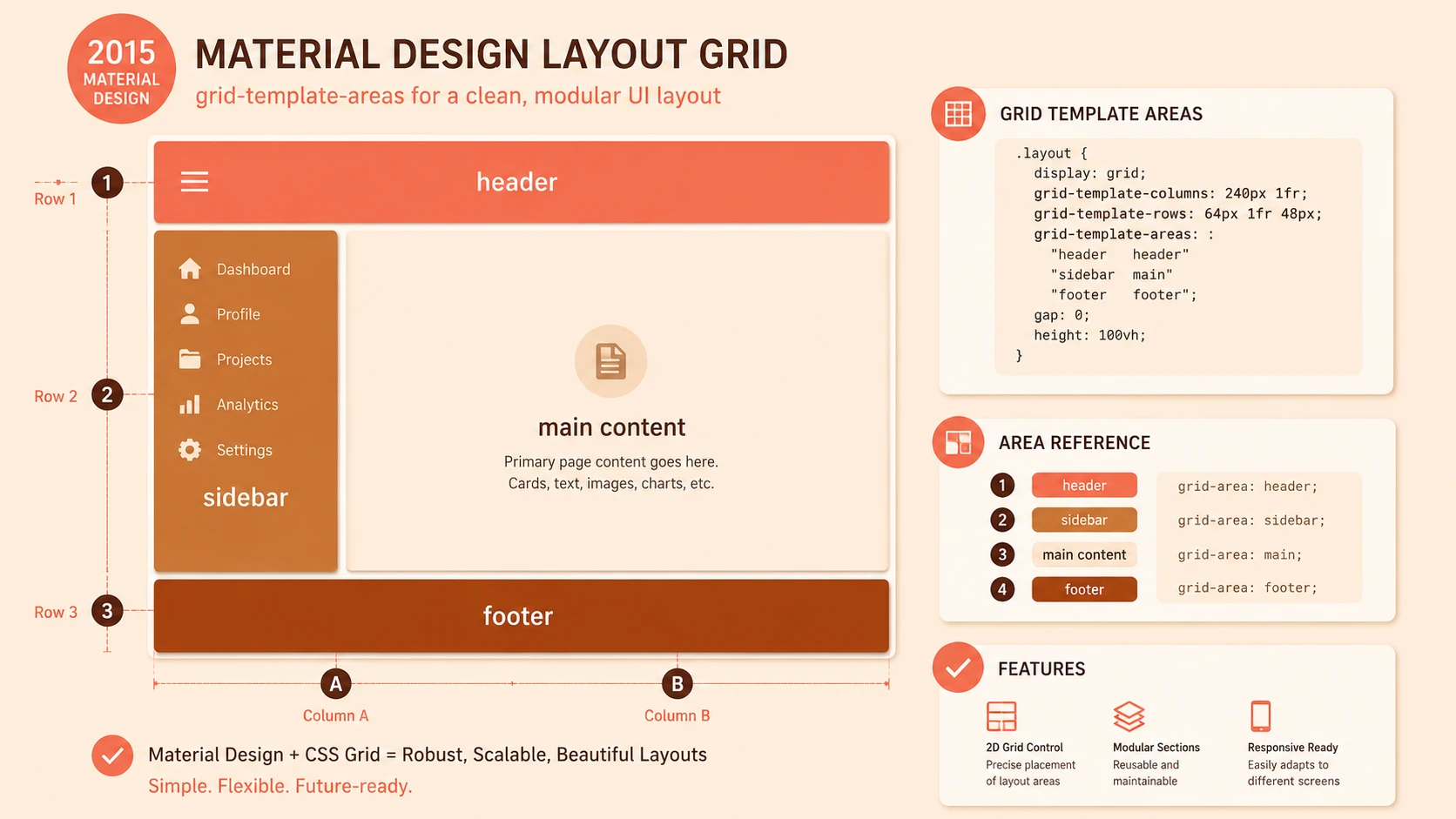
CSS Grid Layout Status: How CSS Grid Will Replace Flexbox and Float Hacks
The CSS Grid Layout specification continues to mature as browser vendors expand experimental implementations. Rather than replacing Flexbox, Grid introduces a powerful two-dimensional layout system that addresses long-standing limitations of float-based layouts. This article examines CSS Grid from the perspective of June 2015, exploring its architecture, enterprise applications, browser support status, performance implications, and adoption strategy.
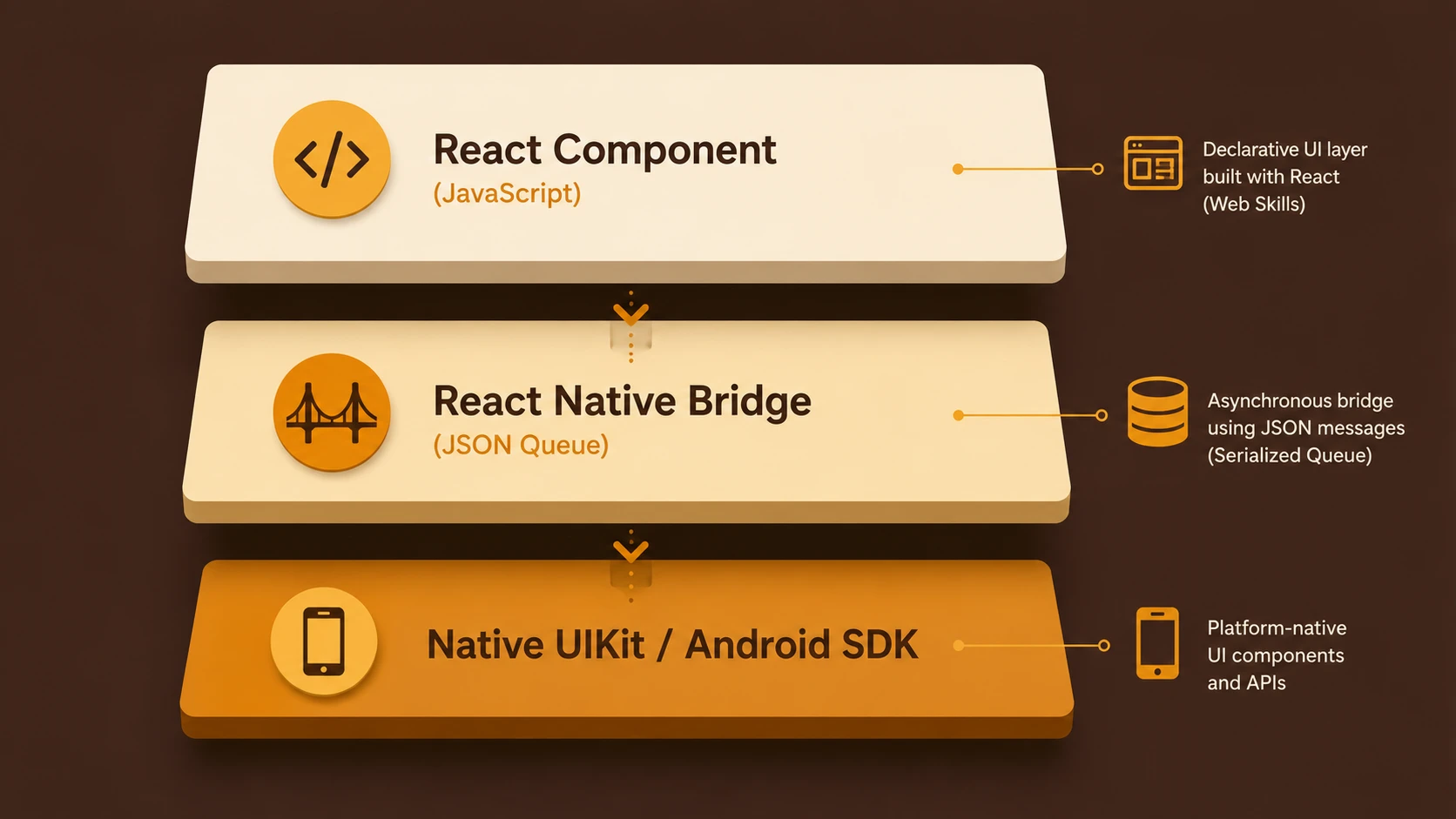
React Native Release: Building Mobile Apps with Native UI Controls and JavaScript
React Native introduces a new approach to native mobile application development by combining JavaScript, React components, and native platform controls. This article examines the framework's architecture, rendering model, performance characteristics, enterprise use cases, and adoption considerations from the perspective of May 2015.
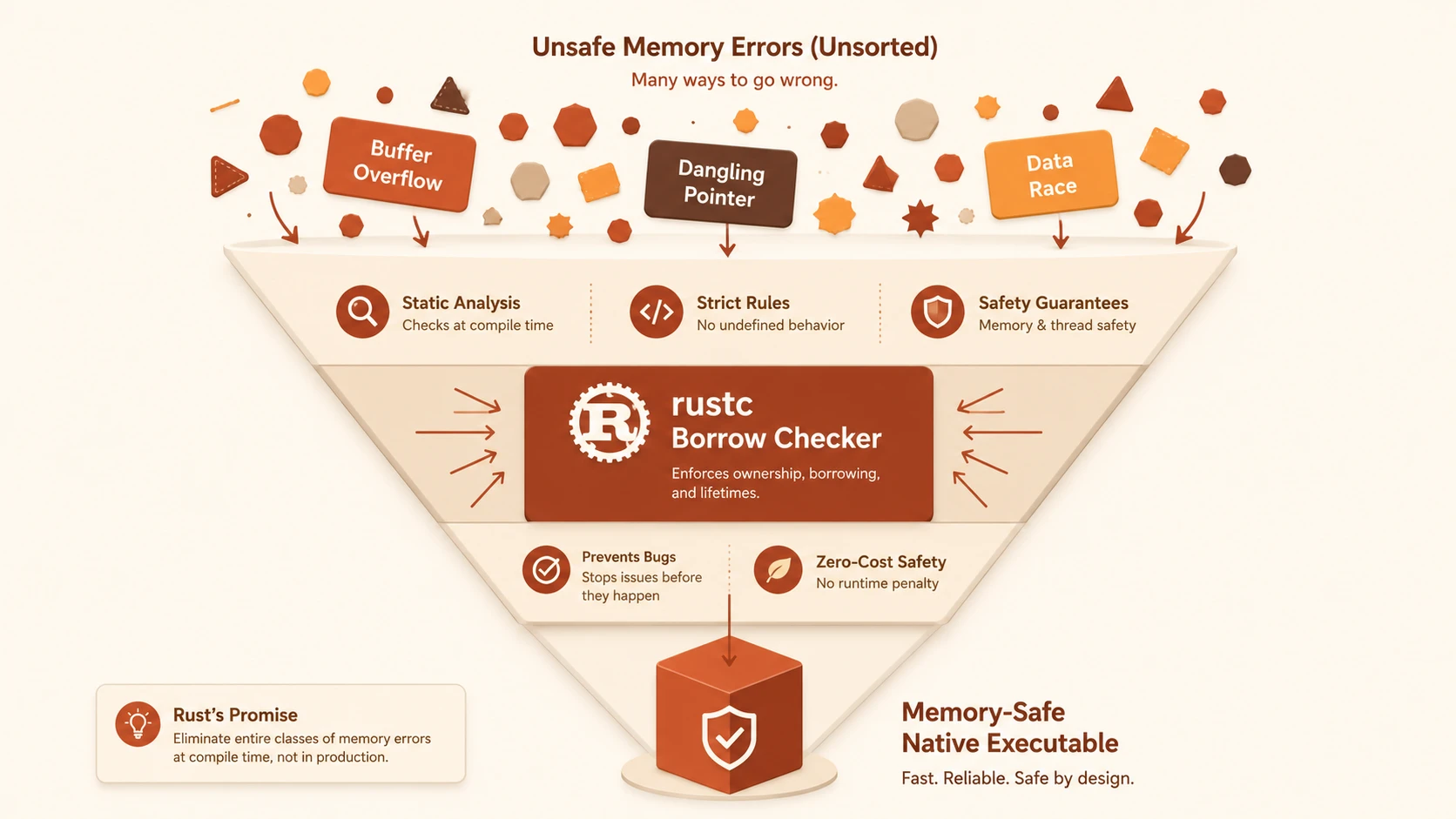
Rust 1.0 Release: Memory Safety Without a Garbage Collector Runtime
Mozilla has officially released Rust 1.0, introducing a systems programming language focused on memory safety, concurrency, and predictable performance without relying on a garbage collector. This article analyzes Rust 1.0 from the perspective of May 2015, exploring its architecture, ownership model, enterprise use cases, performance characteristics, and adoption considerations.
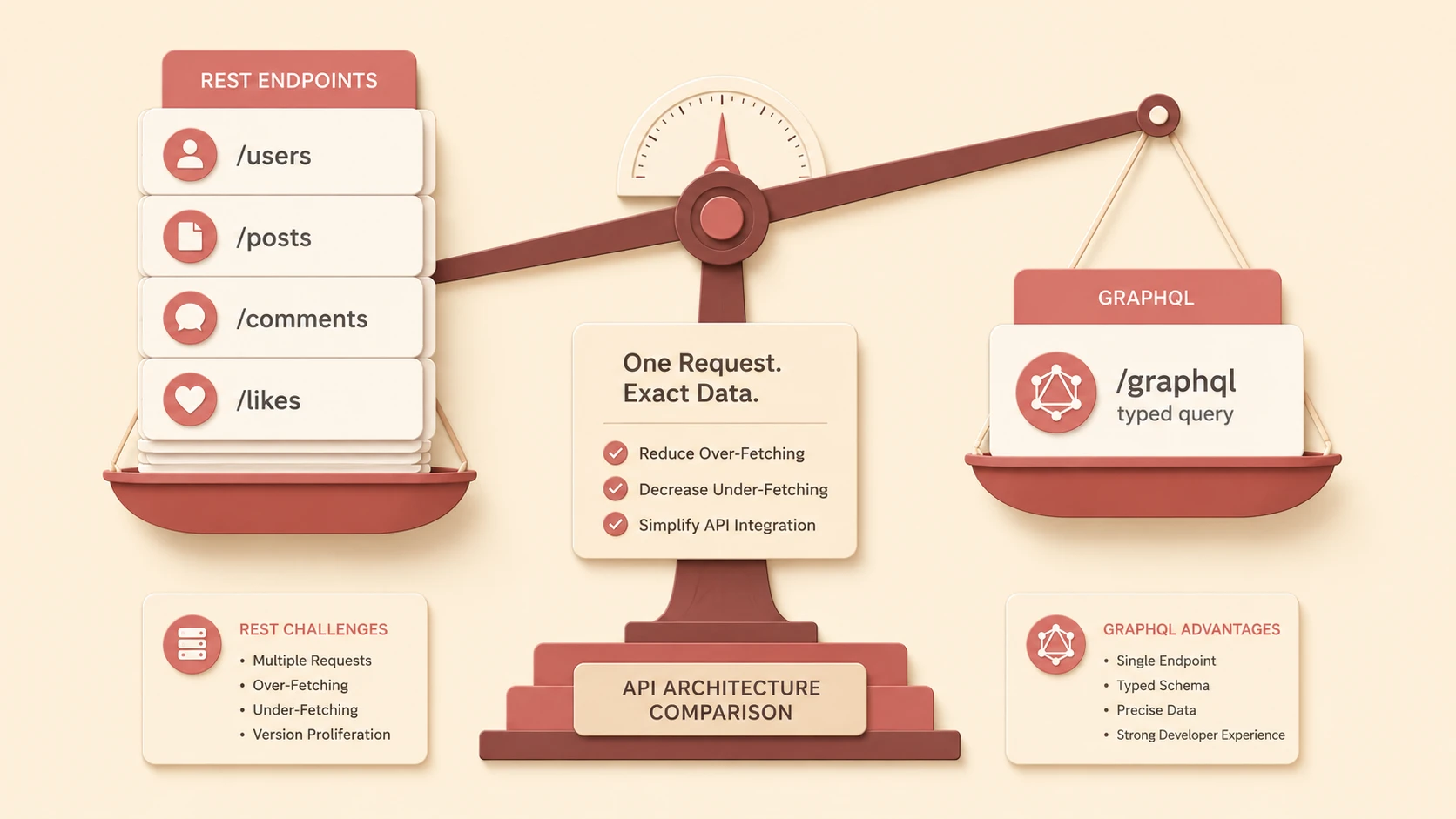
GraphQL Open Source Release: Replacing REST with Single-Endpoint Queries
Facebook has open sourced GraphQL, introducing a query language and runtime designed to simplify API development by allowing clients to request exactly the data they require through a single endpoint. Rather than exposing numerous REST resources, GraphQL offers a typed schema and client-driven queries that promise greater flexibility for web and mobile applications. This article examines GraphQL from the perspective of April 2015, exploring its architecture, enterprise use cases, performance characteristics, and adoption considerations.
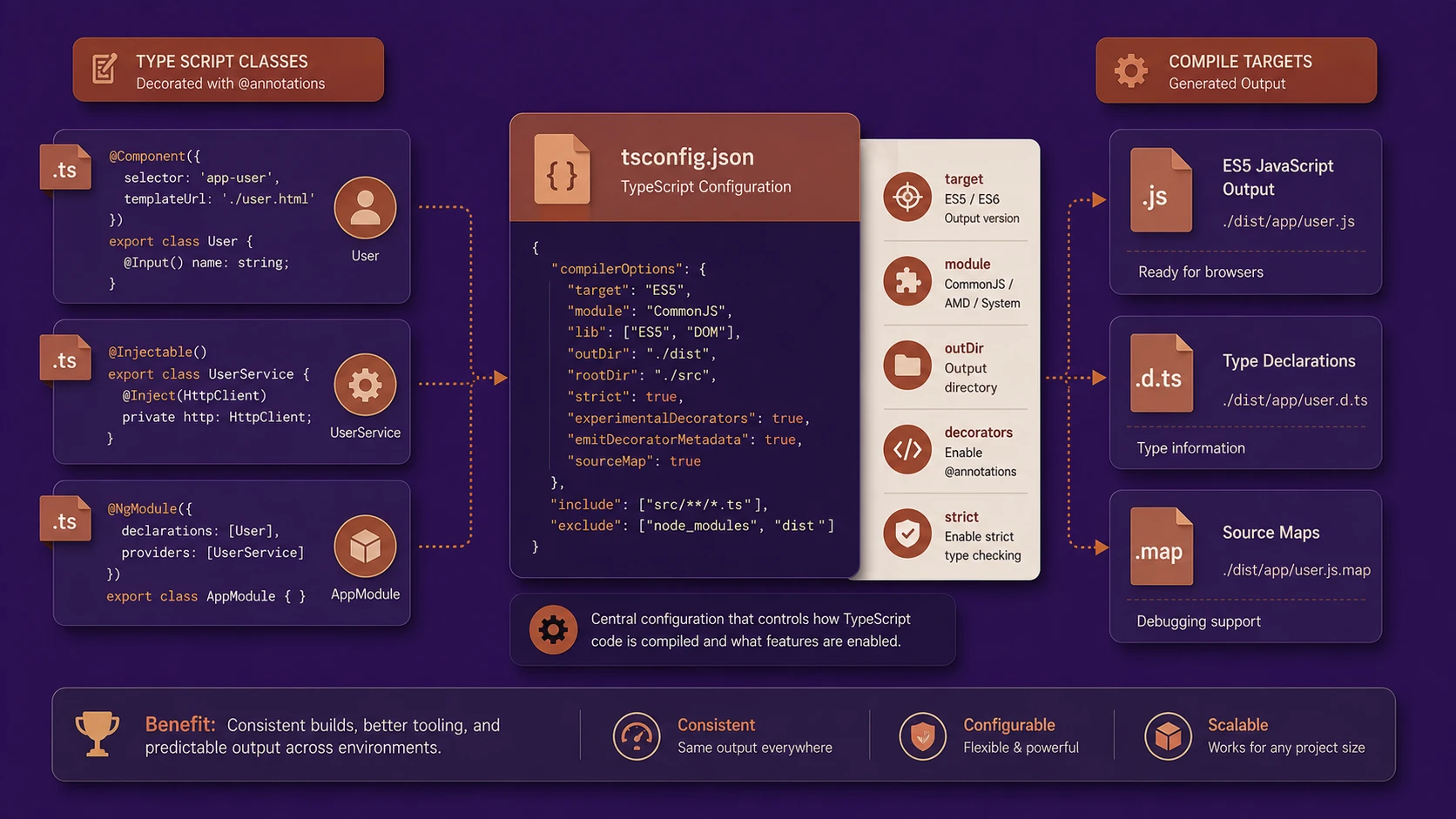
TypeScript 1.5: Decorators, ES6 Module Targets, and tsconfig.json Integration
TypeScript 1.5 introduces decorators, improved ES6 module compatibility, and tsconfig.json project configuration, helping enterprise development teams build more maintainable and scalable JavaScript applications. This article examines these capabilities from the perspective of April 2015.
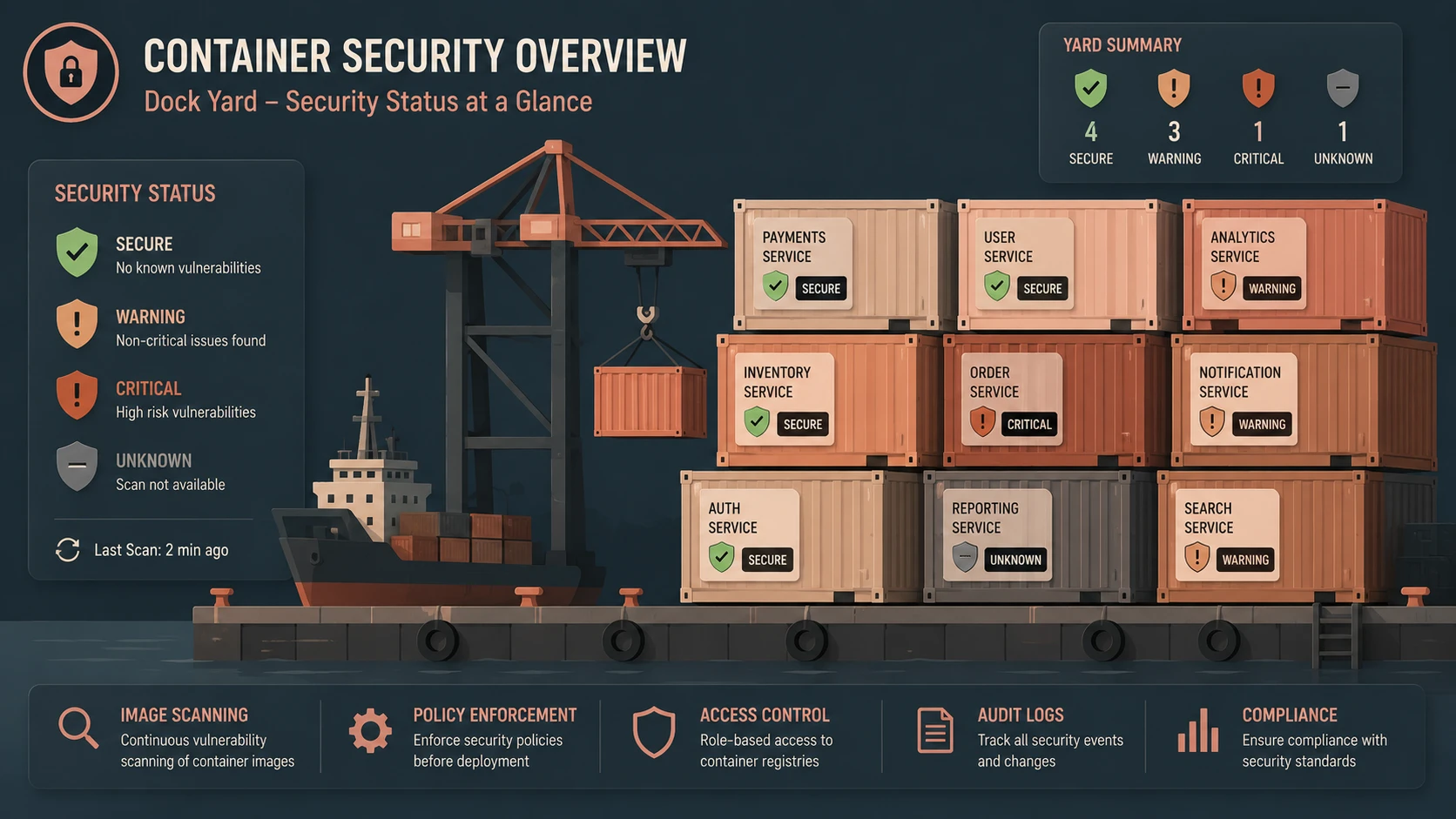
Docker 1.6: Engine Labels, Registry API v2, and Container Security Policies
Docker continues to mature as an enterprise container platform with the release of Docker 1.6. New capabilities including Engine Labels, Registry API v2, and improved security controls strengthen container deployment, orchestration, and image management. This article examines Docker 1.6 from the perspective of March 2015, evaluating its architecture, enterprise applications, and operational considerations.
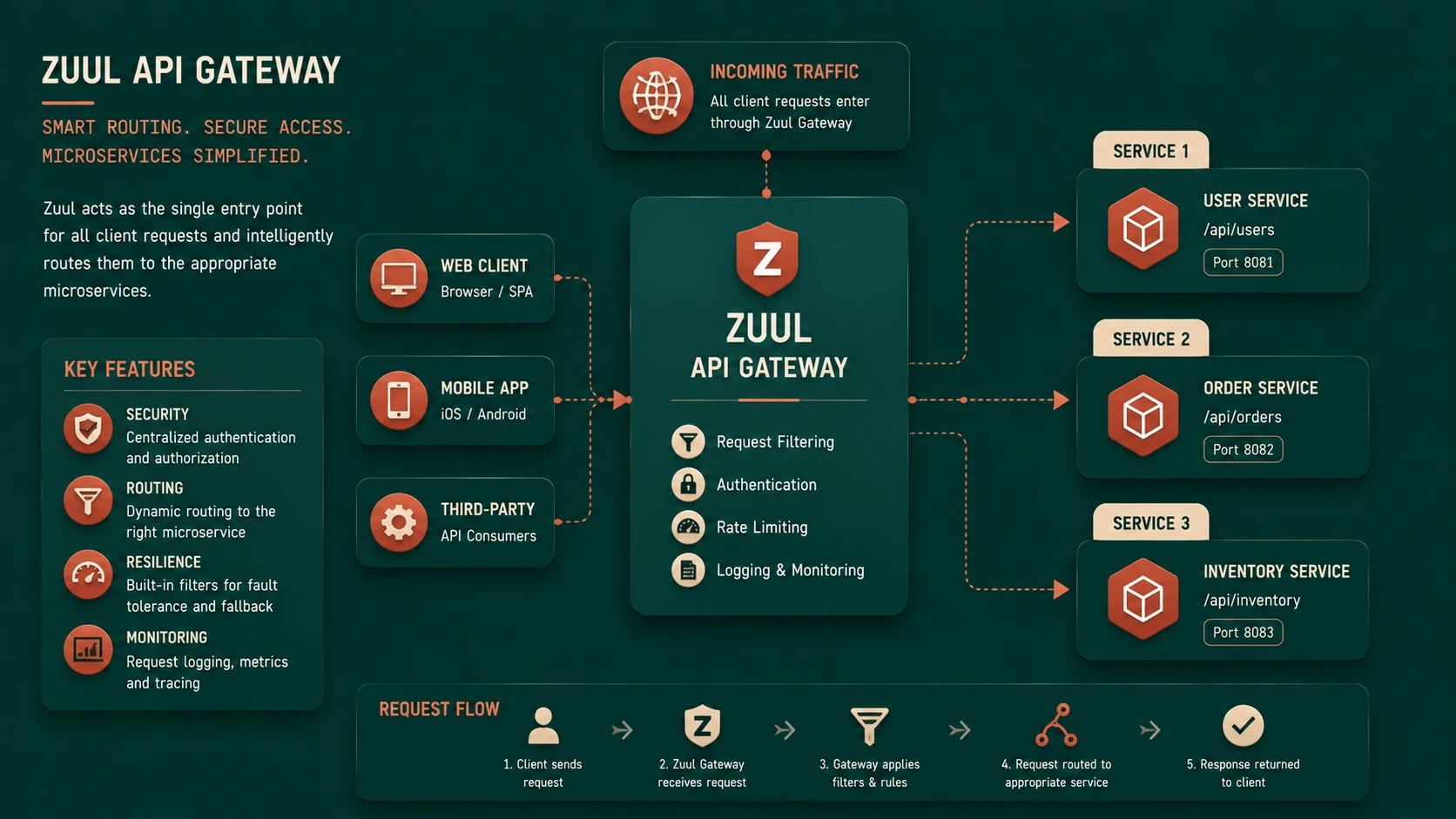
Microservices Architecture: Orchestrating Netflix OSS Eureka and Zuul Gateways
As organizations adopt microservices, service discovery and intelligent request routing become critical architectural concerns. This article examines Netflix OSS Eureka and Zuul from the perspective of February 2015, exploring service registration, API gateway design, resilience patterns, scalability, and enterprise deployment considerations.
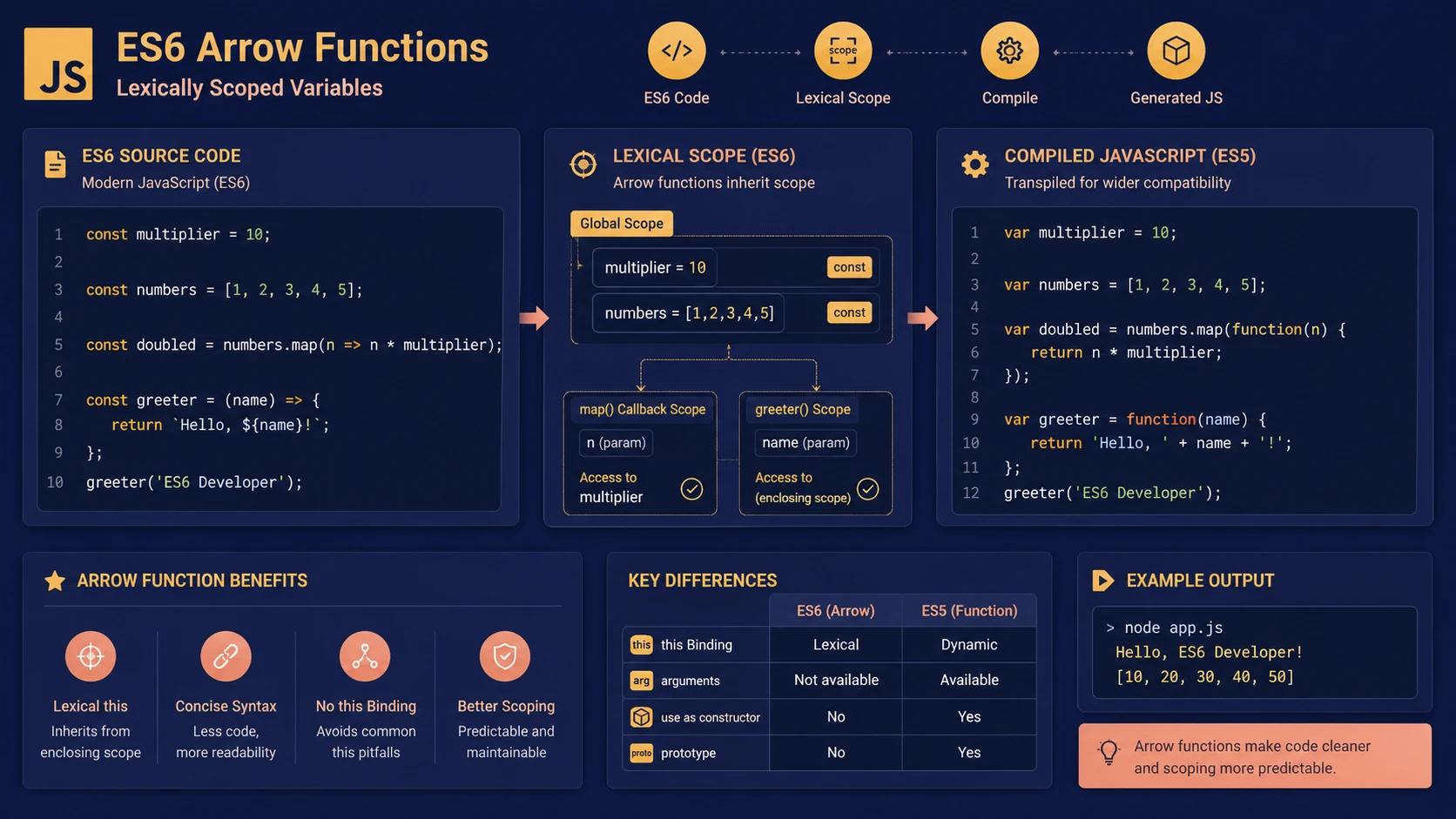
ES6 / ECMAScript 2015 Finalization: Lexical Scopes, Arrow Functions, and Promises
The ECMAScript 2015 specification marks the most substantial advancement of JavaScript since the language's early standardization. Features such as lexical scoping, arrow functions, promises, modules, classes, and enhanced collection types significantly improve maintainability and scalability for enterprise applications. This article examines ES6 from the perspective of February 2015, exploring its architecture, enterprise implications, performance considerations, and adoption strategy.
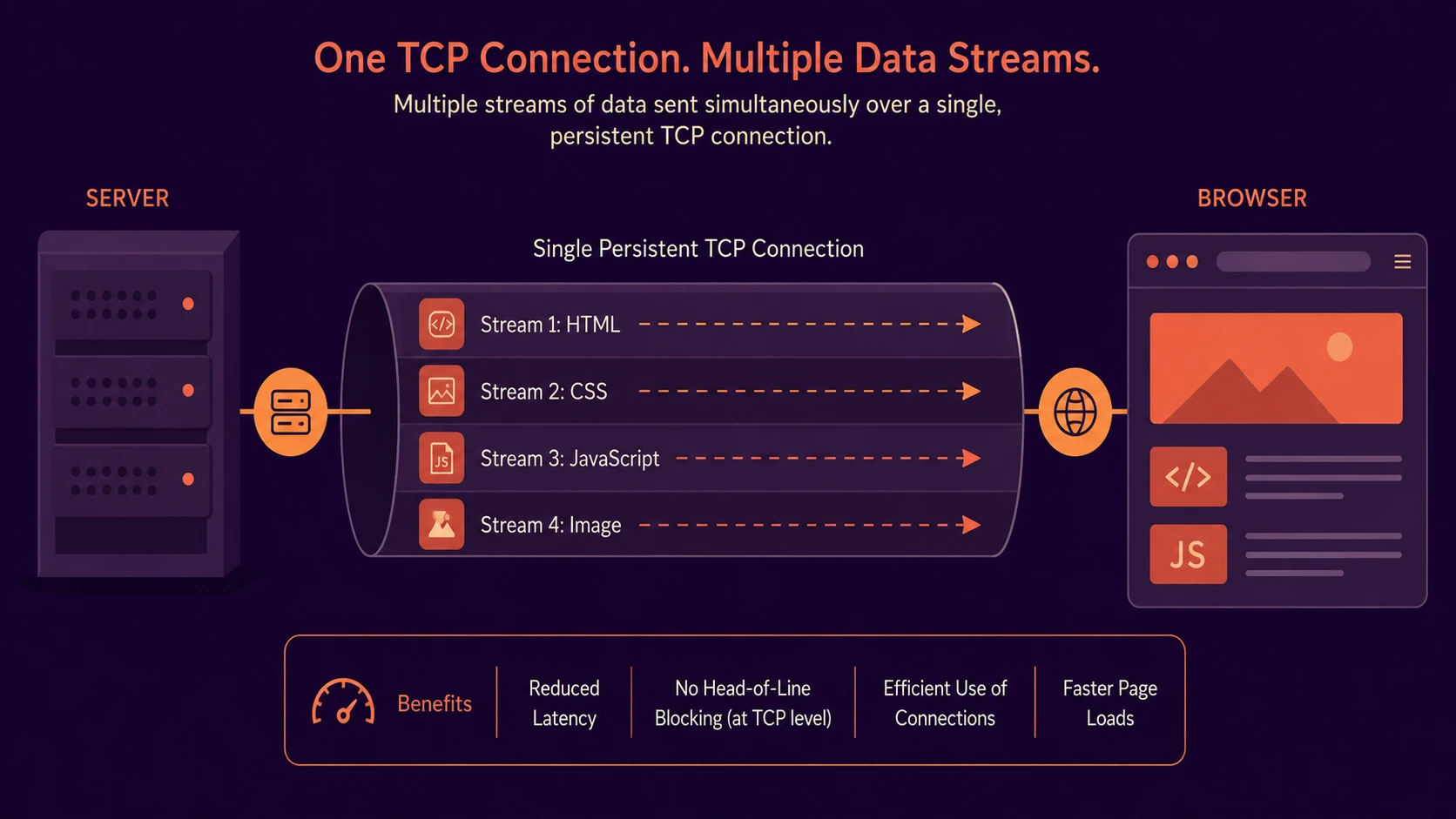
HTTP/2 Standard Approval: The End of Domain Sharding and Sprite Optimization
Following the approval of HTTP/2 as the successor to HTTP/1.1, web architects are reevaluating years of front-end optimization practices. Techniques such as domain sharding, image sprites, and excessive asset concatenation were designed to overcome HTTP/1.1 limitations. HTTP/2 introduces multiplexing, header compression, and request prioritization, fundamentally changing how enterprise web applications should be designed. This article examines HTTP/2 from the perspective of January 2015.
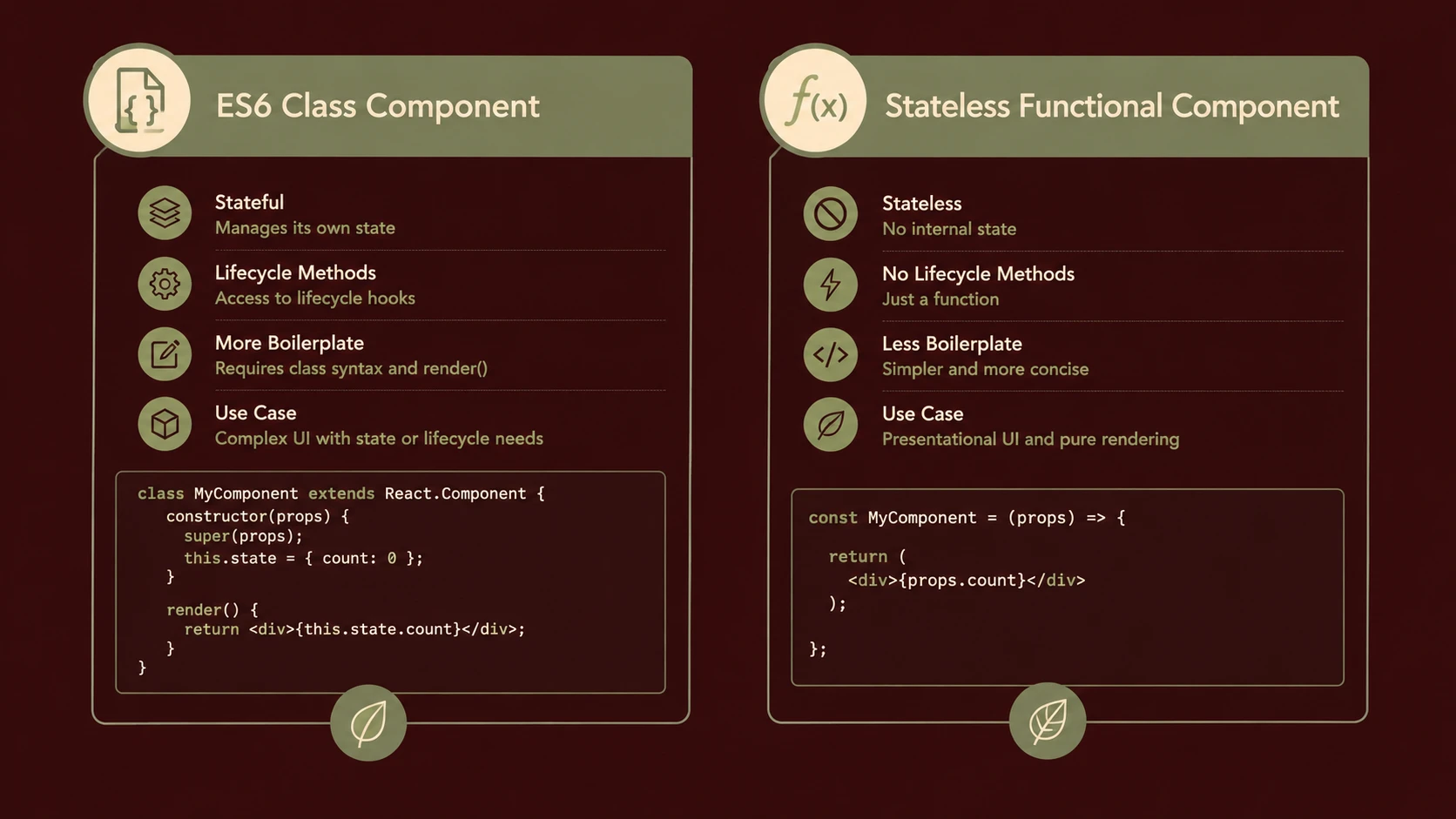
React 0.13: Transitioning to ES6 Classes and Stateless Components
React 0.13 introduces improved support for ECMAScript 6 classes, simplified component definitions, and a clearer separation between stateful and presentational components. This article examines the architectural implications of React 0.13 from the perspective of January 2015, helping enterprise developers evaluate its role in modern front-end application development.
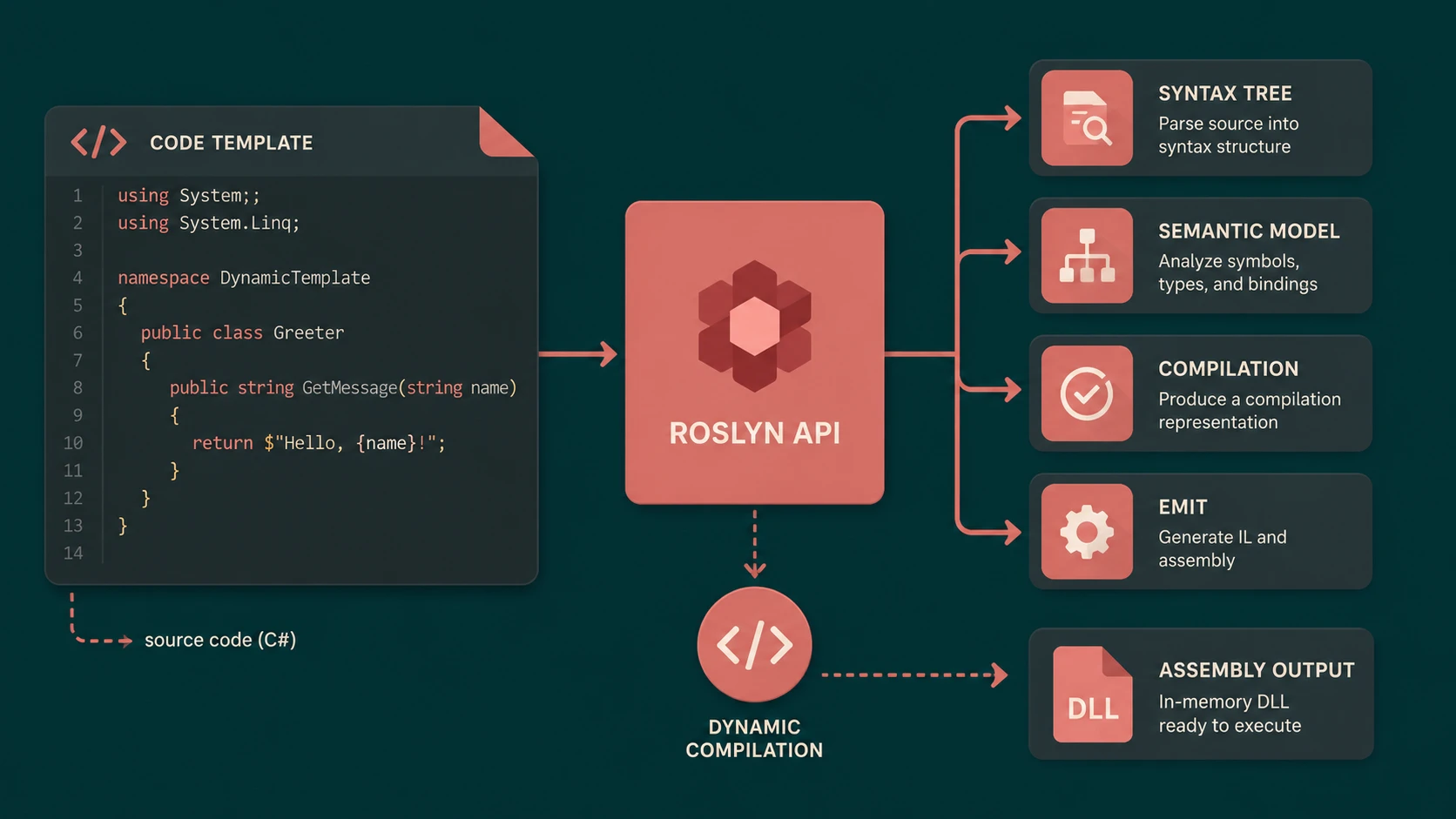
C# 6.0 and Roslyn Compiler: String Interpolation and Null-Conditional Operators
Microsoft continues modernizing the .NET ecosystem with the Roslyn compiler platform and the evolving C# 6.0 language. Features such as string interpolation and the null-conditional operator aim to reduce boilerplate code while improving readability and developer productivity. This article examines these technologies from the perspective of December 2014, focusing on enterprise architecture, compiler innovation, and practical adoption strategies.
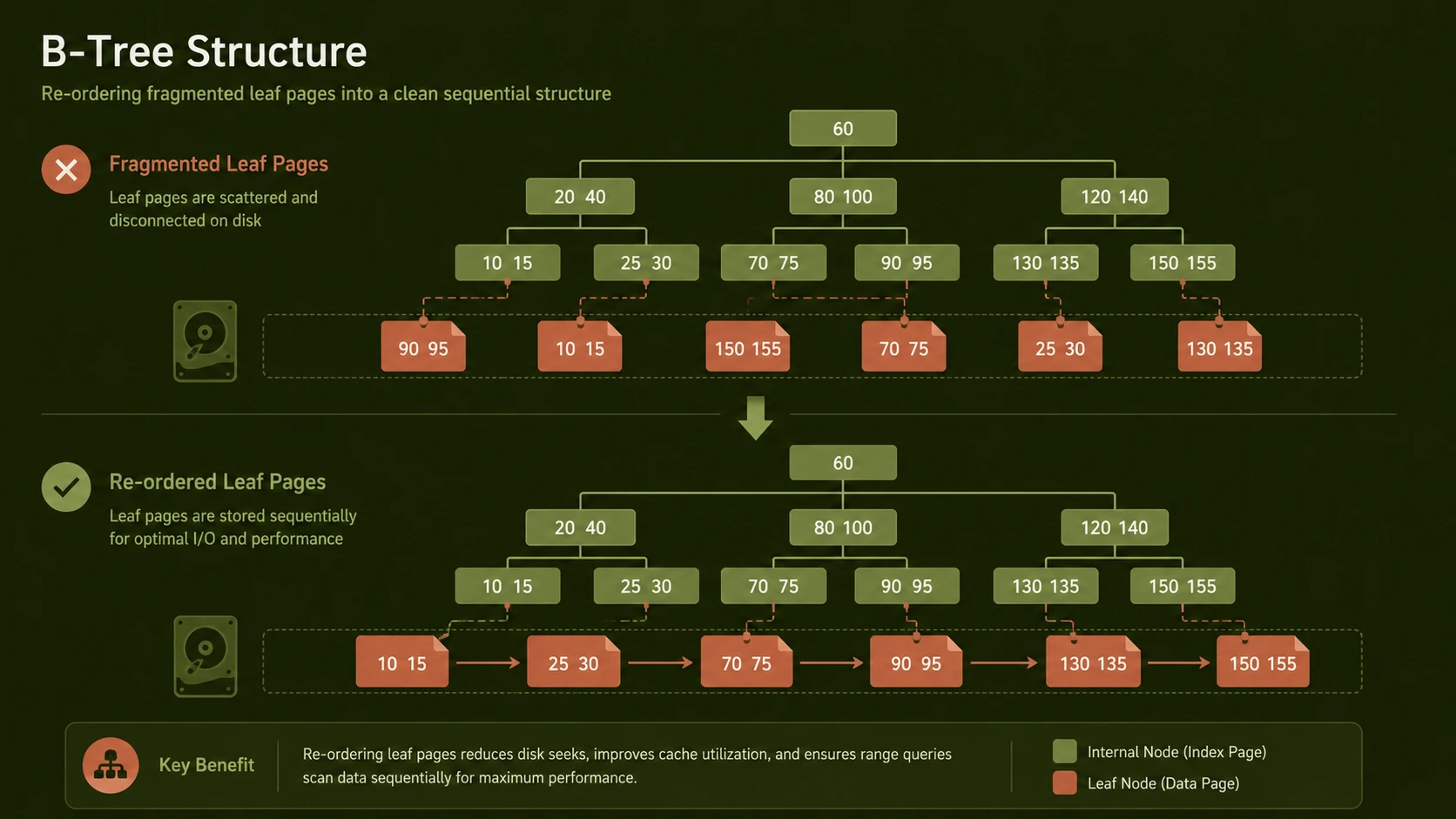
Database Index Fragmentation: Diagnosing and Rebuilding SQL Server B-Trees
As SQL Server databases grow, index fragmentation can significantly affect query performance, storage efficiency, and maintenance operations. This article explores how SQL Server B-Tree indexes become fragmented, how to diagnose fragmentation accurately, and when to reorganize or rebuild indexes from the perspective of late 2014.
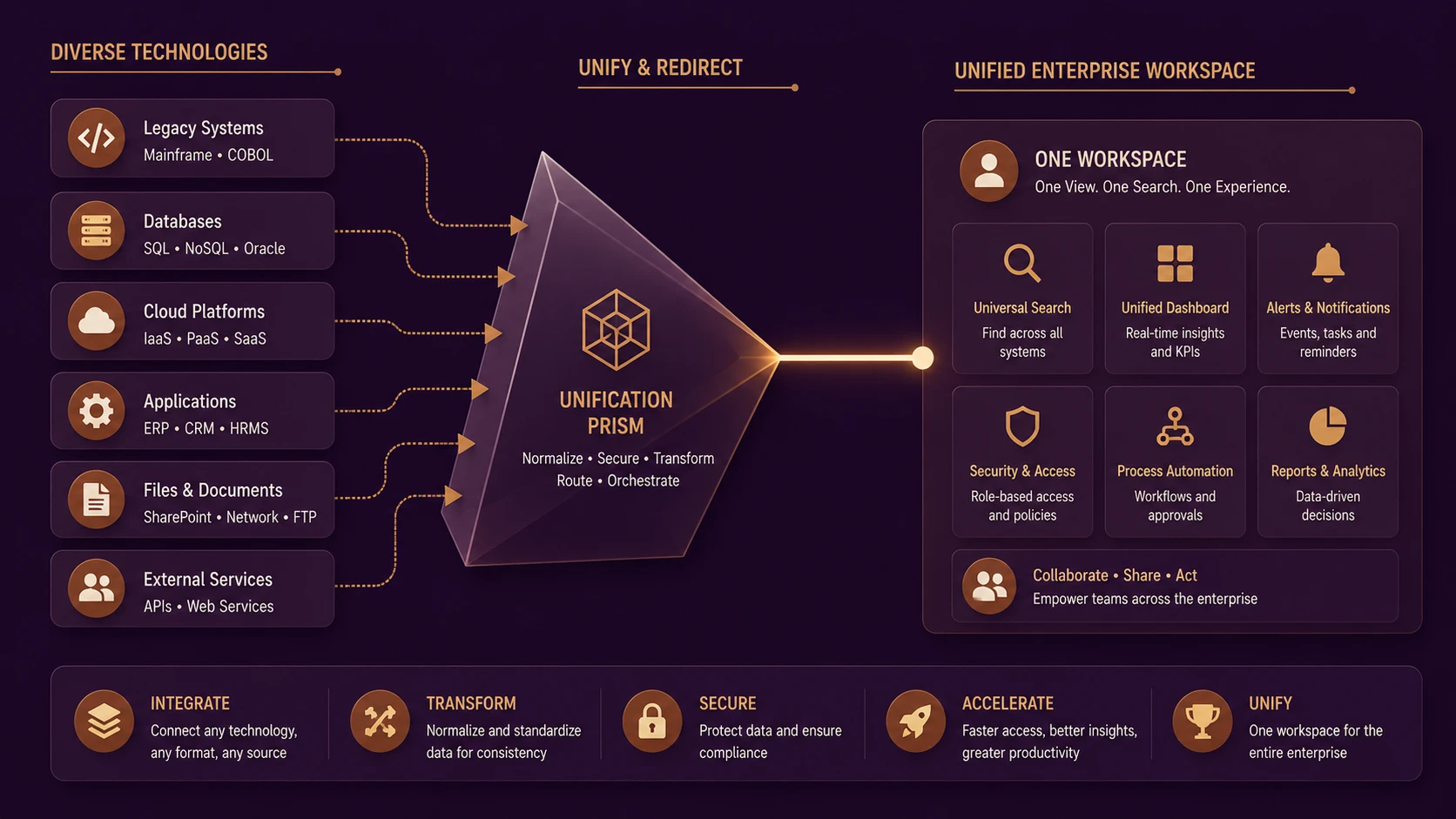
Software Development Trends: Enterprise Technologies Reshaping Engineering in 2014
Software development in 2014 is undergoing one of its most significant transitions in recent years. Cloud computing, DevOps, responsive design, mobile platforms, NoSQL databases, Continuous Delivery, and modular application architectures are fundamentally changing how enterprise software is designed, deployed, and maintained. This article reviews the most influential development trends from the perspective of November 2014.
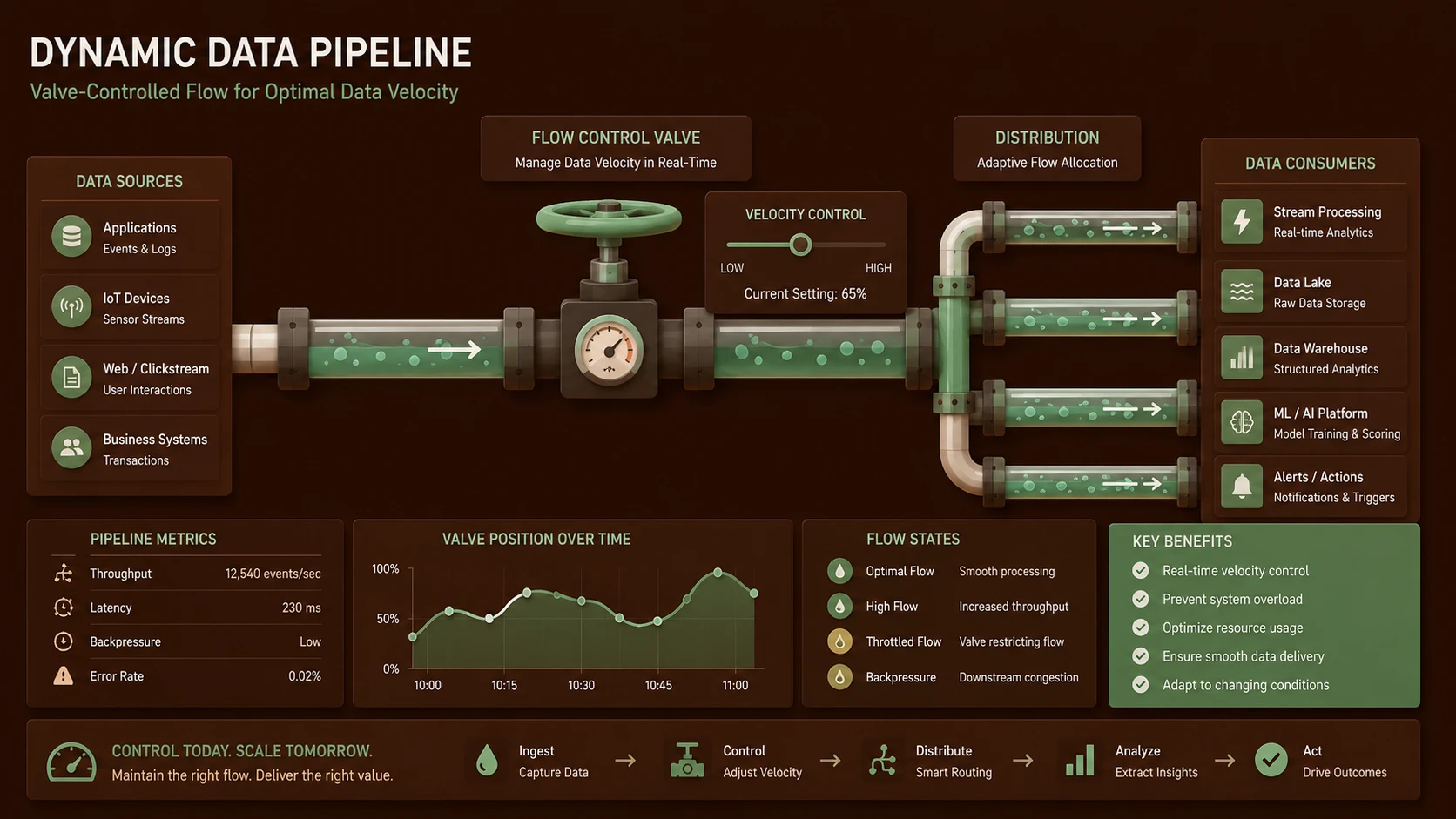
Node.js Streams v2: Navigating Backpressure and Readable/Writable Modes
Node.js Streams v2 introduces significant improvements to the platform's streaming architecture, simplifying stream implementation while providing more predictable handling of readable and writable streams. With improved backpressure management, standardized APIs, and enhanced interoperability, Streams v2 enables enterprise developers to build scalable network services, file processing pipelines, and high-throughput applications. This article examines Streams v2 from the perspective of November 2014, exploring its architecture, enterprise use cases, performance considerations, and best practices.
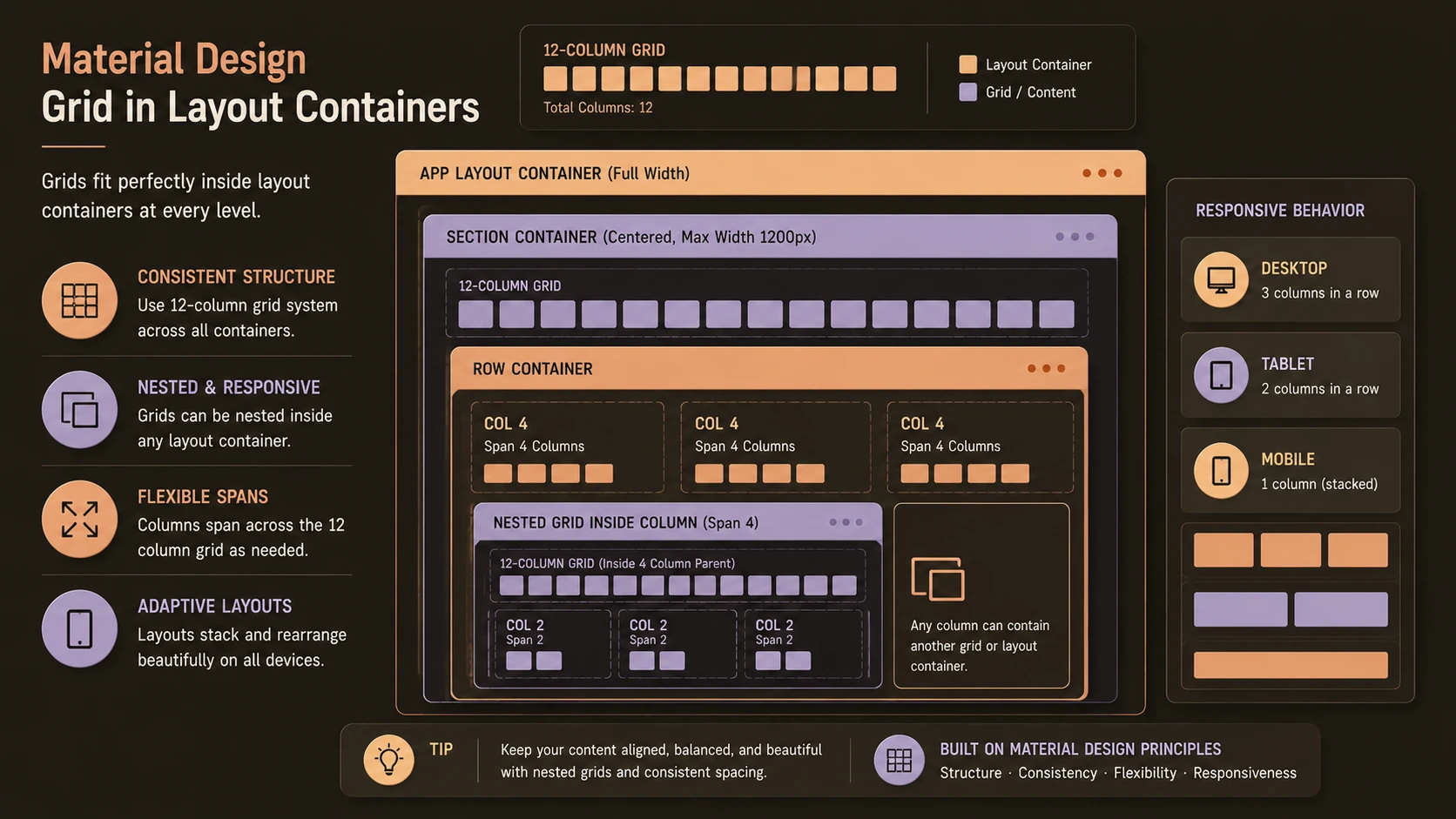
Bootstrap 3 Grid Nesting: Structuring Complex Enterprise Dashboards Layouts
Bootstrap 3 has become a leading front-end framework for responsive web development. This article explores how grid nesting enables complex enterprise dashboard layouts, discussing responsive architecture, layout composition, performance, maintainability, and best practices from the perspective of October 2014.