Enterprise Technology
Viewing all posts categorized under Enterprise Technology.

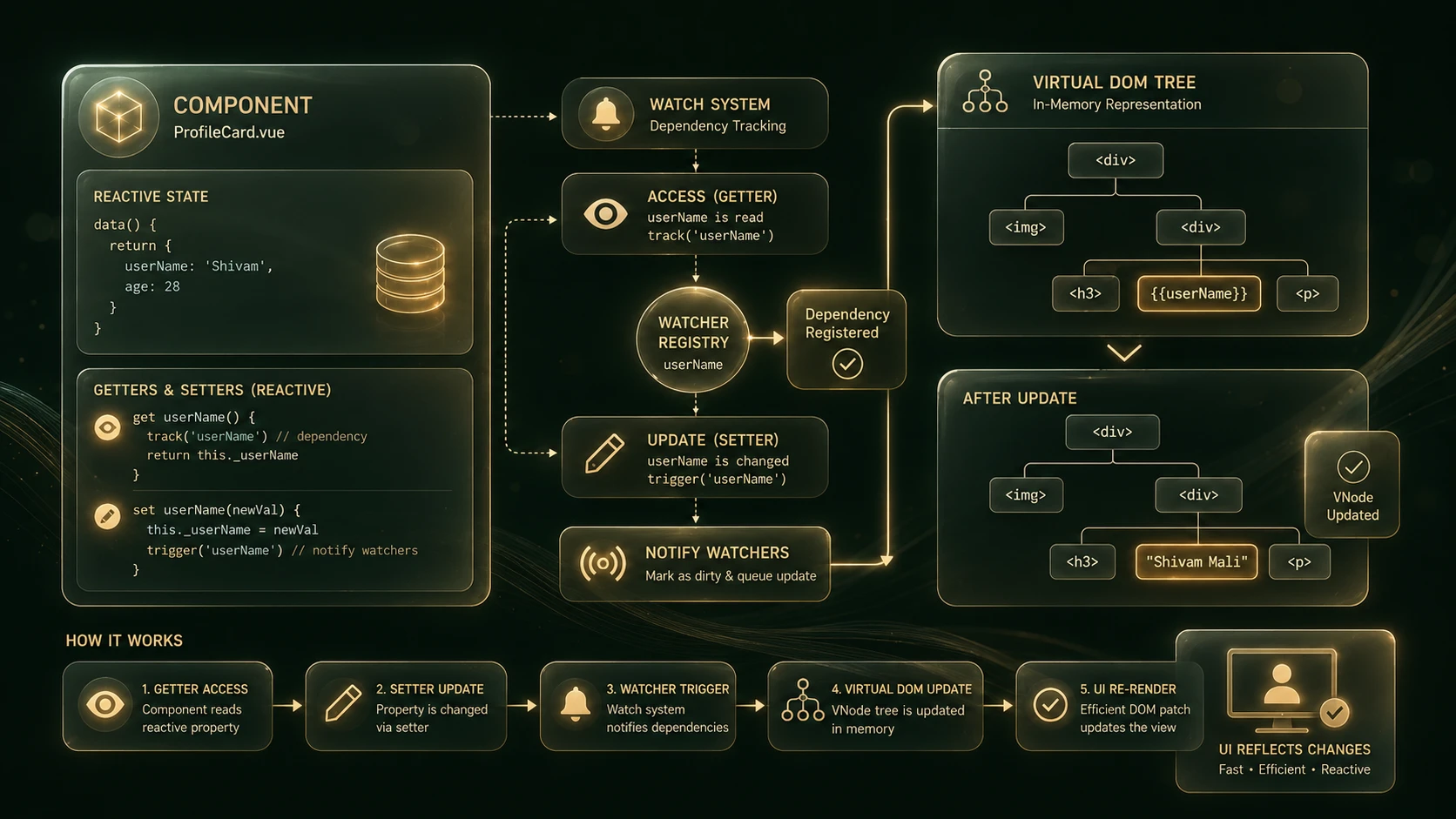
Vue.js 2.0: Virtual DOM Implementation and Reactive Property Listeners
Vue.js 2.0 introduces a major architectural evolution with a Virtual DOM implementation, improved reactive data binding, faster rendering performance, and a more scalable component model. This article examines Vue.js 2.0 from the perspective of February 2016, evaluating its architecture, enterprise use cases, performance characteristics, and adoption considerations for modern web applications.
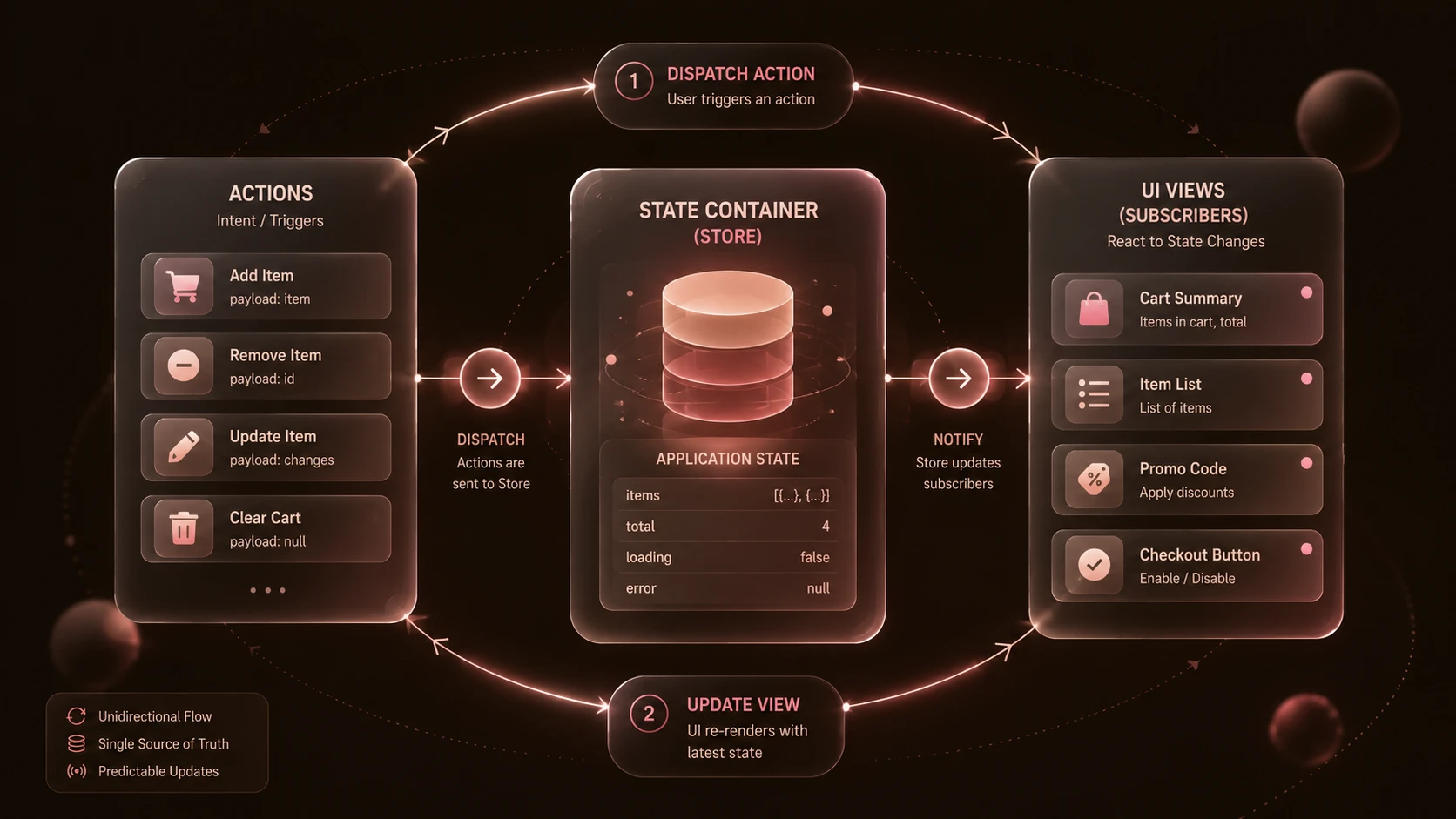
Redux 3.0: Standardizing State Management inside React Single Page Applications
Redux 3.0 has emerged as a leading state management library for React applications by introducing a predictable unidirectional data flow built around a single application store, actions, and pure reducers. As enterprise Single Page Applications continue growing in complexity, Redux provides a structured approach for managing application state, simplifying debugging, improving maintainability, and enabling scalable front-end architecture. This article examines Redux 3.0 from the perspective of January 2016.
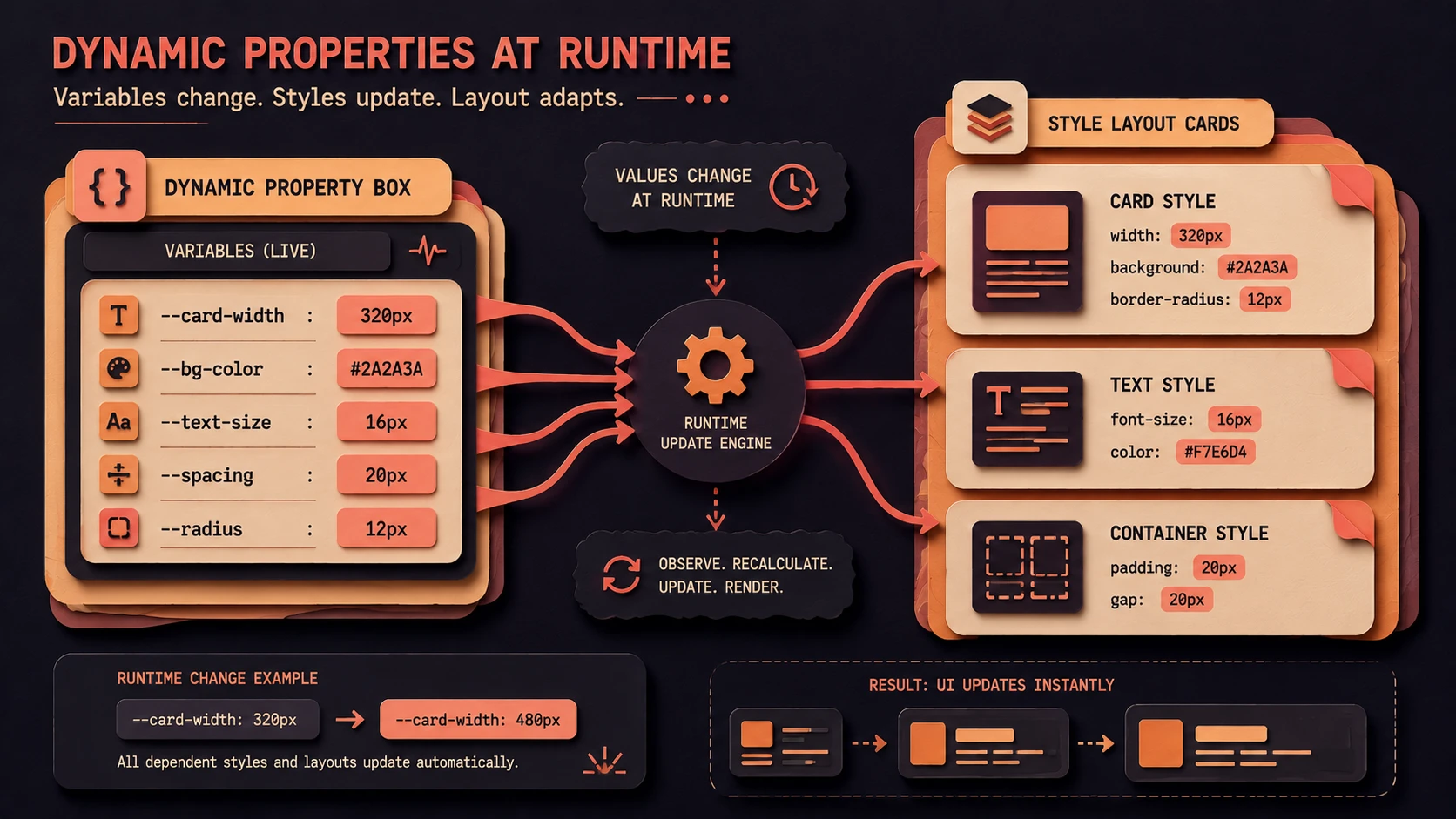
CSS Custom Properties: Browser Support and Dynamic Runtime Variables
CSS Custom Properties introduce native runtime variables to CSS, enabling more maintainable styling architectures and dynamic theming without relying entirely on CSS preprocessors. This article examines the technology, browser support, architecture, performance, and enterprise implications from the perspective of January 2016.
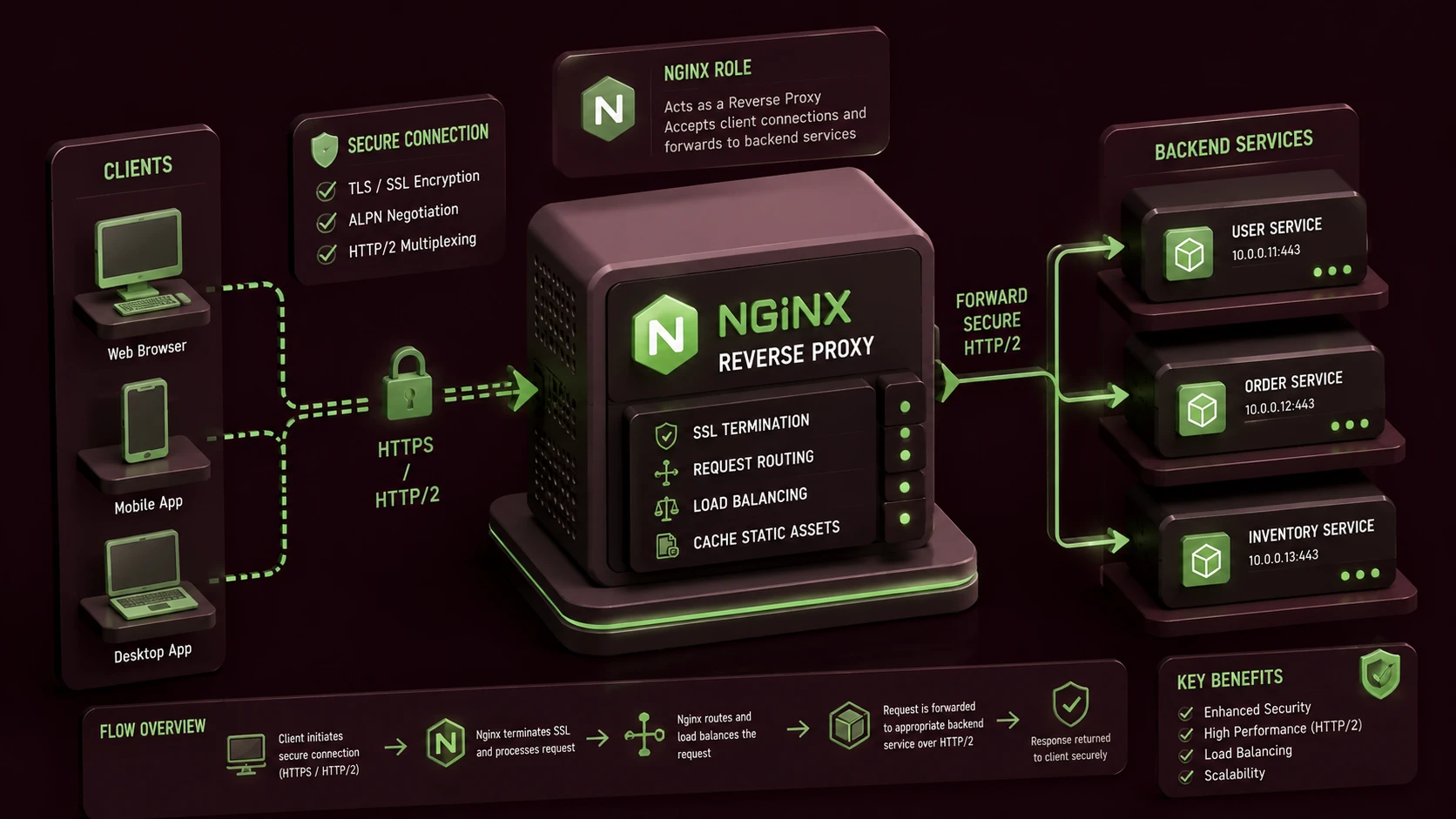
HTTP/2 in Production: Configuring Nginx Reverse Proxy with HTTPS Protocols
With HTTP/2 becoming available across modern browsers and web servers, enterprises are evaluating how the new protocol can improve website performance without changing application logic. This article examines HTTP/2 from the perspective of December 2015, focusing on Nginx reverse proxy deployments, HTTPS requirements, multiplexing, server configuration, performance benefits, and operational best practices.
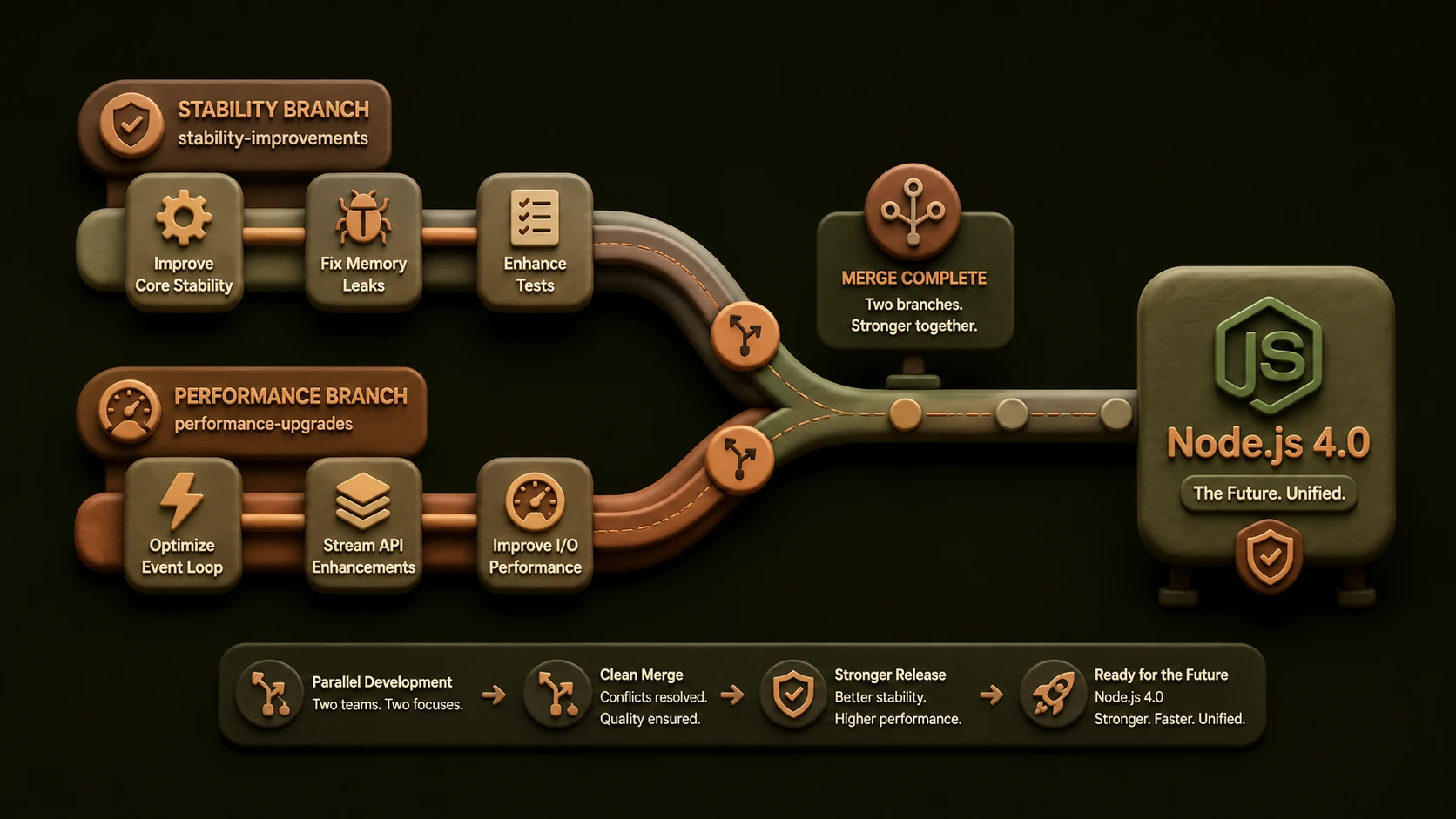
Node.js 4.0: The Historic Reconciliation of Node.js and the io.js Fork
Node.js 4.0 marks a pivotal milestone in the evolution of server-side JavaScript by unifying the previously divided Node.js and io.js projects. Combining modern JavaScript capabilities with an improved release process and stronger community governance, Node.js 4.0 provides enterprises with a stable platform for building scalable web services, APIs, and distributed applications. This article examines Node.js 4.0 from the perspective of December 2015, exploring its architecture, enterprise benefits, performance considerations, and adoption strategies.
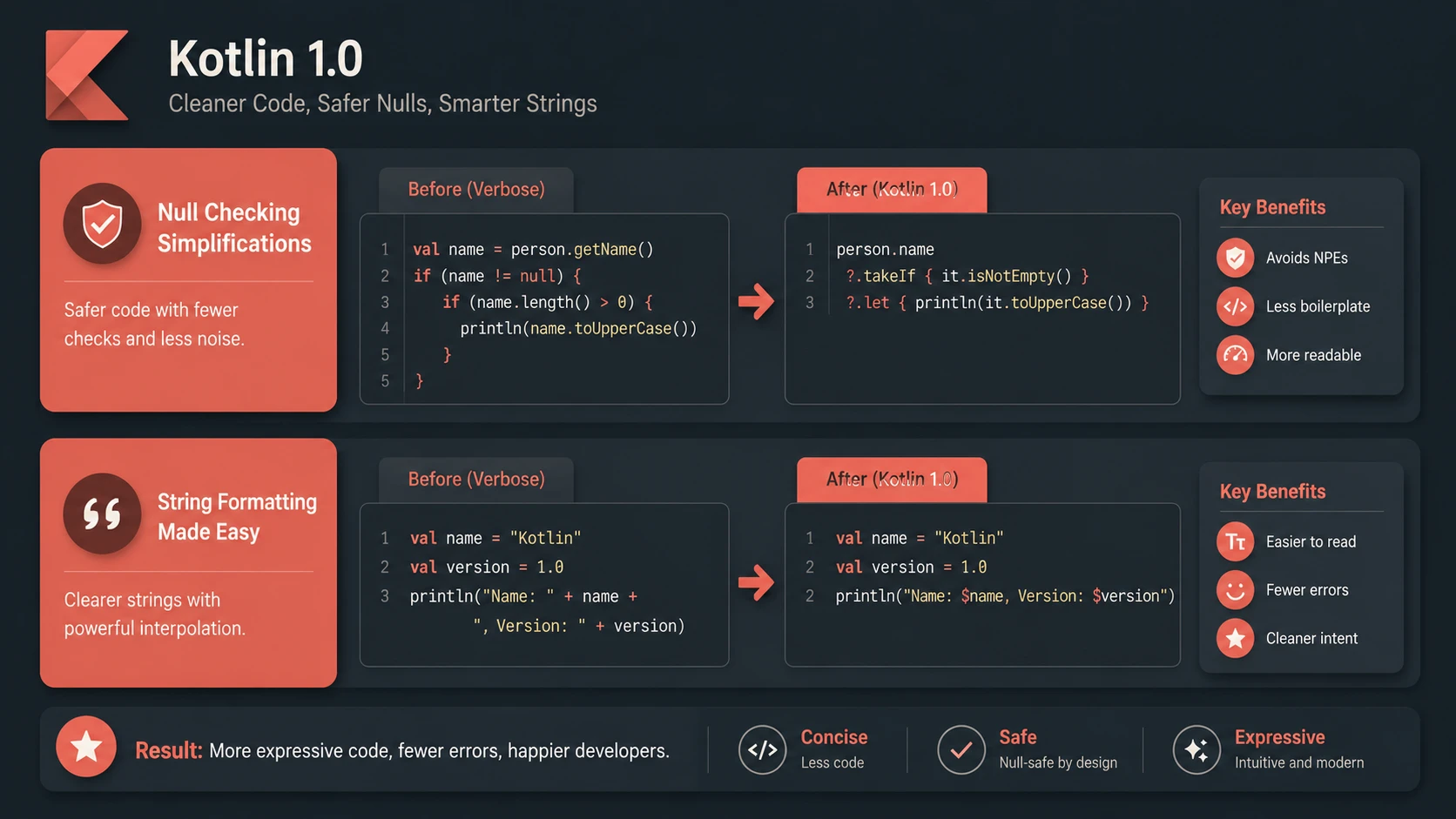
C# 6.0 Features: Null-Conditional Operators, Auto-Property Initializers, and String Interpolation
C# 6.0 introduces several language enhancements focused on developer productivity, readability, and safer code. This article explores null-conditional operators, auto-property initializers, string interpolation, and other key language improvements from the perspective of November 2015, highlighting their impact on enterprise software engineering.
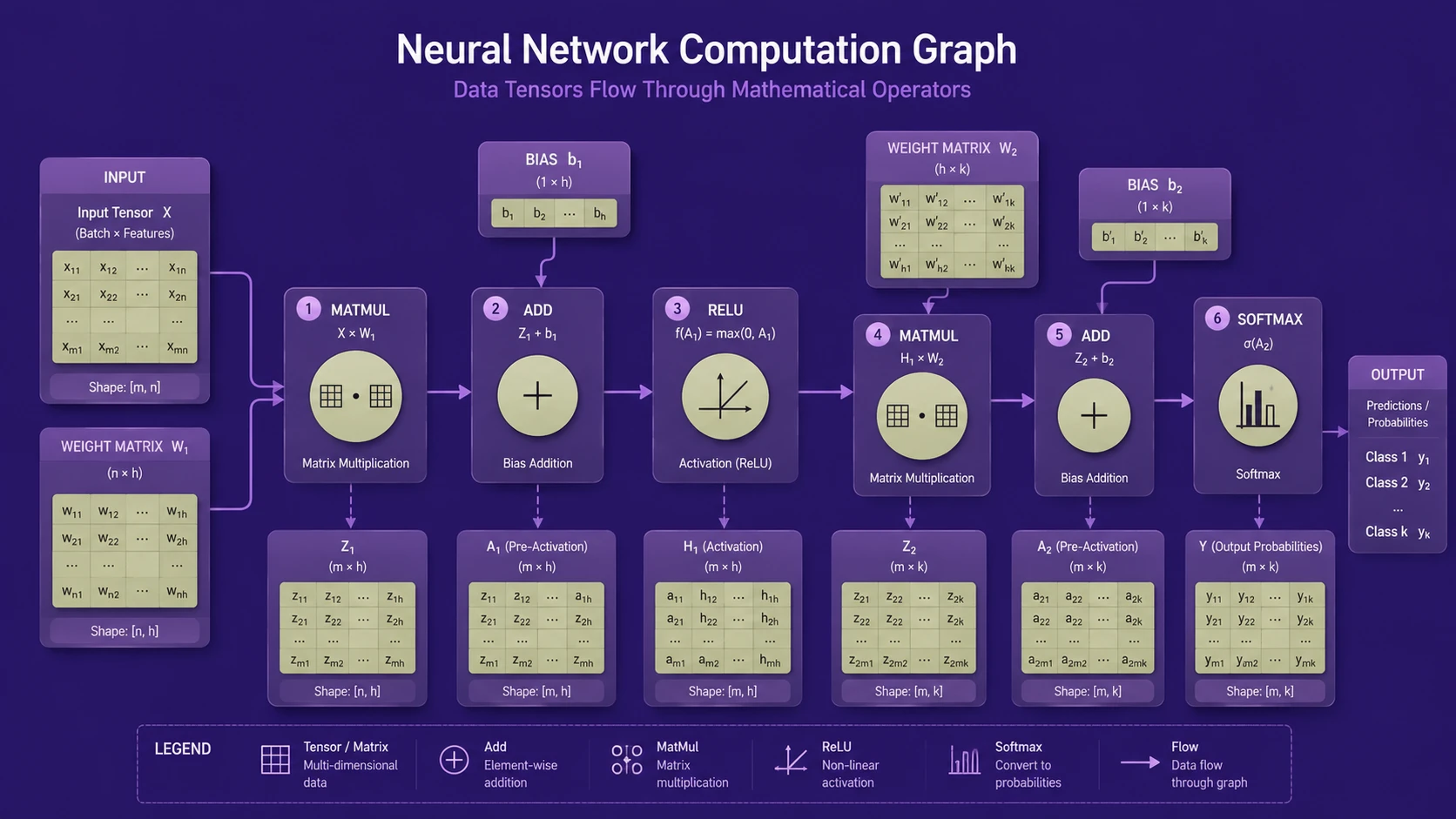
TensorFlow Open Source: Computation Graphs and Declarative Machine Learning Pipelines
Google has open sourced TensorFlow, a machine learning framework designed around data flow graphs that enables scalable model development across CPUs, GPUs, and distributed environments. This article examines TensorFlow from the perspective of November 2015, exploring its architecture, enterprise applications, performance considerations, and its potential role in production machine learning infrastructure.
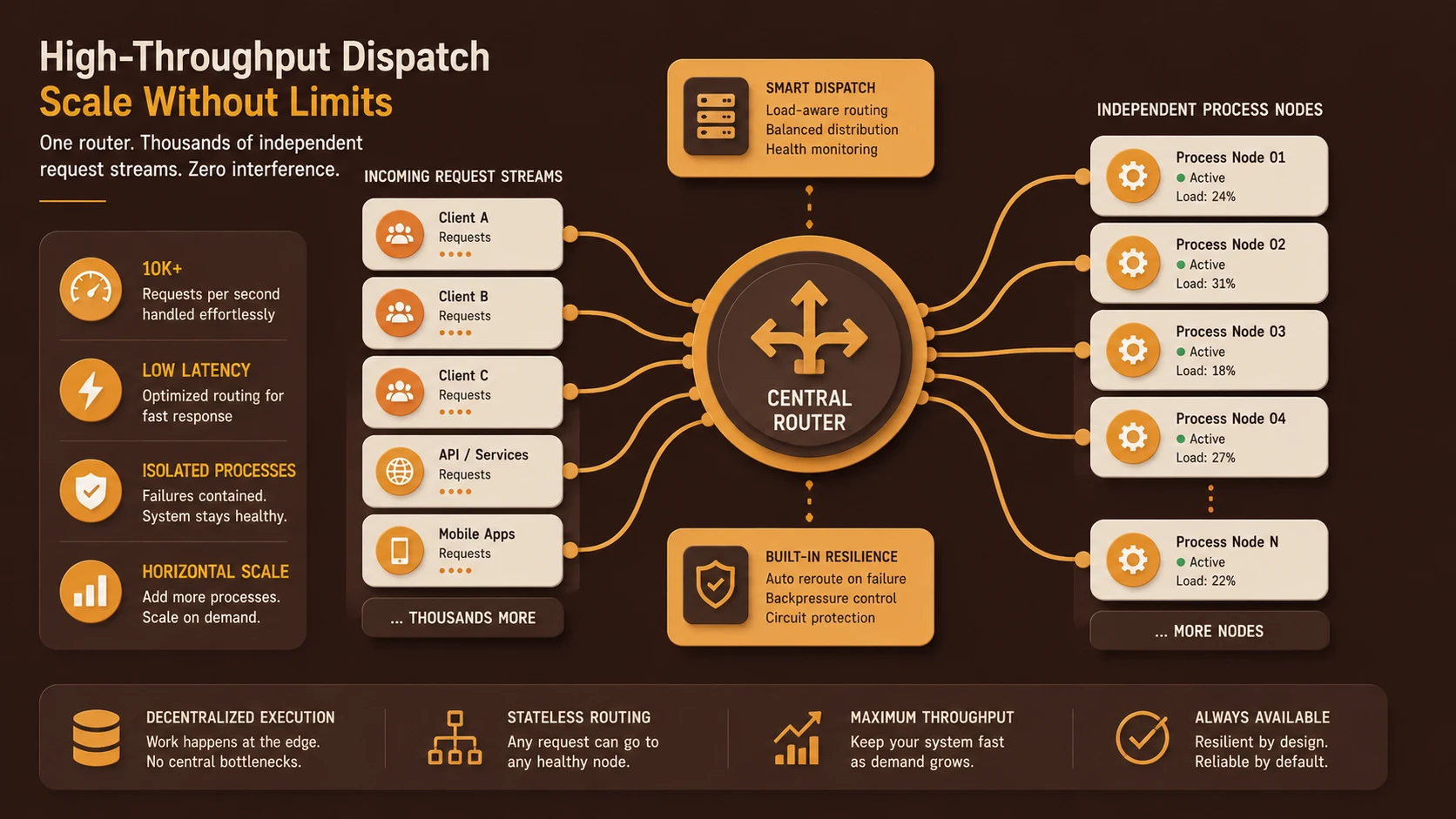
Phoenix Framework: Developing High-Concurrency Web APIs with Elixir and OTP
The Phoenix Framework has rapidly emerged as a promising web development platform for Elixir, combining the reliability of the Erlang VM with a productive MVC architecture. Built upon the OTP concurrency model, Phoenix enables developers to create highly concurrent web APIs and real-time applications capable of supporting demanding enterprise workloads. This article examines Phoenix Framework from the perspective of October 2015, exploring its architecture, concurrency model, enterprise use cases, scalability, performance characteristics, and adoption considerations.
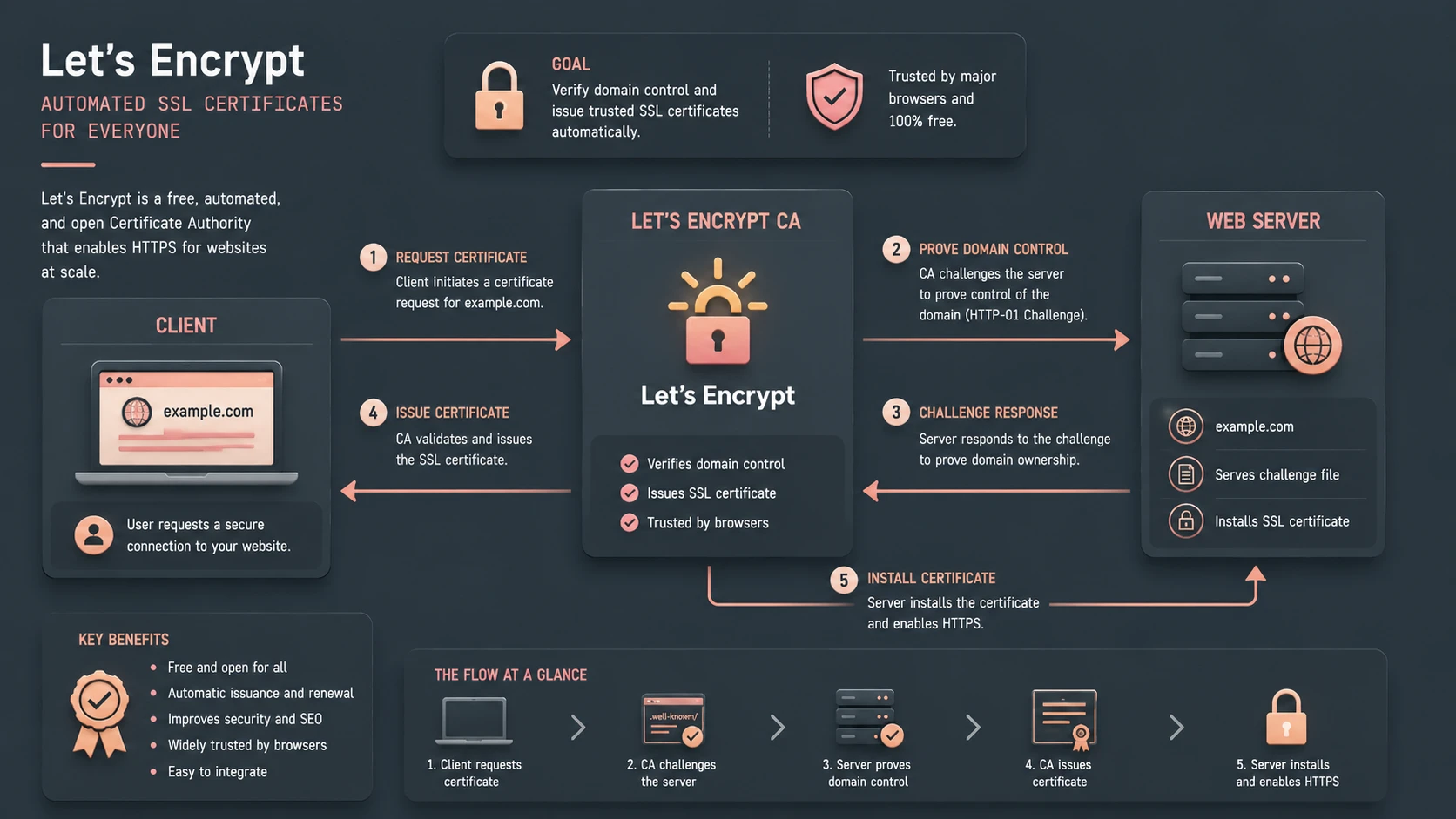
Let's Encrypt Public Beta: Automating SSL/TLS Certificate Provisioning via ACME Protocol
Let's Encrypt enters public beta with a mission to simplify HTTPS adoption through free, automated SSL/TLS certificates using the ACME protocol. This article examines the architecture, certificate lifecycle, validation workflow, operational benefits, security considerations, and enterprise adoption strategies from the perspective of October 2015.
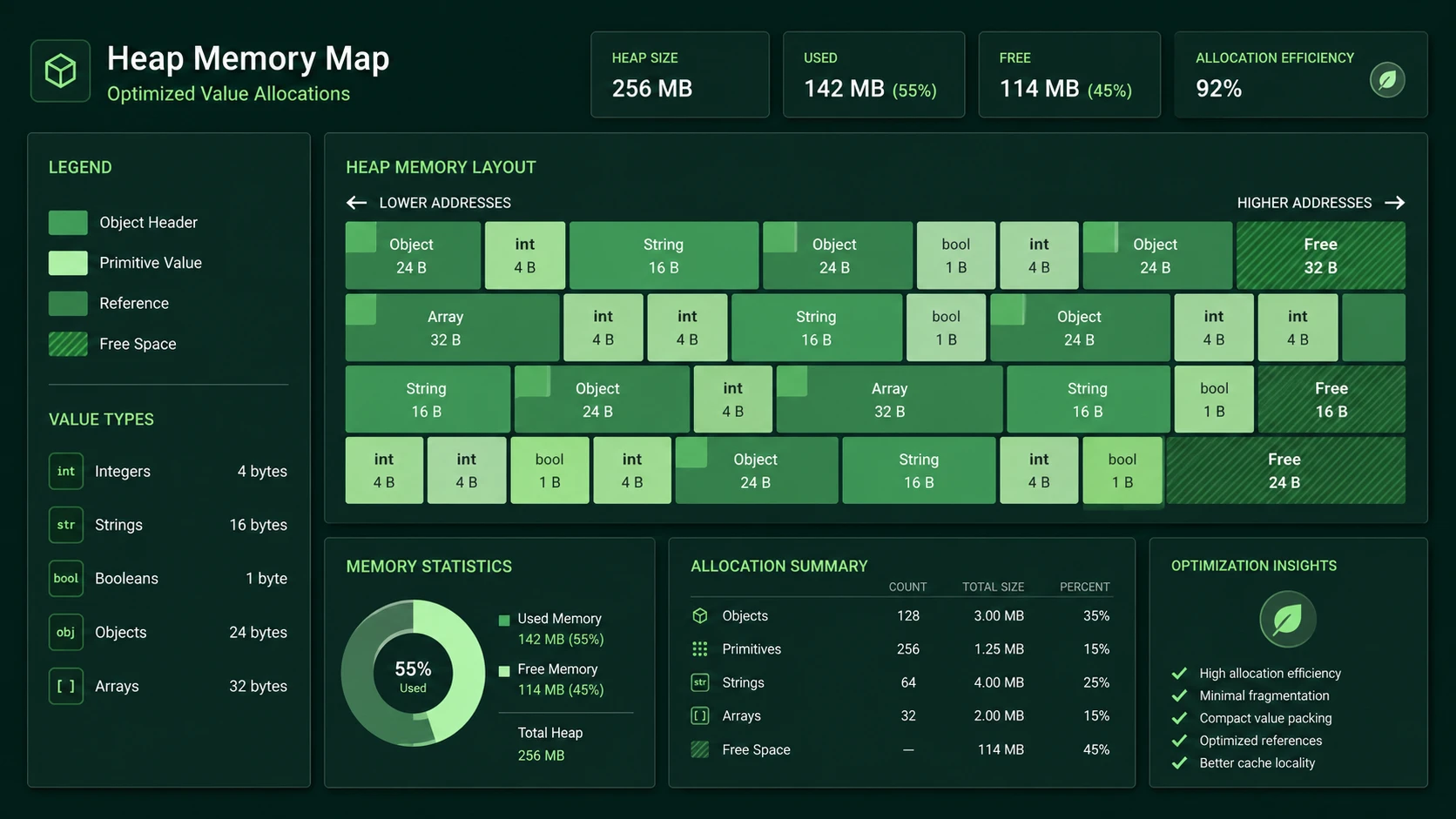
PHP 7.0 Previews: Memory Allocations and the Zend Engine 3 Redesign
PHP 7.0 preview releases introduce one of the most significant architectural upgrades in PHP's history. Centered around the redesigned Zend Engine 3, the upcoming release focuses on reduced memory consumption, improved execution performance, and better scalability for enterprise applications. This article analyzes PHP 7.0 previews from the perspective of September 2015.
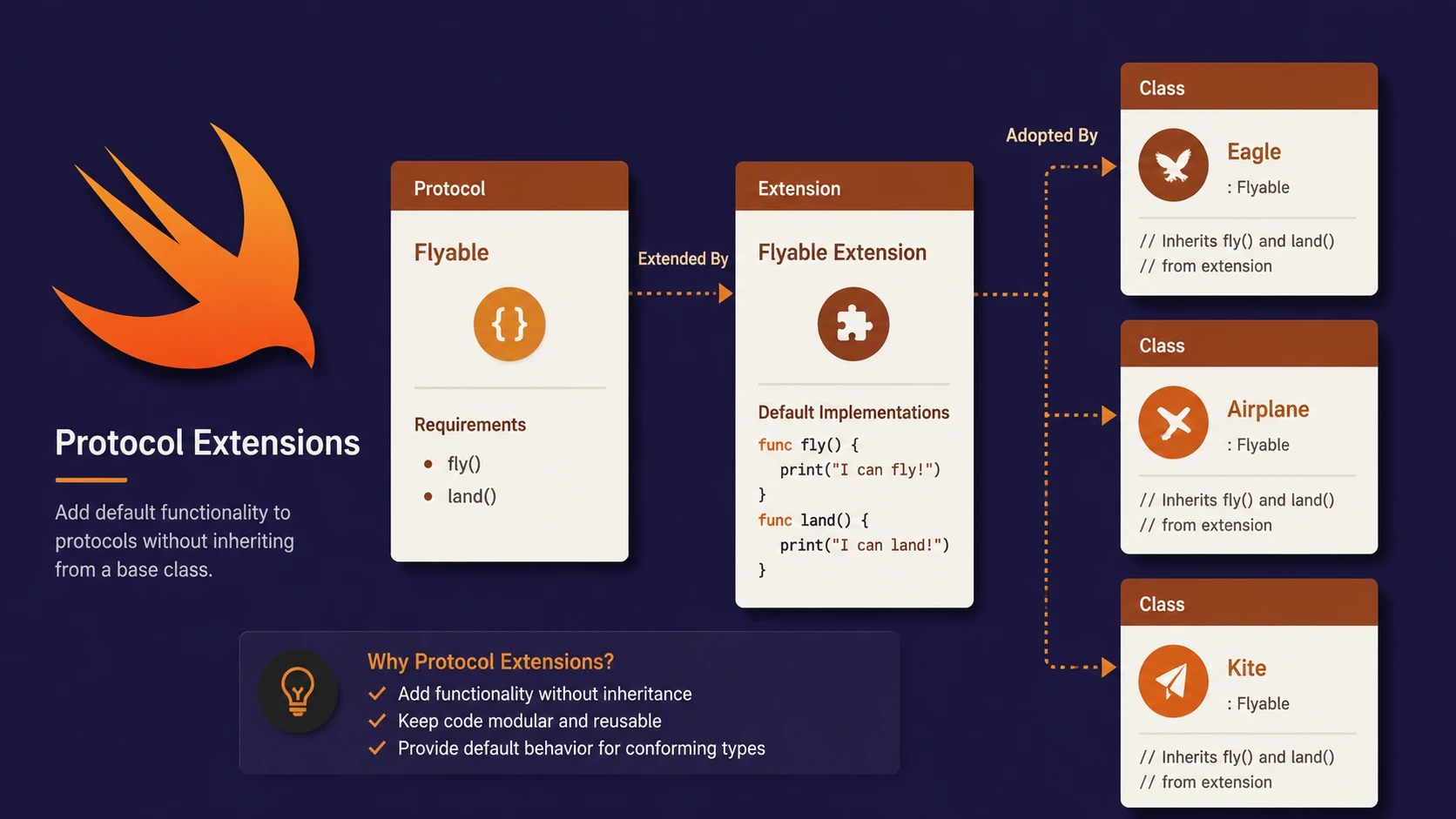
Swift 2.0 Open Source: Memory Management, Error Handling, and Protocol Extensions
Apple has released Swift 2.0 alongside the decision to open source the Swift programming language, marking a significant milestone in modern software development. With improvements including structured error handling, protocol extensions, compiler enhancements, and continued Automatic Reference Counting (ARC) optimizations, Swift 2.0 positions itself as a production-ready language for building reliable and maintainable applications. This article examines Swift 2.0 from the perspective of September 2015, exploring its architecture, enterprise implications, performance characteristics, and adoption strategy.
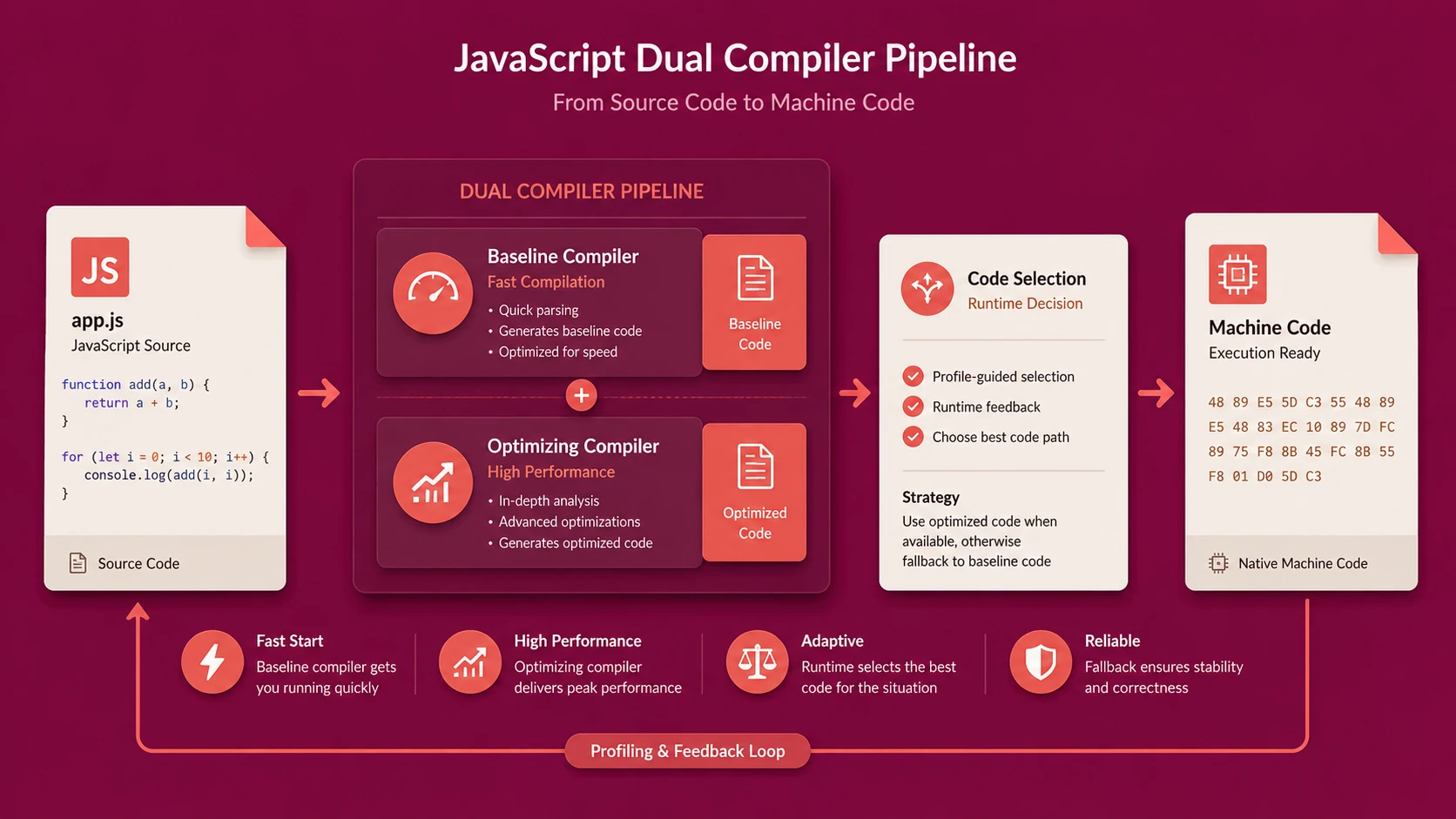
Windows 10 and Edge: The Chakra JavaScript JIT Engine Architecture
With the release of Windows 10 and Microsoft Edge, Chakra has become Microsoft's primary JavaScript execution engine for modern web applications. This article examines Chakra's Just-In-Time compilation architecture, execution pipeline, memory management, optimization strategies, and enterprise implications from the perspective of August 2015.
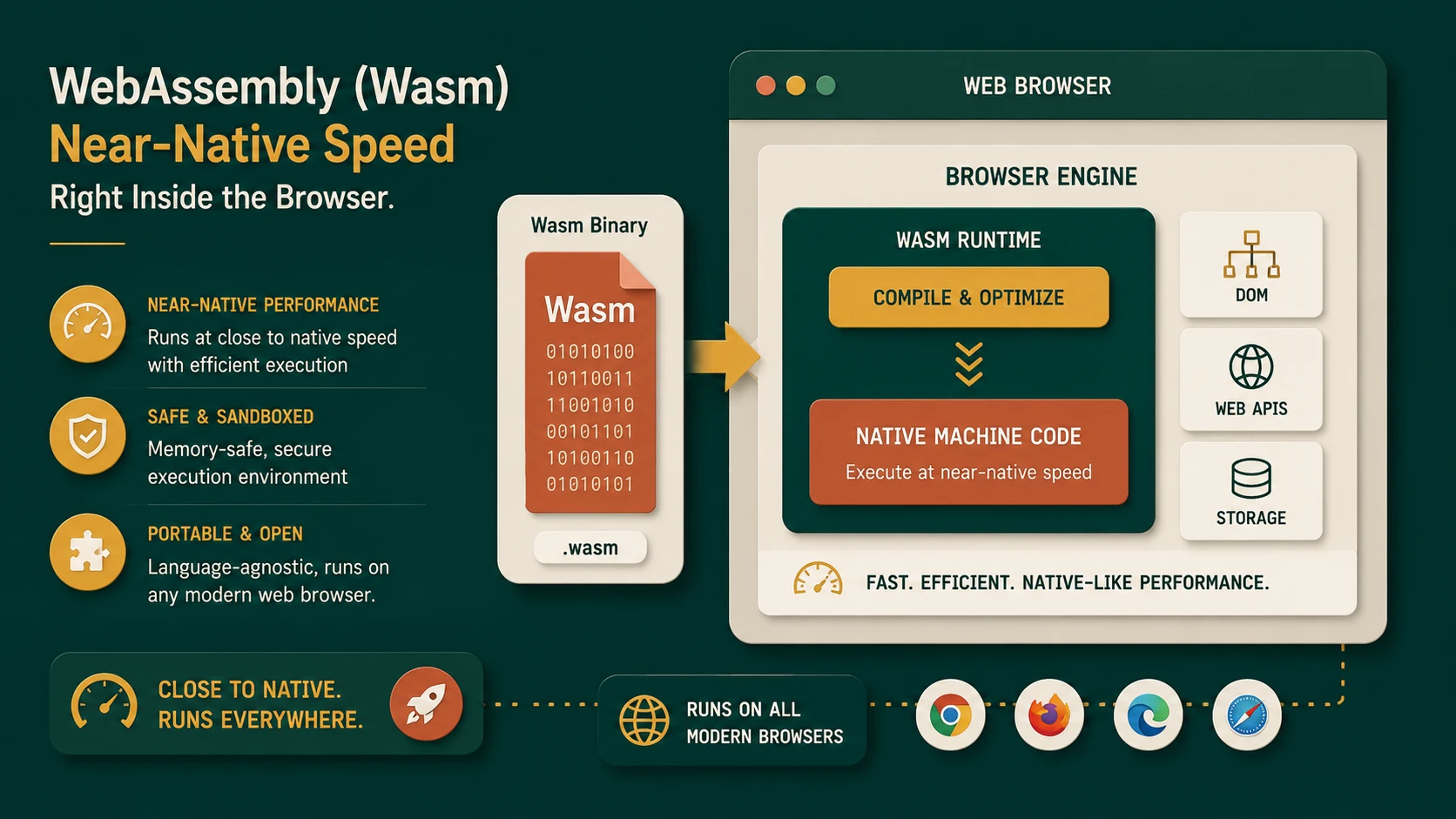
WebAssembly Announcement: Developing Native Code Runtimes inside Browser Engines
The WebAssembly initiative has been announced as a collaborative effort by major browser vendors to create a compact binary format for the web. This article examines the proposal from the perspective of August 2015, exploring its architecture, enterprise implications, performance goals, security model, and how it may influence the future of browser-based application development.
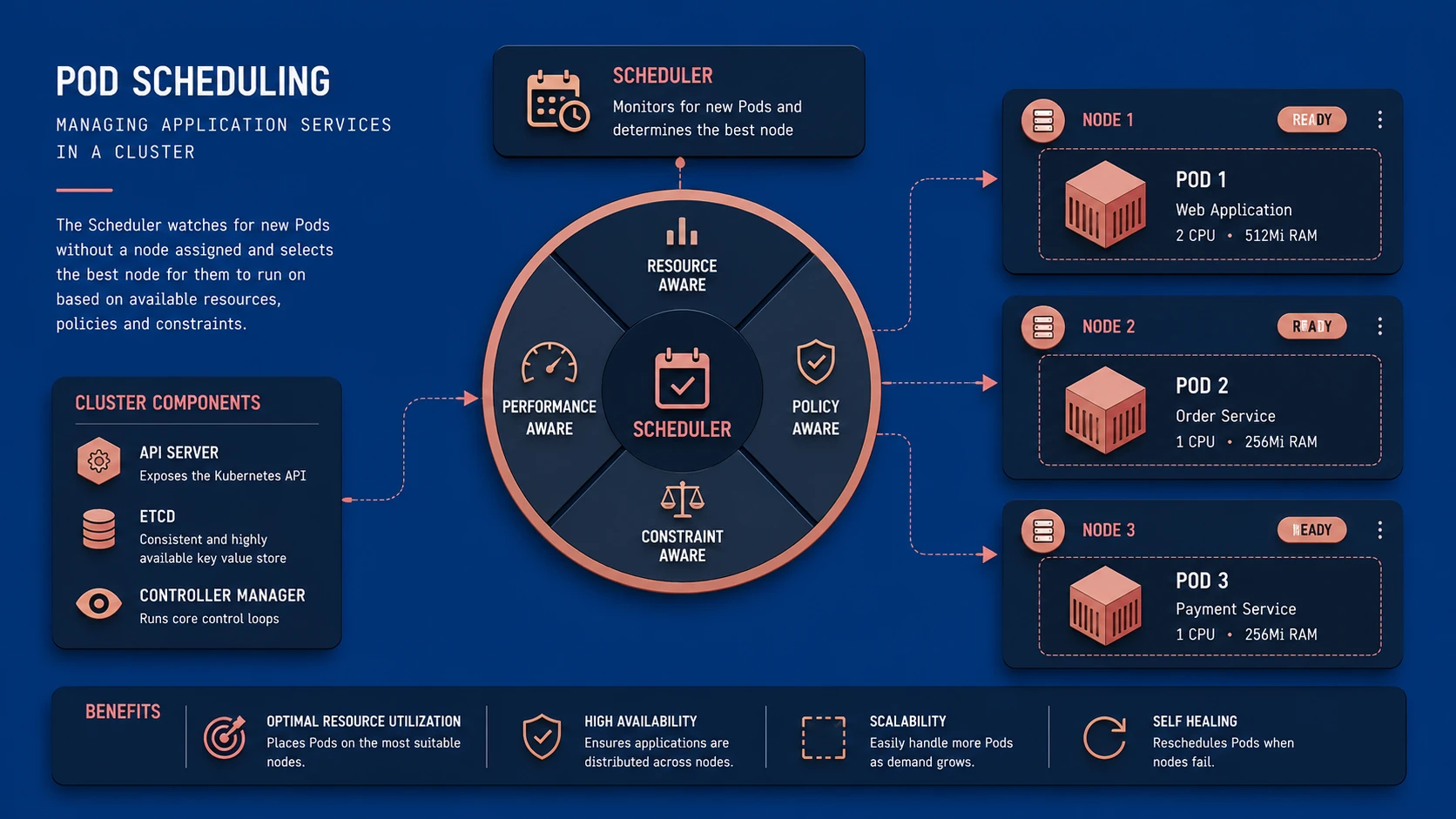
Kubernetes 1.0: Pods, Replication Controllers, and Cluster Services
With the release of Kubernetes 1.0, Google has introduced a production-ready container orchestration platform inspired by years of operating large-scale distributed systems. Kubernetes automates application deployment, container scheduling, service discovery, and infrastructure management through concepts such as Pods, Replication Controllers, and Services. This article examines Kubernetes 1.0 from the perspective of July 2015, exploring its architecture, enterprise use cases, scalability, and operational considerations.
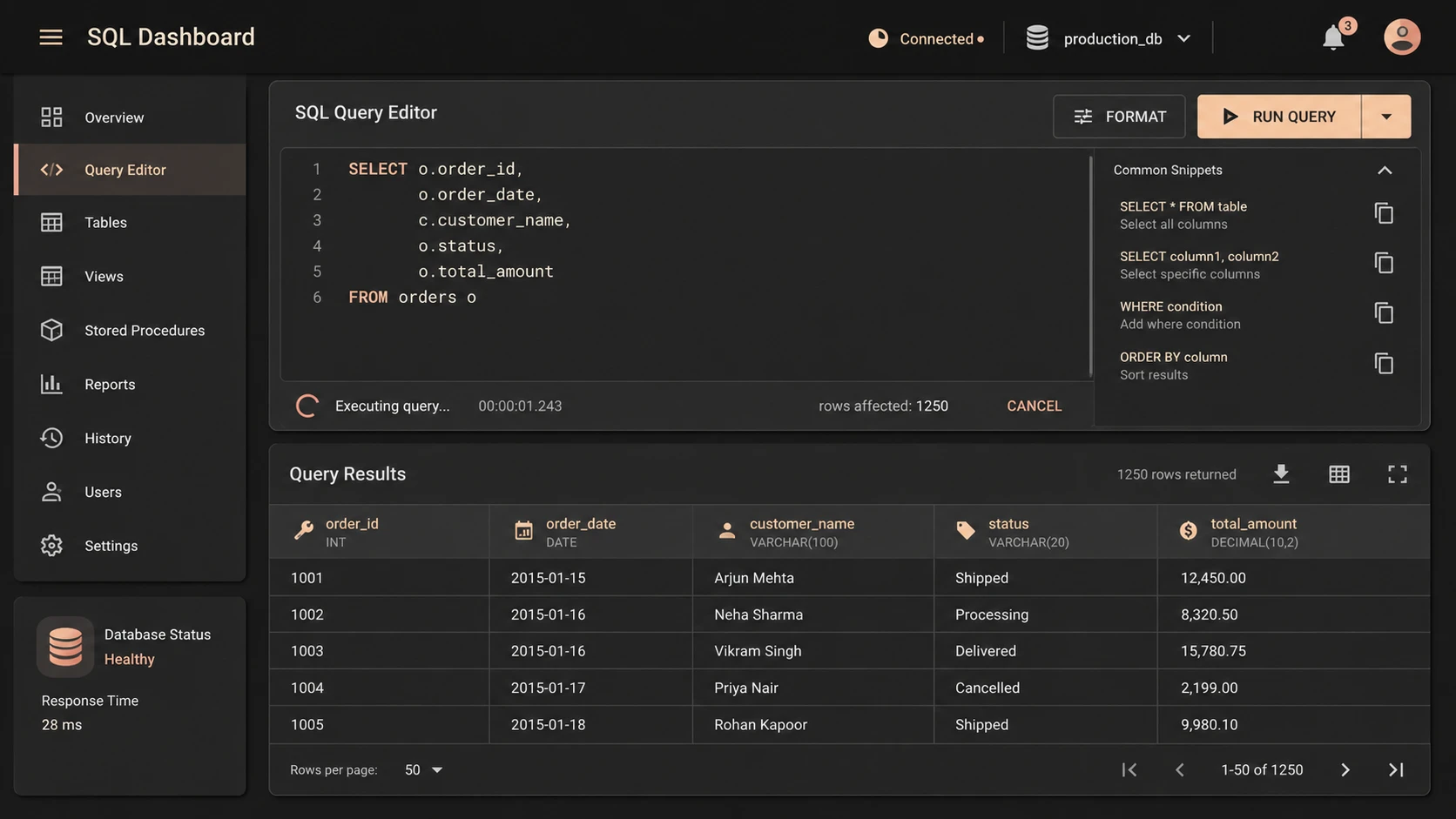
Apache Spark 1.4: Introducing DataFrames and Spark SQL for Distributed Datasets
Apache Spark 1.4 introduces DataFrames as a higher-level abstraction for distributed data processing, along with significant Spark SQL enhancements. This article examines the architecture, execution model, optimization strategies, enterprise adoption considerations, and performance implications from the perspective of July 2015.