Enterprise Technology
Viewing all posts categorized under Enterprise Technology.

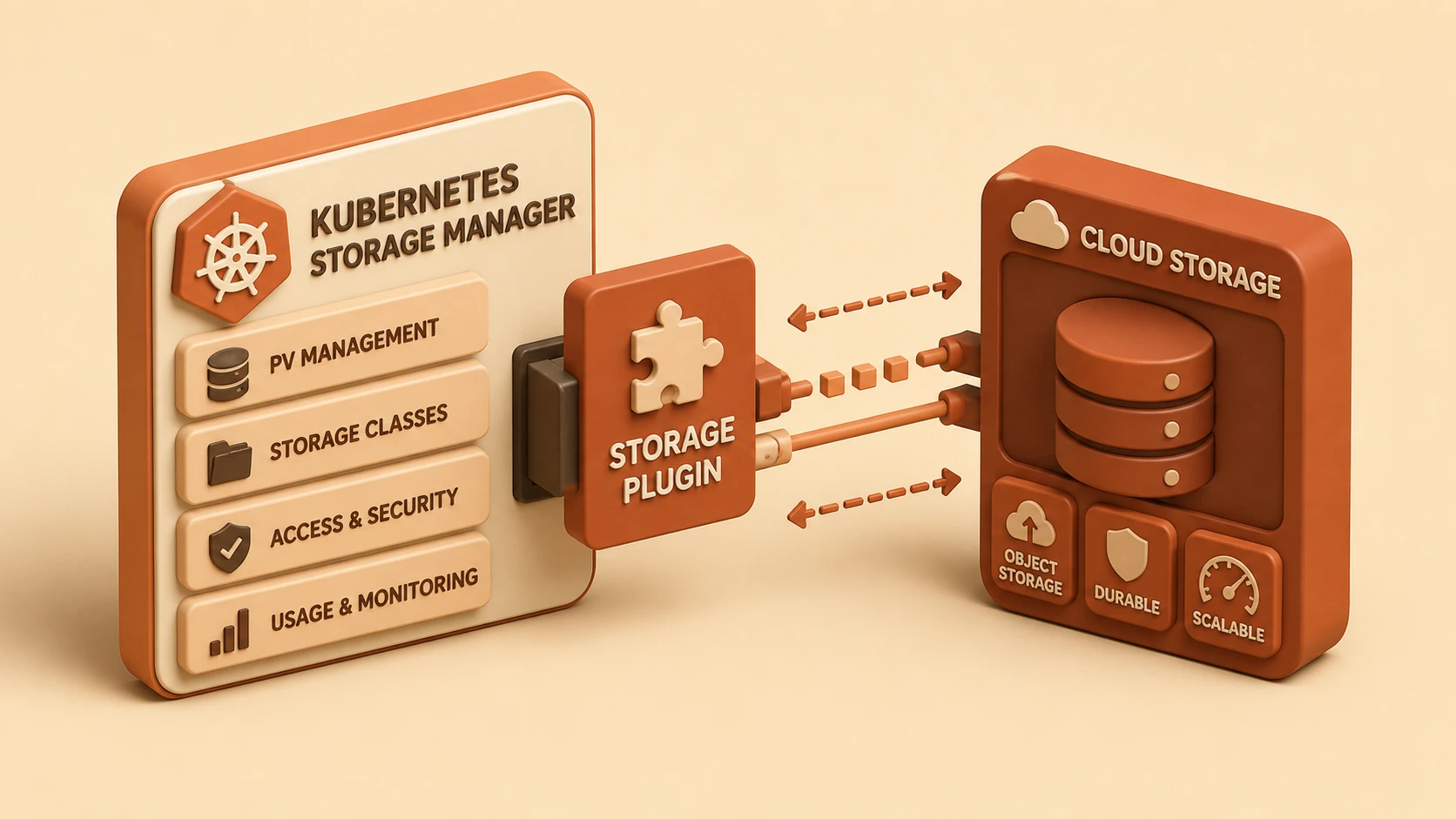
Kubernetes 1.13: Container Storage Interface (CSI) Graduation to GA
Kubernetes 1.13 marks a major milestone with the Container Storage Interface (CSI) graduating to General Availability. CSI establishes a standardized storage plugin architecture that enables storage vendors to innovate independently from Kubernetes releases while simplifying enterprise storage integration for stateful workloads. This article examines Kubernetes 1.13 from the perspective of December 2018.
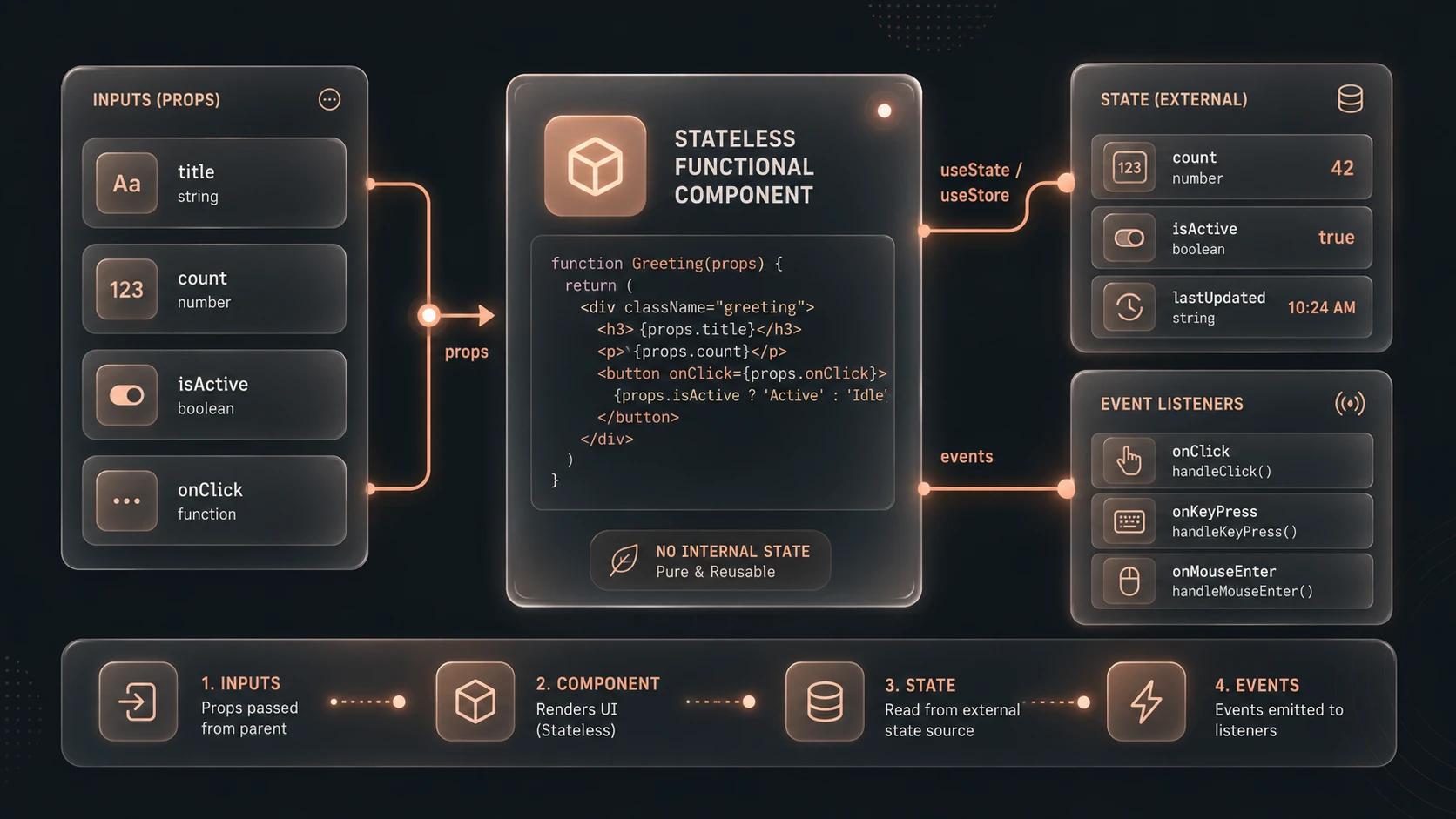
React Hooks Preview: useState, useEffect, and Lifecycle Modernization
The React Hooks preview introduces a new programming model that allows function components to manage state and side effects without relying on class components. This article examines useState, useEffect, Hook architecture, migration considerations, enterprise adoption strategies, and application design patterns from the perspective of December 3, 2018.
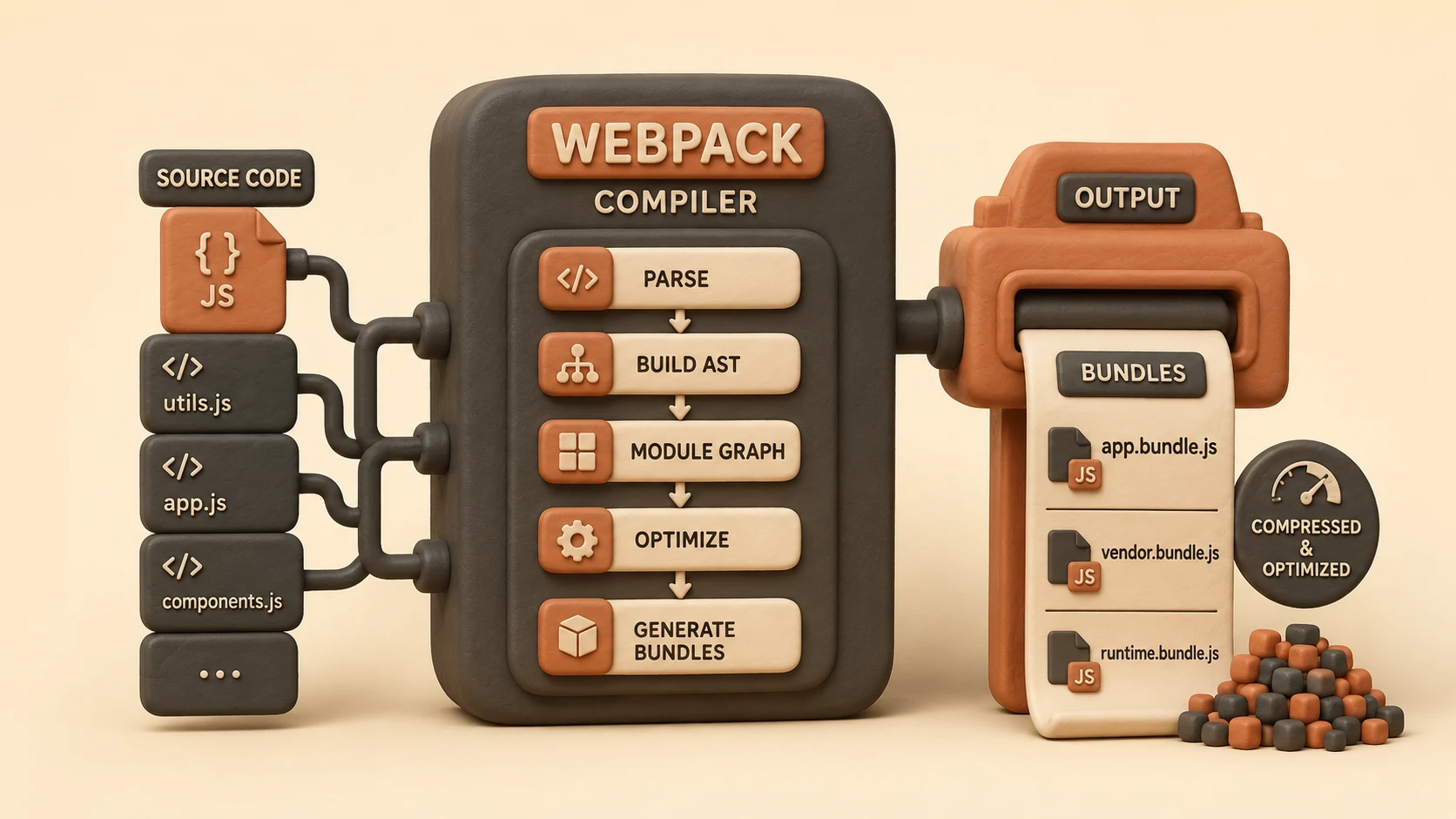
Next.js 7.0: Webpack 4.0 Integration and Optimized Bundle Compilation
Next.js 7.0 modernizes React application development by adopting Webpack 4 as its default bundler, improving compilation performance, reducing production bundle sizes, and simplifying deployment workflows. Combined with improved Babel support, better TypeScript integration, and enhanced developer tooling, Next.js 7 positions itself as a mature framework for enterprise server-rendered and static React applications. This article examines Next.js 7.0 from the perspective of November 2018.
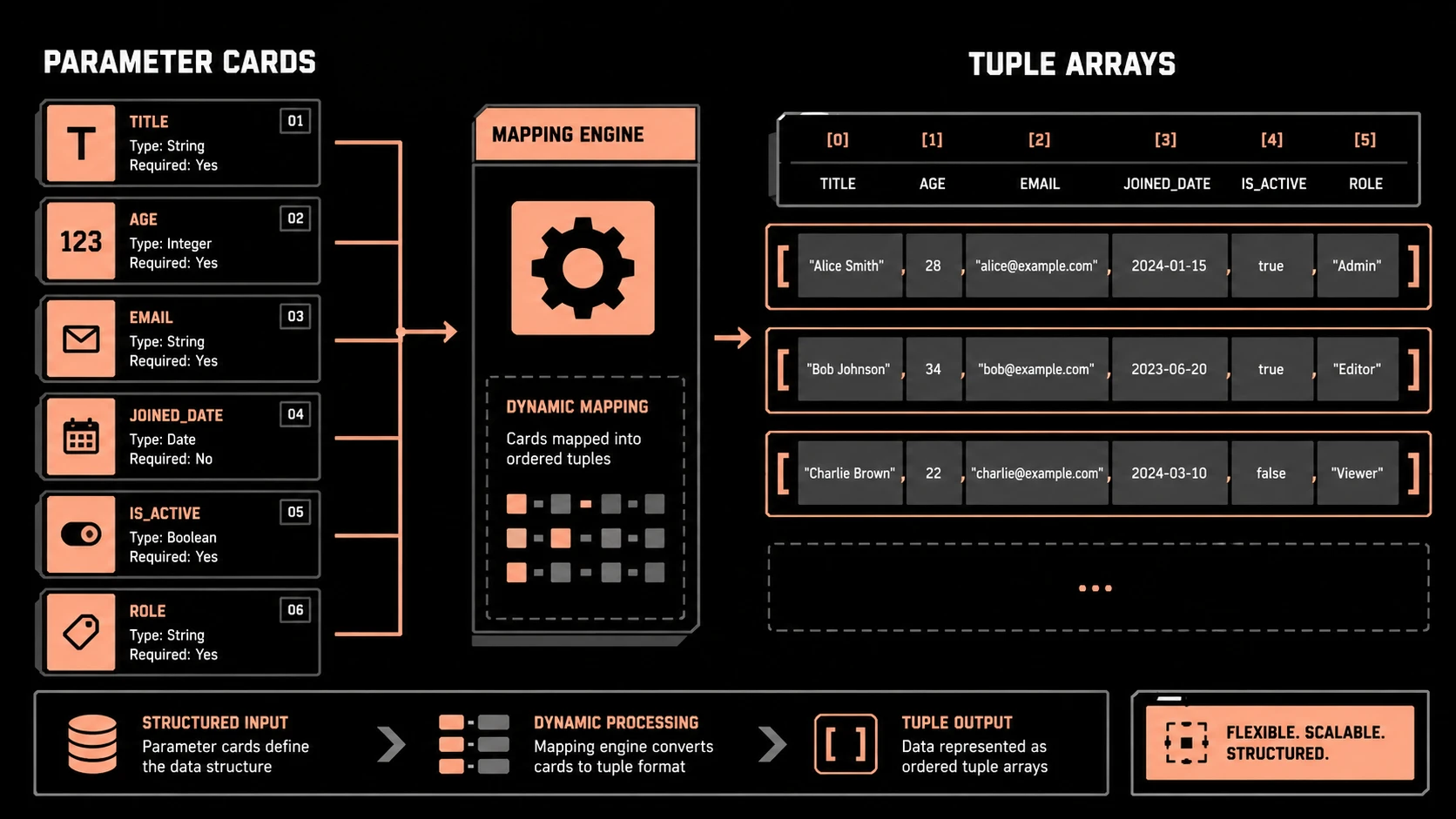
TypeScript 3.1: Mapped Types, Generic Parameter Tuples, and Compile Speeds
TypeScript 3.1 continues Microsoft's rapid evolution of the language with improvements to mapped types over tuples and arrays, enhanced function property declarations, faster compiler performance, and better developer tooling. This release further strengthens TypeScript as the preferred language for building scalable enterprise JavaScript applications. This article examines TypeScript 3.1 from the perspective of November 2018.
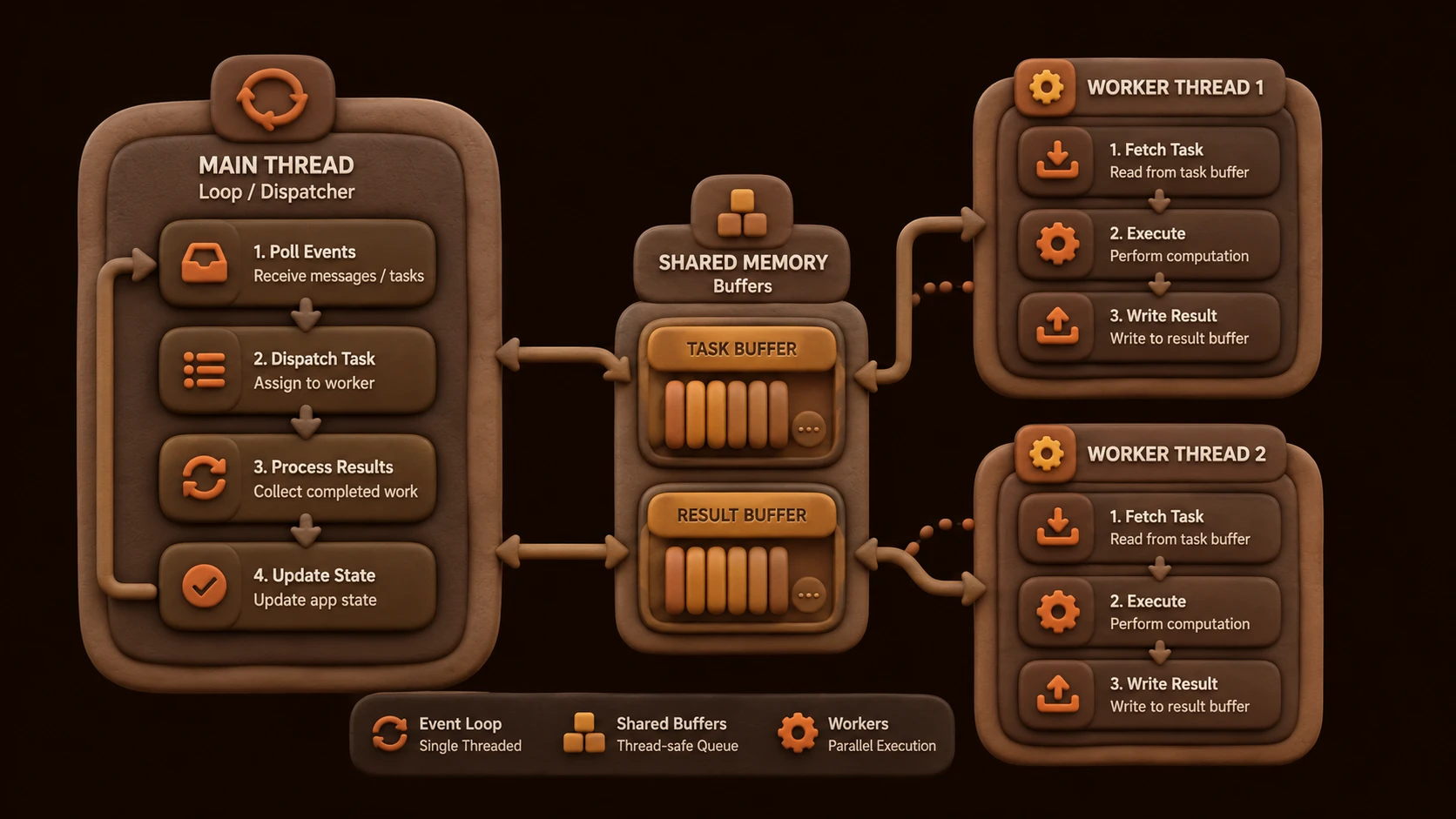
Node.js 11.0: Multithreading in JavaScript via Worker Threads
Node.js 11.0 introduces experimental Worker Threads, providing a standardized approach to executing CPU-intensive JavaScript workloads across multiple threads. This article examines Worker Threads architecture, message passing, memory sharing, enterprise use cases, performance trade-offs, and migration strategies from the perspective of October 2018.
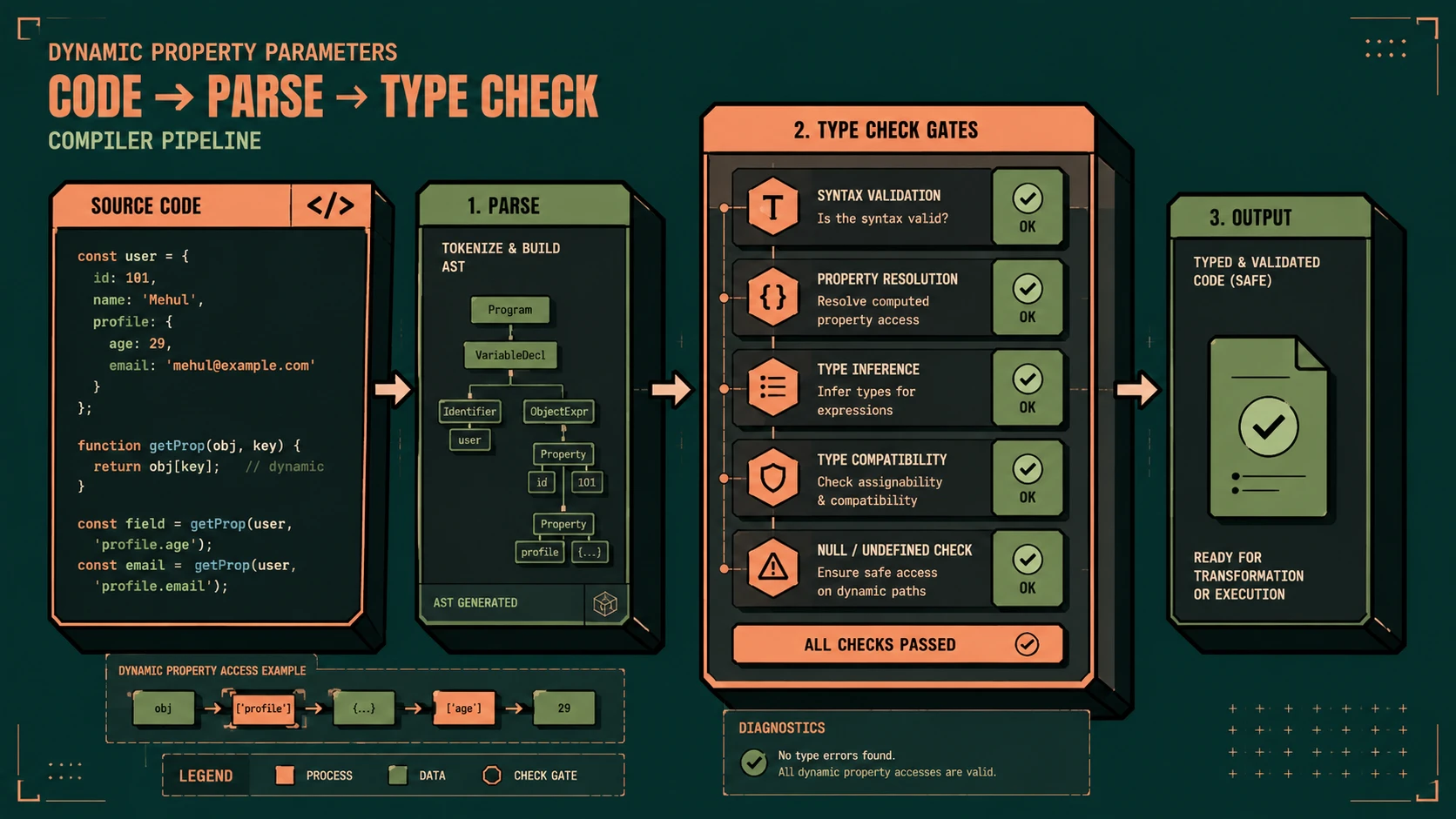
Swift 4.2: Dynamic Member Lookup and Compiler Optimizations
Swift 4.2 continues Apple's rapid evolution of the Swift programming language by introducing compiler optimizations, developer tooling improvements, dynamic member lookup proposals, and numerous standard library refinements. This article examines Swift 4.2 from the perspective of September 2018, exploring its architecture, enterprise implications, performance enhancements, interoperability goals, and adoption strategy.
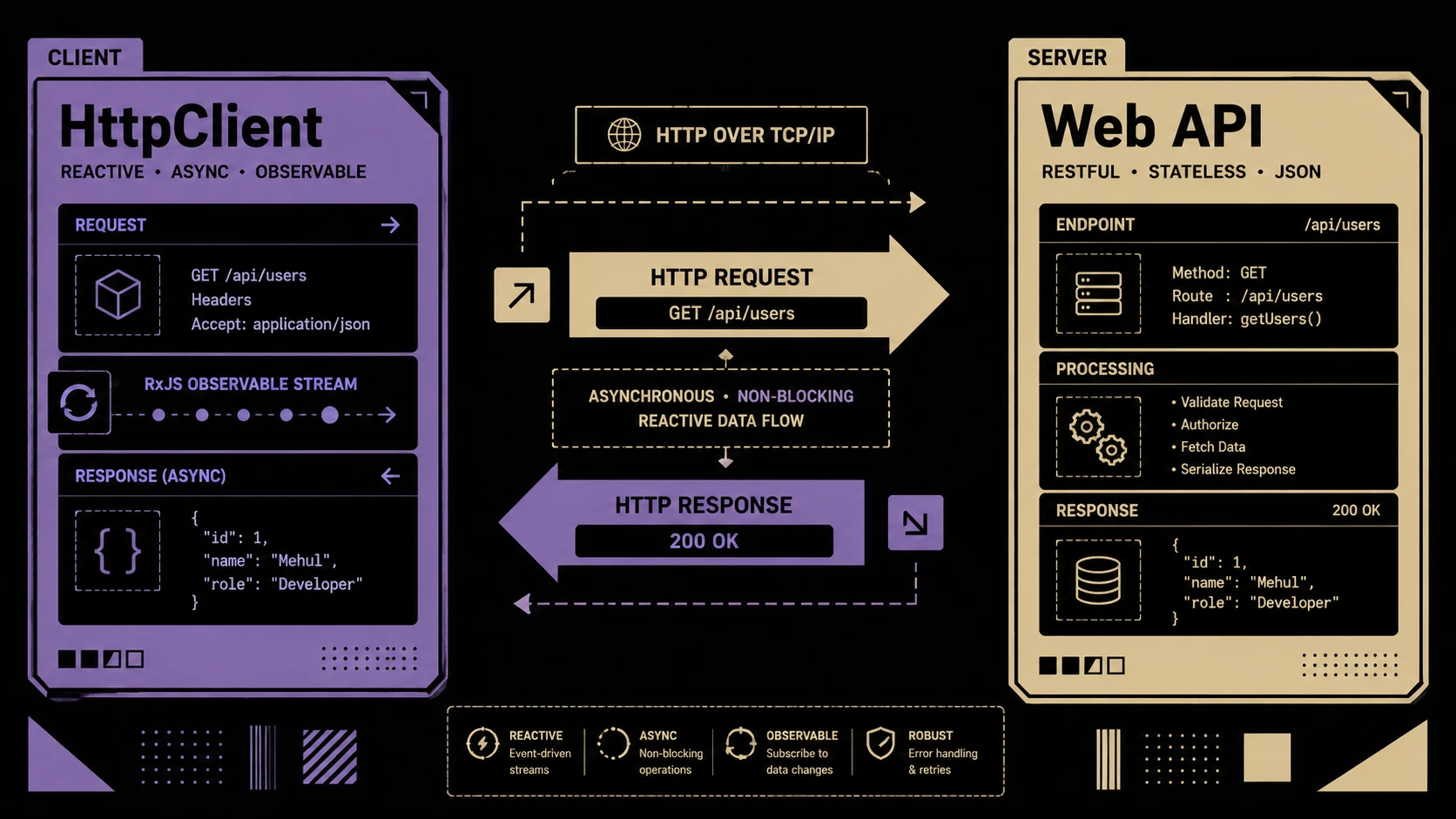
Java 11 LTS: Migrating to the Modular HTTP Client and G1 GC Default Upgrades
Java 11 becomes the next Long-Term Support (LTS) release, delivering a standardized HTTP Client API, continued improvements to the Java Platform Module System, G1 Garbage Collector enhancements, and numerous platform refinements. This article examines Java 11 from the perspective of September 2018, focusing on enterprise modernization, migration planning, and production adoption.
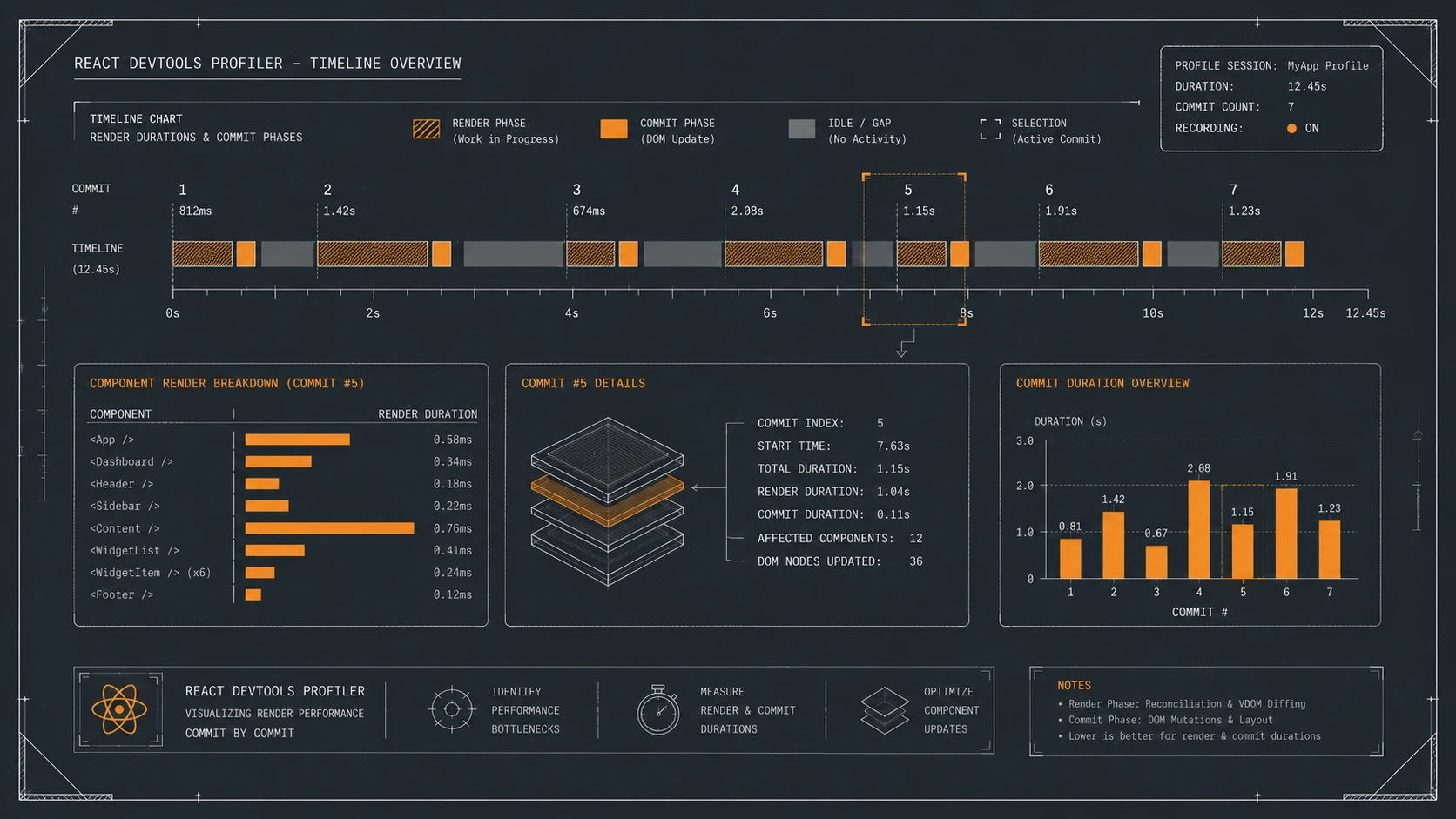
React 16.5: Profiler Integration and Component Render Performance Auditing
React 16.5 introduces the Profiler API through the react-dom/profiling package, giving development teams a standardized way to measure rendering performance and identify component bottlenecks. Combined with ongoing Fiber improvements and enhanced Developer Tools support, React 16.5 strengthens performance engineering for enterprise-scale applications. This article examines React 16.5 from the perspective of August 2018.
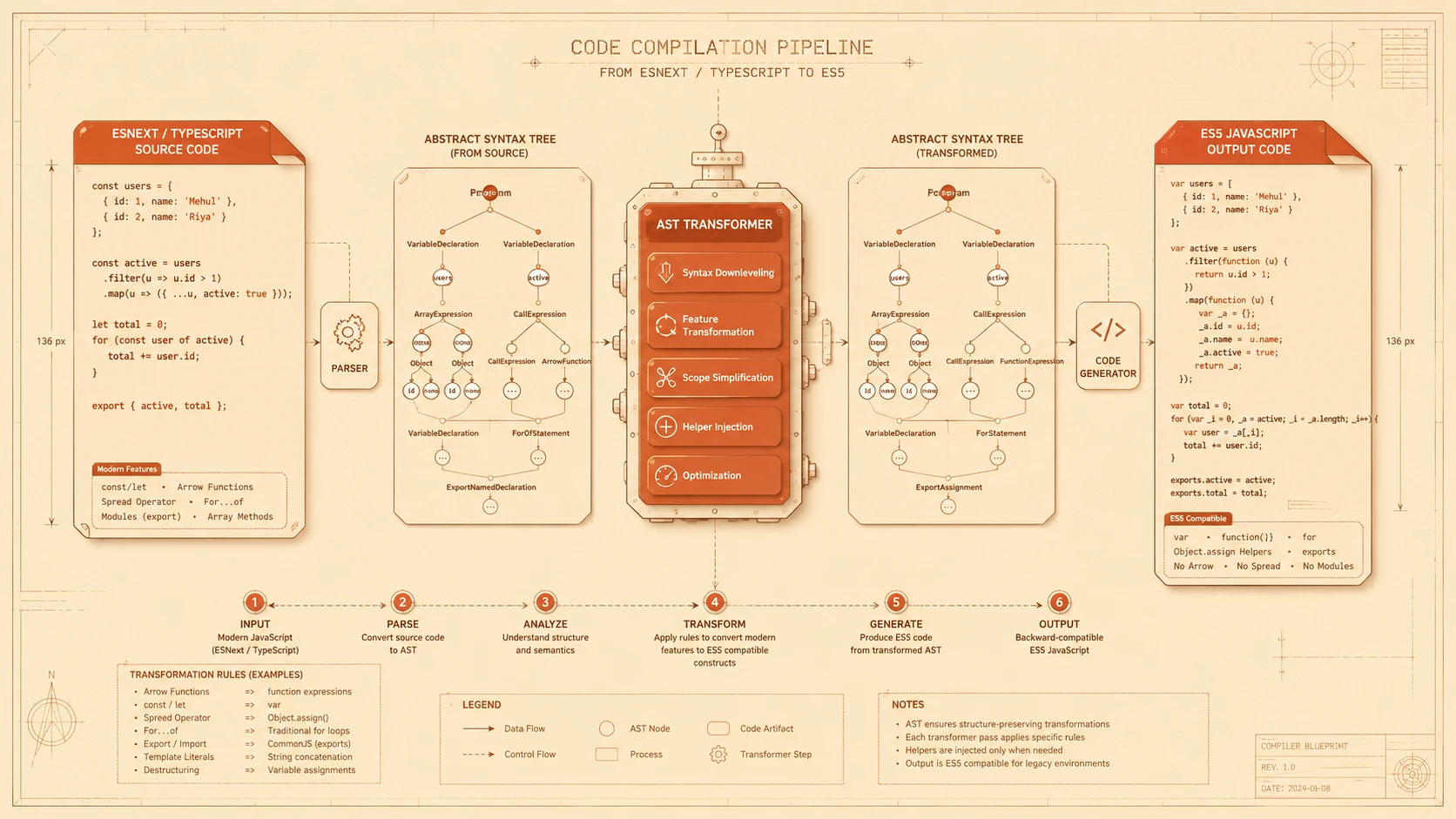
Babel 7.0 Release: Scoped Packages, TypeScript Presets, and AST Compilation
Babel 7.0 introduces scoped packages, improved configuration management, TypeScript support through official presets, monorepo improvements, and significant compiler architecture refinements. This article examines Babel 7.0 from the perspective of July 2018, focusing on enterprise JavaScript build systems, compiler internals, AST transformations, and migration strategies.

Kubernetes 1.11: IPVS Load Balancing and CoreDNS Cluster Integrations
Kubernetes 1.11 introduces major networking improvements with IPVS-based Service load balancing reaching General Availability and CoreDNS graduating to beta as a replacement for kube-dns. These enhancements improve scalability, networking performance, operational simplicity, and DNS reliability for production Kubernetes clusters. This article examines Kubernetes 1.11 from the perspective of July 2018.

Next.js 6.0: Static Page Prefetching and Custom Babel Configuration Routing
Next.js 6.0 advances React application development by introducing automatic static page prefetching, customizable Babel configuration, improved routing flexibility, and production-focused developer tooling. These enhancements strengthen Next.js as an enterprise framework for server-rendered and statically optimized React applications. This article examines Next.js 6.0 from the perspective of June 2018.
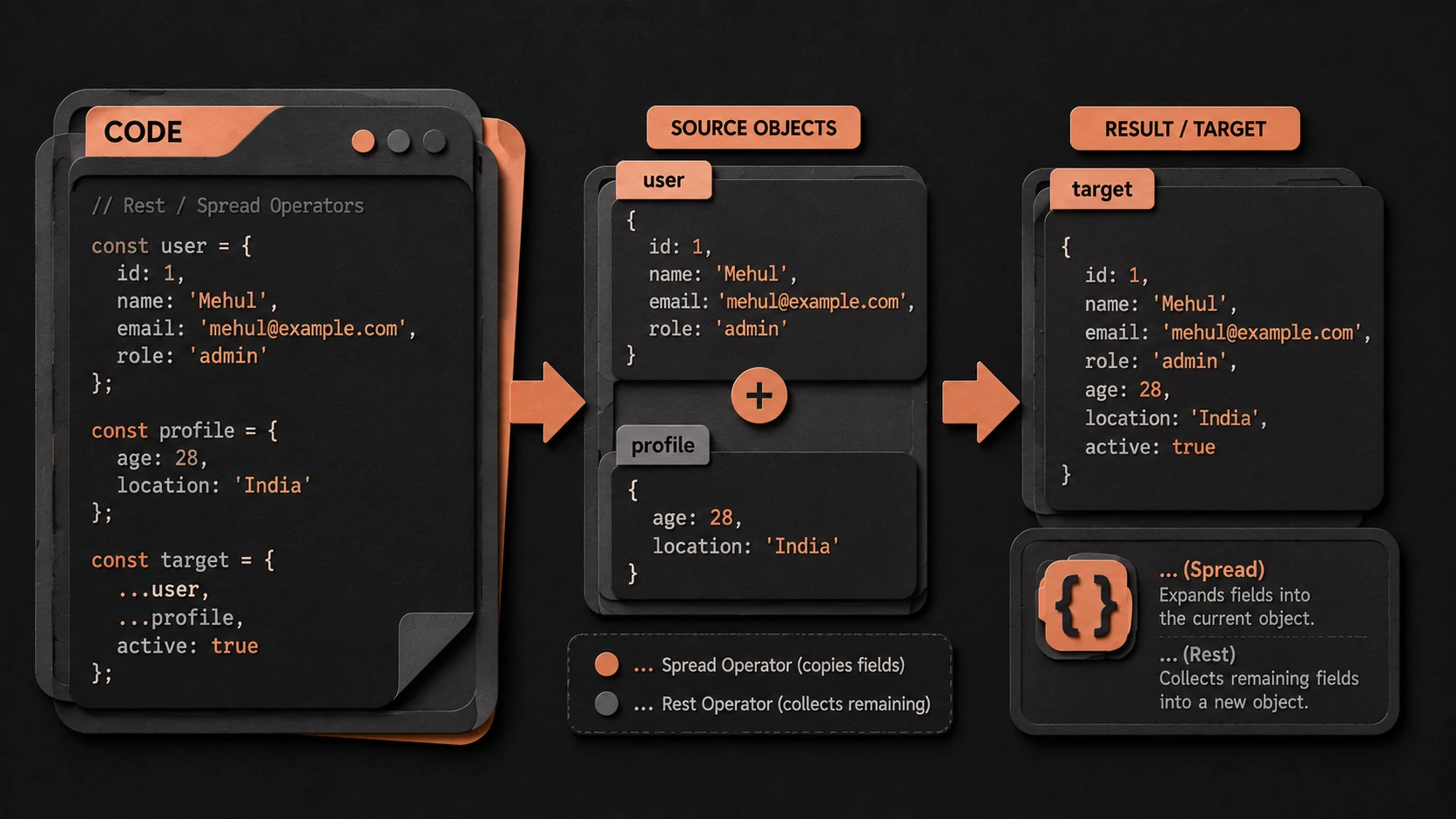
ES9 / ECMAScript 2018: Object Rest/Spread Properties and Asynchronous Iteration
ECMAScript 2018 (ES9) introduces object rest/spread properties, asynchronous iteration, Promise.finally(), regular expression enhancements, and additional language improvements that simplify modern JavaScript development. This article examines the new features, compiler behavior, enterprise use cases, performance considerations, and adoption strategies from the perspective of June 2018.
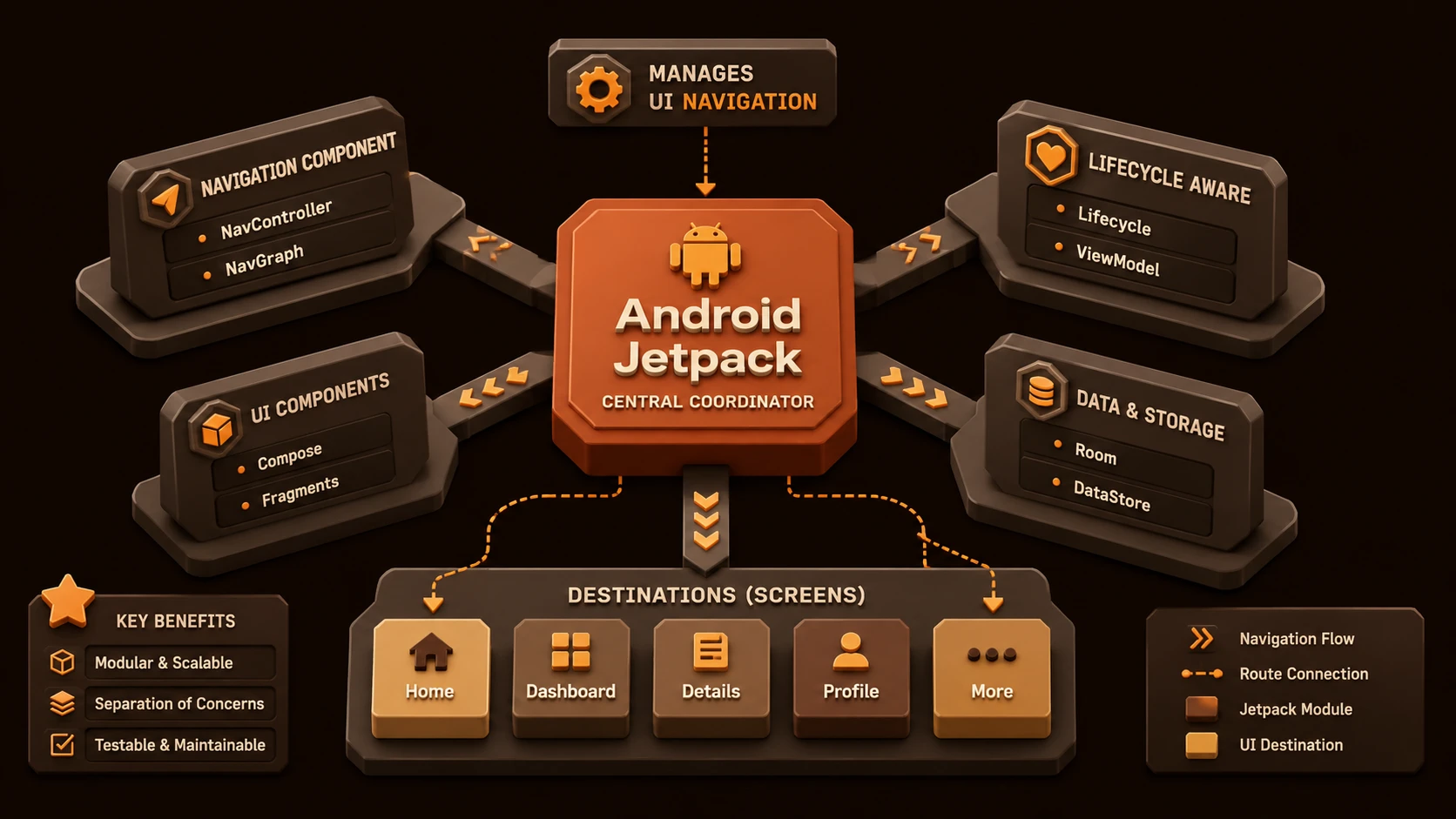
Android Jetpack: Modernizing Android Development with WorkManager and Navigation Components
Announced at Google I/O 2018, Android Jetpack introduces a comprehensive suite of architecture libraries designed to simplify Android application development. With components such as WorkManager, Navigation, ViewModel, LiveData, Room, and Paging, Jetpack aims to reduce boilerplate code, improve lifecycle management, and establish consistent architectural patterns for enterprise mobile applications. This article examines Android Jetpack from the perspective of May 2018.

Rust 2018 Edition: Modular Path Refactoring and Non-Lexical Lifetimes
The Rust 2018 Edition represents a major step in the language's evolution by refining module paths, improving package organization, introducing Non-Lexical Lifetimes (NLL), and enhancing developer productivity while maintaining backward compatibility. This article examines the initiative from the perspective of May 2018, exploring its architecture, compiler improvements, enterprise implications, and adoption strategy.
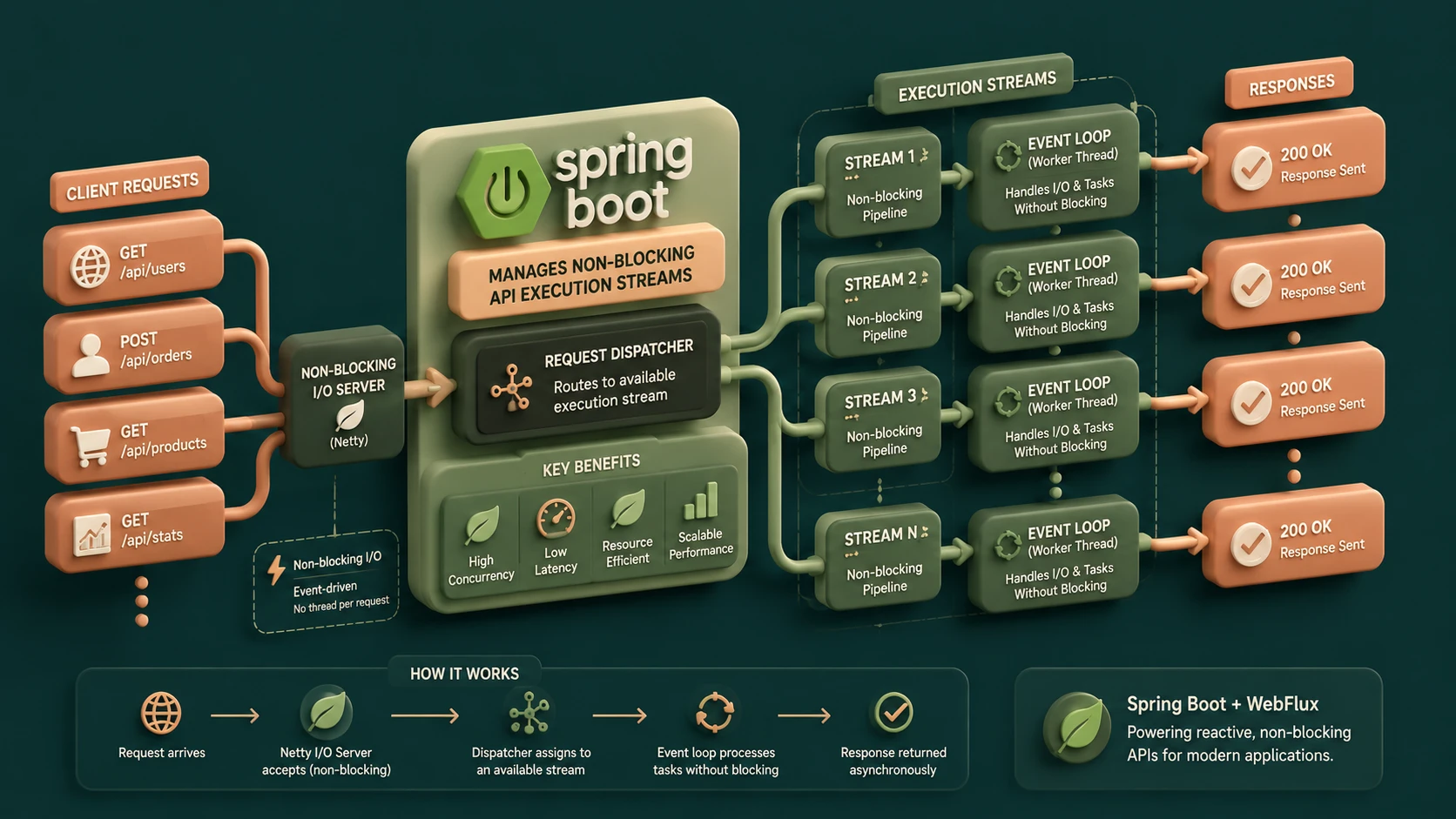
Spring Boot 2.0: Reactive Starters and WebFlux Production Integration
Spring Boot 2.0 introduces first-class support for Spring WebFlux, reactive starters, Project Reactor integration, and numerous production-ready improvements for cloud-native Java applications. This article examines the reactive programming model, architecture, deployment considerations, and enterprise adoption strategies from the perspective of April 2018.