Enterprise Technology
Viewing all posts categorized under Enterprise Technology.


iOS 11.3: Safari Native Service Workers and PWA Support
With iOS 11.3, Safari introduces native Service Worker support, enabling Progressive Web App (PWA) technologies on Apple's mobile platform. This milestone significantly improves cross-browser compatibility for offline web applications, intelligent caching, and background resource management. This article examines the announcement from the perspective of March 2018, evaluating its architecture, enterprise implications, performance characteristics, and adoption strategy.
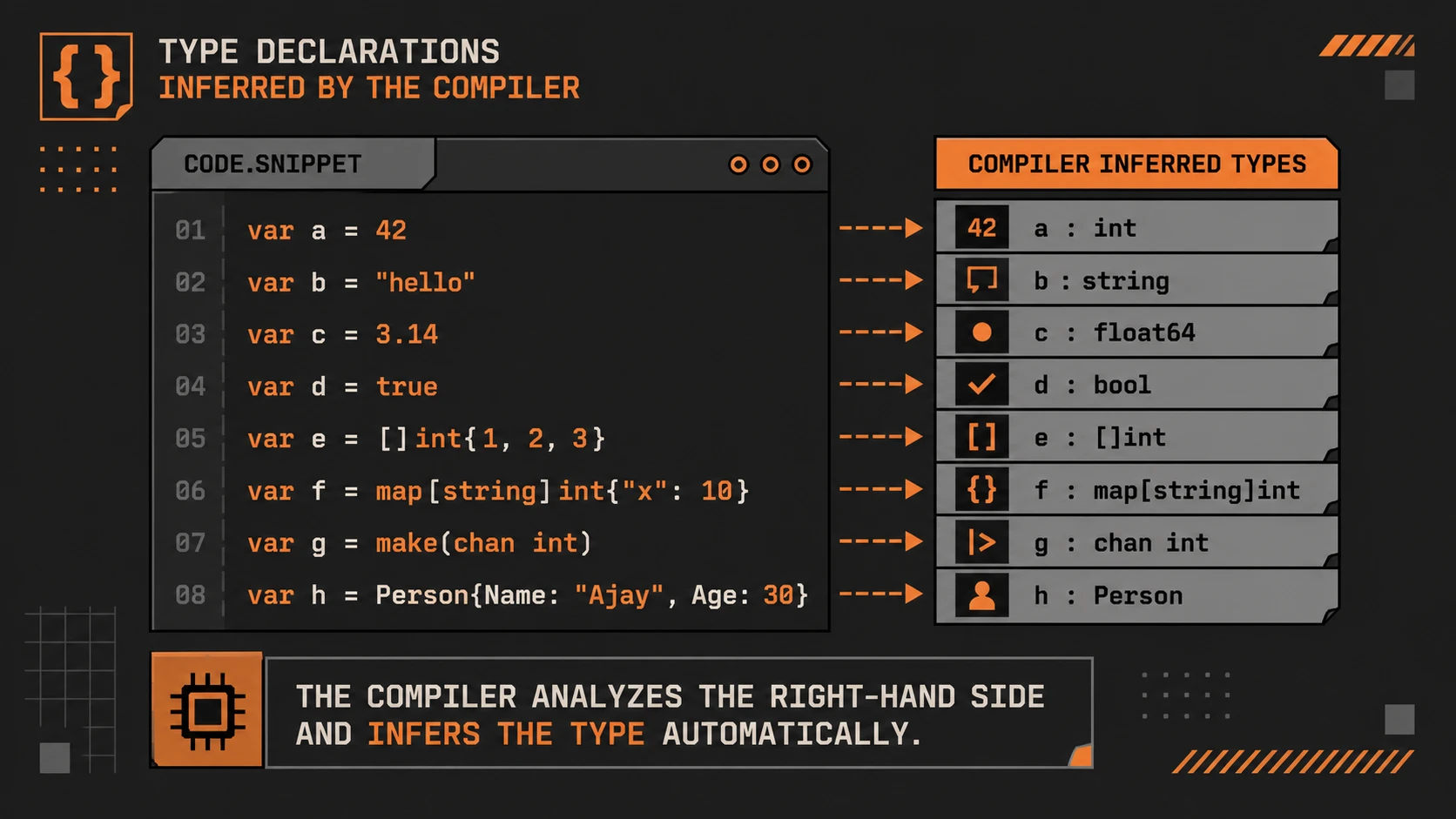
Java 10: Modifying JVM Syntax with Local Variable Type Inference
Java 10 introduces Local Variable Type Inference through the `var` reserved type name, simplifying local variable declarations while preserving Java's strong static typing. This article examines the feature's design, compiler behavior, enterprise best practices, migration considerations, and architectural implications from the perspective of March 2018.
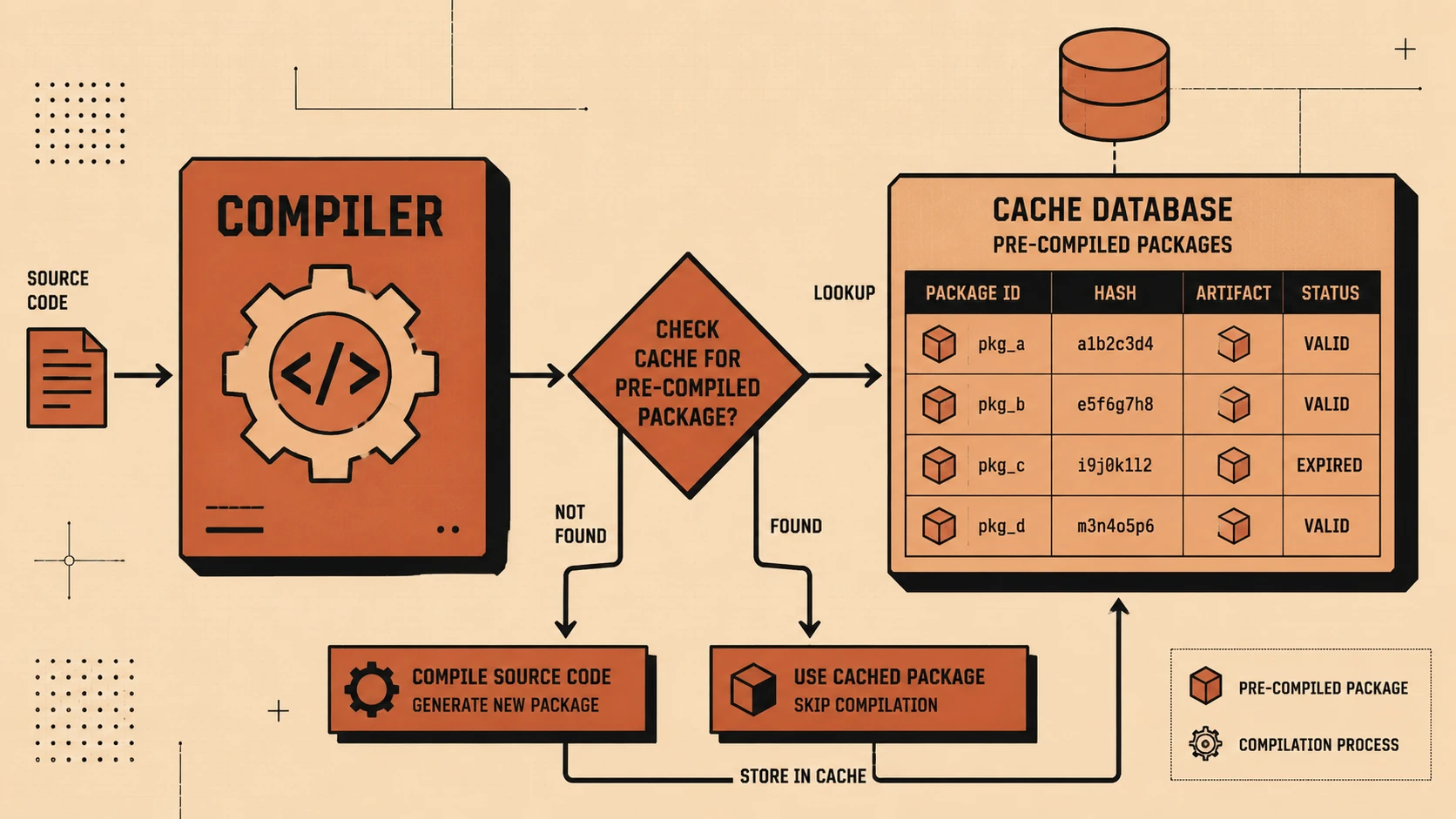
Go 1.10: Incremental Compiler Caching and Test Run Optimizations
Go 1.10 introduces one of the most practical performance-focused releases since the language's introduction. By adding automatic build caching, intelligent test result caching, and numerous compiler and toolchain improvements, Go significantly reduces build times while improving developer productivity. This article examines Go 1.10 from the perspective of February 2018 and evaluates its impact on enterprise software engineering.

Spectre and Meltdown CPU Vulnerabilities: Mitigating Side-Channel Attacks in Web Browsers
The disclosure of Spectre and Meltdown has exposed fundamental side-channel vulnerabilities affecting modern processors. Browser vendors, operating system developers, cloud providers, and enterprise security teams are responding with coordinated mitigations designed to reduce the risk of data leakage through speculative execution attacks. This article examines the technical foundations, browser mitigations, enterprise implications, and deployment considerations as understood in January 2018.
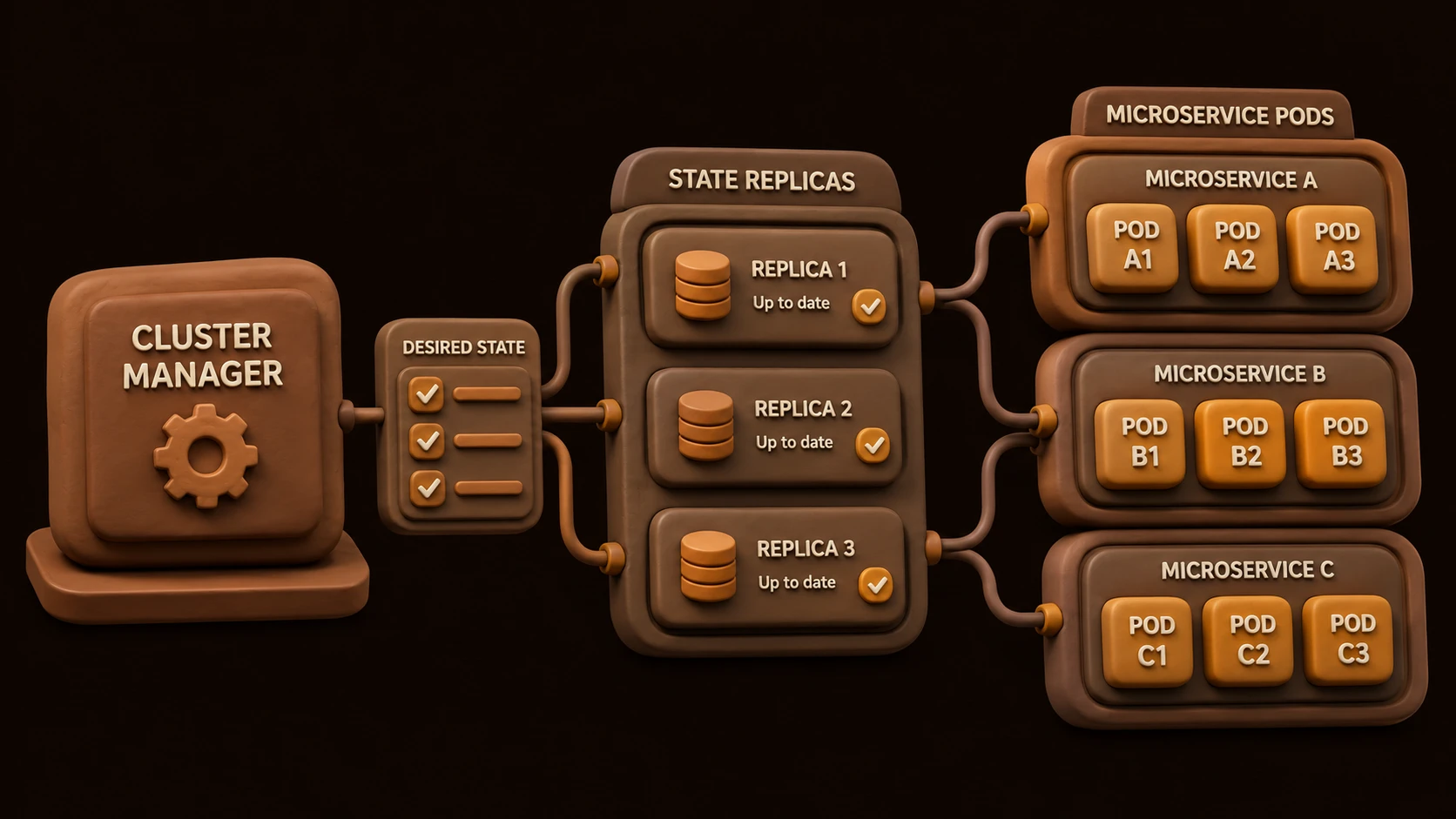
Kubernetes 1.9 Workloads API GA: The Stabilization of Production Pod Controllers
Kubernetes 1.9 marks a significant milestone with the General Availability of the Workloads API, providing stable APIs for Deployments, ReplicaSets, StatefulSets, and DaemonSets. This release strengthens Kubernetes as an enterprise-grade container orchestration platform by improving API consistency, operational stability, and production readiness. This article examines Kubernetes 1.9 from the perspective of December 2017.
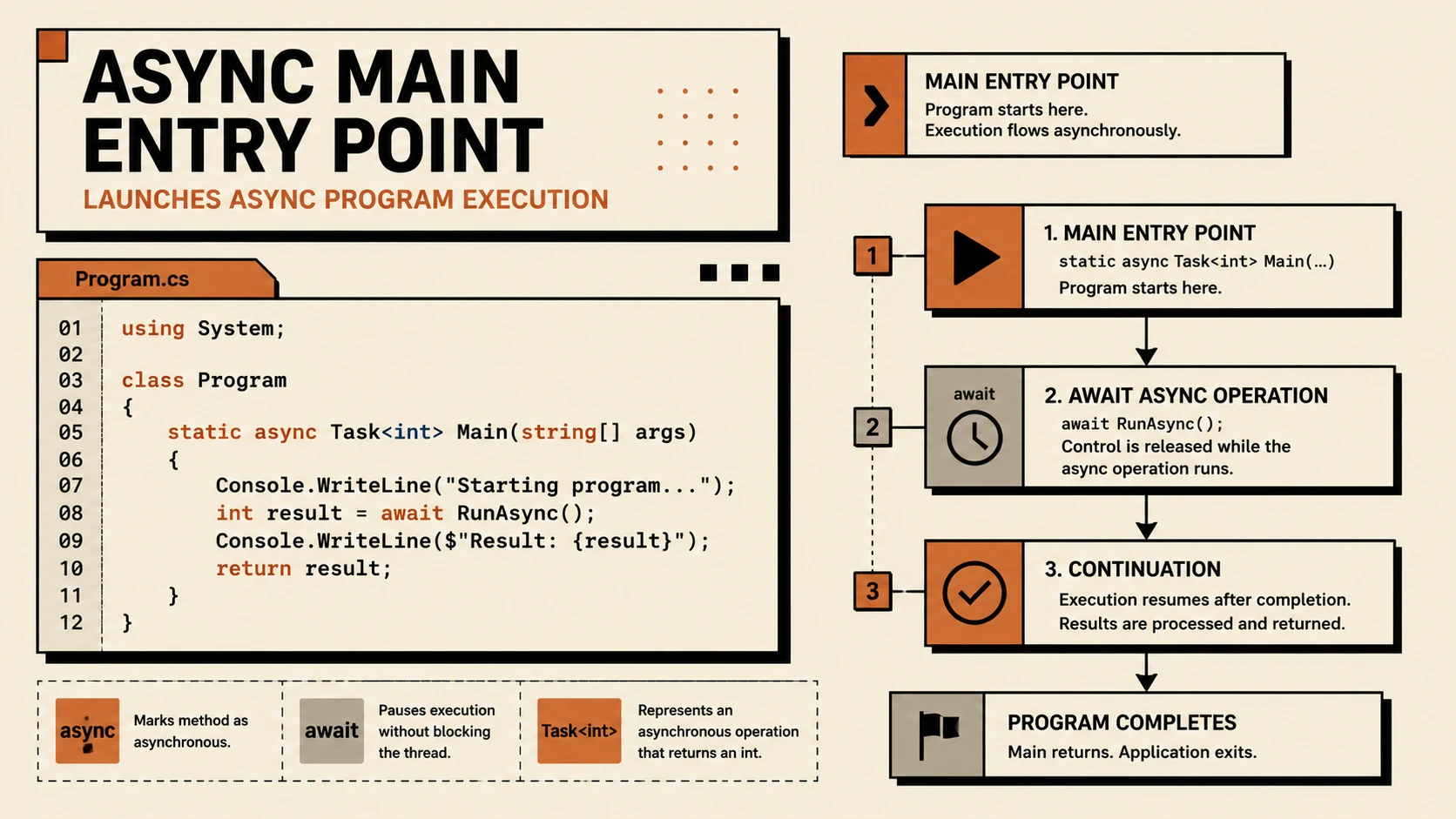
C# 7.1 Compiler Updates: Asynchronous Main Entry Points and Pattern Matching Refinements
C# 7.1 continues the evolution of the language by introducing asynchronous Main methods, inferred tuple element names, default literal expressions, and refinements to pattern matching. This article examines the language improvements, compiler behavior, enterprise adoption considerations, and architectural implications from the perspective of December 2017.
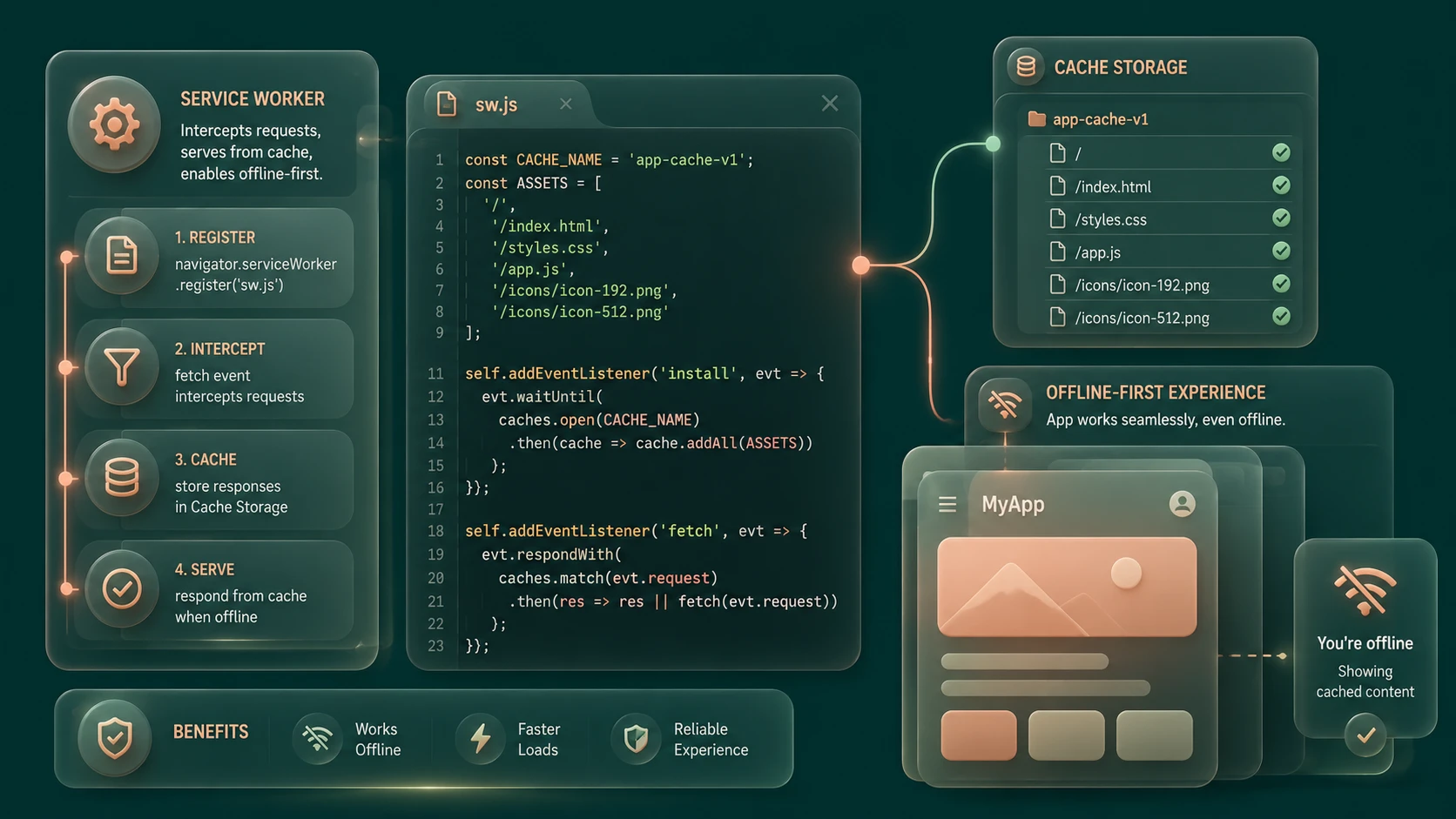
Angular 5.0: Progressive Web App Features and Compiler Optimizations
Angular 5.0 introduces meaningful improvements focused on developer productivity, build performance, Progressive Web App (PWA) support, and application optimization. With enhancements such as Build Optimizer, Angular Service Worker, compiler improvements, and faster builds, Angular continues its evolution as a mature enterprise framework for large-scale web applications. This article examines Angular 5.0 from the perspective of November 2017.
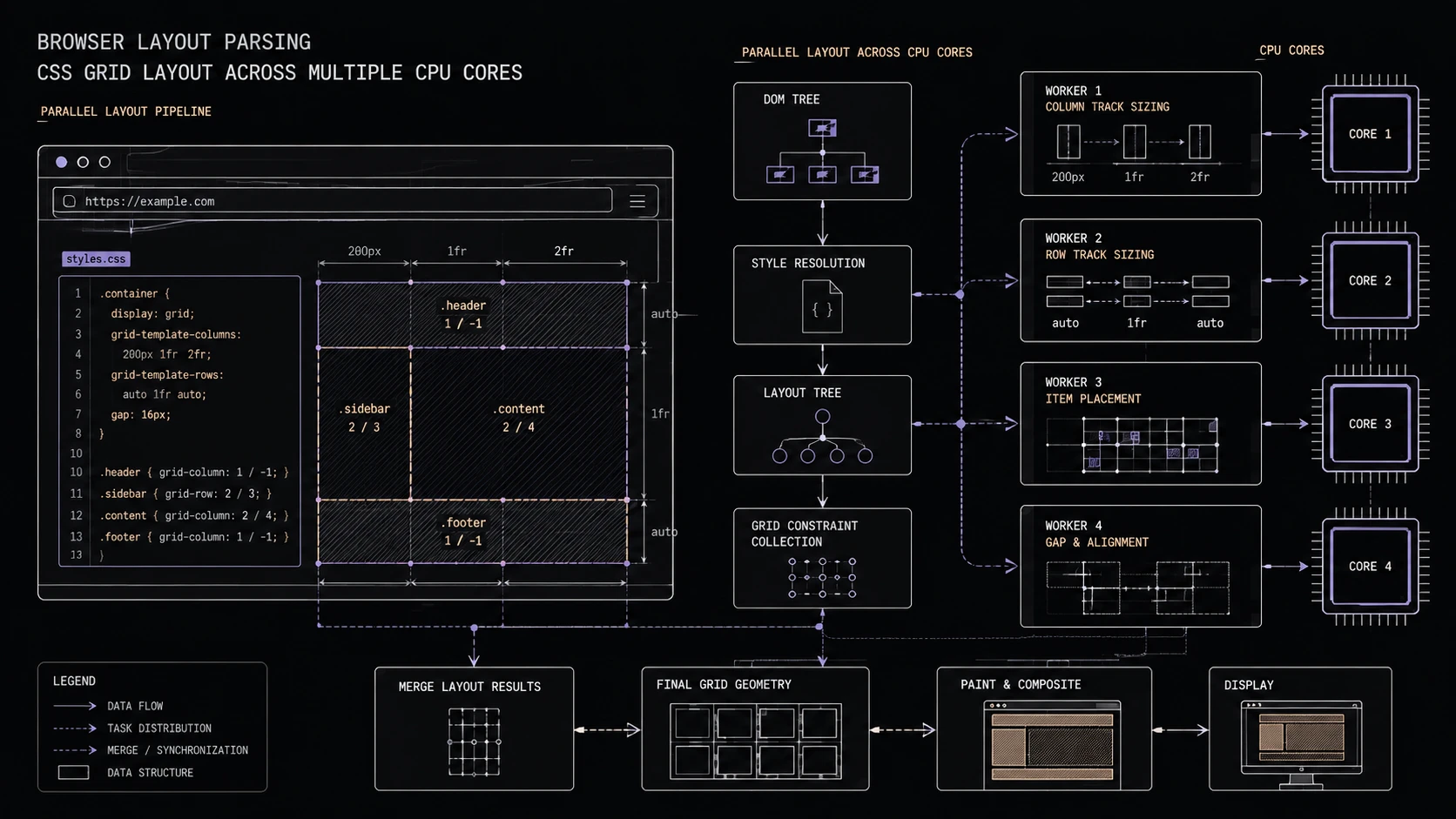
Firefox Quantum: Servo CSS Engine Integration and the Rust Web Browser Era
Firefox Quantum introduces one of the most significant architectural redesigns in Mozilla's history. By integrating components from the Servo research browser, including the Rust-based Quantum CSS engine, Firefox gains improved parallelism, modern memory safety techniques, and substantial rendering performance improvements. This article examines Firefox Quantum from the perspective of November 2017, exploring its architecture, enterprise implications, rendering pipeline, and adoption strategy.
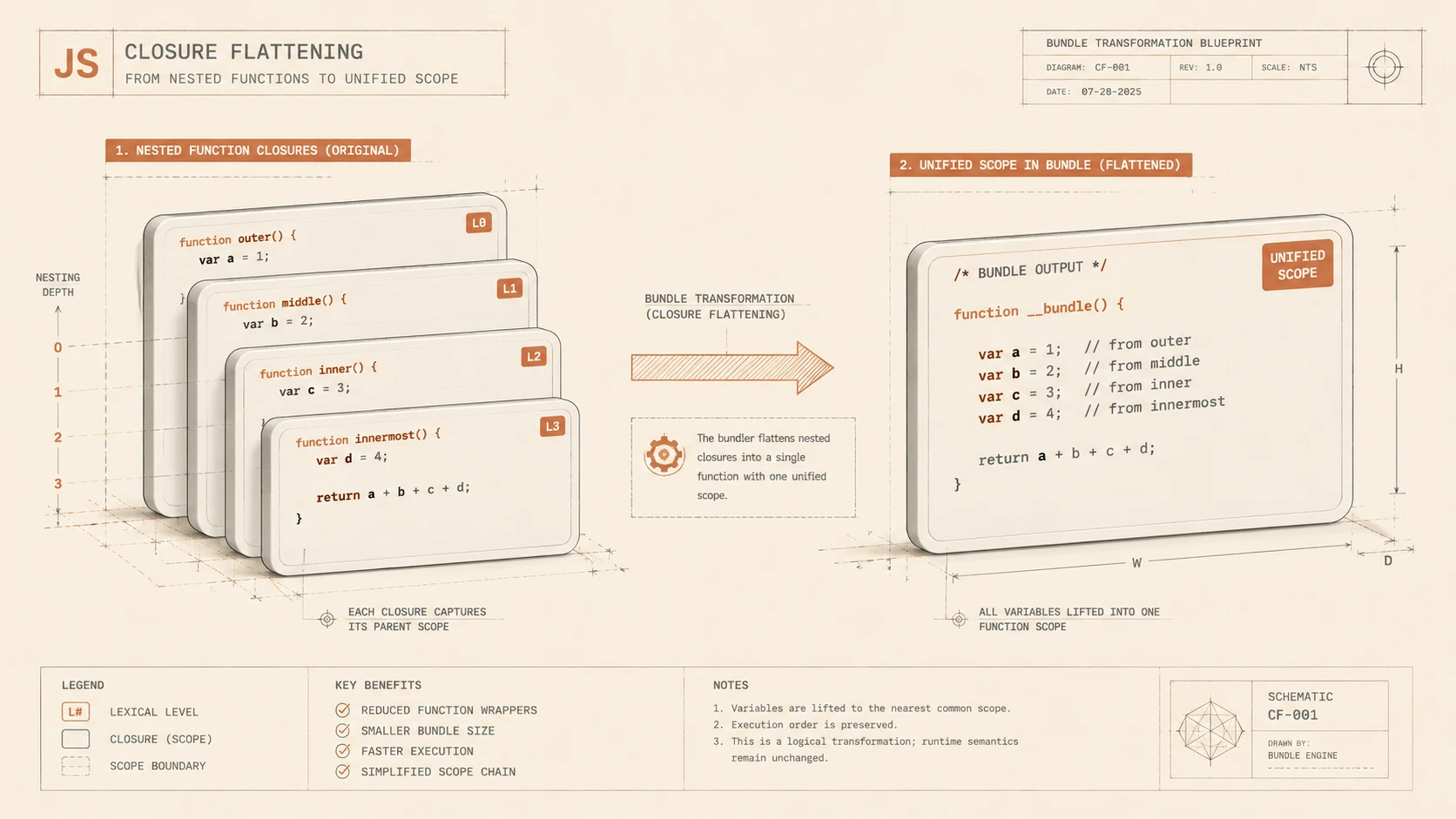
Webpack 3.0: Scope Hoisting and Bundle Loading Optimizations
Webpack 3.0 introduces Module Concatenation through scope hoisting, reducing wrapper overhead and improving JavaScript execution performance. Combined with continued optimization of code splitting, tree-aware bundling workflows, and production build capabilities, Webpack continues to mature as the de facto module bundler for enterprise web applications. This article evaluates Webpack 3.0 from the perspective of October 2017.
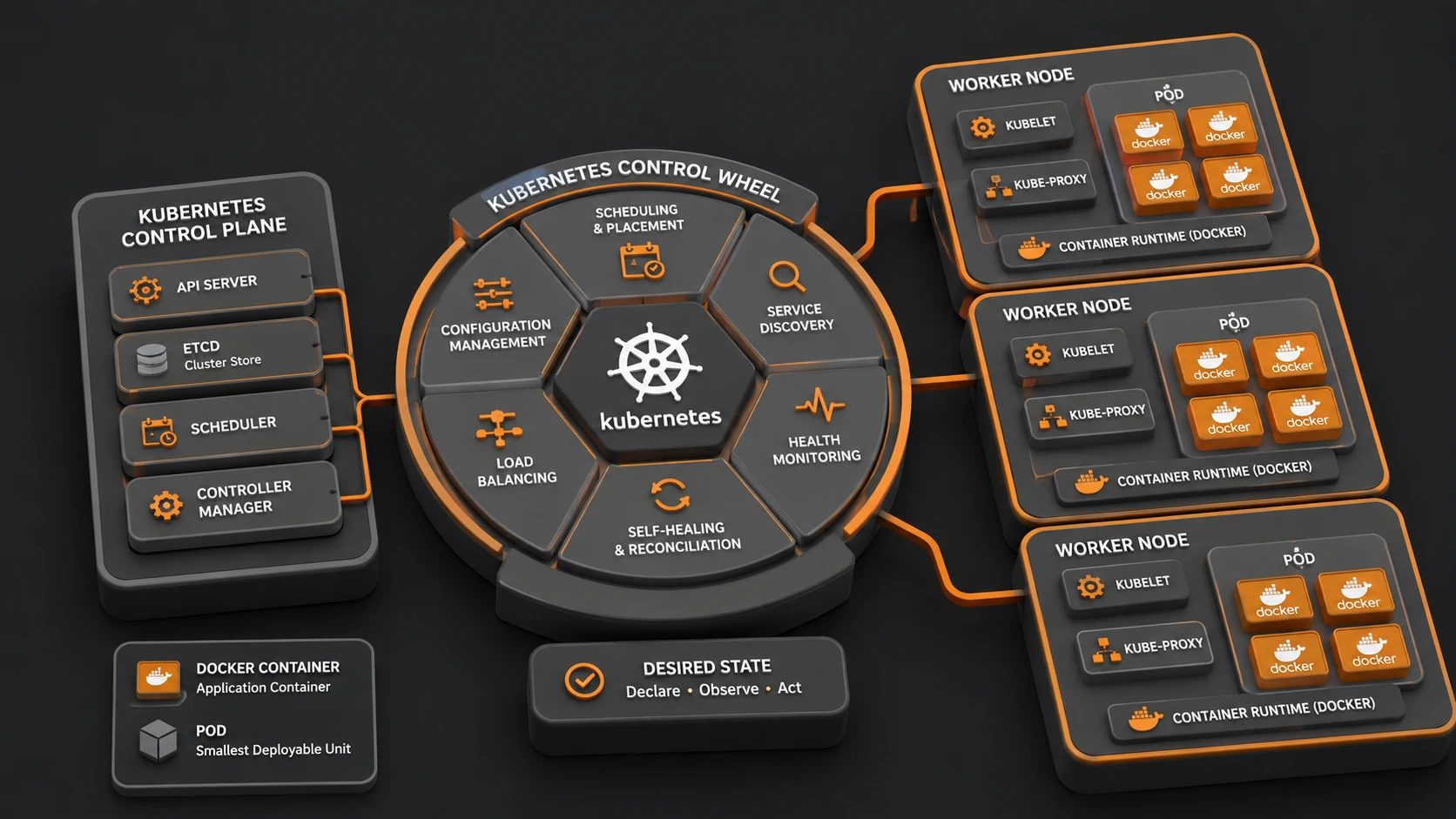
Docker and Kubernetes Native Integration: The End of Orchestration Wars
Docker's announcement of native Kubernetes support within Docker Enterprise Edition marks a major turning point for enterprise container platforms. Rather than forcing organizations to choose between Docker Swarm and Kubernetes, Docker is embracing Kubernetes as a first-class orchestrator alongside Swarm. This shift has significant implications for enterprise infrastructure, DevOps teams, and cloud-native application strategies. This article examines the announcement from the perspective of October 2017.
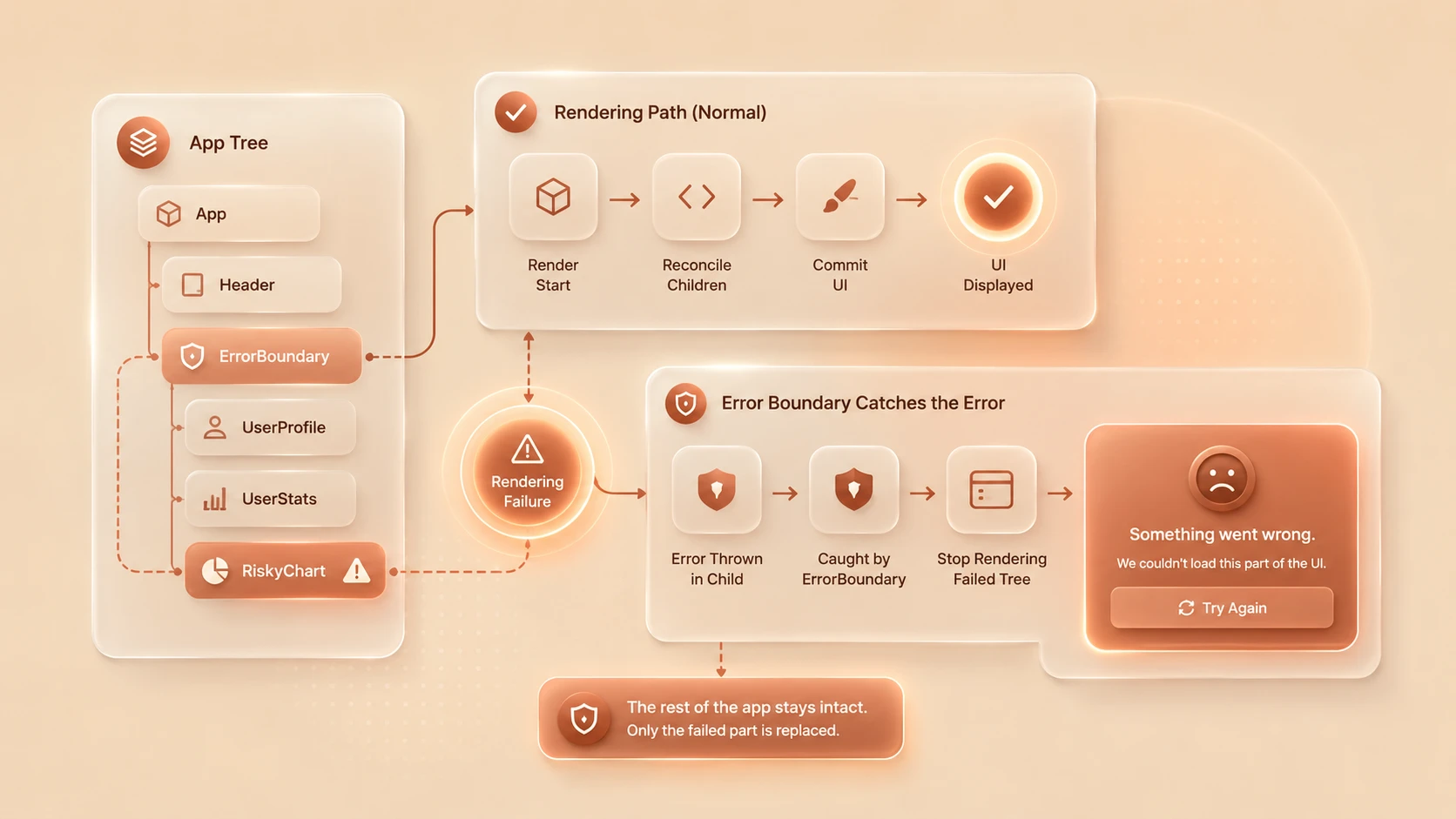
React 16.0: The Fiber Scheduler, Portals, and Error Boundaries
React 16.0 introduces the first production release built on the new Fiber architecture, fundamentally redesigning React's rendering engine while adding Error Boundaries, Portals, improved server-side rendering, and smaller bundle sizes. This article examines React 16.0 from the perspective of September 2017, evaluating its architecture, enterprise implications, performance improvements, and migration strategy.
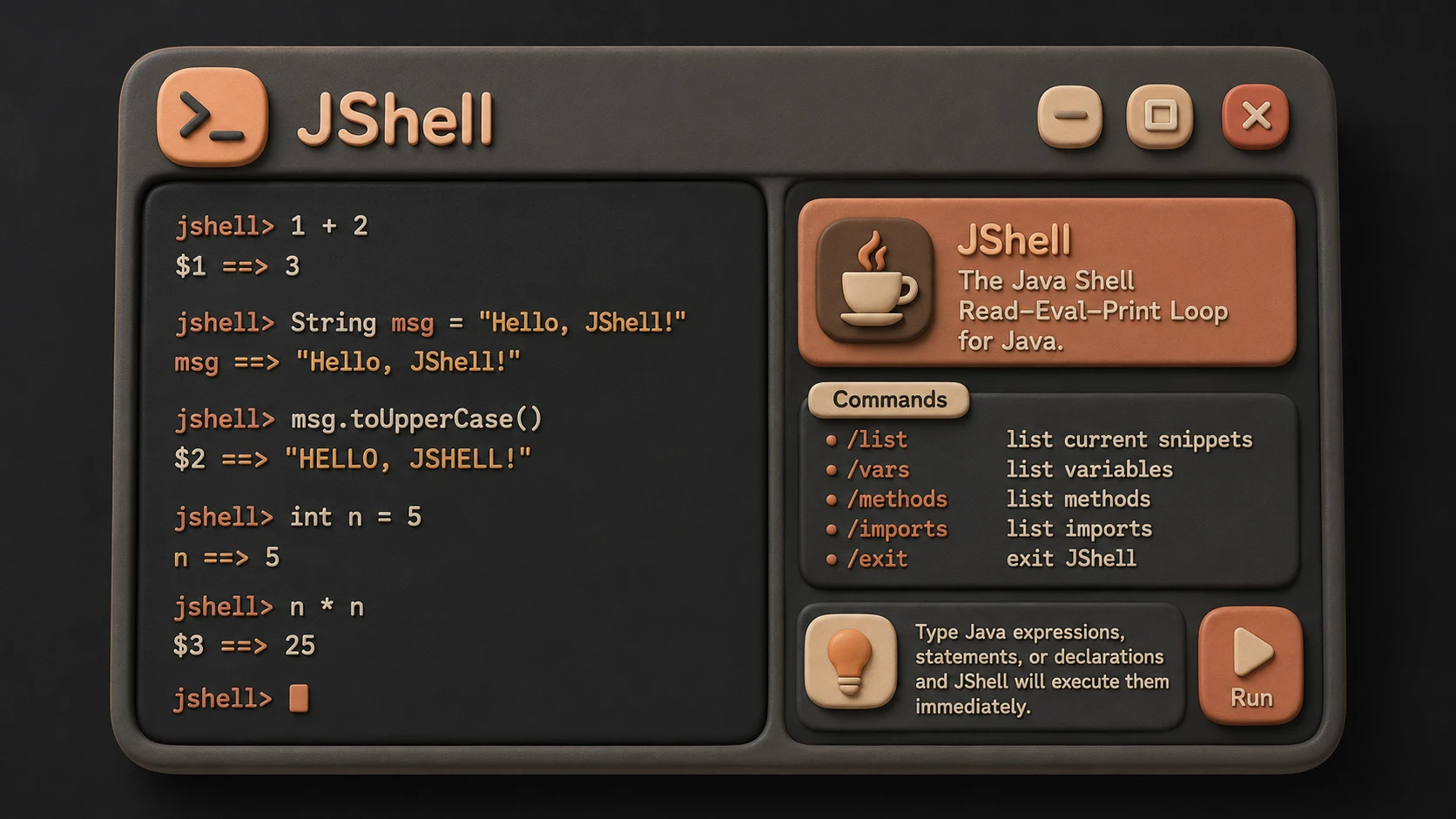
Java 9 Final Release: The Module System, JShell REPL, and G1 Garbage Collector
Java 9 marks one of the most significant platform releases since Java 8, introducing the Java Platform Module System, the JShell REPL, improvements to the G1 Garbage Collector, and numerous enhancements aimed at improving modularity, maintainability, and developer productivity. This article examines these capabilities from the perspective of September 2017.
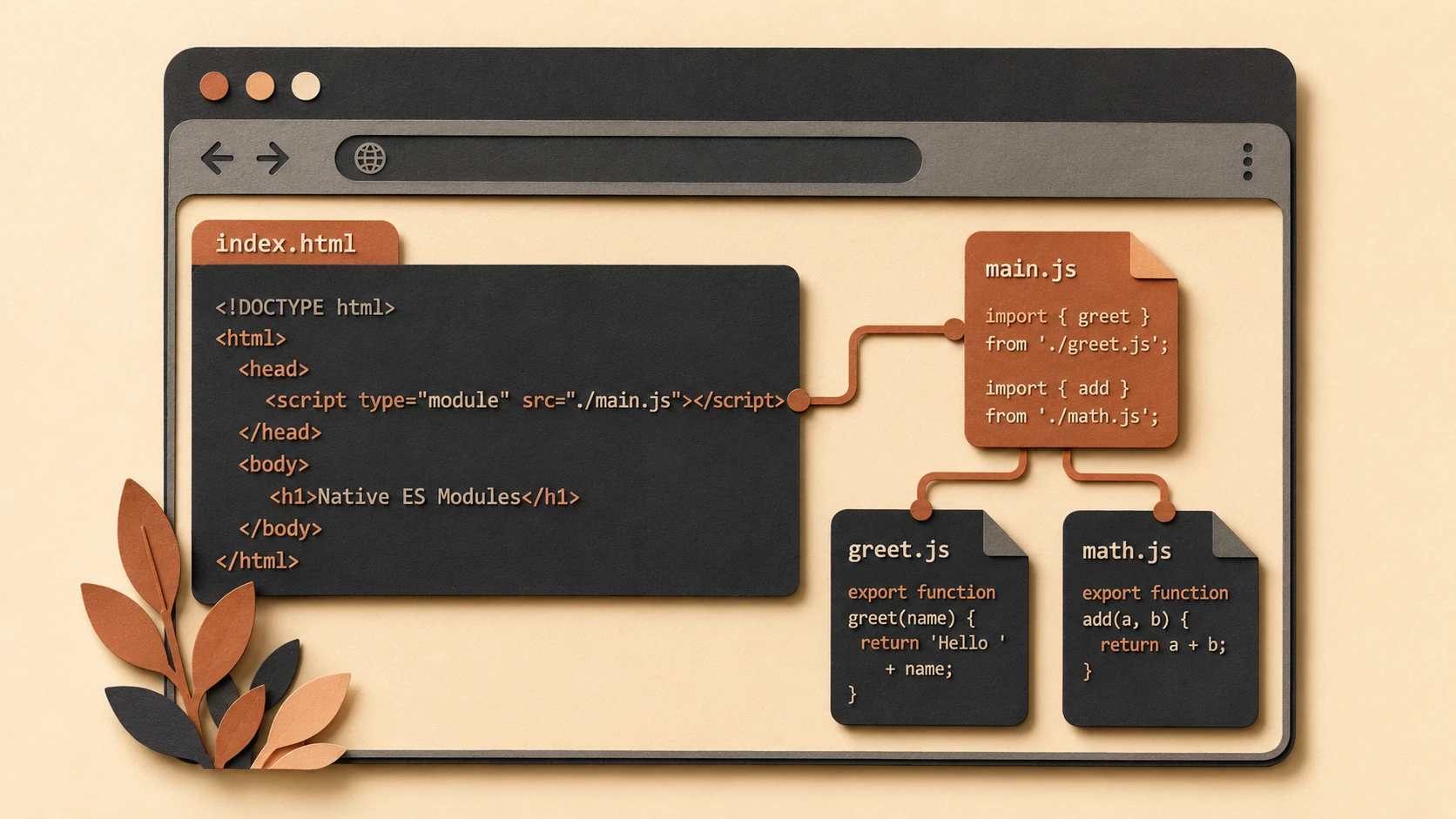
ES Modules in Chrome 61: Native JavaScript Import/Export inside Browser Engines
Chrome 61 introduces native support for ECMAScript (ES) Modules, allowing browsers to load JavaScript using standardized import and export statements without requiring proprietary module systems at runtime. This milestone moves web development closer to a unified JavaScript module standard, reducing dependency on browser-specific loaders while improving application maintainability and enabling better optimization opportunities. This article examines native ES Modules from the perspective of August 2017.
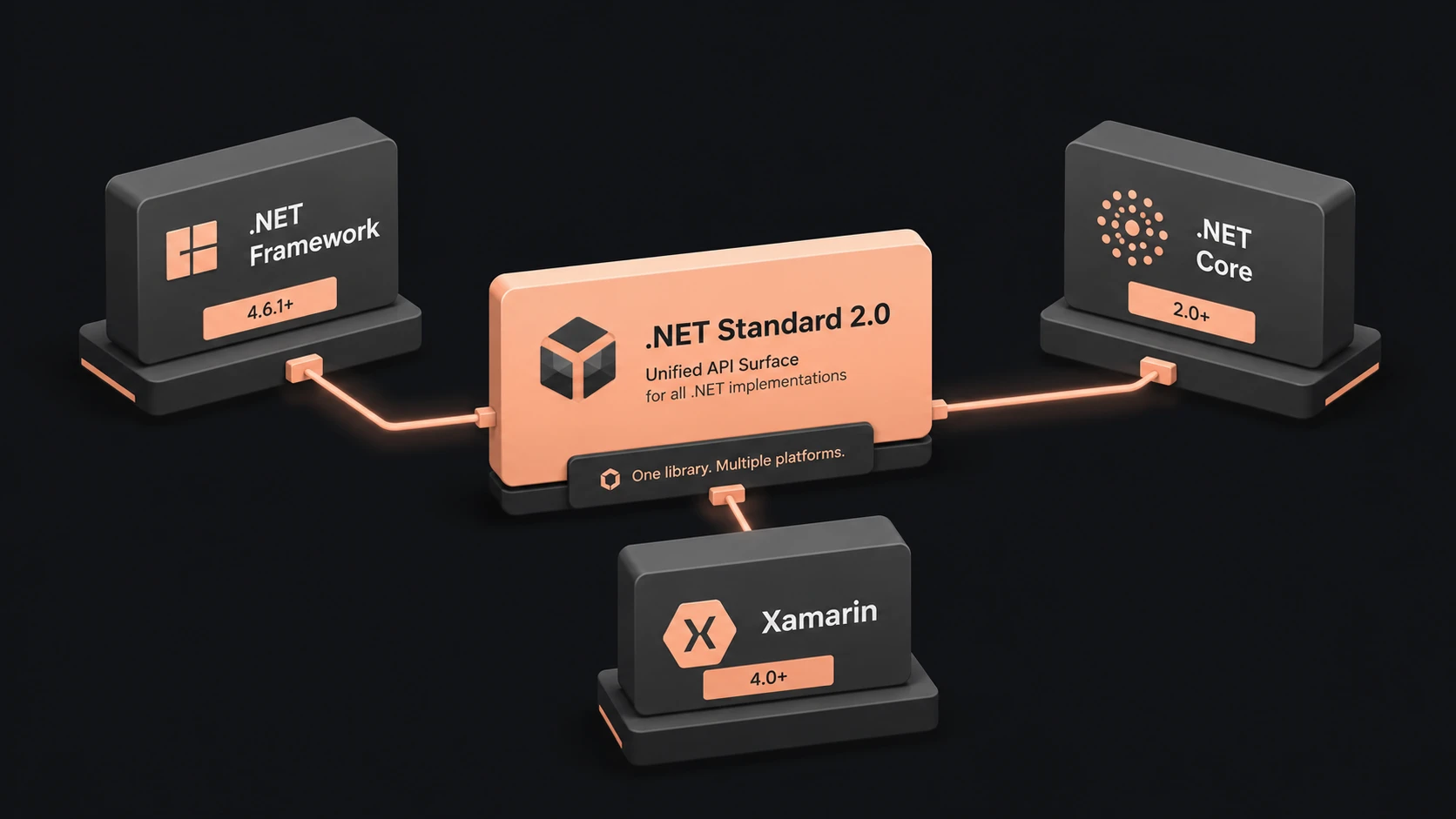
.NET Core 2.0 and .NET Standard 2.0: Unifying APIs across Cross-Platform Runtimes
.NET Core 2.0 and .NET Standard 2.0 represent a major milestone in Microsoft's cross-platform strategy by significantly expanding API compatibility, improving portability, and simplifying code sharing across .NET implementations. This article examines the release from the perspective of August 2017, exploring the architecture, enterprise implications, runtime improvements, and adoption strategies for modern software development.

React 16.0 MIT License Transition: The End of the Patent Clause Dispute
React's move to the MIT License marks an important milestone for enterprise adoption by resolving concerns surrounding the previous BSD + Patents license. This article examines the licensing transition, organizational impact, compliance considerations, and adoption strategies from the perspective of July 2017.