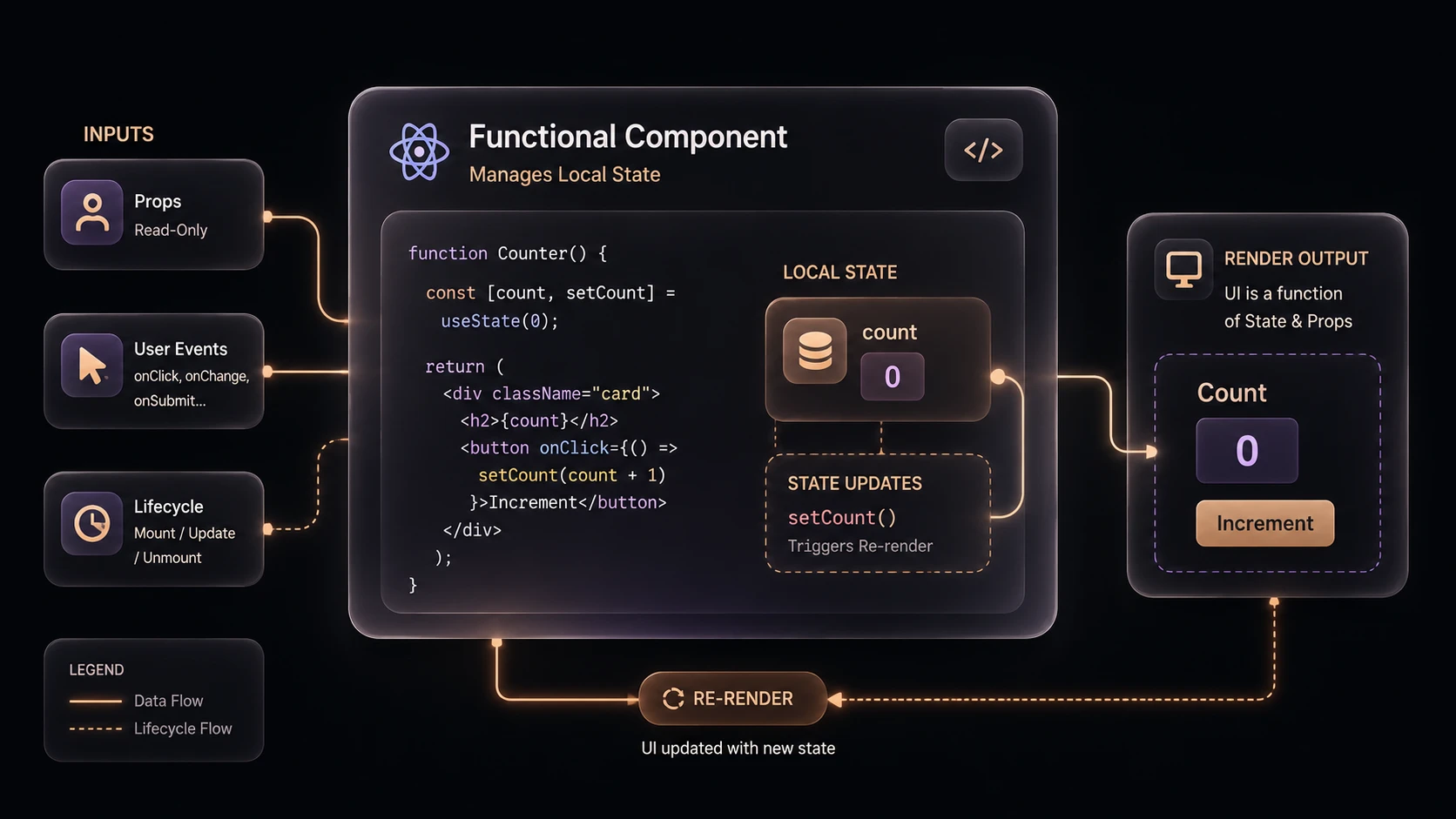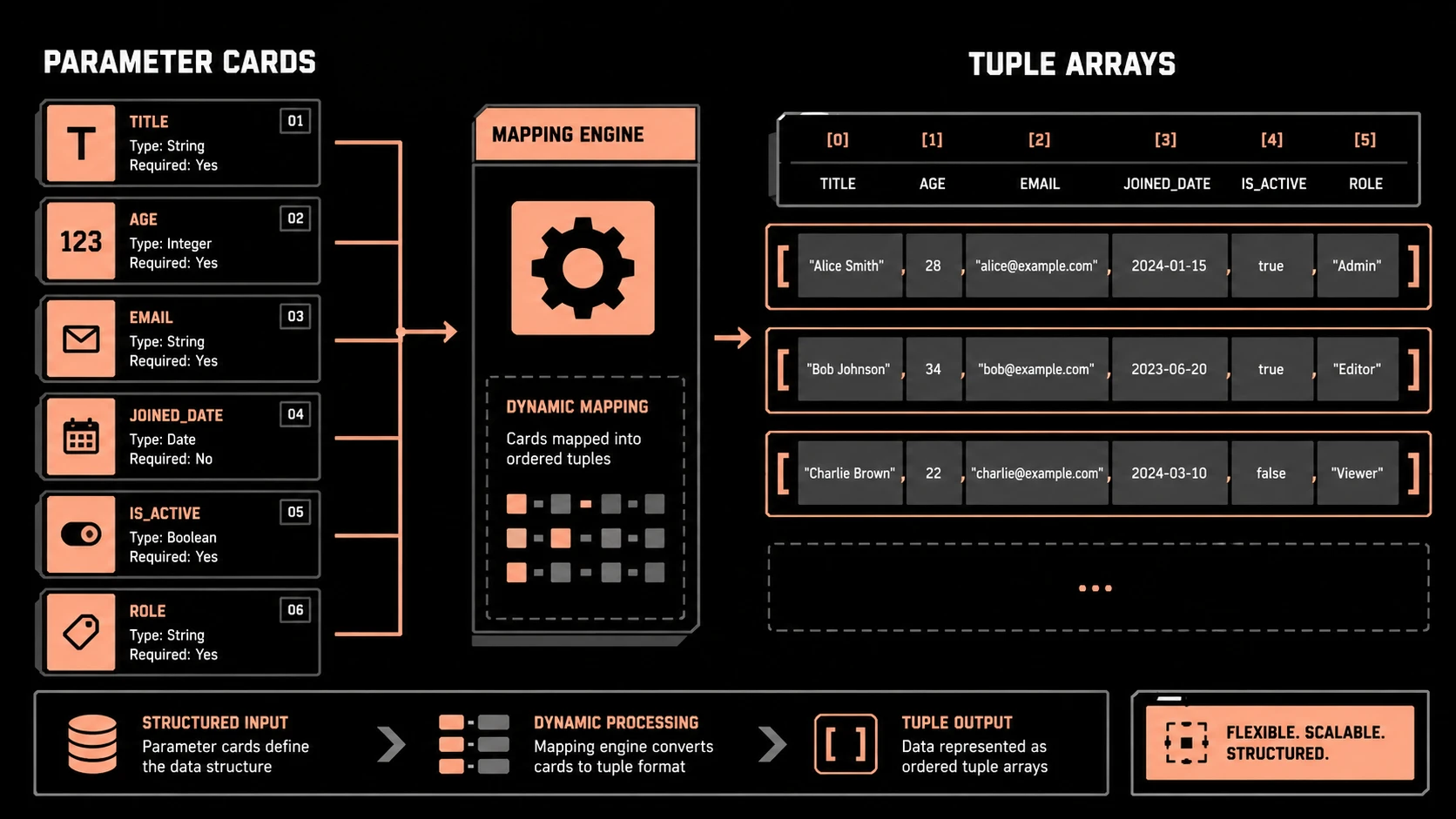
Introduction
Open source software has become an essential component of enterprise software engineering. Organizations building modern web applications routinely depend on community-driven frameworks, libraries, development tools, and cloud platforms to accelerate delivery while reducing development costs.
Among frontend technologies, React has rapidly become one of the most widely adopted JavaScript libraries for building component-based user interfaces. Enterprises have embraced React for customer portals, Software as a Service (SaaS) products, internal dashboards, e-commerce platforms, and complex business applications.
However, technical excellence alone is rarely sufficient for enterprise adoption. Legal compliance, software governance, licensing policies, and intellectual property risk all play significant roles in technology selection. During the past year, React's BSD + Patents license generated discussion across the open source community regarding its patent grant and termination provisions. Some organizations delayed adoption while legal teams evaluated potential implications.
React 16.0 addresses these concerns by transitioning to the widely recognized MIT License. As of July 2017, this licensing change removes an important barrier for many enterprises evaluating React for long-term strategic use.
Industry Background
Enterprise software increasingly relies on open source technologies for:
- ◆Single Page Applications
- ◆Mobile web platforms
- ◆Internal business systems
- ◆Cloud-native applications
- ◆Developer tooling
- ◆Build automation
- ◆Continuous delivery pipelines
Alongside technical evaluation, organizations routinely assess:
- ◆License compatibility
- ◆Intellectual property obligations
- ◆Corporate governance policies
- ◆Long-term sustainability
- ◆Vendor neutrality
Well-understood licenses often simplify legal review and technology approval processes.
The Business Problem
Before this licensing transition, some organizations expressed concerns regarding:
- ◆Patent-related licensing terms
- ◆Internal legal approval delays
- ◆Open source governance policies
- ◆Framework selection uncertainty
- ◆Procurement reviews
- ◆Compliance complexity
- ◆Long-term platform risk assessment
Although many organizations continued using React successfully, others adopted a more cautious approach pending clarification of licensing terms.
Understanding the License Transition
React is transitioning from the BSD + Patents license to the MIT License.
The MIT License is one of the most widely recognized and broadly accepted licenses within the open source ecosystem.
Its characteristics include:
- ◆Simple licensing terms
- ◆Broad permission to use software
- ◆Permission to modify software
- ◆Permission to distribute software
- ◆Limited warranty disclaimer
Its familiarity makes it easier for many organizations to evaluate within existing governance processes.
Core Governance Architecture
| Component | Responsibility |
|---|---|
| React Project | Provides the framework |
| MIT License | Defines usage permissions |
| Enterprise Legal Team | Reviews compliance |
| Engineering Organization | Evaluates technical adoption |
| Open Source Governance | Defines organizational policies |
| Compliance Process | Verifies approved software usage |
Together these components influence technology adoption decisions beyond technical capabilities alone.
Why Licensing Matters
Enterprise software selection extends beyond performance and developer experience.
Technology decisions often involve multiple stakeholders including:
- ◆Software architects
- ◆Engineering managers
- ◆Security teams
- ◆Procurement departments
- ◆Legal counsel
- ◆Executive leadership
A framework's licensing model can therefore directly influence project timelines and procurement decisions.
The MIT License
The MIT License is intentionally concise and permissive.
For enterprise organizations, this generally provides:
- ◆Straightforward redistribution terms
- ◆Flexibility for commercial software
- ◆Compatibility with many existing development practices
- ◆Simpler legal interpretation
Its widespread adoption across the open source ecosystem contributes to organizational familiarity.
Impact on React Adoption
Removing licensing uncertainty allows engineering discussions to focus more heavily on technical considerations such as:
- ◆Component architecture
- ◆Rendering performance
- ◆Development productivity
- ◆Ecosystem maturity
- ◆Team expertise
Organizations that previously delayed evaluation because of licensing concerns may revisit React as a strategic frontend platform.
Enterprise Governance
Successful adoption still requires structured governance.
Typical enterprise processes include:
- 1.License review.
- 2.Security assessment.
- 3.Architecture evaluation.
- 4.Dependency analysis.
- 5.Development standards.
- 6.Production approval.
The MIT License simplifies one aspect of this process while leaving broader governance responsibilities unchanged.
Impact on the React Ecosystem
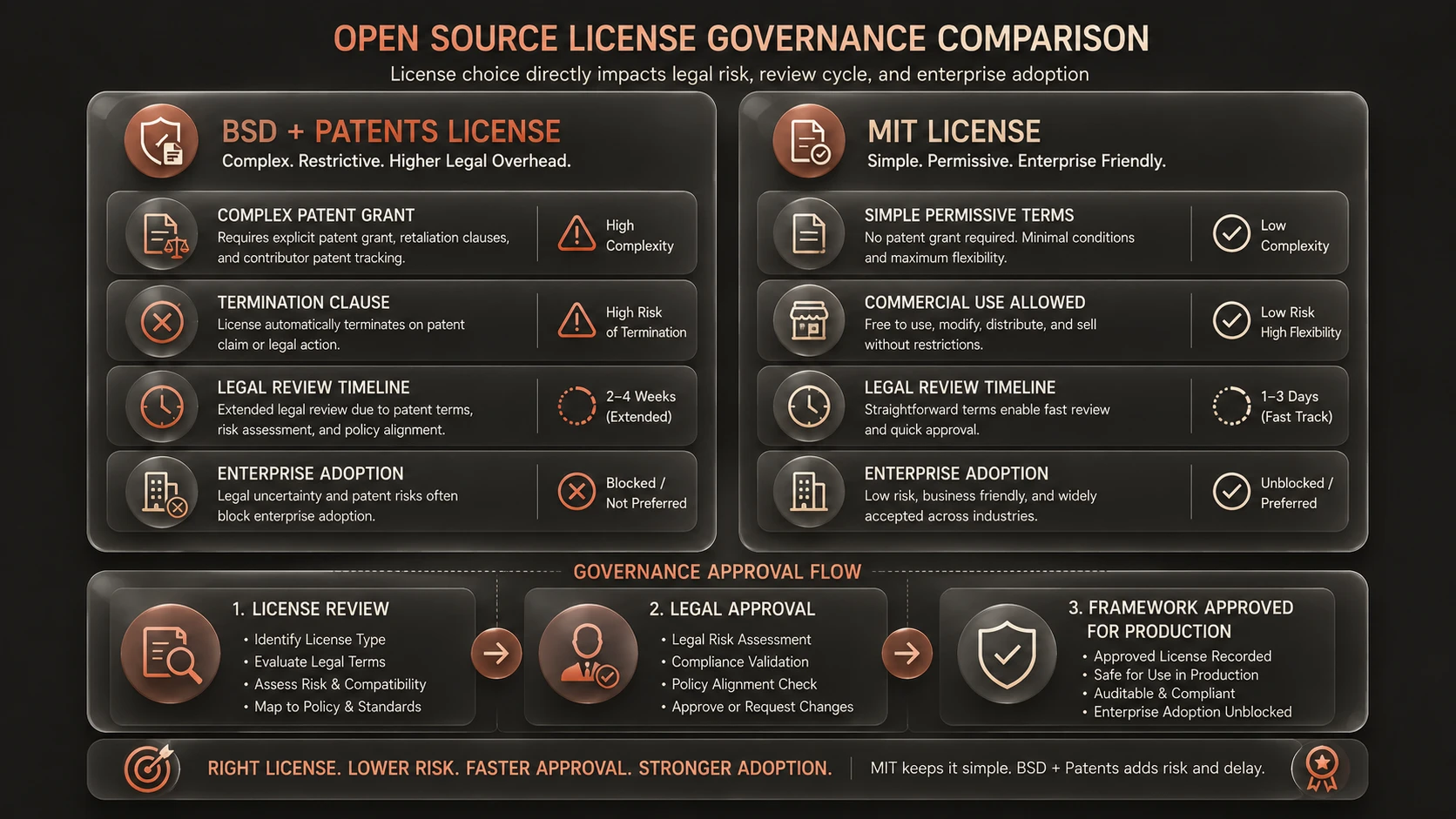
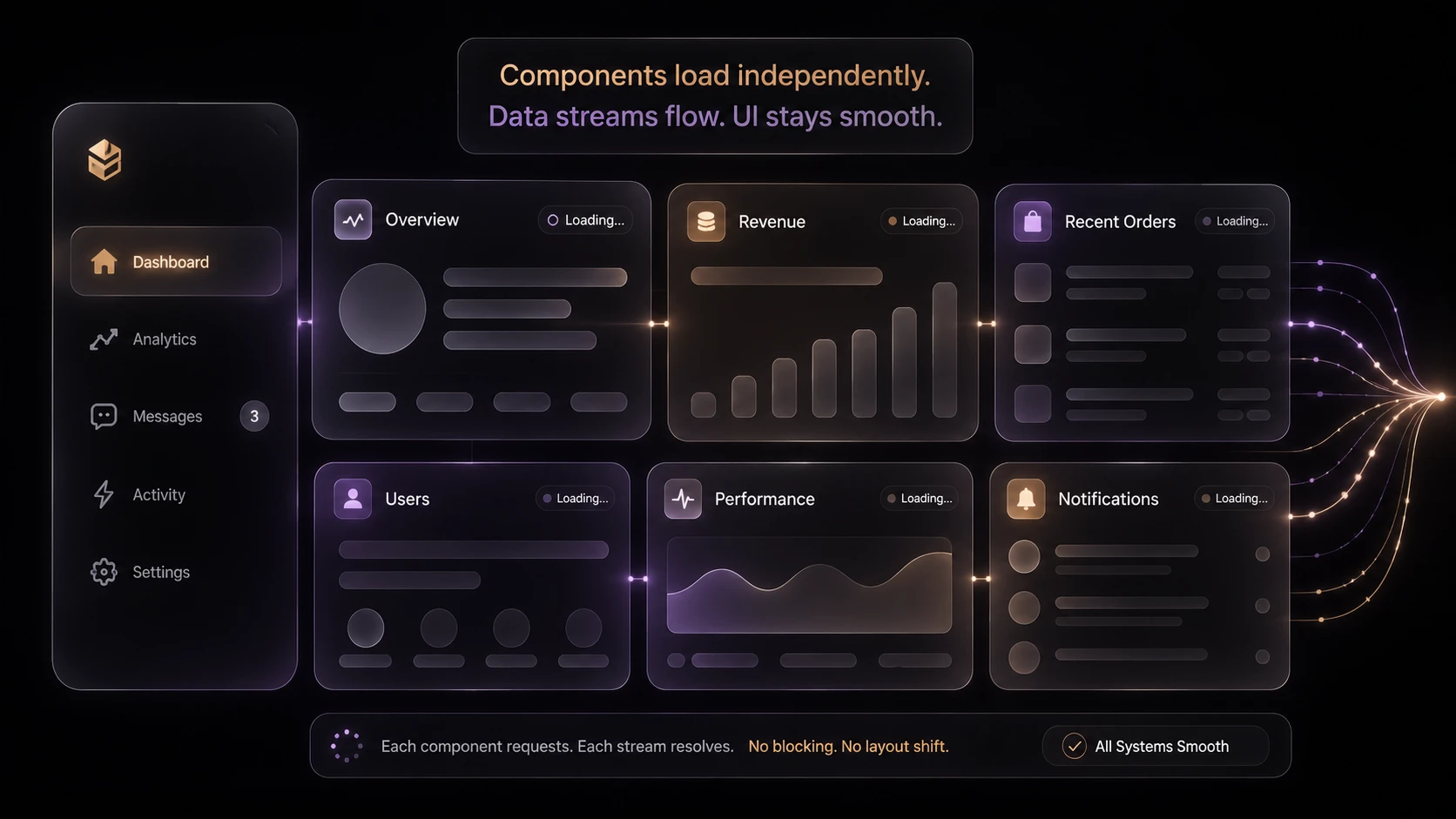
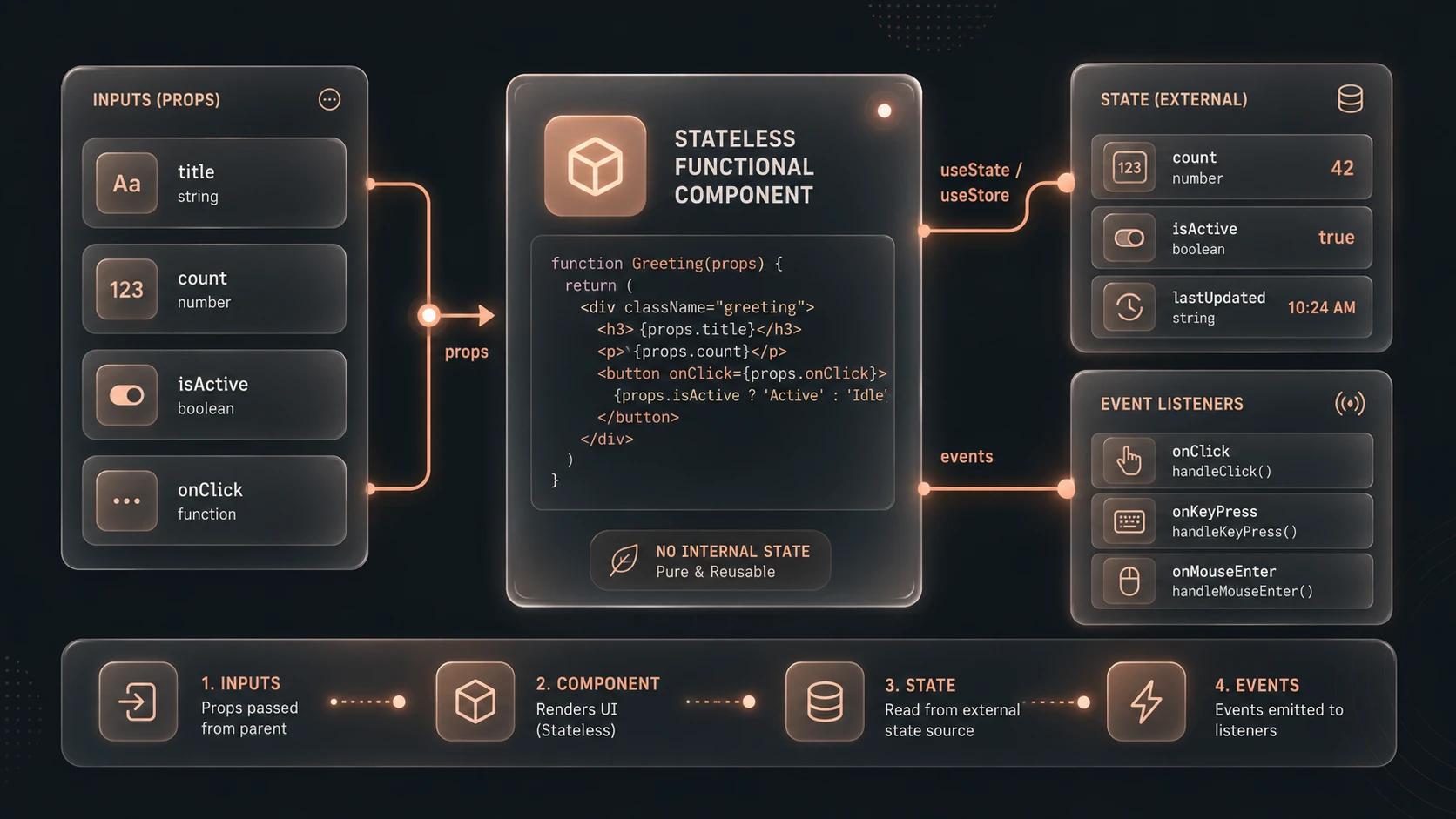
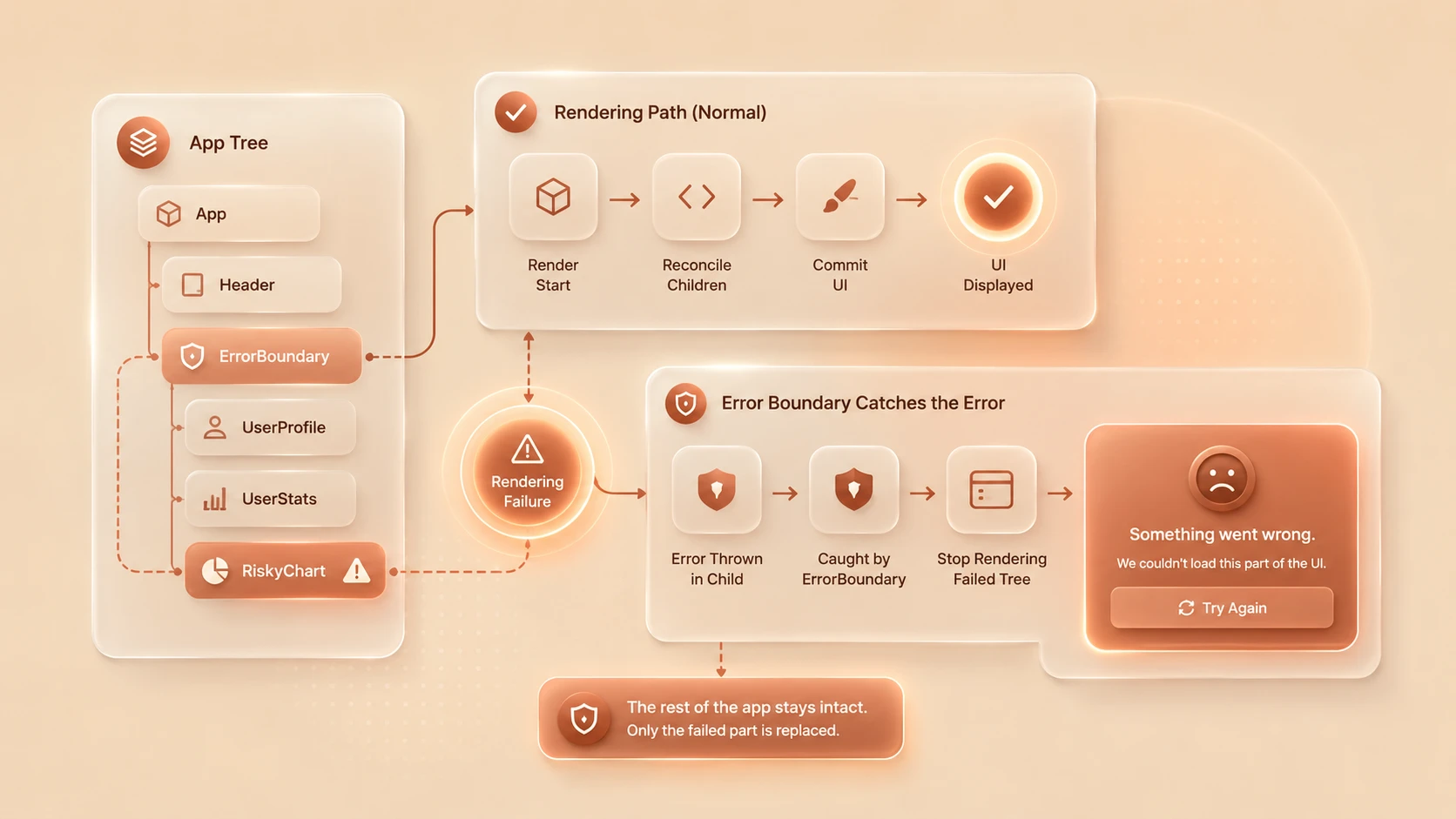
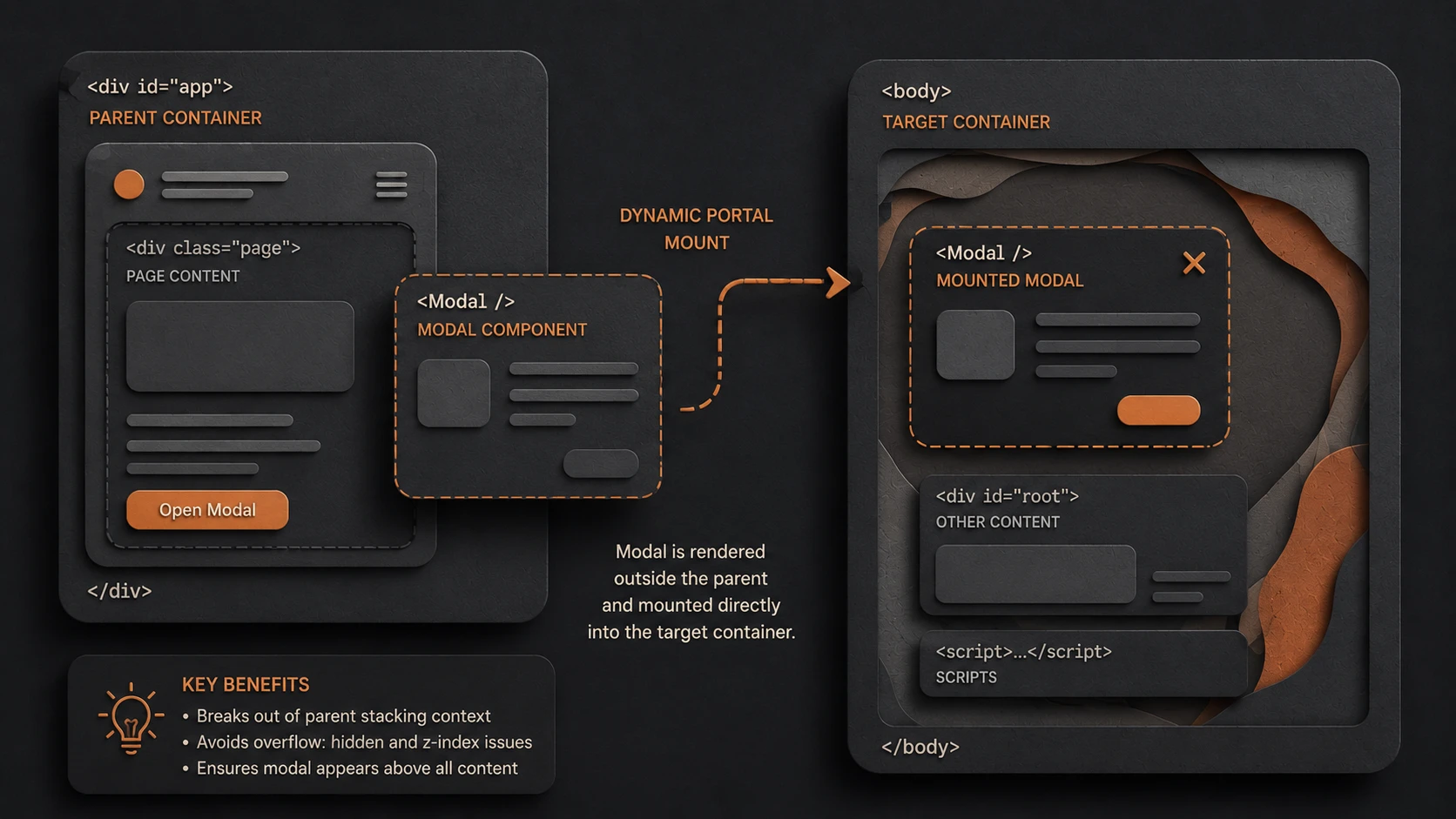
System architecture diagram and conceptual workflow layout for React 16.0 MIT License Transition.
// Declaring a React 16.0 Error Boundary Component using componentDidCatch lifecycle hook
import React from 'react';

export class ErrorBoundary extends React.Component {
  state = { hasError: false };

  componentDidCatch(error, info) {
    // Catch errors in child component tree and log to monitoring service
    console.error("Caught error:", error, info.componentStack);
    this.setState({ hasError: true });
  }

  render() {
    if (this.state.hasError) {
      return <h2>Something went wrong. Handled by ErrorBoundary.</h2>;
    }
    return this.props.children;
  }
}
The React ecosystem includes numerous supporting projects such as:
- ◆Routing libraries
- ◆State management solutions
- ◆Build tooling
- ◆Component libraries
- ◆Testing frameworks
A widely accepted licensing model may encourage broader participation from organizations that emphasize standardized open source governance.
Enterprise Use Cases
| Scenario | Benefit |
|---|---|
| SaaS Platforms | Simplified legal review |
| Enterprise Dashboards | Easier framework approval |
| Customer Portals | Reduced licensing uncertainty |
| Internal Applications | Consistent governance |
| Digital Transformation Projects | Improved technology evaluation |
| Component Libraries | Broader organizational acceptance |
The licensing transition primarily benefits organizational decision-making rather than application functionality.
Performance Considerations
The licensing change does not alter React's runtime architecture.
Performance continues to depend upon:
- ◆Component design
- ◆Rendering efficiency
- ◆State management
- ◆Bundle optimization
- ◆Application architecture
- ◆Browser execution
Engineering teams should continue evaluating performance independently of licensing considerations.
Security Considerations
A permissive software license does not replace security governance.
Organizations should continue implementing:
- ◆Dependency reviews
- ◆Vulnerability monitoring
- ◆Secure coding practices
- ◆Authentication
- ◆Authorization
- ◆Secure deployment pipelines
Licensing and application security remain separate aspects of enterprise software governance.
Scalability
The MIT License supports organizational scalability by reducing administrative complexity during software evaluation.
Large enterprises benefit from:
- ◆Consistent license review
- ◆Standardized governance
- ◆Easier project approval
- ◆Faster technology adoption
- ◆Reduced legal ambiguity
Operational scalability continues to depend on application architecture rather than licensing alone.
Best Practices
Organizations evaluating React 16.0 should:
- ◆Review updated licensing policies.
- ◆Maintain an inventory of third-party dependencies.
- ◆Continue established open source governance processes.
- ◆Document framework approval decisions.
- ◆Separate legal review from technical evaluation.
- ◆Monitor dependency updates.
- ◆Train engineering teams on organizational compliance requirements.
- ◆Establish consistent framework adoption guidelines.
A disciplined governance process supports sustainable open source adoption.
Common Mistakes
Development teams should avoid:
- ◆Assuming licensing review is no longer necessary.
- ◆Ignoring organizational compliance policies.
- ◆Evaluating frameworks solely on licensing.
- ◆Overlooking dependency licensing.
- ◆Mixing inconsistent governance processes across projects.
- ◆Treating legal approval as a substitute for technical evaluation.
Successful technology adoption requires both sound engineering and sound governance.
Technology Comparison
| Consideration | BSD + Patents | MIT License |
|---|---|---|
| Industry Familiarity | More specialized | Broadly recognized |
| Legal Review Complexity | Greater for some organizations | Often simpler |
| Commercial Software Use | Supported | Supported |
| Community Perception | Subject of ongoing discussion | Widely accepted |
| Enterprise Evaluation | Sometimes extended | Potentially streamlined |
| Technical Capabilities | Unchanged | Unchanged |
The transition affects licensing and governance rather than React's technical architecture.
Adoption Strategy
Organizations considering React should:
- 1.Review updated licensing documentation.
- 2.Confirm compliance with internal governance policies.
- 3.Evaluate React's technical suitability.
- 4.Standardize development practices.
- 5.Train engineering teams.
- 6.Integrate React into approved technology catalogs.
- 7.Continue monitoring ecosystem developments.
Incremental adoption remains the preferred strategy for large enterprise environments.
Limitations
As of July 2017, several considerations remain.
Current observations include:
- ◆The licensing transition does not alter React's APIs or runtime behavior.
- ◆Existing engineering standards remain equally important.
- ◆Organizations should continue reviewing the licenses of all project dependencies.
- ◆Technology selection should balance legal, operational, and technical requirements.
The licensing update simplifies one important aspect of enterprise adoption while broader software governance responsibilities continue.
Looking Ahead
React's transition to the MIT License represents an important milestone for the project's relationship with the enterprise software community. By adopting one of the industry's most familiar open source licenses, React reduces uncertainty for organizations whose governance processes place significant emphasis on licensing clarity and long-term maintainability.
As of July 2017, enterprise architects should view this change as an opportunity to evaluate React primarily on its technical merits—its component model, developer productivity, ecosystem maturity, and architectural flexibility—while continuing to apply disciplined legal review, security governance, and software lifecycle management practices across their open source portfolios.