Introduction
After several years of rapid evolution, .NET Core has matured from a lightweight cross-platform runtime into Microsoft's primary platform for building modern enterprise applications. Organizations developing cloud-native APIs, distributed systems, containerized workloads, and microservices are increasingly adopting .NET Core for its performance, modular deployment model, and open-source ecosystem.
The release of .NET Core 3.0 represents one of the platform's most significant milestones. Beyond performance improvements, Microsoft has standardized support for C# 8.0, introduced production-ready gRPC templates, added Windows desktop application support through Windows Forms and WPF, and delivered assembly trimming capabilities for smaller deployments.
These additions make .NET Core suitable for an even broader range of enterprise workloads while maintaining compatibility with existing .NET development practices.
Industry Background
Enterprise software increasingly relies on:
- ◆Cloud-native APIs
- ◆Microservices
- ◆Kubernetes deployments
- ◆Cross-platform services
- ◆Containerized applications
- ◆High-performance networking
- ◆Desktop modernization
- ◆Continuous Delivery pipelines
Organizations require a platform capable of serving both cloud and desktop workloads while maintaining consistent tooling.
The Business Problem
Development teams commonly face:
- ◆Multiple application frameworks
- ◆Increasing deployment sizes
- ◆Inconsistent communication protocols
- ◆Legacy desktop applications
- ◆Cross-platform compatibility requirements
- ◆Rising operational costs
A unified development platform reduces complexity while improving long-term maintainability.
Understanding .NET Core 3.0
.NET Core 3.0 focuses on expanding platform capabilities while improving runtime performance and developer productivity.
Major additions include:
- ◆C# 8.0 support
- ◆gRPC project templates
- ◆Assembly trimming
- ◆Windows desktop support
- ◆Improved runtime performance
- ◆Enhanced tooling
Core Architecture
| Component | Responsibility |
|---|---|
| .NET Core Runtime | Application execution |
| CoreCLR | Managed runtime |
| ASP.NET Core | Web application framework |
| C# 8.0 | Programming language |
| gRPC | High-performance RPC communication |
| IL Linker | Assembly trimming |
| Visual Studio 2019 | Development environment |
How It Works
- 1.Developers build applications using C# 8.0.
- 2.ASP.NET Core hosts web APIs and services.
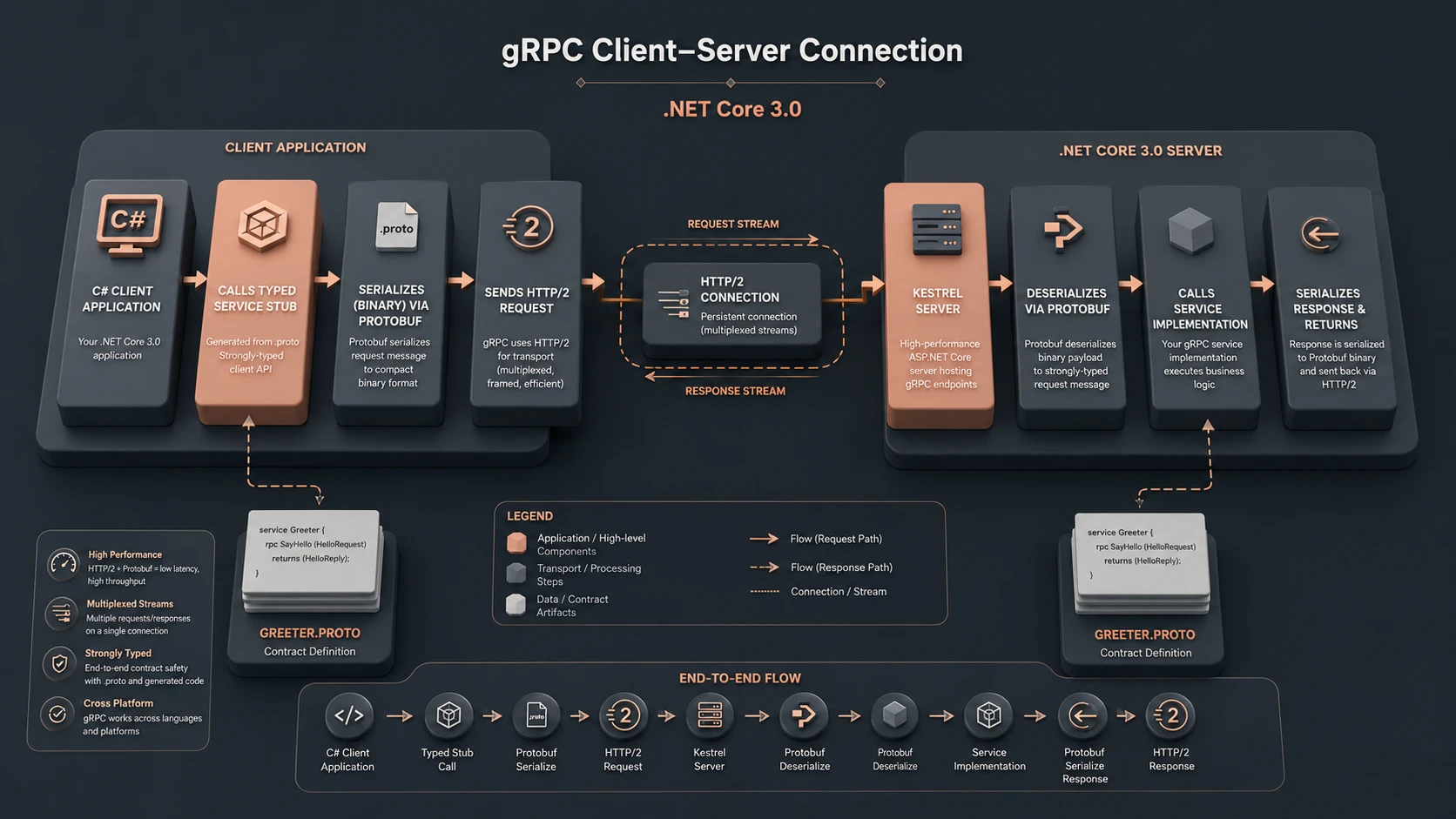
- 3.gRPC templates generate strongly typed service endpoints.
- 4.The IL Linker removes unused assemblies during publishing.
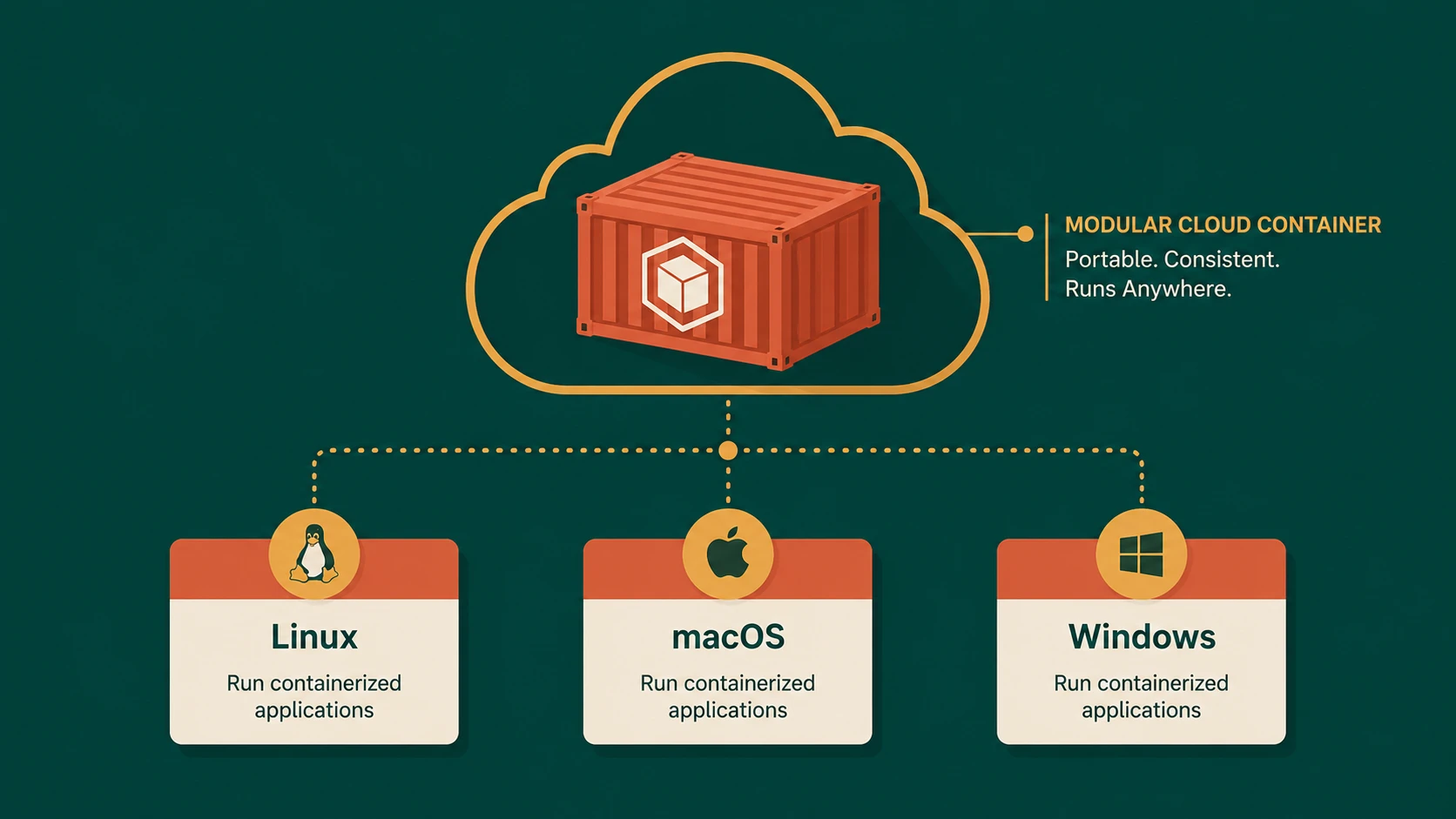
- 5.Applications are deployed to Windows, Linux, macOS, or containers.
- 6.Clients communicate through HTTP/2 where gRPC is used.
C# 8.0 Support
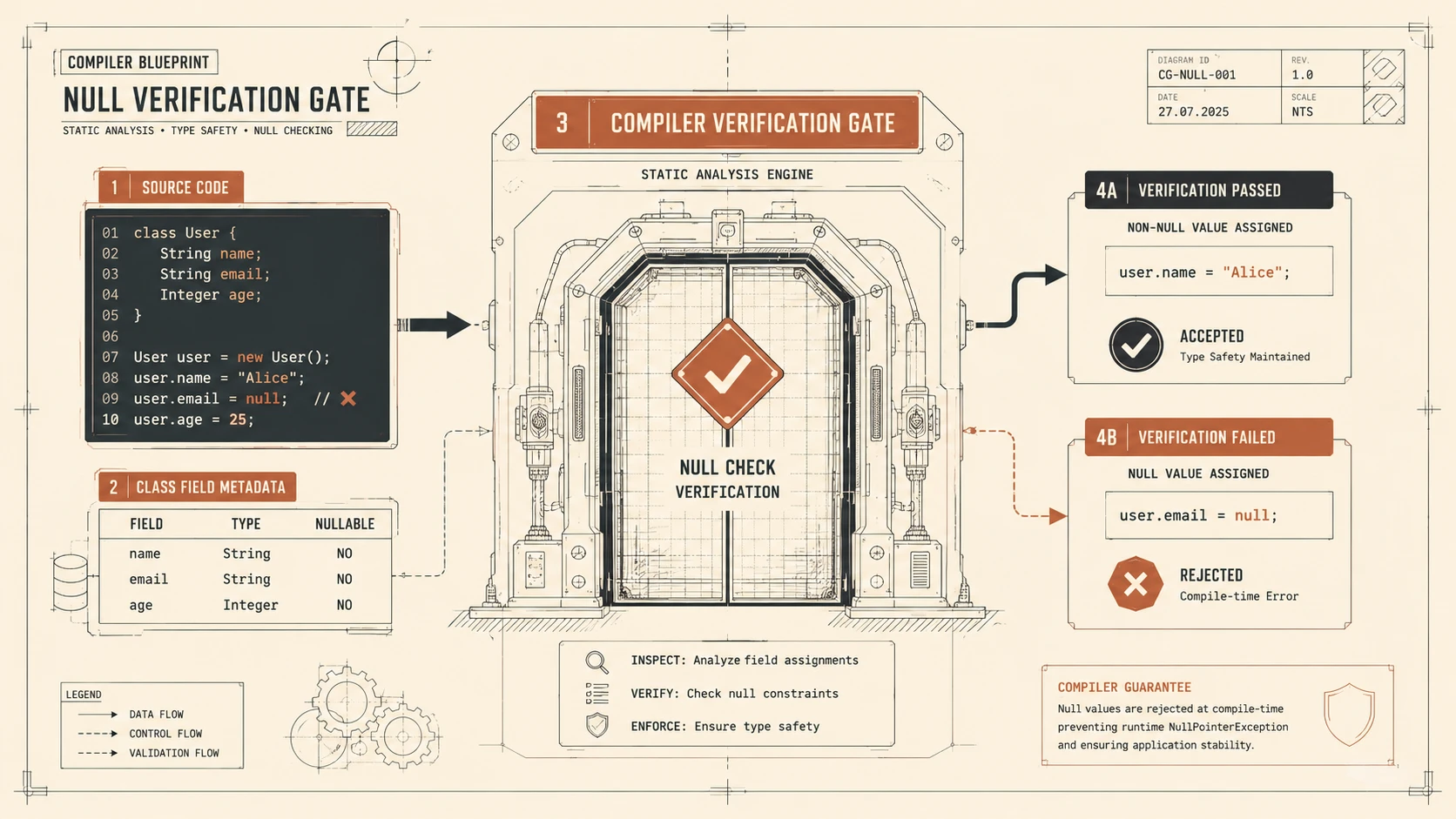
.NET Core 3.0 is the first runtime to fully support C# 8.0 language features.
Highlights include:
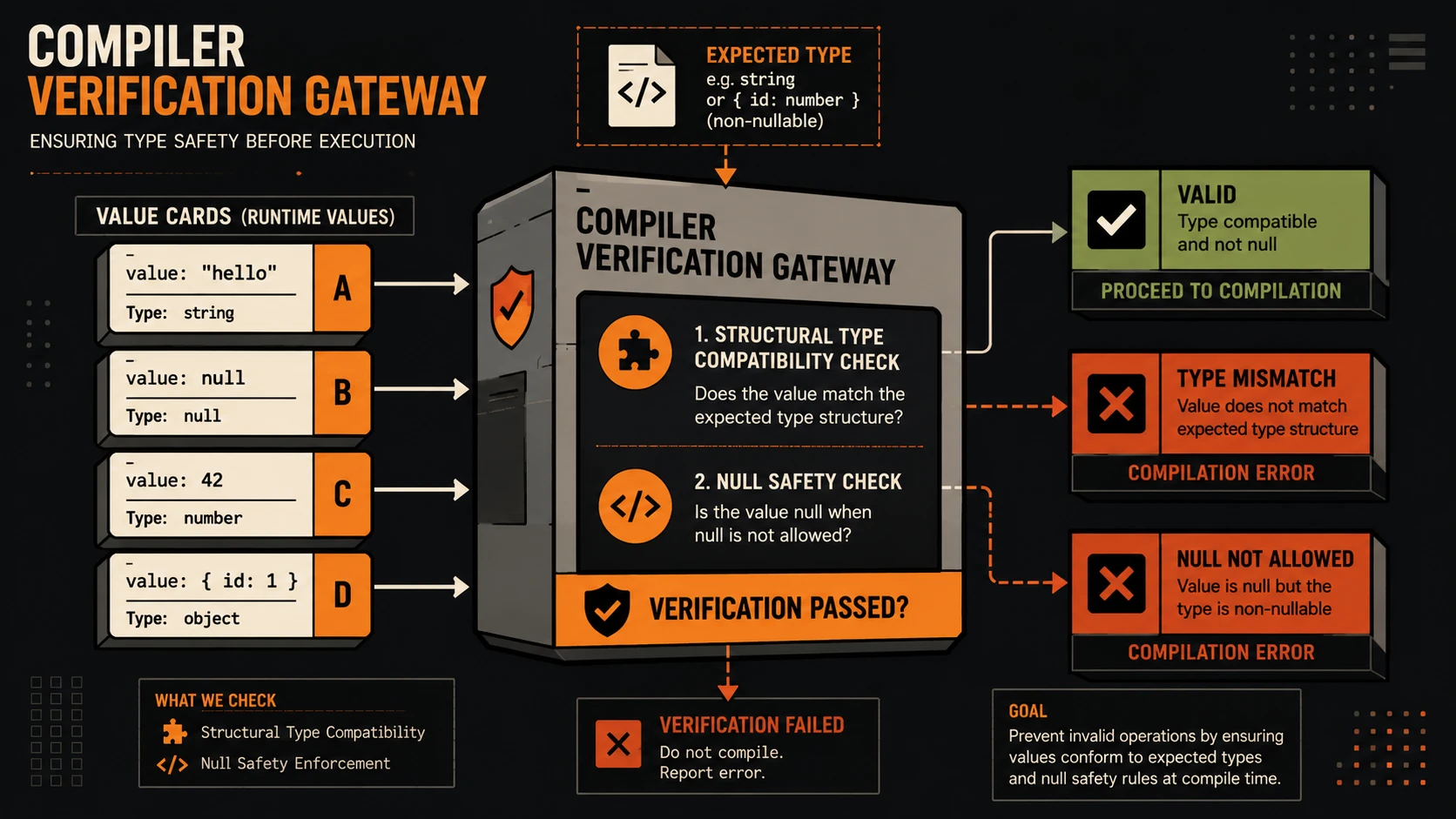
- ◆Nullable Reference Types
- ◆Async Streams
- ◆Default Interface Methods
- ◆Switch Expressions
- ◆Using Declarations
These features improve code safety, readability, and maintainability for enterprise applications.
gRPC Templates
// Protocol Buffer (Proto) service definition in .NET Core 3.0 gRPC template
syntax = "proto3";

option csharp_namespace = "ShivamItcs.GrpcService";

package billing;

service BillingService {
  rpc CalculateTax (TaxRequest) returns (TaxResponse);
}

message TaxRequest {
  double subtotal = 1;
  string state_code = 2;
}

message TaxResponse {
  double tax_amount = 1;
  double total = 2;
}
One of the most important additions is built-in support for creating gRPC services.
Benefits include:
- ◆High-performance binary communication
- ◆Strongly typed contracts
- ◆HTTP/2 transport
- ◆Efficient service-to-service communication
- ◆Simplified project creation
gRPC is particularly attractive for internal microservice communication where low latency and efficient serialization are important.
Assembly Linker and Trimming
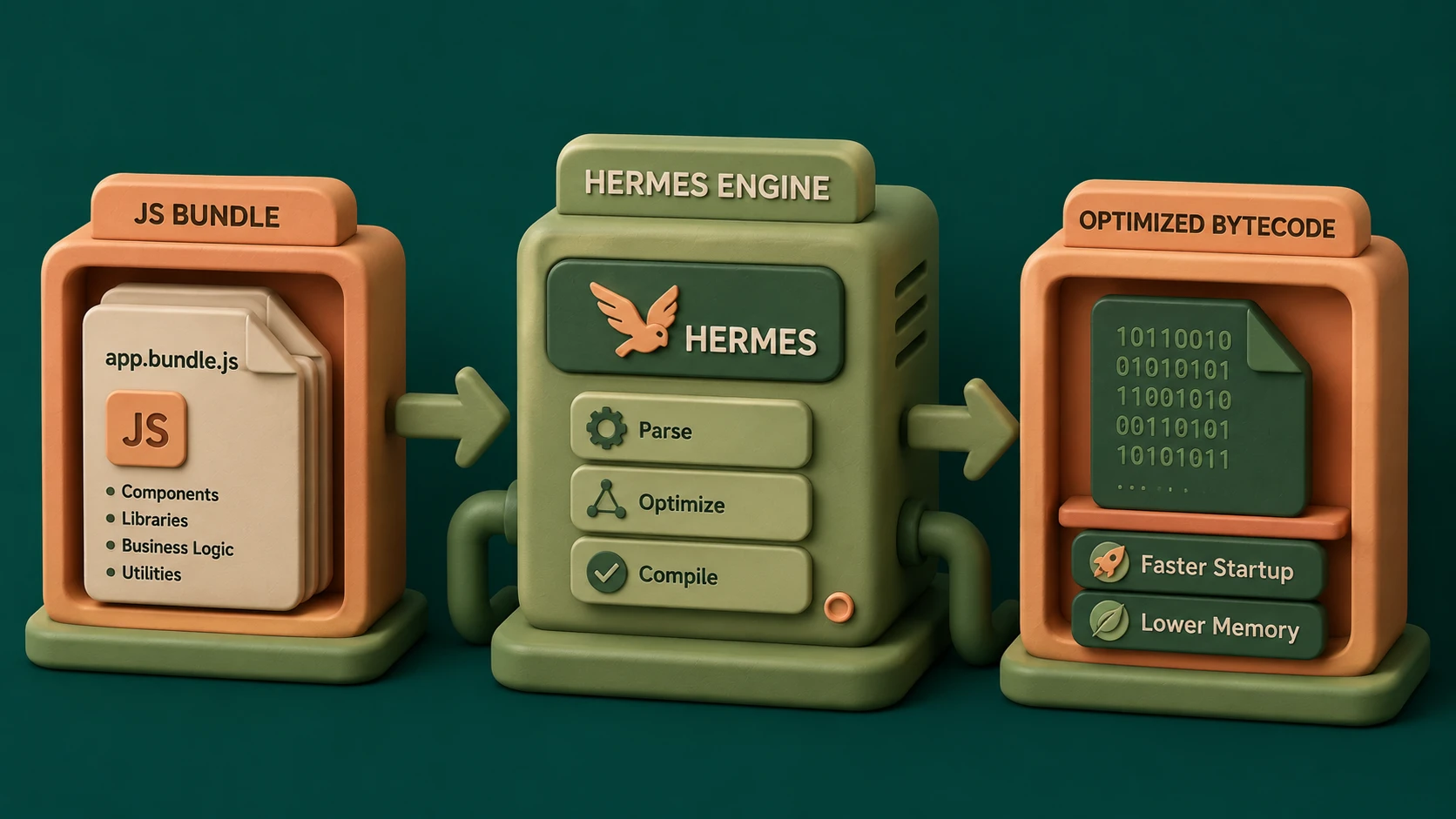
The IL Linker helps reduce deployment size by removing unused assemblies during publishing.
Advantages include:
- ◆Smaller deployment packages
- ◆Reduced storage requirements
- ◆Faster distribution
- ◆Improved container image efficiency
Organizations should validate trimmed applications carefully to ensure runtime behavior remains correct.
Windows Desktop Support
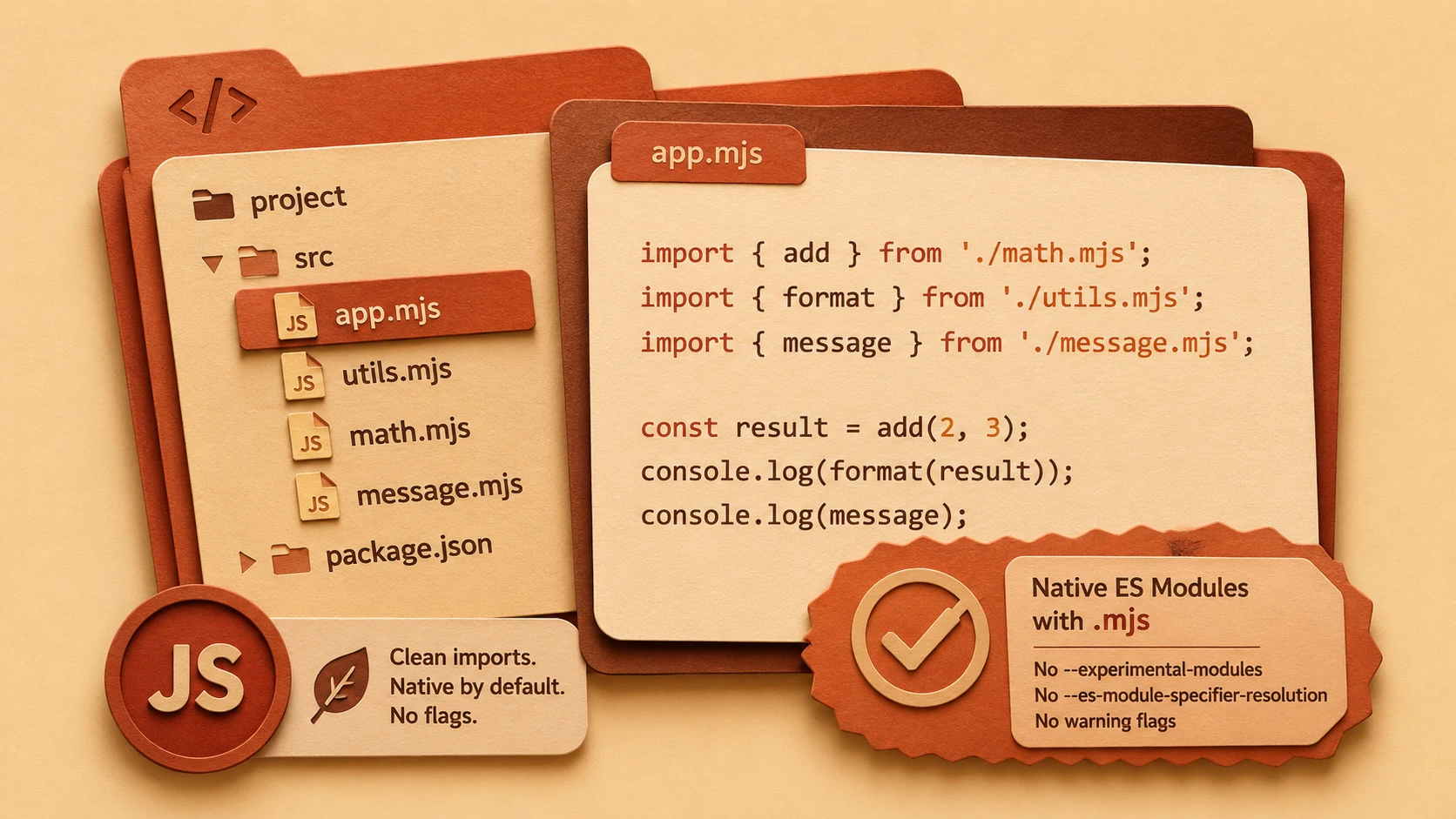
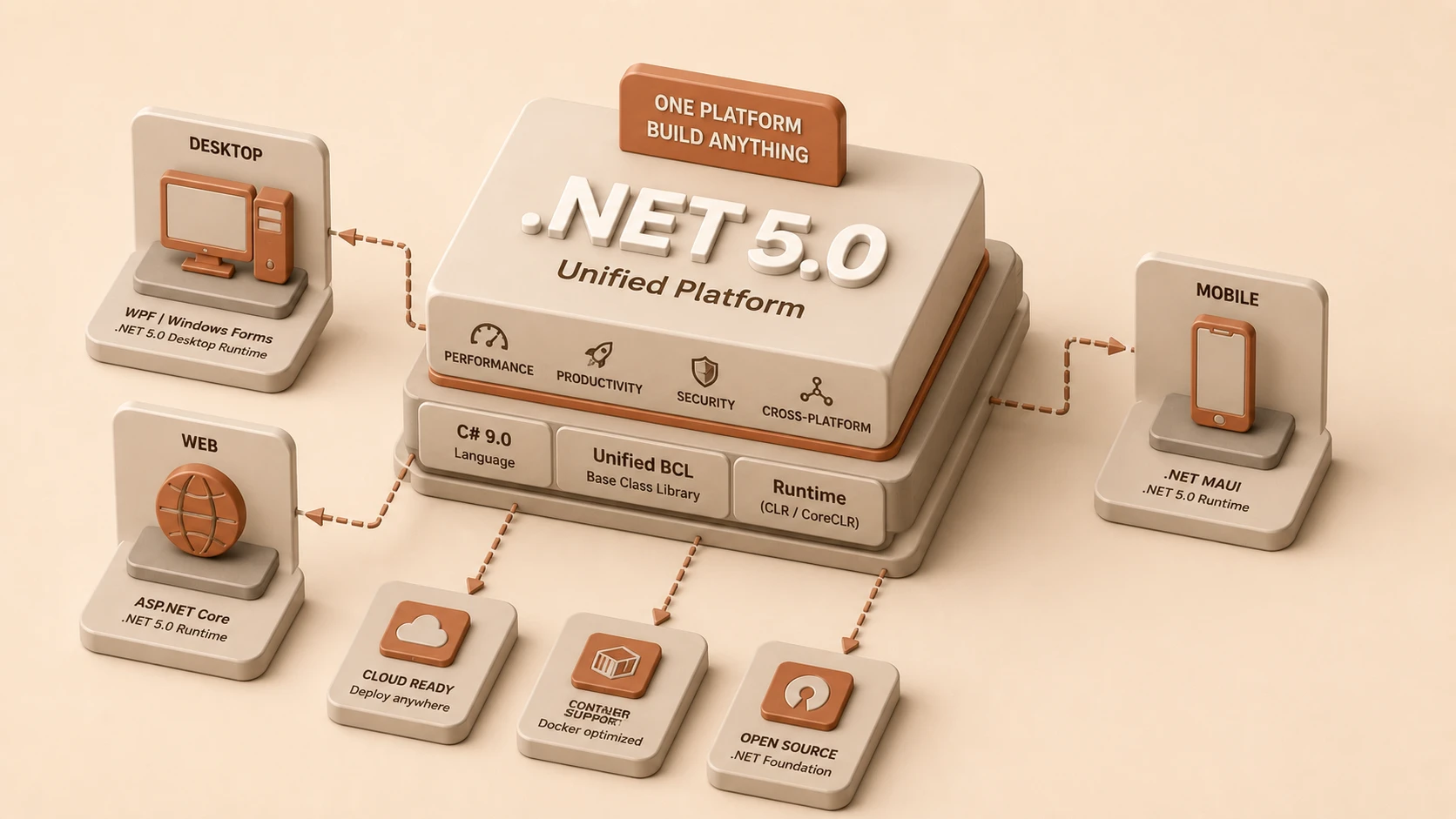
System architecture diagram and conceptual workflow layout for .NET Core 3.0: Standardizing C# 8.0, gRPC Templates, and Assembly Linkers.
.NET Core 3.0 extends beyond server applications by adding support for Windows Forms and WPF.
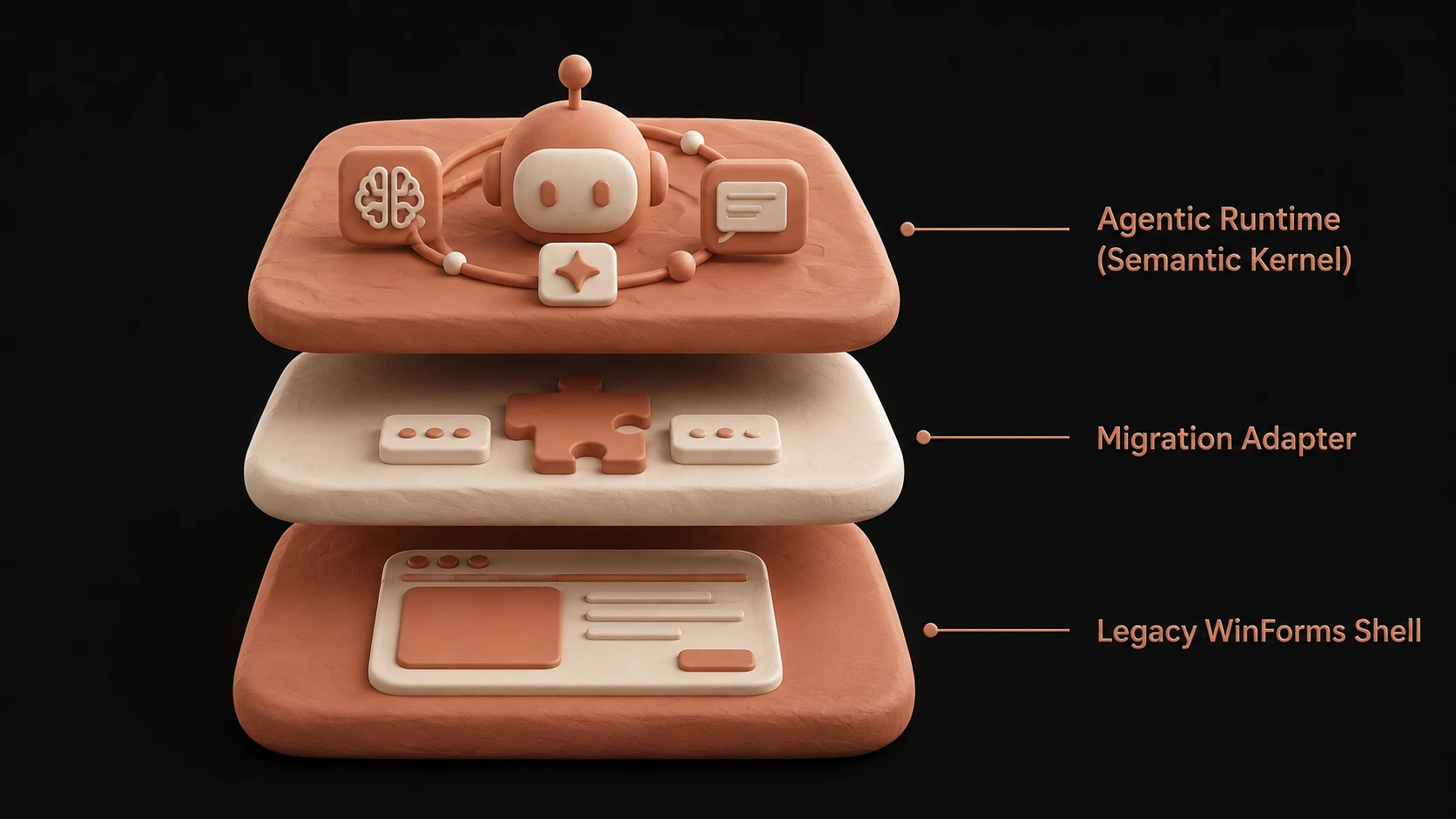
This enables organizations to modernize existing desktop applications while benefiting from the newer runtime and SDK tooling.
Key Features
Full C# 8.0 Integration
Modern language capabilities become available for production development.
Native gRPC Project Templates
Developers can quickly create high-performance service applications.
Assembly Trimming
Publishing tools reduce application size where appropriate.
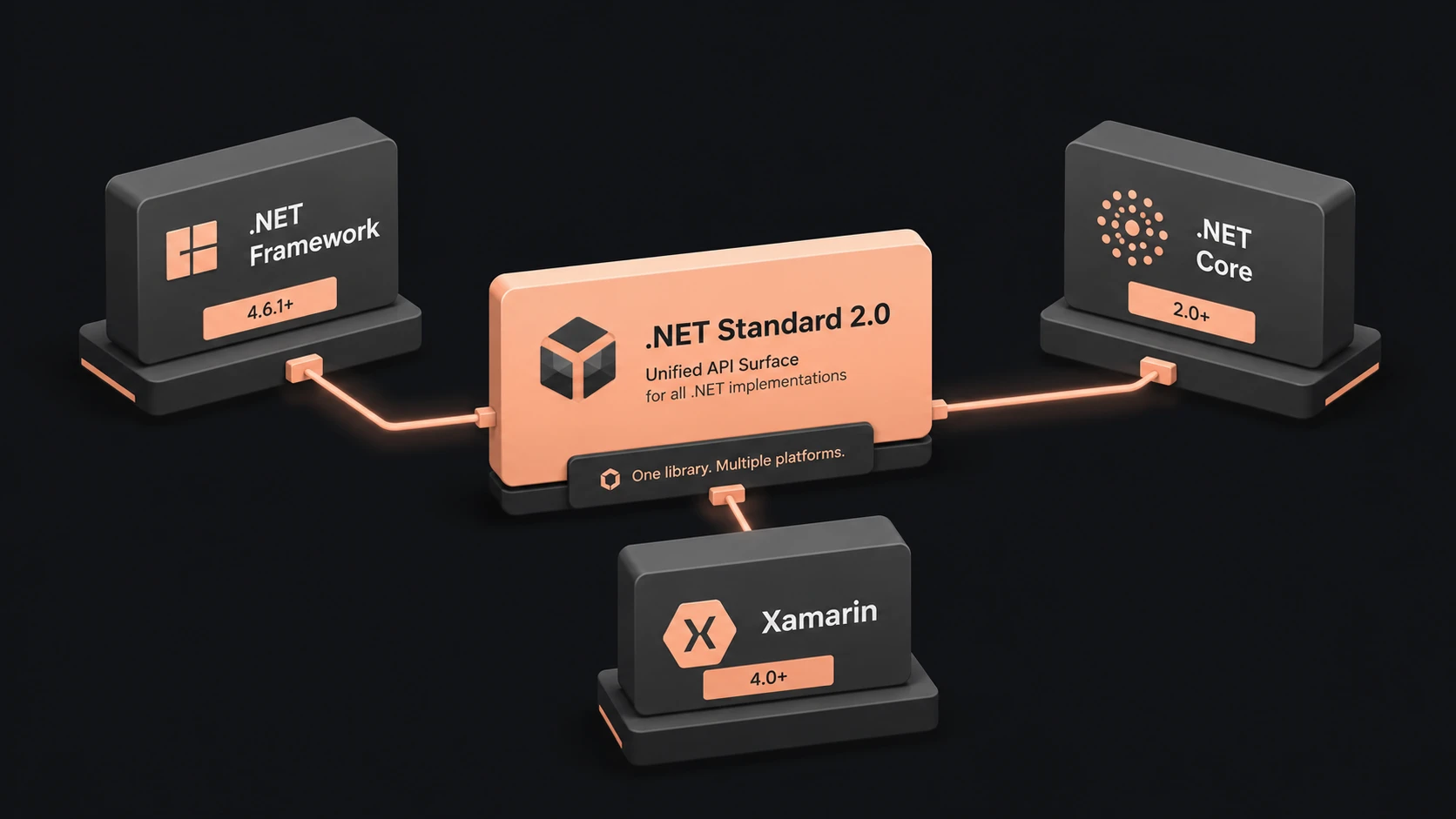
Cross-Platform Runtime
Applications continue running across Windows, Linux, and macOS.
Unified Development Experience
Desktop, cloud, and service applications share a common SDK and tooling ecosystem.
Enterprise Use Cases
- ◆Cloud-native REST and gRPC services
- ◆Internal microservice platforms
- ◆Enterprise desktop modernization
- ◆Financial transaction systems
- ◆Healthcare information systems
- ◆Manufacturing and logistics platforms
- ◆Containerized business applications
Performance Considerations
Organizations should evaluate:
- ◆Startup time
- ◆Memory consumption
- ◆gRPC throughput
- ◆Publish size after trimming
- ◆HTTP/2 performance
- ◆Container image size
Benchmarking should reflect production workloads before large-scale adoption.
Security Considerations
Enterprise deployments should continue implementing:
- ◆HTTPS and TLS
- ◆Authentication and authorization
- ◆Secure configuration management
- ◆Dependency updates
- ◆Input validation
- ◆Certificate management for gRPC services
Scalability
.NET Core 3.0 supports scalable enterprise systems through:
- ◆Efficient runtime performance
- ◆Cross-platform deployment
- ◆Container compatibility
- ◆High-performance networking
- ◆Modular application architecture
Best Practices
- ◆Adopt Nullable Reference Types for new projects.
- ◆Evaluate gRPC for internal service communication.
- ◆Test assembly trimming before production deployment.
- ◆Standardize SDK versions across development teams.
- ◆Measure application performance after migration.
- ◆Automate builds and testing.
- ◆Continue following clean architecture principles.
- ◆Validate HTTP/2 infrastructure before deploying gRPC services.
Common Mistakes
| Mistake | Enterprise Impact |
|---|---|
| Enabling assembly trimming without testing | Runtime failures |
| Ignoring nullable reference warnings | Reduced code quality |
| Using gRPC where HTTP/1.1 compatibility is required | Integration challenges |
| Migrating legacy applications without validation | Deployment risk |
| Mixing inconsistent SDK versions | Build instability |
| Skipping performance benchmarking | Missed optimization opportunities |
Technology Comparison
| Capability | .NET Core 2.2 | .NET Core 3.0 |
|---|---|---|
| C# 8.0 Support | No | Yes |
| gRPC Templates | No | Yes |
| Windows Desktop Support | No | Yes |
| Assembly Trimming | Limited | Supported |
| Runtime Performance | Strong | Improved |
| Enterprise Readiness | High | Enhanced |
Adoption Strategy
- 1.Inventory existing .NET applications.
- 2.Upgrade development environments to Visual Studio 2019 and .NET Core 3.0.
- 3.Evaluate C# 8.0 language features.
- 4.Pilot gRPC for internal services.
- 5.Test assembly trimming in staging environments.
- 6.Validate third-party library compatibility.
- 7.Benchmark performance.
- 8.Roll out upgrades incrementally.
Limitations
As of October 2019, some third-party libraries may still be updating for full .NET Core 3.0 and C# 8.0 compatibility. Assembly trimming should be validated carefully because applications using reflection or dynamically loaded assemblies may require additional configuration. Organizations planning gRPC adoption should also ensure their infrastructure fully supports HTTP/2.
Looking Ahead
From the perspective of October 2019, .NET Core 3.0 establishes itself as Microsoft's primary platform for modern application development. With standardized C# 8.0 support, integrated gRPC templates, Windows desktop capabilities, and deployment optimizations through assembly trimming, the platform is well positioned to support enterprise cloud services, distributed systems, and modern desktop applications through a unified development model.