Web Development
Viewing all posts categorized under Web Development.


HTTPS-Only Web Movement: How Browsers Mark HTTP as Insecure
Major browser vendors are accelerating the transition toward an HTTPS-first web by beginning to identify unencrypted HTTP pages as insecure. As TLS adoption increases and free certificate authorities reduce deployment barriers, enterprise organizations must reassess web security strategies, infrastructure, and application architecture. This article examines the HTTPS-only movement from the perspective of November 2016.
Next.js 1.0 Release: Server-Side Rendering for React Applications
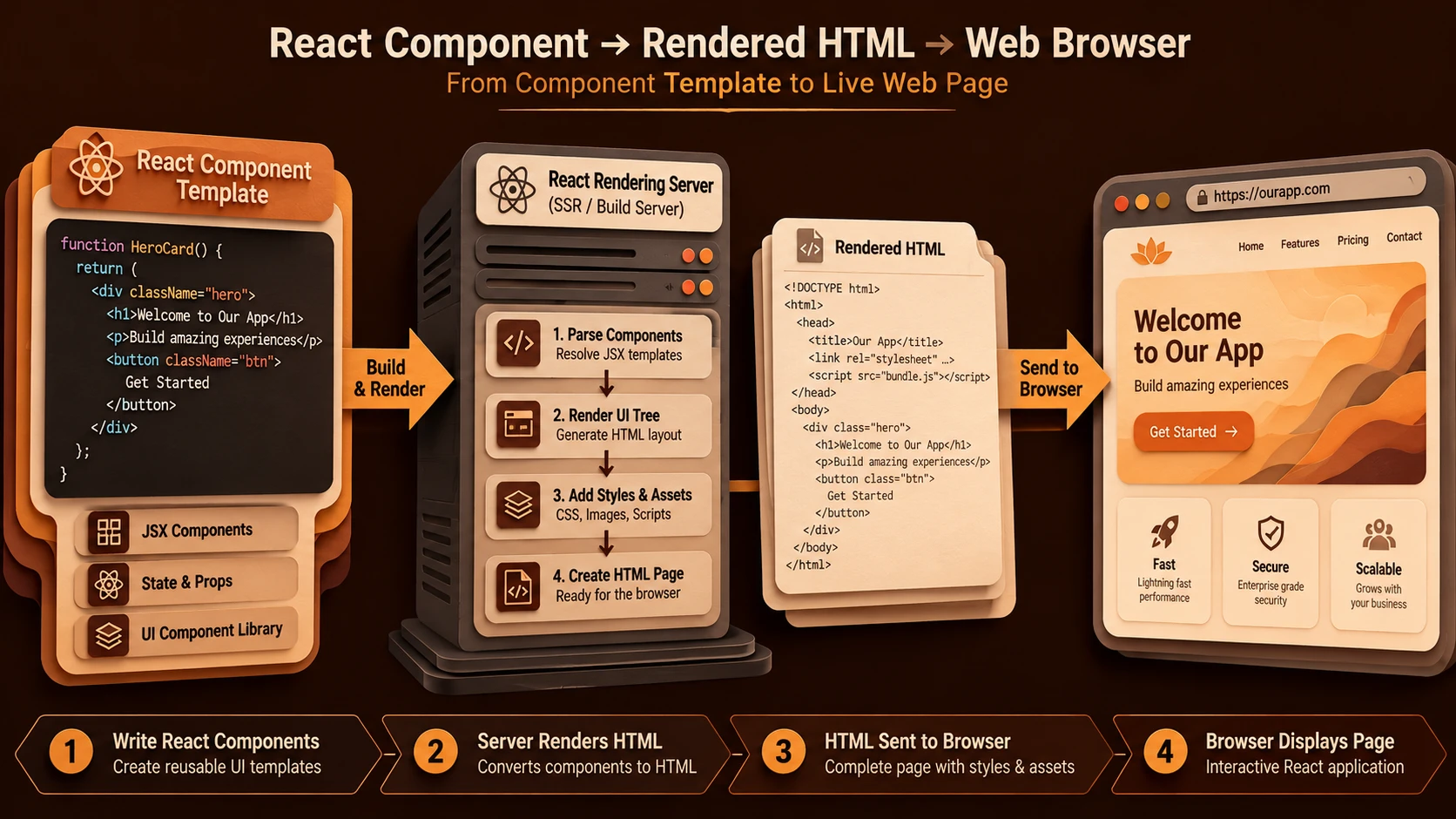
Next.js 1.0 introduces an opinionated framework for React that simplifies server-side rendering, routing, and production deployment. This article examines the framework's architecture, rendering pipeline, enterprise use cases, performance characteristics, and adoption considerations from the perspective of September 2016.
Yarn Package Manager: Fast, Secure, and Deterministic Dependencies for JS apps
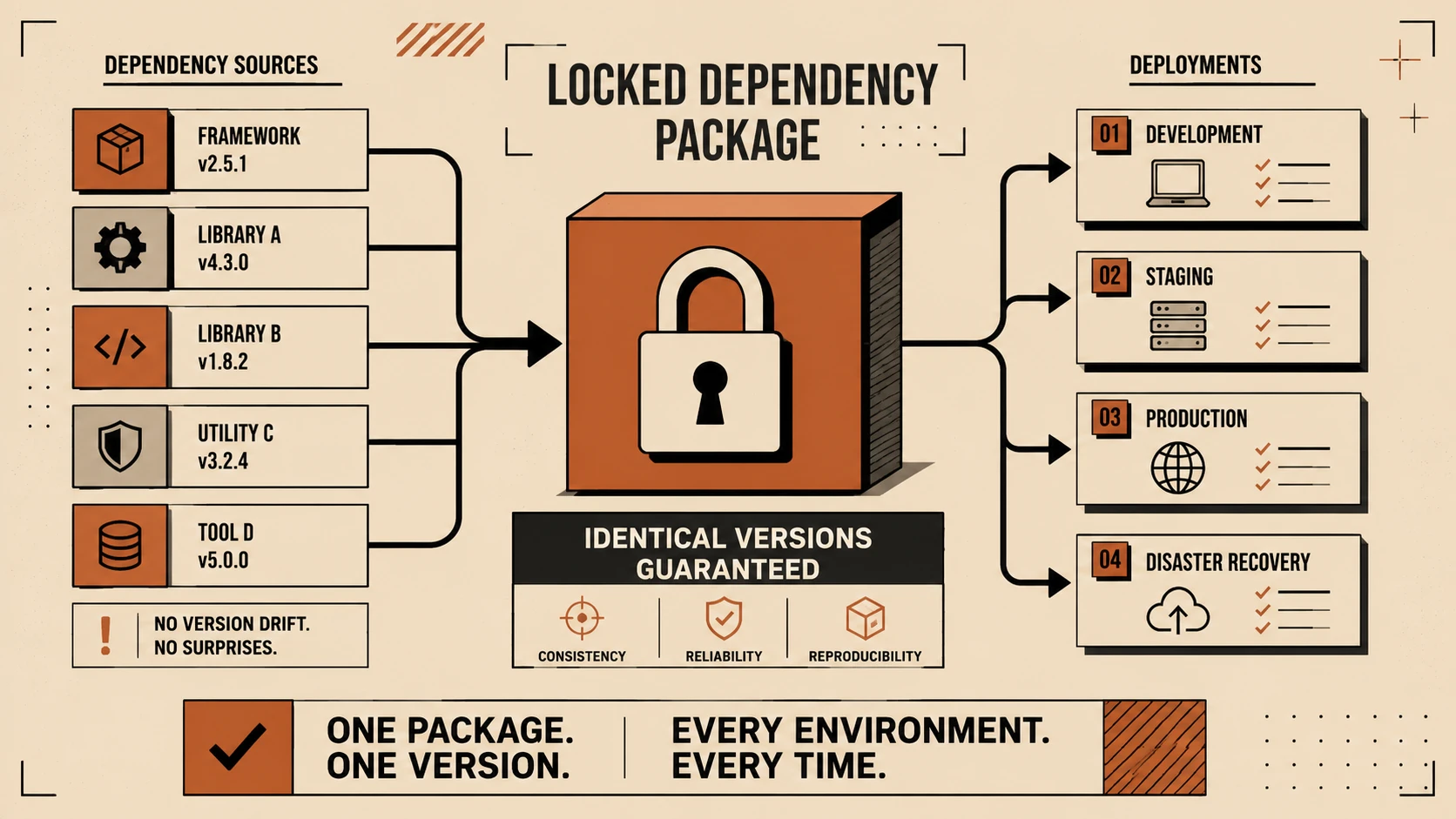
Yarn introduces a new package manager for the JavaScript ecosystem focused on deterministic dependency resolution, faster installations, offline caching, and improved security. This article examines Yarn's architecture, lockfile mechanism, package resolution model, enterprise adoption considerations, and build pipeline integration from the perspective of September 2016.
Webpack 2.0 Previews: Implementing Tree Shaking and Native ES Modules
Webpack 2.0 previews introduce significant improvements to modern JavaScript application development, including first-class ES2015 module support and tree shaking for eliminating unused code. As enterprise Single Page Applications continue growing in size and complexity, these enhancements promise smaller bundles, improved maintainability, and more efficient build pipelines. This article examines Webpack 2.0 preview capabilities from the perspective of August 2016.
React 15.3: React.PureComponent and Shallow Component Comparators
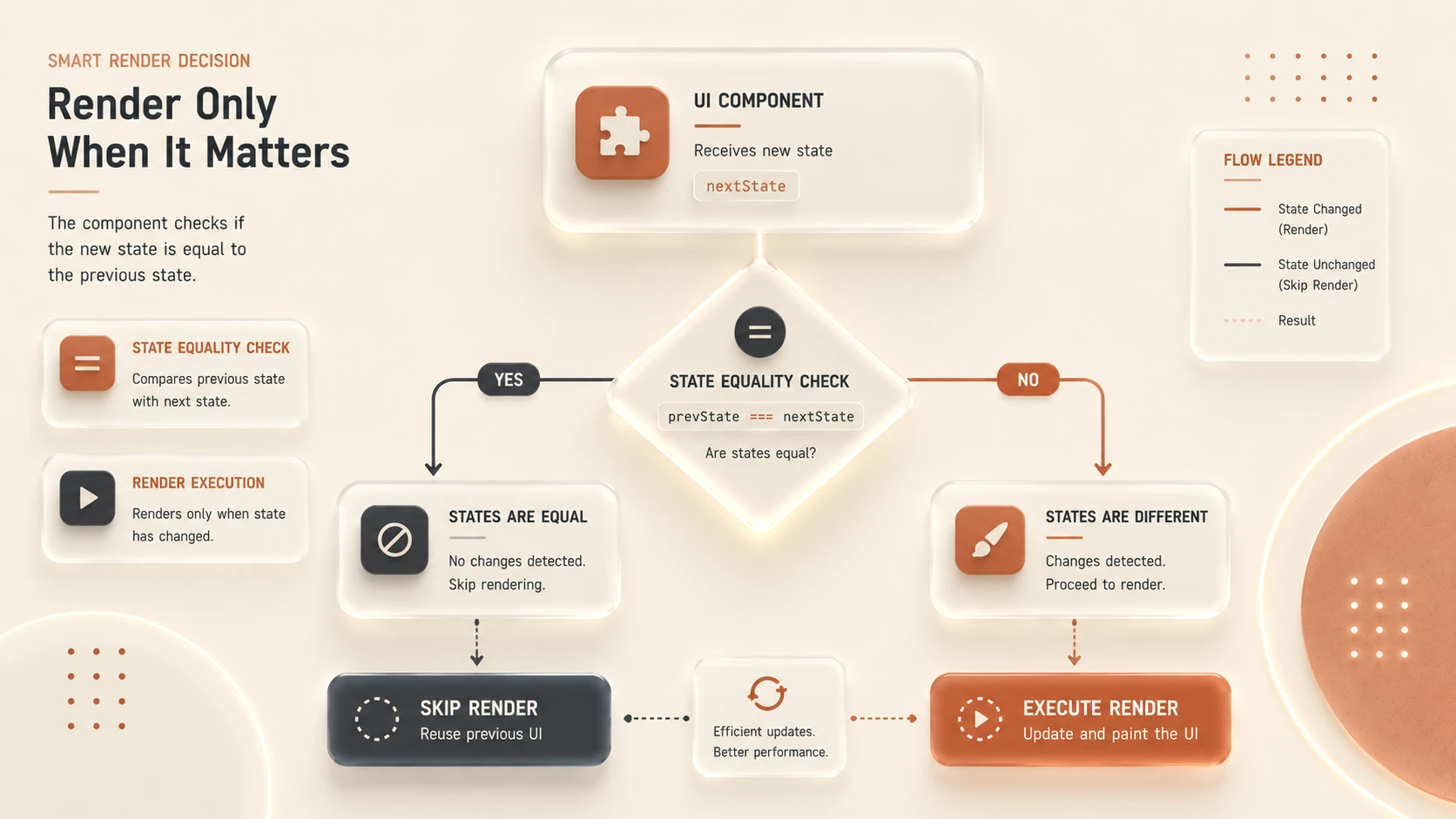
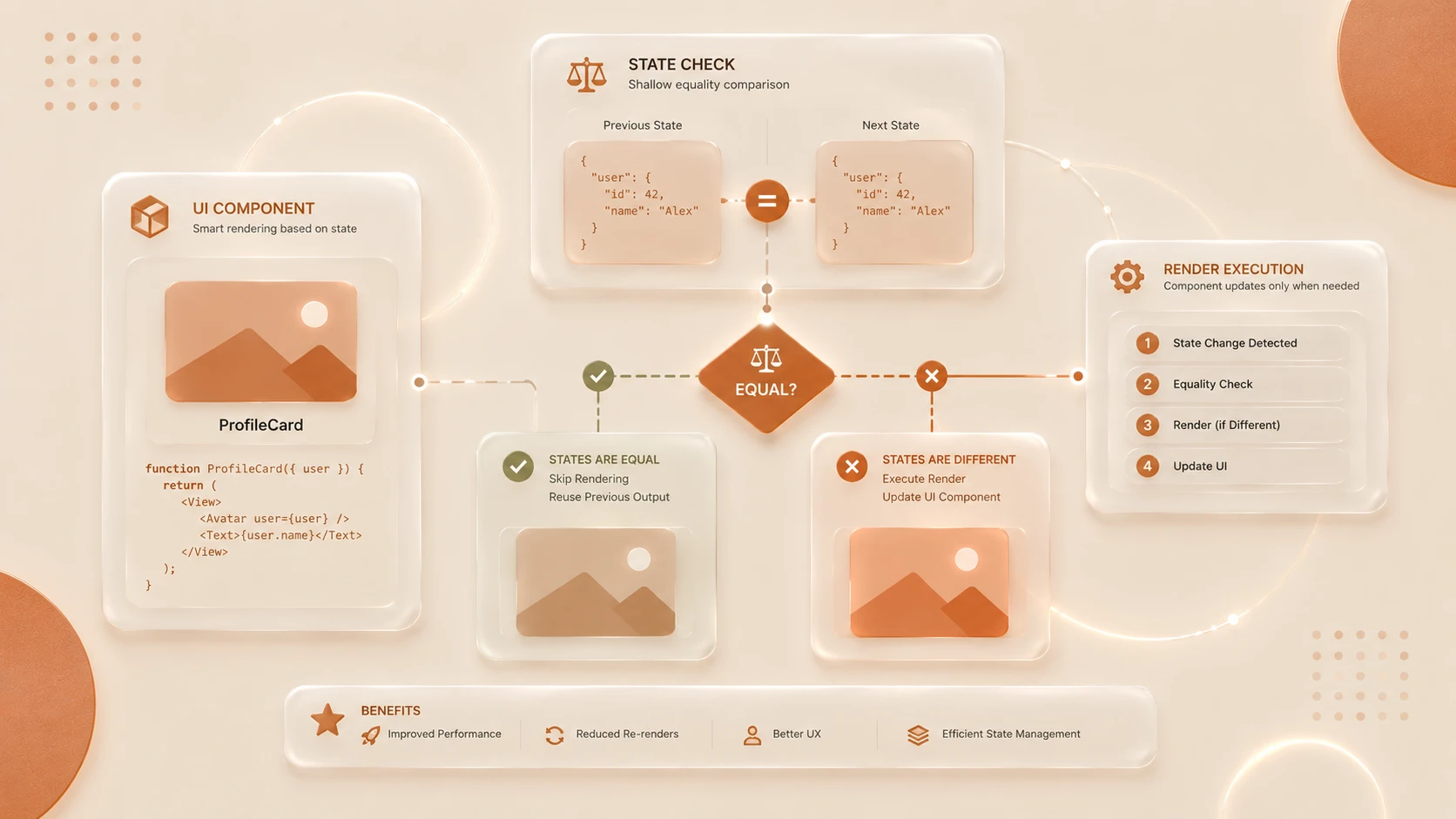
React 15.3 introduces React.PureComponent as a simplified mechanism for reducing unnecessary component rendering through shallow property and state comparisons. This article examines the architecture, rendering lifecycle, comparison algorithms, performance implications, and enterprise adoption considerations from the perspective of July 2016.
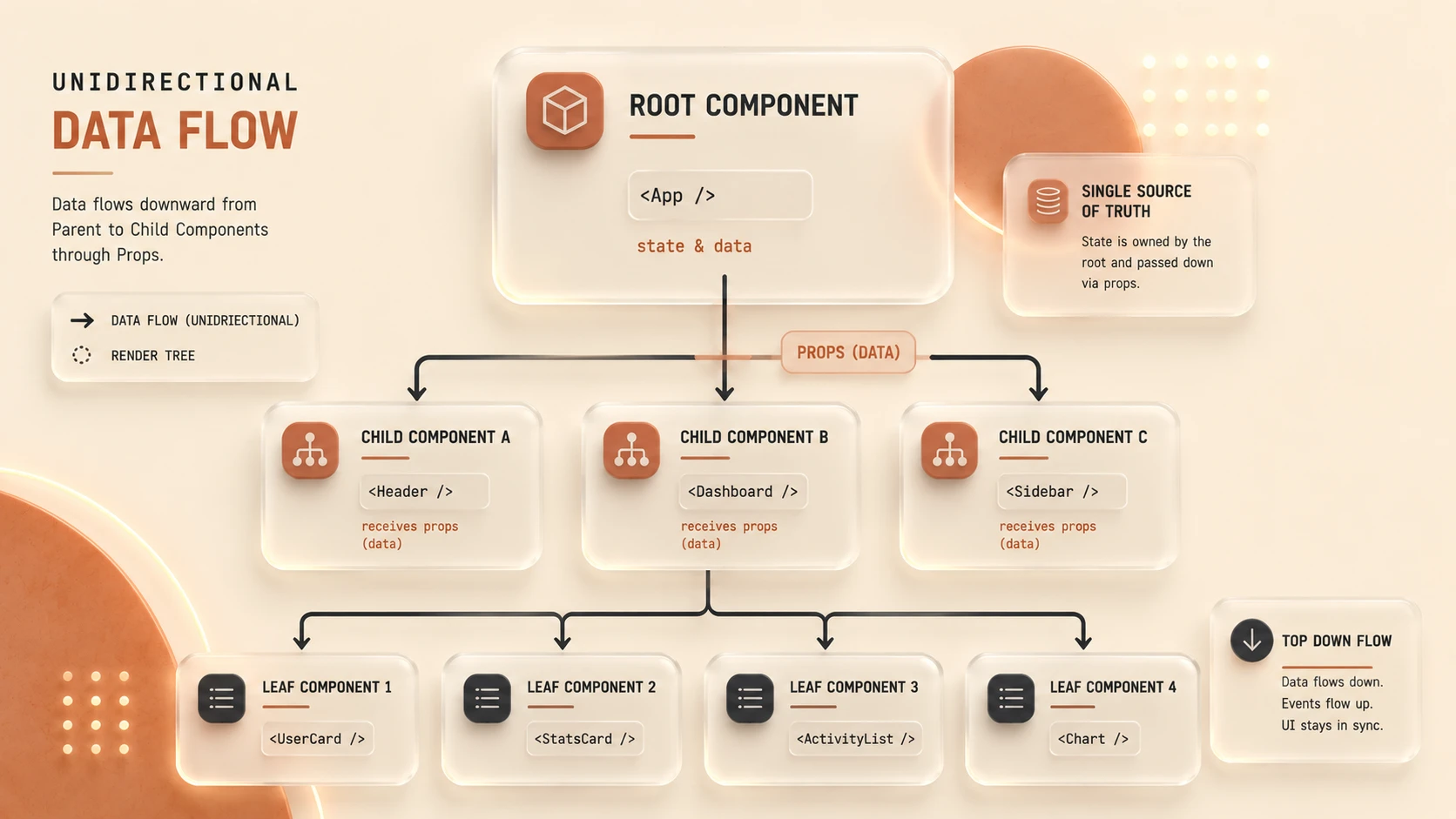
Angular 2.0 Final Release: Component Architectures and Unidirectional Data Flow
Angular 2.0 represents a complete redesign of Google's web application framework, introducing component-based architecture, unidirectional data flow, TypeScript integration, dependency injection improvements, and enhanced performance. This article examines Angular 2.0 from the perspective of May 2016, evaluating its architecture, enterprise adoption strategy, and technical trade-offs.

Progressive Web Apps: Service Workers, Cache API, and Offline-First Architectures
Progressive Web Apps (PWAs) combine responsive web design with modern browser capabilities such as Service Workers and the Cache API to deliver reliable, offline-capable, and application-like user experiences. As browser support for these technologies continues to mature during 2016, enterprise organizations are evaluating PWAs as an alternative approach for delivering high-quality web experiences across desktop and mobile devices. This article examines Progressive Web Apps from the perspective of May 2016.
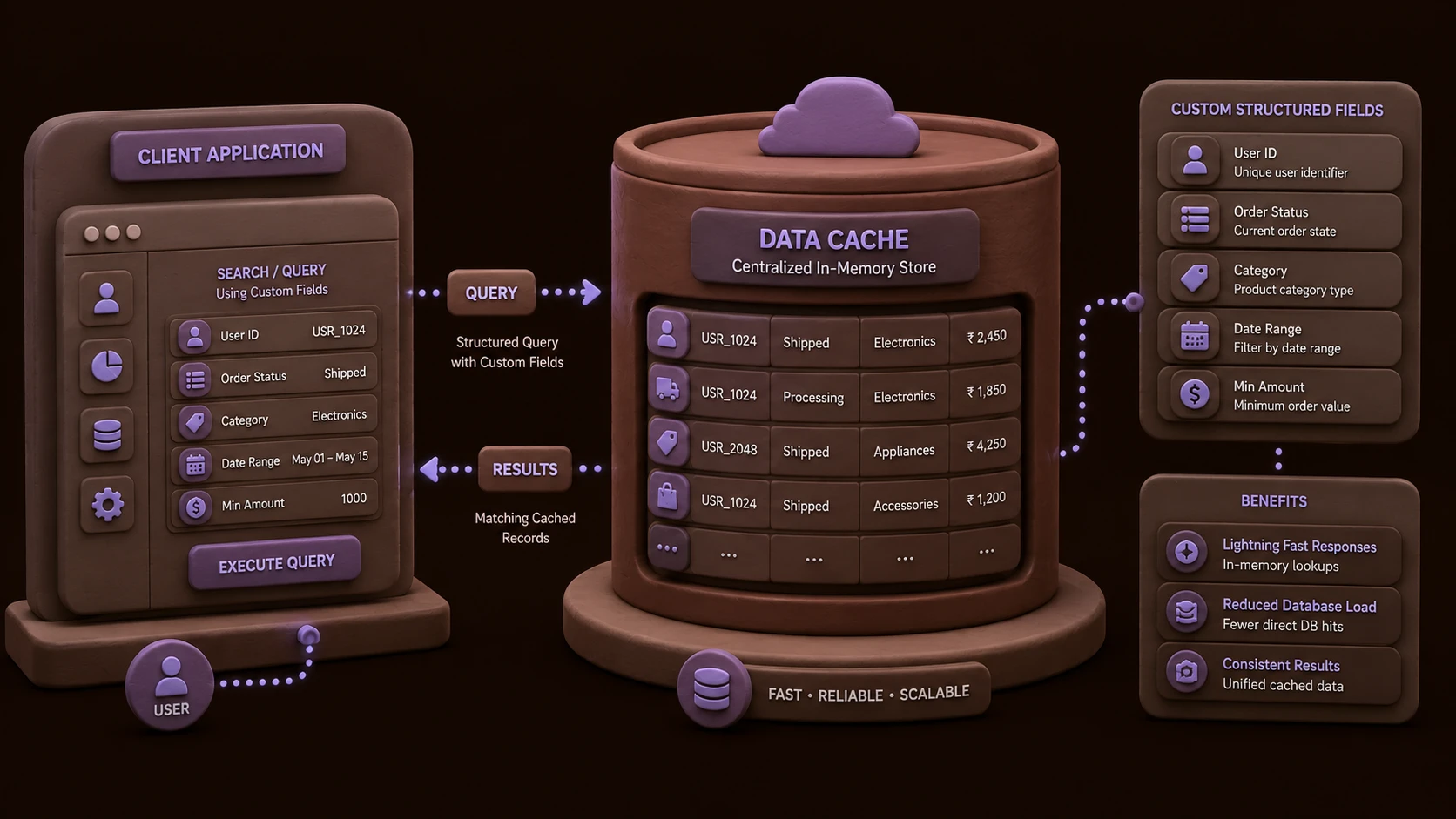
Apollo Client for GraphQL: Standardizing UI Caching and Query Normalization
Apollo Client introduces a comprehensive approach to consuming GraphQL APIs by combining query execution, normalized caching, and client-side state management. This article examines Apollo Client's architecture, caching strategies, query lifecycle, enterprise adoption considerations, and performance characteristics from the perspective of April 2016.
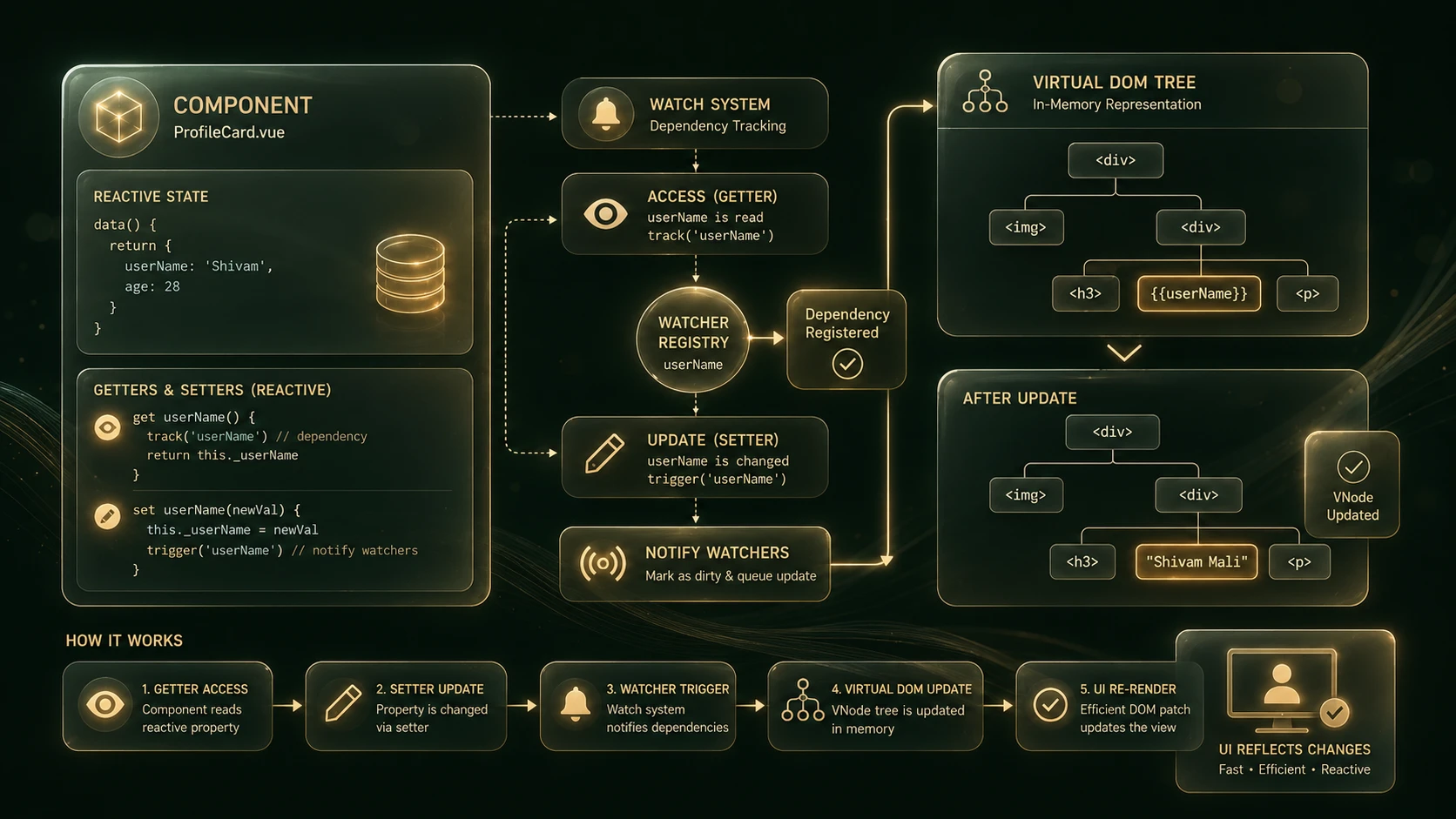
Vue.js 2.0: Virtual DOM Implementation and Reactive Property Listeners
Vue.js 2.0 introduces a major architectural evolution with a Virtual DOM implementation, improved reactive data binding, faster rendering performance, and a more scalable component model. This article examines Vue.js 2.0 from the perspective of February 2016, evaluating its architecture, enterprise use cases, performance characteristics, and adoption considerations for modern web applications.
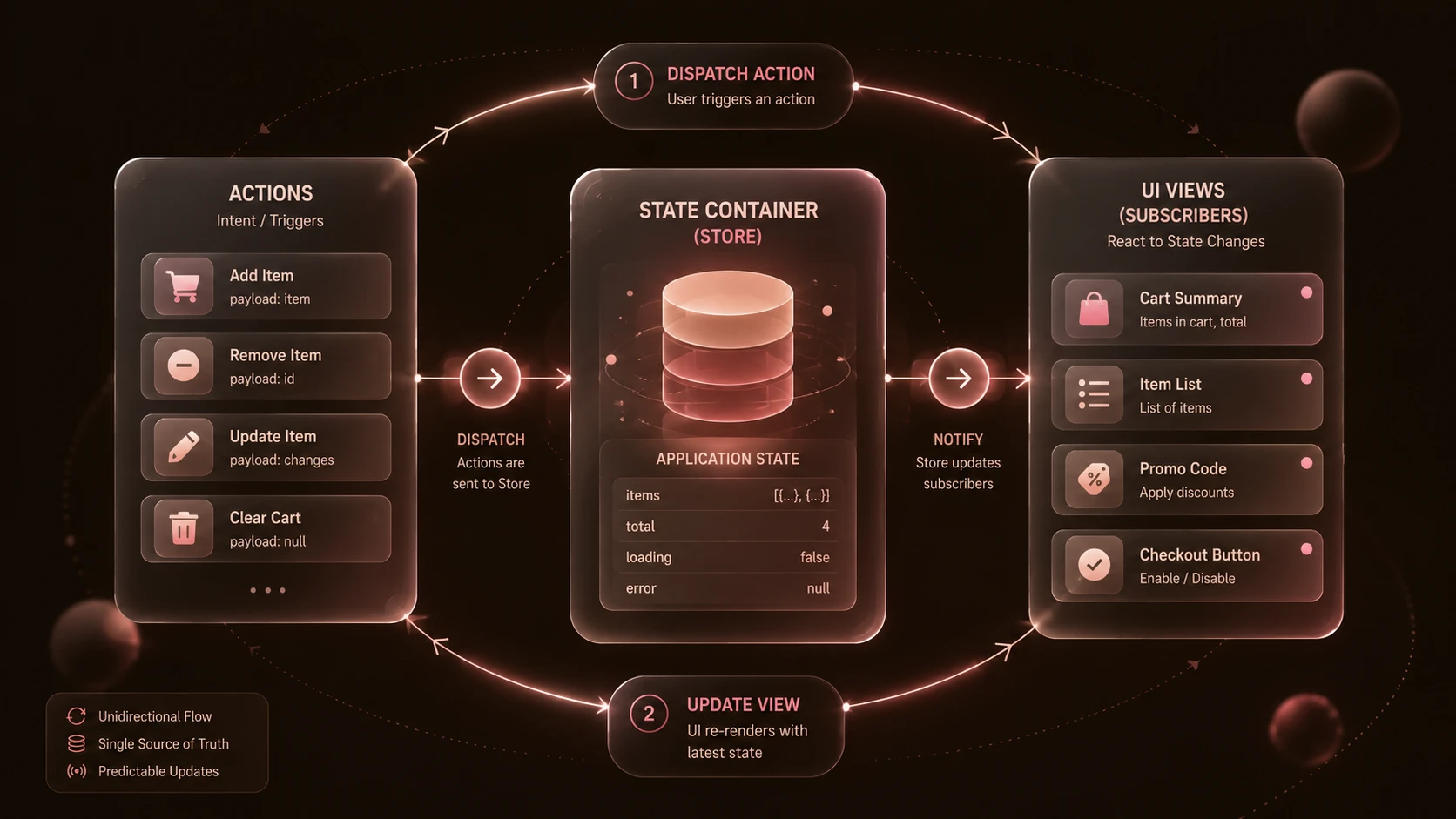
Redux 3.0: Standardizing State Management inside React Single Page Applications
Redux 3.0 has emerged as a leading state management library for React applications by introducing a predictable unidirectional data flow built around a single application store, actions, and pure reducers. As enterprise Single Page Applications continue growing in complexity, Redux provides a structured approach for managing application state, simplifying debugging, improving maintainability, and enabling scalable front-end architecture. This article examines Redux 3.0 from the perspective of January 2016.
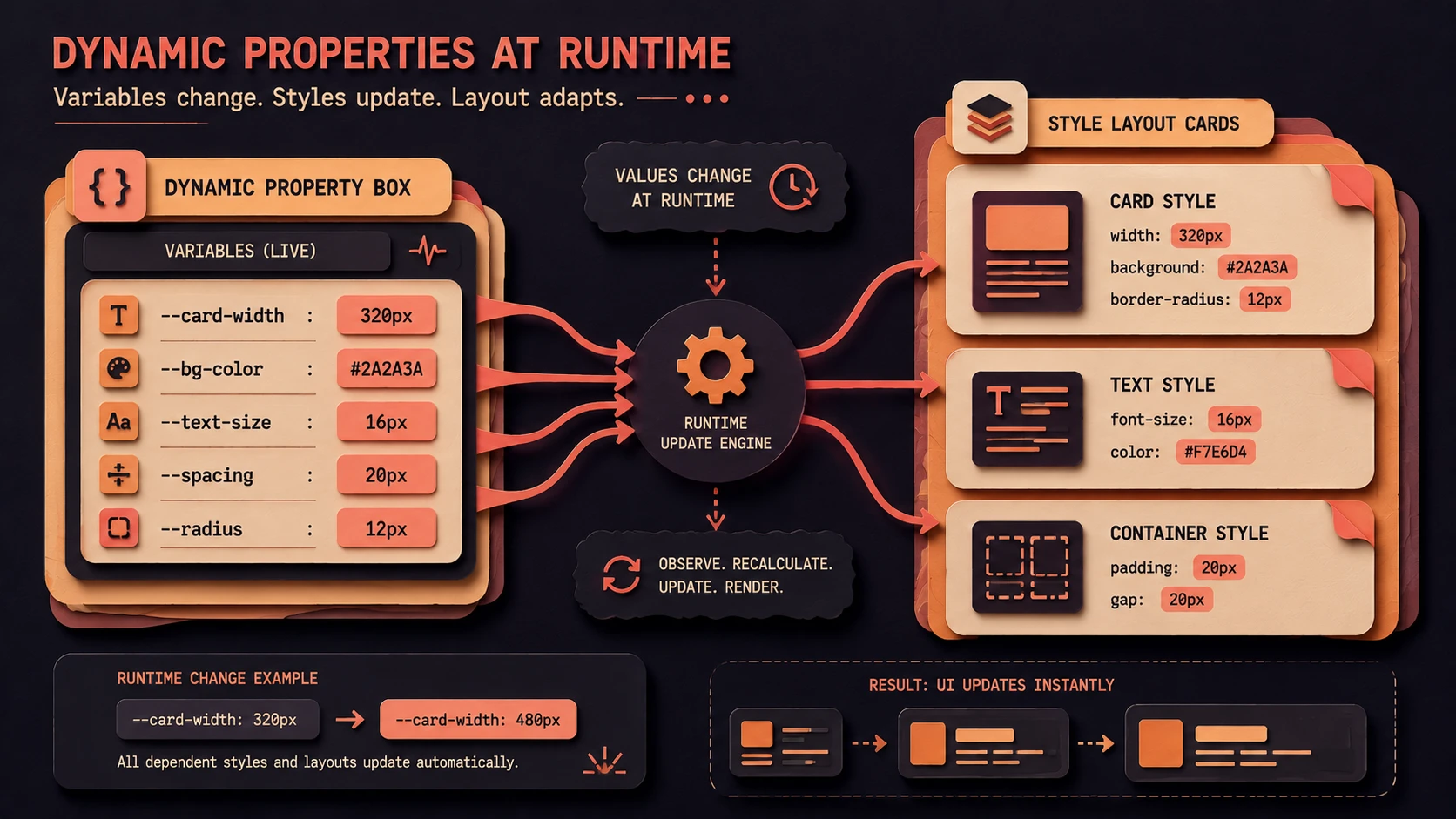
CSS Custom Properties: Browser Support and Dynamic Runtime Variables
CSS Custom Properties introduce native runtime variables to CSS, enabling more maintainable styling architectures and dynamic theming without relying entirely on CSS preprocessors. This article examines the technology, browser support, architecture, performance, and enterprise implications from the perspective of January 2016.
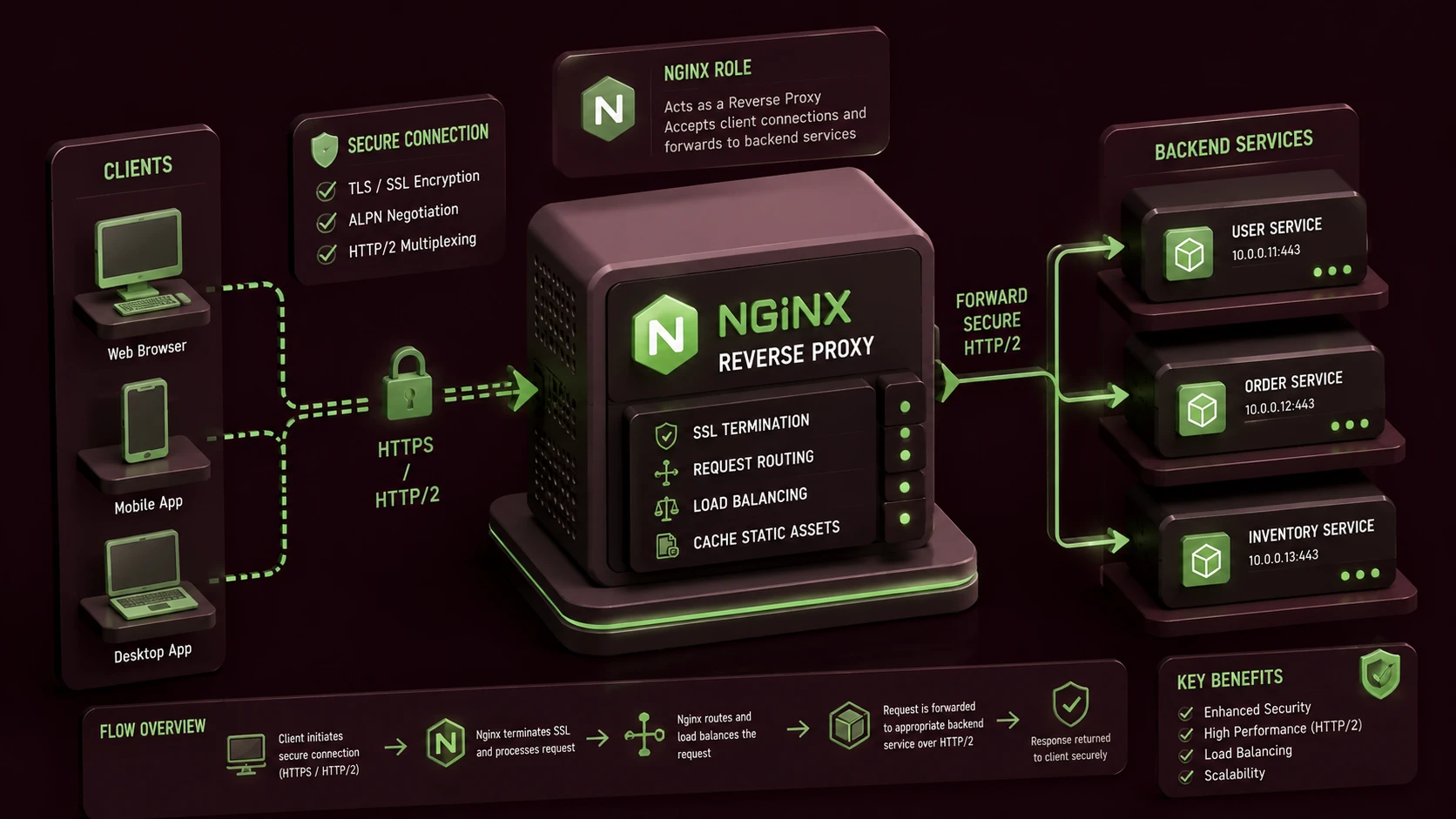
HTTP/2 in Production: Configuring Nginx Reverse Proxy with HTTPS Protocols
With HTTP/2 becoming available across modern browsers and web servers, enterprises are evaluating how the new protocol can improve website performance without changing application logic. This article examines HTTP/2 from the perspective of December 2015, focusing on Nginx reverse proxy deployments, HTTPS requirements, multiplexing, server configuration, performance benefits, and operational best practices.
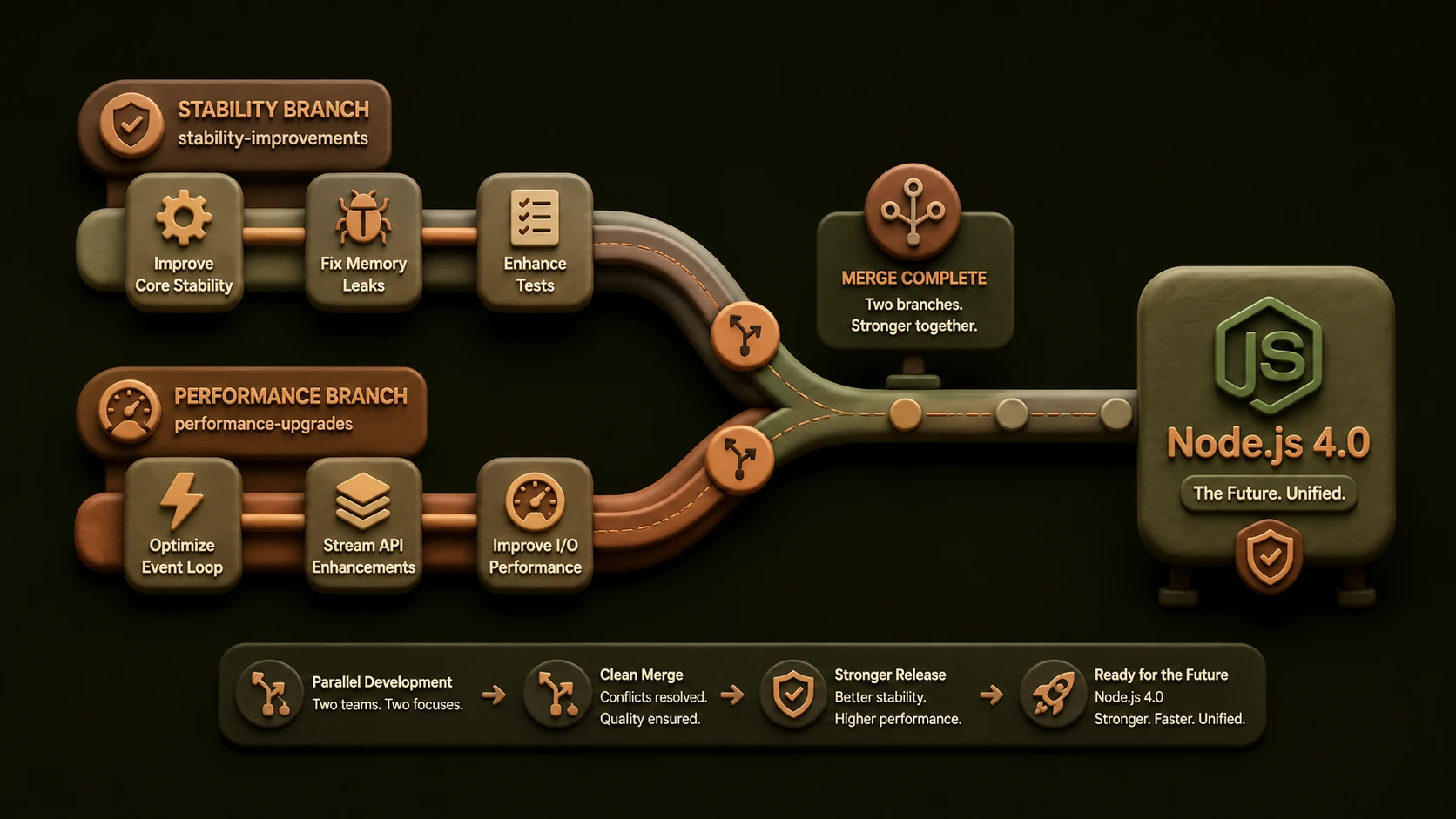
Node.js 4.0: The Historic Reconciliation of Node.js and the io.js Fork
Node.js 4.0 marks a pivotal milestone in the evolution of server-side JavaScript by unifying the previously divided Node.js and io.js projects. Combining modern JavaScript capabilities with an improved release process and stronger community governance, Node.js 4.0 provides enterprises with a stable platform for building scalable web services, APIs, and distributed applications. This article examines Node.js 4.0 from the perspective of December 2015, exploring its architecture, enterprise benefits, performance considerations, and adoption strategies.
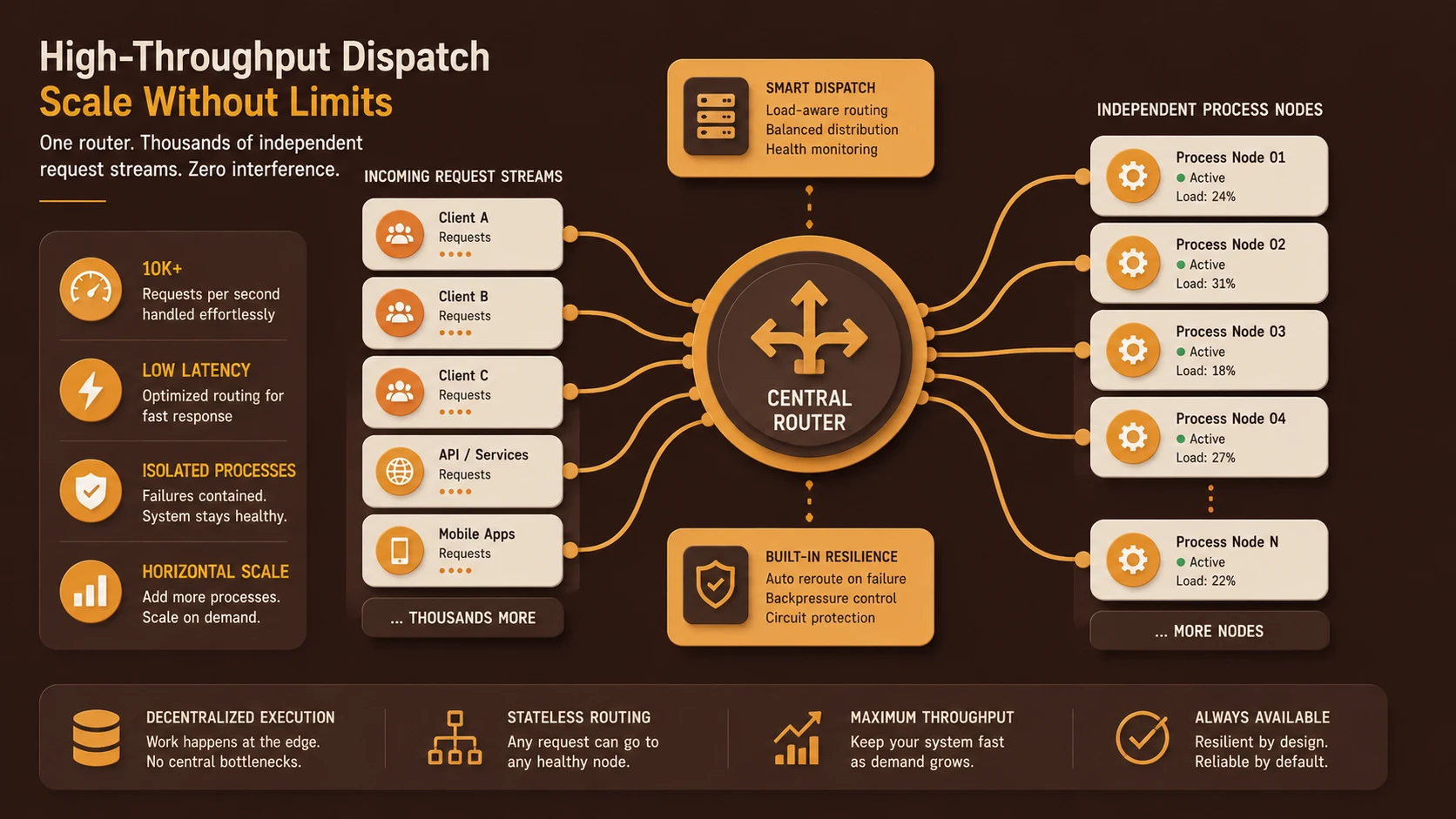
Phoenix Framework: Developing High-Concurrency Web APIs with Elixir and OTP
The Phoenix Framework has rapidly emerged as a promising web development platform for Elixir, combining the reliability of the Erlang VM with a productive MVC architecture. Built upon the OTP concurrency model, Phoenix enables developers to create highly concurrent web APIs and real-time applications capable of supporting demanding enterprise workloads. This article examines Phoenix Framework from the perspective of October 2015, exploring its architecture, concurrency model, enterprise use cases, scalability, performance characteristics, and adoption considerations.
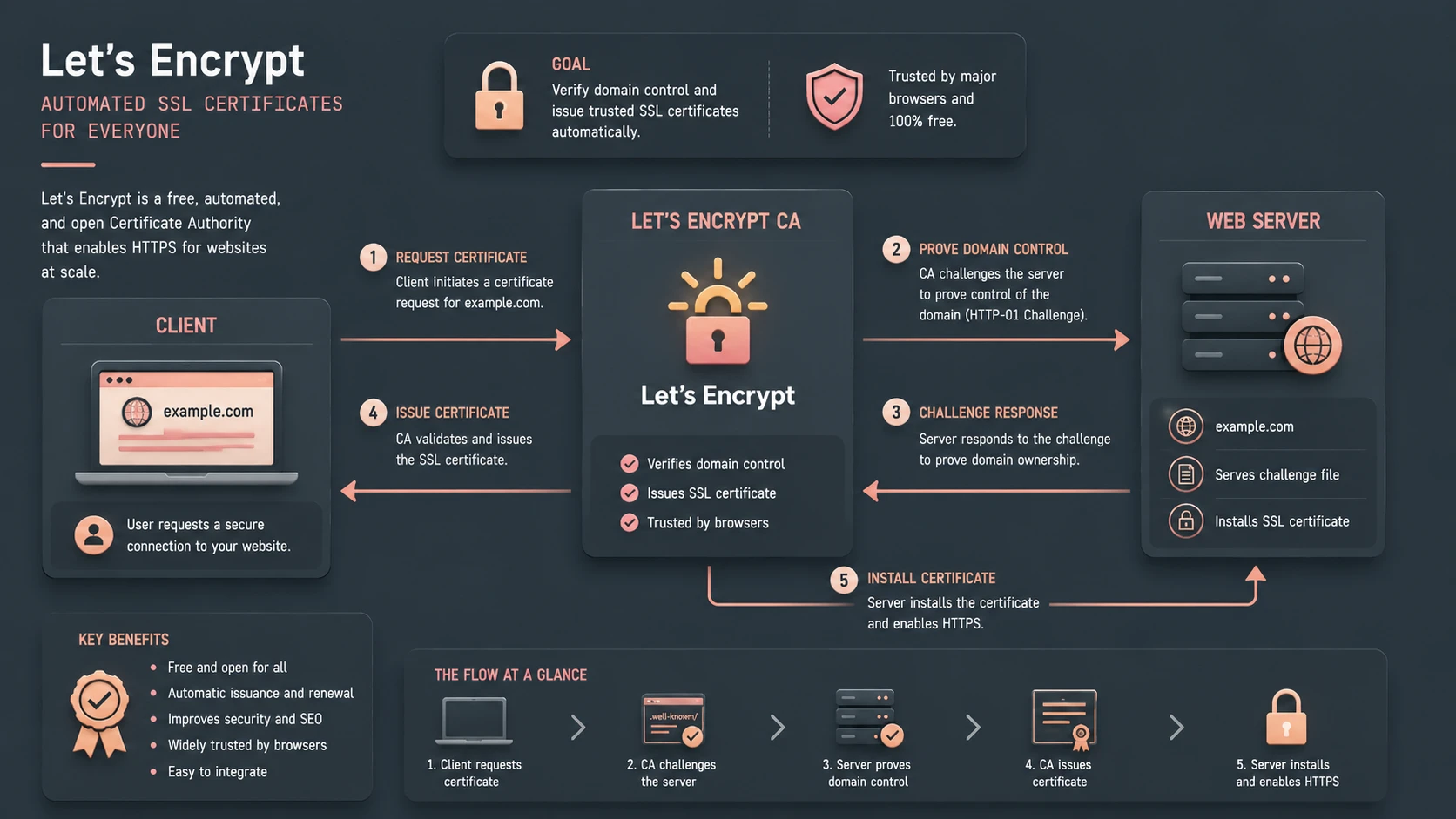
Let's Encrypt Public Beta: Automating SSL/TLS Certificate Provisioning via ACME Protocol
Let's Encrypt enters public beta with a mission to simplify HTTPS adoption through free, automated SSL/TLS certificates using the ACME protocol. This article examines the architecture, certificate lifecycle, validation workflow, operational benefits, security considerations, and enterprise adoption strategies from the perspective of October 2015.