Web Development
Viewing all posts categorized under Web Development.

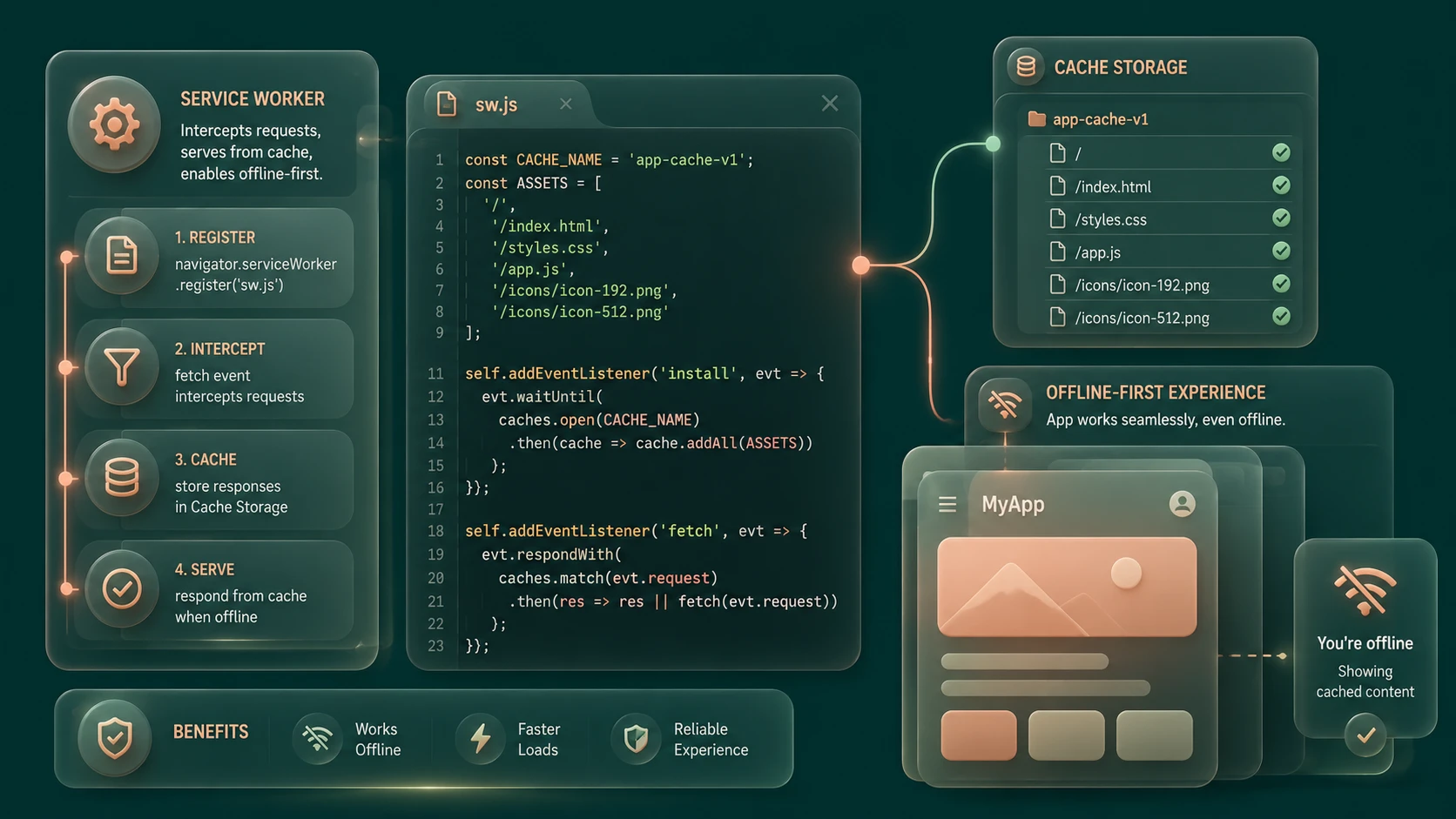
Angular 5.0: Progressive Web App Features and Compiler Optimizations
Angular 5.0 introduces meaningful improvements focused on developer productivity, build performance, Progressive Web App (PWA) support, and application optimization. With enhancements such as Build Optimizer, Angular Service Worker, compiler improvements, and faster builds, Angular continues its evolution as a mature enterprise framework for large-scale web applications. This article examines Angular 5.0 from the perspective of November 2017.
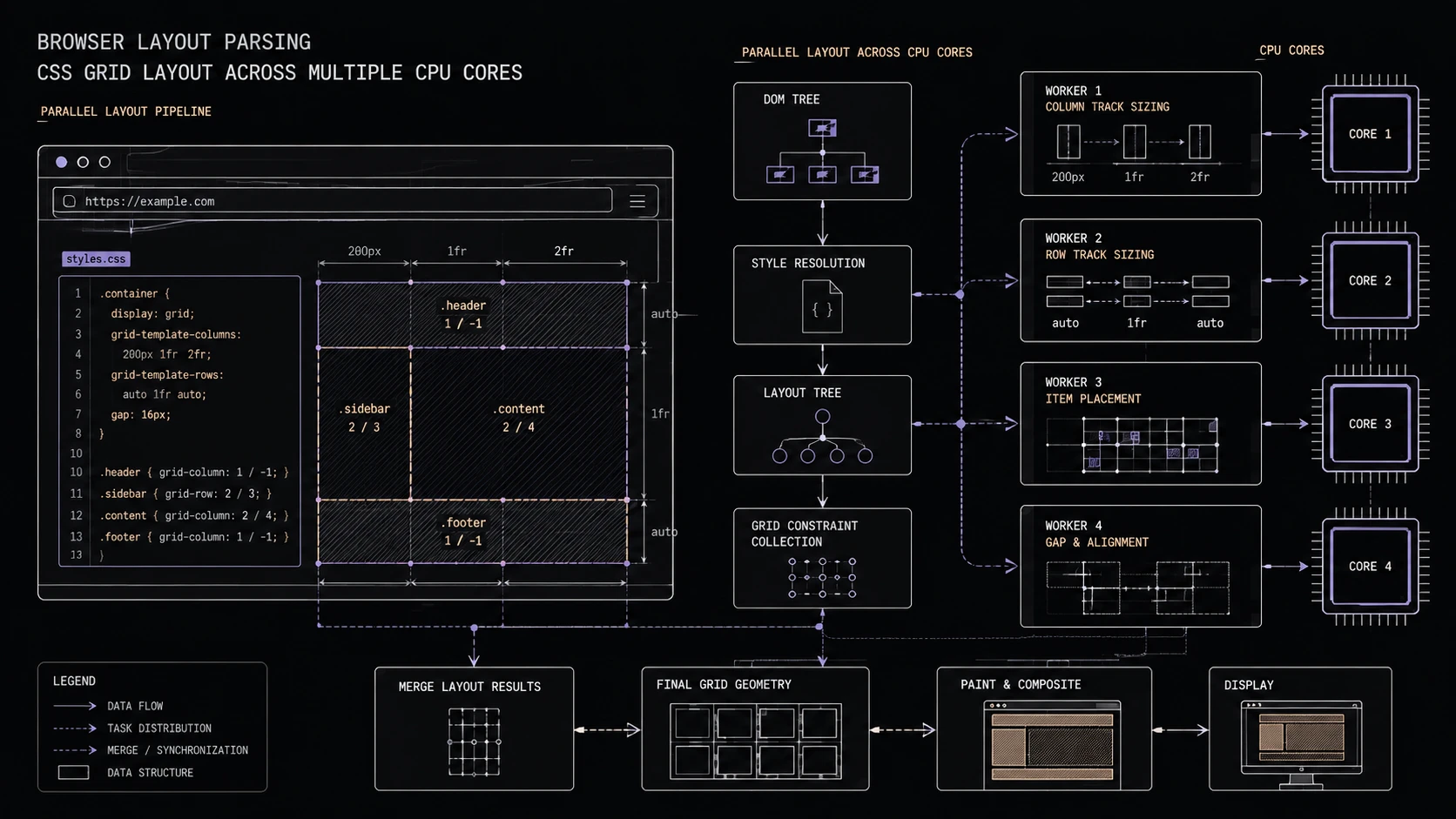
Firefox Quantum: Servo CSS Engine Integration and the Rust Web Browser Era
Firefox Quantum introduces one of the most significant architectural redesigns in Mozilla's history. By integrating components from the Servo research browser, including the Rust-based Quantum CSS engine, Firefox gains improved parallelism, modern memory safety techniques, and substantial rendering performance improvements. This article examines Firefox Quantum from the perspective of November 2017, exploring its architecture, enterprise implications, rendering pipeline, and adoption strategy.
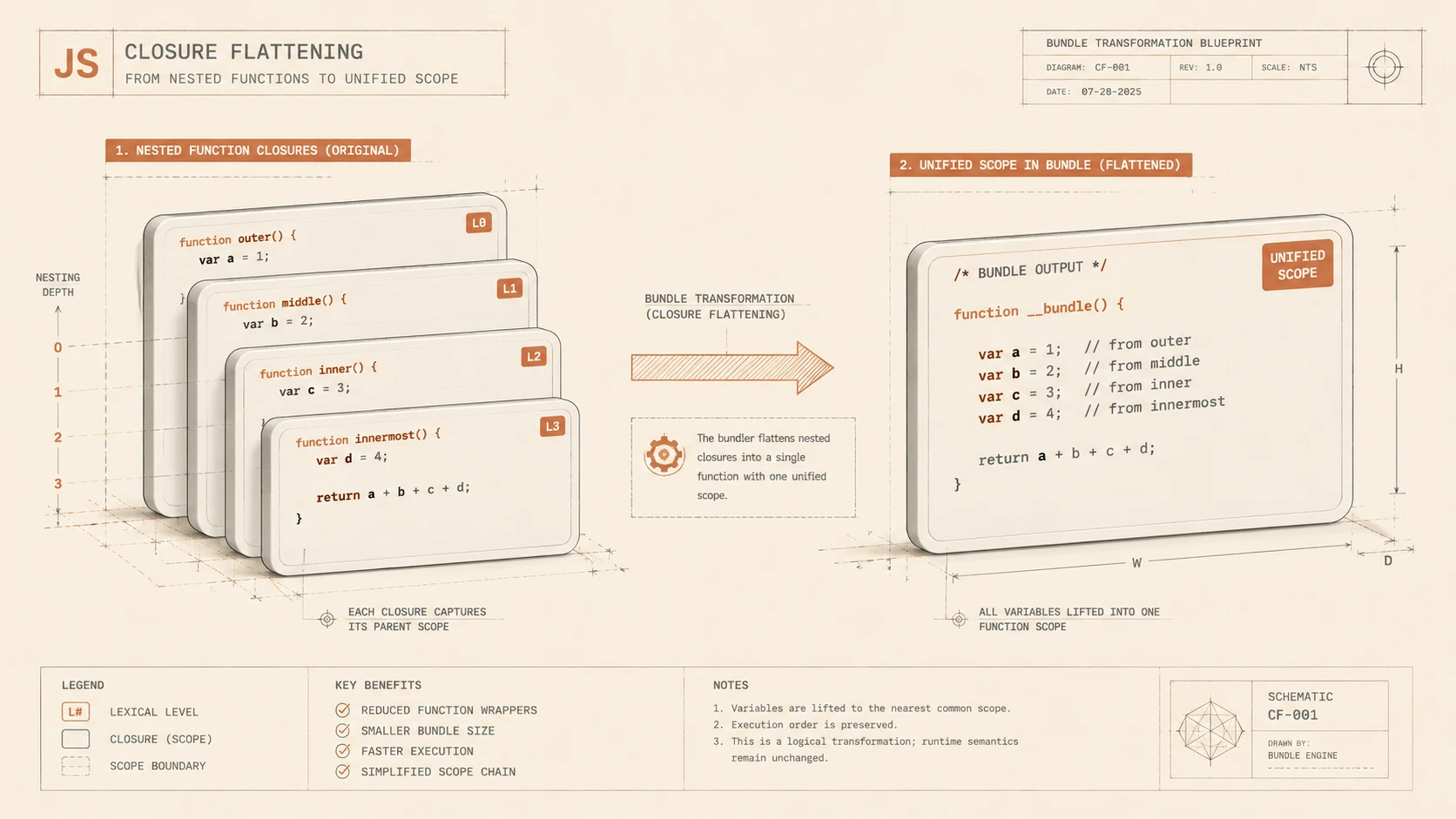
Webpack 3.0: Scope Hoisting and Bundle Loading Optimizations
Webpack 3.0 introduces Module Concatenation through scope hoisting, reducing wrapper overhead and improving JavaScript execution performance. Combined with continued optimization of code splitting, tree-aware bundling workflows, and production build capabilities, Webpack continues to mature as the de facto module bundler for enterprise web applications. This article evaluates Webpack 3.0 from the perspective of October 2017.
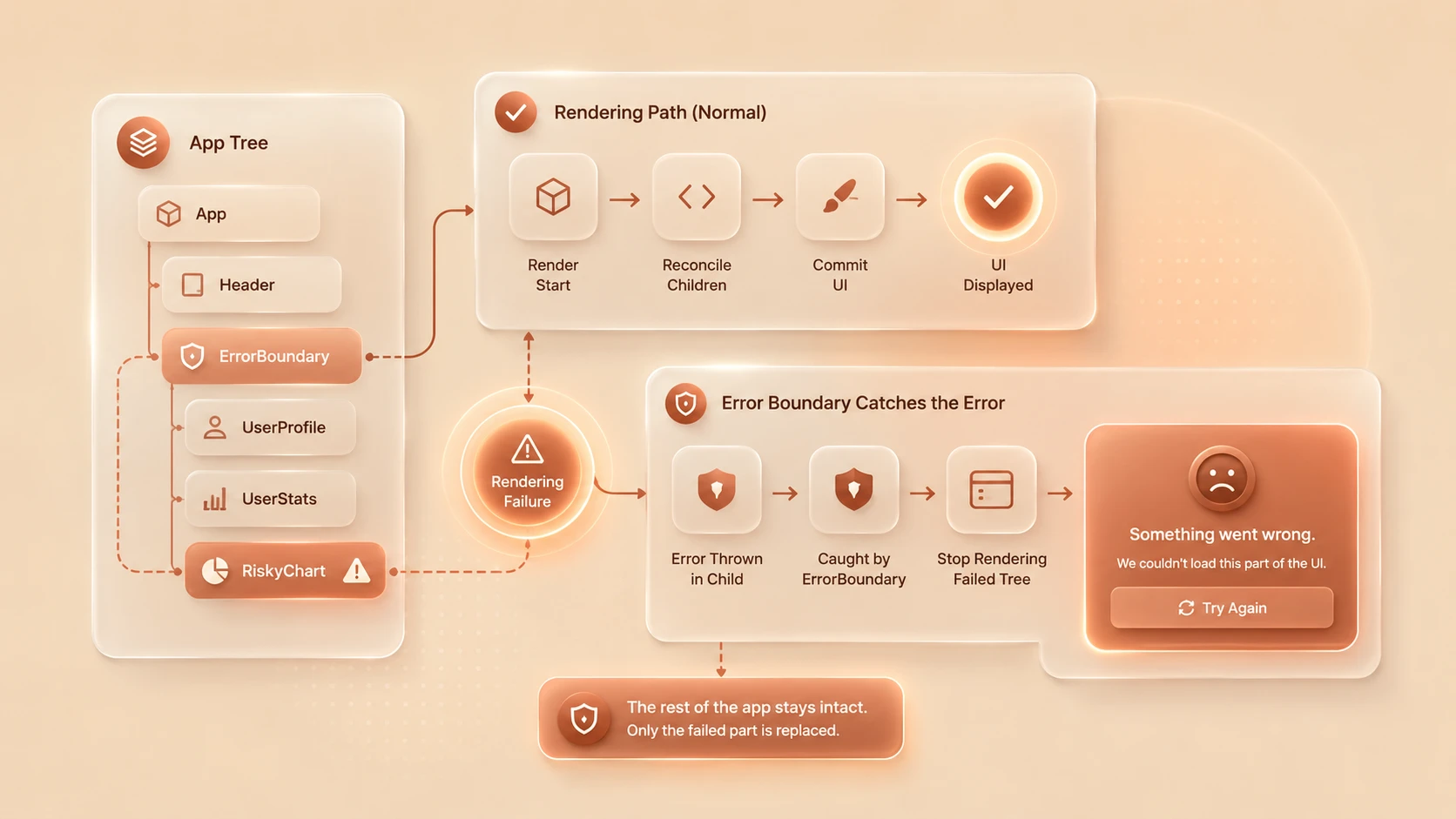
React 16.0: The Fiber Scheduler, Portals, and Error Boundaries
React 16.0 introduces the first production release built on the new Fiber architecture, fundamentally redesigning React's rendering engine while adding Error Boundaries, Portals, improved server-side rendering, and smaller bundle sizes. This article examines React 16.0 from the perspective of September 2017, evaluating its architecture, enterprise implications, performance improvements, and migration strategy.
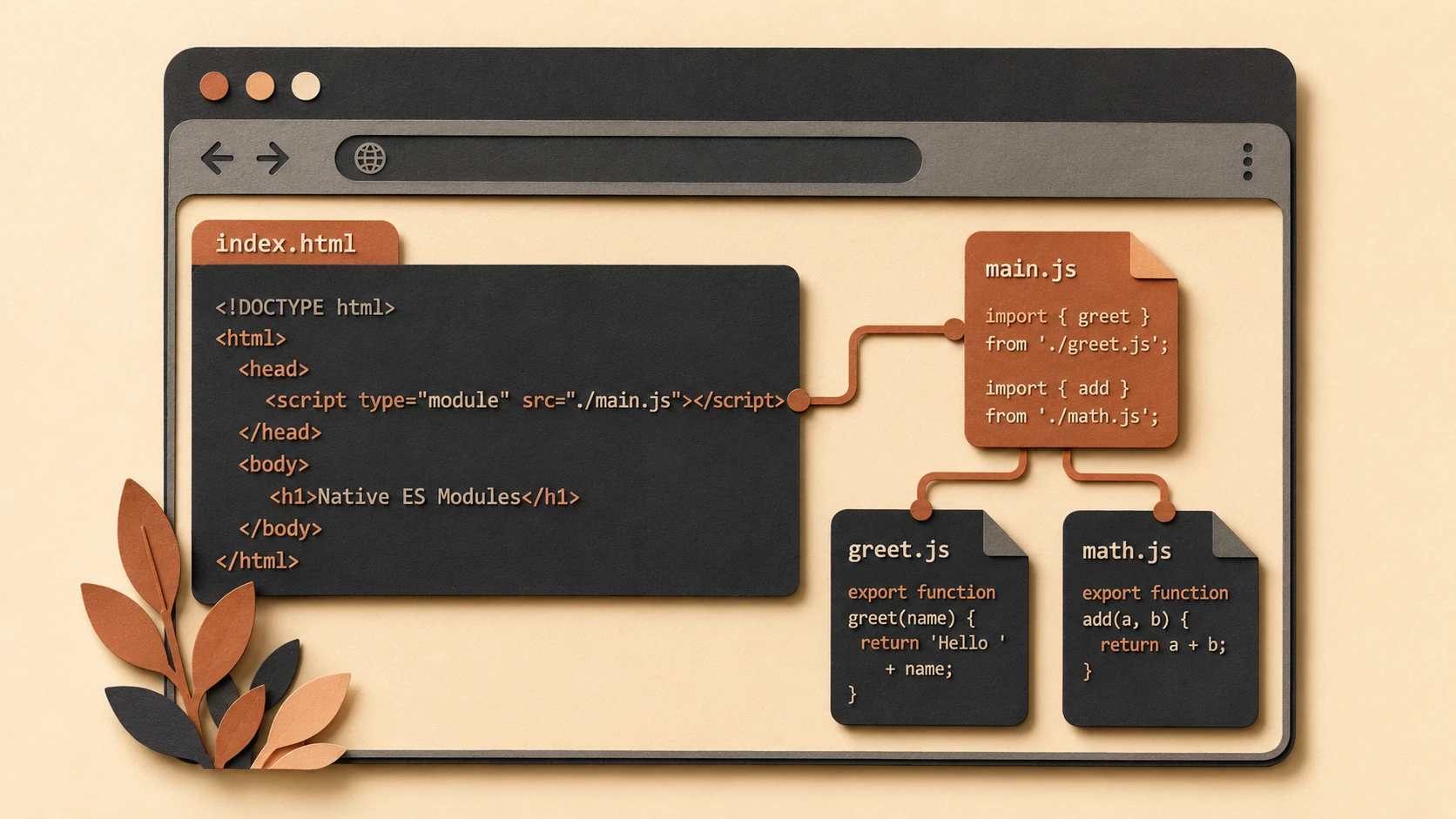
ES Modules in Chrome 61: Native JavaScript Import/Export inside Browser Engines
Chrome 61 introduces native support for ECMAScript (ES) Modules, allowing browsers to load JavaScript using standardized import and export statements without requiring proprietary module systems at runtime. This milestone moves web development closer to a unified JavaScript module standard, reducing dependency on browser-specific loaders while improving application maintainability and enabling better optimization opportunities. This article examines native ES Modules from the perspective of August 2017.

React 16.0 MIT License Transition: The End of the Patent Clause Dispute
React's move to the MIT License marks an important milestone for enterprise adoption by resolving concerns surrounding the previous BSD + Patents license. This article examines the licensing transition, organizational impact, compliance considerations, and adoption strategies from the perspective of July 2017.
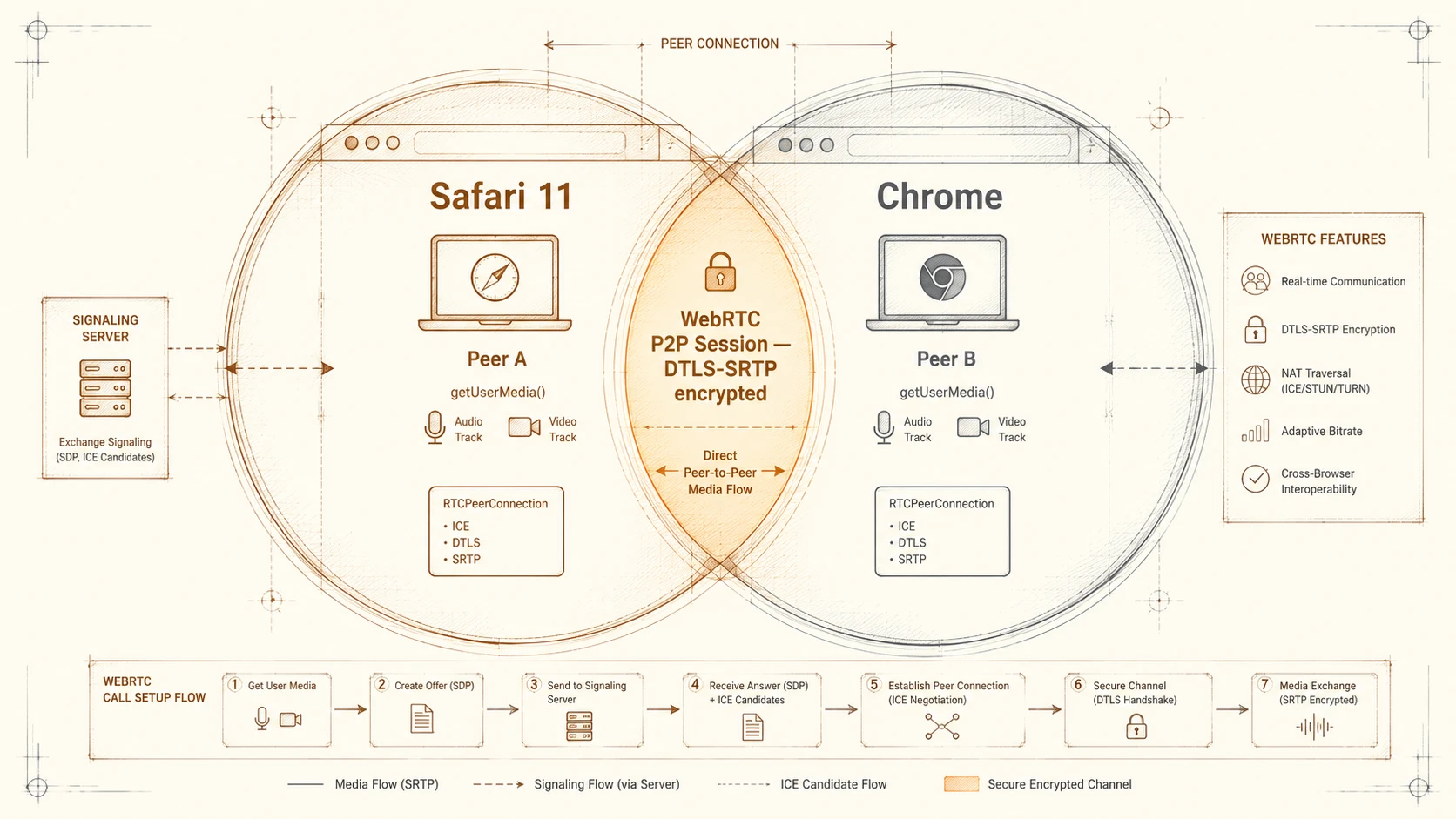
WebRTC Native Support in Safari 11: Real-Time Browser Communication is Complete
With Safari 11 introducing native WebRTC support, all major browser engines now provide a standardized foundation for real-time audio, video, and peer-to-peer data communication. This milestone significantly expands deployment opportunities for enterprise collaboration platforms, telemedicine, customer support, and browser-based conferencing solutions. This article examines the announcement from the perspective of June 2017.

ES8 / ECMAScript 2017: Async/Await Primitives and Shared Memory Allocations
ECMAScript 2017 introduces async functions and await expressions as first-class language features, simplifying asynchronous programming while complementing Promises. Alongside shared memory primitives introduced through SharedArrayBuffer and Atomics, JavaScript continues evolving into a language suitable for increasingly sophisticated enterprise and high-performance applications. This article examines these capabilities from the perspective of June 2017.
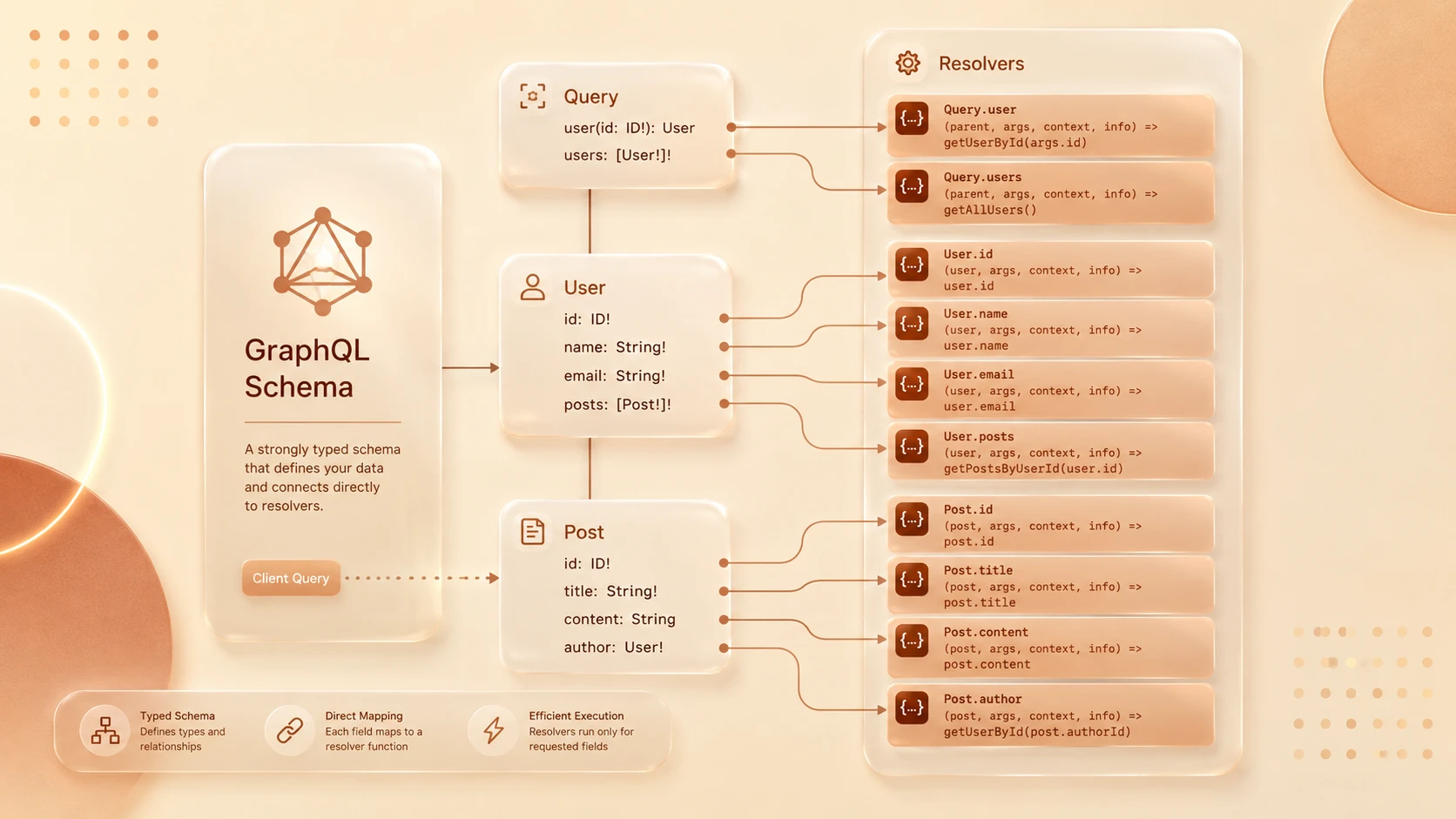
GraphQL Schema Definition Language: Standardizing APIs with Static Types
The GraphQL Schema Definition Language (SDL) provides a standardized, human-readable approach to defining GraphQL APIs using explicit types, queries, mutations, and relationships. This article examines SDL architecture, schema-first API design, type systems, tooling, and enterprise adoption considerations from the perspective of April 2017.
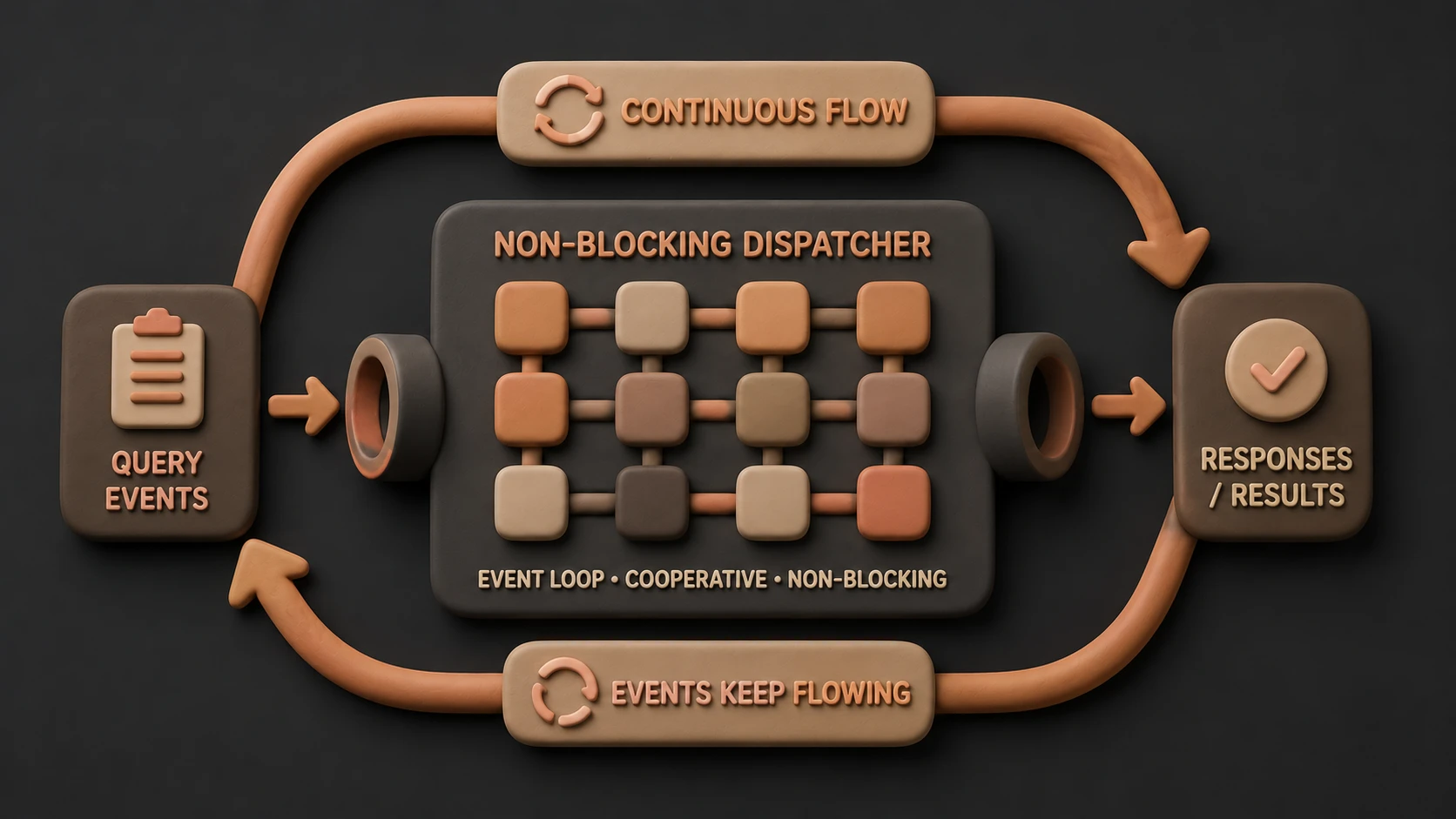
Spring Framework 5.0 and WebFlux: Developing Non-Blocking Reactive Web APIs
The requested publish date is historically inconsistent with the topic.
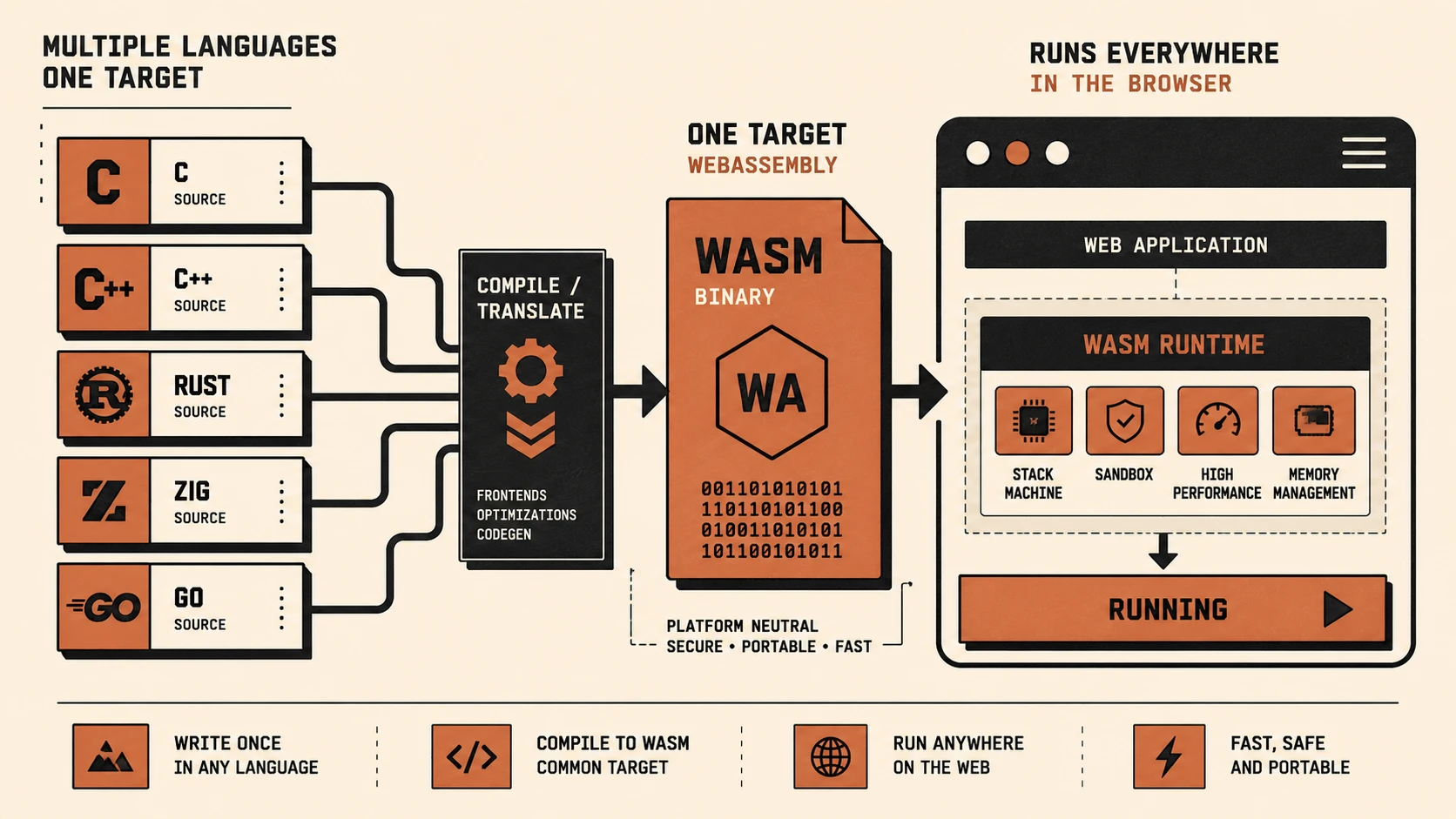
WebAssembly MVP Approval: The Web Rises as a Universal Compiler Target
The approval of the WebAssembly Minimum Viable Product (MVP) marks a major milestone for modern web development. By introducing a portable binary instruction format designed for high-performance execution across modern browsers, WebAssembly establishes the web as a viable compilation target for multiple programming languages. This article analyzes the technology from the perspective of March 2017, exploring its architecture, enterprise implications, performance characteristics, security model, and adoption strategy.

CSS Grid Shipped: Responsive Layout Design without Grid Frameworks
With CSS Grid now shipping in major browsers, web developers finally have a native two-dimensional layout system designed specifically for complex interfaces. This article examines CSS Grid from the perspective of February 2017, exploring its architecture, enterprise use cases, browser support, performance implications, and how it complements Flexbox while reducing dependence on framework-based grid systems.

Web Bluetooth API: Interfacing Browser Client JS with Physical IoT Devices
The Web Bluetooth API introduces a standardized mechanism for JavaScript applications to communicate directly with nearby Bluetooth Low Energy devices. This article examines the API architecture, security model, browser capabilities, enterprise use cases, performance considerations, and adoption strategy from the perspective of February 2017.
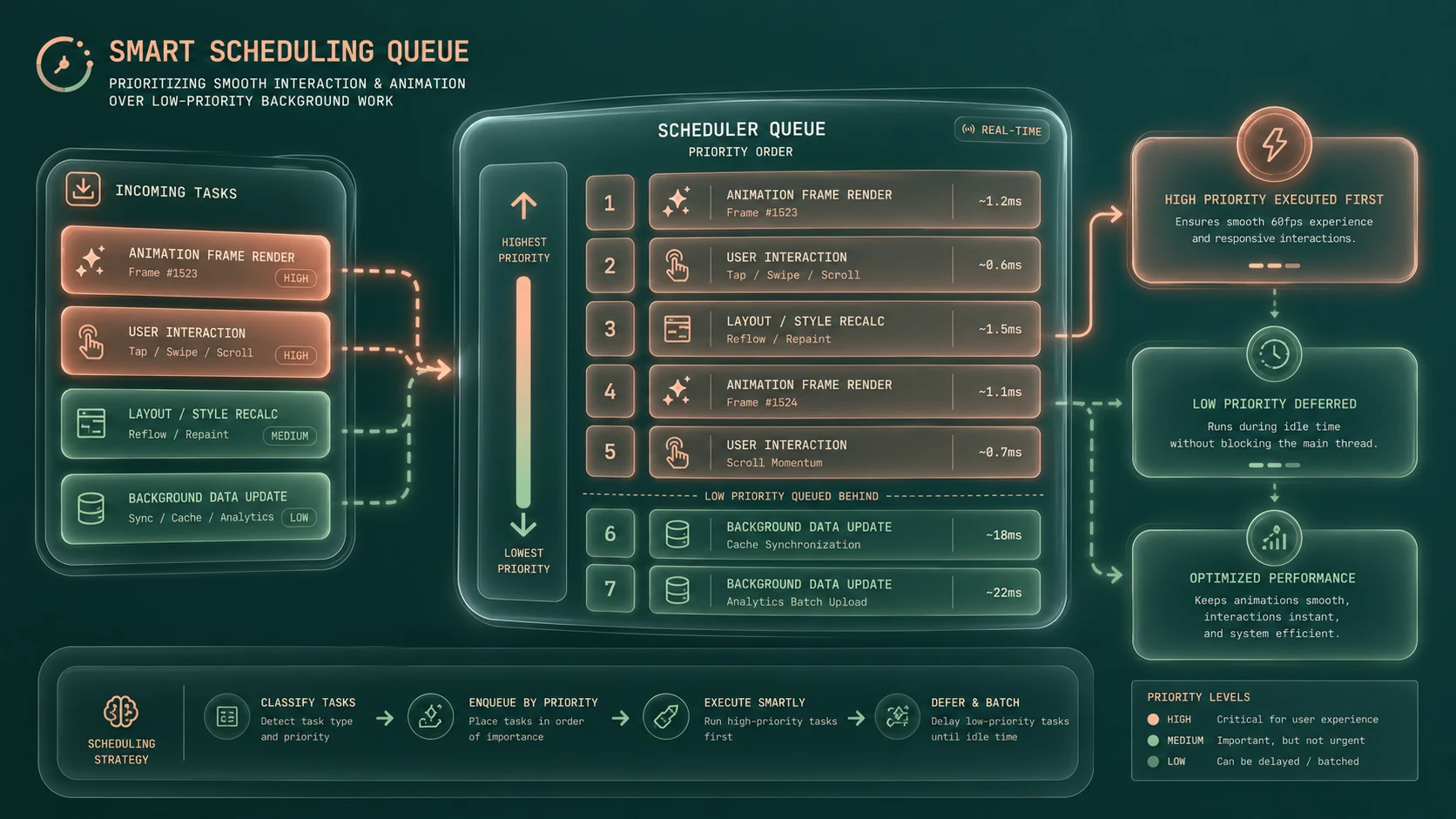
React Fiber: Deep Dive into the New Asynchronous Reconciliation Engine
Facebook has unveiled React Fiber, a complete rewrite of React's reconciliation engine designed to enable incremental rendering, task prioritization, and improved responsiveness for increasingly complex user interfaces. This article examines Fiber from the perspective of January 2017, exploring its architecture, scheduling model, enterprise implications, and the future of high-performance React applications.
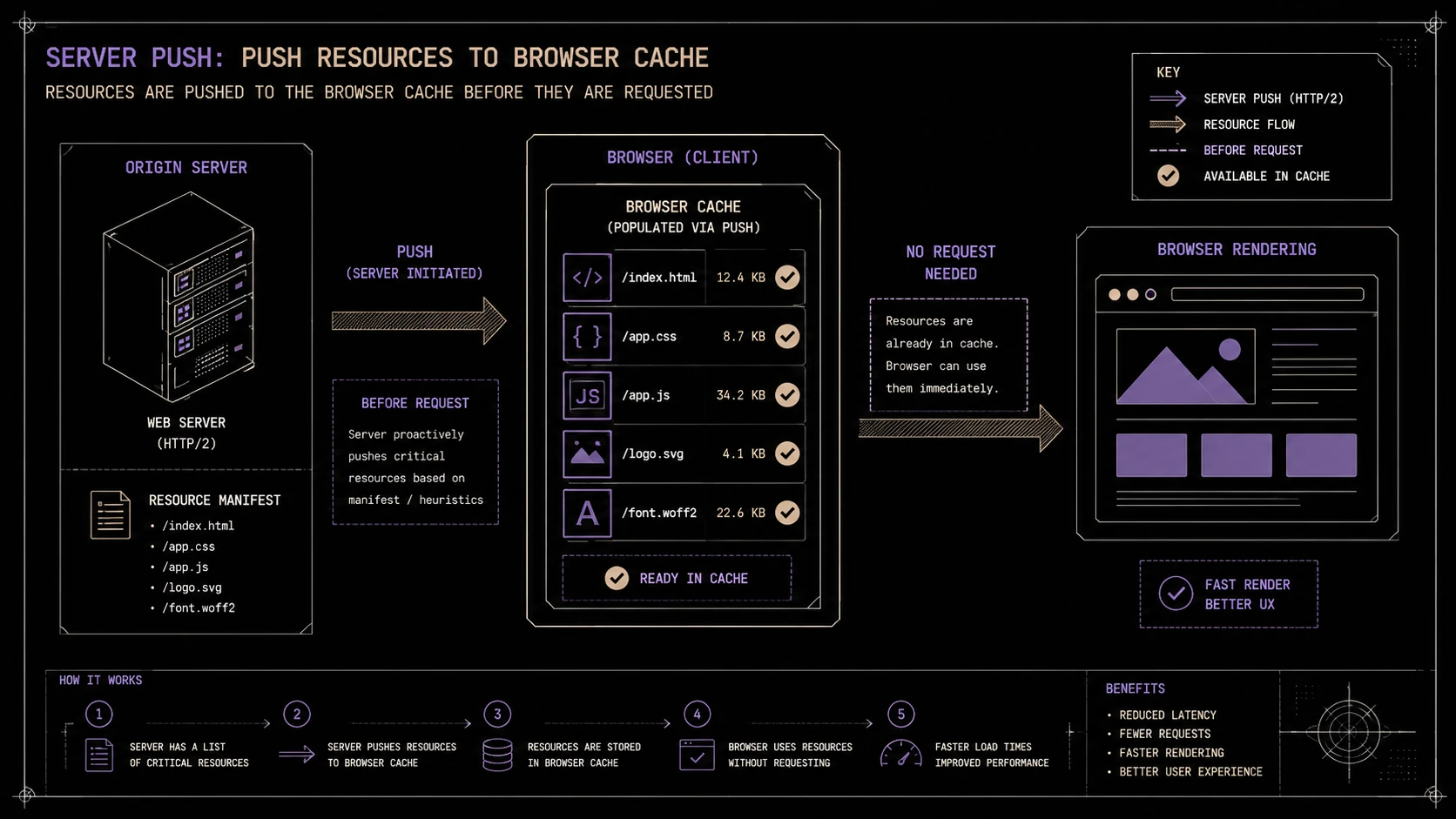
HTTP/2 Server Push: Evaluating Real-World Performance and TCP Head-of-Line Bottlenecks
One year after HTTP/2 standardization, enterprise teams are beginning to evaluate Server Push in production environments. While the feature promises lower latency by proactively delivering resources before browsers request them, real-world deployments reveal important considerations involving cache efficiency, bandwidth usage, prioritization, and TCP head-of-line blocking. This article examines HTTP/2 Server Push from the perspective of January 2017.