Software Development
Viewing all posts categorized under Software Development.


GitHub Actions GA Release: Standardizing Continuous Integration Pipelines
With the General Availability of GitHub Actions, GitHub has transformed from a source code hosting platform into a complete DevOps automation platform. Native workflow automation, event-driven pipelines, GitHub-hosted runners, and Marketplace Actions simplify Continuous Integration and Continuous Delivery while reducing operational complexity for enterprise engineering teams. This article examines GitHub Actions from the perspective of November 2019.
TypeScript 3.7: Optional Chaining and Nullish Coalescing Syntax Support
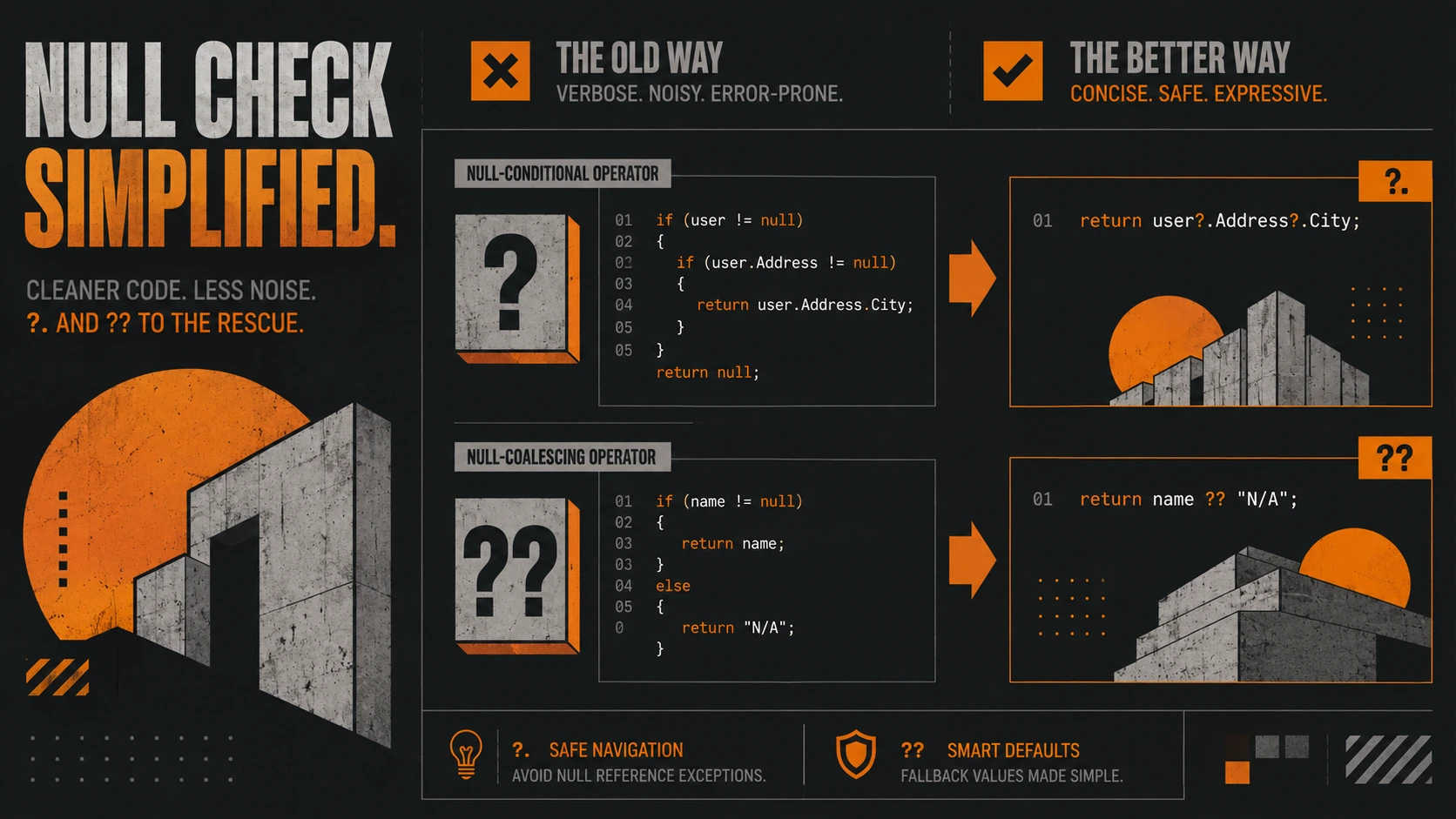
TypeScript 3.7 introduces two of the language's most anticipated features: Optional Chaining and Nullish Coalescing. Combined with assertion functions, recursive type aliases, and compiler improvements, this release significantly simplifies defensive programming while improving code readability and maintainability for enterprise-scale applications. This article examines TypeScript 3.7 from the perspective of November 2019.
Node.js 13.0: Native ES Modules Support and the Removal of Compiler Flags
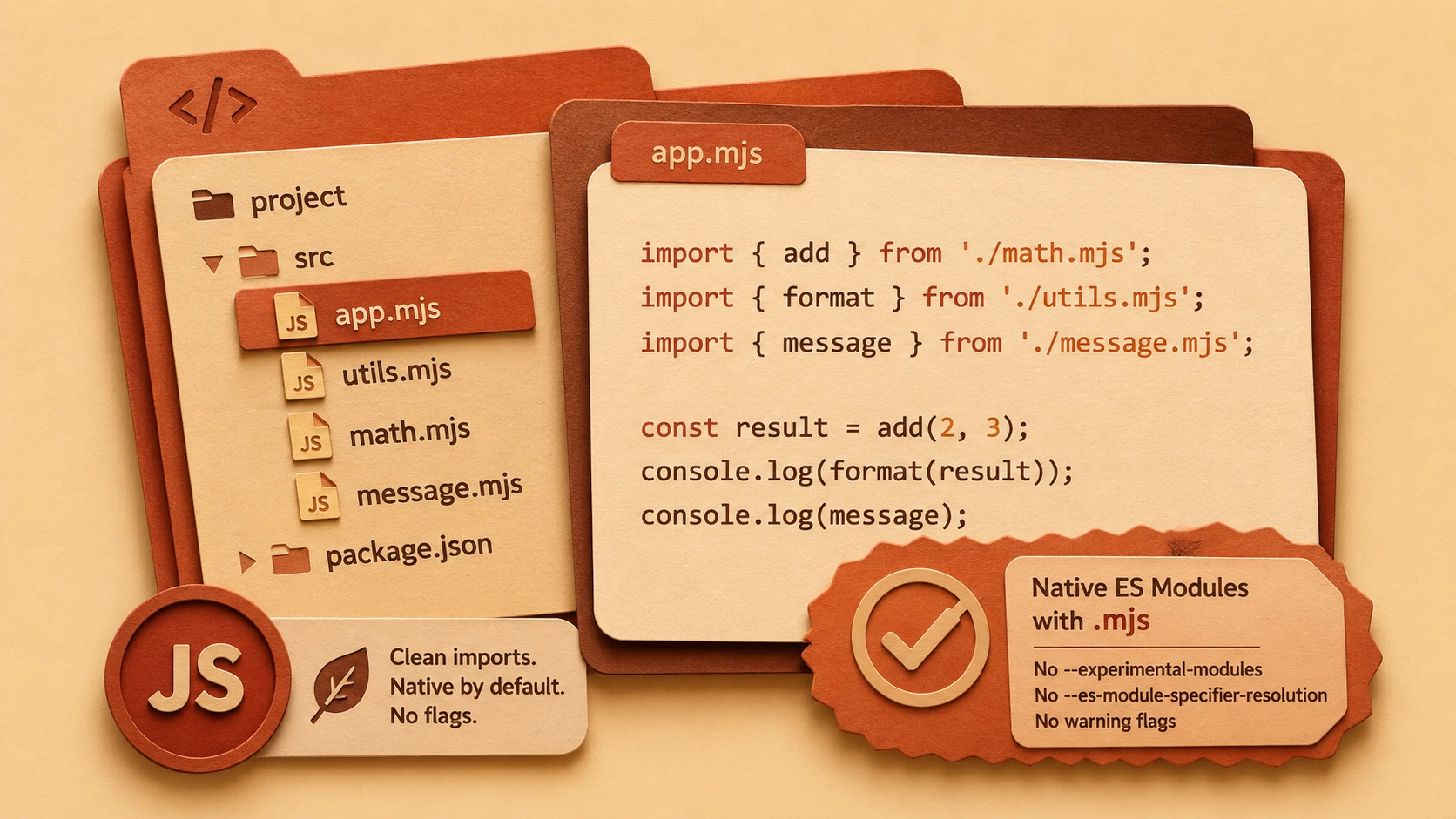
Node.js 13.0 significantly advances JavaScript server-side development by enabling native ECMAScript Modules without the experimental compiler flag. This release continues the modernization of the Node.js runtime, introduces improvements to module resolution, and helps align browser and server-side JavaScript development. This article examines the architecture, enterprise implications, migration considerations, and performance characteristics from the perspective of October 2019.
.NET Core 3.0: Standardizing C# 8.0, gRPC Templates, and Assembly Linkers
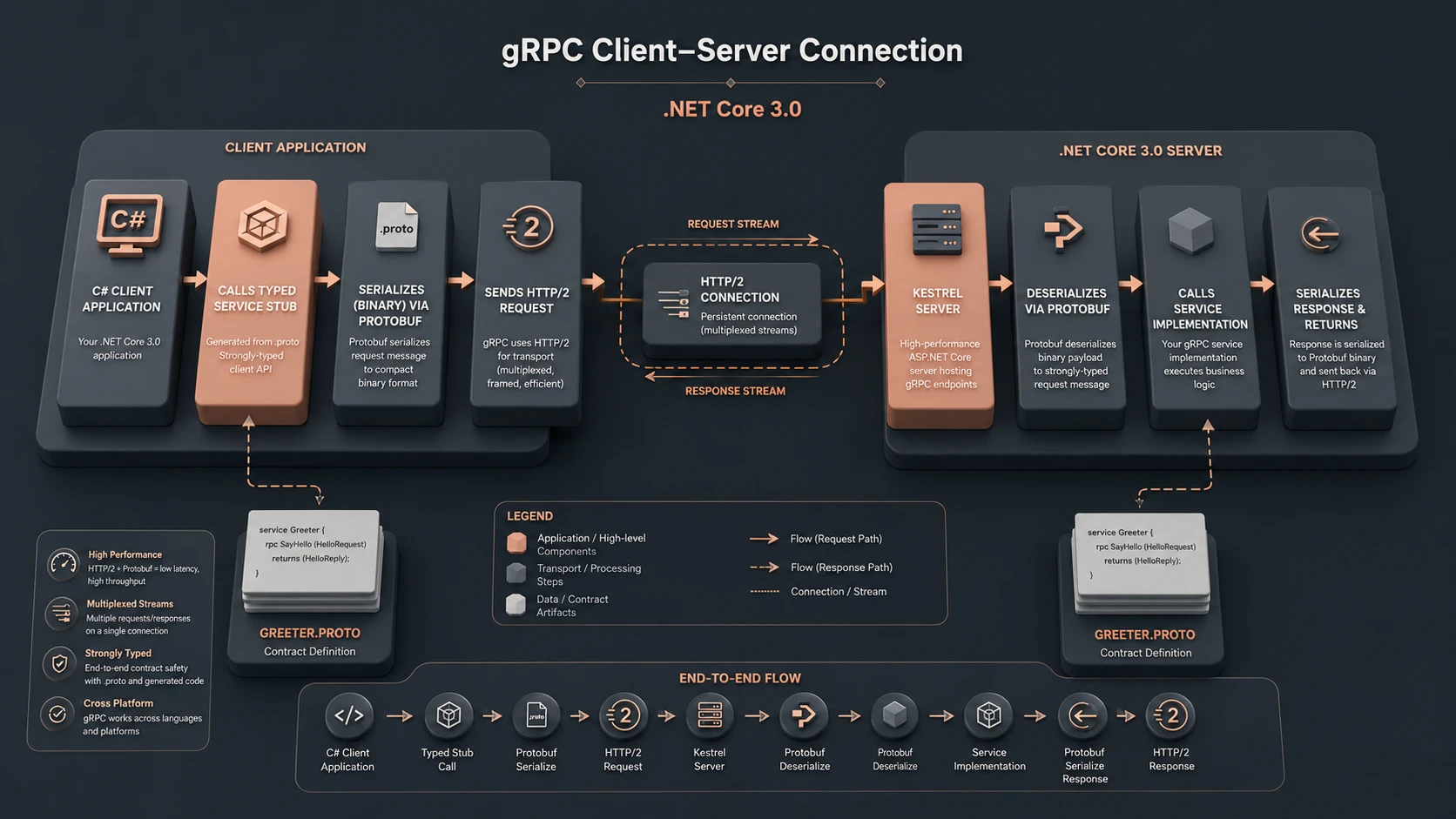
.NET Core 3.0 marks a major milestone in Microsoft's cross-platform development strategy by introducing full support for C# 8.0, first-party gRPC templates, Windows desktop application support, and assembly trimming capabilities. These enhancements strengthen .NET Core as the preferred platform for modern enterprise applications, cloud-native services, and high-performance distributed systems. This article examines .NET Core 3.0 from the perspective of October 2019.
SwiftUI and Combine: Developing Reactive Mobile Apps Natively on iOS 13
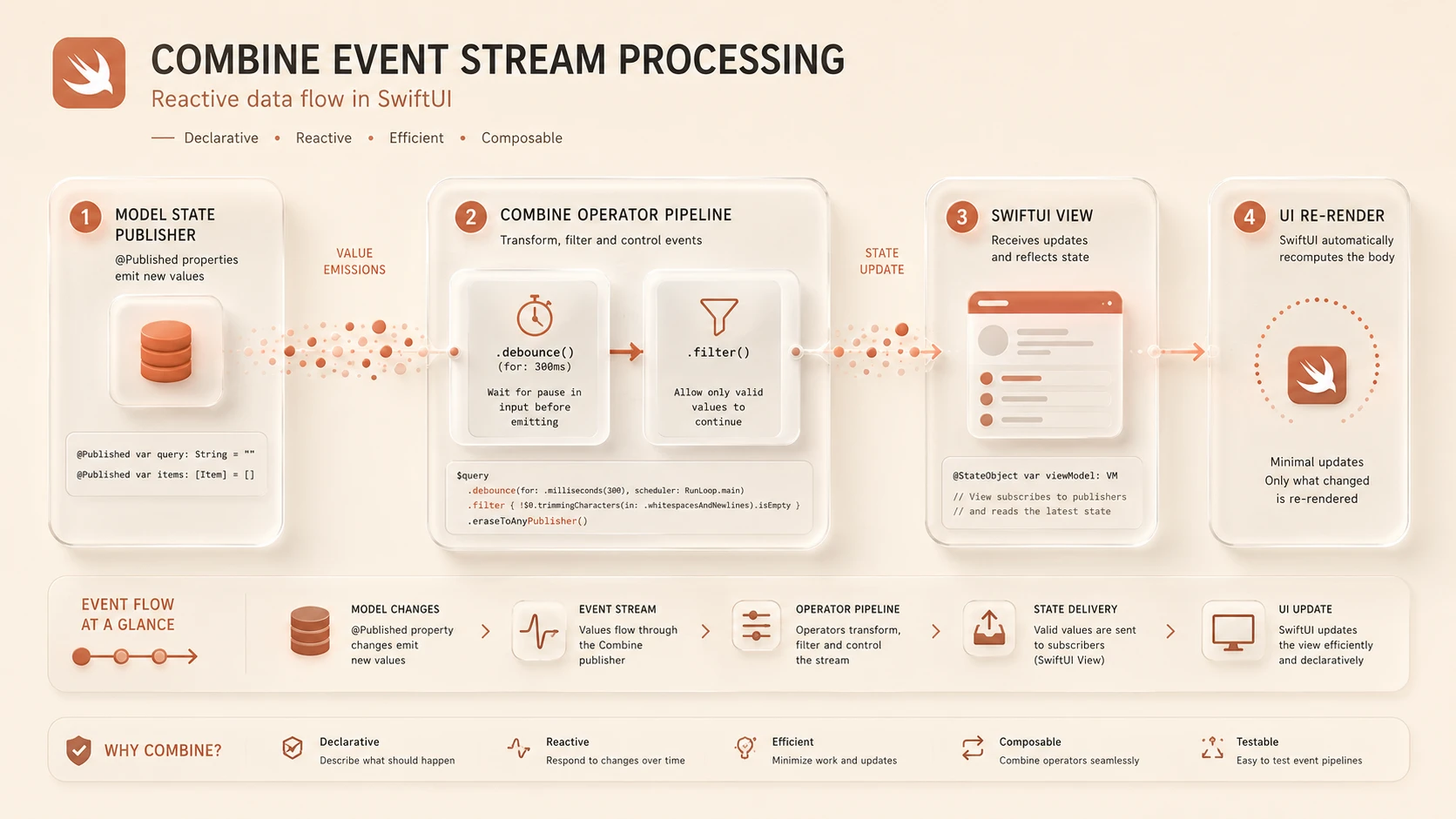
Introduced alongside iOS 13, SwiftUI and Combine represent Apple's most significant evolution in application development since Swift itself. SwiftUI introduces declarative user interface development while Combine provides a native reactive programming framework for asynchronous event processing. This article examines these technologies from the perspective of September 2019, evaluating their architecture, enterprise implications, performance characteristics, and adoption strategies.
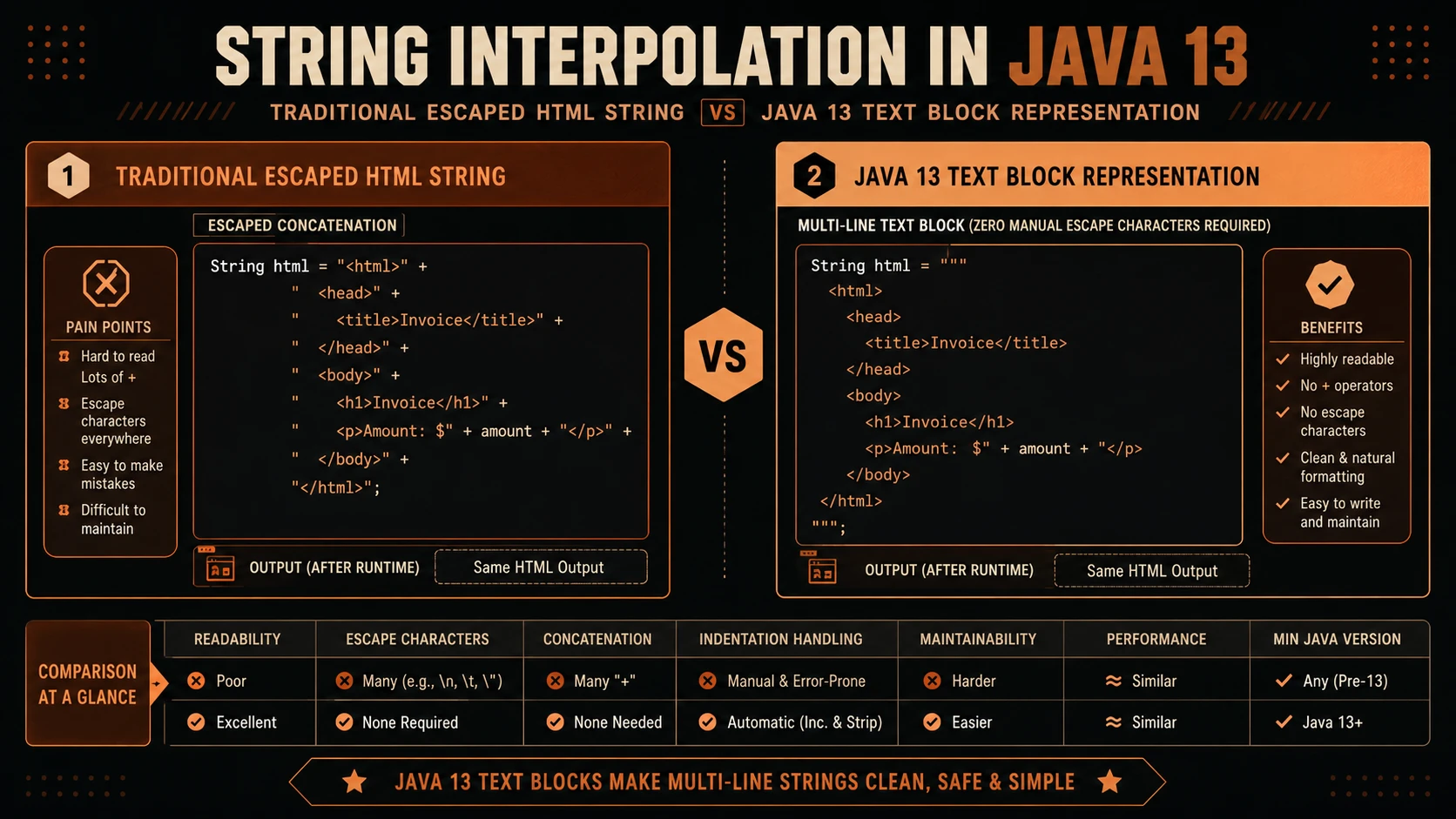
Java 13: Text Blocks Preview and Dynamic CDS Archive Configurations
Java 13 continues the OpenJDK six-month release cadence by introducing Text Blocks as a preview language feature, Dynamic Class Data Sharing (CDS) Archive support, continued Switch Expression refinements, and JVM improvements. This article examines these capabilities from the perspective of September 2019, focusing on enterprise software architecture, developer productivity, startup performance, and migration planning.

HTML5 Native Lazy Loading: The loading='lazy' Attribute and Browser Layout Optimizations
The introduction of the HTML loading="lazy" attribute marks an important step toward browser-native performance optimization. By allowing browsers to defer offscreen image and iframe loading without JavaScript libraries, developers can reduce network usage, improve page load performance, and simplify front-end architecture. This article examines native lazy loading from the perspective of August 2019, evaluating its architecture, browser support, enterprise implications, and adoption strategies.
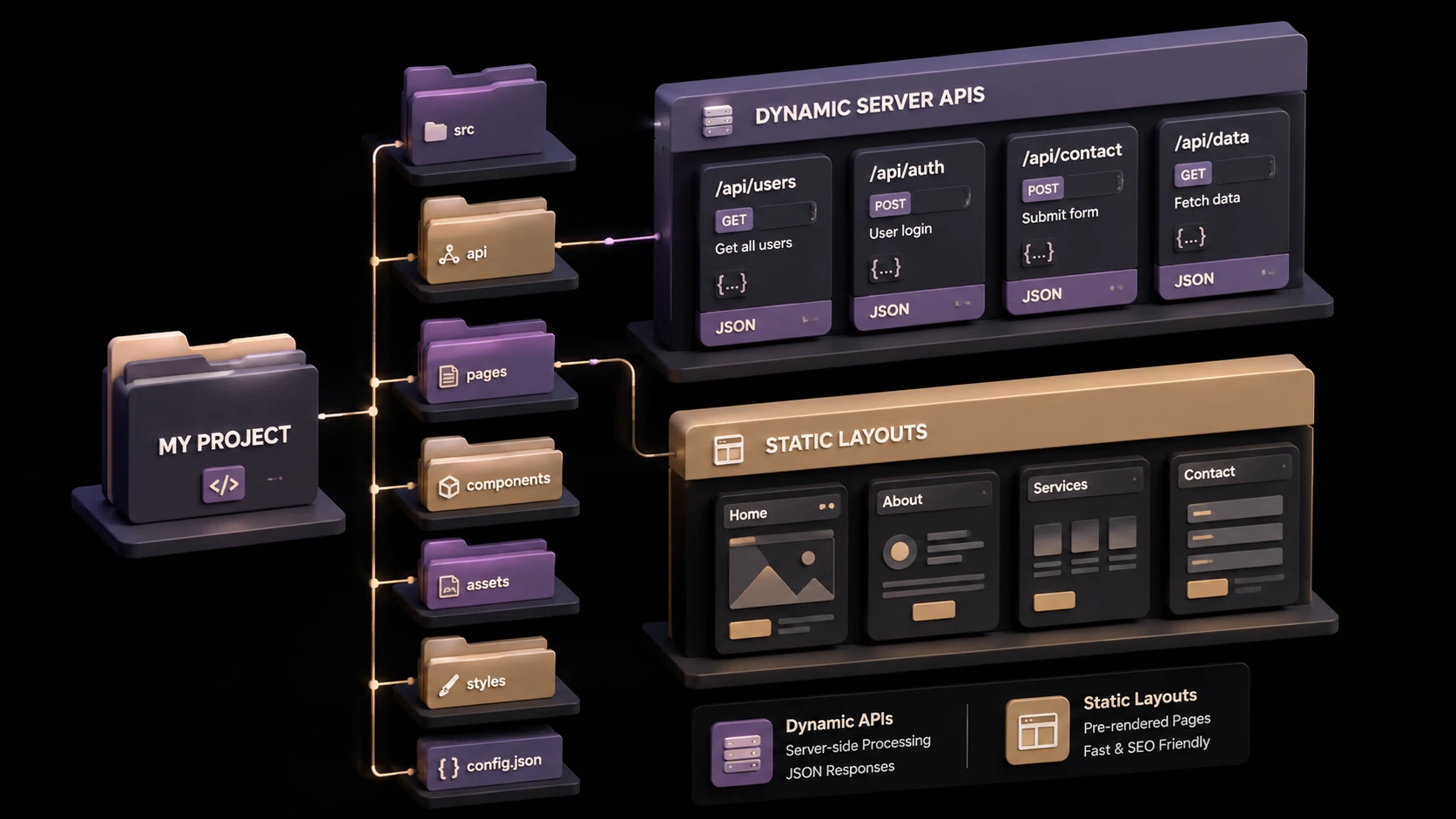
Next.js 9.0: Native API Routes, Automatic Static Optimization, and TypeScript Integration
Next.js 9 marks one of the framework's most significant releases by introducing Native API Routes, Automatic Static Optimization, built-in TypeScript support, and improved production performance. These additions reduce infrastructure complexity while enabling developers to build full-stack React applications using a unified framework. This article examines Next.js 9.0 from the perspective of July 2019.

CSS Scroll Snapping Browser Support: Designing Mobile Galleries Without JavaScript Plugins
With growing browser support for CSS Scroll Snap, web developers can increasingly build native touch-based galleries, sliders, onboarding screens, and product showcases without relying on JavaScript carousel plugins. This article examines CSS Scroll Snap from the perspective of June 2019, analyzing its architecture, browser support, enterprise use cases, performance implications, and adoption strategy.
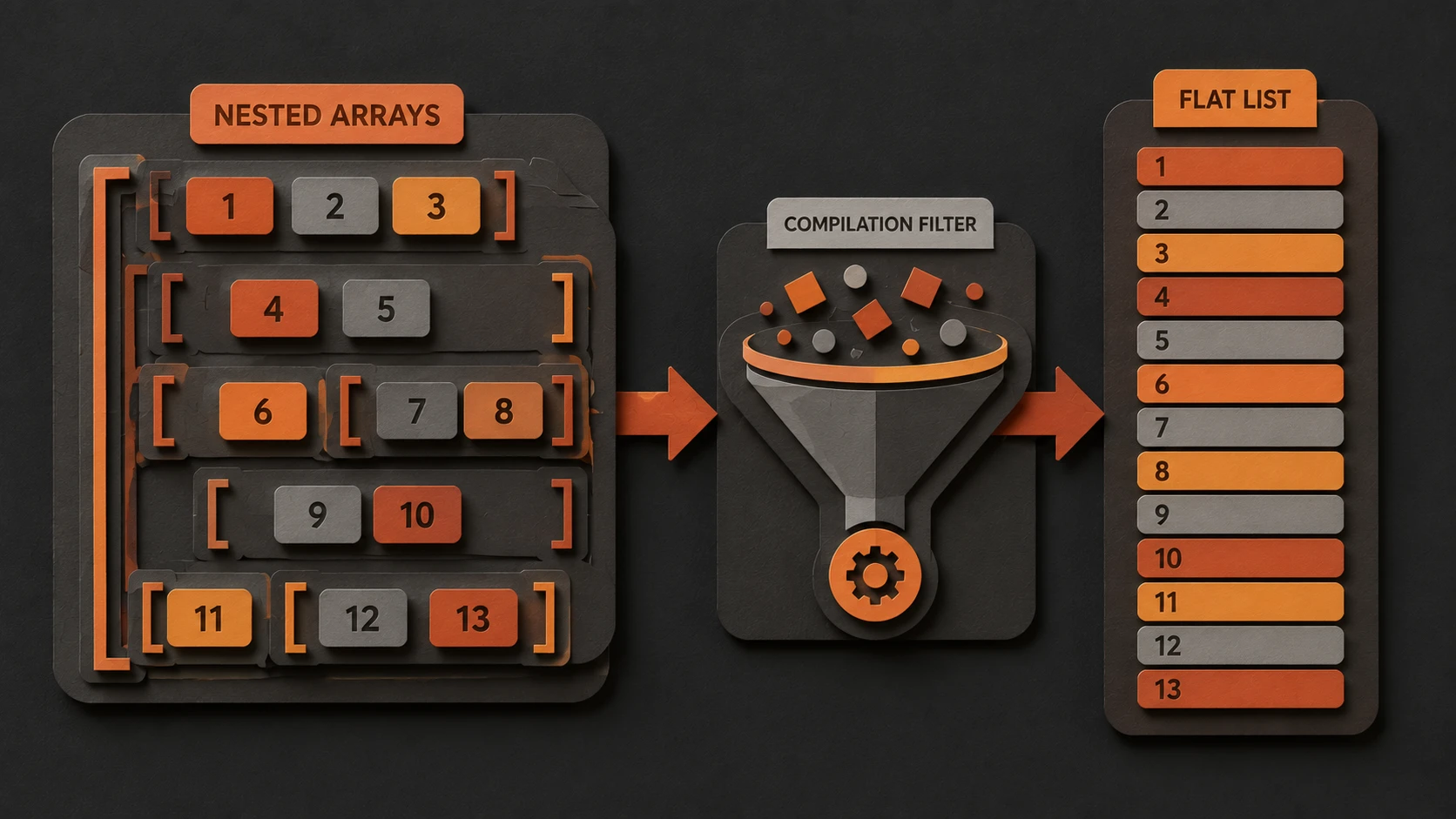
ES10 / ECMAScript 2019: Array.prototype.flat, Object.fromEntries, and Optional Catch Bindings
ECMAScript 2019 (ES10) continues JavaScript's annual evolution with practical language enhancements including Array.prototype.flat(), Array.prototype.flatMap(), Object.fromEntries(), Optional Catch Bindings, Symbol.description, and improved JSON support. This article examines these features from the perspective of June 2019, focusing on enterprise software architecture, developer productivity, and adoption strategies.
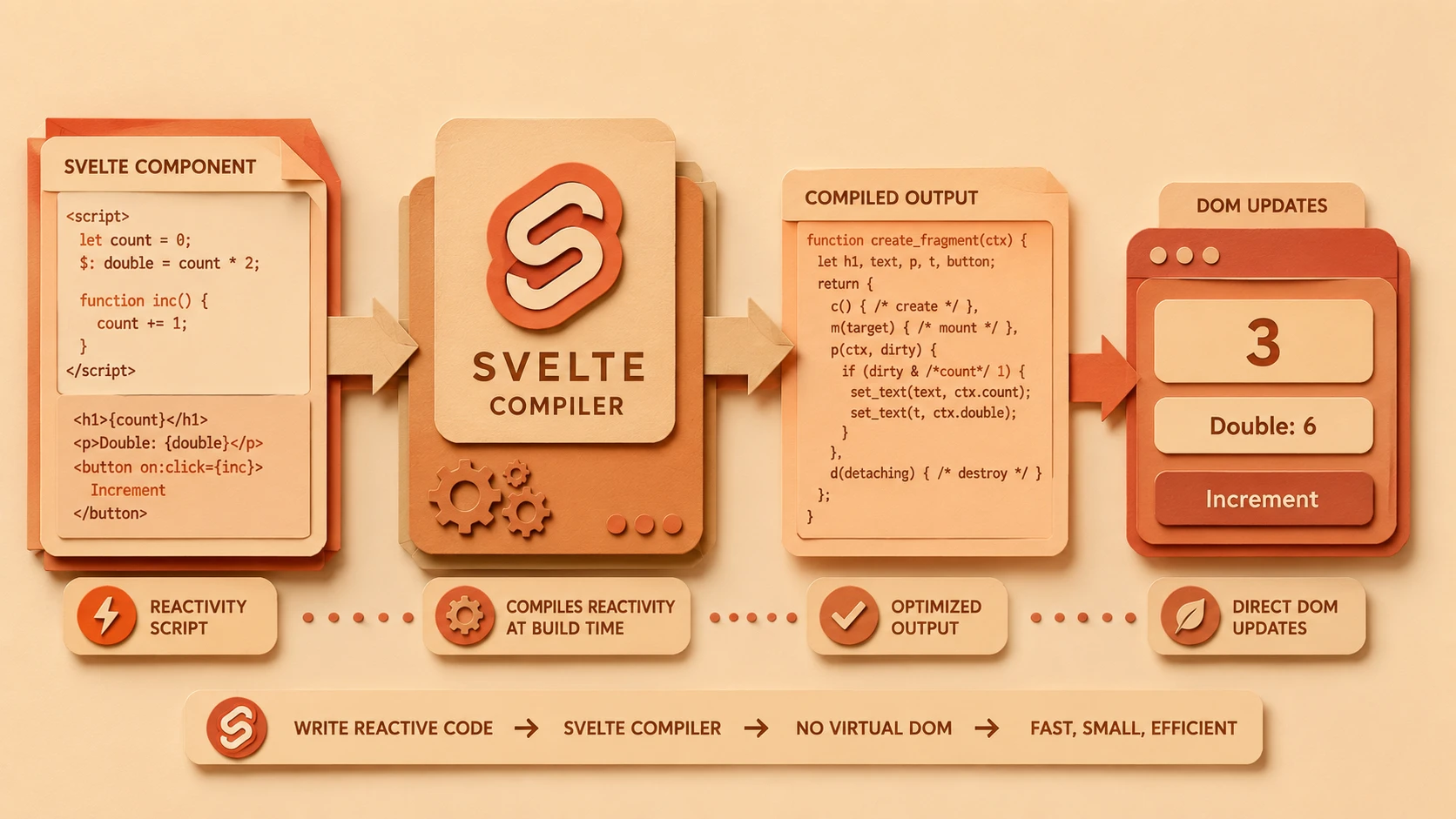
Svelte 3.0 Release: Compiler Reactivity without the Virtual DOM
Svelte 3.0 introduces a compiler-first approach to front-end development, shifting much of the framework's work from the browser to build time. By eliminating the Virtual DOM and embracing compiler-driven reactivity, Svelte aims to deliver smaller bundles, faster runtime performance, and a simpler developer experience. This article examines Svelte 3.0 from the perspective of May 2019.

.NET Core 3.0 Previews: Desktop App Support and C# 8.0 Nullable References
.NET Core 3.0 Preview expands the platform beyond server-side workloads by introducing Windows desktop application support, continued ASP.NET Core improvements, enhanced runtime capabilities, and preview support for C# 8.0 nullable reference types. This article examines these capabilities from the perspective of April 2019 and explores their impact on enterprise application architecture and migration planning.

TypeScript 3.4: Const Assertions and Readonly Array Typings
TypeScript 3.4 introduces const assertions, readonly tuple syntax, improved immutable type support, incremental compilation enhancements, and faster project builds. These features strengthen TypeScript's role as the preferred language for large-scale enterprise JavaScript applications by improving type safety, developer productivity, and compiler performance. This article examines TypeScript 3.4 from the perspective of March 2019.
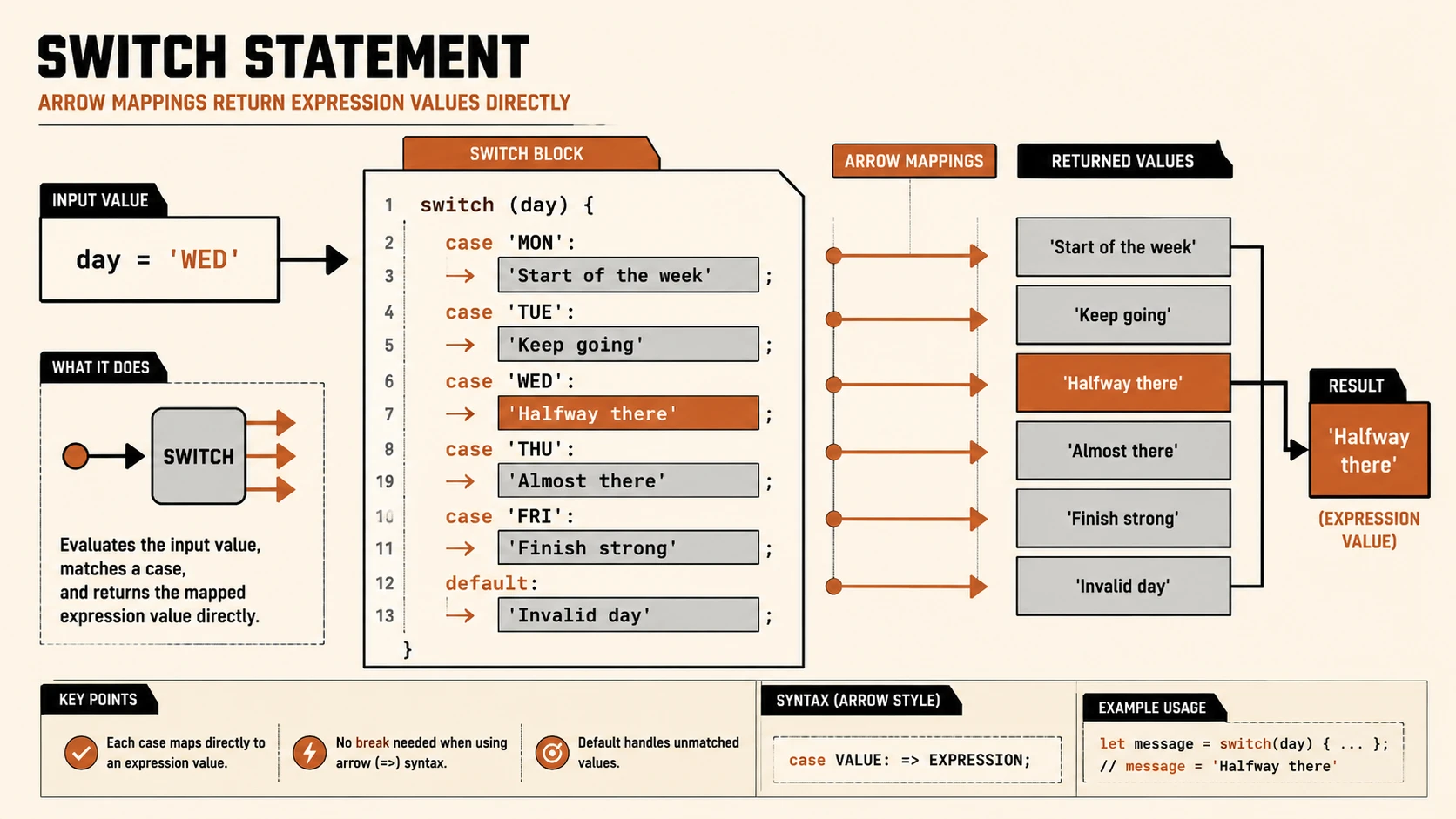
Java 12: Standardizing Switch Expressions and Compact Number Formatting
Java 12 continues the rapid release cadence by introducing preview support for Switch Expressions, Compact Number Formatting through the NumberFormat API, Shenandoah Garbage Collector as an experimental feature, and numerous JVM refinements. This article examines these capabilities from the perspective of March 2019, focusing on enterprise Java development, language evolution, and migration planning.
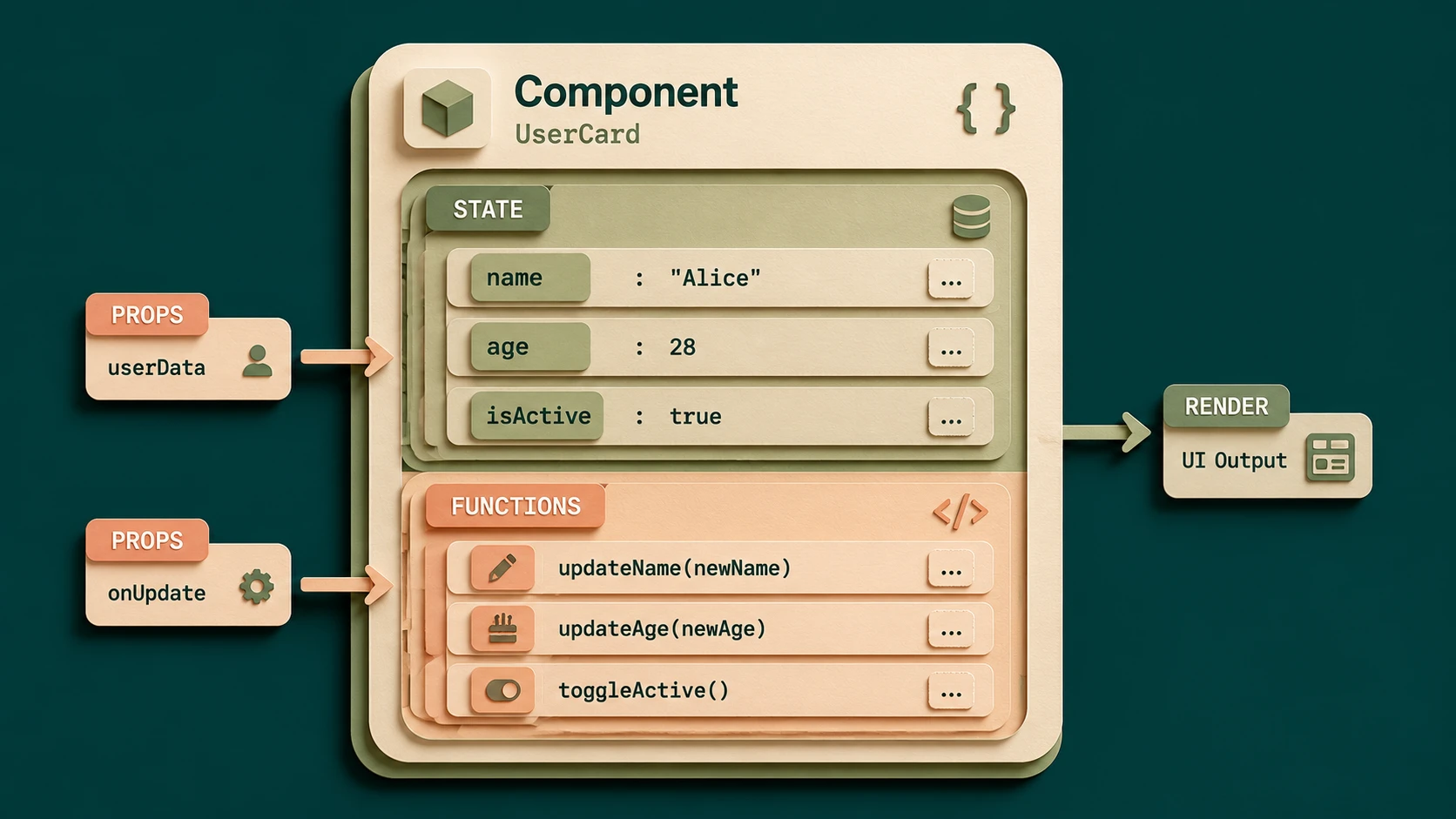
Vue.js 3.0 Composition API RFC: Rethinking Code Reuse in Vue Apps
The Vue.js 3.0 Composition API RFC introduces a new programming model aimed at improving code organization, logic reuse, and scalability in large Vue applications. Rather than replacing the familiar Options API, the proposal offers an alternative approach that groups code by feature instead of component option. This article examines the Composition API RFC from the perspective of February 2019, when it was first introduced for community feedback.