Software Development
Viewing all posts categorized under Software Development.


Modernize Legacy .NET Applications with Agentic AI: Zero-Rewrite
Unlock the power of Agentic AI to modernize legacy .NET applications without a full rewrite. Learn architectural patterns, implementation steps, and best practices for enterprise success.
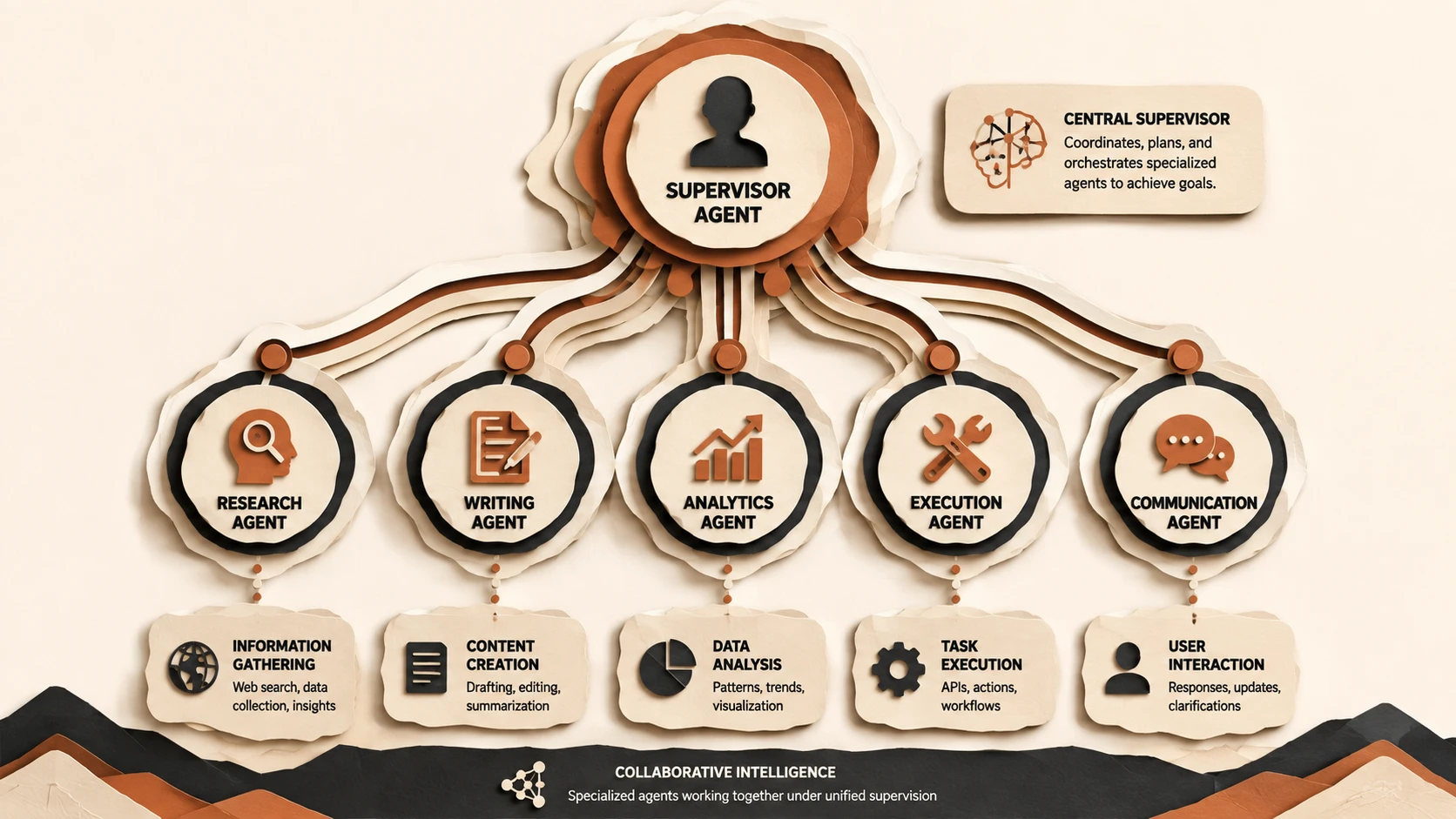
What Is Multi-Agent Orchestration? The Complete 2026 Technical Guide
Multi-agent orchestration is the architectural discipline of coordinating multiple specialized AI agents to work together toward shared business objectives. Rather than relying on a single general-purpose agent, enterprise organizations increasingly deploy teams of autonomous agents responsible for planning, reasoning, collaboration, execution, and governance across business systems. This guide explores orchestration architectures, communication models, planning strategies, coordination patterns, security, observability, scalability, enterprise adoption, and implementation best practices.
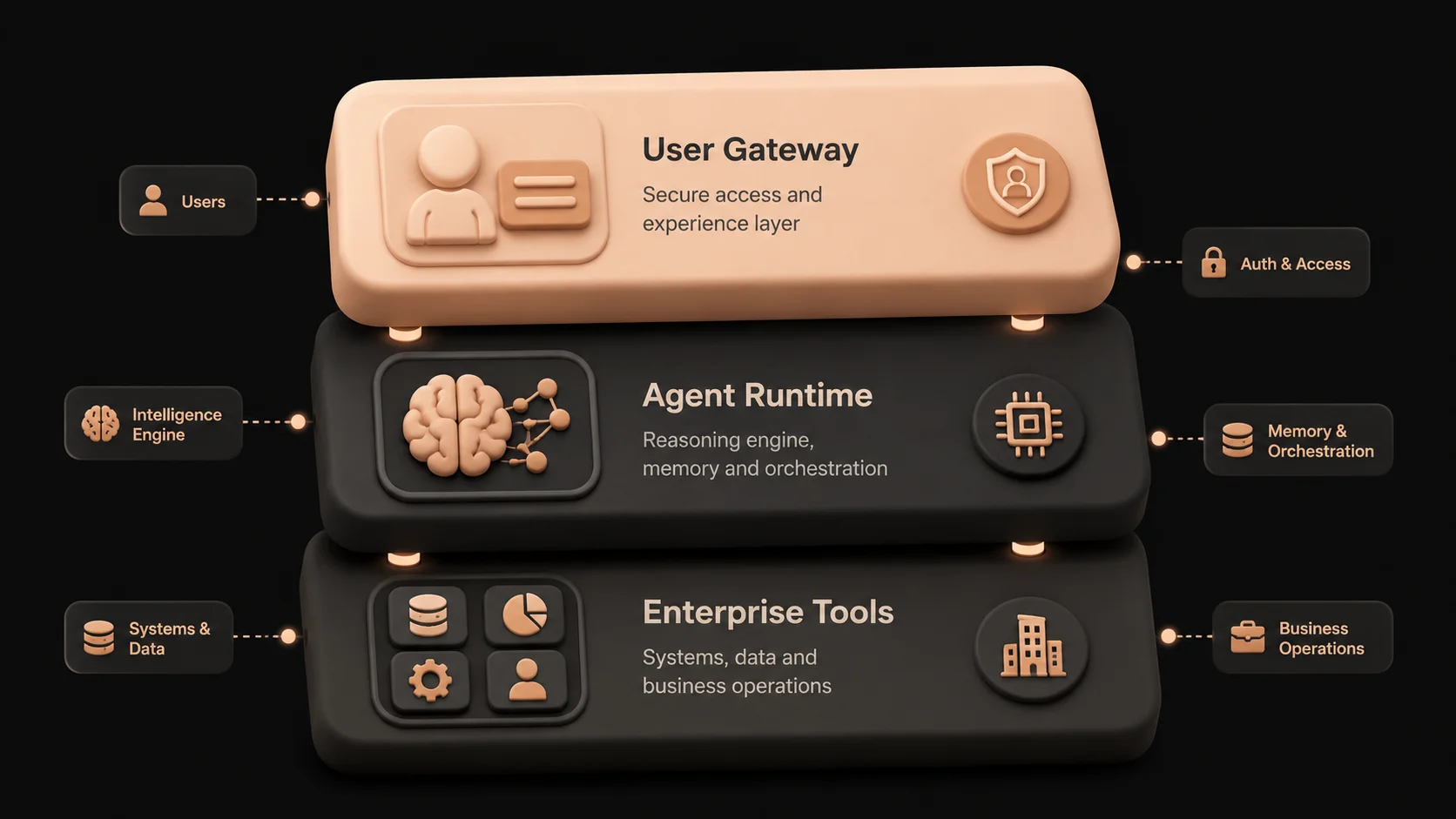
What Is Agent-Native Software Architecture? A Practical Guide for Enterprise Leaders
Agent-native software architecture is redefining how enterprise applications are designed by placing autonomous AI agents at the center of business execution. Unlike traditional applications that follow predefined workflows, agent-native systems can reason, plan, collaborate, use enterprise tools, and adapt to changing business conditions. This guide explores architectural principles, core components, governance, orchestration, multi-agent systems, security, scalability, implementation strategies, and enterprise adoption patterns to help technology leaders build intelligent software for the AI era.
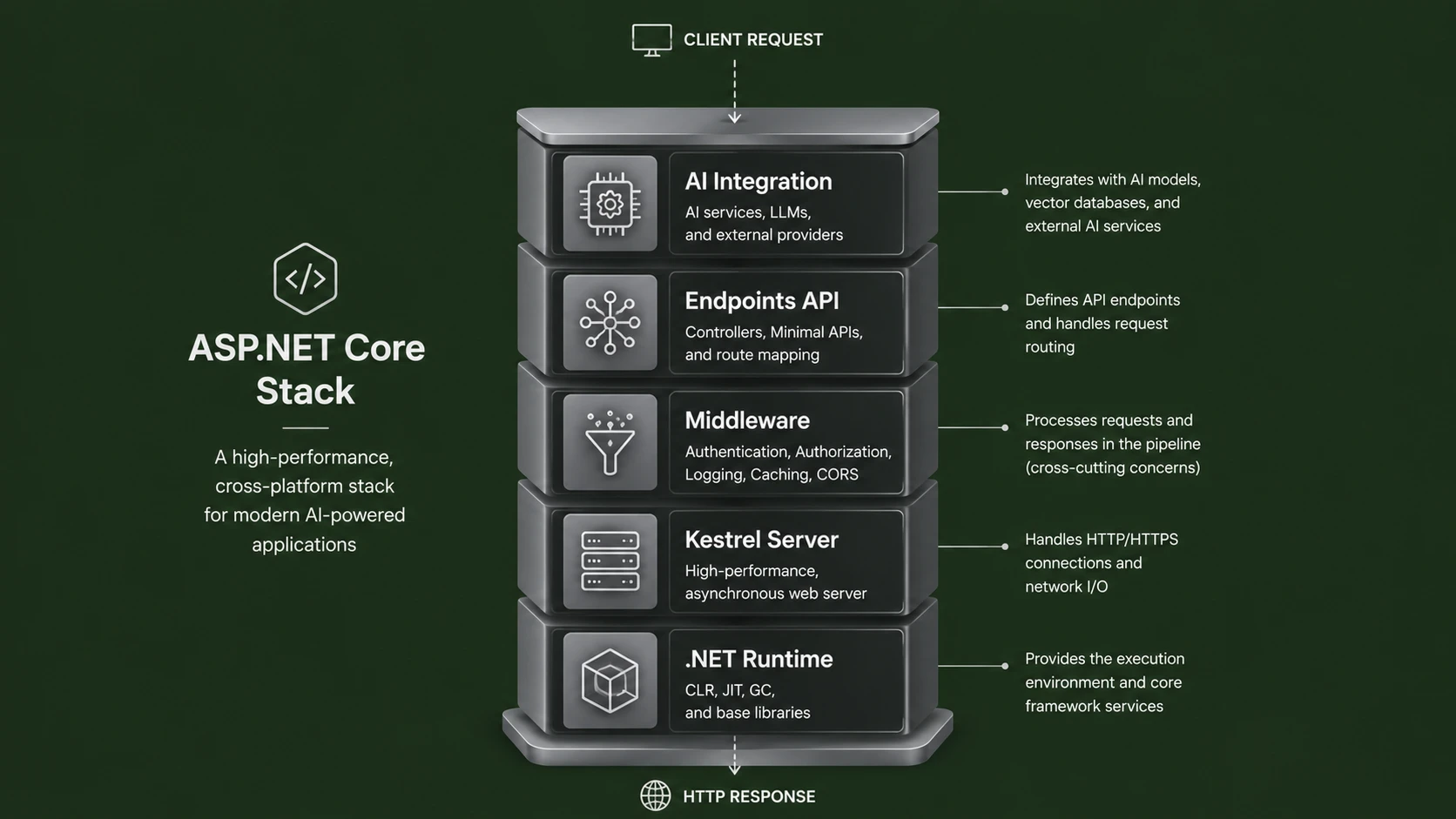
Is ASP.NET Core Still Relevant in 2026? Yes, and Here’s Why
Is ASP.NET Core still relevant in 2026? Absolutely. While JavaScript ecosystems dominate rapid product development and Python leads AI workloads, ASP.NET Core remains a powerful choice for secure, scalable, maintainable, and mission-critical enterprise systems. The future is not one framework—it is intelligent architecture using the right technology for each workload.
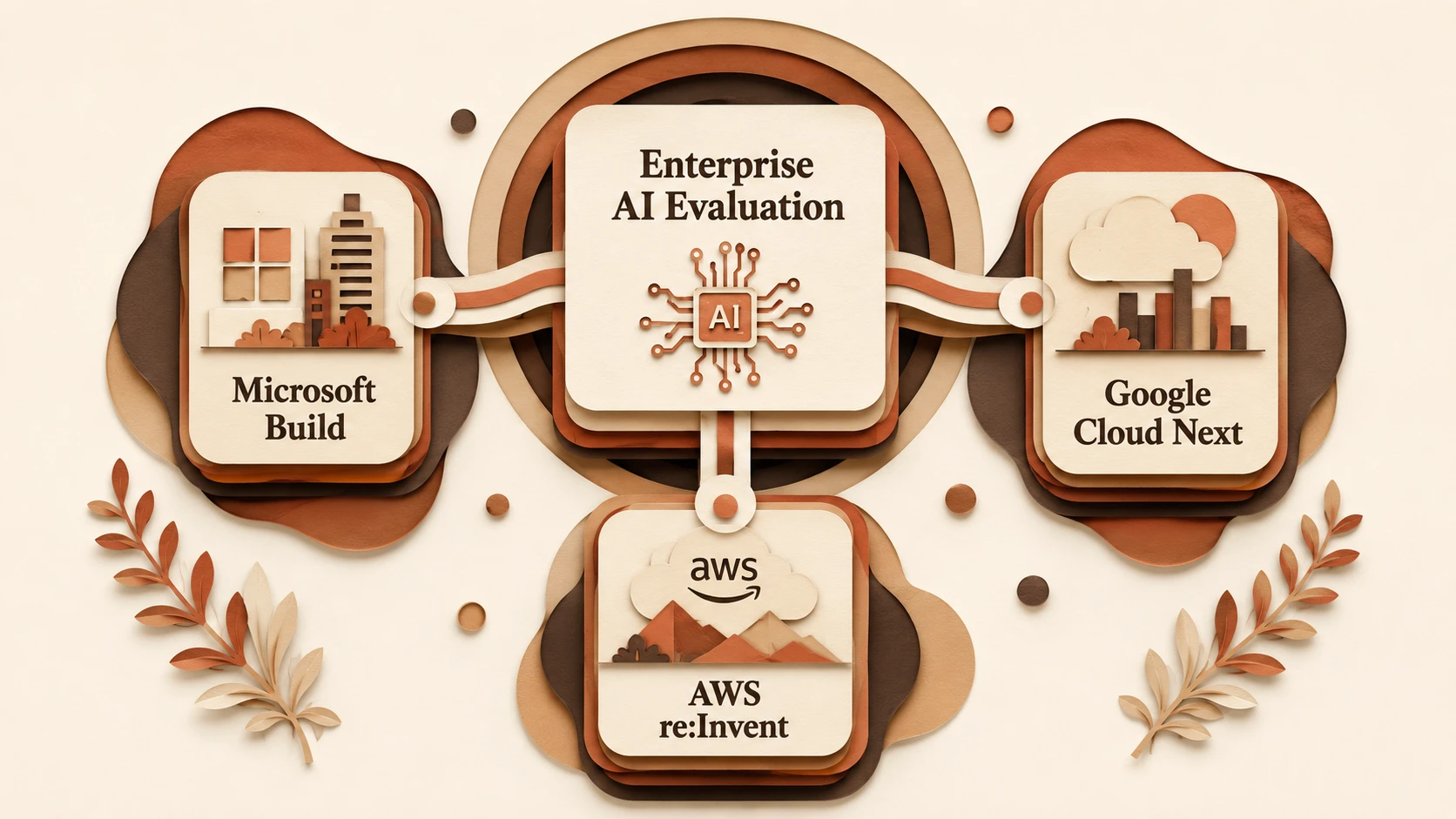
What Microsoft Build, Google, and AWS Actually Announced
Microsoft Build 2026, Google I/O 2026, and AWS's latest announcements reveal a common industry direction. Beyond new AI models and developer tools, all three companies are investing in agentic platforms, enterprise context, and production-ready AI infrastructure. This article examines what was actually announced and what it means for enterprise technology leaders.
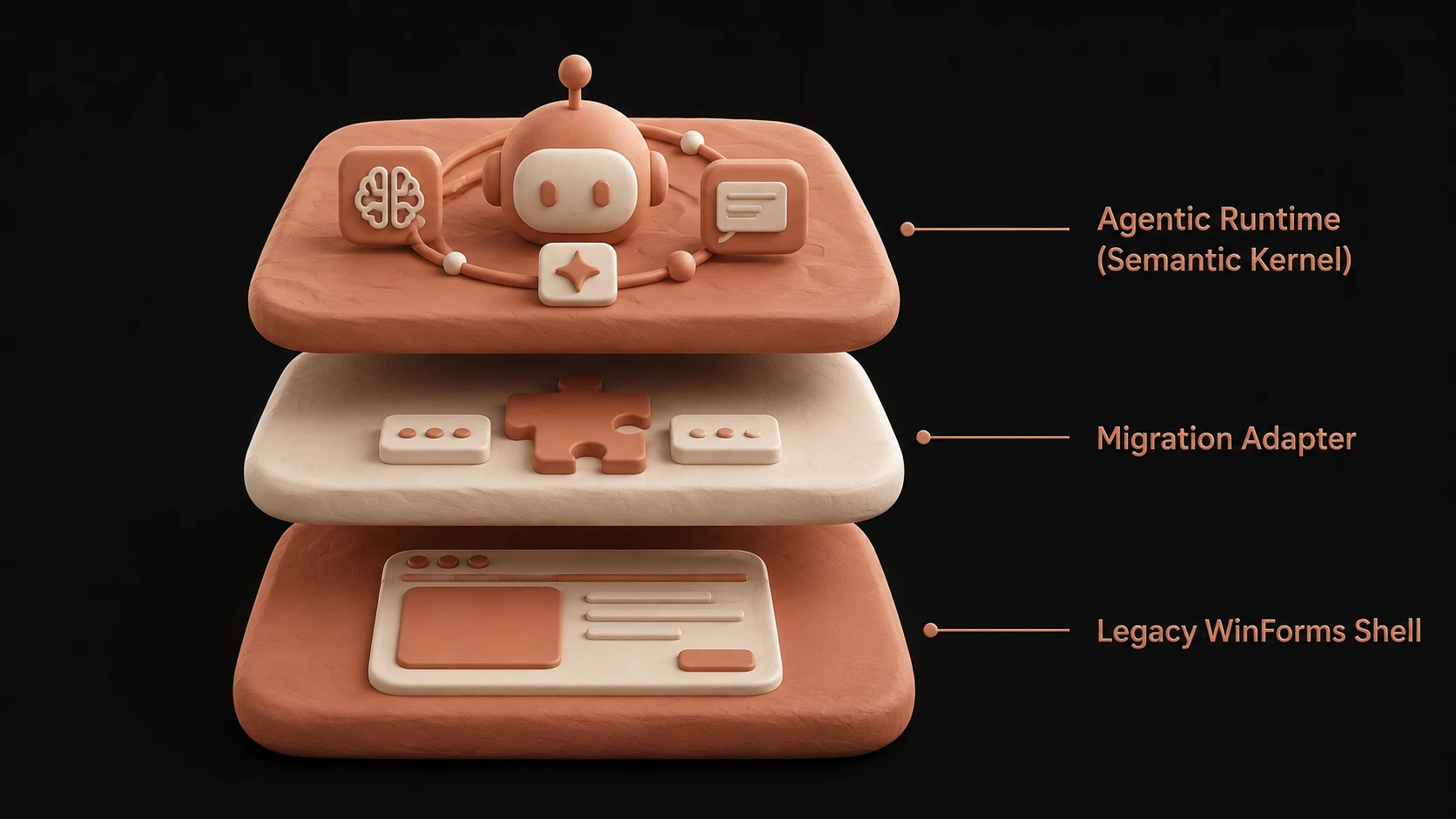
Thick Clients to Thick Agents: The .NET Migration Playbook
Enterprise .NET applications are entering a new architectural era. This guide explores how organizations can systematically migrate traditional thick-client applications toward AI-powered thick agents while preserving business logic, security, governance, and operational stability.
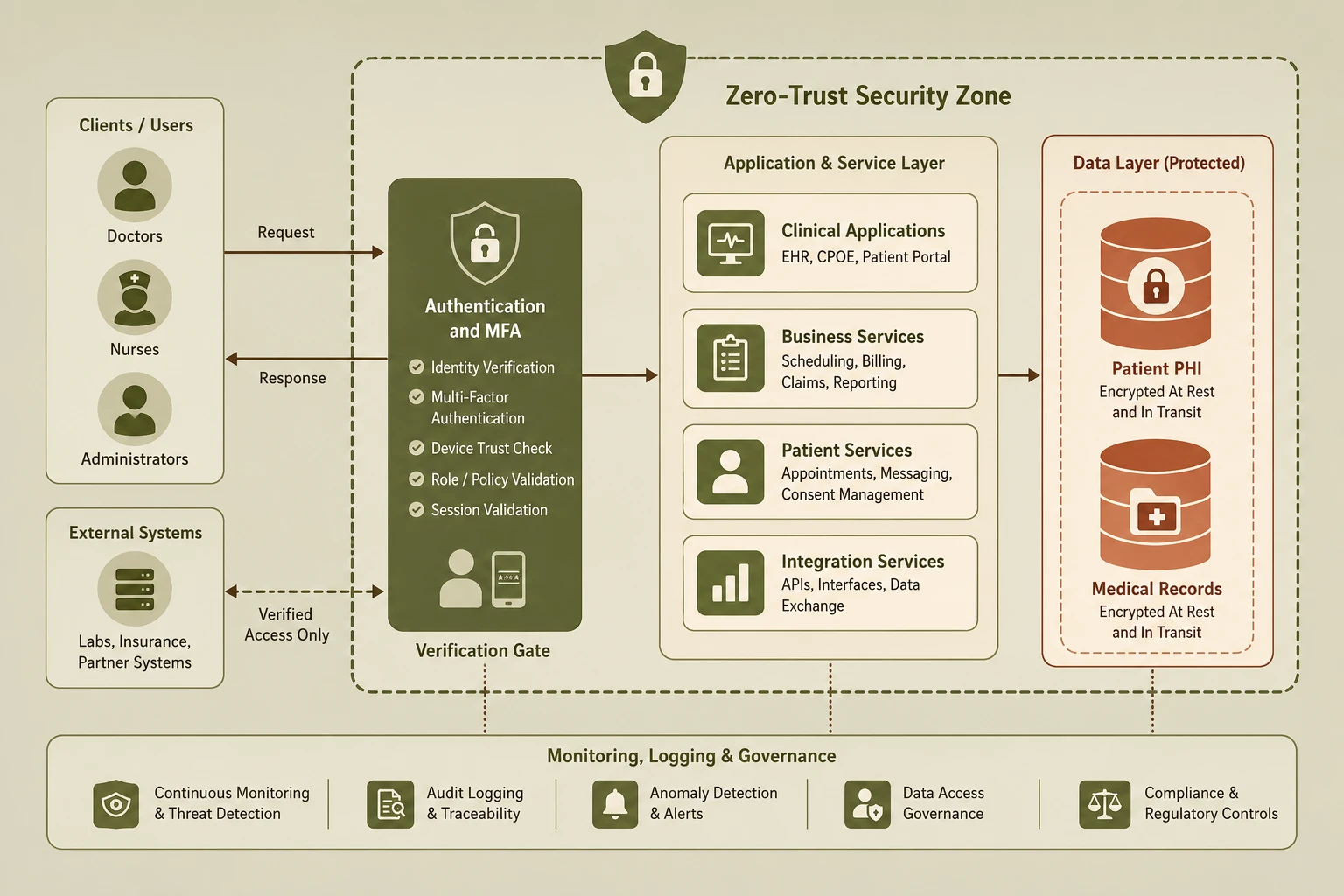
Building HIPAA-Compliant Hospital OS: Architecture Decisions That Matter
Building a HIPAA-compliant Hospital Operating System requires more than encryption. Learn the architecture decisions, security controls, interoperability standards, and cloud-native design patterns that enable secure, scalable, and compliant healthcare platforms.
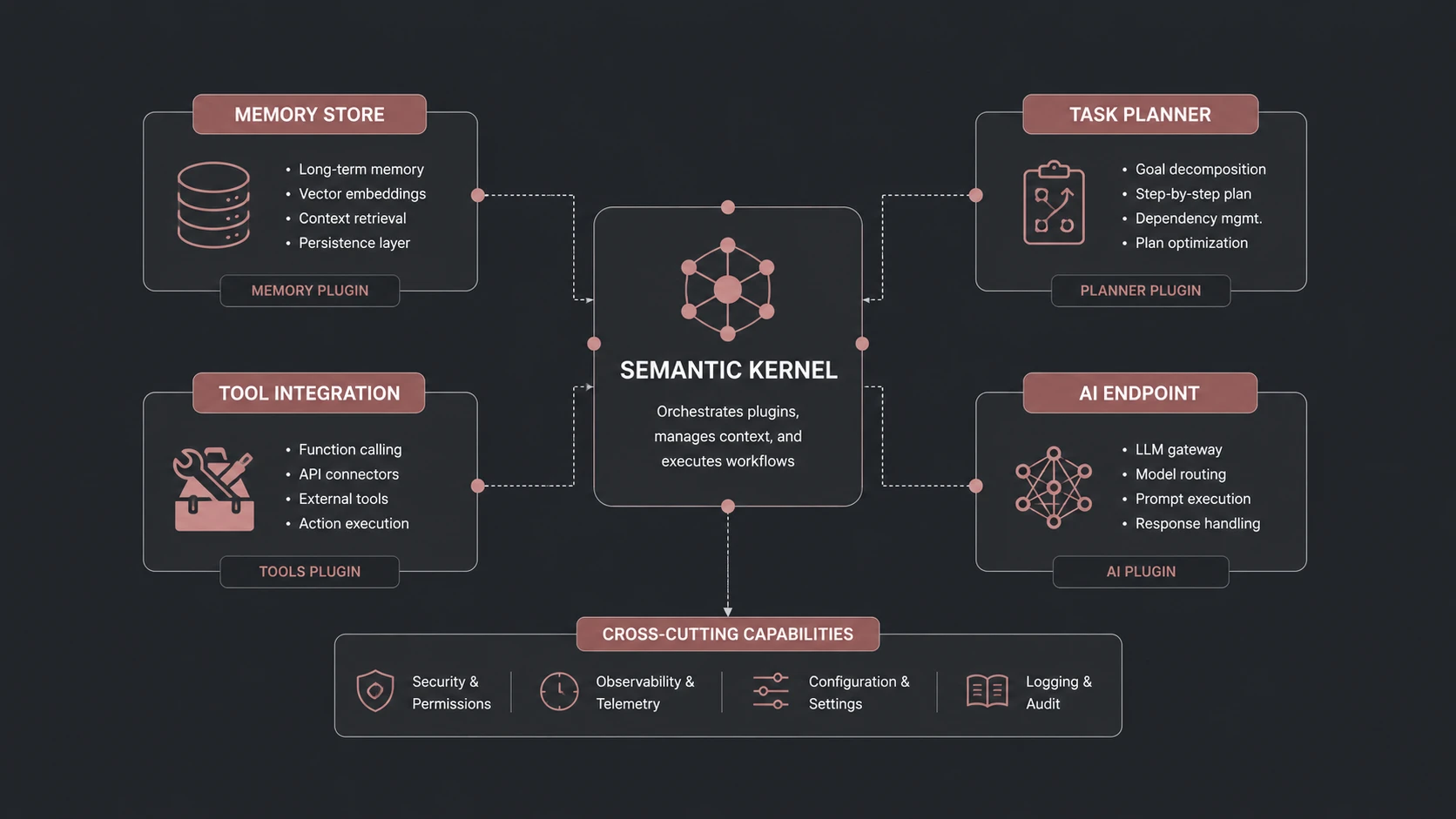
Mastering Microsoft Semantic Kernel: Building Cognitive Skills in Enterprise .NET Stacks
Discover how Microsoft Semantic Kernel empowers enterprise .NET developers to integrate LLMs, plugins, planners, memory, and AI orchestration into scalable business applications using a modular cognitive architecture.
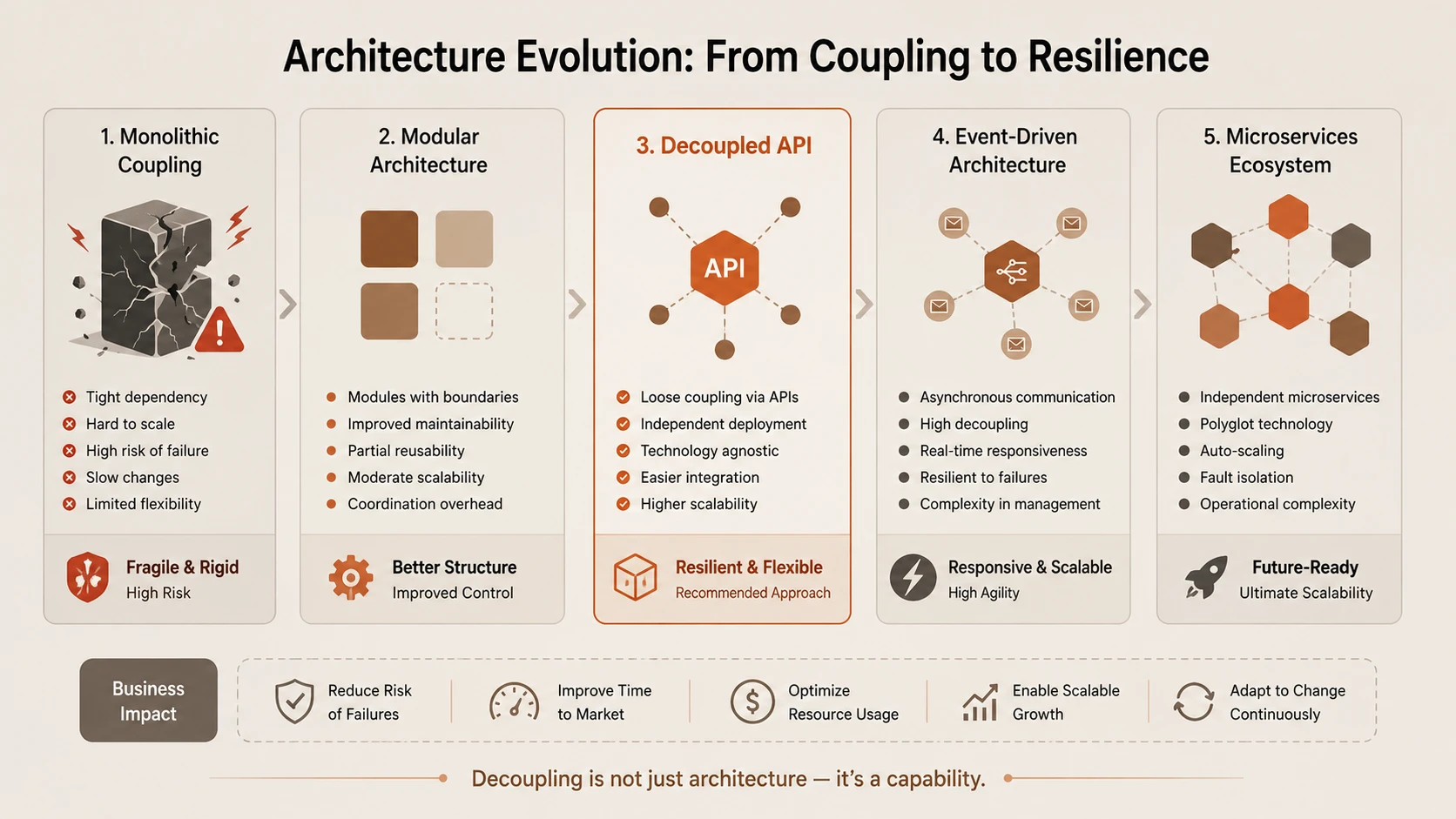
Software Architecture in the Age of Agents: Patterns, Anti-Patterns & Future States
Learn how software architecture is evolving in the age of AI agents. Discover proven architecture patterns, common anti-patterns, distributed agent ecosystems, event-driven systems, and enterprise design principles for next-generation intelligent applications.
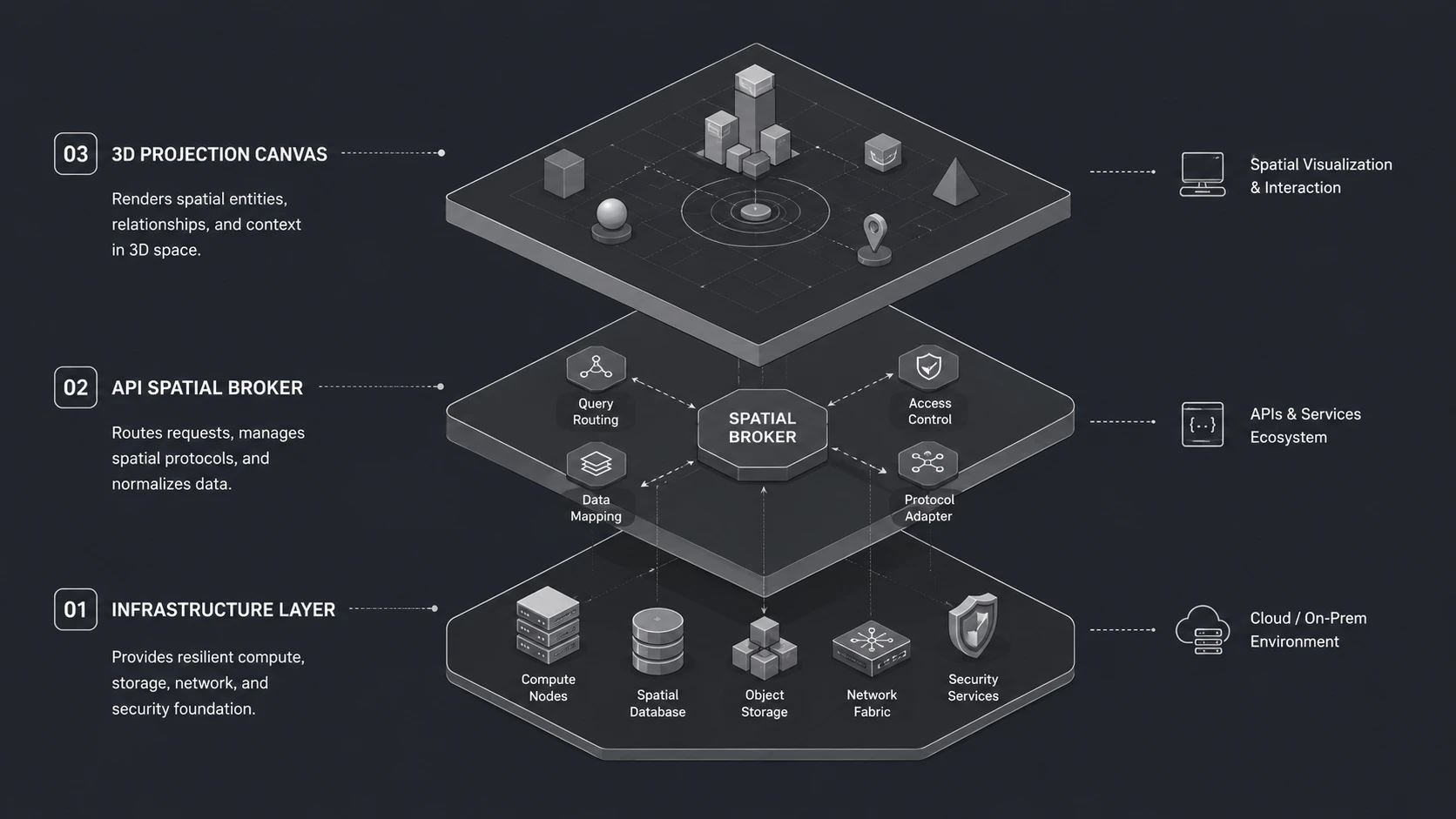
Spatial Web and the Metaverse Stack: When Experiences Span Real & Virtual
Discover how the Spatial Web is transforming enterprise software by blending physical and virtual environments through AI, digital twins, spatial computing, IoT, XR, and real-time collaboration platforms.
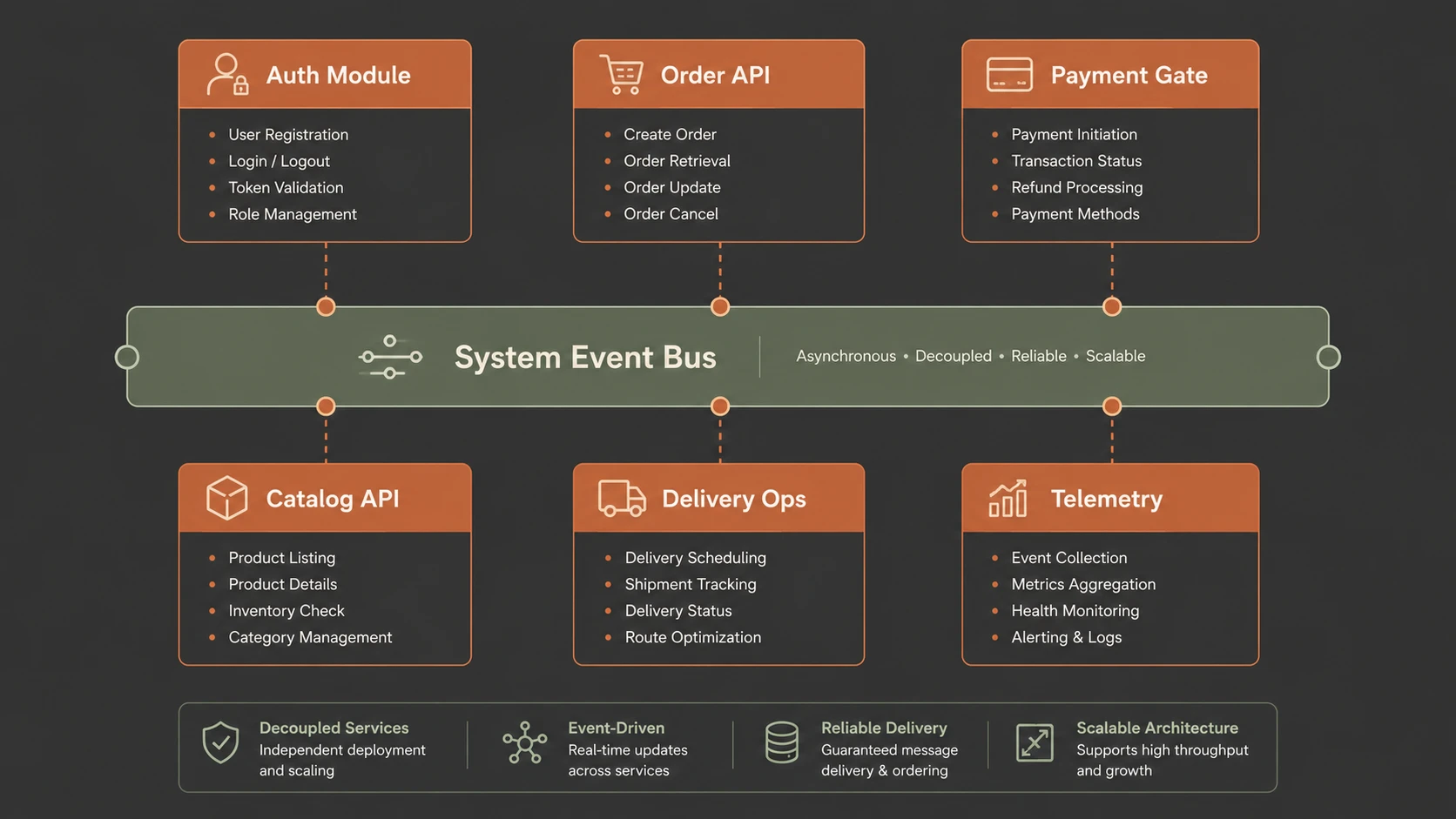
Composable Business Logic: Feature Modules as Independent Products
Learn how modern enterprises are replacing monolithic business logic with composable feature modules, enabling independent development, deployment, versioning, and AI-ready business capabilities across distributed platforms.
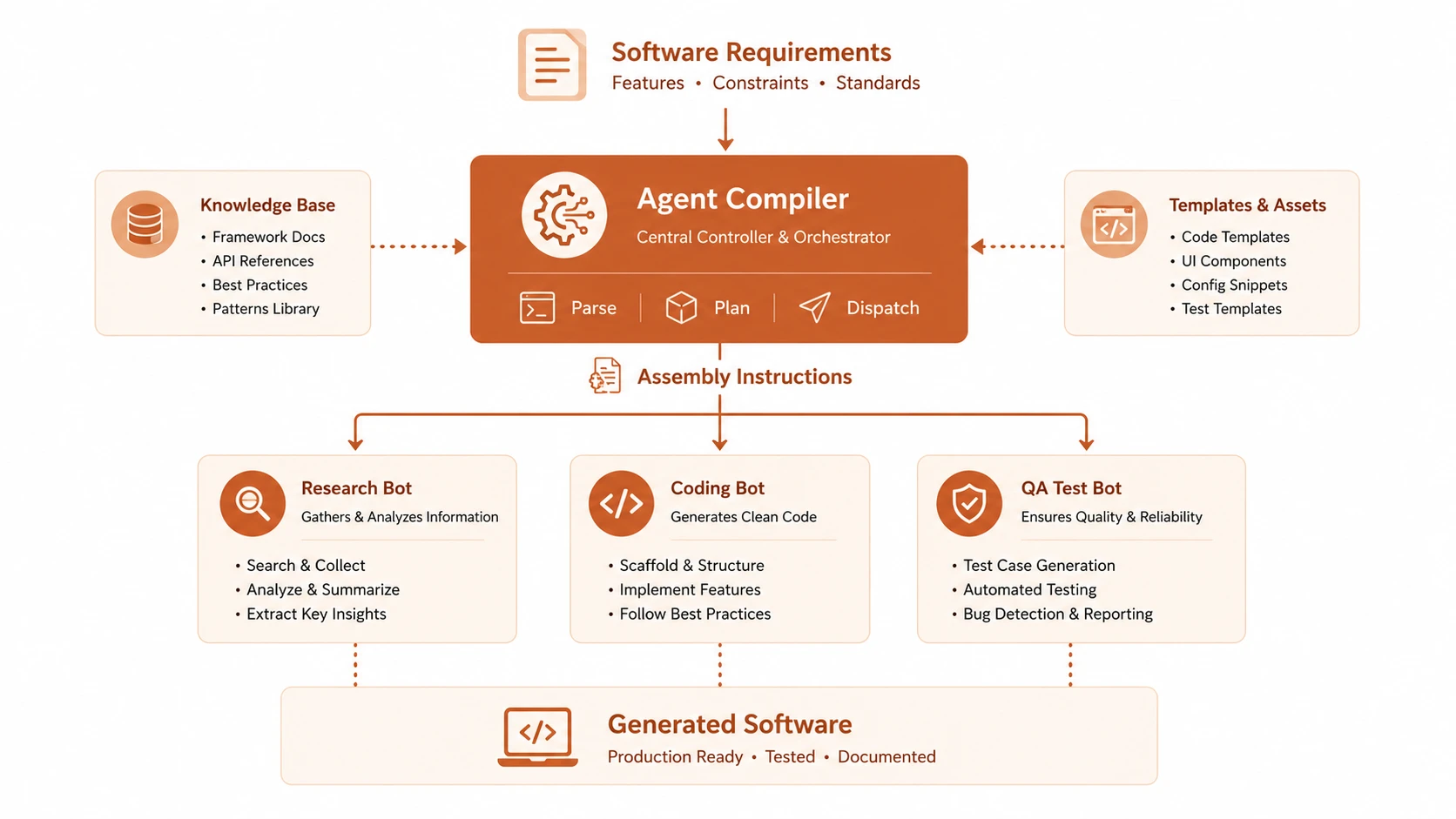
Agentic DevTools: Bots That Build Other Bots
Discover how Agentic DevTools enable autonomous software engineering by allowing AI agents to generate, evaluate, optimize, and deploy other AI agents, accelerating enterprise AI development and reducing manual engineering effort.
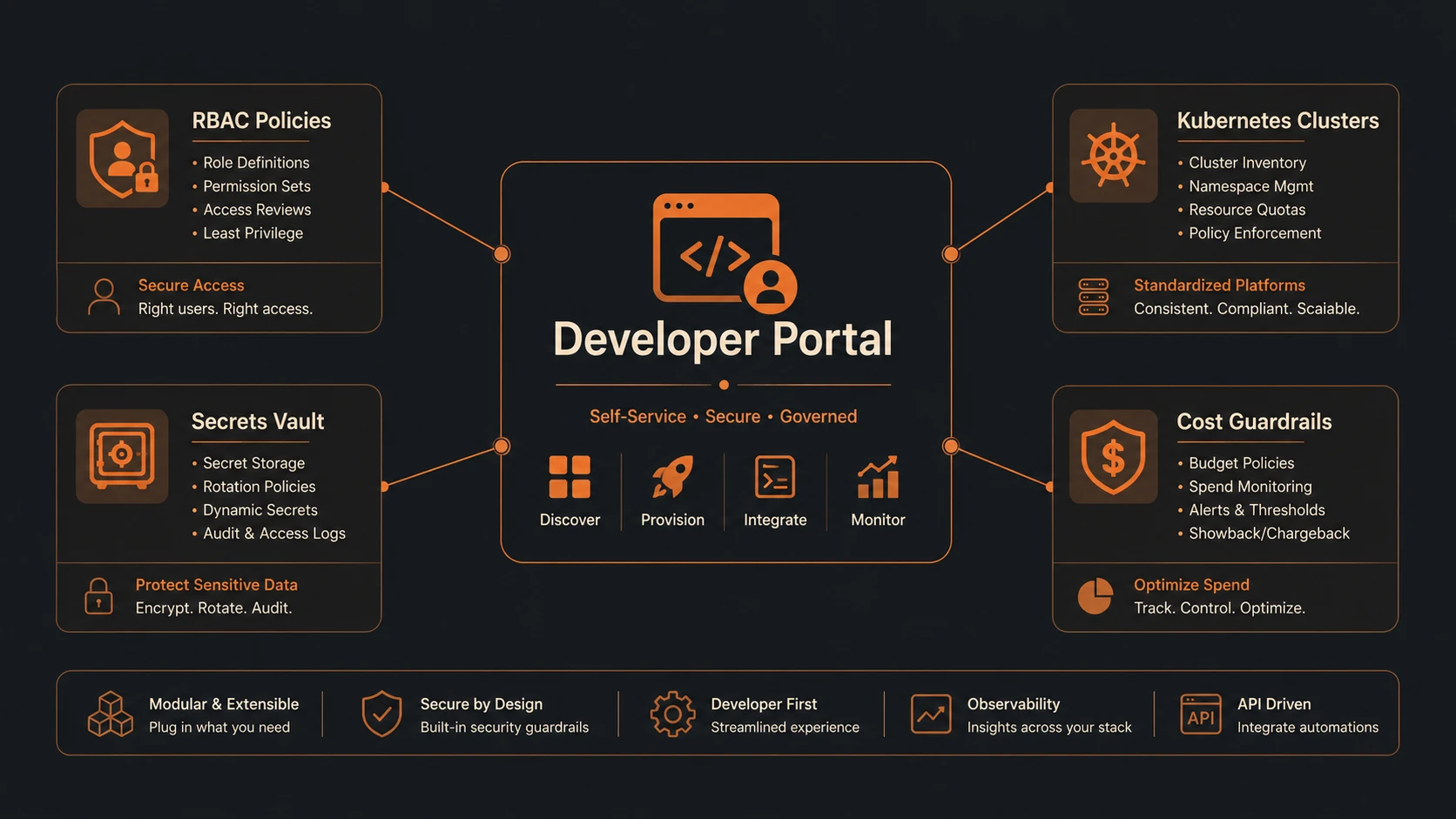
Platform Engineering Governance: Managing Complexity at Scale
Discover how platform engineering governance establishes standardized developer platforms, policy automation, self-service infrastructure, security guardrails, and operational consistency across large enterprise engineering organizations.
Blazor in 2025: Is It Ready for Enterprise Production?
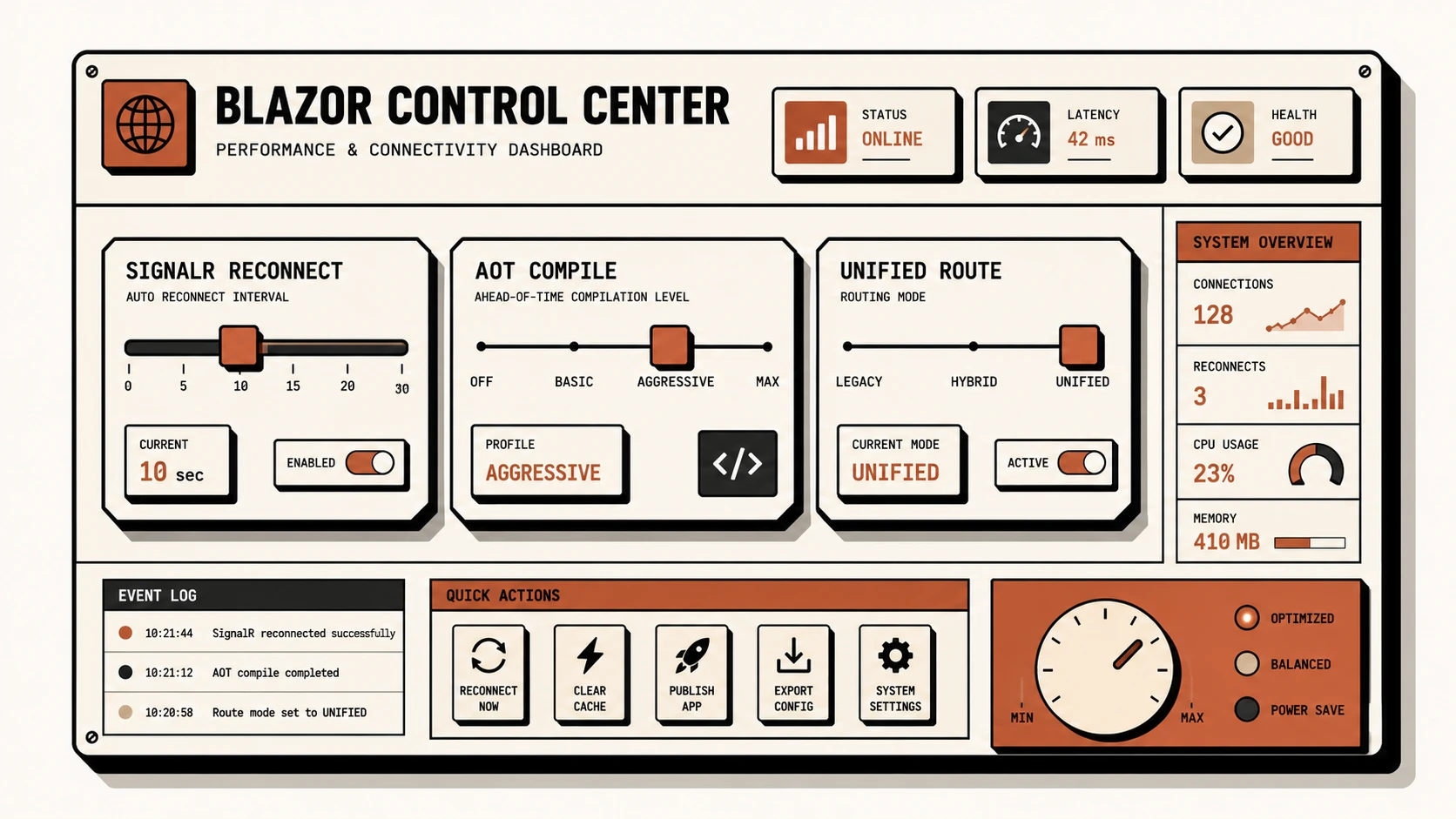
Five years after its launch, Blazor has matured significantly across rendering models, ecosystem, tooling, and performance. This honest enterprise assessment covers .NET 8 unified rendering, production architecture patterns, the component ecosystem in 2025, and where Blazor is genuinely the right choice versus where it still falls short.
AI-Driven Full-Lifecycle Testing: From Code to Production to Experience
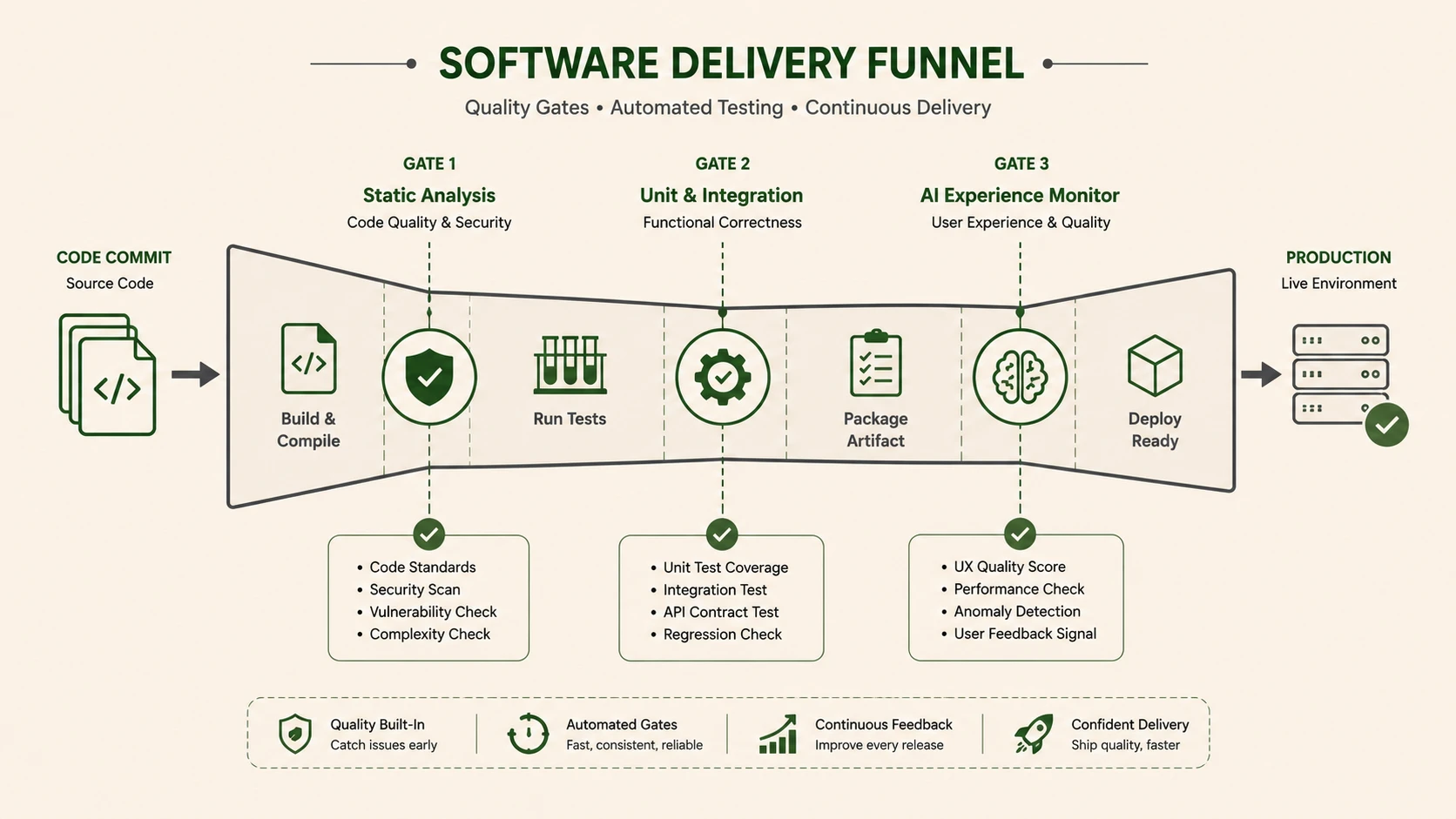
Learn how AI-driven testing platforms automate quality assurance across development, CI/CD, production, observability, and real-user experience, enabling enterprises to deliver reliable software faster.