Why Software Testing Must Evolve
Modern software is deployed faster than ever before. Cloud-native applications, microservices, AI-powered systems, and continuous delivery pipelines have dramatically increased release frequency while reducing the time available for manual quality assurance.
Traditional testing approaches, which rely heavily on predefined test cases and manual validation, struggle to keep pace with this velocity. Enterprises now require intelligent testing platforms capable of automatically generating tests, predicting failures, validating deployments, monitoring production behavior, and learning continuously from real user interactions.
AI-driven Full-Lifecycle Testing extends quality engineering beyond development and into production, ensuring software remains reliable throughout its entire lifecycle.
Architecture Principle: Quality should be continuously engineered—not inspected only before release.
---
What Is AI-Driven Full-Lifecycle Testing?
AI-driven Full-Lifecycle Testing integrates artificial intelligence into every stage of software quality engineering.
Instead of treating testing as a final development activity, AI continuously validates software from the first line of code until real users interact with production systems.
Core capabilities include:
- ◆AI Code Review
- ◆Intelligent Test Generation
- ◆Regression Testing
- ◆API Validation
- ◆Security Testing
- ◆Performance Engineering
- ◆Production Monitoring
- ◆User Experience Analytics
Every stage contributes feedback that improves future testing strategies.
---
The Evolution of Quality Engineering
Software testing has progressed through several generations:
- 1.Manual Testing
- 2.Automated Test Scripts
- 3.CI/CD Test Automation
- 4.Shift-Left Testing
- 5.AI-Assisted Testing
- 6.Full-Lifecycle AI Testing
Rather than executing static test suites, modern AI systems dynamically create, prioritize, and optimize tests based on application behavior and production telemetry.
---
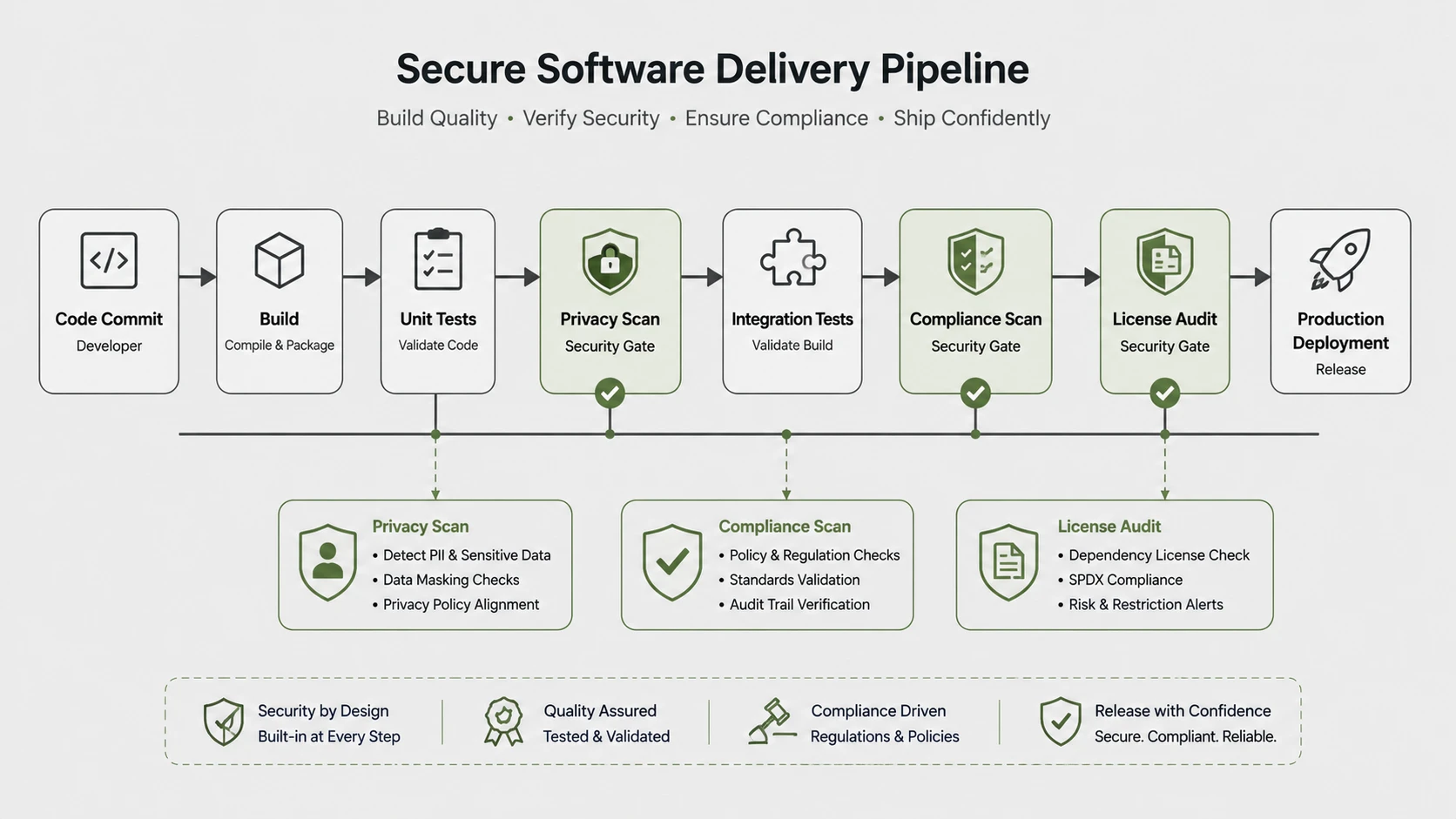
Enterprise Reference Architecture
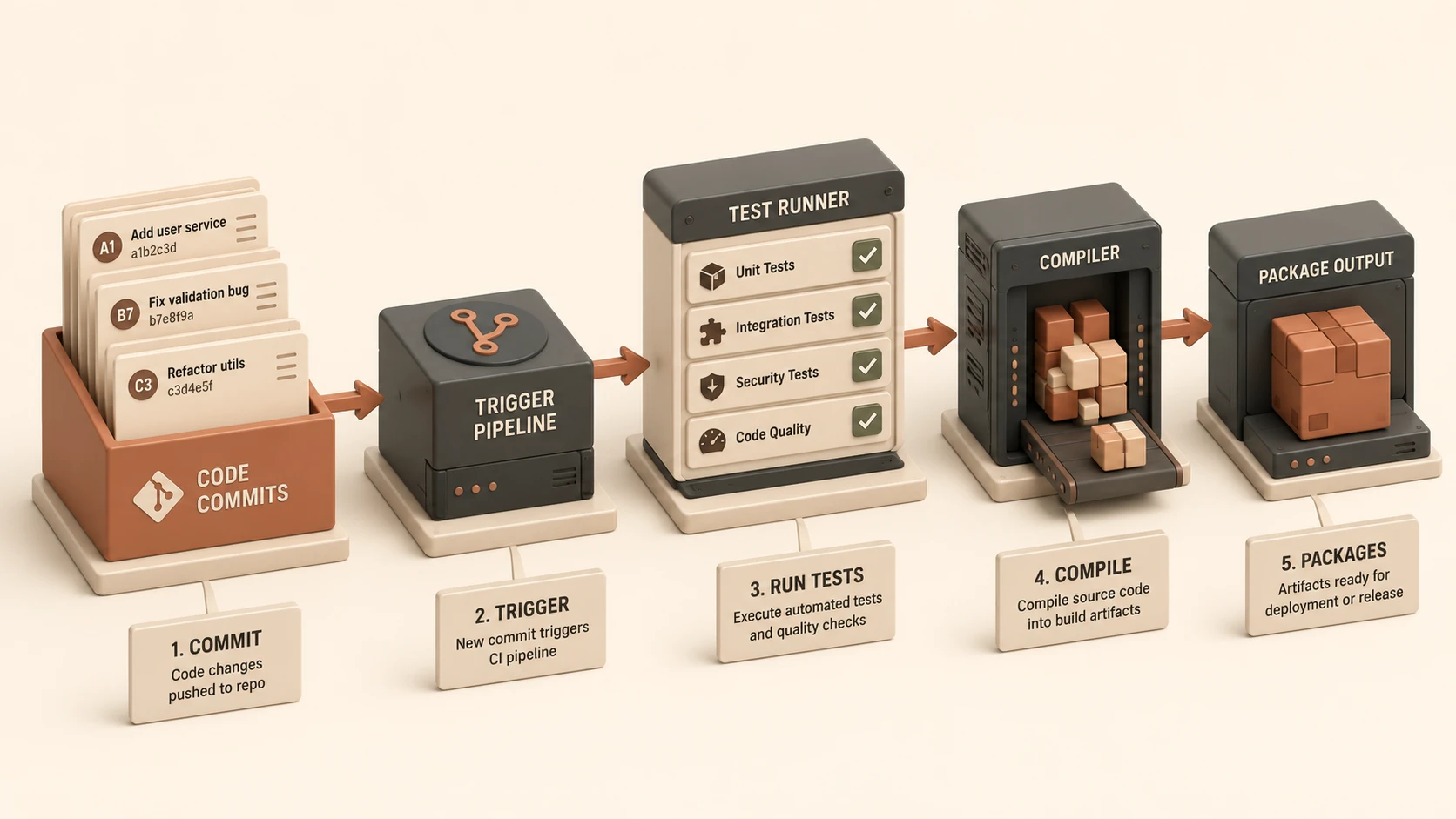
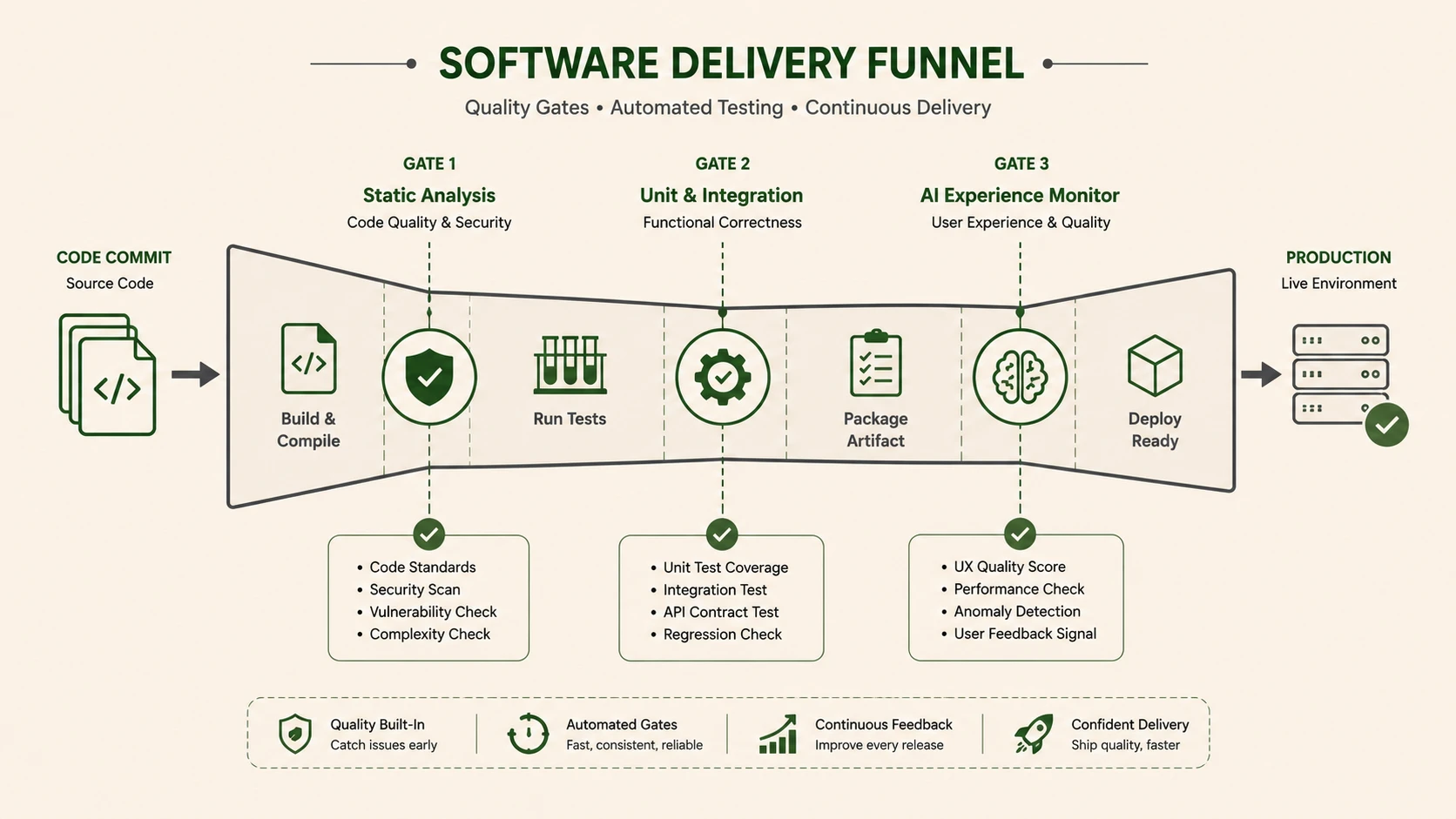
Developer Commit
        │
AI Code Review
        │
Unit Testing
        │
Integration Testing
        │
API & Security Testing
        │
Performance Validation
        │
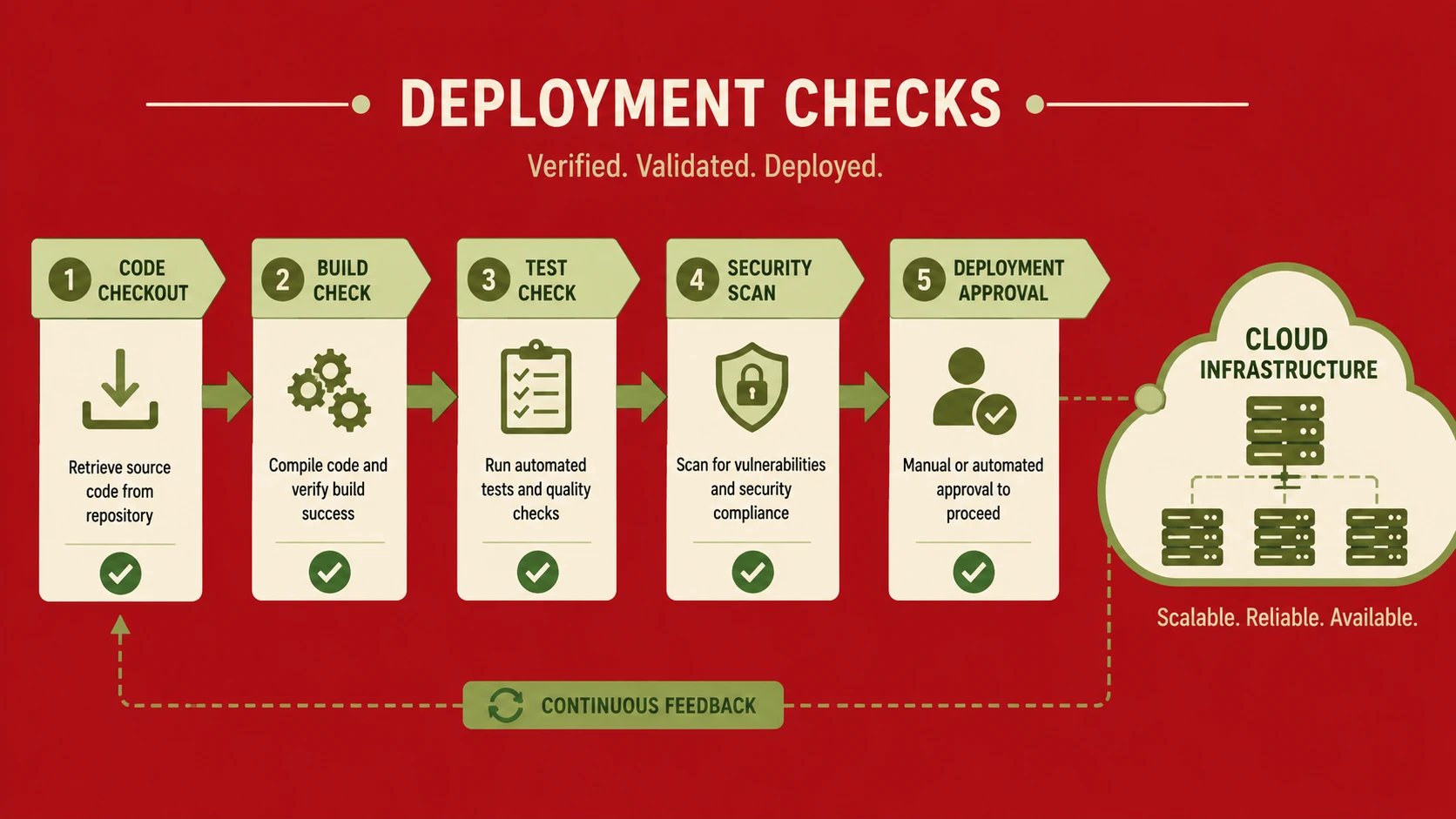
CI/CD Pipeline
        │
Production Deployment
        │
Observability Platform
        │
Real User Monitoring
        │
AI Learning Engine
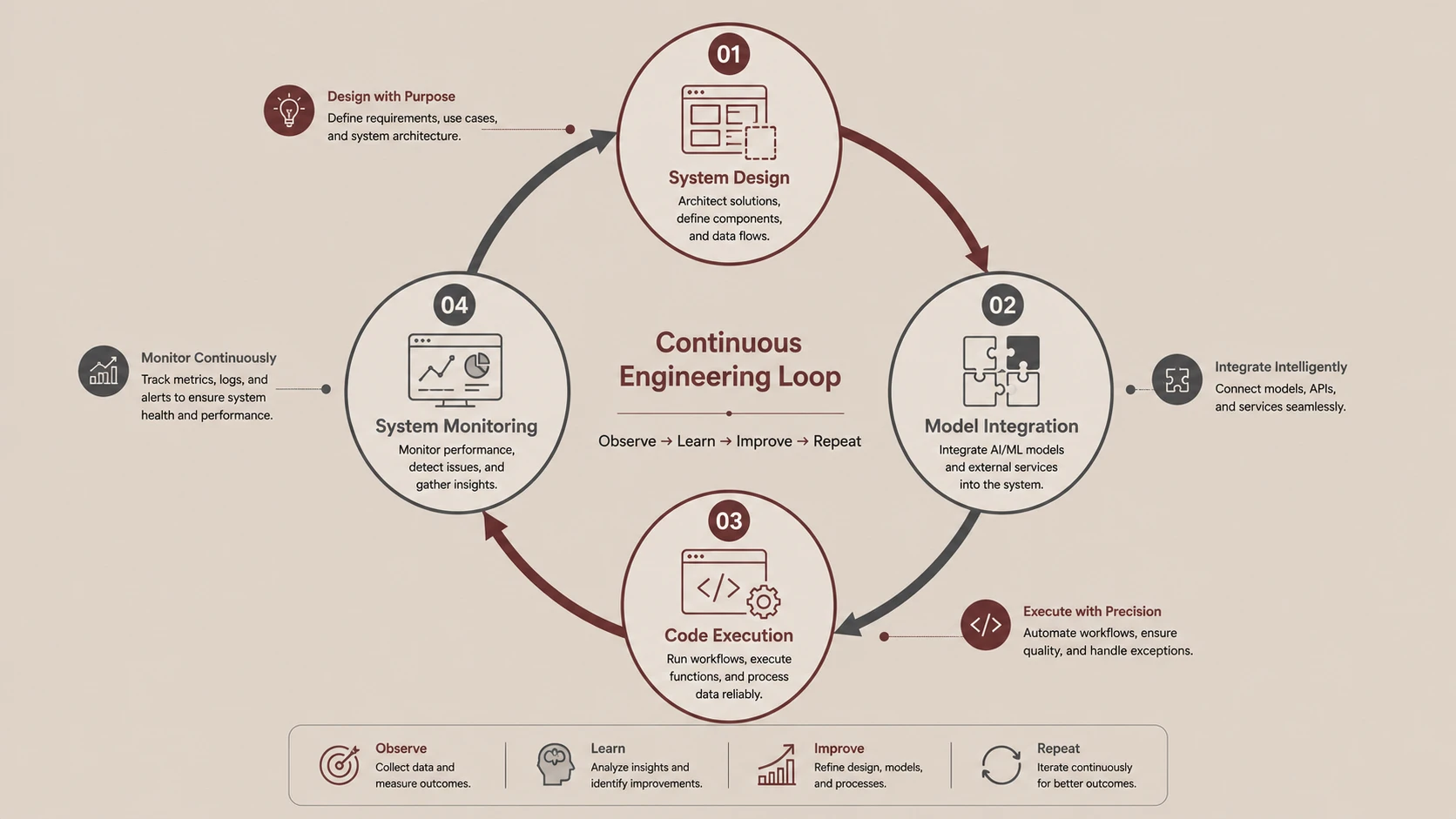
This architecture creates a continuous feedback loop between development and production.
---
AI-Powered Test Generation
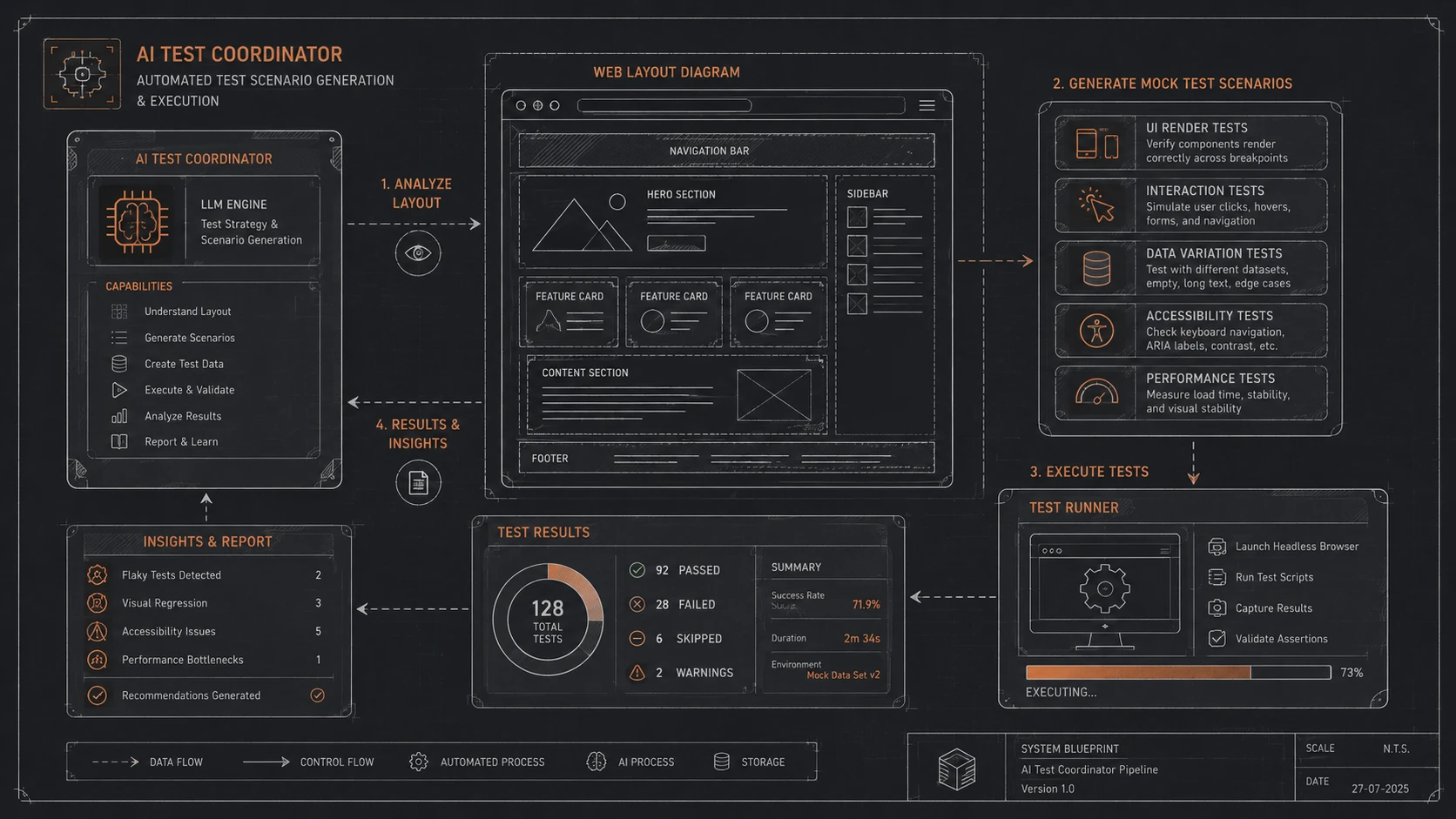
One of the biggest advantages of AI testing is its ability to generate meaningful test cases automatically.
AI models analyze:
- ◆Source code
- ◆API contracts
- ◆User workflows
- ◆Historical defects
- ◆Business rules
- ◆Production telemetry
Based on this analysis, the platform creates unit, integration, API, and end-to-end tests that evolve alongside the application.
---

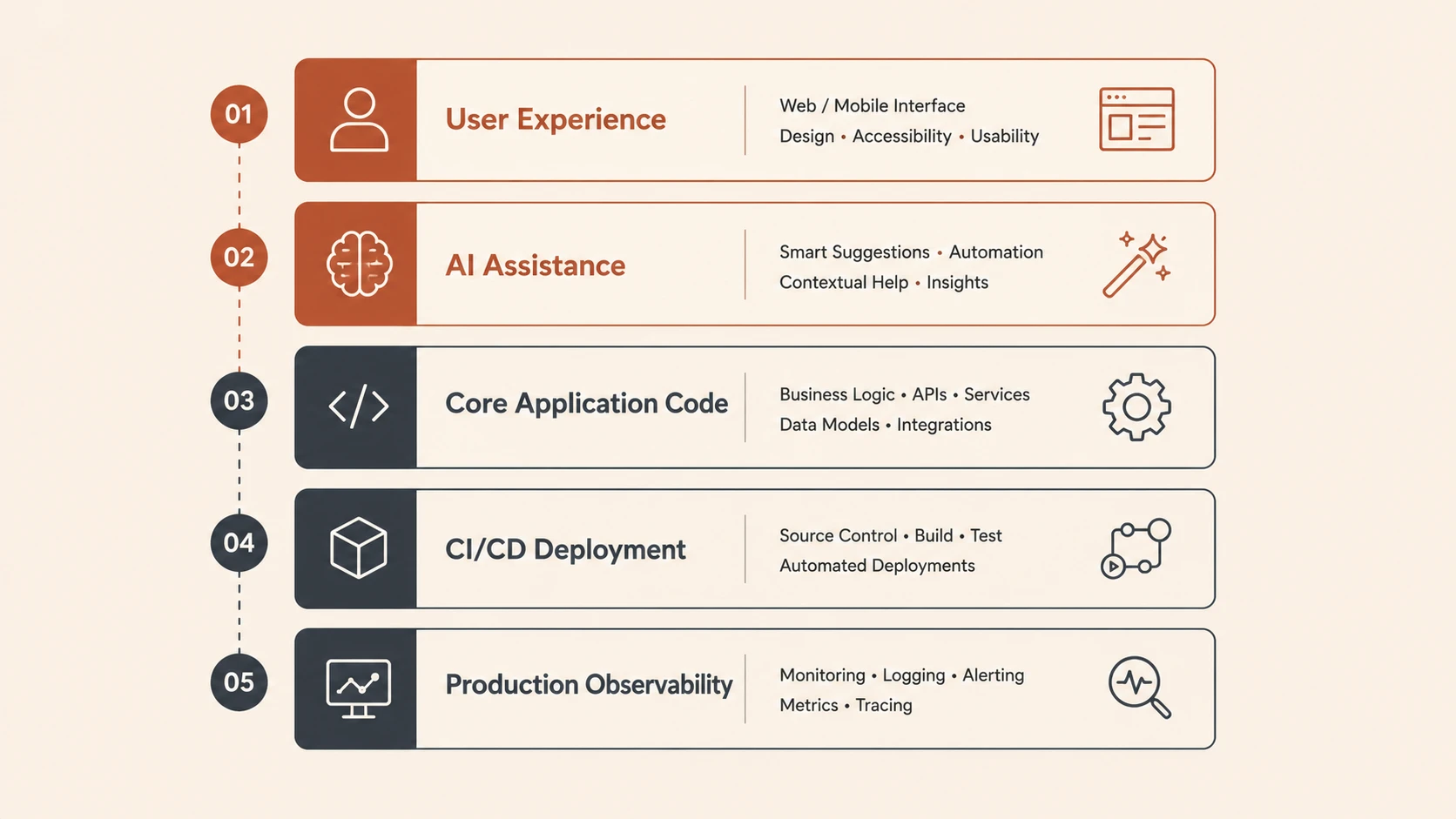
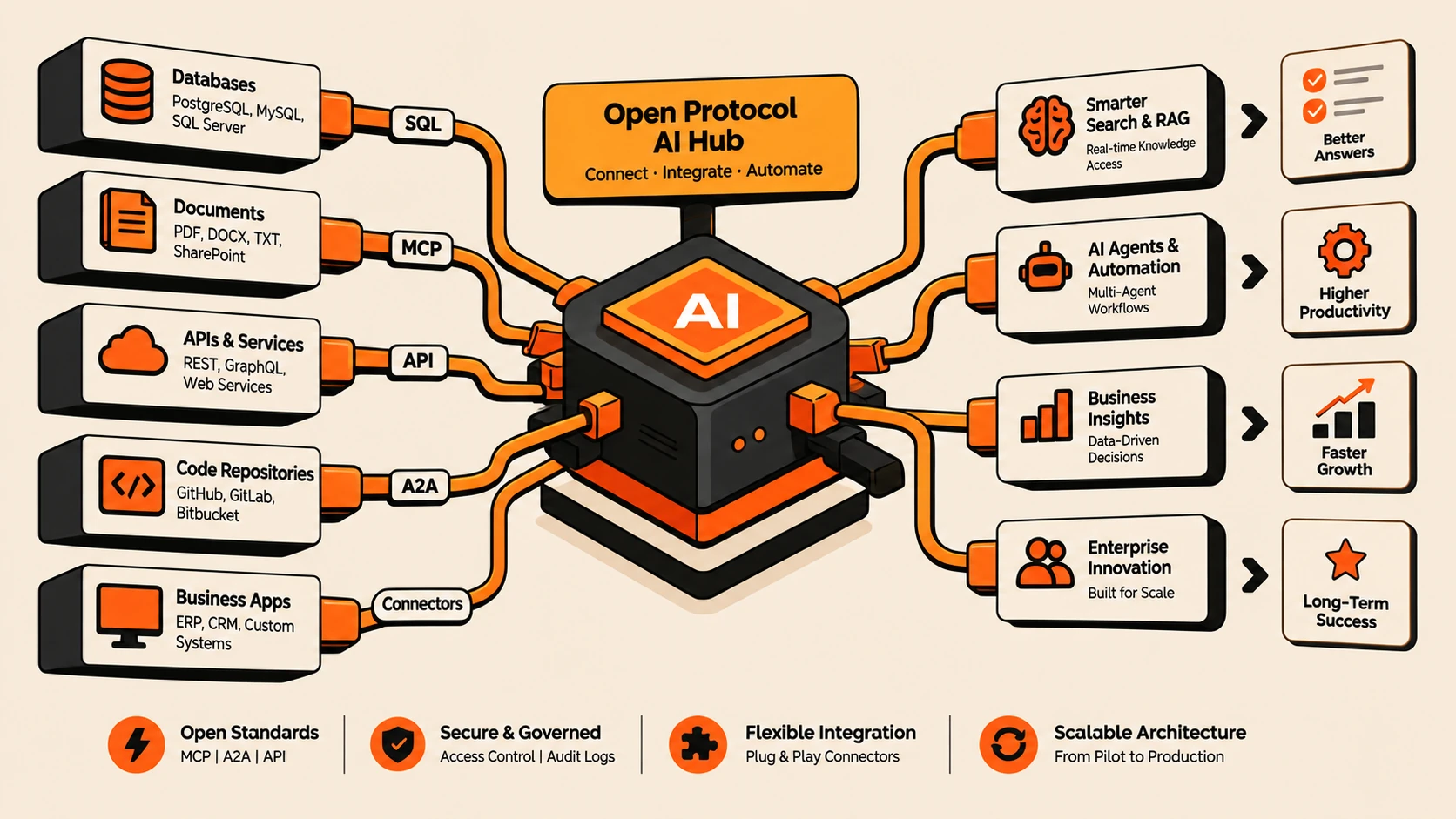
System architecture diagram and conceptual workflow layout for AI-Driven Full-Lifecycle Testing.
Predictive Quality Engineering
AI no longer waits for failures to occur.
Modern testing platforms predict risk by evaluating:
- ◆Code complexity
- ◆Change frequency
- ◆Historical bugs
- ◆Dependency updates
- ◆Performance trends
- ◆Deployment history
- ◆Infrastructure health
- ◆User behavior
Engineering teams can prioritize high-risk components before they impact production.
---
Testing Beyond Deployment
Traditional QA ends when software reaches production.
Full-Lifecycle Testing continues through:
- ◆Synthetic monitoring
- ◆Real User Monitoring (RUM)
- ◆Distributed tracing
- ◆Error analytics
- ◆Session replay
- ◆Performance baselines
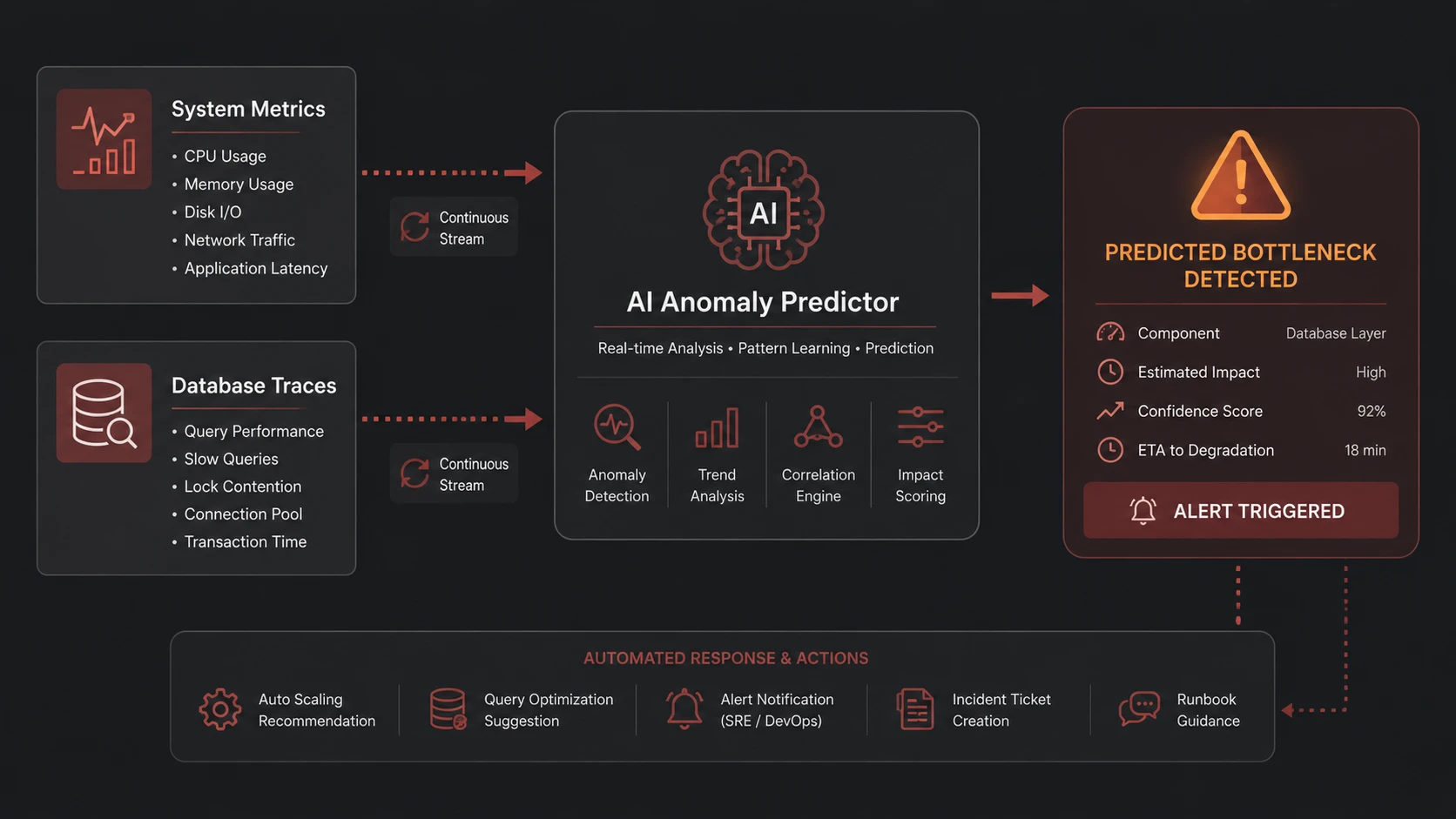
- ◆AI anomaly detection
- ◆Incident correlation
Production behavior becomes another source of testing intelligence.
---
Closing the Feedback Loop
Production insights automatically improve future releases.
AI continuously learns from:
- ◆Failed deployments
- ◆Production incidents
- ◆Customer feedback
- ◆Crash reports
- ◆Slow transactions
- ◆User journeys
- ◆Performance regressions
- ◆Security events
The resulting knowledge feeds back into automated test generation and deployment validation.
---
Enterprise Benefits
Organizations adopting AI-driven testing typically achieve:
- ◆Faster release cycles
- ◆Higher test coverage
- ◆Reduced manual effort
- ◆Earlier defect detection
- ◆Improved production stability
- ◆Better customer experience
- ◆Lower operational costs
- ◆Continuous quality improvement
Rather than increasing QA resources, enterprises increase engineering intelligence.
---
Best Practices
| Area | Best Practice |
|---|---|
| Development | AI Code Review |
| Testing | Autonomous Test Generation |
| CI/CD | Continuous Quality Gates |
| Production | AI Observability |
| User Experience | Real User Monitoring |
| Security | Continuous Validation |
| Feedback | Production Learning Loops |
| Governance | Risk-Based Release Policies |
---
The Future of Autonomous Quality Engineering
Software quality is evolving from isolated testing activities into an intelligent engineering discipline powered by AI. Future platforms will automatically generate tests, predict production failures, validate deployments, analyze user experiences, and continuously improve every stage of software delivery.
Organizations embracing AI-driven Full-Lifecycle Testing will move beyond traditional QA toward autonomous quality engineering, where every deployment becomes safer, every release becomes smarter, and every production event contributes to building more resilient software.