Software Development
Viewing all posts categorized under Software Development.

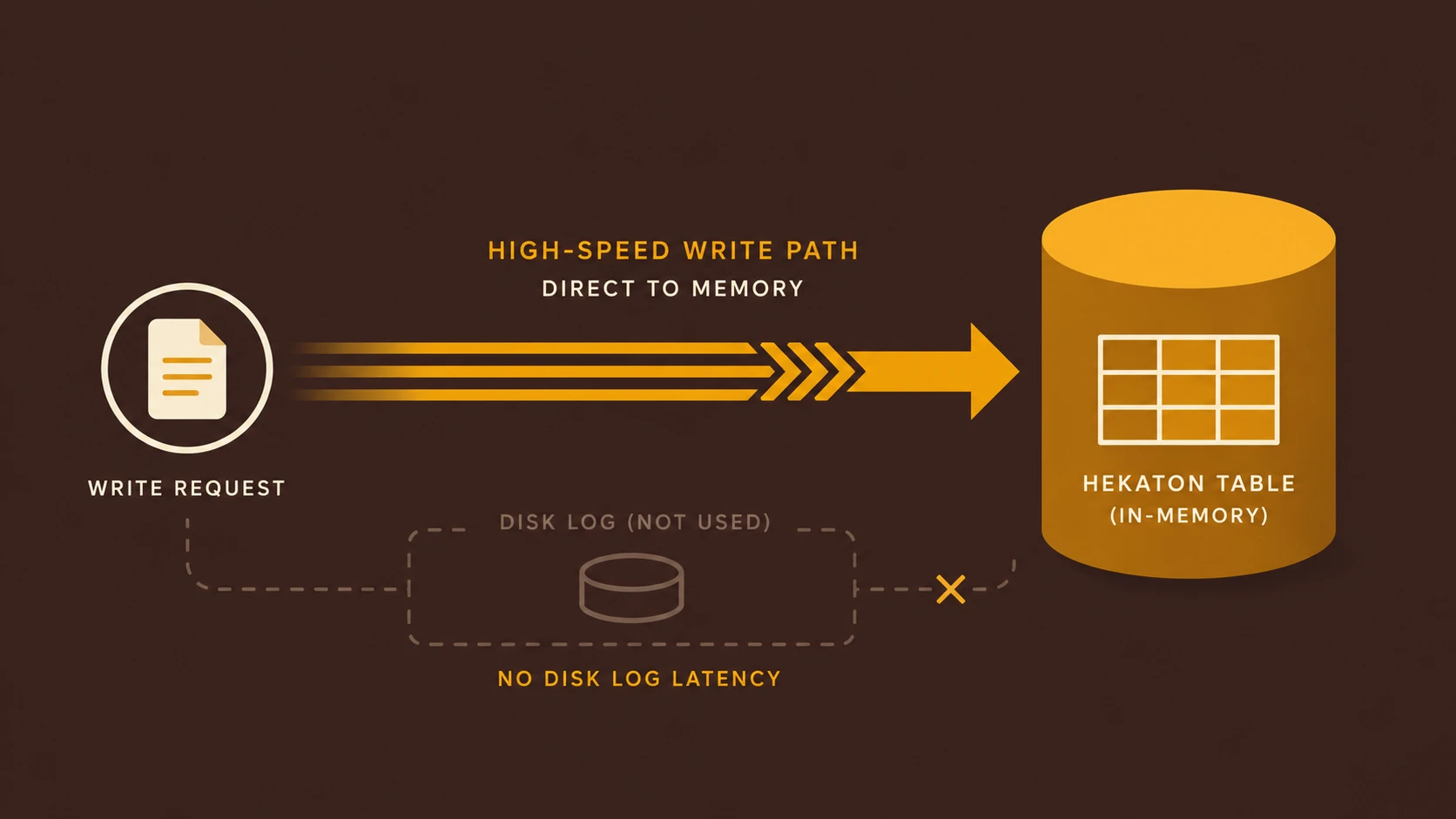
SQL Server 2014 In-Memory OLTP: Speeding Up Writes with Hekaton Tables
Microsoft has introduced SQL Server 2014 with In-Memory OLTP, code-named Hekaton, to address the growing demand for higher transactional throughput and lower latency. This article examines the architecture, enterprise use cases, performance characteristics, deployment strategies, and limitations of Hekaton from the perspective of February 2014.
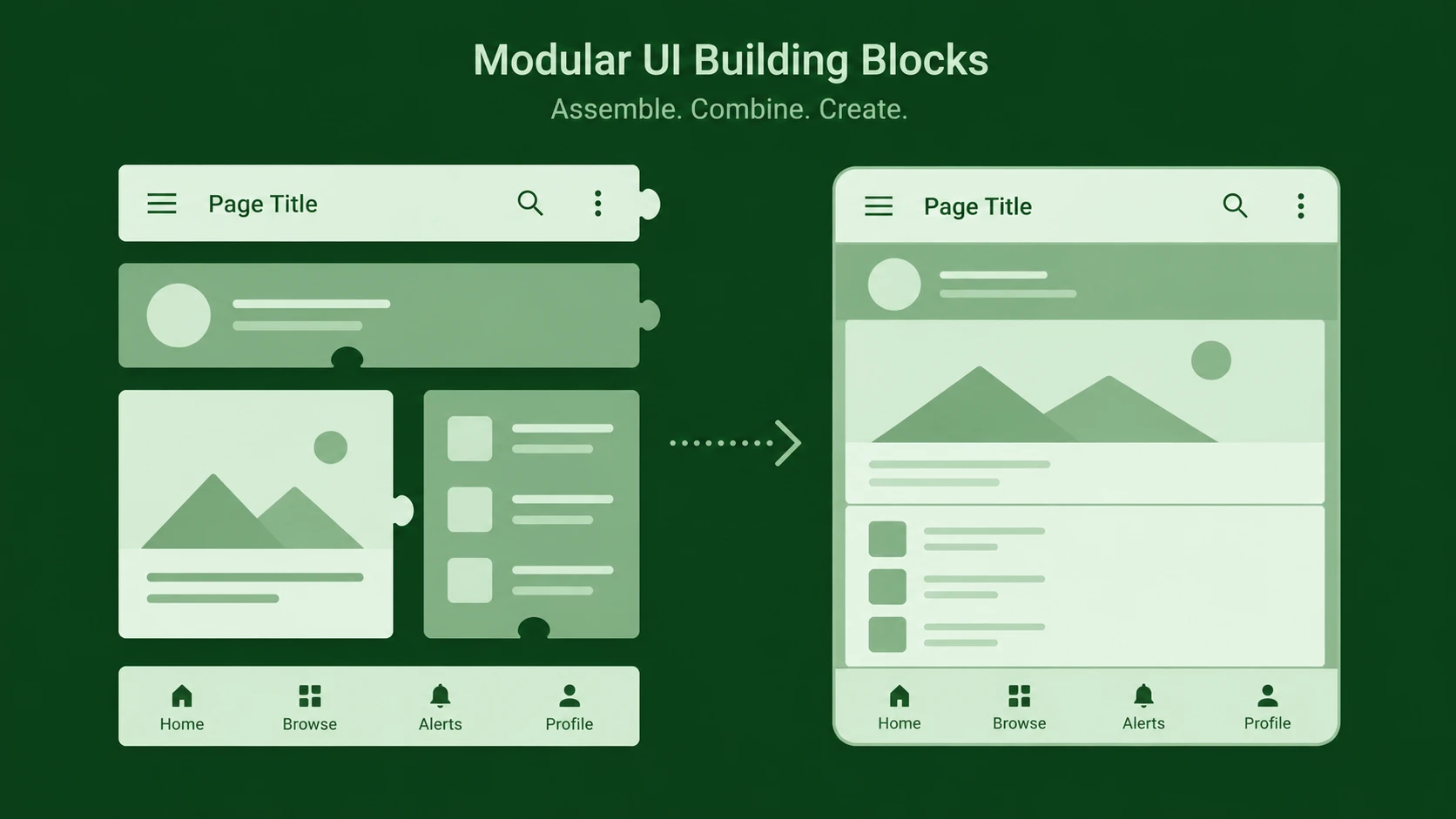
Modular CSS Architectures: Organizing Styles with BEM, SASS, and SMACSS
As enterprise web applications continue growing in size and complexity, maintaining large CSS codebases has become a significant engineering challenge. Methodologies such as BEM, SMACSS, and CSS preprocessors like SASS provide structured approaches for organizing styles, reducing technical debt, and improving long-term maintainability. This article examines these architectural approaches from the perspective of January 2014, exploring how they contribute to scalable front-end engineering and enterprise application development.
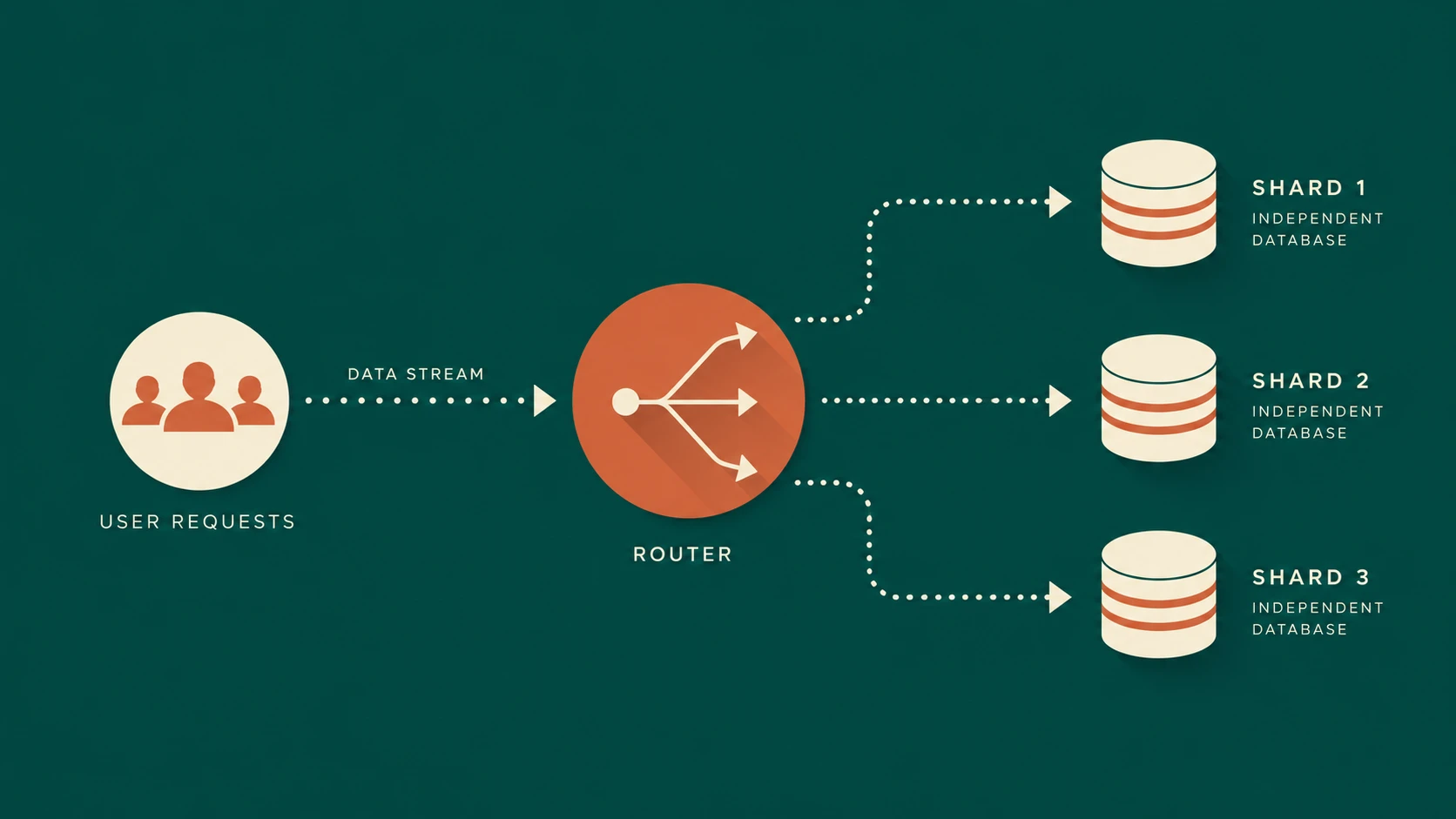
Database Sharding Patterns: Architecting Horizontal Scale-Out for Web SaaS
As Software as a Service platforms continue to grow, vertically scaling a single database server becomes increasingly difficult. This article explores database sharding patterns, shard key selection, routing architectures, operational challenges, and enterprise best practices for building horizontally scalable web applications from the perspective of late 2013.
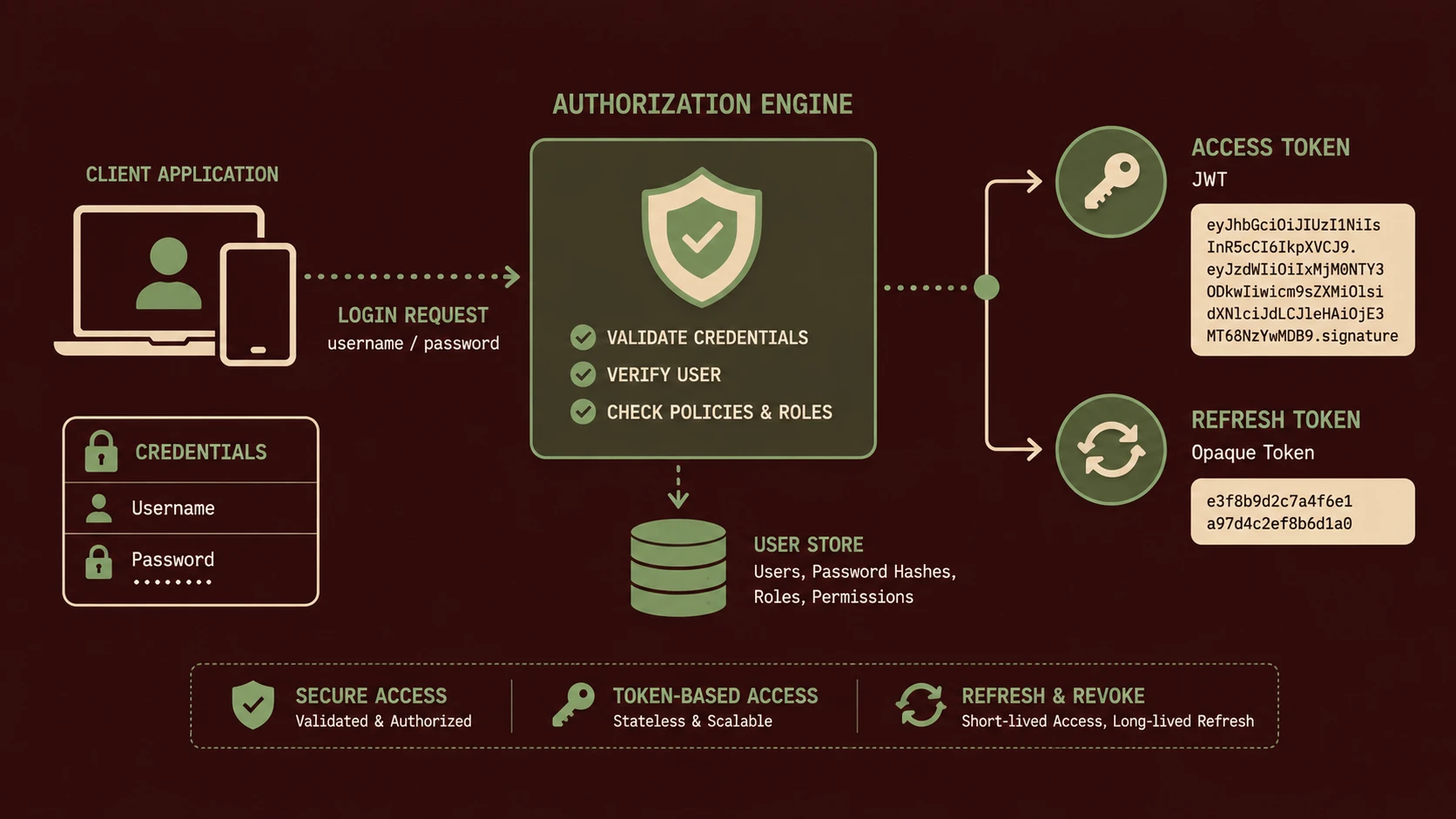
OAuth 2.0 Authorization Server Implementation: Managing Access Tokens and Refresh Tokens
As organizations standardize API security around OAuth 2.0, implementing a robust authorization server becomes a critical architectural responsibility. This article examines authorization server design, token lifecycle management, refresh tokens, security practices, and enterprise deployment considerations from the perspective of October 2013.
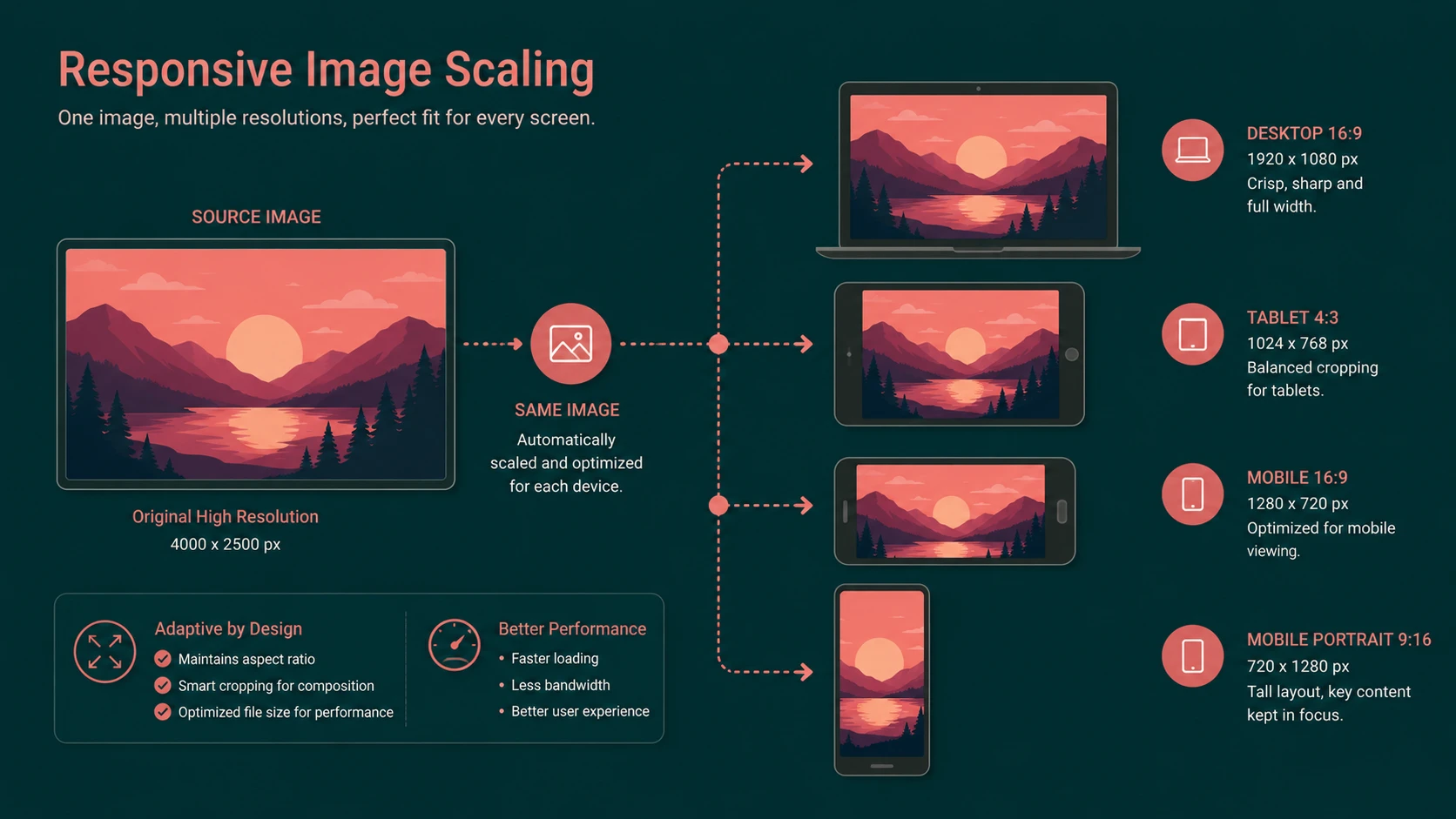
Responsive Images: Navigating the picture Tag, srcset, and Fluid Viewports
As responsive web design becomes mainstream, developers are facing new challenges around efficiently delivering images to smartphones, tablets, and desktop browsers. Emerging standards such as the proposed picture element and srcset attribute seek to address these issues. This article examines responsive image techniques from the perspective of September 2013, exploring current proposals, implementation strategies, performance implications, and enterprise adoption considerations.
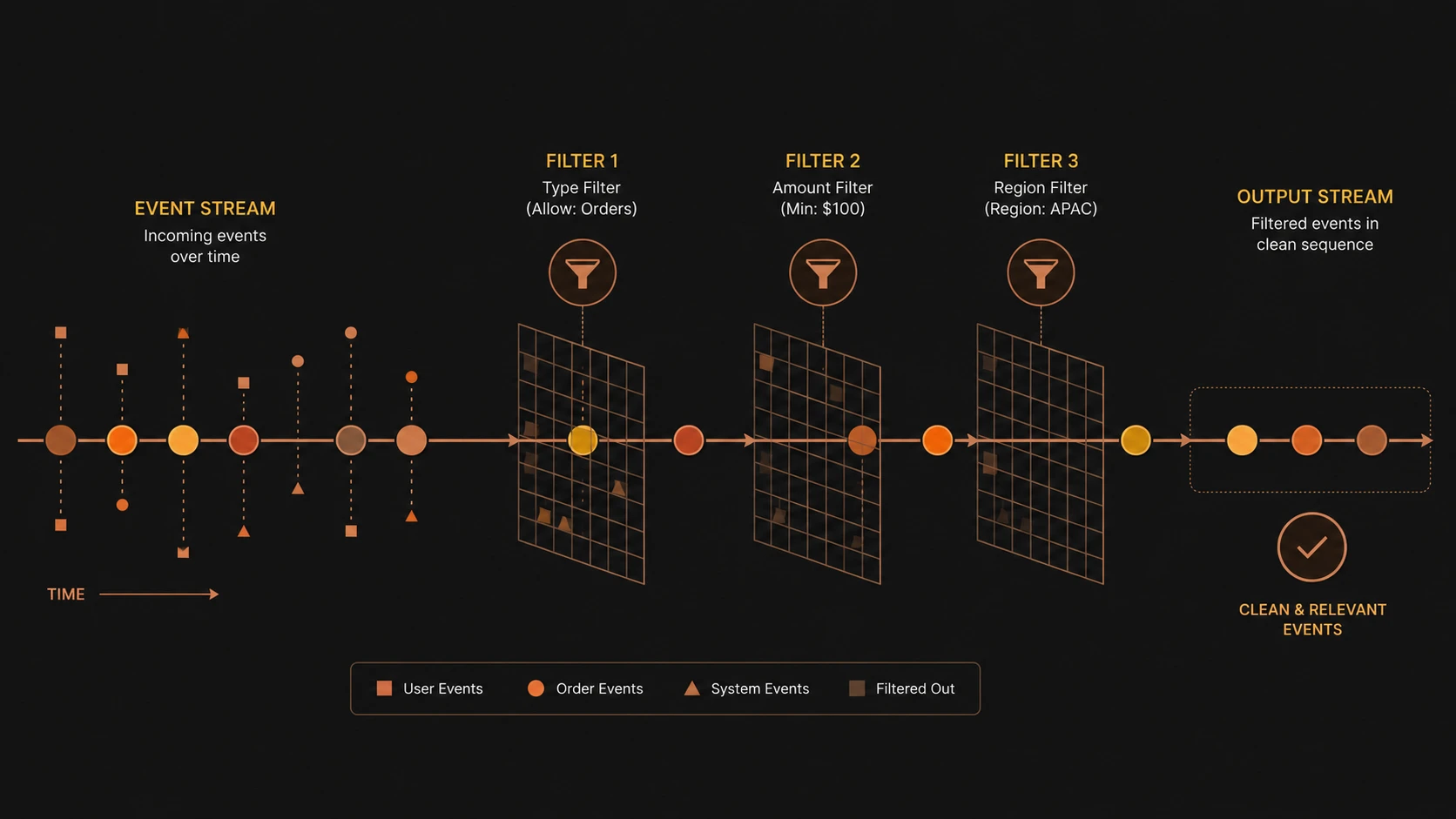
Reactive Extensions (Rx) in C#: Asynchronous Event Stream Processing
Reactive Extensions (Rx) introduces a declarative programming model for composing asynchronous and event-based applications in .NET. By treating events as observable data streams, Rx simplifies complex asynchronous workflows, improves code maintainability, and enables scalable event processing. This article examines Reactive Extensions from the perspective of September 2013, exploring its architecture, enterprise use cases, performance characteristics, and adoption strategies.
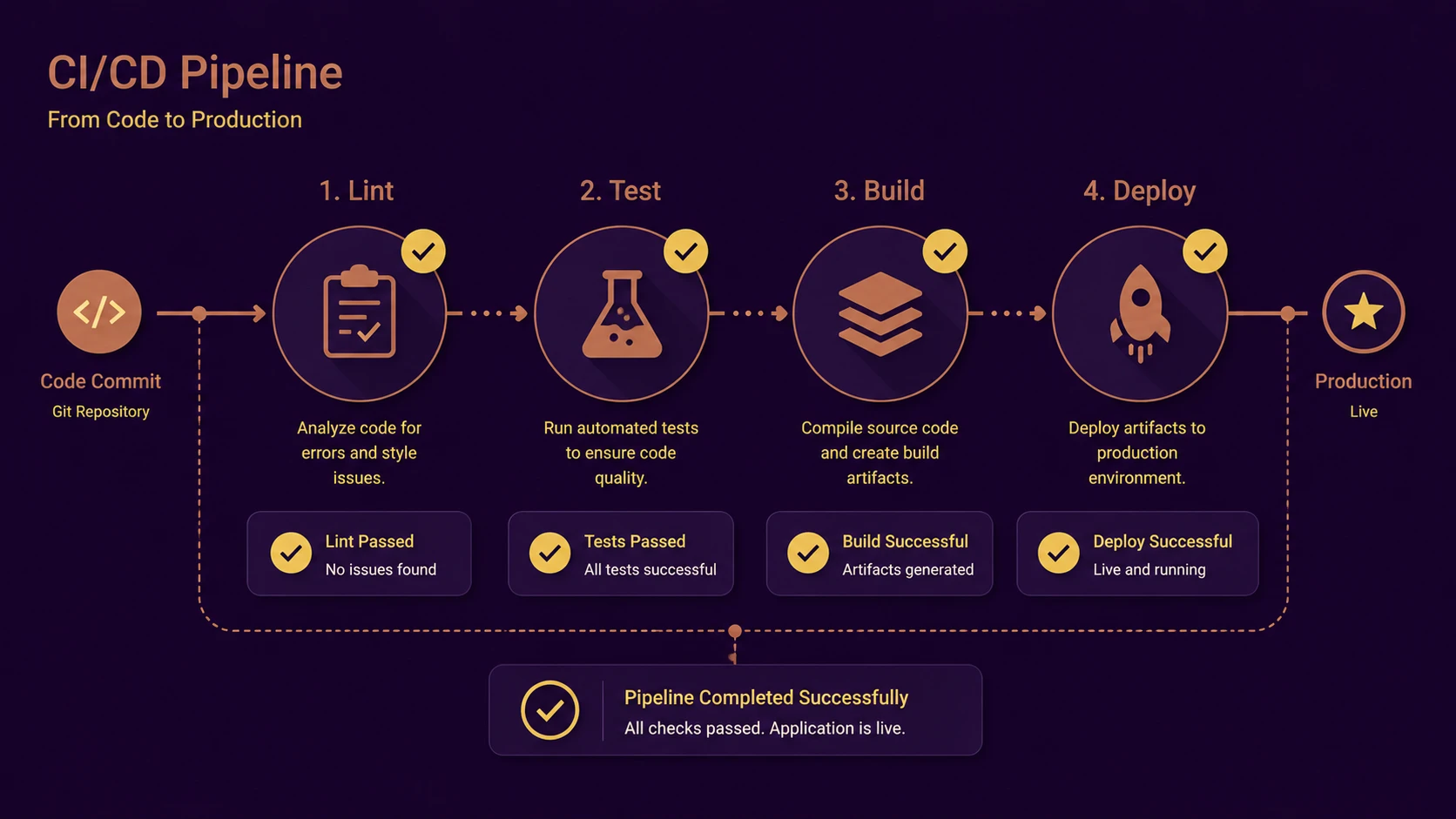
Jenkins CI Pipelines: Automating Unit Testing, Linting, and Artifact Storage
Continuous Integration is becoming a foundational practice for enterprise software development, and Jenkins has emerged as one of the most widely adopted automation servers. This article examines Jenkins from the perspective of August 2013, exploring CI pipeline architecture, automated testing, code quality validation, artifact management, and enterprise adoption strategies.
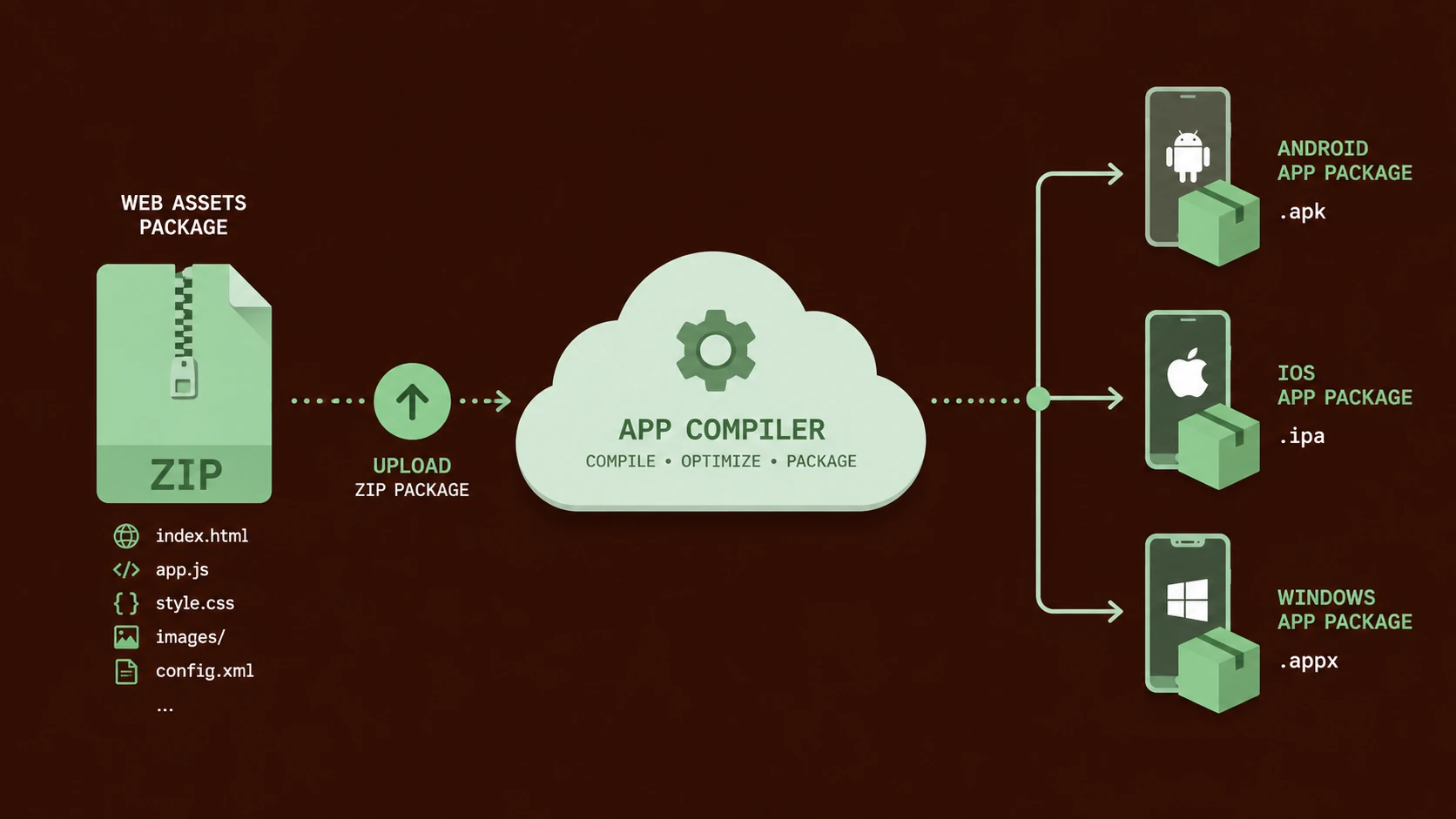
PhoneGap Build: Compiling Cross-Platform Native Packages in the Cloud
PhoneGap Build introduces a cloud-based compilation service that enables developers to package HTML5, CSS3, and JavaScript applications into native mobile applications without maintaining multiple platform-specific SDKs. As enterprise mobility accelerates, PhoneGap Build offers a streamlined approach to cross-platform application deployment. This article examines PhoneGap Build from the perspective of July 2013, exploring its architecture, enterprise use cases, security considerations, and role in modern mobile development.
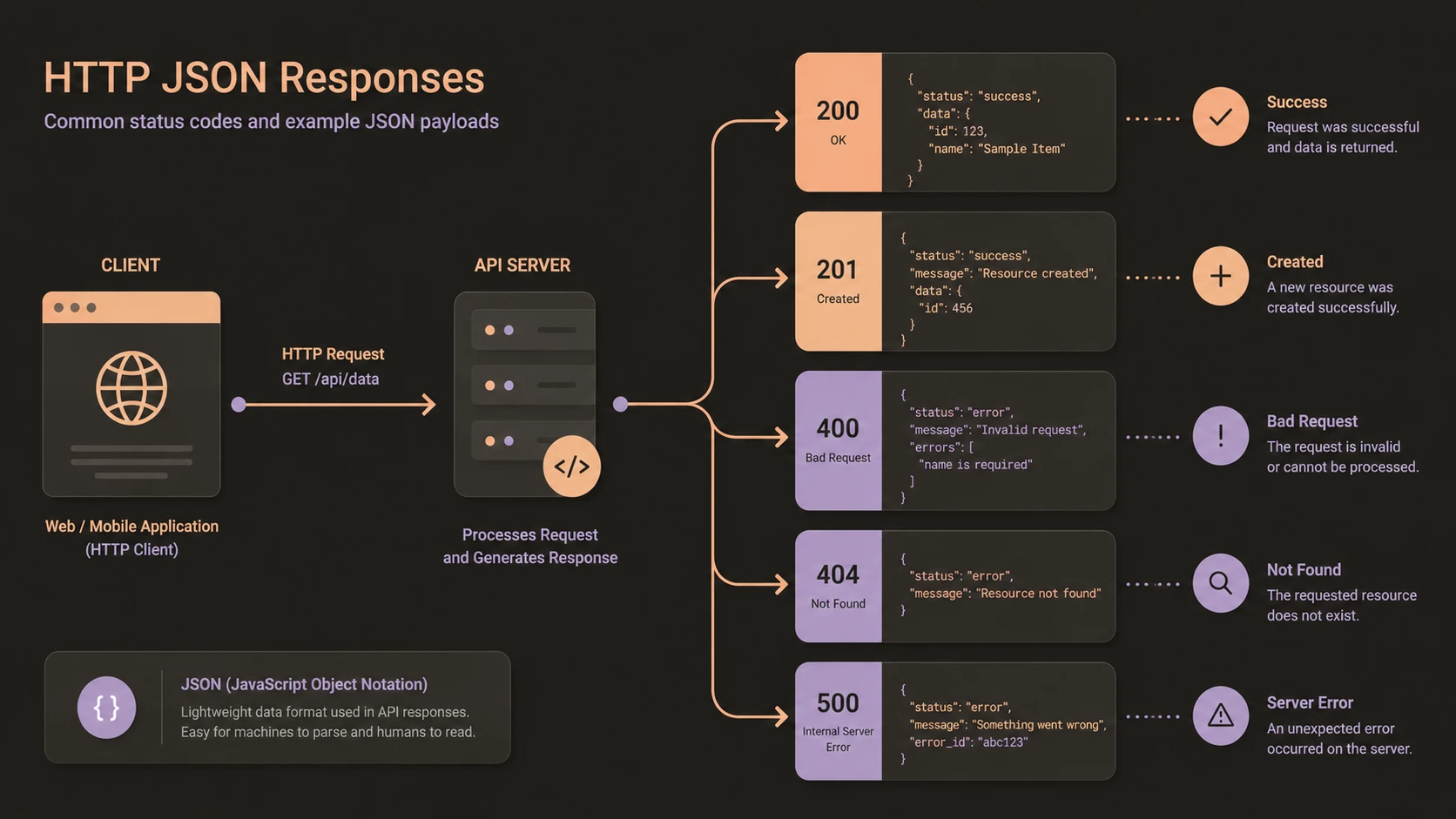
Designing RESTful APIs: Standardizing JSON Status Codes, Hypermedia, and CORS
As RESTful APIs become the foundation of modern web and mobile applications, consistent API design is increasingly important. This article explores REST architecture, JSON response standards, HTTP status codes, hypermedia, and CORS from the perspective of mid-2013, providing practical guidance for enterprise architects and API developers.
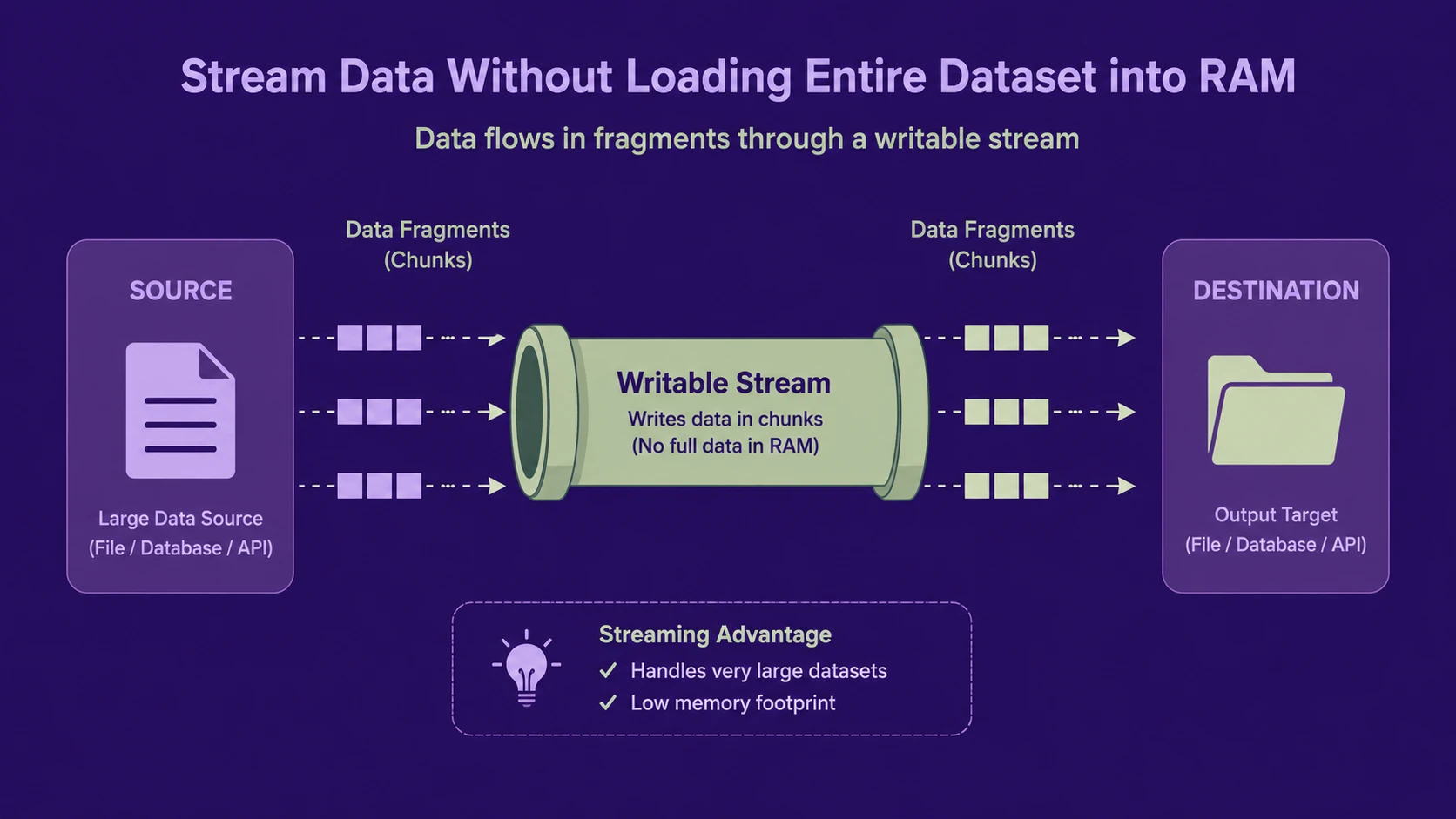
Node.js Streams: Architecting Memory-Efficient Data Processing Pipelines
As Node.js adoption continues to grow for web services and real-time applications, developers are increasingly encountering workloads involving large files, network traffic, and continuous data processing. This article examines Node.js Streams from the perspective of May 2013, exploring their architecture, performance characteristics, enterprise applications, and best practices for building efficient data processing pipelines.
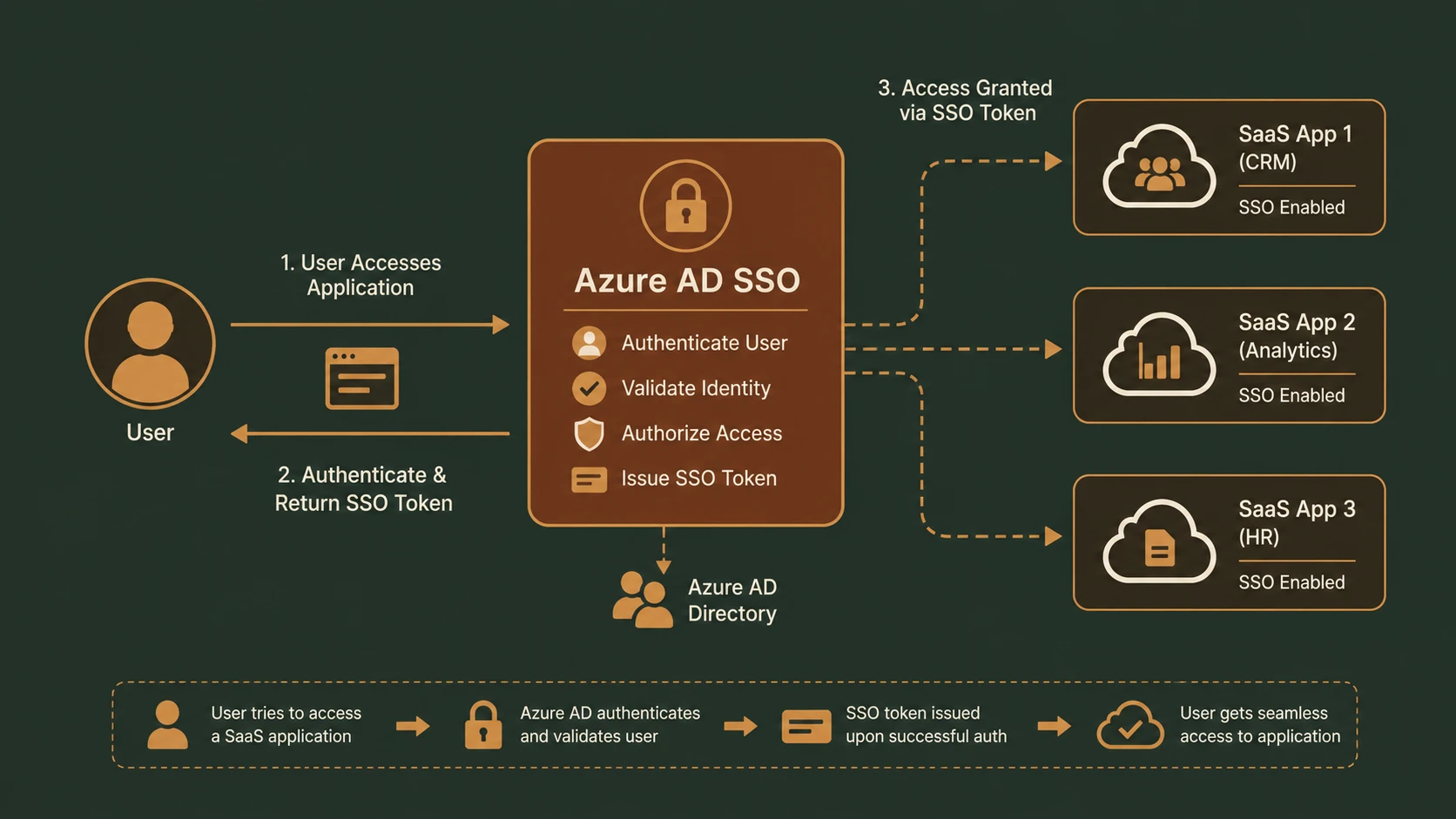
Windows Azure AD: Identity Management and Single Sign-On for Enterprise SaaS
Windows Azure Active Directory introduces Microsoft's cloud-based identity management service, enabling enterprises to extend on-premises Active Directory identities into cloud applications while simplifying authentication and single sign-on. This article examines Windows Azure AD from the perspective of February 2013, exploring its architecture, enterprise integration, security model, and its role in supporting the growing adoption of Software as a Service solutions.
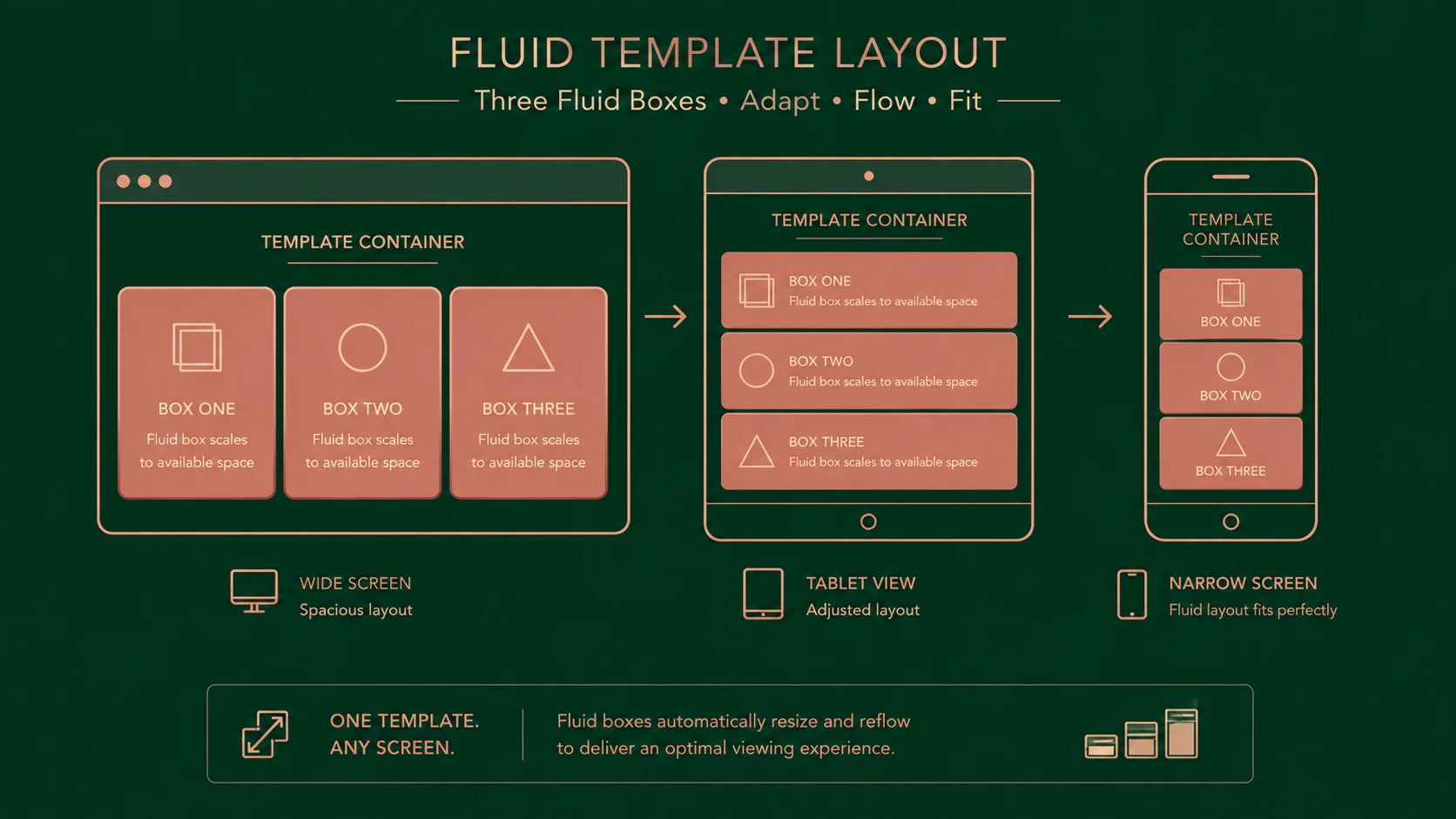
The Responsive Web: Retrospective on Design Standardizations of 2012
Throughout 2012, responsive web design evolved from an experimental development approach into a practical enterprise strategy for supporting desktops, tablets, and smartphones with a unified codebase. Driven by advances in CSS3, HTML5, media queries, fluid layouts, and mobile browser capabilities, responsive design is reshaping how organizations build and maintain modern web applications. This article reviews the major developments of 2012 and examines their enterprise implications from the perspective of December 2012.
C# 5.0 and .NET 4.5: The Async/Await Revolution is Here
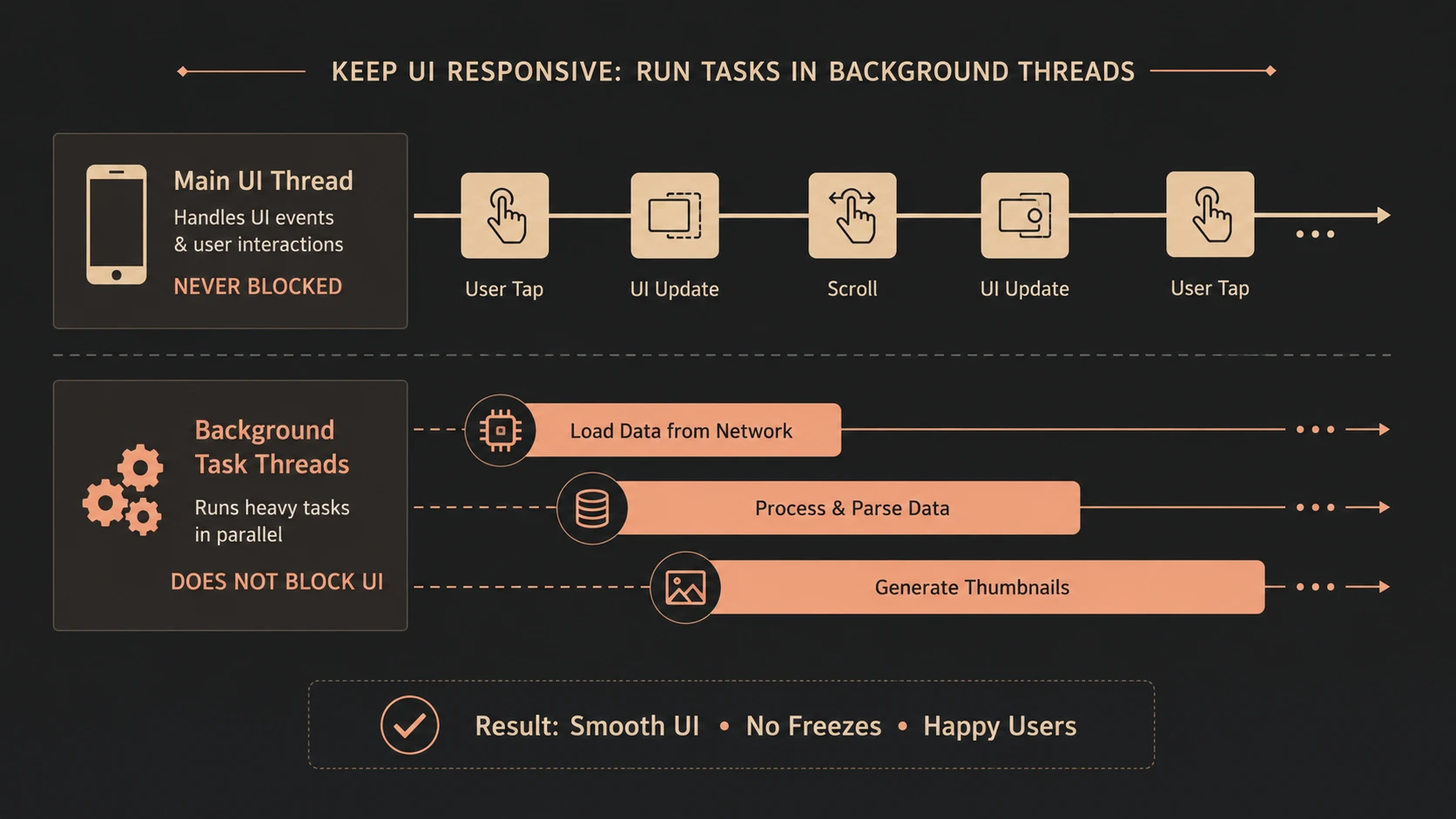
C# 5.0 and .NET Framework 4.5 introduce async and await, significantly simplifying asynchronous programming. This article explores the language features, runtime architecture, enterprise implications, performance considerations, and best practices for adopting asynchronous programming from the perspective of late 2012.
Continuous Delivery: Moving from Sprint Releases to Daily Deploys
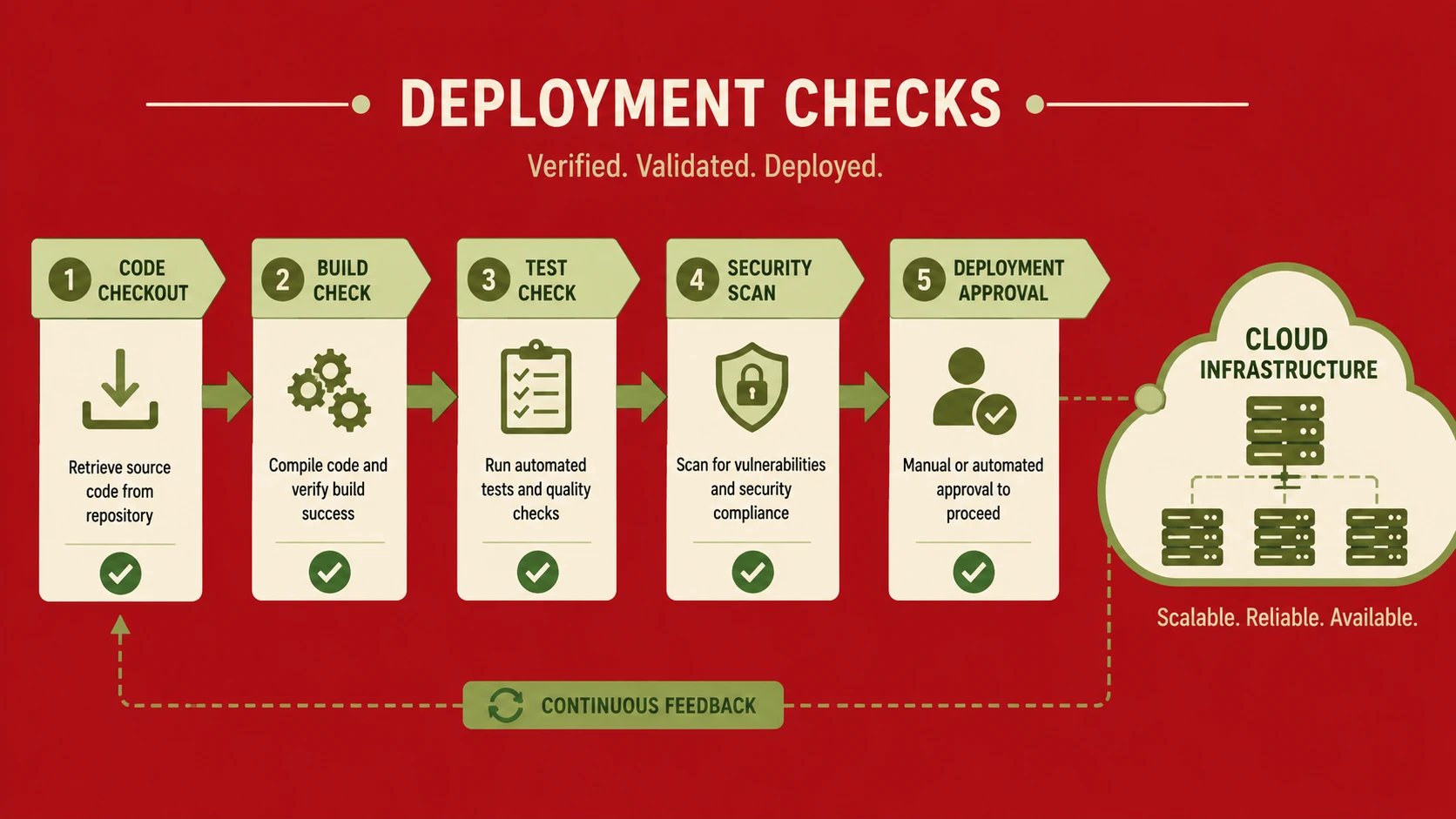
Enterprise software organizations are increasingly seeking faster and more reliable release processes. Continuous Delivery has emerged as a disciplined engineering practice that automates software delivery while reducing deployment risk. This article examines Continuous Delivery from the perspective of November 2012, exploring its architecture, tooling, enterprise benefits, challenges, and adoption strategies.
TypeScript 0.8: Reviewing Microsoft's Open Source Compiler Preview
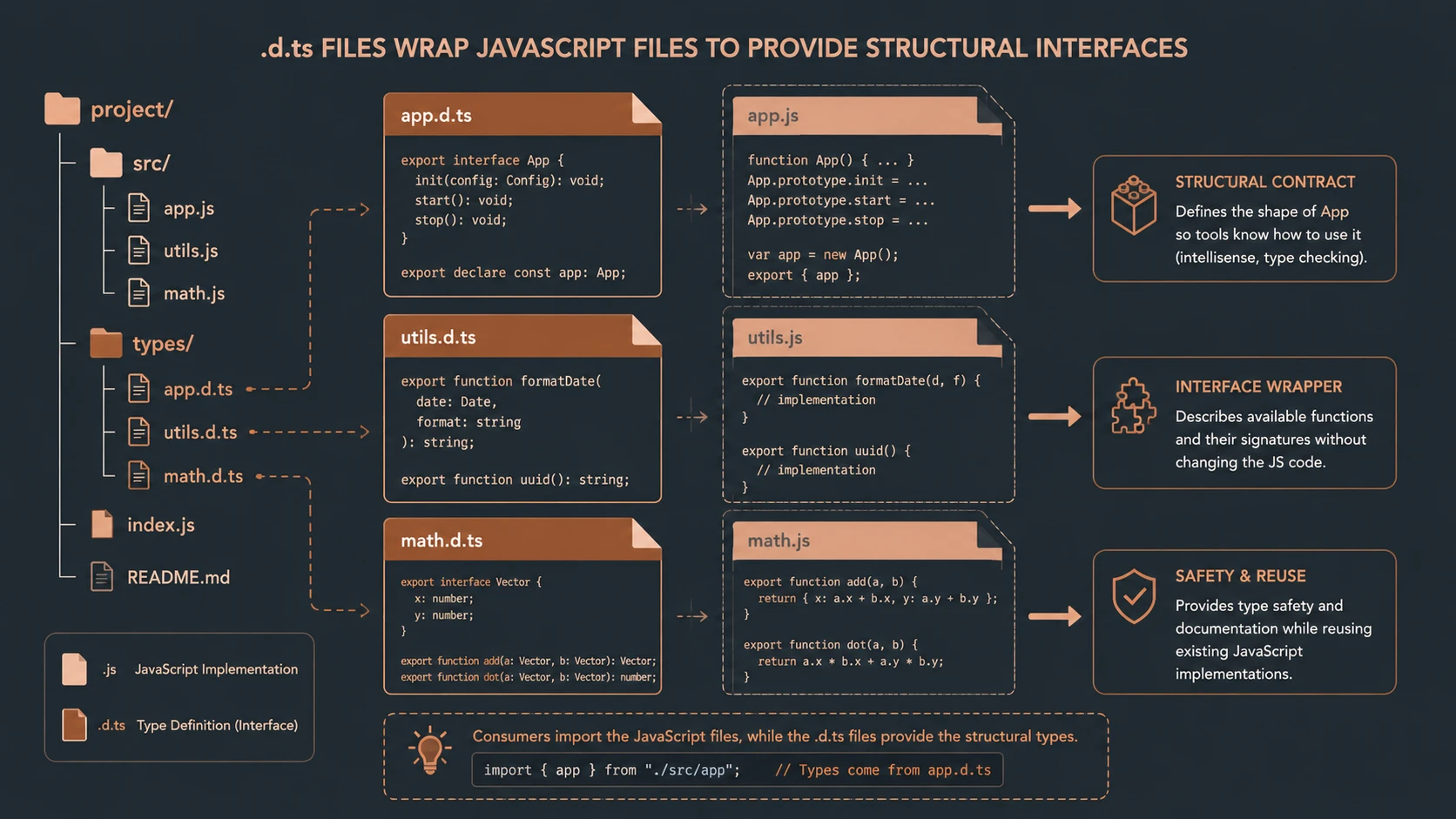
Microsoft has introduced TypeScript 0.8 as an open source language and compiler designed to improve the development of large JavaScript applications. This article examines the language from the perspective of August 2012, exploring its architecture, type system, enterprise use cases, and how it compares with existing JavaScript development practices.